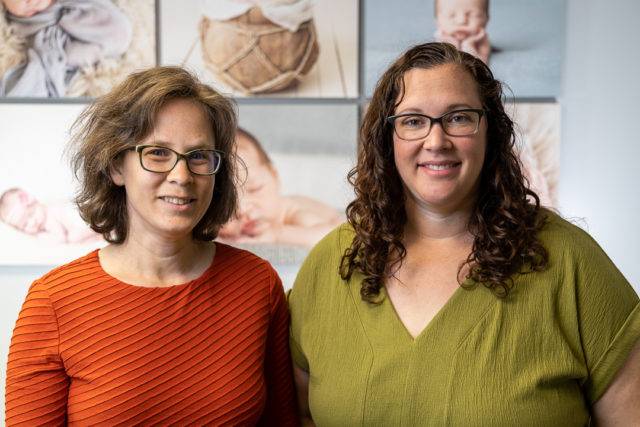
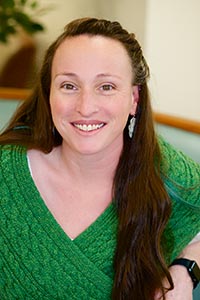
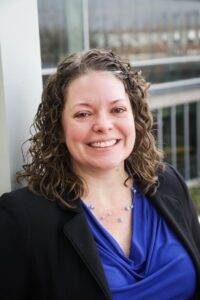
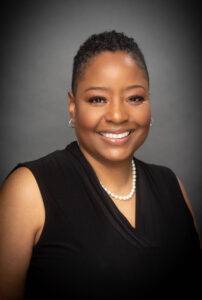
(L to R) Caitlin Hainley, DNP, ARNP-CNM, IBCLC and Emily Zambrano-Andrews, DNP, ARNP-CNM
When your business offers something no one else does, it’s either because you’re ahead of the curve or there’s a reason no one else is doing it. For Drs. Caitlin Hainley and Emily Zambrano-Andrews, both might very well be true.
Fellow Frontier Nursing University (FNU) alumni Hainley, DNP, ARNP-CNM, IBCLC, and Zambrano-Andrews, DNP, ARNP-CNM opened the Des Moines Midwife Collective on September 1, 2021. Their clinic is the first in central Iowa and only the second in the entire state to accept insurance care for homebirth midwifery services. They understand why others don’t accept insurance, but more importantly, they know why Des Moines Midwife Collective does.
“What we really want to do here is bring accessible care,” said Hainley, Companion DNP Class 5. “I want to be the type of midwife I wish had been around when I was having babies. I want to be open to all socioeconomic demographics.”
“We want to give women access to care and to serve women of all backgrounds,” said Zambrano-Andrews, Companion DNP Class 5. “That’s hard to do when you are cash pay only and don’t take insurance.”
So hard to do, in fact, that the only other clinic in the state that accepts insurance for home birth midwifery care is a Federally Qualified Health Center (FQHC) located in the northwest corner of the state, approximately four hours from Des Moines.
Without insurance, Hainley said home birth costs between $6,000 and $7,000 and must be paid upfront in cash. “That prices out so many of our population,” she said. “Those lower socioeconomic groups are really at a disadvantage at finding midwifery home birth care.”
Hainley and Zambrano-Andrews come by their passion to serve women of all ethnic and socioeconomic backgrounds honestly. Included in the insurances they accept is Medicaid.
“Medicaid reimbursement is not always very high, but it’s just important for us to provide access,” Hainley said. “We were once the Medicaid moms looking for midwives. We have both been poor. We’ve both been on Medicaid and food stamps. Accessing kind, respectful, equitable care is important to us because we’ve been there.”
Both of these Iowa midwives were born and raised in rural Iowa but took different routes to arrive where they are today. Zambrano-Andrews gave birth to her first child when she was 19. It was an experience that forged her path to becoming a nurse-midwife.
“I was on state insurance so I felt like I had to go to one place,” Zambrano-Andrews said. “A nurse practitioner gave me most of my care, but then my delivery was with an OB and that was not the most pleasant experience. I decided I wanted to go to nursing school after I had my daughter. I wanted to be a labor delivery nurse to be supportive of women.”
One of Zambrano-Andrews’ instructors in nursing school was FNU graduate Ann Ersland, MSN, Class 32.
“She was my motivator and my mentor,” Zambrano-Andrews said. “She was a huge influence to me. Doing clinicals with her and learning what midwives do and what the difference is between midwives and OB physicians was fascinating. I knew someday I wanted to be a midwife but I felt like I just needed to do nursing for a while to get experience.”
Zambrano-Andrews was a nurse for 10 years at a small-town hospital before deciding it was time to become a midwife.
“At that time I had two children,” she said. “After I went to my orientation week for Frontier I found out I was pregnant with my third. I decided to push through and do school. When I started my DNP program I found out I was pregnant with my fourth.”
With few jobs available after the fellowship, Zambrano-Andrews took a hospital-based midwifery position but found it unsatisfying compared to her out-of-hospital work. That’s when she reconnected with her former FNU classmate Hainley, who was working at Primary Healthcare, an FQHC that served a large uninsured and underinsured population.
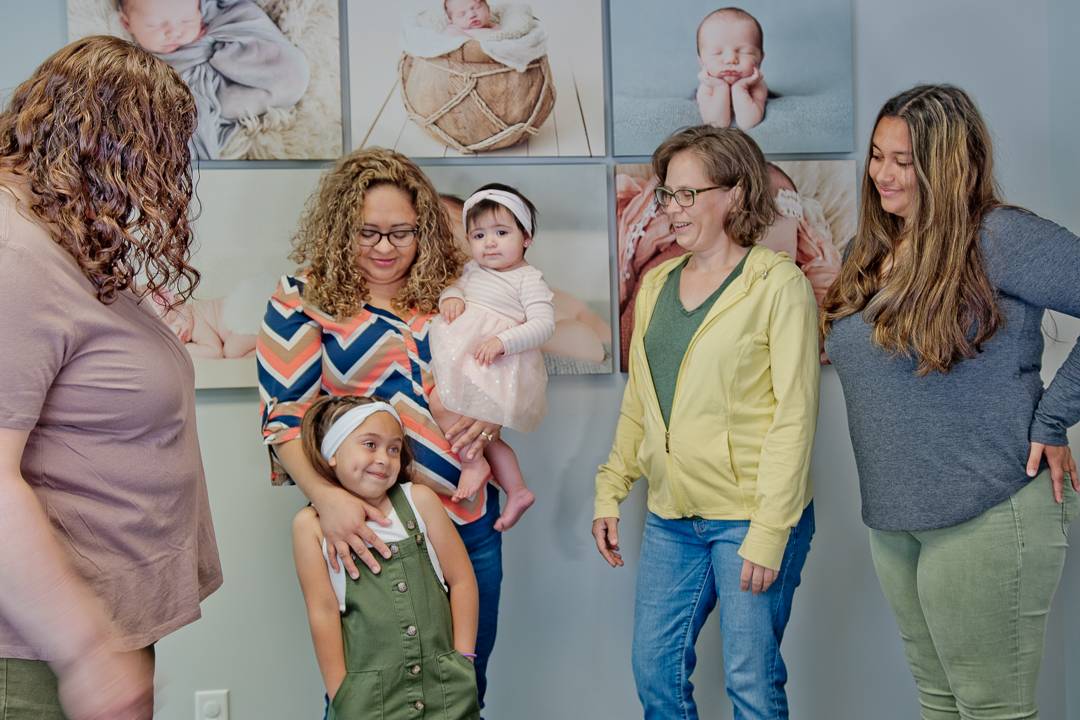 Unlike Zambrano-Andrews, Hainley did not stay in Iowa after finishing high school. She spent some time traveling along the east coast and taking classes at community colleges. She ultimately went to Harding University in Arkansas, where she met her husband and graduated with a degree in English. She and her husband then moved to China for five years. She taught British and American literature at a university there, then got involved in pregnancy and birth education.
“I basically helped any foreigner in our area of China who needed help navigating the Chinese hospital system during pregnancy, birth, or lactation,” Hainley said. “I had a doula business. I got really interested in women’s health.”
The couple moved back to Iowa in 2011 and Hainley immediately began taking classes to become an RN. After graduating, she started at FNU in 2014, ultimately going into the DNP program with Zambrano-Andrews.
“We met when I was finishing my RN,” Hainley said. “Emily had already been a nurse for about 10 years at that point and she was getting ready to go back to midwifery school and I knew I was going to midwifery school. We were both in love with home birth. We had home births ourselves and we talked about how we wanted to do home birth when we graduated. We were in many of the same classes in school and we worked together our last two years before we opened our own clinic.”
The decision to open their own clinic was not only the fulfillment of a dream but also the opportunity to put into place some ideas that had been percolating for years. Both had experienced the lack of access to the type of care they wanted and were determined to offer that very service to the women in their community.
“There were times throughout my own pregnancies and births where I could not access affordable care. I ended up having two babies at home without a midwife, just because of the lack of access to care,” Hainley said. “Because we had been there ourselves, we had a lot of great ideas but we didn’t have the power at our previous place of employment to enact them. So, we finally said, if they are such great ideas, let’s just take them and build them ourselves.”
They did a business plan and knew what they wanted their clinic to look and feel like. There was plenty they didn’t know, but they jumped in with both feet and hit the ground running. In the months since opening, they have learned much and recognize they have much more to learn. They deal with the challenges of accepting insurance willingly while acknowledging the challenges it presents.
“Taking insurance costs a lot,” Hainley said. “You have to have malpractice insurance, which costs a lot. Some of the home birth midwives don’t have that because they don’t take insurance and they don’t have to have it. You have to have good billers. All of this costs money and time, so I understand why they don’t. It is a struggle to bring that valued home birth care to an affordable setting. But it’s worth it. It’s worth it for every person’s life who is touched by that care.”
“Hopefully we’re improving health outcomes for our state and our community,” Zambrano-Andrews added. “There’s a lot of places where women got prenatal care here that have closed their doors. They have to drive a long way to get care. I feel like midwifery care, in general, has more of a wellness approach so I’m hoping that community health improves by what we’re doing here.”
Not only is the Des Moines Midwife Collective unique in its willingness to accept insurance, but it is also the first free-standing lactation clinic in the state of Iowa. Hainley has her International Board of Lactation Consultant certification and ZambranoAndrews is working toward hers.
Currently, they have no staff other than themselves. They function not only as the nurse-midwives, but also the receptionists, schedulers, greeters, and billers.
“It’s so costly to provide affordable care, but it’s worth it to us,” Hainley said. “We are building something for future generations and we’re building something to prove it can be done. We get to do that together and it’s really a great thing to have a partner in this.”
In the clinic, they do prenatal visits, lactation appointments, and women’s healthcare. In the home, they do births, 36-week prenatal visits, and a 24-hour postpartum visit. Some lactation visits are also offered in the home. Their years of experience in the community have helped them make multiple connections in the event of cases in which medical care in a hospital setting is required.
Both Hainley and Zambrano-Andrews are thankful for the preparation provided to them by FNU. They were both drawn to FNU’s history and community-based emphasis.
“I picked Frontier because they were more community-based,” Zambrano-Andrews said. “I felt like their focus on supporting birth centers was what really drew me to Frontier versus other programs.”
“They have such a great community background and they have a great emphasis on building community,” Hainley added. “They have such an emphasis on community and that fits really well with what we’re doing. Some of that was fostered and grown by how Frontier runs its program.”
The Des Moines Midwife Collective has received great support since its opening and has been welcomed by other midwives in the area. While the learning curve of owning a business has been steep and some challenges still loom, it has all been worth it so far.
“We have very appreciative clients who are so amazed that we are here and are taking insurance so they can have the desired birth they want,” Zambrano-Andrews said.
“You sacrifice for what’s important to you,” Hainley said. “It’s more than just putting a sign in a yard. It’s living a life that is meaningful even if nobody knows what you’re doing. It’s a sacrifice for what’s important.”
Learn more about the Des Moines Midwife Collective at www.midwifedesmoines.com. You can learn more about FNU’s Certified Nurse-Midwifery program by visiting our website.
Editor’s Note: During the course of the interview, Hainley and Zambrano-Andrews expressed their gratitude for so many people who have helped them and made sacrifices to aid them in this journey. In particular, they wanted to acknowledge their families and say, “Thank you to our friends and family who have helped us along the way.”
Zambrano-Andrew’s family includes her husband Jesus Zambrano, whom she calls “her biggest supporter. If I didn’t have him, I don’t know if I’d be a midwife.” Together they have five children: Mina, Olivia, Elio, Giselle, and Elena.
Hainley and her husband Matt have four children: Juliet, Zella, Snowden, and Gemma. She also wanted to express her appreciation for her parents, Royce and Lisa. “My dad did so much contracting and manual labor work for us,” she said. “It wouldn’t have looked as pretty if he wasn’t involved. And my mom has helped paint and has taken up all the slack while my dad helps us.”

 The past two years have shown us: Public health is critical. That’s why Frontier Nursing University (FNU) is excited to be a part of the 27th National Public Health Week, celebrated April 4-10.
 With more than 3.8 million registered nurses in the U.S., nurses comprise the largest component of the nation’s healthcare workforce. Kentucky is not alone in its need for more nurses. The shortage extends to every state and well beyond our borders.
  Episode 2: What the Heck is an RCF?
 Frontier Nursing University (FNU) in Versailles, Kentucky, has been recognized as a Gold
  A PBS documentary exploring the founding of Frontier Nursing Service (FNS) will premiere Monday, Oct. 11, at 9 p.m. EST on Kentucky Educational Television (KET) and Wednesday, Oct. 13, at 7 p.m. EST on KET2.
 “I started the
 In an effort to create even stronger interaction and connection between students and faculty, FNU’s Professional Organization Mentoring Program (POMP) was created in 2018. POMP matches FNU faculty with underrepresented


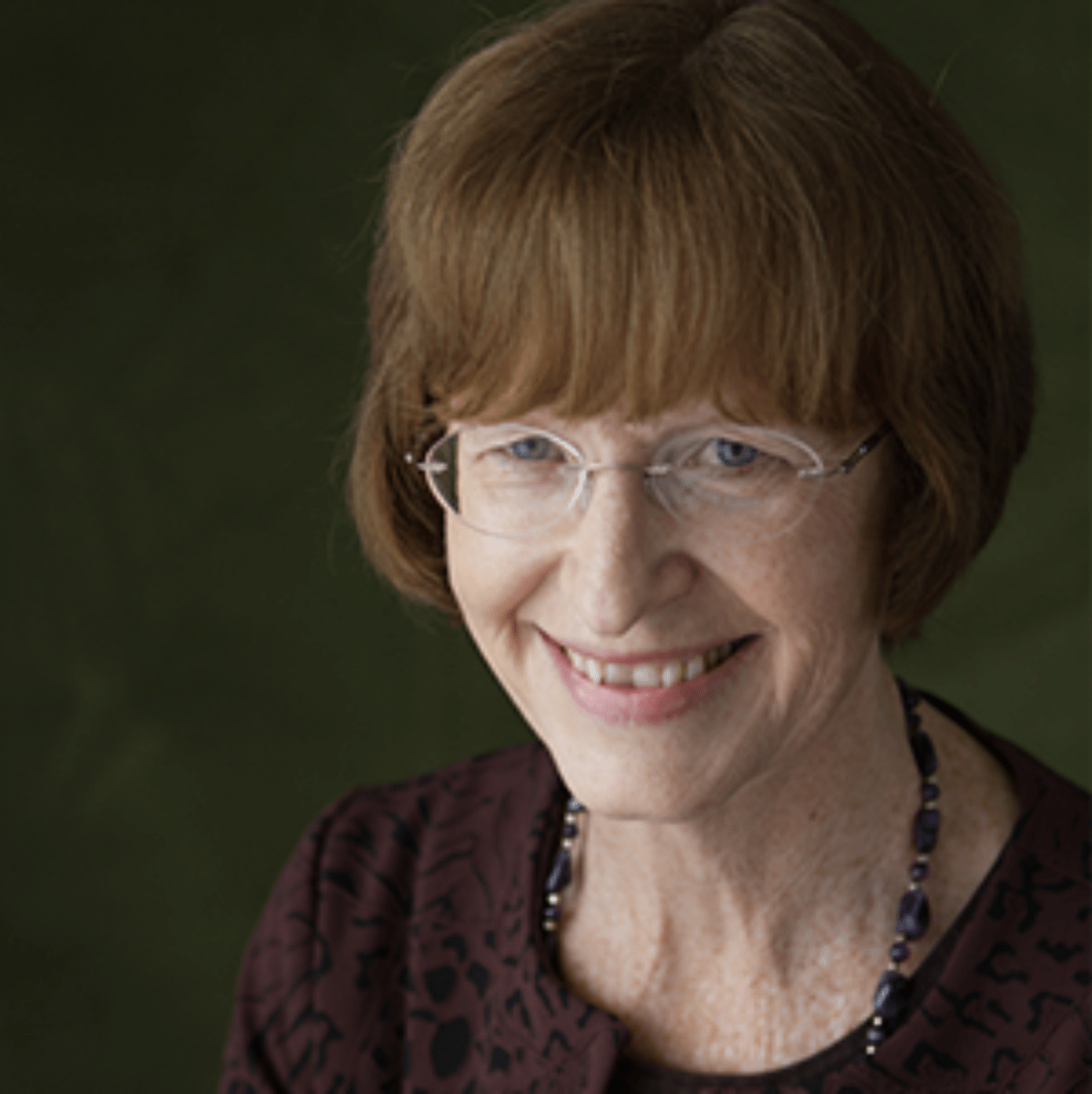
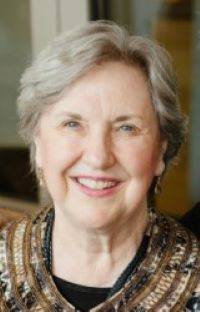
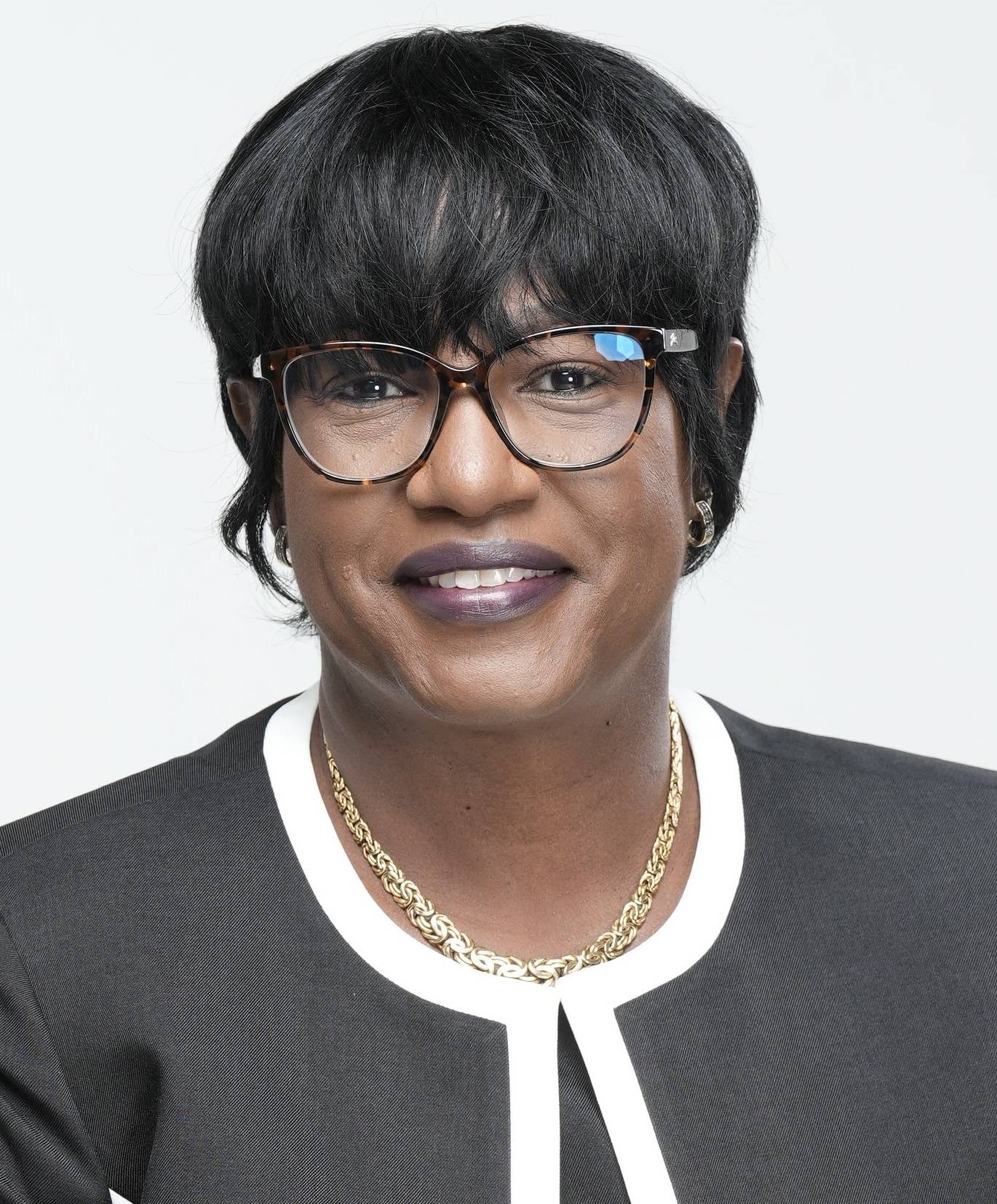

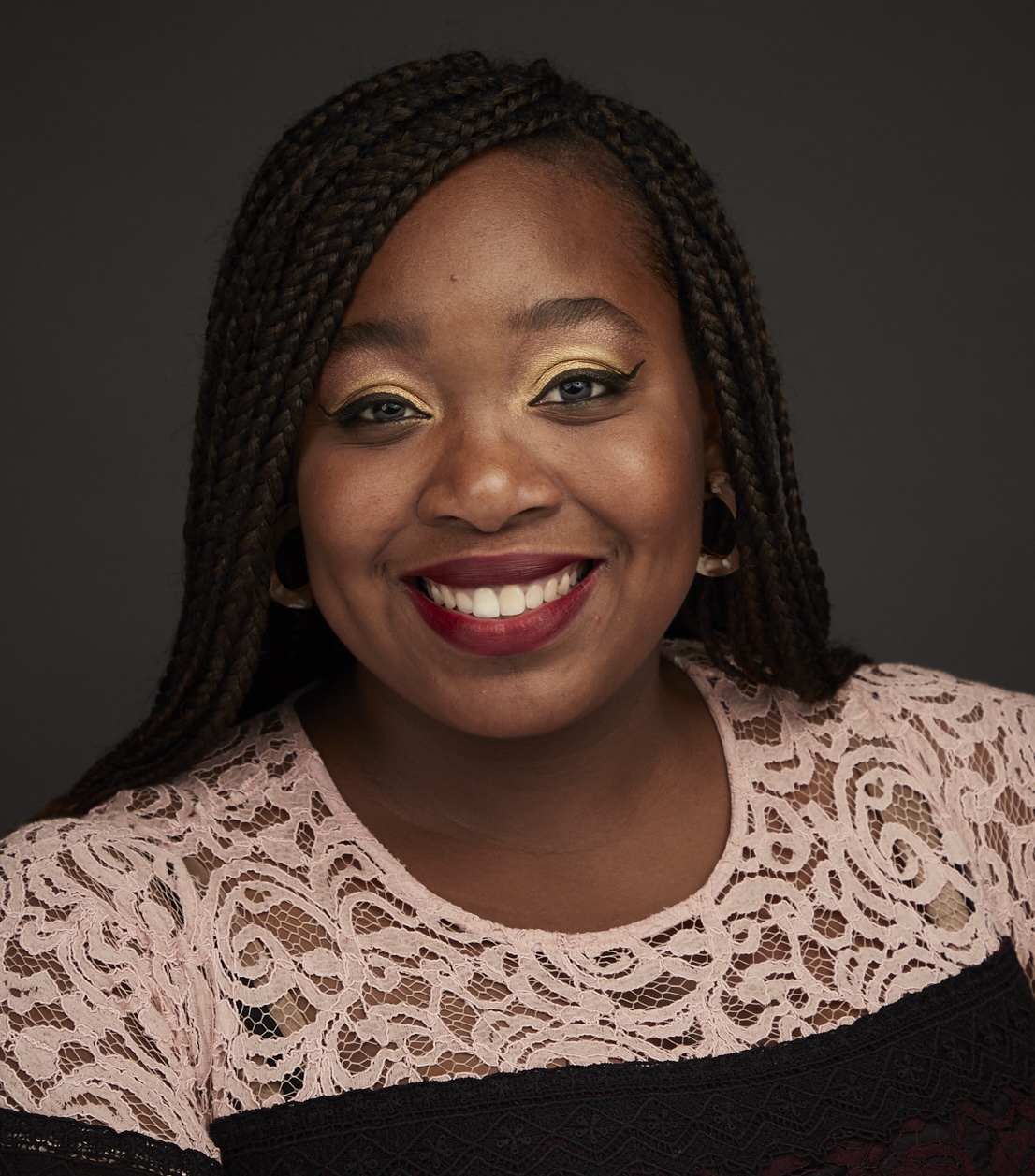

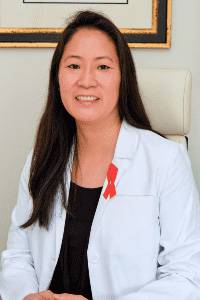 Carrie Belin is an experienced board-certified Family Nurse Practitioner and a graduate of the Johns Hopkins DNP program, Johns Hopkins Bloomberg School of Public Health, Georgetown University School of Nursing, and Johns Hopkins School of Nursing. She has also completed fellowships at Georgetown and the University of California Irvine.
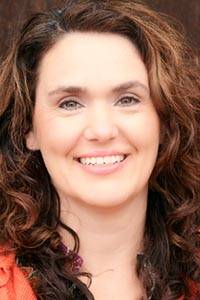 Angie has been a full-scope midwife since 2009. She has experience in various birth settings including home, hospital, and birth centers. She is committed to integrating the midwifery model of care in the US. She completed her master’s degree in nurse-midwifery at Frontier Nursing University (FNU) and her Doctorate at Johns Hopkins University. She currently serves as the midwifery clinical faculty at FNU. Angie is motivated by the desire to improve the quality of healthcare and has led quality improvement projects on skin-to-skin implementation, labor induction, and improving transfer of care practices between hospital and community midwives. In 2017, she created a short film on skin-to-skin called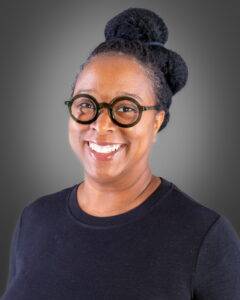

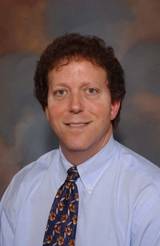
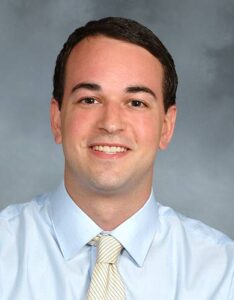
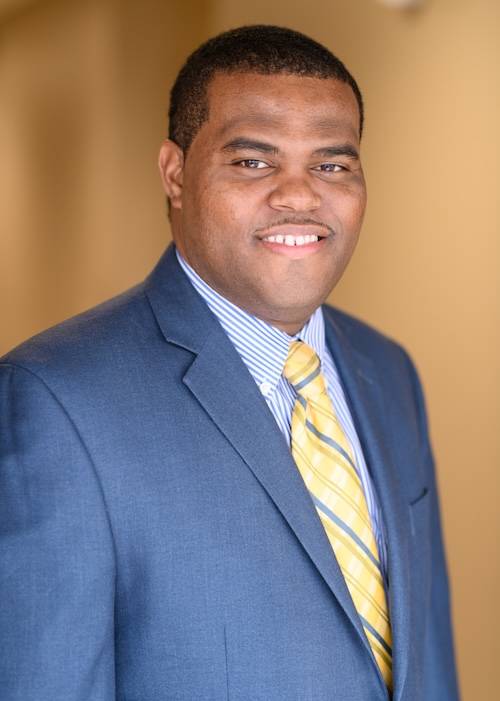
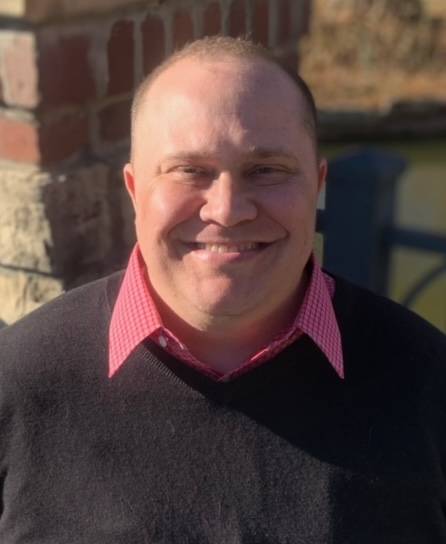 Justin C. Daily, BSN, RN, has ten years of experience in nursing. At the start of his nursing career, Justin worked as a floor nurse on the oncology floor at St. Francis. He then spent two years as the Director of Nursing in a small rural Kansas hospital before returning to St. Francis and the oncology unit. He has been in his current position as the Chemo Nurse Educator for the past four years. He earned an Associate in Nurse from Hutchinson Community College and a Bachelor of Science in Nursing from Bethel College.
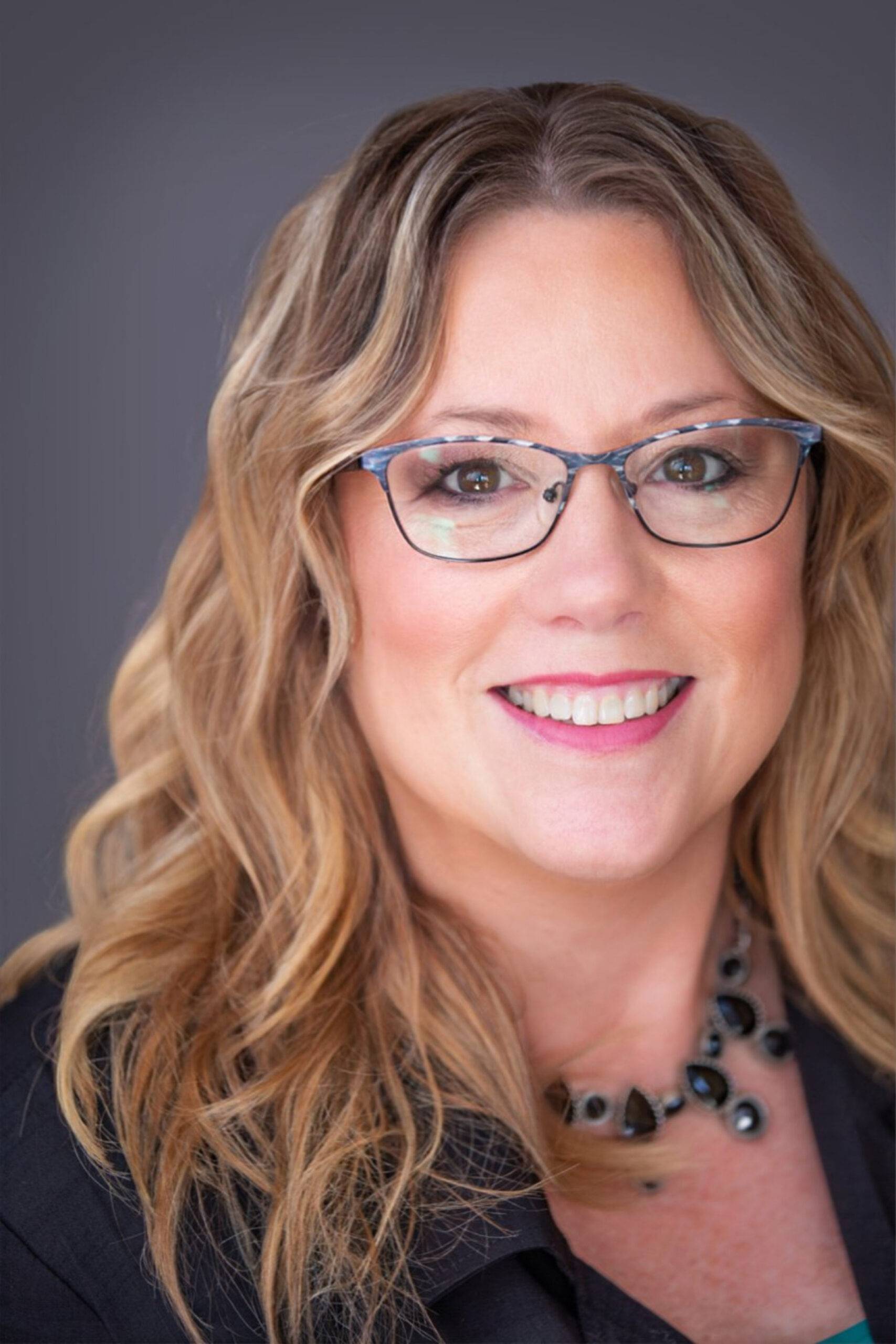 Brandy Jackson serves as the Director of Undergraduate Nursing Programs and Assistant Educator at Wichita State University and Co-Director of Access in Nursing. Brandy is a seasoned educator with over 15 years of experience. Before entering academia, Brandy served in Hospital-based leadership and Critical Care Staff nurse roles. Brandy is passionate about equity in nursing education with a focus on individuals with disabilities. Her current research interests include accommodations of nursing students with disabilities in clinical learning environments and breaking down barriers for historically unrepresented individuals to enter the nursing profession. Brandy is also actively engaged in Interprofessional Education development, creating IPE opportunities for faculty and students at Wichita State. Brandy is an active member of Wichita Women for Good and Soroptimist, with the goal to empower women and girls. Brandy is a TeamSTEPPS master trainer. She received the DASIY Award for Extraordinary Nursing Faculty in 2019 at Wichita State University.
  Dr. Sabrina Ali Jamal-Eddine is an Arab-disabled queer woman of color with a PhD in Nursing and an interdisciplinary certificate in Disability Ethics from the University of Illinois Chicago (UIC). Dr. Jamal-Eddine’s doctoral research explored spoken word poetry as a form of critical narrative pedagogy to educate nursing students about disability, ableism, and disability justice. Dr. Jamal-Eddine now serves as a Postdoctoral Research Associate in UIC’s Department of Disability and Human Development and serves on the Board of Directors of the National Organization of Nurses with Disabilities (NOND). During her doctoral program, Sabrina served as a Summer Fellow at a residential National Endowment of the Humanities (NEH) Summer Institute at Arizona State University (2023), a summer fellow at Andrew W. Mellon’s National Humanities Without Walls program at University of Michigan (2022), a Summer Research Fellow at UC Berkeley’s Othering & Belonging Institute (2021), and an Illinois Leadership Education in Neurodevelopmental and related Disabilities (LEND) trainee (2019-2020).
 Vanessa Cameron works for Vanderbilt University Medical Center in Nursing Education & Professional Development. She is also attending George Washington University and progressing towards a PhD in Nursing with an emphasis on ableism in nursing. After becoming disabled in April 2021, Vanessa’s worldview and perspective changed, and a recognition of the ableism present within healthcare and within the culture of nursing was apparent. She has been working since that time to provide educational foundations for nurses about disability and ableism, provide support for fellow disabled nursing colleagues, and advocate for the disabled community within healthcare settings to reduce disparities.
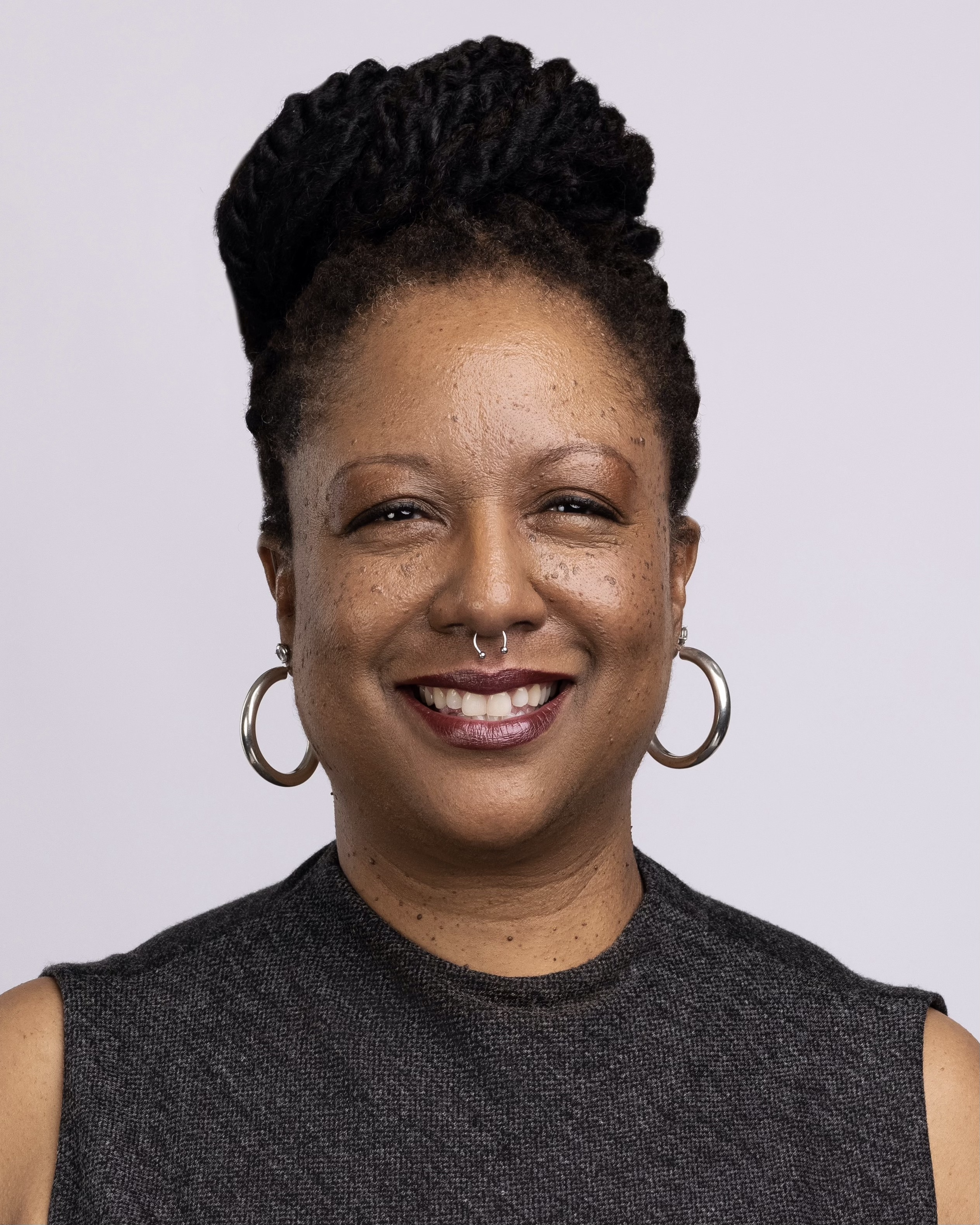 Dr. Lucinda Canty is a certified nurse-midwife, Associate Professor of Nursing, and Director of the Seedworks Health Equity in Nursing Program at the University of Massachusetts Amherst. She earned a bachelor’s degree in nursing from Columbia University, a master’s degree from Yale University, specializing in nurse-midwifery, and a PhD from the University of Connecticut. Dr. Canty has provided reproductive health care for over 29 years. Her research interests include the prevention of maternal mortality and severe maternal morbidity, reducing racial and ethnic health disparities in reproductive health, promoting diversity in nursing, and eliminating racism in nursing and midwifery.
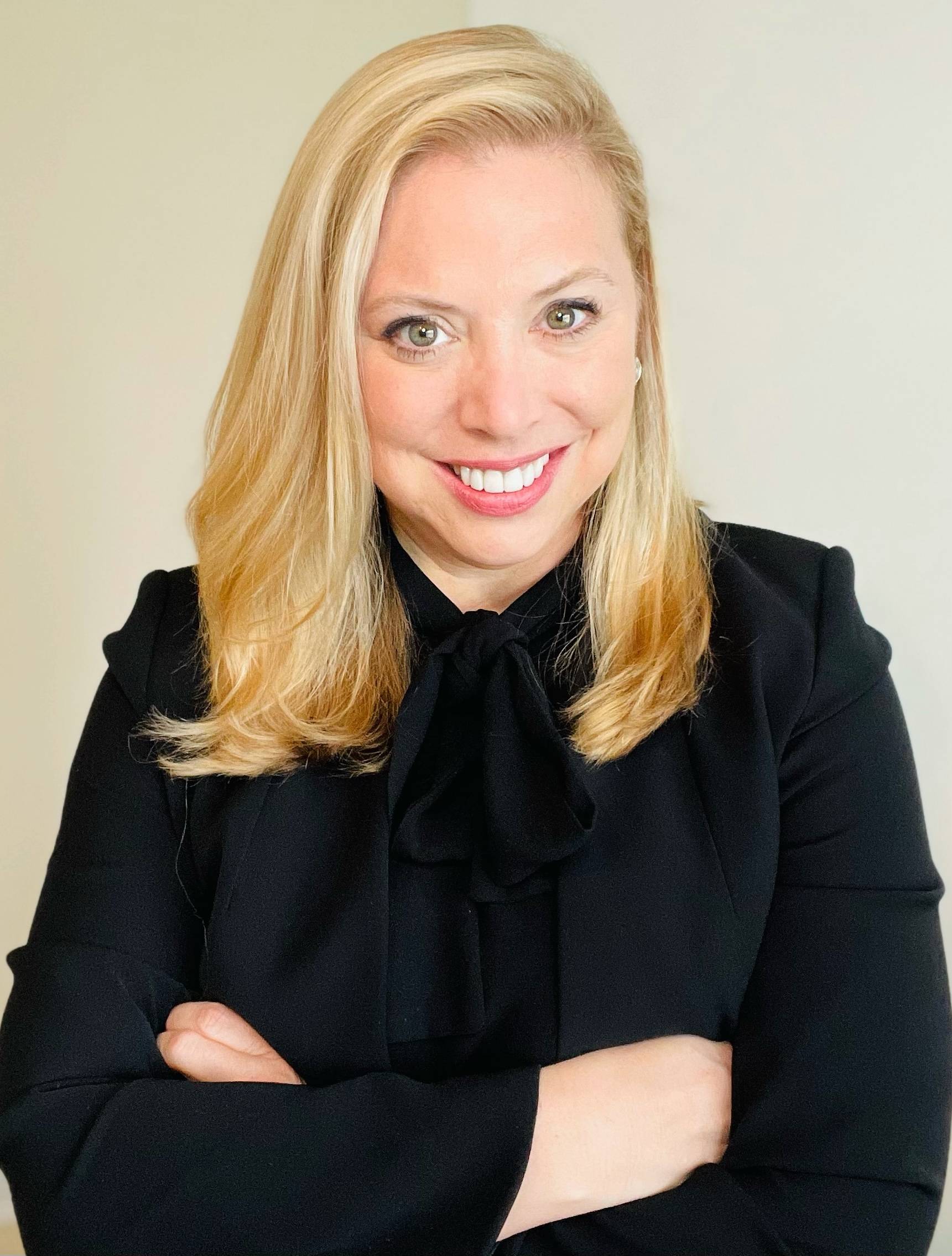 Dr. Lisa Meeks is a distinguished scholar and leader whose unwavering commitment to inclusivity and excellence has significantly influenced the landscape of health professions education and accessibility. She is the founder and executive director of the DocsWithDisabilities Initiative and holds appointments as an Associate Professor in the Departments of Learning Health Sciences and Family Medicine at the University of Michigan.
 Dr. Nikia Grayson, DNP, MSN, MPH, MA, CNM, FNP-C, FACNM (she/her) is a trailblazing force in reproductive justice, blending her expertise as a public health activist, anthropologist, and family nurse-midwife to champion the rights and health of underserved communities. Graduating with distinction from Howard University, Nikia holds a bachelor’s degree in communications and a master’s degree in public health. Her academic journey also led her to the University of Memphis, where she earned a master’s in medical anthropology, and the University of Tennessee, where she achieved both a master’s in nursing and a doctorate in nursing practice. Complementing her extensive education, she completed a post-master’s certificate in midwifery at Frontier Nursing University.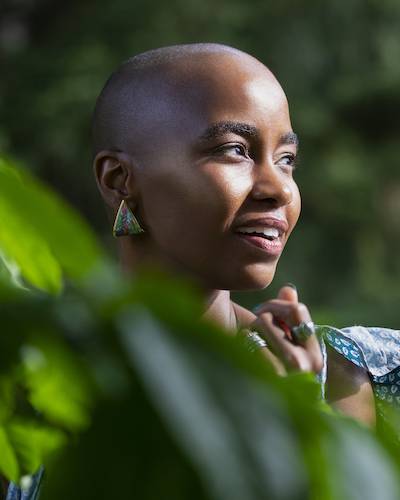
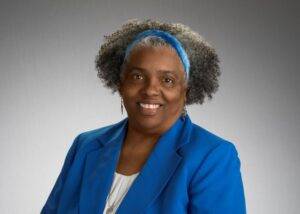
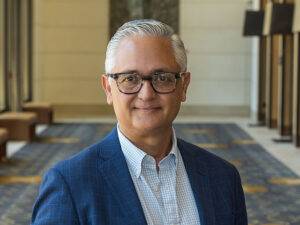
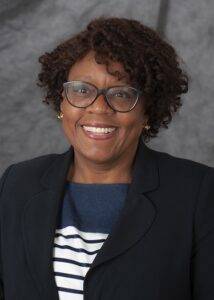
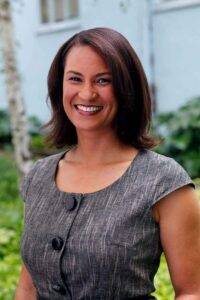


 Dr. Tia Brown McNair is the Vice President in the Office of Diversity, Equity, and Student Success and Executive Director for the Truth, Racial Healing, and Transformation (TRHT) Campus Centers at the American Association of Colleges and Universities (AAC&U) in Washington, DC. She oversees both funded projects and AAC&U’s continuing programs on equity, inclusive excellence, high-impact practices, and student success. McNair directs AAC&U’s Summer Institutes on High-Impact Practices and Student Success, and TRHT Campus Centers and serves as the project director for several AAC&U initiatives, including the development of a TRHT-focused campus climate toolkit. She is the lead author of From Equity Talk to Equity Walk: Expanding Practitioner Knowledge for Racial Justice in Higher Education (January 2020) and Becoming a Student-Ready College: A New Culture of Leadership for Student Success (July 2016 and August 2022 Second edition).