Psychiatric-Mental Health Nurse Practitioner
PMHNP
request information
Psychiatric-Mental Health Nurse Practitioner
A Psychiatric-Mental Health Nurse Practitioner (PMHNP) is an advanced practice nurse that seeks to improve mental health care and the overall health status of communities. With a focus on lifetime care for individuals, PMHNPs are committed to promoting mental health through assessment, diagnosis and treatment of behavioral problems, mental disorders and comorbid conditions.
At FNU, we exemplify the caring behaviors we hope to bring to the wider healthcare system with a focus on rural and underserved communities.
Read more in Top 4 Questions to Ask if You Are Considering Becoming a Psychiatric-Mental Health Nurse Practitioner (PMHNP).
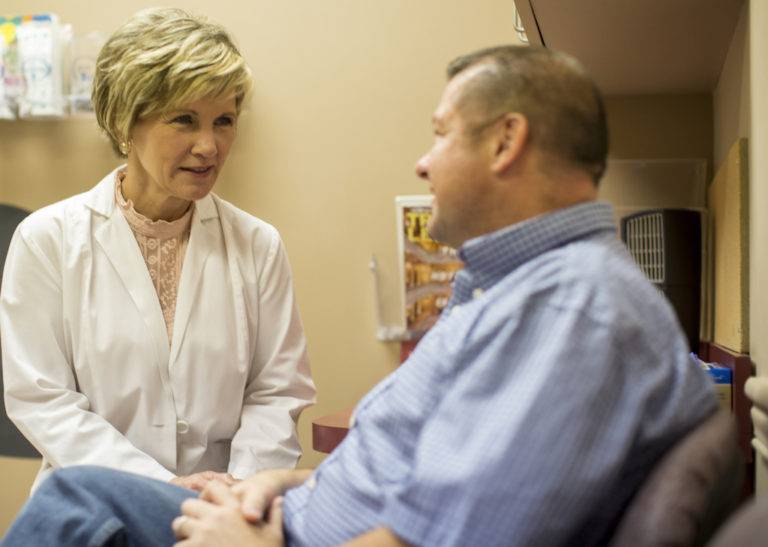
Frontier Nursing University offers a graduate Psychiatric-Mental Health Nurse Practitioner specialty track that can be pursued full- or part-time while completing a Master of Science in Nursing or a Post-Graduate Certificate. After earning an MSN or certificate, you have the option to continue on to the Doctor of Nursing Practice program at FNU.
With our distance education model, your home community serves as your classroom. FNU faculty are committed to being present and providing consistent support throughout the educational journey. Our flexible Psychiatric-Mental Health Nurse Practitioner program allows you to complete courses online and complete a clinical practicum in your community.
“I was able to go to school at a pace that suited my family.” – Gina Stephens, FNU Student
What Sets FNU Apart?

Specialty Track Overview
Student Success
At Frontier Nursing University, we are committed to providing the resources and connections you need to thrive academically, professionally, and personally. With personalized guidance from academic advisors, peer collaboration opportunities, and a robust curriculum delivered by passionate faculty, you have everything you need to succeed as a Frontier student.
The Student Engagement, Access, and Success team cultivates a seamless, student-centered ecosystem grounded in Inclusive Excellence and Frontier Nursing University’s foundational Culture of Caring that supports every student from enrollment through graduation and beyond.
Distance Learning
at FNU
Exam Pass Rates
FNU PMHNP MSN and PGC graduates have an overall certification pass rate of 97% (ANCC 2025).





Are you interested in learning about FNU’s PMHNP Programs?
Join us for a Q&A Session!
PMHNP Program Q&A
Recorded August 2026
ready to apply?
A leader in distance education since 1989
Frontier Nursing University’s mission is built on more than 100 years of experience in nurse-midwifery and family care. FNU implemented a distance education model in 1989, allowing us to reach students in all 50 states.
We began offering the Psychiatric-Mental Health Nurse Practitioner specialty track in 2017 to address mental health care needs in rural and underserved populations.

“Frontier has an indelible legacy of nurse practitioner education. As a PMHNP student at Frontier, you will develop lifelong relationships with faculty and staff that will support you throughout your professional journey. Our focus is on training competent and innovative practitioners that have a passion for serving their communities. Frontier is like no other, our mission is lived by both faculty and students. If you’re looking to build a legacy of service in your community, then Frontier is the place for you!”
Click the arrows before each question to expand and view the answer.
What is the Psychiatric-Mental Health Nurse Practitioner (PMHNP) program at Frontier?
The PMHNP program at Frontier Nursing University prepares Registered Nurses to provide comprehensive mental health care to patients across the lifespan. The curriculum focuses on neuroscience, psychopharmacology, and various psychotherapeutic modalities to treat acute and chronic psychiatric disorders.
Frontier Tip: FNU’s PMHNP track emphasizes an “integrated care” model, preparing you to address both the physical and mental health needs of your patients in a single primary care setting.
What are the requirements for the PMHNP program at FNU?
Applicants must have a current, unencumbered RN license and a bachelor’s degree. While many applicants come from a psychiatric nursing background, FNU welcomes RNs from all clinical areas who demonstrate a strong commitment to mental health advocacy and advanced practice.
Frontier Tip: If you already hold an MSN in another nurse practitioner specialty, our Post-Graduate Certificate (PGC) may allow you to gain PMHNP certification in a shorter timeframe by focusing solely on psychiatric-specific coursework.
Can I complete the PMHNP program while working?
Yes. FNU’s distance education model is built for working nurses, allowing you to complete your didactic coursework online. You will only visit our Kentucky campus for two short, campus immersion sessions, before beginning your didactic coursework and one before your local clinical rotations.
Frontier Tip: Because mental health involves high-level communication, our “Clinical Bound” session includes simulated patient encounters that allow you to practice difficult conversations in a safe, mentored environment.
How many clinical hours are required for the PMHNP track?
The PMHNP program requires 750 clinical clock hours. These hours must be completed in a psychiatric setting under the supervision of a qualified preceptor, such as a certified PMHNP, Psychiatrist, or other board-approved mental health professional.
Frontier Tip: We encourage students to seek clinical rotations in both inpatient and outpatient settings to ensure they are prepared for the full spectrum of psychiatric care after graduation.
What is the PMHNP national certification pass rate for FNU?
FNU graduates consistently maintain high pass rates on the ANCC Psychiatric-Mental Health Nurse Practitioner board certification exam. The curriculum is meticulously aligned with the national consensus model for APRN regulation. FNU PMHNP MSN and PGC graduates have an overall certification pass rate of 97% (ANCC 2025).
Frontier Tip: We provide targeted review sessions and diagnostic practice exams in your final terms, so you can approach the ANCC boards with the confidence of a Frontier-trained professional.
Where can Psychiatric-Mental Health Nurse Practitioners work?
PMHNPs work in diverse settings including private practices, community mental health centers, hospitals, correctional facilities, and substance abuse treatment centers. They also have the growing opportunity to provide services via telehealth.
Frontier Tip: With the current national shortage of mental health providers, FNU graduates are in high demand to lead telehealth initiatives that bring vital psychiatric care to rural and underserved populations.
How long does it take to become a PMHNP at Frontier?
The MSN track typically takes 2 to 3 years to complete, depending on your individual Program of Study. The Post-Graduate Certificate can often be completed in roughly 18 months for those who already hold a master’s degree.
Frontier Tip: FNU offers four start dates per year, meaning you don’t have to wait for a traditional fall semester to begin your transition into mental health practice.
Does FNU help PMHNP students find clinical preceptors?
While students identify their own local preceptors, FNU supports the process with a dedicated clinical outreach team and access to a database of established clinical sites. FNU also manages the legal and administrative requirements for the site.
Frontier Tip: Reach out to the “Frontier Network” early; many of our PMHNP alumni are passionate about mentoring the next generation and frequently serve as preceptors for current students.
What is the difference between a PMHNP and a Psychiatrist?
While both diagnose and treat mental health conditions with medication and therapy, PMHNPs follow a nursing-based model that prioritizes holistic health and patient education. In many states, PMHNPs can practice and prescribe independently.
Frontier Tip: FNU’s PMHNP program focuses heavily on the “therapeutic alliance,” teaching you how to use the nurse-patient relationship as a powerful tool for healing alongside pharmacological treatments.
nurse Practitioner news
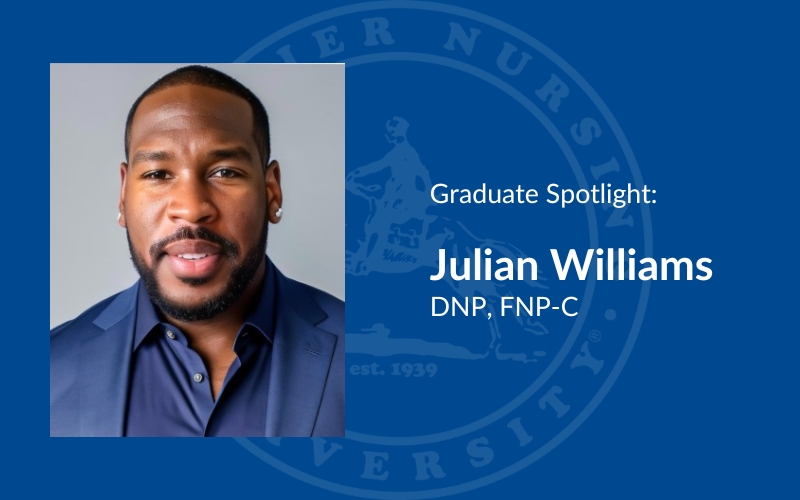
Graduate Spotlight: Dr. Julian Williams, DNP, FNP-C, enhances patient care and clinical leadership with a DNP
At the heart of Frontier Nursing University is a talented community of students, graduates, faculty,…
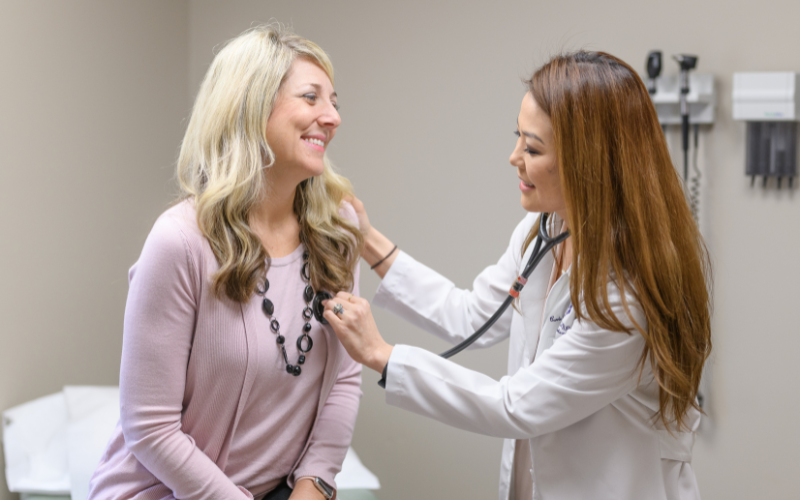
Women’s Health Nurse Practitioners (WHNPs) Strengthen Care and Access in Communities
Many rural and underserved communities have limited access to obstetric care, which often means fewer Women’s Health Nurse…




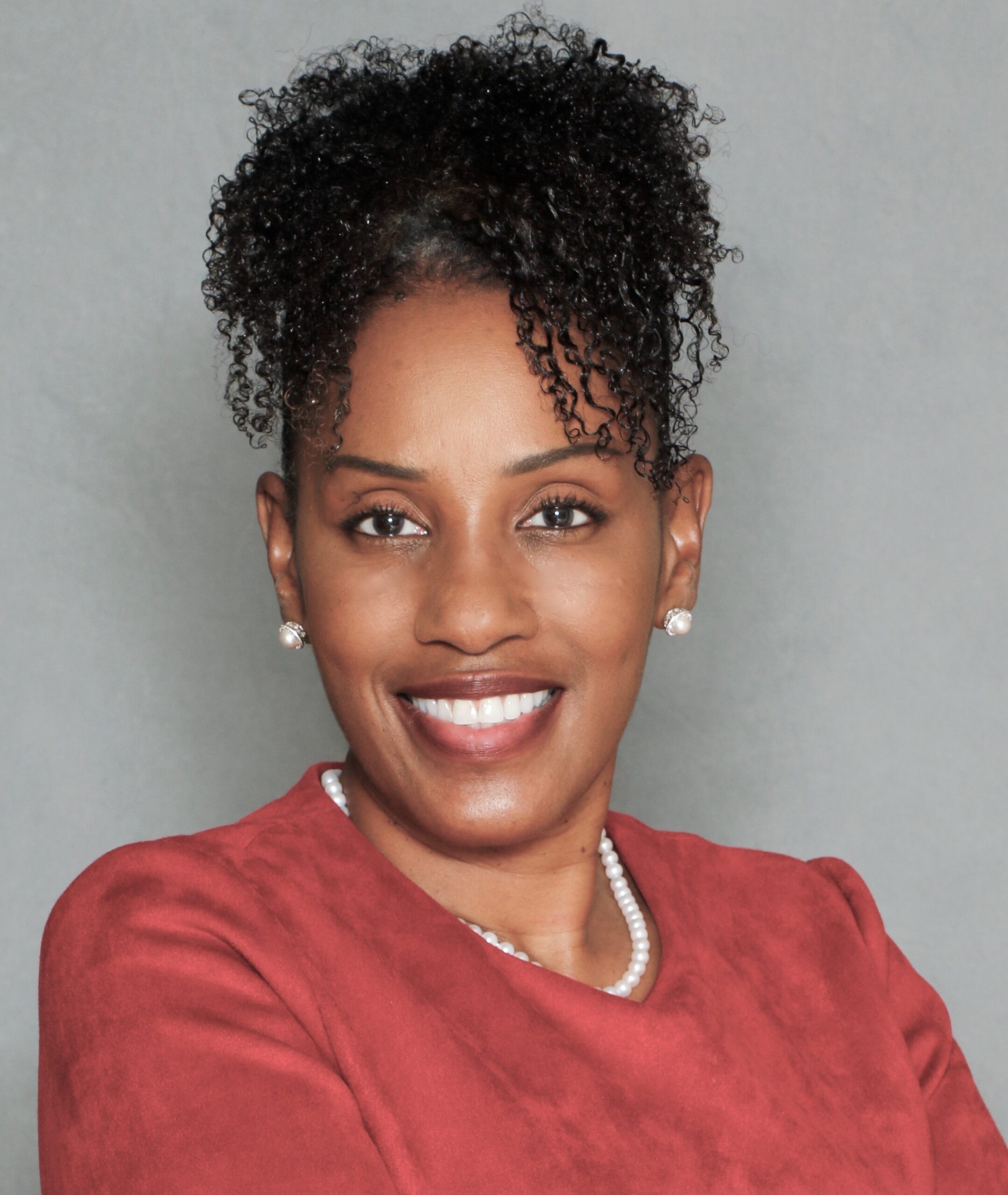
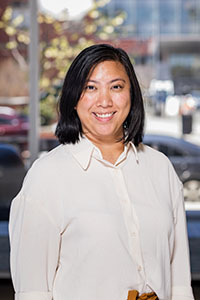
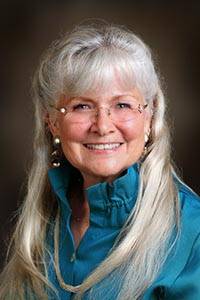
 Carrie Belin is an experienced board-certified Family Nurse Practitioner and a graduate of the Johns Hopkins DNP program, Johns Hopkins Bloomberg School of Public Health, Georgetown University School of Nursing, and Johns Hopkins School of Nursing. She has also completed fellowships at Georgetown and the University of California Irvine.
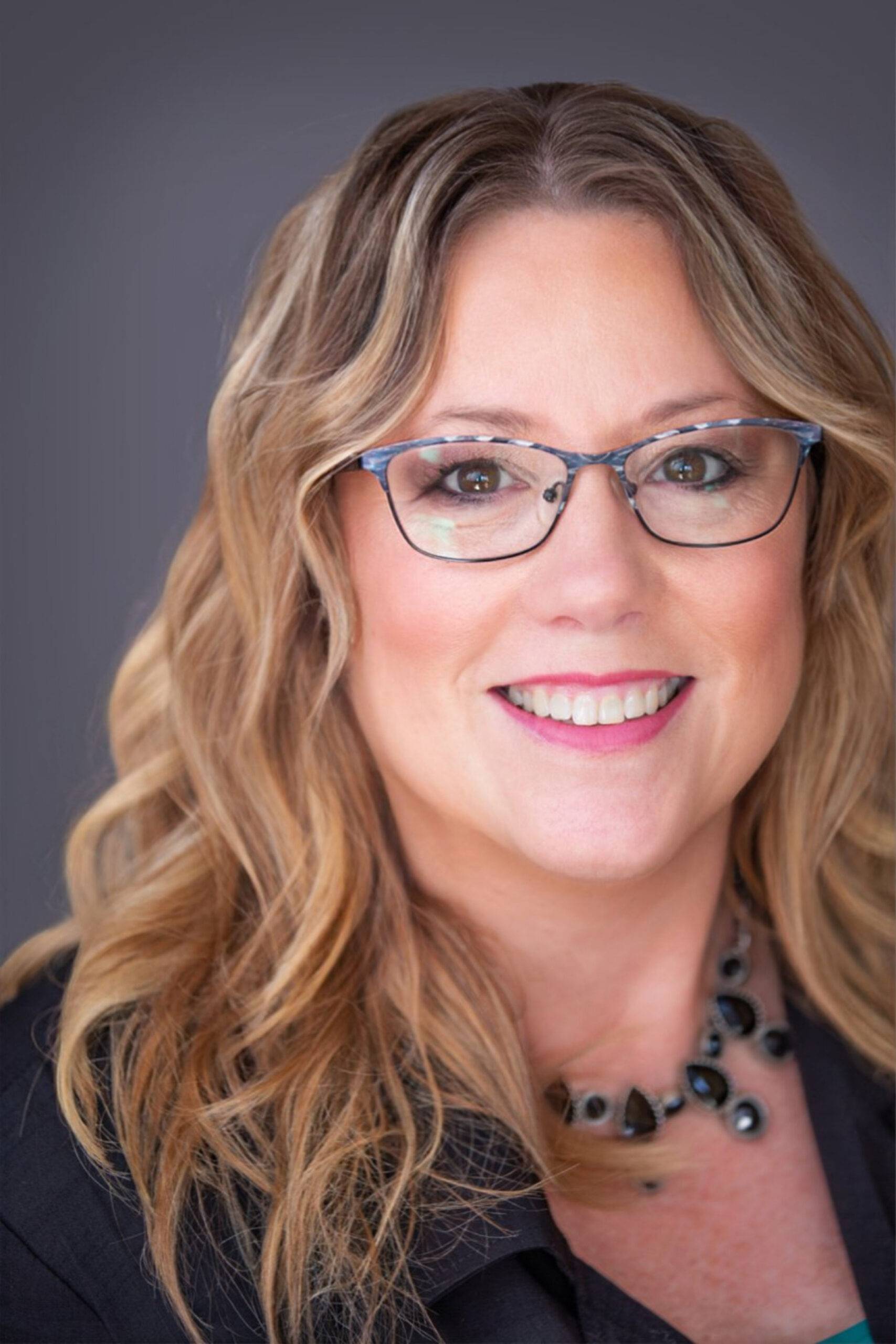
 Angie has been a full-scope midwife since 2009. She has experience in various birth settings including home, hospital, and birth centers. She is committed to integrating the midwifery model of care in the US. She completed her master’s degree in nurse-midwifery at Frontier Nursing University (FNU) and her Doctorate at Johns Hopkins University. She currently serves as the midwifery clinical faculty at FNU. Angie is motivated by the desire to improve the quality of healthcare and has led quality improvement projects on skin-to-skin implementation, labor induction, and improving transfer of care practices between hospital and community midwives. In 2017, she created a short film on skin-to-skin called
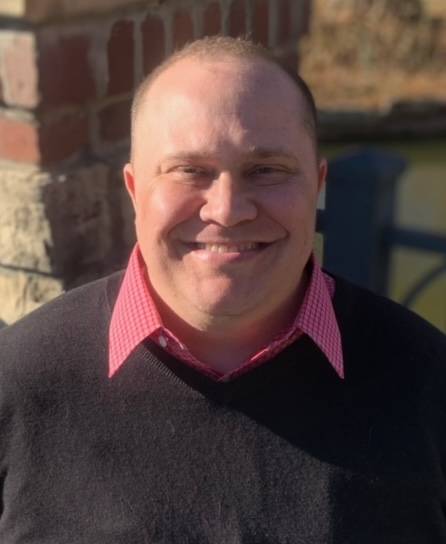 Justin C. Daily, BSN, RN, has ten years of experience in nursing. At the start of his nursing career, Justin worked as a floor nurse on the oncology floor at St. Francis. He then spent two years as the Director of Nursing in a small rural Kansas hospital before returning to St. Francis and the oncology unit. He has been in his current position as the Chemo Nurse Educator for the past four years. He earned an Associate in Nurse from Hutchinson Community College and a Bachelor of Science in Nursing from Bethel College.
 Brandy Jackson serves as the Director of Undergraduate Nursing Programs and Assistant Educator at Wichita State University and Co-Director of Access in Nursing. Brandy is a seasoned educator with over 15 years of experience. Before entering academia, Brandy served in Hospital-based leadership and Critical Care Staff nurse roles. Brandy is passionate about equity in nursing education with a focus on individuals with disabilities. Her current research interests include accommodations of nursing students with disabilities in clinical learning environments and breaking down barriers for historically unrepresented individuals to enter the nursing profession. Brandy is also actively engaged in Interprofessional Education development, creating IPE opportunities for faculty and students at Wichita State. Brandy is an active member of Wichita Women for Good and Soroptimist, with the goal to empower women and girls. Brandy is a TeamSTEPPS master trainer. She received the DASIY Award for Extraordinary Nursing Faculty in 2019 at Wichita State University.
  Dr. Sabrina Ali Jamal-Eddine is an Arab-disabled queer woman of color with a PhD in Nursing and an interdisciplinary certificate in Disability Ethics from the University of Illinois Chicago (UIC). Dr. Jamal-Eddine’s doctoral research explored spoken word poetry as a form of critical narrative pedagogy to educate nursing students about disability, ableism, and disability justice. Dr. Jamal-Eddine now serves as a Postdoctoral Research Associate in UIC’s Department of Disability and Human Development and serves on the Board of Directors of the National Organization of Nurses with Disabilities (NOND). During her doctoral program, Sabrina served as a Summer Fellow at a residential National Endowment of the Humanities (NEH) Summer Institute at Arizona State University (2023), a summer fellow at Andrew W. Mellon’s National Humanities Without Walls program at University of Michigan (2022), a Summer Research Fellow at UC Berkeley’s Othering & Belonging Institute (2021), and an Illinois Leadership Education in Neurodevelopmental and related Disabilities (LEND) trainee (2019-2020).
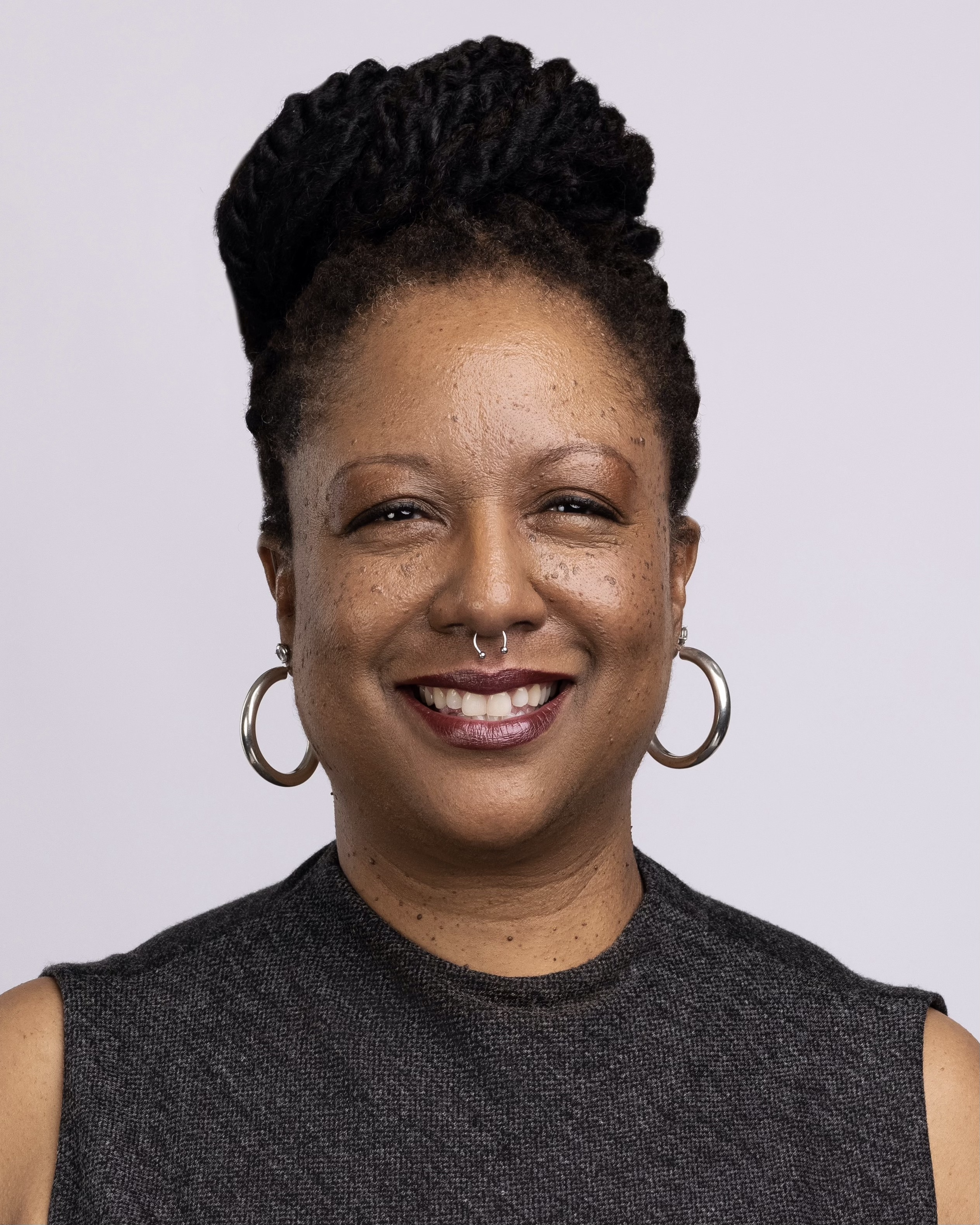
 Vanessa Cameron works for Vanderbilt University Medical Center in Nursing Education & Professional Development. She is also attending George Washington University and progressing towards a PhD in Nursing with an emphasis on ableism in nursing. After becoming disabled in April 2021, Vanessa’s worldview and perspective changed, and a recognition of the ableism present within healthcare and within the culture of nursing was apparent. She has been working since that time to provide educational foundations for nurses about disability and ableism, provide support for fellow disabled nursing colleagues, and advocate for the disabled community within healthcare settings to reduce disparities.
 Dr. Lucinda Canty is a certified nurse-midwife, Associate Professor of Nursing, and Director of the Seedworks Health Equity in Nursing Program at the University of Massachusetts Amherst. She earned a bachelor’s degree in nursing from Columbia University, a master’s degree from Yale University, specializing in nurse-midwifery, and a PhD from the University of Connecticut. Dr. Canty has provided reproductive health care for over 29 years. Her research interests include the prevention of maternal mortality and severe maternal morbidity, reducing racial and ethnic health disparities in reproductive health, promoting diversity in nursing, and eliminating racism in nursing and midwifery.
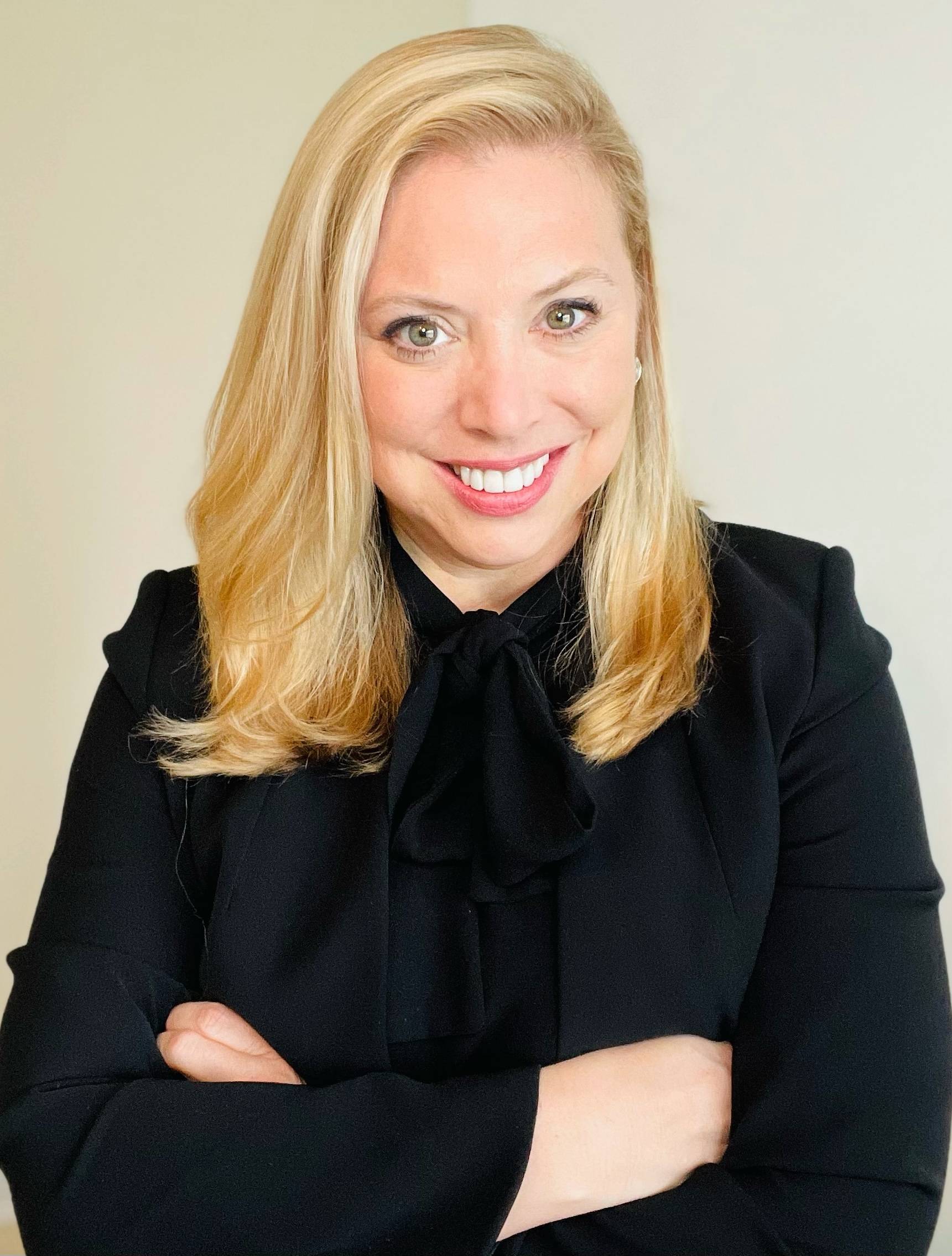 Dr. Lisa Meeks is a distinguished scholar and leader whose unwavering commitment to inclusivity and excellence has significantly influenced the landscape of health professions education and accessibility. She is the founder and executive director of the DocsWithDisabilities Initiative and holds appointments as an Associate Professor in the Departments of Learning Health Sciences and Family Medicine at the University of Michigan.
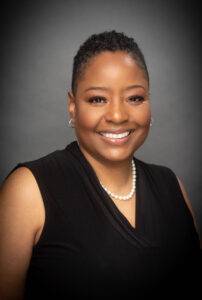 Dr. Nikia Grayson, DNP, MSN, MPH, MA, CNM, FNP-C, FACNM (she/her) is a trailblazing force in reproductive justice, blending her expertise as a public health activist, anthropologist, and family nurse-midwife to champion the rights and health of underserved communities. Graduating with distinction from Howard University, Nikia holds a bachelor’s degree in communications and a master’s degree in public health. Her academic journey also led her to the University of Memphis, where she earned a master’s in medical anthropology, and the University of Tennessee, where she achieved both a master’s in nursing and a doctorate in nursing practice. Complementing her extensive education, she completed a post-master’s certificate in midwifery at Frontier Nursing University.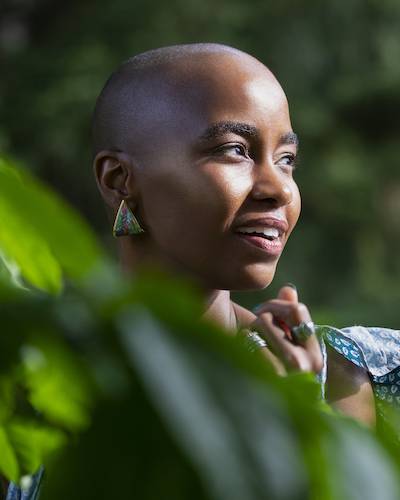


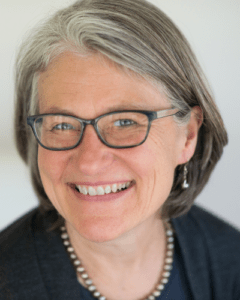
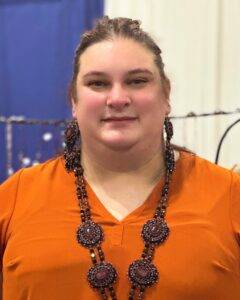
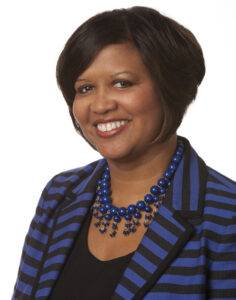 Dr. Tia Brown McNair is the Vice President in the Office of Diversity, Equity, and Student Success and Executive Director for the Truth, Racial Healing, and Transformation (TRHT) Campus Centers at the American Association of Colleges and Universities (AAC&U) in Washington, DC. She oversees both funded projects and AAC&U’s continuing programs on equity, inclusive excellence, high-impact practices, and student success. McNair directs AAC&U’s Summer Institutes on High-Impact Practices and Student Success, and TRHT Campus Centers and serves as the project director for several AAC&U initiatives, including the development of a TRHT-focused campus climate toolkit. She is the lead author of From Equity Talk to Equity Walk: Expanding Practitioner Knowledge for Racial Justice in Higher Education (January 2020) and Becoming a Student-Ready College: A New Culture of Leadership for Student Success (July 2016 and August 2022 Second edition).