
Frontier Nursing University Equal Opportunity, Non-Discrimination, and Anti-Harassment Policy and Reporting Guidelines for Students and Employees
I. Policy Statement
a. Equal Opportunity and Non-Discrimination
b. Disability Discrimination and Accommodations
c. Religious Accommodations
d. Pregnancy and Lactation Accommodations
e. Unethical Relationships
f. Anti-Harassment
II. Making Reports and Anti-Retaliation
III. Contact Information
IV. Student Reporting of Academic Concerns or Complaints
V. Student Reporting of Non-Academic Concerns or Complaints
VI. Employee Reporting of Concerns or Complaints
VII. Title IX Reports
VIII. Reporting to FNU’s State Portal Entity or Accrediting Agency
IX. Appeal Process
X. Responsive Options
XI. Revisions to Policy
I. Policy
Frontier Nursing University (“FNU” or the “University”) is committed to providing an employment and educational environment that is free from prohibited discrimination, harassment, and retaliation. To that end, FNU has developed policies and procedures that seek to promote equal opportunity, inclusion, dignity, and fairness among all members of our FNU community. This Policy identifies different FNU employees to whom students and employees may make reports. Contact information for those FNU employees is provided in Section II of this Policy, below.
a. Equal Opportunity and Non-Discrimination
It is the policy of FNU to provide equal employment and educational opportunities to all qualified persons without regard to race, color, ethnicity, sex, religion, age, national origin, sexual orientation, gender identity, pregnancy, genetic information, disability status, veteran’s status, or any other basis protected by local, state, and/or federal law. This applies to all employment and educational practices such as hiring, promotion, compensation, training, admission, evaluation, inclusion in activities, and all other terms, conditions, and privileges of employment and/or attendance at FNU.
b. Disability Discrimination and Accommodations
FNU complies with the Americans with Disabilities Act, the Rehabilitation Act, and all applicable amendments and state law counterparts pertaining to individuals with disabilities. FNU does not discriminate against qualified individuals with disabilities and provides reasonable accommodations for the known disabilities of qualified individuals, when doing so does not pose an undue hardship on the University, as required by law. Students and employees who would like to request accommodations may be required to provide reasonable medical documentation supporting the request when the disability and/or need for accommodation is not obvious. Employee requests for accommodations, or questions about accommodations, should be sent to the Title IX Coordinator/HR Director. Student requests for accommodations, or questions about accommodations, should be sent to the Accessibility Services Coordinator.
FNU will engage in an interactive process to determine whether reasonable accommodations are available that will not pose an undue hardship. FNU will maintain the confidentiality of student and employee records as required by law.
Any employee or student who believes they have been discriminated against because of a disability, denied reasonable accommodations, or denied equal access to any program, service or activity of FNU because of a disability must report the concern to the Title IX Coordinator/HR Director, the University President, Chief Operations Officer, or Accessibility Services Coordinator.
c. Religious Accommodations
FNU does not discriminate based on religion and provides reasonable accommodations for sincerely held religious beliefs, as may be required by law. Employees and students who believe they need religious accommodations should make a written request to the Title IX Coordinator/HR Director.
d. Pregnancy and Lactation Accommodations
FNU does not discriminate based on pregnancy, childbirth, and/or related medical conditions. FNU will make reasonable accommodations for known limitations related to pregnancy, childbirth, or related medical conditions, unless doing so would create an undue hardship. Requests for accommodations should be directed to the Title IX Coordinator/HR Director. FNU may request medical documentation when the limitation and/or need for adjustment or change at work due to the limitation are not known or obvious. In addition, FNU provides employees and students with breaks and a private space, other than a bathroom, to express breast milk.
e. Unethical Relationships
Sexual or romantic relationships among people in unequal positions of power or hierarchy generally are not permitted unless in accordance with this Policy. This includes relationships between faculty and students, employees and students, and their subordinates or supervisors. Individuals in these relationships are required to self-report to the Title IX Coordinator/HR Director and to sign statements of acknowledgement and consent. Individuals who fail to report may be subject to discipline, up to and including termination or dismissal.
f. Anti-Harassment
It is the policy of FNU to provide a work and learning environment free of sexual and other forms of harassment, even if the harassment does not constitute a legal violation. To that end, harassment of FNU employees, students, and visitors is absolutely prohibited. Whether or not the harassment violates any law; it is not permitted at FNU. Anyone who believes they have observed, experienced, or learned about harassment must report to the Title IX Coordinator/HR Director and consult the Title IX Policy. If you are not comfortable reporting to the Title IX Coordinator/HR Director, you may report to the University President or Chief Operations Officer.
What is “Harassment”?
Not all harassment is “sexual harassment.” Harassment may also be based on other protected characteristics, such as race, color, national origin, religion, age, disability, or service in the military. Harassment can be something that is done (conduct) or said (comments). Conduct or comments become harassment when they are inappropriate and offensive to others. Conduct or comments may be harassment even though the person doing or saying them thinks he/she is making a “joke,” or has the permission of all others involved, if others involved are, in fact, offended or made uncomfortable by the conduct or comments. People do not always show when they are offended. If you are uncertain whether your conduct or comments will be offensive, the best practice is: if in doubt, don’t do it or say it.
Examples of Harassment.
Examples of harassment include:
- Benefits – offering special benefits or giving preferential treatment in exchange for sexual favors.
- Detriments – getting back at someone who turns down sexual advances.
- Physical – unwanted physical contact, including touching of another person’s body, or interfering with their movements.
- Visual – leering, sexual gestures, displaying objects, pictures, cartoons, calendars, magazines, posters, or computer images that are sexually suggestive or demeaning of the race, color, age, sex, sexual orientation or expression, religion, national origin, or citizenship of others.
- Verbal – sexual, ageist, ethnic, religious, or disability-oriented comments or slurs, off-color jokes, threats, suggestive or insulting sounds, referring to others as “babes,” “dolls,” “honey,” “boy,” “old man,” “queer,” “illegals,” or similar words.
- Sexual Advances or Propositions – repeated, unwanted requests for a date.
- Sexual discussions – discussing one’s sexual activities, or inquiries into another’s sexual experiences.
- Unwanted Communications – obscene, sexually or racially, ethnic, etc. degrading computer images, phone calls, e-mail or voice mail messages, suggestive, obscene, or racially, ethnic, etc. derogatory letters, notes or invitations.
- Derogatory “Jokes” – derogatory “jokes,” comments, or “making fun” of a person’s age, religion, national origin, gender, sexual orientation, race, or disability, etc.
- Expressions of hostility or stereotyping – any words, conduct, or expression of hostility, aversion, or prejudice towards another due to his or her race, sex, religion, national origin, etc.
- Abusive Comments – unwelcome comments about a person’s physical appearance or clothing.
- Same-Sex Harassment – harassment includes sexual harassment between people of the same sex.
- Sexual assault – including forcible rape, forcible sodomy, or any sexual act directed at another person without consent.
- Dating violence – including violence among those in a social or romantic relationship.
- Domestic violence – including violence by a current or former spouse or intimate partner.
- Stalking – including multiple acts of monitoring, threatening, or other communications that leave a reasonable person to feel unsafe.
- Bullying – including aggressive behavior likely to intimidate.
- Hazing – including acts likely to cause physical or psychological harm to a person relating to the admission to any group or activity.
These examples are only a partial list of conduct or comments that may be harassment. If you have any questions about what behavior constitutes harassment, please contact the Title IX Coordinator/HR Director, University President, or Chief Operations Officer.
If you see or experience harassment, you must immediately report the harassment to the Title IX Coordinator/HR Director. If you are uncomfortable reporting to the Title IX Coordinator/HR Director, you may contact the Chief Operations Officer, or the University President. Employees and students are not required to follow any particular chain of command when making a report.
As with any other violation of FNU policy, employees and students are required to report any harassment that they observe whether or not the harassment is directed at them. Full cooperation of everyone is needed to keep our University community free of sexual and other types of harassment.
II. Making Reports and Anti-Retaliation
Members of the community who believe they have observed or experienced any violation of this Policy, or who otherwise wish to make a report of any kind, should make a report to one of the persons identified in this Policy, in Section II below. Complainants are encouraged, but are not required, to make their report in writing, identifying the specific conduct believed to have occurred as well as any witnesses to the alleged conduct. Reports can be made anonymously. However, it may be more difficult for FNU to investigate the allegations if it is not able to interview the reporting party. Accordingly, complainants are encouraged to provide as much information as possible to the University to permit a complete and thorough investigation. The passage of time can impact the efficacy of an investigation, and therefore, complainants must report concerns immediately. FNU will comply with all privacy obligations required by law with respect to students and employees, including FERPA, and will seek to maintain the privacy of reports as may be practicable while still permitting an appropriate investigation.
FNU will take appropriate responsive and remedial action in response to reports, which action will depend on the nature of the report and the results of any investigation. FNU classifies reports into two different categories:
Complaint: A complaint is a report about an FNU employee, student, University decision, action, other condition or event, or any perceived violation of this Policy that typically requires formal documentation and investigation, and which cannot be handled informally at the point of origin. A complaint may be written or verbal, formal, or informal.
Concern: A concern is an informal report about an FNU employee, student, University decision, action, other condition or event that typically can be resolved at the point of origin, such as with a course instructor, clinical supervisor, advisor, or program director. The goal of the concern process is to promote timely, constructive dialogue, and to resolve issues at the lowest possible level. FNU encourages individuals to first seek resolution of their concern through direct and respectful communication with the person(s), unit or department involved. However, a concern may be elevated to a complaint if necessary and/or if the complainant does not feel comfortable attempting resolution at the point of origin.
FNU prohibits and will not tolerate any coercion, intimidation, retaliation, interference or discrimination against any employee or student for making a good faith report to the University, or for participating in any investigation in good faith. Any employee or student found to have engaged in retaliation will be subject to possible discipline, up to and including termination and/or dismissal. Any suspected retaliation or intimidation must be reported immediately to one of the persons identified in this Policy and will be investigated in accordance with this Policy.
The Title IX Coordinator/HR Director, in conjunction with the University President, Chief Operations Officer and Accessibility Services Coordinator, oversees implementation of and compliance with this Policy, including the investigation and resolution of reports and any appeals. The Title IX Coordinator/HR Director may appoint other members of the FNU community to assist with implementation of this Policy and/or to investigate and resolve reports. Other community members may be involved in the resolution process including, but not necessarily limited to, the University President, Chief Operations Officer, Accessibility Services Coordinator and/or the Deans.
Any University administrator or supervisor who receives a report implicating this Policy must bring it to the attention of the Title IX Coordinator/HR Director, University President, Chief Operations Officer and/or Accessibility Services Coordinator (if related to Disability Discrimination and Accommodations) immediately.
III. Contact Information
Members of the community who believe they are in danger or who have been the victim of a crime should report the incident to the police immediately by calling 911. Reports must also be made to Campus Security, the Title IX Coordinator/HR Director, University President, and/or Chief Operations Officer.
If you believe you are in danger, please call 911 immediately.
Otherwise, please feel free to reach out to any of the contacts below for assistance in addressing your complaint, grievance, or report of a policy violation.
Campus Security
Security Officer on Duty
(859) 251-4701
Title IX Coordinator/HR Director
LaToshia Daniel
Email: humanresources@frontier.edu
Phone: (859) 251-4740
University President
Dr. Brooke A. Flinders
Email: brooke.flinders@frontier.edu
Phone: (859) 251-4704
Chief Operations Officer
Shelley Aldridge
Email: shelley.aldridge@frontier.edu
Phone: (859) 251-4562
Dean of Student Success
Dr. Paula Alexander-Delpech
Email: paula.delpech@frontier.edu
Phone: (305) 335-8129
Dean of Nursing
Dr. Kristin Ashford
Email: kristin.ashford@frontier.edu
Phone: (859) 251-4707
Accessibility Services Coordinator
Amy Holt
Email: accessibility@frontier.edu
Phone: (859) 251-4667
Anonymous Reporting
Online submission: frontiernursing.ethicspoint.com
Mobile device submission: frontiernursingmobile.ethicspoint.com
Telephone: 833-718-4779
IV. Students Reporting Academic Concerns or Complaints
If a student wishes to appeal a course, assignment, or exam grade, they should follow the Appeal of Course Grades policy in the FNU Catalog. If a student wishes to appeal their dismissal from FNU, they should follow the Appeal of Dismissal policy in the FNU Catalog.
If a student wishes to report an issue relating to an academic course, the student should begin by communicating the problem to the individual course faculty member involved. If the student is not comfortable reporting to the individual faculty member, or if the initial report does not resolve the matter, then the student should report the matter to their Course Coordinator. If a student is not comfortable reporting to the Course Coordinator, or if the matter still is not resolved, the student may report to the appropriate Department Chair or Program Director. The Department Chair or Program Director will strive to mediate a resolution according to FNU policies in the FNU Catalog.
For reports related to clinical courses/matters, the student should attempt to resolve the matter with the Regional Clinical Faculty first. If the student is not comfortable reporting to the Regional Clinical Faculty, or if the matter is not resolved at that level, the student may report to their Clinical Directors. The Clinical Director will strive to mediate a resolution according to FNU policies in the FNU Catalog.
Reports that are not resolved through informal discussions should be reported in writing to the Dean of Nursing. If appropriate, the Dean of Nursing may choose to investigate the report, convene an Academic Standards Committee, or take other action, depending on the nature of the concern.
The Academic Standards Committee will follow the procedures outlined in the Academic Standards Committee procedure in the FNU Catalog.
V. Students Reporting Non-Academic Concerns or Complaints
Students who have a non-academic report, or who believe they have experienced, witnessed, or learned about a violation of this Equal Opportunity, Non-Discrimination, Anti-Harassment Policy, must make a report to the Title IX Coordinator/HR Director. If a student has a report about the Title IX Coordinator/HR Director or does not believe they can bring their report to the Title IX Coordinator/HR Director, the student may bring their report to the University President or Chief Operations Officer. Students are not required to follow any chain of command in making a report.
The Title IX Coordinator/HR Director (or someone to whom that responsibility is delegated) will evaluate the student’s report and decide what action is required. Typically, this will involve conducting a prompt investigation into the allegations and taking appropriate remedial action. Affected parties will be notified about the outcome of their report and any resulting investigation. If any person affected by the report and/or investigation disagrees with the outcome, they may seek an appeal as described below.
If the report involves allegations of sexual harassment, action will be taken in accordance with the Title IX Policy.
If the report involves allegations of a crime (e.g., theft, destruction of property, assault), Campus Security will be included in the investigation and resolution process.
VI. Employee Reporting of Concerns or Complaint
Every employee of Frontier Nursing University, regardless of position, should be treated with respect. This can be best accomplished when employees discuss issues openly and freely with supervisors. Employees and supervisors can usually solve most problems and resolve differences and misunderstandings by this simple act of open communication. No issue is too large or too small to be addressed if it is of concern. There will be no unlawful discrimination or retaliation against anyone who makes a good faith report or discusses a problem with their supervisor, or with anyone else in management.
Employees who have a human resources or workplace report that was not resolved by their immediate supervisor, or who do not feel comfortable discussing with their immediate supervisor, or who believe they have experienced, witnessed, or learned about a violation of this Equal Opportunity, Non-Discrimination, and Anti-Harassment Policy must make a report to the HR Director. If an employee has a report about the HR Director or does not believe they can bring their report to the HR Director, the employee may bring their report to the University President or Chief Operations Officer. Employees are not required to follow any chain of command in making a report.
The HR Director, Chief Operations Officer, or President (or someone to whom that responsibility is delegated) will evaluate the employee’s report and decide what action is required. Typically, this will involve conducting a prompt investigation into the allegations and taking appropriate remedial action. Employees involved in the report are expected to participate in the investigative process; failure to do so may be considered insubordination. Affected parties will be notified about the outcome of their report and any resulting investigation. If any person affected by the report and/or investigation disagrees with the outcome, they may seek an appeal as described below.
If the report involves allegations of sexual harassment, action may be taken in accordance with the Title IX Policy, as appropriate.
If the report involves allegations of a crime (e.g., theft, destruction of property, assault), Campus Security will be included in the investigation and resolution process.
VII. Title IX Reports
Students and/or employees who report allegations of harassment or discrimination in violation of Title IX will be subject to FNU’s Title IX policy. This includes, but may not be limited to, allegations of sexual assault, dating violence, domestic violence, stalking, and other unwanted conduct based on sex. Pursuant to the Title IX policy, when the Title IX Coordinator/HR Director receives a potential Title IX report, they will evaluate the report and determine whether it is appropriately subject to the Title IX procedural process. If it is, the Title IX process shall proceed. If it is not, the report will still be addressed as appropriate pursuant to this Policy.
VIII. Reporting to FNU’s State Portal Entity or Accrediting Agency
Students are required to bring reports to FNU directly. If an individual is not satisfied with the results of FNU’s resolution procedure, a report may be filed with FNU’s state portal entity or accrediting agency by submitting a written report to the following address:
Kentucky Council on Postsecondary Education
100 Airport Road, 2nd Floor
Frankfort, KY 40601
https://cpe.ky.gov/campuses/consumer_complaint.html
California Residents:
Students who are residents of California can file complaints online at https://www.dca.ca.gov/consumers/complaints/oos_students.shtml or call toll-free 833-942-1120.
— OR —
Accrediting Agency
Commission on Colleges of the Southern Association of Colleges and Schools
1866 Southern Lane
Decatur, Georgia 30033
http://www.sacscoc.org/pdf/081705/complaintpolicy.pdf
IX. Appeal Process
If an employee or student disagrees with the action taken by FNU in response to a report and/or investigation that falls outside the parameters of Title IX, the employee or student may appeal the decision by submitting a written request to the President. The President may choose to convene an Academic Standards Committee for student appeals if there are procedural concerns. The President will have final decision-making authority as to any appeal. Reports relating to Title IX will be handled in accordance with the Title IX Policy.
X. Responsive Options
A person found to have violated this Equal Opportunity, Non-Discrimination and Anti-Harassment Policy may be subject to a variety of responsive options. Factors to be considered when determining a response include, but are not limited to:
- The nature and severity of the conduct.
- A person’s history.
- Prior or other allegations of misconduct or violations.
- The need for responsive action to end or prevent the conduct or violations.
- The need to remedy violations or misconduct.
- The impact on the parties involved.
- Any other factor deemed relevant to the decision-makers.
The following is a non-inclusive list of potential responsive action:
Employees
- Verbal or written warning.
- Coaching, counseling, and/or training.
- Focused Improvement Plan.
- Probation.
- Suspension with or without pay.
- Demotion.
- Denial of pay increase.
- Loss of responsibilities.
- Termination.
- Filing a report with the police.
- Other actions as may be deemed appropriate by the decision-makers.
Students
- Learning Plan.
- Performance Plan.
- Coaching, counseling, and/or training.
- Probation.
- Dismissal.
- Revocation of degree.
- Filing a report with the police.
- Other actions as may be deemed appropriate by the decision-makers.
FNU also offers supportive measures to students and employees as may be appropriate, including but not limited to:
- Referral to student counseling.
- Referral to Employee Assistance Program.
- Visa and immigration assistance.
- Student Financial Aid services.
- Educational opportunities.
- Other measures as deemed appropriate by the decision-makers.
XI. Revisions to Policy
This policy supersedes and replaces all other or previous policies regarding equal opportunity, non-discrimination, and anti-harassment, provided that the University’s Title IX Policy remains in effect in conjunction with this policy. FNU reserves the right to make changes to this policy in its discretion, without notice. If any local, state, or federal law conflicts with anything in this policy, the applicable law shall control. This policy is not a contract for employment or enrollment, is not a promise of employment or enrollment for any length of time and is not a promise to provide any specific right or procedure to students or employees. Employees are at will unless otherwise stated in a written agreement signed by the President of the University.
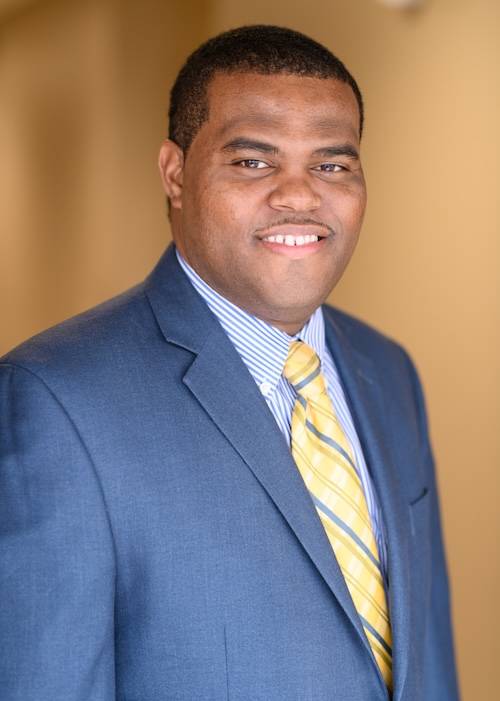






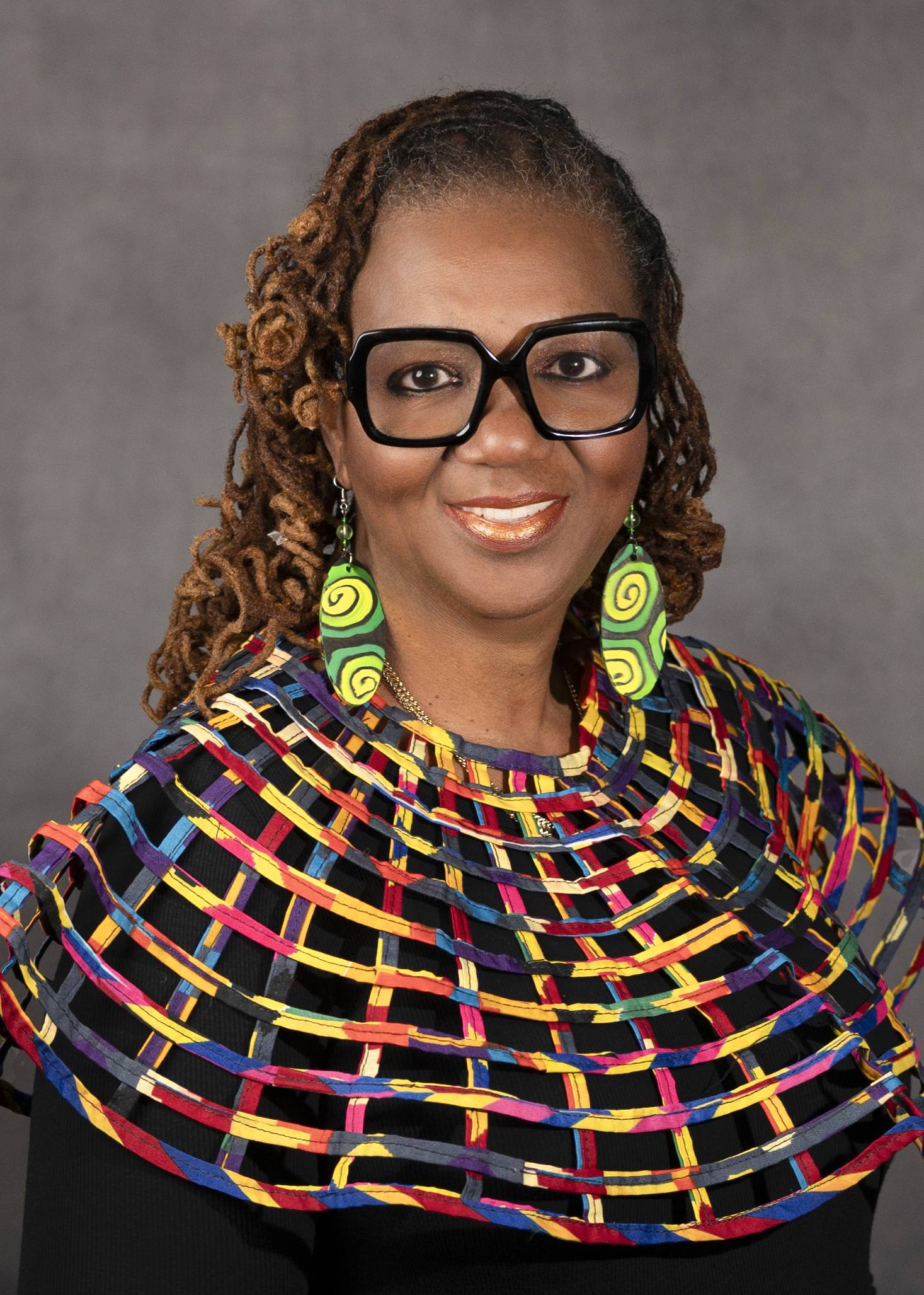

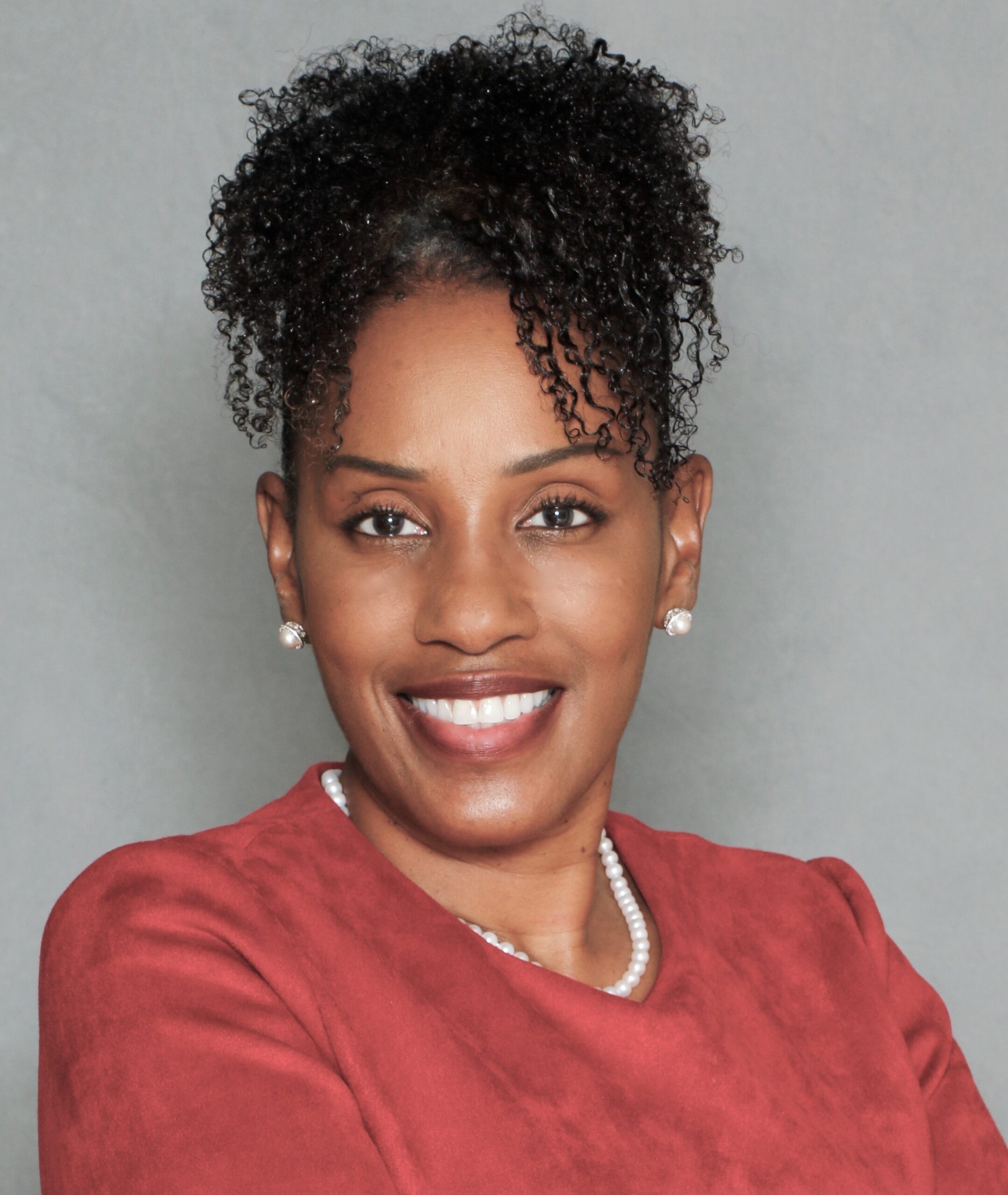






 Carrie Belin is an experienced board-certified Family Nurse Practitioner and a graduate of the Johns Hopkins DNP program, Johns Hopkins Bloomberg School of Public Health, Georgetown University School of Nursing, and Johns Hopkins School of Nursing. She has also completed fellowships at Georgetown and the University of California Irvine.
 Angie has been a full-scope midwife since 2009. She has experience in various birth settings including home, hospital, and birth centers. She is committed to integrating the midwifery model of care in the US. She completed her master’s degree in nurse-midwifery at Frontier Nursing University (FNU) and her Doctorate at Johns Hopkins University. She currently serves as the midwifery clinical faculty at FNU. Angie is motivated by the desire to improve the quality of healthcare and has led quality improvement projects on skin-to-skin implementation, labor induction, and improving transfer of care practices between hospital and community midwives. In 2017, she created a short film on skin-to-skin called
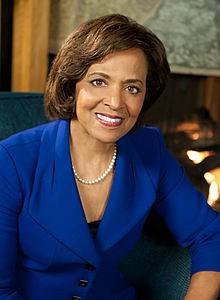






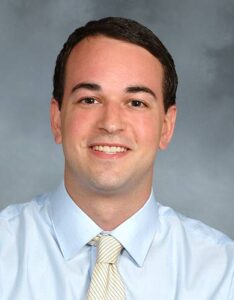

 Justin C. Daily, BSN, RN, has ten years of experience in nursing. At the start of his nursing career, Justin worked as a floor nurse on the oncology floor at St. Francis. He then spent two years as the Director of Nursing in a small rural Kansas hospital before returning to St. Francis and the oncology unit. He has been in his current position as the Chemo Nurse Educator for the past four years. He earned an Associate in Nurse from Hutchinson Community College and a Bachelor of Science in Nursing from Bethel College.
 Brandy Jackson serves as the Director of Undergraduate Nursing Programs and Assistant Educator at Wichita State University and Co-Director of Access in Nursing. Brandy is a seasoned educator with over 15 years of experience. Before entering academia, Brandy served in Hospital-based leadership and Critical Care Staff nurse roles. Brandy is passionate about equity in nursing education with a focus on individuals with disabilities. Her current research interests include accommodations of nursing students with disabilities in clinical learning environments and breaking down barriers for historically unrepresented individuals to enter the nursing profession. Brandy is also actively engaged in Interprofessional Education development, creating IPE opportunities for faculty and students at Wichita State. Brandy is an active member of Wichita Women for Good and Soroptimist, with the goal to empower women and girls. Brandy is a TeamSTEPPS master trainer. She received the DASIY Award for Extraordinary Nursing Faculty in 2019 at Wichita State University.
  Dr. Sabrina Ali Jamal-Eddine is an Arab-disabled queer woman of color with a PhD in Nursing and an interdisciplinary certificate in Disability Ethics from the University of Illinois Chicago (UIC). Dr. Jamal-Eddine’s doctoral research explored spoken word poetry as a form of critical narrative pedagogy to educate nursing students about disability, ableism, and disability justice. Dr. Jamal-Eddine now serves as a Postdoctoral Research Associate in UIC’s Department of Disability and Human Development and serves on the Board of Directors of the National Organization of Nurses with Disabilities (NOND). During her doctoral program, Sabrina served as a Summer Fellow at a residential National Endowment of the Humanities (NEH) Summer Institute at Arizona State University (2023), a summer fellow at Andrew W. Mellon’s National Humanities Without Walls program at University of Michigan (2022), a Summer Research Fellow at UC Berkeley’s Othering & Belonging Institute (2021), and an Illinois Leadership Education in Neurodevelopmental and related Disabilities (LEND) trainee (2019-2020).
 Vanessa Cameron works for Vanderbilt University Medical Center in Nursing Education & Professional Development. She is also attending George Washington University and progressing towards a PhD in Nursing with an emphasis on ableism in nursing. After becoming disabled in April 2021, Vanessa’s worldview and perspective changed, and a recognition of the ableism present within healthcare and within the culture of nursing was apparent. She has been working since that time to provide educational foundations for nurses about disability and ableism, provide support for fellow disabled nursing colleagues, and advocate for the disabled community within healthcare settings to reduce disparities.
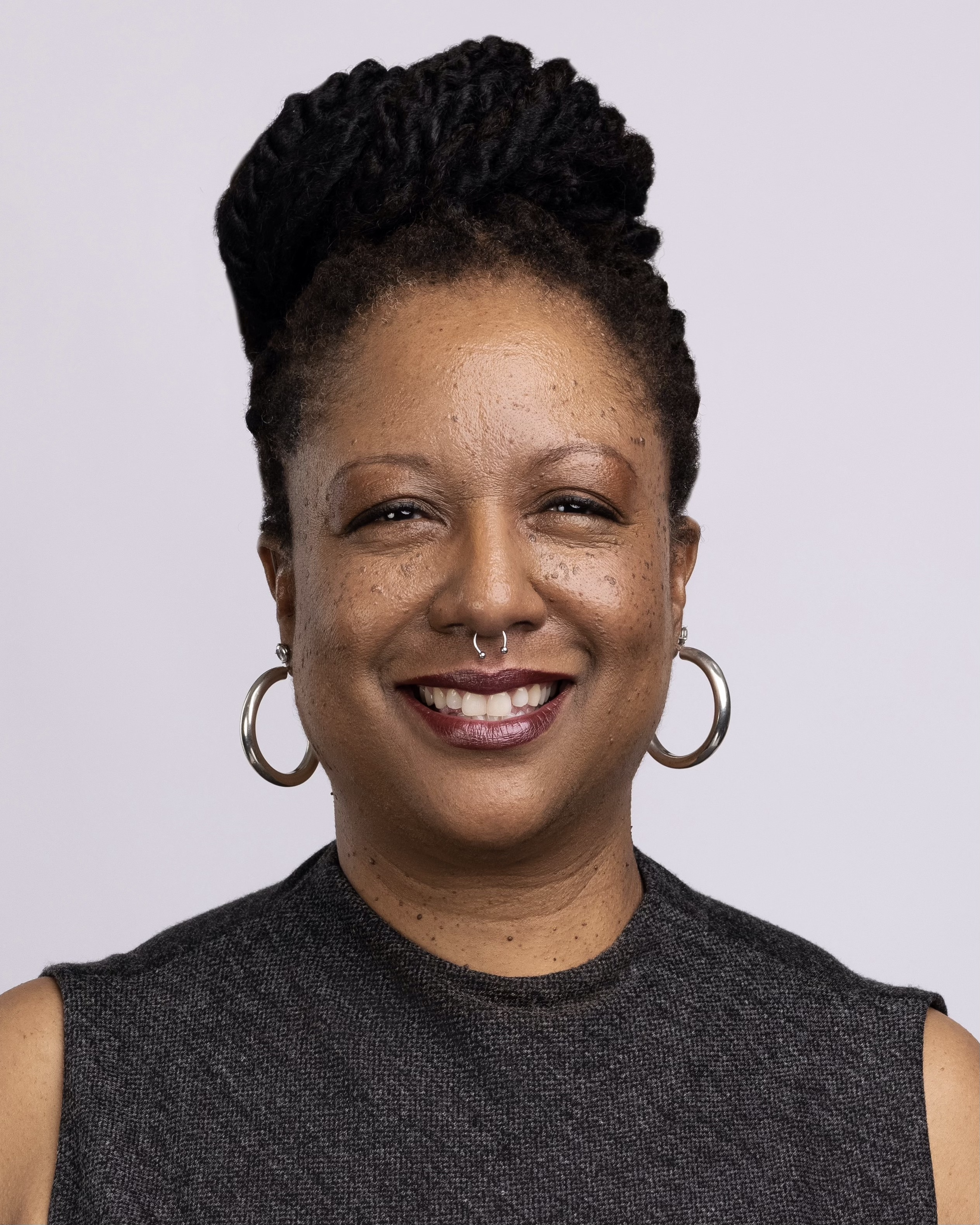 Dr. Lucinda Canty is a certified nurse-midwife, Associate Professor of Nursing, and Director of the Seedworks Health Equity in Nursing Program at the University of Massachusetts Amherst. She earned a bachelor’s degree in nursing from Columbia University, a master’s degree from Yale University, specializing in nurse-midwifery, and a PhD from the University of Connecticut. Dr. Canty has provided reproductive health care for over 29 years. Her research interests include the prevention of maternal mortality and severe maternal morbidity, reducing racial and ethnic health disparities in reproductive health, promoting diversity in nursing, and eliminating racism in nursing and midwifery.
 Dr. Lisa Meeks is a distinguished scholar and leader whose unwavering commitment to inclusivity and excellence has significantly influenced the landscape of health professions education and accessibility. She is the founder and executive director of the DocsWithDisabilities Initiative and holds appointments as an Associate Professor in the Departments of Learning Health Sciences and Family Medicine at the University of Michigan.
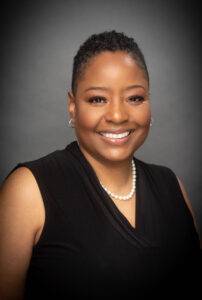 Dr. Nikia Grayson, DNP, MSN, MPH, MA, CNM, FNP-C, FACNM (she/her) is a trailblazing force in reproductive justice, blending her expertise as a public health activist, anthropologist, and family nurse-midwife to champion the rights and health of underserved communities. Graduating with distinction from Howard University, Nikia holds a bachelor’s degree in communications and a master’s degree in public health. Her academic journey also led her to the University of Memphis, where she earned a master’s in medical anthropology, and the University of Tennessee, where she achieved both a master’s in nursing and a doctorate in nursing practice. Complementing her extensive education, she completed a post-master’s certificate in midwifery at Frontier Nursing University.

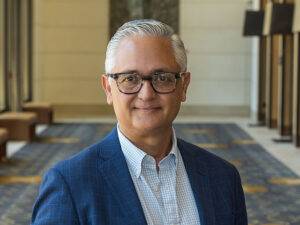







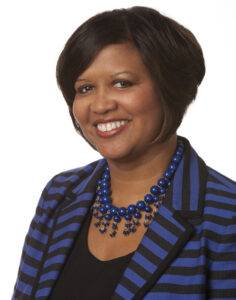 Dr. Tia Brown McNair is the Vice President in the Office of Diversity, Equity, and Student Success and Executive Director for the Truth, Racial Healing, and Transformation (TRHT) Campus Centers at the American Association of Colleges and Universities (AAC&U) in Washington, DC. She oversees both funded projects and AAC&U’s continuing programs on equity, inclusive excellence, high-impact practices, and student success. McNair directs AAC&U’s Summer Institutes on High-Impact Practices and Student Success, and TRHT Campus Centers and serves as the project director for several AAC&U initiatives, including the development of a TRHT-focused campus climate toolkit. She is the lead author of From Equity Talk to Equity Walk: Expanding Practitioner Knowledge for Racial Justice in Higher Education (January 2020) and Becoming a Student-Ready College: A New Culture of Leadership for Student Success (July 2016 and August 2022 Second edition).