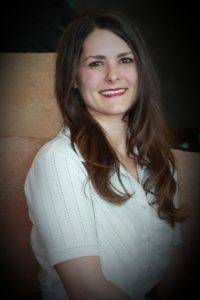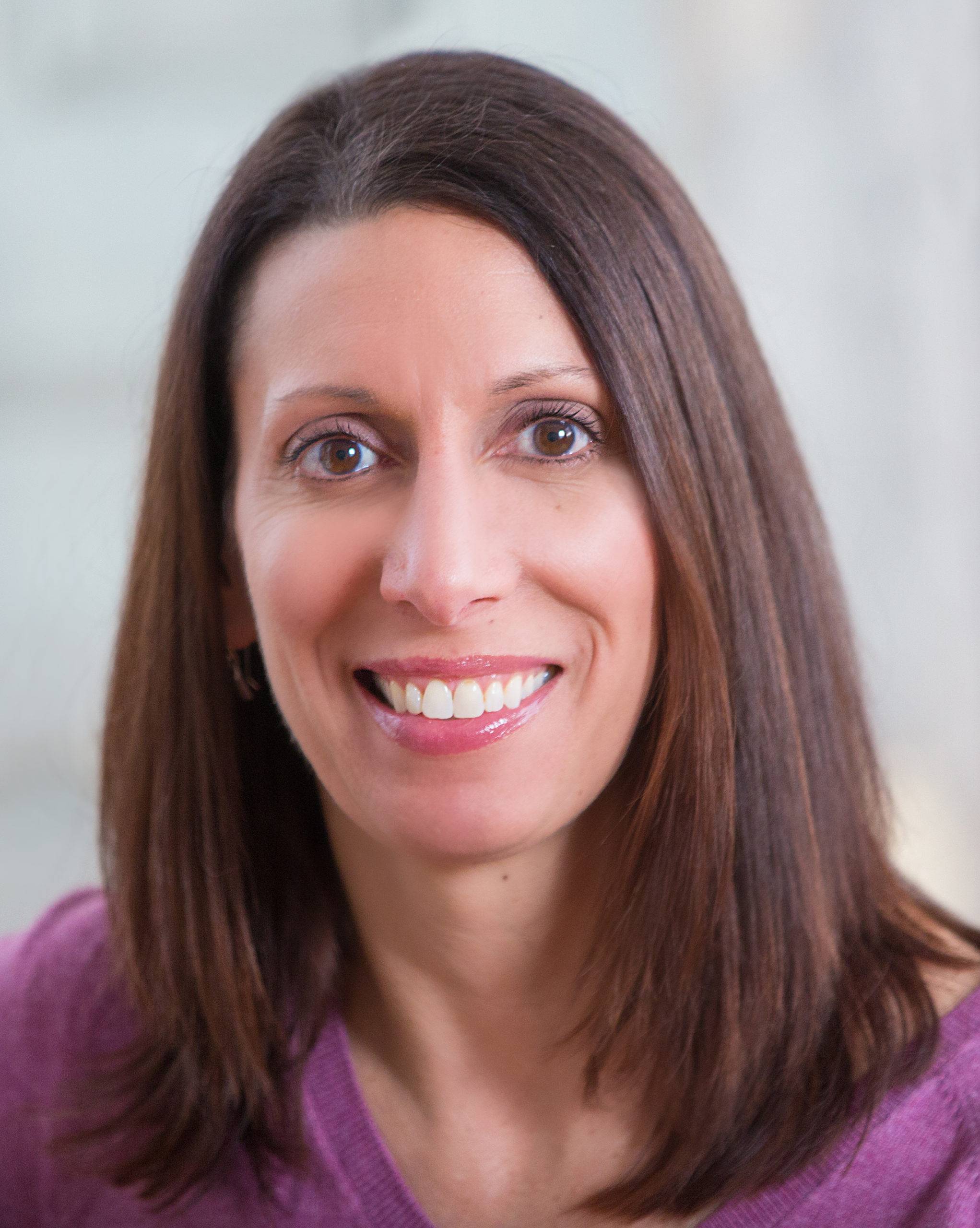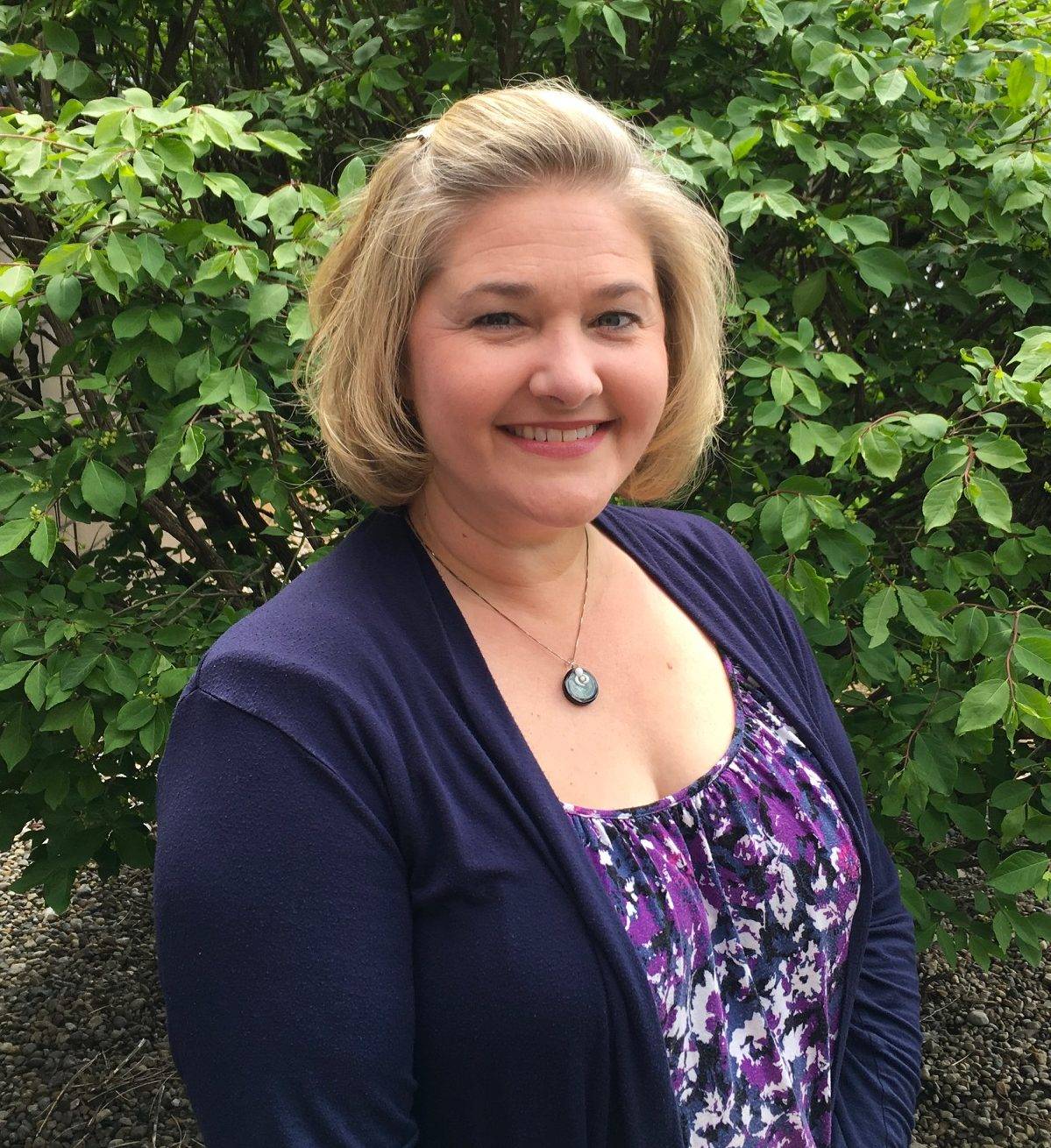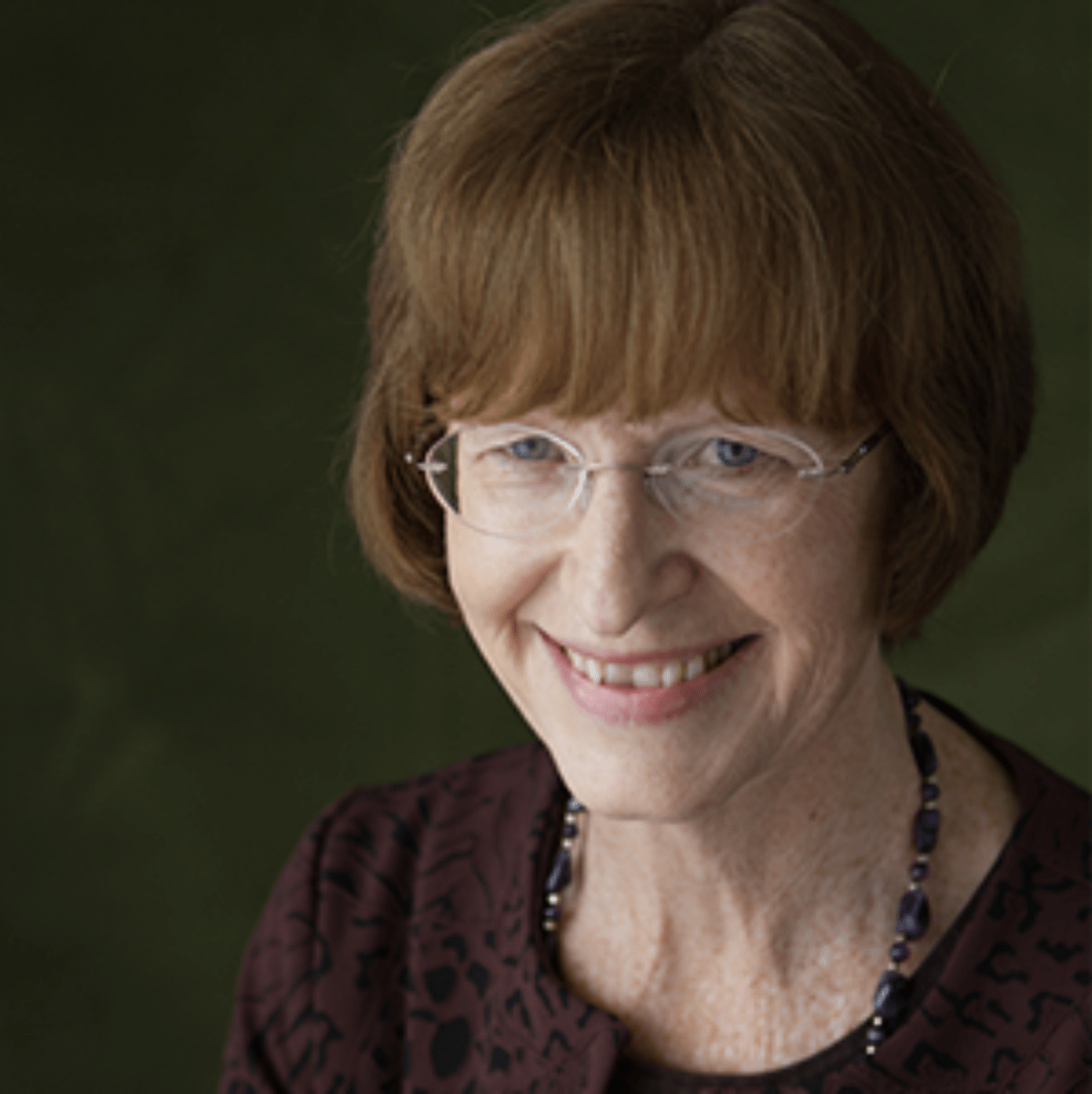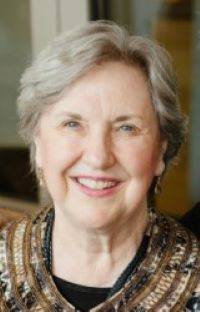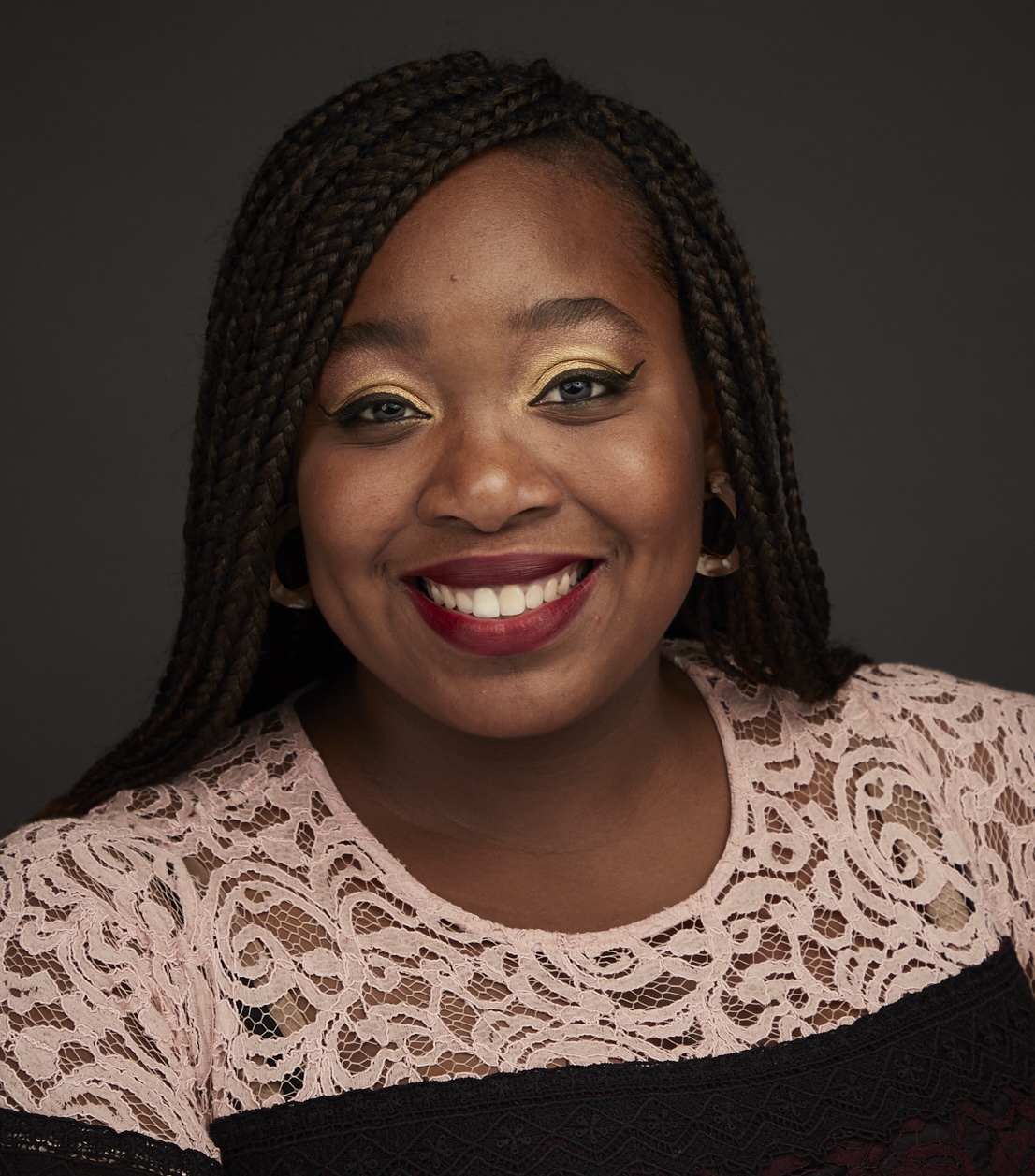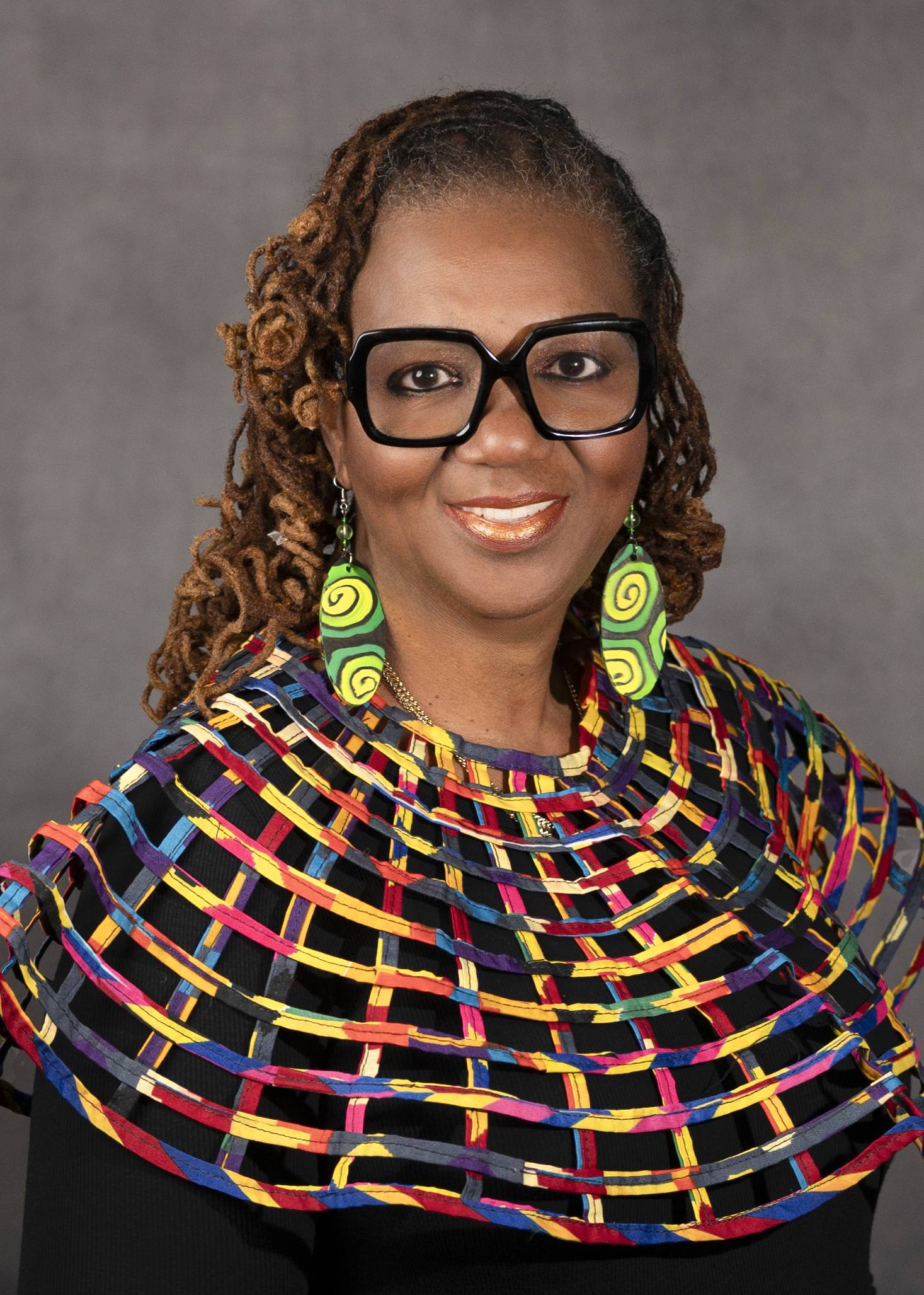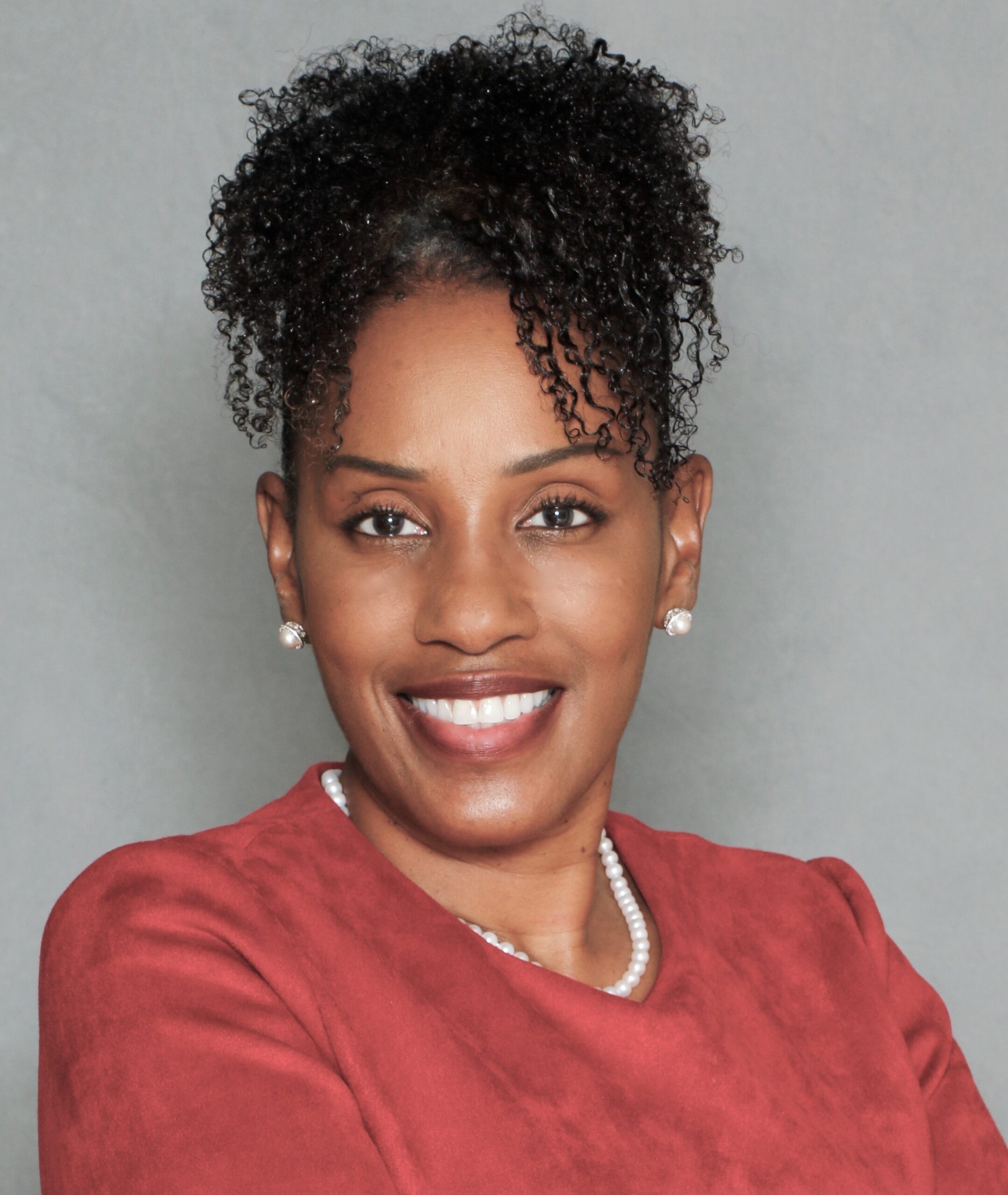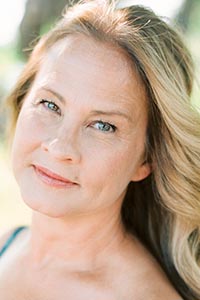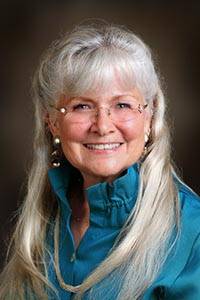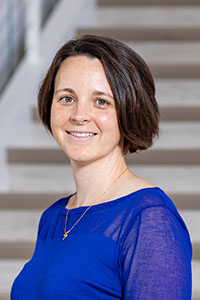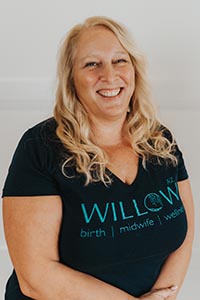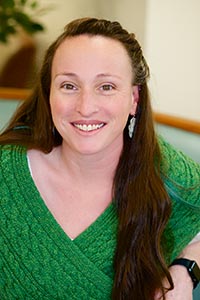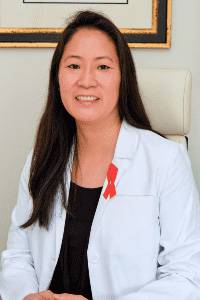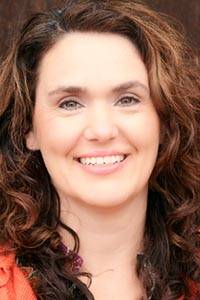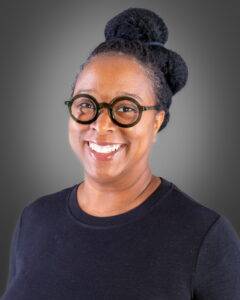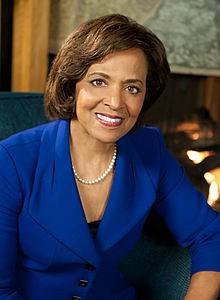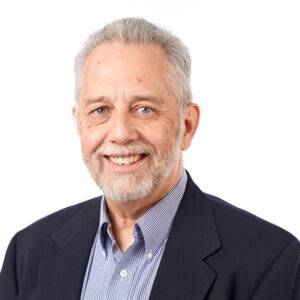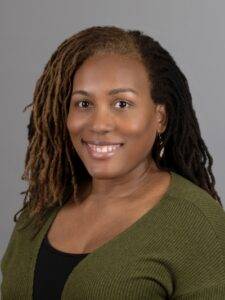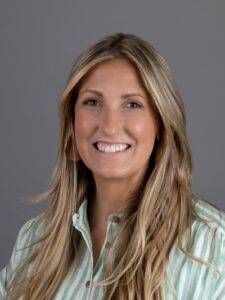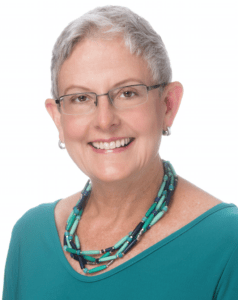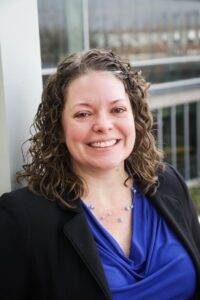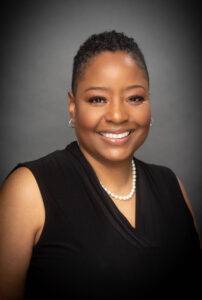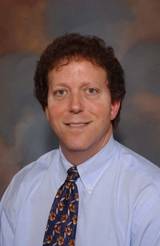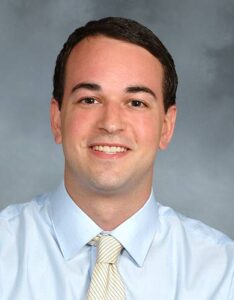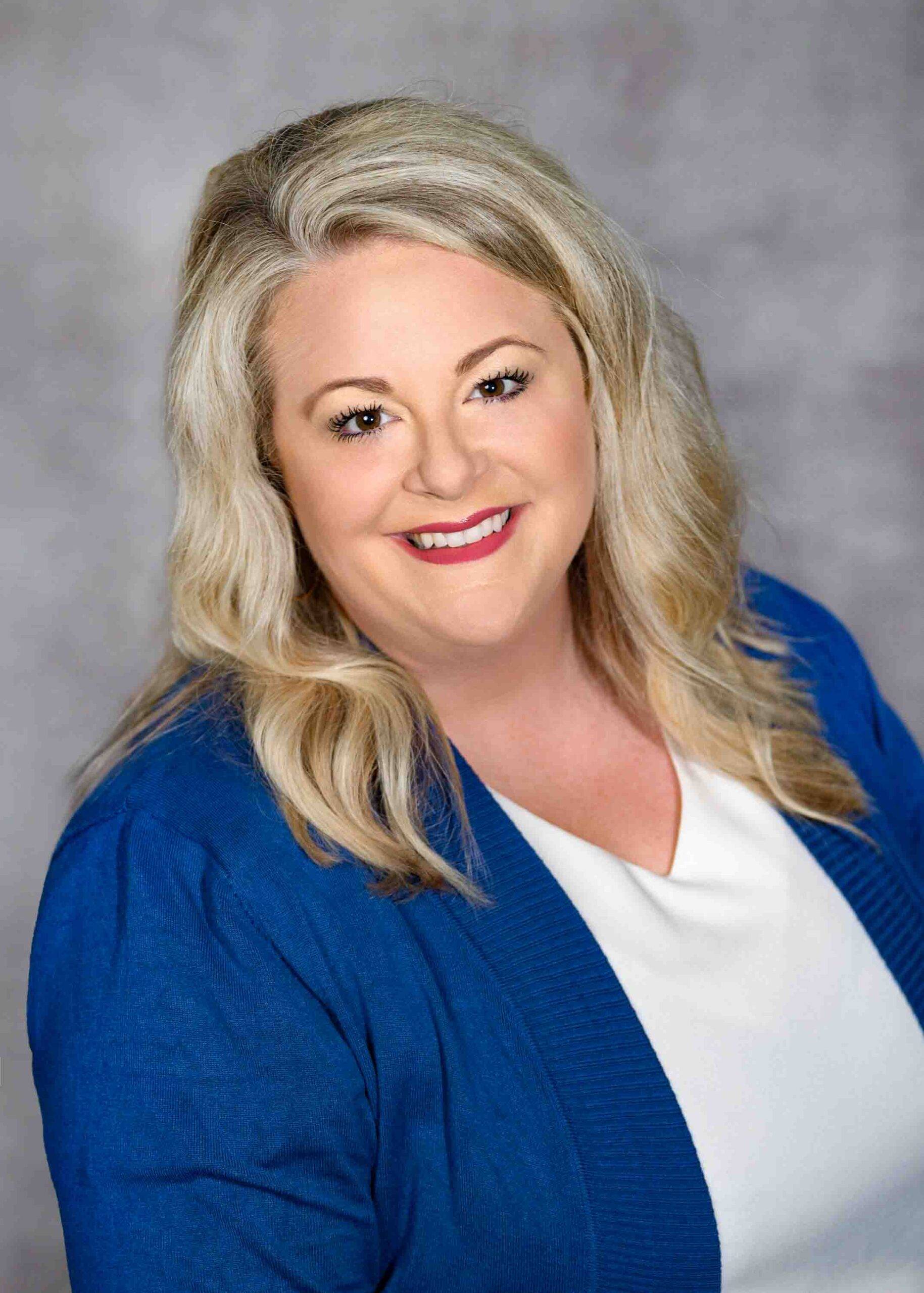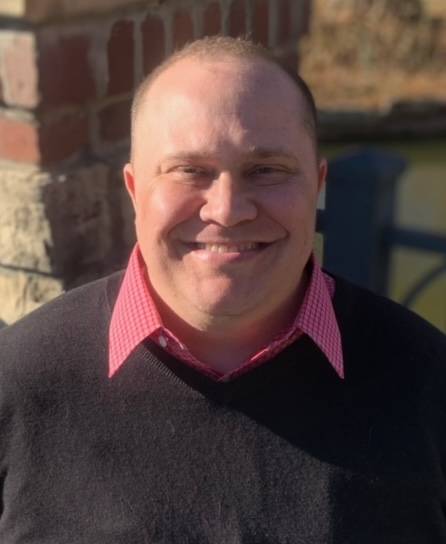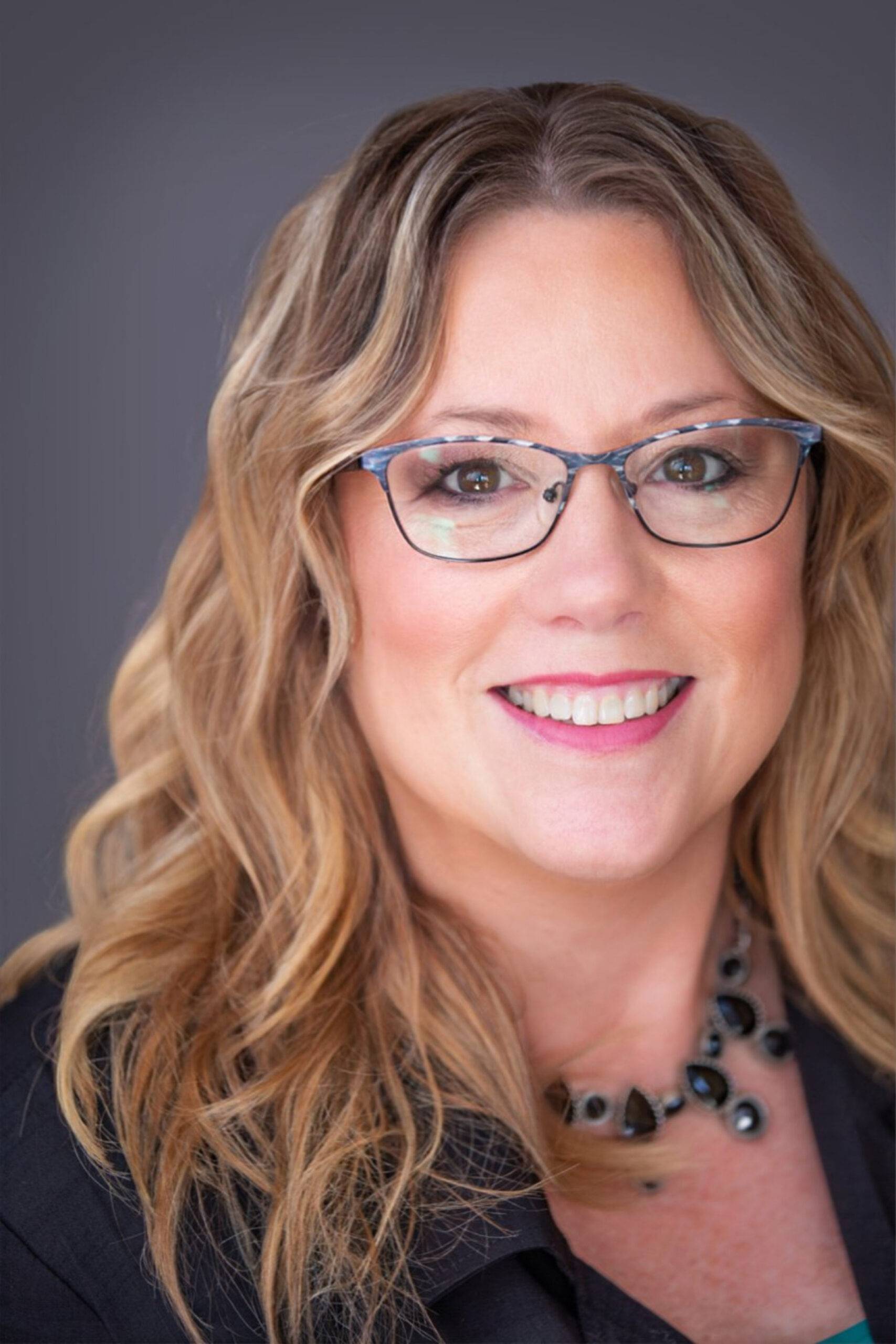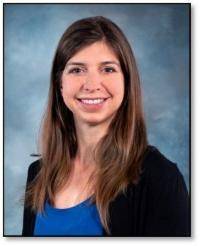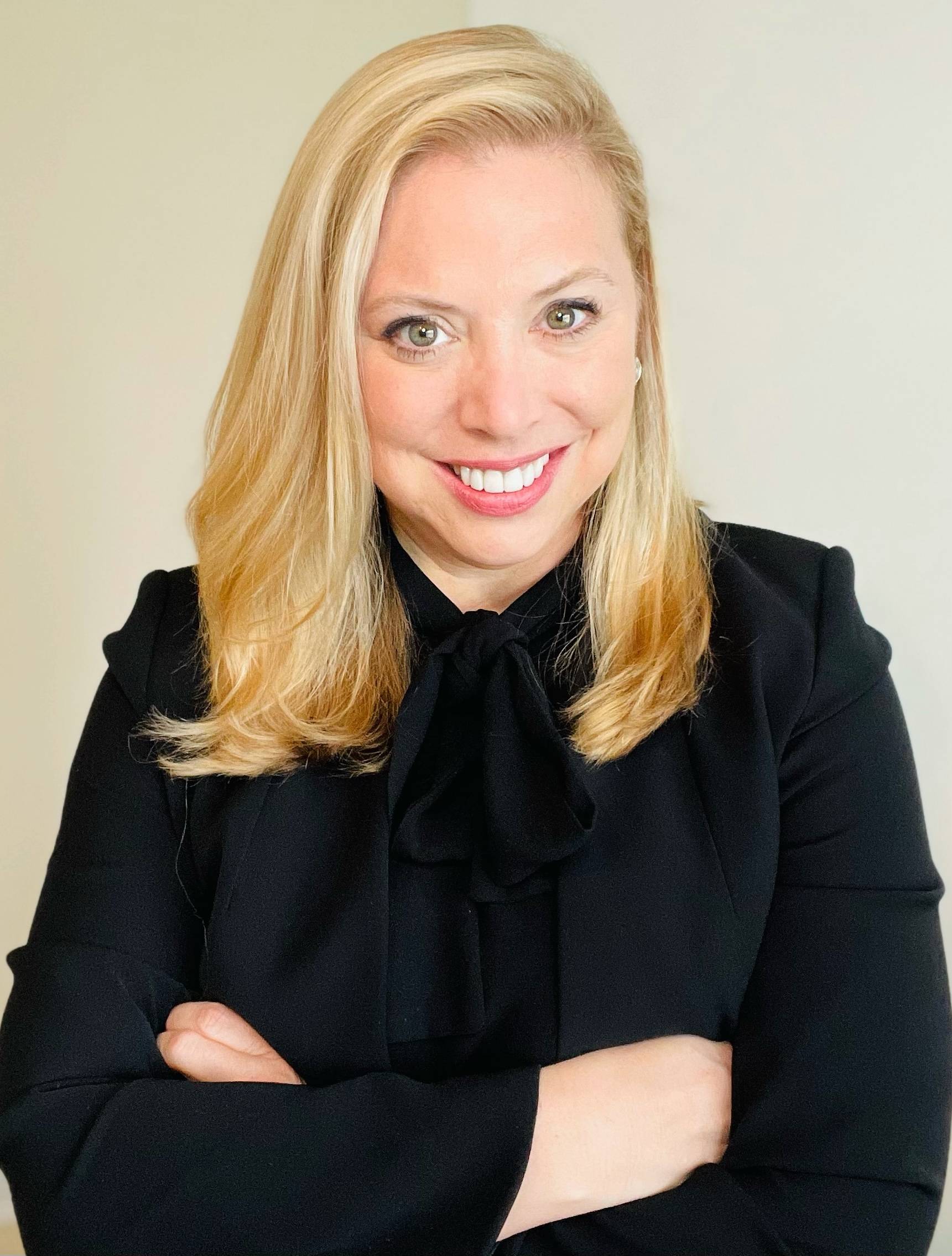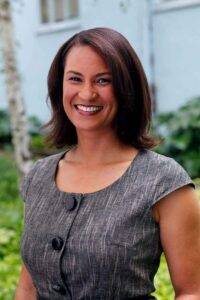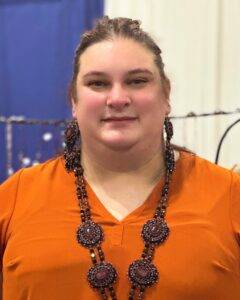
Frontier Nursing University (FNU) alumna Jennifer Scott, CNM, recently left her hospital job to co-found a home birth practice in her local Old Order Mennonite community. Located in the Finger Lakes region of central New York, Jennifer and her colleagues opened Community Midwives in March of last year, filling a gap in maternity care in the area.
In a typical week at Community Midwives, Jennifer spends one day in an open clinic providing prenatal care and other services to the women who visit. She spends the rest of her week making postpartum home visits and being on call 24/7 to conduct home births.
According to Jennifer, the Mennonite women are not opposed to hospital care, but home birth is their preference. Without motor vehicles, the 45-60 minute distance from the Mennonite community to the nearest hospital presents a great challenge, so nurse-midwives are a cultural necessity.
Community Midwives is a simple, self-sufficient organization. They draw their own labs, book their own appointments, and spend their time on rural farms – but they are making an impact.
“I finally feel that I am answering the call!” Jennifer said.
Although Jennifer enjoyed her time working in a hospital and is grateful for the experience she gained, she admits it did not bring the same level of fulfillment that her current career holds.
“At Frontier, we were led by the example of Mary Breckinridge, who worked for the good of those in need rather than for fame or fortune,” Jennifer said.
The longer Jennifer and her colleagues work in the Mennonite community, the more they have come to understand the value in Mary Breckinridge’s career model.
“We came to help the Mennonite women without knowing how much we would learn,” Jennifer said. “The women I work with experience birth as I have always felt it should be; they have faith in their bodies and lack the fear of birth that most American women have. I love what I do because of the strong women I serve.”
A 2012 alumna, Jennifer built strong relationships with fellow FNU nurse-midwives she admires. The bonds she made with these “sisters” have lasted long past graduation.
“I am still friends with so many of my fellow alumni and we are always here to support one another. As we continue to expand Community Midwives, I hope some of my Frontier sisters will be interested in working with us in this region. FNU leads the way in how nurse-midwives are perceived in this country, and as long as they continue with their strong work, I will always be proud to be a Frontier alumna,” Jennifer said.
Thank you, Jennifer, for following the example of Mary Breckinridge and filling a gap of care in your community!
What is a Certified Nurse-Midwife (CNM)?
Certified Nurse-Midwives (CNMs) are educated in two disciplines: midwifery and nursing. They earn graduate degrees, complete a midwifery education program accredited by the Accreditation Commission for Midwifery Education (ACME), and pass a national certification examination administered by the American Midwifery Certification Board (AMCB) to receive the professional designation of CNM. Certified Midwives (CMs) are educated in the discipline of midwifery. They earn graduate degrees, meet health and science education requirements, complete a midwifery education program accredited by ACME, and pass the same national certification examination as CNMs to receive the professional designation of CM.
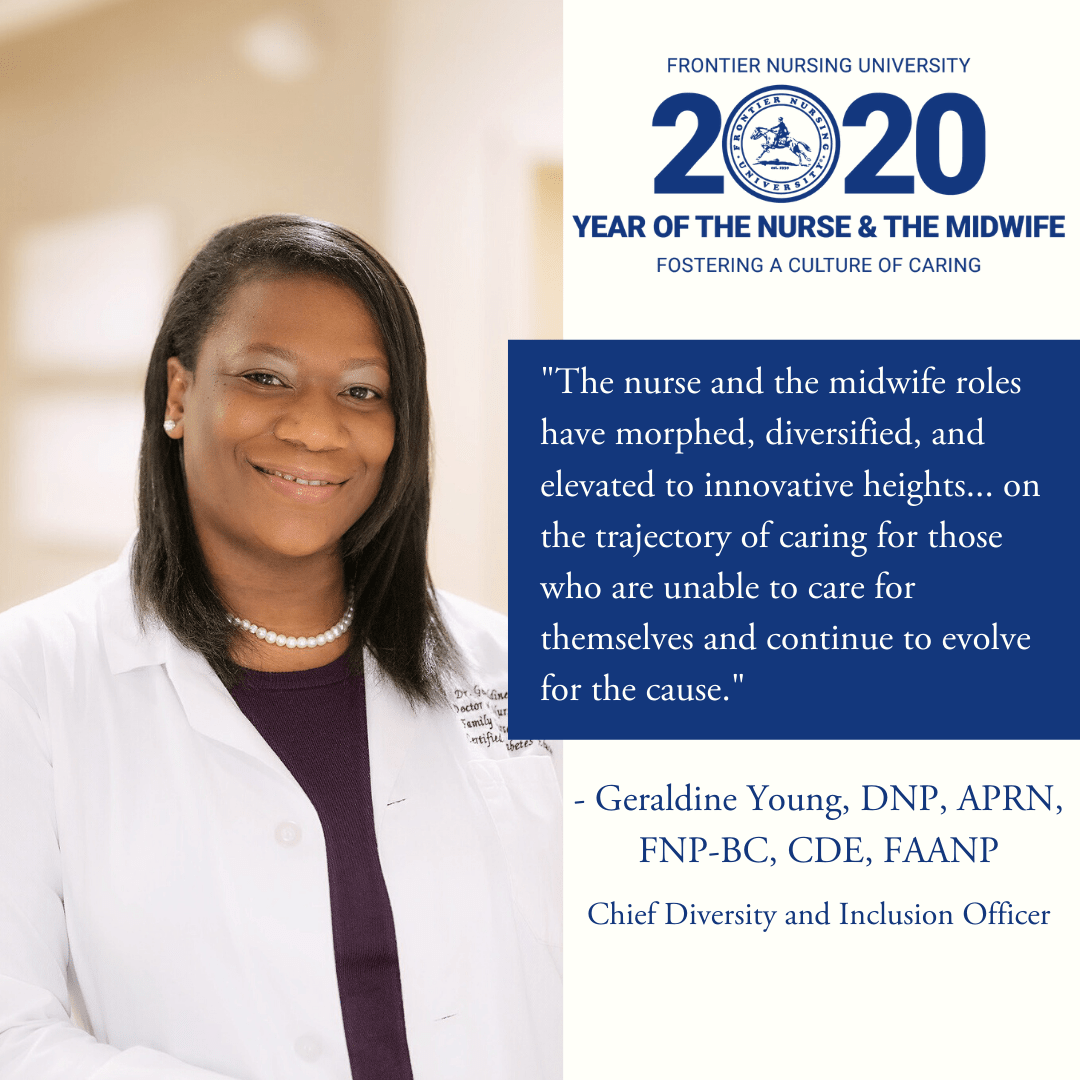
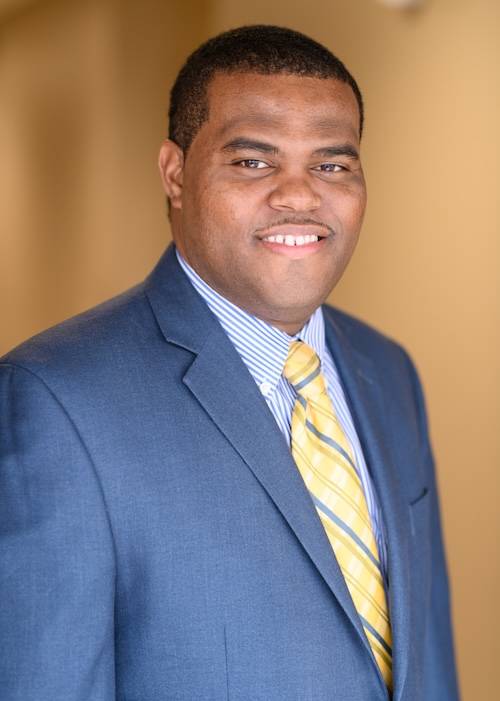
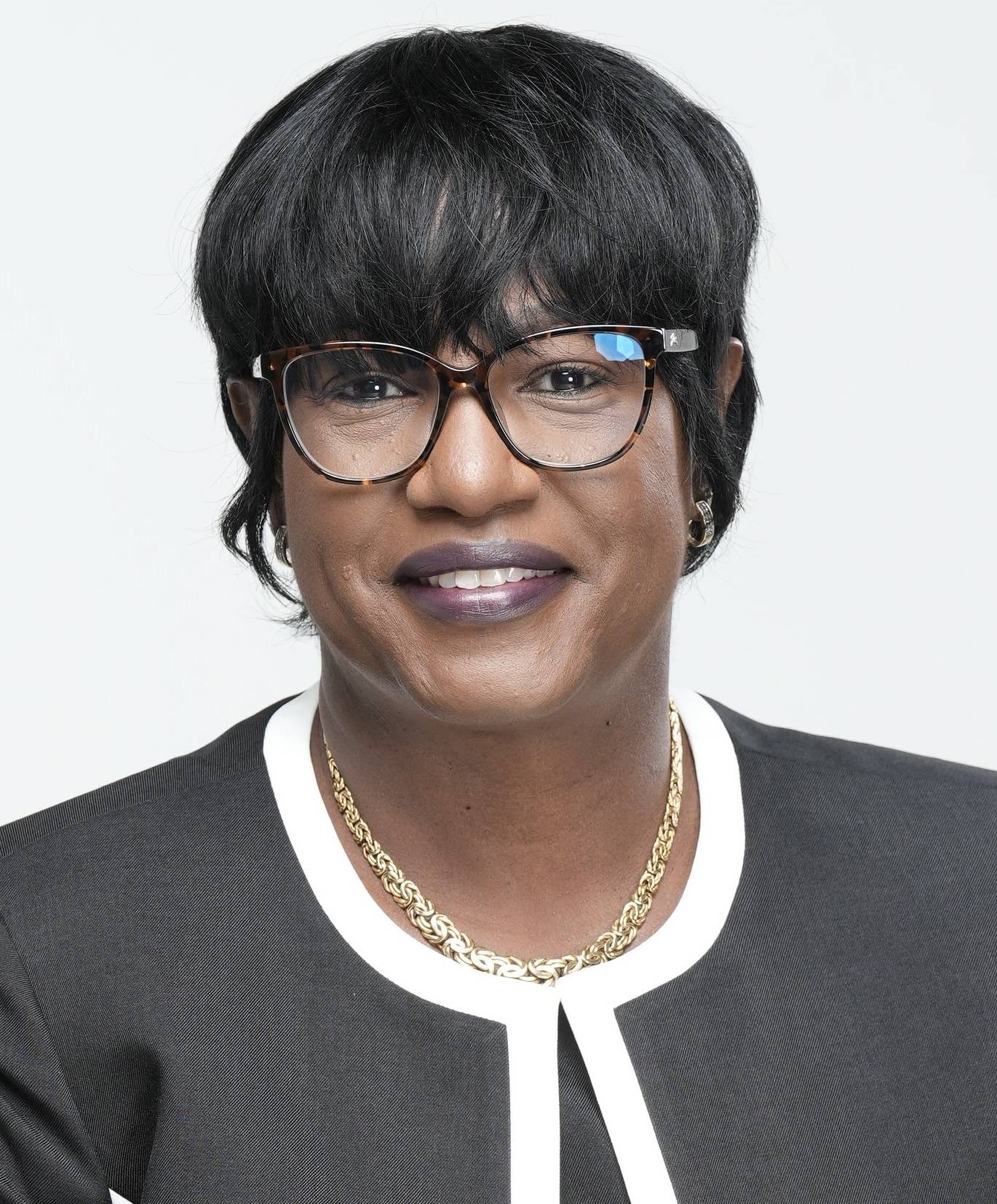
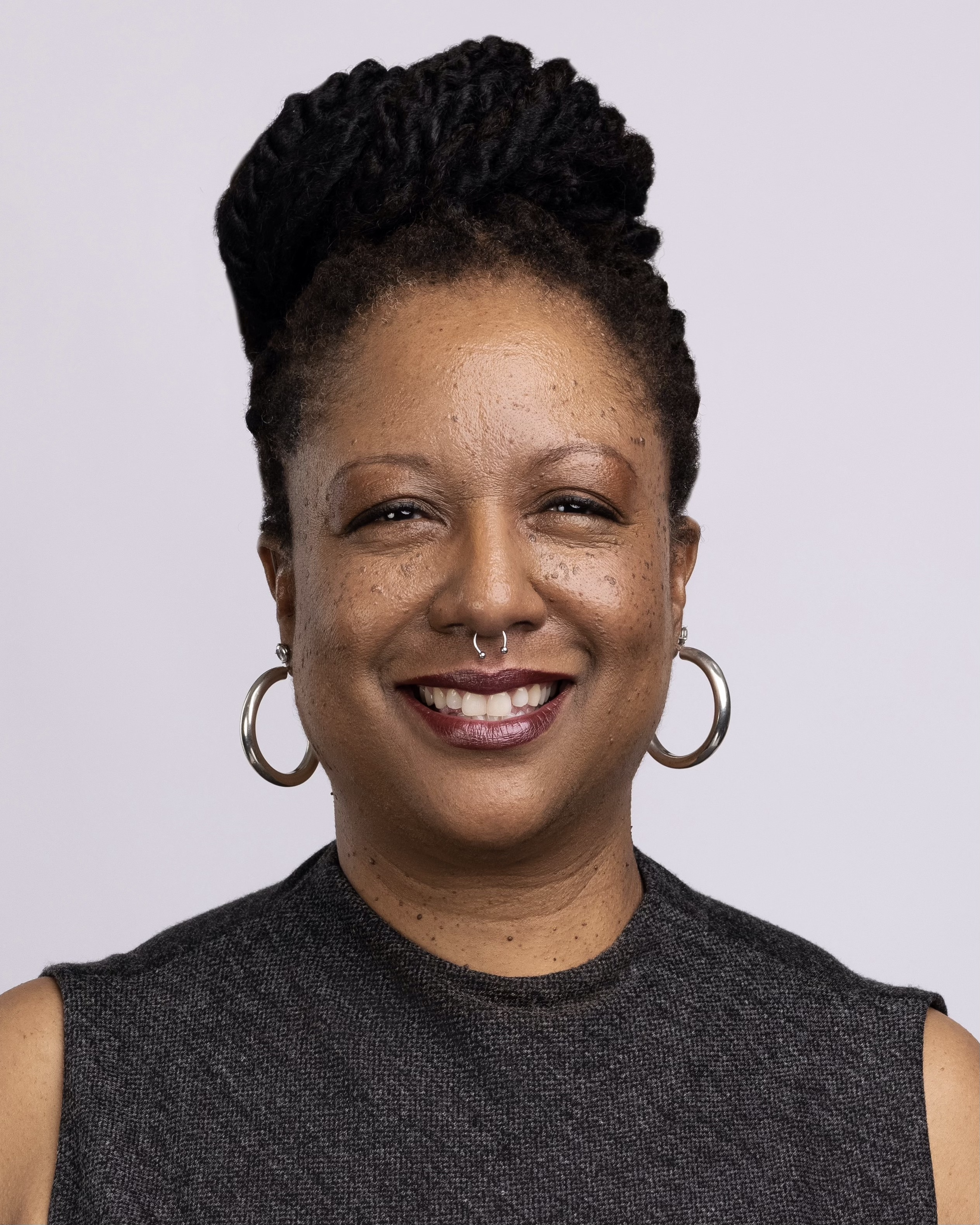
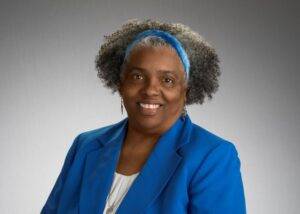
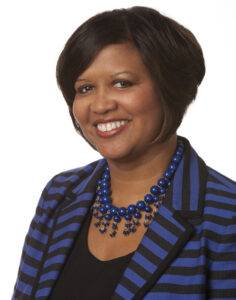
A few weeks ago, Frontier Nursing University (FNU) introduced our new Chief Diversity and Inclusion Officer (CDIO), Dr. Geraldine Young, DNP, APRN, FNP-BC, CDE, FAANP. Dr. Young has practiced for 20 years in the nursing field, and advocating for diversity and inclusion in nursing education has been at the forefront of her work. She holds a DNP from the University of Alabama at Birmingham in addition to an MSN from Alcorn State University and a BSN from the University of Mississippi Medical Center.
“It is truly an honor and a pleasure to be selected as the Chief Diversity and Inclusion Officer at Frontier Nursing University!” said Dr. Young.
We sat down with Dr. Young to learn about her passion for diversity and inclusion, her strategy for enhancing these initiatives at FNU, and the challenges she expects to face in her new position as CDIO.
What has been your career path so far and how has it led you to your current role as chief diversity and inclusion officer?
I hold a Doctor of Nursing Practice (DNP) from the University of Alabama at Birmingham, an MSN from Alcorn State University, and a BSN from the University of Mississippi Medical Center. I am a board-certified family nurse practitioner (FNP) and a certified diabetes educator.
My distinguished career, spanning 20 years, has demonstrated a great passion for improving health outcomes, especially in disenfranchised populations. An early career trajectory began with five years as a registered nurse; this led to 15 years as a family nurse practitioner, 10 of which have been spent as one of the first DNPs in Mississippi and nursing faculty, nine as a certified diabetes educator, and five as family medical practice owner.
I made an effortless decision to migrate to Kentucky to become the inaugural Director for Graduate Nursing Programs at Kentucky State University to expand the ability to help others in rural, underserved areas. Before leaving Mississippi, FNU was introduced to me by a fellow colleague. As an advanced practice registered nurse (APRN), the thought of FNU (a nursing university that exclusively focused on graduate level nursing education for APRNs and founder of my degree pathway as a family nurse practitioner) was instantaneously intriguing. When the opportunity presented itself, there was no hesitation to seize the chance to be employed at FNU!
How has your professional background influenced your passion for diversity and inclusion?
Serving as a leader in improving diabetes outcomes in the southeastern United States has been a career pinnacle. Leadership in the Health Resources and Services Administration’s Health Disparities Collaboratives and the Centers for Medicare and Medicaid Services’ (CMS’s) Mississippi Health First Project transformed the model for healthcare practices and diabetes self-management education (DSME) in Mississippi for minority and underserved populations. This leadership led to recognition from the CMS and the American Association of Diabetes Educators for program excellence in DSME.
My firm commitment to clinical-practice excellence is evidenced by developing a private practice in Mississippi. This practice focused on improving health outcomes and diabetes management and had over 2,500 visits annually, 10 percent of which are for veterans and 30 percent of which are for underserved populations. Direct clinical outcomes were not the only benefits of this practice. In a dynamic partnership with Jobs for Mississippi (a program that provides at-risk youths with positive work experiences to prevent them from becoming dropouts), this practice also provided professional role modeling, culminating in its participation in the AmeriCorps job-placement service, which specifically targets at-risk youth. This practice attained state and national recognition, including a joint telehealth project with the University of Mississippi Medical Center to increase access to quality care.
Where did your passion for diversity and inclusion begin?
My passion for diversity and inclusion emerged in the role of family nurse practitioner, serving various patient populations in underserved, rural areas in Mississippi. During this time, the belief that “no patient is noncompliant” was attained. It is crucial for healthcare professionals to remove bias towards patients that appear to be noncompliant. Healthcare services should reflect individualization based on a patient’s circumstances and uncover means of improving their health outcomes. This motto continues today for any population that I service including students, faculty and staff.
Diversity, equity, and inclusion are the keys to the future success of the health care delivery system and the improvement of health outcomes for minority and underserved populations. All perspectives need a voice. I have always been willing to be that voice.
Membership in the American Association of Colleges of Nursing Essentials Task Force further strengthens this passion as I am on the frontline of nursing education addressing issues of health disparities and inequities that exist in our nation.
How do you define diversity and inclusion at Frontier Nursing University?
FNU encompasses an atmosphere built on a culture of caring, with a mission to promote diversity, equity, and inclusion. FNU elicits the equitable perspectives of students, faculty, and staff regardless of race, gender, sexual preference or identity, disability and/or religion. FNU’s goal is to improve health outcomes through the production of conscious, competent nurse-midwives and nurse practitioners in underserved and rural areas across the U.S.
FNU is a national leader in diversity, equity, and inclusion and a two-time winner of the INSIGHT Into Diversity Higher Education Excellence in Diversity Award 2018 and 2019.
What are you most excited about with your new position?
I have been involved with diversity, equity, and inclusion efforts in the background for many years. Now, I have the opportunity to propel this role forward in my influential nursing career as the Chief Diversity and Inclusion Officer at FNU. In this role, I can expand the impact of diversity, equity, and inclusion efforts at FNU to improve the health outcomes of diverse patient populations in underserved and rural areas in the U.S.
What strategies do you feel will have the most positive impact on the FNU community?
Administration is tremendously supportive of diversity, equity, and inclusion initiatives at FNU. This support transcends the level of comfort needed to productively perform in the role of Chief Diversity and Inclusion Officer. Embodying transformational leadership characteristics, implementing the team-based approach to confronting diversity, equity, and inclusion issues, and soliciting the perspectives of students, faculty, and staff will be instrumental in disseminating a powerful culture of diversity, equity, and inclusion at FNU. This approach will also ensure the direct involvement and ownership of the entire FNU community in the continuous transformation process.
What are the biggest challenges that you will face in your new role?
As the Chief Diversity and Inclusion Officer, I expect the following challenges:
Upholding accountability for implicit bias in the FNU community
Increasing the integration of atypical, diverse populations and perspectives into the FNU community
Providing support for the changes
These challenges are expected to resolve as constituents become more informed and proactive within the diverse and inclusive FNU community.
What is a fun fact about you?
I love to travel! I have been to Washington, D.C., approximately 10 times in the past three years for the purpose of advancing the nursing profession. I feel like D.C. is my home away from home.
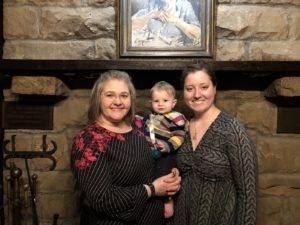
Stephanie VanderHorst (left) with grandson Easton and daughter-in-law Leah (right), who is currently enrolled in FNU Class 194.
Stephanie VanderHorst, CNM, MSN, Class 28, had a plan. She was going to open a freestanding birthing center in Auburn, Ind., a rural community of 13,000 people located in DeKalb County, two hours north of Indianapolis. There was no birthing center in the community and she knew there was a need.
As part of her coursework at Frontier Nursing University (FNU), she developed a business plan for the birthing center in 2000. The results were not what she expected.
“I realized my plan for a birthing center in Auburn wouldn’t work,” she said. Working as the manager of the obstetrics department at DeKalb Memorial Hospital, her interviews with patients revealed a glaring problem. “I realized people didn’t know what a certified nurse-midwife (CNM) was.”
Understanding that the reason the plan wouldn’t work wasn’t a lack of need, but rather a lack of awareness, she held onto her dream and took steps to make it a reality.
“I conducted exit interviews with patients postpartum,” she said. “During those exit interviews, I asked ‘What is your ideal birth? When you have your next baby, what do you want the experience to be?’ People started talking about birth centers. In having those conversations, I was able to lay a foundation that there are options.”
It took longer than expected, but her diligence paid off with the opening of the Auburn Birthing Center in 2010. In addition to co-owning the birthing center, Stephanie is employed by Auburn OB/GYN and Midwifery and has privileges at Parkview DeKalb Hospital.
As of March 2020, Stephanie has welcomed nearly 2,000 births. She has also welcomed nearly 30 students, serving as their preceptor and helping her to earn FNU’s Distinguished Service to Alma Mater Award in 2019. Remembering that she had difficulty finding a preceptor when she was a student, Stephanie is happy to serve in this role but also screens prospective students carefully before agreeing to work with them.
“I’m looking for nurse-midwives who are going to grow the profession,” she said. “Precepting is helping to identify midwives who are going to live the profession and provide quality care that is research-driven and evidence-based. I take about one out of every 10 students who come to me.”
Stephanie is earnest about guiding students interested in growing the profession because she herself has become an active leader and advocate for nurse-midwifery throughout the state. She served consecutive two-year terms as the president of the American College of Nurse-Midwives Indiana Affiliate and is on the board of the Coalition of Advanced Practice Registered Nurses of Indiana. She served on a cervical cancer task force and is on the Governing Council of the Indiana Perinatal Quality Improvement Collaborative (IPQIC) as part of a state-wide initiative to reduce maternal mortality.
“Governor Holcomb wants Indiana to be the best in the midwest in maternal mortality and neonatal mortality rates, and that has launched a huge initiative,” Stephanie said. “We are looking at every birth center and rewriting the policies and standards for birth centers.”
Stephanie, who makes the drive to the state board of health in Indianapolis three to four times per month, studied the state’s policies and utilized resources from the American Association of Birth Centers (AABC) and the Commission for the Accreditation of Birth Centers (CABC) as guides to help review and suggest revisions to the the state’s existing policies and guidelines. The collaborative effort led to the creation of a revised document that is scheduled to be reviewed by the state board of health at a meeting in March 2020.
Stephanie described the past six years in these leadership roles as, “Two years of asking what the problem is, two years of exploring what other ideas are out there, and two years of instituting change.”
Estimating that the world needs 9 million more nurses and midwives if it is to achieve universal health coverage by 2030, the World Health Organization designated 2020 as the International Year of the Nurse and the Midwife. Stephanie’s experiences serve as an example of how nurses and midwives play a vital role in healthcare and why they must be included in policy-making decisions.
“We are the boots on the ground,” she said. “When doctors give direction and say ‘you need to stop smoking or you need to lose weight,’ the nurse-midwife is the one who sits down with the patient and says ‘Let’s talk about it. What’s really going on inside this family? What are the triggers? What are some realistic ways we can make healthier choices?’ We are digging deeper and getting a clearer picture of the situation because we have a little more time to spend with the patient.”
Stephanie said that, as is the case in many communities across the country, there is a shortage of psychiatric-mental health providers in Auburn and across the state. Serving on IPQIC’s maternal mortality review board, she has seen evidence of the impact mental health plays in the overall health of the patient.
“Mental health can have a big impact on these women and them not seeking the help and care that they need,” she said. “Substance abuse, depression, and mental health permeate everywhere.”
With leadership roles as co-owner of a birthing center, preceptor, and active participant in state healthcare initiatives, Stephanie may seem to have been destined for this profession. That, however, was not the case.
“I became a midwife by default,” she said. “As a nurse, I had those rose-colored glasses, but soon realized that some of the nurses were really taking care of the doctors more than the patients. I became more and more disheartened. I had changed as much as I could as a manager. I needed to be a provider.”
She was also helping provide for her family, which at the time consisted of her husband Dean and two sons.
“The only options I had for midwifery school other than FNU were Michigan or Case Western,” said Stephanie, who now has three sons, a daughter, and a grandson. “Do I want to travel every week to Michigan or Case Western or do the distance-based program at FNU? I needed to work. I had two boys at the time and I carried our insurance. I worked throughout the completion of my midwifery program.”
Stephanie credits FNU with helping her direct her passion to open a birthing center by creating a plan that served the needs of the community and could succeed as a business. “The program did well in instilling that there are different ways to practice and finding out what your community needs are,” she said.
She recalled attending FNU’s Midwifery Bound where the attendees shared their dreams and motivations. She remembers both FNU President Dr. Susan Stone and FNU Board of Directors member Kitty Ernst being in the circle. When it was her turn to share her story, Stephanie said, “I’m going to open a birth center in northern Indiana.”
She shared her voice that day with a relatively small group of people. Today, Stephanie continues to share her message with a much larger audience, her voice resonating as a leader, advocate, educator, and caregiver.
What is a CertifiedNurse–Midwife (CNM)?
CertifiedNurse-Midwives (CNMs) are educated in two disciplines: midwifery and nursing. They earn graduate degrees, complete a midwifery education program accredited by the Accreditation Commission for Midwifery Education (ACME), and pass a national certification examination administered by the American Midwifery Certification Board (AMCB) to receive the professional designation of CNM. Certified Midwives (CMs) are educated in the discipline of midwifery. They earn graduate degrees, meet health and science education requirements, complete a midwifery education program accredited by ACME, and pass the same national certification examination as CNMs to receive the professional designation of CM.
2020: Year of the Nurse and the Midwife
Frontier Nursing University (FNU) is proud to support and join the World Health Organization’s international campaign designating 2020 as the “Year of the Nurse and the Midwife.” In recognizing the International Year of the Nurse and the Midwife, FNU joins the efforts to raise awareness of healthcare shortages in the U.S. and abroad; demonstrate the need for more nurses and nurse-midwives; educate the public of the value of nurses and nurse-midwives in their communities and advocate for access to quality healthcare for every individual.
UPDATE: Due to safety concerns surrounding COVID-19, the screening event on March 26th has been cancelled. Please tune in for the premiere of “Call the Midwife” on PBS on March 29th, and if you live in Florida or Kentucky, keep an eye out for Frontier’s commercial!
2020 rings in a new season of the PBS drama series “Call the Midwife” and also the ninth consecutive year that Frontier Nursing University (FNU) has supported the show by airing commercial spots in both Kentucky and Florida. On Thursday, March 26, FNU will also host its ninth annual “Call the Midwife” screening event.
FNU will screen the season premiere of Season 9 of “Call The Midwife” in Lexington, Ky. at Kentucky Educational Television (KET). Viewers have the special opportunity to see the premiere three days before it airs to the public on March 29th! Light refreshments will be served beginning at 6 p.m. and the screening will start at 7 p.m.
The PBS drama follows the nurses, midwives and nuns from Nonnatus House who visit the expectant mothers of the Poplar district of London’s desperately poor East End, providing the poorest women with the best possible care.
FNU has been involved with the show since Season 1 aired in the U.S., thanks to FNU’s rich history during the early days of nurse-midwifery in America. FNU faculty member Katie Moriarty, PhD, CNM, CAFCI, FACNM, RN is one of three nurse-midwives who partner with PBS and Detroit Public Television to discuss their role in modern obstetrics in relation to “Call the Midwife,” which takes place in the 1950s and 1960s. As a “Modern Day Midwives” blogger for the show’s website, Katie contributes valuable knowledge of nurse-midwifery as it relates to her experiences over the years as a nurse, midwife, educator, and administrator within midwifery and public health. Take a look at her blog posts.
Friends of FNU, fans of “Call The Midwife” and anyone who is interested in learning more about nurse-midwifery are welcome to attend the screening, but spots are limited! View the invitation on our Facebook page and click here to RSVP.
Those interested in catching the new season on PBS this spring can tune in for the premiere on March 29th on their local PBS station. If you live in Kentucky or Florida, you just might be lucky enough to catch an FNU commercial spot airing in conjunction with the show. Find your local station schedule and other details at pbs.org/show/call-midwife/.
The populations in the rural communities impacted through this program are at a higher risk for chronic illness and poor health compared to urban populations. Rural populations experience higher rates of infant mortality, heart disease, child obesity, and preventable hospital stays, to name a few. According to the Centers for Disease Control and Prevention, rural Americans are susceptible to increased mortality rates as a result of five leading causes: heart disease, cancer, unintentional injuries, chronic lower respiratory disease and stroke.
For many rural populations, low educational levels often relate to higher rates of poverty among residents. Subsequently, poor reading skills and health literacy are prevalent, leading to poorer health status, increased risk for hospital stay, and a reduced likelihood to receive preventable services and health screenings.
Throughout its history, FNU has placed an emphasis on providing primary care for the vulnerable in rural and underserved communities. The ANEW grant has allowed FNU to achieve a great deal to this end over the past two years. Let’s take a look at what FNU has accomplished through the four main objectives of the ANEW grant!
Informing the Curriculum
The ANEW grant has allowed FNU to develop preceptor and alumni surveys to facilitate the enhancement of active learning activities in the didactic curriculum. The surveys asked alumni and preceptors to identify specific concepts that needed further development in the curriculum. Survey results revealed that curriculum development should focus on the concepts of genetic testing, abnormal infant weight gain, EKG and prescribing medications to special populations (i.e., geriatric, adult, and pediatric). FNU is working to ensure these are fully introduced, reinforced, and applied across the family nurse practitioner (FNP) curriculum.
In 2019, the curriculum was mapped for the concepts of complex care, telehealth, psychiatric mental health, healthcare team communications and TeamSTEPPS. Survey data helped determine the placement of this information in the current curriculum. In 2020, the concepts of diversity and inclusion will be added to curriculum mapping projects.
Clinical Training in Rural Settings
One of the aims of the ANEW grant is to train nursing students for practice in rural primary care settings. Though it has approximately 600 students in clinicals all over the country, for this project FNU has been able to partner with five clinical sites in federally designated rural areas to form a clinical practicum advisory committee (ICPAC). Located in Richmond, Ky.; Tuba City, Ariz.; Elma, Wash.; Tahlequah, Okla.; and Batavia, N.Y., each site is hosting FNU students for their clinical practicum and participating in quarterly CPAC meetings. FNU regional clinical faculty are also meeting monthly with the participating clinical sites to evaluate and assess grant activities, using the rapid cycle quality improvement (RCQI) process to provide ongoing feedback throughout the grant period.
Mindy Brown-Lechner – Tuba City, Ariz.
Students’ experiences at the rural clinical sites teach them how to address the challenges unique to a rural setting. Current DNP Class 37 student Mindy Brown-Lechner, CNM, said her experience in Tuba City, Ariz. has been transformational.
“I came into Tuba City with very little knowledge of the culture of the native populations in Arizona,” said Mindy. “I was fortunate to be provided an opportunity to glimpse the unique birth practices of the Navajo and Hopi women and their families that I worked with. I was fascinated by the rituals surrounding pregnancy, birth, and the postpartum period.”
At his rural clinical site in Elma, Wash., DNP student Joe McFadden, CFNP, RN gained valuable knowledge from the providers he worked with.
Joe said, “I worked with many excellent providers in Elma, including my regional clinical faculty Dr. Mary Ellen Biggerstaff, Dr. Belinda Lear and Amy Graham. I feel I was well prepared to understand the resource limitations providers and patients have to work with but also the strength of working in a tight knit community.”
Precepting in Rural Settings
Preceptor Cecilia Stearns with student Adzowo (FaFa) Sam Gone
For nursing students to receive training and complete their clinicals in rural settings, the need arose to grow the number of preceptors in rural communities. FNU has had the privilege of implementing recruiting activities at major nursing conferences like the American College of Nurse-Midwives and the American Association of Nurse Practitioners.
For existing preceptors, FNU’s clinical network database was enhanced in 2019, introducing tools to track students’ progress in daily, weekly and monthly increments. FNU now offers quarterly online continuing education (CE) programs for preceptors and will continue to introduce new CE courses in the future. Over 560 preceptors have completed FNU’s Gift of Precepting continuing education program, and 18 have completed the Master Preceptor continuing education program!
Support for FNU Students
Another goal of the ANEW grant was to financially support students entering the clinical practicum in a rural setting. FNU has achieved its objective of providing 175 students with $2,000 in traineeship support. Mindy said the grant offered much needed support during her time in a remote location.
“It was such an honor to be given the opportunity to participate in the intrapartum experiences at Tuba City, and having the ANEW grant helped support me financially while I was away from work and home,” said Mindy.
Going forward, all trainees’ progress will be tracked through graduation to determine if they are employed in a federally designated rural or underserved area.
Strategies for APRN and Nurse-Midwife Distribution
In order to impact the lives of rural underserved patients in the long-term, the ANEW grant placed emphasis on strategies for distributing APRNs and nurse-midwives into rural clinical settings after graduation. Some rural clinical site students like Joe are called to remain on location to serve post-graduation.
“I had such a great experience in Elma working with the population in Grays Harbor that I knew I wanted to work there and didn’t even apply anywhere else,” said Joe. “I’m very thankful for the opportunity to train in Elma and I appreciate my preceptors and the ANEW grant for helping make it all happen.”
FNU offers employment assistance for all graduates, including an active job board on the FNU alumni portal, online resources such as interviewing and resume guidelines, and guidance included in the Principles of Independent Practice course taken by all students during their studies.
Most recently, the Alumni Career Center was developed to further support our trainees and graduates.
The ANEW grant expires in June 2020, but its effects will last far longer. FNU is proud to partner with ANEW to accomplish the mutual goal of providing quality healthcare to improve the lives of patients in rural and underserved areas!
Each fall, Frontier Nursing University’s (FNU) Chi Pi Chapter of the Sigma Theta Tau International Honor Society of Nursing (STTI) awards several students with a $750 scholarship. To qualify for STTI membership, students must have completed at least a quarter of their degree program, hold a 3.5 or higher grade point average and demonstrate academic excellence.
Congratulations to the Fall 2019 Chi Pi scholarship recipients:
Kara Crispin
Debora Lundgren-Walls
Sally Sanchez
Meagan Tremblay
Melanie Laub
Carrie Hernandez
Shannon Theiss
Jenny Ownbey
Best of luck to these students as they continue their educational journeys! Here is what FNU students said about receiving the Chi Pi scholarship:
“Due to the generosity of the Chi Pi Chapter, I am one step financially closer to reaching my goal of becoming a family nurse practitioner. I have used a portion of the scholarship money to register for the Kentucky Coalition of Nurse Practitioners and Nurse-Midwives annual conference in order to engage with my local nurse practitioner community, follow legislative decisions impacting my future practice, and participate in lifelong learning. In the remaining portion, I am setting aside to cover my expenses for Clinical Bound in July. Thank you Chi Pi for investing in my future.” -Kara Crispin
“The Chi Pi Scholarship arrived at a very opportune time. I was off work for three months after surgery and this scholarship provided some much appreciated financial support for the winter term. I am extremely grateful for the financial help and proud of the accomplishments I have achieved that allowed me to qualify for this scholarship. Thank you Chi Pi and Sigma Theta Tau.” -Melanie Laub
“The 2019 Fall Scholarship allowed me to spend more time concentrating on my studies during the DNP program and less time worrying about how to pay for it. In a time of financial need, this scholarship helped to slightly ease the financial burden. I am honored to have received a scholarship during the fall 2019 term and extremely grateful to the Chi Phi Honor Society for providing me with this opportunity.” -Meagan Tremblay
“Receiving a scholarship from Chi Pi was truly a blessing to my family. Two days before I received notice that I was awarded the fall scholarship, my husband and I had been discussing finances. We discussed whether I should continue in school and take out more school loans vs. taking a break to pay off what I had accrued. Also, my seven-year-old son was in need of oral surgery, and everything just seemed to be piling up, financially speaking. The scholarship boosted my spirits and allowed wiggle room for us to afford my son’s surgery. I am very honored to have received the Chi Pi scholarship.” -Carrie Hernandez
“As one of the recent Chi Pi scholarship recipients, I would like to reach out and thank the honor society and its members for their financial support through this scholarship. I chose to continue my education at Frontier Nursing University because their values aligned with mine, wanting to serve the families around me. My education here has been wonderful, and I have gained not only the knowledge and skill needed to become a future midwife, but also a family.
“I am currently going into my final terms at FNU and am in the midst of clinicals. We had an unexpected setback, and I lost my first and second clinical placements. I have had to relocate away from my family to finish clinicals and my degree. This has placed a huge financial burden on my family, and just when I thought I might have to drop out for a while, my extended family came to my assistance. Your financial support will assist me in continuing my required clinical hours and help me complete my MSN degree here at FNU. My family and I appreciate your support, and thank you from the bottom of our hearts.” -Shannon Theiss
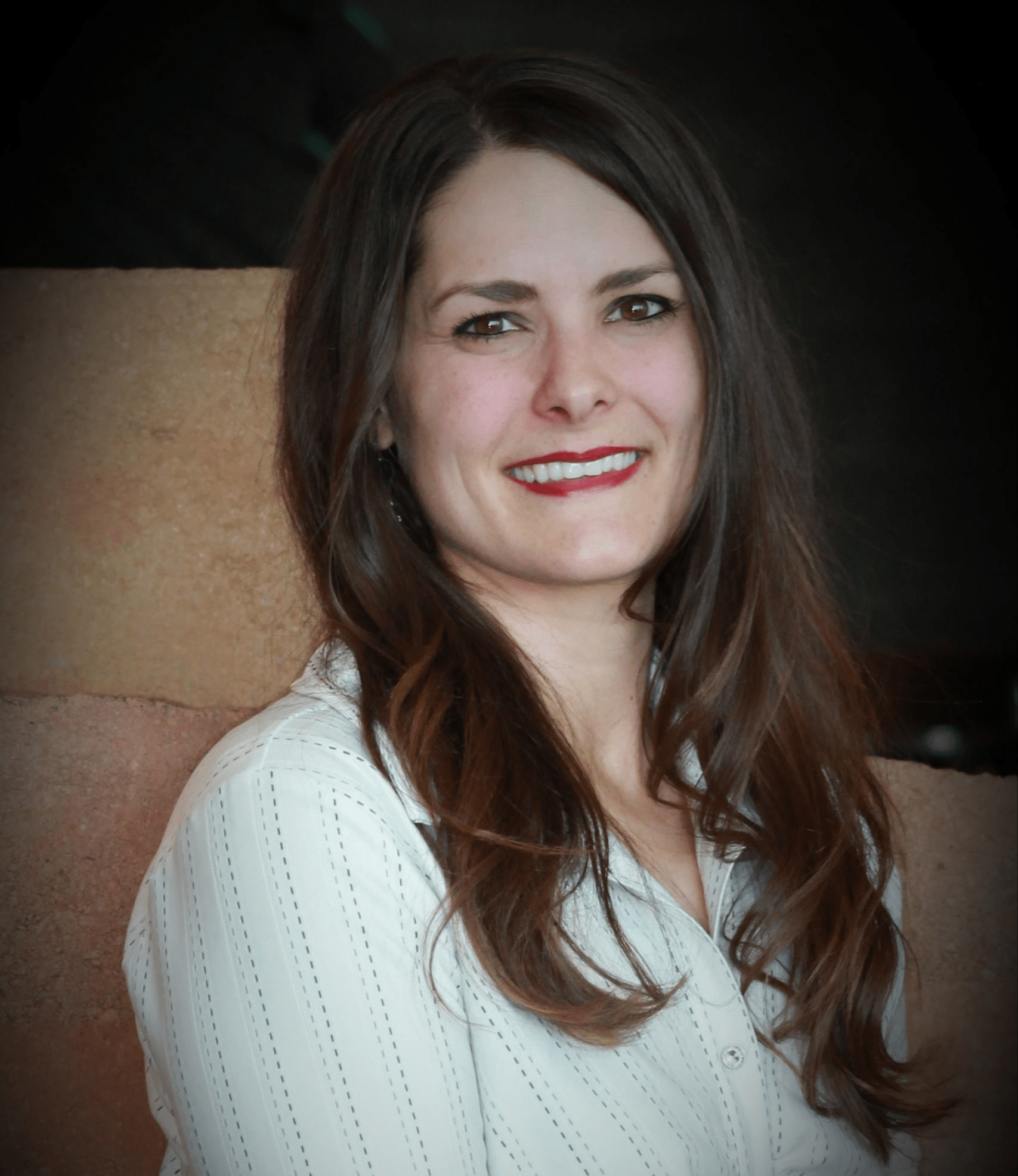
Jennifer’s hometown of Manistee, Mich. has a population of 15,000 with around 25,000 in the surrounding county. It is a predominantly rural area and many patients suffer socio-economic challenges.
Two years ago, Jennifer was working at West Shore Medical Center OB-GYN, the town’s first ever in-hospital midwifery care facility. West Shore was bought out by the large regional Munson Healthcare and the OB department was shut down.
To meet the needs of patients, Jennifer opened Transitions Women’s Wellness Center, a women’s wellness center and free-standing birthing facility, and the only facility to deliver a baby in a two-county area. In the first full year of practice, Transitions received National Best Practice recognition.
As a full-scope CNM, Jennifer is on call 24 hours a day, seven days a week. She offers non-traditional office hours at Transitions to accommodate work schedules and allow significant others and older children to attend appointments whenever possible.
“I spend around an hour with each patient to make sure I am getting to know the whole woman so I can offer individualized, full-scope holistic care,” said Jennifer.
Transitions accepts every type of insurance including Medicaid, the most common coverage her patients carry. Michigan does not recognize or license birth centers, so Jennifer receives no facility reimbursement from the state. She has a part-time office assistant but has not been able to afford to hire help or take home a paycheck.
“I know that Mary Breckinridge never worried about payment for services and that things will improve in time,” said Jennifer. “I get paid in hugs and baked goods and donations of needed supplies. I know that I’m doing good things for the right reasons, for women and families that need and deserve a different kind of care.”
Jennifer chose to pursue nurse-midwifery because she wanted to bring the option of midwifery care to the area where she grew up. Many of the women in Manistee County are socioeconomically challenged, undereducated, underserved and underprivileged, but Jennifer’s hope is that by educating and empowering them, lives will be impacted not just today but for generations to come.
“I feel really blessed to be able to serve the women in this area,” said Jennifer. “The most rewarding thing for me is helping women who don’t think they’re worth much. When they leave after a year of pregnancy and child-bearing, they go as empowered women who know what’s going on with their bodies, understand how to be healthy, how to advocate for themselves and how important it is to be treated with respect in regards to healthcare.”
Transitions received a lot of media attention at the start of the new year. With the closing of the OB department, 2020 was the first year in the history of Manistee County that the first baby of the new year was not born in a hospital! The birth took place at Transitions. Jennifer had cared for the mother during her first three pregnancies but had never been present for the births, so it was special for her to attend the birth of the mother’s fourth child.
“We moved to Traverse City 19 years ago. At my job, there were four nurse-midwives, three of whom happened to be FNU graduates. They told me about Mary Breckinridge and the university’s continued mission to serve the underserved, and I was sold. I was born and raised in this rural area, and the people I grew up with deserve better care.”
Jennifer credits her time at FNU for giving her a different perspective on nurse-midwifery and healthcare than she would have received at another university.
“Other programs focus on how to work with doctors and make money, but Frontier really emphasizes how to recognize the need in your community,” she said. “They teach you to be an entrepreneur with the intent of seeking out those in need and serving them.”
Jennifer would like to see this service mentality embraced by nurse-midwives across the country.
“I think if Mary Breckinridge’s mission of serving the underserved were to spread through the entire nurse-midwifery community, and the medical community in general, we would have a much better picture of healthcare,” she said.
Jennifer has observed that the FNU community is distinctive in the nurse-midwifery world because of its diversity and its commitment to the higher calling of serving those in need. Being a part of this community has enriched Jennifer’s life.
“On days where I struggle, I reach out to my FNU nurse-midwifery classmates. Even though we live all over the country, we have stayed in close contact and I consider them my sisters. We support each other anytime, day or night, and we’re there for each other. I don’t think I would have had that type of close-knit community from any other midwifery program.”
To learn more about becoming a nurse-midwife and all of FNU’s program offerings, visit Frontier.edu.
What is a Certified Nurse-Midwife (CNM)?
Certified Nurse-Midwives (CNMs) are educated in two disciplines: midwifery and nursing. They earn graduate degrees, complete a midwifery education program accredited by the Accreditation Commission for Midwifery Education (ACME), and pass a national certification examination administered by the American Midwifery Certification Board (AMCB) to receive the professional designation of CNM. Certified Midwives (CMs) are educated in the discipline of midwifery. They earn graduate degrees, meet health and science education requirements, complete a midwifery education program accredited by ACME, and pass the same national certification examination as CNMs to receive the professional designation of CM.
As a father of seven, Jacob knew he wanted to become a nurse-midwife as soon as his first child was delivered, but his journey took many turns before then.
“At the time our first child was born, the Army had me stationed in Hawaii where I was just finishing up nursing school,” said Jacob. “We had an amazing nurse-midwife and I remember thinking, ‘That is the coolest job ever! That is what I want to do!’”
Jacob decided to begin researching schools to become a nurse-midwife so he would be ready when his opportunity arrived. He first heard of FNU from a nurse-midwife friend who was an FNU alumna. After investigating online, he quickly decided FNU’s curriculum offerings, combined with the ability to do school while working full-time and raising seven kids, made the university a perfect fit.
The very day Jacob graduated from the University of Washington with his DNP, he applied to FNU to become a certified nurse-midwife, earning his post-graduate certificate in nurse-midwifery from FNU in 2017.
Today, Jacob is in a new position at Franciscan Women’s Health Associates, a large midwifery practice in Tacoma, Wash. He alternates between days at the clinic and 12-hour call shifts in the delivery room at St. Joseph Medical Center, the second busiest hospital in the Puget Sound area. When Jacob is at the clinic, he sees upwards of 25 patients daily for obstetric, gynecological and primary care.
According to Jacob, he has seen enormous benefits in combining his passion for nurse-midwifery with his background in psychiatric-mental health. In his new position at Franciscan Women’s Health Associates, he is often pulled into consultations with colleagues who have patients with mental health conditions.
“One of the big shortcomings in perinatal mental health is that we separate out maternity care and mental health care. A mom may come in for maternity care but have some psychiatric conditions. Oftentimes, maternity care providers are uncomfortable with mental health, or mental healthcare providers don’t know anything about pregnancy. It’s really helpful for me to be able to care for both aspects at once. I can manage psychiatric meds and do psychotherapy while also help them through their pregnancy and delivery.”
Jacob enjoys seeing patients from diverse socioeconomic situations and particularly enjoys serving the underserved.
“My favorite thing is when I’m able to help an economically disadvantaged and socially marginalized mother by giving her better care than she would get anywhere else. I love treating patients like royalty, whether or not they can pay. It feeds my soul and makes me happy every day.”
We are proud of Jacob for pursuing his dream of becoming a nurse-midwife and finding a position that allows him to fully utilize his skill set to serve women!
Certified Nurse-Midwives (CNMs) are educated in two disciplines: midwifery and nursing. They earn graduate degrees, complete a midwifery education program accredited by the Accreditation Commission for Midwifery Education (ACME), and pass a national certification examination administered by the American Midwifery Certification Board (AMCB) to receive the professional designation of CNM. Certified Midwives (CMs) are educated in the discipline of midwifery. They earn graduate degrees, meet health and science education requirements, complete a midwifery education program accredited by ACME, and pass the same national certification examination as CNMs to receive the professional designation of CM.