The Frontier community is proud to have students and alumni serving on the frontlines of the COVID-19 pandemic. Throughout the next few weeks, we are committed to sharing their stories in order to provide insight, hope and encouragement. Thank you to all the health care workers who are risking their own well-being daily to serve our nation. Click here to read more stories of courage and dedication.
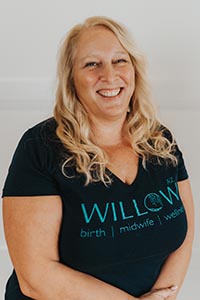
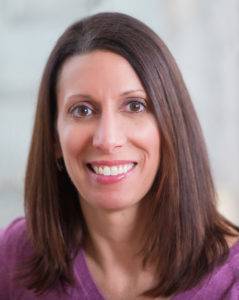 With the spread of the COVID-19 pandemic, Jennifer Scott, CNM, Class 75, realized that she needed to take additional steps to keep her patients safe. We recently shared a spotlight story on Jennifer, whose patient base is largely from a local Mennonite community in the Finger Lakes region of central New York. As the pandemic rose in severity, Jennifer temporarily closed her clinic and began seeing patients in their homes.
“We have temporarily closed our clinic,” Jennifer said, noting that she’s unable to do telehealth visits because her patients don’t have computers or cell phones.
“We are doing home visits because it is easier to isolate and wipe down our equipment between homes. This also keeps our clients from congregating in the waiting room. Many women will make appointments on the same day and share a ride. We are also only seeing clients who are higher risk or near term. For example, we’ve spaced our four-week visits out to five weeks and are doing more phone calls.”
Jennifer is from the Finger Lakes region and, after working as a full-scope midwife in a community hospital for seven years, she joined other colleagues to open Community Midwives in 2019. She has retained admitting privileges at the hospital, though the Mennonite community prefers home births.
“The reasons are multifaceted,” Jennifer said, noting that she and her fellow nurse-midwife at Community Midwives attend six to 10 births per month in the community of approximately 600 families.
“Many are farmers, have large families and don’t drive cars. In order to have a hospital birth they would need someone to take care of the farm, watch the children and would have to hire a driver to take them to the hospital in labor, possibly in the middle of the night. The closest maternity hospital is 30 to 45 minutes by car. Some are put off by hospital costs and length of stay. Others like the comfort of their own home. They feel safer emotionally to give birth in their own surroundings.”
Making her patients feel safe has become an additional challenge amid the COVID-19 pandemic. While the pandemic impacts this somewhat isolated community differently than other parts of the country, the fears are the same. The closing of schools and churches has limited primary sources of socialization, entertainment and information. Because the Mennonite community does not watch TV or listen to music, Jennifer shares news about the pandemic with the families she serves, printing off the latest information from the county and state health departments.
“Like everyone, they are worried for their families, stressed by the social restrictions and having to homeschool their children,” Jennifer said.
“The Mennonite community is very self reliant. They have stocks of canned and frozen produce from their own gardens and bake their own bread. They have fresh eggs and milk also. They may only go once a month to Walmart for other supplies so they are not as exposed to as many crowds.”
Jennifer, whose husband is also battling the COVID-19 pandemic as a physician in a local hospital, said she hopes the pandemic inspires others to choose nursing and medicine, just as she was inspired by her experiences as a Frontier Nursing University (FNU) student.
“FNU taught me to grab my saddlebag, get on my horse and ride up that mountain,” Jennifer said.
“It taught me that my calling is to care for the underserved, the vulnerable families, without hesitation. I’ve always believed the education at FNU has prepared me for anything I encounter in the workplace. I remember Kitty Ernst giving a talk at Frontier Bound that I paraphrased as ‘We only educate the strongest, most resilient nurses’.”
Like so many other FNU graduates leading the fight against the pandemic, Scott demonstrates that strength and resiliency every day.
What is a Certified Nurse-Midwife (CNM)?
Certified Nurse-Midwives (CNMs) are educated in two disciplines: midwifery and nursing. They earn graduate degrees, complete a midwifery education program accredited by the Accreditation Commission for Midwifery Education (ACME), and pass a national certification examination administered by the American Midwifery Certification Board (AMCB) to receive the professional designation of CNM. Certified Midwives (CMs) are educated in the discipline of midwifery. They earn graduate degrees, meet health and science education requirements, complete a midwifery education program accredited by ACME, and pass the same national certification examination as CNMs to receive the professional designation of CM.
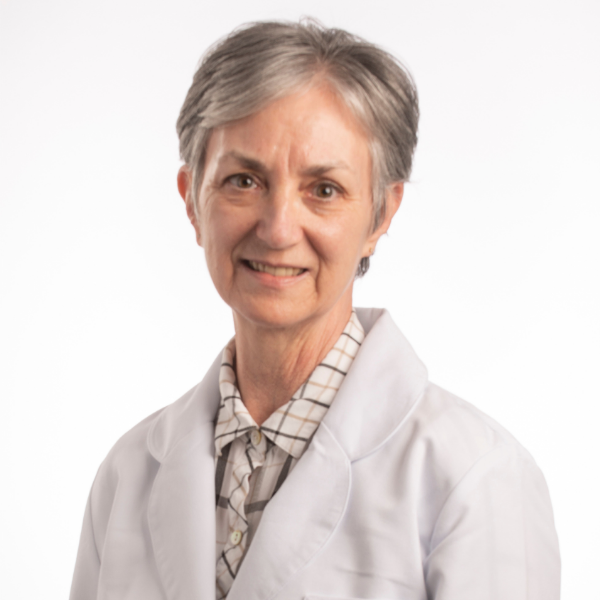

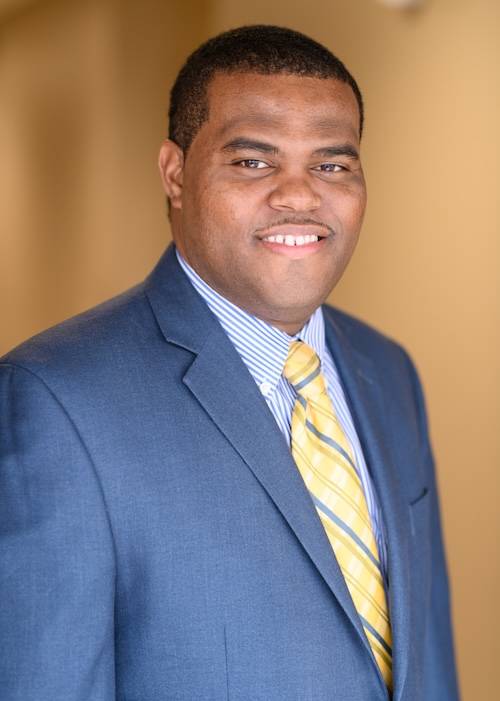
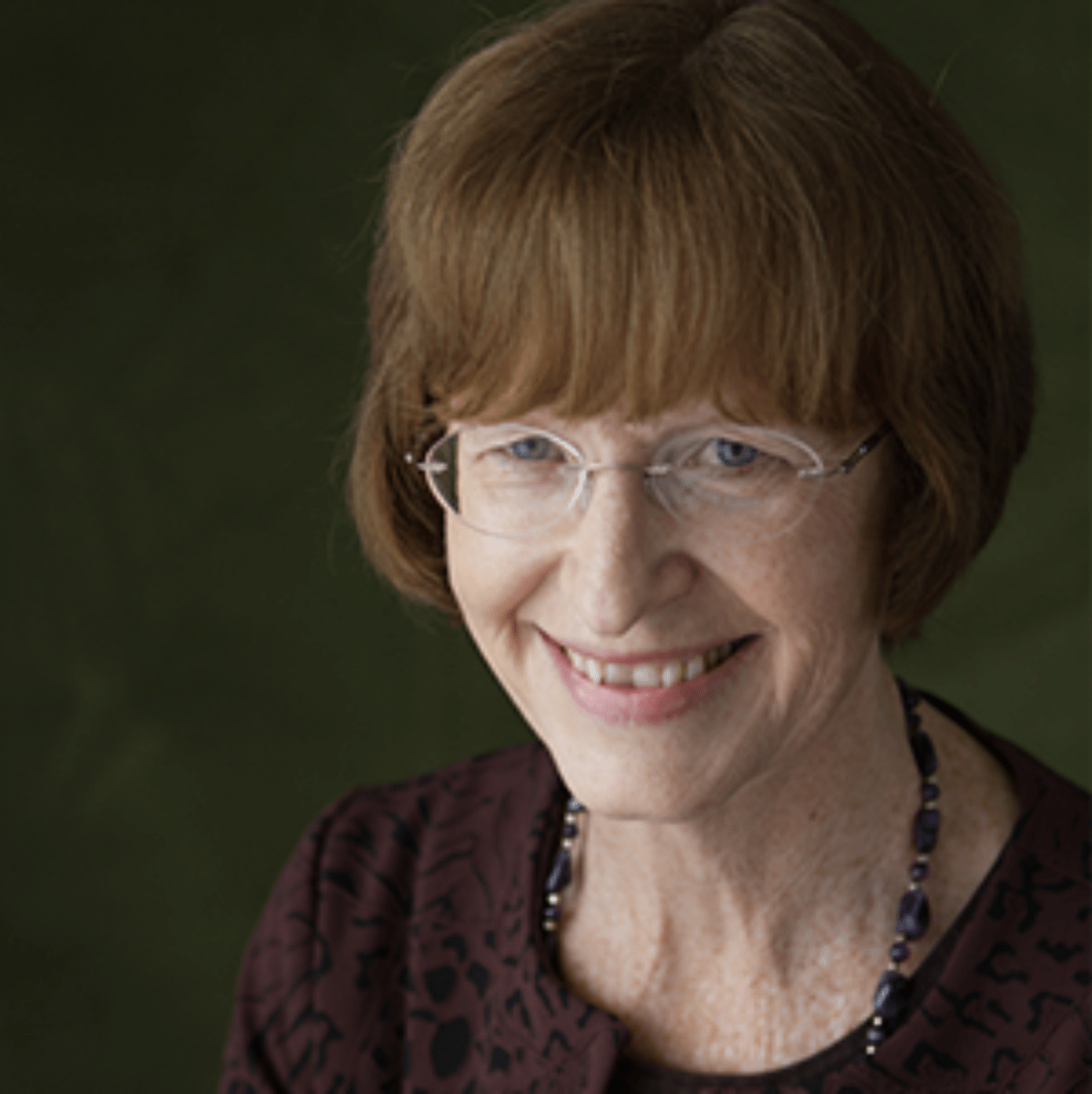

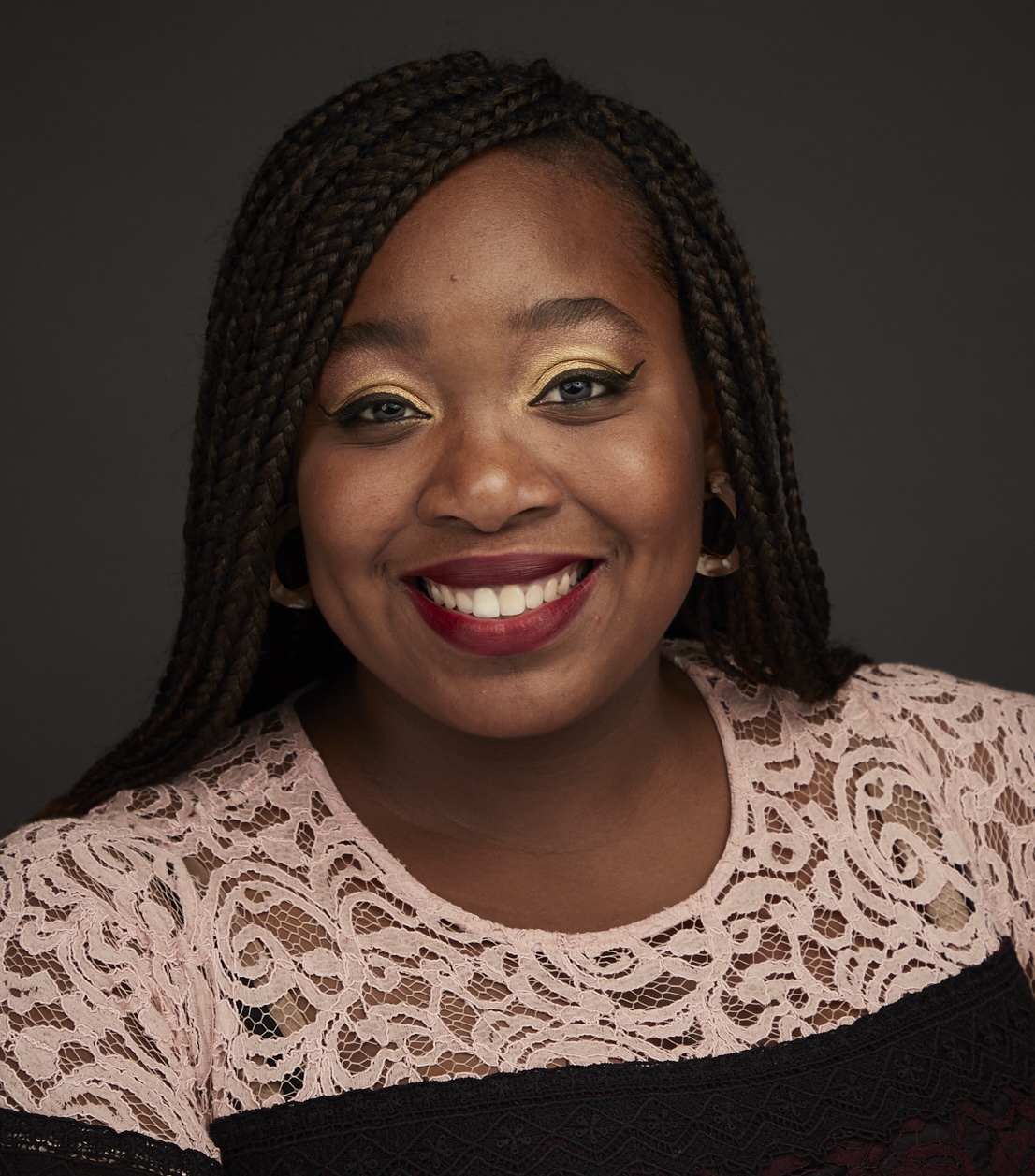

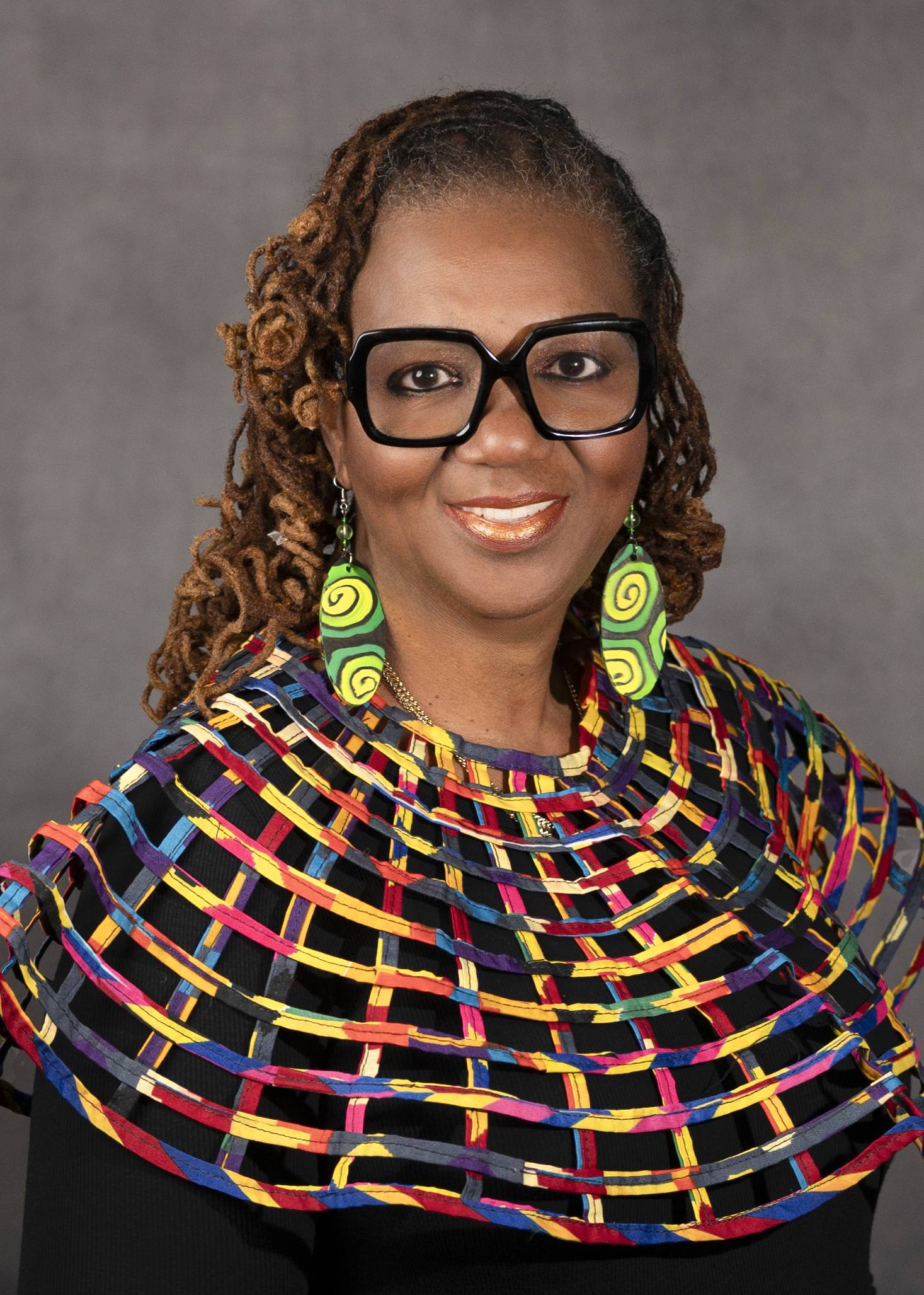
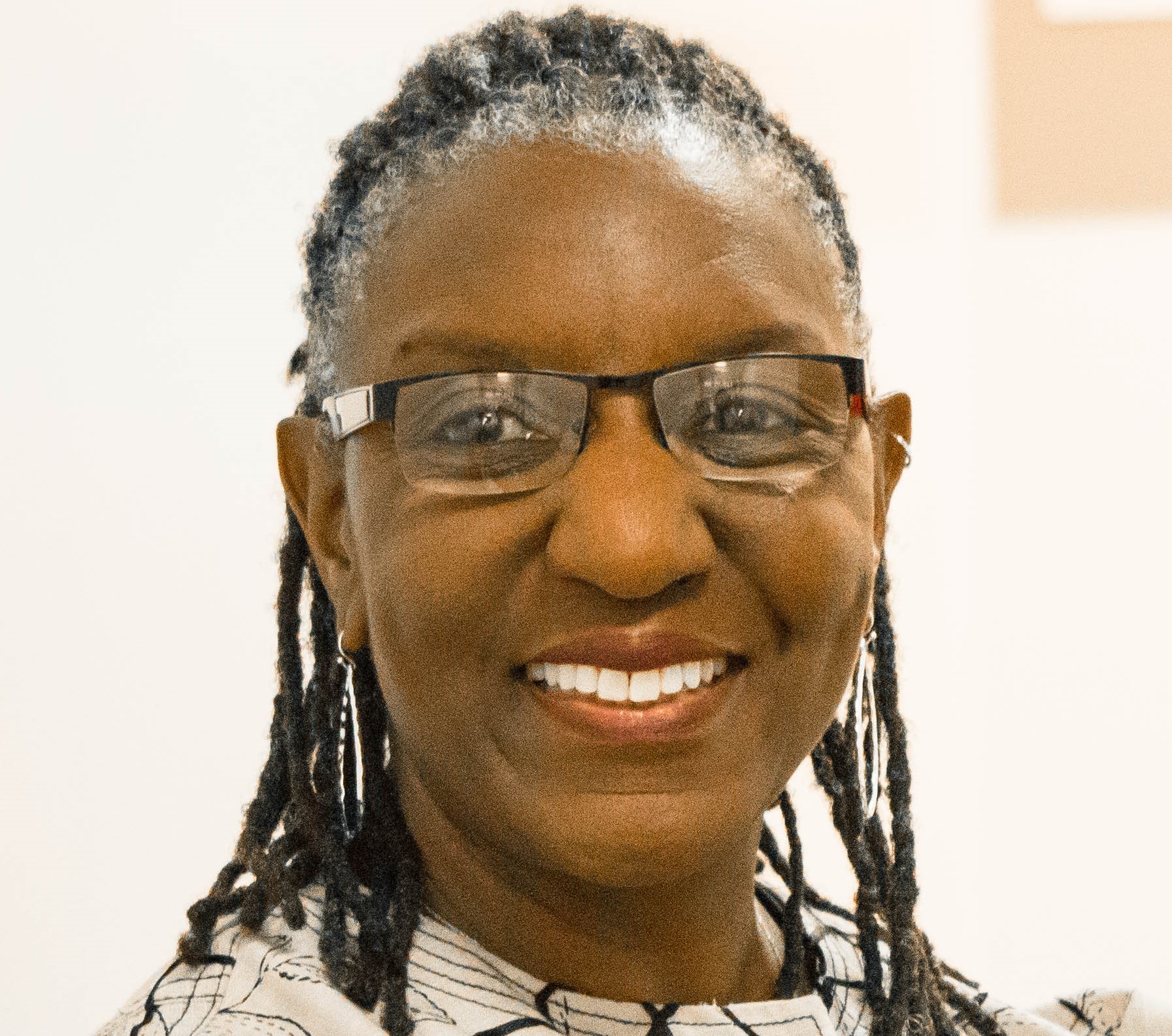
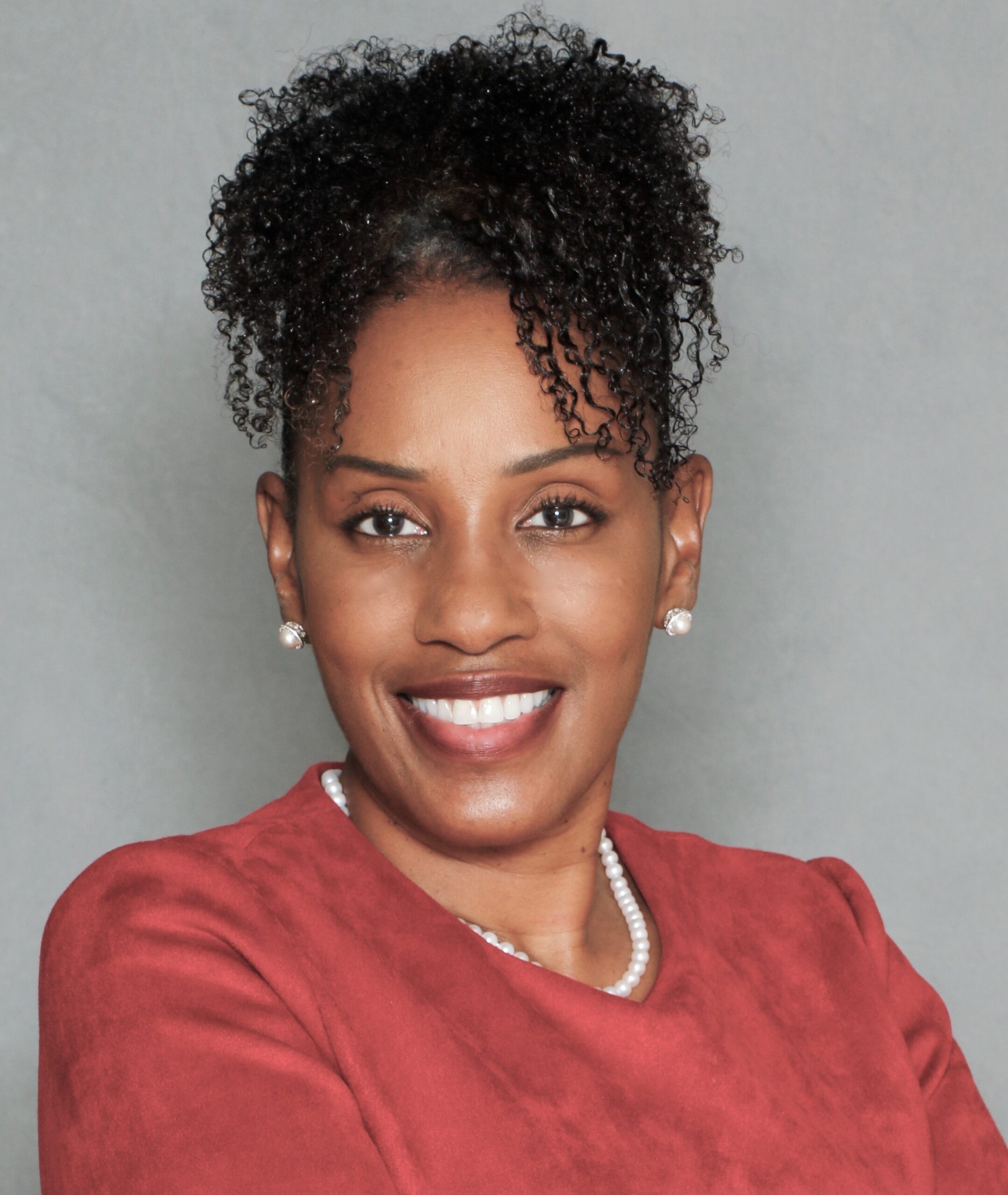
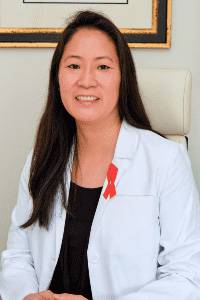 Carrie Belin is an experienced board-certified Family Nurse Practitioner and a graduate of the Johns Hopkins DNP program, Johns Hopkins Bloomberg School of Public Health, Georgetown University School of Nursing, and Johns Hopkins School of Nursing. She has also completed fellowships at Georgetown and the University of California Irvine.
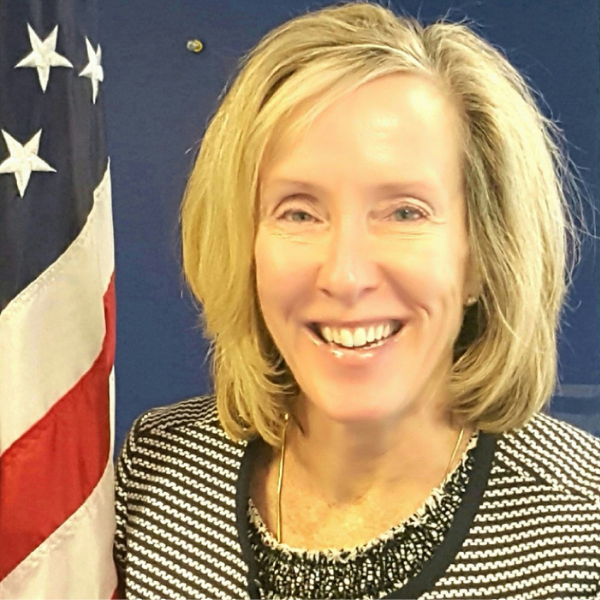
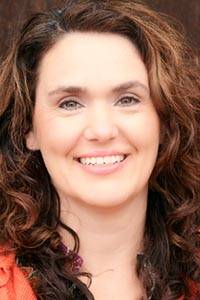 Angie has been a full-scope midwife since 2009. She has experience in various birth settings including home, hospital, and birth centers. She is committed to integrating the midwifery model of care in the US. She completed her master’s degree in nurse-midwifery at Frontier Nursing University (FNU) and her Doctorate at Johns Hopkins University. She currently serves as the midwifery clinical faculty at FNU. Angie is motivated by the desire to improve the quality of healthcare and has led quality improvement projects on skin-to-skin implementation, labor induction, and improving transfer of care practices between hospital and community midwives. In 2017, she created a short film on skin-to-skin called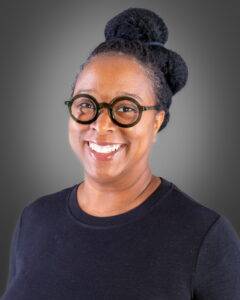
 Justin C. Daily, BSN, RN, has ten years of experience in nursing. At the start of his nursing career, Justin worked as a floor nurse on the oncology floor at St. Francis. He then spent two years as the Director of Nursing in a small rural Kansas hospital before returning to St. Francis and the oncology unit. He has been in his current position as the Chemo Nurse Educator for the past four years. He earned an Associate in Nurse from Hutchinson Community College and a Bachelor of Science in Nursing from Bethel College.
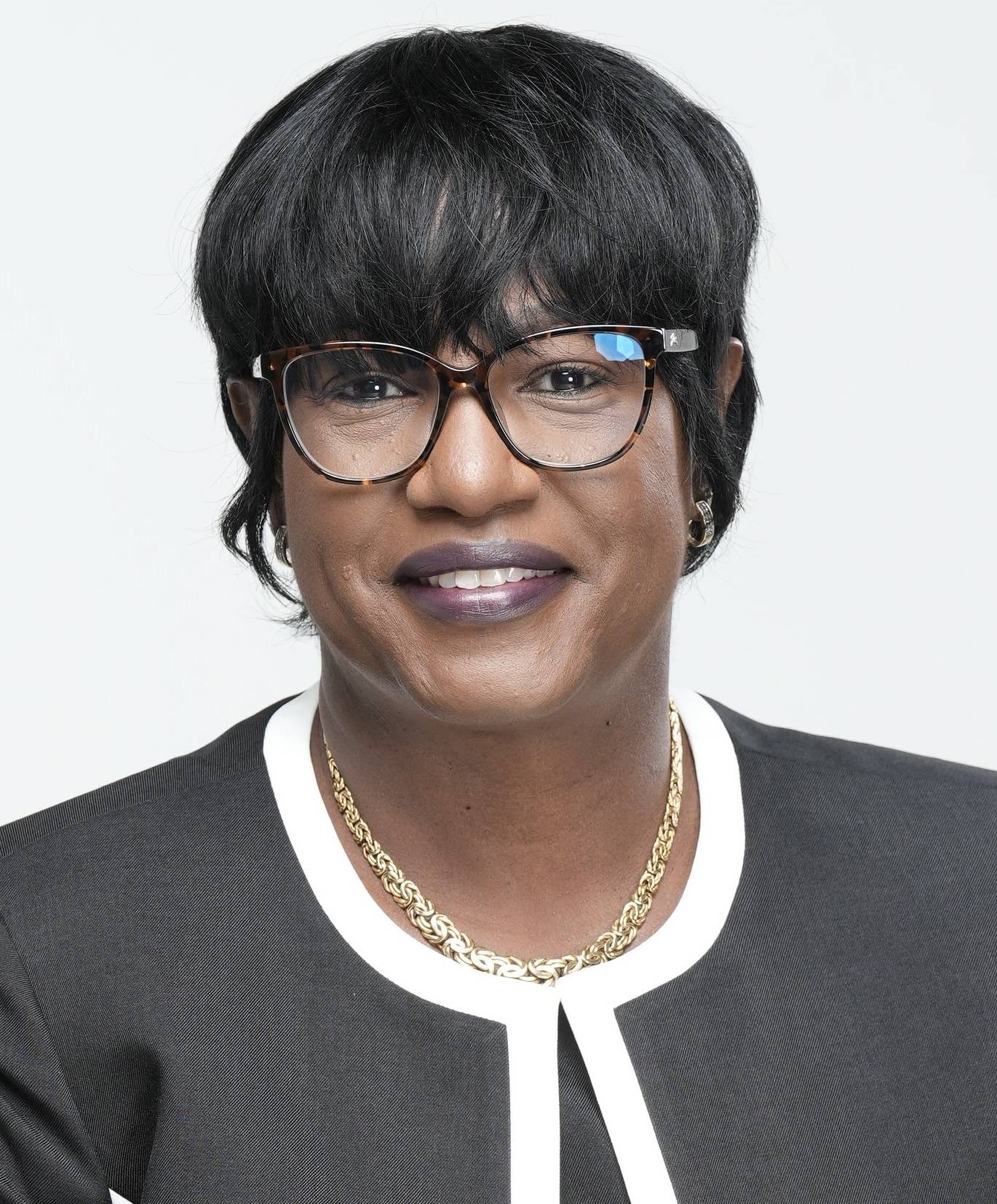
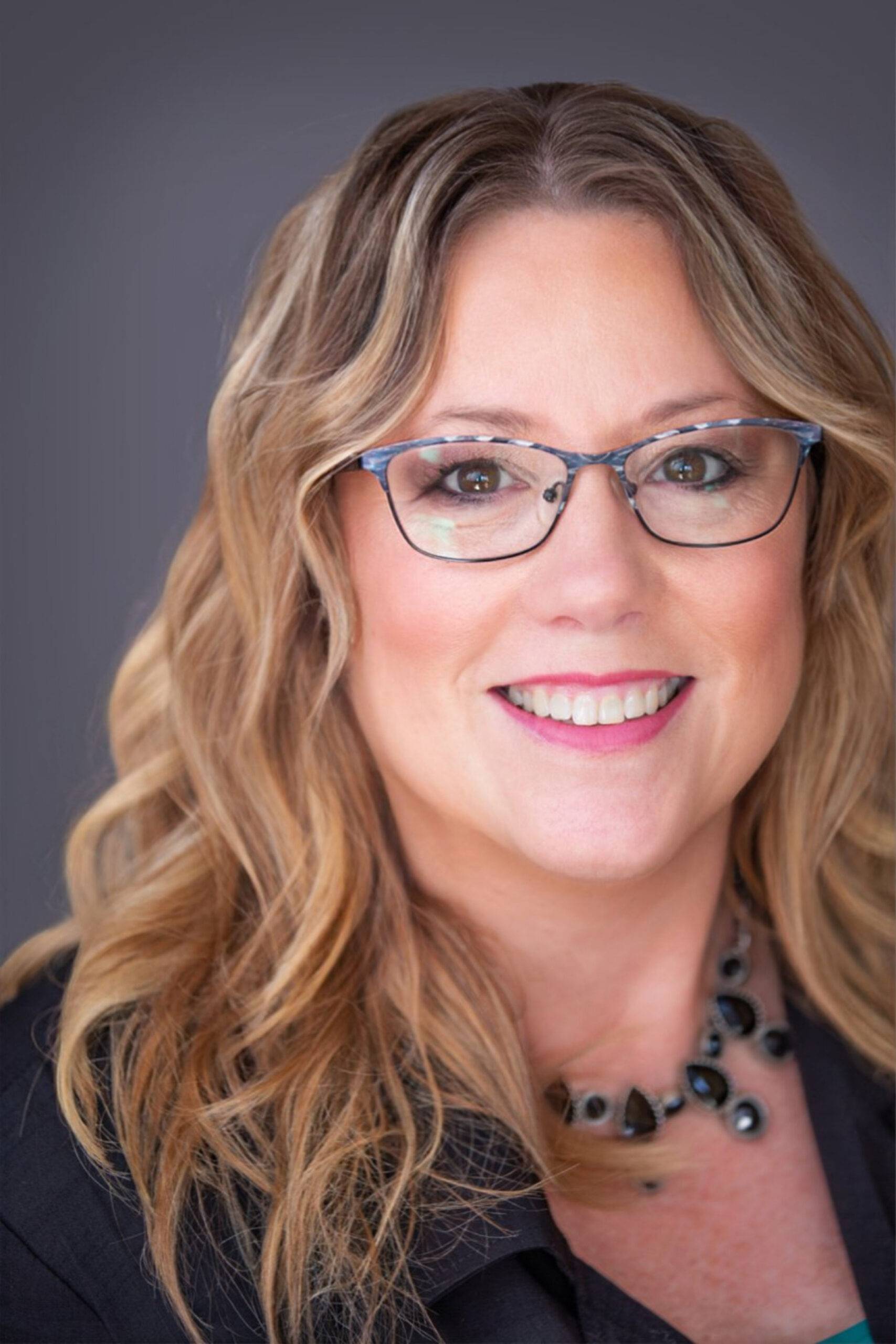 Brandy Jackson serves as the Director of Undergraduate Nursing Programs and Assistant Educator at Wichita State University and Co-Director of Access in Nursing. Brandy is a seasoned educator with over 15 years of experience. Before entering academia, Brandy served in Hospital-based leadership and Critical Care Staff nurse roles. Brandy is passionate about equity in nursing education with a focus on individuals with disabilities. Her current research interests include accommodations of nursing students with disabilities in clinical learning environments and breaking down barriers for historically unrepresented individuals to enter the nursing profession. Brandy is also actively engaged in Interprofessional Education development, creating IPE opportunities for faculty and students at Wichita State. Brandy is an active member of Wichita Women for Good and Soroptimist, with the goal to empower women and girls. Brandy is a TeamSTEPPS master trainer. She received the DASIY Award for Extraordinary Nursing Faculty in 2019 at Wichita State University.
  Dr. Sabrina Ali Jamal-Eddine is an Arab-disabled queer woman of color with a PhD in Nursing and an interdisciplinary certificate in Disability Ethics from the University of Illinois Chicago (UIC). Dr. Jamal-Eddine’s doctoral research explored spoken word poetry as a form of critical narrative pedagogy to educate nursing students about disability, ableism, and disability justice. Dr. Jamal-Eddine now serves as a Postdoctoral Research Associate in UIC’s Department of Disability and Human Development and serves on the Board of Directors of the National Organization of Nurses with Disabilities (NOND). During her doctoral program, Sabrina served as a Summer Fellow at a residential National Endowment of the Humanities (NEH) Summer Institute at Arizona State University (2023), a summer fellow at Andrew W. Mellon’s National Humanities Without Walls program at University of Michigan (2022), a Summer Research Fellow at UC Berkeley’s Othering & Belonging Institute (2021), and an Illinois Leadership Education in Neurodevelopmental and related Disabilities (LEND) trainee (2019-2020).
 Vanessa Cameron works for Vanderbilt University Medical Center in Nursing Education & Professional Development. She is also attending George Washington University and progressing towards a PhD in Nursing with an emphasis on ableism in nursing. After becoming disabled in April 2021, Vanessa’s worldview and perspective changed, and a recognition of the ableism present within healthcare and within the culture of nursing was apparent. She has been working since that time to provide educational foundations for nurses about disability and ableism, provide support for fellow disabled nursing colleagues, and advocate for the disabled community within healthcare settings to reduce disparities.
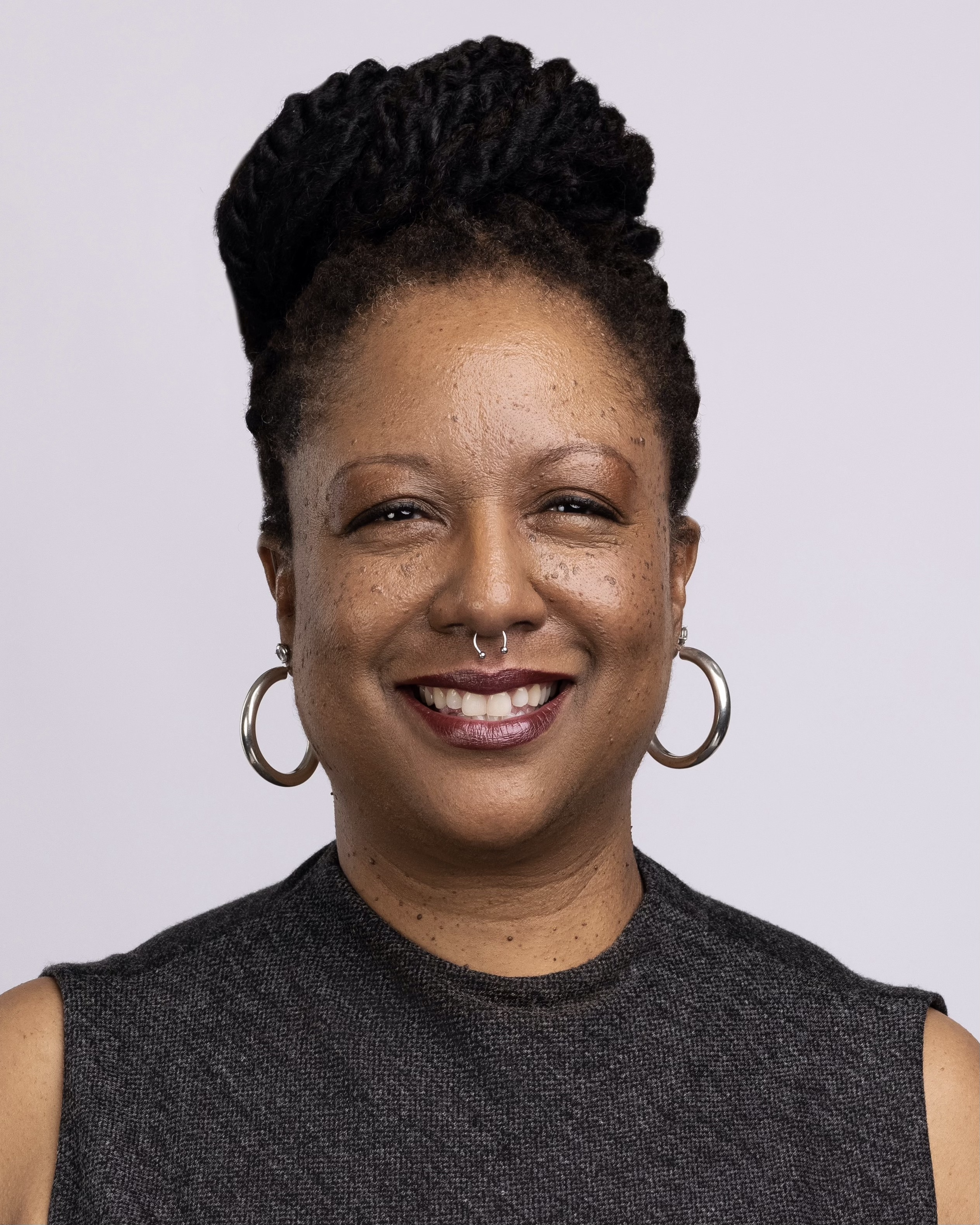 Dr. Lucinda Canty is a certified nurse-midwife, Associate Professor of Nursing, and Director of the Seedworks Health Equity in Nursing Program at the University of Massachusetts Amherst. She earned a bachelor’s degree in nursing from Columbia University, a master’s degree from Yale University, specializing in nurse-midwifery, and a PhD from the University of Connecticut. Dr. Canty has provided reproductive health care for over 29 years. Her research interests include the prevention of maternal mortality and severe maternal morbidity, reducing racial and ethnic health disparities in reproductive health, promoting diversity in nursing, and eliminating racism in nursing and midwifery.
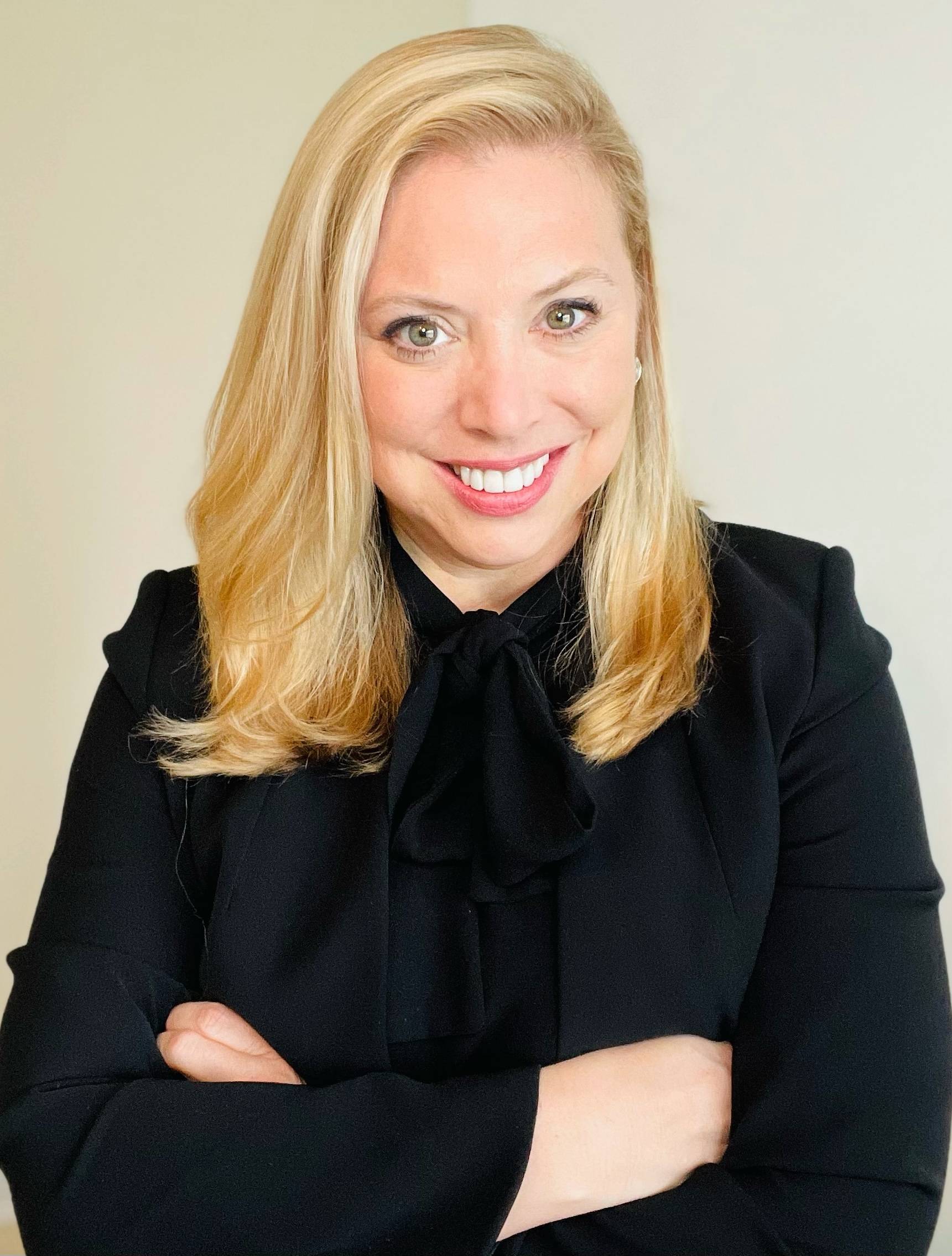 Dr. Lisa Meeks is a distinguished scholar and leader whose unwavering commitment to inclusivity and excellence has significantly influenced the landscape of health professions education and accessibility. She is the founder and executive director of the DocsWithDisabilities Initiative and holds appointments as an Associate Professor in the Departments of Learning Health Sciences and Family Medicine at the University of Michigan.
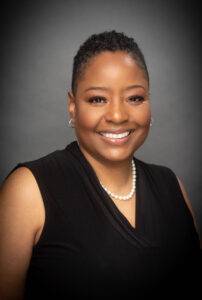 Dr. Nikia Grayson, DNP, MSN, MPH, MA, CNM, FNP-C, FACNM (she/her) is a trailblazing force in reproductive justice, blending her expertise as a public health activist, anthropologist, and family nurse-midwife to champion the rights and health of underserved communities. Graduating with distinction from Howard University, Nikia holds a bachelor’s degree in communications and a master’s degree in public health. Her academic journey also led her to the University of Memphis, where she earned a master’s in medical anthropology, and the University of Tennessee, where she achieved both a master’s in nursing and a doctorate in nursing practice. Complementing her extensive education, she completed a post-master’s certificate in midwifery at Frontier Nursing University.
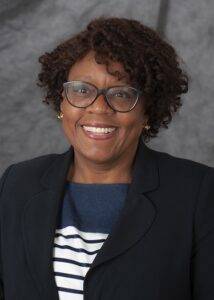
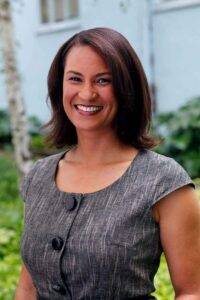
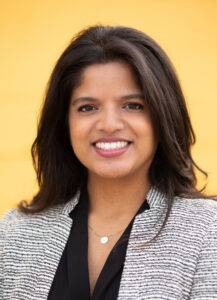

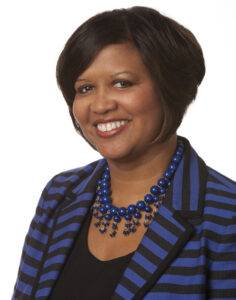 Dr. Tia Brown McNair is the Vice President in the Office of Diversity, Equity, and Student Success and Executive Director for the Truth, Racial Healing, and Transformation (TRHT) Campus Centers at the American Association of Colleges and Universities (AAC&U) in Washington, DC. She oversees both funded projects and AAC&U’s continuing programs on equity, inclusive excellence, high-impact practices, and student success. McNair directs AAC&U’s Summer Institutes on High-Impact Practices and Student Success, and TRHT Campus Centers and serves as the project director for several AAC&U initiatives, including the development of a TRHT-focused campus climate toolkit. She is the lead author of From Equity Talk to Equity Walk: Expanding Practitioner Knowledge for Racial Justice in Higher Education (January 2020) and Becoming a Student-Ready College: A New Culture of Leadership for Student Success (July 2016 and August 2022 Second edition).