
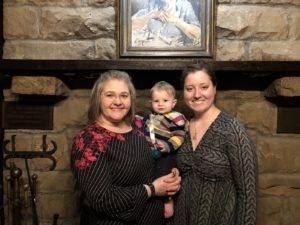
Stephanie VanderHorst, CNM, MSN, Class 28, had a plan. She was going to open a freestanding birthing center in Auburn, Ind., a rural community of 13,000 people located in DeKalb County, two hours north of Indianapolis. There was no birthing center in the community and she knew there was a need.
As part of her coursework at Frontier Nursing University (FNU), she developed a business plan for the birthing center in 2000. The results were not what she expected.
“I realized my plan for a birthing center in Auburn wouldn’t work,” she said. Working as the manager of the obstetrics department at DeKalb Memorial Hospital, her interviews with patients revealed a glaring problem. “I realized people didn’t know what a certified nurse-midwife (CNM) was.”
Understanding that the reason the plan wouldn’t work wasn’t a lack of need, but rather a lack of awareness, she held onto her dream and took steps to make it a reality.
“I conducted exit interviews with patients postpartum,” she said. “During those exit interviews, I asked ‘What is your ideal birth? When you have your next baby, what do you want the experience to be?’ People started talking about birth centers. In having those conversations, I was able to lay a foundation that there are options.”
It took longer than expected, but her diligence paid off with the opening of the Auburn Birthing Center in 2010. In addition to co-owning the birthing center, Stephanie is employed by Auburn OB/GYN and Midwifery and has privileges at Parkview DeKalb Hospital. 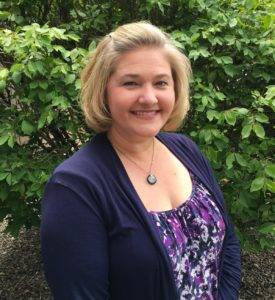
As of March 2020, Stephanie has welcomed nearly 2,000 births. She has also welcomed nearly 30 students, serving as their preceptor and helping her to earn FNU’s Distinguished Service to Alma Mater Award in 2019. Remembering that she had difficulty finding a preceptor when she was a student, Stephanie is happy to serve in this role but also screens prospective students carefully before agreeing to work with them.
“I’m looking for nurse-midwives who are going to grow the profession,” she said. “Precepting is helping to identify midwives who are going to live the profession and provide quality care that is research-driven and evidence-based. I take about one out of every 10 students who come to me.”
Stephanie is earnest about guiding students interested in growing the profession because she herself has become an active leader and advocate for nurse-midwifery throughout the state. She served consecutive two-year terms as the president of the American College of Nurse-Midwives Indiana Affiliate and is on the board of the Coalition of Advanced Practice Registered Nurses of Indiana. She served on a cervical cancer task force and is on the Governing Council of the Indiana Perinatal Quality Improvement Collaborative (IPQIC) as part of a state-wide initiative to reduce maternal mortality.
“Governor Holcomb wants Indiana to be the best in the midwest in maternal mortality and neonatal mortality rates, and that has launched a huge initiative,” Stephanie said. “We are looking at every birth center and rewriting the policies and standards for birth centers.”
Stephanie, who makes the drive to the state board of health in Indianapolis three to four times per month, studied the state’s policies and utilized resources from the American Association of Birth Centers (AABC) and the Commission for the Accreditation of Birth Centers (CABC) as guides to help review and suggest revisions to the the state’s existing policies and guidelines. The collaborative effort led to the creation of a revised document that is scheduled to be reviewed by the state board of health at a meeting in March 2020.
Stephanie described the past six years in these leadership roles as, “Two years of asking what the problem is, two years of exploring what other ideas are out there, and two years of instituting change.” 
Estimating that the world needs 9 million more nurses and midwives if it is to achieve universal health coverage by 2030, the World Health Organization designated 2020 as the International Year of the Nurse and the Midwife. Stephanie’s experiences serve as an example of how nurses and midwives play a vital role in healthcare and why they must be included in policy-making decisions.
“We are the boots on the ground,” she said. “When doctors give direction and say ‘you need to stop smoking or you need to lose weight,’ the nurse-midwife is the one who sits down with the patient and says ‘Let’s talk about it. What’s really going on inside this family? What are the triggers? What are some realistic ways we can make healthier choices?’ We are digging deeper and getting a clearer picture of the situation because we have a little more time to spend with the patient.”
Stephanie said that, as is the case in many communities across the country, there is a shortage of psychiatric-mental health providers in Auburn and across the state. Serving on IPQIC’s maternal mortality review board, she has seen evidence of the impact mental health plays in the overall health of the patient.
“Mental health can have a big impact on these women and them not seeking the help and care that they need,” she said. “Substance abuse, depression, and mental health permeate everywhere.”
With leadership roles as co-owner of a birthing center, preceptor, and active participant in state healthcare initiatives, Stephanie may seem to have been destined for this profession. That, however, was not the case.
“I became a midwife by default,” she said. “As a nurse, I had those rose-colored glasses, but soon realized that some of the nurses were really taking care of the doctors more than the patients. I became more and more disheartened. I had changed as much as I could as a manager. I needed to be a provider.”
She was also helping provide for her family, which at the time consisted of her husband Dean and two sons.
“The only options I had for midwifery school other than FNU were Michigan or Case Western,” said Stephanie, who now has three sons, a daughter, and a grandson. “Do I want to travel every week to Michigan or Case Western or do the distance-based program at FNU? I needed to work. I had two boys at the time and I carried our insurance. I worked throughout the completion of my midwifery program.”
Stephanie credits FNU with helping her direct her passion to open a birthing center by creating a plan that served the needs of the community and could succeed as a business. “The program did well in instilling that there are different ways to practice and finding out what your community needs are,” she said.
She recalled attending FNU’s Midwifery Bound where the attendees shared their dreams and motivations. She remembers both FNU President Dr. Susan Stone and FNU Board of Directors member Kitty Ernst being in the circle. When it was her turn to share her story, Stephanie said, “I’m going to open a birth center in northern Indiana.”
She shared her voice that day with a relatively small group of people. Today, Stephanie continues to share her message with a much larger audience, her voice resonating as a leader, advocate, educator, and caregiver.
What is a Certified Nurse–Midwife (CNM)?
Certified Nurse-Midwives (CNMs) are educated in two disciplines: midwifery and nursing. They earn graduate degrees, complete a midwifery education program accredited by the Accreditation Commission for Midwifery Education (ACME), and pass a national certification examination administered by the American Midwifery Certification Board (AMCB) to receive the professional designation of CNM. Certified Midwives (CMs) are educated in the discipline of midwifery. They earn graduate degrees, meet health and science education requirements, complete a midwifery education program accredited by ACME, and pass the same national certification examination as CNMs to receive the professional designation of CM.
2020: Year of the Nurse and the Midwife
Frontier Nursing University (FNU) is proud to support and join the World Health Organization’s international campaign designating 2020 as the “Year of the Nurse and the Midwife.” In recognizing the International Year of the Nurse and the Midwife, FNU joins the efforts to raise awareness of healthcare shortages in the U.S. and abroad; demonstrate the need for more nurses and nurse-midwives; educate the public of the value of nurses and nurse-midwives in their communities and advocate for access to quality healthcare for every individual.
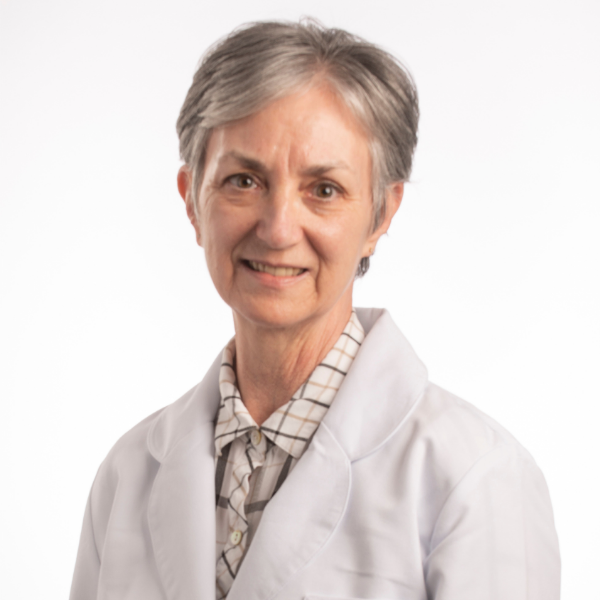
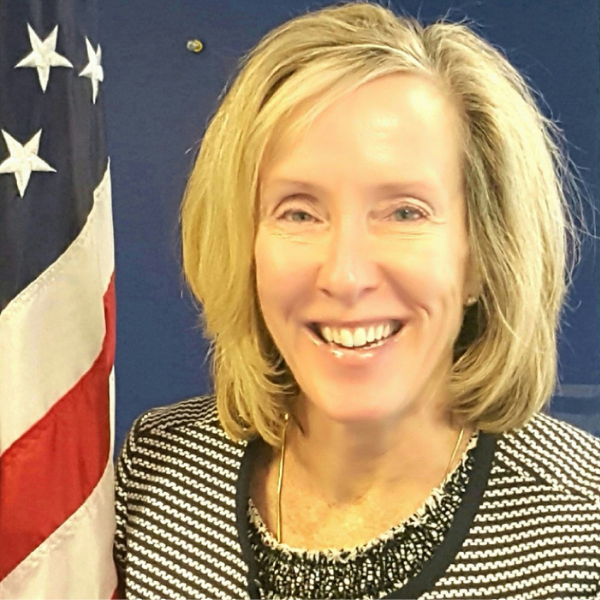

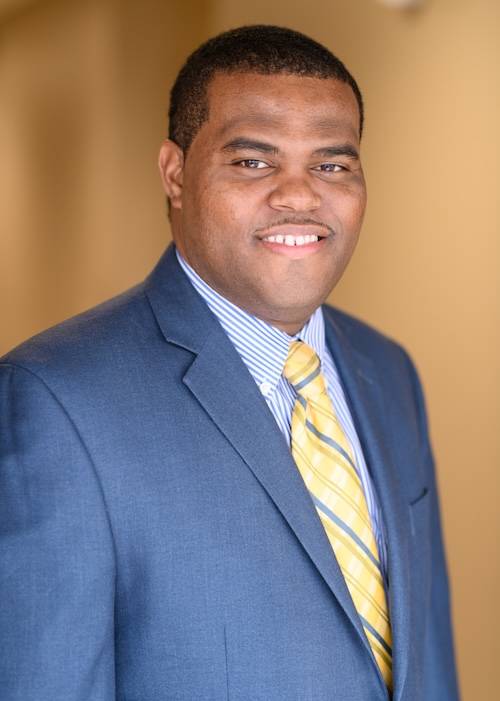
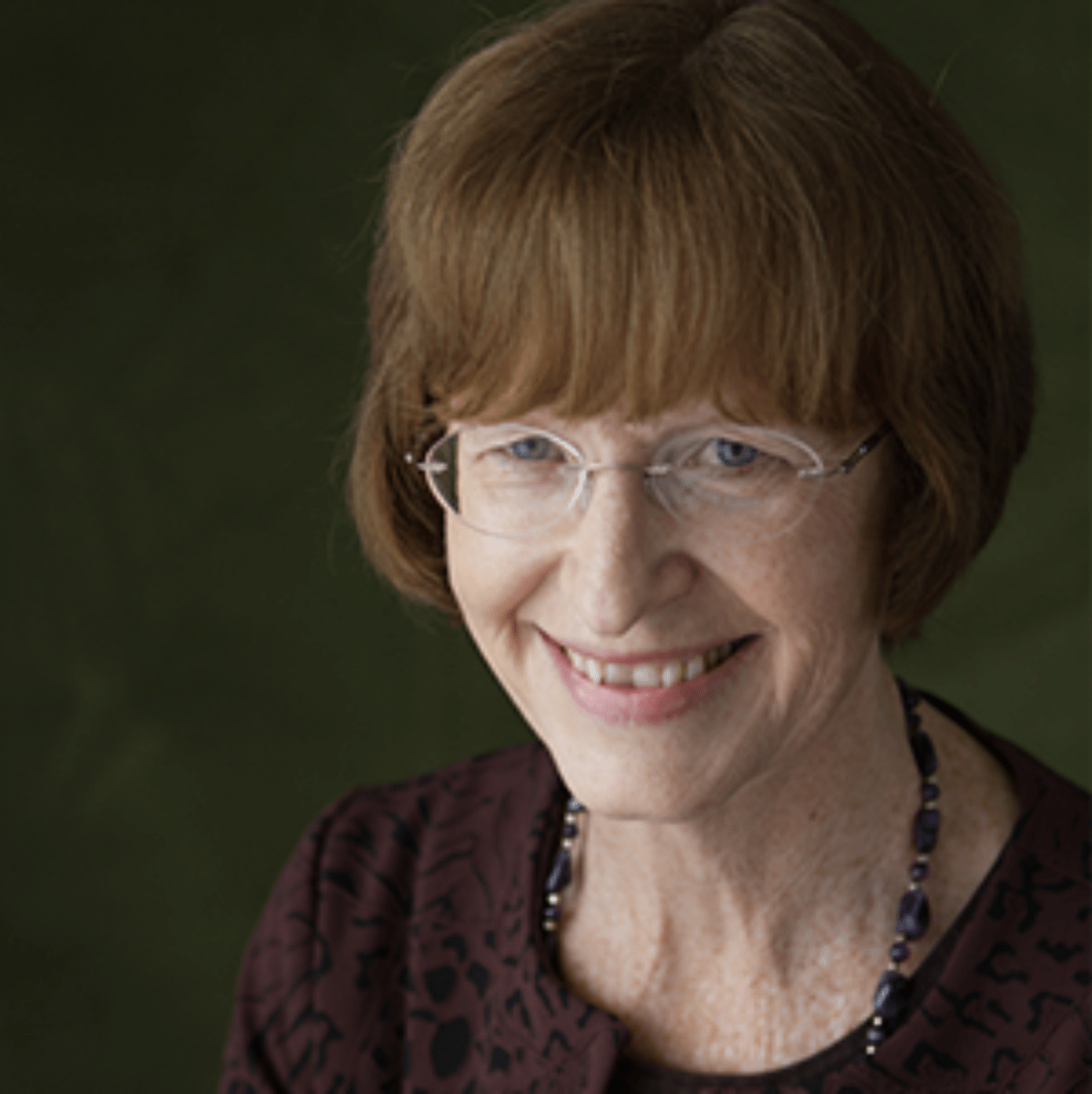


 Carrie Belin is an experienced board-certified Family Nurse Practitioner and a graduate of the Johns Hopkins DNP program, Johns Hopkins Bloomberg School of Public Health, Georgetown University School of Nursing, and Johns Hopkins School of Nursing. She has also completed fellowships at Georgetown and the University of California Irvine.
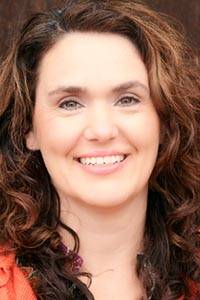 Angie has been a full-scope midwife since 2009. She has experience in various birth settings including home, hospital, and birth centers. She is committed to integrating the midwifery model of care in the US. She completed her master’s degree in nurse-midwifery at Frontier Nursing University (FNU) and her Doctorate at Johns Hopkins University. She currently serves as the midwifery clinical faculty at FNU. Angie is motivated by the desire to improve the quality of healthcare and has led quality improvement projects on skin-to-skin implementation, labor induction, and improving transfer of care practices between hospital and community midwives. In 2017, she created a short film on skin-to-skin called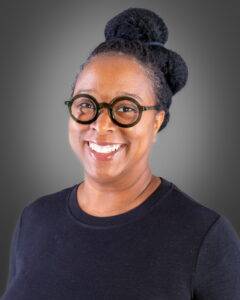
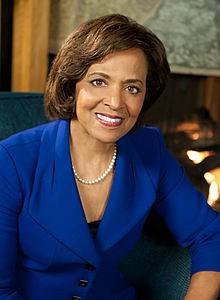
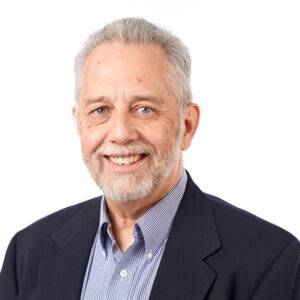
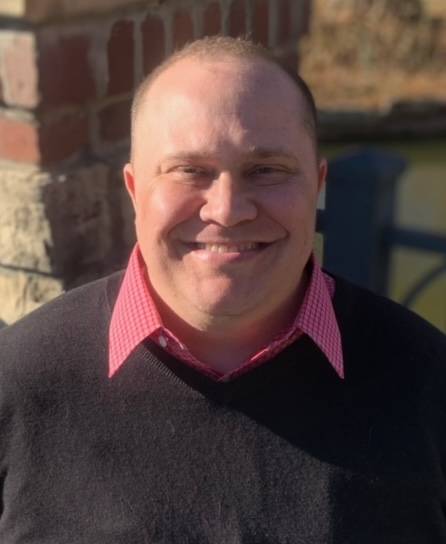 Justin C. Daily, BSN, RN, has ten years of experience in nursing. At the start of his nursing career, Justin worked as a floor nurse on the oncology floor at St. Francis. He then spent two years as the Director of Nursing in a small rural Kansas hospital before returning to St. Francis and the oncology unit. He has been in his current position as the Chemo Nurse Educator for the past four years. He earned an Associate in Nurse from Hutchinson Community College and a Bachelor of Science in Nursing from Bethel College.
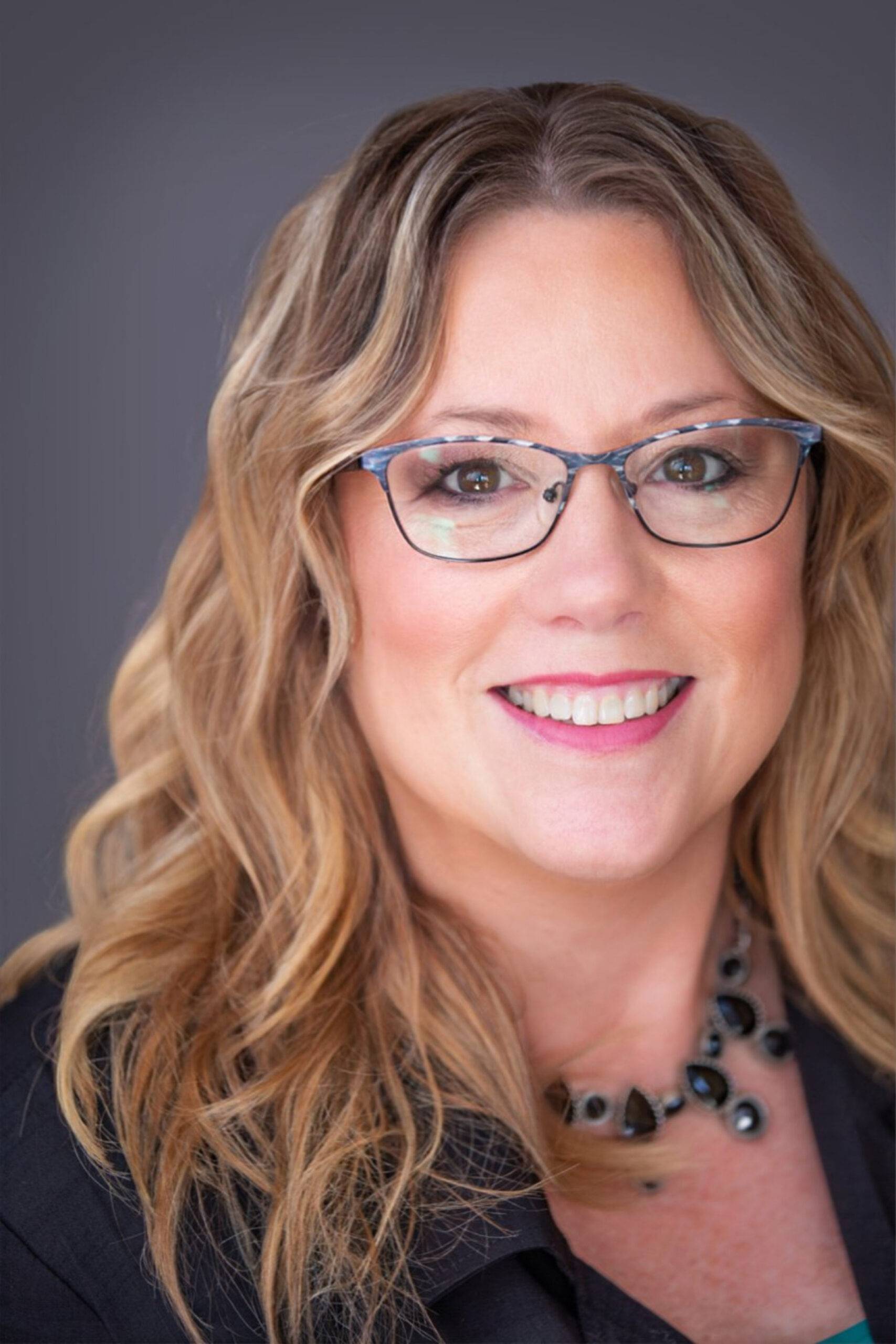 Brandy Jackson serves as the Director of Undergraduate Nursing Programs and Assistant Educator at Wichita State University and Co-Director of Access in Nursing. Brandy is a seasoned educator with over 15 years of experience. Before entering academia, Brandy served in Hospital-based leadership and Critical Care Staff nurse roles. Brandy is passionate about equity in nursing education with a focus on individuals with disabilities. Her current research interests include accommodations of nursing students with disabilities in clinical learning environments and breaking down barriers for historically unrepresented individuals to enter the nursing profession. Brandy is also actively engaged in Interprofessional Education development, creating IPE opportunities for faculty and students at Wichita State. Brandy is an active member of Wichita Women for Good and Soroptimist, with the goal to empower women and girls. Brandy is a TeamSTEPPS master trainer. She received the DASIY Award for Extraordinary Nursing Faculty in 2019 at Wichita State University.
  Dr. Sabrina Ali Jamal-Eddine is an Arab-disabled queer woman of color with a PhD in Nursing and an interdisciplinary certificate in Disability Ethics from the University of Illinois Chicago (UIC). Dr. Jamal-Eddine’s doctoral research explored spoken word poetry as a form of critical narrative pedagogy to educate nursing students about disability, ableism, and disability justice. Dr. Jamal-Eddine now serves as a Postdoctoral Research Associate in UIC’s Department of Disability and Human Development and serves on the Board of Directors of the National Organization of Nurses with Disabilities (NOND). During her doctoral program, Sabrina served as a Summer Fellow at a residential National Endowment of the Humanities (NEH) Summer Institute at Arizona State University (2023), a summer fellow at Andrew W. Mellon’s National Humanities Without Walls program at University of Michigan (2022), a Summer Research Fellow at UC Berkeley’s Othering & Belonging Institute (2021), and an Illinois Leadership Education in Neurodevelopmental and related Disabilities (LEND) trainee (2019-2020).
 Vanessa Cameron works for Vanderbilt University Medical Center in Nursing Education & Professional Development. She is also attending George Washington University and progressing towards a PhD in Nursing with an emphasis on ableism in nursing. After becoming disabled in April 2021, Vanessa’s worldview and perspective changed, and a recognition of the ableism present within healthcare and within the culture of nursing was apparent. She has been working since that time to provide educational foundations for nurses about disability and ableism, provide support for fellow disabled nursing colleagues, and advocate for the disabled community within healthcare settings to reduce disparities.
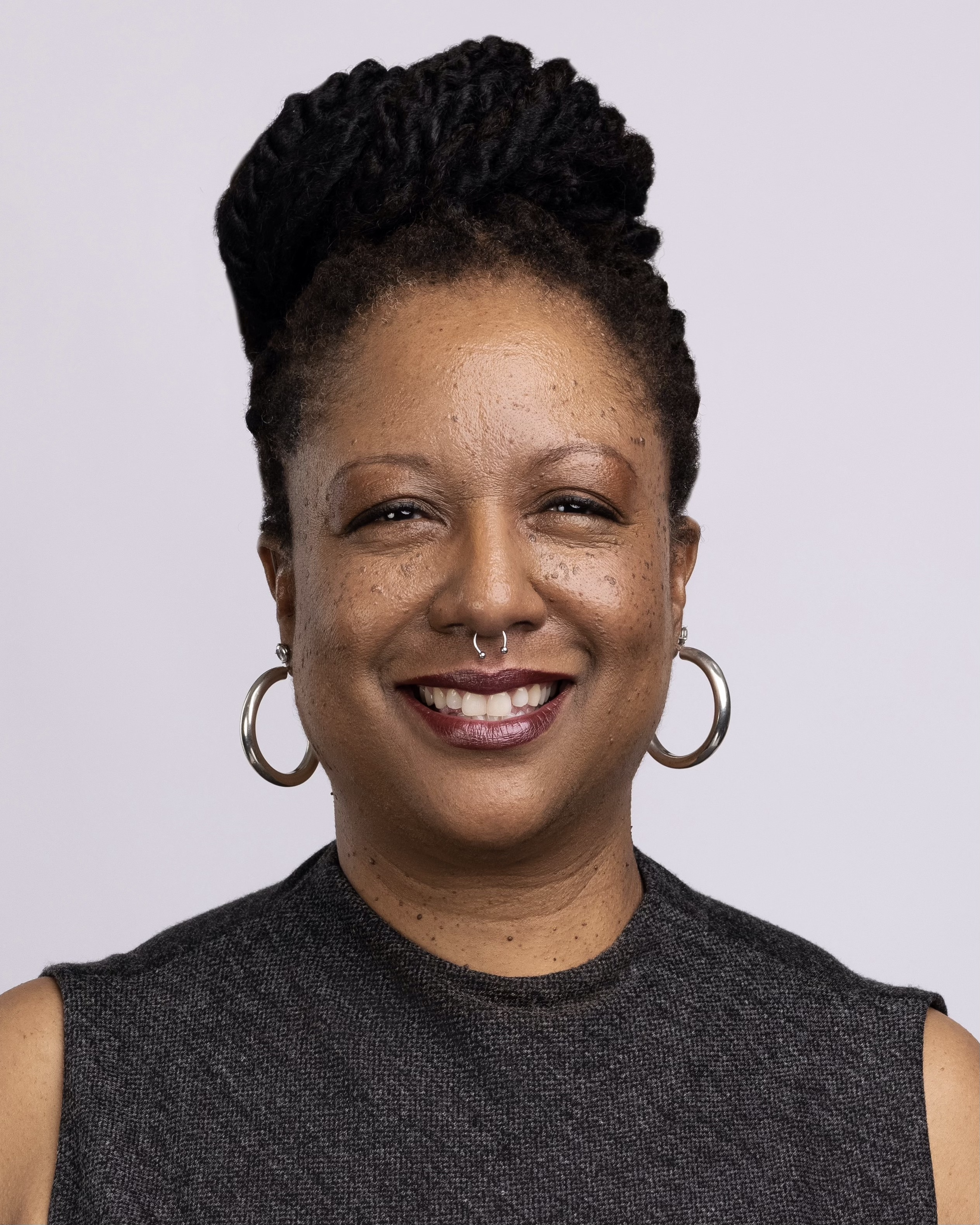 Dr. Lucinda Canty is a certified nurse-midwife, Associate Professor of Nursing, and Director of the Seedworks Health Equity in Nursing Program at the University of Massachusetts Amherst. She earned a bachelor’s degree in nursing from Columbia University, a master’s degree from Yale University, specializing in nurse-midwifery, and a PhD from the University of Connecticut. Dr. Canty has provided reproductive health care for over 29 years. Her research interests include the prevention of maternal mortality and severe maternal morbidity, reducing racial and ethnic health disparities in reproductive health, promoting diversity in nursing, and eliminating racism in nursing and midwifery.
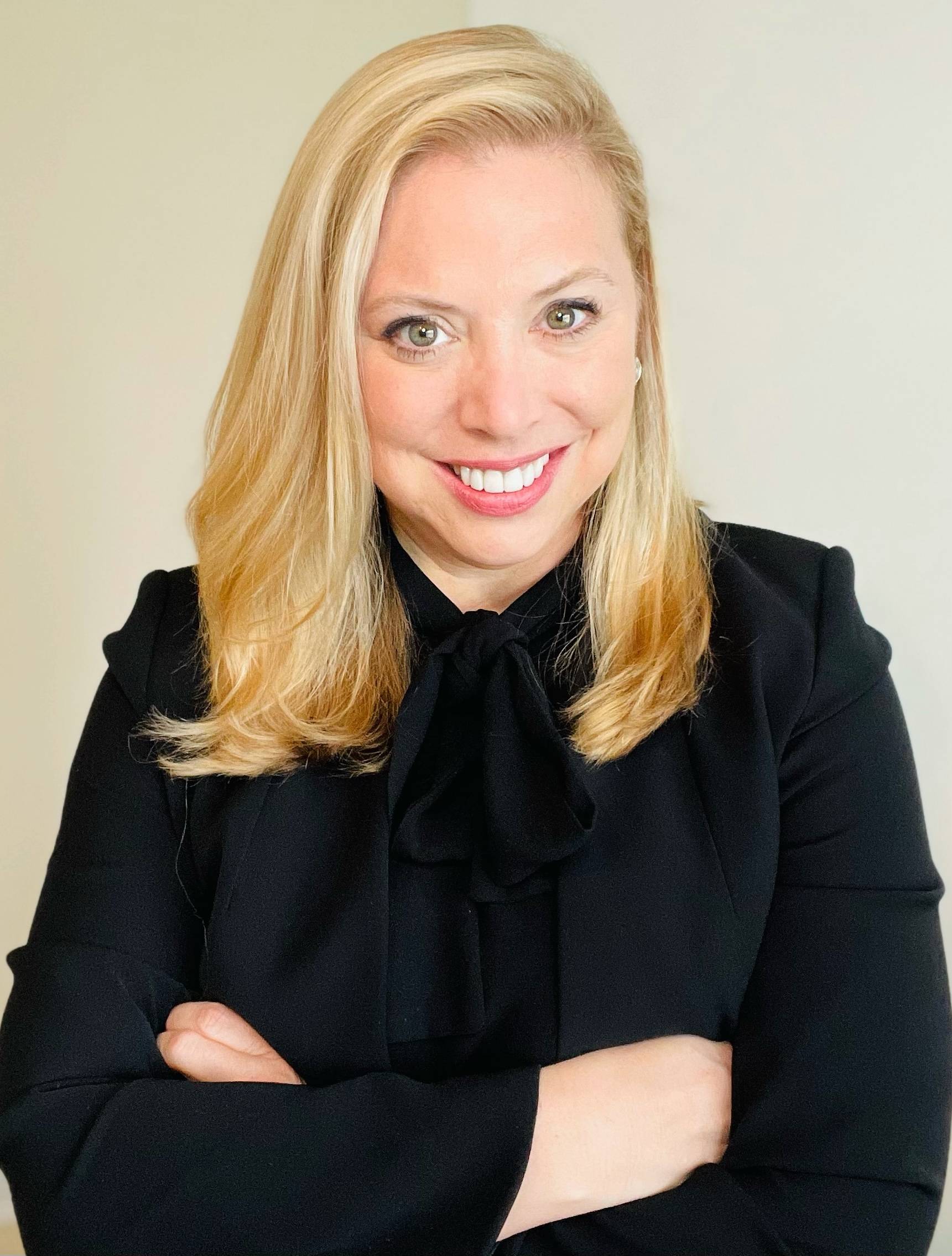 Dr. Lisa Meeks is a distinguished scholar and leader whose unwavering commitment to inclusivity and excellence has significantly influenced the landscape of health professions education and accessibility. She is the founder and executive director of the DocsWithDisabilities Initiative and holds appointments as an Associate Professor in the Departments of Learning Health Sciences and Family Medicine at the University of Michigan.
 Dr. Nikia Grayson, DNP, MSN, MPH, MA, CNM, FNP-C, FACNM (she/her) is a trailblazing force in reproductive justice, blending her expertise as a public health activist, anthropologist, and family nurse-midwife to champion the rights and health of underserved communities. Graduating with distinction from Howard University, Nikia holds a bachelor’s degree in communications and a master’s degree in public health. Her academic journey also led her to the University of Memphis, where she earned a master’s in medical anthropology, and the University of Tennessee, where she achieved both a master’s in nursing and a doctorate in nursing practice. Complementing her extensive education, she completed a post-master’s certificate in midwifery at Frontier Nursing University.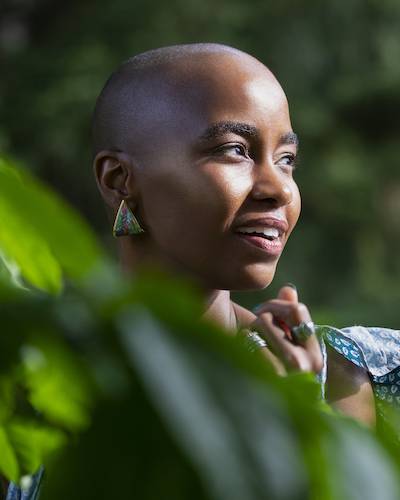

 Dr. Tia Brown McNair is the Vice President in the Office of Diversity, Equity, and Student Success and Executive Director for the Truth, Racial Healing, and Transformation (TRHT) Campus Centers at the American Association of Colleges and Universities (AAC&U) in Washington, DC. She oversees both funded projects and AAC&U’s continuing programs on equity, inclusive excellence, high-impact practices, and student success. McNair directs AAC&U’s Summer Institutes on High-Impact Practices and Student Success, and TRHT Campus Centers and serves as the project director for several AAC&U initiatives, including the development of a TRHT-focused campus climate toolkit. She is the lead author of From Equity Talk to Equity Walk: Expanding Practitioner Knowledge for Racial Justice in Higher Education (January 2020) and Becoming a Student-Ready College: A New Culture of Leadership for Student Success (July 2016 and August 2022 Second edition).