Blog

  • COVID-19 Front Lines: Certified Nurse-Midwife Jennifer Scott

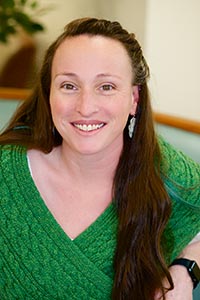
    COVID-19 Front Lines: Certified Nurse-Midwife Jennifer Scott

    The Frontier community is proud to have students and alumni serving on the frontlines of the COVID-19 pandemic. Throughout the next few weeks, we are committed to sharing their stories in order to provide insight, hope and encouragement. Thank you to all the health care workers who are risking their own well-being daily to serve our nation. Click here to read more stories of courage and dedication. 

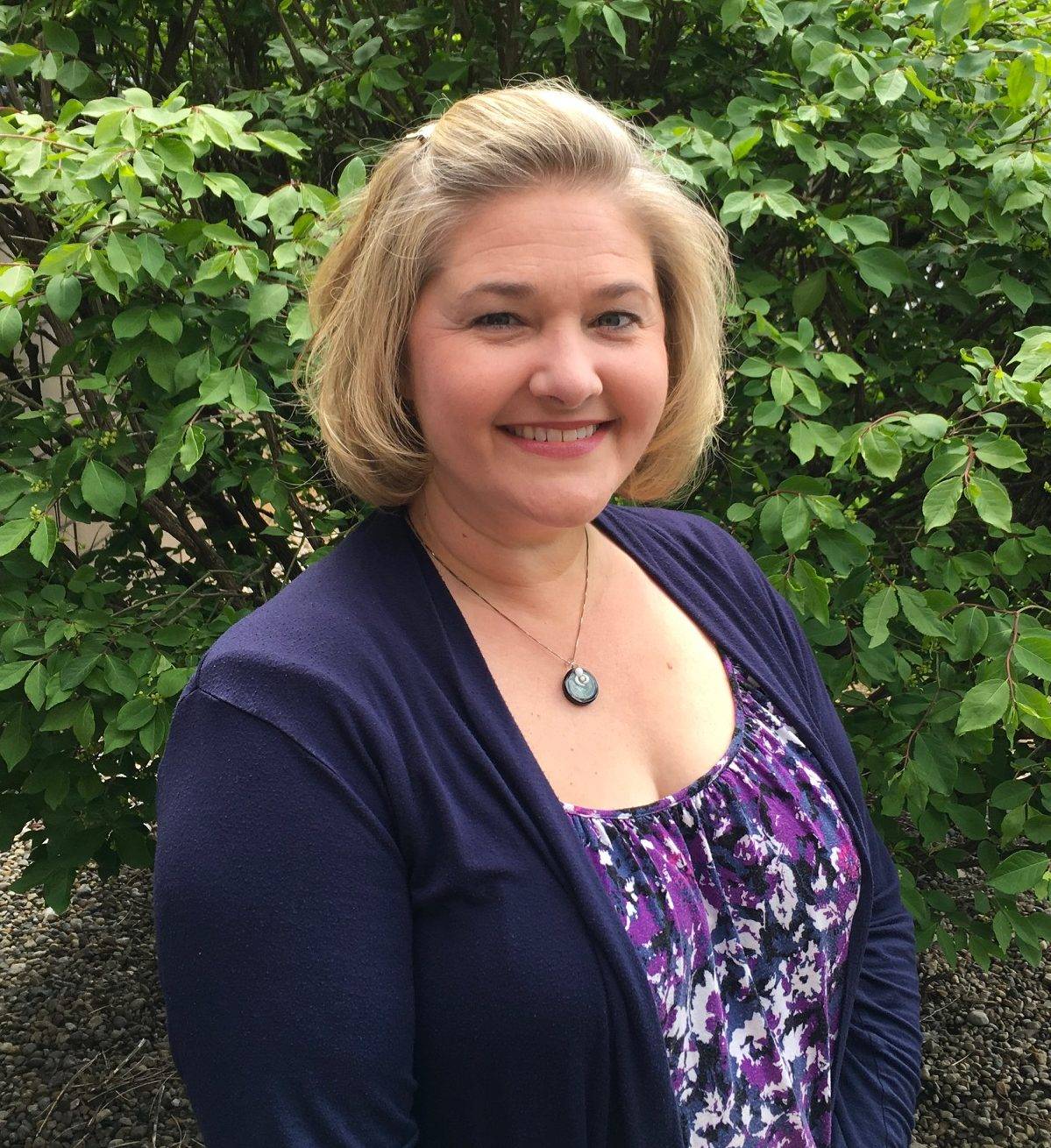
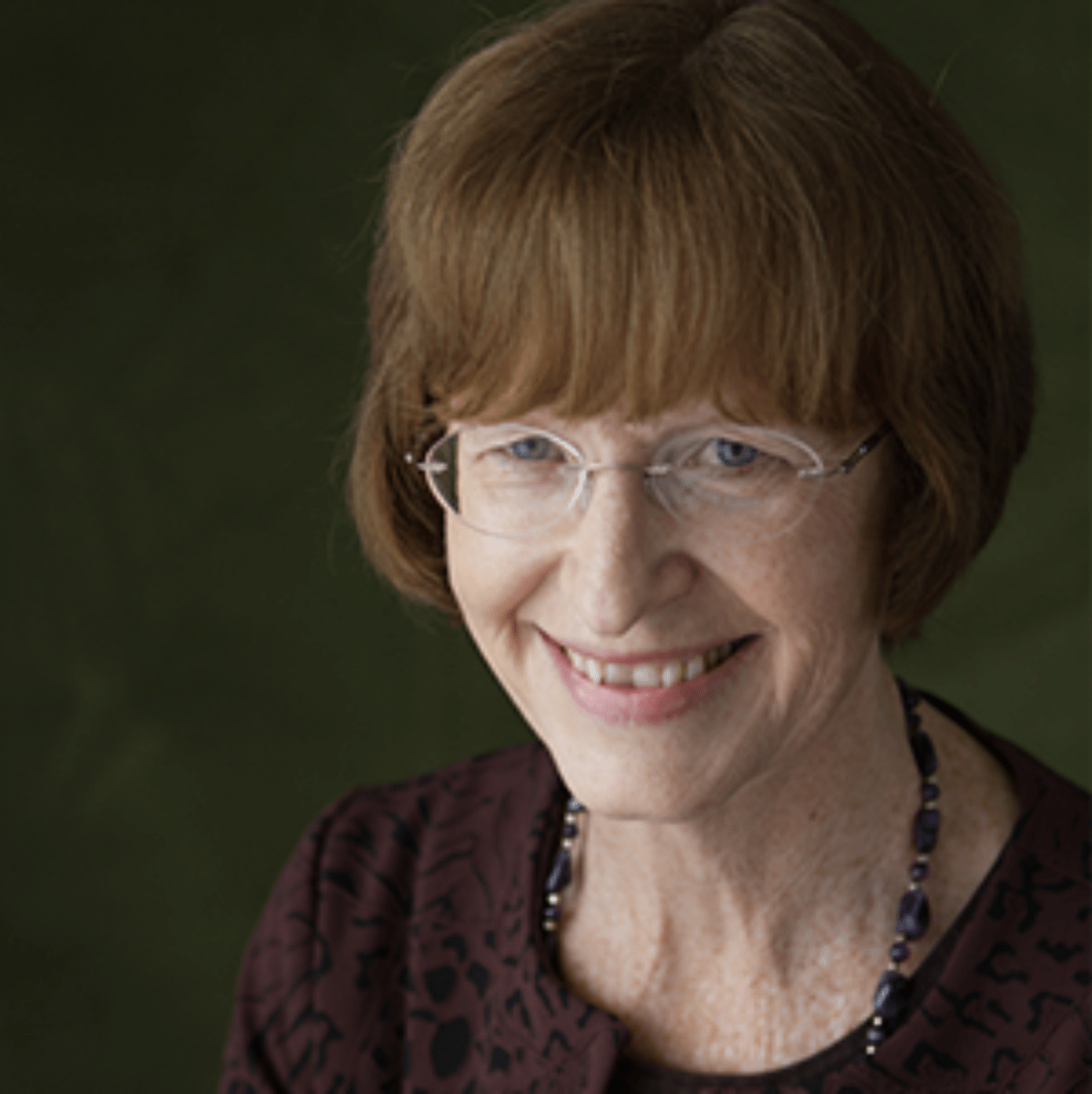
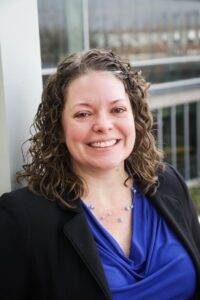
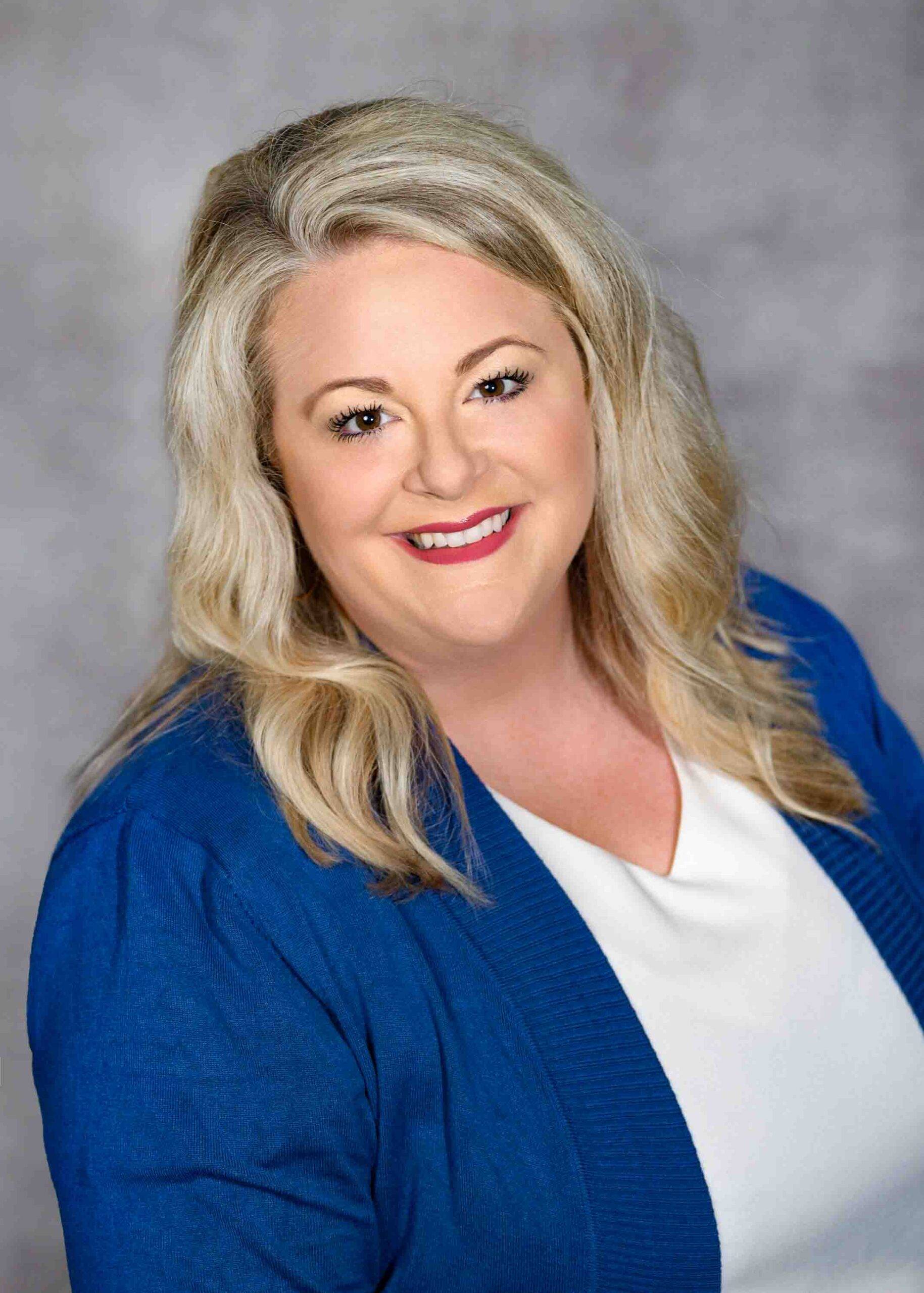
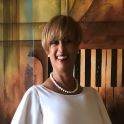
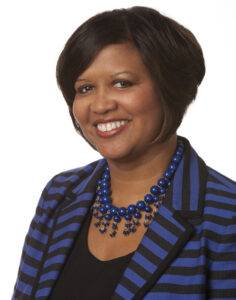
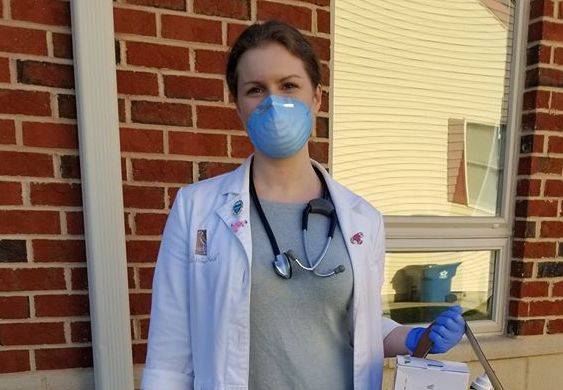
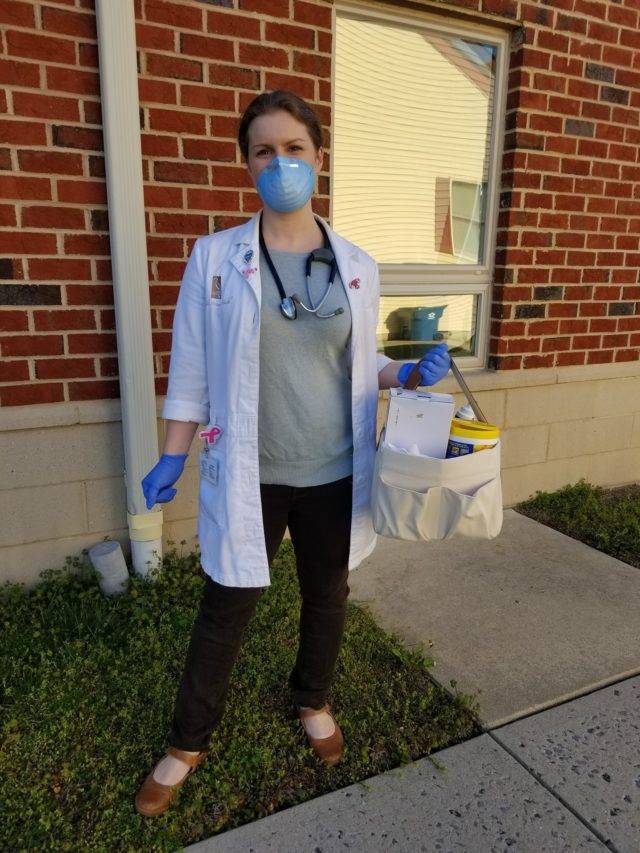
    With the spread of the COVID-19 pandemic, Jennifer Scott, CNM, Class 75, realized that she needed to take additional steps to keep her patients safe. We recently shared a spotlight story on Jennifer, whose patient base is largely from a local Mennonite community in the Finger Lakes region of central New York. As the pandemic rose in severity, Jennifer temporarily closed her clinic and began seeing patients in their homes. 

    We have temporarily closed our clinic,” Jennifer said, noting that she’s unable to do telehealth visits because her patients don’t have computers or cell phones.

    “We are doing home visits because it is easier to isolate and wipe down our equipment between homes. This also keeps our clients from congregating in the waiting room. Many women will make appointments on the same day and share a ride. We are also only seeing clients who are higher risk or near term. For example, we’ve spaced our four-week visits out to five weeks and are doing more phone calls.”

    Jennifer is from the Finger Lakes region and, after working as a full-scope midwife in a community hospital for seven years, she joined other colleagues to open Community Midwives in 2019. She has retained admitting privileges at the hospital, though the Mennonite community prefers home births. 

    “The reasons are multifaceted,” Jennifer said, noting that she and her fellow nurse-midwife at Community Midwives attend six to 10 births per month in the community of approximately 600 families.

    “Many are farmers, have large families and don’t drive cars. In order to have a hospital birth they would need someone to take care of the farm, watch the children and would have to hire a driver to take them to the hospital in labor, possibly in the middle of the night. The closest maternity hospital is 30 to 45 minutes by car. Some are put off by hospital costs and length of stay. Others like the comfort of their own home. They feel safer emotionally to give birth in their own surroundings.”

    Making her patients feel safe has become an additional challenge amid the COVID-19 pandemic. While the pandemic impacts this somewhat isolated community differently than other parts of the country, the fears are the same. The closing of schools and churches has limited primary sources of socialization, entertainment and information. Because the Mennonite community does not watch TV or listen to music, Jennifer shares news about the pandemic with the families she serves, printing off the latest information from the county and state health departments. 

    “Like everyone, they are worried for their families, stressed by the social restrictions and having to homeschool their children,” Jennifer said.

    “The Mennonite community is very self reliant. They have stocks of canned and frozen produce from their own gardens and bake their own bread.  They have fresh eggs and milk also. They may only go once a month to Walmart for other supplies so they are not as exposed to as many crowds.”

    Jennifer, whose husband is also battling the COVID-19 pandemic as a physician in a local hospital, said she hopes the pandemic inspires others to choose nursing and medicine, just as she was inspired by her experiences as a Frontier Nursing University (FNU) student.

    “FNU taught me to grab my saddlebag, get on my horse and ride up that mountain,” Jennifer said.

    “It taught me that my calling is to care for the underserved, the vulnerable families, without hesitation. I’ve always believed the education at FNU has prepared me for anything I encounter in the workplace. I remember Kitty Ernst giving a talk at Frontier Bound that I paraphrased as ‘We only educate the strongest, most resilient nurses’.”

    Like so many other FNU graduates leading the fight against the pandemic, Scott demonstrates that strength and resiliency every day. 


    What is a Certified Nurse-Midwife (CNM)? 

    Certified Nurse-Midwives (CNMs) are educated in two disciplines: midwifery and nursing. They earn graduate degrees, complete a midwifery education program accredited by the Accreditation Commission for Midwifery Education (ACME), and pass a national certification examination administered by the American Midwifery Certification Board (AMCB) to receive the professional designation of CNM. Certified Midwives (CMs) are educated in the discipline of midwifery. They earn graduate degrees, meet health and science education requirements, complete a midwifery education program accredited by ACME, and pass the same national certification examination as CNMs to receive the professional designation of CM.

  • Curbside Care: Ginny Bowers’ “Mobile Midwifery” Reduces Patient Exposure

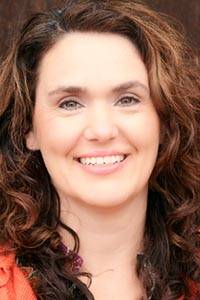
    Curbside Care: Ginny Bowers’ “Mobile Midwifery” Reduces Patient Exposure

    The Frontier community is proud to have students and alumni serving on the frontlines of the COVID-19 pandemic. Throughout the next few weeks, we are committed to sharing their stories in order to provide insight, hope and encouragement. Thank you to all the health care workers who are risking their own well-being daily to serve our nation. Click here to read more stories of courage and dedication.
    The COVID-19 Pandemic has forced healthcare providers to be flexible and innovative in how they provide care. From greater access to telehealth appointments to drive-up COVID-19 testing, social distancing and limiting exposure has been the driving force for change.

    Ginny Bowers, CNM, IBCLC, RLC, Class 82, shared her own innovation on social media on March 18. The post, accompanied by a photo, simply read: “Mobile midwifery! Taking care of my pregnant mamas in their cars in order to help out our community.”

    As the Head Midwife at Chesapeake Women’s Health in Easton, Maryland, Bowers recognized the need to reduce risks of exposure to her pregnant patients. Having them come into the office for appointments added risks that could be avoided by offering a drive-up option.

    “I reached this decision due to significant concerns with exposure of our pregnant patients to COVID-19,” Bowers explained. “Pregnant women carry a significantly higher risk of complications when exposed to respiratory viruses, and I wanted to help decrease that risk in any way possible. We are fortunate that our office provides multiple outside doors and we have a parking lot that wraps around to the side of the building. I have my pregnant patients drive to that side parking lot and they call the practice to inform us that they are here. I then go directly to their cars and function as both a medical assistant and provider. I obtain blood pressures, fetal heart tones, maternal heart rate and fundal heights without the patients leaving their cars.”

    In addition, the door to the side parking lot is right next to a patient bathroom, allowing patients to obtain a self-collect swab or urine sample with limited exposure to others in the office. There is also a direct door to the lab and ultrasound locations, allowing patients easy access from their car without ever setting foot in the waiting room.

    Bowers takes great precaution to protect the patient, including limiting the number of staff the patient comes in contact with.

    “I elected to function as both the medical assistant and the provider so as to limit the patient’s exposure,” Bowers said. “I wear a surgical mask and gloves to provide further protection to them in case I eventually become an asymptomatic carrier. If we do have a patient presenting with any symptoms we also have the patient and myself wear full PPE.”

    Originally from Richmond, Virginia, Bowers previously worked as a registered nurse in Richmond before moving to the Eastern Shore of Maryland in 2014. Her decision to become a nurse-midwife was driven by a desire to better serve patients and her own near-tragedy.

     “I am a strong advocate for patient autonomy and patient-centered care,” she said. “As a registered nurse I had planned on specializing in either trauma or emergency medicine, but when I was pregnant with my first daughter my labor and delivery became unnecessarily complicated and grossly mismanaged. At the age of 25, I almost died and became a statistic reflective of our broken healthcare system. When seeking answers on ways to better advocate for my patients I discovered midwifery and it was the perfect fit. This was the way I would be able to help protect others from suffering the same complications and fate that I had.”

    Fate led her to FNU, which she credits for helping prepare her for the innovative thinking needed in situations such as the pandemic.

    “Frontier is a fabulous university and I truly believe this organization helped foster my ability to problem solve and seek out solutions,” Bowers said. “Midwives really have a way of thinking outside of the box.”

    Chesapeake Women’s Health is a multidisciplinary practice where Bowers works alongside obstetricians. She works autonomously within the practice providing full-scope OB/GYN and lactation services and attending births at the local hospital.

    “I am fortunate that I work in a practice that is both receptive and willing to accommodate my suggestions for improving patient care,” said Bowers, who works alongside four other nurse-midwives, including Becky Kroeger, CNM, a fellow FNU graduate (Class 106). “We have a fabulous office manager in Jessica Lewis and supervisor in Kristina Lynch who are also strong advocates for patient safety and evidence-based practice. I work alongside both physicians and midwives and have been especially proud especially of my midwife colleagues as together we have really raised the bar for patient safety. We have also initiated a thriving telemedicine practice and have arranged our hospital and office schedules in a way that will minimize staff mixing and exposures so we can better protect our providers who are critical to this rural area.”

    The nurse-midwives have arranged their schedules so that one practices solo in the office while the other three manage hospital call. None of them are exposed to each other, thus decreasing the risk of having multiple providers out sick at the same time. Like healthcare providers across the country, Chesapeake Women’s Health has had to deal with a lack of available testing and PPE supplies.

    That’s where out-of-the-box thinking by Bowers and her colleagues has led to the changes in work schedules and the mobile midwifery practice to reduce the risk for staff and patients alike. Patients were made aware of the curbside prenatal service by phone calls and social media posts.

    “Patients are scared due to all of the unknowns,” Bowers said. “They have loved this service and have been extremely grateful for this option.”

    Amidst the chaos, Bowers stands ready in the parking lot, taking care of her patients, one car at a time.

    What is a Certified Nurse-Midwife (CNM)? 

    Certified Nurse-Midwives (CNMs) are educated in two disciplines: midwifery and nursing. They earn graduate degrees, complete a midwifery education program accredited by the Accreditation Commission for Midwifery Education (ACME), and pass a national certification examination administered by the American Midwifery Certification Board (AMCB) to receive the professional designation of CNM. Certified Midwives (CMs) are educated in the discipline of midwifery. They earn graduate degrees, meet health and science education requirements, complete a midwifery education program accredited by ACME, and pass the same national certification examination as CNMs to receive the professional designation of CM.
  • Nurse Practitioner Jaime Westlund Feels Strong Connection to Answer the Call Oath

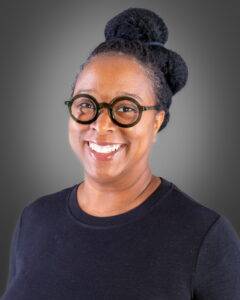
    Nurse Practitioner Jaime Westlund Feels Strong Connection to Answer the Call Oath

    The Frontier community is proud to have students and alumni serving on the frontlines of the COVID-19 pandemic. Throughout the next few weeks, we are committed to sharing their stories in order to provide insight, hope and encouragement. Thank you to all the health care workers who are risking their own well-being daily to serve our nation. To see more stories from the frontlines, go here

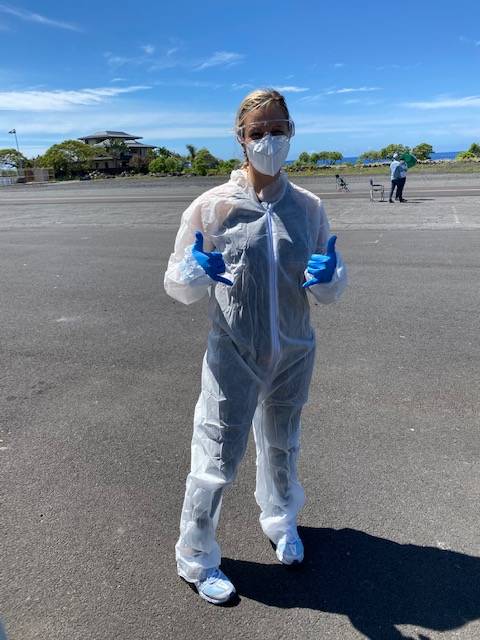
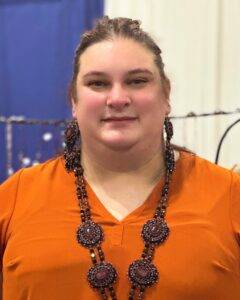
    When Jaime Westlund, MSN, APRN, FNP-C, Class 37 moved with her family from her home state of Idaho to Hawaii in August 2019, she did so with the intent to serve the community, staying true to the history and mission of FNU. Little did she know at that time how quickly her commitment to community would be tested. 

    “While I was attending Frontier Nursing University to become a nurse practitioner, I made an oath to always ‘answer the call’ within my community,” Westlund said. “Today, as I screened hundreds of patients to determine if they met the criteria to be tested for COVID-19, I felt a connection to that oath that I have never felt before.”

    Since moving to Hawaii with her husband and four children (ages 11, 7, 6 and 3), Westlund has worked as a nurse practitioner in the general surgery department at Ali’i Health Center in Kailua Kona. Typically she spends half her week at the clinic seeing a variety of patients, including wound care, and the other half of her week at the hospital, rounding on general surgery patients and scrubbing in with the surgeons for operations. 

    With the spread of the COVID-19 Pandemic, however, her role has expanded. She created informational posters for the community and has been screening patients for the virus while taking the necessary steps to protect herself and her family as best she can. She is careful to use PPE while at work and removes her clothes and showers before going near her family. 

    I took an oath to answer the call, and I have been doing that within my community,” Westlund said. “I encourage everyone to do their part whether big or small, whether you have taken an oath or not.”

    Living on an island, supplies are always in demand and the pandemic has amplified the issue. 

    We live on an island so it is truly rural health care at its finest,” Westlund said. “We do not have access to a lot of medical supplies or equipment and it takes a really long time to get things on the island. We have very few resources available. We have very few ICU beds and ventilators so it is crucial we contain the virus.”

    Westlund said that telemedicine is being utilized as much as possible to limit the number of patients in the clinic and that all elective surgeries have been stopped. 

    “There are gaps and shortages everywhere,” Westlund said. “Unfortunately that is a typical day for us here.” 

    Just another day serving the community and fulfilling her oath to answer the call. 


  • FNU Joins in 25th Annual National Public Health Week

    FNU Joins in 25th Annual National Public Health Week

    On April 6-12, 2020, Frontier Nursing University (FNU) will join with healthcare organizations across the United States to celebrate National Public Health Week, organized by the American Public Health Association (APHA). Participants will unite to start conversations and take positive steps towards improving the health of their neighbors and friends, contributing to the overall state of health of the country. The conference comes at a crucial time as public health has never been more important than during the current COVID-19 pandemic.

    National Public Health Week offers a perfect opportunity to fulfill FNU’s commitment of participating in 2020’s International Year of the Nurse and the Midwife established by the World Health Organization (WHO). In recognizing the International Year of the Nurse and the Midwife, FNU joins the efforts to raise awareness of healthcare shortages in the U.S. and abroad; demonstrate the need for more nurses and nurse-midwives; educate the public of the value of nurses and nurse-midwives in their communities and advocate for access to quality healthcare for every individual. 

    Each day during National Public Health Week, the APHA will focus on a critical health topic and identify ways individuals can make a difference. Take a look at this year’s topics and click to learn more!

    • Monday: Mental Health — advocate for and promote emotional well-being
    • Tuesday: Maternal and Child Health — ensure the health of mothers and babies throughout the lifespan
    • Wednesday: Violence Prevention — reduce personal and community violence to improve health
    • Thursday: Environmental Health — help protect and maintain a healthy planet
    • Friday: Education — advocate for quality education and schools
    • Saturday: Healthy Housing — ensure access to affordable and safe housing
    • Sunday: Economics — advocate for economic empowerment as the key to a healthy life

    The shortage of psychiatric-mental health nurse practitioners (PMHNPs) is one of the most prevalent gaps in the healthcare arena today. FNU faculty member Dr. Jess Calohan, DNP, PMHNP-BC, addresses this issue in this YouTube video, What is a Psychiatric-Mental Health Nurse Practitioner? FNU offers a graduate PMHNP specialty track that can be pursued full- or part-time while completing a Master of Science in Nursing or a Post-Graduate Certificate, with the additional option of transitioning to the companion DNP via a direct admission process.

    FNU is offering two opportunities to earn free continuing education (CE) credits during National Public Health Week. To earn credit, watch each session and complete its post-evaluation. Monday’s theme of Mental Health ties into Dr. Calohan’s presentation, Evidence-Based Prescribing of Practices in Treating Post-Traumatic Stress Disorder. On Tuesday, watch Maybe There is an “I” in TEAM: IPECS on the topic of Maternal and Child Health, presented by Dr. Audrey Perry, DNP, CNM, and Dr. Mark Woodland, MS, MD.

    We hope you’ll join in working towards the collective goal of improving the health of our nation! To learn more about National Public Health Week, visit NPHW.org, and to read about all of FNU’s program offerings, visit Frontier.edu.

  • Alumni Spotlight: Nurse-Midwife Jennifer Scott Serves Local Mennonite Community

    Alumni Spotlight: Nurse-Midwife Jennifer Scott Serves Local Mennonite Community

    Frontier Nursing University (FNU) alumna Jennifer Scott, CNM, recently left her hospital job to co-found a home birth practice in her local Old Order Mennonite community. Located in the Finger Lakes region of central New York, Jennifer and her colleagues opened Community Midwives in March of last year, filling a gap in maternity care in the area.

    In a typical week at Community Midwives, Jennifer spends one day in an open clinic providing prenatal care and other services to the women who visit. She spends the rest of her week making postpartum home visits and being on call 24/7 to conduct home births.

    According to Jennifer, the Mennonite women are not opposed to hospital care, but home birth is their preference. Without motor vehicles, the 45-60 minute distance from the Mennonite community to the nearest hospital presents a great challenge, so nurse-midwives are a cultural necessity.

    Community Midwives is a simple, self-sufficient organization. They draw their own labs, book their own appointments, and spend their time on rural farms – but they are making an impact.

    “I finally feel that I am answering the call!” Jennifer said.

    Although Jennifer enjoyed her time working in a hospital and is grateful for the experience she gained, she admits it did not bring the same level of fulfillment that her current career holds. 

    “At Frontier, we were led by the example of Mary Breckinridge, who worked for the good of those in need rather than for fame or fortune,” Jennifer said.

    The longer Jennifer and her colleagues work in the Mennonite community, the more they have come to understand the value in Mary Breckinridge’s career model. 

    “We came to help the Mennonite women without knowing how much we would learn,” Jennifer said. “The women I work with experience birth as I have always felt it should be; they have faith in their bodies and lack the fear of birth that most American women have. I love what I do because of the strong women I serve.”

    A 2012 alumna, Jennifer built strong relationships with fellow FNU nurse-midwives she admires. The bonds she made with these “sisters” have lasted long past graduation. 

    “I am still friends with so many of my fellow alumni and we are always here to support one another. As we continue to expand Community Midwives, I hope some of my Frontier sisters will be interested in working with us in this region. FNU leads the way in how nurse-midwives are perceived in this country, and as long as they continue with their strong work, I will always be proud to be a Frontier alumna,” Jennifer said.

    Thank you, Jennifer, for following the example of Mary Breckinridge and filling a gap of care in your community!


    What is a Certified Nurse-Midwife (CNM)? 

    Certified Nurse-Midwives (CNMs) are educated in two disciplines: midwifery and nursing. They earn graduate degrees, complete a midwifery education program accredited by the Accreditation Commission for Midwifery Education (ACME), and pass a national certification examination administered by the American Midwifery Certification Board (AMCB) to receive the professional designation of CNM. Certified Midwives (CMs) are educated in the discipline of midwifery. They earn graduate degrees, meet health and science education requirements, complete a midwifery education program accredited by ACME, and pass the same national certification examination as CNMs to receive the professional designation of CM.

  • Getting to Know FNU’s New Chief Diversity and Inclusion Officer

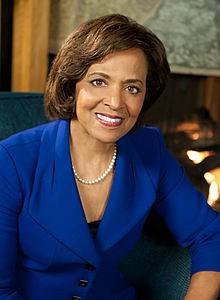
    Getting to Know FNU’s New Chief Diversity and Inclusion Officer

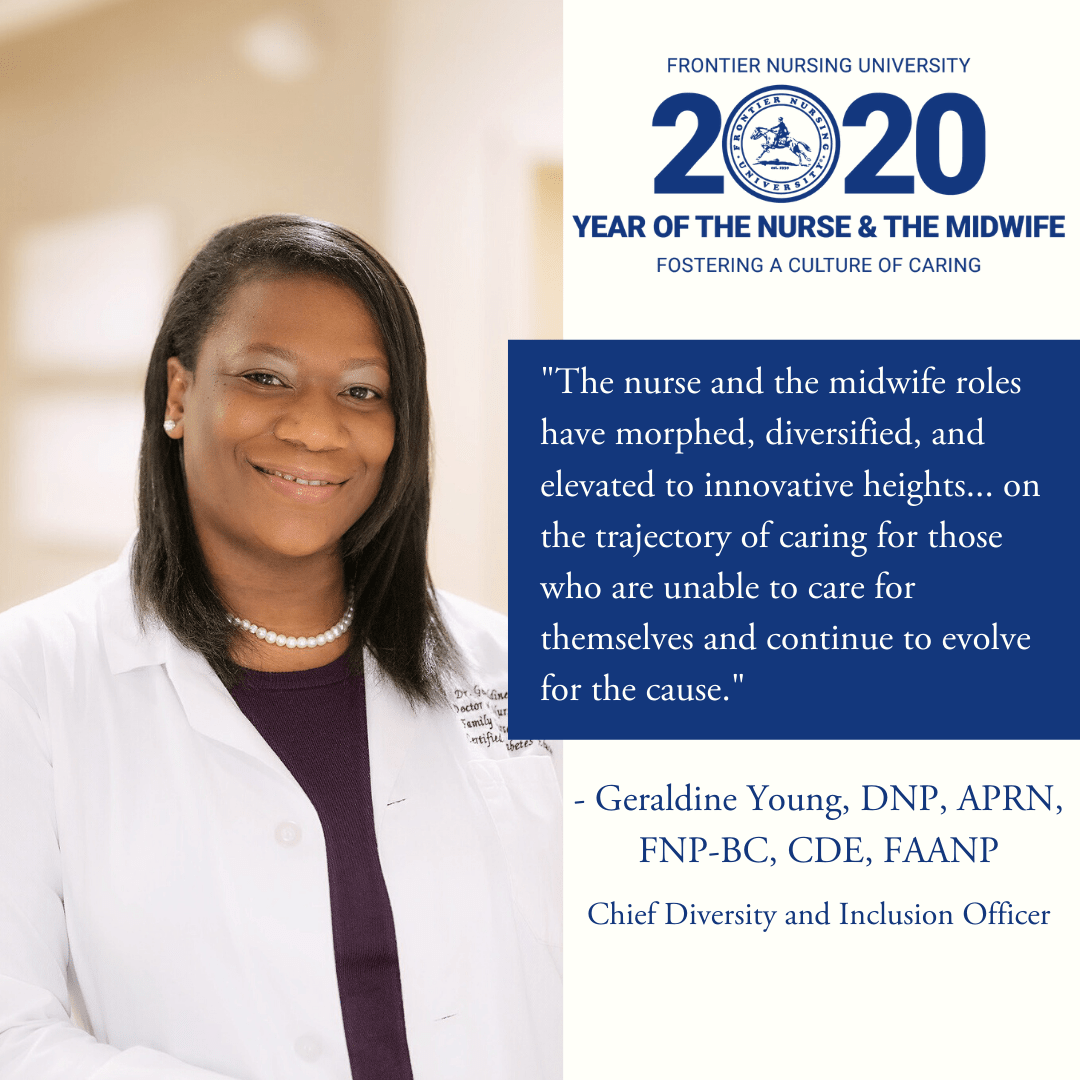
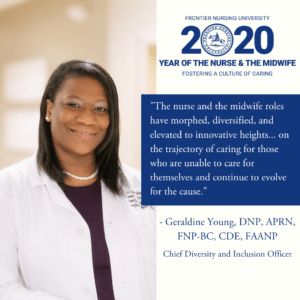
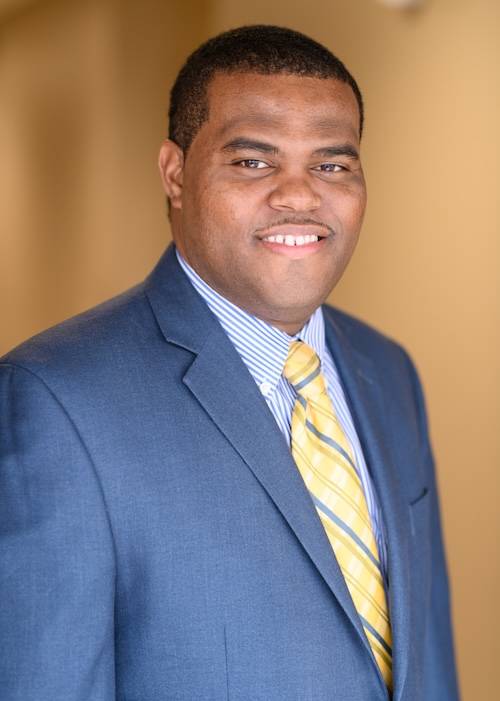
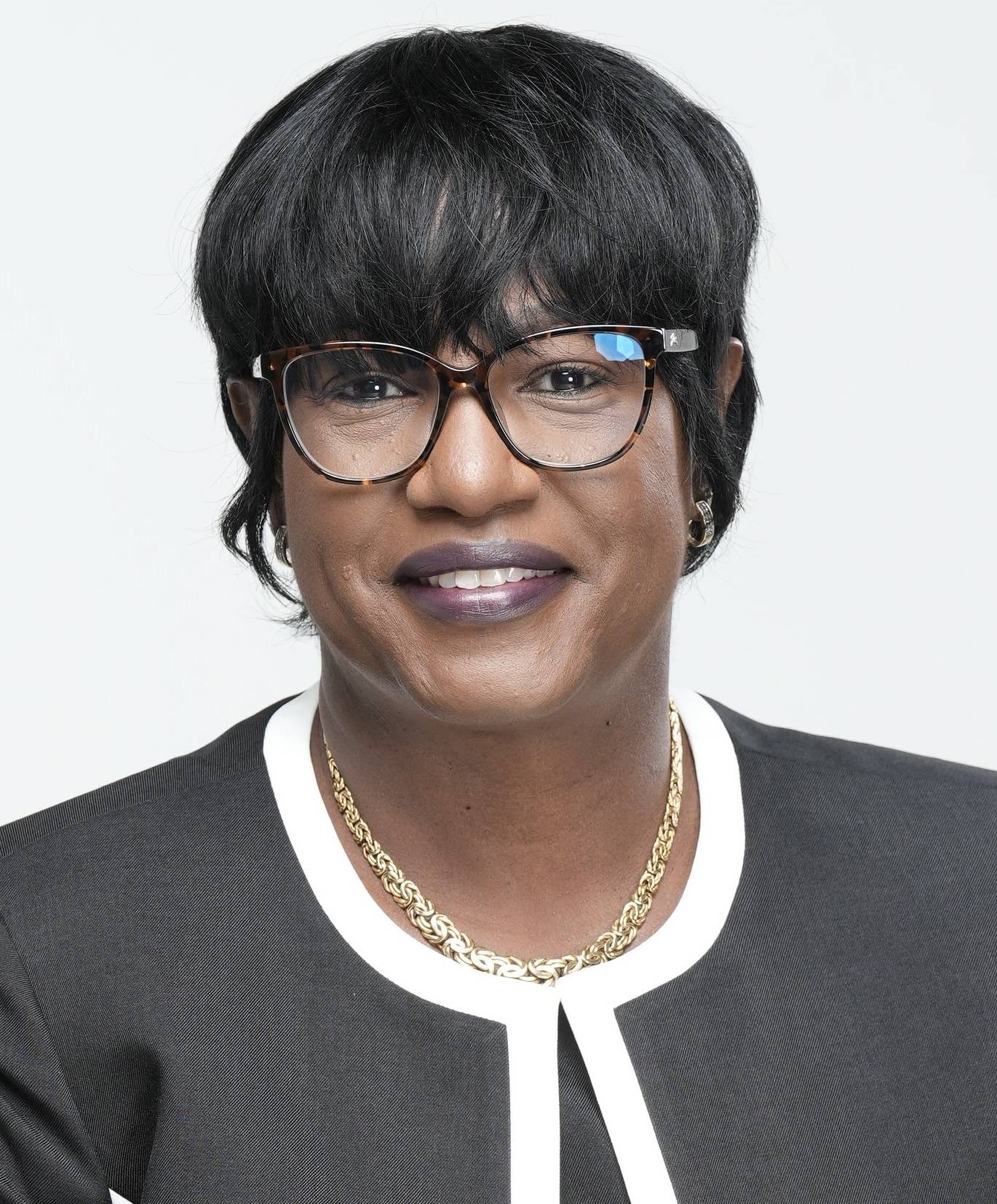
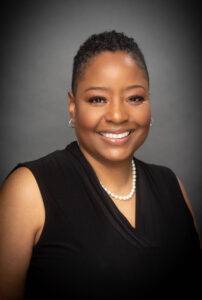
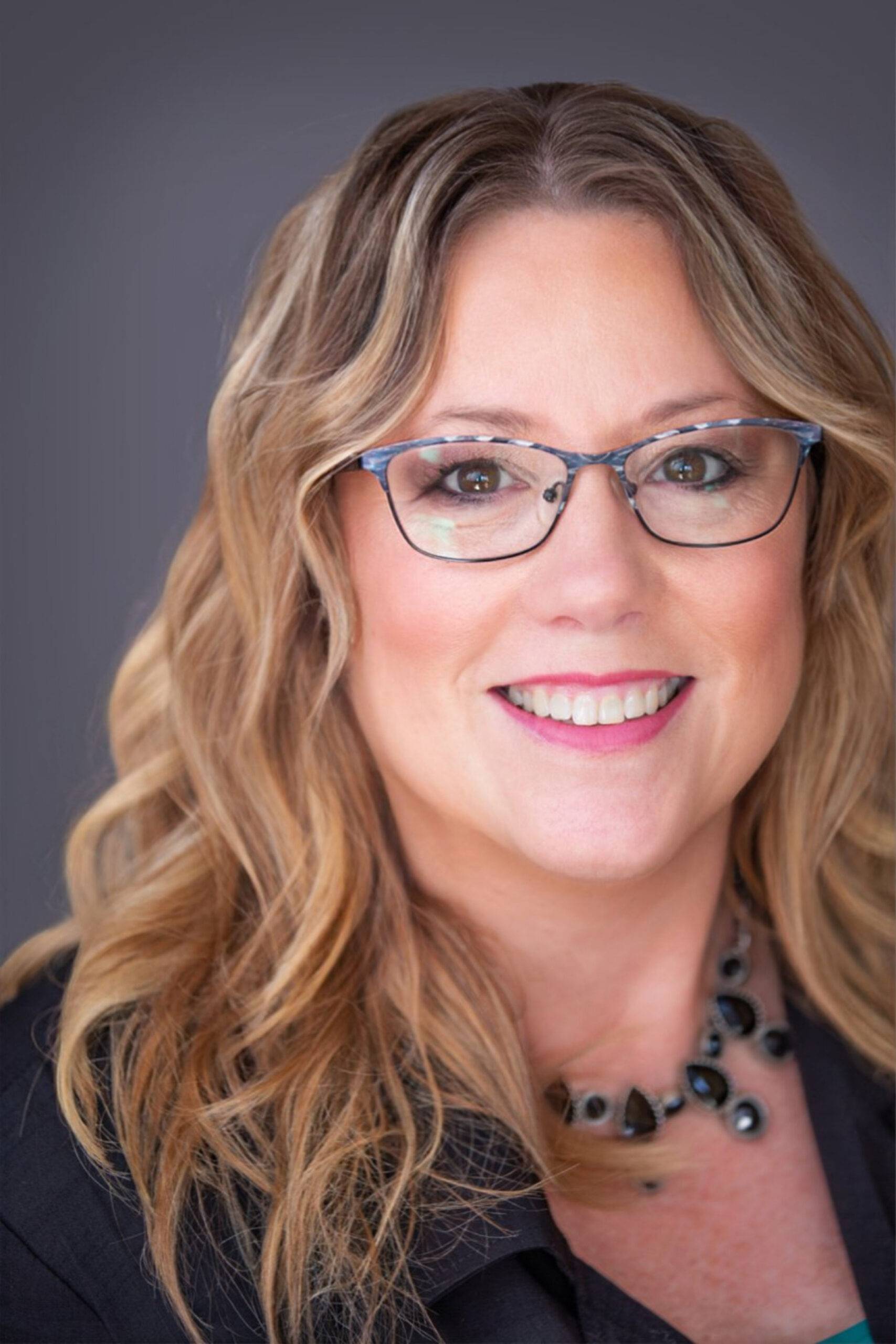
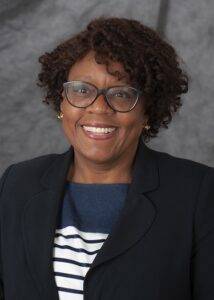
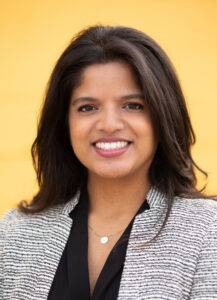
    A few weeks ago, Frontier Nursing University (FNU) introduced our new Chief Diversity and Inclusion Officer (CDIO), Dr. Geraldine Young, DNP, APRN, FNP-BC, CDE, FAANP. Dr. Young has practiced for 20 years in the nursing field, and advocating for diversity and inclusion in nursing education has been at the forefront of her work. She holds a DNP from the University of Alabama at Birmingham in addition to an MSN from Alcorn State University and a BSN from the University of Mississippi Medical Center.
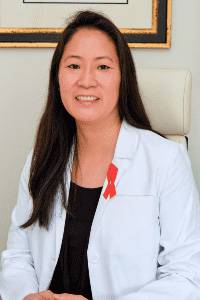
    It is truly an honor and a pleasure to be selected as the Chief Diversity and Inclusion Officer at Frontier Nursing University!” said Dr. Young. 

    We sat down with Dr. Young to learn about her passion for diversity and inclusion, her strategy for enhancing these initiatives at FNU, and the challenges she expects to face in her new position as CDIO.

    What has been your career path so far and how has it led you to your current role as chief diversity and inclusion officer?

    I hold a Doctor of Nursing Practice (DNP) from the University of Alabama at Birmingham, an MSN from Alcorn State University, and a BSN from the University of Mississippi Medical Center.  I am a board-certified family nurse practitioner (FNP) and a certified diabetes educator. 

    My distinguished career, spanning 20 years, has demonstrated a great passion for improving health outcomes, especially in disenfranchised populations. An early career trajectory began with five years as a registered nurse; this led to 15 years as a family nurse practitioner, 10 of which have been spent as one of the first DNPs in Mississippi and nursing faculty, nine as a certified diabetes educator, and five as family medical practice owner. 

    I made an effortless decision to migrate to Kentucky to become the inaugural Director for Graduate Nursing Programs at Kentucky State University to expand the ability to help others in rural, underserved areas. Before leaving Mississippi, FNU was introduced to me by a fellow colleague. As an advanced practice registered nurse (APRN), the thought of FNU (a nursing university that exclusively focused on graduate level nursing education for APRNs and founder of my degree pathway as a family nurse practitioner) was instantaneously intriguing.  When the opportunity presented itself, there was no hesitation to seize the chance to be employed at FNU!

    How has your professional background influenced your passion for diversity and inclusion? 

    Serving as a leader in improving diabetes outcomes in the southeastern United States has been a career pinnacle. Leadership in the Health Resources and Services Administration’s Health Disparities Collaboratives and the Centers for Medicare and Medicaid Services’ (CMS’s) Mississippi Health First Project transformed the model for healthcare practices and diabetes self-management education (DSME) in Mississippi for minority and underserved populations. This leadership led to recognition from the CMS and the American Association of Diabetes Educators for program excellence in DSME.

    My firm commitment to clinical-practice excellence is evidenced by developing a private practice in Mississippi. This practice focused on improving health outcomes and diabetes management and had over 2,500 visits annually, 10 percent of which are for veterans and 30 percent of which are for underserved populations. Direct clinical outcomes were not the only benefits of this practice. In a dynamic partnership with Jobs for Mississippi (a program that provides at-risk youths with positive work experiences to prevent them from becoming dropouts), this practice also provided professional role modeling, culminating in its participation in the AmeriCorps job-placement service, which specifically targets at-risk youth. This practice attained state and national recognition, including a joint telehealth project with the University of Mississippi Medical Center to increase access to quality care.

    Where did your passion for diversity and inclusion begin? 

    My passion for diversity and inclusion emerged in the role of family nurse practitioner, serving various patient populations in underserved, rural areas in Mississippi. During this time, the belief that “no patient is noncompliant” was attained. It is crucial for healthcare professionals to remove bias towards patients that appear to be noncompliant.  Healthcare services should reflect individualization based on a patient’s circumstances and uncover means of improving their health outcomes. This motto continues today for any population that I service including students, faculty and staff.   

    Diversity, equity,  and inclusion are the keys to the future success of the health care delivery system and the improvement of health outcomes for minority and underserved populations. All perspectives need a voice. I have always been willing to be that voice. 

    Membership in the American Association of Colleges of Nursing Essentials Task Force further strengthens this passion as I am on the frontline of nursing education addressing issues of health disparities and inequities that exist in our nation.

    How do you define diversity and inclusion at Frontier Nursing University?

    FNU encompasses an atmosphere built on a culture of caring, with a mission to promote diversity, equity, and inclusion. FNU elicits the equitable perspectives of students, faculty, and staff regardless of race, gender, sexual preference or identity, disability and/or religion. FNU’s goal is to improve health outcomes through the production of conscious, competent nurse-midwives and nurse practitioners in underserved and rural areas across the U.S. 

    FNU is a national leader in diversity, equity, and inclusion and a two-time winner of the INSIGHT Into Diversity Higher Education Excellence in Diversity Award 2018 and 2019. 

    What are you most excited about with your new position?

    I have been involved with diversity, equity,  and inclusion efforts in the background for many years.  Now, I have the opportunity to propel this role forward in my influential nursing career as the Chief Diversity and Inclusion Officer at FNU.  In this role, I can expand the impact of diversity, equity, and inclusion efforts at FNU to improve the health outcomes of diverse patient populations in underserved and rural areas in the U.S.

    What strategies do you feel will have the most positive impact on the FNU community?

    Administration is tremendously supportive of diversity, equity,  and inclusion initiatives at FNU. This support transcends the level of comfort needed to productively perform in the role of Chief Diversity and Inclusion Officer. Embodying transformational leadership characteristics, implementing the team-based approach to confronting diversity, equity, and inclusion issues, and soliciting the perspectives of students, faculty, and staff will be instrumental in disseminating a powerful culture of diversity, equity, and inclusion at FNU. This approach will also ensure the direct involvement and ownership of the entire FNU community in the continuous transformation process. 

    What are the biggest challenges that you will face in your new role? 

    As the Chief Diversity and Inclusion Officer, I expect the following challenges: 

    • Upholding accountability for implicit bias in the FNU community
    • Increasing the integration of atypical, diverse populations and perspectives into the FNU community
    • Providing support for the changes

    These challenges are expected to resolve as constituents become more informed and proactive within the diverse and inclusive FNU community.  

    What is a fun fact about you?

    I love to travel! I have been to Washington, D.C., approximately 10 times in the past three years for the purpose of advancing the nursing profession. I feel like D.C. is my home away from home. 

  • Year of the Nurse and the Midwife Spotlight:  Stephanie VanderHorst

    Year of the Nurse and the Midwife Spotlight: Stephanie VanderHorst

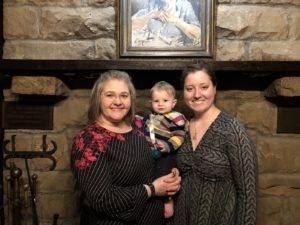
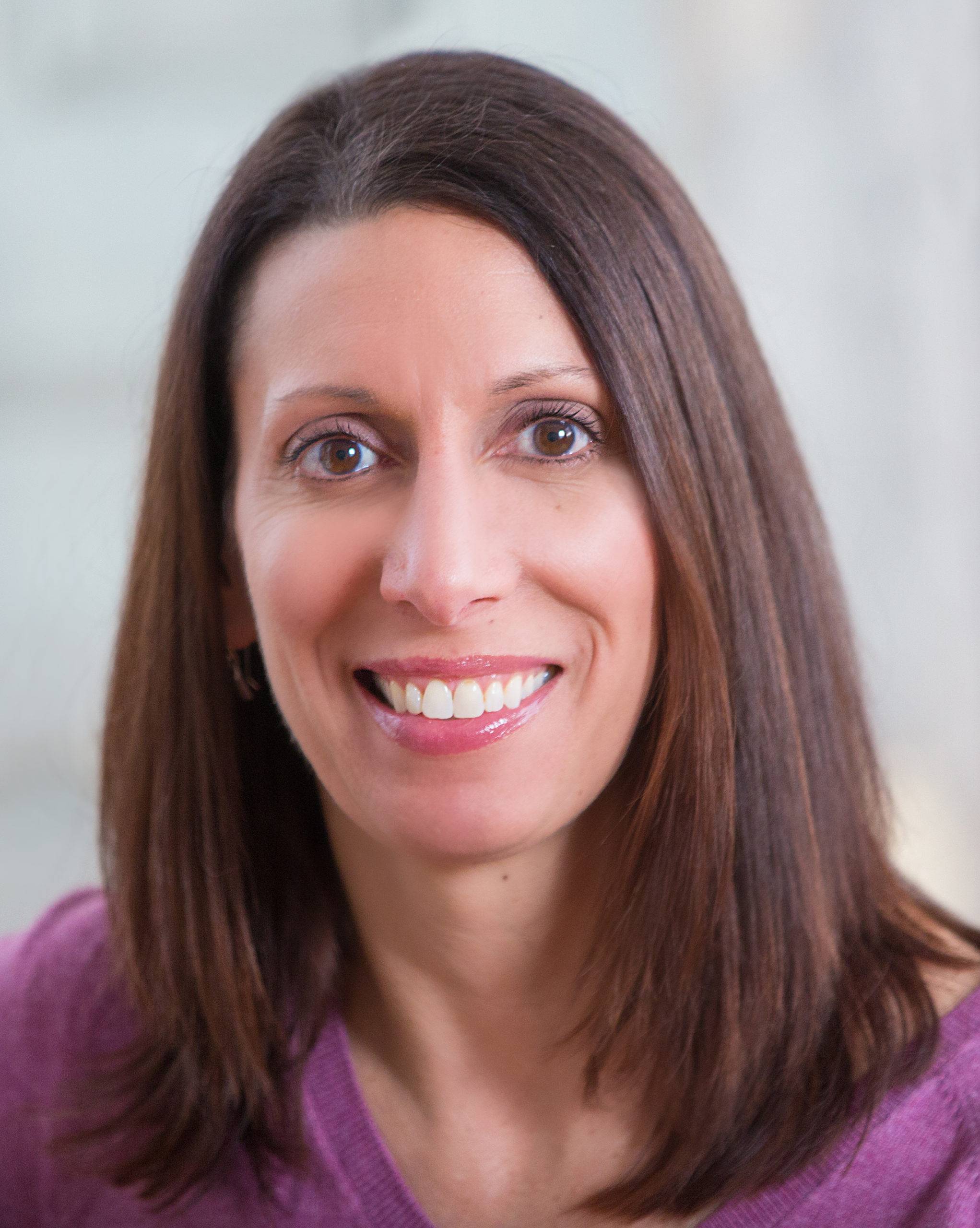
    Stephanie VanderHorst (left) with grandson Easton and daughter-in-law Leah (right), who is currently enrolled in FNU Class 194.

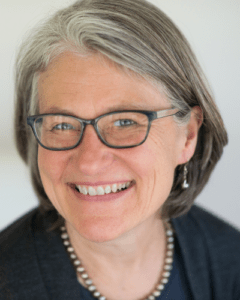
    Stephanie VanderHorst, CNM, MSN, Class 28, had a plan. She was going to open a freestanding birthing center in Auburn, Ind., a rural community of 13,000 people located in DeKalb County, two hours north of Indianapolis. There was no birthing center in the community and she knew there was a need.

    As part of her coursework at Frontier Nursing University (FNU), she developed a business plan for the birthing center in 2000. The results were not what she expected.

    “I realized my plan for a birthing center in Auburn wouldn’t work,” she said. Working as the manager of the obstetrics department at DeKalb Memorial Hospital, her interviews with patients revealed a glaring problem. “I realized people didn’t know what a certified nurse-midwife (CNM) was.”

    Understanding that the reason the plan wouldn’t work wasn’t a lack of need, but rather a lack of awareness, she held onto her dream and took steps to make it a reality. 

    “I conducted exit interviews with patients postpartum,” she said. “During those exit interviews, I asked ‘What is your ideal birth? When you have your next baby, what do you want the experience to be?’ People started talking about birth centers. In having those conversations, I was able to lay a foundation that there are options.”

    It took longer than expected, but her diligence paid off with the opening of the Auburn Birthing Center in 2010. In addition to co-owning the birthing center, Stephanie is employed by Auburn OB/GYN and Midwifery and has privileges at Parkview DeKalb Hospital. 

    As of March 2020, Stephanie has welcomed nearly 2,000 births. She has also welcomed nearly 30 students, serving as their preceptor and helping her to earn FNU’s Distinguished Service to Alma Mater Award in 2019. Remembering that she had difficulty finding a preceptor when she was a student, Stephanie is happy to serve in this role but also screens prospective students carefully before agreeing to work with them. 

    “I’m looking for nurse-midwives who are going to grow the profession,” she said. “Precepting is helping to identify midwives who are going to live the profession and provide quality care that is research-driven and evidence-based. I take about one out of every 10 students who come to me.”

    Stephanie is earnest about guiding students interested in growing the profession because she herself has become an active leader and advocate for nurse-midwifery throughout the state. She served consecutive two-year terms as the president of the American College of Nurse-Midwives Indiana Affiliate and is on the board of the Coalition of Advanced Practice Registered Nurses of Indiana. She served on a cervical cancer task force and is on the Governing Council of the Indiana Perinatal Quality Improvement Collaborative (IPQIC) as part of a state-wide initiative to reduce maternal mortality. 

    “Governor Holcomb wants Indiana to be the best in the midwest in maternal mortality and neonatal mortality rates, and that has launched a huge initiative,” Stephanie said. “We are looking at every birth center and rewriting the policies and standards for birth centers.” 

    Stephanie, who makes the drive to the state board of health in Indianapolis three to four times per month, studied the state’s policies and utilized resources from the American Association of Birth Centers (AABC) and the Commission for the Accreditation of Birth Centers (CABC) as guides to help review and suggest revisions to the the state’s existing policies and guidelines. The collaborative effort led to the creation of a revised document that is scheduled to be reviewed by the state board of health at a meeting in March 2020. 

    Stephanie described the past six years in these leadership roles as, “Two years of asking what the problem is, two years of exploring what other ideas are out there, and two years of instituting change.”

    Estimating that the world needs 9 million more nurses and midwives if it is to achieve universal health coverage by 2030, the World Health Organization designated 2020 as the International Year of the Nurse and the Midwife. Stephanie’s experiences serve as an example of how nurses and midwives play a vital role in healthcare and why they must be included in policy-making decisions. 

    We are the boots on the ground,” she said. “When doctors give direction and say ‘you need to stop smoking or you need to lose weight,’ the nurse-midwife is the one who sits down with the patient and says ‘Let’s talk about it. What’s really going on inside this family? What are the triggers? What are some realistic ways we can make healthier choices?’ We are digging deeper and getting a clearer picture of the situation because we have a little more time to spend with the patient.”

    Stephanie said that, as is the case in many communities across the country, there is a shortage of psychiatric-mental health providers in Auburn and across the state. Serving on IPQIC’s maternal mortality review board, she has seen evidence of the impact mental health plays in the overall health of the patient.

    “Mental health can have a big impact on these women and them not seeking the help and care that they need,” she said. “Substance abuse, depression, and mental health permeate everywhere.”

    With leadership roles as co-owner of a birthing center, preceptor, and active participant in state healthcare initiatives, Stephanie may seem to have been destined for this profession. That, however, was not the case. 

    “I became a midwife by default,” she said. “As a nurse, I had those rose-colored glasses, but soon realized that some of the nurses were really taking care of the doctors more than the patients. I became more and more disheartened. I had changed as much as I could as a manager. I needed to be a provider.”

    She was also helping provide for her family, which at the time consisted of her husband Dean and two sons.

    “The only options I had for midwifery school other than FNU were Michigan or Case Western,” said Stephanie, who now has three sons, a daughter, and a grandson. “Do I want to travel every week to Michigan or Case Western or do the distance-based program at FNU? I needed to work. I had two boys at the time and I carried our insurance. I worked throughout the completion of my midwifery program.”

    Stephanie credits FNU with helping her direct her passion to open a birthing center by creating a plan that served the needs of the community and could succeed as a business. “The program did well in instilling that there are different ways to practice and finding out what your community needs are,” she said. 

    She recalled attending FNU’s Midwifery Bound where the attendees shared their dreams and motivations. She remembers both FNU President Dr. Susan Stone and FNU Board of Directors member Kitty Ernst being in the circle. When it was her turn to share her story, Stephanie said, “I’m going to open a birth center in northern Indiana.”

    She shared her voice that day with a relatively small group of people. Today, Stephanie continues to share her message with a much larger audience, her voice resonating as a leader, advocate, educator, and caregiver.   

    What is a Certified NurseMidwife (CNM)? 

    Certified Nurse-Midwives (CNMs) are educated in two disciplines: midwifery and nursing. They earn graduate degrees, complete a midwifery education program accredited by the Accreditation Commission for Midwifery Education (ACME), and pass a national certification examination administered by the American Midwifery Certification Board (AMCB) to receive the professional designation of CNM. Certified Midwives (CMs) are educated in the discipline of midwifery. They earn graduate degrees, meet health and science education requirements, complete a midwifery education program accredited by ACME, and pass the same national certification examination as CNMs to receive the professional designation of CM.

    2020: Year of the Nurse and the Midwife

    Frontier Nursing University (FNU) is proud to support and join the World Health Organization’s international campaign designating 2020 as the “Year of the Nurse and the Midwife.” In recognizing the International Year of the Nurse and the Midwife, FNU joins the efforts to raise awareness of healthcare shortages in the U.S. and abroad; demonstrate the need for more nurses and nurse-midwives; educate the public of the value of nurses and nurse-midwives in their communities and advocate for access to quality healthcare for every individual.  

  • FNU Supports “Call the Midwife” During Nationwide Premiere of Season 9

    FNU Supports “Call the Midwife” During Nationwide Premiere of Season 9

    UPDATE: Due to safety concerns surrounding COVID-19, the screening event on March 26th has been cancelled. Please tune in for the premiere of “Call the Midwife” on PBS on March 29th, and if you live in Florida or Kentucky, keep an eye out for Frontier’s commercial!

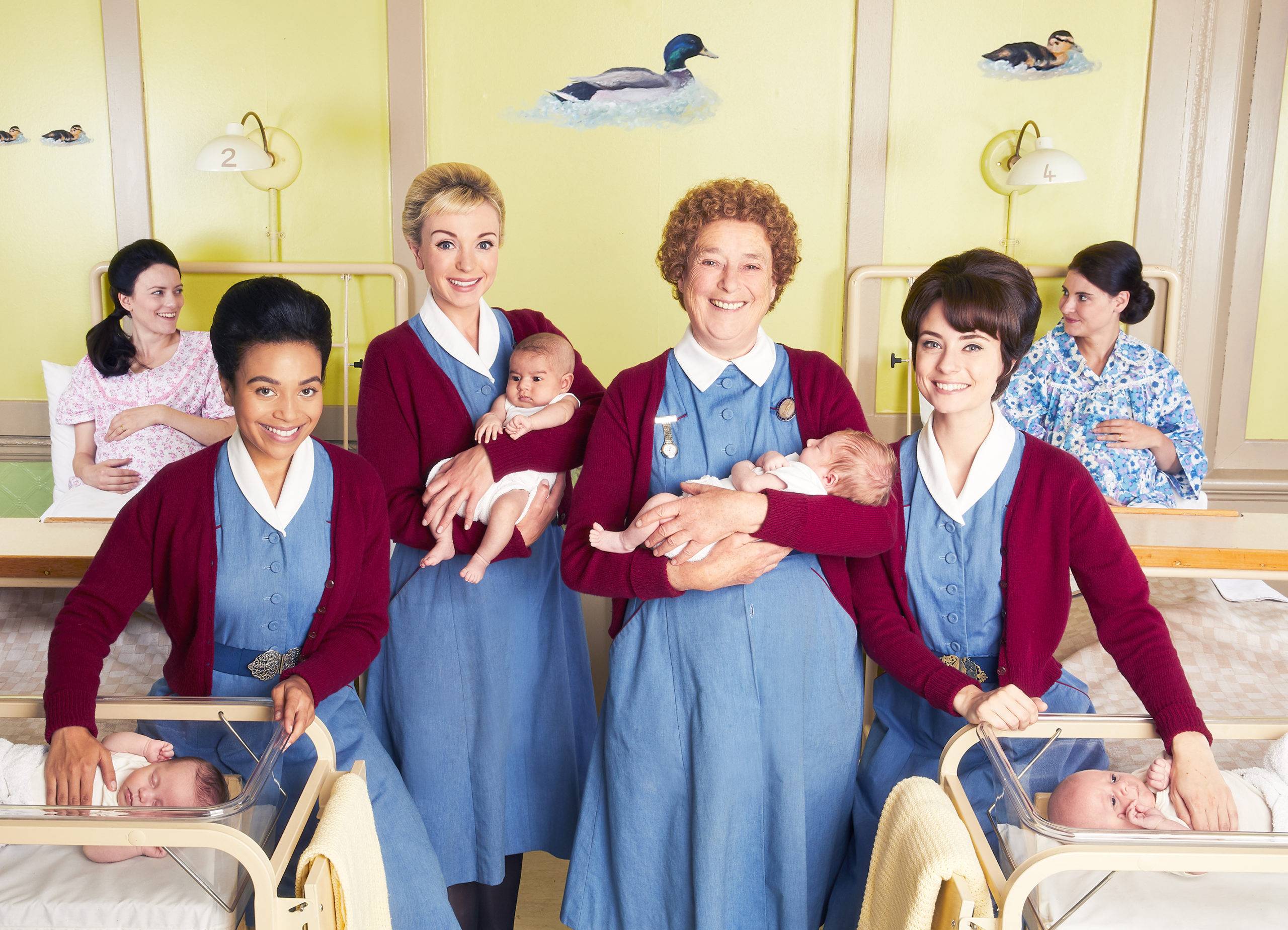
    2020 rings in a new season of the PBS drama series “Call the Midwife” and also the ninth consecutive year that Frontier Nursing University (FNU) has supported the show by airing commercial spots in both Kentucky and Florida. On Thursday, March 26, FNU will also host its ninth annual “Call the Midwife” screening event.

    FNU will screen the season premiere of Season 9 of “Call The Midwife” in Lexington, Ky. at Kentucky Educational Television (KET). Viewers have the special opportunity to see the premiere three days before it airs to the public on March 29th! Light refreshments will be served beginning at 6 p.m. and the screening will start at 7 p.m.

    The PBS drama follows the nurses, midwives and nuns from Nonnatus House who visit the expectant mothers of the Poplar district of London’s desperately poor East End, providing the poorest women with the best possible care. 

    FNU has been involved with the show since Season 1 aired in the U.S., thanks to FNU’s rich history during the early days of nurse-midwifery in America. FNU faculty member Katie Moriarty, PhD, CNM, CAFCI, FACNM, RN is one of three nurse-midwives who partner with PBS and Detroit Public Television to discuss their role in modern obstetrics in relation to “Call the Midwife,” which takes place in the 1950s and 1960s. As a “Modern Day Midwives” blogger for the show’s website, Katie contributes valuable knowledge of nurse-midwifery as it relates to her experiences over the years as a nurse, midwife, educator, and administrator within midwifery and public health. Take a look at her blog posts.

    Friends of FNU, fans of “Call The Midwife” and anyone who is interested in learning more about nurse-midwifery are welcome to attend the screening, but spots are limited! View the invitation on our Facebook page and click here to RSVP.

    Those interested in catching the new season on PBS this spring can tune in for the premiere on March 29th on their local PBS station. If you live in Kentucky or Florida, you just might be lucky enough to catch an FNU commercial spot airing in conjunction with the show. Find your local station schedule and other details at pbs.org/show/call-midwife/.

    We hope to see you on March 26th!

Request Information Apply Give Now