
Frontier Nursing University (FNU), is built up of passionate and forward thinking faculty members who work hard to educate others and improve the quality of health care across the country.
Below we are featuring the published work our faculty produced throughout the past year. Thank you to all of you who are helping to make a difference in the lives of others through your writing!
FNU Faculty Author Textbook Chapter
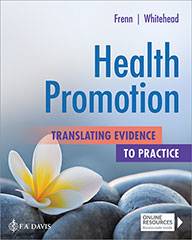
FNU Associate Professors Dr. Diane John, Ph.D., APRN, FNP-BC, CNE, and Dr. Vicky Stone-Gale, DNP, APRN, FNP-BC, FAANP co-authored Chapter 8 in Health Promotion, a textbook written for nurse practitioners and advanced practitioners. Published in December by F.A. Davis, the book is described as “Step-by-step, a who’s who of educators, researchers, and practitioners explore the models and skills you need to help your patients, including those with multiple comorbidities while evaluating medical evidence that changes rapidly, or that may be unclear.”
(book cover, Diane John and Vicky Stone-Gale)
FNU Faculty Contribute to “Clinical Practice Guidelines for Midwifery & Women’s Health”
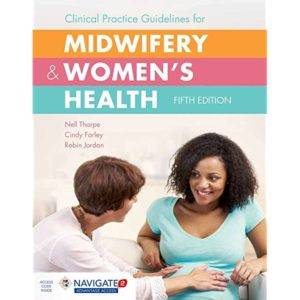
FNU faculty members recently contributed to the 6th Edition of “Clinical Practice Guidelines for Midwifery & Women’s Health”, published by Jones & Bartlett. Assistant Professors Nena Harris, CNM, FNP-BC, CNE, Ph.D., and Linda McDaniel, CNM, RNFA, DNP, are assistant editors for the book, and Associate Professor Dr. Laura Manns-James, Ph.D., CNM, WHNP-BC, CNE, is an associate editor. FNU Instructor Angela Mitchell, FNP-BC, DNP, was a reviewer for the cardiovascular chapter, and FNU student Katharine Heaney, RN, BSN, CLC, SNM, was a contributor to the Group B streptococcus colonization chapter. The book is described as “an accessible and easy-to-use quick reference guide for midwives and women’s healthcare providers. Thoroughly updated and revised to reflect the changing clinical environment, it offers current evidence-based practice, updated approaches, and opportunities for midwifery leadership in every practice setting.”
(book cover, Nena Harris, Linda McDaniel, Laura Manns-James, Angela Mitchell, Katharine Heaney)
Faculty Published Articles and Chapters:
Following is a list of articles and chapters recently published by FNU faculty members:
Assistant Professor Kendra Faucett, CNM, DNP:
Faucett, K, & Kennedy, H.P. (2020) Accuracy in reporting Kentucky certified nurse midwives as attendants in birth registration data. Journal of Midwifery & Women’s Health, https://doi.org/10.1111/jmwh.13111 (Publication date, issue pending) (May 11, 2020)
Assistant Professor Rebecca Fay, DNP, CNM, WHNP-BC, CNE, FACNM:Yount, S.M., Fay, R.A., Kissler, K.J. (2020). Prenatal and postpartum experience, knowledge and engagement with kegels: A longitudinal, prospective, multisite study. Journal of Women’s Health, 00(00), DOI: 10.1089/jwh.2019.8185. [Epub ahead of print].
Associate Professor Debra Hunt, Ph.D., FNP-BC, GNP-BC, CNE:
Hunt, D. A., Keefe, J., Whitehead, T., & Littlefield, A. (2020). Understanding Cannabis. The Journal for Nurse Practitioners. https://doiorg.frontier.idm.oclc.org/10.1016/j.nurpra.2020.07.007
Associate Professor Dr. Diane John, Ph.D., APRN, FNP-BC, CNE:
Stone-Gale, V. & John, D. (2021). Health Screening and Counseling: Adult and Older Adult In M. Frenn & D. Whitehead (Eds.), Health Promotion: Translating Evidence to Practice pp. 134-160. FA Davis.
Assistant Professor JoAnne Keefe DNP, MPH, FNP-C, CNE:
Hunt, D. A., Keefe, J., Whitehead, T., & Littlefield, A. (2020). Understanding Cannabis. The Journal for Nurse Practitioners. https://doiorg.frontier.idm.oclc.org/10.1016/j.nurpra.2020.07.007
Associate Professor Laura Manns-James, Ph.D., CNM, WHNP-BC, CNE:
Manns-James, L. Anthony, M.K. & Neal-Barnett, A. (2020) Racial discrimination, racial identity, and obesity in collegiate African American Women. Journal of Racial and Ethnic Health Disparities. (Online publication date 10/7/2020; not yet in print). doi: 10.1007/s40615-020-00880-x
Course Coordinator Charlotte Swint, DNP, MPH:
Fay, R., Swint, C., Thrower, E. J. B. (2020, June 26). Development of an intraprofessional scholarship workgroup: Systematic process for creating and disseminating nursing knowledge. Nurse Educator, Publish Ahead of Print _doi: 10.1097/NNE.0000000000000880
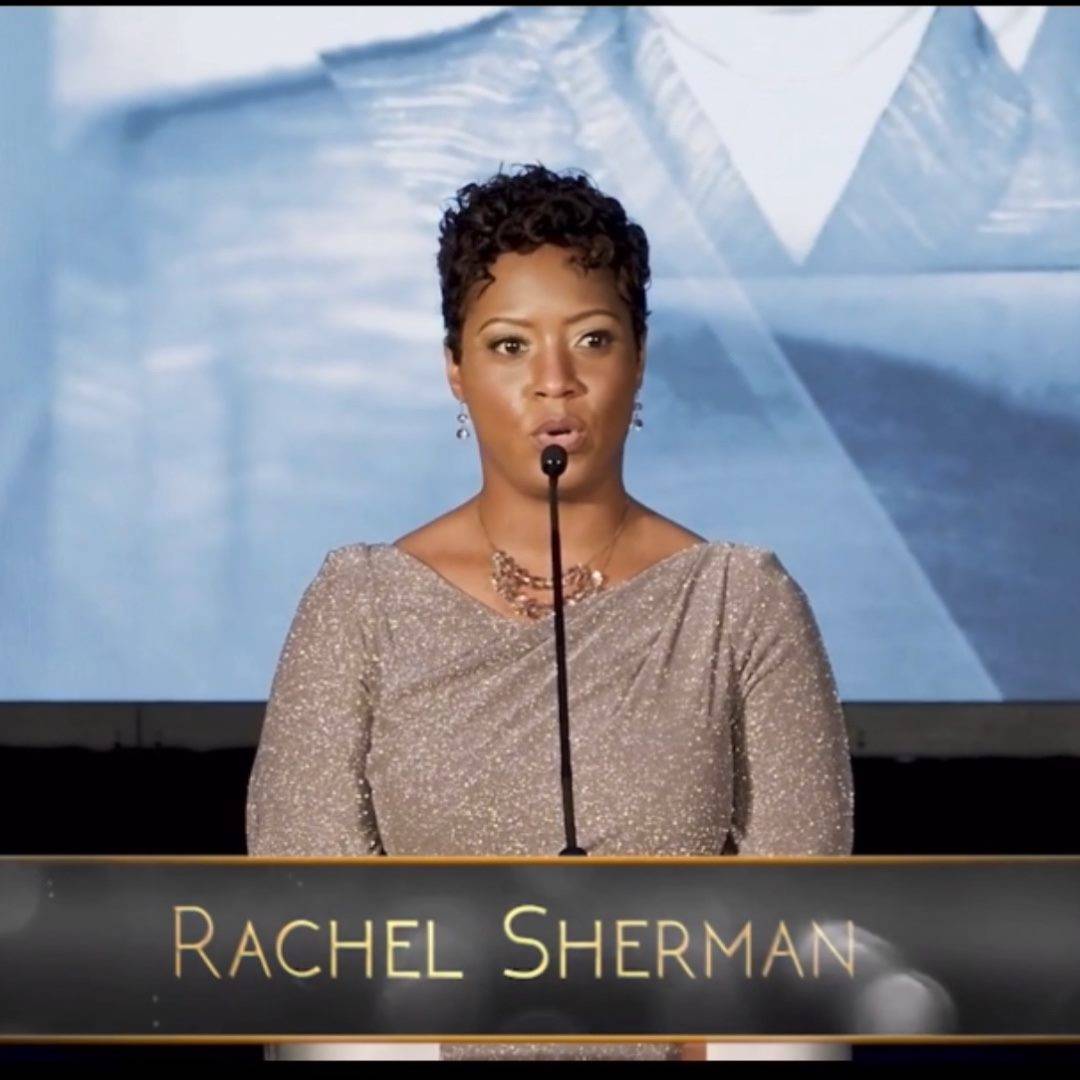
 Frontier Nursing University (FNU) alumni Rachel Sherman spent last year working as a
 Jeff Anderson, DNP, MS, PMHNP-BC, began his role as Regional Clinical Faculty (RCF) in the PMHNP program at FNU in March 2020, just as the COVID-19 Pandemic became widespread throughout the United States. Just like the other RCFs and students, Anderson had to adjust quickly to a new way of work.
 Throughout the COVID-19 Pandemic, nurses have been coping with a lack of necessary medical supplies, a high volume of patients, and less time at home to spend with their families. At
 Quote from Judy: “
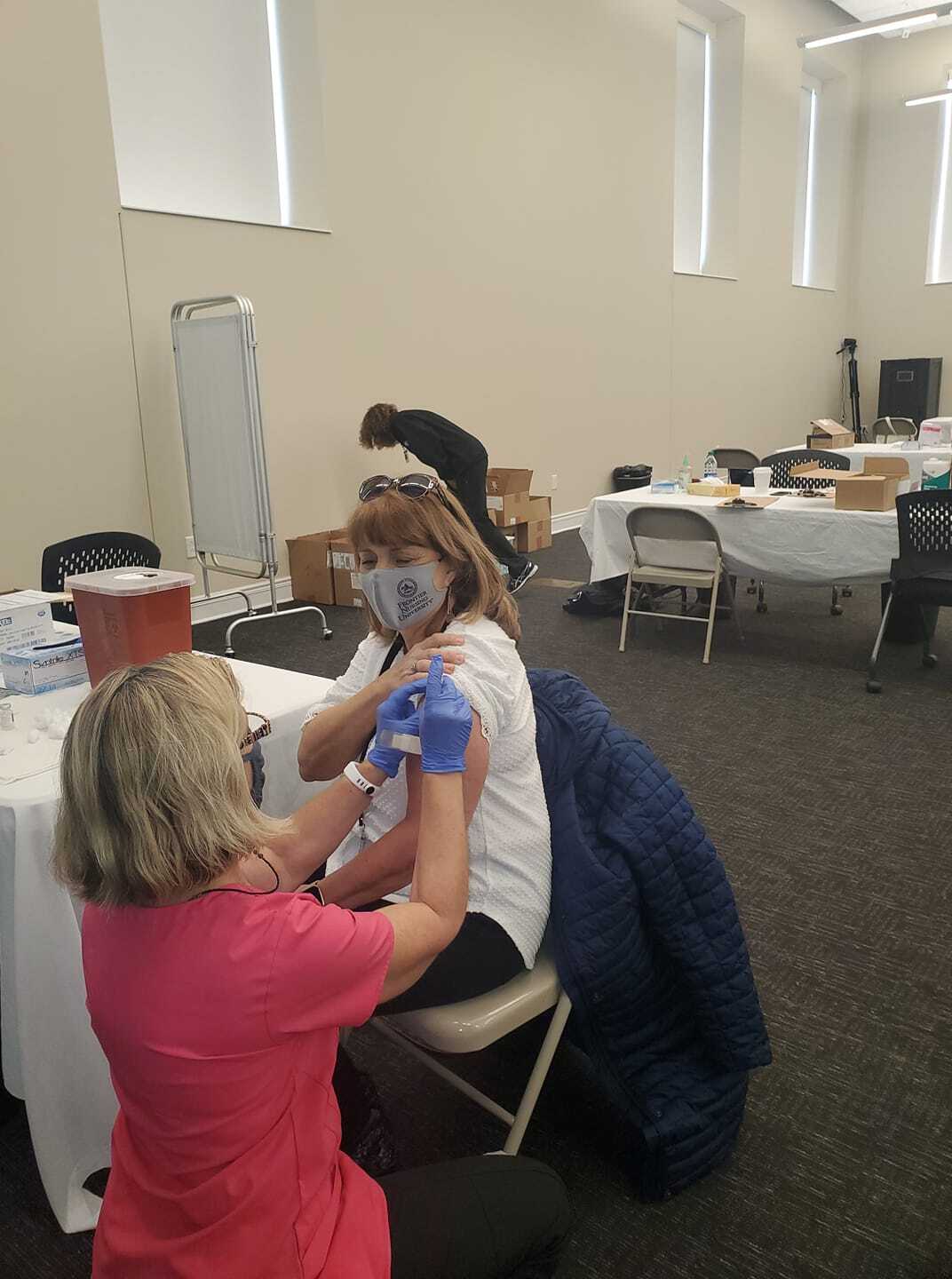
 As we all learned in high school, whether it’s good or bad, reputation matters. Within the Boise VA Medical Center, it’s safe to say Frontier Nursing University has a good reputation. In recent years, four FNU graduates have been nurse practitioner residents at the medical center.
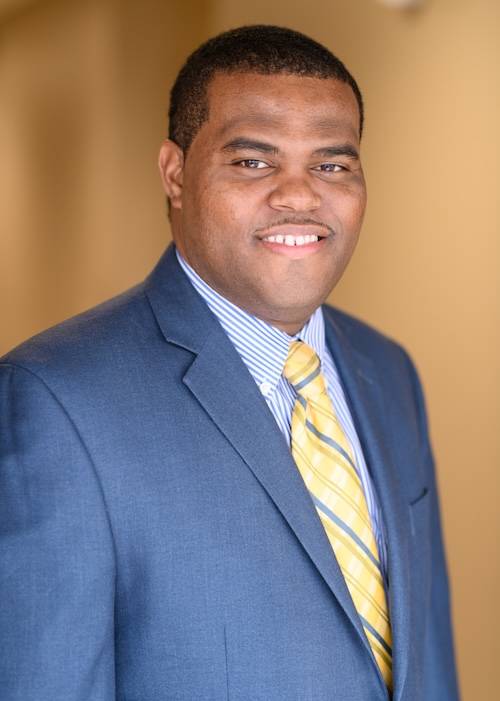
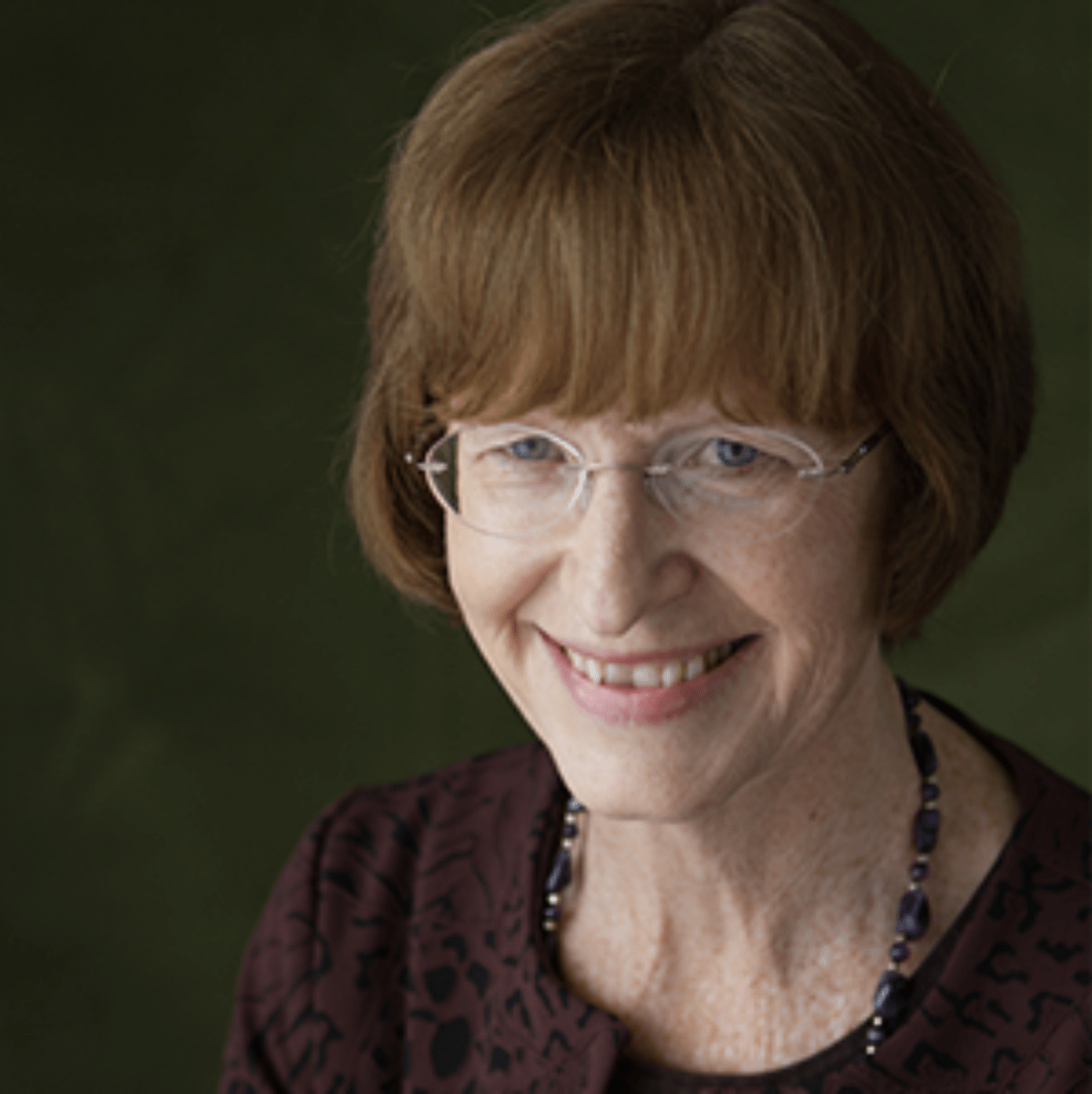
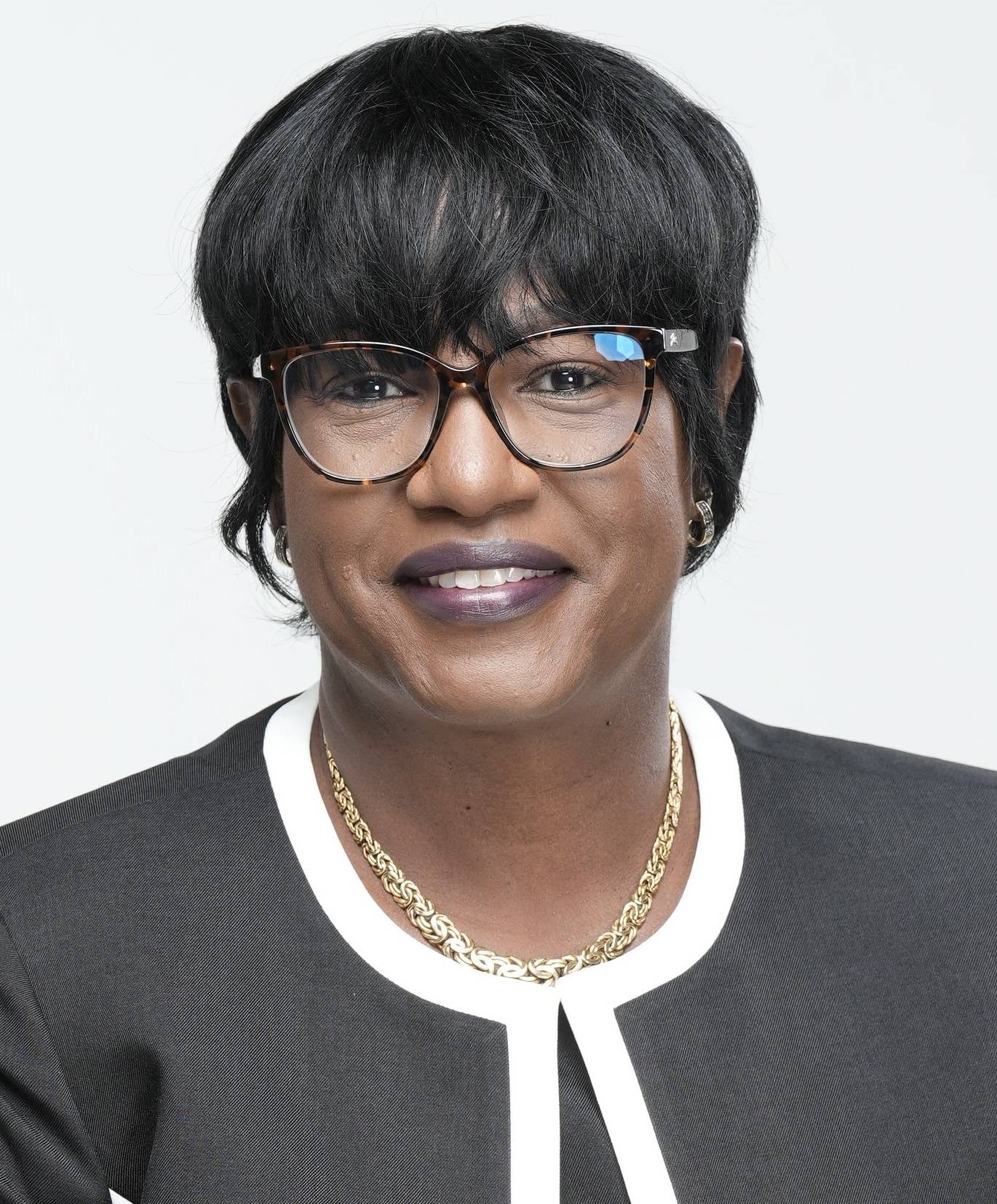


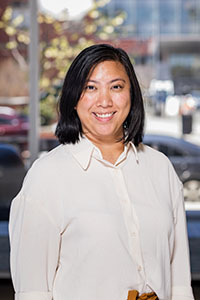
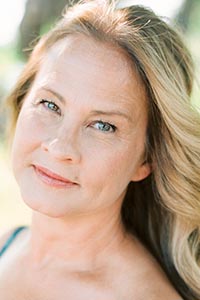
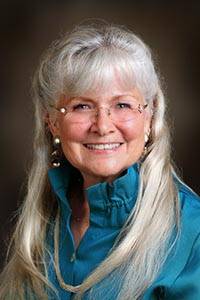
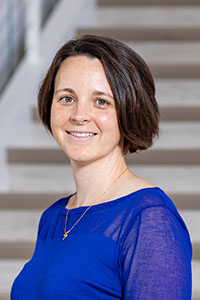
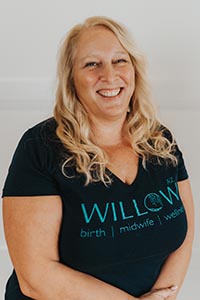
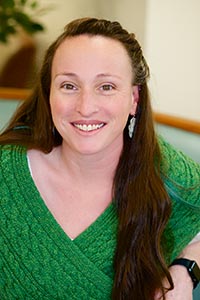
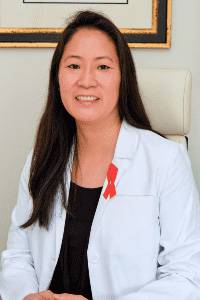 Carrie Belin is an experienced board-certified Family Nurse Practitioner and a graduate of the Johns Hopkins DNP program, Johns Hopkins Bloomberg School of Public Health, Georgetown University School of Nursing, and Johns Hopkins School of Nursing. She has also completed fellowships at Georgetown and the University of California Irvine.
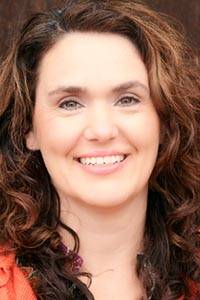 Angie has been a full-scope midwife since 2009. She has experience in various birth settings including home, hospital, and birth centers. She is committed to integrating the midwifery model of care in the US. She completed her master’s degree in nurse-midwifery at Frontier Nursing University (FNU) and her Doctorate at Johns Hopkins University. She currently serves as the midwifery clinical faculty at FNU. Angie is motivated by the desire to improve the quality of healthcare and has led quality improvement projects on skin-to-skin implementation, labor induction, and improving transfer of care practices between hospital and community midwives. In 2017, she created a short film on skin-to-skin called
 Justin C. Daily, BSN, RN, has ten years of experience in nursing. At the start of his nursing career, Justin worked as a floor nurse on the oncology floor at St. Francis. He then spent two years as the Director of Nursing in a small rural Kansas hospital before returning to St. Francis and the oncology unit. He has been in his current position as the Chemo Nurse Educator for the past four years. He earned an Associate in Nurse from Hutchinson Community College and a Bachelor of Science in Nursing from Bethel College.
 Brandy Jackson serves as the Director of Undergraduate Nursing Programs and Assistant Educator at Wichita State University and Co-Director of Access in Nursing. Brandy is a seasoned educator with over 15 years of experience. Before entering academia, Brandy served in Hospital-based leadership and Critical Care Staff nurse roles. Brandy is passionate about equity in nursing education with a focus on individuals with disabilities. Her current research interests include accommodations of nursing students with disabilities in clinical learning environments and breaking down barriers for historically unrepresented individuals to enter the nursing profession. Brandy is also actively engaged in Interprofessional Education development, creating IPE opportunities for faculty and students at Wichita State. Brandy is an active member of Wichita Women for Good and Soroptimist, with the goal to empower women and girls. Brandy is a TeamSTEPPS master trainer. She received the DASIY Award for Extraordinary Nursing Faculty in 2019 at Wichita State University.
  Dr. Sabrina Ali Jamal-Eddine is an Arab-disabled queer woman of color with a PhD in Nursing and an interdisciplinary certificate in Disability Ethics from the University of Illinois Chicago (UIC). Dr. Jamal-Eddine’s doctoral research explored spoken word poetry as a form of critical narrative pedagogy to educate nursing students about disability, ableism, and disability justice. Dr. Jamal-Eddine now serves as a Postdoctoral Research Associate in UIC’s Department of Disability and Human Development and serves on the Board of Directors of the National Organization of Nurses with Disabilities (NOND). During her doctoral program, Sabrina served as a Summer Fellow at a residential National Endowment of the Humanities (NEH) Summer Institute at Arizona State University (2023), a summer fellow at Andrew W. Mellon’s National Humanities Without Walls program at University of Michigan (2022), a Summer Research Fellow at UC Berkeley’s Othering & Belonging Institute (2021), and an Illinois Leadership Education in Neurodevelopmental and related Disabilities (LEND) trainee (2019-2020).
 Vanessa Cameron works for Vanderbilt University Medical Center in Nursing Education & Professional Development. She is also attending George Washington University and progressing towards a PhD in Nursing with an emphasis on ableism in nursing. After becoming disabled in April 2021, Vanessa’s worldview and perspective changed, and a recognition of the ableism present within healthcare and within the culture of nursing was apparent. She has been working since that time to provide educational foundations for nurses about disability and ableism, provide support for fellow disabled nursing colleagues, and advocate for the disabled community within healthcare settings to reduce disparities.
 Dr. Lucinda Canty is a certified nurse-midwife, Associate Professor of Nursing, and Director of the Seedworks Health Equity in Nursing Program at the University of Massachusetts Amherst. She earned a bachelor’s degree in nursing from Columbia University, a master’s degree from Yale University, specializing in nurse-midwifery, and a PhD from the University of Connecticut. Dr. Canty has provided reproductive health care for over 29 years. Her research interests include the prevention of maternal mortality and severe maternal morbidity, reducing racial and ethnic health disparities in reproductive health, promoting diversity in nursing, and eliminating racism in nursing and midwifery.
 Dr. Lisa Meeks is a distinguished scholar and leader whose unwavering commitment to inclusivity and excellence has significantly influenced the landscape of health professions education and accessibility. She is the founder and executive director of the DocsWithDisabilities Initiative and holds appointments as an Associate Professor in the Departments of Learning Health Sciences and Family Medicine at the University of Michigan.
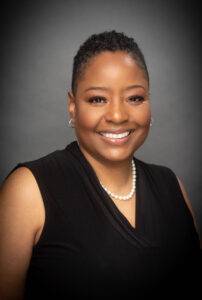 Dr. Nikia Grayson, DNP, MSN, MPH, MA, CNM, FNP-C, FACNM (she/her) is a trailblazing force in reproductive justice, blending her expertise as a public health activist, anthropologist, and family nurse-midwife to champion the rights and health of underserved communities. Graduating with distinction from Howard University, Nikia holds a bachelor’s degree in communications and a master’s degree in public health. Her academic journey also led her to the University of Memphis, where she earned a master’s in medical anthropology, and the University of Tennessee, where she achieved both a master’s in nursing and a doctorate in nursing practice. Complementing her extensive education, she completed a post-master’s certificate in midwifery at Frontier Nursing University.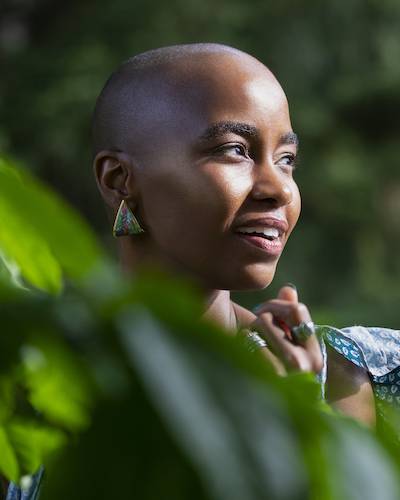
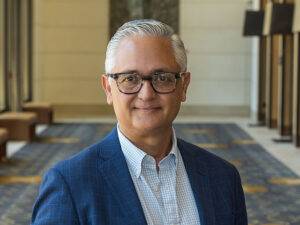
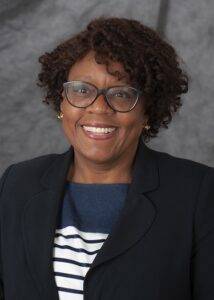
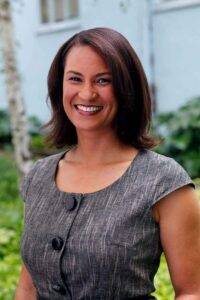

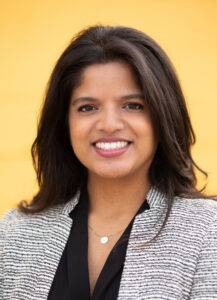

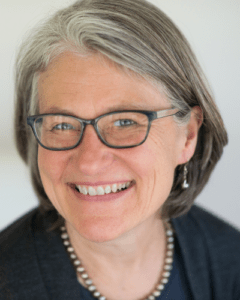
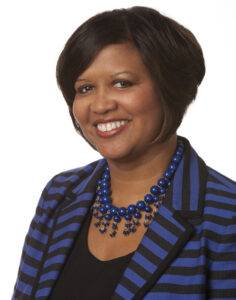 Dr. Tia Brown McNair is the Vice President in the Office of Diversity, Equity, and Student Success and Executive Director for the Truth, Racial Healing, and Transformation (TRHT) Campus Centers at the American Association of Colleges and Universities (AAC&U) in Washington, DC. She oversees both funded projects and AAC&U’s continuing programs on equity, inclusive excellence, high-impact practices, and student success. McNair directs AAC&U’s Summer Institutes on High-Impact Practices and Student Success, and TRHT Campus Centers and serves as the project director for several AAC&U initiatives, including the development of a TRHT-focused campus climate toolkit. She is the lead author of From Equity Talk to Equity Walk: Expanding Practitioner Knowledge for Racial Justice in Higher Education (January 2020) and Becoming a Student-Ready College: A New Culture of Leadership for Student Success (July 2016 and August 2022 Second edition).