
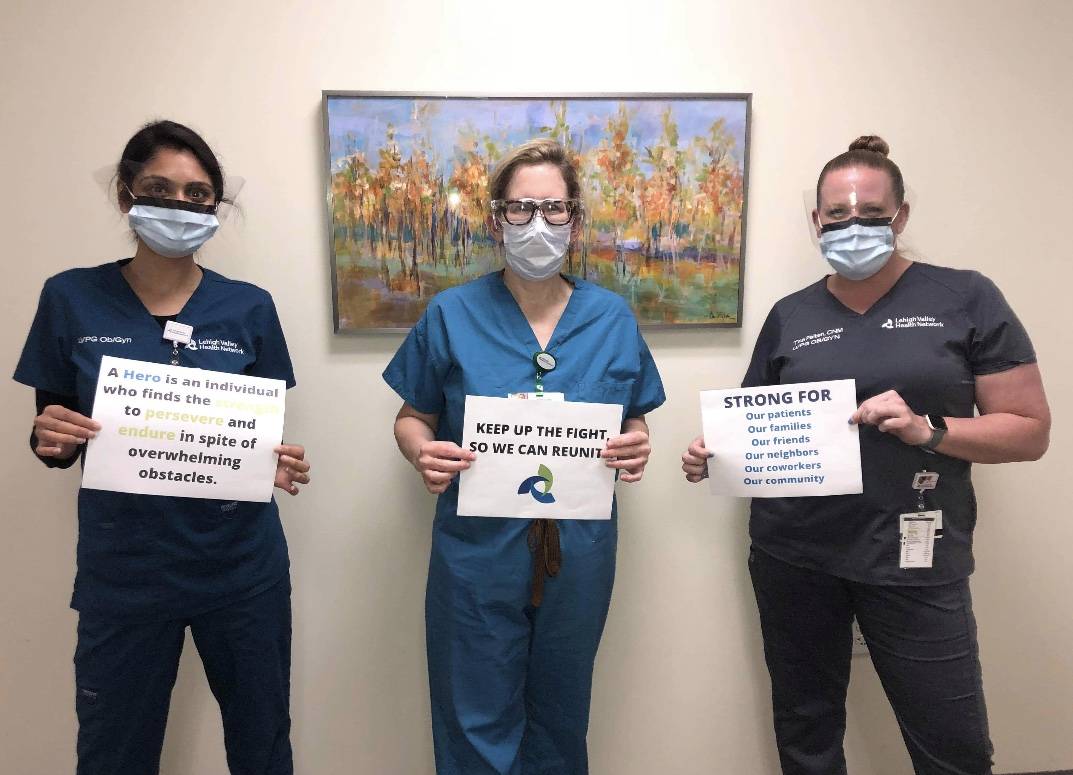
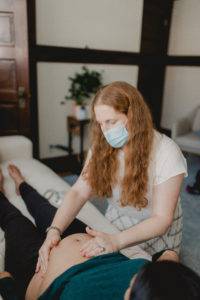
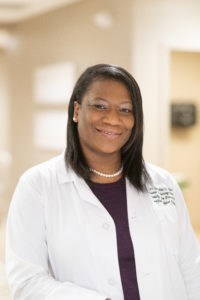
 Frontier Nursing University (FNU) Alumni Christina Felten, DNP, CNM, RNC-OB, has spent her career serving others. At the time of her high school graduation, she was a nurse’s aide who quickly became an EMT. However, her life changed when she was floated to labor and delivery and fell in love with supporting women during birth.
“I had already been accepted into a different program at Bloomsburg University, but after spending some time in the labor unit, I knew I had found my calling. I got in touch with the nursing department and convinced them to let me switch programs,” Felten said.
However, before Felten finished earning her degree, the twin towers were struck in NYC, and Felten was called to another form of service. She quickly signed up to join the navy and was caring for wounded soldiers within a few short months as a Naval Nurse Corps Officer.
While Felten thrived tending to the soldiers, she admits that her heart knew labor was where she was meant to serve.
“Although it was extremely difficult for me to leave the soldiers, I had never lost my passion for labor and delivery. I put in for multiple transfers and was eventually sent to the post-partum floor. However, as soon as my patients were tucked in for the night, I shadowed the labor and delivery nurses because I knew that was what I really wanted to,” Felten said.
Despite it being incredibly challenging to work through school while in the Navy, Felten set her mind to it when she found out about FNU- although she admits she didn’t entirely know what she was signing up for.
“When I saw FNU’s nurse-midwifery program I thought it sounded exactly like what I wanted to do. I wasn’t sure what a nurse-midwife was, but the description fit like a glove, so I went for it,” Felten laughed.
Later in her career, Felten’s unexpected midwifery path would play to her advantage. Felten was the first midwife to be hired by the Lehigh Valley Physician Group, and she did so by explaining midwifery to those less familiar with the practice.
“When I applied for the job, they initially weren’t looking for a midwife, so I explained, I’m essentially a nurse-practitioner who delivers babies. And it worked,” Felten said.
Felten knew that being the first midwife would come with challenges, and it took time for the hospital to understand her value.
“For years, I was just doing postpartum rounds and seeing patients in the office, which wasn’t what I signed up for, I wanted to deliver babies,” Felten said.
Felten even left Lehigh for a time to work elsewhere. However, following her absence, the hospital hired another FNU alumni, Sherilyn Gibbs, DNP, CNM, who really transformed the program. Shortly after Gibbs was hired, Felten received a phone call asking her to return to Lehigh Valley.”
“What we have now is a true collaboration between the doctors and the midwives,” Felten said. “We have become ingrained in the culture of the hospital so that patients and healthcare workers who might not have known much about midwifery, now see us at work and realize we are educated professionals,” Felten said.
According to Felten, COVID-19 only enhanced this sense of togetherness. “During COVID, there was no room for ‘Us vs. Them’ mentality,” Felten said. “We have all been one team throughout the pandemic.”
“That doesn’t mean this year wasn’t hard though,” Felten said. “Some days, it was easy to feel bitter when we were working overtime while so many others were staying at home. Some days felt lonely; as midwives, we love bonding with our patients, and the layers of PPE made everything feel distant. We’ve had to reevaluate so much of what we do.”
Felten said that on her most challenging days, she would think back to a memorable patient experience from early in her health care journey. When Felten was serving injured soldiers, she treated a man from Pittsburgh whose leg was damaged by an IED explosion. He always enjoyed her accent and called her Nurse Philly.
One night she heard him screaming for ‘Nurse Philly’, and when she went to him, he was watching a video someone had sent him of the blast that left him scarred. He was frightened and just needed someone to hold his hand.
Years later, he requested Felten to assist his wife with the birth of their twins. During that much happier time, she was able to again hold his hand.
“What I’ve realized is that life doesn’t always turn out as you expect, and sometimes you might not feel like you’re in the right place, but life has a way of circling back around. If you follow the path your heart is leading you towards, it’s amazing the way things line up,” Felten says.
 Not even a pandemic could end this lifelong dream. Going to school while working full time and raising a family didn’t stand in the way either. Some things are just meant to be.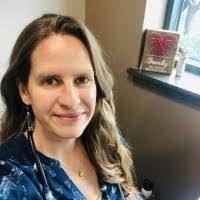
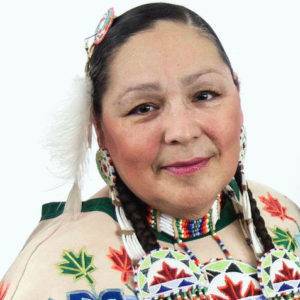 Beginning this spring, FNU will be offering a new course, “Introduction to Cultural Safety.” The course will be made available not only to the FNU community but to anyone interested in the course and its areas of focus.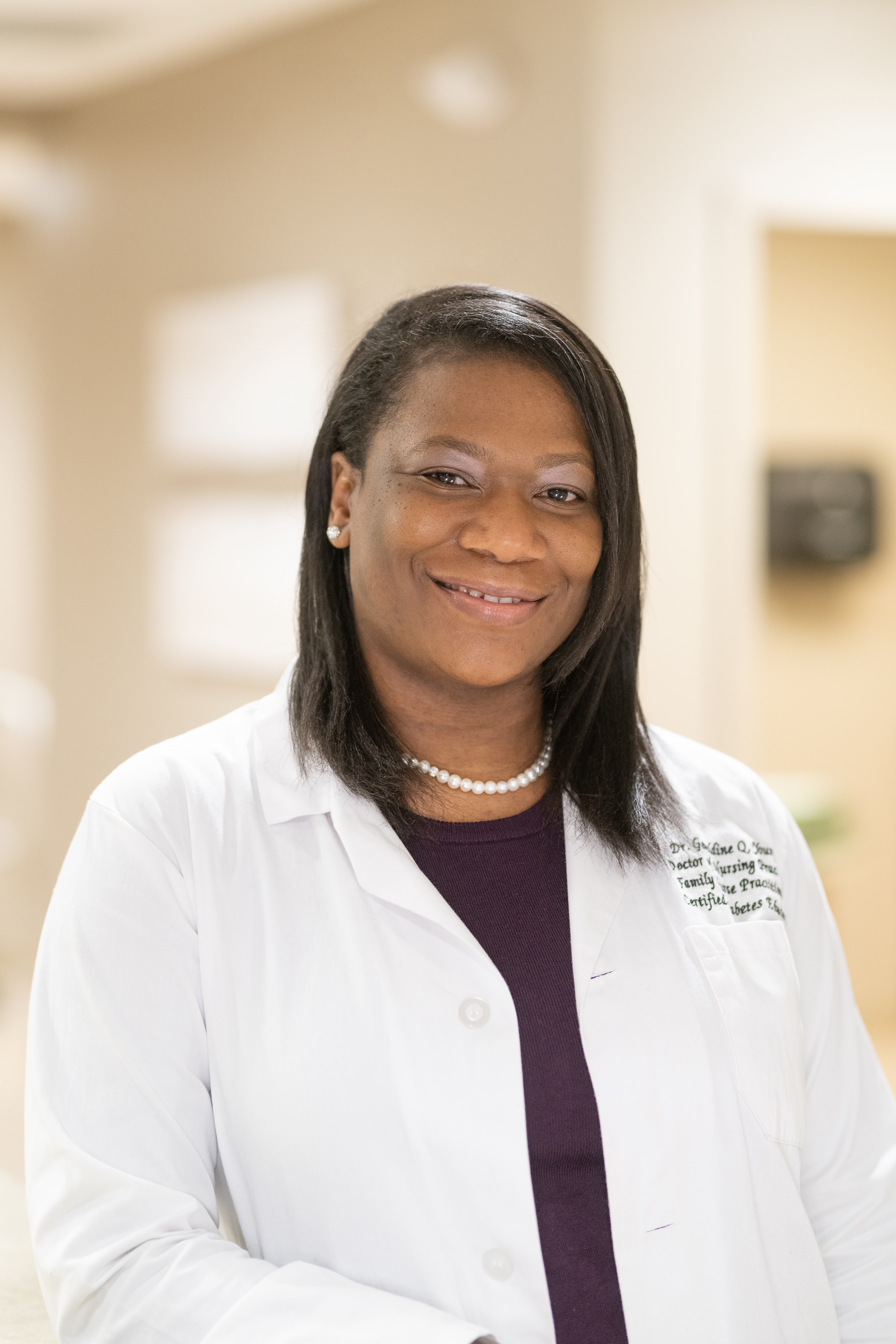
 In honor of Women’s History Month,
 Julie Drude, FNP Class 136, CNEP Class 81, DNP Class 26, doesn’t “do boats. I don’t like them. I hate boats.” Even though she was born and raised in Hollywood, Florida, and resides in Chattahoochee, Florida, she said “my extent of the beach and the waves is laying on the beach and sunbathing. I don’t do boats.”
 How has the pandemic impacted mental health in America?
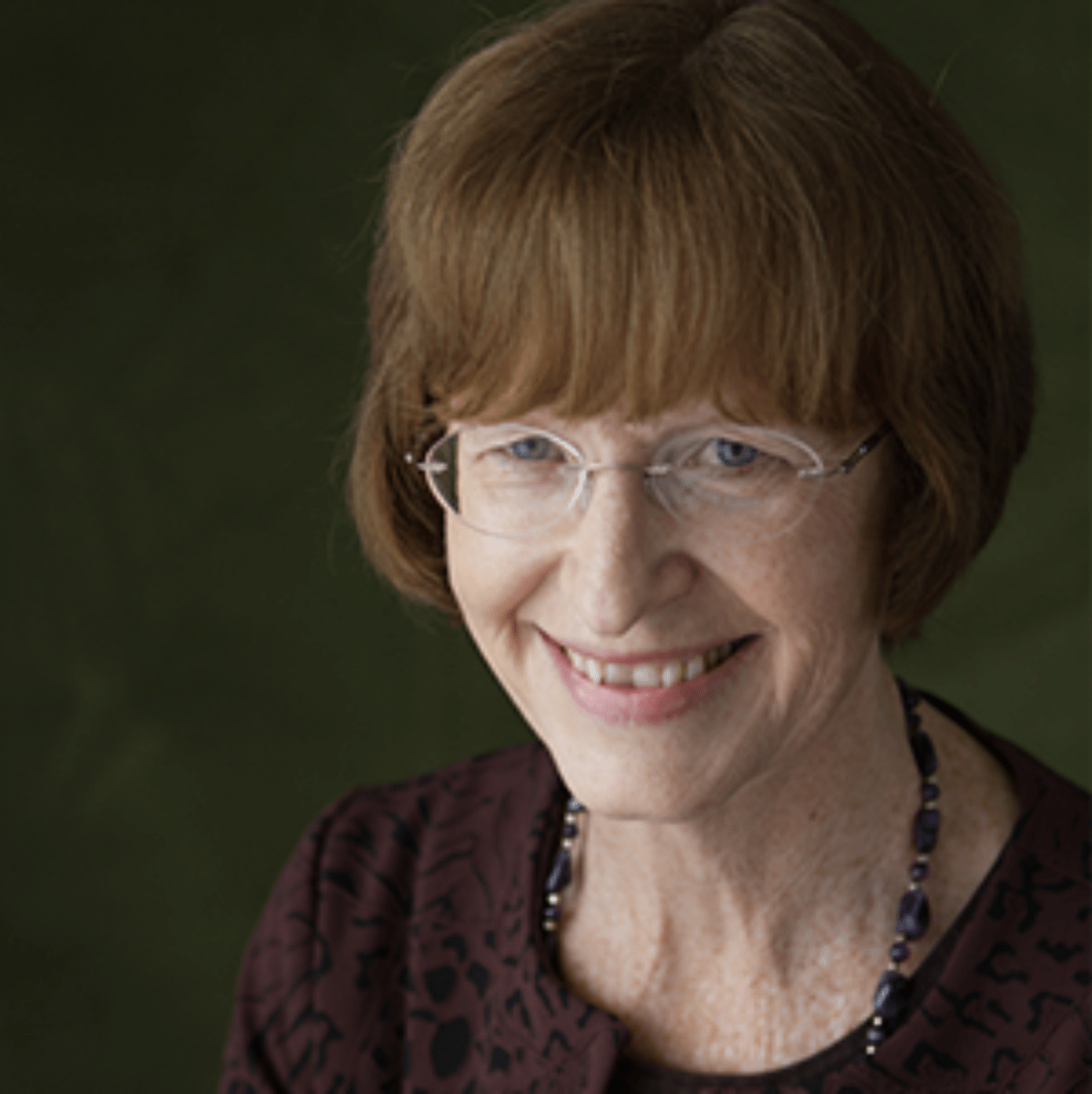


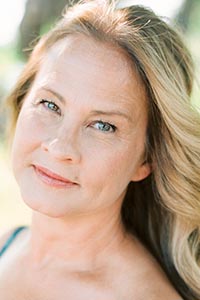
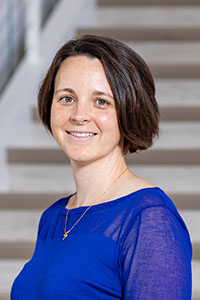
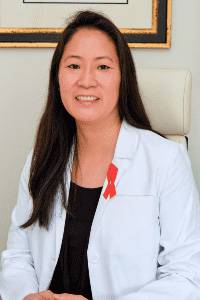 Carrie Belin is an experienced board-certified Family Nurse Practitioner and a graduate of the Johns Hopkins DNP program, Johns Hopkins Bloomberg School of Public Health, Georgetown University School of Nursing, and Johns Hopkins School of Nursing. She has also completed fellowships at Georgetown and the University of California Irvine.
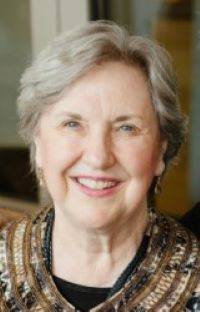
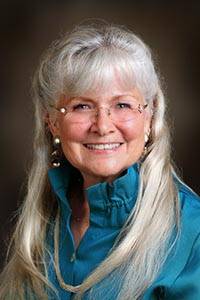
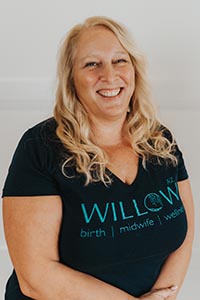
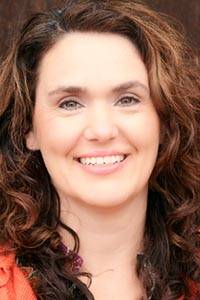 Angie has been a full-scope midwife since 2009. She has experience in various birth settings including home, hospital, and birth centers. She is committed to integrating the midwifery model of care in the US. She completed her master’s degree in nurse-midwifery at Frontier Nursing University (FNU) and her Doctorate at Johns Hopkins University. She currently serves as the midwifery clinical faculty at FNU. Angie is motivated by the desire to improve the quality of healthcare and has led quality improvement projects on skin-to-skin implementation, labor induction, and improving transfer of care practices between hospital and community midwives. In 2017, she created a short film on skin-to-skin called
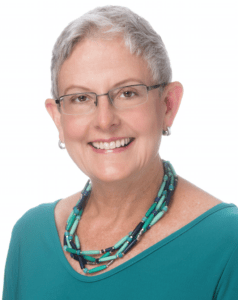
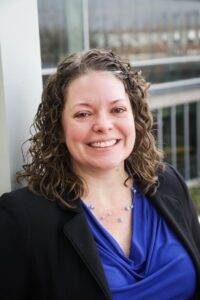
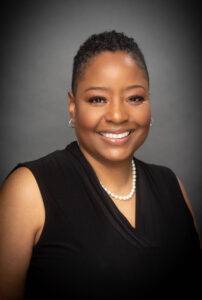
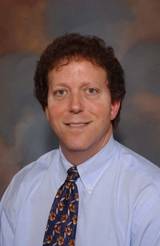
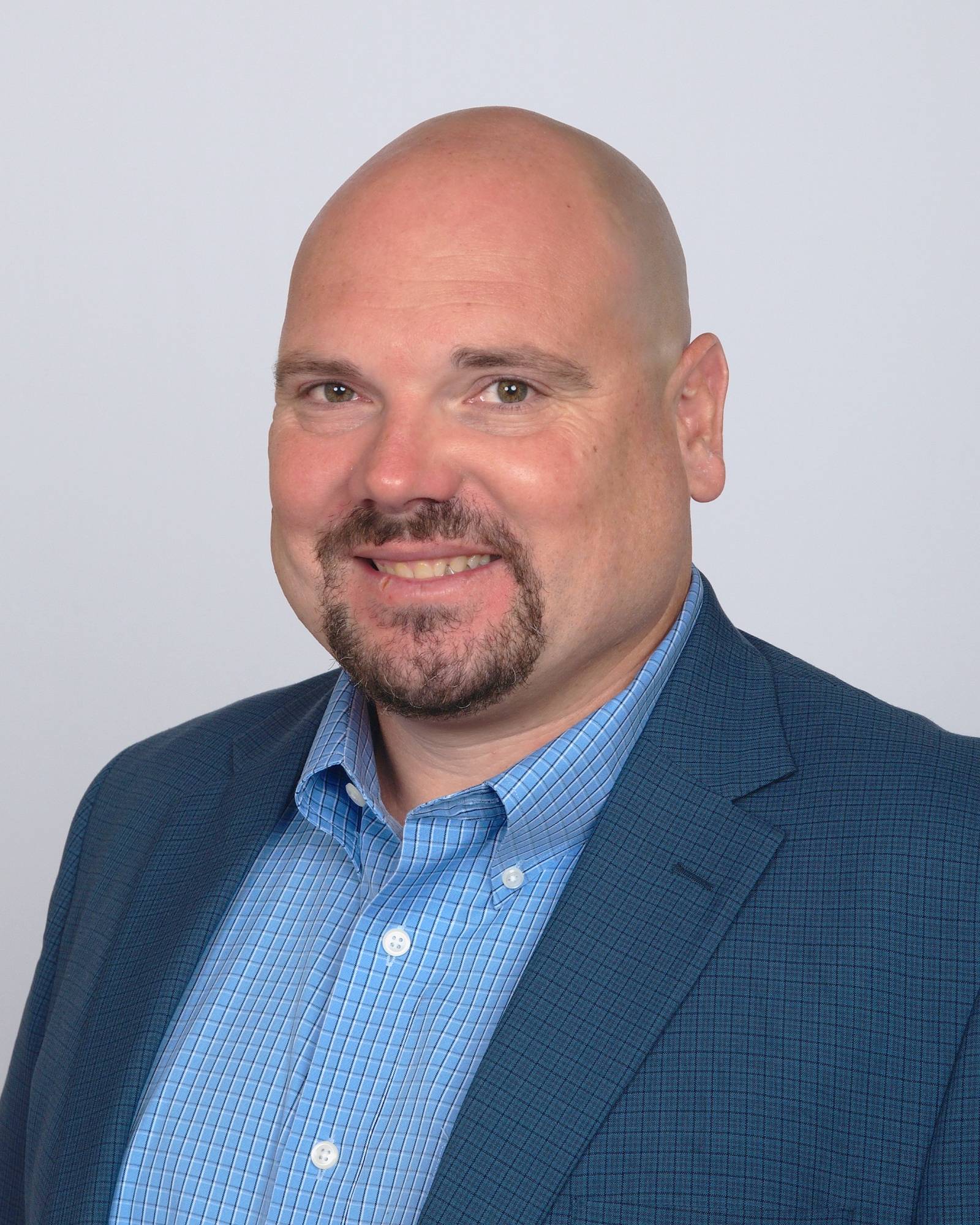
 Justin C. Daily, BSN, RN, has ten years of experience in nursing. At the start of his nursing career, Justin worked as a floor nurse on the oncology floor at St. Francis. He then spent two years as the Director of Nursing in a small rural Kansas hospital before returning to St. Francis and the oncology unit. He has been in his current position as the Chemo Nurse Educator for the past four years. He earned an Associate in Nurse from Hutchinson Community College and a Bachelor of Science in Nursing from Bethel College.
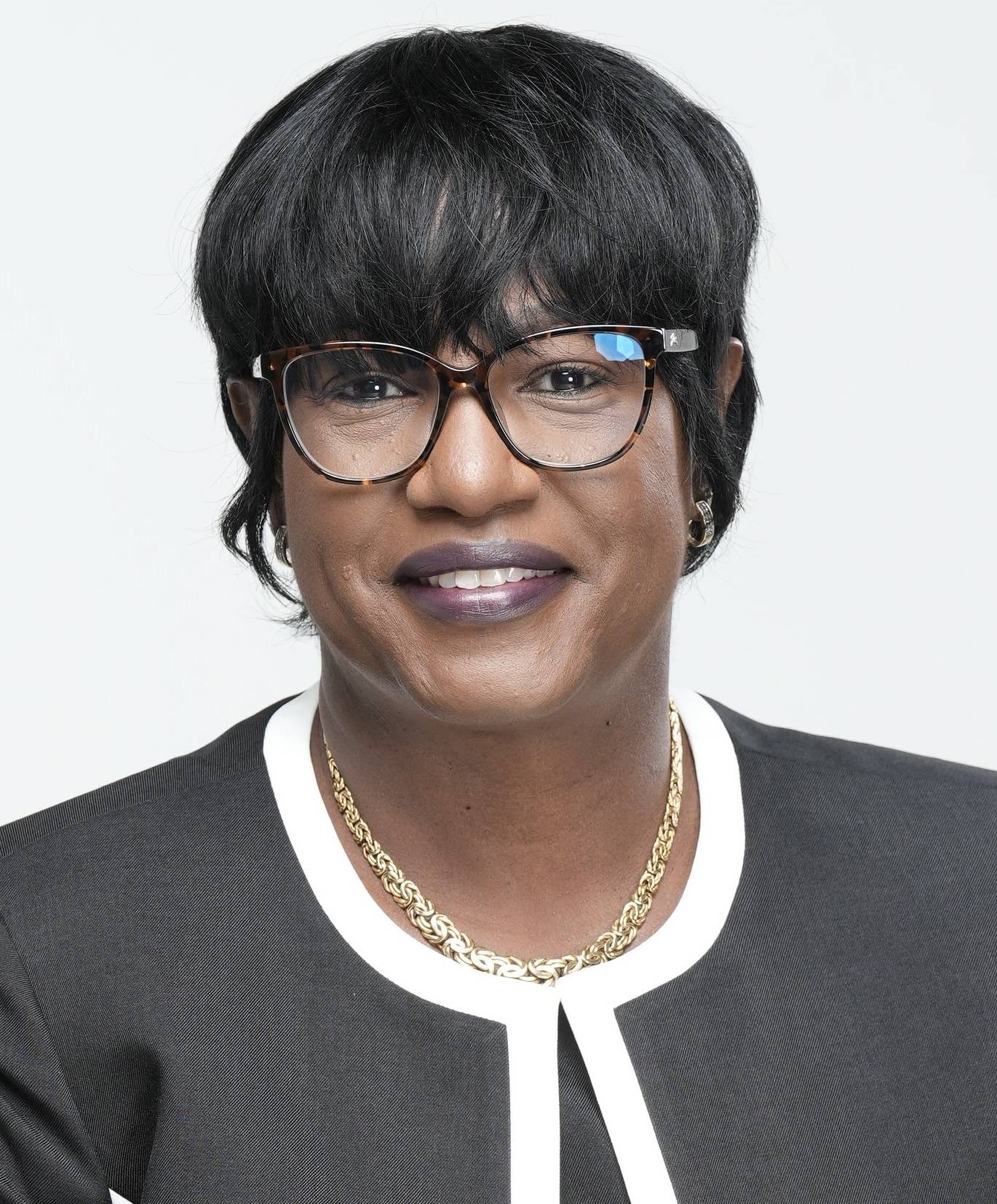
 Brandy Jackson serves as the Director of Undergraduate Nursing Programs and Assistant Educator at Wichita State University and Co-Director of Access in Nursing. Brandy is a seasoned educator with over 15 years of experience. Before entering academia, Brandy served in Hospital-based leadership and Critical Care Staff nurse roles. Brandy is passionate about equity in nursing education with a focus on individuals with disabilities. Her current research interests include accommodations of nursing students with disabilities in clinical learning environments and breaking down barriers for historically unrepresented individuals to enter the nursing profession. Brandy is also actively engaged in Interprofessional Education development, creating IPE opportunities for faculty and students at Wichita State. Brandy is an active member of Wichita Women for Good and Soroptimist, with the goal to empower women and girls. Brandy is a TeamSTEPPS master trainer. She received the DASIY Award for Extraordinary Nursing Faculty in 2019 at Wichita State University.
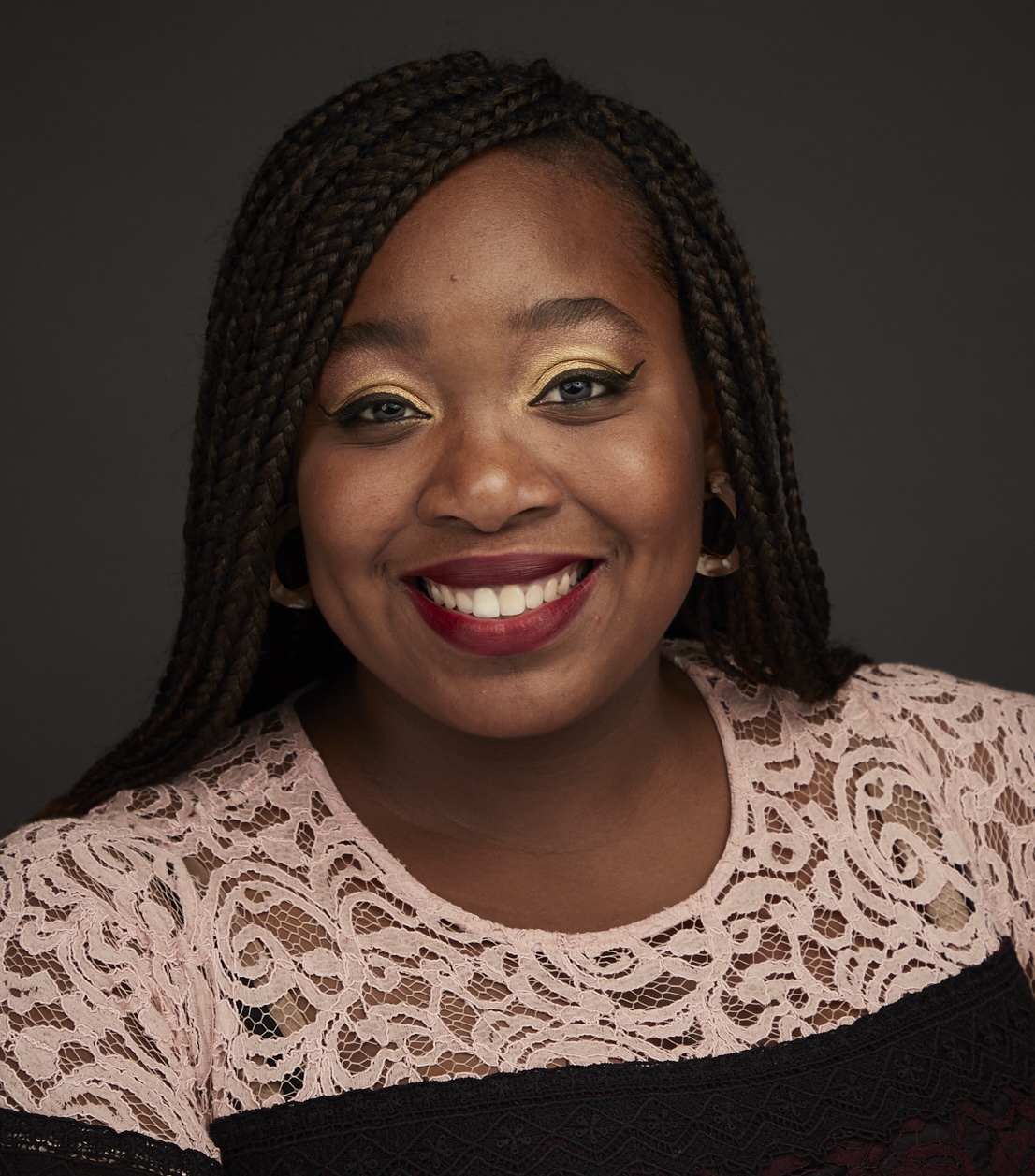
  Dr. Sabrina Ali Jamal-Eddine is an Arab-disabled queer woman of color with a PhD in Nursing and an interdisciplinary certificate in Disability Ethics from the University of Illinois Chicago (UIC). Dr. Jamal-Eddine’s doctoral research explored spoken word poetry as a form of critical narrative pedagogy to educate nursing students about disability, ableism, and disability justice. Dr. Jamal-Eddine now serves as a Postdoctoral Research Associate in UIC’s Department of Disability and Human Development and serves on the Board of Directors of the National Organization of Nurses with Disabilities (NOND). During her doctoral program, Sabrina served as a Summer Fellow at a residential National Endowment of the Humanities (NEH) Summer Institute at Arizona State University (2023), a summer fellow at Andrew W. Mellon’s National Humanities Without Walls program at University of Michigan (2022), a Summer Research Fellow at UC Berkeley’s Othering & Belonging Institute (2021), and an Illinois Leadership Education in Neurodevelopmental and related Disabilities (LEND) trainee (2019-2020).
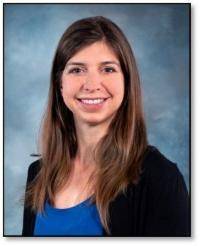 Vanessa Cameron works for Vanderbilt University Medical Center in Nursing Education & Professional Development. She is also attending George Washington University and progressing towards a PhD in Nursing with an emphasis on ableism in nursing. After becoming disabled in April 2021, Vanessa’s worldview and perspective changed, and a recognition of the ableism present within healthcare and within the culture of nursing was apparent. She has been working since that time to provide educational foundations for nurses about disability and ableism, provide support for fellow disabled nursing colleagues, and advocate for the disabled community within healthcare settings to reduce disparities.
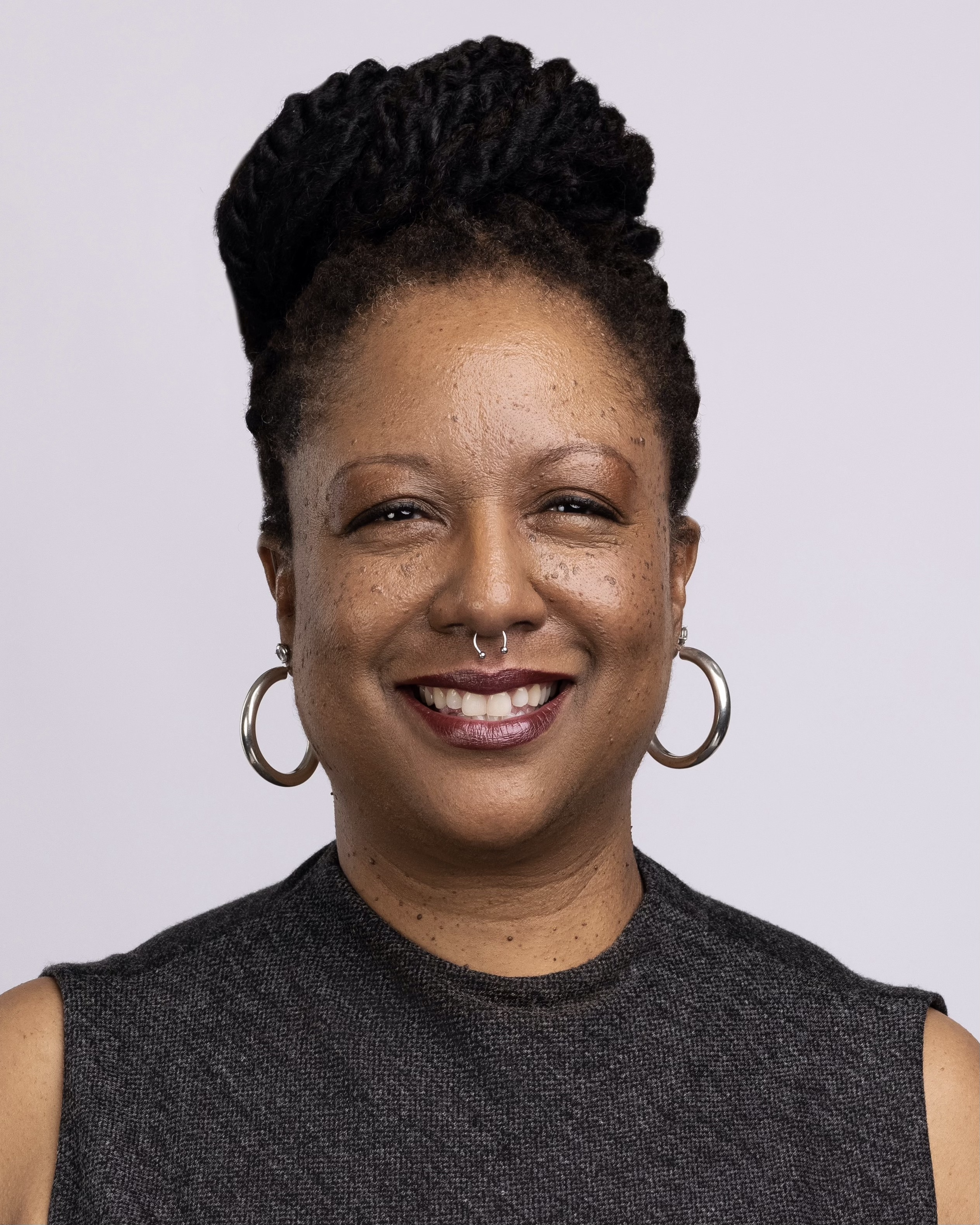 Dr. Lucinda Canty is a certified nurse-midwife, Associate Professor of Nursing, and Director of the Seedworks Health Equity in Nursing Program at the University of Massachusetts Amherst. She earned a bachelor’s degree in nursing from Columbia University, a master’s degree from Yale University, specializing in nurse-midwifery, and a PhD from the University of Connecticut. Dr. Canty has provided reproductive health care for over 29 years. Her research interests include the prevention of maternal mortality and severe maternal morbidity, reducing racial and ethnic health disparities in reproductive health, promoting diversity in nursing, and eliminating racism in nursing and midwifery.
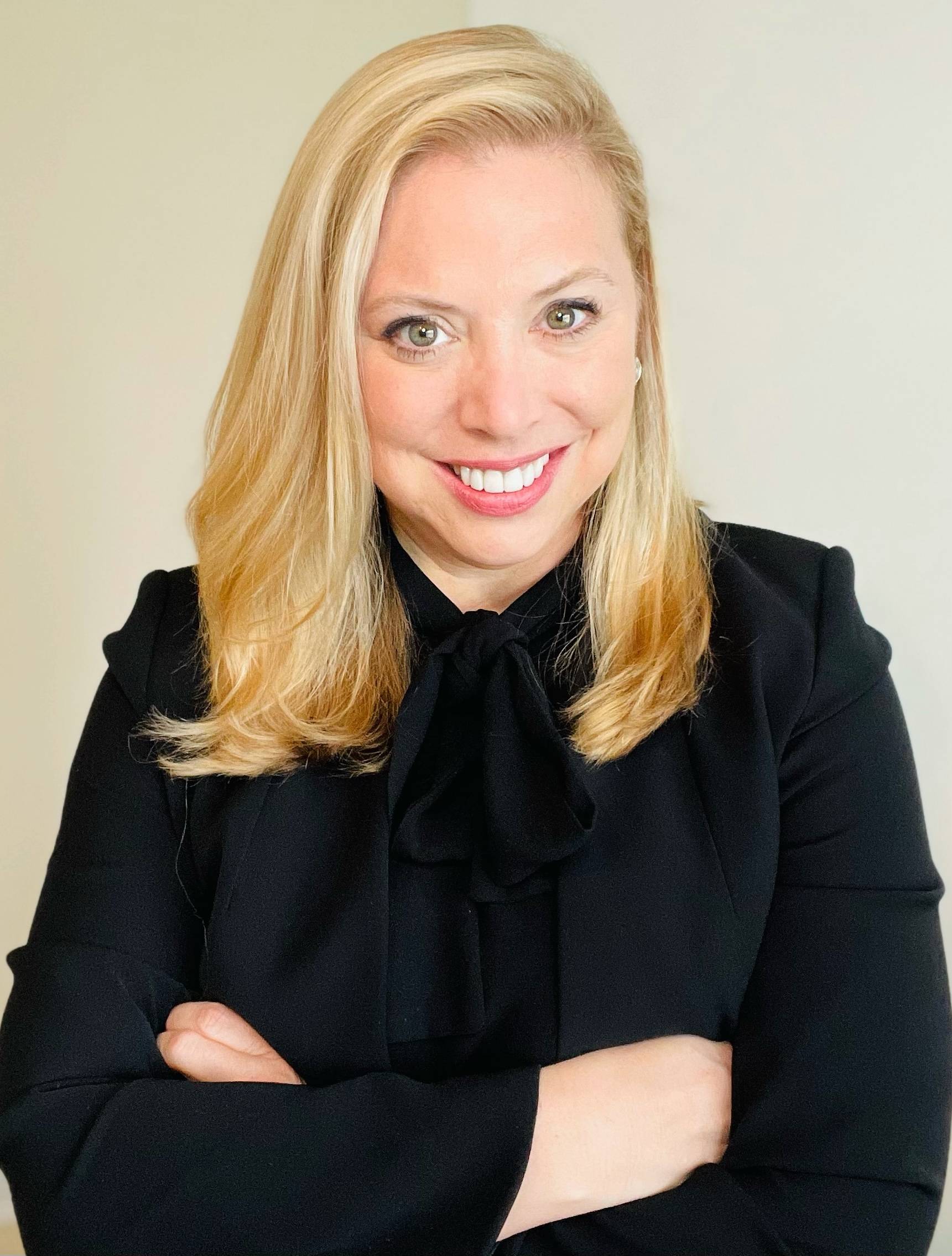 Dr. Lisa Meeks is a distinguished scholar and leader whose unwavering commitment to inclusivity and excellence has significantly influenced the landscape of health professions education and accessibility. She is the founder and executive director of the DocsWithDisabilities Initiative and holds appointments as an Associate Professor in the Departments of Learning Health Sciences and Family Medicine at the University of Michigan.
 Dr. Nikia Grayson, DNP, MSN, MPH, MA, CNM, FNP-C, FACNM (she/her) is a trailblazing force in reproductive justice, blending her expertise as a public health activist, anthropologist, and family nurse-midwife to champion the rights and health of underserved communities. Graduating with distinction from Howard University, Nikia holds a bachelor’s degree in communications and a master’s degree in public health. Her academic journey also led her to the University of Memphis, where she earned a master’s in medical anthropology, and the University of Tennessee, where she achieved both a master’s in nursing and a doctorate in nursing practice. Complementing her extensive education, she completed a post-master’s certificate in midwifery at Frontier Nursing University.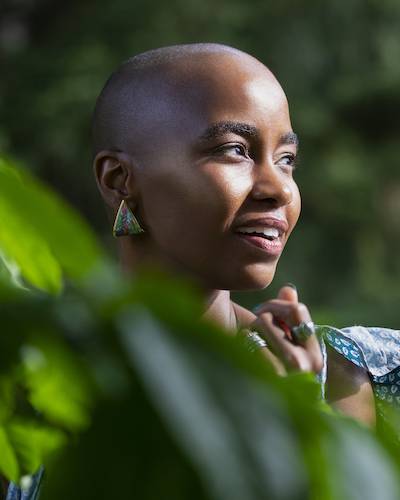
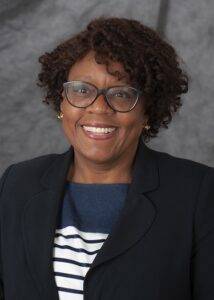

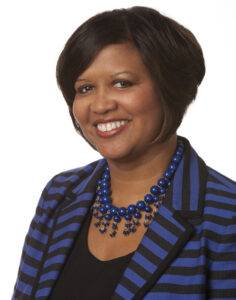 Dr. Tia Brown McNair is the Vice President in the Office of Diversity, Equity, and Student Success and Executive Director for the Truth, Racial Healing, and Transformation (TRHT) Campus Centers at the American Association of Colleges and Universities (AAC&U) in Washington, DC. She oversees both funded projects and AAC&U’s continuing programs on equity, inclusive excellence, high-impact practices, and student success. McNair directs AAC&U’s Summer Institutes on High-Impact Practices and Student Success, and TRHT Campus Centers and serves as the project director for several AAC&U initiatives, including the development of a TRHT-focused campus climate toolkit. She is the lead author of From Equity Talk to Equity Walk: Expanding Practitioner Knowledge for Racial Justice in Higher Education (January 2020) and Becoming a Student-Ready College: A New Culture of Leadership for Student Success (July 2016 and August 2022 Second edition).