 At Frontier Nursing University (FNU), our goal is to make resources readily available for not only our students, but also those who are thinking about furthering their nursing education. A Psychiatric-Mental Health Nurse Practitioner (PMHNP) is an advanced practice nurse that seeks to improve mental health care and the overall health status of communities. With a focus on lifetime care for individuals, PMHNPs are committed to promoting mental health through assessment, diagnosis and treatment of behavioral problems, mental disorders and comorbid conditions.
Here are some thoughts on becoming a PMHNP:
Q: Why become a PMHNP?
A: Simply put: Your community needs you to answer the call!
According to the Centers for Disease Control, mental illnesses are among the most common health conditions in the United States. One in 5 Americans will experience a mental illness in a given year;1 in 5 children, either currently or at some point during their life, have had a seriously debilitating mental illness; and 1 in 25 Americans lives with a serious mental illness, such as schizophrenia, bipolar disorder, or major depression (Kessler et al., 2007; SAMHSA, 2016; Marikangas et al., 2010).
Did you know that mood disorders, including major depression, dysthymic disorder and bipolar disorder, are the third most common cause of hospitalization in the U.S. for both youth and adults aged 18–44 (“HCUP Facts and Figures,” 2009)? Further, those living with serious mental illness face an increased risk of having chronic medical conditions. Subsequently, adults in the U.S. living with serious mental illness die on average 25 years earlier than others, largely due to treatable medical conditions and lack of access to care (Colton & Manderscheid, 2006; “Morbidity & Mortality,” 2006).
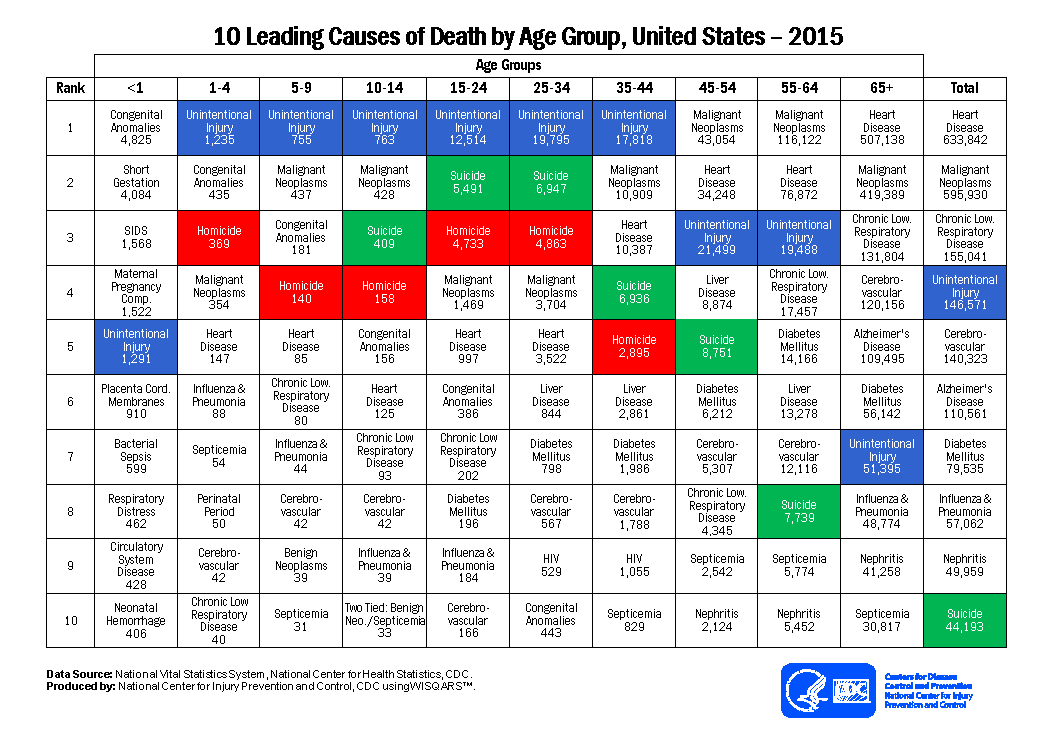
Let’s also take a moment to consider suicide. Devastatingly, suicide is the 10th leading cause of death in the U.S., the 3rd leading cause of death for people aged 10–14 and the 2nd leading cause of death for people aged 15–24 (“Suicide Facts,” 2015; “10 Leading Causes of Death,” 2015). The lack of access to psychiatric services across the nation has been an unfortunate reality for decades and despite the obvious increasing demand for care, and we see the shortage continue to become increasingly pronounced. Although tackling our mental health crisis most certainly will require a range of interrelated solutions, one key starting point is expanding the psychiatric workforce. Psychiatric-Mental Health Nurse Practitioners provide compassionate, comprehensive, holistic, evidenced based, high quality care and are an ideal solution to fill the gap in access to psychiatric and mental healthcare services.

Q: What does a PMHNP do?
A: PMHNPs assess, diagnose, and treat individuals and families with psychiatric disorders or the potential for such disorders using evidenced based practice guidelines, therapeutic skills, pharmacological intervention, and psychotherapy (APNA, 2014).
They provide some primary care services to the psychiatric mental health population, practice as patient advocates, and are champions of stigma reduction. You can find PMHNPs working in settings such as private practices, substance use disorders clinics, in-patient settings, schools, long-term care facilities, community mental health centers, emergency rooms, urgent care/crisis clinics, primary care and specialty medicine practices, and rehabilitation centers.
Q: How long does it take to become a PMHNP?
A: PMHNPs are registered nurses with advanced masters and/or doctoral degrees, which requires several years of post-secondary education. PMHNPs have advanced education and training in assessment, diagnosis, treatment and planning of mental health disorders including psychopharmacology, psychotherapy, practice evaluation, consultation, care coordination and collaborative care approaches.
Learn more about Expanding Your Role with a Psychiatric-Mental Health Specialty
Q: Who credentials PMHNPs?
A: The American Nurse Credentialing Center (ANCC) is the board certifying body for PMHNPs. The ANCC board exam is a competency-based examination which consists of health promotion and maintenance, differential diagnosis and disease management, and the use and prescription of pharmacological and non-pharmacological interventions across the lifespan (ANCC, 2018). Once successfully passing the ANCC board examination, the credential awarded is PMHNP-BC. Licensure including scope of practice varies by state and is regulated by the respective state Boards of Nursing, Boards of Medicine and/or Pharmacy Boards.
Frontier Nursing University offers a graduate Psychiatric-Mental Health Nurse Practitioner specialty track that can be pursued full- or part-time while completing a Master of Science in Nursing or a Post-Graduate Certificate.
Are you ready to become a PMHNP? Learn more here.
References:
Agency for Healthcare Research and Quality, The Department of Health & Human Services. (2009). HCUP Facts and Figures: Statistics on Hospital-based Care in the United States, 2009. Retrieved from http://www.hcup-us.ahrq.gov/reports/factsandfigures/2009/pdfs/FF_report_2009.pdf
American Nurse Credentialing Center (2018). Retrieved from nursecredentialing.org
American Psychiatric Nurses Association (2018). Retrieved from apna.org
Centers for Disease Control (2015). Suicide Facts at a Glance 2015 [Data]. Retrieved from http://www.cdc.gov/violenceprevention/pdf/suicide-datasheet-a.pdf
Centers for Disease Control (2015). 10 Leading Causes of Death By Age Group, United States, 2015 [Data]. Retrieved from https://www.cdc.gov/injury/images/lc-charts/leading_causes_of_death_age_group_2015_1050w740h.gif
Colton, C.W. & Manderscheid, R.W. (2006). Congruencies in Increased Mortality Rates, Years of Potential Life Lost, and Causes of Death Among Public Mental Health Clients in Eight States. Preventing Chronic Disease: Public Health Research, Practice and Policy, 3(2), 1–14.
Kessler, R.C., Angermeyer, M., Anthony, J.C., DE Graff, R., Demyttenaere, K., Gasquet, I., …For the WHO World Mental Health Survey Consortium, T.B. (2007). Lifetime prevalence and age-of-onset distributions of mental disorders in the World Health Organization’s World Mental Health Survey Initiative. World Psychiatry, 6(3), 168–176.
Merikangas, K. R., He, J., Burstein, M., Swanson, S. A., Avenevoli, S., Cui, L., … Swendsen, J. (2010). Lifetime Prevalence of Mental Disorders in US Adolescents: Results from the National Comorbidity Study-Adolescent Supplement (NCS-A). Journal of the American Academy of Child and Adolescent Psychiatry, 49(10), 980–989. http://doi.org/10.1016/j.jaac.2010.05.017
National Association of State Mental Health Program Directors Council. (2006). Morbidity and Mortality in People with Serious Mental Illness. Alexandria, VA: Parks, J., et al. Retrieved from http://www.nasmhpd.org/docs/publications/MDCdocs/Mortality%20and%20Morbid
Substance Abuse and Mental Health Services Administration (2016). Key substance use and mental health indicators in the united states: Results from the 2015 national survey on drug use and health. Retrieved from https://www.samhsa.gov/data/sites/default/files/NSDUH-FFR1-2015/NSDUH-FFR1-2015/NSDUH-FFR1-2015.pdf

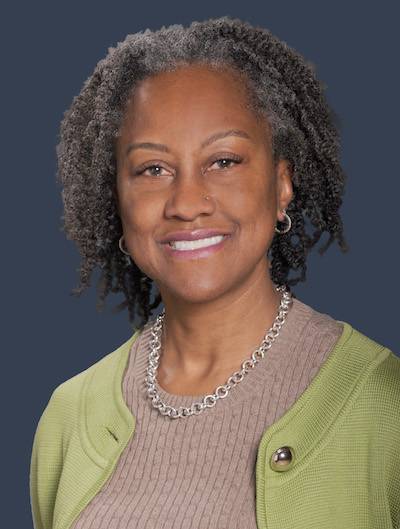 The Distinguished Service to Society award recognizes an alumnus who goes above and beyond to provide exceptional service in his or her community. The 2023 recipient of this award is Lisa Uncles, MSN, CNM (Class 33). Uncles attended the Frances Payne Bolton School of Nursing, where she earned her MSN, before attending FNU. Uncles is the Lead Nurse-midwife at MedStar Franklin Square Women’s Health Center in her hometown of Baltimore, Maryland. Lisa worked for Metropolitan OB/GYN as a nurse-midwife at Mercy Medical Center in Baltimore. Previously, she served as the clinical director in Washington, D.C., at the Family Health and Birth Center, part of the Developing Families Center, which collaborates with local nonprofit organizations to provide quality care and social services to low-income families. There, she provided care to a population suffering from some of the highest infant mortality rates in the U.S. Under her direction, the birth center’s patients had fewer low birth weights, cesarean sections, and premature births than the city’s overall Black population. Uncles was featured in Making Mothers, a short documentary capturing the lives of two caregivers at the Center. She was also quoted in The Future of Nursing: Leading Change, Advancing Health, published in 2011 by the Institute of Medicine, Committee on the Robert Wood Johnson Foundation Initiative on the Future of Nursing, at the Institute of Medicine: “A lot of our moms in the neighborhood don’t have much control over their lives,” she said, referring to maternal care. “This is something they have control over.” Throughout her career, Uncles’ top priority has always been her patients and providing them with access to the care they need and deserve. In an online review, one patient said of her visit with Uncles: “What a wonderful experience. Excellent bedside manner! She took her time, and talked me through everything, so I knew what was coming and felt very relaxed and at ease.”
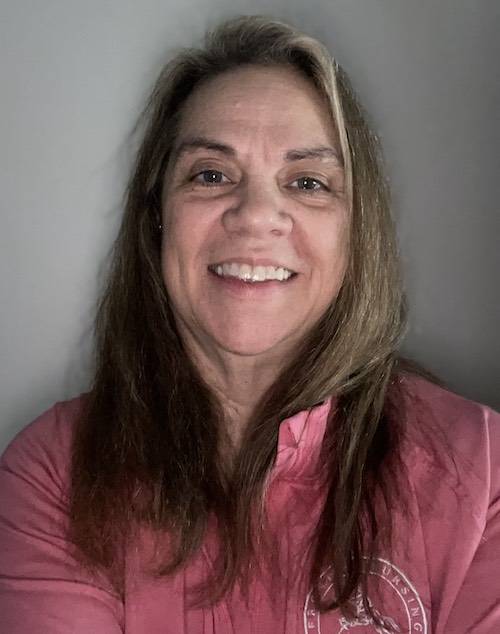 The Distinguished Service to Alma Mater honors an alumnus who has continued to provide support to Frontier through volunteer efforts and/or philanthropy. The 2023 recipient is Dr. Mary Hunt, DNP (Class 06), CNM (Class 32), ENP-BC, FNP-BC (Class 56), PMHNP-BC. Hunt, who is an assistant professor at FNU, is a three-time graduate of the university and is an emergency department nurse practitioner at Genesis Healthcare System in Zanesville, Ohio. She obtained her MSN from Case Western Reserve University in 2005. She went on to obtain her FNP in 2009 and DNP in 2012, both from Frontier. In 2011, she began teaching at Frontier and has served as Regional Clinical Faculty, Course Faculty, and Clinical Bound team leader. She has also taught at Shawnee State University, Ohio University-Chillicothe, Belmont Technical College, and Ohio University-Zanesville. Hunt, who is a generous longtime donor to the university, also supports FNU students by graciously giving her time and expertise as an instructor at FNU. As a member and past chair of FNU’s scholarship committee, Hunt participates in essay reviews in order to match students with various scholarships at the university. She has also served on the leadership board, including stints as president and treasurer, for Chi Pi, FNU’s Sigma Theta Tau nursing honor society, since the chapter was established in 2015. As a Chi Pi board member, she helps select student members to receive scholarships; helps decide on the donation of funds to the university for use on items needed for student use while on campus; and allocates payment for speakers enabling all members to have access to continuing education.Hunt also shared her experiences and extensive knowledge as a featured guest on the FNU All-Access Podcast episode titled “What the Heck is an RCF?”. Hunt’s devotion to Frontier Nursing University, her passion for teaching, and her commitment to giving back are matched only, perhaps, by her boundless energy. Avid about health and fitness, she has completed several triathlons and long-distance bike rides, including the Dick Allen Lansing to MACkinaw (DALMAC) Bicycle Tour and the Register’s Annual Great Bicycle Ride Across Iowa (RAGBRAI).
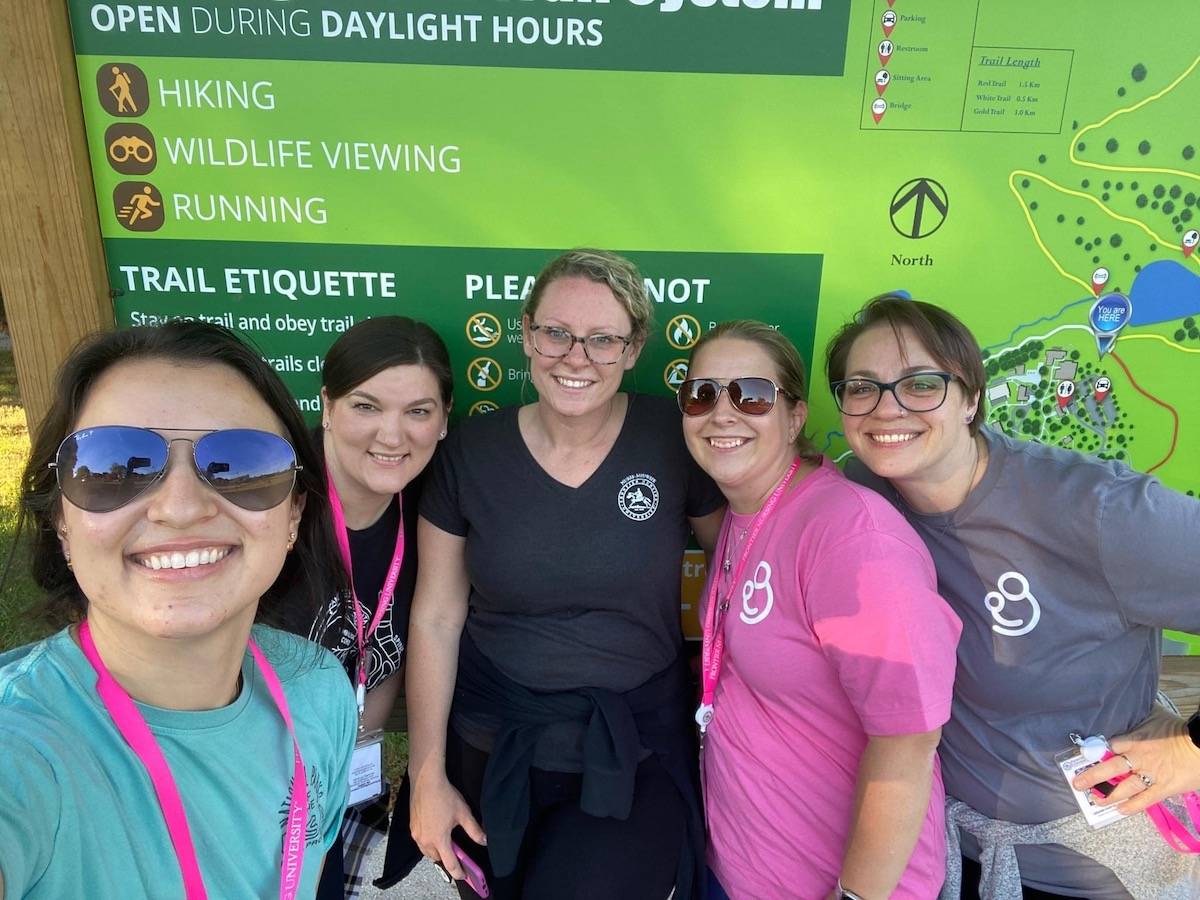
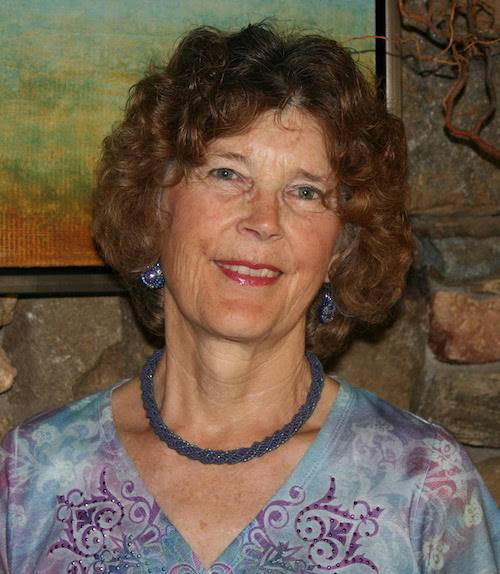 The Unbridled Spirit Award is given annually to a former Courier who is dedicated to serving others; has ongoing, longstanding stewardship of Frontier; and has demonstrated conviction, courage, and a zest for adventure. FNU The Courier Program is an eight-week rural and public health summer service-learning program for college students with an interest in public health, healthcare, or a related field.
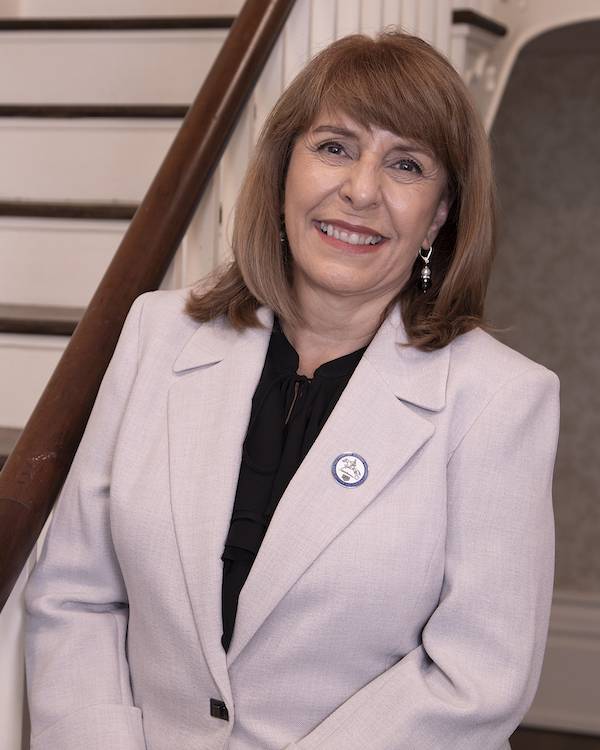 The Lifetime Service Award recognizes an individual or organization providing long-standing support and commitment to the mission and work of Frontier Nursing Service and Frontier Nursing University. The 2023 recipient is FNU President Dr. Susan Stone, CNM, DNSc, FAAN, FACNM. Dr. Stone has served as the president of FNU since 2001. Whether as a practitioner, instructor, university president, presenter, or organizational leader, Dr. Stone’s professional career has been consistently directed toward supporting advanced practice nurses through advocacy, education, and innovation. As a nurse-midwife herself, she has had a special focus on advancing the midwifery profession.
 Throughout her time working as a
 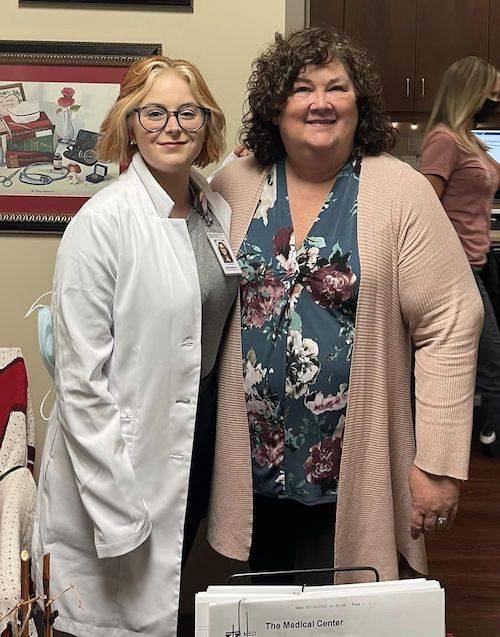 “I know that I will be a much better FNP due to her diligence and guidance throughout this learning process,” Moore said. “I can only hope to one day be a preceptor like Freda. She is truly a blessing to future nurses and nurse practitioners alike.”



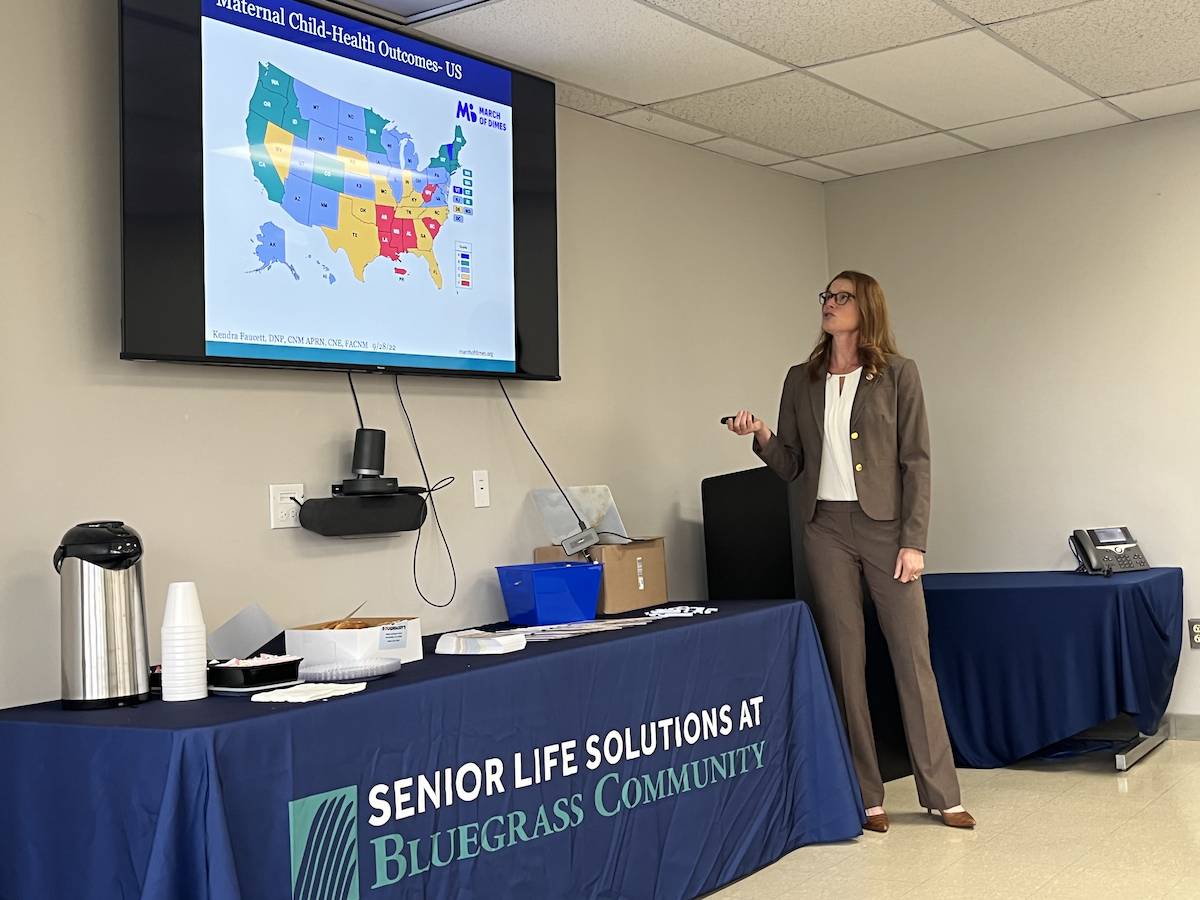
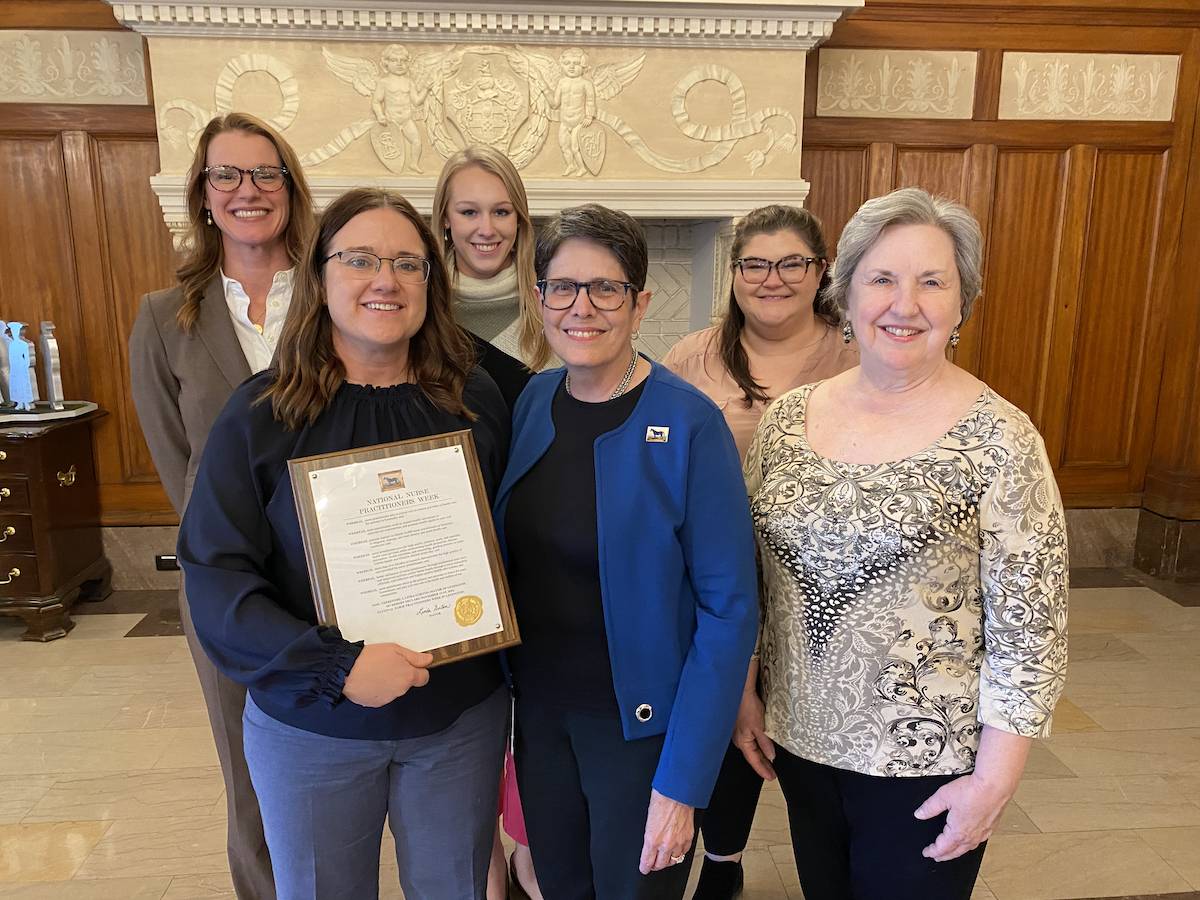




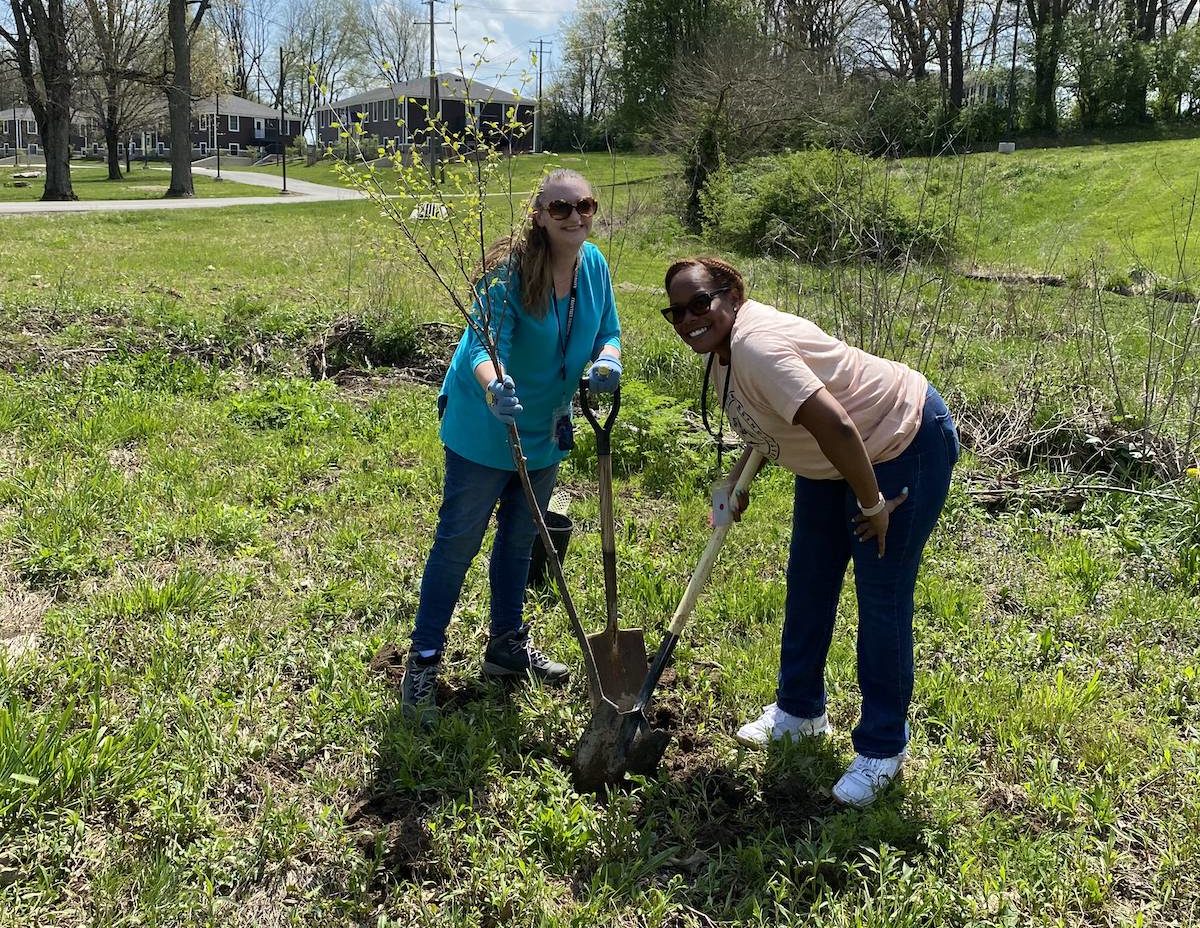
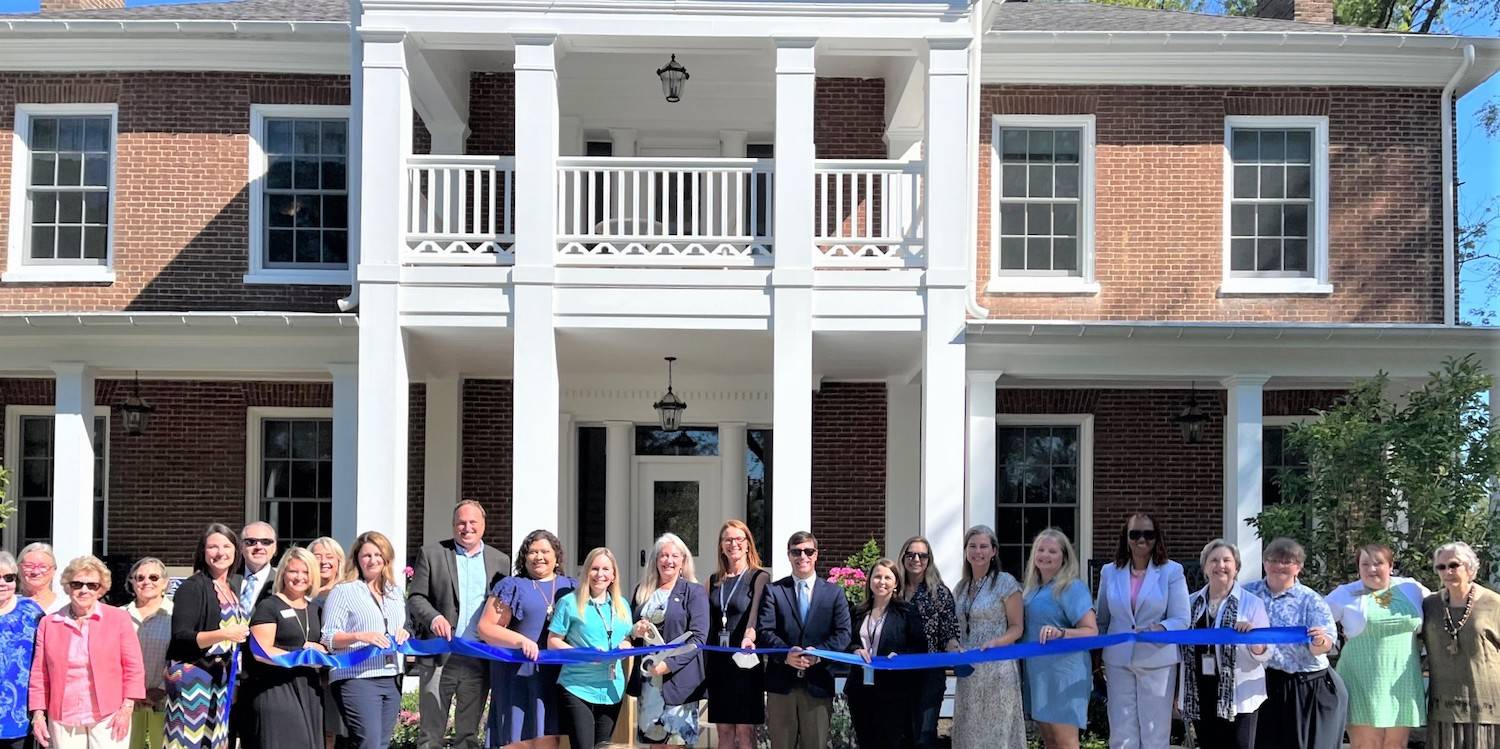
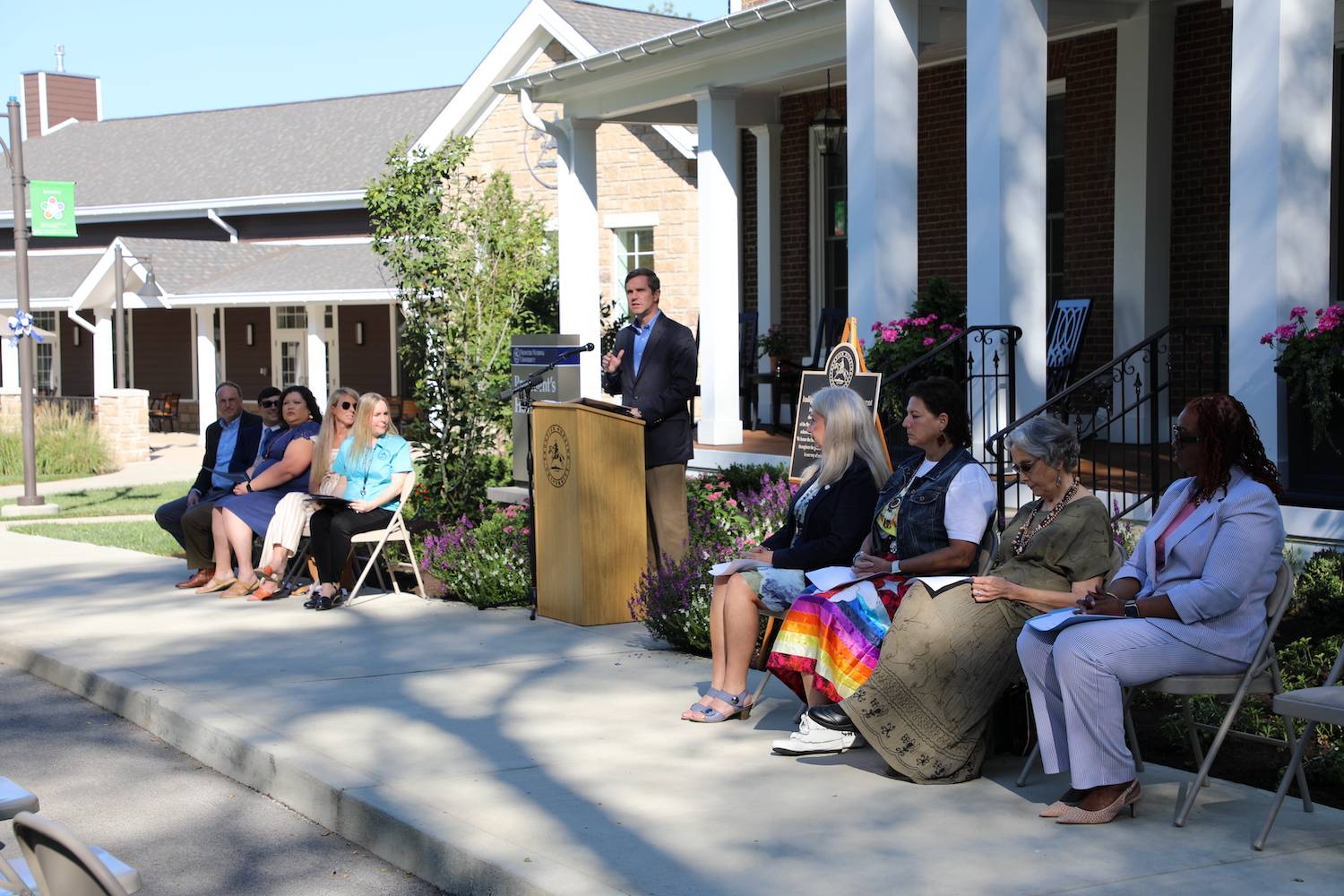
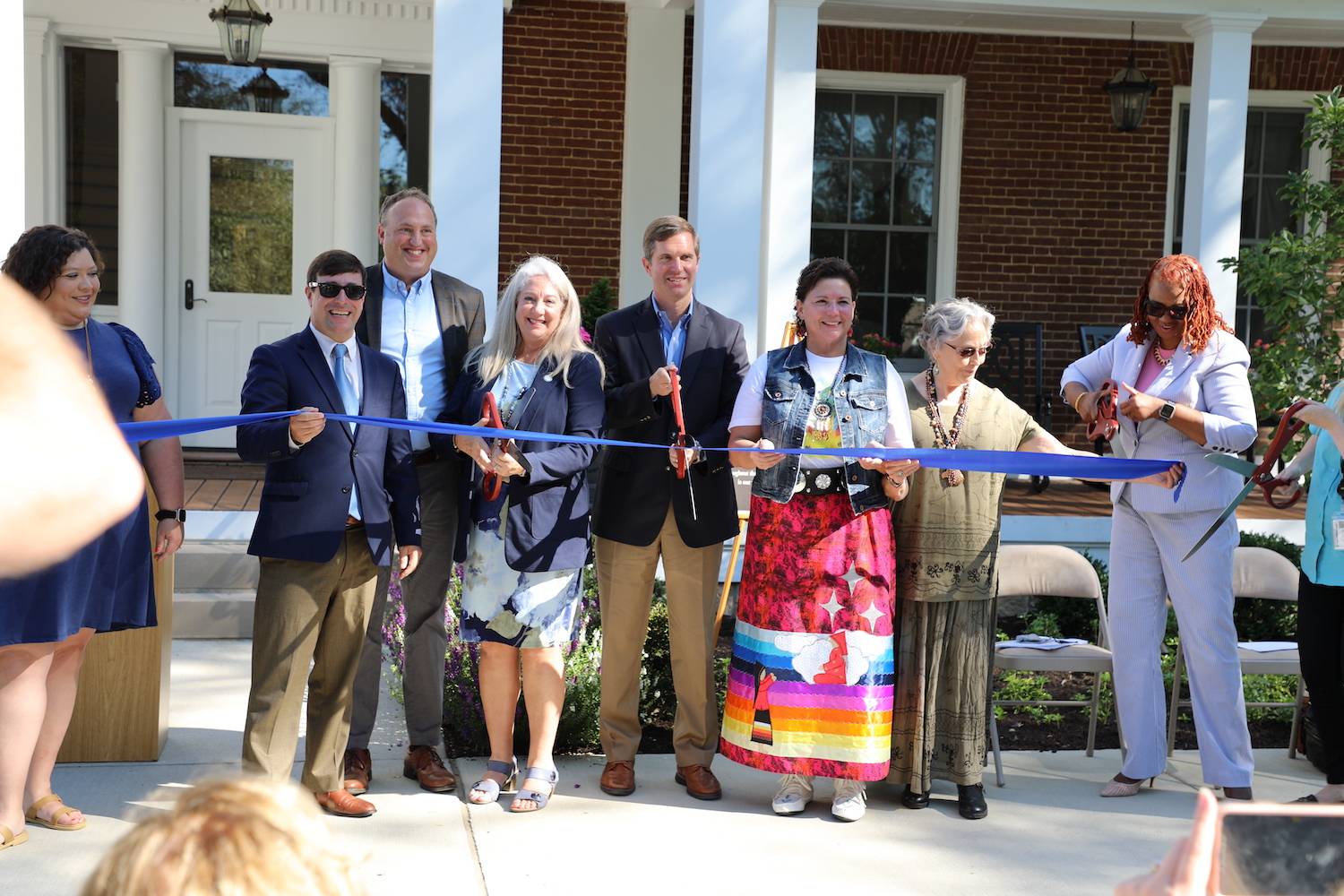

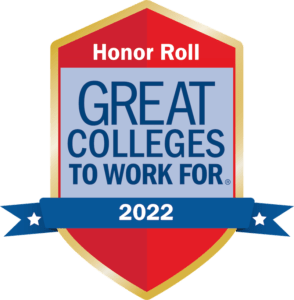 Frontier Nursing University (FNU) has been named one of the best colleges in the nation to work for according to the Great Colleges to Work For® program for the second consecutive year.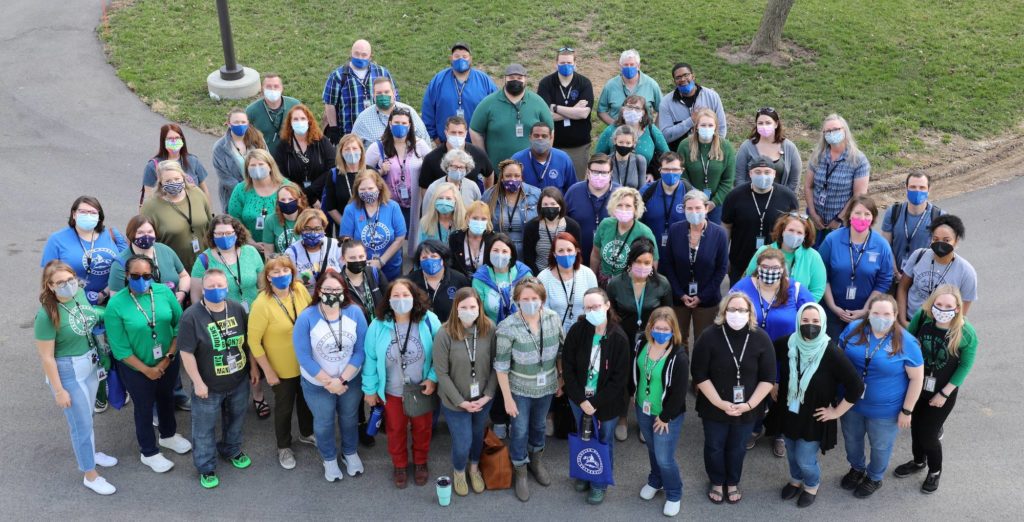
 With more than 3.8 million registered nurses in the U.S., nurses comprise the largest component of the nation’s healthcare workforce. Kentucky is not alone in its need for more nurses. The shortage extends to every state and well beyond our borders.


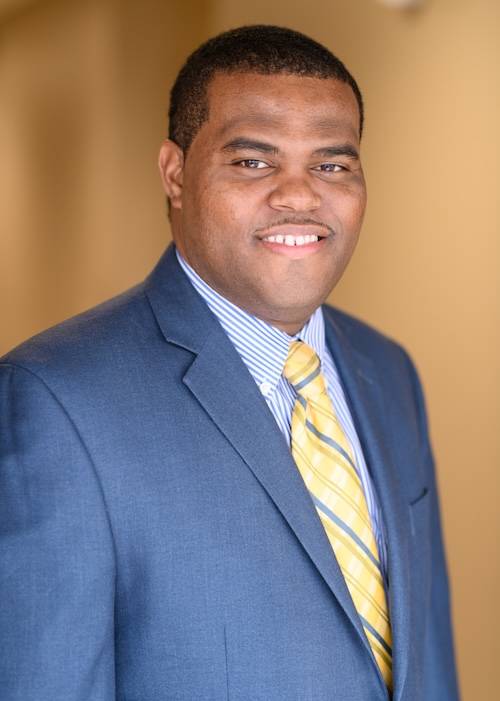
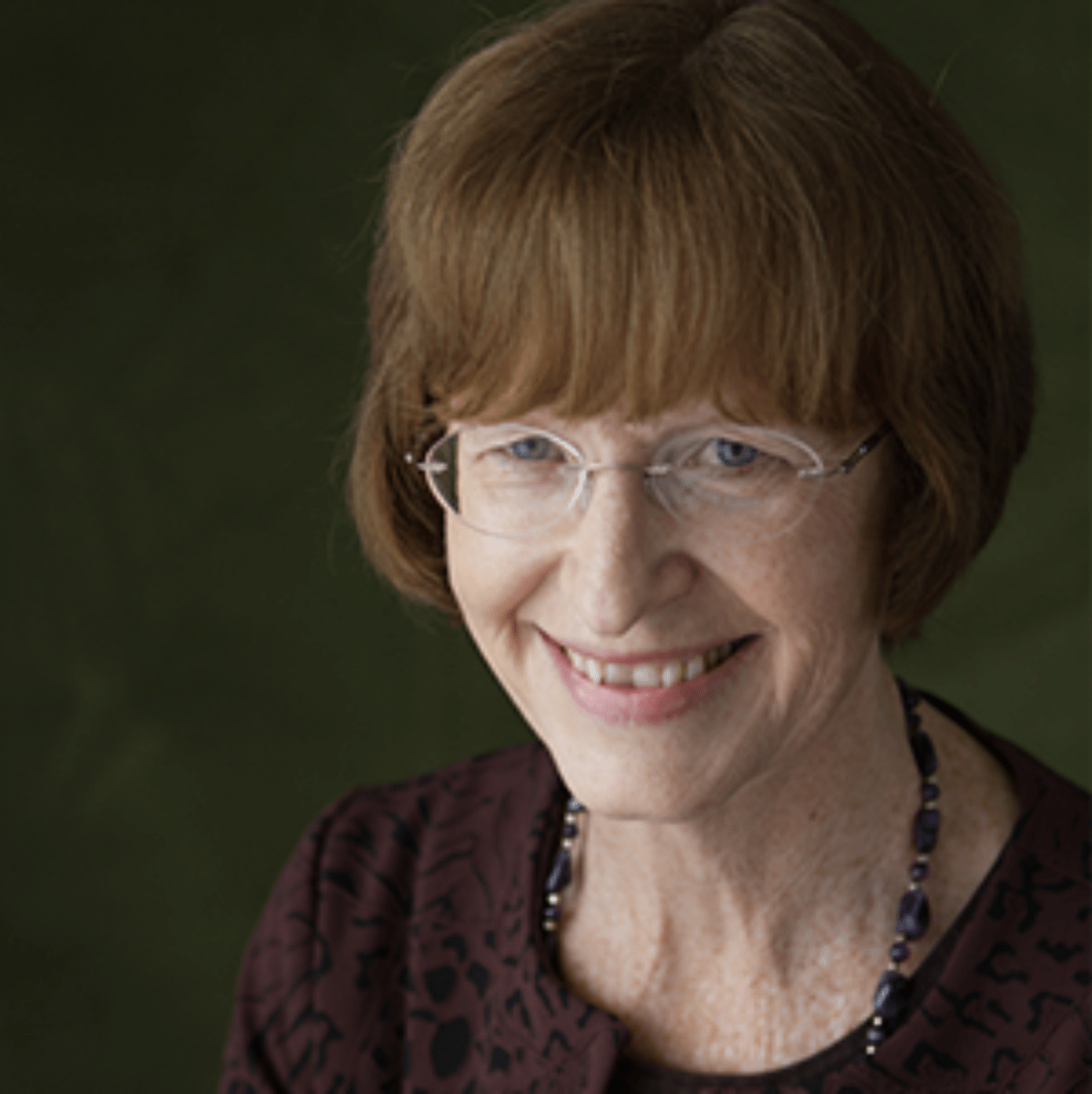
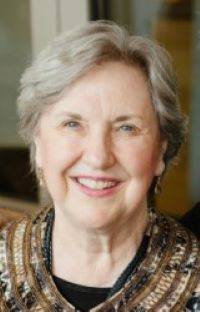


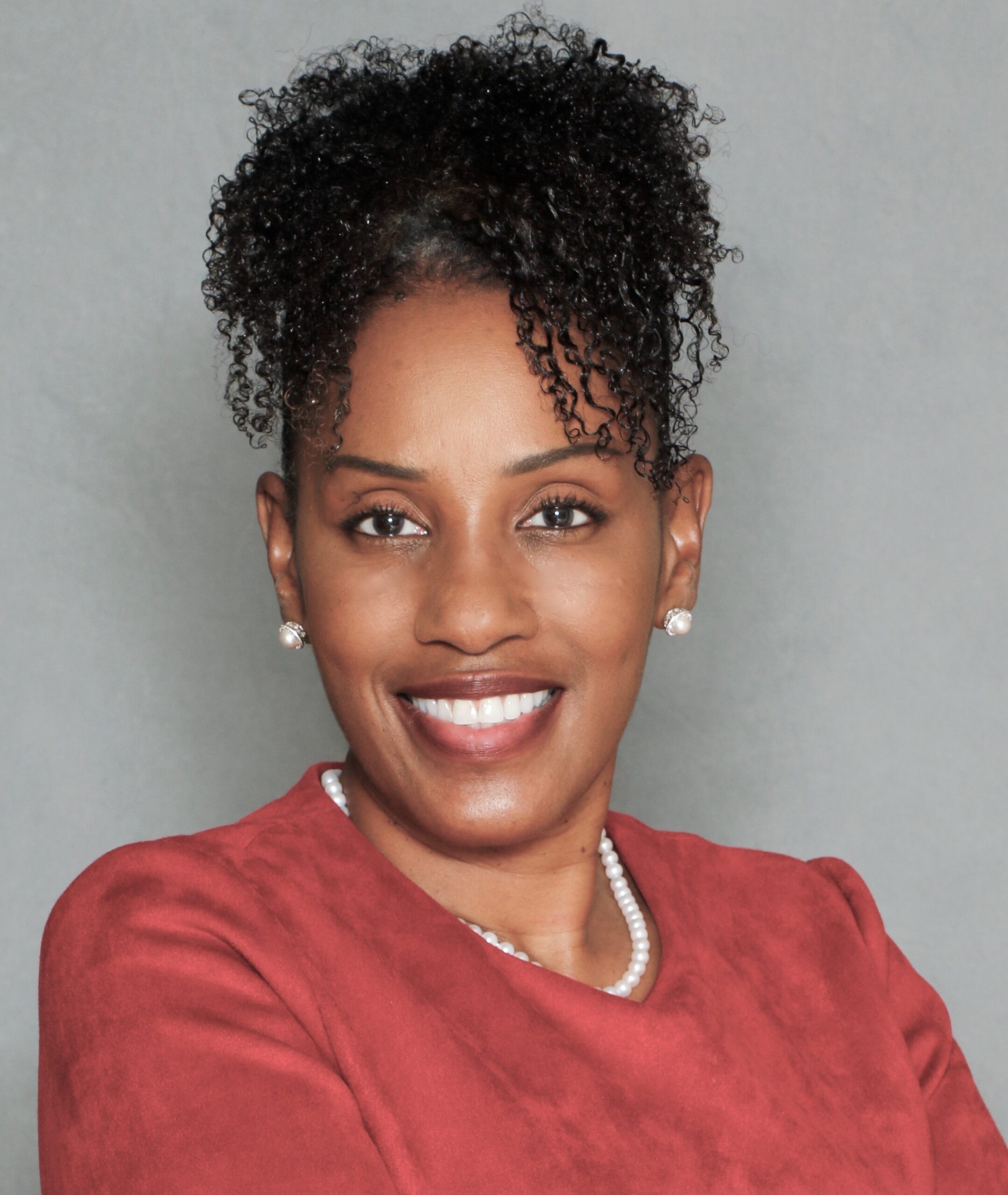
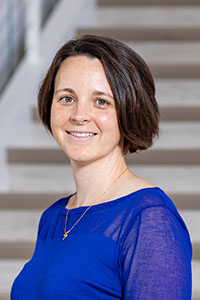
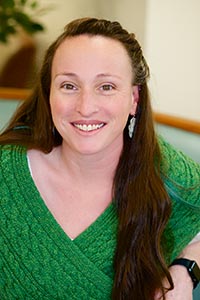
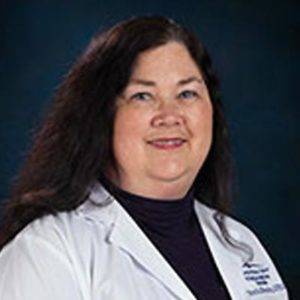
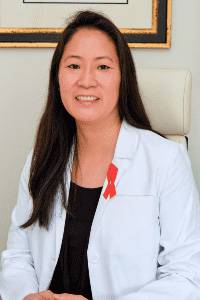 Carrie Belin is an experienced board-certified Family Nurse Practitioner and a graduate of the Johns Hopkins DNP program, Johns Hopkins Bloomberg School of Public Health, Georgetown University School of Nursing, and Johns Hopkins School of Nursing. She has also completed fellowships at Georgetown and the University of California Irvine.
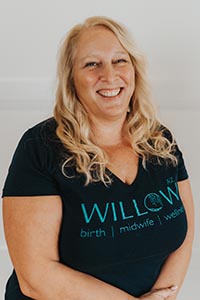
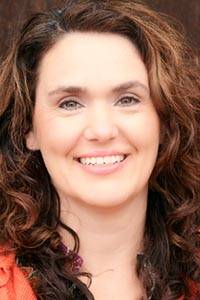 Angie has been a full-scope midwife since 2009. She has experience in various birth settings including home, hospital, and birth centers. She is committed to integrating the midwifery model of care in the US. She completed her master’s degree in nurse-midwifery at Frontier Nursing University (FNU) and her Doctorate at Johns Hopkins University. She currently serves as the midwifery clinical faculty at FNU. Angie is motivated by the desire to improve the quality of healthcare and has led quality improvement projects on skin-to-skin implementation, labor induction, and improving transfer of care practices between hospital and community midwives. In 2017, she created a short film on skin-to-skin called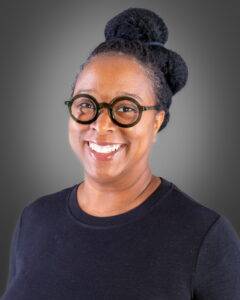
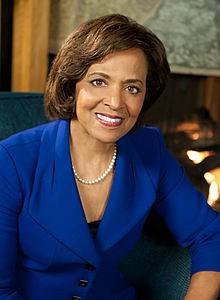
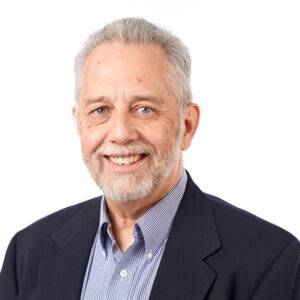
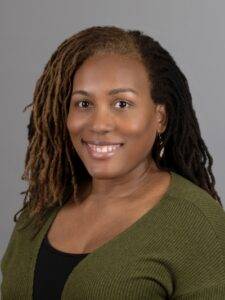
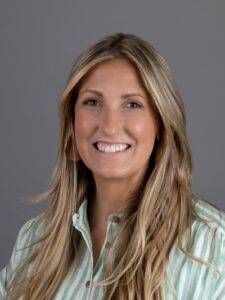
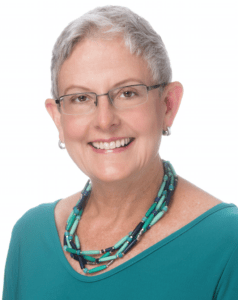
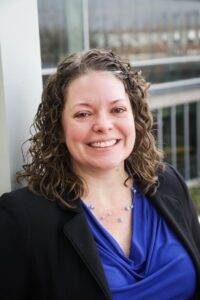
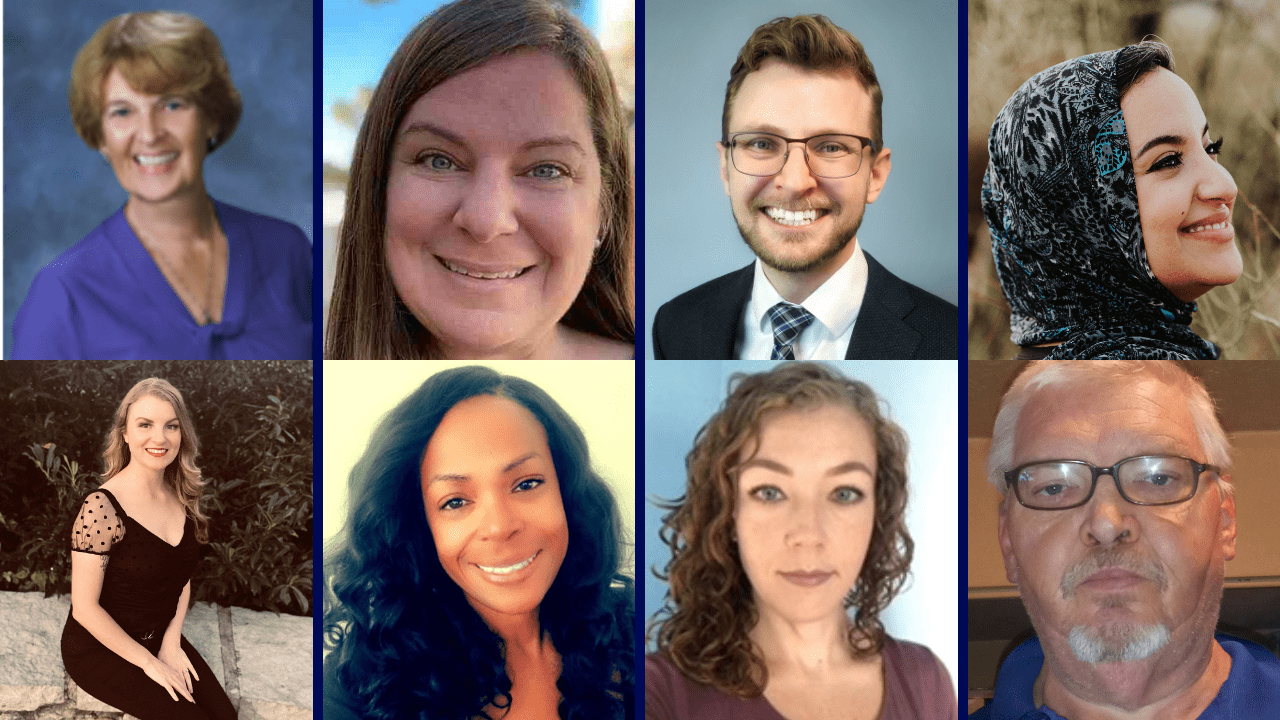
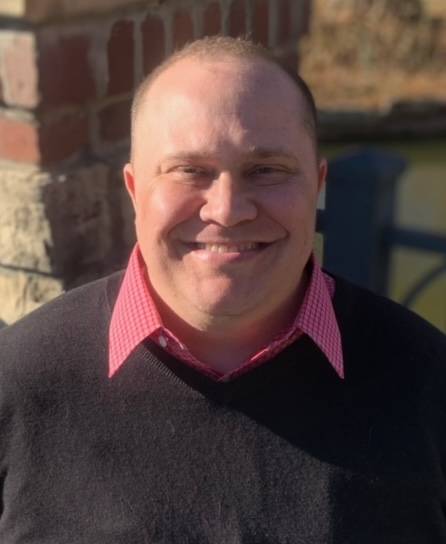 Justin C. Daily, BSN, RN, has ten years of experience in nursing. At the start of his nursing career, Justin worked as a floor nurse on the oncology floor at St. Francis. He then spent two years as the Director of Nursing in a small rural Kansas hospital before returning to St. Francis and the oncology unit. He has been in his current position as the Chemo Nurse Educator for the past four years. He earned an Associate in Nurse from Hutchinson Community College and a Bachelor of Science in Nursing from Bethel College.
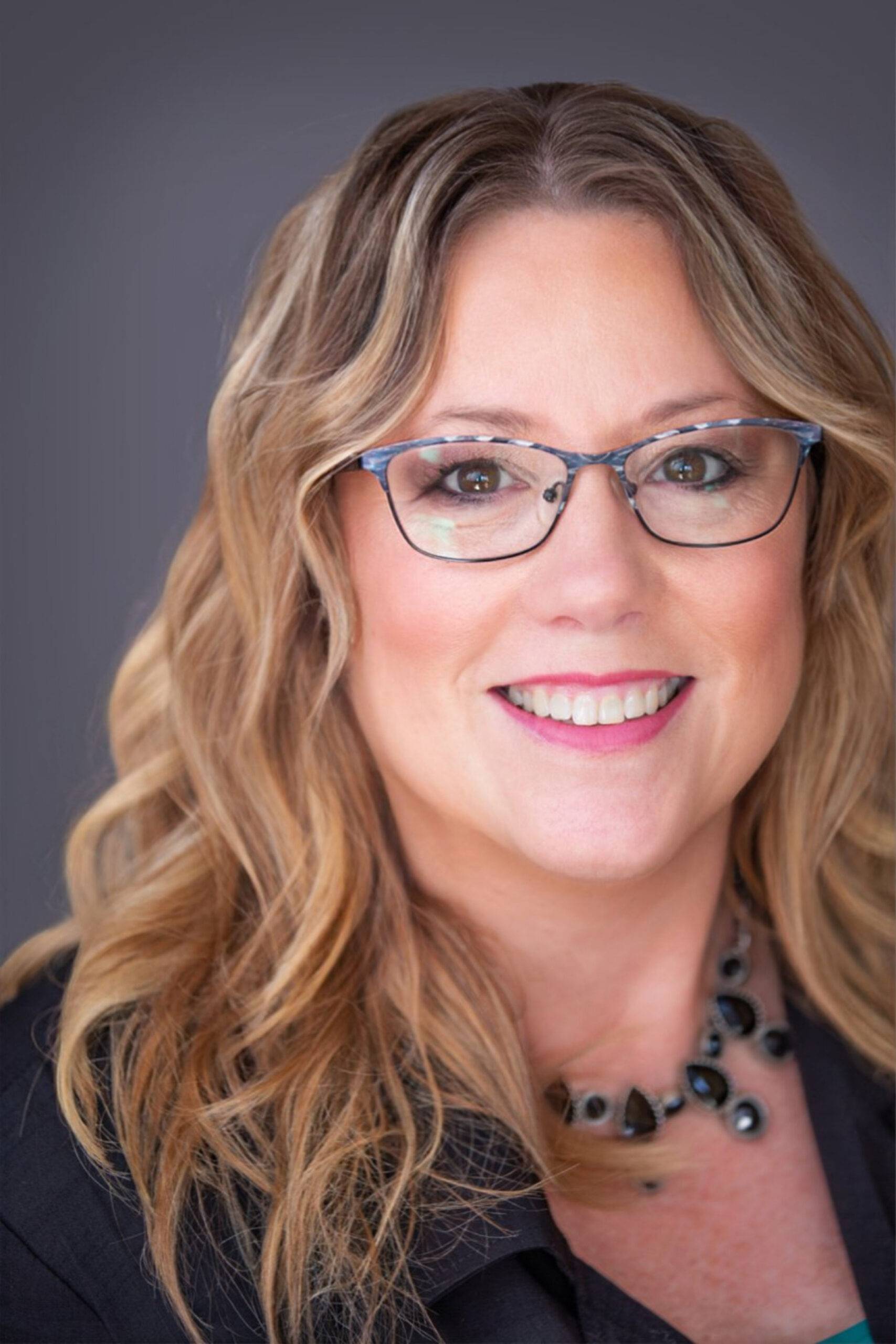 Brandy Jackson serves as the Director of Undergraduate Nursing Programs and Assistant Educator at Wichita State University and Co-Director of Access in Nursing. Brandy is a seasoned educator with over 15 years of experience. Before entering academia, Brandy served in Hospital-based leadership and Critical Care Staff nurse roles. Brandy is passionate about equity in nursing education with a focus on individuals with disabilities. Her current research interests include accommodations of nursing students with disabilities in clinical learning environments and breaking down barriers for historically unrepresented individuals to enter the nursing profession. Brandy is also actively engaged in Interprofessional Education development, creating IPE opportunities for faculty and students at Wichita State. Brandy is an active member of Wichita Women for Good and Soroptimist, with the goal to empower women and girls. Brandy is a TeamSTEPPS master trainer. She received the DASIY Award for Extraordinary Nursing Faculty in 2019 at Wichita State University.
  Dr. Sabrina Ali Jamal-Eddine is an Arab-disabled queer woman of color with a PhD in Nursing and an interdisciplinary certificate in Disability Ethics from the University of Illinois Chicago (UIC). Dr. Jamal-Eddine’s doctoral research explored spoken word poetry as a form of critical narrative pedagogy to educate nursing students about disability, ableism, and disability justice. Dr. Jamal-Eddine now serves as a Postdoctoral Research Associate in UIC’s Department of Disability and Human Development and serves on the Board of Directors of the National Organization of Nurses with Disabilities (NOND). During her doctoral program, Sabrina served as a Summer Fellow at a residential National Endowment of the Humanities (NEH) Summer Institute at Arizona State University (2023), a summer fellow at Andrew W. Mellon’s National Humanities Without Walls program at University of Michigan (2022), a Summer Research Fellow at UC Berkeley’s Othering & Belonging Institute (2021), and an Illinois Leadership Education in Neurodevelopmental and related Disabilities (LEND) trainee (2019-2020).
 Vanessa Cameron works for Vanderbilt University Medical Center in Nursing Education & Professional Development. She is also attending George Washington University and progressing towards a PhD in Nursing with an emphasis on ableism in nursing. After becoming disabled in April 2021, Vanessa’s worldview and perspective changed, and a recognition of the ableism present within healthcare and within the culture of nursing was apparent. She has been working since that time to provide educational foundations for nurses about disability and ableism, provide support for fellow disabled nursing colleagues, and advocate for the disabled community within healthcare settings to reduce disparities.
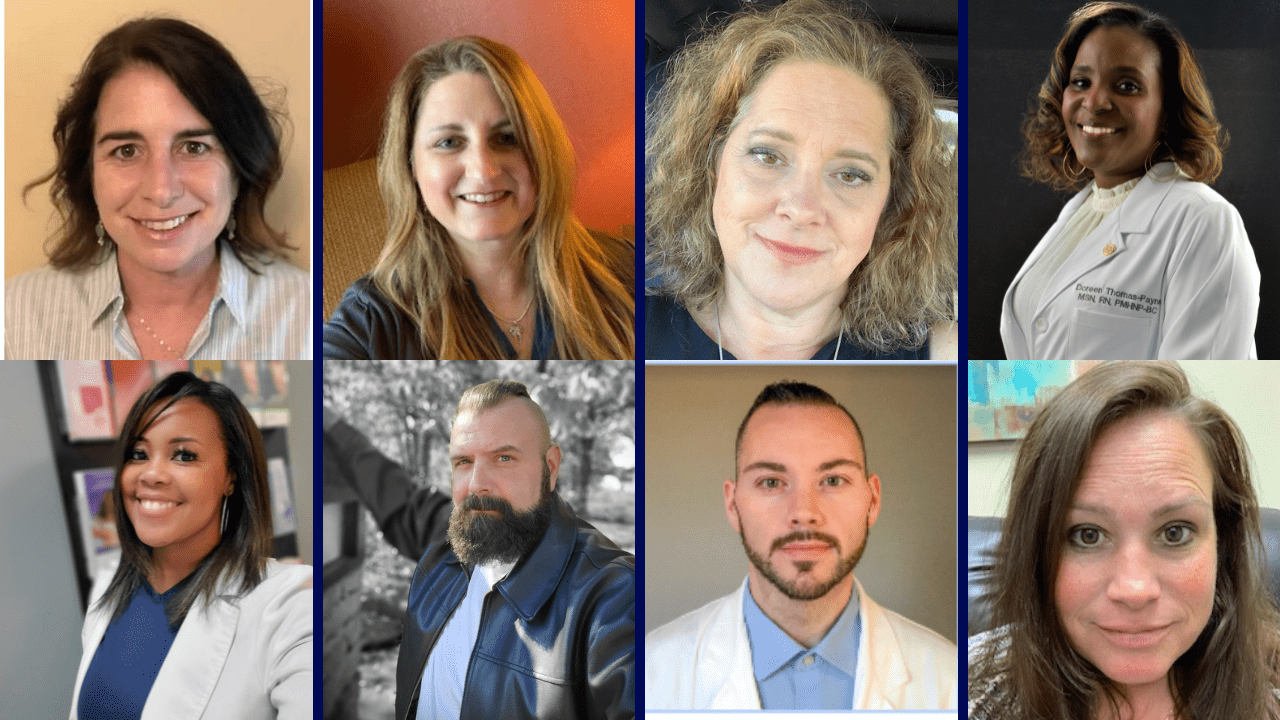
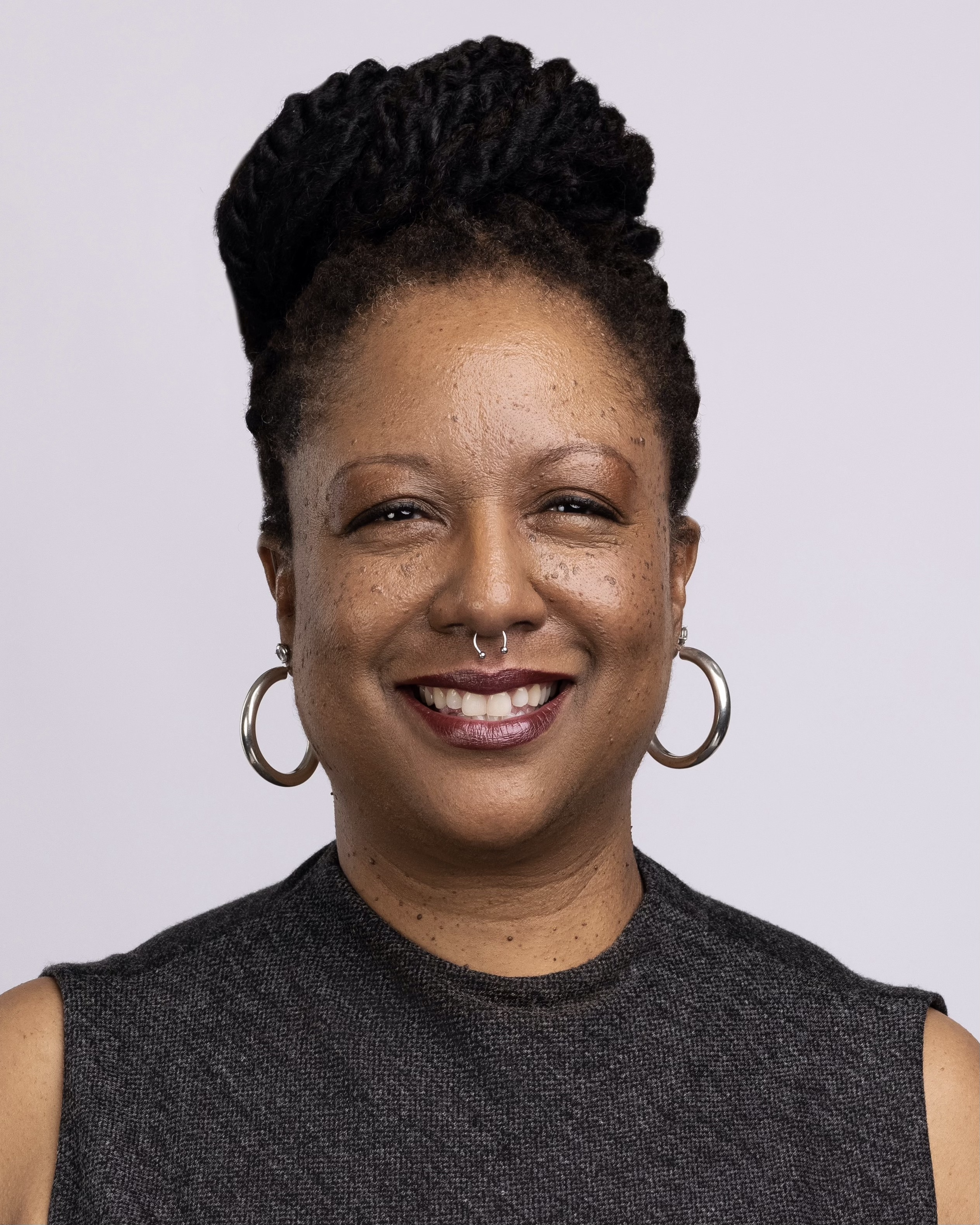 Dr. Lucinda Canty is a certified nurse-midwife, Associate Professor of Nursing, and Director of the Seedworks Health Equity in Nursing Program at the University of Massachusetts Amherst. She earned a bachelor’s degree in nursing from Columbia University, a master’s degree from Yale University, specializing in nurse-midwifery, and a PhD from the University of Connecticut. Dr. Canty has provided reproductive health care for over 29 years. Her research interests include the prevention of maternal mortality and severe maternal morbidity, reducing racial and ethnic health disparities in reproductive health, promoting diversity in nursing, and eliminating racism in nursing and midwifery.
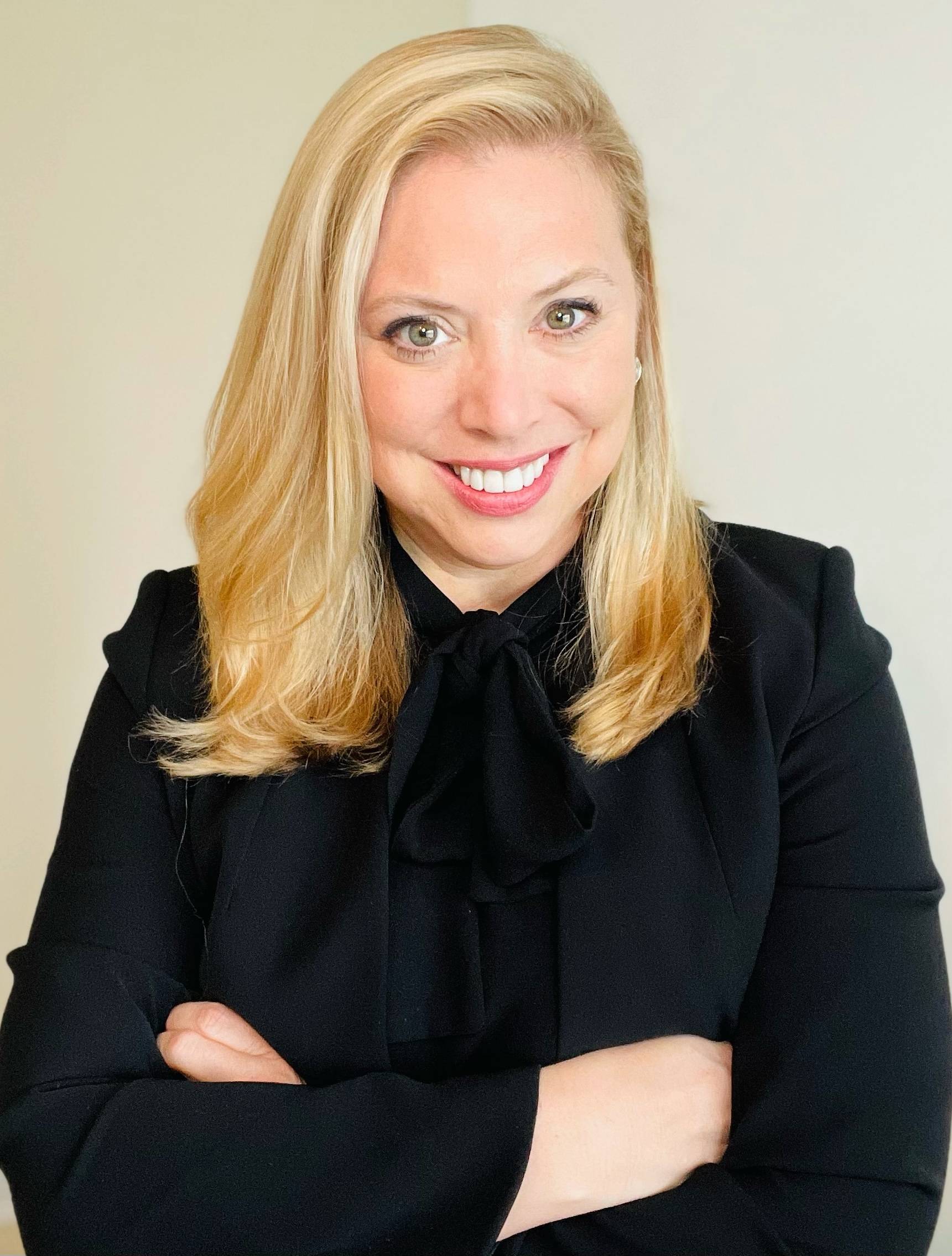 Dr. Lisa Meeks is a distinguished scholar and leader whose unwavering commitment to inclusivity and excellence has significantly influenced the landscape of health professions education and accessibility. She is the founder and executive director of the DocsWithDisabilities Initiative and holds appointments as an Associate Professor in the Departments of Learning Health Sciences and Family Medicine at the University of Michigan.
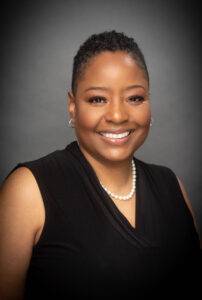 Dr. Nikia Grayson, DNP, MSN, MPH, MA, CNM, FNP-C, FACNM (she/her) is a trailblazing force in reproductive justice, blending her expertise as a public health activist, anthropologist, and family nurse-midwife to champion the rights and health of underserved communities. Graduating with distinction from Howard University, Nikia holds a bachelor’s degree in communications and a master’s degree in public health. Her academic journey also led her to the University of Memphis, where she earned a master’s in medical anthropology, and the University of Tennessee, where she achieved both a master’s in nursing and a doctorate in nursing practice. Complementing her extensive education, she completed a post-master’s certificate in midwifery at Frontier Nursing University.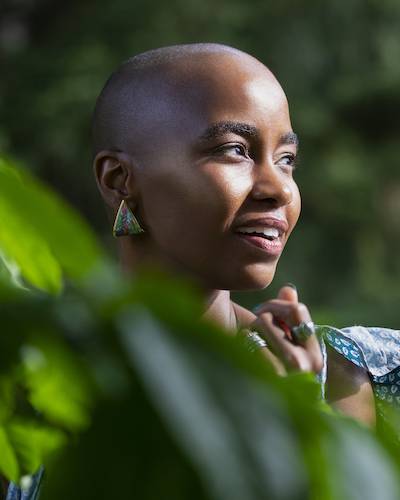


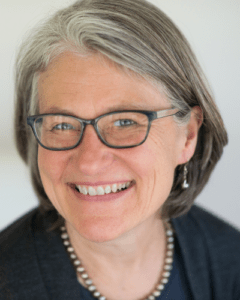
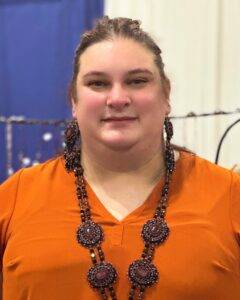
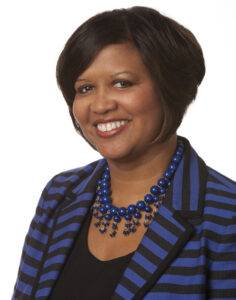 Dr. Tia Brown McNair is the Vice President in the Office of Diversity, Equity, and Student Success and Executive Director for the Truth, Racial Healing, and Transformation (TRHT) Campus Centers at the American Association of Colleges and Universities (AAC&U) in Washington, DC. She oversees both funded projects and AAC&U’s continuing programs on equity, inclusive excellence, high-impact practices, and student success. McNair directs AAC&U’s Summer Institutes on High-Impact Practices and Student Success, and TRHT Campus Centers and serves as the project director for several AAC&U initiatives, including the development of a TRHT-focused campus climate toolkit. She is the lead author of From Equity Talk to Equity Walk: Expanding Practitioner Knowledge for Racial Justice in Higher Education (January 2020) and Becoming a Student-Ready College: A New Culture of Leadership for Student Success (July 2016 and August 2022 Second edition).