Blog

  • COVID-19 Front Lines: Kevin Scalf Provides Increased Mental Healthcare For Isolated Rural Patients

    COVID-19 Front Lines: Kevin Scalf Provides Increased Mental Healthcare For Isolated Rural Patients

    The Frontier community is proud to have students and alumni serving on the front lines of the COVID-19 pandemic. Throughout the next few weeks, we are committed to sharing their stories in order to provide insight, hope and encouragement. Thank you to all the health care workers who are risking their own well-being daily to serve our nation. Click here to read more stories of courage and dedication. 
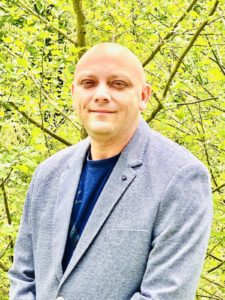
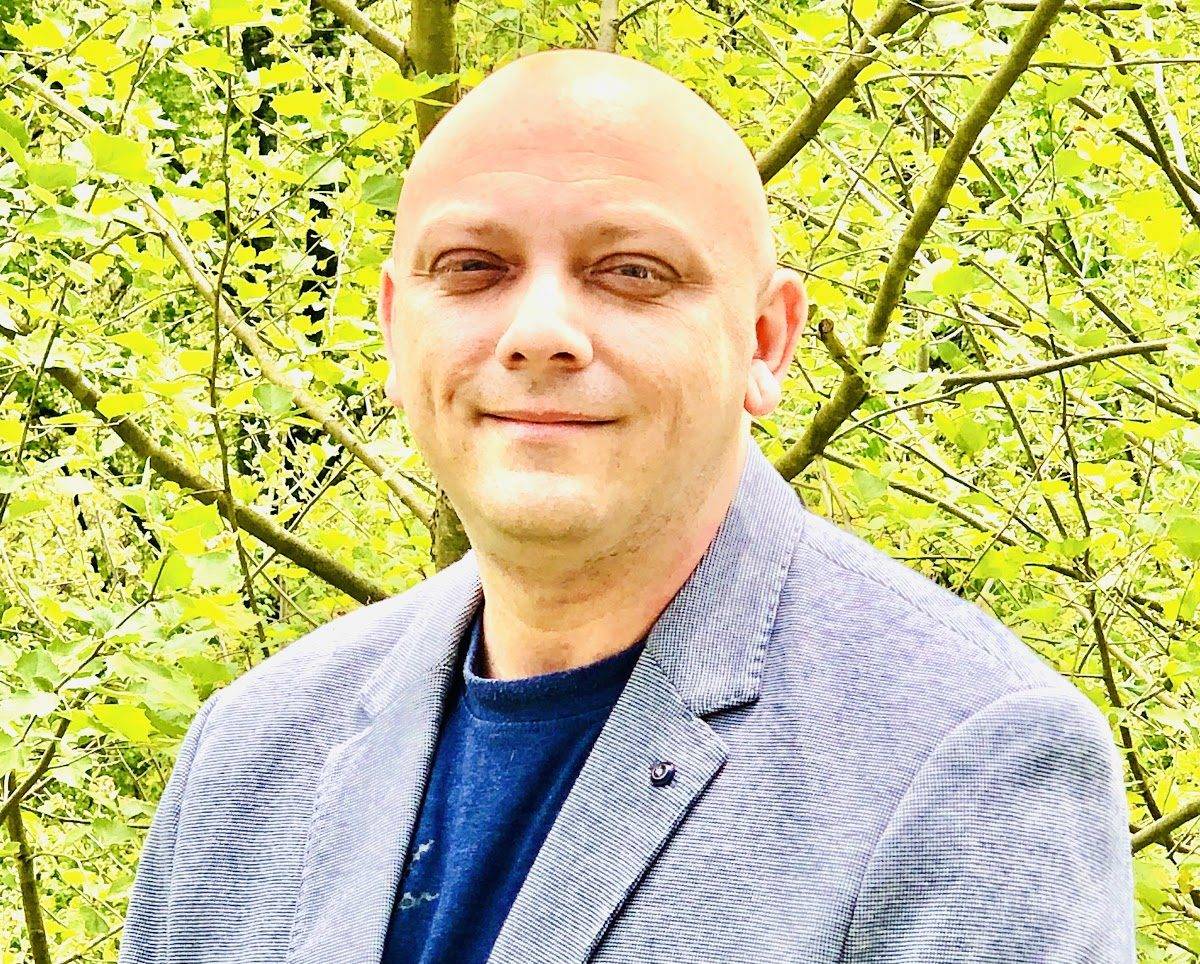
    Kevin Scalf, PMHNP-BC
    Regional Clinical Faculty, Frontier Nursing University

    During the COVID-19 pandemic, limitations have been a common storyline. Healthcare professionals have dealt with limited supplies of personal protective equipment (PPE), limited space in which to house and care for patients, insufficient testing supplies and a limited workforce. 

    Limitations in healthcare are not new to rural southeastern Kentucky, where the majority of counties are designated as medically underserved areas (MUAs). Despite its beauty, the region’s remote locations and rural clinics and hospitals struggle to attract primary healthcare providers from larger cities and communities. The problem is magnified by a lack of specialized healthcare providers in these rural and underserved areas. A 2018 study published in the American Journal of Preventative Medicine found that 65 percent of non-metropolitan counties in the United States lacked a psychiatrist. 

    Kevin Scalf, PHMNP-BC, is a psychiatric-mental health nurse practitioner (PMHNP) at Hazard Appalachian Regional Healthcare Psychiatric Center in Hazard, Ky. Originally from nearby Manchester, Ky., Scalf is also a Regional Clinical Faculty member at Frontier Nursing University (FNU). He has been a PMHNP since 2011 and a Registered Nurse for 24 years. 

    “I serve a population of adults that struggle with psychiatric illness in rural southeastern Kentucky,” Scalf said. “The residents of this region have limited support systems and very significant economic challenges while living with persistent mental illness. As a result of these limited support systems and economic struggles, they often find it challenging to make healthy decisions and follow up with their primary care providers on a routine basis. The healthcare gaps include a shortage of mental health providers, which is especially true for patients suffering from conditions such as autism spectrum disorder, intellectual disabilities and substance abuse.”

    These issues existed even before the pandemic. Now, for many in the region, COVID-19 has added another component to their mental health struggles. 

    COVID-19 has increased isolation among our population. Isolation is a risk factor for mental health destabilization,” Scalf said, noting that many patients in the area lack the mechanisms to attend virtual appointments. “Patients who suffer from anxiety and fear related to COVID-19 can sometimes be afraid to go to their primary care provider, resulting in decreased follow-up visits. This can be a significant risk factor for acute exacerbations of mental illness.”

    The pandemic has altered Scalf’s daily regimen as well. Each day, before entering the hospital, all staff members go through a triage area where their temperature is taken and they are asked to disclose any symptoms associated with COVID-19. Only then are they allowed to proceed into patient care areas with hospital-approved masks. 

    New patients admitted to the psychiatric hospital are placed into a centralized unit where they are closely monitored for symptoms of COVID-19,” Scalf said. “After they have been screened and assessed for a period of time, they are transferred to other appropriate units.”

    Adapting to these new conditions and procedures is not easy for anyone, but Scalf credits FNU with helping to prepare him to navigate through times of change.

    “FNU has given me additional education, tools, and skills that I can take into the world and use to bring about meaningful change in our region,” said Scalf, who is on track to earn his Doctorate of Nursing Practice from FNU this spring. “How do we help our patients and each other adjust to a new way of normal in our country? In moving forward, we need to come together and prepare ourselves with the fact that life may be different for a significant amount of time.”

    Coming together has been part of FNU’s strategic response to the pandemic. In efforts to help ease uncertainty and anxiety, FNU has provided frequent virtual support sessions for students, faculty and staff along with regular updates about the pandemic and the university’s response. 

    “FNU has been very helpful in staying current on the latest emerging COVID-19 updates,” Scalf said. “FNU has offered faculty, staff and student support sessions that have helped us come together and draw strength from one another. These sessions not only demonstrate FNU’s culture of caring but also helps us to realize that social distancing does not always mean social isolation.”
     

  • Myth Busters: Using a Nurse-Midwife

    Myth Busters: Using a Nurse-Midwife

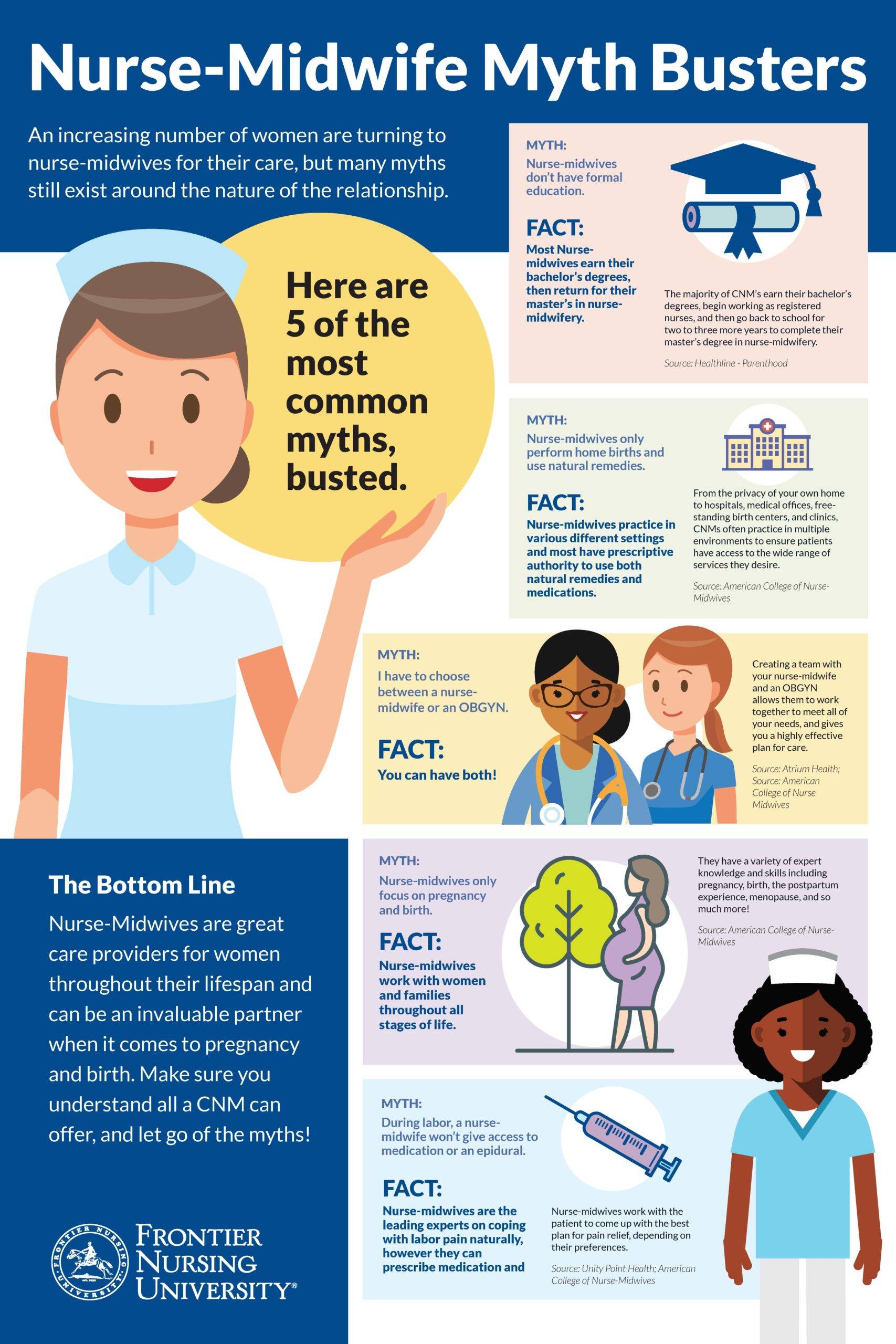
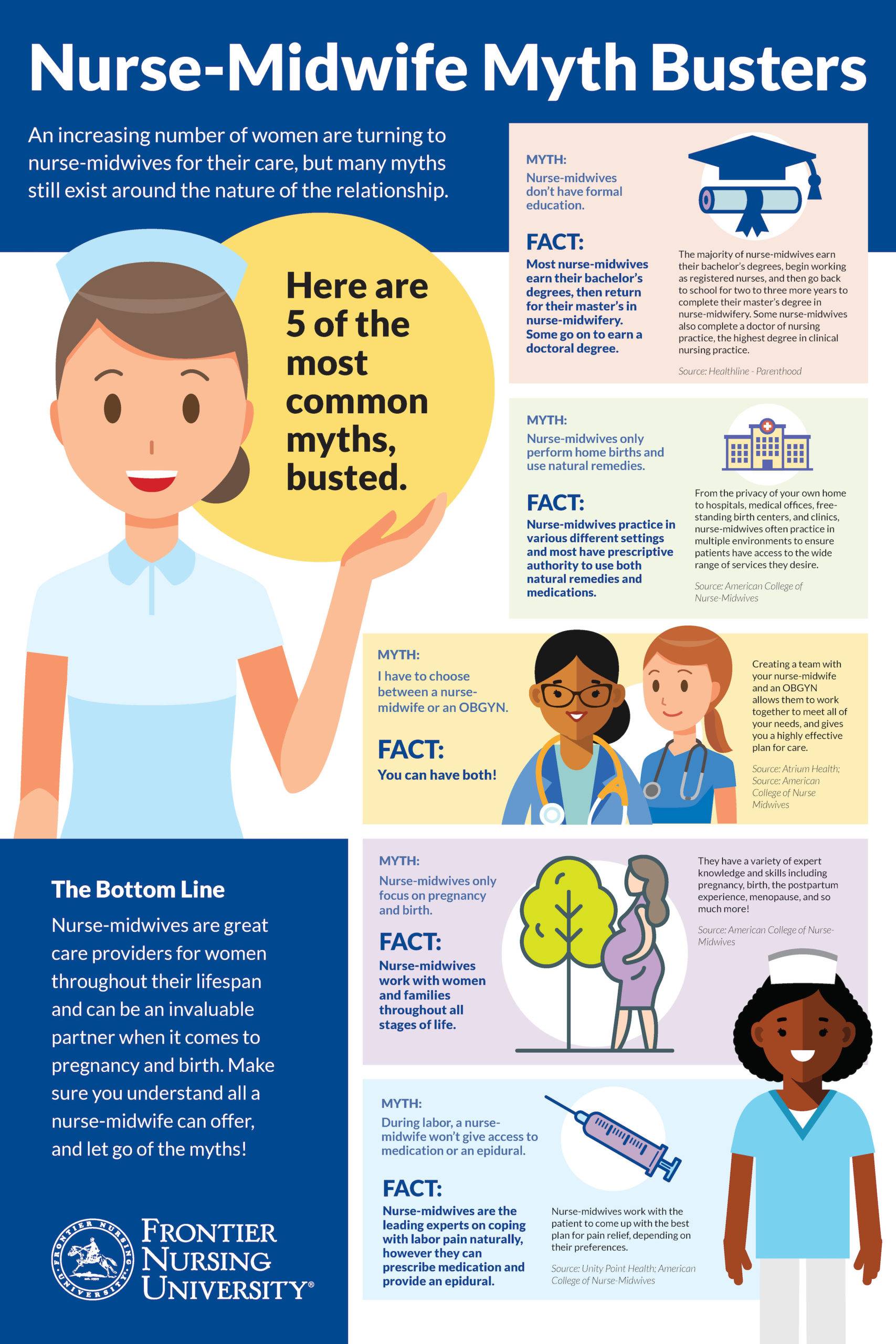
    An increasing number of women are turning to nurse-midwives for their care, but many myths still exist around the nature of the relationship.

    Here are 5 of the most common myths, busted.


    MYTH #1: Nurse-midwives have minimal education.

    FACT: Certified nurse-midwives must have extensive education and are required to pass a national certification exam. 

    The majority of certified nurse-midwives earn their bachelor’s degrees, begin working as registered nurses, and then go back to school for two to three more years to complete their master’s degree in nurse-midwifery. Some go on to earn a doctoral degree, the highest degree in clinical nursing practice.

    Source: Healthline – Parenthood 


    MYTH #2: Nurse-midwives only perform home births and use natural remedies.

    FACT: Nurse-midwives practice in various settings and most have prescriptive authority to use both natural remedies and medications.

    From the privacy of your own home to hospitals, medical offices, free-standing birth centers and clinics, certified nurse-midwives may practice in multiple environments to ensure patients have access to the wide range of services they desire.

    Source: American College of Nurse-Midwives 


    MYTH #3: I have to choose between a nurse-midwife or an OBGYN.

    FACT: You can have both! 

    Creating a team with your nurse-midwife and an OBGYN allows them to work together to meet all of your needs, and gives you a highly effective plan for care.

    Source: Atrium Health; Source: American College of Nurse-Midwives 


    MYTH #4: Nurse-midwives only focus on pregnancy and birth.

    FACT: Nurse-midwives work with women and families throughout all stages of life. 

    They have a variety of expert knowledge and skills including pregnancy, birth, the postpartum experience, menopause, and so much more!

    Source: American College of Nurse-Midwives 


    MYTH #5: During labor, a nurse-midwife won’t give access to medication or an epidural. 

    FACT: Nurse-midwives are the leading experts on coping with labor pain naturally, however they can prescribe medication or an epidural. 

    Nurse-midwives work with the patient to come up with the best plan for pain relief, depending on their preferences. 

    Source: Unity Point Health; American College of Nurse-Midwives 


    The Bottom Line – Nurse-Midwives are great care providers for women throughout their lifespan and can be an invaluable partner when it comes to pregnancy and birth. Make sure you understand all a certified nurse-midwife can offer, and let go of the myths!


    What is a Certified Nurse-Midwife (CNM)? 

    Certified Nurse-Midwives (CNMs) are educated in two disciplines: midwifery and nursing. They earn graduate degrees, complete a midwifery education program accredited by the Accreditation Commission for Midwifery Education (ACME), and pass a national certification examination administered by the American Midwifery Certification Board (AMCB) to receive the professional designation of CNM. Certified Midwives (CMs) are educated in the discipline of midwifery. They earn graduate degrees, meet health and science education requirements, complete a midwifery education program accredited by ACME, and pass the same national certification examination as CNMs to receive the professional designation of CM.


  • Real Talk About Precepting: Audra Cave and Cathy Cook Share Their Insights as Preceptors

    Real Talk About Precepting: Audra Cave and Cathy Cook Share Their Insights as Preceptors

    Preceptor Cathy Cook

    Preceptors play a vital role in the success of Frontier Nursing University (FNU) students. Preceptors serve as mentors and assist with gaining the necessary clinical experience. At FNU, students personally choose a qualified preceptor in their area who aligns with their ideals, needs and interests.

    While precepting certainly adds to a nurse practitioner or nurse-midwife’s workload, the reward is well worth it. To better explain their role and answer questions about precepting, regional clinical faculty (RCFs) Audra Cave, DNP, FNP-BC, Class 49 and Cathy Cook, MSN, CNM, Class 17, agreed to share their experiences as preceptors.

    “I decided to precept for several reasons,” said Audra, who precepts in Spindale, N.C. “It is an excellent opportunity to give back to the community of family nurse practitioners (FNPs). I want to help the next generation of FNP providers as I had help along the way too. I also learn from students. Precepting keeps me on my toes.”

    “Students teach us as much as we teach them,” added Cathy, who precepts in Galesburg, Ill. “They help us see things through new eyes. Some of us that have been practicing for a long time may not know the newest items in healthcare. Students can teach us those things if we are open and willing to learn from them.”

    Part of that shared learning process is finding the time to precept. Audra suggested that having a plan can reduce stress and provide the best outcomes for the preceptor, student and patient. Building a relationship between preceptor and student is important so that both parties understand the other’s expectations.

    “Meeting the student where she/he is and figuring out how best they learn,” Cathy said when asked about how to create a positive mutual experience. “What works with some does not work with others.”

    Both Audra and Cathy stress that there are significant benefits to being a preceptor. Audra said that the best part of precepting is “the connection to the student and watching student growth.” Cathy added that she enjoys the moment “the light bulb comes on when the student gets it and their confidence soars.”

    Audra and Cathy continue to give back by precepting and they encourage their colleagues to do the same. They stress the importance of precepting and the mutual benefits it can have for both student and preceptor.

    “Do it, you will be glad you did,” Audra said. “It will remind you of your humble beginnings and refresh your passion for patient care. Knowing that you played a part in teaching a competent new provider is rewarding.”

    To find out more about becoming a preceptor, visit Frontier.edu/Preceptor. Watch this video and be inspired to take the next step to precept students.


    [arve url=”https://www.youtube.com/embed/BclQlVCjuIo” /]


  • Chris Turley

    Chris Turley

    Chris Turley is the Diversity and Inclusion Coordinator at Frontier Nursing University. He holds a Master’s of Science in Sports Administration and a Bachelor’s of Science in Sports Management. Chris has over ten (10) years’ experience with federal grant management, program development, and marketing. Recognized as a “Kentucky Colonel” by the governor for his community engagement work in the state. Chris had the privilege of developing programs to help over 2500 at-promise participants gain vocational/technical skills to advance their careers and further opportunities. 

    While at Frontier, Chris has been instrumental in the execution of the Diversity Impact Conference, quarterly speaker series, FNU Diversity Impact Facebook Page and conference marketing (Diverse conferences), as well as the Diversity Impact Student Ambassador and Professional Organizational Mentoring (POMP) programs. Chris has a strong base dealing with issues concerning race relations as he had to deal with similar issues growing up in a marginalized community in Kentucky. He was a part of a task force to deal with those issues in the small Kentucky town that he grew up in. Unbeknownst to him, this was the first of many steps into educating and empowering others as it pertains to diversity and inclusion.

  • Dr. Geraldine Young

    Dr. Geraldine Young

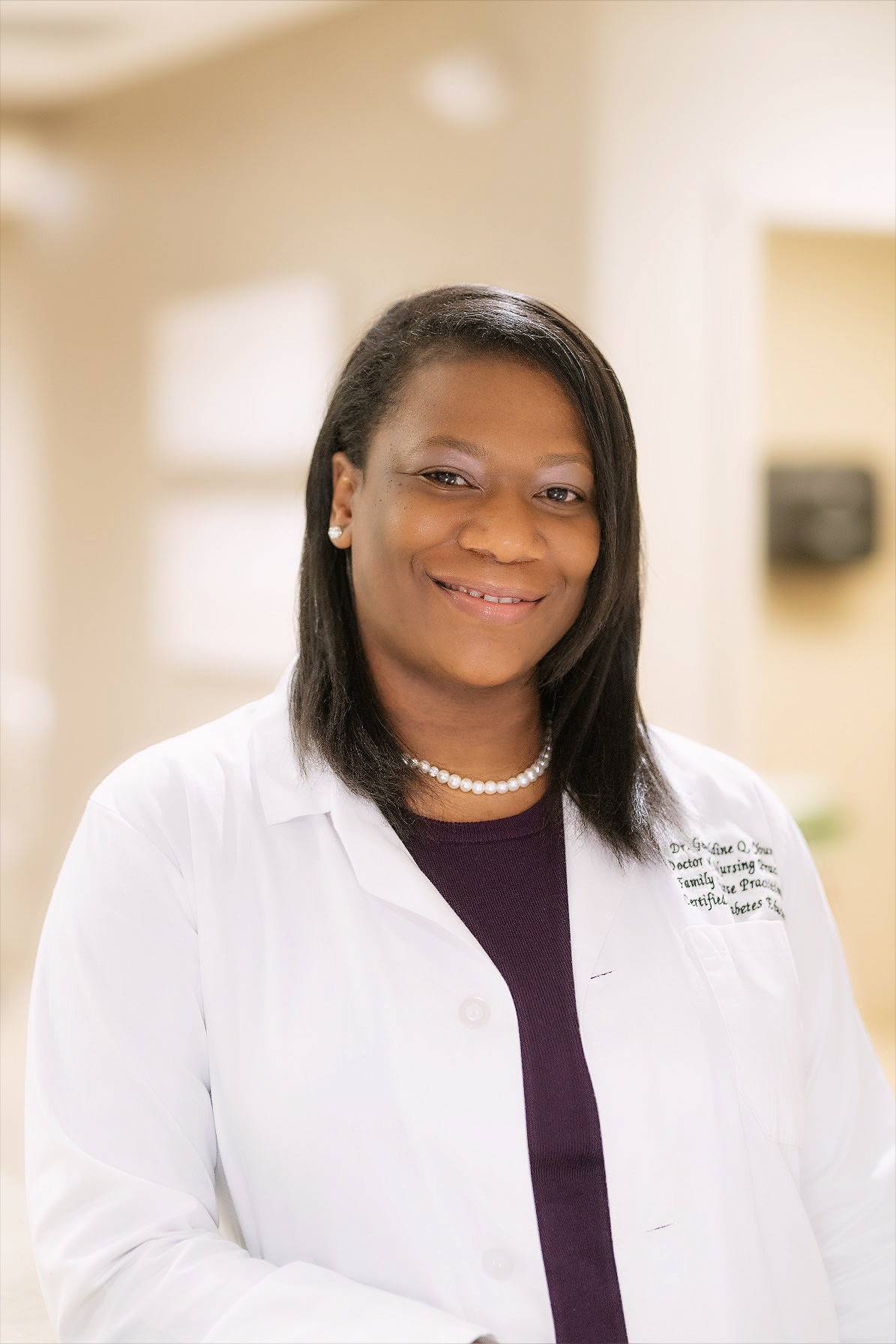
    Dr. Geraldine Young holds a Doctor of Nursing Practice (DNP) from the University of Alabama at Birmingham (2010), an MSN from Alcorn State University (2005), and a BSN from the University of Mississippi Medical Center (2001). Dr. Young is a board-certified family nurse practitioner (FNP) (2005). She is also a certified diabetes educator (2011). She has performed an abundance of leadership, scholarship, service, practice, and educational activities over the course of her career. Her service in the nursing profession spans over 19 years (5 years-registered nurse, 14-FNP, 12-preceptor and mentor, 9-faculty, and 5-family medical practice owner), with proof of a dedicated life to nursing. Educating nursing professionals is a priority for Dr. Young as she continues life fulfilling endeavors to contribute to the ongoing growth of the profession. Advocating for faculty and student competencies is one of her greatest contributions to academia. Dr. Young is a Leadership Fellow and newly elected Board Member at Large for the National Organization of Nurse Practitioner Faculties (NONPF) and a Fellow of the American Association of Nurse Practitioners (FAANP). She has been deemed a content expert for one of the leading credentialing bodies for NPs, American Nurses Credentialing Center (ANCC). She serves on an array of national committees to advance NP education, including the NONPF Curricular Leadership Committee (co-chair) and Conference Committee. She is also a member of the American Association of Colleges of Nursing Essentials Task Force.

    As a member of the Essentials Task Force, Dr. Young is ensuring cultural diversity and inclusion are at the forefront of nursing education to address the health disparities and inequities that exist in our nation. She has effectively delivered models of clinical practice to improve the outcomes of underserved and minority populations with diabetes in conjunction with the Health Resources and Services Administration (HRSA) and the Centers for Medicare and Medicaid (CMS). She is passionate and outcomes-driven with regard to her diversity and inclusion endeavors. Dr. Young is enthused to continue on the trajectory of building a diverse and inclusive healthcare delivery system by taking on the role, Chief Diversity and Inclusion Officer at Frontier Nursing University.

  • Alumni Spotlight: Nurse-Midwife Iniko Sallee Earning DNP To Educate

    Alumni Spotlight: Nurse-Midwife Iniko Sallee Earning DNP To Educate

    Certified nurse-midwife (CNM) Iniko Sallee became a nurse-midwife to build deeper relationships with her patients, and now she is completing her Doctor of Nursing Practice (DNP) to educate others following in her footsteps.

    Iniko graduated from Frontier Nursing University (FNU) in 2018 with her Master of Science in Nursing (MSN) degree (Class 148) with a specialty in nurse-midwifery. Prior to earning her MSN, she worked as a labor and delivery staff and charge nurse for 17 years. 

    “While I thoroughly enjoyed working with expectant moms and families as a nurse, I knew I wanted to develop deeper relationships with my patients before, during and after pregnancy,” said Iniko. 

    “I wanted to have more say in helping women and families formulate their birth preferences and assisting them in the reaching of their goals, and I wanted to catch babies.”

    Iniko also has experience teaching, and she is currently enrolled in FNU’s DNP program to allow her to educate at a higher level. 

    “I have had the opportunity to educate through childbirth classes, as a nurse leader and as adjunct faculty for a nursing university. I have had wonderful teachers in my life who have assisted me through my education, and obtaining my DNP is a step toward educating practitioners in the future,” she said.

    Her DNP studies have also paid off in her current role as a CNM at Baptist Health Lexington in Lexington, Ky. 

    “As a part of a quality improvement project for my DNP, I recently implemented a new process for educating, assessing and providing treatment and follow-up for perinatal depression and anxiety.”

    FNU was an easy choice for Iniko due to its reputation, history and distance learning format. She said, “Frontier has a wonderful reputation and ranking in the nursing community. It has a rich history and great success rate in developing nurse-midwives and nurse practitioners. Being a part of a university and community birthed in Kentucky was a big draw for me, even while pursuing my degrees online worked best for me and my family.”

    Iniko credits the FNU network with enhancing not only her studies but also her career. “Going from a nurse to a practitioner was a big step, and I have felt so supported through the transition. As a practicing nurse-midwife, I continue to network with current Frontier students, faculty and alumni.”

    We are proud of Iniko for furthering her education not only to offer a deeper level of care to her patients, but also to pass her knowledge on by educating future nurse-midwives and nurse practitioners.

    To find out more about any of FNU’s programs and offerings, visit Frontier.edu.


    What is a Certified Nurse-Midwife (CNM)? 

    Certified Nurse-Midwives (CNMs) are educated in two disciplines: midwifery and nursing. They earn graduate degrees, complete a midwifery education program accredited by the Accreditation Commission for Midwifery Education (ACME), and pass a national certification examination administered by the American Midwifery Certification Board (AMCB) to receive the professional designation of CNM. Certified Midwives (CMs) are educated in the discipline of midwifery. They earn graduate degrees, meet health and science education requirements, complete a midwifery education program accredited by ACME, and pass the same national certification examination as CNMs to receive the professional designation of CM.


  • COVID-19 Front Lines: Jean Volm Relocates to New Jersey Hot Spot

    COVID-19 Front Lines: Jean Volm Relocates to New Jersey Hot Spot

    The Frontier community is proud to have students and alumni serving on the front lines of the COVID-19 pandemic. Throughout the next few weeks, we are committed to sharing their stories in order to provide insight, hope and encouragement. Thank you to all the health care workers who are risking their own well-being daily to serve our nation. Click here to read more stories of courage and dedication. 

    The images of firefighters and other first responders running into the Twin Towers on 9/11 are indelible. Risking one’s own health and safety to help others is truly heroic. During the COVID-19 pandemic, we are once again seeing amazing examples of sacrifice, particularly among healthcare providers who willingly enter the fray every day. 

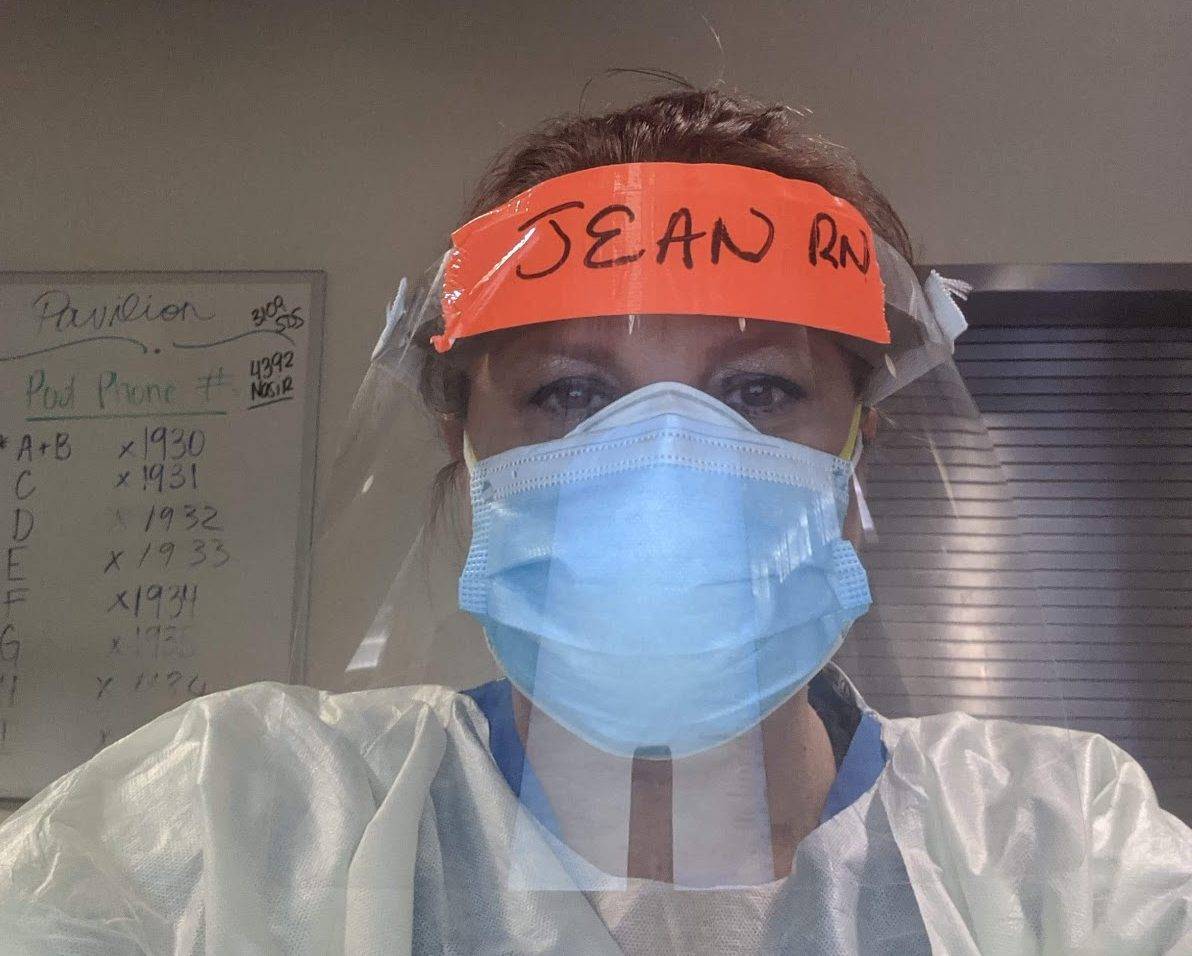
    That is what Frontier Nursing University (FNU) alumna Jean Volm, MSN, FNP, Bridge 150, did recently. She was working as a nurse practitioner in pain management at an orthopedic clinic in her home state of Wisconsin. The pandemic restricted the number of patients at the clinic and Jean was let go. As she started looking for other full-time work, Jean also researched travel nursing options. Understanding that New York and New Jersey were COVID-19 hotspots, that’s where she looked first. Within about a week of losing her position at the clinic, Jean was on her way to Hackensack, New Jersey.

    “At the time I was let go, New York and New Jersey were — and still are — hot spots of the pandemic,” she said. “They were desperately seeking RNs to help so I started looking at travel nursing assignments in those areas. Ultimately, I was contacted by a recruiter regarding an eight-week, 48-hours per week RN assignment at Hackensack University Medical Center. I arrived here on April 15 and started working 12-hour night shifts on April 16.”

    Jean, who works in the medical, surgical and telehealth units, humbly said that “the real heroes are the nurses working in the ERs and ICUs.” But that does not minimize Jean’s own brave efforts as she works in several COVID units, including the hospital cafeteria that has been converted into a 74-bed COVID unit.

    Her sacrifice includes leaving her family behind in Wisconsin, including her 22-year-old daughter and 16-year-old son. “My kids and my ex-husband have been super supportive throughout this entire process,” Jean said. “I would not have been able to do this without them as well as the amazing support from my dear friends.”

    Via the travel nursing agency, Jean received a stipend to cover her airfare. She also receives a non-taxable weekly stipend for food and housing at a local hotel. Her contract, which may be canceled early if enough staff are available, is scheduled to run through June 6 and she already has a flight scheduled to return to Wisconsin. From there, she will continue her search for her next opportunity — a full-time position, she hopes — and for another chance to help those in need. 


  • Winter Term Circle of Caring Award Winners Announced

    Winter Term Circle of Caring Award Winners Announced

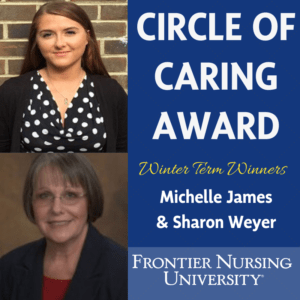
    Frontier Nursing University (FNU) is proud to announce our faculty and staff winners of the Winter term 2020 Circle of Caring Award: Sharon Weyer and Michelle Janes.

    The Circle of Caring Award is given to recognize FNU faculty and staff members who go above and beyond in upholding our mission and contributing to our Culture of Caring

    Nominations for this award were submitted anonymously by faculty and staff. A committee then voted on each nomination based on the following Culture of Caring characteristics: professionalism, mutual support, respect, positive communication and inclusivity.

    Here is what her nominee had to say about faculty winner Sharon Weyer, DNP, APRN, FNP-C: 

    As a valued member of the Bridge team, Sharon Weyer has always exhibited the Culture of Caring principles. For the spring term Bridge Bound and Crossing, she went above the expectations of her role when another faculty member’s child became ill just before she was scheduled to travel to Hyden. At about 7 am, Sharon learned of the child’s illness and volunteered without hesitation to come to campus in the faculty member’s place.  Sharon hurriedly made travel arrangements and arrived on campus in time to participate in the welcome session that evening. 

    Throughout Bridge Bound and Crossing, Sharon readily participated and led the sessions to which she was assigned and shared her expertise, caring and passion with our students. The faculty member was able to stay home and take care of her young child thanks to Sharon’s helpfulness, sensitivity, thoughtfulness, respect and professionalism. Sharon is a valued member of the Bridge faculty and FNU community who exemplifies the Culture of Caring principles. 

    In response to learning of her nomination, Sharon said, “Thank you for the nomination for the Circle of Caring award. I was able to cover at the last minute at Bridge Bound/Crossing the Bridge so a faculty member could stay home with an ill family member. Attending Bridge Bound in March with the final admitted Bridge class provided me with several blessings. I was able to support my colleagues at Bound, so they had full staffing. The faculty at Bridge Bound were very supportive, offering to share anything I might have forgotten to pack during my last-minute packing. I met the new students face to face beginning their journey at Frontier to become advanced practice registered nurses. During the Journey to the Frontier sessions, I witnessed the bond-forming with the new group of students as they shared the amazing stories of their heartwarming and destined journey to Frontier.”

    Nominations for staff member Michelle Janes included the following:

    Michelle genuinely is a light in our office!  She thinks of ways to encourage others!  Often her lunchtime trips to the Dollar Tree end with a thoughtful gesture!  Most recently, she gave each of us a little hand sanitizer for our desk.  We’ve all been a little overwhelmed with the COVID-19 news but, Michelle thinks of her co-workers and others! She shared with the entire Versailles Campus this website: https://lovefortheelderly.org/letters, an organization dedicated to sending uplifting letters to our elderly population. Michelle is hoping to share the love with them during the “social distancing” time on our campus and in our nation.   She’s offered to share her own stock of cards to send letters.  Her sensitive and caring spirit inspires each of us and reminds us to show kindness-even in difficult times! 

    When she found out she would be receiving the award, Michelle said, “It’s so sweet to receive this award. It’s much appreciated.”

    Thank you to Sharon and Michelle for contributing to FNU’s Culture of Caring every day! We encourage everyone to keep the nominations coming and remind you to send a Culture of Caring card to personally thank your nominee. Please feel free to start submitting nominations for summer term! Click here to make your nomination.


Request Information Apply Give Now