Frontier Nursing University All-Access Podcast, Episode 5 Transcript
Why the DNP Degree?
Please enjoy this transcript of the Frontier Nursing University All-Access Podcast! This podcast provides a closer look at Frontier Nursing University through lively and entertaining discussions with a wide variety of guests and topics.
[music]
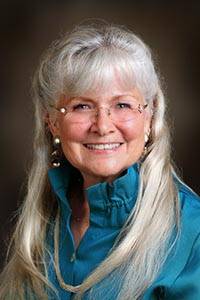
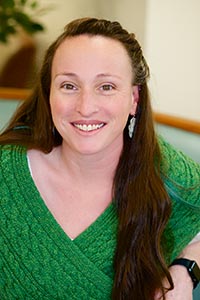
Angela Bailey: Hello and welcome to the Frontier Nursing University All-Access podcast. I’m Angela Bailey, Chief Advancement Officer and your host for this adventure. I’d like to welcome you all to the on-call lounge here on the Frontier Nursing University Campus in beautiful Versailles, Kentucky. Within this inaugural season, we give you an all-access pass to dive deeper into Frontier Nursing University and all the individuals who are making a daily difference in advanced practice nursing, midwifery, education, and healthcare across the country. Today, it is my pleasure to welcome Dr. Khara’ Jefferson and Dr. Diana Jolles to the on-call lounge. Thank you both so much for joining us today.
Dr. Khara’ Jefferson: Thank you for having us.
Angela Bailey: My pleasure. Now, you guys are both new to the on-call lounge, so I wonder if I could get you to please introduce yourselves and tell our listeners what role you play at Frontier.
Dr. Khara’ Jefferson: My name is Dr. Khara’ Jefferson and I am the current DNP program director. I have been at Frontier Nursing University for four years. I started off in the DNP clinical as one of the faculty. Prior to this current role of DNP director, I was course coordinator of the dissemination course of the clinical series.
Dr. Diana Jolles: Hi, I’m Diana Jolles. I’m a nurse-midwife in Tucson, Arizona. I’m one of the DNP clinical faculty. I also teach for our master’s students who are becoming nurse-midwives.
Angela Bailey: Fantastic. Now, Khara’, where are you located?
Dr. Khara’ Jefferson: I’m from Louisiana. I have a house in Louisiana, but I also have a house in Georgia. That is where my husband and I reside, so I go back and forth.
Angela Bailey: Oh, nice. We have been educating our listeners on how our faculty and our students are all over the country. It’s always nice to say where folks are calling into the lounge or visiting the lounge from. It’s great to have you guys here. I appreciate you taking the time. In my role, sometimes I like to go visit our clinical bounds and pretend I’m a student, or visit our orientations. One of my favorite things that I have watched the faculty do at orientation is put the students around in a circle and have each student talk about their road to Frontier. I just thought it would be really interesting if you ladies wouldn’t mind sharing, what was your road to Frontier? How did you end up here?
Dr. Khara’ Jefferson: I can start.
Angela Bailey: Sure.
Dr. Khara’ Jefferson: I had a friend who I worked with who actually attended Frontier for her DNP. We worked together in Lafayette, Louisiana at an urgent care clinic. She was telling me, “I’m going back to get my DNP. You should really come. This is a great school. Everybody’s nice.” We were both teachers, both of us used to teach science in middle school prior to becoming a nurse. I was like, “Oh, well, if Amber says this is good for me,” because she’s like my sister kind of, “then this’ll be good for me.” I took the plunge and I did FNU’s post master’s DNP. I was DNP Class 21 and I enjoyed my entire experience so much so that I’ve never left since then.
Dr. Diana Jolles: I like to tell the story of how I came to Frontier because it’s very circular. It’s a funny story because it started with great resistance and rejection. Now I am here and won’t leave. About 25 years ago, I was-
[laughter]
-in my hometown, amazing midwife, Judy Parsley, who was the first midwife to ever get privileges in a hospital in Anne Arundel County, Maryland. She opened the first birth center in the county and she was an avid Frontier supporter and advocate. She always had midwifery students. She offered to send me to Frontier if I stayed there and worked, but it was the hometown I grew up in and I was only 18, 19 years old at the time.
I just had to spread my wings. I thought I needed to go to a brick-and-mortar school. Now 25 years ago, online programs weren’t as common. I’ve since throughout my education, through nursing, through my masters, and through my doctorate come to greatly appreciate the value and the importance of online education and really to trust its results. I came back after already having my doctorate to become faculty to really fall in love with Frontier and deeply appreciate its value in our country.
Angela Bailey: Wow. I love it. Do you guys know how I ended up at Frontier?
Dr. Diana Jolles: How did you wind up at Frontier?
Angela Bailey: I’m glad you asked. [laughs] My family is originally from Leslie County. My grandmother grew up on Cutshin, which is not far from where our campus used to be when we were in Eastern Kentucky. The majority of my older family members were delivered by Frontier nurse-midwives. I always knew about Frontier, but it wasn’t until my children both went to college and I decided that it was time for mom to take the plunge as well that I went back to school at 40, which is a whole other thing. Right after I graduated, there was a position open at Frontier.
For me, it was like coming home and getting to take all of those wonderful memories from my childhood of visiting that community and hearing about the nurses, and hopefully, spreading that message to the world and helping provide more primary care providers across the country. Listeners, if you hear the Eastern Kentucky in my voice, that’s what it is from the home of Frontier Nursing. [laughs]
It’s really inspirational and I thank you both for sharing. It’s one of my favorite things to hear how people from so many different cultures, backgrounds, and lifestyles end up at this, I like to call it, the little university that could and is no longer little.
I think 10 years ago, we had 200 students and now we’re over 2,500. It’s amazing the growth and the wonderful people who have made that happen, like the two of you. Anyway, I guess I should just quit carrying on. Let’s always talk about some stuff so that our listeners can figure out whether or not the DNP is for them and what the program is. Can you guys tell me a little bit about what the Doctor of Nursing Practice degree is and why nurses should consider pursuing this degree?
Dr. Diana Jolles: The Doctor of Nursing Practice started in 2006 in our country. It’s a relatively new degree. But I’m really proud. I think the DNP program at Frontier is an example of why Frontier is unique. We are so micro-focused on producing nurse educators and a high-quality primary care workforce. The essentials of the degree relate to making sure that the population that you’re serving is receiving evidence-based practice and is receiving the highest level of care. We know it takes over 17 years to implement research into practice. In many examples, it takes longer.
This degree specializes in preparing people to make change in their community and to serve the needs of the people, which is very, very complicated. Our program is designed to help mentor, support, nurture, and really build resilience and grit so that people have the skills and the tools to make the changes that need to happen in this healthcare environment that we know is so broken.
Dr. Khara’ Jefferson: I think you said something that was really critical there. It’s that people can have the clinical tools to do what is necessary. When people come to Frontier to get their Doctor of Nursing Practice degree, the expectation is not to fix the world. Our expectation is to just teach you the process so that you can take that process and put it to any other problem you see in your environment. I think that’s what makes us really special.
Angela Bailey: When you talk about teaching the process, that makes me think about the community projects or– what’s the technical term ladies? Help me out here.
Dr. Diana Jolles: The DNP clinical projects.
Angela Bailey: The DNP clinical projects. I’ve been fortunate enough to sit in on some of those. What I was so impressed by is that they are specific to their own communities and meeting a need in their communities. Is that something that is typical in a DNP program or is it something that’s unique to Frontier?
Dr. Diana Jolles: It is a requirement for a DNP program that it’s teaching students to implement change in clinical settings. I happen to believe that Frontier has been able to operationalize it and do it better than a lot of universities, which unfortunately experience inertia or a lot of barriers to being able to effectively do it. We specialize in the primary care workforce and have a lot of students who are in rural settings. One of the nice things, when you come to Frontier as a student, is you’re exposed to people from all over the country and really, in the DNP, we even have international students.
You really are ready. The pool of students is going to be a pool of people who are change agents because they’ve had to start rural practices or maintain rural practices. They’re people who are used to doing more with less. We are starting with a unique population and then our curriculum is uniquely designed to affect change and to support people to be most effective.
Dr. Khara’ Jefferson: I also think that when we speak about community, it’s also important to define what community actually means. They’re doing it for the larger community that they live in, but the unique thing for our students is that probably 98% of them are actually doing their project at the place where they work. They know the inherent problems that they see every day, they know what’s not standardized and what actually should be, they know that these national organizations put out these guidelines and they should be following them to treat these primary care conditions but they’re not often seen.
We have the other set of the population where they’re unable to necessarily do their project in their site but they are able to still go and volunteer and it may still be where they work, but in a different capacity. Maybe it’s a different unit of the hospital. By them getting in touch with the quality department and the key stakeholders, they are able to really narrow in on what is needed, not just something that they’re passionate about, but something that can truly drive change in impact care.
Angela Bailey: Wow. Yes. The presentations that I have watched, I watched one on diabetes education and monitoring diabetes within the practice. That just blew me away, especially with family members who are diabetic. Understanding that there are more things that we can do and that our providers can help us with, it was very educational. I was so impressed at the level and breadth of knowledge of these DNP students. It’s very impressive. Now, has the pandemic changed how the DNP presentations are done? Their projects? Has that changed at all?
Dr. Khara’ Jefferson: It changed briefly for one term, maybe two, but everything has pretty much been the same. What we used to do in the dissemination course was we had the students present to the stakeholders to the site, because after all, they didn’t do this project for Frontier Nursing University. No, they did it for their patients, their providers, their community. The only difference is, instead of having those presentations on-site, they actually moved, for most people, to Zoom.
It has been fabulous having people there and unmute and really our facilitated discussions, in my opinion, aren’t the actual best part of the project, because they’re going through all of the steps and the results they achieved, but actually hearing them discuss what they did with other people who may be interested or people who were involved and now want to take it a step further, that whole sustainability piece is really the part that I love.
Angela Bailey: Fantastic. I think that we have all struggled a little bit to maintain during the pandemic and it was a beautiful thing to watch all of our faculty pivot to make sure that our students didn’t miss a beat and that they were able to continue with their educational programs. Kudos to you guys. I know that there’s many DNP programs out there. What sets Frontier’s DNP program apart from others?
Dr. Diana Jolles: I think the first thing that sets the program apart is that we’re a university that focuses only on educating the primary care workforce of advanced practice providers, nurse-midwives, and psych NPs. Whereas other universities compete with other departments of engineering, mathematics, other departments in large nursing schools, we’re able to invest all of our resources into a very clear and defined focus. The faculty are here to focus on teaching students, we’re not split with diverse pressures. I don’t have to write grants, there’s no pressure for me to do other activities. That is very unique.
We’re also very committed, we have been an anti-racist organization before the word even existed. Our mission since our inception was always diversifying the workforce. We’re the first online university before the internet existed, we did distance learning, so we do distance learning right. I think I’m exceptionally proud of that across all of our programs. Then the DNP is no exception. Our commitment to students and diversity includes our determination to ensure that this is an affordable program. That’s been crucial. As far as I know, it is the most affordable program in the United States. I don’t Google that all the time, but it is. I know that we’re very competitive and determined to ensure that we’re supporting our students in that way.
Dr. Khara’ Jefferson: I would also add that I think that one of the other things that makes Frontier unique are our Bounds. I think, Angie, you mentioned the Bound sessions earlier, but our Bound sessions, whether they’re in person or had to be moved virtually due to COVID, they are a real opportunity to find your support. You come in not knowing, for most people, anyone in your group, but at the end of our program, because we have so many live sessions built-in, you really do form a real good social network. That level of support, I think, is unique and you don’t get that at many other programs.
I have students who tell me, “I am still in touch with people that I went to Bound with 10 years ago, 15 years ago.” My DNP class, we still are friends on Facebook. There’s a whole bunch of things, like we still ask about each other’s lives. That’s an experience that I don’t think that you’re going to get at too many places, even though half the time, by the time these people have met, they have graduated, they’ve only met one time and that was during Bound actually in-person if they had it on campus.
Angela Bailey: If this is the first podcast that you’re tuning into, when we talk about Bounds, what we’re talking about is an orientation at the beginning of the student’s educational career that we call Frontier Bound because you’re on your way to the Frontier experience. During that Bound, students get to meet each other, they meet their instructors. They figure out what the culture is and how this whole program works and most importantly, they build those lifelong connections. I also work very closely with our alumni and I can tell you that we have alumni from different programs, NP, midwife, that met during their Frontier Bound and they are still lifelong friends and all over the country.
Then the second Bound that we have is called Clinical Bound and it’s really a clinical skills intensive in which students come to campus and they learn those necessary skills before going into their clinical practicum or preceptorship. For instance, our students will learn to do suturing on sponges, and then later on cow tongues, which is way fun to watch, by the way. They do practice exams and physical assessments. The midwifery students catch babies from a very realistic model. It’s a wonderful experience and it is that community building. Diana, weren’t you involved in the quality improvement project at Frontier that was around the community of inquiry that really did even more extensive work on that sense of community within the institution?
Dr. Diana Jolles: I was. We were talking about what makes Frontier unique. I was thinking about this earlier today. We so believe in what we teach that when it comes to any type of question or issue we have with regard to our curriculum or the way we’re teaching things, we run rapid cycle quality improvement processes. We do root cause analyses. We’re really walking the walk and doing what we believe in and what we know how to do. That’s a good example.
Angela Bailey: I loved what you girls were saying about keeping the tuition low and being a single-purpose institution. Some people might not be aware that Frontier actually created the Family Nurse Practitioner profession, the very first FNP program was at Frontier. Yes, we did start doing distance education prior to the advent of the internet. One of my favorite things about Frontier is that we are not a brick-and-mortar school, who decided to get into the online education game. We pioneered it, we created it. Our staff and our faculty are experts at online education and how to make it work for all of our students and make sure that they feel connected to the community. It’s pretty beautiful to watch. You guys are amazing.
Dr. Diana Jolles: We’re lucky to be here, that’s for sure.
Angela Bailey: What else? Is there–
Dr. Diana Jolles: We talk about affordability. We have a variety of programs of study in the Doctor of Nursing Practice program for the companion students. They’re students that have gone through our master’s program. They could finish if focused full time in a nine-month time period after their master’s degree because they’ve already taken a number of our doctorate-level courses. For our post-master’s students, the program of study is 15 months to 18 months. That said, there is variety, our commitment to meeting the individualized needs of students.
We very much believe in structure because it’s important for progress. It’s important to follow accreditation standards, and we have expert educators who’ve put together the curriculum in such a way that it’s– The different classes are paired together properly so your learning objectives are happening the way they need to. I think it’s that timeline too, is part of what makes us effective and efficient and very committed to meeting the students where they’re at. If they have life demands – COVID has thrown a wrench in many people’s families, in their work lives, in homeschooling – we’ve been able to modify programs of study to meet the needs while continuing to graduate the workforce.
Dr. Khara’ Jefferson: It’s also important to note that the companion DNP program, they must complete 21 credits and the post-masters DNP must complete 30 credits. You have two and a half years. Even though we’re saying your plan of study is for 12 months or 15 or 18 months, we do provide some grace because, like you said, life happens and it happens to each and every one of us. There’s no sense in setting unrealistic expectations. Whether someone is working full-time or working part-time, the DNP is a great option here.
Angela Bailey: If you decide that life has happened and you need to take a semester off, I know at some institutions you might have to wait two or three semesters before you can pick up a course because they’re not offered every term. Is that the case for our DNP program?
Dr. Khara’ Jefferson: Absolutely not. I think that might be another unique thing. We’re probably up to five or six things right now, but Frontier offers every class, every single term. If someone does have to take an academic hiatus, which is a break from one of our 11-week terms, then it’s fine. You can have up to two academic hiatus in your plan.
Dr. Diana Jolles: I thought of another, really three very unique important pieces to Frontier that I really think make Frontier stand out. There are three departments that we have, the clinical credentialing department, the academic advising department, and our IT department. I believe that this cannot possibly exist anywhere else in the United States. I have had exposure to other universities. Our clinical credentialing department is actively credentialing thousands of sites across the United States and internationally. Our IT department is available not just to faculty but to students every day across different time zones.
I just can’t say with enough passion how kind they are. They could teach me to do the same thing on a computer five times a year, do it with a smile, never make fun of me. I would leave feeling like it’s okay. [laughs] We’re really lucky.
Angela Bailey: I agree. [laughs] I do have one more question, particularly for students who may be a midwife, why would a midwife want to do a DNP instead of a doctor of midwifery.
Dr. Diana Jolles: For our nurse-midwives who are looking at different doctoral programs, one of the advantages to a DNP is that it specifically sets you up to be a change agent and a leader. The core competencies are focused on implementing evidence and leadership in practice. We know that obstetrics is one of the least evidence-based practice disciplines in the United States. It’s a very hard workforce for midwives. We know that the midwifery workforce can suffer from higher than average degree of burnout because of the occupational stress that happens within the practice environment related to interprofessional stress, stress between nurses and doctors.
We know where we’re headed. The next 10 years are going to be very important for the field of nurse-midwifery and midwifery in the United States. The DNP is specifically focused at giving nurse-midwives skills to lead change, which is very hard. That’s different than some of the other skills related to research or practice in teaching environments. It’s micro-focused on going into clinical settings and being the leader.
Dr. Khara’ Jefferson: In other words, it’s more versatile. Because they have a wider range of skill sets, I believe, than if they were to just get a doctor of midwifery.
Angela Bailey: It’s interesting because so many of our graduates are doing just exactly what you guys are describing. I get notifications of graduates opening their own practices, breaking down barriers, and having practices in hospitals that had never allowed nurse-midwives there before. That change agent is just so evident to me every day.
Dr. Diana Jolles: I just had a conversation yesterday with a student who just got a new job in a huge city. She had come from a more rural environment and she said, “You know why they hired me, because there were many applicants that were qualified? They told me they hired me because of my DNP project and the change that I was able to make.” I think it’s so true over and over and over again you see people who are attracted to the idea of getting a doctorate most often because it diversifies your employment opportunities, it allows you to teach at the master’s level. It’s essential to have if you’re going to want to be a nurse educator.
What you hear are all of the examples of how I had no idea this would change my life in this way, the opportunities it afforded me, the job security. It might not lead immediately to a raise in your current clinical job. What it leads to is a variety of different professional opportunities to get onto different health policy committees, which ultimately, one after another, leads you to a different job or a new job and greater economic potential.
Dr. Khara’ Jefferson: I would also add that I have seen something similar but in a different way in thinking of one of my students. She went in for her DNP clinical project, the quality improvement department approved it, but the physicians were dead set against it. They were like, “You’re just a nurse. You’re just a nurse practitioner, how could you possibly change the way this is done?” She wanted to quit. She wanted to quit many, many times but she kept saying, “No, this is a real need for our patients. We need to change the way that we do things. We need to change the way that we document things. Even more than that, we need to make sure that patients are truly engaged in their care. We’re not just going to keep educating them because we’ve done that. We’ve been educating them. What we really need is something that the patients can understand and we figure out what they want so we can impact change.”
By the time she actually held her final DNP presentation, they were so impressed at the amount of work that she had done to improve those outcomes that her project, actually the people who were like, “No we don’t want it,” they changed their mind and they’re like, “This was so great. We now need you to present it to the whole hospital.” The entire hospital adopted everything and the hospital had sister hospitals, so it was spread throughout the entire system.
She started off as someone who was passionate about something, there was so much doubt, but she persevered and she became a leader. She never thought that that was her role, but through this process, that’s what she gained. The growth was amazing.
Angela Bailey: Wow. If I were to sum it up, you need your DNP because it is going to give you more opportunity for your career and more flexibility in your life and career, but it will also help you to be a change agent and make an even greater difference in your own communities. That is the other thing that we love about Frontier, is that we know that students who are educated in their home communities are more likely to stay there. It just gives me cold chills to hear you guys talk about these projects and know that this is changing the lives of countless families across the country. Go, ladies. You’re my role models. You are my heroes. [laughs]
Dr. Diana Jolles: Thank you.
[laughter]
Dr. Diana Jolles: We are blessed to be doing this. It is a thrill to work with each and every student and each and every local community. It’s the best job.
Angela Bailey: I would have to agree. I absolutely love it. Is there anything else that you guys would like to share about the DNP, or about Frontier?
Dr. Diana Jolles: One of the things about quality improvement that I like, specifically related to the DNP projects is, this happens every term, but the term I’m thinking of, we had a student at Yale implementing in a hospital, that was one of the Yale hospitals, and that was a midwife. We had a student on a cardiac unit at Stanford, another student in rural Alaska and someone in suburban Nebraska. The funny thing is that as much as the people struggle, you can imagine that a hospital like Yale has a lot of resources and a huge quality improvement department, and then our students in rural settings have fewer resources, but in the end, they come together, they support each other, they learn from each other, and the challenges they have are the same. It’s always human resources, staff not wanting to do or engage. It’s kind of fun and very predictable. I would say, you can’t go wrong with the Frontier DNP. I can’t say enough good about it.
Angela Bailey: Awesome. Khara’, would you like to share anything else?
Dr. Khara’ Jefferson: I think it’s just about being open and being curious. It doesn’t matter if you come here and you’re like, “There have probably been 100 people who have done diabetes projects.” There have been over 100 people who have done diabetes projects, but the one thing that I can guarantee you is no two diabetic projects are exactly the same because even though people share some of the same problems, their sites are very unique. It’s just amazing to watch people sit back and say, “You know what, I’m not actually working in a diabetic setting, I’m actually a midwife or a women’s health nurse practitioner, and I don’t really deal in my role now, I don’t deal with diabetes, but I’ve worked on X, Y, Z problem, and I think that my knowledge of X, Y, Z can help you with this.” It’s the collaboration I think that really ties everything together.
You don’t just leave Frontier Nursing University with a DNP degree, you leave it with your DNP degree, quality improvement skills, new friends, and a whole community of support. If we had to sum it up, that is what it is. You leave with so much more than what you came with, or even that you anticipated that you would leave with.
Angela Bailey: That support I think is so incredibly important. It’s not, again, just from our amazing faculty, but it’s that support of over 8,000 alumni across this country and their fellow students. A lot of times, I will hear from admissions that somebody who’s interested in attending Frontier would like to talk to a grad. All I have to do is reach out to our alumni and within minutes, somebody is saying, “Hey, send me their phone number, I’d be happy to call and talk to them.” That’s never failed to be the case. No matter where I go in this country, I can find a Frontier grad, and they are always, “Oh, did you meet this person?” They’re still connected to everybody else. We’re a big community.
Ladies, I am so proud that you are a part of our community, and of the work that you guys are doing, and that you’re doing with our students and graduates, so thank you. I’m going to have you back again because I think that you guys are involved in some other things outside the university and inside the university that are really interesting that we will need to talk about again, but I certainly appreciate you being here today and welcome back anytime.
Dr. Khara’ Jefferson: Thank you.
Angela Bailey: You’re very welcome. To our listeners, we want to thank all of you for joining Frontier Nursing University All Access. We hope that you have enjoyed our conversation. If you would like to learn more about Frontier and how you can make a difference for mothers, babies, and families across the country, please visit our website at frontier.edu or reach out to me your All Access host at angela.bailey@frontier.edu. As always, if you have enjoyed this podcast, and we hope that you have, please remember to rate, review, and subscribe. Until next time, thanks for listening.
[music]
END
Enjoy the show?
Be sure to follow the Frontier Nursing University All-Access Podcast on Google Play, Apple Podcast, Spotify, or wherever you find your podcasts. Visit the FNU All-Access Podcast page here.
 Frontier Nursing University (FNU), located in Versailles, Ky., has the third-best Online Family Nurse Practitioner Master’s Program according to rankings compiled and released by U.S. News and World Report on January 25, 2022.
 “In the 1950s and 1960s the birth rate dropped and there were more treatments developed to treat chronic conditions. Frontier Nursing Service identified the need for nurses trained in primary care to provide services to the rural and underserved communities. Launching the FNP program was in alignment with FNU’s mission of educating nurses to meet the health care needs of rural and underserved communities.”
 Episode 5 of the
 Circle of Caring winners demonstrate FNU’s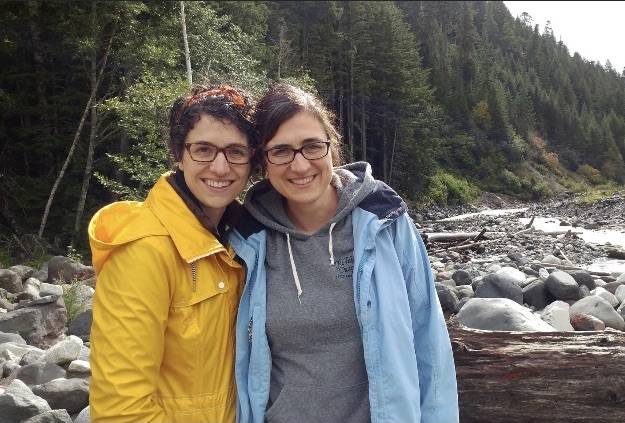
 At the heart of Frontier Nursing University is a talented and diverse community of students, alumni, faculty, staff, Couriers and preceptors. Spotlight blogs feature members of our FNU community who are focused on the mission of educating nurse-midwives and nurse practitioners to deliver quality healthcare to underserved and rural populations.


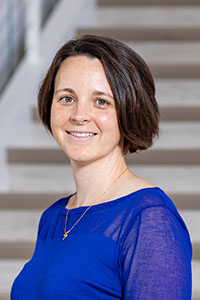
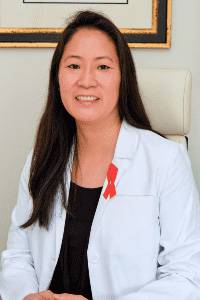 Carrie Belin is an experienced board-certified Family Nurse Practitioner and a graduate of the Johns Hopkins DNP program, Johns Hopkins Bloomberg School of Public Health, Georgetown University School of Nursing, and Johns Hopkins School of Nursing. She has also completed fellowships at Georgetown and the University of California Irvine.
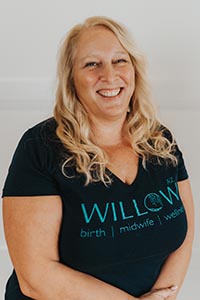
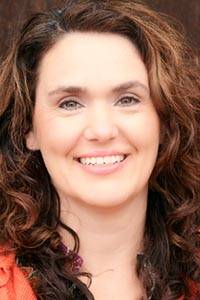 Angie has been a full-scope midwife since 2009. She has experience in various birth settings including home, hospital, and birth centers. She is committed to integrating the midwifery model of care in the US. She completed her master’s degree in nurse-midwifery at Frontier Nursing University (FNU) and her Doctorate at Johns Hopkins University. She currently serves as the midwifery clinical faculty at FNU. Angie is motivated by the desire to improve the quality of healthcare and has led quality improvement projects on skin-to-skin implementation, labor induction, and improving transfer of care practices between hospital and community midwives. In 2017, she created a short film on skin-to-skin called
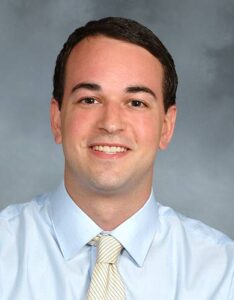
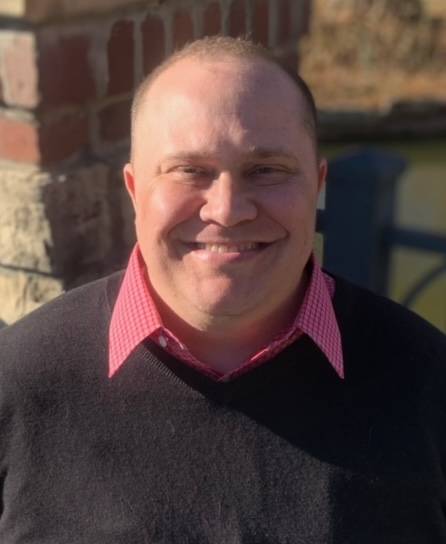 Justin C. Daily, BSN, RN, has ten years of experience in nursing. At the start of his nursing career, Justin worked as a floor nurse on the oncology floor at St. Francis. He then spent two years as the Director of Nursing in a small rural Kansas hospital before returning to St. Francis and the oncology unit. He has been in his current position as the Chemo Nurse Educator for the past four years. He earned an Associate in Nurse from Hutchinson Community College and a Bachelor of Science in Nursing from Bethel College.
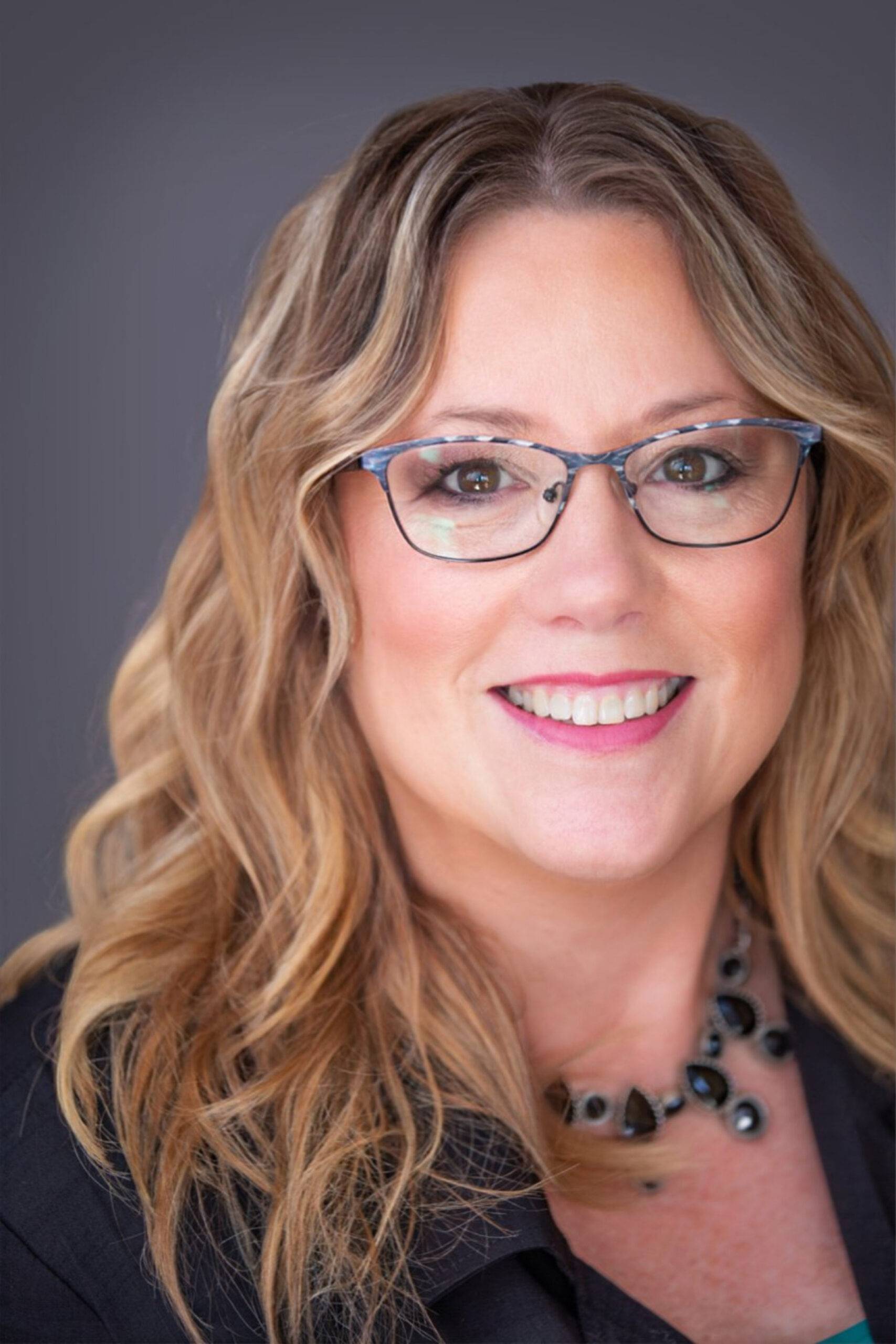 Brandy Jackson serves as the Director of Undergraduate Nursing Programs and Assistant Educator at Wichita State University and Co-Director of Access in Nursing. Brandy is a seasoned educator with over 15 years of experience. Before entering academia, Brandy served in Hospital-based leadership and Critical Care Staff nurse roles. Brandy is passionate about equity in nursing education with a focus on individuals with disabilities. Her current research interests include accommodations of nursing students with disabilities in clinical learning environments and breaking down barriers for historically unrepresented individuals to enter the nursing profession. Brandy is also actively engaged in Interprofessional Education development, creating IPE opportunities for faculty and students at Wichita State. Brandy is an active member of Wichita Women for Good and Soroptimist, with the goal to empower women and girls. Brandy is a TeamSTEPPS master trainer. She received the DASIY Award for Extraordinary Nursing Faculty in 2019 at Wichita State University.
  Dr. Sabrina Ali Jamal-Eddine is an Arab-disabled queer woman of color with a PhD in Nursing and an interdisciplinary certificate in Disability Ethics from the University of Illinois Chicago (UIC). Dr. Jamal-Eddine’s doctoral research explored spoken word poetry as a form of critical narrative pedagogy to educate nursing students about disability, ableism, and disability justice. Dr. Jamal-Eddine now serves as a Postdoctoral Research Associate in UIC’s Department of Disability and Human Development and serves on the Board of Directors of the National Organization of Nurses with Disabilities (NOND). During her doctoral program, Sabrina served as a Summer Fellow at a residential National Endowment of the Humanities (NEH) Summer Institute at Arizona State University (2023), a summer fellow at Andrew W. Mellon’s National Humanities Without Walls program at University of Michigan (2022), a Summer Research Fellow at UC Berkeley’s Othering & Belonging Institute (2021), and an Illinois Leadership Education in Neurodevelopmental and related Disabilities (LEND) trainee (2019-2020).
 Vanessa Cameron works for Vanderbilt University Medical Center in Nursing Education & Professional Development. She is also attending George Washington University and progressing towards a PhD in Nursing with an emphasis on ableism in nursing. After becoming disabled in April 2021, Vanessa’s worldview and perspective changed, and a recognition of the ableism present within healthcare and within the culture of nursing was apparent. She has been working since that time to provide educational foundations for nurses about disability and ableism, provide support for fellow disabled nursing colleagues, and advocate for the disabled community within healthcare settings to reduce disparities.
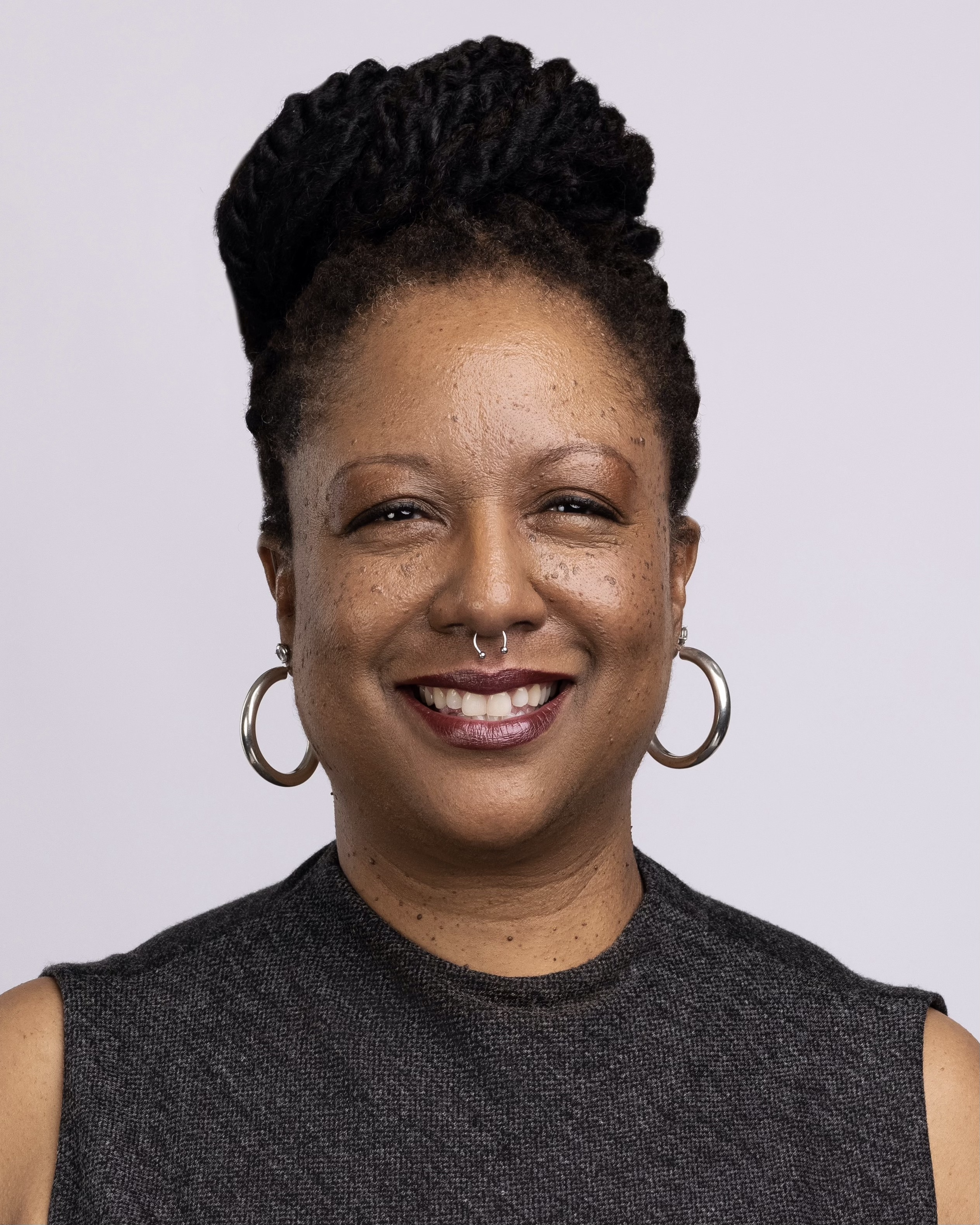 Dr. Lucinda Canty is a certified nurse-midwife, Associate Professor of Nursing, and Director of the Seedworks Health Equity in Nursing Program at the University of Massachusetts Amherst. She earned a bachelor’s degree in nursing from Columbia University, a master’s degree from Yale University, specializing in nurse-midwifery, and a PhD from the University of Connecticut. Dr. Canty has provided reproductive health care for over 29 years. Her research interests include the prevention of maternal mortality and severe maternal morbidity, reducing racial and ethnic health disparities in reproductive health, promoting diversity in nursing, and eliminating racism in nursing and midwifery.
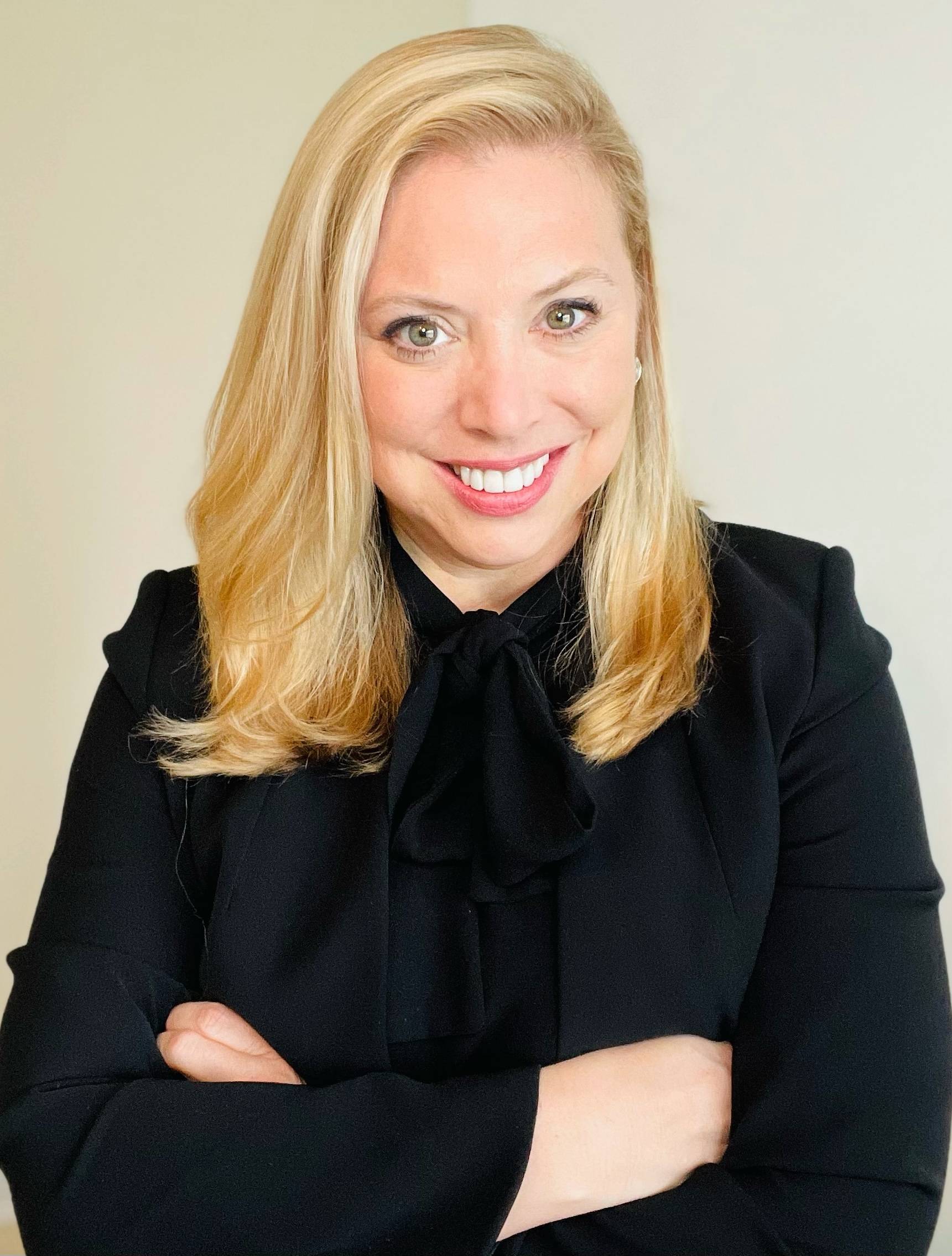 Dr. Lisa Meeks is a distinguished scholar and leader whose unwavering commitment to inclusivity and excellence has significantly influenced the landscape of health professions education and accessibility. She is the founder and executive director of the DocsWithDisabilities Initiative and holds appointments as an Associate Professor in the Departments of Learning Health Sciences and Family Medicine at the University of Michigan.
 Dr. Nikia Grayson, DNP, MSN, MPH, MA, CNM, FNP-C, FACNM (she/her) is a trailblazing force in reproductive justice, blending her expertise as a public health activist, anthropologist, and family nurse-midwife to champion the rights and health of underserved communities. Graduating with distinction from Howard University, Nikia holds a bachelor’s degree in communications and a master’s degree in public health. Her academic journey also led her to the University of Memphis, where she earned a master’s in medical anthropology, and the University of Tennessee, where she achieved both a master’s in nursing and a doctorate in nursing practice. Complementing her extensive education, she completed a post-master’s certificate in midwifery at Frontier Nursing University.
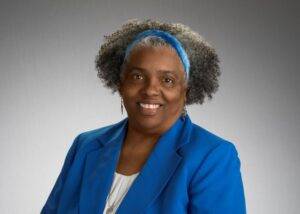
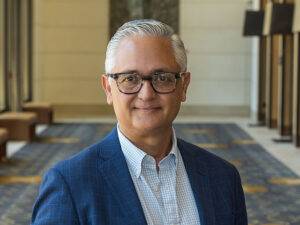
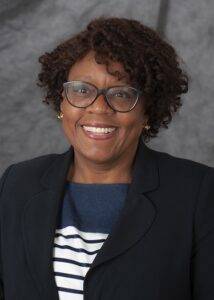
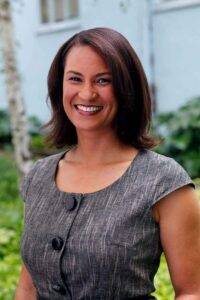

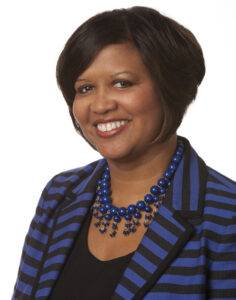 Dr. Tia Brown McNair is the Vice President in the Office of Diversity, Equity, and Student Success and Executive Director for the Truth, Racial Healing, and Transformation (TRHT) Campus Centers at the American Association of Colleges and Universities (AAC&U) in Washington, DC. She oversees both funded projects and AAC&U’s continuing programs on equity, inclusive excellence, high-impact practices, and student success. McNair directs AAC&U’s Summer Institutes on High-Impact Practices and Student Success, and TRHT Campus Centers and serves as the project director for several AAC&U initiatives, including the development of a TRHT-focused campus climate toolkit. She is the lead author of From Equity Talk to Equity Walk: Expanding Practitioner Knowledge for Racial Justice in Higher Education (January 2020) and Becoming a Student-Ready College: A New Culture of Leadership for Student Success (July 2016 and August 2022 Second edition).