
Frontier Nursing University All-Access Podcast, Episode 6 Transcript
What’s So Special About Birth Centers?
Please enjoy this transcript of the Frontier Nursing University All-Access Podcast! This podcast provides a closer look at Frontier Nursing University through lively and entertaining discussions with a wide variety of guests and topics.
[music]
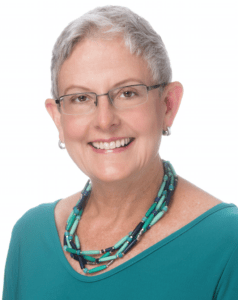
Angela: Hello and welcome to the Frontier Nursing University All-Access Podcast. I’m Angela Bailey, Chief Advancement Officer and your host for this adventure. I’d like to welcome you all to the on-call lounge here on the Frontier Nursing University campus in beautiful Versailles, Kentucky. Within this inaugural season, we give you an all-access pass to delve deeper into Frontier Nursing University and all of the individuals who are making a daily difference in advanced practice nursing, midwifery, education, and healthcare across the country. Welcome and today it is my pleasure to have Dr. Diana Jolles, Dr. Jill Alliman, and Kate Bauer in the studio.
Hi, ladies. Thanks for joining me today. I want to go around and let you guys each introduce yourself and tell us who you are and how you’re connected to Frontier. How about we start with Diana. This Diana’s second visit to the on-call lounge, so welcome back, Diana.
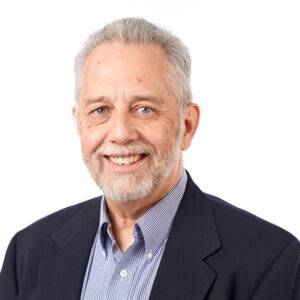
Diana: Thanks. It’s so great to be back here. My name’s Diana Jolles. I am a nurse-midwife working in Tucson, Arizona. I have been with Frontier as a faculty member since 2011. I’ve been working within the birth center model since I attended my very first birth in 1992 as an observer at the Baltimore Birth Center.
Angela: Jill, would you like to go next?
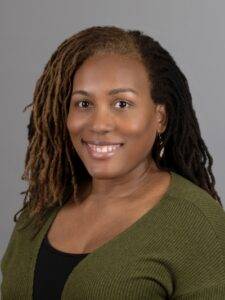
Jill: Sure. It’s great to be here Angie. I am a nurse-midwife as well and I worked in a birth center from 1986 through 2012 in a rural community in East Tennessee. That has been the bulk of my clinical time as a nurse-midwife. I started working at Frontier in 2016. I am also the government affairs person at American Association of Birth Centers. I’ve been very involved at American Association of Birth Centers (AABC) since probably the early 90s.
Angela: Thank you, Jill. Kate, would you like to tell us a little bit about you?
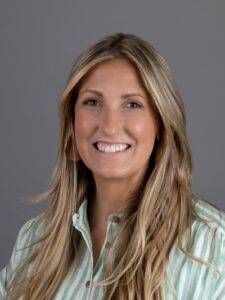
Kate: Sure. Hi everybody. I’m Kate Bauer. I am the Executive Director of the American Association of Birth Centers. While I’ve never directly worked for Frontier, I was part of the team that did the pilot program of the CNEP program here in Pennsylvania. AABC was one of the partner organizations. I’ve had a finger on the pulse of midwifery, so to speak, I think my whole life and my whole professional life have been working to support birth centers and birth center midwives.
Angela: Kate, you’re very accomplished in your own right but I could not go through this podcast without mentioning that you have a family member that is quite important to our Frontier Community.
Kate: As my husband would always say, she’s the rock star of the family.
[laughter]
Angela: Kate’s mother is Kitty Ernst, who, I’m sure all of our Frontier Community know and love. Ladies, thank you so much for being here today. It’s great to have so many different people at Frontier and involved with Frontier who are so accomplished not just in their everyday work whether that be delivering babies, whether that be helping to develop birth centers or teaching students, but people who are also very involved in research and advocacy. I know that the three of you along with some other folks recently published some very interesting research. Can you guys tell me a little bit about that?
Jill: I can start by talking a little bit about the strong start project. American Association of Birth Centers just had the opportunity to write a grant that was funded by CMS – the Centers for Medicare and Medicaid Services Federal Agency. The study was going to look at whether prenatal care with maybe some added enhanced features could impact preterm birth and other poor birth outcomes. One of the models we wanted to look at was birth centers. We said, “okay we’ve got to do this.” All the birth centers are really busy doing their thing, caring for people night and day. AABC just decided we would write the grant and convene as many birth centers as we could to participate in the project.
Angela: Who would like to tell me the title of your research that you have published and a little bit about how that process went?
Diana: This is Diana. We’re really proud of a number of articles that have come out as a result of this project. One of the most important articles that came out we’re not authors of, we’re just part of helping to create and ensure that all of our birth centers that were involved with this project entered data. One of our great prides is the fact that our birth center culture – and this dates back to Kitty Ernst’s vision of the importance of data collection, of course, which actually dates back to what Mary Breckinridge taught us – how important it is to keep your statistics not just to collect data but to analyze it to have your data inform practice. Our data was part of the national initiative which actually allowed the researchers at the Urban Institute, who were the evaluators of this national Strong Start project, to merge data, to match our data with public data in birth certificates and in Medicaid claims.
They were able to adjust for socio-demographic risk factors and medical risk factors to do a real comparative analysis. What I would say is the most important piece of research that’s come out on midwifery ever, but definitely in our lifetime. They were able to verify the findings that we have found and reported in our own data. We have had several articles published on the data that was produced just by the birth centers themselves. It’s really nice, though, to be able to compare to matched claims data and matched birth certificate data to show that the birth centers are leading to significantly improved outcomes. One of the most exciting things about this was the effect of the birth center was present if people got prenatal care there.
Even if they ultimately needed to or chose to give birth in a hospital setting, the outcomes were far-reaching and affected both mothers and babies, with many improvements, including decreased Cesarean birth rates, decreased preterm birth rates, and higher birth weight infants. There were fewer low birth weight infants – that, we know, has long-term life effects. The cost savings and the value was proven to be very significant. If this model were applied across the country we would have a much better-performing healthcare system at a lower cost.
Angela: That’s pretty amazing. Now some of our listeners may not understand how the birth center model is different than midwifery delivered in a hospital setting. Kate, can you talk to us a little bit about birth centers, why they’re different, and how they’re different?
Kate: Sure. I think one of the things when you think about midwifery and birth centers is that the birth center is really the midwives’ place, whereas the hospital is really designed to care for the sick and for physicians to provide the care, and the home is the mother’s place. The birth center really is a maxi-home rather than a mini-hospital. We take the best of the home and so everything is available to initiate emergency procedures if needed but it’s really the midwives’ place. The midwife is setting the tone for the practice. They’re in control. They don’t have an organization telling them what they can and cannot do in their practice as long as they are following the national standards for birth centers. It’s up to them how they want to provide the care. Midwives are really free to practice midwifery as midwifery is intended in the birth center.
Angela: That’s amazing. I had my children a long time ago, and there were no birth centers in this area, but I did have a midwife in the hospital. I can tell you that her attitude towards birth was much different than that of the OB. I know that some of our listeners may be very familiar with the midwifery model, but would one of you like to give a very short explanation of how the midwifery model is different than a medical model of birth?
Jill: I can take a stab at that and then Diana or Kate can add on if I miss anything. The midwifery model of care is very much focused on the pregnant person, or the person receiving primary care, or well care, because midwives can provide all of that. That, I think, is the basis of what is different about the midwifery model. The other thing that I pointed out to people over the years, is that when someone is coming to us for care and they’re going through a pregnancy, we view them as normal and the processes as physiologic, normal processes, but we’re always screening and looking in case problems come up. Whereas I believe that in the medical model, it’s more a model of expecting something to come up and anticipating what problem is going to happen, which totally changes the perspective on how you interact with the person that you’re caring for.
I also think that midwifery care at least for pregnancy, but really for all care, is very much family-centered in the sense that the family is what the person receiving the care perceives as their family. I think those things plus in the midwifery model, especially as we can practice it in the birth center, is much more time-intensive and relationship-based. Those are two key factors that really need more research to fully understand the midwifery model. We’re starting to get a feel for what these things are, but definitely need more research on that.
Kate: I would just add to that Jill. I think you really just, so it’s so important, the time-intensive care in the midwifery model, but also that it’s education intensive. Midwife takes the time to answer your questions during your care to really explain what’s going on. A personal story, I have both my kids at the Redding Birth Center here in Pennsylvania, and with my daughter went post date and I was starting hearing a lot of chatter from people about, “Well, you should get induced, you’re going past date.”
I talked to Susan, my midwife, and she said, “Well, it’s your choice, but here’s what could happen if you were induced and your body wasn’t ready yet, and this could be the cascade of events that happens, but it’s really your decision about what you want to do.” When you think of informed consent in the midwifery model, it’s not just, “Here’s the paper, and here’s what can happen.” It’s really explaining to you the benefits and the risks of your decision
Angela: That’s so important. As I’m hearing you guys talk about these very important differences, when you were doing this research, weren’t those the factors that attributed to the improved outcomes of birth at birth centers?
Diana: I think you’ve really summed it up well, Angie. I think that is the theory, right? One of my favorite pieces of research that came out of the Strong Start, that was a result of who I believe Kate’s midwife was – this Susan character, a brain child behind our current research – she actually mothered a client experience of care data registry during the strong start project, because we’re trying to answer the question that you just asked, Angie. While we believe that these care processes are why we’re getting better outcomes, we didn’t, until we ran this pilot study, really understand scientifically what the experience of care was from a numbers standpoint. It’s called “Improving the Experience of Care: Results of the American Association of Birth Centers Strong Start Client Experience of Care Registry.”
What happened was we were able to link what people said and what their experiences were with the clinical data we had. One of the things that makes me so proud about the results that we had from this pilot study are that the people who experienced the care reported having enough time to have their questions answered, they felt listened to, they felt spoken to in a way that they understood, they felt that they were a part of shared decision-making and that they were treated with respect. The thing that gives me chills about this research is that we didn’t find any racial disparities when we analyse the data because we know that black women, for example, are suffering horrible experiences in today’s healthcare system and have for centuries.
To be able to really drill in on their experiences within the birth center model, that may be the root of the difference of why this is really happening. Our healthcare financing system is not set up to pay people to listen to pregnant families. It’s just not even possible. Right now we have students that are out in healthcare settings where it’s normal for a provider to see 40 pregnant people in a day.
Angela: A day? 40 in a day?
Diana: In a day.
Angela: How many minutes does that come down to? How do you even have time to answer questions if you have 40 patients a day?
Diana: Honestly, even 20. You’re really getting to, if you want to change the healthcare system, you have to do things differently, and that’s what the strong start study was able to show is a different way.
Angela: That is incredibly powerful. We talked about in an earlier podcast during this season that the disparities for women of color that, particularly black women, are five to six more times, likely to die in childbirth than a white woman is. For you guys to be telling me that at birth centers, that disparity goes away – Diana, that gave me chills. That’s huge.
Diana: I should clarify. There were no disparities in their experience of care. I should be very cautious and clear to say, we do see clinical disparities in our outcomes. They are narrower – much narrower than we’re seeing nationwide – but we are seeing disparities in our outcomes. We’re even digging into that, and the Strong Start study and our data were able to – one of the publications that came from ABC was a look at what is called elective hospitalization.
One of the problems with birth research is you can’t randomize. The best types of research are those types where you can just randomize people into categories and do scientific experiments, and obviously, that’s unethical in birth. People are self-selecting. A unique group of people choose to give birth in the community and not go to hospitals for childbirth.
What we’re able to do in our data is isolate the people who are healthy and medically low risk, and look at what happens to them when they choose to go to the hospital if they don’t have any medical risk factors. What we’re able to see is harm. We’re able to see up to five times the Caesarian birth rate in healthy low-risk people. Interestingly, women and childbearing people who have given birth before have a higher risk of having bad effects from hospital systems. There is an intersection between race, ethnicity, poverty, payer status, and this effect, what’s known as the “hospital effect”, the effect of culture and medicalization on healthy, normal people. We’re continuing to look at that.
Angela: Thank you, Diana, and thank you for helping this non-researcher understand a little bit better the importance of this information and interpret it. It’s times like this that I wish that our podcast had a call-in feature because I’m sure that other midwives and researchers would have great questions that are probably just over my head, but this is fantastic. I’m so very impressed with the three of you. You had some help in this, but wow, it’s wonderful. What is the next step? You alluded to future research. What’s the next step for you all with this project?
Jill: We have a lot of projects going on in many different areas of this, but many of them do – and Diana can speak to some of them since she’s the chair of the research committee at AABC, she’s very busy and doing all sorts of things – but I just wanted to say that one area that I am really interested in doing more research in is that we saw with the Strong Start project that disparities like preterm birth, low birth weight, even C-section rates, but also increasing breastfeeding rates – the disparities in those things were very much decreased. They were narrowed, as Diana said. One thing that I’m really interested in doing is to keep working on reducing these disparities and trying to hone in on what birth centers and the midwifery model can do to do that, and part of that’s diversifying the midwifery workforce, but also diversifying birth center ownership and leadership so that we have more midwives of color leading birth centers and providing that culturally congruent care that is so needed. That’s just my personal area of interest right now.
Angela: Fantastic.
Diana: I think another big movement that’s been born from this is all of the policy – and Jill can speak to all of the tremendous amount of legislation that’s currently happening. It’s a little bit embarrassing for the Centers for Medicare and Medicaid Services to continue policies that harm people, that waste money. You have this interface with the taxpayers. As if the poor outcomes aren’t bad enough, the cost of the poor outcomes should also be getting society outraged. I think that there are many forces coming together right now from all places in our society, to hold accountability for the birth processes that are largely paid by taxpayers in our country.
Angela: You both have mentioned that you’re on committees at the AABC. Now I have to put my own plug in that I have currently accepted a position on the Foundation Board at the American Association of Birth Centers. I am so pleased and proud to be able to work with this organization. I can’t walk away from this podcast without giving Kate some time to really talk about the AABC and how people who are listening to this can support this work and why it’s so important for them to support it.
Kate: Thanks, Angie. I think I’ll just start by talking about ways that people can support this work. I think one way is to become a member of AABC if you’re not already. Our membership is open not only to birth centers and providers and administrators in birth centers and people who want to start birth centers, but also people who support the birth center concept and want to see more birth centers. We have lots of individual members and organizational members that want to do just that. Individuals can be anyone from students, to practicing midwives, to consumers, to other professionals. We’re really a multi-disciplinary organization. That’s something we’re very proud of.
Angela: Well, I know that besides this research and the advocacy that you guys do, all of our students at Frontier take a course with you all – how to start a birth center, right?
Kate: Right. That goes back to when the CNEP program was formed, one of the primary reasons was that we knew in order to grow birth centers, we had to have midwives who wanted to work in birth centers, who understood birth centers. That’s one of the reasons that AABC and Frontier have such a close relationship is because a mutual goal of ours is to increase the number of birth center midwives.
I would also just put out a plug. We are a volunteer organization with our members for all of our committees. If something like research or advocacy interests you, please, we actually are having our time of year for people to join our committees for the next year. I encourage you to visit our website birthcenters.org to learn more about how you can become involved in AABC on our different committees.
Angela: It is definitely a worthwhile venture. It’s something that I’m proud to be a part of. I can tell in your voices that the three of you are absolutely proud to be a part of this work. Anything else you ladies would like to share before we say goodbye to our listeners today?
Jill: I just want to say thank you for this opportunity, Angie. Of course, I’m, as you said, obviously, passionate and I really believe that midwifery model care as it’s provided in the birth center setting is very important to turning things around as far as our healthcare in the U.S. So thank you for inviting me and us today.
Angela: It has been my pleasure ladies. Together, I think that we will – with our friends, brothers, and sisters at the AABC and throughout the Frontier community – make a difference and are making a difference. Thank you for your time.
As Kate said, you can always go to the American Association of Birth Centers website, but if you would like more information, you can also reach out to me. As always, thank you again for joining the Frontier Nursing University All-Access Podcast.
We hope that you have enjoyed our conversation. If you would like to learn more about Frontier and how you can make a difference for mothers, babies, and families across the country, please visit our website at frontier.edu. If you have enjoyed this podcast, and we certainly hope that you have, please remember to rate, review and subscribe. Until next time. Thank you for listening.
[music]
END
Enjoy the show?
Be sure to follow the Frontier Nursing University All-Access Podcast on Google Play, Apple Podcast, Spotify, or wherever you find your podcasts. Visit the FNU All-Access Podcast page here.
 At the heart of Frontier Nursing University is a talented and diverse community of students, alumni, faculty, staff, Couriers and preceptors. Spotlight blogs feature members of our FNU community who are focused on the mission of educating nurse-midwives and nurse practitioners to deliver quality healthcare to underserved and rural populations.

 Distinguished Service to Society – Sister Christine Schenk
 Distinguished Service to Society – Dr. Rhoda Ojwang
 Distinguished Service to Alma Mater – Elsie Maier Wilson
 Distinguished Service to Alma Mater – Cathy Cook
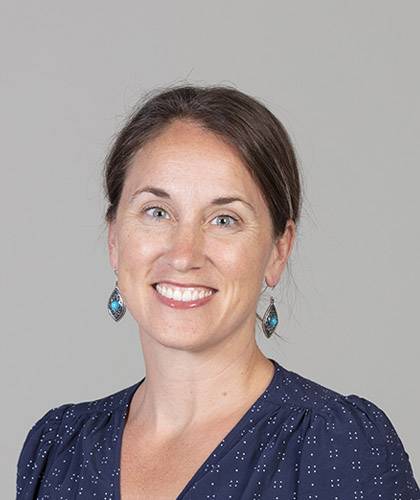


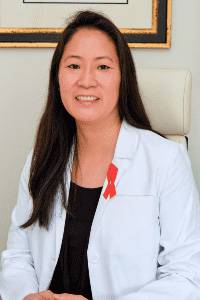 Carrie Belin is an experienced board-certified Family Nurse Practitioner and a graduate of the Johns Hopkins DNP program, Johns Hopkins Bloomberg School of Public Health, Georgetown University School of Nursing, and Johns Hopkins School of Nursing. She has also completed fellowships at Georgetown and the University of California Irvine.
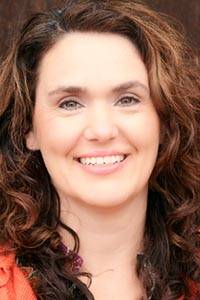 Angie has been a full-scope midwife since 2009. She has experience in various birth settings including home, hospital, and birth centers. She is committed to integrating the midwifery model of care in the US. She completed her master’s degree in nurse-midwifery at Frontier Nursing University (FNU) and her Doctorate at Johns Hopkins University. She currently serves as the midwifery clinical faculty at FNU. Angie is motivated by the desire to improve the quality of healthcare and has led quality improvement projects on skin-to-skin implementation, labor induction, and improving transfer of care practices between hospital and community midwives. In 2017, she created a short film on skin-to-skin called
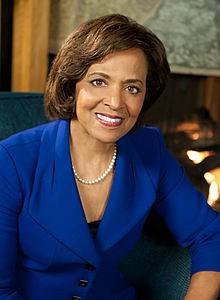
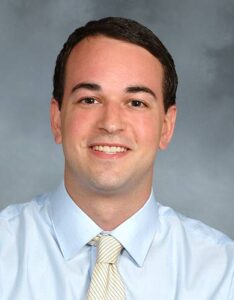
 Justin C. Daily, BSN, RN, has ten years of experience in nursing. At the start of his nursing career, Justin worked as a floor nurse on the oncology floor at St. Francis. He then spent two years as the Director of Nursing in a small rural Kansas hospital before returning to St. Francis and the oncology unit. He has been in his current position as the Chemo Nurse Educator for the past four years. He earned an Associate in Nurse from Hutchinson Community College and a Bachelor of Science in Nursing from Bethel College.
 Brandy Jackson serves as the Director of Undergraduate Nursing Programs and Assistant Educator at Wichita State University and Co-Director of Access in Nursing. Brandy is a seasoned educator with over 15 years of experience. Before entering academia, Brandy served in Hospital-based leadership and Critical Care Staff nurse roles. Brandy is passionate about equity in nursing education with a focus on individuals with disabilities. Her current research interests include accommodations of nursing students with disabilities in clinical learning environments and breaking down barriers for historically unrepresented individuals to enter the nursing profession. Brandy is also actively engaged in Interprofessional Education development, creating IPE opportunities for faculty and students at Wichita State. Brandy is an active member of Wichita Women for Good and Soroptimist, with the goal to empower women and girls. Brandy is a TeamSTEPPS master trainer. She received the DASIY Award for Extraordinary Nursing Faculty in 2019 at Wichita State University.
  Dr. Sabrina Ali Jamal-Eddine is an Arab-disabled queer woman of color with a PhD in Nursing and an interdisciplinary certificate in Disability Ethics from the University of Illinois Chicago (UIC). Dr. Jamal-Eddine’s doctoral research explored spoken word poetry as a form of critical narrative pedagogy to educate nursing students about disability, ableism, and disability justice. Dr. Jamal-Eddine now serves as a Postdoctoral Research Associate in UIC’s Department of Disability and Human Development and serves on the Board of Directors of the National Organization of Nurses with Disabilities (NOND). During her doctoral program, Sabrina served as a Summer Fellow at a residential National Endowment of the Humanities (NEH) Summer Institute at Arizona State University (2023), a summer fellow at Andrew W. Mellon’s National Humanities Without Walls program at University of Michigan (2022), a Summer Research Fellow at UC Berkeley’s Othering & Belonging Institute (2021), and an Illinois Leadership Education in Neurodevelopmental and related Disabilities (LEND) trainee (2019-2020).
 Vanessa Cameron works for Vanderbilt University Medical Center in Nursing Education & Professional Development. She is also attending George Washington University and progressing towards a PhD in Nursing with an emphasis on ableism in nursing. After becoming disabled in April 2021, Vanessa’s worldview and perspective changed, and a recognition of the ableism present within healthcare and within the culture of nursing was apparent. She has been working since that time to provide educational foundations for nurses about disability and ableism, provide support for fellow disabled nursing colleagues, and advocate for the disabled community within healthcare settings to reduce disparities.
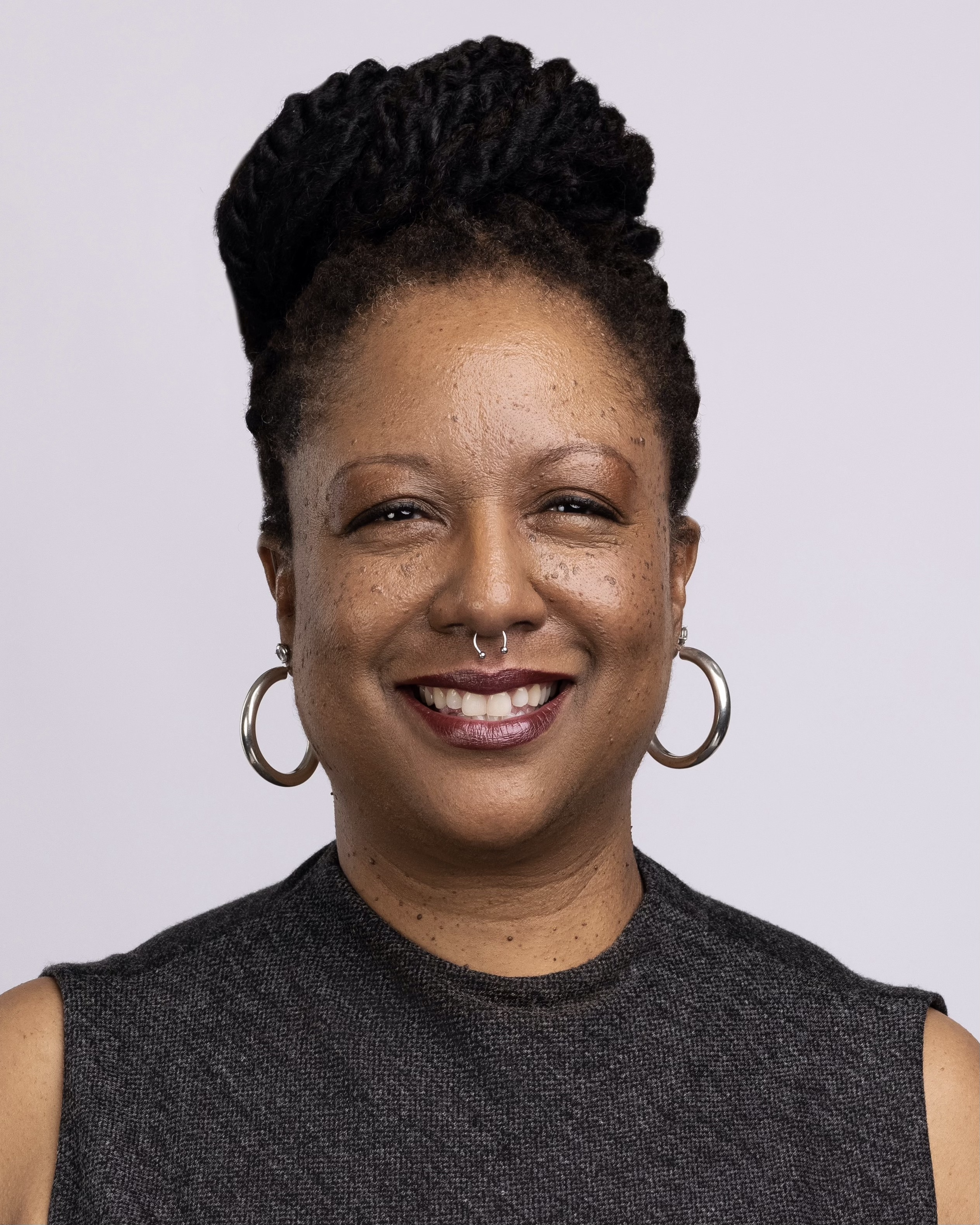 Dr. Lucinda Canty is a certified nurse-midwife, Associate Professor of Nursing, and Director of the Seedworks Health Equity in Nursing Program at the University of Massachusetts Amherst. She earned a bachelor’s degree in nursing from Columbia University, a master’s degree from Yale University, specializing in nurse-midwifery, and a PhD from the University of Connecticut. Dr. Canty has provided reproductive health care for over 29 years. Her research interests include the prevention of maternal mortality and severe maternal morbidity, reducing racial and ethnic health disparities in reproductive health, promoting diversity in nursing, and eliminating racism in nursing and midwifery.
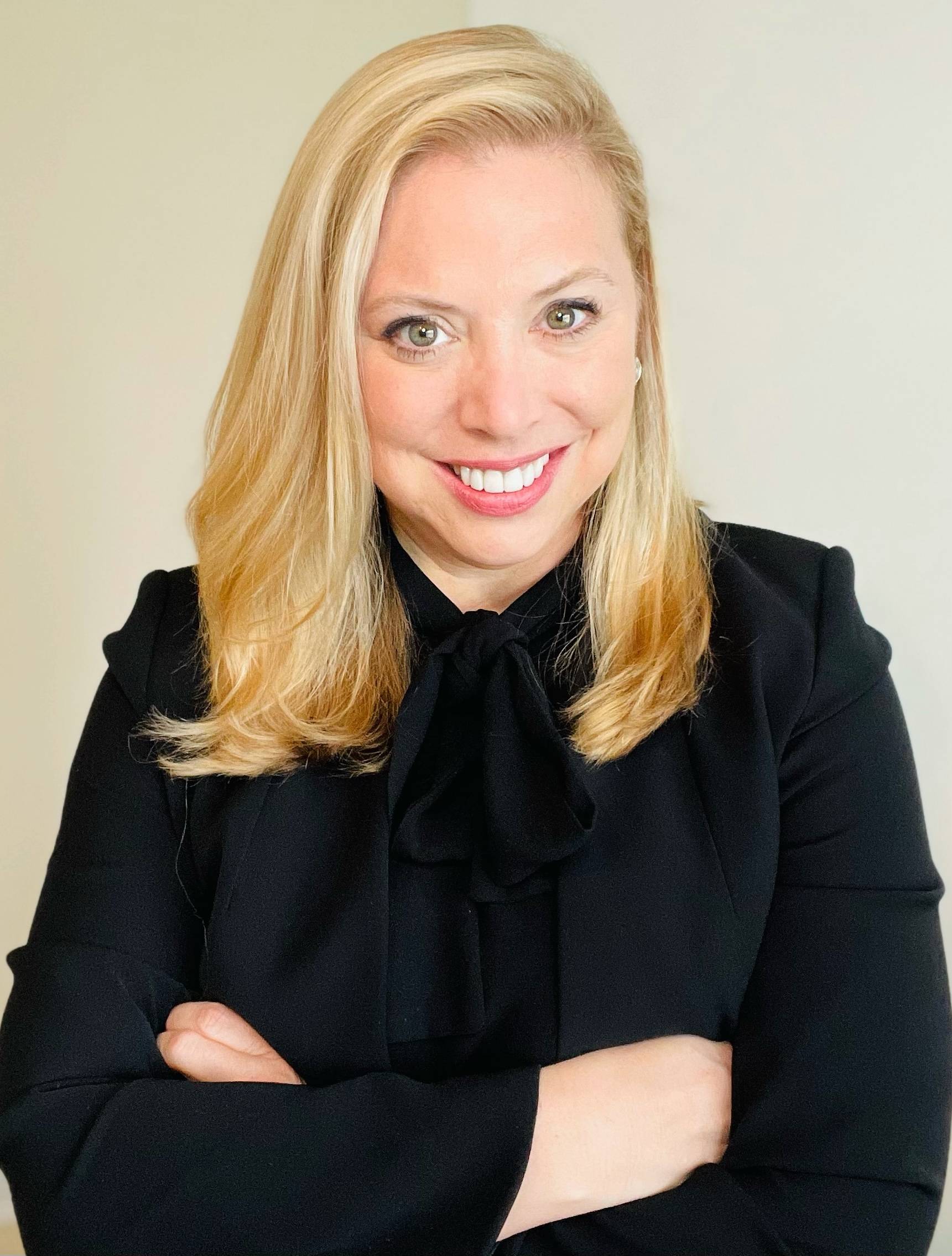 Dr. Lisa Meeks is a distinguished scholar and leader whose unwavering commitment to inclusivity and excellence has significantly influenced the landscape of health professions education and accessibility. She is the founder and executive director of the DocsWithDisabilities Initiative and holds appointments as an Associate Professor in the Departments of Learning Health Sciences and Family Medicine at the University of Michigan.
 Dr. Nikia Grayson, DNP, MSN, MPH, MA, CNM, FNP-C, FACNM (she/her) is a trailblazing force in reproductive justice, blending her expertise as a public health activist, anthropologist, and family nurse-midwife to champion the rights and health of underserved communities. Graduating with distinction from Howard University, Nikia holds a bachelor’s degree in communications and a master’s degree in public health. Her academic journey also led her to the University of Memphis, where she earned a master’s in medical anthropology, and the University of Tennessee, where she achieved both a master’s in nursing and a doctorate in nursing practice. Complementing her extensive education, she completed a post-master’s certificate in midwifery at Frontier Nursing University.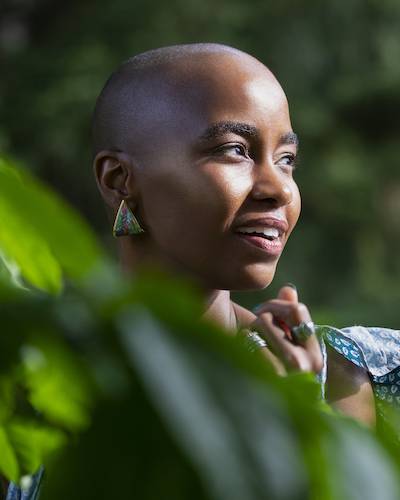
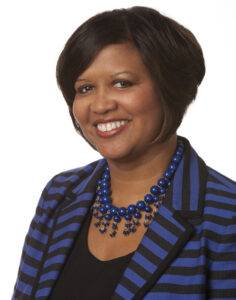 Dr. Tia Brown McNair is the Vice President in the Office of Diversity, Equity, and Student Success and Executive Director for the Truth, Racial Healing, and Transformation (TRHT) Campus Centers at the American Association of Colleges and Universities (AAC&U) in Washington, DC. She oversees both funded projects and AAC&U’s continuing programs on equity, inclusive excellence, high-impact practices, and student success. McNair directs AAC&U’s Summer Institutes on High-Impact Practices and Student Success, and TRHT Campus Centers and serves as the project director for several AAC&U initiatives, including the development of a TRHT-focused campus climate toolkit. She is the lead author of From Equity Talk to Equity Walk: Expanding Practitioner Knowledge for Racial Justice in Higher Education (January 2020) and Becoming a Student-Ready College: A New Culture of Leadership for Student Success (July 2016 and August 2022 Second edition).