Frontier Nursing University All-Access Podcast, Episode 3 Transcript
What is the PMHNP and why is it important?
Please enjoy this transcript of the Frontier Nursing University All-Access Podcast! This podcast provides a closer look at Frontier Nursing University through lively and entertaining discussions with a wide variety of guests and topics.
[music]
Angela: Hello and welcome to the Frontier Nursing University, all-access podcast. I’m Angela Bailey, Chief Advancement Officer, and your host for this adventure. I’d like to welcome you all to the on-call lounge here on Frontier Nursing University’s campus in beautiful Versailles, Kentucky. Within this inaugural season, we give you an all access pass to delve deeper into Frontier Nursing University and the individuals who are making a daily difference in advanced practice nursing, midwifery, education and healthcare across the country. Today, it is my pleasure to welcome Dr. Jess Calohan to the lounge. Hey Jess, how are you doing?
Jess: Good, Angie, thanks for having me.
Angela: Oh, it’s my pleasure. Listen, do you want to tell people who you are and what you do here at Frontier?
Jess: Sure. I’m Jess Calohan. I am the chair for the psychiatric mental health nurse practitioner department at Frontier Nursing University, the newest program at Frontier. We have grown significantly since we had our first students in 2018. We’re really excited about the growth that we have in our program and the direction that it’s headed.
Angela: It is very exciting, but before we get into that, I have to ask you a question. How’s your golf game?
Jess: It’s stable right now. I can’t quite seem to move the needle. Right now, I’m taking care of my kids and letting them have some lessons. One of my sons is good enough to beat me consistently now.
Angela: Right. Well, you will be tickled to know, I’m sure, that I took up golf a couple of years ago before the pandemic started. Do you know what my favorite part of the game is?
Jess: What’s that?
Angela: The outfits and riding around in the golf cart. [laughs]
Jess: We have our own golf cart too. Last year, I got it right during the pandemic because our home course wouldn’t allow us to use the carts that they had. You either had an opportunity to walk or you could ride your own cart. Well, after 20 years of military service, and three combat deployments to Iraq, this body is a little beat up, needless to say. Walking 18 holes is not exactly what I want to do, especially in the Texas heat. We picked up a used golf cart so we could get out and have some fun and play.
Angela: It is really a fun game. I’m pleased at this point in my golf career that I’m making contact with the ball and that I can get out of the sand pit. Yes, it’s a fun game. I’m definitely enjoying it. Now, you mentioned you were in Texas. How did an ex-military Texas guy end up at Frontier Nursing University?
Jess: Interesting story. I had learned about Frontier when I was the chair of the psych mental health nurse practitioner program at the Uniformed Services University of the Health Sciences in Bethesda, Maryland. That was my last duty assignment. We trained about 98% of all the psych mental health nurse practitioners for the department of defense. I had a colleague who happened to be a nurse-midwife who was coming to Frontier, and she was working on her DNP and eventually earned her DNP. That’s when I first heard about Frontier. I started to do some of my own research and found what a really cool place and the opportunity just so happened to come about. It was about two years after I retired. When the opportunity came up, I jumped on it and was selected for the position, and really loved it ever since.
Angela: We are so glad that you’re here. This is a great program. I know that it’s still relatively new and it’s growing very rapidly. Can you talk to us about why did FNU start this program?
Jess: Well, I think the main reason that FNU started this program is, one, with the mission of Frontier in terms of serving rural and underserved communities. The psych mental health profession in terms of the prescribing aspect of it, the role that the psych NP has in the mental health system is incredibly important. Unfortunately, there’s a significant nationwide shortage of psychiatric mental health nurse practitioners, and really other mental health nurse practitioners. Frontier was committed to meeting that need and again, it fit really well with the mission of the university in terms of how psych mental health issues have been stigmatized in this country for a long time. I think that’s certainly getting better. I think one can argue that folks that have mental health conditions were sometimes marginalized, and again, similar to some of the rural areas that we work with at Frontier, as far as resources and not always having those resources. I think that’s the primary reason why the university started our program.
Angela: When I look back on the origins of Frontier and we say that those original nurses on horseback were nurse-midwives, but they were so much more than that. They were public health nurses, they were midwives. They always went beyond really the scope of what you’d think of when you think of a nurse-midwife today. You’re right, the mission has always been to provide the services and the care needed in these rural and underserved communities.
I remember when you and I were working on a grant not so long ago, and we’ll talk about that in a little bit, the amazing statistics that we found regarding the lack of mental health care providers in this country, and that people are waiting sometimes months to even get an appointment and having to drive hours away. I love that you guys are doing this and that we have this wonderful program and that we are making a difference in the lives of people all over the country, through your students and graduates.
Jess: Yes. We’re really proud of our graduates. One of the other things too, that we’re very proud of is we’re one of the most diverse programs, one of the program tracks in the university. I heard a story last summer that was just heartbreaking on the national news. Obviously, all of the things that we have going on in our country right now with the social justice issues, the racism and all of the things that have happened over this past year. I was listening to a news story and there was an African-American couple who were a middle-class family in a very suburban area or urban area. Both of them had experienced some pretty significant depression. The wife had experienced postpartum depression, and the husband had a family history of some depression. One of the things that they said in this interview was, there’s no providers available that looked like them in their areas.
Certainly, from a cultural standpoint, that was huge. That just resonated with me. I was like, “What are we doing to help improve and facilitate diversity, equity, inclusion and cultural considerations?” It was at that point that I said, okay, we’re going to look at our curriculum and we’re going to engage our faculty who is also very diverse. We’re going to be a program that’s going to do more than just say we talk about cultural competence and that we address diversity. We are actually going to put that out there and have work in our courses that addresses those things specifically in hopes of improving the ability of our students to be able to work with a broad population of folks from different ethnicities, races, and cultures. That’s something that is incredibly important as we look at some of the health inequities for example.
Like I said, I want us to be committed to that work and not be a school that just says it, but actually does it. I think a lot of us have lamented and struggled with, how can we make an impact? What can we do different? We have an opportunity as a university to make a difference through education, because if we educate our providers and we work on changing approaches and we work on changing how we interact with each other– I know Frontier is doing a ton with diversity, equity, and inclusion. We’re very proud of that, but I just think it really does start with education and that’s where we have an opportunity to make an impact. We don’t always have to go protest and we don’t always have to do these other things, which those things are effective and those things can facilitate change, but where we are facilitating change, I think, is through education. That’s one of the things in a lot of things that I’ve read about a lot of these issues that we’re dealing with. It really does start with education and so we have that opportunity to do that.
Angela: 100%. This has been a hot button issue as you said for the last year, but one of the things that I find very interesting is that Frontier really started a focus on making sure that we were providing diverse practitioners over 10 years ago. When we first started this work, our diversity population was like 9%.
Today, I just looked at our dashboard, our diverse student body population is over 27%. It’s just an amazing place to be, to see that we are doing what’s necessary. I love that your program is also specifically focusing on that. Now, Jess, are you part of the President’s Task Force on Diversity Equity and Inclusion?
Jess: I am, in more from a leadership standpoint, but I have multiple faculty members that are active on the different subcommittees.
Angela: I am actually co-chairing one of those subcommittees and I’m so excited that we are not saying, “Okay, we’ve done enough.” But what else do we need to do? What else can we do? What else should we do?”
My particular subcommittee is actually focused on making sure that we’re raising the money and that we have the financial infrastructure to be able to continue this work in a real and meaningful way. Thank you for bringing that up, Jess. I really hadn’t thought about the DEI avenue when I was thinking about talking to you about this program, but I’m so thrilled that you have brought that up and that we are maintaining that focus throughout all of our programs. I know why you love it, but why do you think this program has been so popular with our students?
Jess: I think just the opportunity to work in the virtual environments, or online environment, distance education. Frontier has been a pioneer in distance education and it’s interesting, when COVID hit and all of our our family members or kids and even peers that were going to other universities that hadn’t had experience with distance education, I just remember telling my wife and my kids, “Hey, we’re ready for this. It sucks that this pandemic is happening, but we are totally ready for this.” I saw the distance education platforms and things like that that were being implemented at the high school level and also the collegiate level and certainly graduate and doctoral. Hands down, Frontier has been a leader in distance education and virtual education. I think that’s part of why our program is successful.
I think the other part of our program, or the reason why we’re successful is our mission and the type of students that we attract. We do have students from rural and underserved communities. I think our university’s affordable compared to other programs.
Frontier built a reputation of being a quality institution with the midwifery graduates and other nurse practitioner graduates. The psych mental health nurse practitioner graduates have followed along that same vein. We are doing very well in terms of job placement after graduation. We’re doing very well on national board certification pass rates. To put that into context, the average national board certification pass rate is about 76% overall, and our overall board certification pass rate is 94%.
Angela: Wow. Now that’s something to really be proud of Jess.
Jess: Yes. We’re very excited about that. The psych mental health certification exam is not easy. Not saying that the other course certification exams are easy, but like I said, 76% pass rate, overall pass rate nationally speaks to the difficulty of the exam.
The other thing is, is there’s three specific domains on the exam. We routinely, the last two years since I’ve been here, have scored on average 10 percentage points above the national benchmark in each one of those domains.
Angela: Fantastic.
Jess: We are really doing well on our board certification exams. I think the other thing too that’s important is that there’s other programs out there, and I can’t really speak to the quality of the programs because I don’t know them very well. I know three programs that I’ve been a part of, Frontier being one of them. This is by far one of the best programs in my opinion in the country. I know that I’m a little bit biased, but we are teaching students to become specialists.
I look at other programs that may be a shorter program of study length and that kind of stuff. It baffles me that these schools train psych nurse practitioners, whether they’re already nurse practitioners getting a postgraduate certificate or master’s degree students in the amount of time that they are. I don’t understand how you can train somebody to be a specialist, which this is a specialty field of advanced practice nursing that fits into the mental health system.
The expectation is that we are ready for independent practice. I think that philosophy along with I think the American Nurses Credentialing Center talks about entry level practice. I don’t believe in entry level practice. We are preparing students for practice because there’s such a need and many of our students are going to be on their own. We need them to be competent and safe psych mental health nurse practitioners. That’s what emphasis is on this program. Our faculty have bought into that in the remarkable work that they have done. Our students have bought into that. When you look at our attrition rate, I think it’s less than 6%. We are doing some really cool things and our students are being successful.
I also think that our approach at Frontier, we talked with the students in our Frontier Bound, which is our new students’ welcome to the Frontier community. I don’t want to use orientation, because it’s not really an orientation.
Angela: [laughs] It’s a community building, almost week-long event, right?
Jess: Absolutely. Where we are hopefully building connections, we’re inspiring students and we’re making them ready for starting their academic journey. I think the other thing is our approach. We have such robust support systems in place to support students. We don’t focus on, “Oh, we have this many people that don’t graduate,” we focus on, “How can we help students be successful?” I think the way the infrastructure that we have in place, allows students to be successful. That’s our focus and that’s the faculty’s focus, that’s the staff’s focus, and certainly that’s the administration and leadership’s focus.
Angela: We talked in our last episode about what the heck is an RCF. I think that that is something that is pretty unique to Frontier, to have faculty all over the country that are not just supporting the students, but also supporting the preceptors who are training these students in their clinical environments.
We also talked about Stephanie Boyd’s team, of course, that helps our students understand what they’re going to need for their clinical practicums and helps them search for those placements and supports them. I would have to agree, we have a wonderful system in addition to our faculty. I’m really proud of the work that our staff does with our students. We wrap them in our arms and help them fly. [laughs]
Jess: One of the other things too that I think makes us unique is that many other institutions’ faculty are academic advisors, and that’s not how it is here at Frontier. We have the academic advising session and their team has been very, very helpful. Not only to the students, but also as thought partners, if you will, for faculty in helping them navigate maybe some challenging student issues or things that come up. The focus is always on, how can we best support the student?
Angela: Absolutely. You know, something that I’ve not talked to our listeners about is our library staff. A lot of people may think, “You’re an online institution. Why do you need librarians?” They work with students every single day because — I’m not sure that people understand that the research is changing every single day and that our students are constantly reading best practices, learning about the newest, the latest, the greatest. One of the things that I hear from our preceptors is they love our students because our students are bringing them new ideas, new ways to solve problems, new strategies. I think a lot of that has to do with how we train our students to be evidence-based and find the evidence through the support of our library staff.
Jess: Absolutely. They’ve been instrumental, certainly also supporting faculty as well, as they are looking to maybe improve or identify new resources that are valuable for students, and then also as faculty have their own scholarship endeavors and aid faculty with scholarship endeavors. One thing that I found interesting the other day, talking about scholarship endeavors is that — My alma mater is University of Washington. I was looking at some grant funding and Frontier’s right there with them in terms of the School of Nursing and grant funding for the different types of programs that we have. I thought that was pretty impressive.
Angela: It’s very interesting when you look at our history with particularly federal grant funding. I don’t think that we have been without some kind of federal grant funding for the last 10 years. That is just a testament of the faculty, the students, the staff, because anybody who’s worked in federal grants will tell you that you don’t get that money for nothing. You have to be able to show some outcomes, and you have to be able to back up what you’re doing in those outcomes with lots and lots of data. That is one of the things that I love about Frontier is that everything we do is data-driven.
Jess: Absolutely. I think on the scholarship aspect of things, again, it just speaks to the quality of the faculty that we have and the types of projects that are really making an impact. The thing that I also like about our university is that faculty are free to do different types of scholarship and I just think that that is awesome. It’s not mandated. It’s encouraged and I think when you take that approach, you empower faculty to be more creative and learn what is going on in their communities and identify what’s going on in their communities so that they can have some research interests that are going to impact their communities.
Angela: Absolutely. I’m glad you brought up communities, because we’ve talked about the fact that we have regional clinical faculty all over the country, but our faculty are actually all over the country as well. One of the beautiful things about that is that when we are looking for highly qualified faculty, just like with you, Jess, we are not confined to those who live in our community. The entire nation is our community and therefore, we are able to pick from the most talented and brightest all over the country. Which is how a Texas military fella ended up here at Frontier Nursing in Versailles, Kentucky, right?
Jess: Exactly. I tell people, “What do you do for a living?” “I work for Frontier Nursing University.” “Where is that?” “Kentucky.” “Oh.” That’s the response that I get. It’s like, “We’re one of the oldest nurse practitioner schools in the country and we’ve been doing distance education for a long time.” It’s an opportunity to explain to people who we are and what we’re about.
The other thing that I think is really incredible about Frontier is that almost all of our faculty are in some form of clinical practice. You don’t see that in many other places, to include me. I actually saw patients today through telehealth. Just an awesome opportunity to be able to share our experience with our students, and we know what our students are going to be going through when they graduate. I think that gives us a lot of credibility. I think that’s another reason too, why Frontier is where it’s at in terms of quality and people being excited.
Angela: We could talk about why we love Frontier all day, but I know that one of the big challenges for you in the past year was, of course, the COVID pandemic, and what that meant for our students. Can you talk about how we overcame some of that and some of the great things that you guys are doing with telehealth?
Jess: Yes. First of all, we again, as I said earlier, we were well-positioned to move everything to an online environment or virtual environments. Our faculty did an excellent job of putting together a clinical balance, which are typically on-site activities before students go out to their clinical rotations or faculty supervise. It’s essentially clinical intensive to prepare students and make sure students are ready to go to their clinical rotations. We were able to pivot fairly quickly and transition what was an on-campus experience to the virtual environment. I will tell you, our faculty did such a great job. That very first iteration of student evaluations were phenomenal. We were able to leverage our technology, we were able to leverage simulation and standardized patients and clinical scenarios that really prepared students for their clinical rotations. That’s one thing that we’ve done.
My program specifically, we were able to shift to the telehealth environment. While the other program specialties had maybe a few more students out of clinical because of COVID and organizations not allowing students in, we didn’t have that level of impact on our students because psychiatry has been doing telehealth for a very long time. It’s not a foreign thing to us. I have my own telehealth company. Started it for the army in 2005 and so I’ve been doing it for quite some time. We had already integrated those telehealth principles into our curriculum and so when students had the opportunity to do telehealth with their clinical rotations, it allowed them to stay in clinical rotations, and continue their educational journey so that they could graduate and get out and take care of the people that they needed to take care of. Quite frankly, there’s a mental health crisis in America right now and a lot of it has to do with the pandemic.
Angela: Right. My kids are grown, but if my children had been out of school in the house with me for a year, I think I would be in a mental health crisis. [laughs] Did your kids have to be homeschooled during the pandemic?
Jess: Yes. They’ve actually been in virtual school for the last two years. We were transitioning to Texas from Virginia in the fall of 2019. It’s just easier for us to keep them in the virtual environments and so they did two years of school virtually. I think just like many families across the country, it takes a toll. You’re having to help them with homework and again, I talked about the educational piece of it. There was such a variance in terms of the quality of education they were getting, and there was variance within classes and different teachers and those sorts of things. Very challenging time, that’s for sure. We are ready for them to start school here in about two weeks and go back. We have two seniors going into their senior year of high school in a couple weeks.
Angela: Wow, a senior. I just had my second grandbaby. I look back on those and can’t believe that I made it through those high school years [laughs] but now I’m enjoying the grandbabies. It’s worth it eventually, Jess. [laughs]
Jess: Teenagers are definitely very, very difficult.
[laughter]
Angela: Right. You know what? Let’s talk about this grant, because the federal government is a lot of fun. They have these amazing due dates for their grants and they’re usually right around the holidays. Jess and I, and a whole team of individuals spent Christmas and New Year’s [laughs] writing an enormous grant application for a behavioral health grant through HRSA, that not only supports students in rural areas but also has a focus on underserved populations and students of color. We’re really excited about this application and the fact that it was funded. Jess, do you want to tell us a little bit about what we call lovingly the BHWET grant?
Jess: Yes. It’s the behavioral health workforce education and training grant. The focus of the grant is to provide education on rural and underserved communities and how to work in those communities with different clinical scenarios and things like that. It’s also to have clinical partnerships with organizations in the healthcare provider shortage areas, where there’s just not a lot of resources. We are very excited that we have partnered with an organization in Eastern Kentucky. In fact, just found out this morning from HRSA that they are totally okay with us pursuing another clinical partnership in northwestern, Colorado.
Angela: Fantastic.
Jess: We’re really excited about that. Big shout out to Dr. April Dobroth, my wonderful clinical director who facilitated that and is working on establishing that partnership.
The grant provides stipends to students in their last portion of their clinical rotations, to help them cover costs related to either travel, to not working as much, and anything that the student needs it for besides tuition. They can’t use it for tuition, but to really support the students in clinical. The purpose of the grant is really to not only provide education, but also to partner with these organizations, to help improve their behavioral healthcare delivery systems and also a recruiting pool to get folks with this specialty in their community.
We’re really excited about this. We’re going to have the opportunity over the grant life, which is four years, to provide $10,000 stipends to about 110 of our students. Also, some travel opportunities to go to some conferences, to come to our diversity, equity, and inclusion conference, Diversity Impact Weekend, that Frontier hosts every June.
Also, our other focus is on building our simulation capability, telehealth capability within the university. Some of the grant funds are going to go to some technology that’s going to allow us to improve students’ ability to apply information they’re learning in the classroom through controlled simulated events that are faculty supervised, so that when they get out to clinical, a lot of times they’ll have already had an opportunity to maybe make some mistakes and get what I call a controlled burn.
They can learn from that, so that when they get out to clinical, that they’re ready to go. I will tell you, we have surveyed some preceptors over the last year and with some of our simulation efforts and the things that we have done, not only with our virtual clinical bound, but we also have a hybrid course. That’s one of the first clinical courses that our MSN students take that’s a hybrid between faculty-supervised hours and simulation and also in the clinical space, seeing patients. Preceptors had noted a difference, a positive and significant difference in the students’ preparation for clinical rotation since we’ve implemented these changes.
In fact, I talked to a preceptor last week who has taken four of our students and has had three students from other unnamed universities and he said, hands down, our four students were way more prepared than those students from the other unnamed universities.
Angela: You know, Jess, I hear that all the time. I talk to people all over the country about Frontier in my role and one of the things that I consistently hear is that our preceptors and the organizations that they work for are so impressed because our students in all of our programs are very well prepared. One of the reasons I think that is, is, of course, we’re great and all of our faculty is wonderful, but at some universities, students don’t do all of their didactic work before they go into clinical. They’ll learn a certain skill and then they go into clinical for practice of that skill. We are different because students get all of their coursework out of the way and then go into clinicals after a very intensive check off from their professors during their clinical intensive or clinical bound as we call it. It’s a different model than a lot of universities use, but it produces great providers.
Jess: I think along that vein, it allows us to get preceptors a little easier as well because our students can see a patient from beginning to end and make recommendations for treatment plans. Whereas I’ve been part of four universities and three universities front-loaded everything and then went to clinical and one didn’t. I will tell you that the one that didn’t, the students struggled in clinical. They struggled finding preceptors because our preceptors are such a valuable commodity. We love our preceptors. They’re taking their time, they’re volunteering tons of hours, and I think we need to respect that and have a commitment to them that when we send them students, that our students are going to be ready to go and be able to see patients.
Angela: Absolutely. The fundraiser in me can’t let this go until I mention, you talked about these stipends for students in their clinical rotations. That was one of the most exciting parts of this grant for me, because what we know is that even though we’re one of the most affordable programs in the country, our students still live with debt and our students are primarily working nurses with families, children. What happens is they can go through their didactic work pretty well while practicing, but when it gets to their clinical rotations, it’s nearly impossible for them to hold a full-time job, which sometimes provides the insurance for their family and do their clinical rotations.
There is an enormous need for support for students during their clinical rotations beyond just tuition. I’m just so excited that HRSA recognized this and is providing the funds for that. That’s what these folks need to get through that portion of this program. If you’re listening and you want to help a practitioner get through their clinicals, you can contact me or you can visit our website at frontier.edu and click on that Give Now button. Enough of the fundraising. [laughs] You know I had to get that out there, Jess. Jess, it is always such a pleasure to talk to you. I’m so thankful that you joined us today. Is there any advice that you would like to give a prospective student or a closing message you would like to give us?
Jess: Yes. I get the question all the time from perspectives with students about psych experience. What I will say to nurses out there everywhere is psych is everywhere. You don’t necessarily need to be a psych nurse to come to our program. You just have to have a passion for nursing and an interest in caring for this population. If you have those two things, we will teach you to do the rest. We’re super excited about the direction that our program is headed. The quality of students and applicants that we’re getting is phenomenal. Again, can’t underscore the diversity component enough. If you’re interested in this profession, Frontier is the place for you.
Angela: Oh, thank you, Jess. Thanks for joining us, thank you for taking your time and thank you for the wonderful work that you do with our students. We really appreciate you.
Jess: Thanks, Angie. Appreciate the opportunity to come join you today.
Angela: You are welcome. My pleasure. To our listeners, thank you for joining Frontier Nursing University all access. We hope that you have enjoyed our conversation. If you would like to learn more about Frontier and how you can make a difference for mothers, babies, and families across the country, please visit our website at frontier.edu, or reach out to me your all-access host at angela.bailey@frontier.edu.
Always, if you have enjoyed this podcast, and we certainly hope that you have, please remember to rate, review, and subscribe. Until next time, thank you for listening.
[music]
END
Enjoy the show?
Be sure to follow the Frontier Nursing University All-Access Podcast on Google Play, Apple Podcast, Spotify, or wherever you find your podcasts. Visit the FNU All-Access Podcast page here.
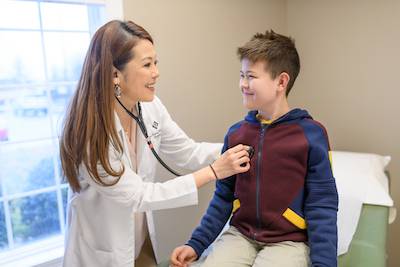 Frontier Nursing University (FNU) hosted a virtual event this past fall celebrating National Nurse Practitioner Week. FNU’s Empower 2021: Creating a Culture of Caring event, presented by university faculty members along with FNU alumni and students, included seven sessions educating and celebrating nurse practitioners.
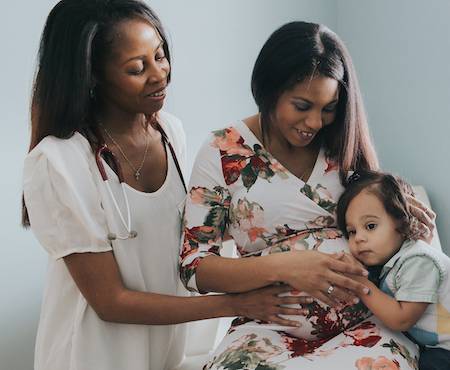
 In continuing our work in addressing racial inequities and health disparities worldwide, FNU created several task forces and committees such as the President’s DEI Task Force, the Board of Directors DEI Committee, and the Antiracism and Bias Advisory Council. Composed of faculty, staff, students, and volunteers, these committees incorporate perspectives from all corners of the university.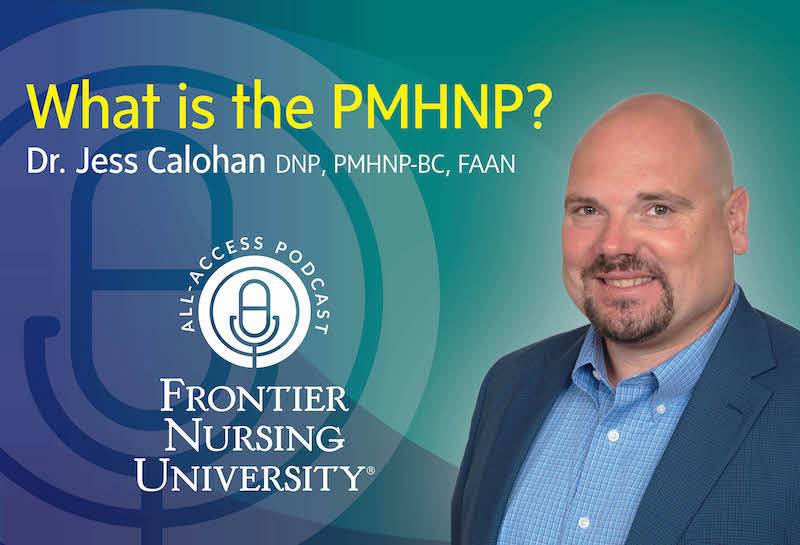
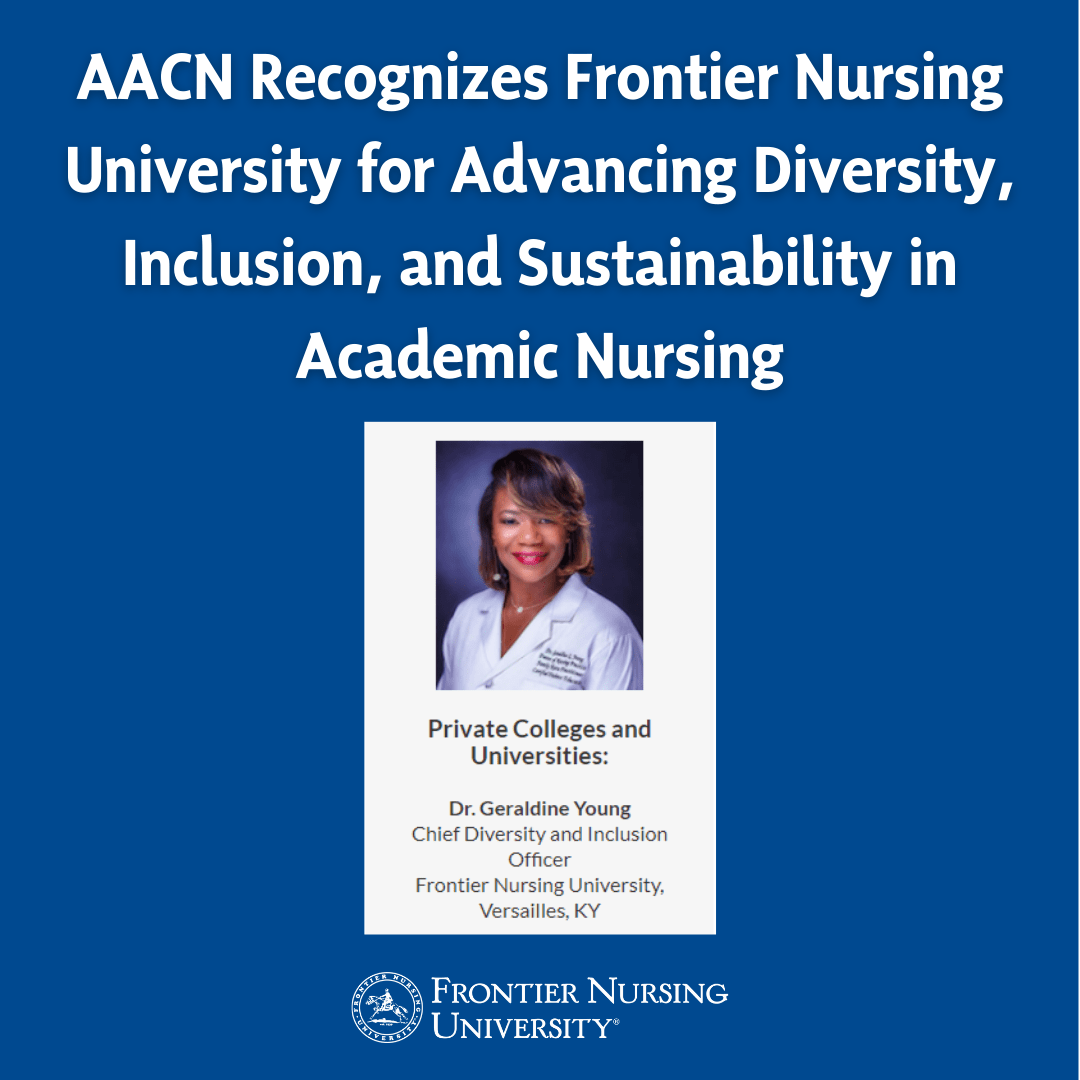
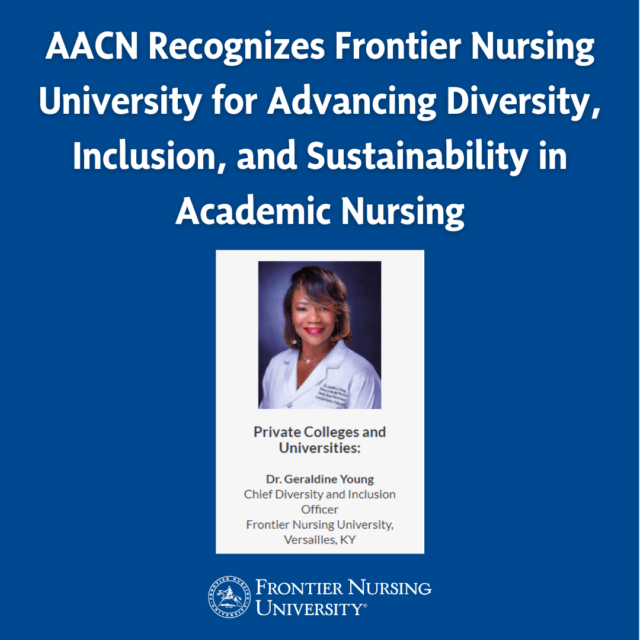 Following a competitive process that was open to all 840 AACN member institutions, the winning schools were cited for their success in recruiting diverse students and faculty to their programs as well as creating inclusive and equitable learning environments. FNU received the Private Colleges and Universities Award. In the award announcement, AACN noted that “FNU is at the forefront as a leading activist for diversity in the nursing and midwifery professions. FNU has made diversity and inclusion a primary focus of the university’s mission and a measurable element of its progress.”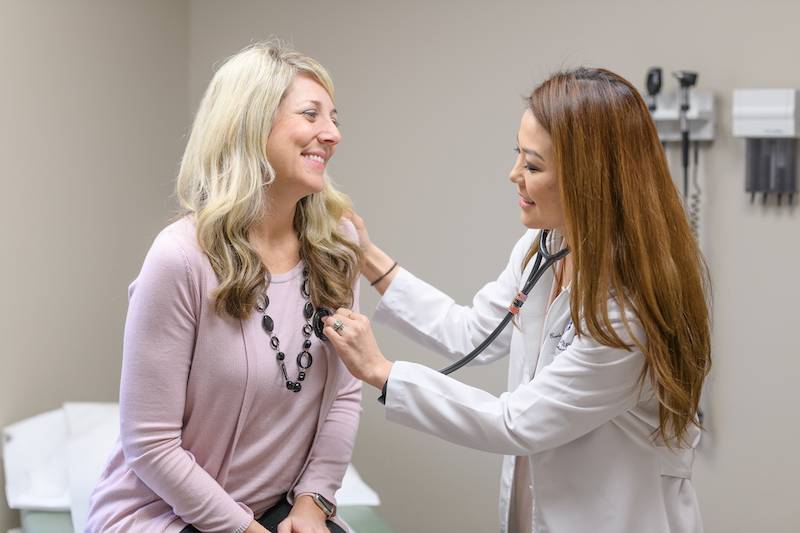
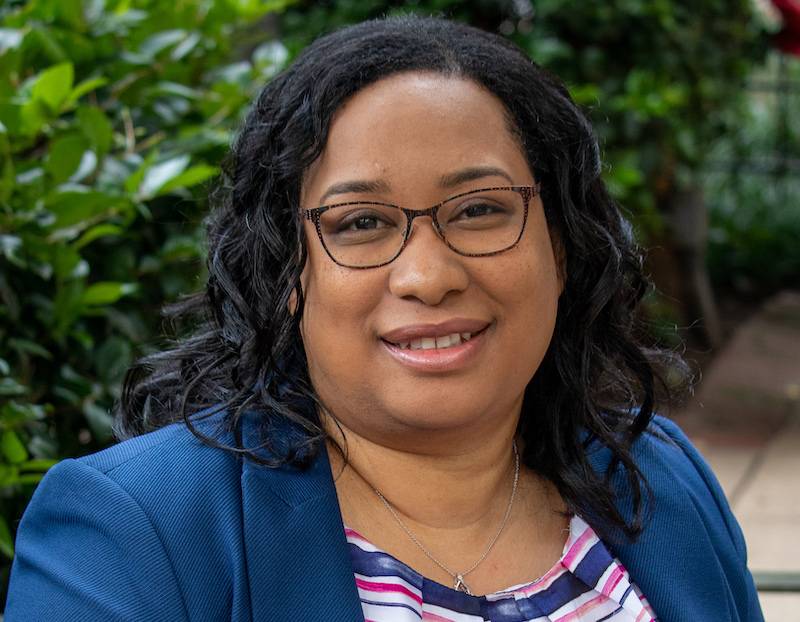
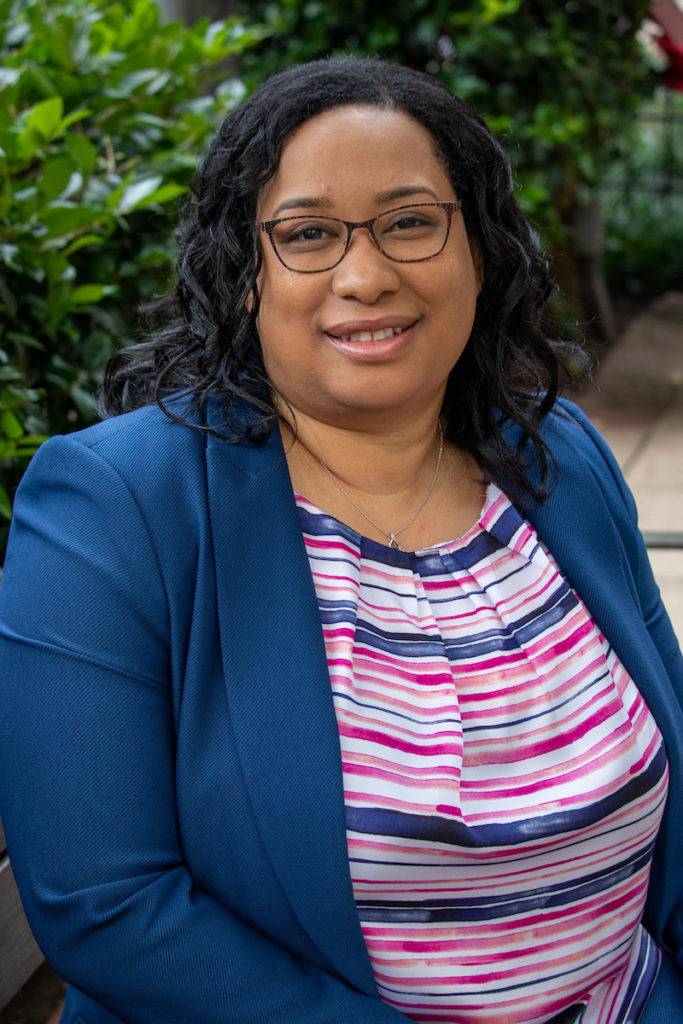 At the heart of Frontier Nursing University is a talented and diverse community of students, alumni, faculty, staff, Couriers and preceptors. Spotlight blogs feature members of our FNU community who are focused on the mission of educating nurse-midwives and nurse practitioners to deliver quality healthcare to underserved and rural populations.
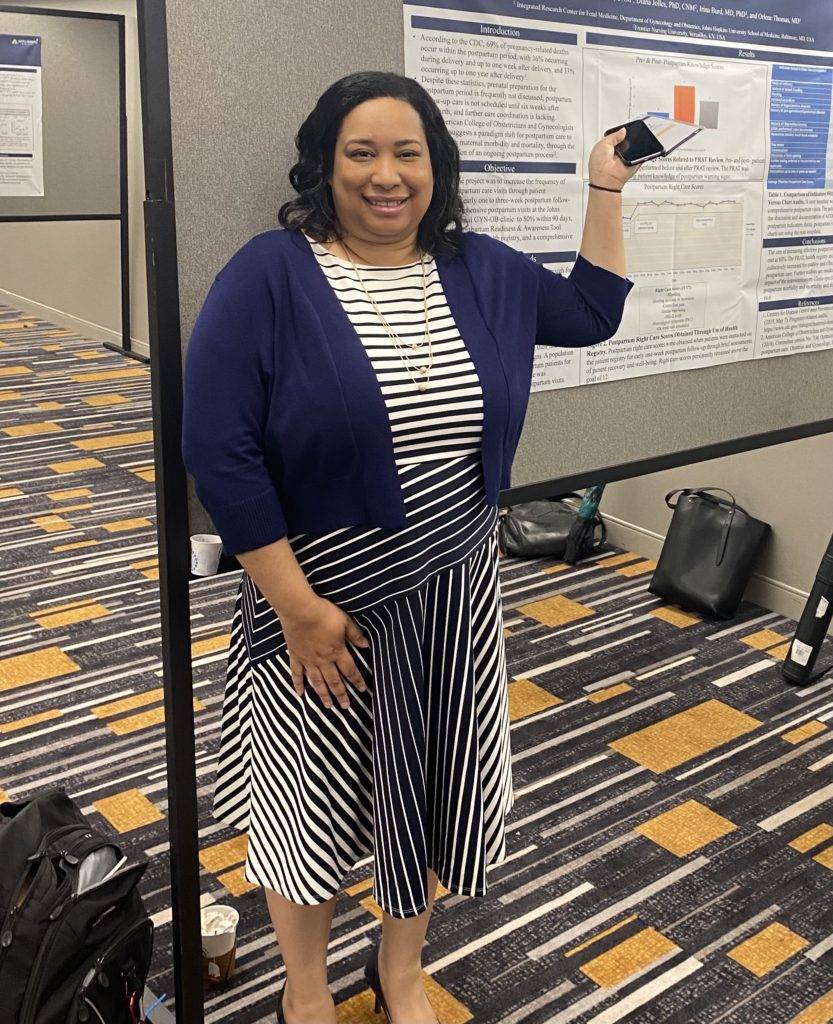 While more study and research are required to address maternal mortality, Jones-Beatty’s work was duly recognized for its significance. She recently presented her project as a poster presentation at the
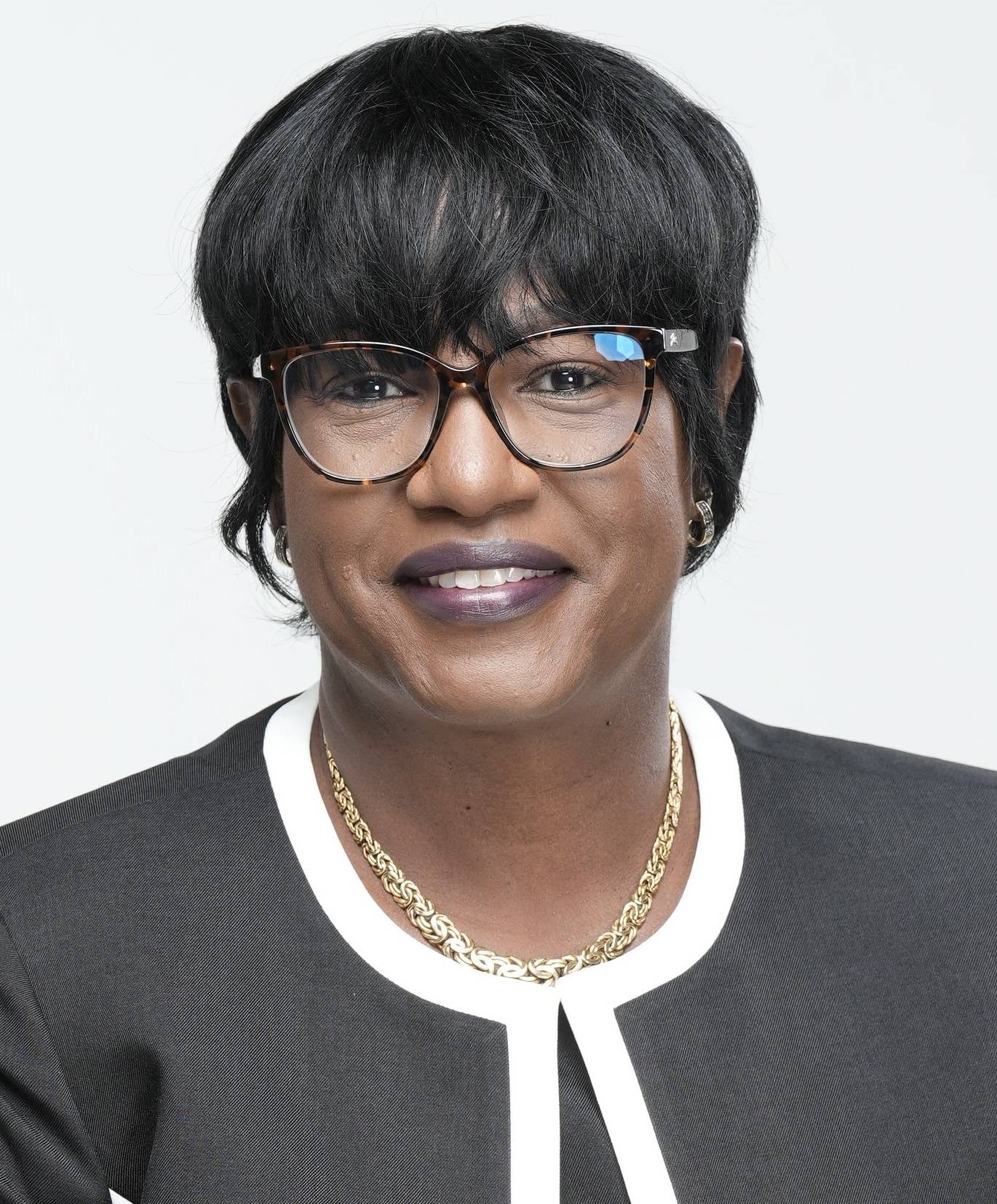

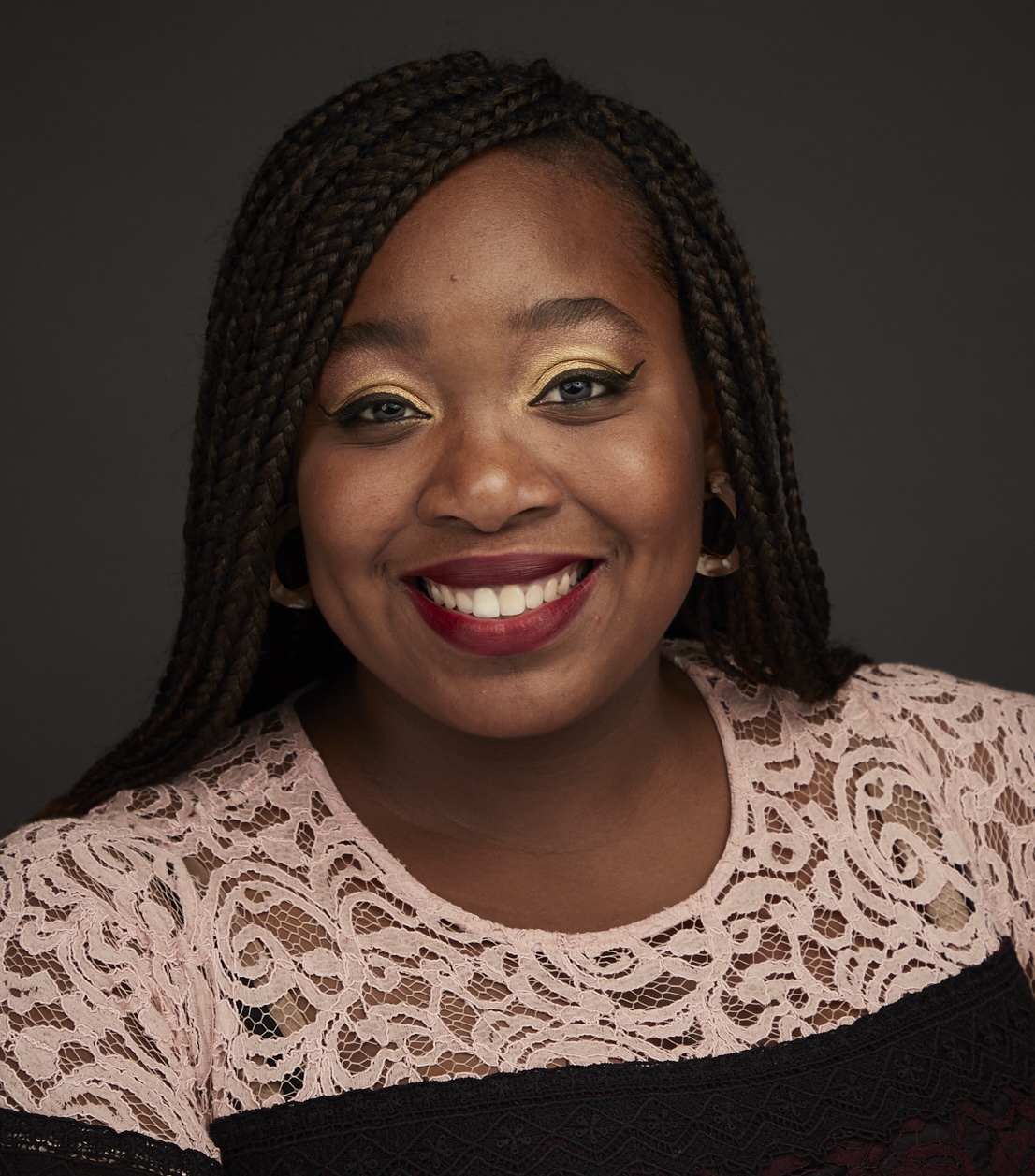

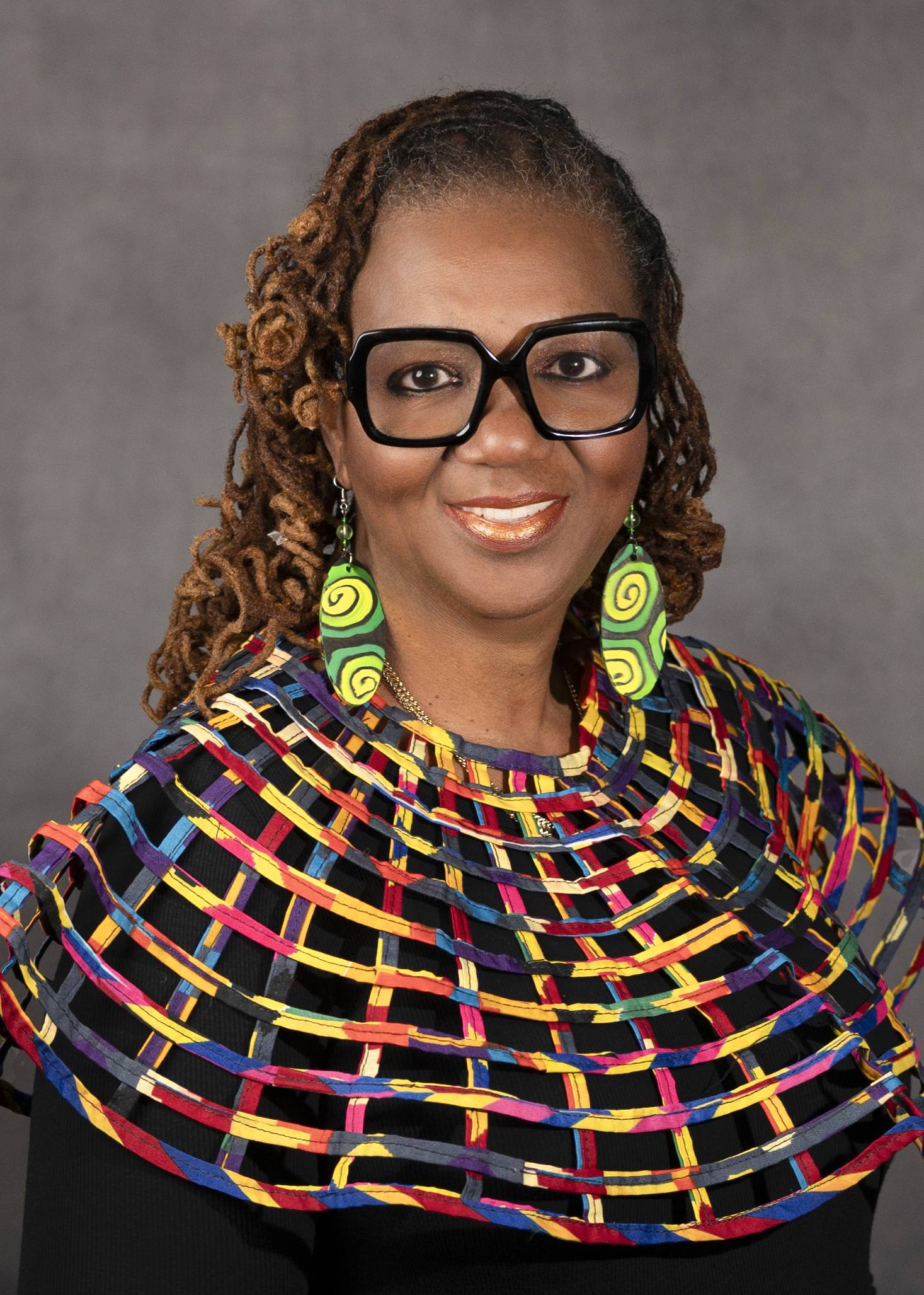
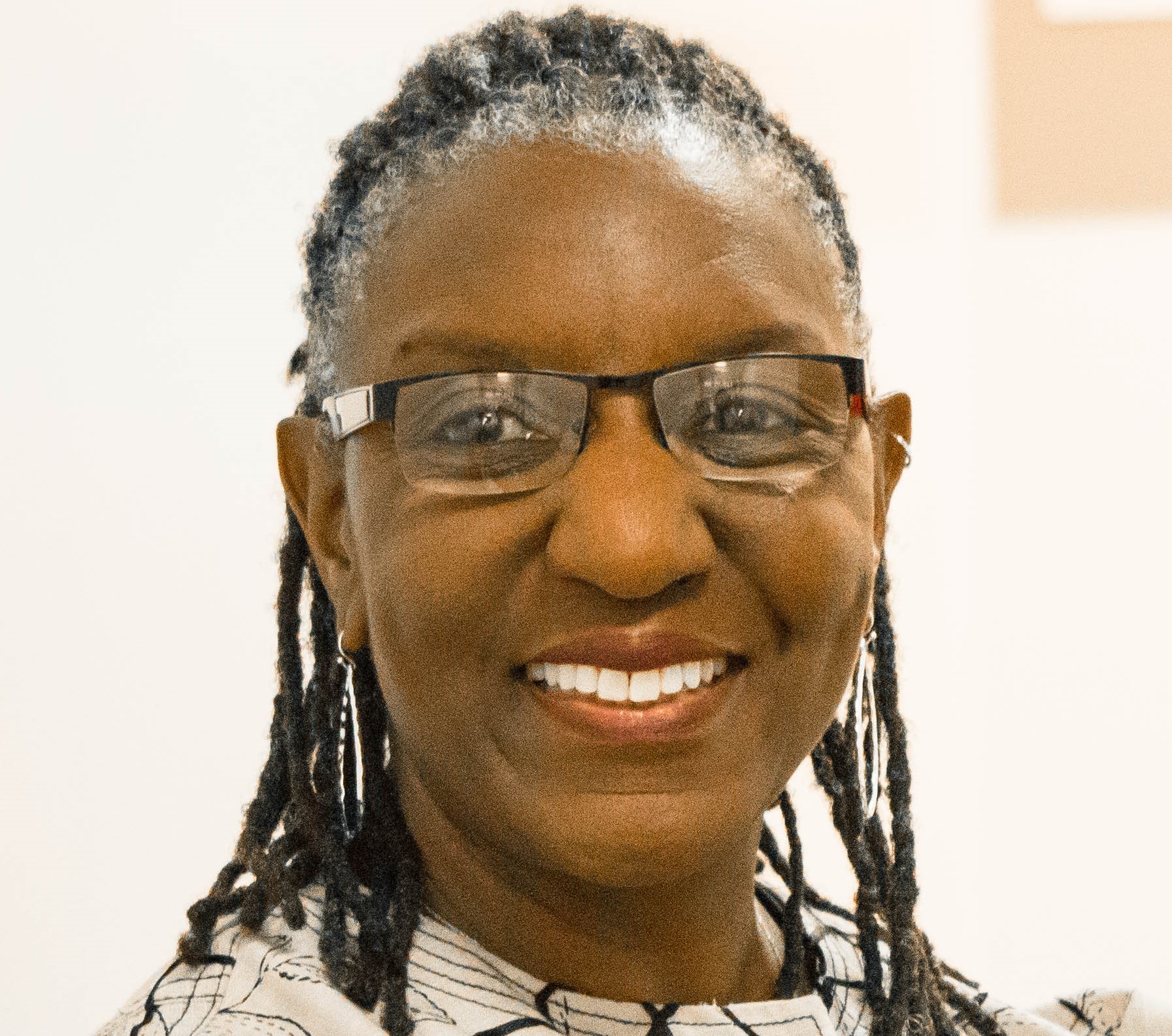
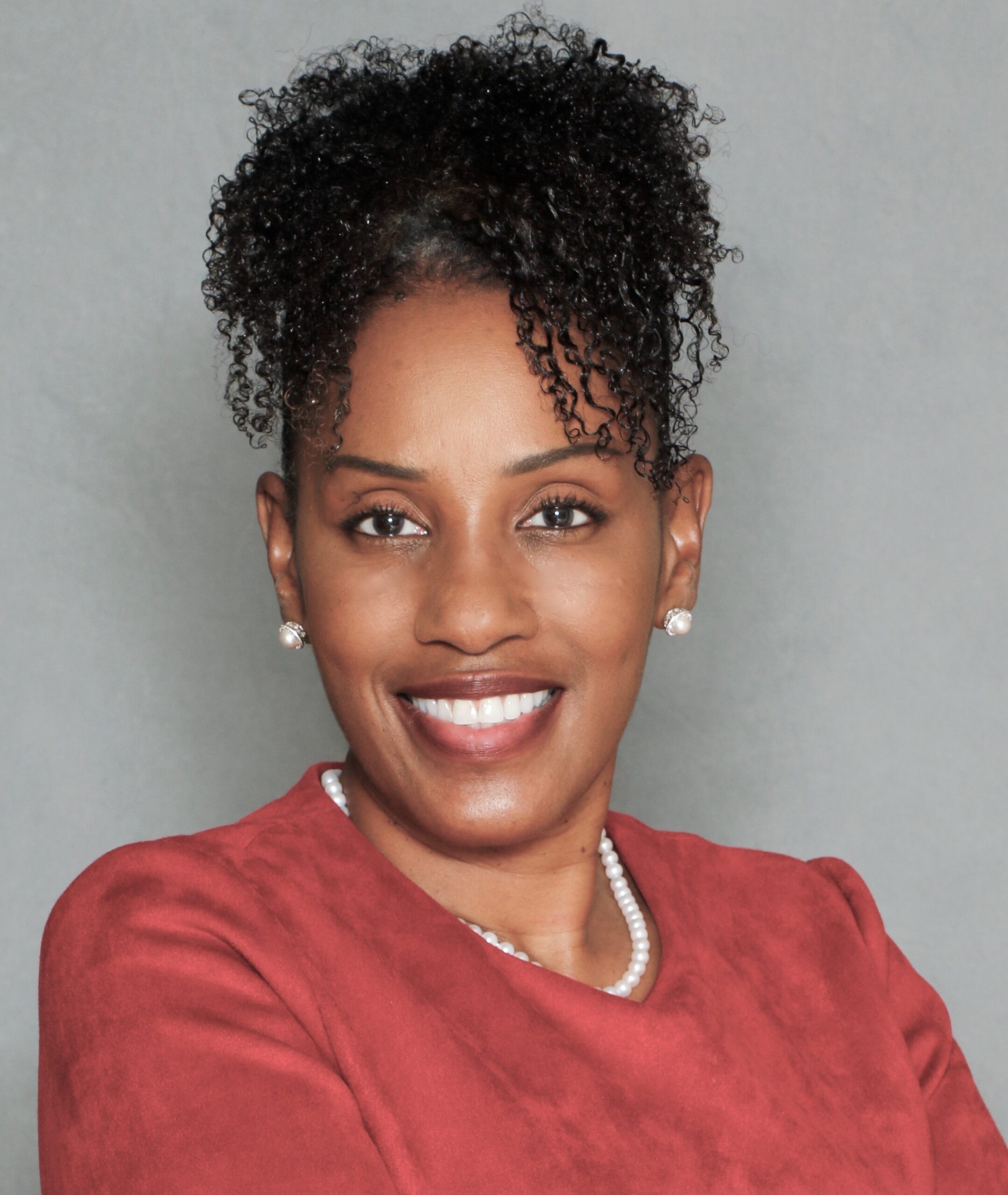
 Carrie Belin is an experienced board-certified Family Nurse Practitioner and a graduate of the Johns Hopkins DNP program, Johns Hopkins Bloomberg School of Public Health, Georgetown University School of Nursing, and Johns Hopkins School of Nursing. She has also completed fellowships at Georgetown and the University of California Irvine.
 Angie has been a full-scope midwife since 2009. She has experience in various birth settings including home, hospital, and birth centers. She is committed to integrating the midwifery model of care in the US. She completed her master’s degree in nurse-midwifery at Frontier Nursing University (FNU) and her Doctorate at Johns Hopkins University. She currently serves as the midwifery clinical faculty at FNU. Angie is motivated by the desire to improve the quality of healthcare and has led quality improvement projects on skin-to-skin implementation, labor induction, and improving transfer of care practices between hospital and community midwives. In 2017, she created a short film on skin-to-skin called
 Justin C. Daily, BSN, RN, has ten years of experience in nursing. At the start of his nursing career, Justin worked as a floor nurse on the oncology floor at St. Francis. He then spent two years as the Director of Nursing in a small rural Kansas hospital before returning to St. Francis and the oncology unit. He has been in his current position as the Chemo Nurse Educator for the past four years. He earned an Associate in Nurse from Hutchinson Community College and a Bachelor of Science in Nursing from Bethel College.
 Brandy Jackson serves as the Director of Undergraduate Nursing Programs and Assistant Educator at Wichita State University and Co-Director of Access in Nursing. Brandy is a seasoned educator with over 15 years of experience. Before entering academia, Brandy served in Hospital-based leadership and Critical Care Staff nurse roles. Brandy is passionate about equity in nursing education with a focus on individuals with disabilities. Her current research interests include accommodations of nursing students with disabilities in clinical learning environments and breaking down barriers for historically unrepresented individuals to enter the nursing profession. Brandy is also actively engaged in Interprofessional Education development, creating IPE opportunities for faculty and students at Wichita State. Brandy is an active member of Wichita Women for Good and Soroptimist, with the goal to empower women and girls. Brandy is a TeamSTEPPS master trainer. She received the DASIY Award for Extraordinary Nursing Faculty in 2019 at Wichita State University.
  Dr. Sabrina Ali Jamal-Eddine is an Arab-disabled queer woman of color with a PhD in Nursing and an interdisciplinary certificate in Disability Ethics from the University of Illinois Chicago (UIC). Dr. Jamal-Eddine’s doctoral research explored spoken word poetry as a form of critical narrative pedagogy to educate nursing students about disability, ableism, and disability justice. Dr. Jamal-Eddine now serves as a Postdoctoral Research Associate in UIC’s Department of Disability and Human Development and serves on the Board of Directors of the National Organization of Nurses with Disabilities (NOND). During her doctoral program, Sabrina served as a Summer Fellow at a residential National Endowment of the Humanities (NEH) Summer Institute at Arizona State University (2023), a summer fellow at Andrew W. Mellon’s National Humanities Without Walls program at University of Michigan (2022), a Summer Research Fellow at UC Berkeley’s Othering & Belonging Institute (2021), and an Illinois Leadership Education in Neurodevelopmental and related Disabilities (LEND) trainee (2019-2020).
 Vanessa Cameron works for Vanderbilt University Medical Center in Nursing Education & Professional Development. She is also attending George Washington University and progressing towards a PhD in Nursing with an emphasis on ableism in nursing. After becoming disabled in April 2021, Vanessa’s worldview and perspective changed, and a recognition of the ableism present within healthcare and within the culture of nursing was apparent. She has been working since that time to provide educational foundations for nurses about disability and ableism, provide support for fellow disabled nursing colleagues, and advocate for the disabled community within healthcare settings to reduce disparities.
 Dr. Lucinda Canty is a certified nurse-midwife, Associate Professor of Nursing, and Director of the Seedworks Health Equity in Nursing Program at the University of Massachusetts Amherst. She earned a bachelor’s degree in nursing from Columbia University, a master’s degree from Yale University, specializing in nurse-midwifery, and a PhD from the University of Connecticut. Dr. Canty has provided reproductive health care for over 29 years. Her research interests include the prevention of maternal mortality and severe maternal morbidity, reducing racial and ethnic health disparities in reproductive health, promoting diversity in nursing, and eliminating racism in nursing and midwifery.
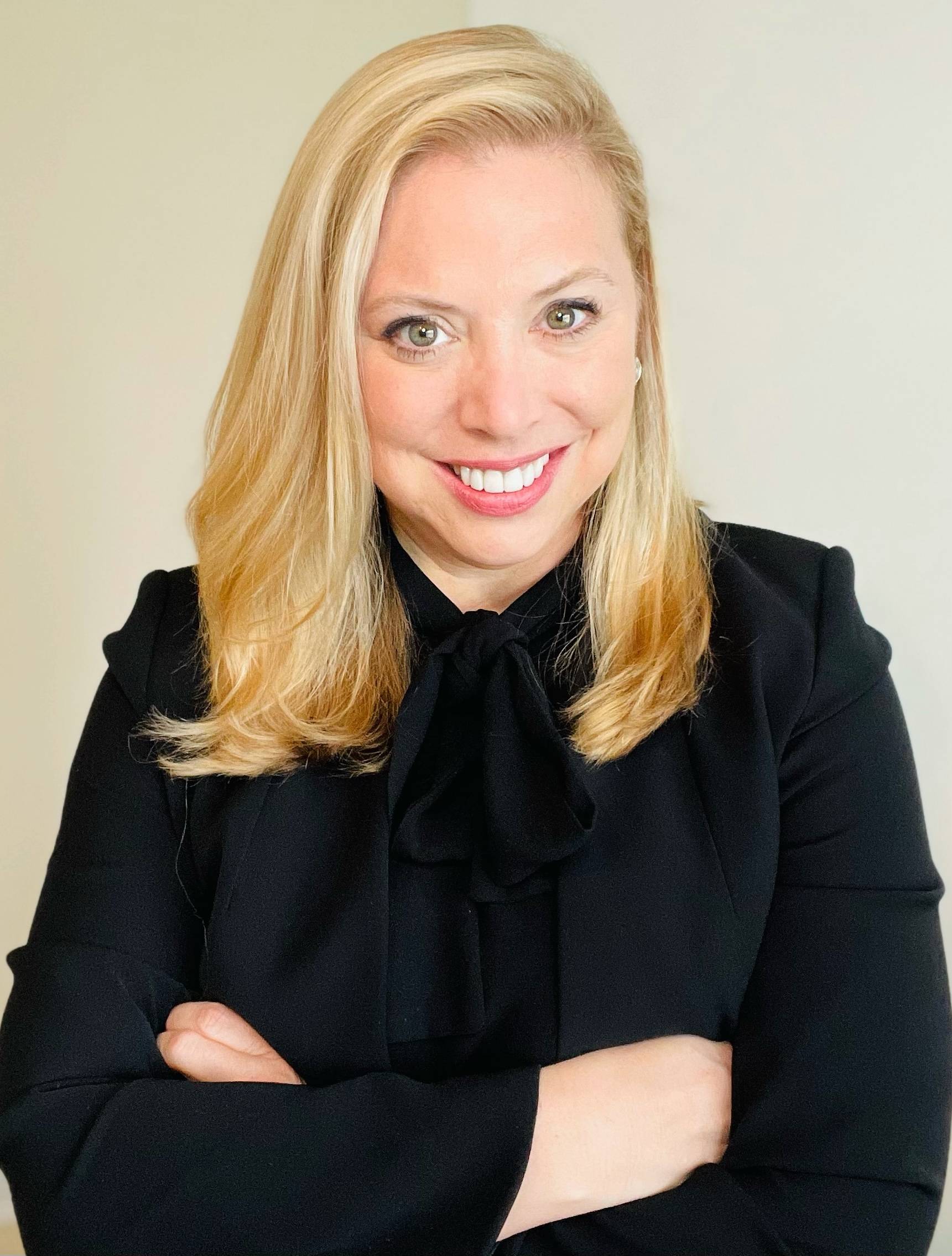 Dr. Lisa Meeks is a distinguished scholar and leader whose unwavering commitment to inclusivity and excellence has significantly influenced the landscape of health professions education and accessibility. She is the founder and executive director of the DocsWithDisabilities Initiative and holds appointments as an Associate Professor in the Departments of Learning Health Sciences and Family Medicine at the University of Michigan.
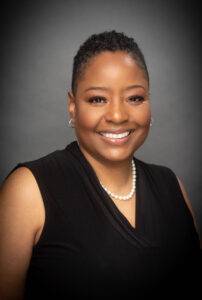 Dr. Nikia Grayson, DNP, MSN, MPH, MA, CNM, FNP-C, FACNM (she/her) is a trailblazing force in reproductive justice, blending her expertise as a public health activist, anthropologist, and family nurse-midwife to champion the rights and health of underserved communities. Graduating with distinction from Howard University, Nikia holds a bachelor’s degree in communications and a master’s degree in public health. Her academic journey also led her to the University of Memphis, where she earned a master’s in medical anthropology, and the University of Tennessee, where she achieved both a master’s in nursing and a doctorate in nursing practice. Complementing her extensive education, she completed a post-master’s certificate in midwifery at Frontier Nursing University.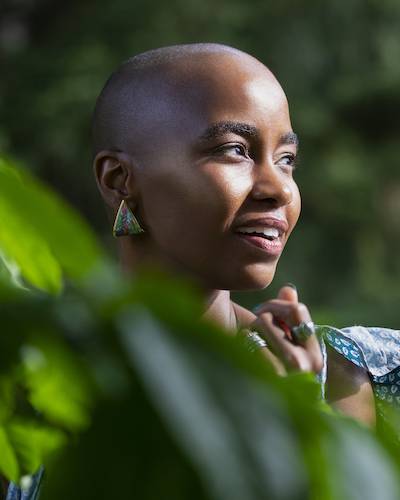
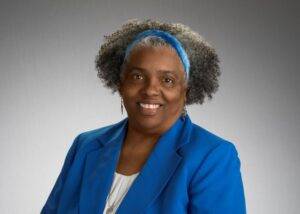


 Dr. Tia Brown McNair is the Vice President in the Office of Diversity, Equity, and Student Success and Executive Director for the Truth, Racial Healing, and Transformation (TRHT) Campus Centers at the American Association of Colleges and Universities (AAC&U) in Washington, DC. She oversees both funded projects and AAC&U’s continuing programs on equity, inclusive excellence, high-impact practices, and student success. McNair directs AAC&U’s Summer Institutes on High-Impact Practices and Student Success, and TRHT Campus Centers and serves as the project director for several AAC&U initiatives, including the development of a TRHT-focused campus climate toolkit. She is the lead author of From Equity Talk to Equity Walk: Expanding Practitioner Knowledge for Racial Justice in Higher Education (January 2020) and Becoming a Student-Ready College: A New Culture of Leadership for Student Success (July 2016 and August 2022 Second edition).