
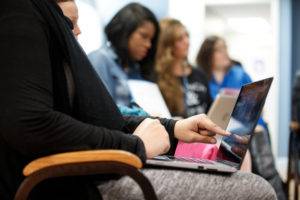
 While Frontier Nursing University (FNU) has been using a distance education model for more than thirty years, it has always relied on critical in-person sessions of training and fellowship to nurture student success. When COVID-19 began to pose a severe threat in the United States, FNU leadership knew they needed to find a way to keep students safe, while still providing quality education. Now more than ever, the country realizes the value of qualified nurse practitioners and nurse-midwives, and FNU is committed to increasing the number of dedicated individuals heading out to the frontlines. To maintain this commitment, Frontier had to make significant adjustments to some of these foundational sessions, including Frontier Bound, Clinical Bound, and the clinical experience.
When FNU realized the need to redesign Frontier Bound and Clinical Bound sessions, a lot needed to be considered. Both sessions are usually held at the Kentucky campus and allow for time to learn and connect with one another. Frontier Bound is a three-day introduction into the program, while Clinical Bound is a five-day clinical skill-intensive with hands-on training. How could FNU effectively hold these sessions without face-to-face interaction?
FNU faculty quickly began developing a new plan to create a digital format for the sessions, which would still promote community and provide quality education. By expanding the use of Zoom and other video technology, they were still able to benefit from the engagement of face-to-face communications without health risks. Leadership has been pleasantly surprised to find that the new session format has allowed for the same sense of community and renewed inspiration that students and faculty have always looked forward to at these events. Students are reporting positive feedback for session content while still feeling connected and supported.
Some of the specific changes made in the transition to an online format for Frontier Bound included taking extra time to invest in discussions of student concerns in the wake of COVID-19, conducting team-building activities, and assisting students with internet troubleshooting. Small breakout groups were especially helpful in ensuring an intimate setting in the distance environment.
Considering that FNU Clinical Bound sessions are built around hands-on skill-building activities, reworking the program required a lot of dedication as faculty members attempted to produce equivalent training for students. What resulted is a whole new Clinical Bound program designed around online simulations and student reenactments delivered through Zoom meetings. Before the experience began, FNU shipped supplies to each student, such as a suture pad and perineum model. These supplies allowed Clinical Bound Faculty to teach practical skills such as hand placement for birth and suturing. Because students had their own simulation tools, faculty could watch them do return demonstrations. These demonstrations were assessed and graded by faculty when students submitted physical assessment validation videos. Despite all of the changes, FNU educators have continued to see quality work from adaptive students. Notably, FNU’s clinical preceptors rated the students who attended virtual Clinical Bound sessions with very little difference in performance compared to students who had participated in on-site Clinical Bound sessions.
Following Clinical Bound, the next step in a student’s journey is working alongside a preceptor during their clinical practicum. Unfortunately, as a result of COVID-19, many of Frontier’s clinical sites have been unable to accept students over the past few months. For FNU leadership, translating this aspect of the student experience was undoubtedly the most challenging. However, after weeks of brainstorming and development, Frontier’s dynamic faculty created an equivalent and innovative program to fill this gap.
FNU successfully built a Virtual Clinical Simulations program for displaced clinical students. The program’s state-of-the-art simulation design provides virtual, lifelike scenarios for students. Some topics addressed include: taking patient history, handling pregnancy concerns during the wake of COVID-19, breastfeeding, and postpartum issues. Much like the Clinical Bound training, leadership is receiving positive feedback from students and staff as knowledgeable, confident, new nurse practitioners and nurse-midwives emerge from the program. This type of educational experience replaced 135 hours of the then-minimum requirement of 675 hours of on-site clinical experience during the first months of the Pandemic. This dramatically decreased the stress for FNU’s clinical site placement during this critical period as they adjusted to the demands of the Pandemic. Due to the positive response to these simulated clinical experiences, Frontier will continue to supplement in-person clinical with a selected simulated clinical time that is led by FNU faculty.
Although the Frontier community can’t wait to all unite in in-person fellowship again, we rest easy in the meantime, knowing our students, faculty, and staff continue to exceed expectations in adaptability, kindness, and comprehension.
For more information on ways that FNU is continuing to creatively and effectively adjust its curriculum to meet the community’s needs during COVID-19, visit the FNU blog and COVID-19 updates page.
View this special issue of the FNU Quarterly Bulletin, which focuses on how the FNU community has answered the call to combat the COVID-19 Pandemic.
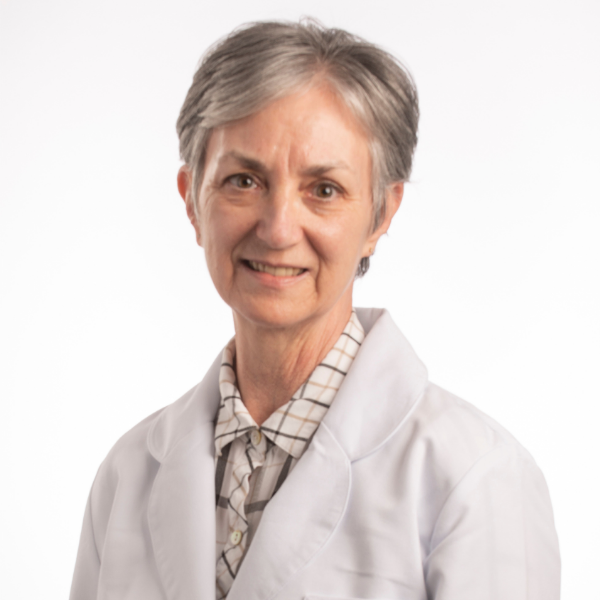



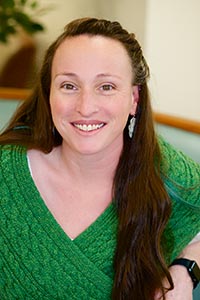
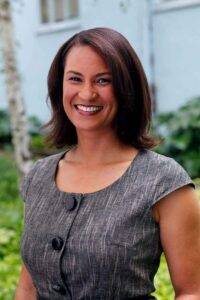
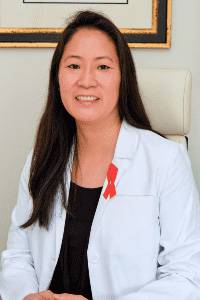 Carrie Belin is an experienced board-certified Family Nurse Practitioner and a graduate of the Johns Hopkins DNP program, Johns Hopkins Bloomberg School of Public Health, Georgetown University School of Nursing, and Johns Hopkins School of Nursing. She has also completed fellowships at Georgetown and the University of California Irvine.
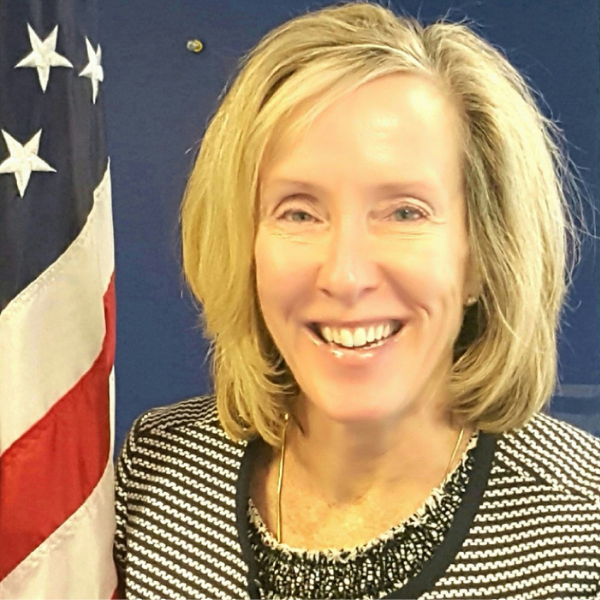
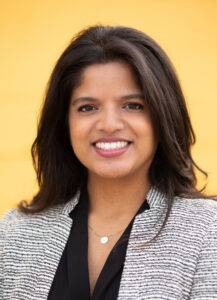
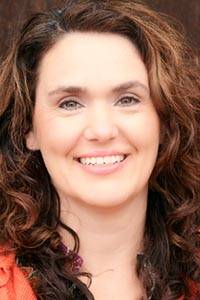 Angie has been a full-scope midwife since 2009. She has experience in various birth settings including home, hospital, and birth centers. She is committed to integrating the midwifery model of care in the US. She completed her master’s degree in nurse-midwifery at Frontier Nursing University (FNU) and her Doctorate at Johns Hopkins University. She currently serves as the midwifery clinical faculty at FNU. Angie is motivated by the desire to improve the quality of healthcare and has led quality improvement projects on skin-to-skin implementation, labor induction, and improving transfer of care practices between hospital and community midwives. In 2017, she created a short film on skin-to-skin called
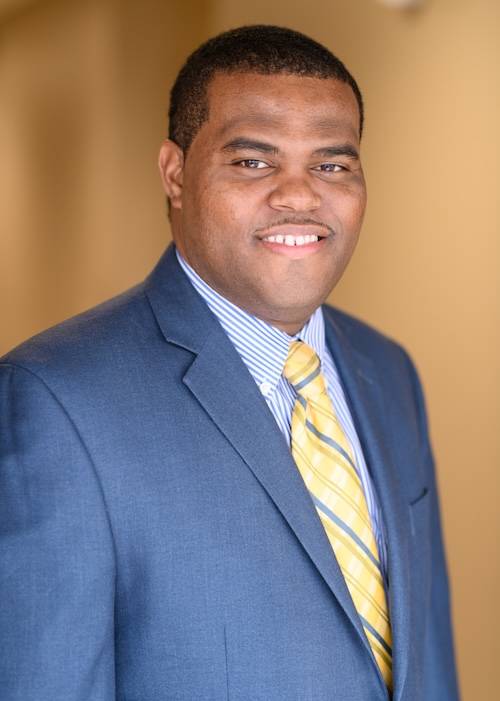
 Justin C. Daily, BSN, RN, has ten years of experience in nursing. At the start of his nursing career, Justin worked as a floor nurse on the oncology floor at St. Francis. He then spent two years as the Director of Nursing in a small rural Kansas hospital before returning to St. Francis and the oncology unit. He has been in his current position as the Chemo Nurse Educator for the past four years. He earned an Associate in Nurse from Hutchinson Community College and a Bachelor of Science in Nursing from Bethel College.
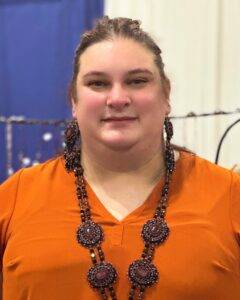
 Brandy Jackson serves as the Director of Undergraduate Nursing Programs and Assistant Educator at Wichita State University and Co-Director of Access in Nursing. Brandy is a seasoned educator with over 15 years of experience. Before entering academia, Brandy served in Hospital-based leadership and Critical Care Staff nurse roles. Brandy is passionate about equity in nursing education with a focus on individuals with disabilities. Her current research interests include accommodations of nursing students with disabilities in clinical learning environments and breaking down barriers for historically unrepresented individuals to enter the nursing profession. Brandy is also actively engaged in Interprofessional Education development, creating IPE opportunities for faculty and students at Wichita State. Brandy is an active member of Wichita Women for Good and Soroptimist, with the goal to empower women and girls. Brandy is a TeamSTEPPS master trainer. She received the DASIY Award for Extraordinary Nursing Faculty in 2019 at Wichita State University.
  Dr. Sabrina Ali Jamal-Eddine is an Arab-disabled queer woman of color with a PhD in Nursing and an interdisciplinary certificate in Disability Ethics from the University of Illinois Chicago (UIC). Dr. Jamal-Eddine’s doctoral research explored spoken word poetry as a form of critical narrative pedagogy to educate nursing students about disability, ableism, and disability justice. Dr. Jamal-Eddine now serves as a Postdoctoral Research Associate in UIC’s Department of Disability and Human Development and serves on the Board of Directors of the National Organization of Nurses with Disabilities (NOND). During her doctoral program, Sabrina served as a Summer Fellow at a residential National Endowment of the Humanities (NEH) Summer Institute at Arizona State University (2023), a summer fellow at Andrew W. Mellon’s National Humanities Without Walls program at University of Michigan (2022), a Summer Research Fellow at UC Berkeley’s Othering & Belonging Institute (2021), and an Illinois Leadership Education in Neurodevelopmental and related Disabilities (LEND) trainee (2019-2020).
 Vanessa Cameron works for Vanderbilt University Medical Center in Nursing Education & Professional Development. She is also attending George Washington University and progressing towards a PhD in Nursing with an emphasis on ableism in nursing. After becoming disabled in April 2021, Vanessa’s worldview and perspective changed, and a recognition of the ableism present within healthcare and within the culture of nursing was apparent. She has been working since that time to provide educational foundations for nurses about disability and ableism, provide support for fellow disabled nursing colleagues, and advocate for the disabled community within healthcare settings to reduce disparities.
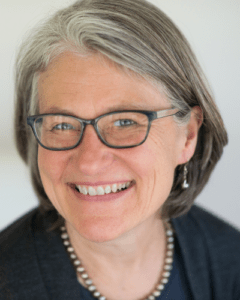
 Dr. Lucinda Canty is a certified nurse-midwife, Associate Professor of Nursing, and Director of the Seedworks Health Equity in Nursing Program at the University of Massachusetts Amherst. She earned a bachelor’s degree in nursing from Columbia University, a master’s degree from Yale University, specializing in nurse-midwifery, and a PhD from the University of Connecticut. Dr. Canty has provided reproductive health care for over 29 years. Her research interests include the prevention of maternal mortality and severe maternal morbidity, reducing racial and ethnic health disparities in reproductive health, promoting diversity in nursing, and eliminating racism in nursing and midwifery.
 Dr. Lisa Meeks is a distinguished scholar and leader whose unwavering commitment to inclusivity and excellence has significantly influenced the landscape of health professions education and accessibility. She is the founder and executive director of the DocsWithDisabilities Initiative and holds appointments as an Associate Professor in the Departments of Learning Health Sciences and Family Medicine at the University of Michigan.
 Dr. Nikia Grayson, DNP, MSN, MPH, MA, CNM, FNP-C, FACNM (she/her) is a trailblazing force in reproductive justice, blending her expertise as a public health activist, anthropologist, and family nurse-midwife to champion the rights and health of underserved communities. Graduating with distinction from Howard University, Nikia holds a bachelor’s degree in communications and a master’s degree in public health. Her academic journey also led her to the University of Memphis, where she earned a master’s in medical anthropology, and the University of Tennessee, where she achieved both a master’s in nursing and a doctorate in nursing practice. Complementing her extensive education, she completed a post-master’s certificate in midwifery at Frontier Nursing University.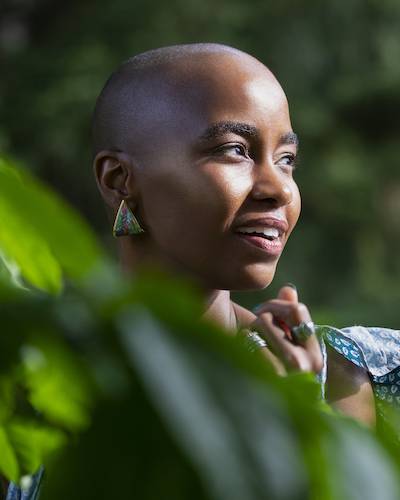


 Dr. Tia Brown McNair is the Vice President in the Office of Diversity, Equity, and Student Success and Executive Director for the Truth, Racial Healing, and Transformation (TRHT) Campus Centers at the American Association of Colleges and Universities (AAC&U) in Washington, DC. She oversees both funded projects and AAC&U’s continuing programs on equity, inclusive excellence, high-impact practices, and student success. McNair directs AAC&U’s Summer Institutes on High-Impact Practices and Student Success, and TRHT Campus Centers and serves as the project director for several AAC&U initiatives, including the development of a TRHT-focused campus climate toolkit. She is the lead author of From Equity Talk to Equity Walk: Expanding Practitioner Knowledge for Racial Justice in Higher Education (January 2020) and Becoming a Student-Ready College: A New Culture of Leadership for Student Success (July 2016 and August 2022 Second edition).