
Recognition and Care of the Horses
The nurses of the Frontier Nursing Service (FNS) have been widely celebrated for their commitment and courage in providing nursing and midwifery services in some of the most rugged, remote, and impoverished areas of southeastern Kentucky. However, much less has been written about the nurses’ partners in service, their horses. With almost no roads in the FNS service area, the nurses relied on their horses to navigate a network of rugged mountain trails to reach their patients. Traversing those isolated trails in challenging weather, day and night, required close collaboration between the nurse and her horse. The horses played an essential role in enabling the nurses to get to their patients and transport people in need to urgent services.
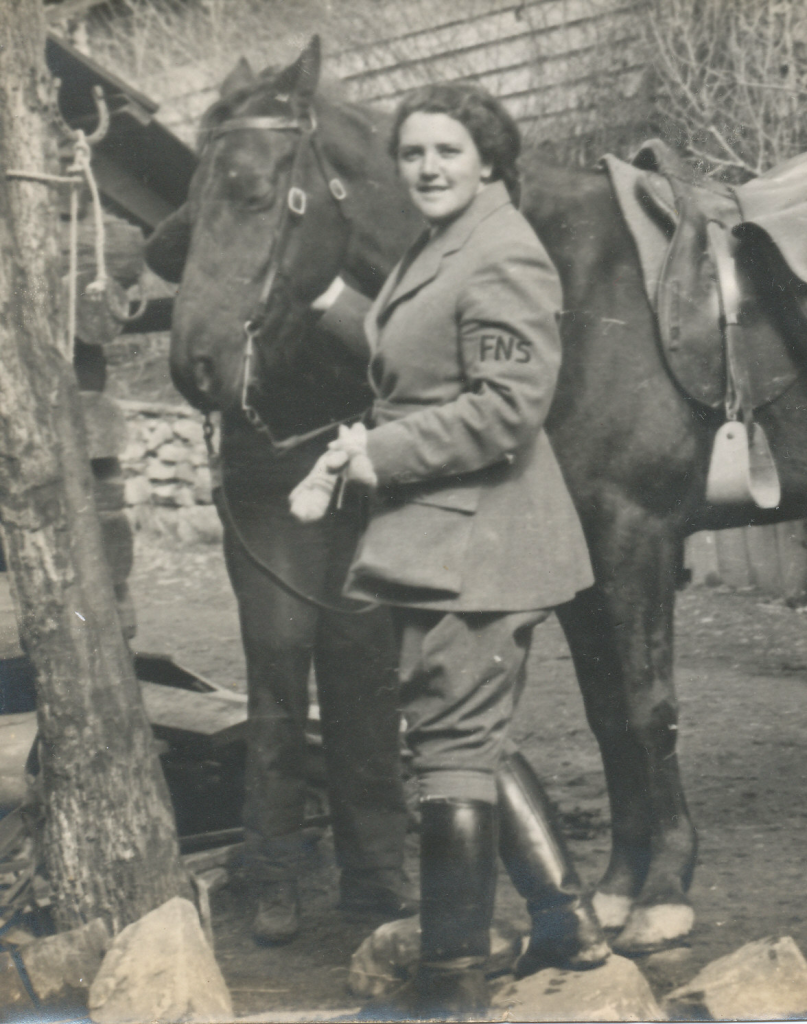
Although stories of the FNS nurses often overshadow the role of the horses, the nurses knew that the horses were essential and treated their beloved equines with great care and respect. Beyond providing transportation in a place where vehicles could not travel, the horse served as the nurse’s companion and partner in her work and was often the only company the nurse had for long stretches of time.
The FNS needed horses with the stamina to glide smoothly and quickly for long periods of time through the mountain trails. They selected naturally gaited horses such as the Tennessee Walking Horse because they could be trained to use a running walk, often described as a smooth, gliding walk. The smooth walk was necessary to protect the medical supplies in the saddlebags and provide the most comfortable ride for both the nurse and the horse, who often spent hours a day on the trail. The smooth ride was particularly important when the nurses had to carry an infant or child on their horse, and certain horses would “settle” and move even more quietly whenever a child was in the saddle with a nurse. The running walk was also faster than the typical walk, which was important since many families lived miles away from the nursing center and when there was a woman in labor or a serious illness or injury, the nurses had to travel quickly.
One of the best examples of the nurses’ love of their horses was Mary Breckinridge. Although she had broken her back while rolling off a runaway horse, she returned to riding when able. Her horse, Babbette, was well known for her ability to walk smoothly carrying a child or when carrying Mary Breckinridge after she recovered from her injuries. Breckinridge wrote that her back would give out after three hours in the saddle and she would tell Babbette, “The back has crashed, take it easy,” and her horse would immediately switch to a gentle walk.
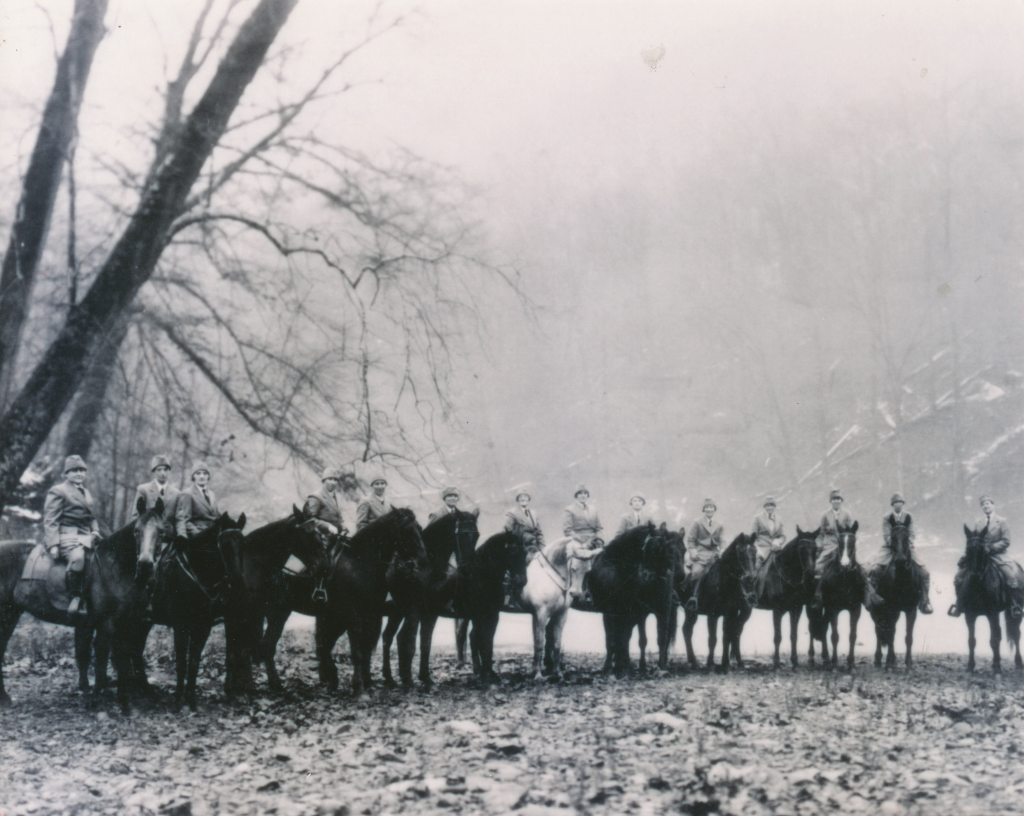
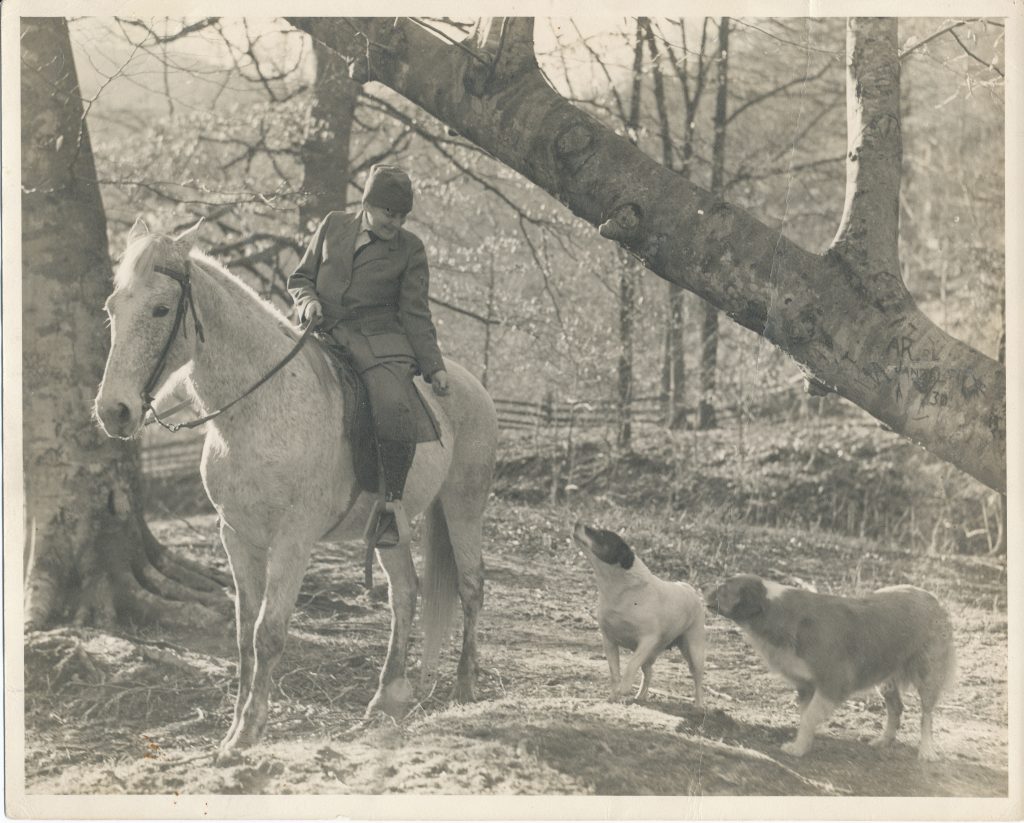
Although the nurses guided the horses to where they needed to go, the horses knew their area, and the nurses had been taught that if they were ever lost, they should loosen their hold on the reins and let the horse “have its head,” and the horse would take them home. The nurses were also closely tuned into their horse’s senses. If a horse stopped on the trail, the nurse knew that it sensed danger such as a snake, a stranger, smoke, an odd odor, or even something that was out of the ordinary. Whenever this happened, the nurse knew to proceed with caution or turn around and take another trail.
In addition to carrying nurses and supplies to where they were needed, the horses also had to wait while the nurse made her visits. Waiting while tied to a rail is difficult for horses for any length of time. Indeed, there are several iconic FNS photos of a horse tied to a rail labeled “Waiting.” Although most visits were relatively short, when the nurse was attending a labor and birth or a serious illness or injury, the wait for the horses could be hours. Families always cared for the nurse’s horse, providing fresh water and oats, but the horse still had to wait for its warm, comfortable stable and regular feed. Some of the horses knew that when they heard a baby cry, that meant they would be going home soon. At one birth, a horse named Commando was tied near the open window of a mountain home and when the baby cried, he put his head through the window and “whinnied joyfully.” But the nurse’s work was not done when the baby arrived. After a birth, the nurse had to wait to make sure that both the mother and baby were doing well and then clean and repack her supplies in the saddlebags. When the nurse’s work was done, she would mount her horse and head for home, where she would unsaddle her horse, brush and rub it down, feed it, and secure it in its stable for a well-earned rest.
The horses often faced significant risks in their service. Trails were ungroomed, so the ground was uneven with rocks and tree roots, and some had precipitous drop-offs. The horses also endured harsh conditions such as snow and ice, which sometimes required the use of “ice nails” in the horse’s shoes for traction. The ice nails did not hurt the horses; they stuck out of the horseshoe, enabling the horse to get better traction. One midwifery student described the experience of following her supervisor to attend a birth on a moonless, cold winter night when the only thing she could see was the sparks from her supervisor’s horse’s ice nails. The horses also had to ford rivers and occasionally encountered quicksand near the riverbanks. One of the trails was so steep that after a long climb up the mountain, the horse had to sit back on its haunches and slide down the trail on the other side. This maneuver was incredibly difficult for a horse and required a skilled rider and a well-trained, trusting horse.
Horses were well cared for by many staff members. The FNS couriers provided most of the routine care of the horses. Farriers cared for the horses’ hooves and replaced horseshoes. Many of the local people had extensive knowledge of caring for horses. Although few veterinarians were nearby, they could be consulted by telegram, letter, and later telephone. Occasionally, horses had to be cared for by their nurse, especially when out on the trail or at the remote district nursing centers. When possible, the nurses sought consultation with someone who had veterinary expertise to provide a plan of care for the horse. But if no consultation was available, the nurses treated the horses using the therapies and medications designed for their human patients and improvised as needed.
How the Horses Cared for the Nurses
Horses were assigned to each of the nurses. Mary Breckinridge personally oversaw the naming of horses and their assignment to individual nurses and staff members. The decision of which horse was assigned to which nurse was based on the nurse’s skill as a rider, her personality, and the horse’s personality. A horse assigned to a nurse was generally a permanent assignment so that over time, the horse and the nurse developed a deep, trusting relationship and knew each other’s signals and habits.

In addition to safe transportation, the horses also provided comfort to the nurses. Horses are known for their calming and therapeutic presence, and that quiet, calm presence was often needed after the nurse managed a difficult labor and birth, a serious illness or injury, or a death. The nurses almost always worked alone, providing the best possible care for a patient and supporting the family through the event. After a difficult encounter, the nurses had no colleagues nearby to talk to and no way to call a friend. But they had their horse. It must have been a tremendous comfort to be able to complete their work and come out and mount their warm, strong, calm horse to go home; it was the nurse’s turn to depend on someone else.
The horses also had to be a comfort for the nurses when they were riding alone, especially at night. Although no person ever harmed a FNS nurse, and a family member almost always accompanied the nurse at night, sometimes the nurse had to ride ahead of the family member in an emergency or ride alone if the person summoning the nurse did not have a horse. Some of the homes were hours away, so the journey was long. The darkness and quiet of the mountain trails had to be terribly lonely for the nurses, and the size, strength, and warmth of the nurse’s horse served as far more than transport.
Legacy of the Horses
Although horses are no longer part of Frontier Nursing University’s daily work, their contribution to the FNS and the university endures, and the nurse on horseback remains at the center of Frontier Nursing University’s logo. The nurse on horseback symbolizes the bravery and determination to reach patients and provide excellent care regardless of the circumstances — qualities that we value to this day.
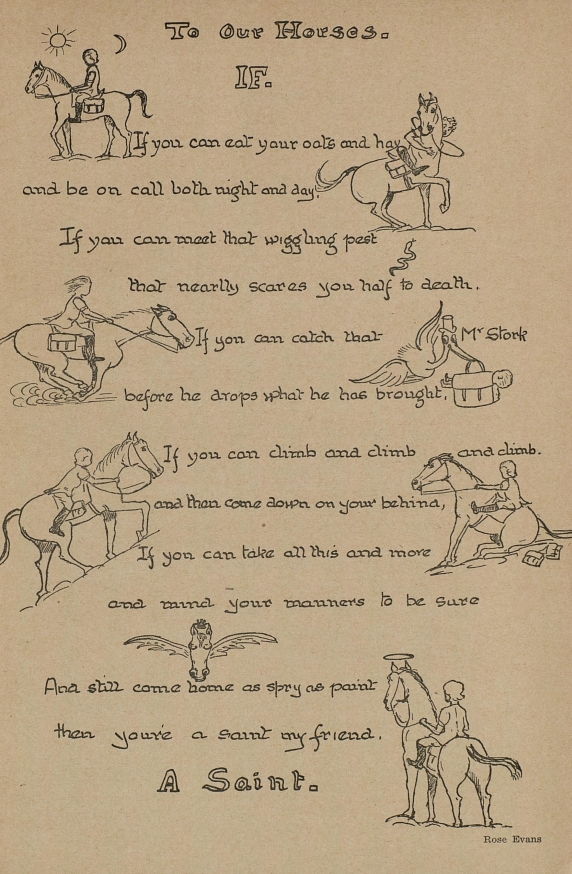
Through a century of transformation of the original nursing service into a university, the logo remains unchanged because it depicts the innovation of using nurses with advanced training and horses who could safely move the nurses to where healthcare was needed. The image of the nurse and horse moving together demonstrates the FNS/FNU commitment to finding innovative methods of serving people in need and educating nurses who can meet those needs, regardless of where they live.
Editor’s Note: In 2025, we celebrated the 100th anniversary of the forming of the Frontier Nursing Service. We shared many of the stories of the people and events that framed Frontier’s history and led the university to where it is today. Among the many lessons we learned from these stories was that we have many more to tell. Three FNU faculty members suggested the idea of a standing history column in the Quarterly Bulletin and graciously agreed to share their knowledge and expertise in writing these informative and engaging stories that are forever part of the fabric of FNU.
This piece was originally authored by the following FNU faculty members in the Winter 2026 Quarterly Bulletin:
Janet L. Engstrom, PhD, APRN, CNM, WHNP-BC, CNE
Joanne M. Keefe, DNP, MPH, APRN, FNP-c, CNE
Anne Z. Cockerham, PhD, APRN, CNM, WHNP-BC, CNE
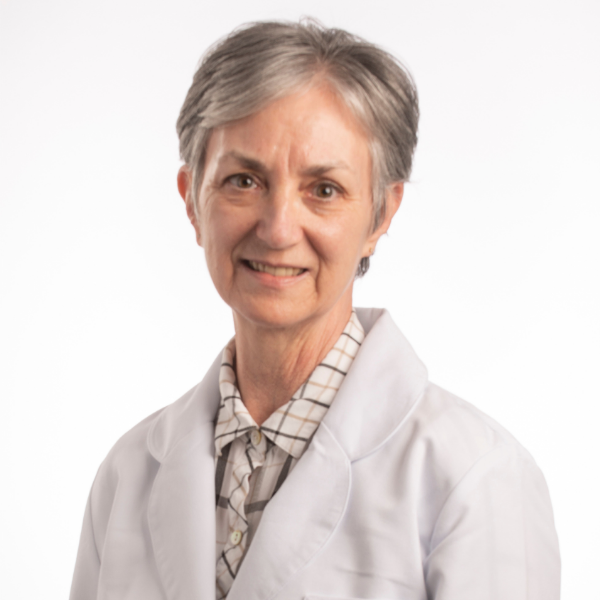
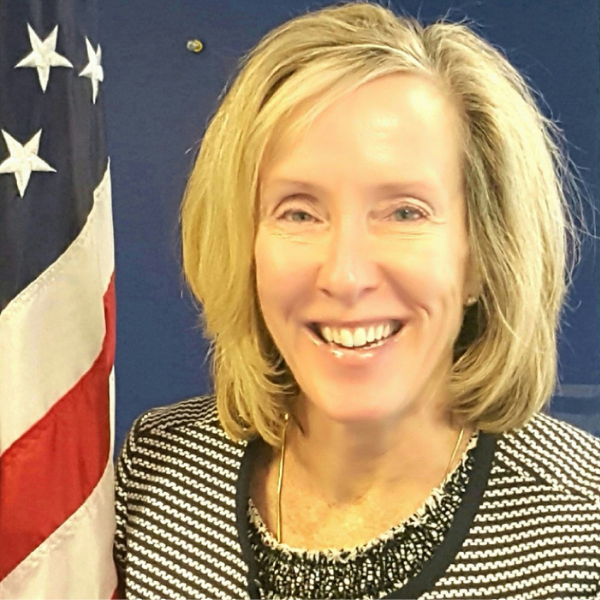

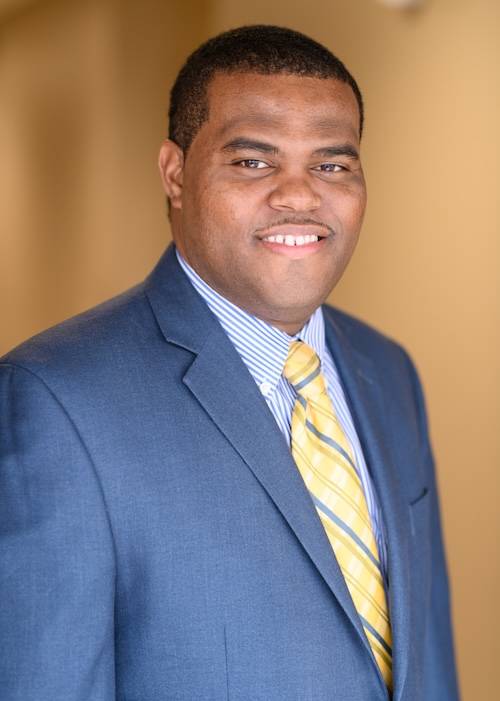
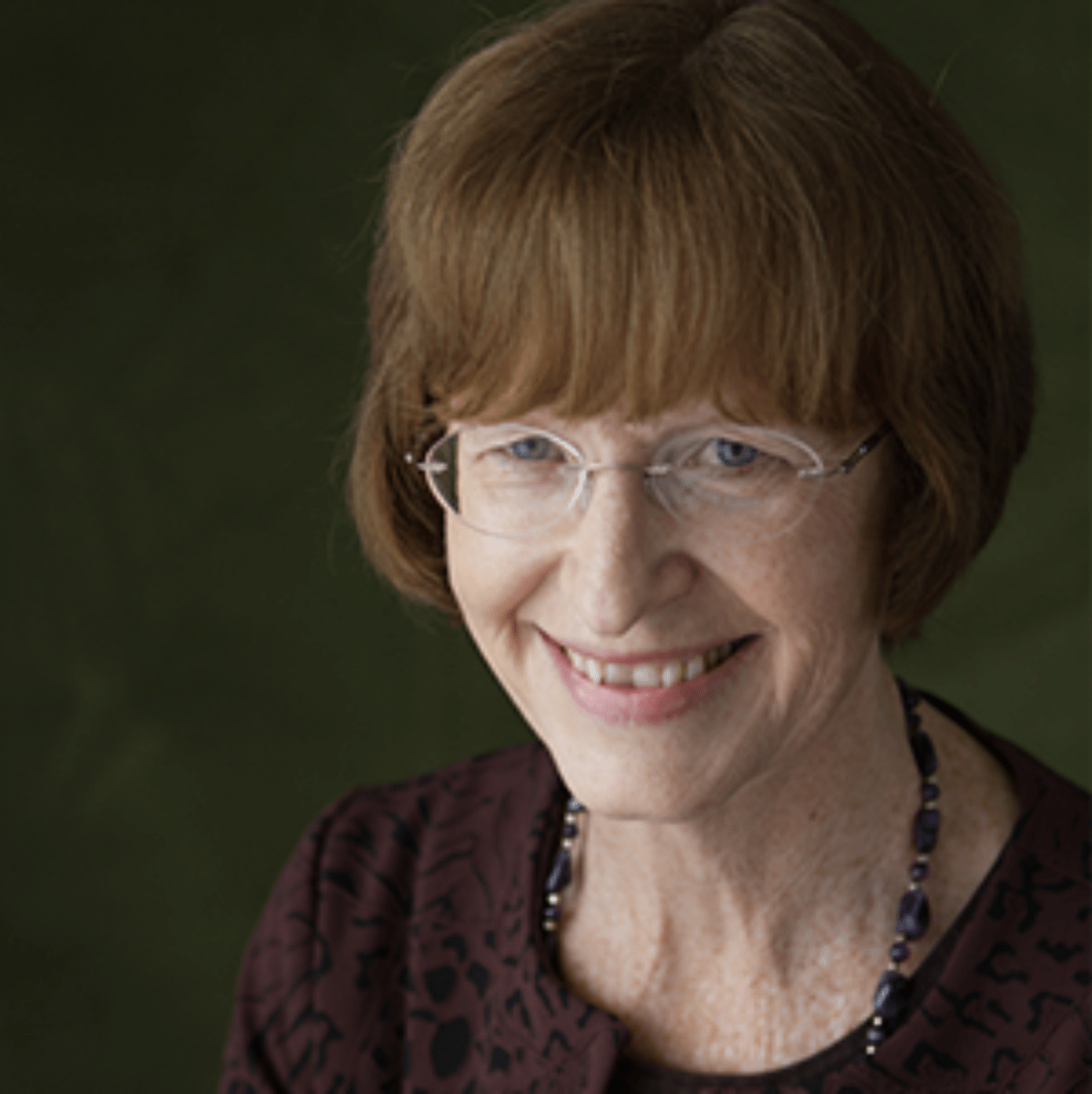




 Carrie Belin is an experienced board-certified Family Nurse Practitioner and a graduate of the Johns Hopkins DNP program, Johns Hopkins Bloomberg School of Public Health, Georgetown University School of Nursing, and Johns Hopkins School of Nursing. She has also completed fellowships at Georgetown and the University of California Irvine.
 Angie has been a full-scope midwife since 2009. She has experience in various birth settings including home, hospital, and birth centers. She is committed to integrating the midwifery model of care in the US. She completed her master’s degree in nurse-midwifery at Frontier Nursing University (FNU) and her Doctorate at Johns Hopkins University. She currently serves as the midwifery clinical faculty at FNU. Angie is motivated by the desire to improve the quality of healthcare and has led quality improvement projects on skin-to-skin implementation, labor induction, and improving transfer of care practices between hospital and community midwives. In 2017, she created a short film on skin-to-skin called


 Justin C. Daily, BSN, RN, has ten years of experience in nursing. At the start of his nursing career, Justin worked as a floor nurse on the oncology floor at St. Francis. He then spent two years as the Director of Nursing in a small rural Kansas hospital before returning to St. Francis and the oncology unit. He has been in his current position as the Chemo Nurse Educator for the past four years. He earned an Associate in Nurse from Hutchinson Community College and a Bachelor of Science in Nursing from Bethel College.
 Brandy Jackson serves as the Director of Undergraduate Nursing Programs and Assistant Educator at Wichita State University and Co-Director of Access in Nursing. Brandy is a seasoned educator with over 15 years of experience. Before entering academia, Brandy served in Hospital-based leadership and Critical Care Staff nurse roles. Brandy is passionate about equity in nursing education with a focus on individuals with disabilities. Her current research interests include accommodations of nursing students with disabilities in clinical learning environments and breaking down barriers for historically unrepresented individuals to enter the nursing profession. Brandy is also actively engaged in Interprofessional Education development, creating IPE opportunities for faculty and students at Wichita State. Brandy is an active member of Wichita Women for Good and Soroptimist, with the goal to empower women and girls. Brandy is a TeamSTEPPS master trainer. She received the DASIY Award for Extraordinary Nursing Faculty in 2019 at Wichita State University.
  Dr. Sabrina Ali Jamal-Eddine is an Arab-disabled queer woman of color with a PhD in Nursing and an interdisciplinary certificate in Disability Ethics from the University of Illinois Chicago (UIC). Dr. Jamal-Eddine’s doctoral research explored spoken word poetry as a form of critical narrative pedagogy to educate nursing students about disability, ableism, and disability justice. Dr. Jamal-Eddine now serves as a Postdoctoral Research Associate in UIC’s Department of Disability and Human Development and serves on the Board of Directors of the National Organization of Nurses with Disabilities (NOND). During her doctoral program, Sabrina served as a Summer Fellow at a residential National Endowment of the Humanities (NEH) Summer Institute at Arizona State University (2023), a summer fellow at Andrew W. Mellon’s National Humanities Without Walls program at University of Michigan (2022), a Summer Research Fellow at UC Berkeley’s Othering & Belonging Institute (2021), and an Illinois Leadership Education in Neurodevelopmental and related Disabilities (LEND) trainee (2019-2020).
 Vanessa Cameron works for Vanderbilt University Medical Center in Nursing Education & Professional Development. She is also attending George Washington University and progressing towards a PhD in Nursing with an emphasis on ableism in nursing. After becoming disabled in April 2021, Vanessa’s worldview and perspective changed, and a recognition of the ableism present within healthcare and within the culture of nursing was apparent. She has been working since that time to provide educational foundations for nurses about disability and ableism, provide support for fellow disabled nursing colleagues, and advocate for the disabled community within healthcare settings to reduce disparities.
 Dr. Lucinda Canty is a certified nurse-midwife, Associate Professor of Nursing, and Director of the Seedworks Health Equity in Nursing Program at the University of Massachusetts Amherst. She earned a bachelor’s degree in nursing from Columbia University, a master’s degree from Yale University, specializing in nurse-midwifery, and a PhD from the University of Connecticut. Dr. Canty has provided reproductive health care for over 29 years. Her research interests include the prevention of maternal mortality and severe maternal morbidity, reducing racial and ethnic health disparities in reproductive health, promoting diversity in nursing, and eliminating racism in nursing and midwifery.
 Dr. Lisa Meeks is a distinguished scholar and leader whose unwavering commitment to inclusivity and excellence has significantly influenced the landscape of health professions education and accessibility. She is the founder and executive director of the DocsWithDisabilities Initiative and holds appointments as an Associate Professor in the Departments of Learning Health Sciences and Family Medicine at the University of Michigan.
 Dr. Nikia Grayson, DNP, MSN, MPH, MA, CNM, FNP-C, FACNM (she/her) is a trailblazing force in reproductive justice, blending her expertise as a public health activist, anthropologist, and family nurse-midwife to champion the rights and health of underserved communities. Graduating with distinction from Howard University, Nikia holds a bachelor’s degree in communications and a master’s degree in public health. Her academic journey also led her to the University of Memphis, where she earned a master’s in medical anthropology, and the University of Tennessee, where she achieved both a master’s in nursing and a doctorate in nursing practice. Complementing her extensive education, she completed a post-master’s certificate in midwifery at Frontier Nursing University.




 Dr. Tia Brown McNair is the Vice President in the Office of Diversity, Equity, and Student Success and Executive Director for the Truth, Racial Healing, and Transformation (TRHT) Campus Centers at the American Association of Colleges and Universities (AAC&U) in Washington, DC. She oversees both funded projects and AAC&U’s continuing programs on equity, inclusive excellence, high-impact practices, and student success. McNair directs AAC&U’s Summer Institutes on High-Impact Practices and Student Success, and TRHT Campus Centers and serves as the project director for several AAC&U initiatives, including the development of a TRHT-focused campus climate toolkit. She is the lead author of From Equity Talk to Equity Walk: Expanding Practitioner Knowledge for Racial Justice in Higher Education (January 2020) and Becoming a Student-Ready College: A New Culture of Leadership for Student Success (July 2016 and August 2022 Second edition).