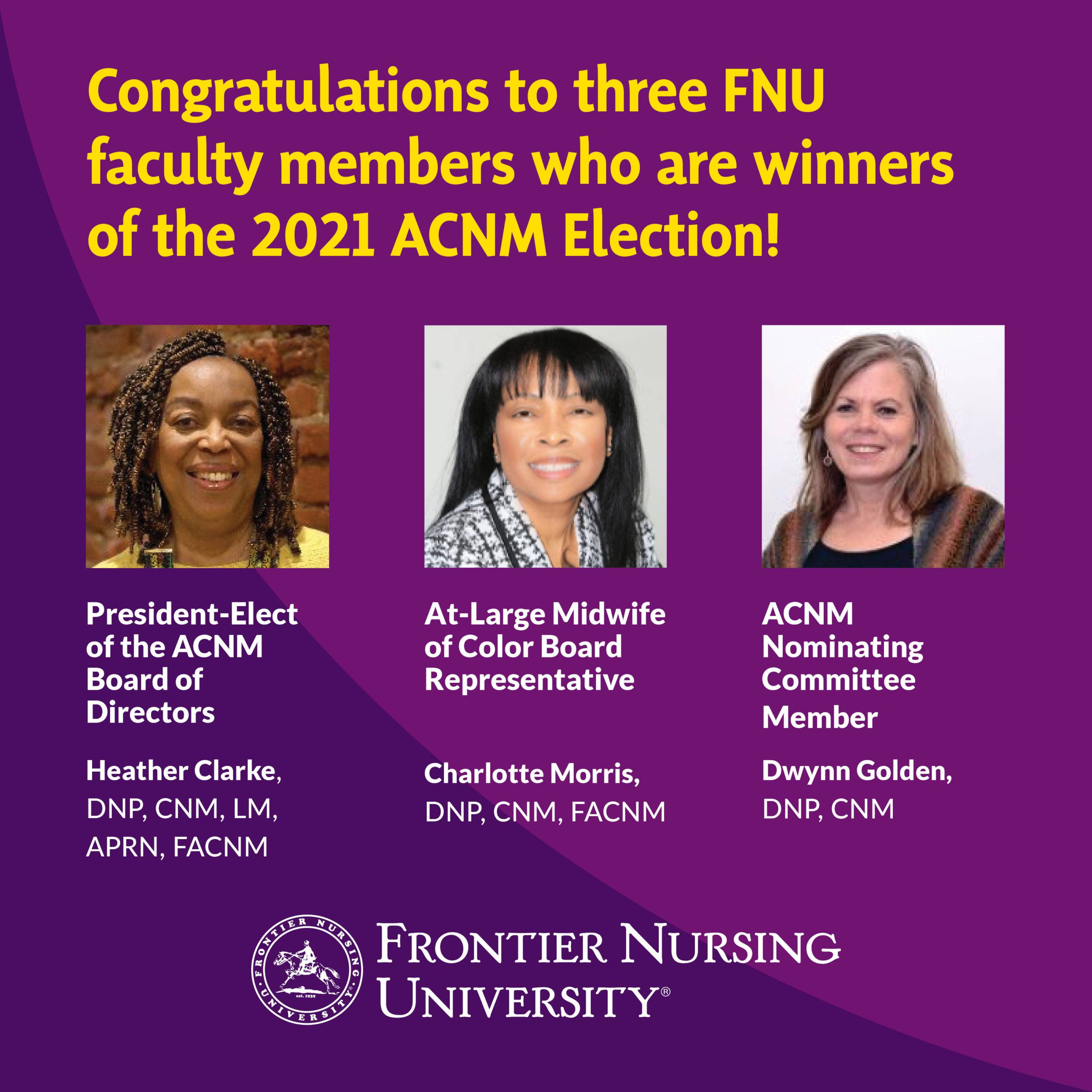
 The American College of Nurse-Midwives (ACMN) recently announced the winners of this year’s election. Frontier Nursing University (FNU) faculty and staff are excited to celebrate the three community members who will be serving with ACNM.
Here are the FNU faculty members who have been elected into leadership positions with ACNM:
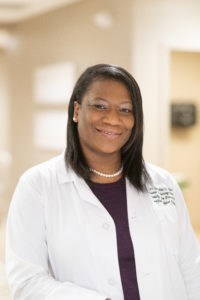
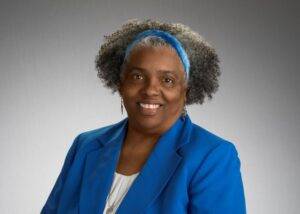
President-Elect of the ACNM Board of Directors: Heather Clarke, DNP, CNM, LM, APRN, FACNM
Dr. Heather Clarke is an assistant professor at Frontier Nursing University with a midwifery career that spans over 41 years including a rich history of clinical practice, public health, and academia. Throughout that time, she has been an active member of ACNM. Beginning in the mid-1980s, she served as Treasurer on the board of the New York ACNM chapter when it successfully fought to develop the first state board of midwifery in the US and paved the way for the development of the LM credential that is equally inclusive of CMs and CNMs.
Racial unrest and calls for equity are not new to the ACNM. Dr. Clarke was present in 1987 when the ACNM ad hoc committee on minority affairs was formed to give voice to midwives of color for the first time in its history. The ad hoc committee changed its name in the 1990s and became the standing ACNM Midwives of Color Committee (MOCC). Following previous pioneers, Dr. Clarke became the chairperson of MOCC in 2013. Under her leadership, MOCC continued to fundraise for the Watson scholarship for midwifery students of color and developed the Carrington-Hsia-Nieves scholarship to support doctoral education. Her other leadership positions included Co-Chair of the ACNM Students and New Midwives Committee and alternate ACNM representative to US-MERA. Dr. Clarke’s active engagement within ACNM has prepared her for leadership at the highest level.
Dr. Clarke has five specific goals in mind:
- To increase the midwifery workforce and expand its diversity to reflect that of our consumers.
- To push for system change that centers midwives as the primary healthcare providers for women and people throughout the reproductive health cycle.
- To close the gap in MCH disparities among BIPOC families.
- To establish consensus for implementation practices that build engagement, equity, inclusion, and respect for all members.
- To strengthen ACNM’s ability to better support the professional development of its members, and thereby increase its membership.
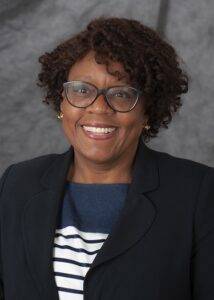
At-Large Midwife of Color Board Representative: Charlotte Morris, DNP, CNM, FACNM
Dr. Charlotte Morris is an Assistant Professor at Frontier Nursing University, where she is course faculty in two courses, Introduction to Independent Practice and Gynecologic Health. In addition to her coursework, Dr. Morris serves as a tutor for students needing additional academic support. She also serves as the Co-Chair of the Diversity and Inclusion Committee, supporting the work of the Office of Diversity Equity and Inclusion.
Dr. Morris has spent over 30 years in clinical practice committed to midwifery care for women in under-served communities. She established and served as Director of Temple Hospital’s Midwifery Practice in Philadelphia for over ten years. In 2012, she expanded her education and earned her DNP from Temple University. In ACNM, Dr. Morris has served as Chair of the Membership Committee and Secretary of the MOCC under two different chairs. Throughout this role, Dr. Morris has maintained member lists, contact information, and communication from various committee meetings and activities. Currently, Dr. Morris continues to support MOCC through the mentoring program. She also served as an elected member of the Nominating Committee and serves on ACNM Liability Committee, helping develop peer support tools for midwives experiencing adverse outcomes in clinical practice.
In addition to her academic achievements and work within ACNM, Dr. Morris is committed to service in the community. She serves as secretary on the executive board of a faith-based organization with 4,000 members. In this role, she maintains confidential documents, including financial records, legal papers, and minutes from general and executive board meetings and all archived documents.
ACNM Nominating Committee Member: Dwynn Golden, DNP, CNM
Dr. Dwynn Golden has worked at Frontier Nursing University as clinical and didactic faculty for midwifery and women’s health nurse practitioner students since 2012. She has been a midwife since 1993. Dr. Golden was in a full-scope practice from 1992-2012, then was the manager at a prenatal clinic, where she brought Centering Pregnancy to the practice. Dr. Golden has been an active ACNM member since she became a midwife and regularly attends regional and national meetings. She pursued this role to better serve the needs of midwives across the country and ensure the representation of all members.
Dr. Golden was the secretary of the Sigma Theta Tau chapter, Chi Pi, at Frontier Nursing University from 2016-2020 and attended the international congress of Sigma Theta Tau as a delegate in 2019. She believes that serving as part of the nominating committee will help her to engage with the leaders of ACNM and bring forward midwives who can provide leadership and representation for midwives across the country.
Additionally, this year’s nominating committee for the ACNM elections included FNU faculty Dr. Nena Harris and Dr. Linda McDaniel. Transitioning out of her current role as ACNM president is Dr. Cathy Collins-Fulea, who spent the past year unifying midwives across the country while advocating for inclusion and celebrating diversity. FNU couldn’t be more proud to be so involved with the wonderful ACNM organization!
Join FNU in congratulating all of the ACNM’s new leaders during the virtual 66th ACNM Annual Meeting, May 21 – 25, 2021.
To read more about each of the elected officials, visit the ACNM announcement blog here.

 In October, FNU Associate Professor Vicky Stone-Gale, DNP, APRN, FNP-BC, FAANP, and her daughter Jennifer Stone, DNP, APRN, FNP-BC became the first APRNs licensed as autonomous advanced practice registered nurses in the state of Florida. They received the good news after a house bill permitting select APRNs to practice in primary care was signed into law by the Florida governor earlier this year. The Autonomous Nurse Practitioner practices in primary care settings permitting the APRN to be independent of physician general supervision to provide care throughout Florida.
 In honor of Women’s History Month,
  Each fall,
  How has the pandemic impacted mental health in America?
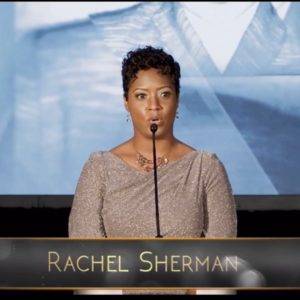 Frontier Nursing University (FNU) alumni Rachel Sherman spent last year working as a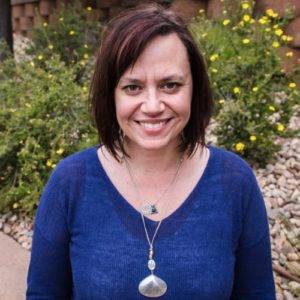
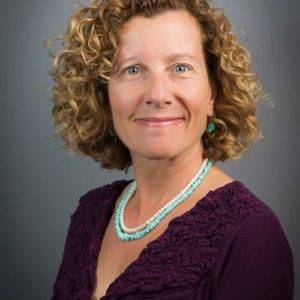 Quote from Judy: “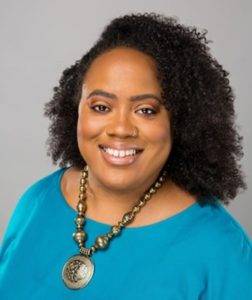



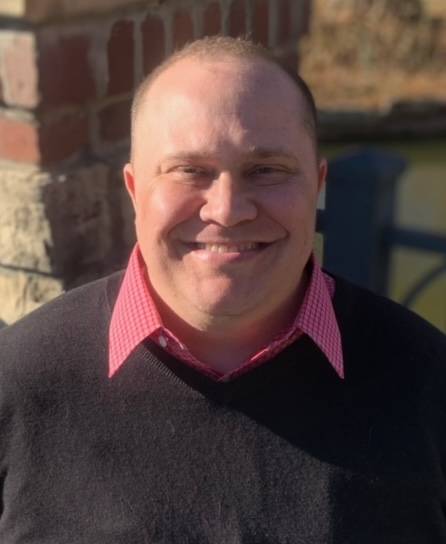 Justin C. Daily, BSN, RN, has ten years of experience in nursing. At the start of his nursing career, Justin worked as a floor nurse on the oncology floor at St. Francis. He then spent two years as the Director of Nursing in a small rural Kansas hospital before returning to St. Francis and the oncology unit. He has been in his current position as the Chemo Nurse Educator for the past four years. He earned an Associate in Nurse from Hutchinson Community College and a Bachelor of Science in Nursing from Bethel College.
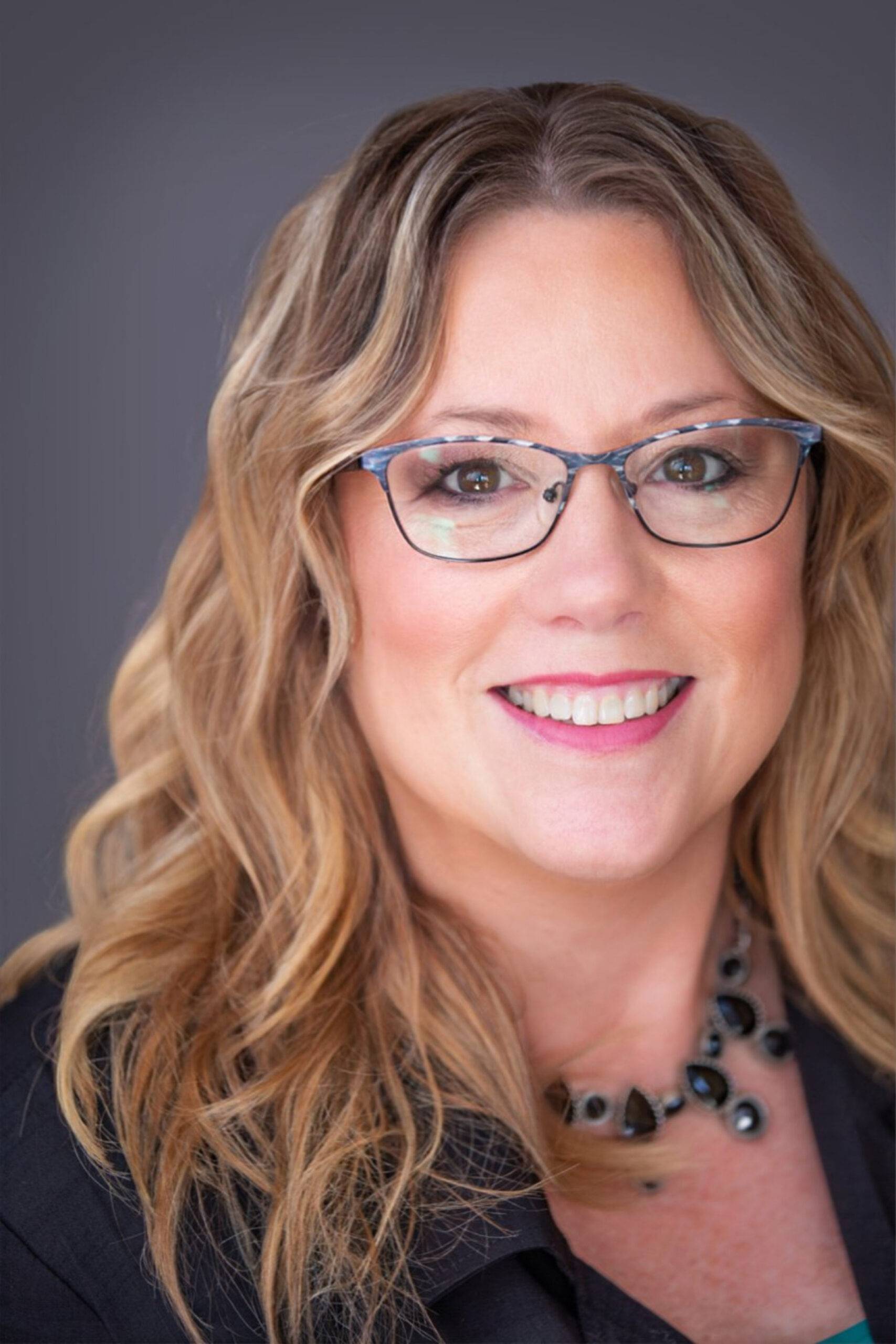 Brandy Jackson serves as the Director of Undergraduate Nursing Programs and Assistant Educator at Wichita State University and Co-Director of Access in Nursing. Brandy is a seasoned educator with over 15 years of experience. Before entering academia, Brandy served in Hospital-based leadership and Critical Care Staff nurse roles. Brandy is passionate about equity in nursing education with a focus on individuals with disabilities. Her current research interests include accommodations of nursing students with disabilities in clinical learning environments and breaking down barriers for historically unrepresented individuals to enter the nursing profession. Brandy is also actively engaged in Interprofessional Education development, creating IPE opportunities for faculty and students at Wichita State. Brandy is an active member of Wichita Women for Good and Soroptimist, with the goal to empower women and girls. Brandy is a TeamSTEPPS master trainer. She received the DASIY Award for Extraordinary Nursing Faculty in 2019 at Wichita State University.
  Dr. Sabrina Ali Jamal-Eddine is an Arab-disabled queer woman of color with a PhD in Nursing and an interdisciplinary certificate in Disability Ethics from the University of Illinois Chicago (UIC). Dr. Jamal-Eddine’s doctoral research explored spoken word poetry as a form of critical narrative pedagogy to educate nursing students about disability, ableism, and disability justice. Dr. Jamal-Eddine now serves as a Postdoctoral Research Associate in UIC’s Department of Disability and Human Development and serves on the Board of Directors of the National Organization of Nurses with Disabilities (NOND). During her doctoral program, Sabrina served as a Summer Fellow at a residential National Endowment of the Humanities (NEH) Summer Institute at Arizona State University (2023), a summer fellow at Andrew W. Mellon’s National Humanities Without Walls program at University of Michigan (2022), a Summer Research Fellow at UC Berkeley’s Othering & Belonging Institute (2021), and an Illinois Leadership Education in Neurodevelopmental and related Disabilities (LEND) trainee (2019-2020).
 Vanessa Cameron works for Vanderbilt University Medical Center in Nursing Education & Professional Development. She is also attending George Washington University and progressing towards a PhD in Nursing with an emphasis on ableism in nursing. After becoming disabled in April 2021, Vanessa’s worldview and perspective changed, and a recognition of the ableism present within healthcare and within the culture of nursing was apparent. She has been working since that time to provide educational foundations for nurses about disability and ableism, provide support for fellow disabled nursing colleagues, and advocate for the disabled community within healthcare settings to reduce disparities.
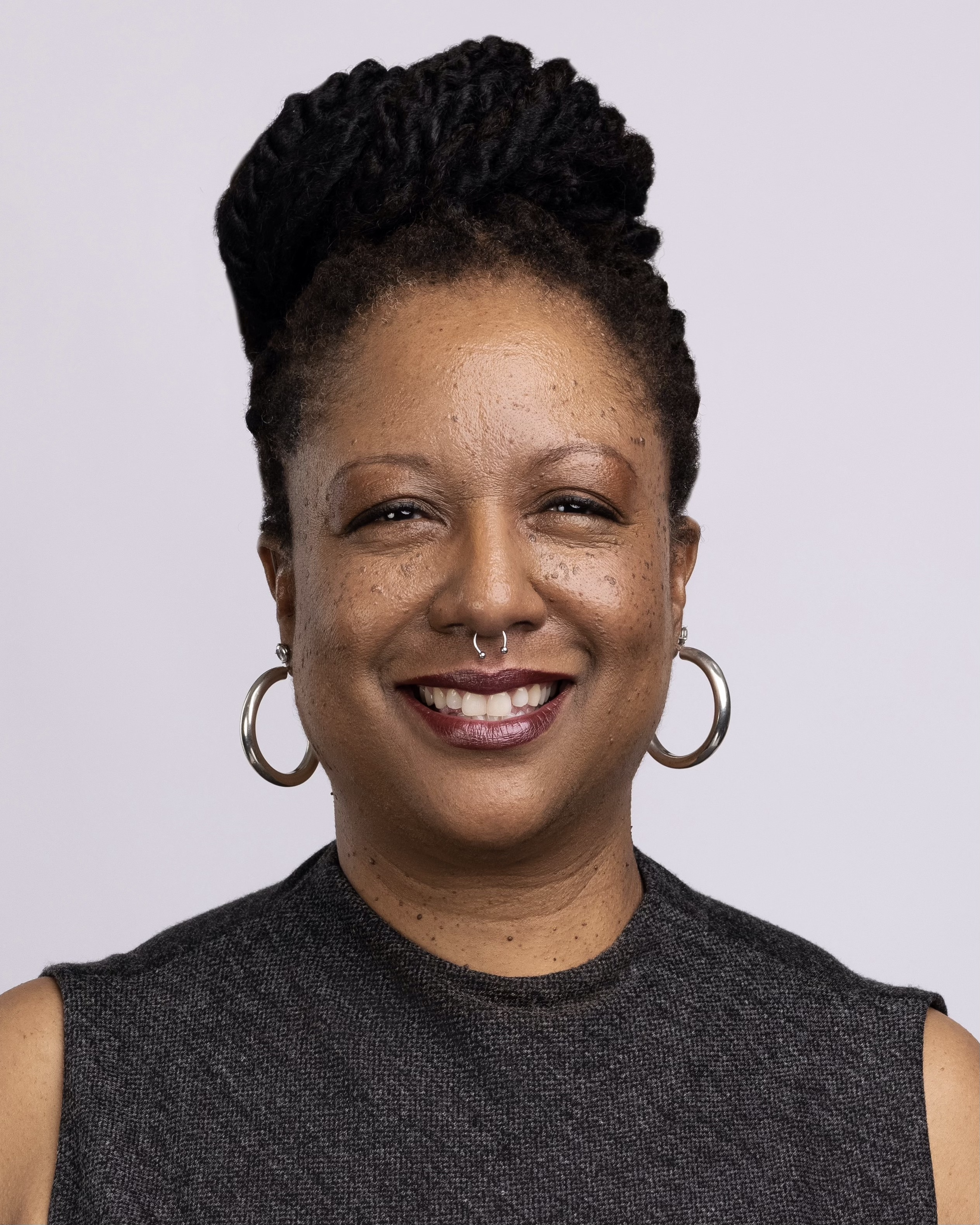 Dr. Lucinda Canty is a certified nurse-midwife, Associate Professor of Nursing, and Director of the Seedworks Health Equity in Nursing Program at the University of Massachusetts Amherst. She earned a bachelor’s degree in nursing from Columbia University, a master’s degree from Yale University, specializing in nurse-midwifery, and a PhD from the University of Connecticut. Dr. Canty has provided reproductive health care for over 29 years. Her research interests include the prevention of maternal mortality and severe maternal morbidity, reducing racial and ethnic health disparities in reproductive health, promoting diversity in nursing, and eliminating racism in nursing and midwifery.
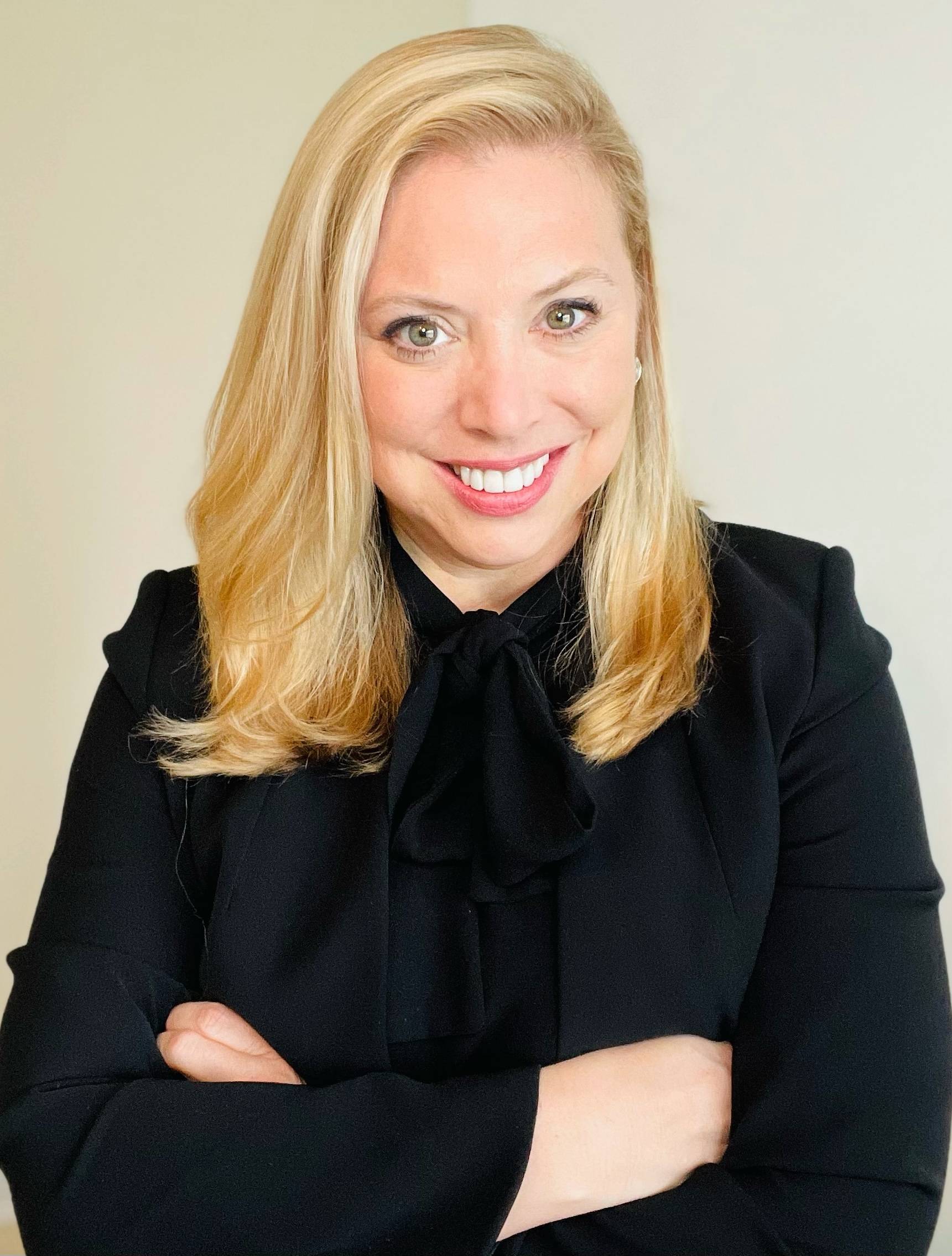 Dr. Lisa Meeks is a distinguished scholar and leader whose unwavering commitment to inclusivity and excellence has significantly influenced the landscape of health professions education and accessibility. She is the founder and executive director of the DocsWithDisabilities Initiative and holds appointments as an Associate Professor in the Departments of Learning Health Sciences and Family Medicine at the University of Michigan.
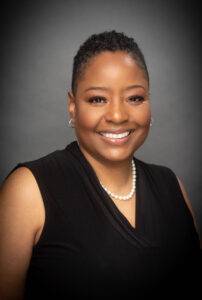 Dr. Nikia Grayson, DNP, MSN, MPH, MA, CNM, FNP-C, FACNM (she/her) is a trailblazing force in reproductive justice, blending her expertise as a public health activist, anthropologist, and family nurse-midwife to champion the rights and health of underserved communities. Graduating with distinction from Howard University, Nikia holds a bachelor’s degree in communications and a master’s degree in public health. Her academic journey also led her to the University of Memphis, where she earned a master’s in medical anthropology, and the University of Tennessee, where she achieved both a master’s in nursing and a doctorate in nursing practice. Complementing her extensive education, she completed a post-master’s certificate in midwifery at Frontier Nursing University.

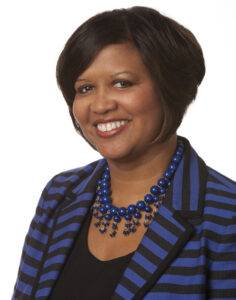 Dr. Tia Brown McNair is the Vice President in the Office of Diversity, Equity, and Student Success and Executive Director for the Truth, Racial Healing, and Transformation (TRHT) Campus Centers at the American Association of Colleges and Universities (AAC&U) in Washington, DC. She oversees both funded projects and AAC&U’s continuing programs on equity, inclusive excellence, high-impact practices, and student success. McNair directs AAC&U’s Summer Institutes on High-Impact Practices and Student Success, and TRHT Campus Centers and serves as the project director for several AAC&U initiatives, including the development of a TRHT-focused campus climate toolkit. She is the lead author of From Equity Talk to Equity Walk: Expanding Practitioner Knowledge for Racial Justice in Higher Education (January 2020) and Becoming a Student-Ready College: A New Culture of Leadership for Student Success (July 2016 and August 2022 Second edition).