 As today’s healthcare professionals take on more responsibility and advocate for system-wide improvements, leadership development becomes a cornerstone of advanced nursing education. Earning a Doctor of Nursing Practice (DNP) degree is one of the most effective ways to build the leadership skills necessary to drive meaningful change in healthcare settings and beyond.
Wherever you are in your nursing journey, pursuing a DNP can equip you with the tools to step confidently into executive and educational roles.
Why Leadership Matters in Nursing
Leadership in nursing is more than just supervising others. It can include:
- Guiding interdisciplinary teams
- Shaping health policy
- Improving clinical outcomes
- Educating the next generation of nurses
Frontier Nursing University’s online DNP program is designed to prepare nurses for these roles through a combination of advanced coursework, clinical experience and scholarly projects.
Earn Your DNP at Frontier Nursing University
At Frontier Nursing University, leadership development is woven into the core of the Post-Master’s DNP curriculum. The program consists of 30 credit hours, including ten clinical credit hours, and is designed to strengthen both theoretical knowledge and practical leadership application skills. View the program of study here.
Flexibility with Frontier’s Online DNP Program
The online DNP program at Frontier Nursing University makes it easier than ever to balance school, work and day-to-day responsibilities while advancing your education. FNU’s program offers flexible learning models, allowing students to complete coursework while continuing to serve patients in their home communities.
Students begin Frontier’s DNP program with a three-day on-campus orientation experience where they meet and build a support network with their faculty and peers. Upon completion of didactic coursework, students collaborate with their chosen clinical site to lead a rapid cycle quality improvement project.
Gain Practical Experience Through Quality Improvement Project
At FNU, DNP students strengthen their leadership skills by organizing and leading quality improvement projects that directly address needs within their clinical sites. Working with faculty coaches, site mentors and site sponsors, students learn to translate evidence into practice through focused, rapid-cycle initiatives that are small in scope but big in impact. Students complete planned improvements using the Institute for Healthcare Improvement “Model for Improvement” over an eight-week period.
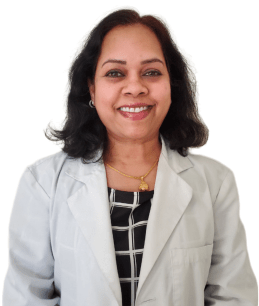
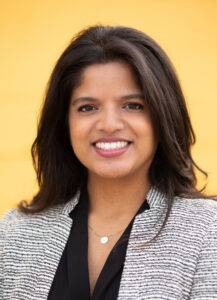
Dr. Nagavalli Thiruvalluvan
For instance, DNP graduate Dr. Nagavalli Thiruvalluvan developed a weight management program for her primary care clinic, where most patients were overweight or obese. Her project emphasized lifestyle modifications, resulting in improved comorbidities, enhanced body image, and reduced reliance on medications.
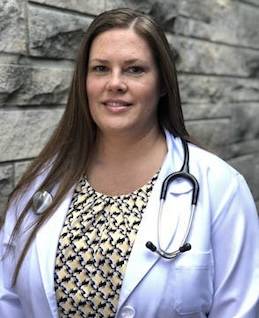
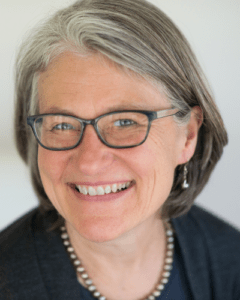
Dr. Julie Percefull
Likewise, fellow graduate Dr. Julie Percefull increased mammogram rates at her clinical site by 40 percent, introducing screening reminders, decision aids, and case management tools that boosted both patient engagement and quality of care.
Through projects like these, DNP students gain hands-on leadership experience while leaving a lasting impact on the organizations and communities they serve.
Ready to Lead with a DNP?
If you’re ready to take the next step in your nursing career and lead with confidence, a DNP degree could be the path for you. FNU’s Post-Master’s DNP program combines flexibility with rigor, equipping you with the leadership tools to improve care, empower teams, and inspire change.
To learn more about earning your online DNP through Frontier Nursing University, click here.

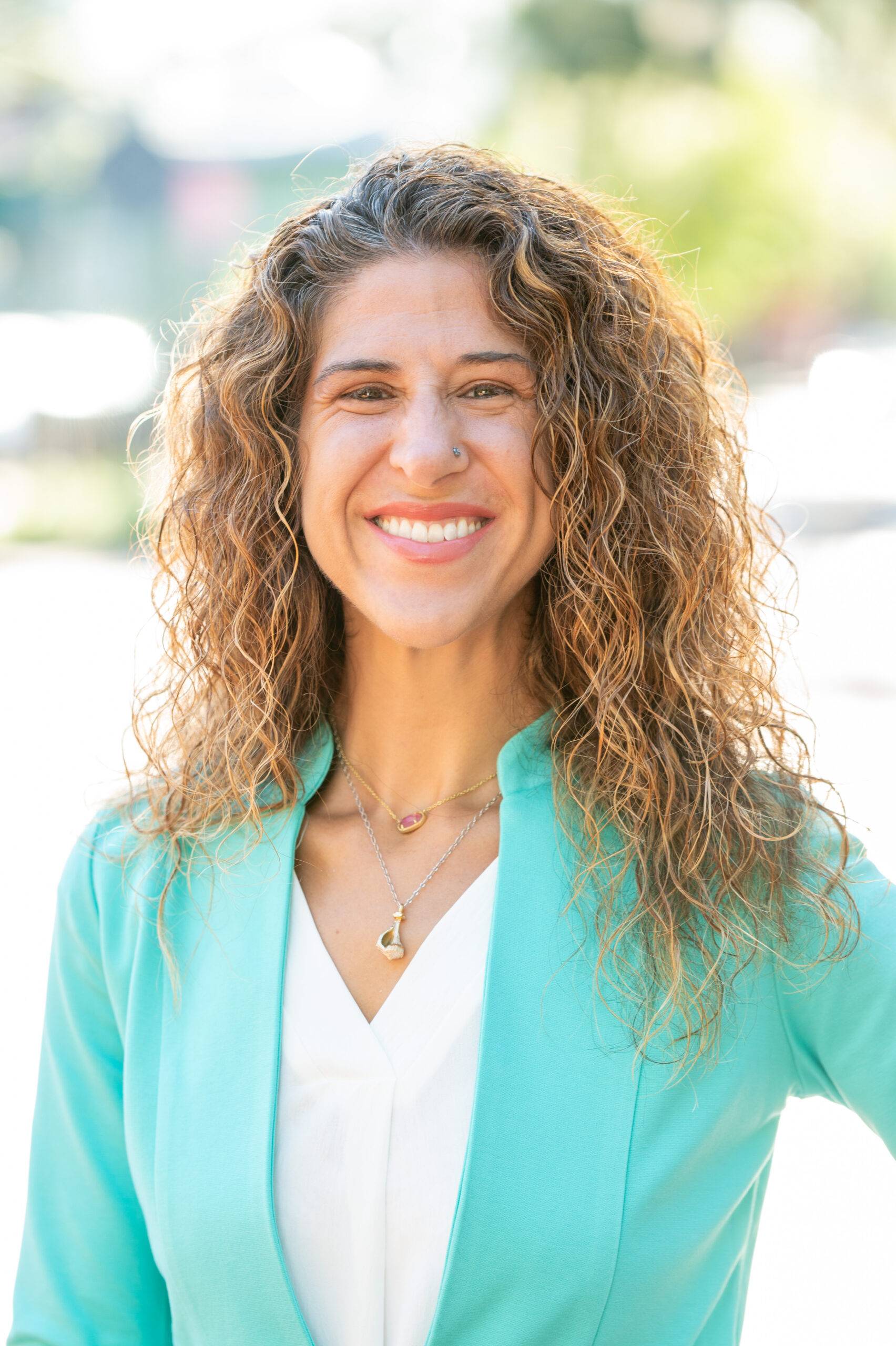
 “I know firsthand what it feels like to not see yourself represented in healthcare, to have traditions misunderstood, or to feel overlooked,” she said. “That awareness makes me intentional about creating space for students and patients who may feel the same way.”
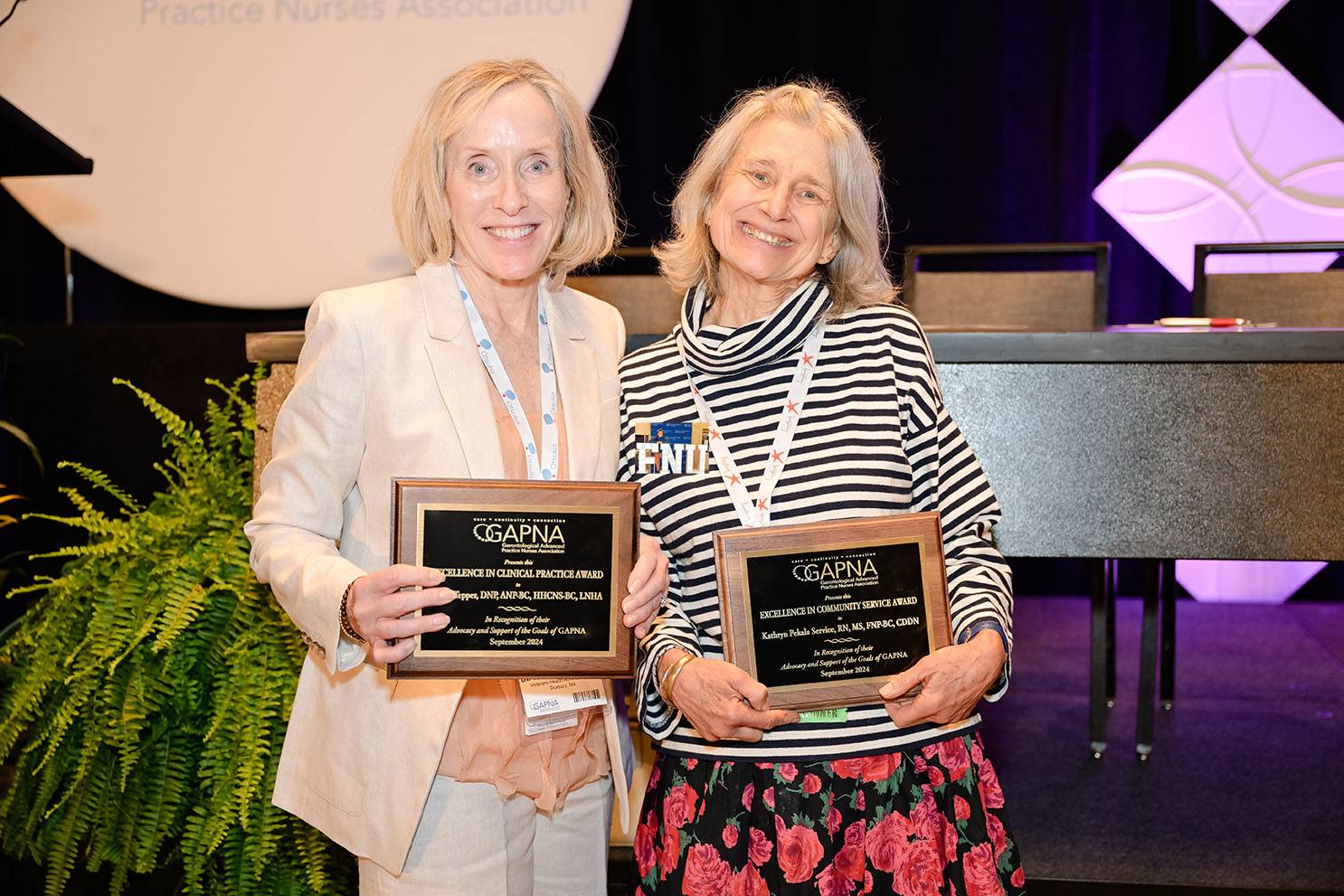 FNU graduate Karen Tepper, DNP, ANP-BC, HHCNS-BCN/A, has consistently dedicated her three-decade career in healthcare to the betterment of underserved communities. Based in Massachusetts, Dr. Tepper’s passion for improving healthcare access and outcomes is rooted in her own family’s history—her parents, both immigrants, endured immense challenges, including her mother’s survival of World War II and her father’s family fleeing oppression in Eastern Europe.
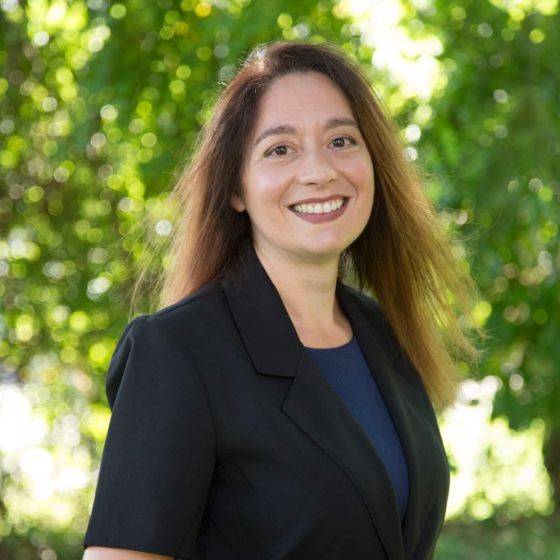
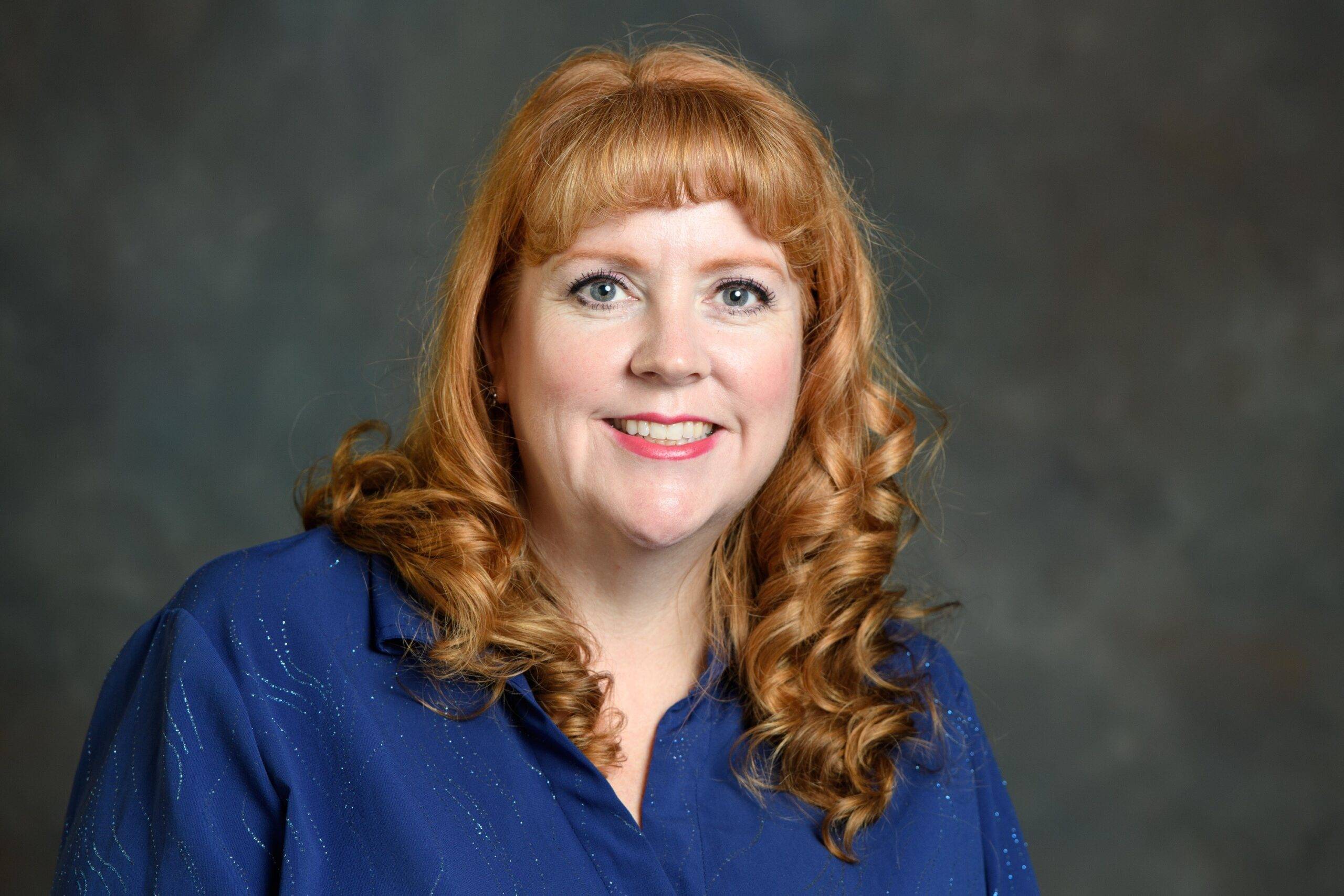 Growing up in her hometown of Tulsa, Oklahoma, Dr. Sandi Mellor, DNP (Class 30), APRN, FNP-BC, knew at a young age that she wanted to pursue a career in healthcare so she could “help people get healthy and stay healthy.” Determined to do just that, she took a medical-surgical nursing class while still in high school. After high school, she worked towards her associate degree in nursing and worked as a nurse for three years for the National Health Authority in Bedford, England, where her husband was stationed as a member of the U.S. Air Force.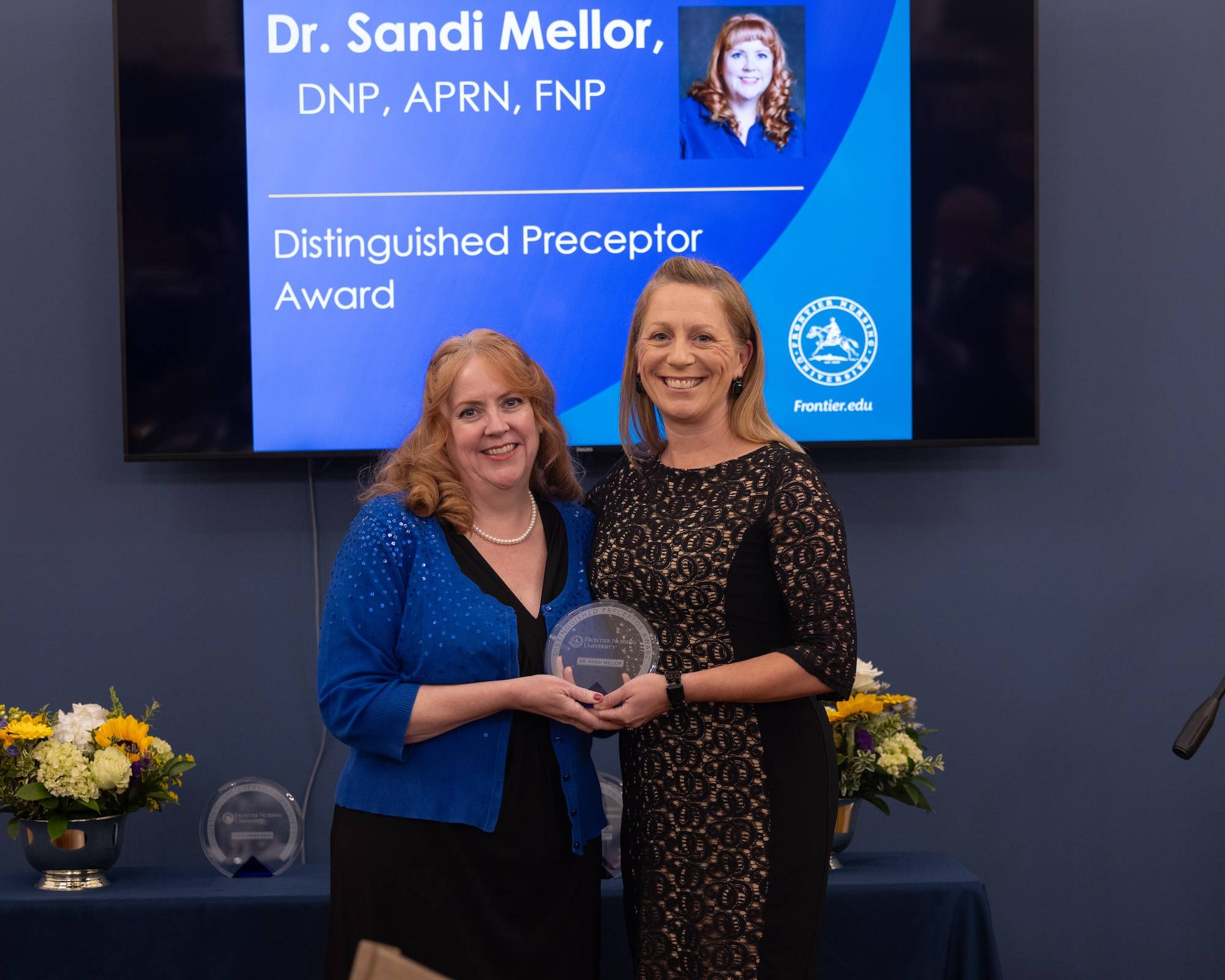
 FNU graduate Dr. Cheyenne Allen, DNP, PMHNP-BC, serves as a
 Sometimes, we wind up exactly where we are meant to be in life. For Dr. Francis Aho, DNP (Class 37), CNM, that place has been with Africa Mission Services (AMS) in Kenya since 2008. She recently opened the Africa Mission Services Women’s Health Center, an 11,000-square-foot building that includes both inpatient and outpatient services, as well as a labor and delivery wing. The birth center provides an extremely rural and underserved population with vital services that were previously administered as a small component of the AMS Community Health Clinic, which serves the Maasai tribe of the Maasai Mara National Reserve in Kenya.
 What might seem overwhelming to some is exactly the environment Aho craves. Born in Switzerland, she and her family came to the United States when she was 4, moving around a lot before settling in rural western Tennessee when she was 10. She grew up in a very religious family and often read about mission trips and mission work. Her passion for serving led her to become an ER nurse, where she found that she also thrived on the adrenaline rush of providing urgent care. She thought of becoming a flight nurse, which would be both exciting and fulfilling, but the idea of mission work was also in the back of her mind. She did some mission work in Honduras and sought a more permanent position. That’s when she found AMS. She moved to Kenya in 2008.
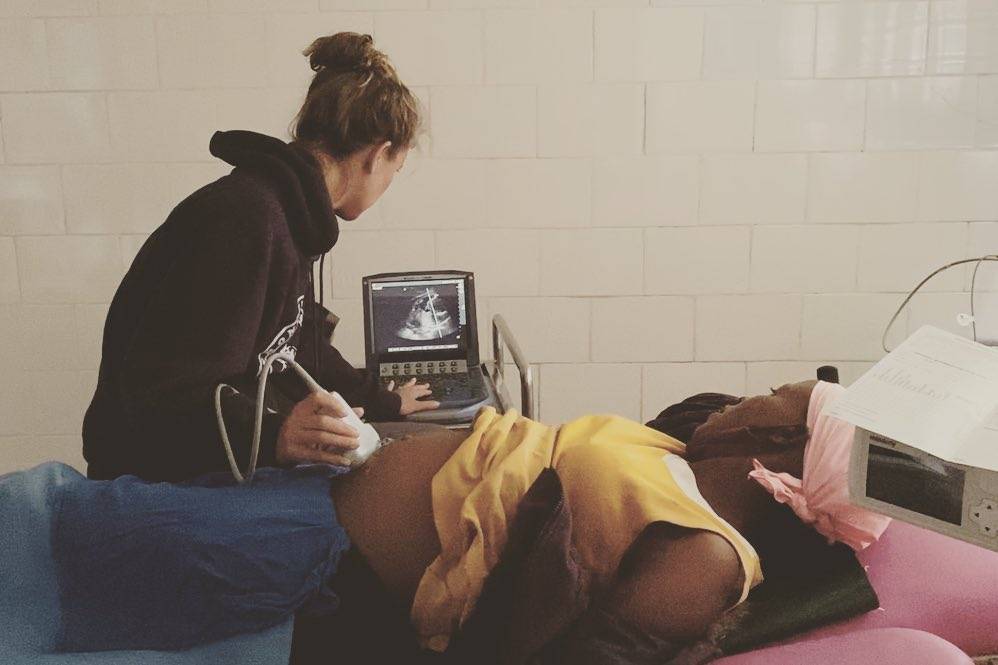 After earning her CNM at Frontier, Aho went on to get her DNP from Frontier as well. Her DNP project led to the establishment of a prenatal class at the clinic.
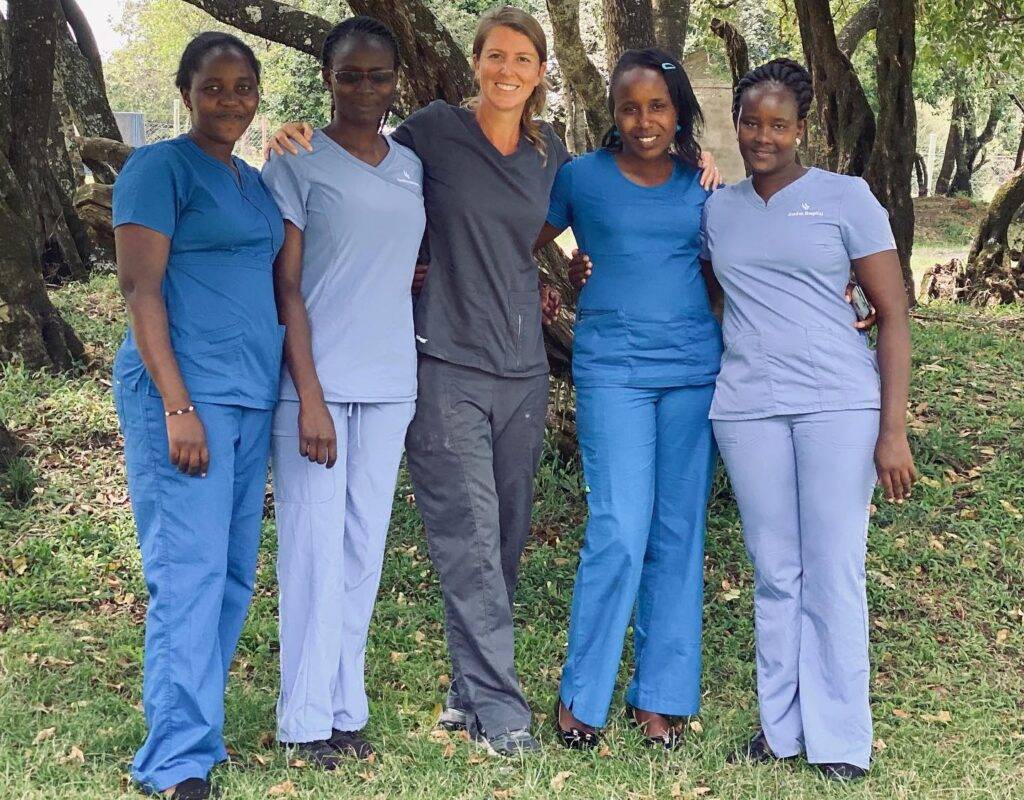 “The majority of people don’t work, and they don’t have insurance,” Aho said. “They can come to our clinic, we sign them up, and then they get four prenatal care visits, the delivery, four well-baby checkups, and the immunizations that the government will pay us for. We get about $20 for the delivery. It’s not big money, but it’s more than we could charge the locals. It does help cover our payroll, but we haven’t been paid since March of 2023.”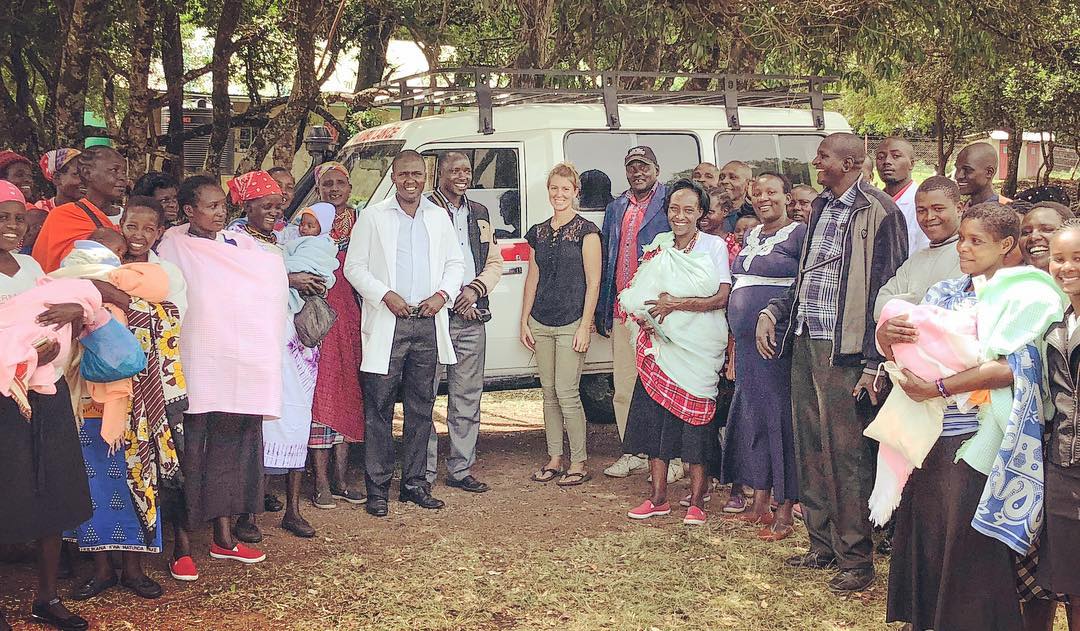

 Much of Kuo’s committee work involves ensuring that APRNs are working within their scope of education, certification, and licensure. This, he says, ultimately leads to a better overall healthcare system.
 “As I became more involved in the mental health world, I needed to make sure I had the education and training to back that up,” Kuo said. “That’s when I decided to go back to Johns Hopkins. Once I was done with that program, then my work in mental healthcare catapulted. I worked on ways to improve mental healthcare in the workplaces that I was in. I just grew to embrace mental healthcare.”
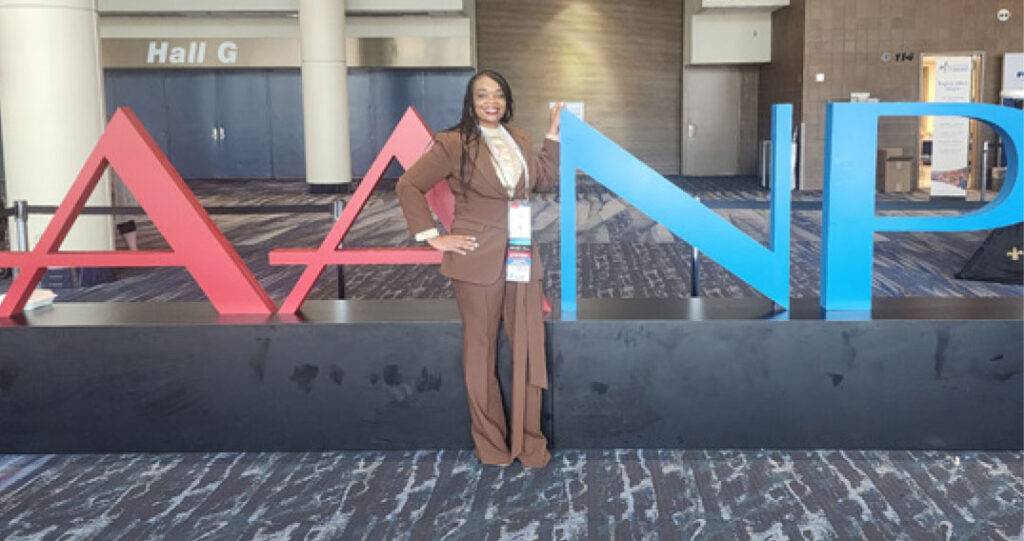 “I started in 2015 with myself and a front desk person,” Hicks said. “By 2020, I had a front desk person and a part-time nurse.”
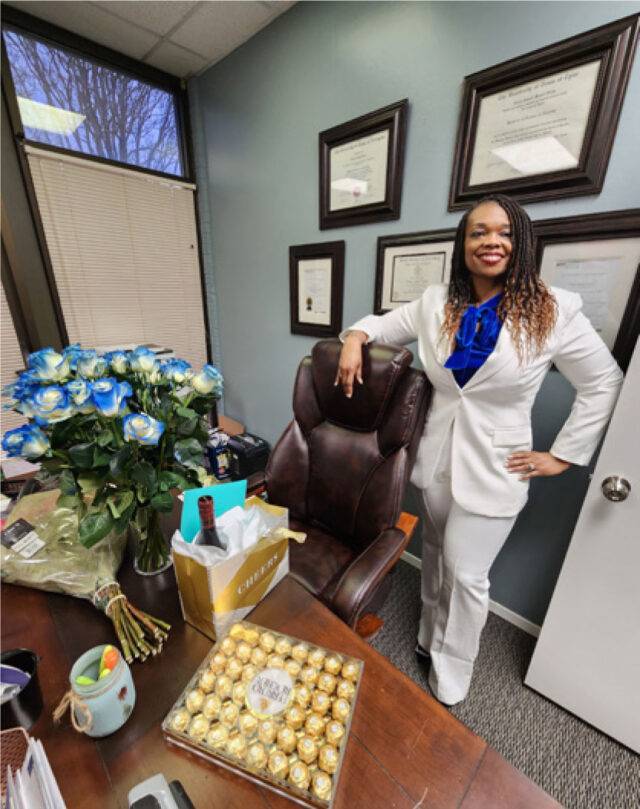 Hicks’ real mom was also a nurse but encouraged her to become a physician. “I told her I wanted to become a nurse because I had watched her and how her colleagues and patients loved her,” Hicks said. “She loved her work. She made me promise that if I wanted to be a nurse, I would go to the top and make an impact.”
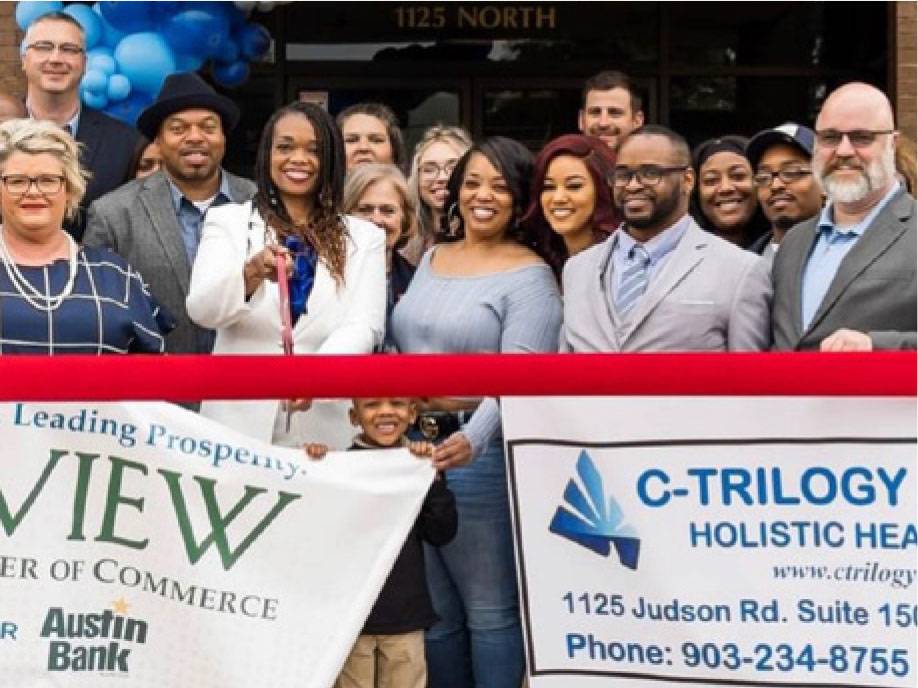 Part of refining her clinic to meet the community's needs included the establishment of C-Trilogy Outreach, a non-profit branch of C-Trilogy, in 2020. This came in response to a growing number of patients, both insured and uninsured, who were presenting with more complex issues during the pandemic.
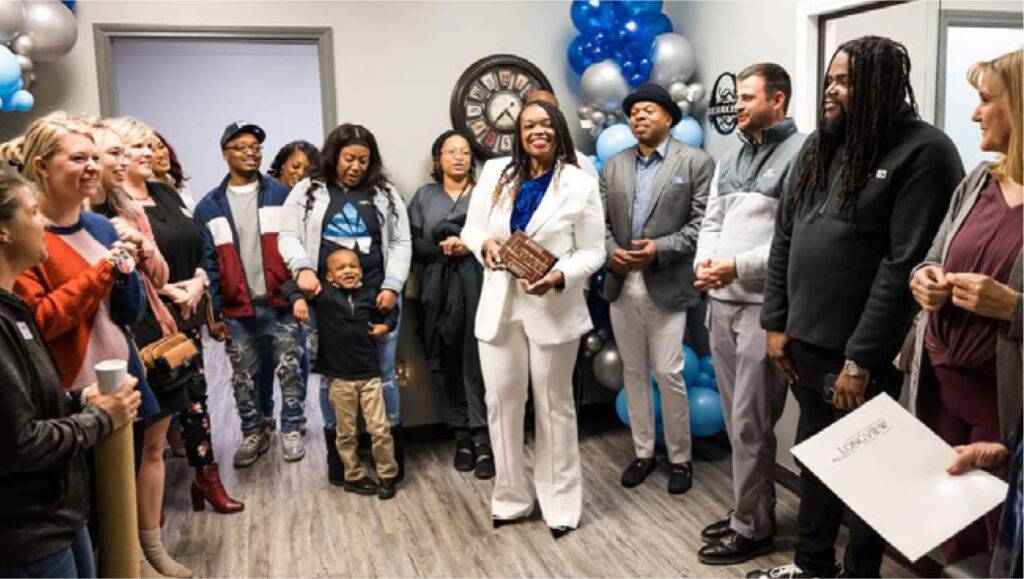 Understanding that C-Trilogy cannot fix the state’s mental healthcare needs alone, Hicks has become a vocal leader in advocating for increased awareness and funding. As a presenter and speaker, she addresses the importance of the social determinants of health in providing individualized and holistic care on a broader scale.


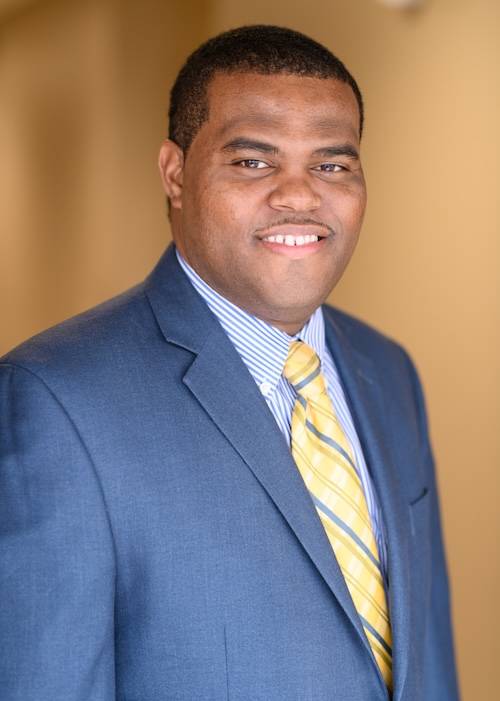
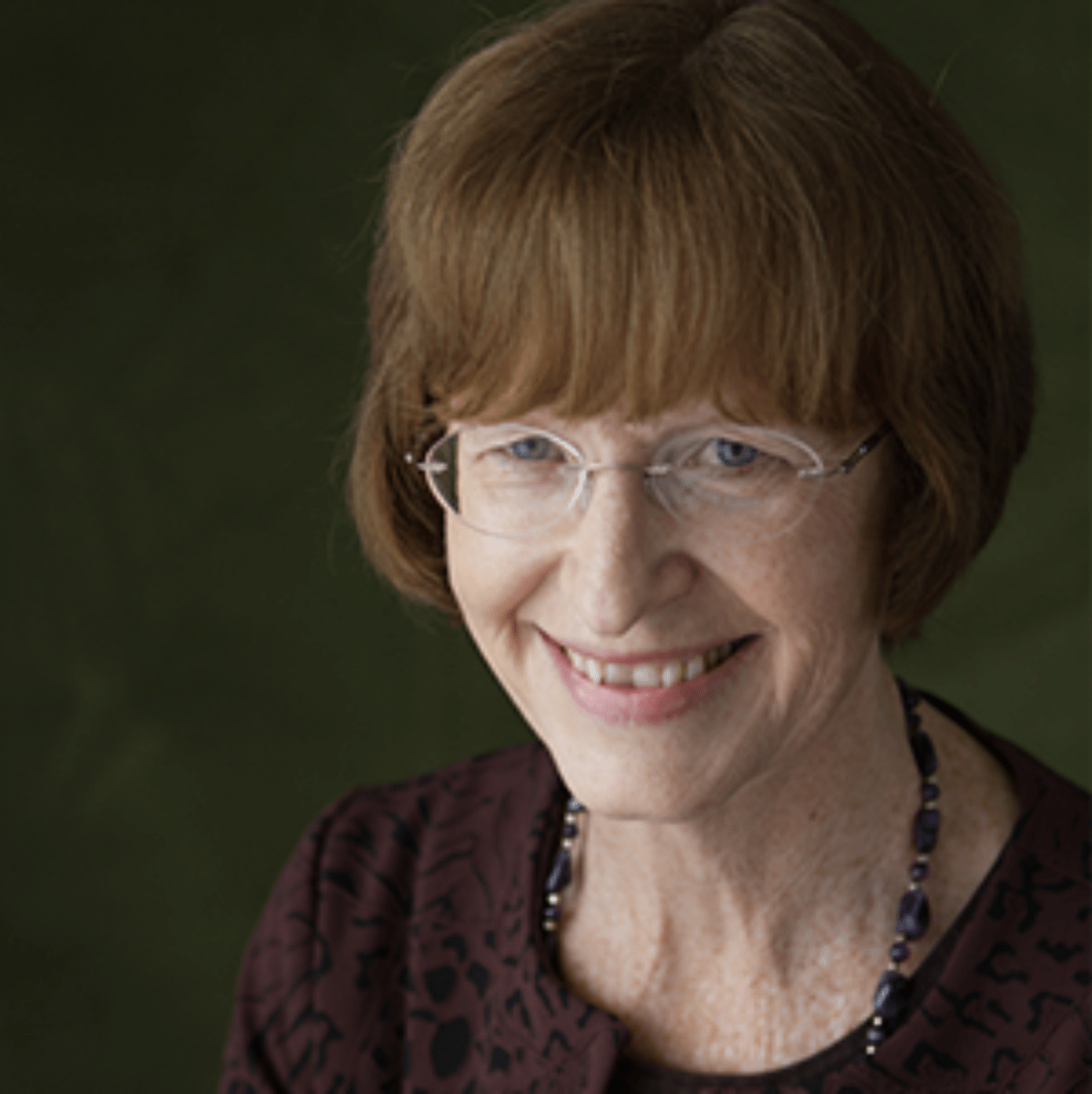


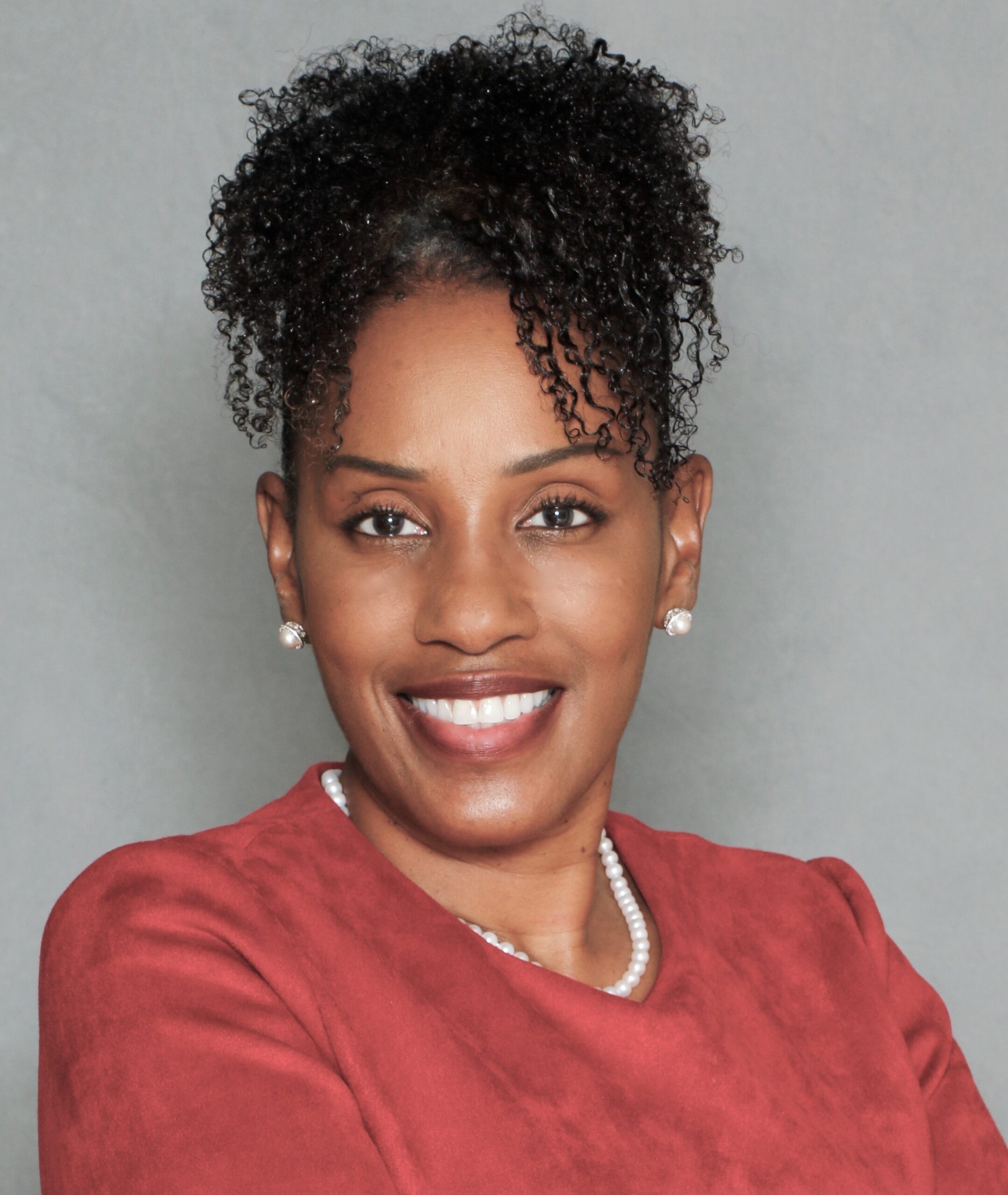
 Carrie Belin is an experienced board-certified Family Nurse Practitioner and a graduate of the Johns Hopkins DNP program, Johns Hopkins Bloomberg School of Public Health, Georgetown University School of Nursing, and Johns Hopkins School of Nursing. She has also completed fellowships at Georgetown and the University of California Irvine.
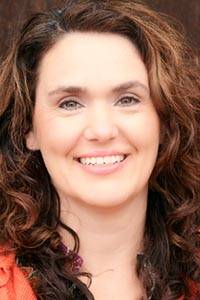 Angie has been a full-scope midwife since 2009. She has experience in various birth settings including home, hospital, and birth centers. She is committed to integrating the midwifery model of care in the US. She completed her master’s degree in nurse-midwifery at Frontier Nursing University (FNU) and her Doctorate at Johns Hopkins University. She currently serves as the midwifery clinical faculty at FNU. Angie is motivated by the desire to improve the quality of healthcare and has led quality improvement projects on skin-to-skin implementation, labor induction, and improving transfer of care practices between hospital and community midwives. In 2017, she created a short film on skin-to-skin called
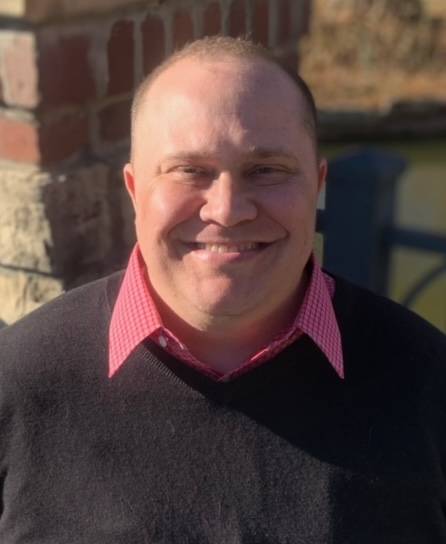 Justin C. Daily, BSN, RN, has ten years of experience in nursing. At the start of his nursing career, Justin worked as a floor nurse on the oncology floor at St. Francis. He then spent two years as the Director of Nursing in a small rural Kansas hospital before returning to St. Francis and the oncology unit. He has been in his current position as the Chemo Nurse Educator for the past four years. He earned an Associate in Nurse from Hutchinson Community College and a Bachelor of Science in Nursing from Bethel College.
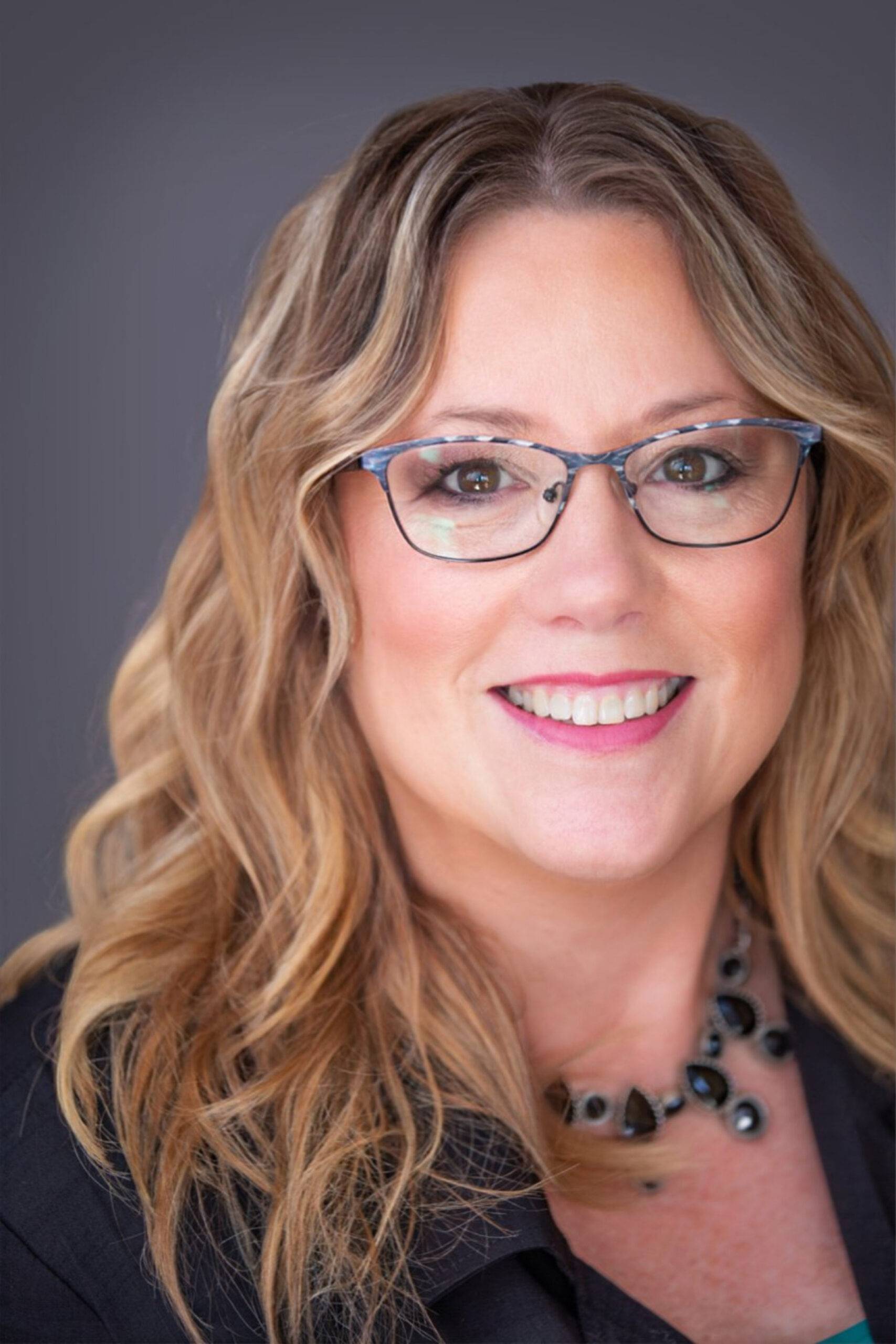 Brandy Jackson serves as the Director of Undergraduate Nursing Programs and Assistant Educator at Wichita State University and Co-Director of Access in Nursing. Brandy is a seasoned educator with over 15 years of experience. Before entering academia, Brandy served in Hospital-based leadership and Critical Care Staff nurse roles. Brandy is passionate about equity in nursing education with a focus on individuals with disabilities. Her current research interests include accommodations of nursing students with disabilities in clinical learning environments and breaking down barriers for historically unrepresented individuals to enter the nursing profession. Brandy is also actively engaged in Interprofessional Education development, creating IPE opportunities for faculty and students at Wichita State. Brandy is an active member of Wichita Women for Good and Soroptimist, with the goal to empower women and girls. Brandy is a TeamSTEPPS master trainer. She received the DASIY Award for Extraordinary Nursing Faculty in 2019 at Wichita State University.
  Dr. Sabrina Ali Jamal-Eddine is an Arab-disabled queer woman of color with a PhD in Nursing and an interdisciplinary certificate in Disability Ethics from the University of Illinois Chicago (UIC). Dr. Jamal-Eddine’s doctoral research explored spoken word poetry as a form of critical narrative pedagogy to educate nursing students about disability, ableism, and disability justice. Dr. Jamal-Eddine now serves as a Postdoctoral Research Associate in UIC’s Department of Disability and Human Development and serves on the Board of Directors of the National Organization of Nurses with Disabilities (NOND). During her doctoral program, Sabrina served as a Summer Fellow at a residential National Endowment of the Humanities (NEH) Summer Institute at Arizona State University (2023), a summer fellow at Andrew W. Mellon’s National Humanities Without Walls program at University of Michigan (2022), a Summer Research Fellow at UC Berkeley’s Othering & Belonging Institute (2021), and an Illinois Leadership Education in Neurodevelopmental and related Disabilities (LEND) trainee (2019-2020).
 Vanessa Cameron works for Vanderbilt University Medical Center in Nursing Education & Professional Development. She is also attending George Washington University and progressing towards a PhD in Nursing with an emphasis on ableism in nursing. After becoming disabled in April 2021, Vanessa’s worldview and perspective changed, and a recognition of the ableism present within healthcare and within the culture of nursing was apparent. She has been working since that time to provide educational foundations for nurses about disability and ableism, provide support for fellow disabled nursing colleagues, and advocate for the disabled community within healthcare settings to reduce disparities.
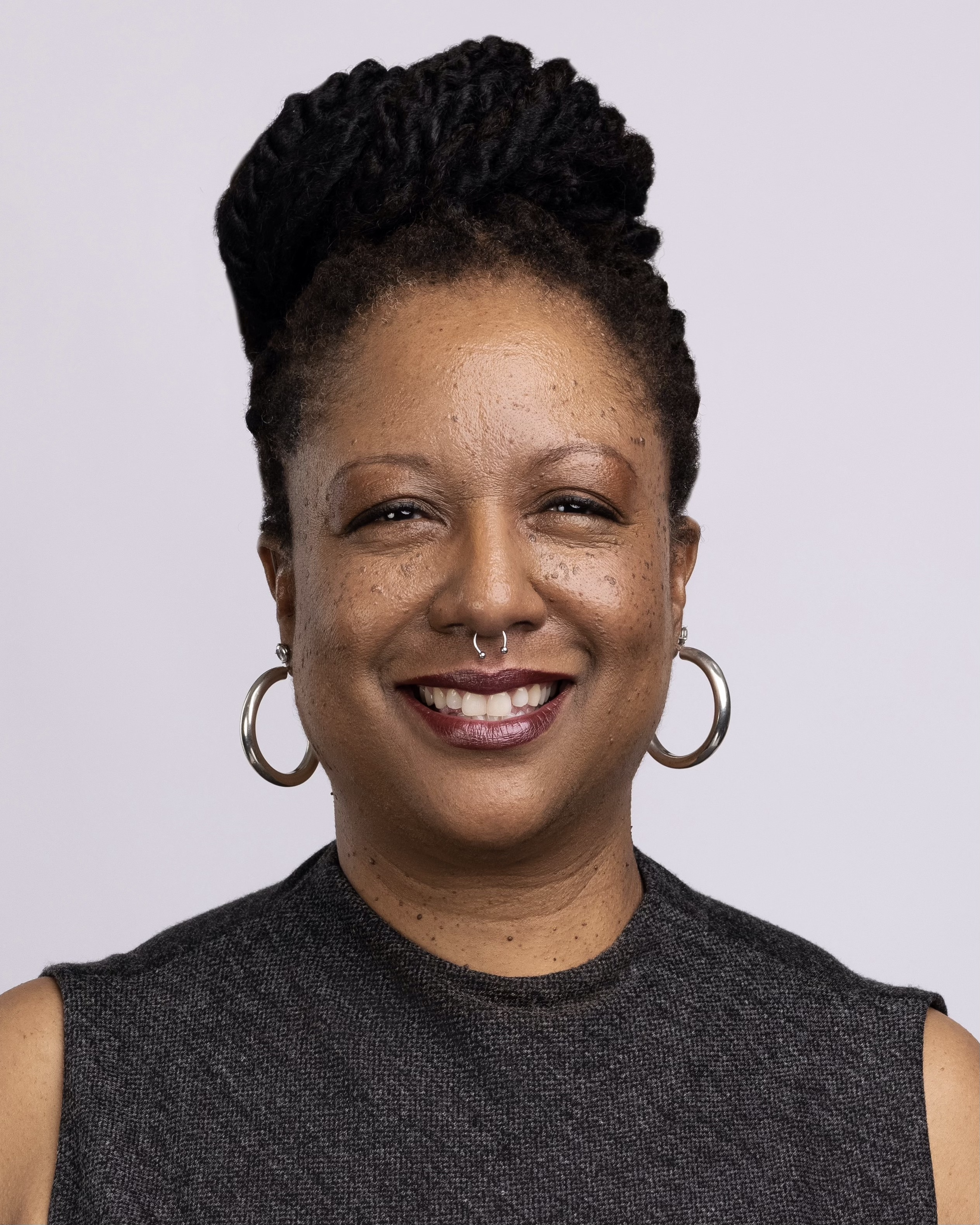 Dr. Lucinda Canty is a certified nurse-midwife, Associate Professor of Nursing, and Director of the Seedworks Health Equity in Nursing Program at the University of Massachusetts Amherst. She earned a bachelor’s degree in nursing from Columbia University, a master’s degree from Yale University, specializing in nurse-midwifery, and a PhD from the University of Connecticut. Dr. Canty has provided reproductive health care for over 29 years. Her research interests include the prevention of maternal mortality and severe maternal morbidity, reducing racial and ethnic health disparities in reproductive health, promoting diversity in nursing, and eliminating racism in nursing and midwifery.
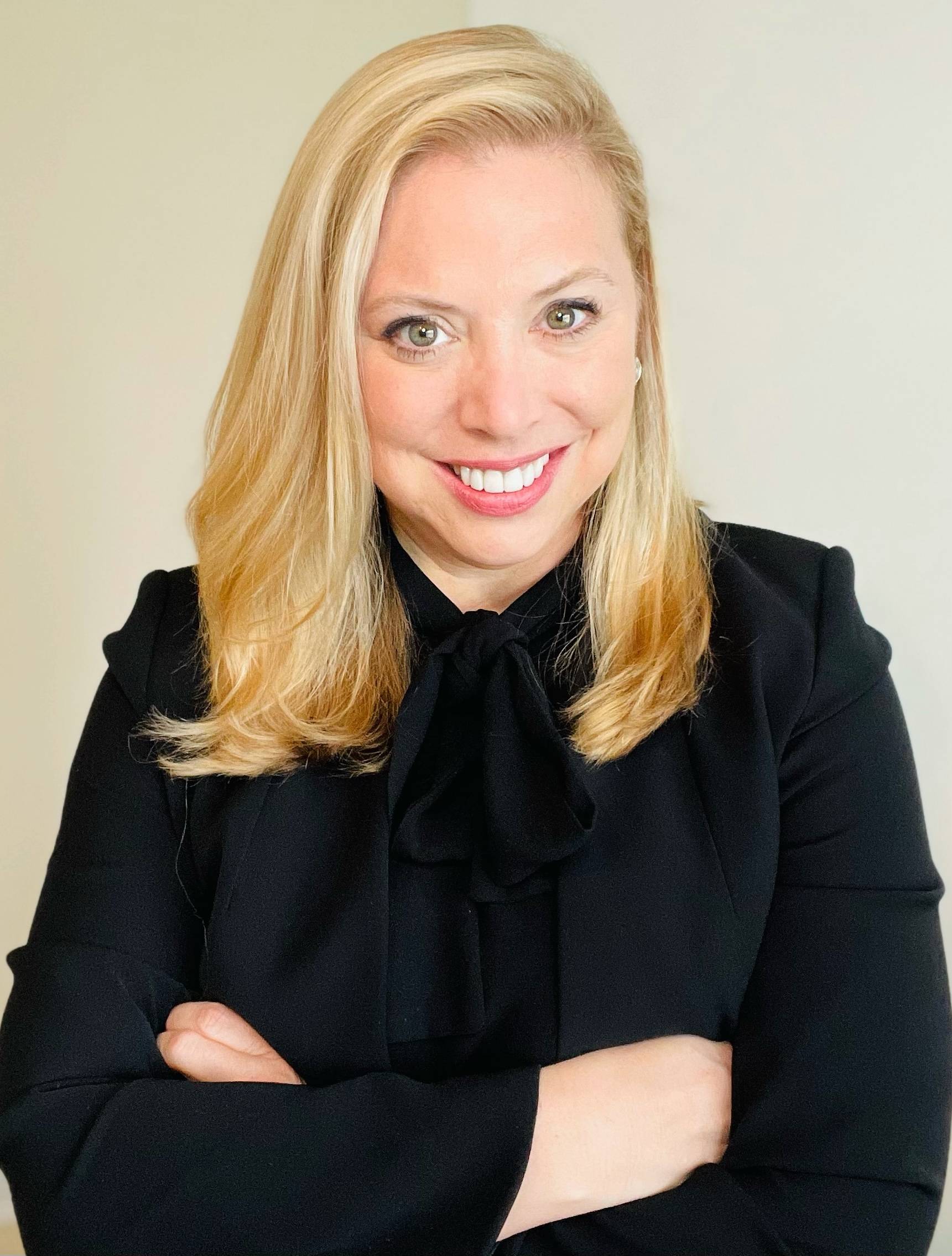 Dr. Lisa Meeks is a distinguished scholar and leader whose unwavering commitment to inclusivity and excellence has significantly influenced the landscape of health professions education and accessibility. She is the founder and executive director of the DocsWithDisabilities Initiative and holds appointments as an Associate Professor in the Departments of Learning Health Sciences and Family Medicine at the University of Michigan.
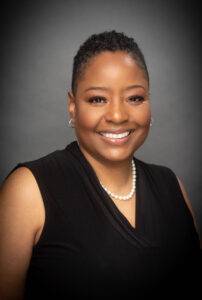 Dr. Nikia Grayson, DNP, MSN, MPH, MA, CNM, FNP-C, FACNM (she/her) is a trailblazing force in reproductive justice, blending her expertise as a public health activist, anthropologist, and family nurse-midwife to champion the rights and health of underserved communities. Graduating with distinction from Howard University, Nikia holds a bachelor’s degree in communications and a master’s degree in public health. Her academic journey also led her to the University of Memphis, where she earned a master’s in medical anthropology, and the University of Tennessee, where she achieved both a master’s in nursing and a doctorate in nursing practice. Complementing her extensive education, she completed a post-master’s certificate in midwifery at Frontier Nursing University.

 Dr. Tia Brown McNair is the Vice President in the Office of Diversity, Equity, and Student Success and Executive Director for the Truth, Racial Healing, and Transformation (TRHT) Campus Centers at the American Association of Colleges and Universities (AAC&U) in Washington, DC. She oversees both funded projects and AAC&U’s continuing programs on equity, inclusive excellence, high-impact practices, and student success. McNair directs AAC&U’s Summer Institutes on High-Impact Practices and Student Success, and TRHT Campus Centers and serves as the project director for several AAC&U initiatives, including the development of a TRHT-focused campus climate toolkit. She is the lead author of From Equity Talk to Equity Walk: Expanding Practitioner Knowledge for Racial Justice in Higher Education (January 2020) and Becoming a Student-Ready College: A New Culture of Leadership for Student Success (July 2016 and August 2022 Second edition).