Frontier Nursing University All-Access Podcast, Episode 2 Transcript
What the Heck is an RCF
Please enjoy this transcript of the Frontier Nursing University All-Access Podcast! This podcast provides a closer look at Frontier Nursing University through lively and entertaining discussions with a wide variety of guests and topics.
[music]
Angela Bailey: Hello and welcome to the Frontier Nursing University All-Access Podcast. I’m Angela Bailey, Chief Advancement Officer, and your host for this adventure.
I’d like to welcome you all to the On-Call Lounge here on the Frontier Nursing University campus in beautiful Versailles, Kentucky. Within this inaugural season, we give you an all-access pass to delve deeper into Frontier Nursing University, and the individuals who are making a daily difference in advanced practice nursing, midwifery, education, and health care across the country. Today, it is my pleasure to welcome Dr. Mary Jones and Stephanie Boyd to the On-Call Lounge. Thank you both so much for joining us today.
Mary Jones: Hi, Angela.
Stephanie Boyd: Hi, Angela. Thanks for having us.
Angela: Thank you for being here. It’s so great to be with you ladies. I don’t know that everyone is aware, but Frontier Nursing University has had everybody working from home. Any chance I get to hang out with these two very cool ladies, I am excited to do so. Before we dig in, I just want to again, thank you both for being here today. I know that both of you have very busy lives outside of Frontier. If we have time, I’d like to get into that just a little bit. First, let’s talk about the title of this episode. What the heck is an RCF?
Mary, would you like to talk a little bit about that?
Mary: Sure. RCF is known as the Regional Clinical Faculty at Frontier Nursing University. Our real work begins with the students once they attend Clinical Bound.
Angela: Tell me, Mary, what is Clinical Bound for our listeners that don’t know?
Mary: Frontier is a little bit different. They do the didactic work upfront, and then the students go to their clinical settings once they’ve completed all their didactic work, so they can focus on their clinical practice and getting used to functioning as a nurse practitioner or a nurse-midwife. Clinical Bound is a week-long session where the students come to campus in Versailles and they learn skills and techniques that will help them become providers. They come from all across the country, and they meet with other classmates. Once they finish Clinical Bound, then they work with their RCF to start their clinical sessions actually.
Angela: Now, Clinical Bound is really a lot of fun. Were you at the Clinical Bound that I was able to attend with students, Mary?
Mary: I have been at so many Clinical Bounds because I’ve been a team leader. I feel like I’ve been to many where you were present.
Angela: Well, I actually went through some of the sessions at one Clinical Bound, and the session where you use that very realistic model to deliver babies was absolutely my favorite. I actually talked about this with Dr. Stone in a previous episode and there’s actually a video of my knees shaking as the students made me practice delivering or catching a baby as well. Again, now that video has never seen the light of day. We’re clear that the RCF, their real work with students begins after Clinical Bound, which is a week-long skills-intensive. What does a Regional Clinical Faculty do? Is this a position that all universities have?
Mary: The Regional Clinical Faculty is unique to Frontier Nursing University. We have a panel of students that we work with closely, we spend time with them, we meet with them every two weeks once they start their clinical practicum. As the RCF, we grade your reflections and your case logs, and your paperwork. Everything that you have to submit for your clinical practicum your RCF takes care of doing that. They also are the ones that can tell you whether or not you can start clinicals.
If you don’t hear from your RCF, you can’t start clinicals. It’s a pretty important role. As far as other universities, I have worked at other universities prior to Frontier and they do have what they call Adjunct Faculty, and those faculty do work with the students and grade their assignments. In my experience, it’s different because they don’t help the students find clinical placement like the RCFs at Frontier.
Angela: I think there are a few other things that make you guys pretty unique and different from other universities. For instance, I know you also provide a lot of support to the actual preceptor. Would you like to talk about that a little bit?
Mary: Yes. Prior to the students going to clinicals, we do meet with the preceptors and we offer them support, we offer them some CEUs that they can earn while they’re having our students precepting our students. We have a large network of preceptors, around 16,000 preceptors that we have an affiliation with across the country.
Angela: That’s amazing. Correct me if I’m wrong. Stephanie, you may know a little bit more about this, but 16,000 preceptors, over 4,000 clinical sites spanning all 50 states, is that correct?
Stephanie: Actually, we use about 4,000 clinical sites every couple of terms, but we have over 13,000 that we’ve utilized either in the past or currently, and it’s growing.
Angela: Wow. I think that’s remarkable because as our student body has continued to grow over the last decade, I know that there’s been a lot of work that went into also credentialing and certifying all of these different preceptors and clinical sites. I know that Mary, the RCFs, you really develop relationships, not just with the students who you support during this process, but with the sites and the preceptors. I remember doing some preceptor site visits with you on a very rainy day in New York City.
Mary: It seems like eons ago that we did that. For a small-town girl, less than 500 population, it was an interesting time to run through the streets of New York City and just pretend like I’ve done this my whole entire life.
Angela: I was so impressed when we went into the site that people knew exactly who you were, that they welcomed you, that you even brought a little gift for the site. It was very meaningful to me to know that our RCFs really do have that supportive relationship not just with our students, but also with our clinical preceptors at the clinical sites. I know that your work with the students really begins, as you said, with Clinical Bound. Stephanie, I think you have a lot to say about some support for students before Clinical Bound. Mary alluded to the fact that sometimes there’s difficulty in finding clinical sites. Do you want to talk a little bit about your team?
Stephanie: I would love to. Just to clear everything up for anyone listening, I am not a practitioner. I’m not a clinician. I don’t catch babies. I don’t pretend to catch babies or any of that. I’m actually the Director of Clinical Outreach and Placement. I’ve been here for about 13 years. I am so lucky to be able to work with this particular Clinical Outreach and Placement team, which consists of a clinical services coordinator, and three clinical advisors currently.
Really the goal for our unit, our services, are to meet with the student as soon as they come to orientation and start walking them and talking them through the clinical site identification process, because it can be rigorous, depending on the program that the student is in, geographically where they’re located. We always want to make sure that students know well in advance what the expectations are, and also what resources are available to them. Some of our students will come in right away and know exactly where they want their clinical experience to be and what they want that to look like. Then we do have some students who come in and they’re not really sure.
They may have an idea, but perhaps they’re new to that area, or they haven’t been a practitioner long, and they haven’t created a lot of relationships. They’re still trying to figure out what that clinical experience is going to look like. The goal for us is to really help walk them through. There’s so much in terms of what to do and what not to do when you’re looking as a student for clinical sites. We give them some advice, help them use our resources at Frontier, and really try to get their plan in line so when they’re ready for their RCF to look at their clinical plan and approve it, all their ducks are in a row so to speak.
RCFs can check, check, check and approve everything and the student can get ready to move into Clinical Bound and then their clinical experience. The flip side of that is we have our clinical services coordinator. She’s more on the customer service preceptor side of things. Her name is Brittany and she will really work closely with our new preceptors and then also our more seasoned preceptors to help them with anything they may have questions about, using our online system. We call her the preceptor whisperer because she answers all these questions because the RCFs are busy out at the sites. They’re out there, meeting with students and meeting with preceptors. They’re not always right there at their phone to answer a quick question. Brittany’s able to back up the RCF, sometimes either with a technical issue or something, when they’re out on doing that work on the ground.
Angela: Yes. Honestly, it sounds like in between your team, Stephanie, and the RCFs, Mary, that both the preceptors and the students are really supported from day one throughout their entire experience. Mary, do you know how many RCFs there are at FNU right now?
Mary: Off the top of my head, let me just add quickly. I want to say there are probably close to 40 RCFs between all three programs and I know that we’re increasing our student population. We’re also trying to increase our RCF population because it is a time-intensive position and we really want to give the support to the students that they deserve and that they do need.
Angela: Right. I think it’s important for our listeners to understand that, while Stephanie’s team is holding down the fort here in Versailles and providing that excellent support, our RCFs actually live all over the country and they are spread out that way intentionally so that they can provide support to our students where they are and the preceptors where they are. It’d be really hard to do that from our campus in Versailles, right, Mary?
Mary: Oh, absolutely, yes. It’s nice to have someone out in the field supporting the students in the preceptors while having that support back home.
Angela: Absolutely. Now, Stephanie, I know that your team is a bit new. Can you talk a little bit about why the team was created and when?
Stephanie: Yes, our team was created essentially — the middle of 2019 is when I came on board and then we hired all of our clinical advisors. That came from our administrative really looking at all of the data that we collect at Frontier, whether it’s quantitative or qualitative data, we’re a very data-rich environment. They were able to really pinpoint some areas where students were indicating they would need more support.
One of the places that they did or one area they thought, well, this might be a good idea to have some more support was right when the student comes into the program. The students have a rich — It’s just a vast network of support already in terms of academic advising, their didactic faculty, financial aid. The one piece they said was perhaps missing, was that focus on how to identify clinical sites, where do I start and how do I make sure I’m finding appropriate clinical sites?
That was really where the discussion started with the administration on how do we develop support service for students in that area. The RCFs, quite frankly, they have an assigned caseload and that’s done on purpose. They may have 20 to 40 students, sometimes max. That’s a lot of students, to really be able to focus on out in their region, but you may have two or 300 students up the pipeline that haven’t even reached clinical bound yet. The RCFs really want to be able to spend all that one-on-one time with students and they just couldn’t. That’s what we were hearing from students is we want someone that can sit down with us and just really make sure– that can really reassure us that what we’re doing is right because the last thing we want students to do is get to clinical bound and not have all those things in place. That’s really why our team was formed to help with that caseload upfront. And really the RCFs could really focus on being in the moment at the site, doing the site visits to make sure the site’s ready for the students, making sure the preceptors are appropriate and then, being there for the student in the moment once they’re there at clinical.
Angela: Love it.
Stephanie: Yes, it was pretty exciting. I don’t know another university that has the type of office that we do and the type of services that we provide. We actually have other students from other universities that will contact us and ask us for help. We’re like, well, we can’t really do that but good luck. I think it’s really unique. The relationship that our team has with the RCFs, we work really closely together to be able to provide support to that student when they need it.
Angela: It’s amazing. Not only is the support and the relationships and the network amazing, but it is amazing to me. You mentioned it, that even this was evidence-based, and it’s also amazing to me that the students spoke and Frontier listened. It’s just a true example of the service that is at the core of Frontier’s mission and our attitude towards all of our students and alumni.
Stephanie: Absolutely.
Angela: All right. Is there anything that either one of you would like to share about your team’s accomplishments that you’re most proud of, particularly you, Stephanie, because you guys have only been around for two years?
Stephanie: Yes, it’s been a whirlwind two years because I don’t need to tell anybody if you’ve been awake, what’s been going on in the world and especially we were not even into this a year when COVID happened and we have had to pivot as an institution in how we delivered services and provided all of our coursework to our students from a clinical perspective. In turn, a lot of hospital systems and things were really having to put things on hold. It was a stressful first year.
I’m really proud of our team still being able to provide one-on-one service to students, even during a pandemic. I can’t say enough about all the time and the hard work that the staff has put into supporting the students and quite frankly just being able to really develop new services for students. That’s the great part about working at Frontier. If we have a really great idea, and especially if it’s something the students have because we make this assumption, we know what the students need, but sometimes they’re not correct and we have to listen to the students and what they say they need.
For Frontier to be able to develop this service and allow us to say, what do you need and then create the service as it’s needed and create the resource as it’s needed, we’ve developed lots of systems, processes that are new to our students and then just creating those relationships with the students and RCFs. I’m really proud of that because I feel like there was a little bit of a hole there that we’re helping to help fill and meet a need.
Angela: Right. Great. Wonderful. What about you, Mary? Can you talk about how this new team has helped you and the other RCFs in your role with working with students?
Mary: Well, that’s a really good question because I’ve been doing this RCF role for nearly 10 years now. I remember getting students, they contact you immediately after they attend what we call Frontier bound at Frontier Nursing University. That’s their initial orientation to the university. They start asking all these questions and how do I contact these sites?
As Stephanie, mentioned, as an RCF, we’re out on the road running through an airport, trying to text someone as we’re jumping on the shuttle bus in the Atlanta airport, trying to get our messages across. It’s just been really great having someone there that can say. “We need to work on your resume. We need to look at what sites you need because it’s different for each program.” Everyone needs something different and they have now the specialists in the clinical outreach and placement that can help individualize each student’s plan.
Angela: Oh, love it.
Mary: I definitely can’t answer my phone every time it rings. I might be in the air and COVID has decreased some of the travel but we’re still networking with preceptors and students.
Angela: What I love most is that I can absolutely hear the passion for our students in both of your voices, and because I know you, I know that both of you are very passionate about that. Mary, we talked to about you and I spending some time together in New York City. One of the things that we did while I was there with you at a beautiful Airbnb in Soho that we got for a song, we should do a whole podcast about Airbnb discoveries, right, Mary? One of the things that I remember most about that trip besides us running around in the rain is the Case Day. Can you tell our listeners what a Case Day is?
Mary: All of the students, as they near the end of their clinical practicum have to present a case study — a difficult patient that they cared for as a student or a memorable patient that they cared for as a student. It’s all evidence-based. All the information they collect and care for the patient is based on their evidence, the most recent evidence for that patient population. We do them either virtually or in person. The in-person ones are great because obviously, you get that face-to-face contact, and then you share the knowledge. You share the information that you learned about caring for that patient. The beauty of that is that somebody else might be having a patient with that same problem and they’re like, what am I doing? What is my next step? And the senior students can share their cases and give them some support as they move up to become the senior student.
Angela: Like Stephanie, of course, I’m not medical. I’m a fundraiser by trade and so attending those case days just blew me away. I was so impressed with the level of knowledge and information that these students were able to present and articulate. They clearly understood how all of this affected their patient so when the other students started asking what I thought were some really tough questions and the RCFs asking them some really tough questions, the answers were just peppered back. I was just so impressed with the level of knowledge of our students, but I understand I’m biased, but wow. It gave me chills every time but now going back to New York because that was a fun trip, Mary.
Stephanie: I’m really mad that I missed that trip now that I hear you all talk about it.
Angela: We were even on The Today Show, we went to The Today Show with one of our faculty in an old Frontier Nursing Service uniform and the rest of us carried baby dolls. We had all these signs and they showed us on TV and we were so happy but let me tell you, there’s nothing like traveling through New York City at 4:30 in the morning. We got some great pictures and good memories, but now Stephanie, you’re no stranger to New York City ether. I seem to remember you running a little race in New York. Would you like to talk about that and why you did it?
Stephanie: Yes. I have traveled to New York City at 4:30 in the morning, but I had supreme service because all the rail system, everything is shut down just for the race because I ran the New York City marathon. It’s a ghost town because all the local residents there know what’s going on that morning so they’re not out and about, but it was eerie actually. I ran the New York City marathon there in 2018 for a team — Every Mother Counts — so one of my passions besides helping students at Frontier is birth advocacy and the other is endurance sports, endurance running. I don’t know how much you all know about Every Mother Counts, but it’s a nonprofit agency that really works to help improve birth outcomes for women and babies across the globe.
I actually met their founder when she came to Kentucky. Christy Turlington Burns is their founder and she actually came to Frontier and was working on a project and came and spoke to the students at Frontier. That’s where I met her and learned more about Every Mother Counts. It inspired me to sign up to raise money for that team and run with them in New York City. That was my first New York City marathon experience and it was amazing. It was amazing to be a part of that team and to be able to really have a different platform outside of my work, to be able to promote healthy birth experiences and healthy birth outcomes. I learned a lot just through that experience and it’s great, it’s an awesome race too.
Angela: Listen. I was so excited. You guys know me, if I am running, you better run too, because something’s chasing me. I am not into endurance. I am the world’s best couch potato but I was so excited that you were running the marathon in New York and for Every Mother Counts. Mary, you might not know this, but I was like tracking her. There was an app and I could track her on my cell phone and I was sending her all these crazy selfies that they showed on these big boards, and it was such a special moment because you’re right, Every Mother Counts and Frontier have such similar missions and I think it’s more important today than it ever was because our birth outcomes are continuing to decline. We’re getting higher and higher maternal mortality rights and infant mortality rates and we know that mothers of color — particularly Black mothers — are four to six times more likely to die in birth than that of their white counterparts. I just really love that you supported that cause and glad that they are connected in some way to Frontier and us to them.
Stephanie: It’s really amazing. I learned a lot about it and its birth advocacy. I had nurse-midwives with both of my children and one of them was a Frontier grad and it was one of the most transformational experiences that I’ve ever had as a human being. I told her having a midwife was my gateway to being an endurance athlete because if I could do that, if I could have a child the way that I did, it empowered me to be like, I can do anything and that’s what I’ve heard at Frontier over and over again about the strength of mothers and the midwives really help you as someone who’s given birth, understand your power and the power that you hold.
When I couldn’t have children anymore — I would have children all day long if my husband would let me, but he won’t let me do that anymore; we’ve retired from that sport and we’ve gone on out to other things — but I started running and learned that I could use what my midwife and my doula had helped me learn, just techniques, pain management techniques, and things like that. I apply those now when I’m running and racing. To do an ultra race over 30 miles, 30 to 60 miles, I pull out all those tricks out of my bag that my midwife taught me and it’s what gets me through really not just physically, but it’s the mental aspect. I’m still using all of those things today so just a midwifery model of care to be able to support it through the work I do at Frontier or through any of the hobbies that I have, it’s a little way that I can give back in some way and help improve those outcomes, hopefully for all women, but especially women of color and underrepresented groups that maybe don’t have the same care that some of us are afforded.
Angela: You’re amazing, Stephanie, I get worn out driving 60 miles much else running it.
Stephanie: Swimming and biking like, Mary though, I have done like small triathlons, but Mary’s doing like these very long races.
Angela: I was going to say, Mary’s into all this endurance stuff too. Mary, tell us about the triathlons.
Mary: Well, I started doing triathlons in my early 50s, so it’s never too late to start something new. I had finished my doctoral degree and I was like, I have been a couch potato for far too long so I started just by riding a bike and one of my RCF students, we were down in the basement in Haggin, remember the gym in Haggin?.
Angela: For our listeners. That’s a Haggin dorm that was on our campus when we were still in Hyden, Kentucky but go ahead, Mary.
Mary: She was on the treadmill because she’s like, “Well, I’m training for a triathlon,” and I was on the bike because I’m like, “I’m just starting to get back into cycling,” and stuff and I’m like, “Do tell.” She started talking to me and I had to go do her site visit and lo and behold, she had an extra bike so when I was there, we went out with a ladies group cycling, and then she’s like, “You really have all this endurance, you should really think about doing triathlons,” and I’m like, “Well, she’s right. I’m going to try it.” A year later I had trained for a year and then I did my very first triathlon and I was like, “Oh my gosh, this is so cool,” because it’s not like just running forever because I am not a runner.
I am a quick walker/jogger until I had my knee replaced and now it’s really just fast walking, but you get the swimming, the biking, the running and actually now I am really enjoying the biking because like I said, I had a knee replacement. The stress of the pounding on the pavement, even just walking can make it uncomfortable, but I never have that feeling in my knee when I cycle so actually in about four weeks, I’m getting ready to do a 300-mile bicycle ride across Michigan if COVID doesn’t get us, the plan is to do that. It’s a five-day bike ride.
Angela: Wow. Guys, I’m telling you, you almost make me feel guilty. Almost. [chuckles] I am very attached to my couch.
[laughter]
Stephanie: I like my couch too.
Angela: Okay. I don’t know when you have time to be on the couch, but I’ll take your word for it. Okay ladies, before we leave, you guys are both so inspirational. Would you like to share a piece of advice or words of wisdom to prospective students who may be listening to this podcast?
Stephanie: Mary, I’ll let you go first.
Mary: Well, I guess, I’ve been around Frontier for 20 years now. I came from my first degree in 2001, so I’m officially at my 20-year affiliation with Frontier.
Angela: Wonderful.
Mary: I had such a good experience that I came back and I got my FNP, and then I returned again for my doctorate. What I got out of Frontier was the support that the faculty truly — and staff — they truly care about your success. I have gone to another university and didn’t have quite the same experience. I’m maybe a little bit biased, but my best advice is to trust the process. Even when you feel like it’s just not going to work out. I’ve had RCF students that lose their clinical sites, especially during the COVID. They’re like, “I’m never going to graduate.” I’m like, “It’s going to work out, I promise, it’s going to work out.” Lo and behold, they’ve all graduated, so trust the process.
If you’re feeling like you need a little bit more, just reach out to your faculty, your advisors, the clinical outreach placement, everybody is here to help you be successful.
Angela: Wonderful. What about you, Stephanie?
Stephanie: I think Mary’s summed it up really well. I would just piggyback on what she’s talking about in terms of the support. Do not be afraid to ask for help and don’t be afraid of the process. It’s kind of like when we’re training for a race or triathlon, you have a 12- or 16-week plan in front of you and you follow that plan. It’s all laid out there for you, it’s the same thing at Frontier. There is a plan laid out for you and all the resources are right there. If you’re able to follow that plan and if there’s a bump in the road, just reach out to someone and we’ll just wrap a whole support network around you to be able to come up with a way to tackle that part of the plan.
There’s highs and lows to every graduate program that you might go through, but I really do feel like Frontier is so unique in that support that we give our students in a distance education program. It’s pretty amazing. I hear our graduates say the same thing Mary said, like I am more invested. They don’t use the word invested, they’re more tied to their classmates in this program than even some of the brick and mortar programs that they went to, and I really do think it’s about those relationships they build at orientation and having that one-on-one time with their faculty and the staff to support them.
I just think it’s hard to find that at a lot of universities. Don’t be afraid to reach out and ask for help when you need it. That’s what we’re here for.
Angela: Yes. I will echo that. I attend a lot of professional conferences, where our alumni are there to host receptions and that kind of thing. I just love it when I am at one of these big exhibit halls and I see all these people running down the aisle to go, “There she is, I’ve not seen her.” They normally actually have the reception to see the alumni who are so connected and are just so thrilled to be together again and sing the school song and circle up, which we’ll have to do a whole episode about at some point.
Anyway, ladies, I love it and I think that you guys really make some great points. I think we can wrap it up by your advice by saying it’s not a sprint, it’s a marathon or triathlon. Train and prepare well and trust the process, right?
Stephanie: Absolutely.
Angela: Ladies, again, thank you so much for joining me today. It has absolutely been my pleasure and I’m so glad to know and work with both of you.
Stephanie: Thank you, Angie, it was great. It was great being here with you guys.
Angela: We’ll do it again sometime, okay?
Mary: All right. Take care.
Angela: Thanks you. To our listeners, thank you for joining Frontier Nursing University All-Access. We hope that you have enjoyed our conversation as much as we have. If you would like to learn more about Frontier and how you can make a difference for mothers, babies, and families across the country, please visit our website @Frontier.edu or reach out to me your all access host, @angela.bailey@Frontier.edu. If you have enjoyed this podcast, and we hope that you have, please remember to rate, review and subscribe. Until next time, thank you for listening.
[music]
END
Enjoy the show?
Be sure to follow the Frontier Nursing University All-Access Podcast on Google Play, Apple Podcast, Spotify, or wherever you find your podcasts. Visit the FNU All-Access Podcast page here.
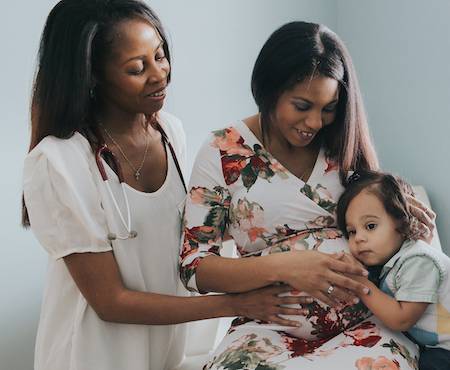 Frontier Nursing University (FNU), a leader in distance education for nurse-midwives and nurse practitioners, hosted a virtual event this fall celebrating nurse-midwives as part of National Midwifery Week. FNU’s Empower 2021: Creating a Culture of Caring event marked the seventh year for this program filled with impactful sessions hosted by many FNU nurse-midwifery faculty members and alumni.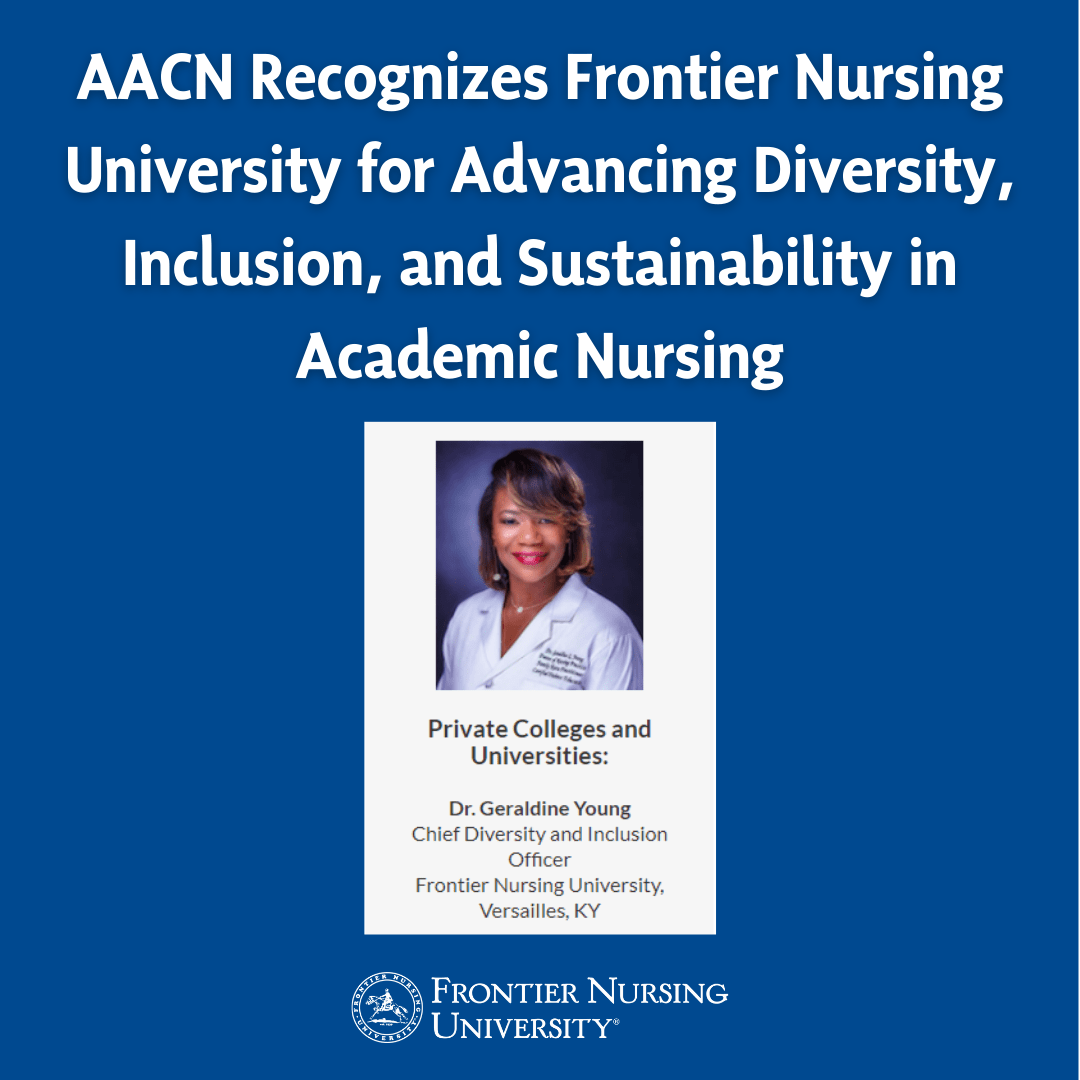
 Following a competitive process that was open to all 840 AACN member institutions, the winning schools were cited for their success in recruiting diverse students and faculty to their programs as well as creating inclusive and equitable learning environments. FNU received the Private Colleges and Universities Award. In the award announcement, AACN noted that “FNU is at the forefront as a leading activist for diversity in the nursing and midwifery professions. FNU has made diversity and inclusion a primary focus of the university’s mission and a measurable element of its progress.”
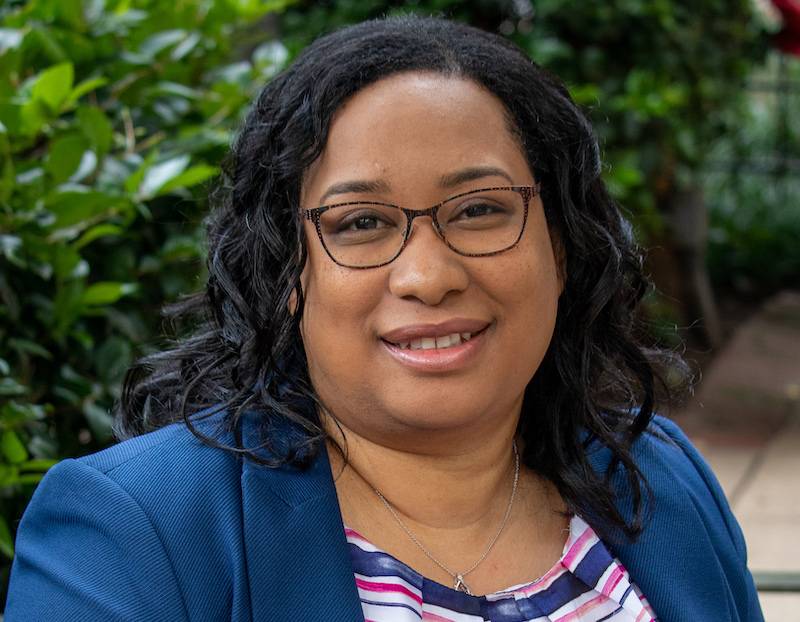
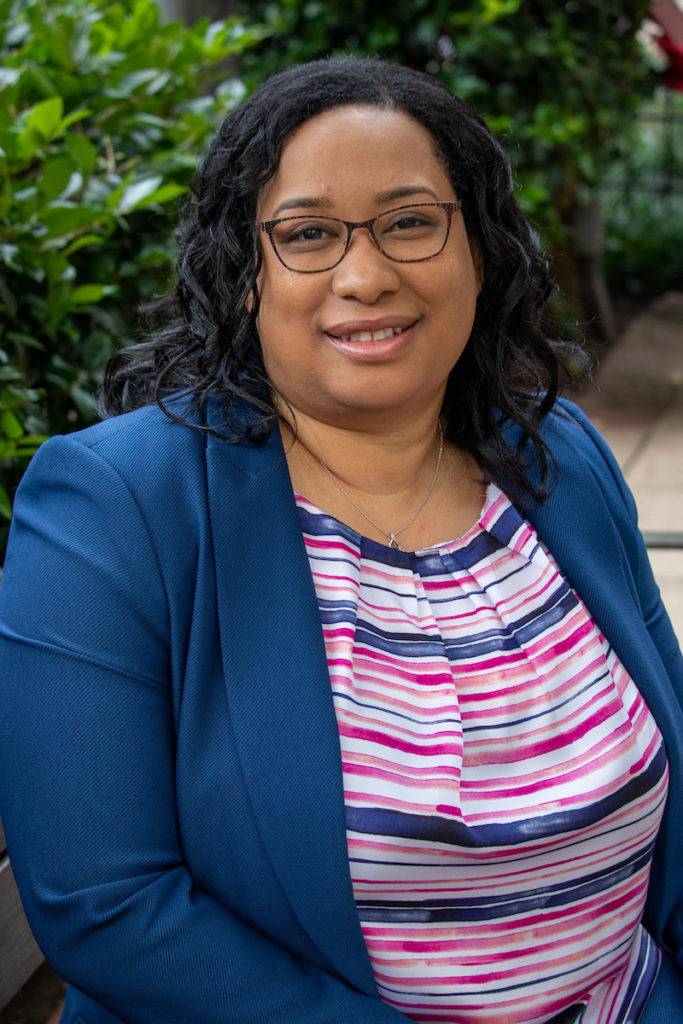 At the heart of Frontier Nursing University is a talented and diverse community of students, alumni, faculty, staff, Couriers and preceptors. Spotlight blogs feature members of our FNU community who are focused on the mission of educating nurse-midwives and nurse practitioners to deliver quality healthcare to underserved and rural populations.
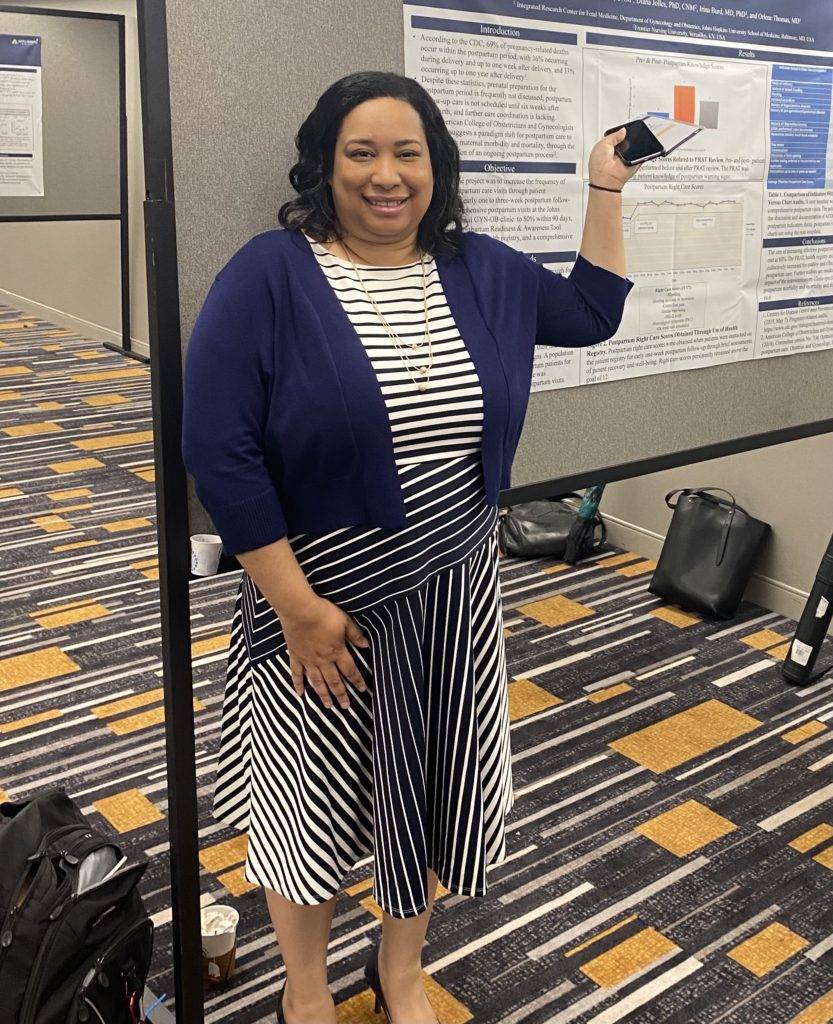 While more study and research are required to address maternal mortality, Jones-Beatty’s work was duly recognized for its significance. She recently presented her project as a poster presentation at the
 Each year, USDLA recognizes innovators and leaders within the distance/digital learning industry as part of our International Award program. These highly coveted awards are presented annually to organizations and individuals who compete across several categories of excellence. The USDLA International Distance Learning Awards are created to acknowledge major accomplishments in distance learning and to highlight those distance learning instructors, programs, and professionals who have achieved and demonstrated extraordinary achievements through the use of online, videoconferencing, and satellite/video delivery technologies globally.
 Episode 2: What the Heck is an RCF?
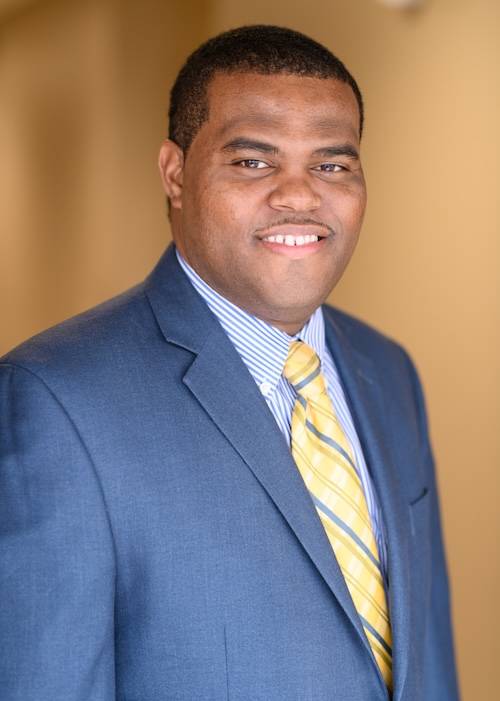
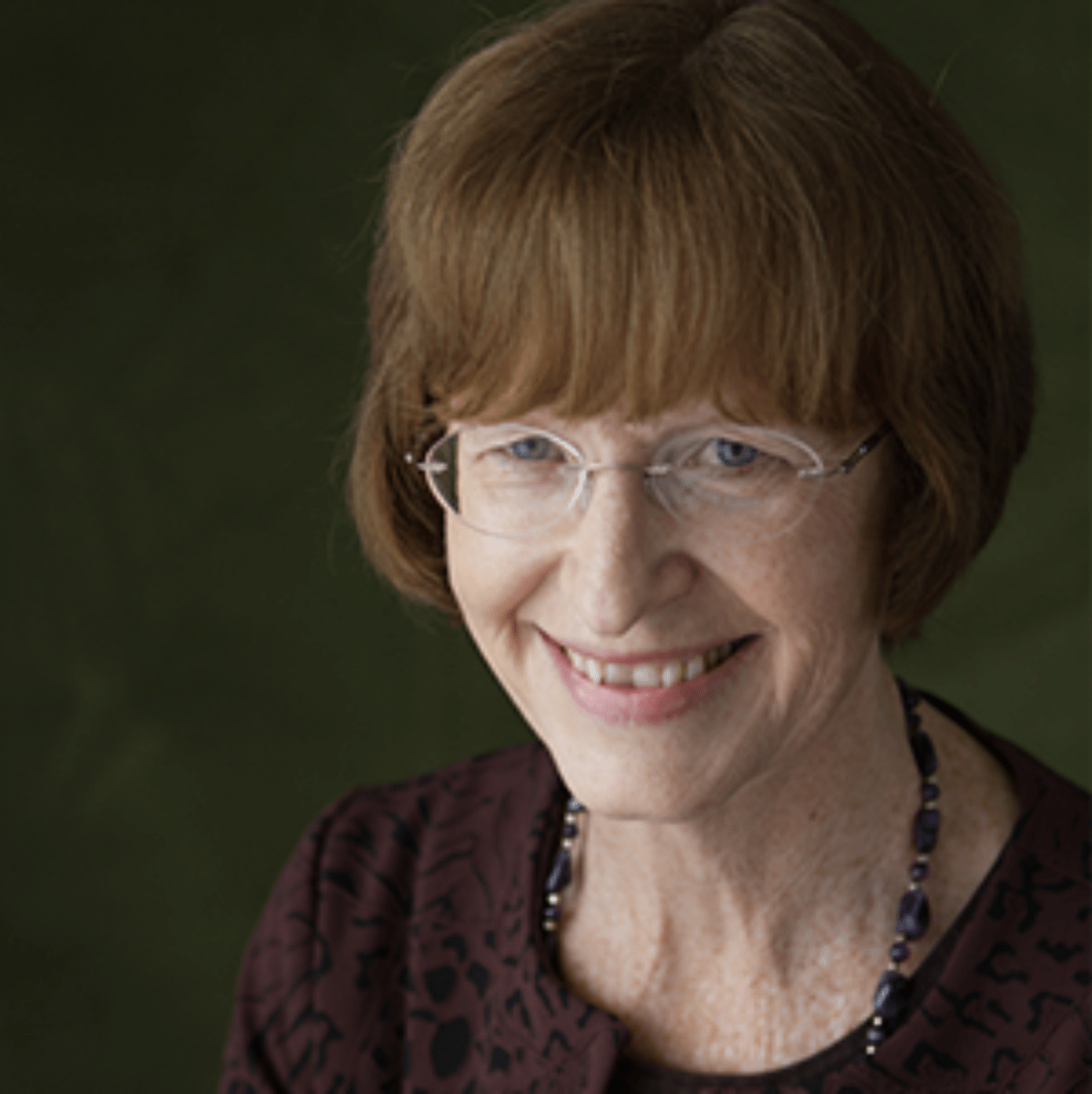
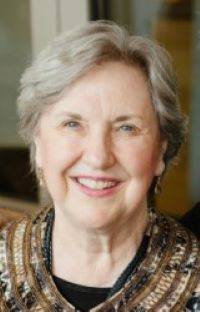
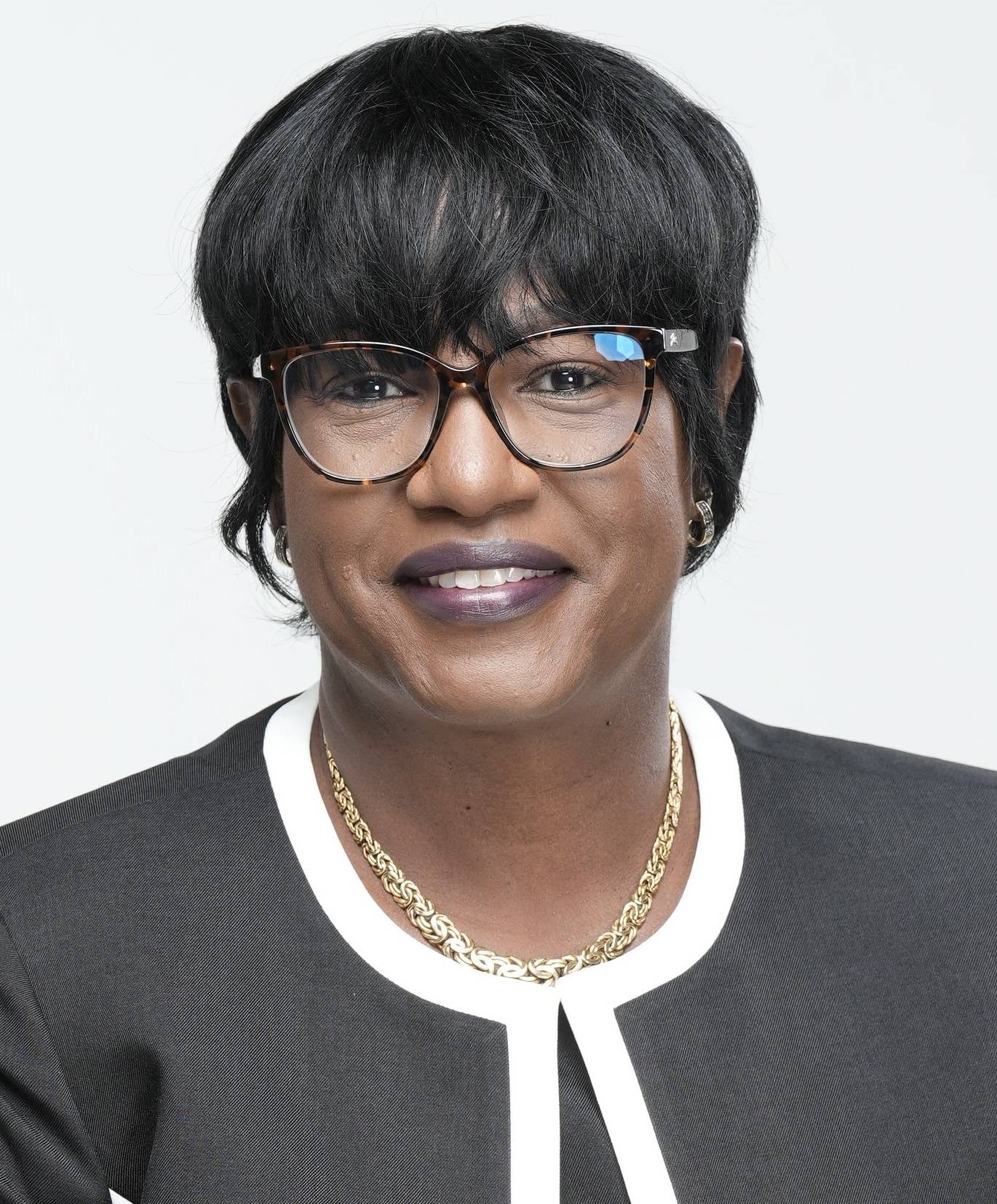

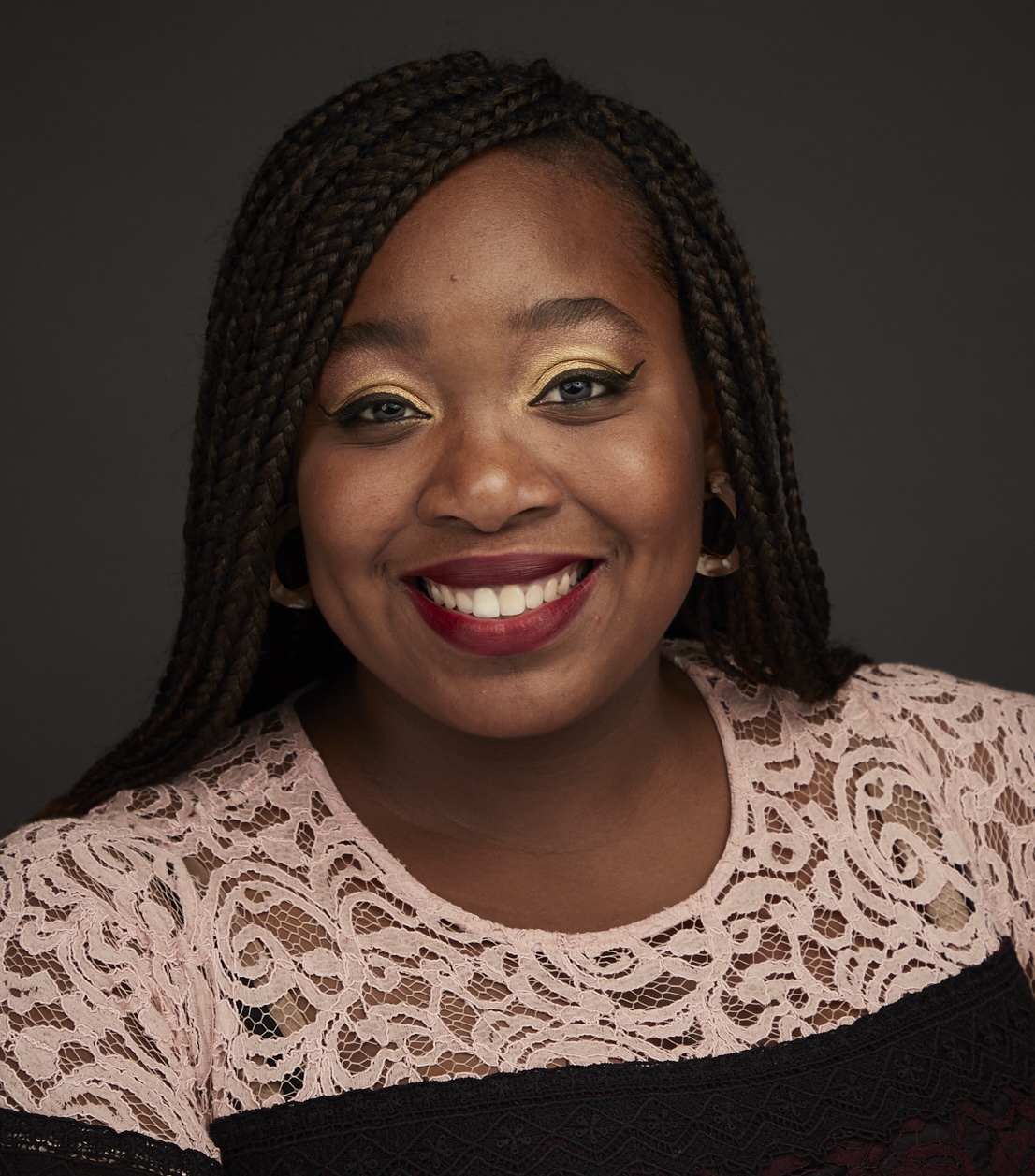

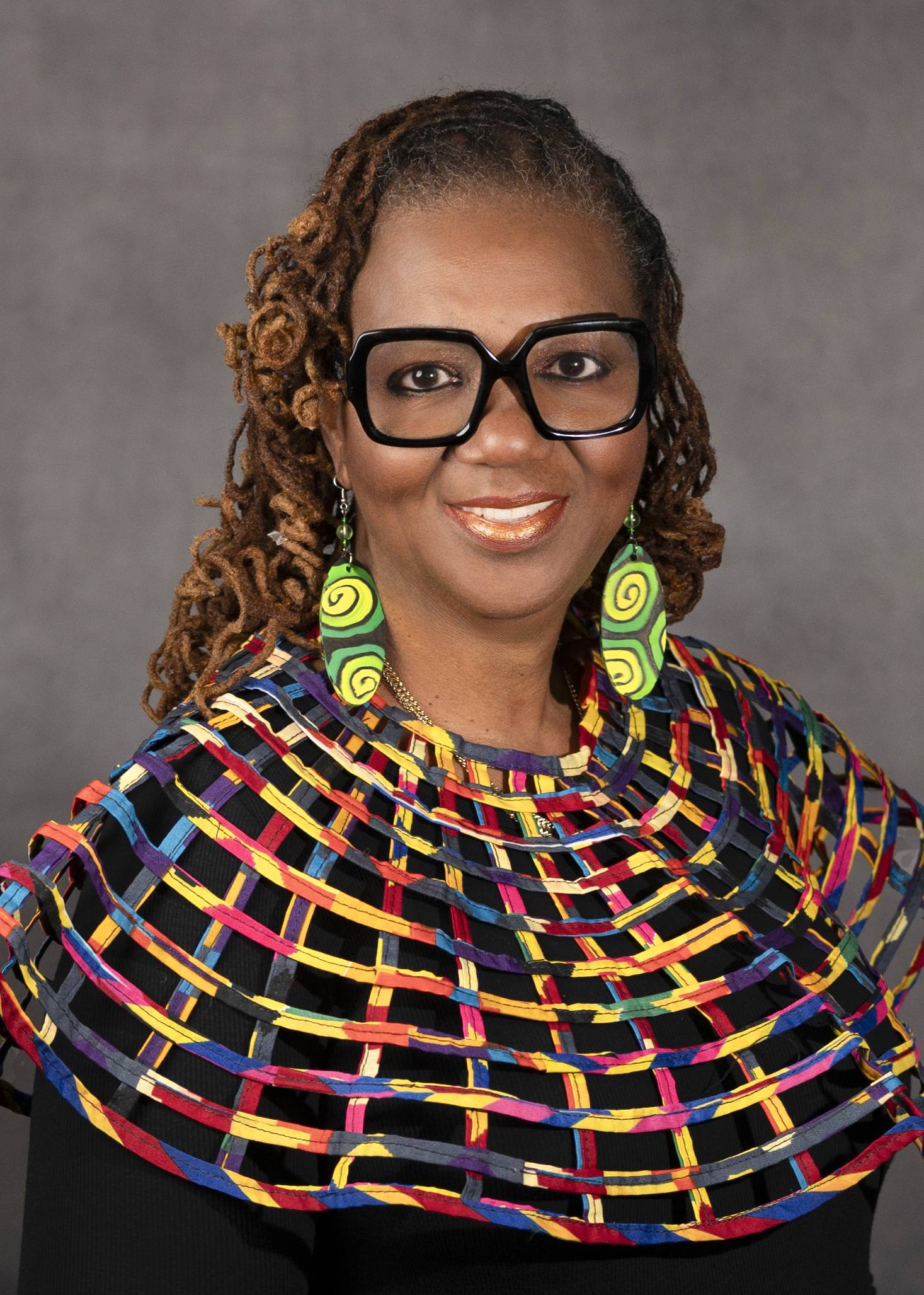
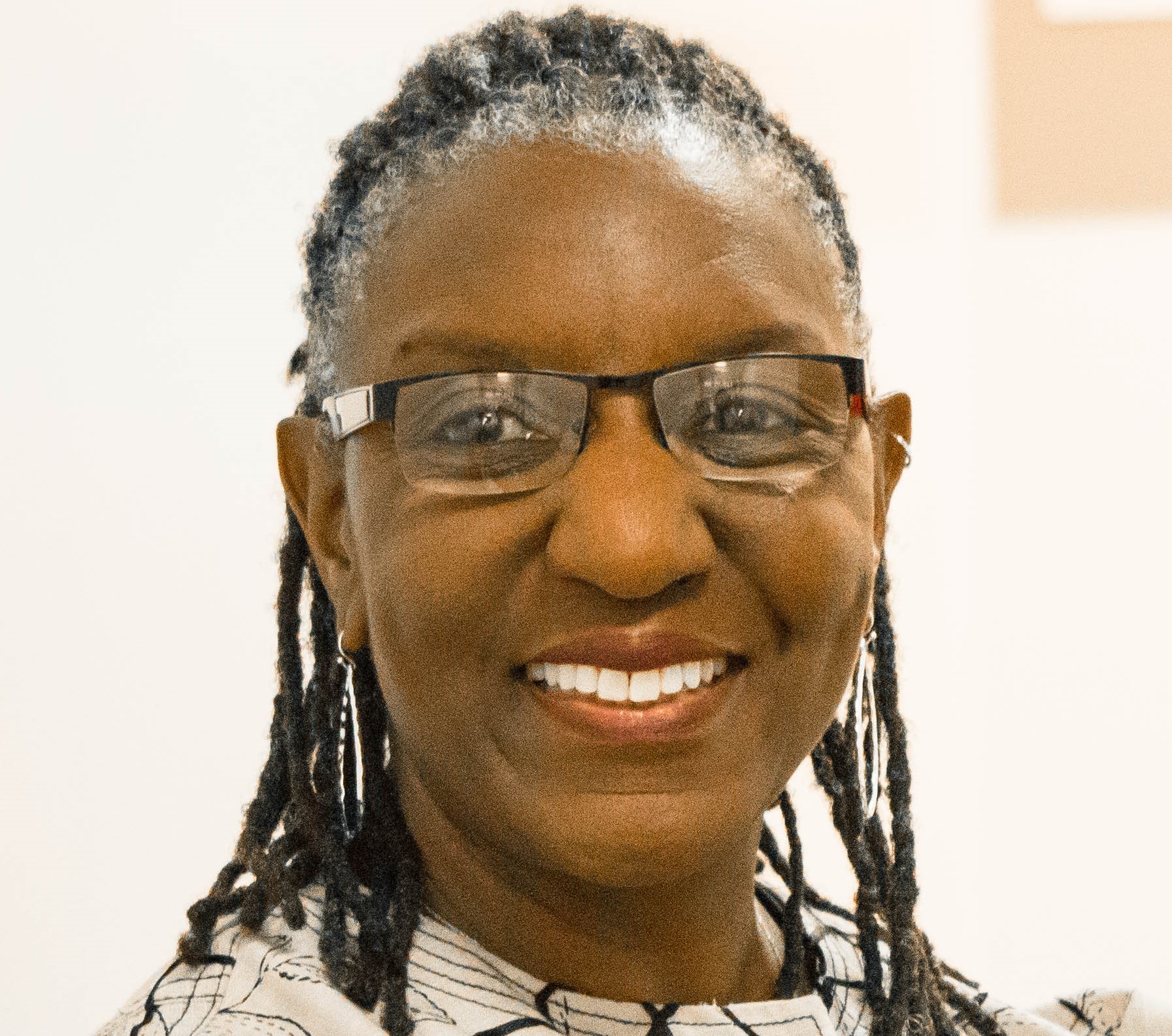
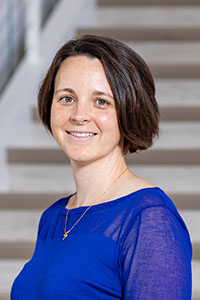
 Carrie Belin is an experienced board-certified Family Nurse Practitioner and a graduate of the Johns Hopkins DNP program, Johns Hopkins Bloomberg School of Public Health, Georgetown University School of Nursing, and Johns Hopkins School of Nursing. She has also completed fellowships at Georgetown and the University of California Irvine.
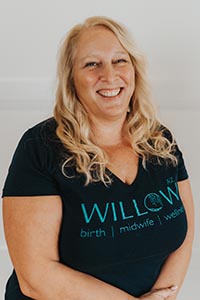
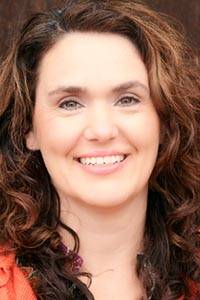 Angie has been a full-scope midwife since 2009. She has experience in various birth settings including home, hospital, and birth centers. She is committed to integrating the midwifery model of care in the US. She completed her master’s degree in nurse-midwifery at Frontier Nursing University (FNU) and her Doctorate at Johns Hopkins University. She currently serves as the midwifery clinical faculty at FNU. Angie is motivated by the desire to improve the quality of healthcare and has led quality improvement projects on skin-to-skin implementation, labor induction, and improving transfer of care practices between hospital and community midwives. In 2017, she created a short film on skin-to-skin called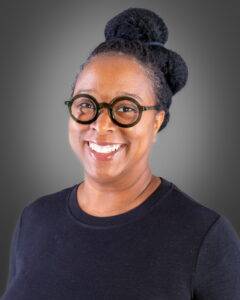
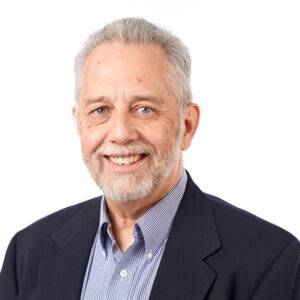
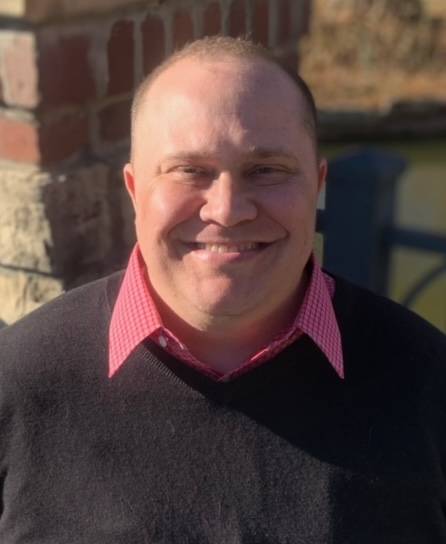 Justin C. Daily, BSN, RN, has ten years of experience in nursing. At the start of his nursing career, Justin worked as a floor nurse on the oncology floor at St. Francis. He then spent two years as the Director of Nursing in a small rural Kansas hospital before returning to St. Francis and the oncology unit. He has been in his current position as the Chemo Nurse Educator for the past four years. He earned an Associate in Nurse from Hutchinson Community College and a Bachelor of Science in Nursing from Bethel College.
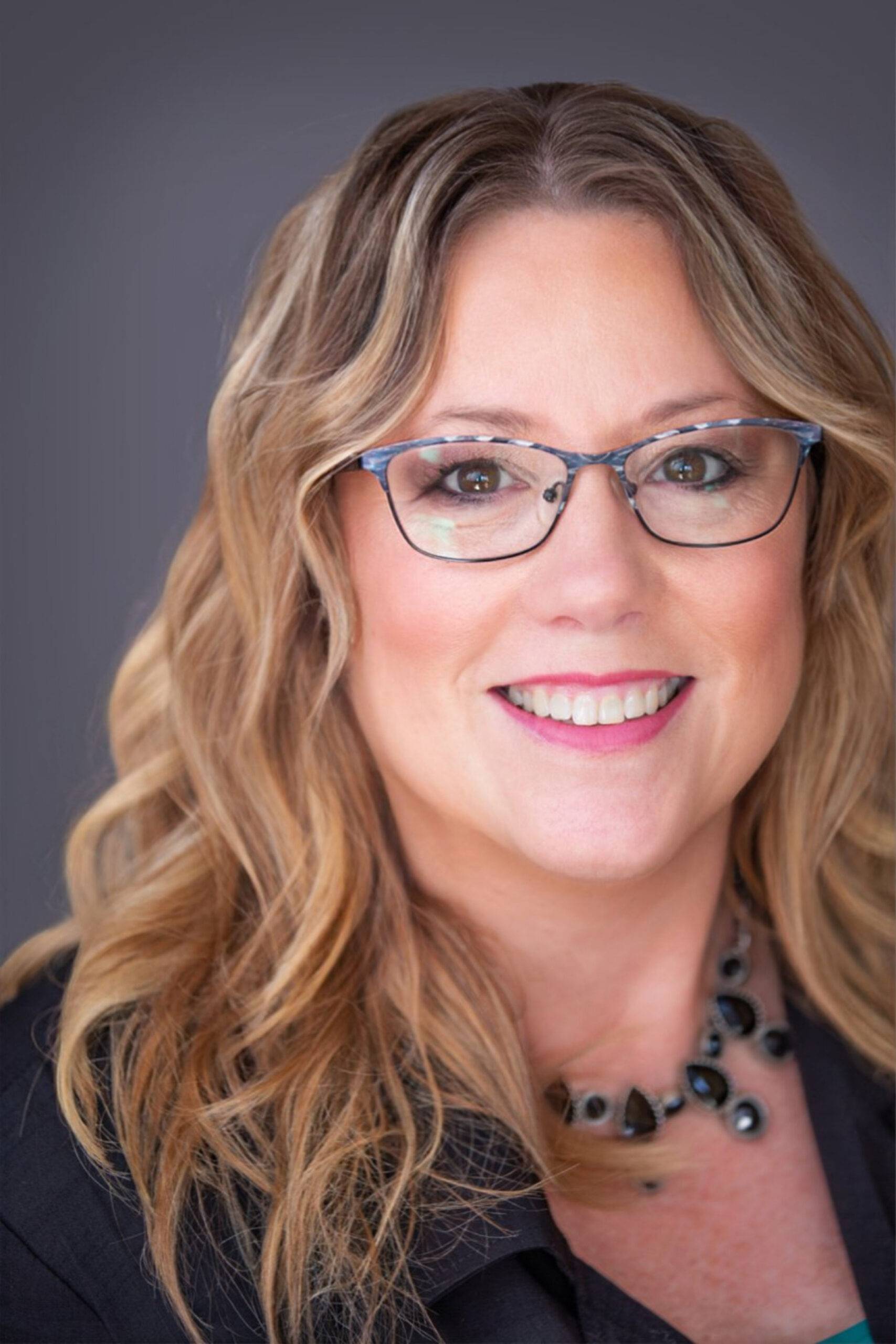 Brandy Jackson serves as the Director of Undergraduate Nursing Programs and Assistant Educator at Wichita State University and Co-Director of Access in Nursing. Brandy is a seasoned educator with over 15 years of experience. Before entering academia, Brandy served in Hospital-based leadership and Critical Care Staff nurse roles. Brandy is passionate about equity in nursing education with a focus on individuals with disabilities. Her current research interests include accommodations of nursing students with disabilities in clinical learning environments and breaking down barriers for historically unrepresented individuals to enter the nursing profession. Brandy is also actively engaged in Interprofessional Education development, creating IPE opportunities for faculty and students at Wichita State. Brandy is an active member of Wichita Women for Good and Soroptimist, with the goal to empower women and girls. Brandy is a TeamSTEPPS master trainer. She received the DASIY Award for Extraordinary Nursing Faculty in 2019 at Wichita State University.
  Dr. Sabrina Ali Jamal-Eddine is an Arab-disabled queer woman of color with a PhD in Nursing and an interdisciplinary certificate in Disability Ethics from the University of Illinois Chicago (UIC). Dr. Jamal-Eddine’s doctoral research explored spoken word poetry as a form of critical narrative pedagogy to educate nursing students about disability, ableism, and disability justice. Dr. Jamal-Eddine now serves as a Postdoctoral Research Associate in UIC’s Department of Disability and Human Development and serves on the Board of Directors of the National Organization of Nurses with Disabilities (NOND). During her doctoral program, Sabrina served as a Summer Fellow at a residential National Endowment of the Humanities (NEH) Summer Institute at Arizona State University (2023), a summer fellow at Andrew W. Mellon’s National Humanities Without Walls program at University of Michigan (2022), a Summer Research Fellow at UC Berkeley’s Othering & Belonging Institute (2021), and an Illinois Leadership Education in Neurodevelopmental and related Disabilities (LEND) trainee (2019-2020).
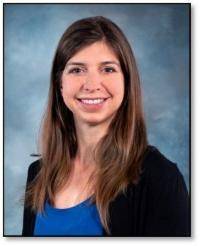 Vanessa Cameron works for Vanderbilt University Medical Center in Nursing Education & Professional Development. She is also attending George Washington University and progressing towards a PhD in Nursing with an emphasis on ableism in nursing. After becoming disabled in April 2021, Vanessa’s worldview and perspective changed, and a recognition of the ableism present within healthcare and within the culture of nursing was apparent. She has been working since that time to provide educational foundations for nurses about disability and ableism, provide support for fellow disabled nursing colleagues, and advocate for the disabled community within healthcare settings to reduce disparities.
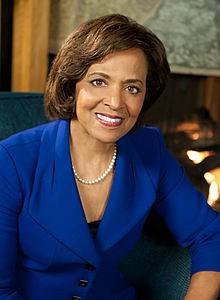
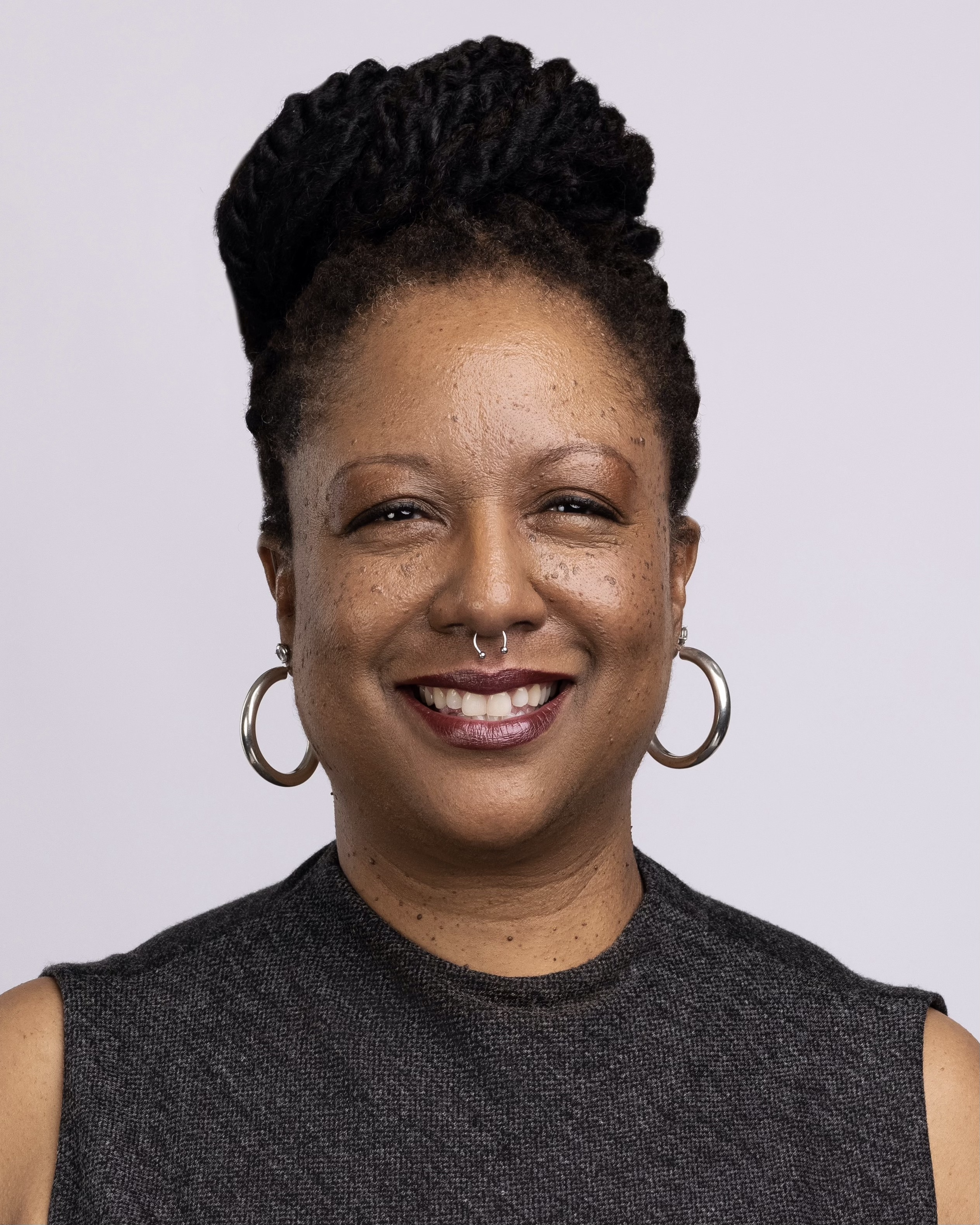 Dr. Lucinda Canty is a certified nurse-midwife, Associate Professor of Nursing, and Director of the Seedworks Health Equity in Nursing Program at the University of Massachusetts Amherst. She earned a bachelor’s degree in nursing from Columbia University, a master’s degree from Yale University, specializing in nurse-midwifery, and a PhD from the University of Connecticut. Dr. Canty has provided reproductive health care for over 29 years. Her research interests include the prevention of maternal mortality and severe maternal morbidity, reducing racial and ethnic health disparities in reproductive health, promoting diversity in nursing, and eliminating racism in nursing and midwifery.
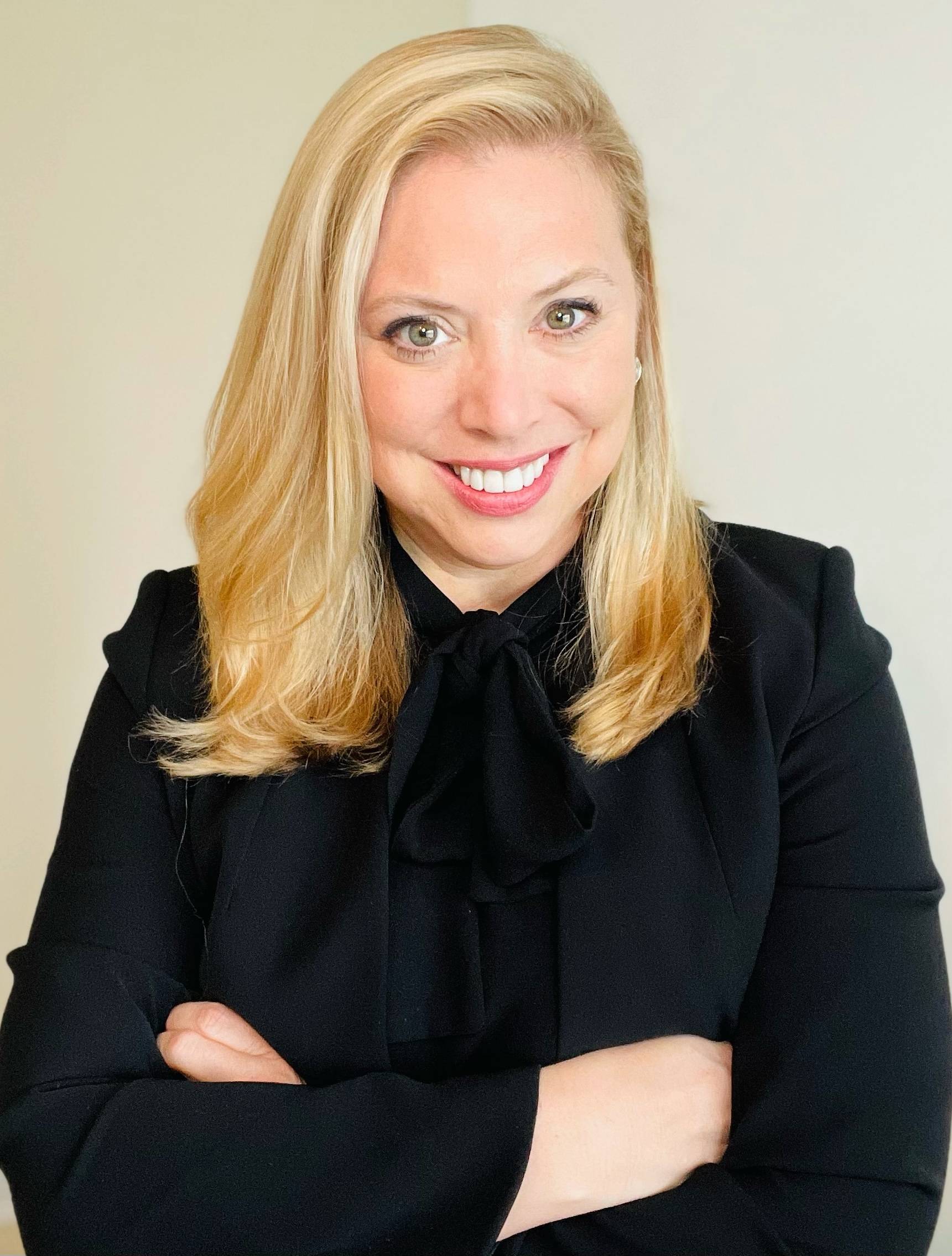 Dr. Lisa Meeks is a distinguished scholar and leader whose unwavering commitment to inclusivity and excellence has significantly influenced the landscape of health professions education and accessibility. She is the founder and executive director of the DocsWithDisabilities Initiative and holds appointments as an Associate Professor in the Departments of Learning Health Sciences and Family Medicine at the University of Michigan.
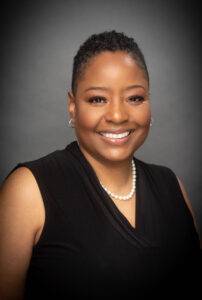 Dr. Nikia Grayson, DNP, MSN, MPH, MA, CNM, FNP-C, FACNM (she/her) is a trailblazing force in reproductive justice, blending her expertise as a public health activist, anthropologist, and family nurse-midwife to champion the rights and health of underserved communities. Graduating with distinction from Howard University, Nikia holds a bachelor’s degree in communications and a master’s degree in public health. Her academic journey also led her to the University of Memphis, where she earned a master’s in medical anthropology, and the University of Tennessee, where she achieved both a master’s in nursing and a doctorate in nursing practice. Complementing her extensive education, she completed a post-master’s certificate in midwifery at Frontier Nursing University.
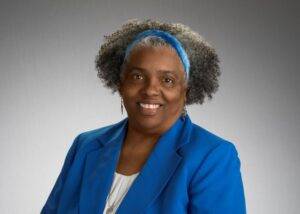

 Dr. Tia Brown McNair is the Vice President in the Office of Diversity, Equity, and Student Success and Executive Director for the Truth, Racial Healing, and Transformation (TRHT) Campus Centers at the American Association of Colleges and Universities (AAC&U) in Washington, DC. She oversees both funded projects and AAC&U’s continuing programs on equity, inclusive excellence, high-impact practices, and student success. McNair directs AAC&U’s Summer Institutes on High-Impact Practices and Student Success, and TRHT Campus Centers and serves as the project director for several AAC&U initiatives, including the development of a TRHT-focused campus climate toolkit. She is the lead author of From Equity Talk to Equity Walk: Expanding Practitioner Knowledge for Racial Justice in Higher Education (January 2020) and Becoming a Student-Ready College: A New Culture of Leadership for Student Success (July 2016 and August 2022 Second edition).