Blog

  • FNU Graduates Open Midwifery Clinic Aimed at Making Homebirth Midwifery Affordable and Available to Everyone

    FNU Graduates Open Midwifery Clinic Aimed at Making Homebirth Midwifery Affordable and Available to Everyone

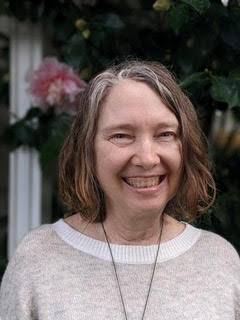
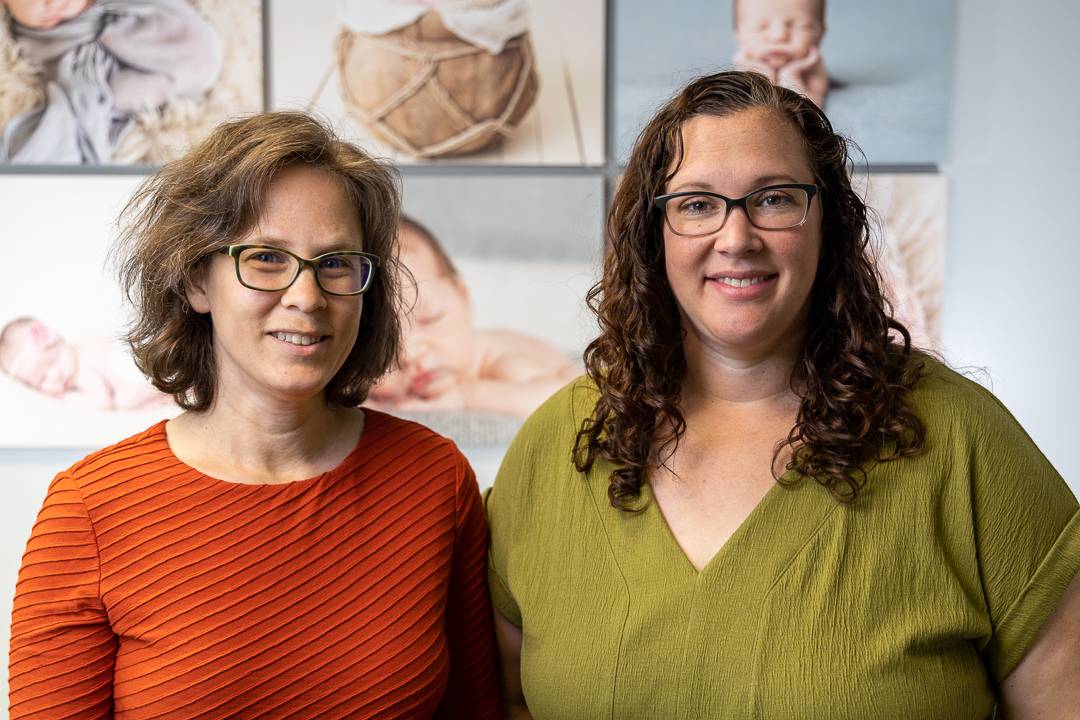
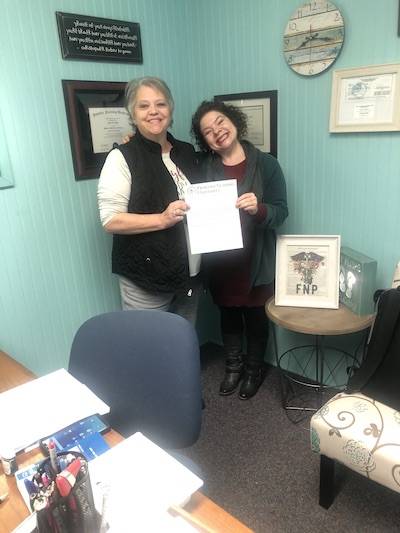
    (L to R) Caitlin Hainley, DNP, ARNP-CNM, IBCLC and Emily Zambrano-Andrews, DNP, ARNP-CNM

    When your business offers something no one else does, it’s either because you’re ahead of the curve or there’s a reason no one else is doing it. For Drs. Caitlin Hainley and Emily Zambrano-Andrews, both might very well be true.

    Fellow Frontier Nursing University (FNU) alumni Hainley, DNP, ARNP-CNM, IBCLC, and Zambrano-Andrews, DNP, ARNP-CNM opened the Des Moines Midwife Collective on September 1, 2021. Their clinic is the first in central Iowa and only the second in the entire state to accept insurance care for homebirth midwifery services. They understand why others don’t accept insurance, but more importantly, they know why Des Moines Midwife Collective does.

    “What we really want to do here is bring accessible care,” said Hainley, Companion DNP Class 5. “I want to be the type of midwife I wish had been around when I was having babies. I want to be open to all socioeconomic demographics.”

    “We want to give women access to care and to serve women of all backgrounds,” said Zambrano-Andrews, Companion DNP Class 5. “That’s hard to do when you are cash pay only and don’t take insurance.”

    So hard to do, in fact, that the only other clinic in the state that accepts insurance for home birth midwifery care is a Federally Qualified Health Center (FQHC) located in the northwest corner of the state, approximately four hours from Des Moines.

    Without insurance, Hainley said home birth costs between $6,000 and $7,000 and must be paid upfront in cash. “That prices out so many of our population,” she said. “Those lower socioeconomic groups are really at a disadvantage at finding midwifery home birth care.”

    Hainley and Zambrano-Andrews come by their passion to serve women of all ethnic and socioeconomic backgrounds honestly. Included in the insurances they accept is Medicaid.

    “Medicaid reimbursement is not always very high, but it’s just important for us to provide access,” Hainley said. “We were once the Medicaid moms looking for midwives. We have both been poor. We’ve both been on Medicaid and food stamps. Accessing kind, respectful, equitable care is important to us because we’ve been there.”

    Both of these Iowa midwives were born and raised in rural Iowa but took different routes to arrive where they are today. Zambrano-Andrews gave birth to her first child when she was 19. It was an experience that forged her path to becoming a nurse-midwife.

    “I was on state insurance so I felt like I had to go to one place,” Zambrano-Andrews said. “A nurse practitioner gave me most of my care, but then my delivery was with an OB and that was not the most pleasant experience. I decided I wanted to go to nursing school after I had my daughter. I wanted to be a labor delivery nurse to be supportive of women.”

    One of Zambrano-Andrews’ instructors in nursing school was FNU graduate Ann Ersland, MSN, Class 32.

    “She was my motivator and my mentor,” Zambrano-Andrews said. “She was a huge influence to me. Doing clinicals with her and learning what midwives do and what the difference is between midwives and OB physicians was fascinating. I knew someday I wanted to be a midwife but I felt like I just needed to do nursing for a while to get experience.”

    Zambrano-Andrews was a nurse for 10 years at a small-town hospital before deciding it was time to become a midwife.

    “At that time I had two children,” she said. “After I went to my orientation week for Frontier I found out I was pregnant with my third. I decided to push through and do school. When I started my DNP program I found out I was pregnant with my fourth.”

    With few jobs available after the fellowship, Zambrano-Andrews took a hospital-based midwifery position but found it unsatisfying compared to her out-of-hospital work. That’s when she reconnected with her former FNU classmate Hainley, who was working at Primary Healthcare, an FQHC that served a large uninsured and underinsured population.
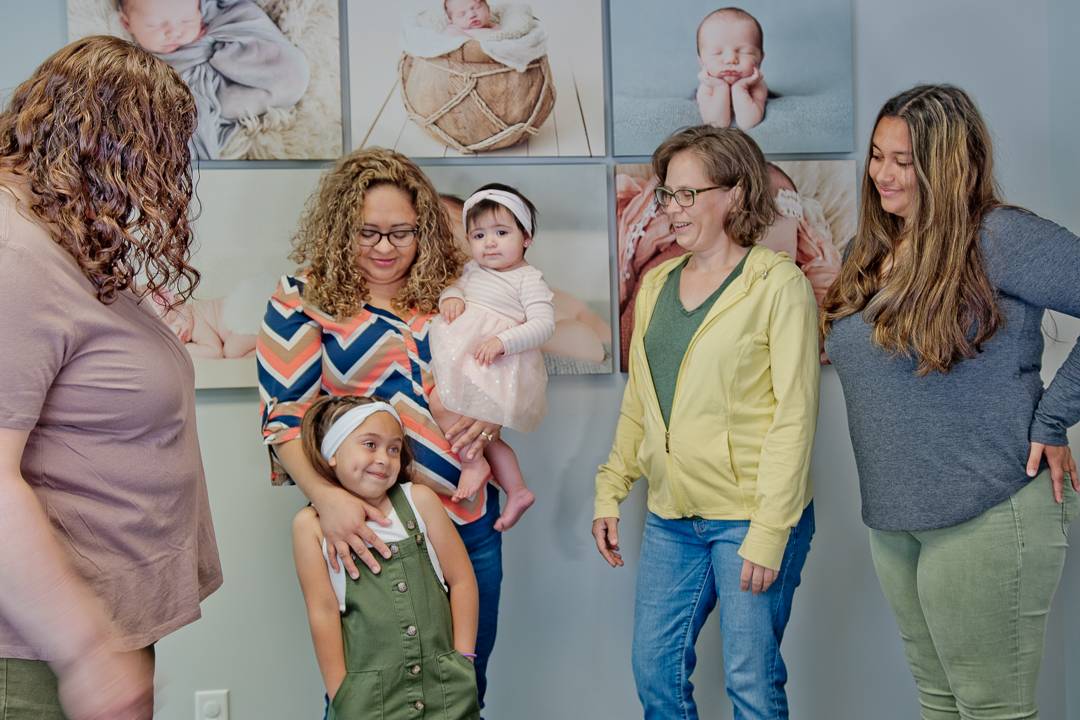
    Unlike Zambrano-Andrews, Hainley did not stay in Iowa after finishing high school. She spent some time traveling along the east coast and taking classes at community colleges. She ultimately went to Harding University in Arkansas, where she met her husband and graduated with a degree in English. She and her husband then moved to China for five years. She taught British and American literature at a university there, then got involved in pregnancy and birth education.

    “I basically helped any foreigner in our area of China who needed help navigating the Chinese hospital system during pregnancy, birth, or lactation,” Hainley said. “I had a doula business. I got really interested in women’s health.”

    The couple moved back to Iowa in 2011 and Hainley immediately began taking classes to become an RN. After graduating, she started at FNU in 2014, ultimately going into the DNP program with Zambrano-Andrews.

    “We met when I was finishing my RN,” Hainley said. “Emily had already been a nurse for about 10 years at that point and she was getting ready to go back to midwifery school and I knew I was going to midwifery school. We were both in love with home birth. We had home births ourselves and we talked about how we wanted to do home birth when we graduated. We were in many of the same classes in school and we worked together our last two years before we opened our own clinic.”

    The decision to open their own clinic was not only the fulfillment of a dream but also the opportunity to put into place some ideas that had been percolating for years. Both had experienced the lack of access to the type of care they wanted and were determined to offer that very service to the women in their community.

    “There were times throughout my own pregnancies and births where I could not access affordable care. I ended up having two babies at home without a midwife, just because of the lack of access to care,” Hainley said. “Because we had been there ourselves, we had a lot of great ideas but we didn’t have the power at our previous place of employment to enact them. So, we finally said, if they are such great ideas, let’s just take them and build them ourselves.”

    They did a business plan and knew what they wanted their clinic to look and feel like. There was plenty they didn’t know, but they jumped in with both feet and hit the ground running. In the months since opening, they have learned much and recognize they have much more to learn. They deal with the challenges of accepting insurance willingly while acknowledging the challenges it presents.

    “Taking insurance costs a lot,” Hainley said. “You have to have malpractice insurance, which costs a lot. Some of the home birth midwives don’t have that because they don’t take insurance and they don’t have to have it. You have to have good billers. All of this costs money and time, so I understand why they don’t. It is a struggle to bring that valued home birth care to an affordable setting. But it’s worth it. It’s worth it for every person’s life who is touched by that care.”

    “Hopefully we’re improving health outcomes for our state and our community,” Zambrano-Andrews added. “There’s a lot of places where women got prenatal care here that have closed their doors. They have to drive a long way to get care. I feel like midwifery care, in general, has more of a wellness approach so I’m hoping that community health improves by what we’re doing here.”

    Not only is the Des Moines Midwife Collective unique in its willingness to accept insurance, but it is also the first free-standing lactation clinic in the state of Iowa. Hainley has her International Board of Lactation Consultant certification and ZambranoAndrews is working toward hers.

    Currently, they have no staff other than themselves. They function not only as the nurse-midwives, but also the receptionists, schedulers, greeters, and billers.

    “It’s so costly to provide affordable care, but it’s worth it to us,” Hainley said. “We are building something for future generations and we’re building something to prove it can be done. We get to do that together and it’s really a great thing to have a partner in this.”

    In the clinic, they do prenatal visits, lactation appointments, and women’s healthcare. In the home, they do births, 36-week prenatal visits, and a 24-hour postpartum visit. Some lactation visits are also offered in the home. Their years of experience in the community have helped them make multiple connections in the event of cases in which medical care in a hospital setting is required.

    Both Hainley and Zambrano-Andrews are thankful for the preparation provided to them by FNU. They were both drawn to FNU’s history and community-based emphasis.

    “I picked Frontier because they were more community-based,” Zambrano-Andrews said. “I felt like their focus on supporting birth centers was what really drew me to Frontier versus other programs.”

    “They have such a great community background and they have a great emphasis on building community,” Hainley added. “They have such an emphasis on community and that fits really well with what we’re doing. Some of that was fostered and grown by how Frontier runs its program.”

    The Des Moines Midwife Collective has received great support since its opening and has been welcomed by other midwives in the area. While the learning curve of owning a business has been steep and some challenges still loom, it has all been worth it so far.

    “We have very appreciative clients who are so amazed that we are here and are taking insurance so they can have the desired birth they want,” Zambrano-Andrews said.

    “You sacrifice for what’s important to you,” Hainley said. “It’s more than just putting a sign in a yard. It’s living a life that is meaningful even if nobody knows what you’re doing. It’s a sacrifice for what’s important.”

    Learn more about the Des Moines Midwife Collective at www.midwifedesmoines.com. You can learn more about FNU’s Certified Nurse-Midwifery program by visiting our website.

    Editor’s Note: During the course of the interview, Hainley and Zambrano-Andrews expressed their gratitude for so many people who have helped them and made sacrifices to aid them in this journey. In particular, they wanted to acknowledge their families and say, “Thank you to our friends and family who have helped us along the way.” 

    Zambrano-Andrew’s family includes her husband Jesus Zambrano, whom she calls “her biggest supporter. If I didn’t have him, I don’t know if I’d be a midwife.” Together they have five children: Mina, Olivia, Elio, Giselle, and Elena. 

    Hainley and her husband Matt have four children: Juliet, Zella, Snowden, and Gemma. She also wanted to express her appreciation for her parents, Royce and Lisa. “My dad did so much contracting and manual labor work for us,” she said. “It wouldn’t have looked as pretty if he wasn’t involved. And my mom has helped paint and has taken up all the slack while my dad helps us.” 

  • Frontier Nursing University Names Bobbi Silver as Chief Advancement Officer

    Frontier Nursing University Names Bobbi Silver as Chief Advancement Officer

    Frontier Nursing University announced Bobbi Silver as its new Chief Advancement Officer. Silver, who began her role on March 28, 2022, brings to Frontier nearly 20 years of experience in fundraising and marketing. Most recently, she served as the Director of Development at the Diocese of Lexington. Prior to that, she was the Vice President of Philanthropy at the YMCA of Central Kentucky and worked in fundraising roles at the University of Kentucky.
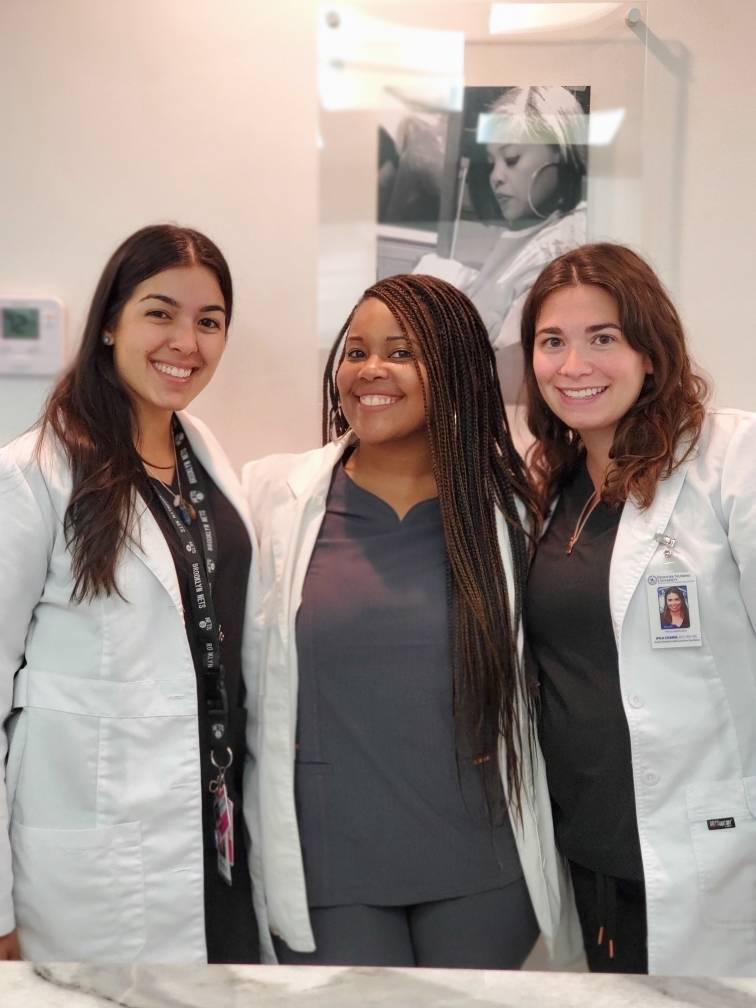
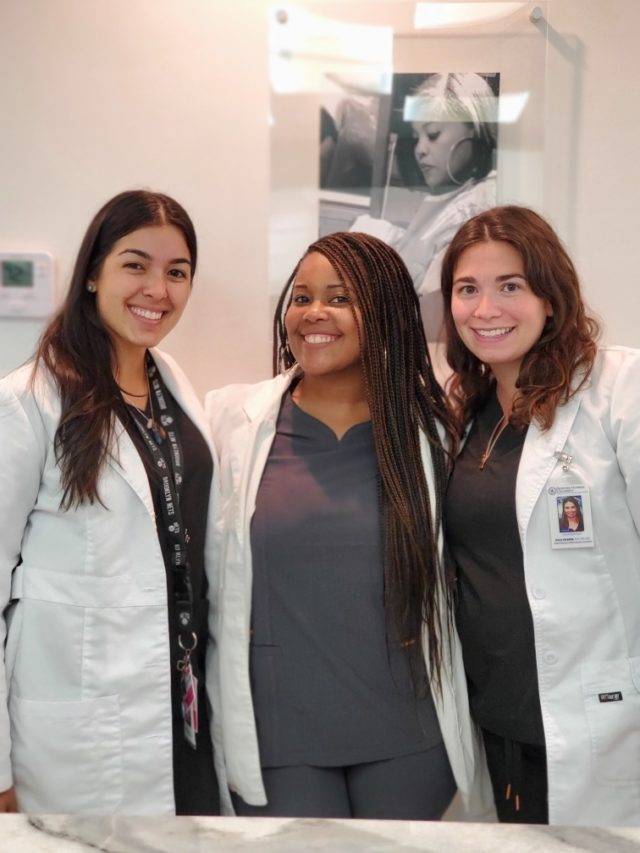
    “We are so excited to welcome her and her family to the Frontier community,” said FNU President Dr. Susan Stone, CNM, DNSc, FAAN, FACNM. “We know she will help us continue to grow and successfully fulfill our mission.”

    Silver earned a Bachelor of Arts in Political Science and History from McDaniel College in Westminster, Maryland. She has extensive experience in higher education and nonprofit organizations. She was the Development Officer for the Robinson Scholars Program at the University of Kentucky before moving on to Transylvania University where she was the Director of Major Gifts. She returned to the University of Kentucky as the Assistant Director of Development and Advancement for the Gatton College of Business & Economics. She then served as the Director of Development and Major Gifts for the University of Kentucky’s College of Pharmacy before accepting the position at the YMCA.

    “Frontier Nursing University has an exemplary reputation in healthcare and I am excited to use my skills to highlight the many and wonderful ways that Frontier is transforming communities,” Silver said. “We are uniquely positioned, as we have been for almost 100 years, to educate and train nurse-midwives and nurse practitioners. I was drawn to Frontier because of its proud history of addressing rural healthcare inequities and our commitment to increasing diversity and inclusion in the healthcare system. It is my honor to work with such wonderful faculty, staff, and students, who have been incredibly welcoming and kind in my time here so far.”

    Along with her years of experience, Silver also brings an outstanding record of success in development, alumni relations, external affairs, grants management, and marketing.

  • The Importance of Precepting

    The Importance of Precepting

    The importance of preceptors has never been more evident. The COVID-19 pandemic has brought greater awareness of our nation’s shortage of healthcare providers. FNU students are primed and ready to help fill these gaps, but they must have clinical hours to complete their course requirements and gain the real-world experience they need to excel.

    In this blog, we look at several aspects of precepting, including the specialties most in need of preceptors, how to become a preceptor, and the long-lasting impact of preceptors on FNU students. We also thank our devoted preceptors who share their time and knowledge year after year. We hope you will be inspired by all those who generously give their time and expertise.

    Preceptors are in demand for the following specialties:

    • Certified Nurse-Midwife
    • Certified Family Nurse Practitioner
    • Certified Women’s Health Care Nurse Practitioner
    • Certified Psychiatric-Mental Health Nurse Practitioner

    Did You Know: Precepting Facts and Figures

    • In the Winter 2022 term, FNU had 823 students in clinical courses.
    • The average FNU student needs three clinical sites to complete all required experiences.
    • The need is great and the competition for clinical sites is heavy.
    • The demand for preceptors is constant.

    What else do you gain from being an FNU preceptor?

    Preceptors get to promote their profession through the education and guidance of their future peers. You can help expand access to quality, compassionate care to rural and underserved populations. FNU preceptors earn an honorarium based on the percentage of time spent precepting students.

    [arve url=”https://www.youtube.com/embed/qcwmZa9LZaY” align=”center” thumbnail=”1584″ maxwidth=”960″ aspect_ratio=”16:9″ /]

    Are you interested in being a preceptor for an FNU student?

    FNU needs preceptors with the following credentials: 

    • National certification in a specialty area
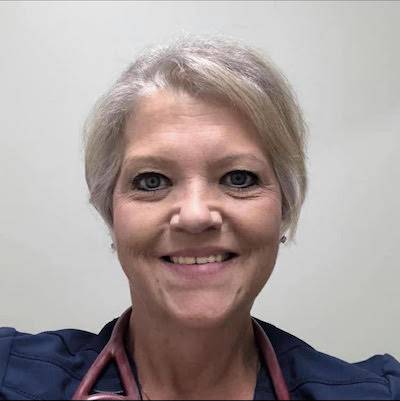
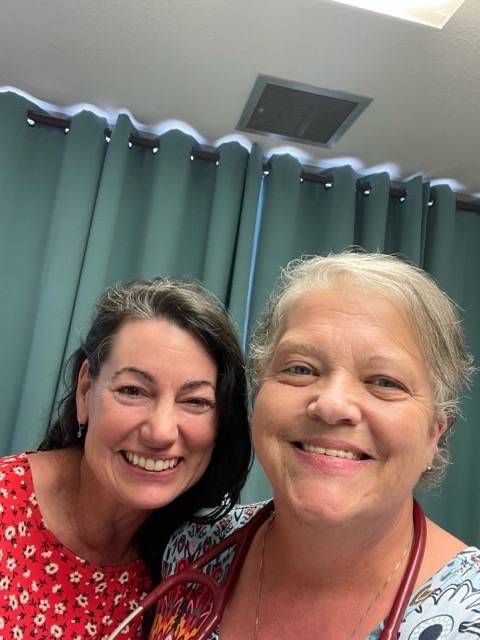
    • One year of relevant experience in an advanced practice role
    • Master’s Degree or higher in a nursing-related field
    • MDs and DOs

    Are you ready to learn more about precepting? Contact FNU’s Clinical Outreach and Placement Services. Our staff can answer questions about the process to become a preceptor; provide support to preceptors when using the online preceptor profile portal; and outline the benefits of precepting, including preceptor honorariums. 

    Visit our website to begin the preceptor application process today!

    Become a Preceptor

  • FNU’s Winter Featured Preceptor: Robin Argyle, FNP

    FNU’s Winter Featured Preceptor: Robin Argyle, FNP

    At the heart of Frontier Nursing University is a talented and diverse community of students, alumni, faculty, staff, couriers and preceptors. Spotlight blogs feature members of our FNU community that are focused on the mission of educating nurse-midwives and nurse practitioners to deliver quality healthcare to underserved and rural populations.

    Frontier Nursing University (FNU) is proud to recognize Robin Argyle, FNP as the winter term Featured Preceptor. In her role as a preceptor, Argyle is committed to shaping the next generation of nurse practitioners (NPs) into the best versions of themselves.

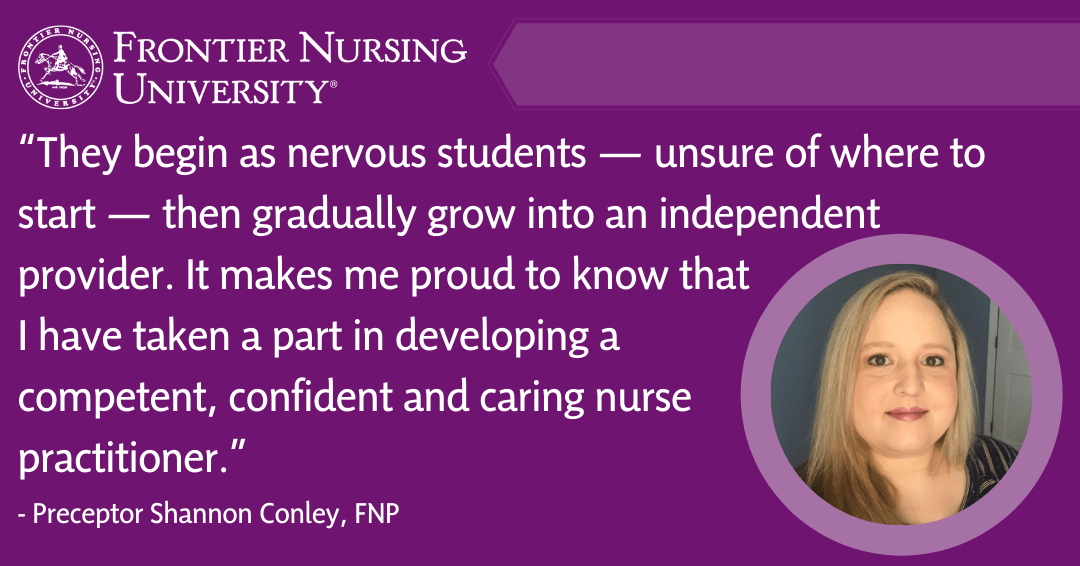
    “As a preceptor, you get to have a hand in shaping the future of healthcare,” Argyle said. “There are many voices out there trying to silence NPs. Teaching students to stand up for themselves and the profession is worth any bit of time precepting takes.”

    A 2015 graduate of FNU, Argyle serves as a Family Nurse Practitioner (FNP) at Falls Community Hospital and Clinic in the small rural community of Marlin, Texas. A town with a population of about 5,600, Marlin’s poverty rate is approximately 46 percent, according to the U.S. Census Bureau. In her role as an FNP, Argyle cares for the residents of Marlin, along with those living in the outlying communities of Falls County.

    For many of her patients, access to the Falls Community Hospital and Clinic is a 30 to 40-minute commute, despite it being their nearest healthcare facility. Working in a rural setting, Argyle is often required to investigate complex problems and establish long-term plans for her patients due to a lack of specialists in the area and lack of patient resources. From providing COVID-19 vaccine information to resources for pregnant patients, Argyle serves as a consistent source of care for her patients.

    Before working with Falls Community Hospital and Clinic, Argyle worked as an FNP for healthcare facilities throughout Oklahoma, including Grand Lake Mental Health Center.
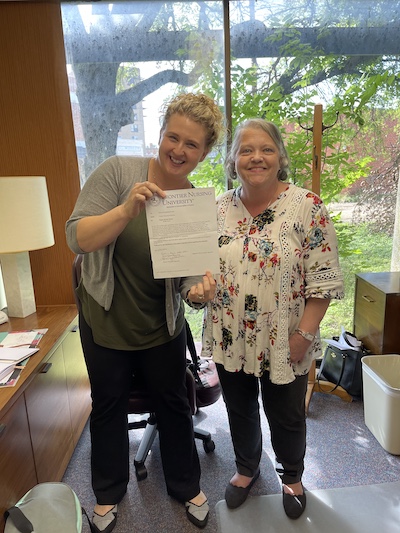
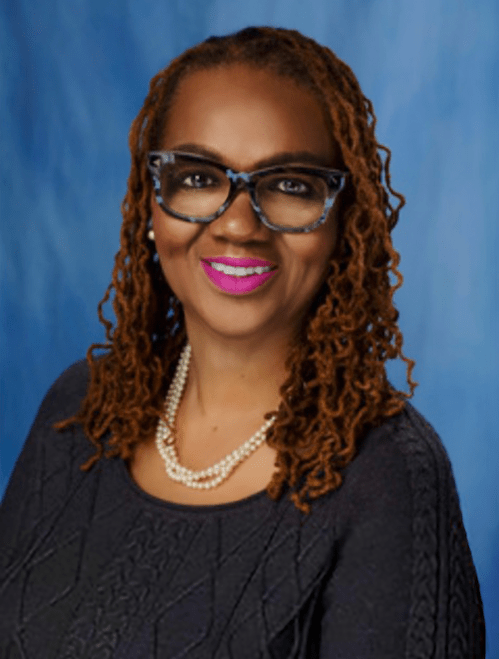
    Argyle balances her career as an FNP with her work as a preceptor. Over the years, she has served as a preceptor to countless students in central Texas. As a preceptor, Argyle said her favorite part of the experience is witnessing a student grasp a concept in practice that was difficult in didactic learning.

    “When they see it done in practice, it’s always fun to see the light come on,” she said. “I also love the questions they ask because it challenges me to learn more.”

    As an alumnus, Argyle said she particularly enjoys working with FNU students.

    “The students from Frontier are always well prepared and are ready to learn,” Argyle said. “I’ve precepted several students from other colleges. I didn’t realize how fortunate I was to have such a stellar education until I started precepting. I’m grateful for FNU every single day.”

    FNU student Megan Hoang, who nominated Argyle, said she provides students with the clinical experience they dream about during didactic courses.

    “She is a firm yet loving guide who constantly pushes you to grow into what she knows you can be,” Hoang said.

    Thank you, Robin, for your work as a preceptor and your compassionate care for rural, underserved patients in your community. Your work has truly exemplified FNU’s Culture of Caring.

    To read about previously recognized preceptors or to nominate a preceptor, click here.

    Are you interested in becoming a Frontier preceptor? Learn more here.

  • Dr. Paula Alexander-Delpech Named Interim Chief Diversity and Inclusion Officer

    Dr. Paula Alexander-Delpech Named Interim Chief Diversity and Inclusion Officer

    Dr. Paula Alexander-Delpech, Ph.D., PMHNP-BC, APRN

    Dr. Paula Alexander-Delpech, Ph.D., PMHNP-BC, APRN, has been named the Interim Chief Diversity and Inclusion Officer (CDIO). Dr. Alexander-Delpech currently serves at FNU as an Associate Professor, Chair of the Health Equity subcommittee, Chair of the President’s Task Force on Diversity, Equity, and Inclusion (DEI), and Chair of the Faculty, Staff, and Preceptor Development and Retention committee.

    “Dr. Alexander-Delpech has extensive experience in planning, implementing, and evaluating DEI programs in private and public universities located in urban and rural communities, which reflect her ability to lead DEI initiatives at Frontier Nursing University,” said FNU President Dr. Susan Stone, CNM, DNSc, FAAN, FACNM. “She also brings experience in recruitment and retention of underrepresented students and will carry on the essential work of FNU’s Office of Diversity, Equity, and Inclusion.”

    Previously, under her leadership as Director of Student Services, Dr. Alexander-Delpech created the first nursing summer program to increase the number of underrepresented high school students interested in becoming a nurse. She brings experience in initiating new programs with community partners to meet the growing workforce needs. She was instrumental in developing the first Foreign-Educated Physician Nursing Program (FEPNP) in the U.S. Further, Dr. Alexander-Delpech has developed workshops for community-based clinics and training on social justice utilizing a community-based participatory approach, which provided extensive experience working with marginalized communities.

    Dr. Alexander-Delpech has implemented several projects focused on connecting the social environment and healthy lifestyles to wellness outcomes. Some workshops were developed with local organizations to address health and wellness in the Black community. She was also instrumental in initiating a grassroots campaign to bring mental health awareness to African American women living in a rural community.

    Board-certified as a Psychiatric-Mental Health Nurse Practitioner, Dr. Alexander-Delpech maintains her clinical practice in a community-based facility. She is an appointed member of the American Association of Colleges of Nursing (AACN) diversity committee; an inaugural member of the National Organization of Nurse Practitioner Faculty (NONPF) diversity committee; a member of the American Psychiatric Nurses Association (APNA); an executive board member of the Florida chapter of the APNA; a member of the South Florida Council of Advanced Practice Nurses; and a member of the American Association of Nurse Practitioners (AANP).

    To learn more about FNU’s Office of Diversity, Equity and Inclusion, please visit our website.

  • FNU Students Earn Honor Society Scholarships 

    FNU Students Earn Honor Society Scholarships 

    Each fall, Frontier Nursing University’s (FNU) Chi Pi Chapter of the Sigma Theta Tau International Honor Society of Nursing (STTI) awards several students with financial scholarships. To qualify for STTI membership, students must have completed at least a quarter of their degree program, hold a 3.5 or higher grade point average and demonstrate academic excellence.

    This year, three nurse practitioner students received the scholarship, including Jazmin Townes, Joanna Wilder, and Sarah Logan. Congratulations to FNU’s Fall 2021 Chi Pi scholarship recipients! The FNU community is proud of your dedication to hard work.

    Meet Our Scholarship Recipients:

    Jazmin Townes, from South Carolina

    Jazmin Townes is in FNU’s Nurse-Midwifery program. In her scholarship essay, Townes detailed her goals for after graduation of opening a birth center on the island of St. Thomas, allowing women to have more choices regarding their birthing and overall health needs.

    “I give all glory and honor to the Most High for allowing this blessing to fall upon myself and my family. As a new mother of a sweet baby boy, this scholarship will aid in the completion of my master’s degree as clinical rotations are on the horizon. Becoming a Certified Nurse-Midwife has been a dream of mine as I admired many women who were midwives and doctors growing up in the Caribbean. My grandmother was a midwife on the island of Anguilla. When she migrated to the United States Virgin Islands she gave up her passion to care for her 4 children by working in a jewelry store. Her story motivates me to excel in Frontier’s Midwifery program. With clinical rotations approaching I will be 192 miles away from my 5 month old baby boy. Not only is this heartbreaking but nerve-racking. I want to make my husband and son proud of this accomplishment and receiving this award is just the beginning of that. The funds from the scholarship will pay for the preparation of my Clinical Bound and travel expenses to my clinical site. I am humbled and honored to be a Chi Pi recipient. “ – Jazmin Townes

    Joanna Wilder, from Tigard, Oregon

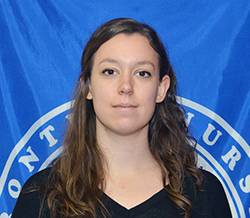
    Joanna Wilder has been a nurse since 1990, working in a hospital setting and at a birth center, and is now working towards becoming a Certified Nurse-Midwife. After graduating, Wilder plans to continue her education and get her DNP, focusing on the role of pregnancy and birth in the healing of childhood trauma. She would ultimately like to teach future midwives the sacred work of holding healing spaces during pregnancy and birth.
    “I want to express my heartfelt gratitude for the Chi Pi scholarship, which I have been awarded twice during my master’s program. I am a Certified Professional Midwife, and had to close my practice when I started the Frontier nurse-midwifery program. I worked as a nurse educator during the didactic terms, and then made the hard choice to stop working to give my full attention to clinicals. We have been carefully budgeting my husband’s disability/social security income. The scholarship money came exactly when the need was the highest. It was incredibly humbling; and reminded me that this journey is to be made with open hands. Holding a space of curiosity, I can wonder how our needs will be provided; rather than try to figure it out by the strength of my will. Watching our needs be met has led to deep conversations with my 3 teens at home, and with my adult kids who are intimidated by grad school costs. If I can graduate with my MSN at 55, and move into the Companion DNP, then they can too! Frontier truly embodies the culture of caring. So grateful for this community.” – Joanna Wilder

    Sarah Logan

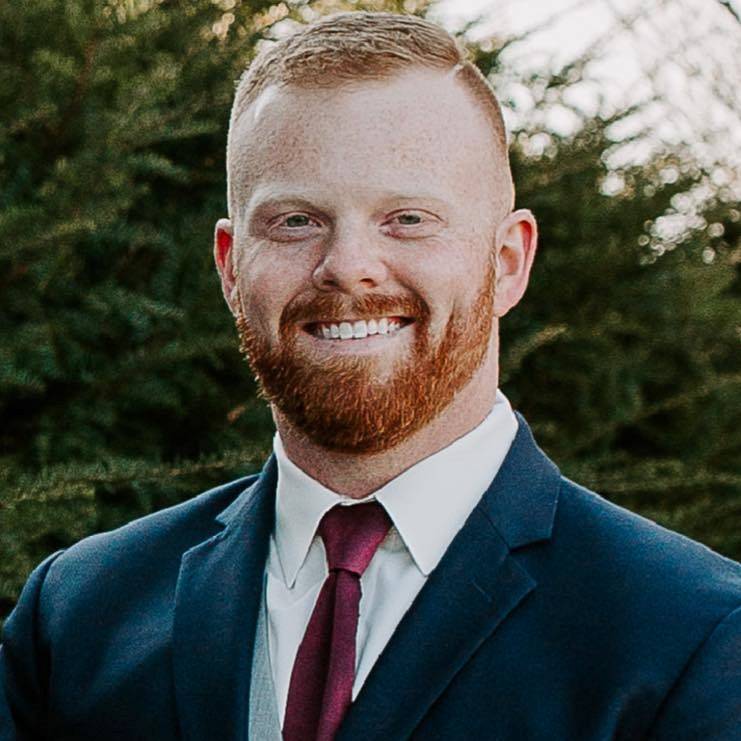
    Sarah Logan is an FNU Certified Nurse-Midwife graduate and is currently pursuing her Doctor of Nursing Practice (DNP). Logan has been involved in nursing education for several years now and has taken on many leadership roles. With the help of a colleague, she is working towards opening an outpatient mobile clinic to serve the migrant population in her city with prenatal and well-visit care. With the scholarship, Logan plans to continue working on projects that make a lasting impact in her community.
    To find out more about Chi Pi and apply for the 2022 scholarship, please visit our Honor Society Page. We encourage all students and prospective students to check out the various scholarships offered at FNU. 

  • Alumni Spotlight: Cody Pittman hopes to reach more rural and underserved populations with mental telehealth practice

    Alumni Spotlight: Cody Pittman hopes to reach more rural and underserved populations with mental telehealth practice

    At the heart of Frontier Nursing University is a talented and diverse community of students, alumni, faculty, staff, Couriers and preceptors. Spotlight blogs feature members of our FNU community that are focused on the mission of educating nurse-midwives and nurse practitioners to deliver quality health care to underserved and rural populations.

    Frontier Nursing University (FNU) alumni Cody Pittman, MSN, APRN, PMHNP-BC, has worked full-time in correctional healthcare with the Kentucky Department of Corrections in LaGrange, Ky., for the past eight years. He also recently opened his own practice named Healing Neurons Psychiatry, which provides mental health services to patients via telehealth. Cody became a Psychiatric-Mental Health Nurse Practitioner (PMHNP) in November 2020 after earning his MSN from FNU.

    Pittman says the focus of working in corrections is to try and rehabilitate patients so they are prepared to live healthy lives when released back into the community. Many of his patients have a history of polypharmacy and substance abuse/addiction.

    Pittman recognized that there are simply not enough mental health providers, so he founded Healing Neurons Psychiatry to help fill that gap. With the patient in mind, Pittman decided to offer 100% telehealth services so that patients can make their appointments from the comfort of their own homes. Furthermore, telehealth ensures the privacy of those living in rural areas who fear they may be stigmatized if others see them walking into a mental health clinic.

    “I always thought I would end up being in management for most of my nursing career as it is something I do well and hold dear to my heart. Not only do I enjoy helping patients, but I have also been an advocate for my staff for many years,” Pittman said. “Helping others has always been a passion of mine and this started at a very young age.”

    Pittman’s career in healthcare began when he was 16 years old providing dietary services at a nursing home. He knew becoming a nurse practitioner would allow him to continue helping others and give him the autonomy to pursue his vision and open his own practice. Pittman is currently completing FNU’s DNP program. In his first term, he says it is going well.

    “Frontier places the student first. I cannot begin to tell you how many practitioners I have worked with who are not confident in their decision making or are always second guessing themselves,” Pittman said. “I truly believe that Frontier gave me a well-rounded knowledge base that continues to allow me to advance my NP knowledge.”
    – Cody Pittman, MSN, APRN, PMHNP-BC

    “Frontier places the student first. I cannot begin to tell you how many practitioners I have worked with who are not confident in their decision making or are always second guessing themselves,” Pittman said. “I truly believe that Frontier gave me a well-rounded knowledge base that continues to allow me to advance my NP knowledge.”

    FNU makes it easy for students to continue on with their education by offering FNU MSN and PGC graduates, like Pittman, the opportunity to continue into the DNP program via the Companion DNP Program.

    Chasing my dreams to become Dr. Pittman, DNP has always been a goal of mine. Moving directly into the DNP program from the MSN was a no-brainer for me,” Pittman said. “It was an easy transition and just made the most sense. Completing the MSN at Frontier ensured that some of the DNP courses were completed during that program, making my DNP journey shorter in length. The family-like atmosphere that is felt while attending Frontier has been the biggest breath of fresh air. I have classmates and faculty that I consider family, hundreds of miles away all because of Frontier.

    Pittman got married in 2017 and has a three-year-old daughter. He played the saxophone in middle and high school and can still play today! In his free time, he enjoys relaxing at home with his family, spending time in their new pool and cruising backroads in his Jeep Wrangler.

    Thank you Cody for your dedication to mental health and fulfilling FNU’s mission to provide care to rural and underserved populations.

    To read more alumni stories, visit the FNU Alumni stories page.

  • Frontier Nursing University Offers Students Unique, Innovative Experience Before Clinicals

    Frontier Nursing University Offers Students Unique, Innovative Experience Before Clinicals

    What sets Frontier Nursing University (FNU) apart from other online advanced nursing programs? The answer: many things, but one thing at the top of the list is our on-campus Clinical Bound experience for Master of Science in Nursing (MSN) and Post-Graduate Certificate (PGC) students!

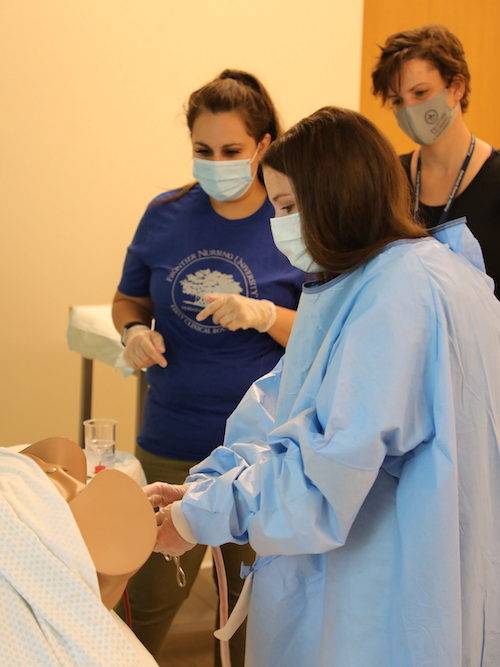
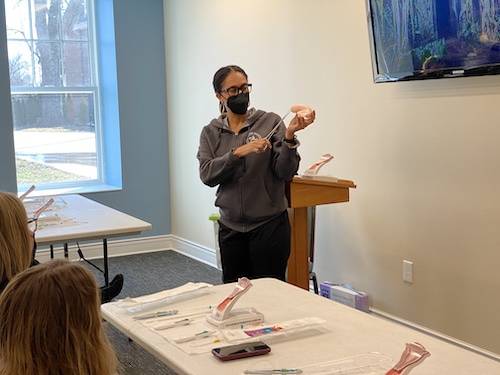
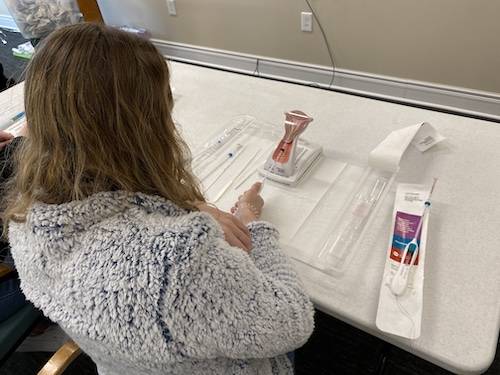
    Clinical Bound is a five-day skills intensive experience in which students return to our Versailles, Ky. campus before they begin their clinical practicum. This unique, hands-on active learning experience allows students to feel validated as having acquired the skills necessary to begin their community-based clinical practicum. Clinical Bound also allows students to have face to face communication with their faculty members and peers. It is one of the signature events in every student’s time at FNU. Clinical Bound is the second time students come to campus. The first time is for Frontier Bound, which is a three-day orientation-style experience.

    FNU held its first Clinical Bound on our Versailles, Ky. campus in August of 2021. Our new campus features labs, simulation rooms and classrooms with state-of-the-art technology that allows for innovative ways of teaching and learning.
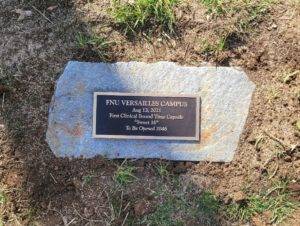
    “What we have done is enhance the experience for the student on campus to make it the most lifelike possible, prior to a real patient exam,” Innovation Coach and Simulation Coordinator Tia Andrighetti, DNP, APRN, CNM, CHSE-A, CNE said. Dr. Andrighetti. “We are training people who need to be very versed in primary care and interaction with the patient.”

    The first group of Clinical Bound students on our Versailles, Ky., campus included 16 CNEP students who made this time capsule.

    Clinical Bound is an exciting time for students as it is essentially the first time, for many, that they are practicing under the specialty they are studying. It may be nerve racking, but our clinical faculty host discussions, peer-learning and practice sessions to fully prepare students before they begin working with standardized patients (SP) and mannequins in simulations.

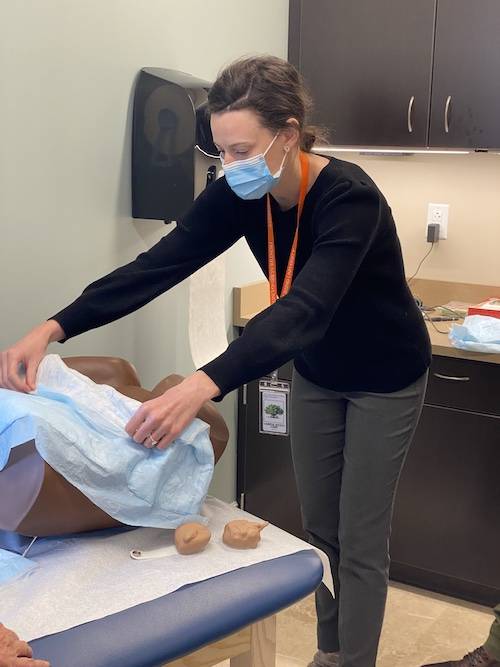
    Speaking of standardized patients, SPs allow students to have real-life experience working with a real person as a patient, but in a controlled and predictable environment. SPs use a script, which provides consistency in each clinical scenario while allowing the student to still interact and work on their skills with a real person. Students are able to practice physical examinations, history taking skills, communication, and patient counseling with these individuals. This innovative way of clinical practice benefits both the student practicing and their peers, who often have the opportunity to observe sessions, either in the exam room or virtually. Students are given immediate feedback on their performance from their faculty member and the SP after the simulation is over.

    As for the mannequins, students use those in a variety of ways during Clinical Bound. For example, nurse-midwifery students will practice birth techniques with an actress trained to portray a woman in labor and a mannequin torso in between her legs. This allows the student to practice birth techniques while also interacting with the patient, similar to a real birth experience.

    It is important that the simulations are realistic to help students gain confidence in their skills and knowledge before working with actual patients. These practice sessions during Clinical Bound are invaluable to students. They allow for hands-on interaction with immediate feedback from faculty members. It allows them to ask questions and refine their skills before entering into clinical practicums. It also gives faculty members the opportunity to reiterate information learned during the didactic portion of their studies.

    Clinical Bound is an experience the students can’t get at most other distance-learning institutions. When our students leave Clinical Bound, they are well-prepared to begin their clinical experience and have made lifelong friendships and connections. FNU faculty, staff and leadership are confident that the students leave as competent, entrepreneurial, ethical, and compassionate leaders ready to begin clinical practicums in their home communities.

    Are you interested in learning more about Clinical Bound and our Versailles, Ky. campus? Check out our website or request to learn more about our programs. FNU offers a Doctor of Nursing Practice (DNP) degree, Master of Science in Nursing (MSN) degree and post-graduate certificates leading to education as a certified nurse-midwife (CNM), family nurse practitioner (FNP), women’s health care nurse practitioner (WHNP) and psychiatric-mental health nurse practitioner (PMHNP).

Request Information Apply Give Now