Blog

  • Alumni Spotlight: Nurse and Educator Dr. Tarnia Newton Teaches Nurses to be Advocates for All Patients

    Alumni Spotlight: Nurse and Educator Dr. Tarnia Newton Teaches Nurses to be Advocates for All Patients

    At the heart of Frontier Nursing University is a talented and diverse community of students, alumni, faculty, staff, couriers and preceptors. Spotlight blogs feature members of our FNU community who are focused on the mission of educating nurse-midwives and nurse practitioners to deliver quality healthcare to underserved and rural populations.

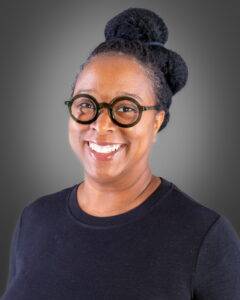
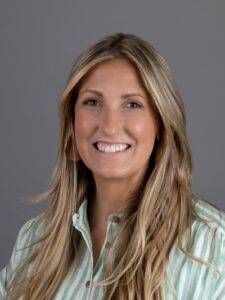
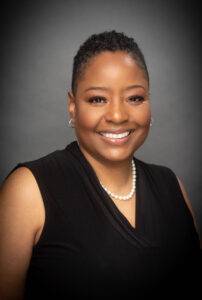
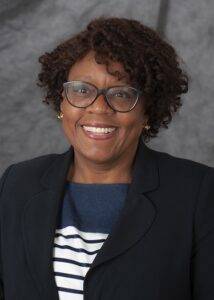
    Tarnia Newton, DNP (Class 28), FNP-C, has seen a shift in nursing and the understanding of the importance of culturally concordant care in healthcare outcomes.

    A self-proclaimed “disruptive innovator” and an educator of students she calls “JEDI nurses,” Dr. Newton understands that change does not occur without action. It is a lesson she is instilling in her students at the University of Arizona College of Nursing, where she is an Assistant Clinical Professor and a member of the Equity, Diversion, and Inclusion (EDI) Committee.

    “I think nursing as a whole had to really pause and honestly think about systemic and structural racism and the role it plays in health outcomes and what nursing institutions are doing about it,” Dr. Newton said. “I have successfully integrated Safe Zone Training into the DNP program. This introductory workshop provides an overview of LGBTQ+ terminology, health disparities, and issues facing the LGBTQ+ community. It is truly believing, as a practitioner, the importance of offering affirmative care for all.”

    Originally from the Bahamas, Dr. Newton had numerous aunts who were nurses, and her great-grandmother was an informal midwife for the rural island community of Andros in the Bahamas.

    “It (nursing) may be in my genes,” Dr. Newton said. “I always liked to help people.”

    Dr. Newton embraced her nurturing manner and healthcare ancestry and pursued a career in nursing. She started as a Licensed Practical Nurse, working in pediatric home care. After obtaining her RN, she went into critical care. For 16 years as a critical care nurse, she worked in several specialties, including open heart, neurology, trauma, pediatric medical, and extracorporeal membrane oxygenation perfusionist. She then went on to become a Family Nurse Practitioner.

    When Dr. Newton decided to pursue a Doctor of Nursing Practice (DNP), she picked Frontier Nursing University.
    “I chose Frontier because it was an online program that genuinely focused on the DNP essentials and gave me the skills I would use in the clinical environment,” Dr. Newton said. “I always say it was the best money I spent on education. I would not be where I am today if it was not for Frontier. They have a great way of creating community and fantastic faculty. I have recommended many of my colleagues to attend Frontier to get their DNP, and just like me, they drank the Kool-Aid. Frontier gave me the tools to be a disruptive innovator. It inspired me to be at the steering wheel of change, therefore truly preparing me for my current role.”

    Though Dr. Newton did not formally become a professor until after completing her DNP, she had always enjoyed teaching others. She taught advanced cardiac life support and basic life support and assisted in her hospital’s annual clinical skills fair. Completing the DNP at Frontier in 2018 fully opened the doors to her current career in academia. Dr. Newton began working at Galen College of Nursing in December 2018.

    True to her nature, Dr. Newton jumped right into her new career, soaking up knowledge and distributing it to others with equal enthusiasm. She has quickly become a leader in higher education diversity, equity, and inclusion initiatives.

    I recently completed the AACN Diversity Leadership Institute, and my capstone project was focuses on creating a  resource toolbox but also training faculty on culturally responsive pedagogy and how they can integrate it into their syllabus and classrooms,” Dr. Newton said. “As an educator, advancing diversity, equity, inclusion, and belonging through culturally responsive pedagogy is an alternative to improving cultural humility, thus improving community health.”

    Data demonstrates that culturally concordant care improves healthcare outcomes. Providing culturally concordant care means increasing diversity in the healthcare workforce and educating healthcare professionals about its importance. It is a tall task, to be certain, but an essential one. It calls for the skills of a JEDI.
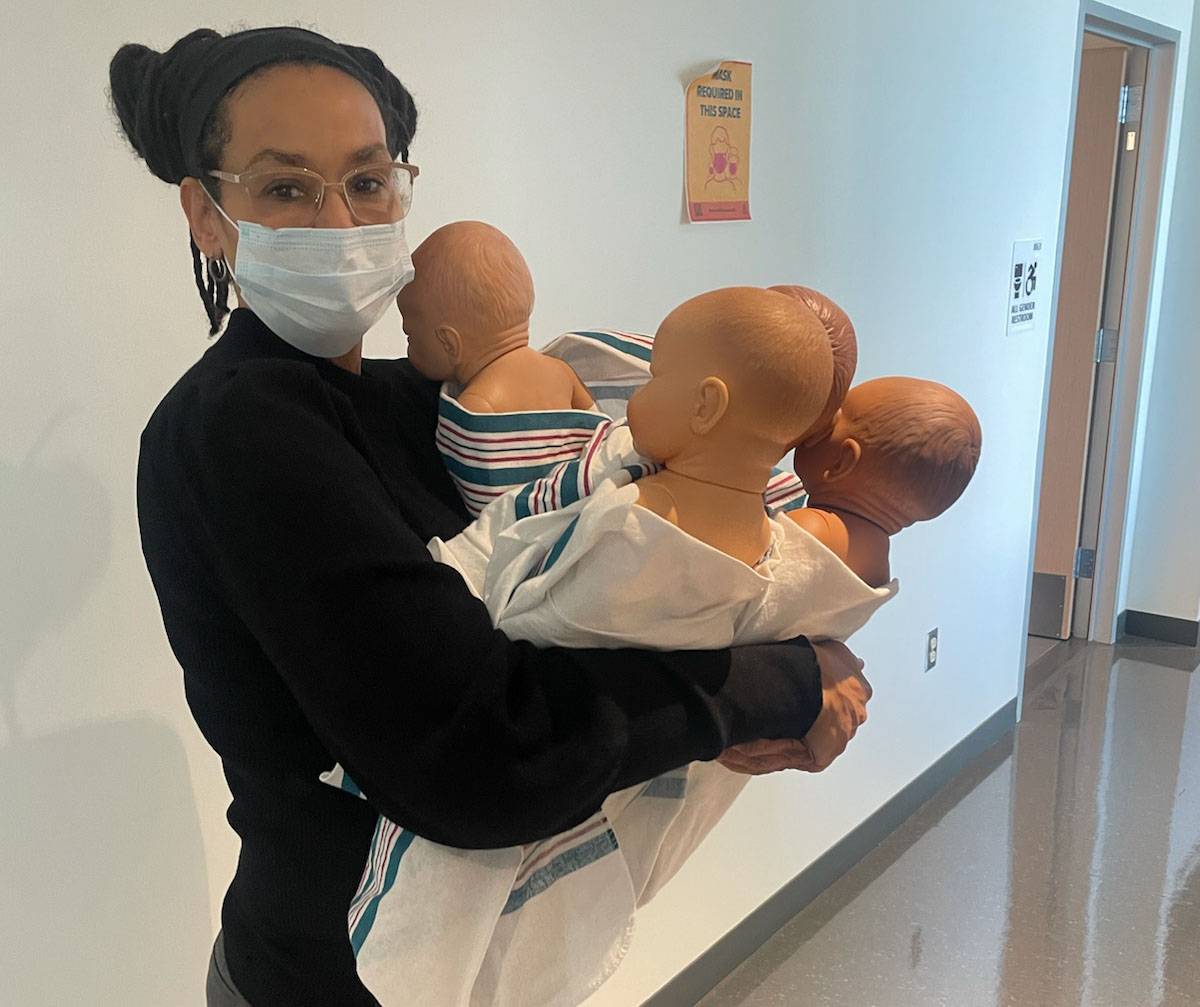
    “My future goal is to actively participate in changing the landscape of nursing,” Dr. Newton said. “I am so passionate about nursing education to be transformative for students and creating JEDI nurses – meaning Justice, Equity, Diversity, and Inclusion. It will take JEDI nurses to make a difference in healthcare to be patient-centered, creating inclusive environments for patients and healthy work environments for nurses that are nourishing and not toxic.”

    Unfortunately, there is still far too much toxicity in the political climate, which ultimately spills over into other areas, including healthcare and education. Pushback and even legislation against university-driven DEI initiatives are becoming more common nationwide. Those actions demand a response, not a retreat.

    “With the new anti-DEI legislation happening across the country, it has become worrisome, especially when considering the importance of health outcomes and how they genuinely relate to diversity, equity, structural racism, and biases,” Dr. Newton said. “Anti-DEI is truly not an option in educating future healthcare providers. The social determinants of health, equity, and justice have to be the focus. This is a time more than ever when we need to take a stand and recreate the nurses we need for the future. We need JEDI-nursing warriors to advocate for all patients. We need health policy, population health, JEDI attributes, and quality improvement skills to be fundamental to the vocational, associate, and bachelor’s level nursing curriculum. We often leave it to the master’s or even doctorate level, but it needs to be at a grass root level. We need to develop nurses who can transform communities by addressing inequity in healthcare practices to improve health outcomes.”

    With Dr. Newton’s expertise, commitment, and passion, perhaps, in her case at least, those last two letters of “JEDI” nurse should stand for “Disruptive Innovator.”

    Learn more about advanced nursing degrees and specialties at Frontier Nursing University. Subscribe to our blog for the latest news and events at FNU and to get inspired with stories featuring our alumni, students, faculty, preceptors and staff!
  • Frontier Nursing University Welcomes Two New Board Members

    Frontier Nursing University Welcomes Two New Board Members


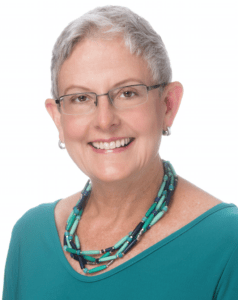
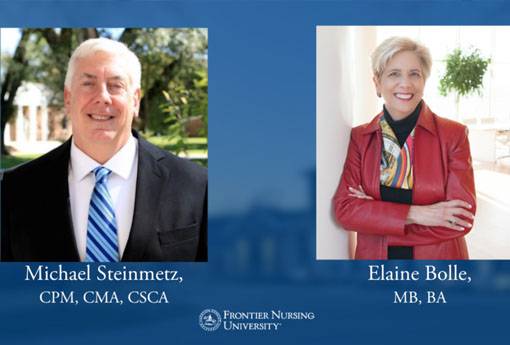
    Frontier Nursing University has announced the addition of two new members of the Board of Directors. The Board, led by Chair Dr. Michael Carter, DNSc, DNP, FAAN, FNP/GNP-BC, formally approved Elaine Bolle, MB, BA, and Michael Steinmetz, CPM, CMA, CSCA, as its two newest members.

    “We are extremely happy to welcome Elaine and Michael to the Board of Directors,” Dr. Carter said. “They both have strong ties to Frontier Nursing University and believe in and support our mission. They are both highly knowledgeable and dedicated leaders who bring many great attributes to our Board.”

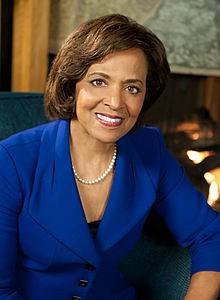
    Over her career, Elaine Bolle has served as CEO, board director, and advisor, leading domestic and global organizations from start-ups to $750M+ enterprises. This includes senior management roles in strategic marketing and brand management, business development, sales, fund-raising, mergers, and acquisitions. She is an active angel investor, currently focusing on early-stage entrepreneurial ventures, including serving as a founder of RTP Angel Fund and a board director of RTP Capital Associates as well as One Digital Trust.  Bolle possesses industry expertise in financial services and consumer goods and services. She is an advisor to early-stage companies, assisting in strategy development, fundraising, mergers, and acquisitions. She was the Senior Vice President and General Manager for Western Union, leading the consumer payments businesses worldwide. She was also Vice President and Senior Director of Citicorp Global Payments. At Quaker Oats, she conceived, built, and managed a new wholesome snack business – the  Quaker Chewy Granola Bars.

    Bolle and her husband, Lester Levine, live in Chapel Hill, N.C., and have been supporters of Frontier Nursing for many years, including funding a scholarship. Bolle is also actively involved in other non-profit organizations and is the Past Chair of the Board of Directors for Success Triangle NC. Bolle earned her undergraduate and master’s degrees from the University of Michigan.

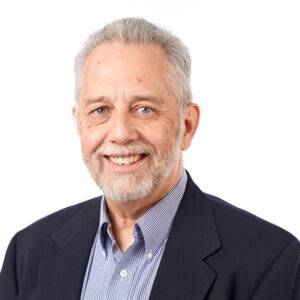
    Michael Steinmetz served as FNU’s Executive Vice President for Finance and Facilities from October 2009 to August 2022, when he retired. From August 2013 to August 2022, he also served as the Chief Financial Officer for Frontier Nursing Service, Incorporated, helping to oversee the charitable foundation’s planning and investments.

    Steinmetz came to FNU after 15 years of experience with large multinational companies, providing a rich background of international experience. A 1984 graduate of the University of Kentucky with a Bachelor of Science in Accounting, Steinmetz obtained his Master of Business Administration from the same university in 1985. He became a Certified Public Accountant and a Certified Management Accountant. His talents and expertise led him to financial leadership positions with entities such as Coopers & Lybrand, Hitachi Automotive Products, Studio Plus Hotels, FKI Logistex, and Lexmark International, Inc., among others, before coming to Frontier.

    “Frontier Nursing University is so fortunate to have a fantastic Board of Directors who not only bring a wide range of skills and knowledge to the table but just as importantly believe in our mission,” said FNU President Dr. Susan Stone, DNSc, CNM, FACNM, FAAN. “Elaine Bolle and Michael Steinmetz are perfect examples of this, and we are thrilled to have them join our Board. Their guidance will be integral to the present and future success of Frontier Nursing University.”

  • Student Spotlight: Andrea Nikodim connects with other nurse-midwives through FNU mentoring program

    Student Spotlight: Andrea Nikodim connects with other nurse-midwives through FNU mentoring program

    At the heart of Frontier Nursing University is a talented and diverse community of students, alumni, faculty, staff, couriers and preceptors. Spotlight blogs feature members of our FNU community who are focused on the mission of educating nurse-midwives and nurse practitioners to deliver quality healthcare to underserved and rural populations.

    Andrea Nikodim BSN, RN

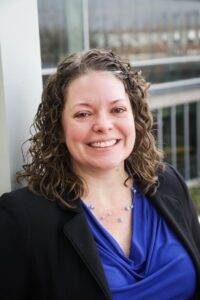
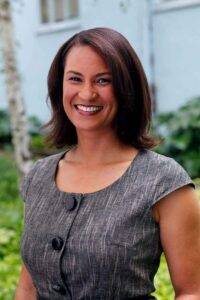
    FNU student Andrea Nikodim BSN, RN, is dedicated to making a profound impact in the healthcare field through her work with underserved patients. Currently pursuing her Master of Science in Nursing (MSN) in Nurse-Midwifery, she is set to graduate in 2025.

    Last October, Nikodim attended the 2023 AABC Birth Institute as part of FNU’s Professional Organizational Mentoring Program (POMP). POMP matches FNU faculty with nurse practitioner and nurse-midwifery students from underrepresented groups to provide support and mentorship. The program allows students to join a professional organization in their field and gives them the opportunity to attend a professional conference with their mentors. Conference registration and professional membership fees are covered for all faculty mentors and student mentees selected.

    Nikodim attended the conference in Tucson, Arizona along with fellow student Cheryl Lynn Barlaan and faculty mentor Dr. Diana Jolles. During the conference, Nikodim had the opportunity to network with nurse-midwives, participate in panel discussions, and enrich her knowledge of midwifery through one-on-one time with Dr. Jolles.

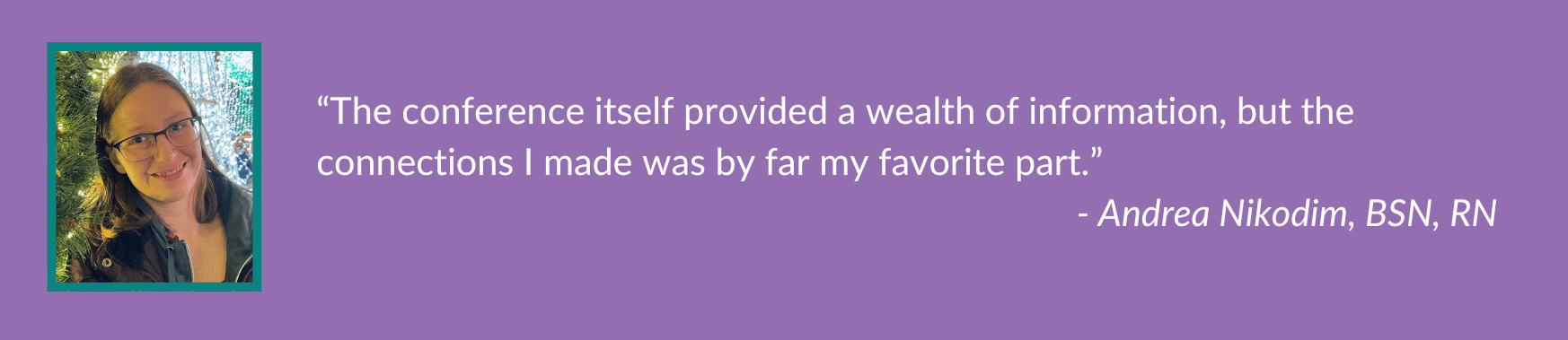
    “I was blown away by the connections with other midwives I met, most of them with the help of Dr. Jolles,” Nikodim said. “Dr. Jolles encouraged me to participate in a panel, made me think about the panels that I attended, and connected me with local midwives. The conference itself provided a wealth of information, but the connections I made was by far my favorite part.”

    Nikodim balances her studies with her role as a medical scribe for a local family practice doctor in Springfield, Missouri, primarily serving a rural population. She has previously served as a labor, delivery, recovery and postpartum nurse in two rural hospitals and as an RN with an independent birth center.

    “In my role, I help ensure that all the patient’s needs are met and make their visit go smoother,” she said. “I work with patients that live in rural areas. I help patients with resources they may otherwise not get access to without a good primary care physician.”

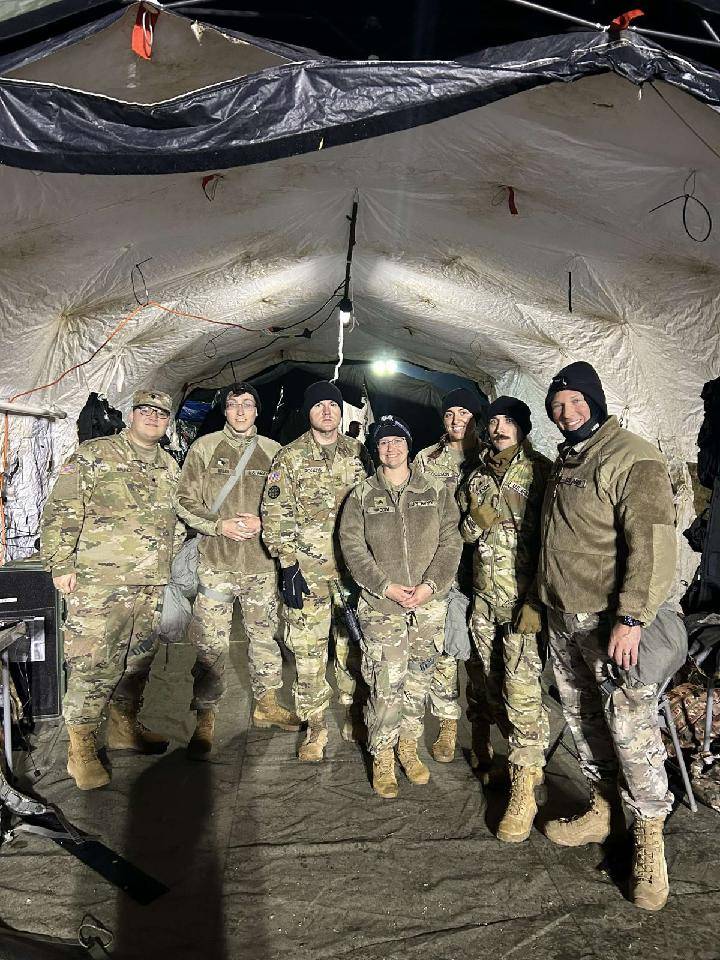
    In addition to her role as a medical scribe, Nikodim is also enlisted in the Missouri Army National Guard as a Combat Medic. Juggling her diverse responsibilities on a daily basis, she emphasizes the exceptional support she receives from FNU’s faculty and staff, particularly her academic advisor, Sarah Juett.

    “When life or school gets overwhelming, the military and school don’t line up well, or I just need to talk about a life circumstance that’s making it hard to focus on school, Sarah has been there from day one to help me along,” she said.

    Nikodim said she has also enjoyed FNU’s emphasis on underserved communities, particularly rural populations.

    “I grew up in rural America and this is the type of setting that I have always thrived in,” she said. “I felt like Frontier would strive to help me be successful in my goal as a rural-practice nurse-midwife.”

    For Nikodim, becoming a nurse-midwife offers a chance to champion advocacy for women.

    “I’ve been involved with situations of obstetrical violence that I was not able to stop as an RN. As a nurse-midwife, I will know how I want to approach my patients and help them be comfortable with advocating for themselves,” she said.

    Outside of her studies, work as a medical scribe and her enlistment in the Missouri Army National Guard, Nikodim enjoys spending time with her husband and three dogs, reading and ice skating.

    Thank you, Andrea, for your military service and your commitment to serving rural populations. To learn more about POMP, click here.

    Learn more about advanced nursing degrees and specialties at Frontier Nursing University. Subscribe to our blog for the latest news and events at FNU and to get inspired with stories featuring our alumni, students, faculty, preceptors and staff!

  • DNP Journey: Dr. Nagavalli Thiruvalluvan uses the power of preventative care to improve community health

    DNP Journey: Dr. Nagavalli Thiruvalluvan uses the power of preventative care to improve community health

    Dr. Nagavalli Thiruvalluvan, DNP (Class 47), APN, NP-C, CRRN

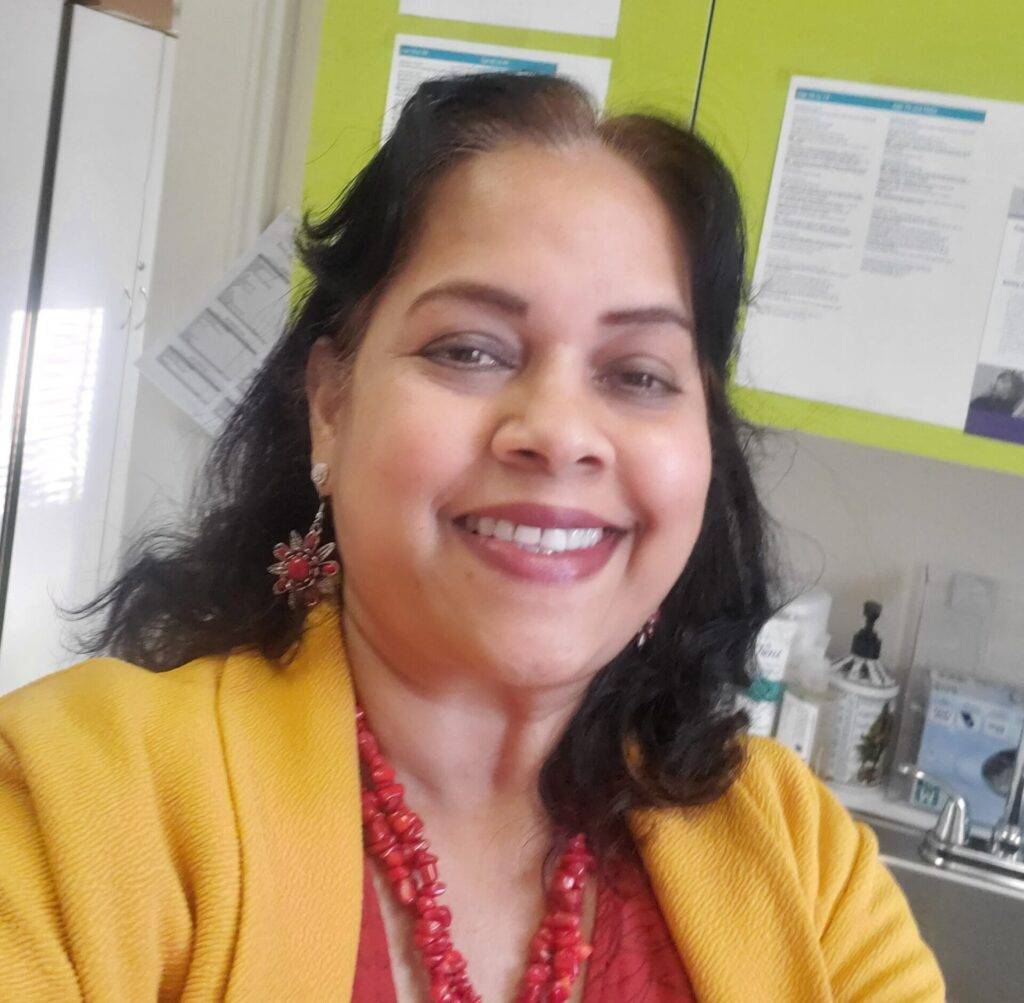
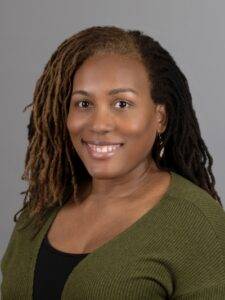
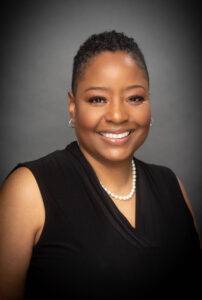
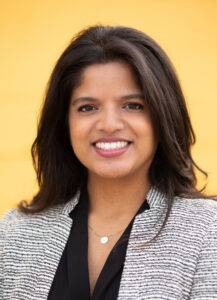
    Frontier Nursing University alumna Dr. Nagavalli Thiruvalluvan, DNP (Class 47), APN, NP-C, CRRN, migrated from India to the United States in 1995, along with her husband and 2-month-old baby. Since then, she has achieved a remarkable nursing career, including the completion of her Post-Master’s Doctor of Nursing Practice (DNP) from FNU in 2023.

    Since 2020, Dr. Thiruvalluvan has owned and operated Adult & Geriatric Primary Care in Metuchen, NJ. The suburban borough, located outside of Staten Island, NY, features a diverse population of Caucasian, Asian, African American, and Hispanic residents. She has provided primary care for adult and geriatric patients in the community focusing on individualized care based on cultural values and beliefs.

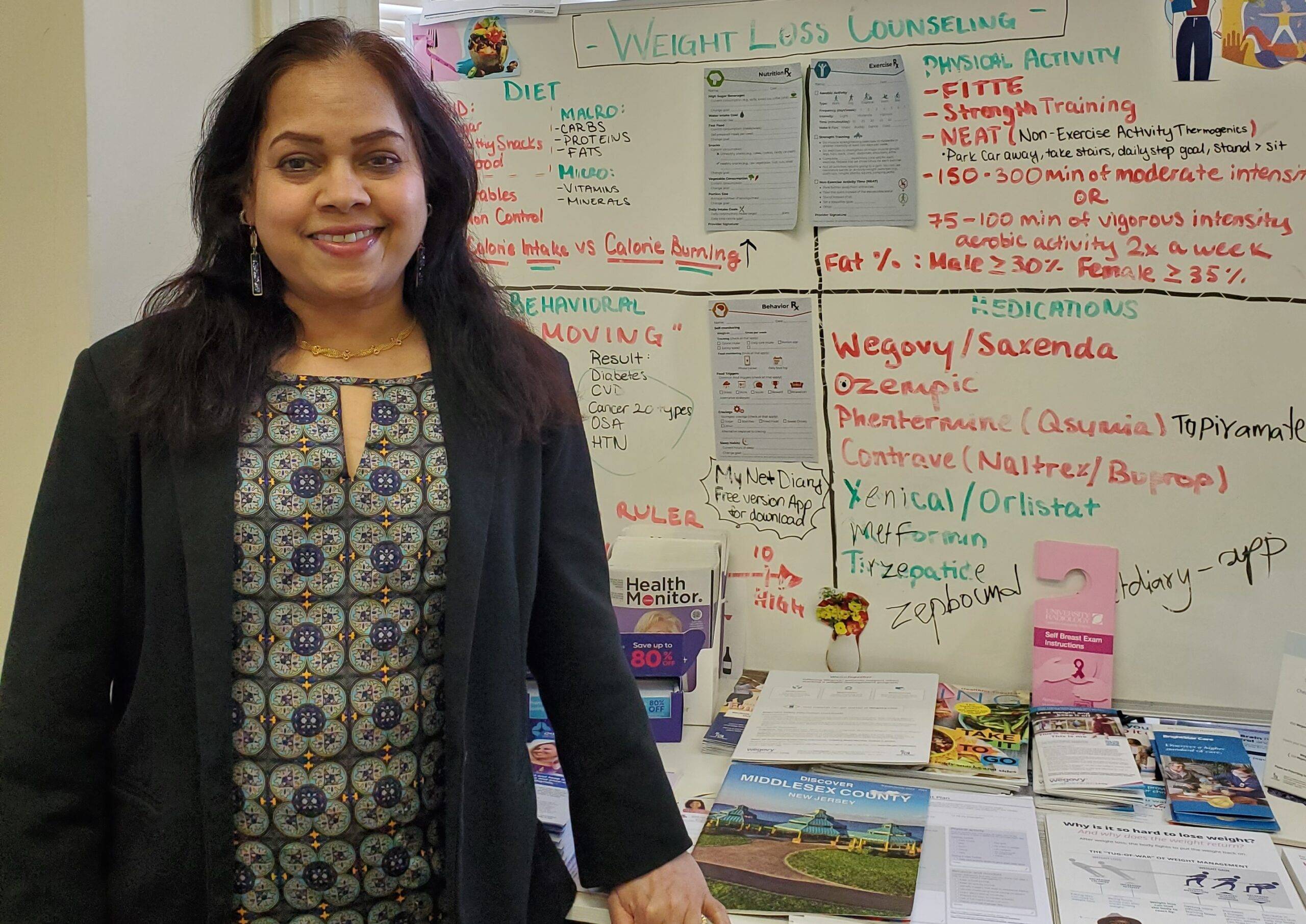
    Because the opening of her clinic coincided with the COVID-19 pandemic, Dr. Thiruvalluvan initially focused her efforts on going above and beyond in helping patients with COVID-19 testing and treating acute illnesses via telemedicine. She now cares for her patients by providing weight loss management, offering preventative care through education and counseling, and following evidence-based guidelines. She is also passionate about providing medical care to the geriatric population at the clinic, but also in their homes.

    “My goal is to treat patients and address all their needs within the scope of my practice,” said Dr. Thiruvalluvan. “I genuinely see the reward of my work in patient statements and satisfaction.”

    As an entrepreneur and nurse practitioner, Dr. Thiruvalluvan realized that she needed to expand her knowledge to the doctoral level and get involved with advocacy and policy making, as she encountered bias with insurance companies and physician colleagues who failed to acknowledge the full potential of the practitioner role.

    Acting on advice from one of her colleagues, Dr. Thiruvalluvan began her DNP journey at FNU in June of 2022 while continuing to work in her primary care practice. She found the didactic courses to be very helpful as she prepared for her overall DNP project, including PC727: Ethics and Health Policy, where she learned how to identify health-related social issues in the community and dive into the problems.

    “It provided me with the knowledge to approach policymakers to address these kinds of issues and fix them at the community level,” said Dr. Thiruvalluvan.

    For her DNP project, Dr. Thiruvalluvan developed a weight management program for her primary care clinic, where 75% of her patients had a BMI of 27 or above. She set a goal that 90% of her patient population dealing with weight management issues would achieve their desired goal weight through comprehensive lifestyle modifications.

    And then, the pounds started coming off!

    With Dr. Thiruvalluvan’s renewed emphasis on preventative care and weight loss management, her patients were able to manage and control comorbidities as they started losing weight. Patients also experienced improved body image and many of them resolved other health conditions, with several medications being reduced or eliminated.

    “The biggest reward was seeing evident patient outcomes due to treatment,” said Dr. Thiruvalluvan.

    Prior to her DNP journey, Dr. Thiruvalluvan focused on equity when delivering patient care. However, she learned to acknowledge diversity and varied treatment options when delivering individualized care. Her quality improvement (QI) project was especially valuable in not only broadening her knowledge, but also in helping her address weight gain issues and their consequences on her patients at a deeper clinical level.

    Dr. Thiruvalluvan identified her project focus while taking PC739: DNP Clinical Prep 101. In addition to supporting overall project preparation, the course also served as an essential starting point to navigating resources for her topic. She then progressed to the DNP planning section, requiring her to learn Google forms, patient data collection, and how to measure her progress through the course workbook and operation definitions.

    About FNU DNP Projects

    DNP projects are guided by the needs of the clinical site. Projects are small in scope and need to be appropriate for implementation within three months of the student and sponsor deciding on the clinical topic. Students complete planned improvements using the Institute for Healthcare Improvement “Model for Improvement” over an eight-week period. Examples include: improving compliance with childhood vaccination appointments, implementation of a palliative care shared decision making tool, initiating bedside huddles, or utilization of a toolkit related to a nationally endorsed quality measure.

    “The operational definitions in the planning section of the course workbook were difficult to wrap my head around,” Dr. Thiruvalluvan reflected, “but they were very useful and tremendously helpful with patient data collection and generating my statistics.”

    During project planning and implementation, Dr. Thiruvalluvan and her mentor met biweekly so she could provide updates regarding her progress and discuss the need for improvement and changes if needed.

    Through her QI project experience, Dr. Thiruvalluvan was taught to provide the best care available for patients by analyzing evidence through data collection. By learning the importance of practicing scientific, evidence-based care, she was able to improve how she provides safe, effective, and quality care to her patients. The project also pushed her to better advocate for her patients.

    “DNP-prepared nurses can improve healthcare outcomes in this country and lead to saving millions of dollars in healthcare costs,” she said.

    150+ doctorally prepared Certified Nurse-Midwife and Nurse Practitioner faculty.

    DNP Program Overview

    • Complete your coursework online.
    • Complete 30 credit hours in 18 months.
    • In collaboration with your clinical site, lead a rapid cycle quality improvement project (500 clinical hours).
    • One three-day campus immersion experience (orientation before beginning the program).
    • Small cohort of students.

    “I recommend students pursue their DNP through FNU, as it teaches you how to think critically and address healthcare in a broader spectrum,” Dr. Thiruvalluvan continued. “By learning more about your key role as a healthcare provider, you will understand how you can be more influential to patients and the healthcare team.”

    Dr. Thiruvalluvan truly enjoys her days working with patients in the clinic and seeing how their healthcare outcomes improve. Outside of work, she keeps herself updated with medical and political news, and likes cooking, shopping, and spending time with her 2-year old dog, Sony.

    Learn more about advanced nursing degrees and specialties at Frontier Nursing University. Subscribe to our blog for the latest news and events at FNU and to get inspired with stories featuring our alumni, students, faculty, preceptors and staff!

  • FNU Names Dr. Susan Piper as Clinical Director of the Psychiatric-Mental Health Nurse Practitioner Program

    FNU Names Dr. Susan Piper as Clinical Director of the Psychiatric-Mental Health Nurse Practitioner Program

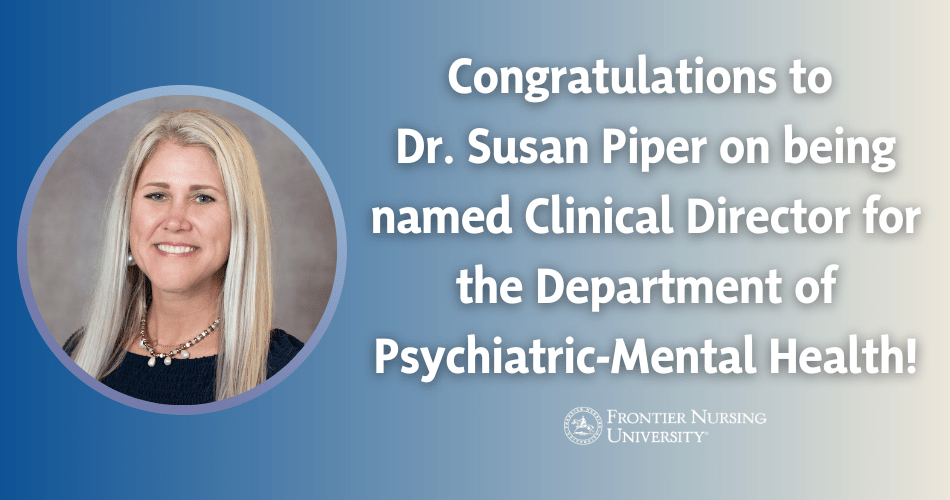
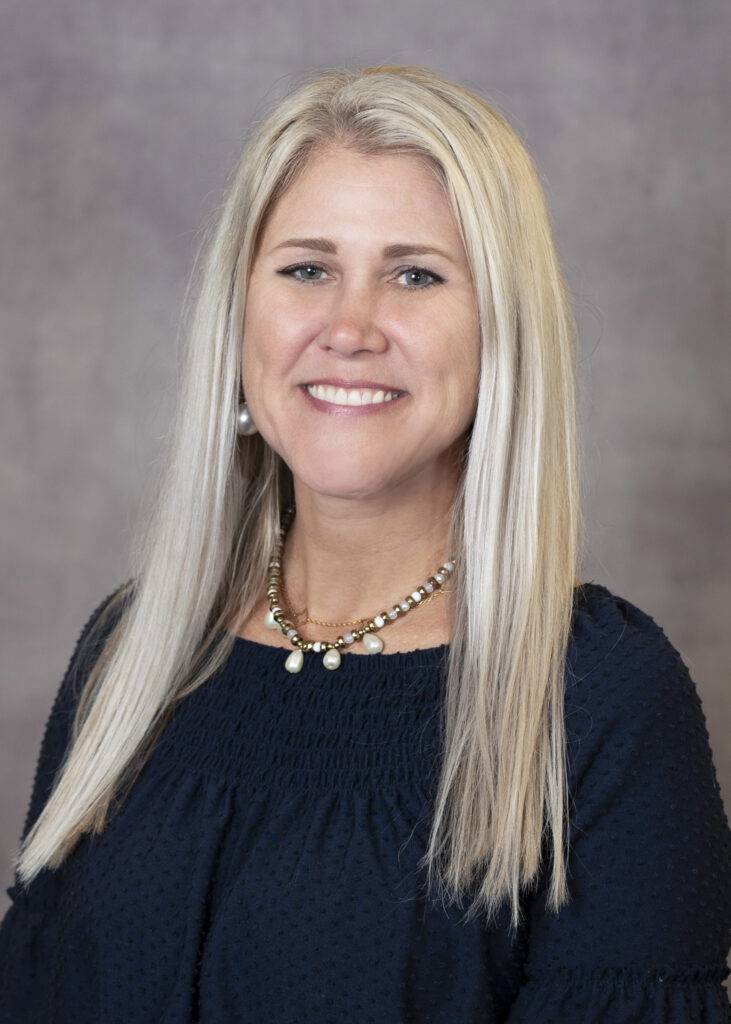
    Frontier Nursing University (FNU) has announced that Dr. Susan Piper, DNP, APRN, PMHNP- BC, has accepted the position of Clinical Director for the Psychiatric-Mental Health Nurse Practitioner (PMHNP) Program. Dr. Piper has been a faculty member at FNU since 2018.

    “We are very happy to announce Dr. Piper as our Clinical Director for the Psychiatric-Mental Health Nurse Practitioner Program,” said FNU Dean of Nursing Dr. Joan Slager, CNM, DNP, FACNM, FAAN. “Her expertise and leadership will be a tremendous asset to this rapidly growing and essential program.”

    PMHNP program Department Chair Dr. Kevin Scalf, DNP, PMNHP-BC, CNEcl, welcomes Dr. Piper back into the role she previously held before the COVID pandemic when personal demands largely related to her service in the National Guard caused her to step away. Dr. Piper has also served as Regional Clinical Faculty and as a Clinical Bound Team Leader at Frontier.

    “Dr. Piper has performed at the highest levels throughout her career at Frontier,” said FNU President Dr. Susan Stone, CNM, DNSc, FAAN, FACNM. “Her knowledge and experience are of great value to our students, who graduate well-prepared to help address the vast need for psychiatric-mental healthcare throughout our country.”

    Dr. Piper received a Master of Science in Nursing from Western Kentucky University in 2010, emphasizing nursing education. In 2016, she received a post-master’s certificate focused on psychiatric-mental health. She was awarded a Doctor of Nursing Practice degree from Murray State University in 2018. Dr. Piper served 32 years in the Kentucky National Guard and was the Chief Nurse for the Kentucky National Guard’s Mobile Vaccination Team during the COVID pandemic.

    “I am honored to accept the position of Clinical Director for the Psychiatric-Mental Health Nurse Practitioner program at Frontier Nursing University,” Dr. Piper said. “Our students are so talented and so eager to learn. Working with them, Dr. Scalf, and everyone at Frontier is a joy. We are devoted to preparing our students to be caring, compassionate, and highly-trained psychiatric-mental healthcare nurse practitioners who positively impact their communities.”

  • Observing Black Maternal Health Week

    Observing Black Maternal Health Week

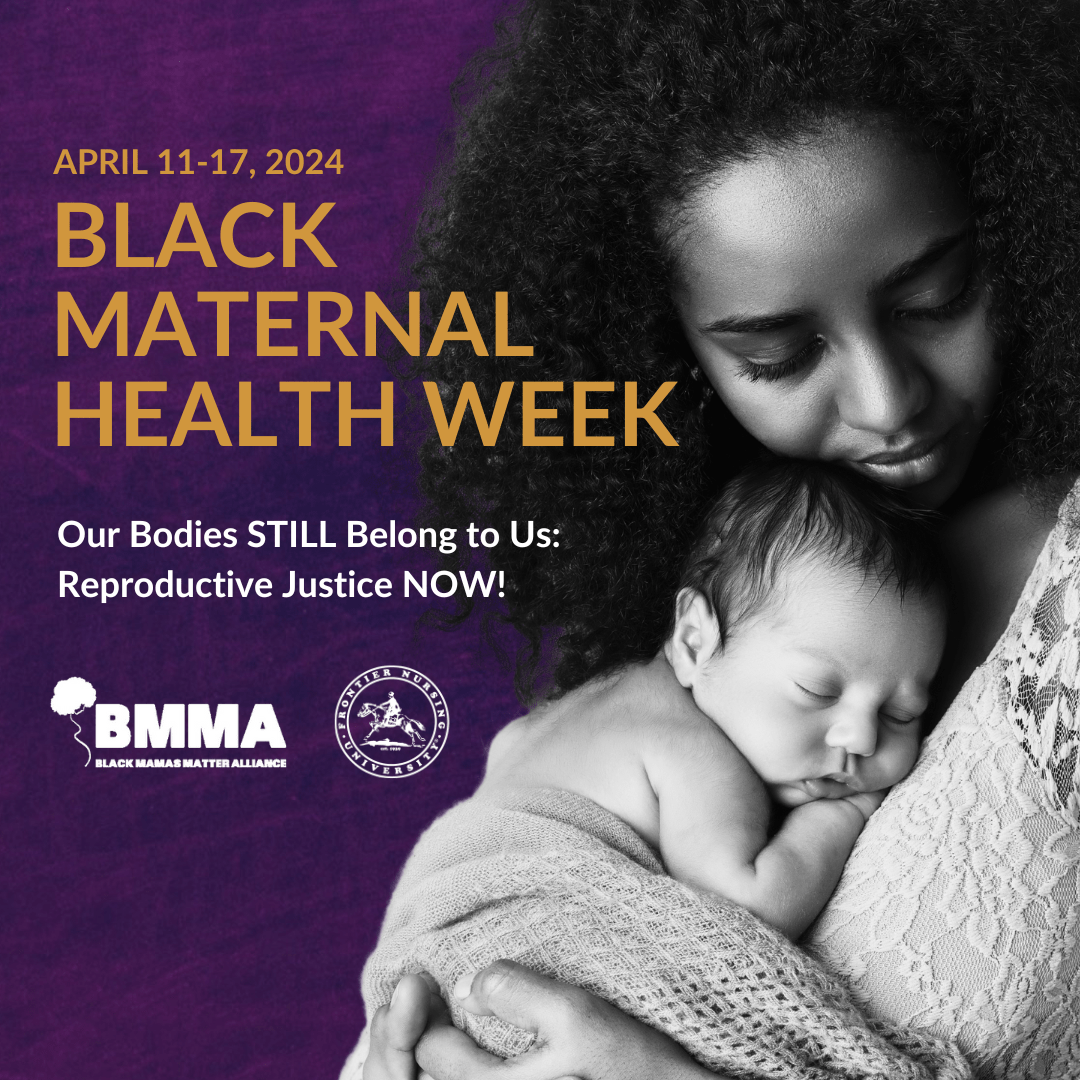
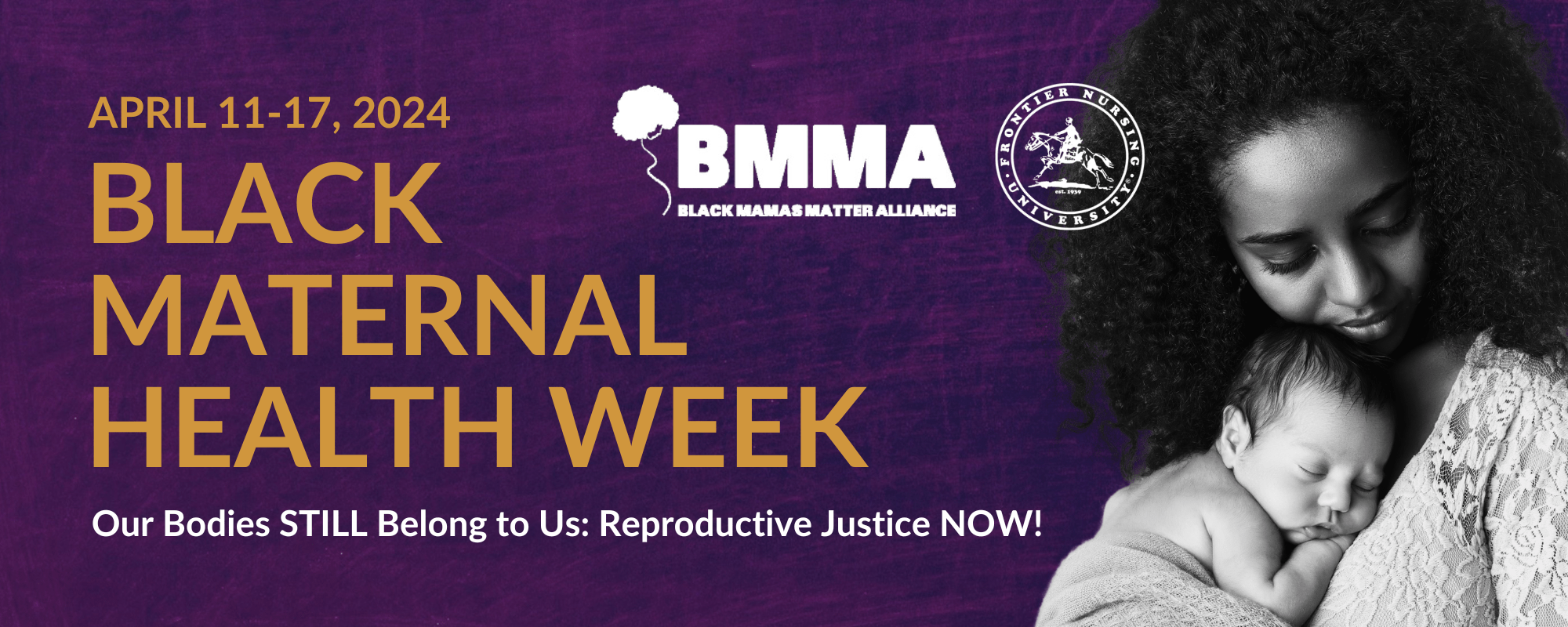
    To bring attention to the disparities in maternal mortality rates among Black mothers, Black Maternal Health Week is annually observed from April 11 to 17. Purposefully coinciding with National Minority Health Month, this initiative was established and is spearheaded by the Black Mamas Matter Alliance (BMMA). The mission of the initiative is to deepen the national discourse on Black maternal health in the U.S.; amplify community-driven solutions in policy, research, and care; center the voices of Black mothers, women, families, and stakeholders; provide a national platform for Black-led initiatives on maternal health and reproductive justice; and bolster community organizing efforts on Black maternal health. This year, the theme for the week is “Our Bodies STILL Belong to Us: Reproductive Justice NOW!”

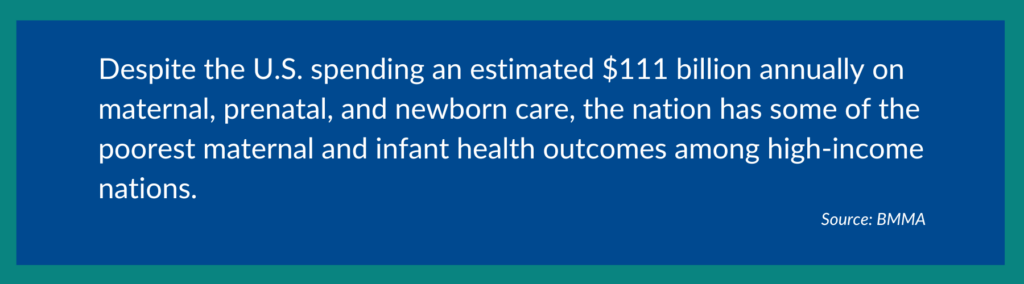
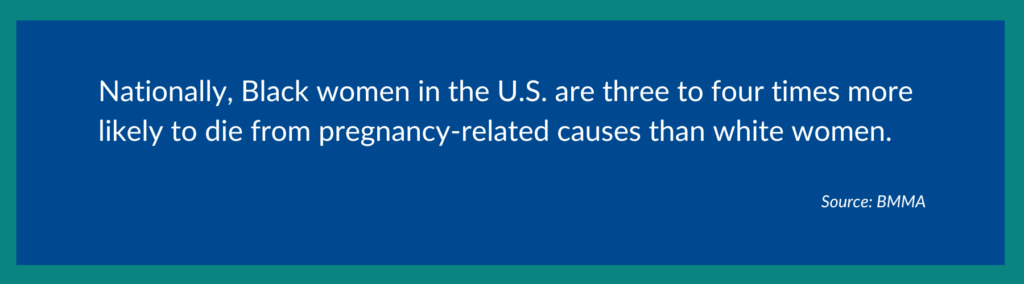
    According to a statistical brief by BMMA, despite the U.S. spending an estimated $111 billion annually on maternal, prenatal, and newborn care, the nation has some of the poorest maternal and infant health outcomes among high-income nations. Nationally, Black women in the U.S. are three to four times more likely to die from pregnancy-related causes than white women. Additionally, the brief highlights that 22 percent of Black women experience lower quality of care compared to white women and face discrimination within the healthcare system.

    BMMA is actively engaged in advocating for policy changes and community-driven solutions to address these issues. The organization emphasizes the importance of community-led approaches, recognizing that they are essential in improving Black maternal health outcomes as they center the voices and experiences of Black women and their families.

    Frontier Nursing University (FNU) recognizes the urgency of addressing this issue and is committed to playing a role in the pursuit of equity for Black mothers.

    Below are a few stories illustrating the FNU community’s dedication to addressing the black maternal health crisis.

    FNU graduate Triana Boggs

    FNU graduate Triana Boggs, APRN, CNM, embarked on her journey to address the pressing needs of her community by founding Motherland Birthing and Wellness LLC in Florida last year. Drawing from her personal experiences as a teen mother and her firsthand encounter with the shortcomings of the U.S. maternity care system, Boggs recognized the pivotal role midwifery could play in transforming birthing experiences. Raised in Bowling Green, Kentucky, in a single-parent household reliant on government assistance, Boggs’ commitment to community service was deeply rooted in her childhood experiences of adversity and need.

    After earning her Bachelor of Science in Nursing from the University of Louisville, Boggs spent five years working in a neonatal intensive care unit before pursuing advanced studies at FNU. Graduating in December 2021 with a Master of Science in Nursing and certification as a Nurse-Midwife, Boggs embarked on her mission to empower women through comprehensive healthcare services. As an autonomous licensed APRN in Florida since April 2023, she provides a wide range of women’s health services, including obstetric care, newborn care, and contraceptive counseling, thereby addressing critical gaps in maternal and reproductive healthcare access.

    Read more in Alumni Spotlight: Triana Boggs on serving the underserved.


    FNU student Jade Potter

    Jade Potter, BSN, RN, IBCLC, PMH-C, epitomizes a steadfast commitment to empowering families and addressing healthcare disparities in underserved communities. Currently pursuing her Master of Science in Nursing (MSN) with a Women’s Health Care Nurse Practitioner specialty (WHNP) at FNU, Potter’s journey began with extensive experience in nursing and lactation consulting. From her early roles at the Lisa Ross Birth and Women’s Center in Knoxville, Tennessee, to her tenure in neonatal intensive care units and hospital-based lactation consultation, Potter’s expertise has been refined through hands-on experience and specialized certifications.

    Potter’s independent lactation consulting practice, Milk+Honey Lactation Services, stands as a testament to her dedication to serving diverse urban populations, including those with limited resources. Her approach transcends breastfeeding support to encompass comprehensive postpartum care, mental health advocacy, and inclusivity. Collaborating with organizations like the Knoxville Black Doula Collective and participating in initiatives such as the Knoxville Black Maternal Health Symposium, Potter advocates for equitable access to healthcare.

    Driven by a desire to bridge existing gaps in postpartum, gynecological, and gender-affirming healthcare, Potter’s pursuit of advanced nursing education at FNU reflects her commitment to providing competent, inclusive care tailored to diverse needs.

    Read more in Student Spotlight: Jade Potter pursues WHNP to bridge the gap in postpartum care in her community.


    Diversity, Equity, Inclusion, and Belonging

    To attract and educate students dedicated to impactful work in healthcare equity, a university-wide philosophy based on diversity, equity, and inclusion is important. FNU’s commitment to diversity, equity, and inclusion has been a driving force in its mission. Since 2006, under the leadership of President Dr. Susan Stone, DNSc, CNM, FACNM, FAAN, FNU has intentionally prioritized increasing the diversity of its student population. Recognizing the potential for culturally concordant care to significantly reduce healthcare disparities, Dr. Stone, alongside the FNU Board of Directors and faculty, initiated various programs and initiatives aimed at fostering diversity and inclusion within the university.

    Establishing the PRIDE (Promoting Recruitment and Retention to Increase Diversity) Program in 2010 marked a pivotal moment in FNU’s commitment to diversity. FNU has been committed to weaving diversity, equity, and inclusion into the fabric of the university, which is evident through the creation of the Office of Diversity, Equity, and Inclusion and the implementation of numerous committees dedicated to fostering an inclusive environment. FNU also recently created the position of Dean for Inclusive Excellence and Student Success. This role involves fully incorporating diversity, equity, and inclusion to promote student success and retention throughout the FNU community. Dr. Paula Alexander-Delpech, Ph.D., PMHNP-BC, APRN, who has experience as FNU’s Chief Diversity and Inclusion Officer (CDIO), serves in the role of Dean for Inclusive Excellence and Student Success.

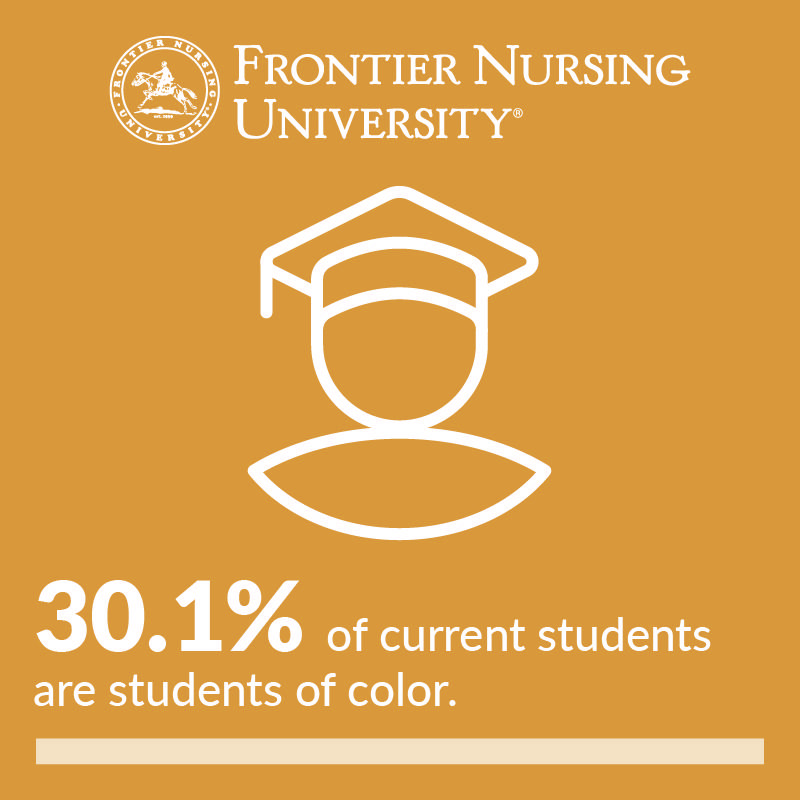
    These efforts have culminated in a significant increase in the enrollment of students of color, growing from 9 percent in 2010 to over 30 percent today. FNU has also been awarded the Health Professions Higher Education Excellence in Diversity (HEED) Award from INSIGHT Into Diversity magazine each of the past six years (2018-2023) and the American Association of Colleges of Nursing’s Advancing Diversity, Inclusion, and Sustainability in Academic Nursing Award in 2021 and 2023.

    Read more in Spotlight on Diversity, Equity, Inclusion, and Belonging.

    Let’s Continue the Conversation

    Join us on July 18-19, 2024, for our 14th annual Diversity Impact Conference! The Diversity Impact Conference brings together renowned thought leaders and speakers to increase awareness of the importance of diversity, equity, and inclusion (DEI) in the healthcare workforce, particularly for those working in underserved and rural communities. This year’s conference will feature speakers and panelists from all over the U.S. and several engaging activities. This year’s conference theme is “Representation Matters: Breaking Down Contributing Factors of Health Inequities.”

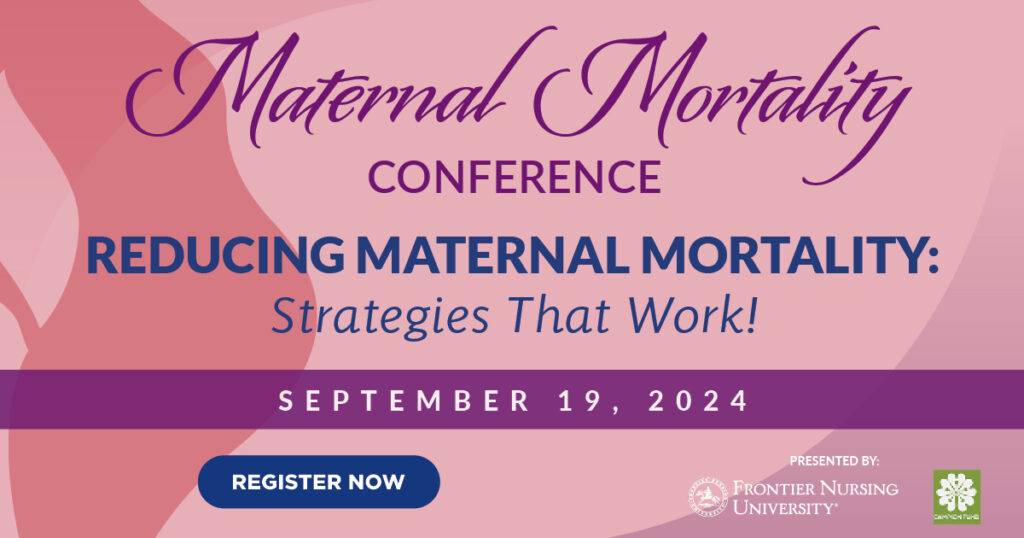
    On September 19, 2024, FNU and the Campion Fund are hosting the Reducing Maternal Mortality: Strategies That Work! conference to address the maternal mortality crisis. We know that there are programs in place that are contributing to the reduction of maternal mortality. This conference will focus on identifying and describing those programs and practices that have made significant contributions to reducing maternal mortality rates. Join this evidence-based conference either in person at Frontier Nursing University’s campus or virtually on Zoom. Only 100 spots are available for the in-person conference.

  • Alumni Spotlight: Tabetha “Jarel” Brown: A Nurse’s Journey

    Alumni Spotlight: Tabetha “Jarel” Brown: A Nurse’s Journey

    At the heart of Frontier Nursing University is a talented and diverse community of students, alumni, faculty, staff, couriers and preceptors. Spotlight blogs feature members of our FNU community who are focused on the mission of educating nurse-midwives and nurse practitioners to deliver quality healthcare to underserved and rural populations.

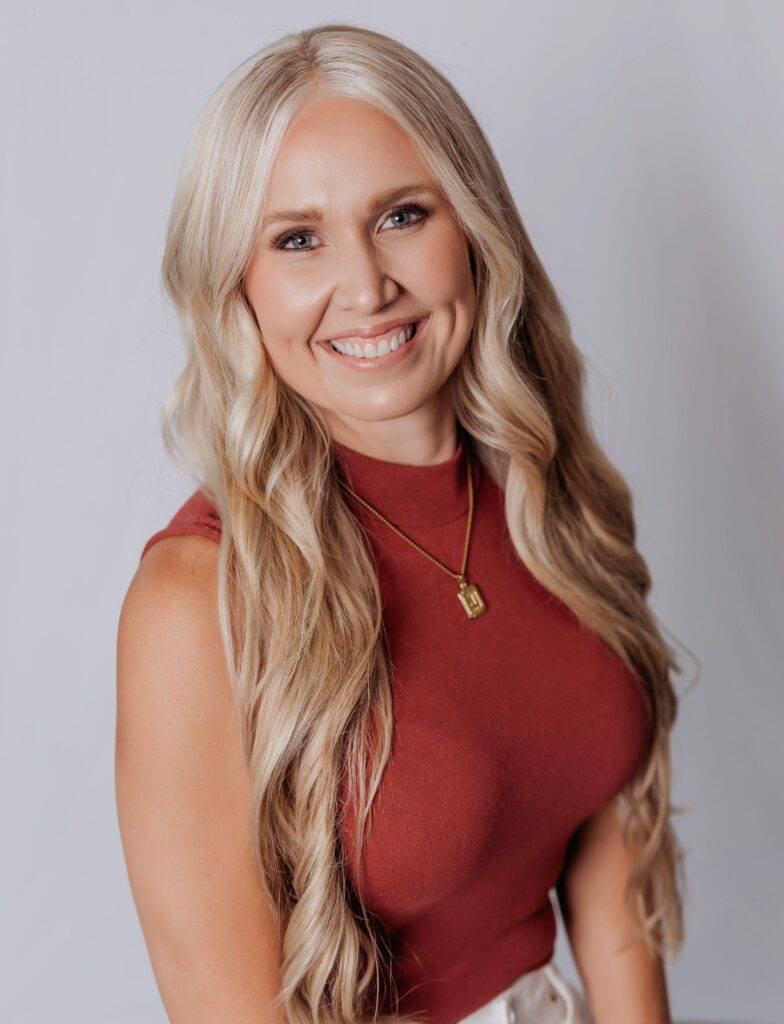
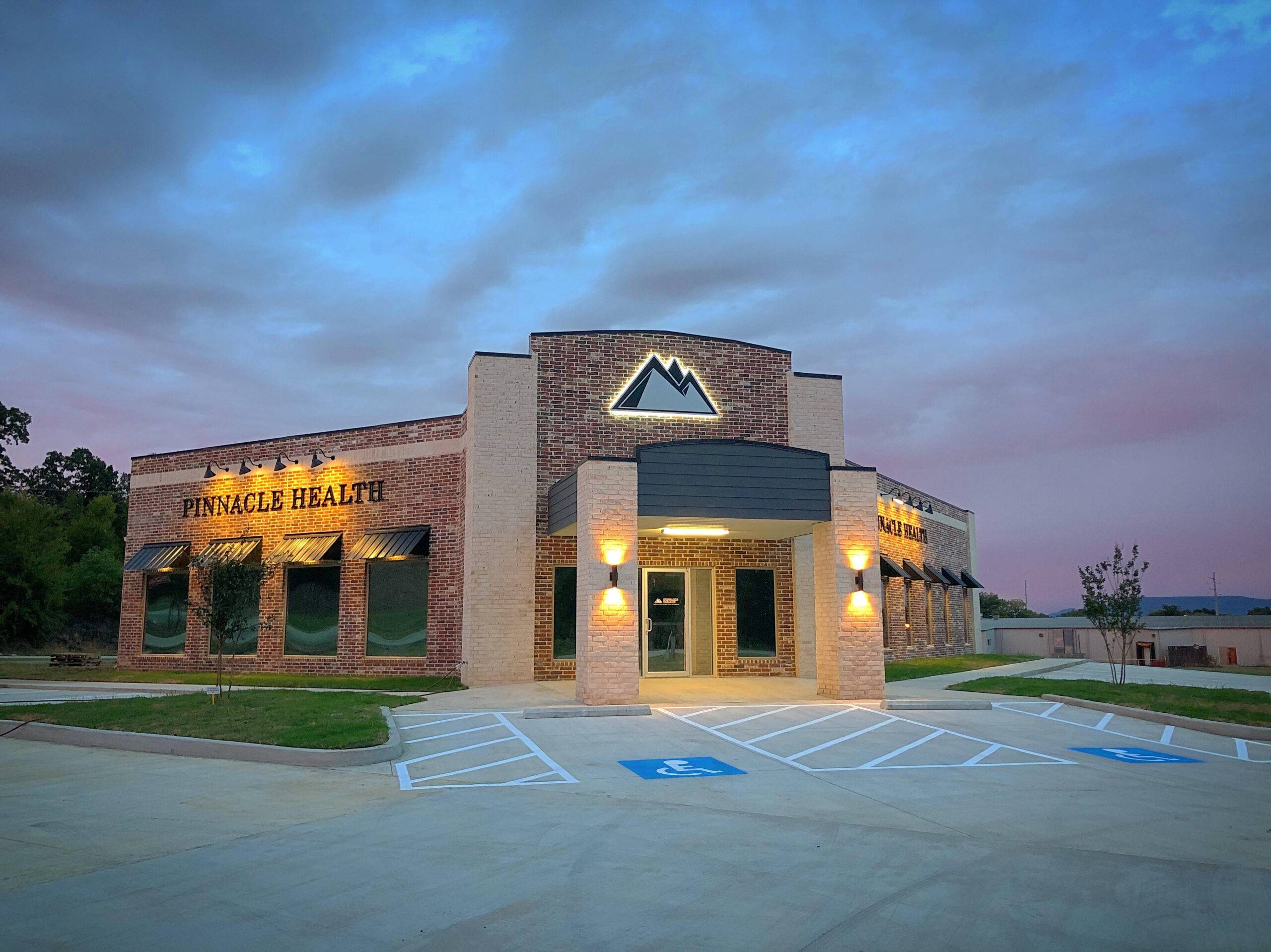
    Tabetha “Jarel” Brown, FNP (Class 91), APRN, CNP, NP-C, always pictured becoming a nurse. She even has the picture to prove it. In third grade, she drew a now-and-then picture. The “now” picture was her as a third grader, and the “then” was her as a nurse. Today, that framed picture hangs in her office at Pinnacle Health Integrative Nurse Practitioners in Poteau, Oklahoma.

    Jarel and her husband PJ opened Pinnacle Health on October 1, 2018. After purchasing the property for the practice in May 2018, their dream started on notebook paper as PJ designed the building and contracted the build from start to finish. He handles the business side, while Jarel is in charge of the health care practice. The facility has nine exam rooms, a procedure room, a lab, nurses stations, three offices for providers, and offices for billers, a business manager, and a lab technician.

    Since opening, she has added two additional nurse practitioners, and they all three operate as independent businesses working out of the same building. “They are not my employees, they are my colleagues,” Brown said of the other two nurse practitioners at Pinnacle Health. “They lease their space from me. We share our ancillary staff, and we have our own nurses. That business model has worked really well for me. Outwardly to the community, we are Pinnacle Health, which is the nicest clinic in town where everyone wants to go. Our other nurse practitioners get the benefit of being in the group, but they also get to work their own business as well. So far, it’s been extremely effective.”

    The residents of Poteau likely feel the same way about Pinnacle Health, which serves a rural area in eastern Oklahoma. Poteau is home to about 9,000 people, including a large population of Native Americans and Hispanics.

    “We’re in a rural, small town,” Brown said. “There’s a strong need for primary care providers. What I saw growing up was that we would have providers come through, they would get established, and they would leave. Access to care is a huge thing here. We have no specialists in town other than a podiatrist. The closest specialist is Fort Smith, Arkansas, which is about 30 minutes away. Then patients are having to travel across the state line, which, when you’re dealing with state Medicaid, tends to be problematic. To stay in Oklahoma, patients must travel to Tulsa and Oklahoma City, which are two and three hours away.”

    Brown’s journey to becoming one of the primary care providers Poteau so desperately needed began with obtaining her BSN from the University of Arkansas in 2010. She then worked in the ER and labor and delivery before enrolling at Frontier Nursing University in 2011 in the family nurse practitioner program.

    “I have always been drawn to the care of women and children. Through undergrad at Arkansas, I worked as a CNA in labor and delivery in Poteau,” Brown said. “When I was trying to figure out which track I wanted to go as far as a master’s degree, I went back and forth between women’s health and midwifery and family practice. Frontier was a home run because I knew if I ever wanted to transition to a different track in terms of women’s health, it would be easy to make that change there. Frontier was a clear choice for me.”

    Brown graduated from Frontier as an FNP in 2013 and started at a walk-in clinic, which she ran for about a year before working for a local doctor in primary care in 2015. She worked there for four years, often seeing the doctor’s overflow patients. She established a good group of primary care patients, which helped give her the confidence to open her own practice at Pinnacle Health.

    She is in the clinic five days a week and sees patients of all ages, from newborns to geriatrics. Her rural and diverse patient population presents a wide variety of medical conditions.

    “I’m Cherokee Indian, and we are in an Indian nation,” Brown said. “They have good healthcare services here, but I do see a lot of overflow. We have common minority healthcare issues such as an increased incidence of obesity, diabetes, hypertension, hyperlipidemia, and chronic care conditions. I feel like we provide a great service for our area.”

    The need for primary care providers in Poteau isn’t likely to diminish any time soon. Wisely, Jarel and her husband designed the building to allow for expansion, which could enable the addition of more providers or even imaging services. While no specific plans are in place to expand Pinnacle Health, Brown has already broadened her reach as a primary care provider well beyond Poteau. Since 2020, she and her family have become actively involved in Advocates for Africa, an evangelistic non-profit organization founded in Oklahoma and based in Rwanda, Africa. While the prime mission of the organization is to “bring hope, compassion, and education to the content of Africa,” Brown has gravitated particularly to the medical needs of the people in Rwanda.

    Since becoming involved with Advocates for Africa, Brown has been to Rwanda several times, the first in early 2020, right before the COVID-19 pandemic.

    “Our good friends started Advocates for Africa,” Brown said. “They are not medical. They started evangelizing and actually built a school in Rwanda. On several occasions, they organized various trips to Rwanda, where we went and taught women’s hygiene practices. They don’t have access to menstrual products, so we brought them washable menstrual pads and showed them how to use them. Seeing their basic unmet needs is when I committed to giving my time and medical expertise to Advocates for Africa and the people of Rwanda.”

    The school built by Advocates for Africa includes a space for a clinic, but there was no medical professional to operate it. Brown realized she had a chance to combine her passion to serve with her expertise as a nurse practitioner.

    “I told them, ‘This is my jam’,” she said, and “They passed it over to me, and since then, I have met with officials of the Rwanda government, trying to figure out how to get through the red tape. I started a clinic in the United States, so the next challenge is to establish a medical program within Advocates for Africa in Rwanda, which has its own set of challenges. Because there are communication and language barriers, I have been over there just to meet people in person. You can’t really effectively meet with them on Zoom. Too many things get lost in translation.”

    Rwanda is a small country, roughly the same size as Maryland, but with more than twice the population. The Bugesera District in Rwanda, where the school built by Advocates for Africa is located, has a population of more than 550,000 despite being an extremely rural area. After flying into the capital city of Kigali, Brown said that it is a 90-minute drive to the Bugesera District.

    “It is literally the bush of Africa. It is very, very rural,” Brown said. “I was doing some community surveying to establish a need for a clinic, and the closest clinic from the school we work out of is about an hour’s walk. I used the word ‘clinic’ very lightly. It is very rudimentary. People just don’t have access there.”

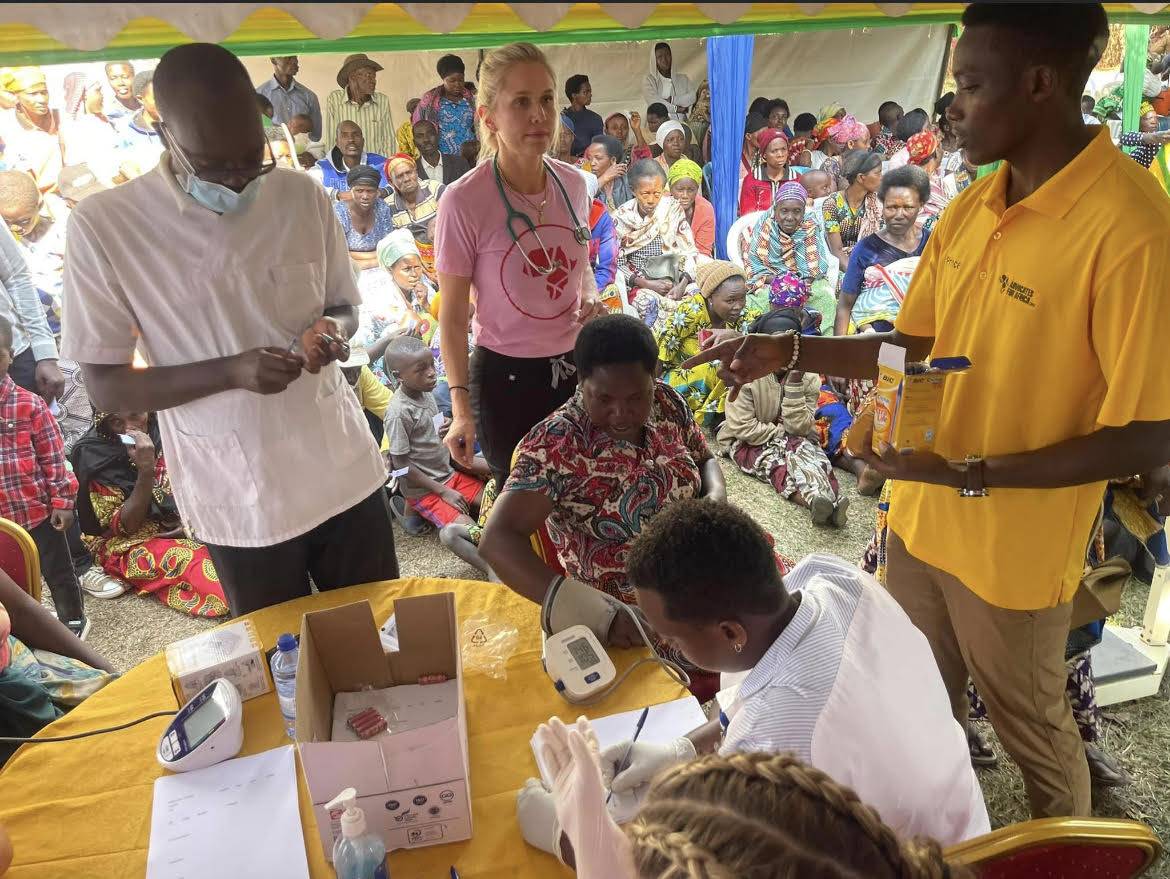
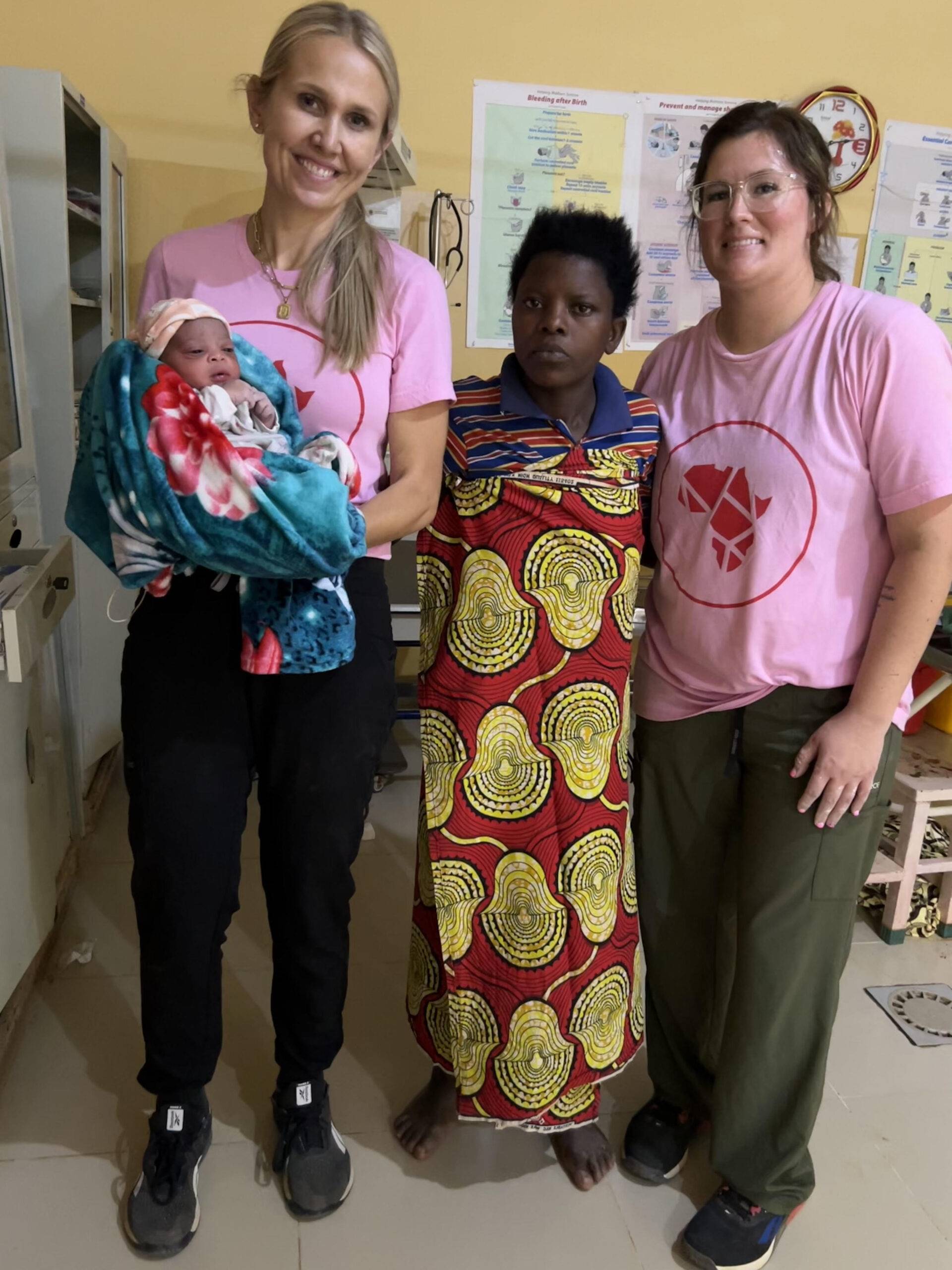
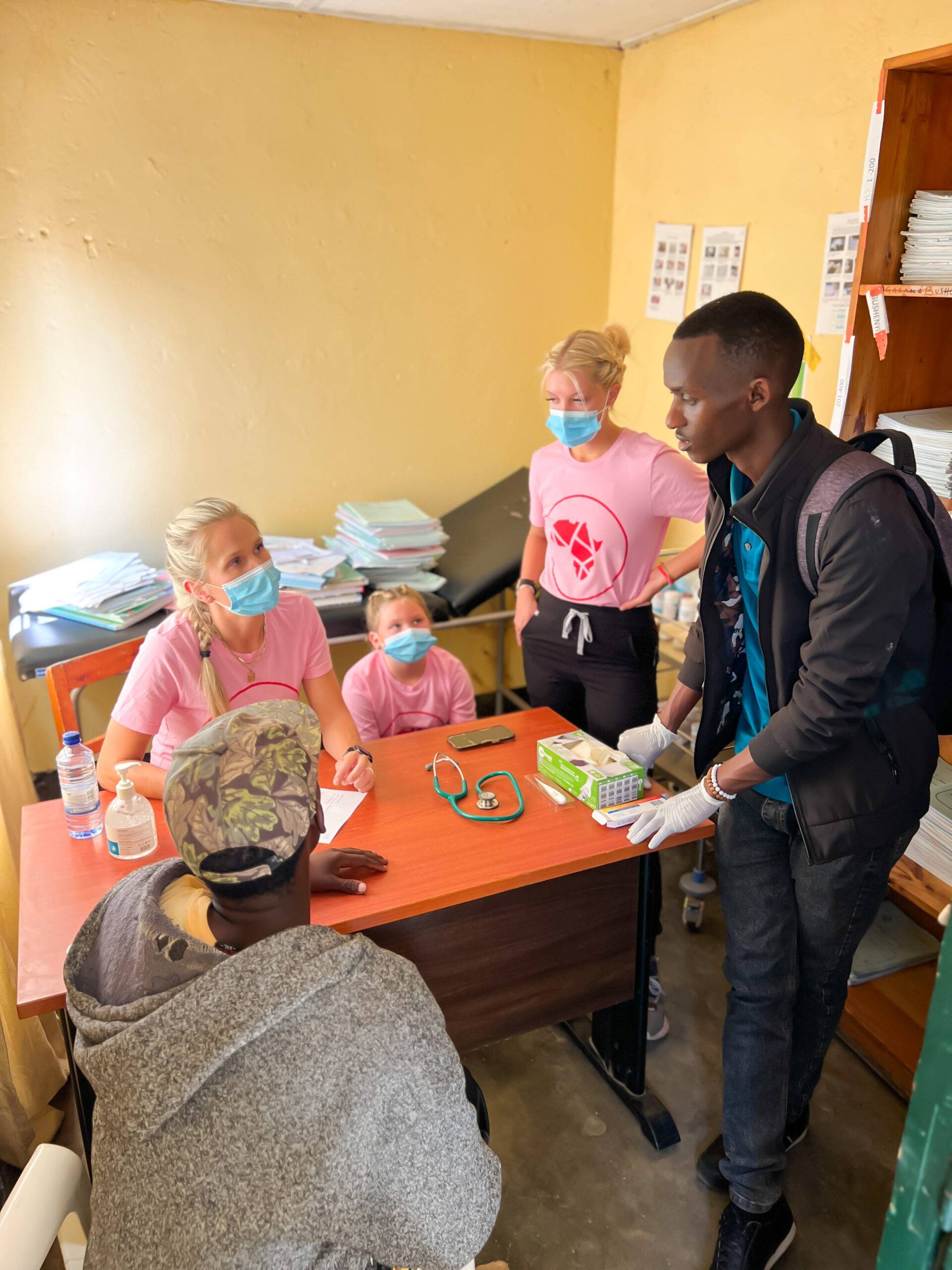
    To try to begin providing some basic access, Brown organized a medical team to go to Rwanda last summer. The 15-person, all-Oklahoma-based team included Brown, another Pinnacle Health nurse practitioner, five nurses, a chiropractic student, a medical student, a counselor, two teachers, her parents, and Brown’s 12-year-old son Max and 9-year-old daughter Austen.

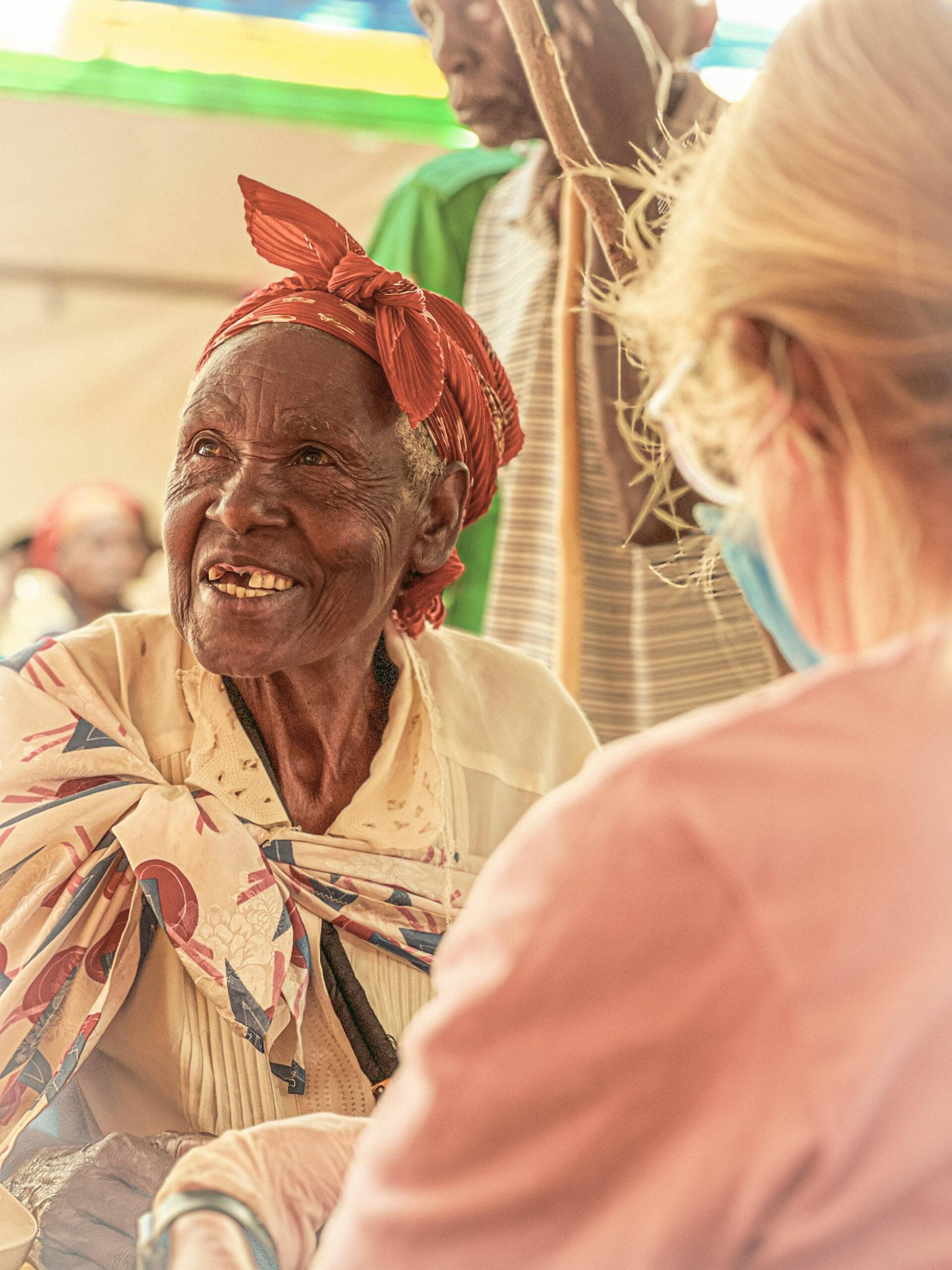
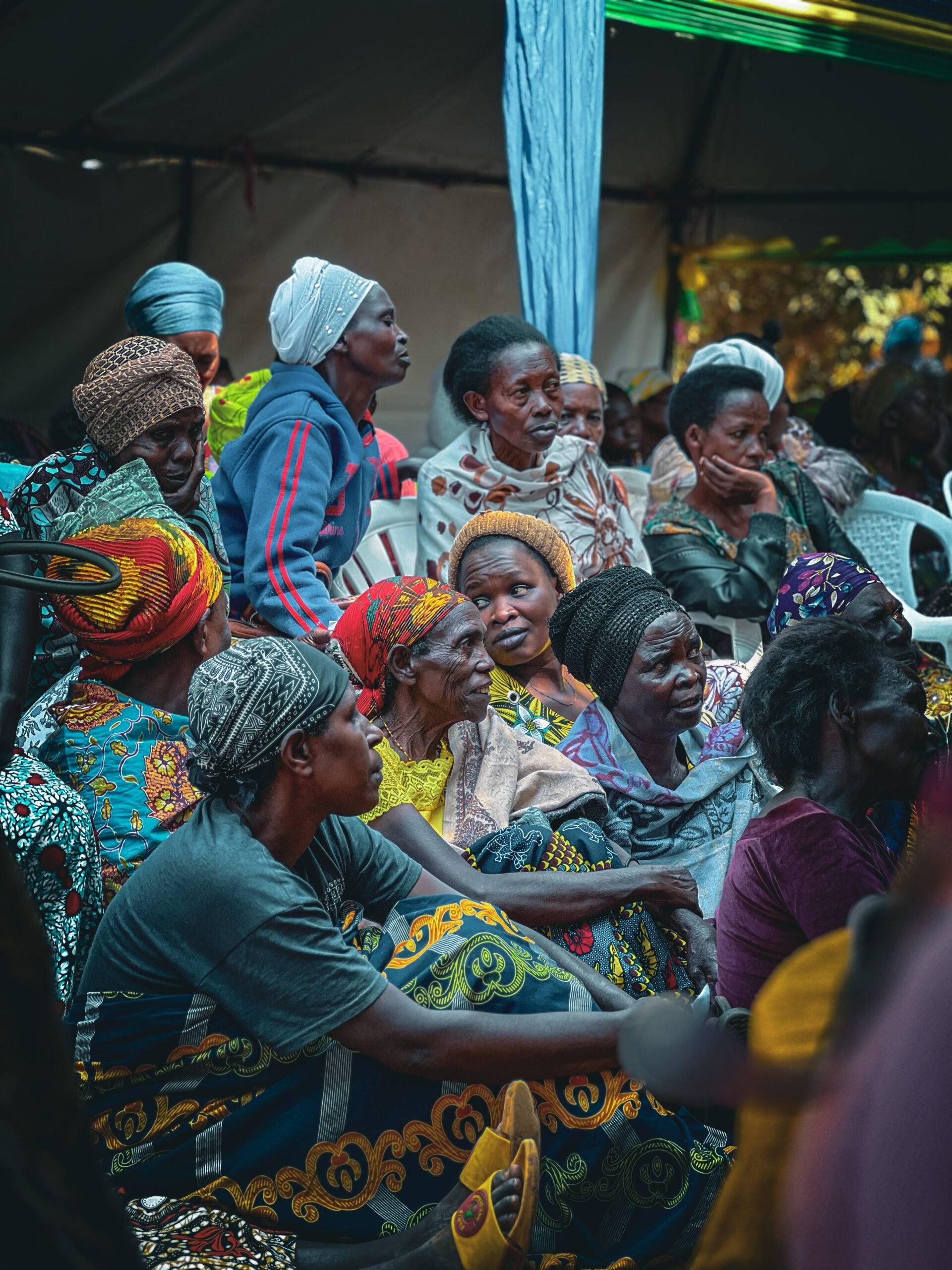
    “We weren’t able to work out of the clinic yet because we weren’t quite far enough in the process. There is a lot of preparation required because the moment you offer that service, you would have thousands and thousands of people showing up,” Brown said. “What we did was partner with a clinic that was about a 30-minute drive away. They let us use some of their rooms and set up for two days. We had basic medical and maternity care and partnered with a dental group and a couple of ophthalmologists. Our team worked alongside several local doctors, and in those two days, a thousand people were treated.”

    Brown said they treated a wide variety of health issues compounded by what she described as “tropical health.”

    “We saw probable tuberculosis, everybody has a parasitic infection, and everybody’s stomach hurts,” she said. “We saw malnourished babies. You see pictures or videos of that, but seeing that in person just hits you differently, and you feel really, really helpless. I got to deliver two babies. It was a very overwhelming couple of days. We saw every complaint known to man, which would have been simple complaints here in the States, but there it was a challenge. A lot of the adults complained of dizziness or weakness when they got too hot. It was dehydration. Some of them have to walk six miles for water, so how do you tell a patient who’s dehydrated to drink more water when they have to walk six miles for water? Others complained of musculoskeletal pain. They sleep on the ground their entire lives. So there were some things we couldn’t do a whole lot about. We had a very small formulary where we could prescribe some medications. They waited 6-8 hours just for the opportunity to see us. They are just such happy people and were so thankful.”

    Jarel recalls a man riding up on an old rickety bicycle with a woman sitting on a metal rack over the back tire. The woman was holding her completely mentally and physically disabled nine-year-old daughter in her arms. That was the only way she was able to get her daughter to the American medical team to be seen.

    Brown said she and the rest of her team relied heavily on translators from non-medical members of the Advocates team. “It was so neat seeing this team that knows nothing about health coming in and providing translating services for us and doing the best that they could.”

    Despite the natural frustration of not being able to do more, Brown embraces the positives and the progress and has big plans for the future of the clinic in Rwanda.

    “Currently, the school where the clinic is serves ages nursery up to fourth grade,” Brown said. “Each year, they are adding a grade. My goal is that, by the time they grow to where they have graduated high school, we will have a program within the clinic that will be training nurse assistants and dental assistants.”

    In the meantime, Brown hopes to return next year with another medical team. “From here on out, we will probably specialize the trip – dental, vision, pediatrics, primary care.”

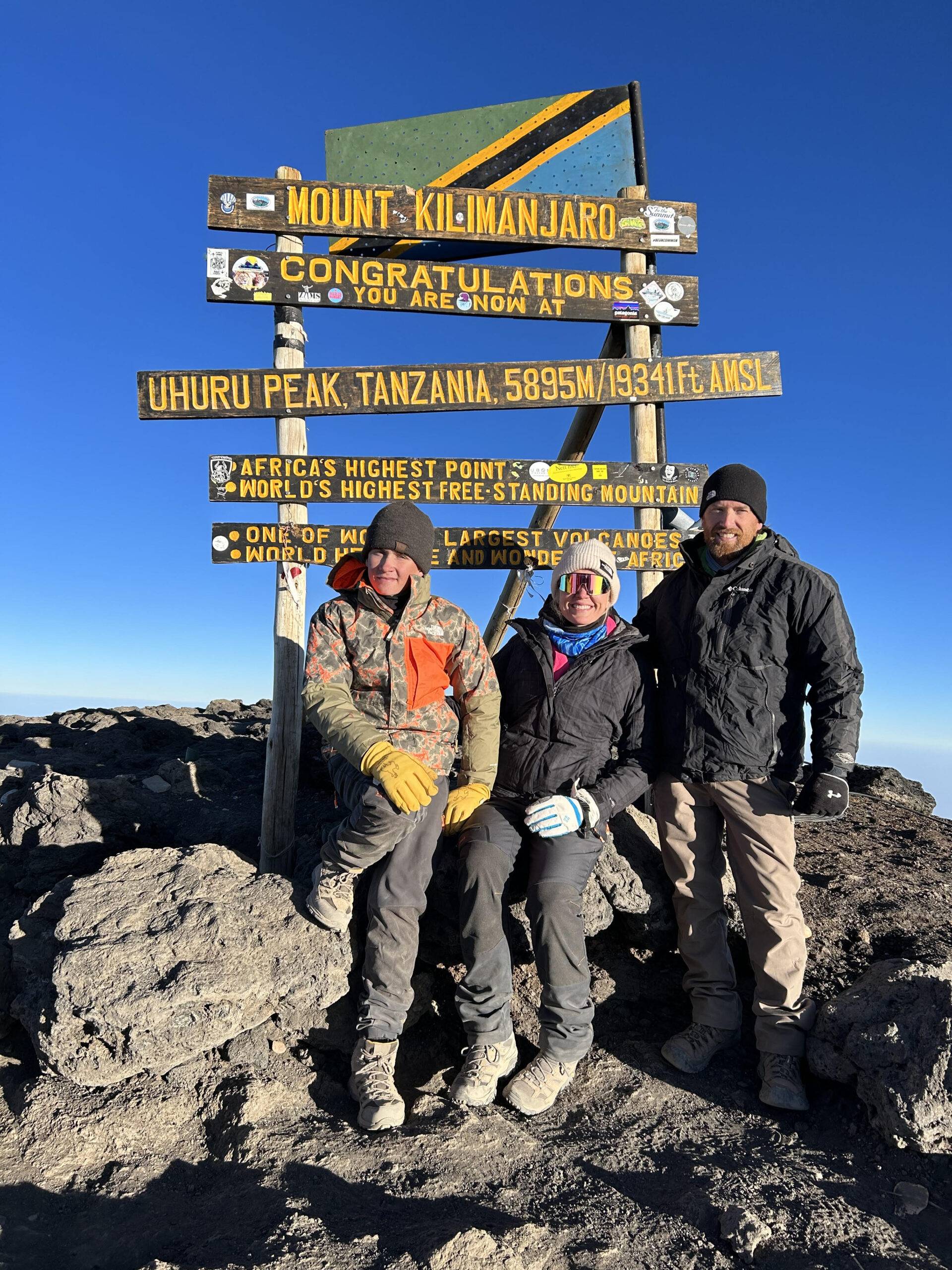
    To help fund last summer’s medical trip, Brown, her husband, and her son all completed a Climb for Kids Campaign, which was an eight-day hike up Mount Kilimanjaro. The campaign raised $30,000 for the medical aspect of the Advocates trip. Team members raised their own money separately to cover their personal travel expenses.

    “To be able to raise the money for the medical clinic, which was my ultimate goal, and then to reach the goal of making the summit was so surreal and so awesome. It was an experience I will never forget,” Brown said.

    Brown credits her passion for serving such extremely rural and underserved areas to her experience at Frontier and the university’s beginnings in the mountains of southeastern Kentucky.

    “Mary Breckinridge started Frontier in some of the toughest climates and conditions and thought, ‘if I can provide care here, we can provide care anywhere,’” Brown said. “Eastern Oklahoma is rural, and access to care is tough, but Rwanda is a next-level challenge. But you just start, plant those seeds, and teach those around you. That mindset goes so far, and it can reach Africa, too.”

    The clinic, the trained medical providers, a healthier country … can you just picture it?

    Learn more about advanced nursing degrees and specialties at Frontier Nursing University. Subscribe to our blog for the latest news and events at FNU and to get inspired with stories featuring our alumni, students, faculty, preceptors and staff!
  • FNU’s President’s Cabinet offers diverse perspectives to move the university forward

    FNU’s President’s Cabinet offers diverse perspectives to move the university forward

    At the heart of Frontier Nursing University is a talented and diverse community of students, alumni, faculty, staff, couriers, and preceptors. Spotlight blogs feature members of our FNU community who are focused on the mission of educating nurse-midwives and nurse practitioners to deliver quality healthcare to underserved and rural populations.

    Frontier Nursing University’s President’s Cabinet collaborates with the Board of Directors and university leadership to offer internal guidance and expertise on initiatives, policies, and operations that support FNU’s mission, vision, and culture of caring. In an effort to expand diverse perspectives within the Cabinet, FNU has added two volunteer members, one faculty and one staff member, to serve for a one-year term. Nomination and selection criteria prioritize candidates capable of offering insights currently underrepresented within the Cabinet.

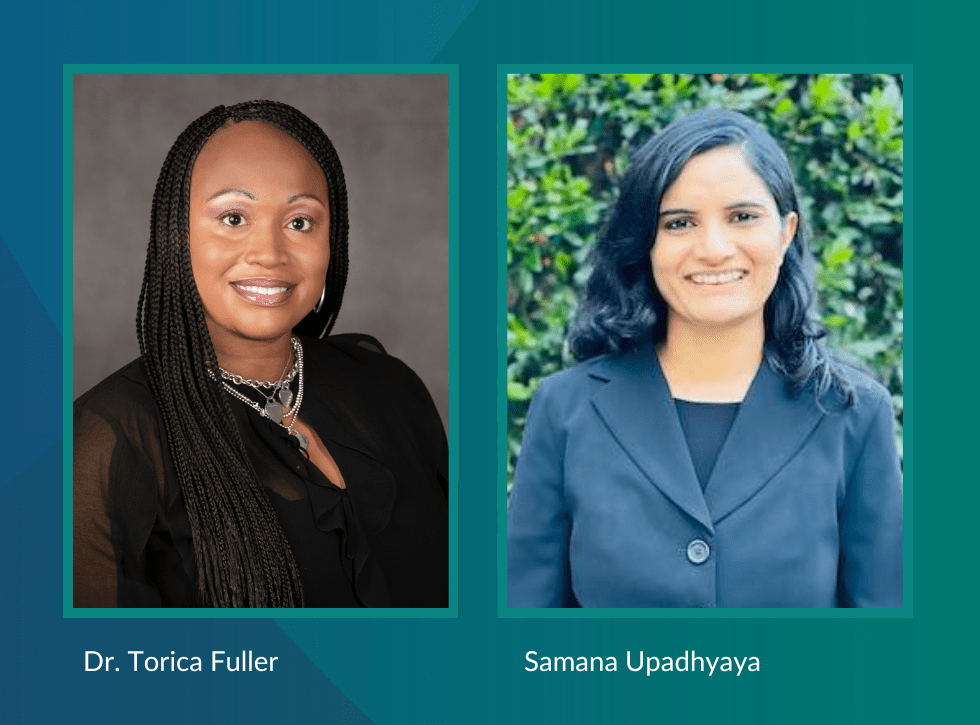
    This year, Dr. Torica Fuller, FNU faculty member and FNP Clinical Transition Coordinator, and Samana Upadhyaya, Enterprise Applications Manager, were chosen to bring their unique experience to the Cabinet as the designated faculty and staff representatives.

    Earning her Women’s Health Nurse Practitioner (WHNP) Post-Graduate Certificate from FNU, Dr. Fuller transitioned from student to faculty last year, which she said has prepared her for her new position on the Cabinet.

    “The transition from student to faculty has opened new windows of opportunity for me to impart the wisdom and knowledge of nursing practice to the next generation of nurse practitioner students,” she said. “Therefore, I feel that my education and experience have provided me with the necessary tools, skills, and leadership ability to make good, sound decisions on behalf of the Cabinet and the university.”

    Working as a staff member with FNU for nearly a decade, Samana has extensive experience in Information Technology (IT) and in managing enterprise-level applications. In her role at FNU, she bridges gaps between those from diverse backgrounds and is dedicated to ensuring that technology serves the diverse needs of the FNU community, regardless of digital proficiency or challenges.

    “I have already been involved in managing complex applications to meet the diverse needs of the FNU community,” she said. “This experience to serve on the President’s Cabinet will give me an opportunity to get more details to ensure policy initiatives and technological implementations align seamlessly.”

    For both Dr. Fuller and Samana, an emphasis on Diversity, Equity and Inclusion (DEI) will be a focus during their time on the Cabinet. Samana said her journey as an immigrant has prepared her for adaptation, resilience and a deep appreciation for diversity and understanding of the importance of inclusion, empathy, and representation.

    “This understanding will help in my approach in policy making and cater to the needs of diverse FNU communities,” she said. “I am committed to advocating for policies that celebrate diversity, equity, and inclusion in the entire Frontier community.”

    Dr. Fuller said that as an advocate for DEI, she strives to provide a voice by championing the celebration of differences among individuals and fostering an environment where all perspectives are valued.

    “My position on the President’s Cabinet presents an opportunity to emphasize the significance of cultivating a university community where equity and respect are not the exception but the standard for faculty, staff, and students,” she said. “I am committed to shedding light on the importance of such a culture, promoting inclusivity and understanding at every level of our institution.”

    Thank you, Samana and Dr. Fuller, for your valuable insight and perspective on the President’s Cabinet and your dedication to FNU.

    Learn more about advanced nursing degrees and specialties at Frontier Nursing University. Subscribe to our blog for the latest news and events at FNU and to get inspired with stories featuring our alumni, students, faculty, preceptors, and staff!
Request Information Apply Give Now