Blog

  • FNU Hosts Diversity Impact Student Conference

    FNU Hosts Diversity Impact Student Conference

    By: Wilvena McDowell-Bernard, Program Coordinator, Diversity Initiative PRIDE

    Moving Forward at the 7th Annual DI Event
    Frontier Nursing University hostedits 7th annual Diversity Impact student conference, June 1-4, 2017 on the historic FNU campus in Hyden KY. This year’s theme focused on “Moving Forward: Uniting through Diversity” where students, alumni, faculty, staff and guests united for team building tasks, cross-cultural activities and collaborative discussions to address health disparities and ways to improve minority health among underrepresented and marginalized groups.
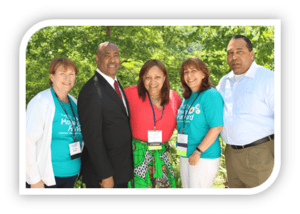
    FNU Diversity Impact 2017
    The conference started off with an impactful welcome address by FNU President Dr. Stone, as she inspired attendees on ways nurses can use their leadership skills to impact and affect health disparities among underserved and underrepresented patient populations. Attendees then rolled up their sleeves to engage in an arts and craft session that explored their creative intuitions to highlight cross-cultural communication and its’ unique role in the nursing profession.

    The arts and craft activity offered attendees insights into understanding what cultural language barriers may feel like from a patient and provider perspective in healthcare. FNU PRIDE student, LaTonya Rice, reflects on what she learned from the activity, “Learning to listen to patients more…will help me to be a better communicator when I’m providing care to my clients.”

    FNU Explores Rural Health on a Field Trip!
    Students enjoyed a field trip to Hurricane Creek Miner’s Memorial in the appalachian mountains, and toured the site commemorating the 1970 Finley Mine explosion, which claimed the lives of thirty-eight coal miners with only one survivor.  One aspect of the memorial shed light on various health conditions many coal miners endured on a daily basis. Attendees traced historical events to further explore rural health in Appalachia.

    Diversity Impact Takes the Challenge
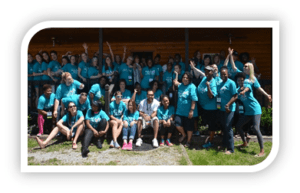
    The enthusiastic Mannequin Challenge activity brought everyone together to create awareness of the Diversity Impact event and to showcase how participants are impacting health care within their communities. The Mannequin Challenge illustrates that everyone has a role at the frontlines of healthcare to combat health disparities.

    Afterwards attendees also enjoyed a cookout and nature tour of hidden trails around the Wendover House used by Mary Breckinridge during the early years of what was then called Frontier Nursing Service (FNS).

    Sessions Address Social Issues of Today
    A range of diversity topics were led by nationally recognized guest speakers, faculty, staff, and students. Attendees learned the importance of cultural linguistics with Premier Speaker Capt. James l. Dickens from the US Dept. Health & Human Services, Office of Minority Health (OMH). Capt. Dickens discussed the linguistic relationship between language, culture, and how language barriers and lack of cultural awareness can dramatically impact patient/provider healthcare services.

    Vaishu Jawahar, a 2016 Courier Intern, offers helpful advice from what she learned during the sessions, “As healthcare providers…you have to be able to take care of everyone or at least make them feel comfortable enough to seek out your care.”

    Attendees learned hidden facts about the role Appalachia played in Rural & Immigrant Health, the Civil Rights movement, and the economic development of Eastern Kentucky, taught by Shane Barton from the University of Kentucky.
    Keynote speaker and 12th President of the National Black Nurses Association, Dr. Eric Williams addressed the importance of cultural competency among nursing students, and discussed ways nurses can foster their leadership skills and mentorship to improve minority health among underrepresented and marginalized groups.  Attendees were encouraged to get active within their communities, school, and local professional nursing chapters.

    Session speaker, Dr. Vernellia Randall, national author of “Dying While Black” (2006), walked through the historic timeline of health disparities linked to care administered to minorities, along with various racial barriers that limit and sometimes restrict access to care. She also explored the lack of minority health professionals along with cultural bias and racial micro-aggressions that impact care provided to culturally diverse patients.

    Attendees enjoyed a surprise guest appearance by nationally recognized author, Dr. Scharmaine Baker of the NOLA the Nurse children’s book series. Dr. Baker was recently featured on NBC Universal TV for the “Harry” Show.
    During the conference, attendees were provided with helpful  resources on Gender-Identity, Sexual Orientation and Trans-appropriate Patient/Provider Care from FNU Faculty Member Dr. Trish Voss, on nursing practices for LGBTQ patients and communities.

    Attendees took a journey through the relationship of global midwifery from a Mayan midwifery perspective. Student speaker Essence Williams of class 140, addressed maternal-child and reproductive health amongst vulnerable populations in Guatemala, including traditional Mayan practices, and cultural rituals of indigenous cultures.

    Afterwards, attendees learned how to infuse mindful, relaxation practices to achieve optimal performance in all areas of their lives with student speaker Heidi Carter of class 129.

    Attendees Feel Renewed & Inspired
    By the end of the conference, students, faculty & staff left feeling more empowered and focused on making a positive change in their communities. Laura Willis, an FNU PRIDE Alumni and family nurse practitioner in Ohio, expresses her appreciation and reasons why she continues to return to campus as an alum, “There’s a connection to this pace, to the history that’s here. And there is something so very important about all of the unique perspectives…that re-energizes and reinforces why I do what I do.”

    Click Here for WYMT news report on Diversity Impact
  • Cesarean. Once an Issue, Still an Issue.

    Cesarean. Once an Issue, Still an Issue.

    By: Nicole Lassiter, CNM, MSN, WHNP (DNP class 28)

    Sweat trickled down my skin like rain on a window pane, forming puddles underneath my thick blue nursing scrubs. In the little birth rooms in the free-standing birth center, the labors and births seemed to create more heat than the Texas sun, even in the middle of the night.  Hour after hour, the women stretched and strained, moved and made noise, opened and gave forth life.  For a year as an Americorps volunteer on the border of Mexico, hour after hour I learned how to provide support and to monitor and trust the normal physiologic processes of labor and birth.  The vast majority of the women delivered vaginally, and we transferred those few who needed cesarean sections to the local hospital.
    The vaginal birth to cesarean ratio represented in that small nurse-midwife practice is considered normal and safe for the general population as well.  According to the World Health Organization (2015), since 1985 both national and international healthcare standards have identified an ideal target cesarean rate of 10-15% as safe and reasonable, yet the rate is exceedingly higher in many countries, including the United States (U.S).  The rate of cesarean sections in the U.S. has largely been increasing since 1996, reaching 32% in 2015 according to the most recent governmental statistical data reports (Martin, J.A., Hamilton, B.E., Osterman, M., Driscoll, A.K., & Mathews, T.J., 2017). In other words, about one in three women gives birth by caesarean section.

    Make no mistake, caesarean sections have saved many lives — both for mothers and babies, and when medically necessary, they are an essential surgical procedure.  However, the mistake is that they are performed too often, and often unnecessarily.  If a woman or an infant does not require a caesarean, this surgery will not benefit her and her infant, and will instead expose both to short and long-term risks, some of which are quite serious. Not to mention, many risks extend beyond the current pregnancy, to future pregnancies. This is not a good set up for women and babies, many of whom do not have ready access to obstetrical care (World Health Organization, 2015).

    All right then, you may ask, what do we do? The answer lies both in the individual, and in the larger healthcare system.  Key contributors to both the problem and the solution include: Individual providers and medical staff, professional organizations, administrators, governmental agencies, community advocacy groups, and the patients and families themselves. For example, the professional organizations representing the majority of obstetrical providers in this country, The American College of Nurse Midwives (ACNM) and The American Congress of Obstetricians (ACOG) must continue to address this issue, educate their memberships, and provide resources and tools for change in their practice areas. Hospital administrators must support both providers and patients to give and receive safe, evidence-based care, and one of the most profound examples is the essential role of the nurse-midwife and nurse-midwifery education.

    Nurse-midwifery education and practice is designed to offer care that inherently provides solutions to those issues associated with high caesarean section rates. Maternity care in the U.S. relies heavily on procedures, many of which are harmful, unnecessary, and not evidence-based, yet they are practiced routinely. Patients often lack the information to make informed decisions, or the power to chose when they are educated about their options (Declercq,E.R., Sakala,C., Corry,M.P., Applebaum,S., & Herrlich, A., 2013).

    The basic hallmarks, core values and competencies of midwifery care identify labor and birth as normal physiologic processes and advocate for refraining from medical procedures unless medically necessary. Informed and shared decision-making with patients and families are also essential components of midwifery care (ACNM, 2012). The evidence base as well as ACOG (2016) recognize that certain supportive measures such as continuous support during labor are necessary because they reduce complications and cesarean sections. These practices that support normal physiologic birth and reduce cesarean sections and are traditionally practiced by midwives.

    While there are numerous risk factors associated with cesarean section, the most common reason for primary cesarean is labor dystocia, when labor does not progress quickly enough or when progress is deemed inadequate.  Yet current evidence shows that women and normal physiologic labor progress at a rate much slower than once believed. For decades, many labors and women were considered abnormal and too slow.  As a result, cesareans were often performed, and unnecessarily.  Today, new definitions of normal labor progress will help decrease these unnecessary cesareans, and these new definitions — which are based on normal physiologic processes — are again, those promoted by midwifery care.

    I am reminded of the women and their unmedicated labors and births at the Texas birth center. I have often thought back to my time there as one of profound education and experience of what women can do when cared for by those who know and honor the physiologic birth process. The women had continuous support during their labors, along with patience and good care and management from the midwives and the nurses.  These basic tenets of care are the very skills that will help reduce our exorbitant cesarean section rate.  The good news is that we know the vast majority of healthy women have a very good chance of having a normal vaginal delivery. Their physiology remains capable.  The challenging news is that our system still needs the education and structure to support this.  We must continue to learn how to support this basic normal physiologic process, and have systems that support it as well. Nurse-midwifery education and care is a significant and essential part of the solution.


    References

    ACNM Core Competencies for Basic Midwifery Practice. (December 2012).

    American College of Obstetricians and Gynecologists (Reaffirmed 2016). Safe prevention of the primary cesarean delivery. Obstetrics & Gynecology,123, 693–711.

    Declercq,E.R., Sakala,C., Corry,M.P., Applebaum,S., & Herrlich, A. (May 2013).

    Martin, J.A., Hamilton, B.E., Osterman,M., Driscoll, A.K., & Mathews,T.J. (Jan 5, 2017). Births: Final data for 2015. National Vital Statistics Reports, 66(1).

    WHO Statement on Caesarean Section (2015). Executive summary.


  • Alumni Spotlight: Joanne Burris, CNM, MSN

    Alumni Spotlight: Joanne Burris, CNM, MSN

    FNU Alumnus, CNEP Class 130

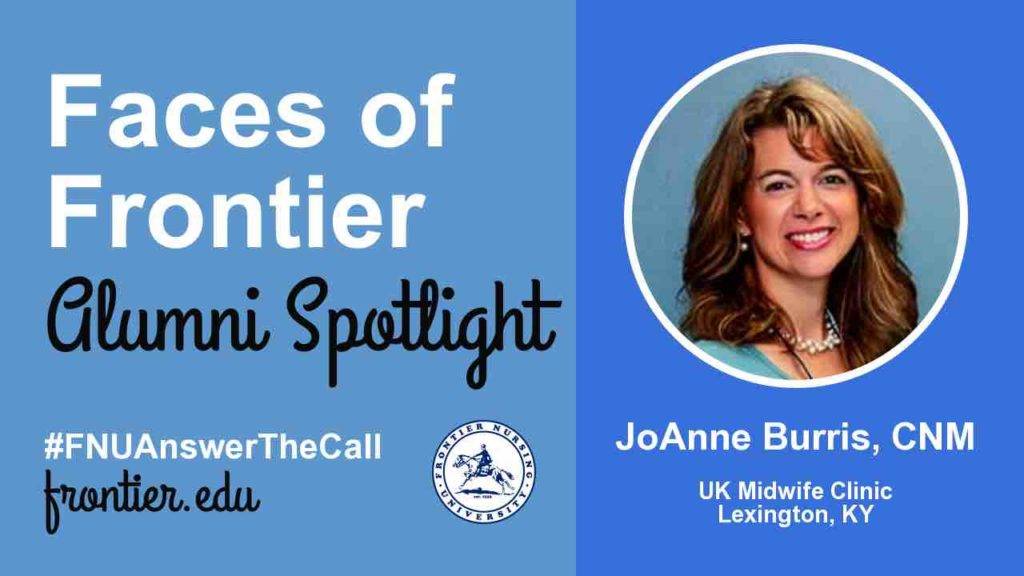
    From birthing her child with the help of a midwife to becoming a Certified Nurse-Midwife herself, Alumna Joanne Burris, CNM, is the picture of how Frontier Nursing University (FNU) provides its students with an education to match their passion.

    In her journey from patient to provider, Joanne now seeks to provide women with holistic care using her degree from Frontier.

    Suffering an uncomfortable experience with her first child’s birth, Joanne was displeased with the way her birthing decisions were dominated by the health care providers. She sought the help of nurse-midwife Melissa Courtney in the birth of her second child a few years later.

    Through Melissa’s gentle consideration, consistent reassurance, and willingness to allow Joanne to make several of her own birthing decisions, Joanne’s second birth experience was truly an enjoyable one.

    It did not take long for Joanne to feel a spiritual calling to provide the same care for other women. Within the year she began didactic classes at FNU (CNEP 130), after receiving her associate’s degree in nursing and then attending nurse-midwifery clinical training at Womankind Midwives, a practice established by Melissa.

    In 2016, she was hired at the University of Kentucky (UK) HealthCare Polk Dalton Clinic into the UK Midwife Clinic. The clinic collaborates with UK’s Obstetrics/Gynecology and Neonatal Intensive Care Unit, ensuring the most resourceful care possible.
    “I work in two patient population settings,” said Joanne. “Half of my clinic time is spent in a downtown clinic that serves primarily Hispanic, refugee, and low-income women. The other half of my time is spent at a midwife clinic that serves private pay patients. I enjoy working at the University of Kentucky because it allows me to serve a diverse group of women.”

    Together with Melissa and two other CNMs, Joanne is fulfilling her dream of providing care, expertise, and empowerment to other women as they journey throughout their lifespan.

    The community at FNU is thankful for Joanne’s dedication to quality health care!

    At the heart of Frontier Nursing University is a talented and diverse community of students, alumni, faculty, staff, Couriers and preceptors. Spotlight blogs feature members of our FNU community who are focused on the mission of educating nurse-midwives and nurse practitioners to deliver quality health care to underserved and rural populations.

    Sources:
    https://uknow.uky.edu/uk-healthcare/birth-experience-inspires-new-purpose-practicing-midwifery
    http://www.kentucky.com/living/health-and-medicine/article129447654.html

  • Staff Spotlight: Chasity Collett

    Staff Spotlight: Chasity Collett

    For some of the staff at FrontierNursing University (FNU), the connection to Frontier  has been a part of their lives for many years. For Chasity Collett, it’s been since birth.
    “I was born an FNS baby at Mary Breckinridge Hospital, and I love continuing to help the mission,” said Chasity.

    For the past seven years, Chasity has served Frontier in the admissions department. She now works as a senior admissions officer, helping new and prospective students work through their admission files. According to Chasity, it’s a great place for her to both meet prospective students and process their files so they can join the FNU community. For Chasity, the community has been the best part about working at FNU.

    “My favorite part of being a staff member is the relationships I have developed since working here,” Chasity said. “When you join Frontier you become family and over the past couple of years that has meant a lot to me.”

    Chasity enjoys spending time with her husband, Kyle, as well as their three children, son, Isaiah, and daughters, Kyla and Natalya. She also coaches cheerleading for second to eighth graders at her daughter’s school.

    Thanks, Chasity, for serving the Frontier community!

    At the heart of Frontier Nursing University is a talented and diverse community of students, alumni, faculty, staff, Couriers and preceptors. Spotlight blogs feature members of our FNU community that are focused on the mission of educating nurse-midwives and nurse practitioners to deliver quality health care to underserved and rural populations.

  • Courier Spotlight: Kathy Dalton

    Courier Spotlight: Kathy Dalton

    Kathy Dalton, from Lexington, Ky., grew up hearing her mother’s stories about Eastern Kentucky. While her mother was also from Lexington, her grandfather traveled frequently as a mining engineer for coal mines in Eastern Kentucky, making Kathy curious about the area. When her parents found the Courier Program at Frontier Nursing Service (FNS), now Frontier Nursing University (FNU), she decided to take the opportunity.
    The summer after her junior year in college, Kathy was with FNS for eight weeks. She remembers sitting in Anna May January’s room in the evenings and hearing about her experiences. Anna May advised Kathy to meet local people during her free time when she was assigned to an outpost clinic. Kathy took her advice to heart, and when she was assigned to Flat Creek, she focused on meeting as many people as she could.

    At Wendover, Kathy took care of horses and pigs at the Upper Shelf. On the weekends, she would go with the Couriers to a swimming hole at Hurricane Creek. When patients at FNU didn’t have transportation after they were discharged, Kathy would drive them to their homes in Thousandsticks. Some of her best memories from that time are fixing tea for the midwives at the Big House, the cooks who prepared the food in the kitchen, and daily tea and sherry hour at 4 and 5 p.m.

    Serving as a Courier lit a fire in Kathy – it was exactly what she wanted to do. Her time at Frontier made her more aware of poverty and its effects, and deepened her commitment to service in her church and community throughout her life. The Courier Program serves a valuable purpose in helping not only defray the costs of healthcare, but it also gives the Couriers insight into what’s important in life. Young people in the Courier Program can be inspired to serve in their own communities after they return home, as Kathy was.

    Since serving as a Courier, Kathy has remained supportive of Frontier. In April 2014, she hosted a tea party to help release Unbridled Service, Frontier’s historical book about the Courier Program. The tea service was done in the traditional English style in honor of the Breckinridge-style tea service she learned at FNS.

    Kathy remains involved with the University because she sees that the mission of FNU today matches Mary Breckinridge’s original mission. FNU continues to serve a need, and Kathy is proud to be a part of something that has stayed the course over time. She is also interested in how Frontier’s mission can be met from a distance through technological advances. This success is an example of the best technology has to offer, and Kathy is delighted to be a part of a vital project that is serving the world.

    In 1928, Mary Breckinridge, founder of Frontier Nursing University established the Courier Program, recruiting young people to come work in the Kentucky Mountains and learn about service to humanity. Couriers escorted guests safely through remote terrain, delivered medical supplies to remote outpost clinics, and helped nurse-midwives during home visits and births. Frontier has benefited tremendously from the 1,600 Couriers who have served since 1928.

    At the heart of Frontier Nursing University is a talented and diverse community of students, alumni, faculty, staff, Couriers and preceptors. Spotlight blogs feature members of our FNU community that are focused on the mission of educating nurse-midwives and nurse practitioners to deliver quality health care to underserved and rural populations.


  • FNU Student Named 2017 APNA Board of Directors Student Scholar

    FNU Student Named 2017 APNA Board of Directors Student Scholar

    Frontier Nursing University (FNU) graduate student Nicole Mutnansky, MSN, CNM, WHNP received high honors on July 20, 2017, as she was recognized by the American Psychiatric Nurses Association (APNA) as one of 30 students in the 2017 Class of Board of Directors Student Scholars.

    Nicole was selected from a pool of applicants from schools of nursing at colleges and universities across the nation to receive this prestigious scholarship. Recipients, which include both undergraduate/prelicensure and graduate nursing students, were chosen based on their scholastic achievements and commitment to psychiatric-mental health nursing. The scholarship is comprised of one year of APNA membership and complimentary registration, travel and lodging for the APNA 31st Annual Conference this October.

    “I am honored to be a recipient of the APNA Board of Directors Student Scholarship,” said Nicole. “I am very appreciative of the APNA’s generosity to allow me to attend this year’s conference. When I heard about the scholarship, I knew immediately that I wanted to utilize this amazing opportunity to network with other providers, and to help move my practice toward a more integrated approach.”

    The American Psychiatric Nurses Association is a national professional membership organization committed to the specialty practice of psychiatric-mental health nursing and wellness promotion, prevention of mental health problems and the care and treatment of persons with psychiatric disorders. Membership to the APNA is inclusive of all psychiatric mental health registered nurses and nurse scientists and academicians.

    Nicole, one of fifteen graduate scholarship recipients, is enrolled in the Psychiatric-Mental Health Nurse Practitioner Post-Graduate Certificate program at Frontier Nursing University. She received her ADN in 2010 and BSN in 2012 from Carlow University. Mutnansky continued her education at Frontier, where she pursued a Master’s in Nurse-Midwifery and a post-master’s specialty in Women’s Health Nurse Practitioner, graduating in July 2016. In November 2016, she was chosen as a featured speaker during Frontier’s virtual event, Move Your Community Toward Improved Health: Expanding Your Role, celebrating National Nurse Practitioner Week.

    “I look forward to connecting and engaging with other professionals outside of my current specialty, and continuing to build on the knowledge I have received through the Psychiatric-Mental Health Nurse Practitioner Post-Graduate Certificate program at FNU,” said Nicole.

  • Student Spotlight: Michele Holzman, RNC-OB

    Student Spotlight: Michele Holzman, RNC-OB

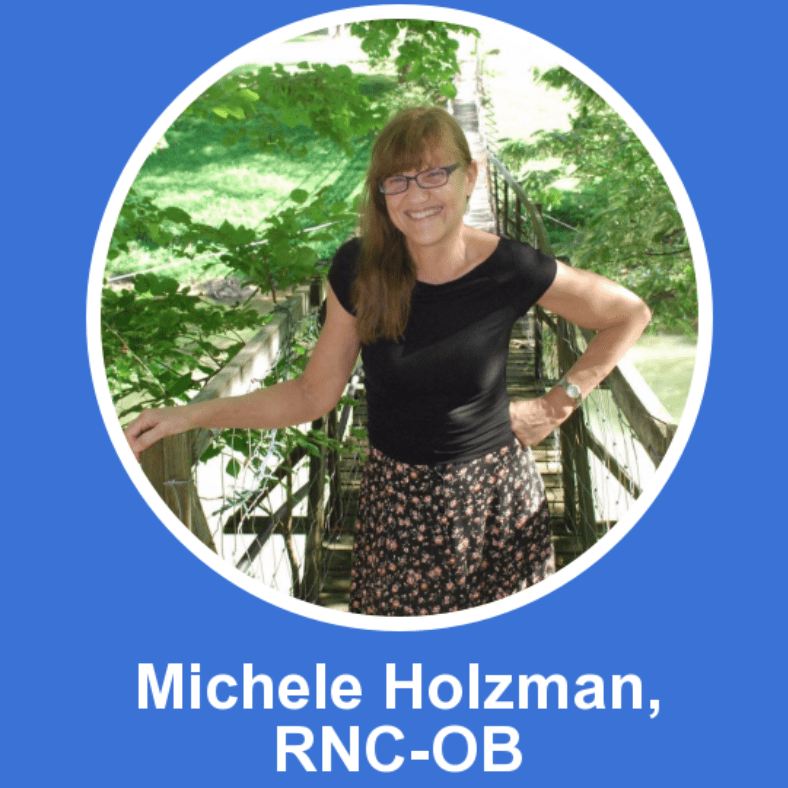
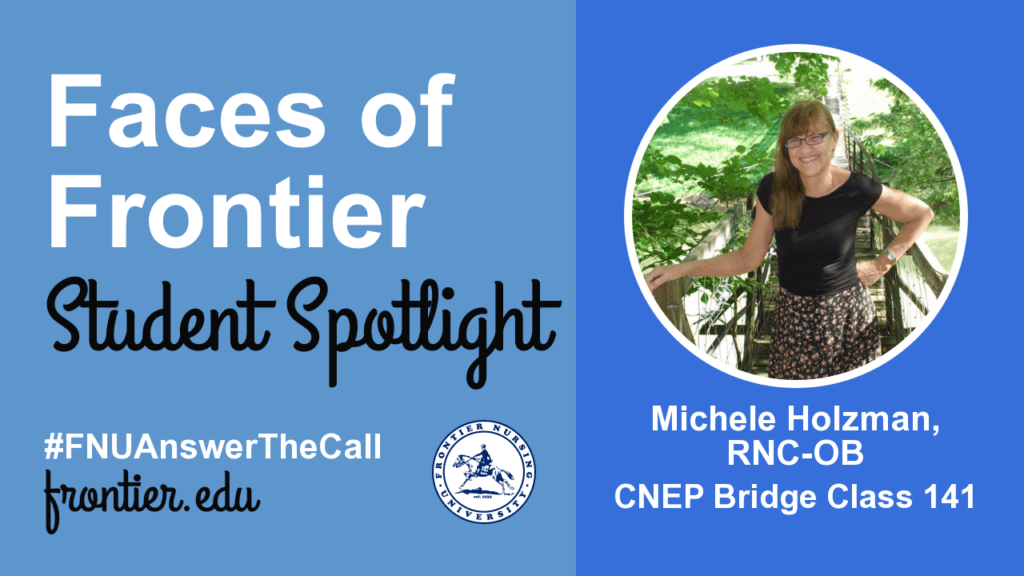
    With 25 years of experience in labor and delivery, Frontier Nursing University (FNU) nurse-midwifery student Michele Holzman “answers the call” to serve Hispanic women in the Tallahassee, Fla., area every day through the miracle of birth.

    Michele, Hispanic herself, has a particular connection to the community that she serves. She has worked for 20 years in labor, delivery, and postpartum care with Hispanic patients, bridging the gap for this community dually through language and through extensive knowledge and care for mother and baby.
    Michele embodies Frontier’s emphasis on providing care to underserved and rural populations as she works with migrant mothers and families on a daily basis. Outside of the hospital walls, Michele supplements women’s health by teaching Mighty Moms classes – fitness training classes that combine her experience as a childbirth educator and five years as a personal trainer. She uses the classes to provide mothers with a practical way to improve their overall health and to educate the women to continue the health impact at home.

    Stemming from Michele’s passion for women’s health and direct communication as it impacts outcomes throughout the birth process, she has authored two books in Spanish translation covering this area. She not only plans to publish the documents, but also to convert the text into an easy-to-use, highly accessible app.

    Her dreams don’t stop there. Michele’s next project is to create a non-interventional birth wing in her hospital, and to provide a mobile antenatal clinic for the patients that live in the outlying counties. Her hope is to shift the medical model of childbirth to a physiologic focus and to better influence evidence-based discussions towards improvement of national statistics in maternal-infant care, all while continuing to service the Hispanic community.

    Michele, who initially began her journey at FNU via the ADN Bridge Entry Option, plans to continue on to the Doctor of Nursing Practice (DNP) program after completing her MSN.

    “This is a humbling and inspirational legacy to be a part of,” Michele says. “This is such a great opportunity, and I am excited to learn everything they have to offer.”

    Thank you, Michele, for your continued excellence in serving the Hispanic community.

    At the heart of Frontier Nursing University is a talented and diverse community of students, alumni, faculty, staff, Couriers and preceptors. Spotlight blogs feature members of our FNU community who are focused on the mission of educating nurse-midwives and nurse practitioners to deliver quality health care to underserved and rural populations.

  • Barbara and Donald Jonas Receive Honorary Doctorates from Frontier Nursing University

    Barbara and Donald Jonas Receive Honorary Doctorates from Frontier Nursing University

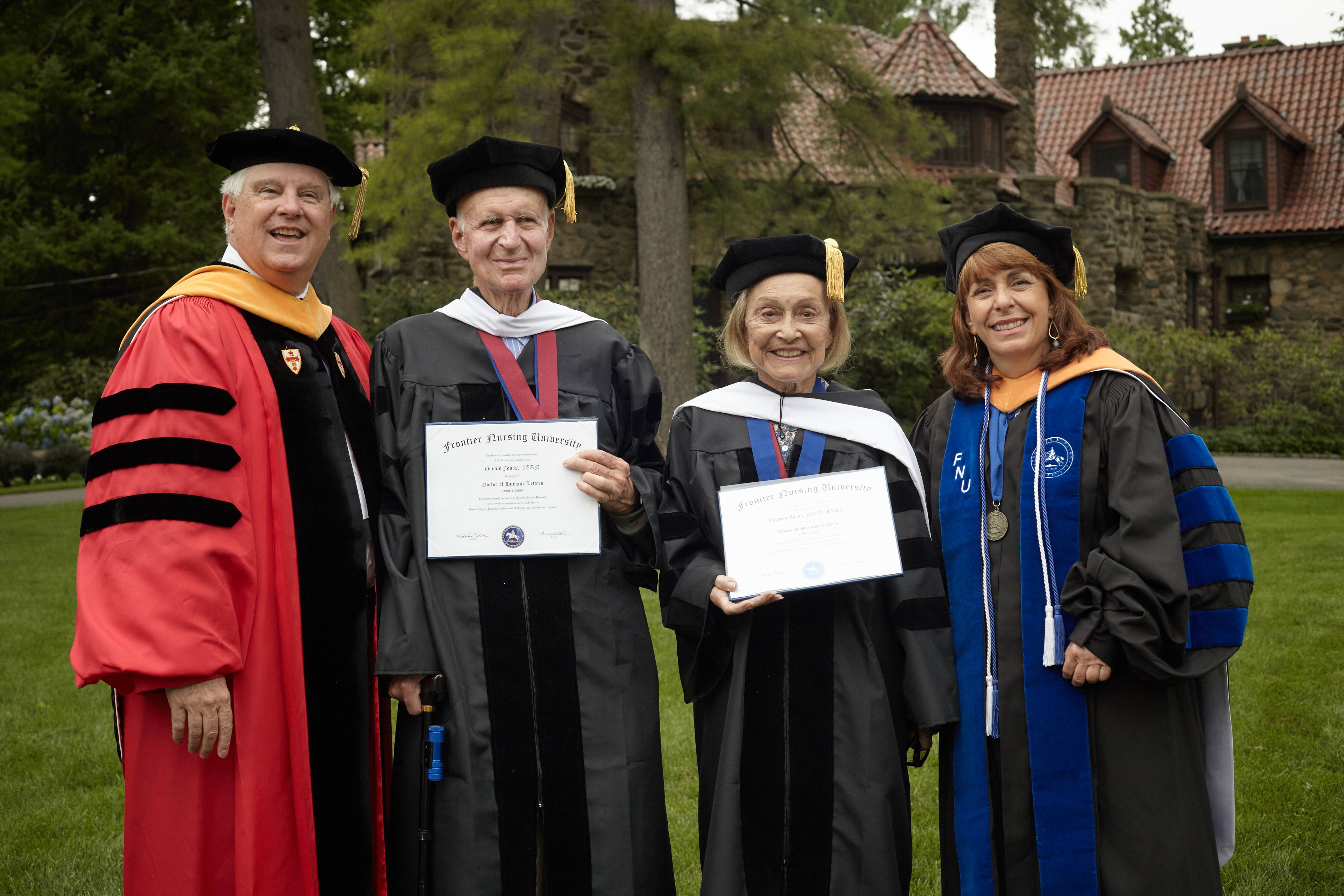
    In honor of their extensive support and contributions to the advancement of nursing, Frontier Nursing University awarded honorary doctorate degrees to philanthropists Barbara and Donald Jonas. The ceremony took place on Thursday, July 27, at 11:30 a.m. in Greenwich, Conn.

    Photo Credit: Carolyn Jones

    Frontier Nursing University (FNU) Board Chair Dr. Michael Carter and FNU President Dr. Susan Stone presented the Jonas’ with the honorary degree of Doctor of Humane Letters.

    In 2005, the Jonas’, who are noted art collectors, auctioned off 15 of their abstract expressionist artworks. That generated millions in seed money to create their own masterpiece: The Barbara and Donald Jonas Family Fund.

    As they sought the appropriate beneficiaries, Barbara, a psychiatric social worker, and Donald, a leader in retail, were drawn to the nursing shortage and its overall impact on the healthcare of individuals and communities. In early 2006, they established the Jonas Center for Nursing Excellence, a first-of-its-kind philanthropic program dedicated to advancing the nursing profession. The Center’s focus is to improve healthcare through nursing leadership, scholarship and research.

    The impact of the Center has grown exponentially. In 2016, the Jonas Center celebrated its 10th anniversary reaching a milestone of 1,000 Jonas Scholars supported by the Center. As the nation’s leading philanthropic funder of graduate nursing education, the Jonas Center has grown from a New York City-focused funder to a national organization in partnership with leading schools of nursing in 50 states.

    “Over the last decade, we have brought together numerous foundations and organizations with a shared vision to support our nation’s nurses, and the results of those collaborations have far exceeded what we ever thought we could achieve,” Donald Jonas said during the anniversary.

Request Information Apply Give Now