Blog

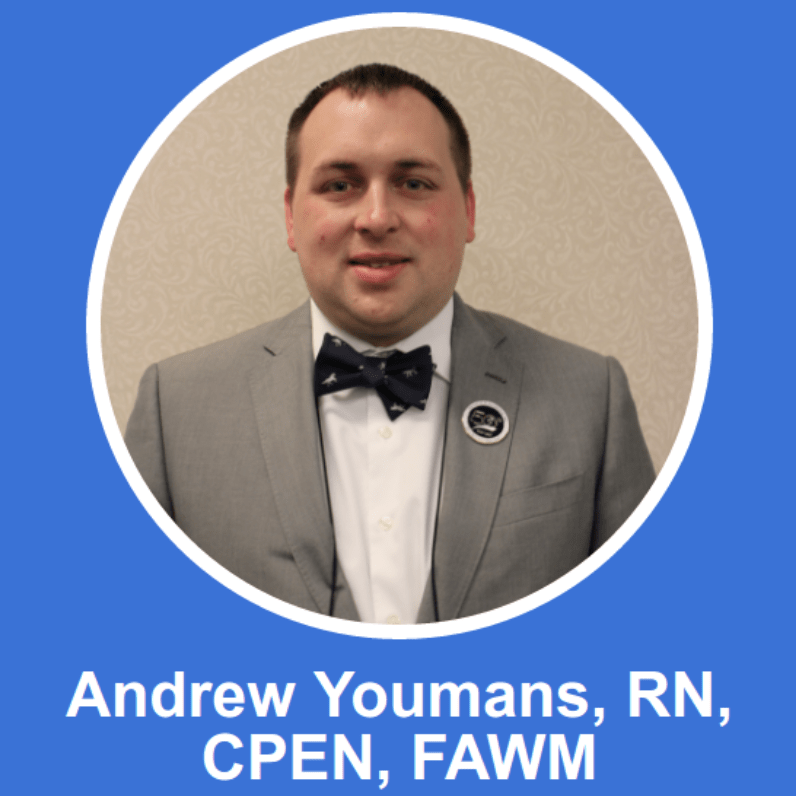
  • Student Spotlight: Andrew Youmans, RN

    Student Spotlight: Andrew Youmans, RN

    Frontier Nursing University (FNU) student Andrew Youmans originally had no plans to become a nurse-midwife. Early in his career, he obtained his associate’s degree in nursing from Athens Technical College. During his time in school, he got a job as an obstetric technician at his local hospital to get his foot in the door and gain some health care experience.

    Andrew’s interest in the labor and delivery field grew, but his desire to become a nurse-midwife didn’t occur until he graduated. His first job after school was an emergency department nurse position.

    “I saw how many women came to the emergency room for pregnancy and gynecology-related issues,” said Andrew. “The ER was their only option for this type of care.”

    Andrew decided to pursue his Master of Science in Nursing (MSN) in hopes of eventually adding the family nurse practitioner certificate to his educational arsenal. He chose Frontier for its affordability, flexibility of schedule and reputation. His dream is to implement nurse-midwifery care into the emergency room setting.

    Currently a Class 129 MSN student, Andrew is involved in several student organizations including American College of Nurse-Midwives (ACNM) and FNU PRIDE. As a student representative for ACNM, he attends quarterly board meetings and serves as a liaison to the Division of Education.

    Andrew is also a member of the Congenital Heart Public Health Consortium, the Wilderness Medical Society, the American Nurses Association, Sigma Theta Tau (an international nursing honor society), and the Emergency Nurses Association.

    Andrew currently serves as a certified pediatric emergency nurse at Emory University Hospital in the cardiac catheterization lab. He has  incorporated the nurse-midwife mantra of “less is more” as his team replaces aortic valves in the heart without surgical incisions or anesthesia.

    Thank you for your dedication to quality health care, Andrew! The FNU community is excited to see how your future unfolds.

    At the heart of Frontier Nursing University is a talented and diverse community of students, alumni, faculty, staff, Couriers and preceptors. Spotlight blogs feature members of our FNU community who are focused on the mission of educating nurse-midwives and nurse practitioners to deliver quality health care to underserved and rural populations.

  • Couriers and Sponsors Reflect on Diversity Impact 2017

    Couriers and Sponsors Reflect on Diversity Impact 2017

    Frontier Nursing University (FNU) hosted its 7th annual Diversity Impact Conference on June 1-4, 2017. Last summer, four Couriers attended Diversity Impact prior to beginning the Courier Program. Due to their positive experience, Diversity Impact became mandatory for all future Couriers! Ambassadors from Breckinridge Capital Advisors, who sponsored the 2017 Courier Program, also attended the conference.

    On the first evening of the weekend, Courier Coordinator Mandy Hancock and Associate Professor Dr. Diane John led an activity entitled “Patient/Provider Care: Do you see what I see?” Attendees were split up into groups of three. One person had to verbally describe a drawing to another, a second person drew and the third person observed the communication between them. Each person was able to experience all three positions and engage in a group discussion about their observations. After the arts-n-crafts portion, Dr. John discussed how to activity related to communication between patients and providers.

    Many sessions were provided over the four day conference. Among the Courier favorites was “Intro to Appalachia: Perception vs. Reality” led by Shane Barton from University of Kentucky. “I really enjoyed the session with [Shane] on Appalachian culture. When trying to prepare to be a Courier, I really struggled finding comprehensive information on the area that was free of stereotypes and bias. He was so knowledgeable and passionate which made me passionate about this specific community,” recalled Claire Gasparovich.

    Another session led by FNU Student Nurse-Midwife Speaker Essence Williams was also well received by Couriers. Calla Michalak who said the following about the session: “I really enjoyed the session about Guatemalan Midwives.  It was really interesting to learn about the women working so hard to make that aspect of their culture work with modern medicine and even more interesting to think about how that could be applied at all levels of care all over the world.”

    Nearly every 2017 Courier intends to go into some form of healthcare. Brittany Imel said Diversity Impact affected her intended career goals because “it solidified the fact that I want to get a PHD in public health after serving as a PA for a few years. I want to be a part of the movement to get health care to all people in our country. It shouldn’t matter who you are, where you come from, or what you believe; everyone deserves access to quality health care.” Ronnie Sloan, who desires to be an urban planner, said she “learned that it is more than just building a nice looking city. It is about joining forces with people in the community to discover the demands of the population and meet them with the plans to transform the city.”

    The ambassadors from Breckinridge Capital Advisors, Katie Sacharuk and Sarah Turpin, sat down with Courier staff to reflect on their Diversity Impact experience, as well. “My initial opinion going in was thinking that in healthcare they really just provide care. Here we learned that Advanced Nurse Practitioners and Midwives, they really play a role of social worker and patient advocate. They don’t just provide care. They provide support, and I didn’t know that,” said Katie. Sarah reflected on how coming to this conference exposed her to new ideas she had never experienced living in the northeastern United States her whole life. “It brought to light both the different issues that are happening within the United States and then also the wide range of people that are getting involved in the healthcare field and how they’re using their experiences to then solve it.” Both ambassadors remarked that every person they spoke with, including faculty members, took time to check back in with them throughout the weekend. Katie said, “as an outsider coming in, I think you can really tell is that everyone is so different… but the one thing you can really tell is that they all had the same goal. It is to kind of unite [and] help their own community at home. So, whatever they’re learning, they want to bring it back, and they want to implement it.”

  • The Call to Serve

    The Call to Serve

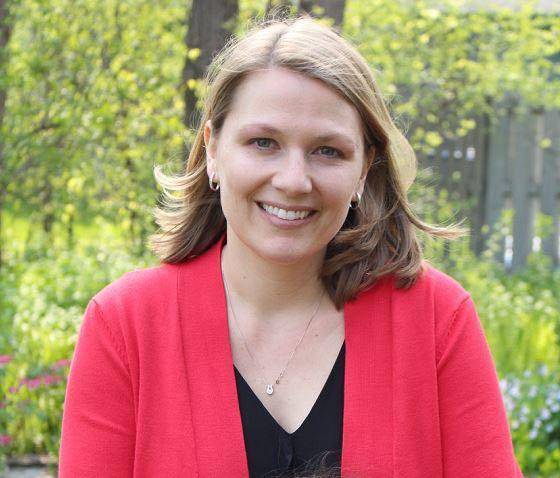
    By Jana Esden, DNP, APNP, FNP-BC; Associate Professor, Frontier Nursing University

    I chose Frontier for my family nurse practitioner education in part due to its mission in serving the underserved. At the time of my graduation, I felt well prepared to serve this population. I have worked in a few different settings from volunteering at evening clinics with long lines and very little resources, to providing care to patients with chronic conditions at a hospital-sponsored free clinic.

    My most recent work has been by far the most challenging but also incredibly rewarding. I currently work in a community clinic, serving homeless men at a transitional housing complex. I also see patients transported over from a local warming shelter, which is a facility that provides dinner, breakfast and a sleeping mat for both men and women in our homeless community. These patients have many times not seen a health care provider in years and have multiple uncontrolled chronic conditions. Additionally, most all have a history of adverse childhood experiences (ACEs).

    ACEs, which include various types of childhood abuse and household dysfunction, are actually very common. Over half of the U.S. population has suffered least one ACE.  Health literature has repeatedly linked ACEs with unfavorable adult health outcomes including mental illness, substance abuse, various chronic illnesses, disability and early death. Toxic stress resulting from ACEs affects brain development in young children and changes the architecture of the brain. These changes influence behavior, learning and overall health. Toxic stress also affects the nervous system, hormone regulation, and even causes alterations in DNA.

    In order to provide appropriate care to ACE survivors, it is important for nurse practitioners to be aware of the detrimental effects of childhood trauma on adult health. My role involves preventative care and the management of chronic conditions, but one of my most important jobs is to build trust with patients.  Evidence suggests that patients are not offended when asked about past trauma and actually feel relieved to discuss these experiences. I screen all of my patients specifically for ACEs and educate them on how these experiences have influenced their journey into adulthood and have impacted their current situations and overall health. I screen all patients for anxiety, depression, and substance abuse, and I encourage them to attend cognitive behavioral therapy with one of our trauma-informed counselors.

    I have discovered that many of my patients have not had a provider whom they felt really cared about them prior to coming to our small clinic. If we build relationships and trust with our patients, we have more opportunity to help them in improving their health. Caring for these patients has been professionally fulfilling for me. My sincere hope is that all of our students are able to find a niche – a certain population or a specific focus – that really calls to them. I have found this in my work with the underserved.


    References

    Dube, S. R., Cook, M. L., & Edwards, V. J. (2010). Health-related outcomes of adverse childhood experiences in Texas, 2002. Preventing Chronic Disease Health Research, Practice, and Policy, 7(3), 1-9.

    Felitti, V. J., Anda, R. F., Nordenberg, D., Williamson, D. F., Spitz, A. M., Edwards, V.,…Marks, J. S. (1998). Relationship of childhood abuse and household dysfunction to many of the leading causes of death in adults: the adverse childhood experiences (ACE) study. American Journal of Preventative Medicine, 14, 245–258.

    Jackson, A. M. & Deye, K. (2015). Aspects of abuse: consequences of childhood victimization.  Current Problems in Pediatric and Adolescent Health Care, 45, 86-93.

    Mersky, J. P., Topitzes, J., & Reynolds, A. J. (2013). Impacts of adverse childhood experiences on health, mental health, and substance use in early adulthood: a cohort study of an urban, minority sample in the U.S. Child Abuse & Neglect, 37, 917-925.

    Oral, R., Ramirez, M., Coohey, C., Nakada, S. Walz, A., Kuntz, A.,…Peek-Asa, C. (2016). Adverse childhood experiences and trauma informed care: the future of health care. Pediatric RESEARCH, 79 (1), 227-233.

    Rose, S. M. S.-F., Xie, D., & Stineman, M. (2014). Adverse childhood experiences and disability in U.S. adults. PM&R, 6, 670-680.

  • Courier Spotlight: 2017 Couriers Part 2

    Courier Spotlight: 2017 Couriers Part 2

    In 1928, Mary Breckinridge, founder of Frontier Nursing University established the Courier Program, recruiting young people to work in the Kentucky Mountains and learn about service to humanity. Couriers escorted guests safely through remote terrain, delivered medical supplies to remote outpost clinics, and helped nurse-midwives during home visits and births. Frontier has benefited tremendously from the 1,600 Couriers who have served since 1928.

    This week, we introduce to the rest of 2017 Courier Class. Please join us in welcoming our newest Couriers!

    Brittany Imel is a sophomore Biology major with a minor in art history at Allegheny College in Meadville, PA. In her free time, she enjoys being outside and working out. Her dream job growing up was to be a pediatrician. Her favorite musical artist is Carrie Underwood. Her future goals include going to graduate school to become a physician assistant and working in a pediatrics office. Brittany says, “ I want to improve and grow on this experience by learning more about public health and services in a rural community. I also look forward to gaining a better understanding of how health care clinics operate and benefit people in their communities.”

    Calla Michalak is originally from Memphis, TN and is preparing to enter her senior year at Michigan State University. She plans to graduate from the Honors College in 2018 with a degree in Psychology and minors in Bioethics, Humanities, and Society and Health Promotion. After finishing her undergraduate degree, she plans on entering a combined accelerated Bachelors/Masters program to become either a pediatric or women’s health nurse practitioner. When asked what she wanted to be when she grew up, she answered, “I always wanted a job that would allow me to just hang out with animals (especially dogs) and give them love. So, my dream job wasn’t really a job that existed.” She has participated in many research projects while at Michigan State. Some of her research was published in the first volume of the MSU Social Science Scholars Undergraduate Research.

    Ronnie Sloan is a 20-year-old sophomore at Berea College in Berea, KY. She intends to major in Environmental Policy, and hopes to become an urban planner. Ronnie loves helping others and being a part of something bigger than herself. In her free time, she likes to travel and learn about unfamiliar cultures and situations. When asked what animal best represents her, she answered, “A wolf because I am very analytical, organized for the next move, smart, and quiet but quick on my feet.” She considers her proudest accomplishment to be when she trained to run a marathon. In 5 years, Ronnie hopes to be finishing graduate school for a career she is passionate about and saving for a home.

    Alexandra “Zandy” Stovicek is a triplet fromWeehawken, New Jersey and a soon-to-be graduate of Wesleyan University in CT. Her major is in Feminist, Gender, and Sexuality Studies and her passion is reproductive health equity. She is the leader of the Wesleyan Doula Project, a full-spectrum doula organization that trains volunteers to informationally, emotionally, and physically support patients through reproductive experiences. She also teaches yoga, occasionally acts and directs plays, and loves to spend time outdoors. When asked about the craziest thing she has ever done, she answered that she went ziplining in CA off the coast of Catalina Island. She is hoping to attend nurse-midwifery school in a year or two and can’t wait to meet the FNU community!

    Has this article sparked any questions for either a specific Courier or Couriers in general? You have the opportunity to learn more about the Couriers experience!  In a future blog post, we will be having Couriers and Courier program staff answer questions asked by you! To ask a question, email courier.program@frontier.edu or share your questions on social media with the hashtag #askthecouriers by Thursday, July 6 at 5pm EST. [#askthecouriers image]

    Read about the new Couriers we featured earlier last week here.

    Listen in as the Couriers share their excitement in this welcome video.

    At the heart of Frontier Nursing University is a talented and diverse community of students, alumni, faculty, staff, Couriers and preceptors. Spotlight blogs feature members of our FNU community who are focused on the mission of educating nurse-midwives and nurse practitioners to deliver quality health care to underserved and rural populations.
  • FNU Courier Spotlight: Edith Harrison Conyers

    FNU Courier Spotlight: Edith Harrison Conyers

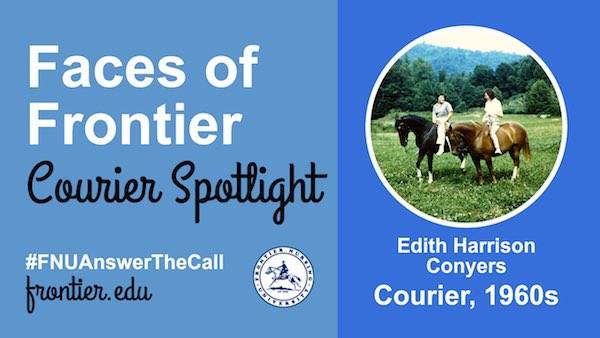
    Edith Conyers traveled to Wendover in the 1960s to serve as a Courier in her early college days. No one in Edith’s family had experience in the medical professions, but her mother was intrigued by Frontier Nursing Service (FNS) so she encouraged Edith and her sister to look into the Courier Program.

    Growing up near Cincinnati, they met many people with connections to FNS. After her sister Ruth participated, Edith decided she wanted to take part in the opportunity as well. Debating over what major to choose in college, she thought the Courier Program may give her a sense of direction and clarity as to what she wanted to do with her life.

    As a Courier, Edith took care of the horses and FNS jeeps. When she was not at Wendover, Edith would travel to outpost clinics, taking care of the horses there and helping the nurses as needed.

    A great deal of her time as a Courier was spent transporting patients to the children’s hospital in Cincinnati. Edith remembers the children often had relatives in the area but when she offered them a telephone to call them, the children would be confused as they had never used a telephone before.

    “The lack of a telephone was indicative of the fact that they had never been out of the mountains. That was a very educational thing for me to have experienced at that age,” said Edith.

    Edith remembers her time spent at Wendover with the other Couriers. They did not do many things together, but they always ate meals with one another and enjoyed tea time with Mary Breckinridge who came to tea every day in the Big House. According to Edith, Breckinridge was respected and admired by all at FNS and in the local community.

    “It was a life changing experience for me,” said Edith.

    Edith now gives credit to her time as a Courier for making her interested in pursuing a career in nursing.

    Edith went to nursing school and went on to become a nurse practitioner. During her breaks in nursing school, she returned to Wendover to help. It was rewarding for her to return and help provide healthcare to the community.

    “I am grateful for the opportunities and direction FNS has provided in my life and am excited that the program continues to do the same for others today,” said Edith.

    In 1928, Mary Breckinridge, founder of Frontier Nursing University established the Courier Program, recruiting young people to work in the Kentucky Mountains and learn about service to humanity. Couriers escorted guests safely through remote terrain, delivered medical supplies to remote outpost clinics, and helped nurse-midwives during home visits and births. Frontier has benefited tremendously from the 1,600 Couriers who have served since 1928.

    At the heart of Frontier Nursing University is a talented and diverse community of students, alumni, faculty, staff, Couriers and preceptors. Spotlight blogs feature members of our FNU community who are focused on the mission of educating nurse-midwives and nurse practitioners to deliver quality health care to underserved and rural populations.
  • FNU Students Participate in 2017 AACN Student Policy Summit

    FNU Students Participate in 2017 AACN Student Policy Summit

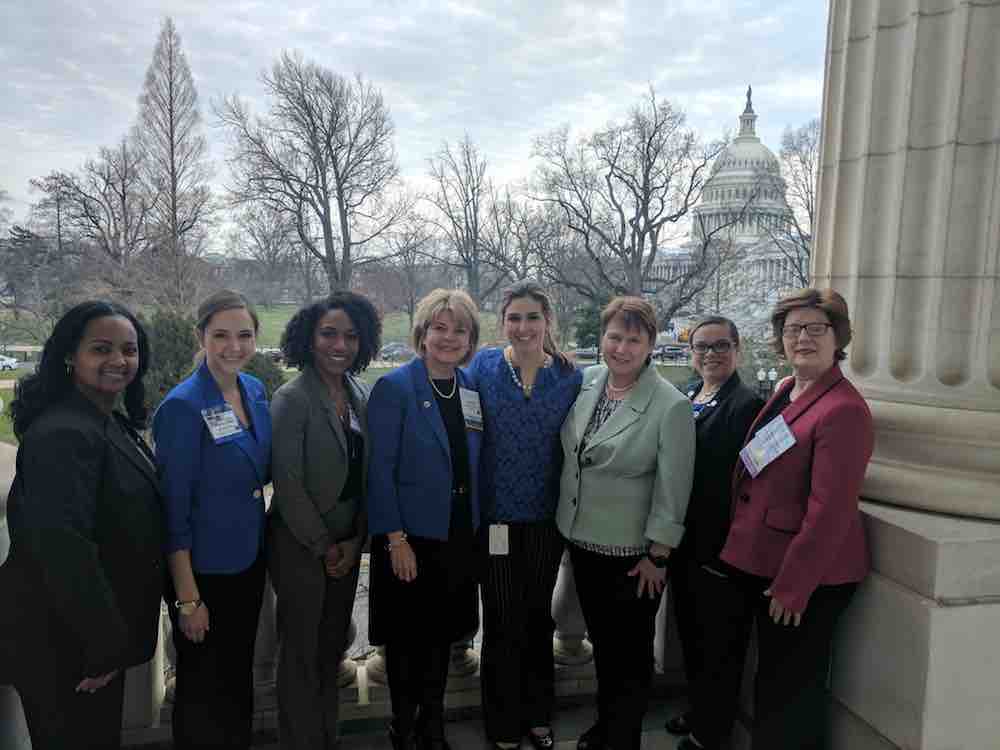
    Nearly 200 students representing 92 schools in 38 states across the nation attended the American Association of Colleges of Nursing (AACN) 2017 Student Policy Summit in March, including two Frontier Nursing University (FNU) students, Mai-Lin Rollon and Chloe Haney.

    The AACN Student Policy Summit was a three-day conference held in Washington, DC, open to baccalaureate and graduate nursing students enrolled at an AACN member institution. Up to four students per institution were invited. Those in attendance were immersed in didactic program sessions focused on the federal policy process and nursing’s role in professional advocacy.

    The students heard from an array of nursing and healthcare policy experts, including Linda McConnell, Chief Nursing Officer of the Veterans Health Administration, and Dr. Patricia Grady, Director of the National Institute of Nursing Research. Students also accompanied AACN member deans on more than 125 Congressional office visits (from over 40 states and the District of Columbia) to advocate for nursing education and research, as well as policies that would improve patient care through nursing practice.

    Deans and students from Frontier Nursing University, University of Kentucky and Northern Kentucky University meet with aides from Sen. McConnell’s office while on Capitol Hill.

    The FNU community is thankful for organizations like the AACN that encourage our students to think about health care advocacy from a federal level.


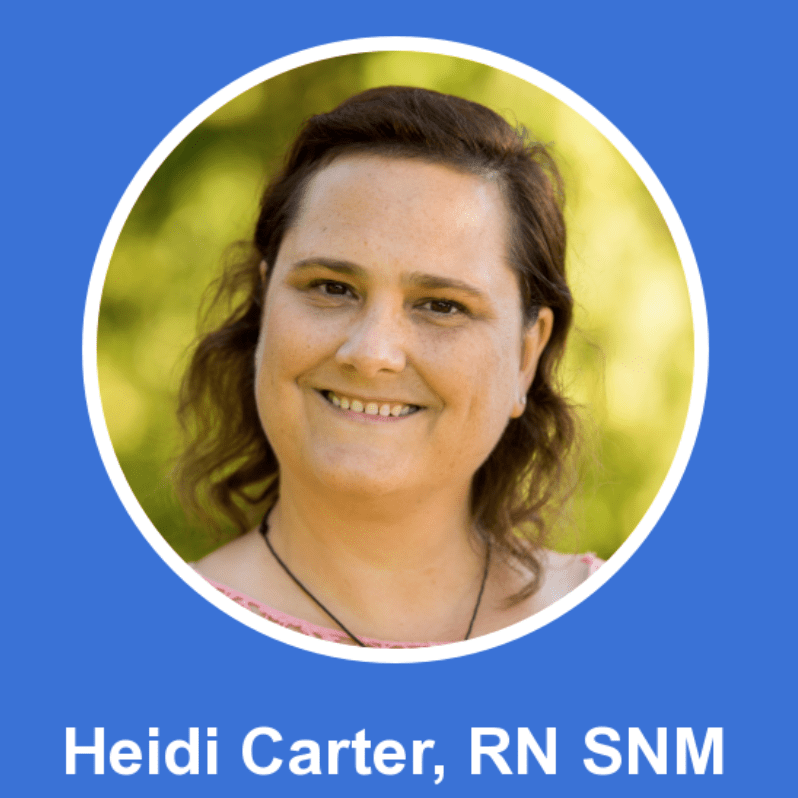
  • Student Spotlight: Heidi Carter RN, SNM

    Student Spotlight: Heidi Carter RN, SNM

    At the heart of Frontier Nursing University is a talented and diverse community of students, alumni, faculty, staff, Couriers and preceptors. Spotlight blogs feature members of our FNU community who are focused on the mission of educating nurse-midwives and nurse practitioners to deliver quality healthcare to underserved and rural populations.

    Heidi Carter RN, SNM knew for years that she wanted to attend Frontier Nursing University (FNU) to become a Certified Nurse-Midwife (CNM) , but as a single mother with four children at home, no time seemed like a good time to get started. In October 2014, she finally decided to take the plunge, diving into CNEP/Bridge Class 129. Since Heidi’s highest degree was an associate degree in nursing, FNU’s ADN Bridge Entry Option was a perfect entry point for her to attain a master of science in nursing. It didn’t take much time for Heidi’s leap of faith to begin proving itself as one of the best decisions of her life.

    Beginning her career out of high school in the Air Force, Heidi learned traits of leadership, which would prove to be of immense value in her aspirations at FNU. Today, Heidi is less than a year away from finishing her degree and is involved in numerous leadership positions, not only at FNU but also at the national level with the American College of Nurse Midwives (ACNM).

    Her pathway to leadership at FNU began when Heidi attended Bridge Bound in Hyden to begin her studies. She immediately felt a connection with the history of FNU and the legacy of Mary Breckinridge. It was on this trip, which she describes as a “spiritual experience,” that she heard about FNU’s PRIDE program. She knew she wanted to be involved with promoting diversity in nursing and midwifery and signed up immediately. Heidi has attended the annual PRIDE Diversity Impact weekend on campus in Hyden, KY every year since, but her role has expanded. She now sits on the FNU Diversity and Inclusion committee, and she even presented at Diversity Impact in June 2017.

    Soon after beginning her studies, Heidi decided to reach out to Frontier’s SAGE mentorship program to find a mentor who could help her on her pathway as a student. In a series of funny events, Heidi ended up not receiving a mentor but gaining a mentee. She found the support and co-mentoring she needed within class 129 and developed deep and lifelong friendships with many classmates. They formed a strong study group during the Bridge year, and has immense gratitude for these women.  She utilizes many of the lessons learned from this experience in her mentoring for the SAGE program.

    Heidi began mentoring in regards to time management, life skills and schoolwork. It didn’t take long before more students began approaching Heidi for advice and help with their studies. For the last year of didactic classes, nurse-midwives and nurse-practitioners diverged so the original study group had to separate. Heidi decided to bring some of the nurse-midwifery students she mentored together into one study group, which at one point totaled eleven. A year later, a tight-knit group of seven women have remained as one another’s study partners, including one of her original classmates from class 129.

    Last but certainly not least, in her first class out of the Bridge program, Introduction to Nurse-Midwifery, yet another passion was ignited in Heidi that would lead her into perhaps her greatest leadership role. Her professor, Dr. Heather Clark, began the class with an introduction to legislative issues facing nurse-midwifery at both the state and national level. As Heidi studied nurse-midwifery legislation in her home state of Wisconsin, she knew she wanted to be more involved in creating positive change.

    Attending a legislative retreat with the Wisconsin Affiliate of ACNM, Heidi met CNM’s that had been involved in nurse-midwifery legislative change for many years and was humbled by their dedication and work done at both the local and national level.

    Soon after, Heidi became FNU’s student legislative contact (SLC) for ACNM’s Midwives Political Action Committee (Midwives-PAC), joining a team of students from nearly every nurse-midwifery program in the U.S.  When Heidi recruited 25 other student legislative contacts from FNU, doubling the size of the contacts in the nation, she caught the attention of the ACNM. Today, Heidi is no longer one of FNU’s student legislative contacts, but is one of the recently announced Student Representative’s on the Government Affairs Committee (GAC) at the national level. Her duties now include leading the SLC meeting at the ACNM Annual Meeting, assisting with the Midwives-PAC rally, attend all Midwives-GAC meetings as a full voting member, inform SLC’s about current and upcoming legislation,  encourage participation in current political action, lead recruitment and organization of student volunteers in the annual PAC-a-thon, and lead quarterly SLC conference calls. She has also been tasked with further development of the SLC role into more specific state and federal grassroots efforts.

    Heidi has earned a number of awards, including the 2016 FNU Kitty Ernst Leadership award, and the 2017 Varney Participant Award.  FNU’s Kitty Ernst Leadership award is a faculty nominated award for students that show leadership, academic excellence, and excellent clinical judgement. It is awarded yearly to one CNEP student and one FNP student during the graduation ceremony. The Varney Participant Award is a highly competitive award among all Nurse-Midwifery students in the nation. Two students are selected for this award every year and it enables student midwives to attend and participate in the ACNM Annual Meeting under the mentorship of an established leader in the field of nurse-midwifery. Helen Varney Burst, MSN, CNM, DHL (Hon.), FACNM is the author of Varney’s Midwifery, and started this mentorship in 2000.  The original mentor was Helen Varney herself, followed by Mary C. Brucker, CNM, PhD, FACNM, and is now Heather Bradford, CNM, ARNP, FACNM. The Varney Participants continue to keep in touch and provide support throughout each others careers. Heidi was also awarded the GlaxoSmithKline TUMS Consumer Health Care Scholarship from the ACNM Foundation.

    “I have never gone after leadership positions,” said Heidi. “I’m not the type of person that craves attention and wants to be in charge necessarily. But for some reason, I always find myself in a leadership role and it always amazes me.”

    Well, Heidi, the Frontier community thinks you are a great leader and we are extremely thankful for all that you do to advocate for our university, your classmates, and Nurse-Midwifery. We look forward to watching your career unfold!

  • Courier Spotlight: 2017 Couriers Part 1

    Courier Spotlight: 2017 Couriers Part 1

    At the heart of Frontier Nursing University is a talented and diverse community of students, alumni, faculty, staff, Couriers and preceptors. Spotlight blogs feature members of our FNU community that are focused on the mission of educating nurse-midwives and nurse practitioners to deliver quality health care to underserved and rural populations.
    In 1928, Mary Breckinridge, founder of Frontier Nursing University established the Courier Program, recruiting young people to come work in the Kentucky Mountains and learn about service to humanity. Couriers escorted guests safely through remote terrain, delivered medical supplies to remote outpost clinics, and helped nurse-midwives during home visits and births. Frontier has benefited tremendously from the 1,600 Couriers who have served since 1928.

    This week and next, we’ll be introducing you to the 2017 Courier Class. Please join us in welcoming our newest Couriers!

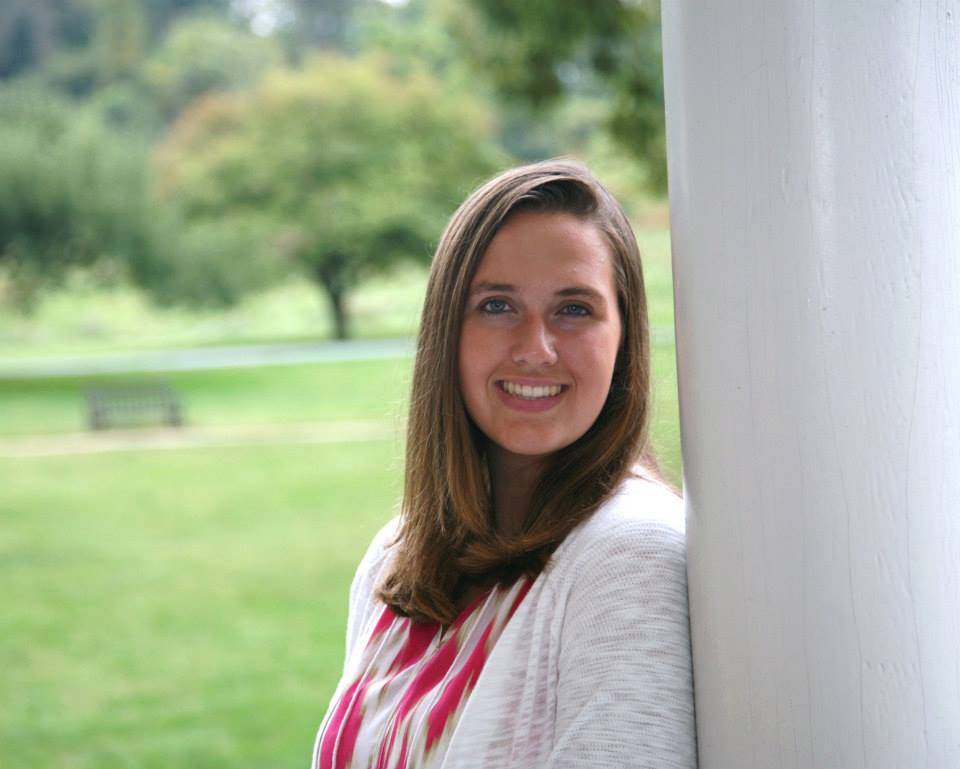
    Brie Belz is a freshman biology major in thepre-med track at Washington and Lee University in Lexington, Va. She is a dog lover, enjoys the outdoors, and feels she is at her best when she is helping others. She was born in North Carolina, but spent most of her life in Virginia. The book which has most influenced her is The Alchemist. If she could master one skill, it would be to whistle. The craziest thing she has ever done is jump off a cliff, and her proudest accomplishment was serving as the keynote speaker at the National Space Club’s Goddard Memorial Dinner in Washington, D.C. In five years, she hopes to be in medical school.

    Claire Gasparovich is a third year nursing student at the College of Saint Mary in Omaha, Neb. She is passionate about being involved in her local church, as well as the inner-city missions established in her area. When she is not studying, she enjoys camping, traveling and other outdoor activities. The most influential book she has read is Small Wonder by Barbara Kingsolver. When asked about her expectations of the program, Claire responded, “I am very excited and blessed to be involved in the Courier Program and expect to develop a more applicable understanding of what it means to be active in service as a nurse in my community.” In five years, she hopes to be working and studying to be a nurse practitioner.
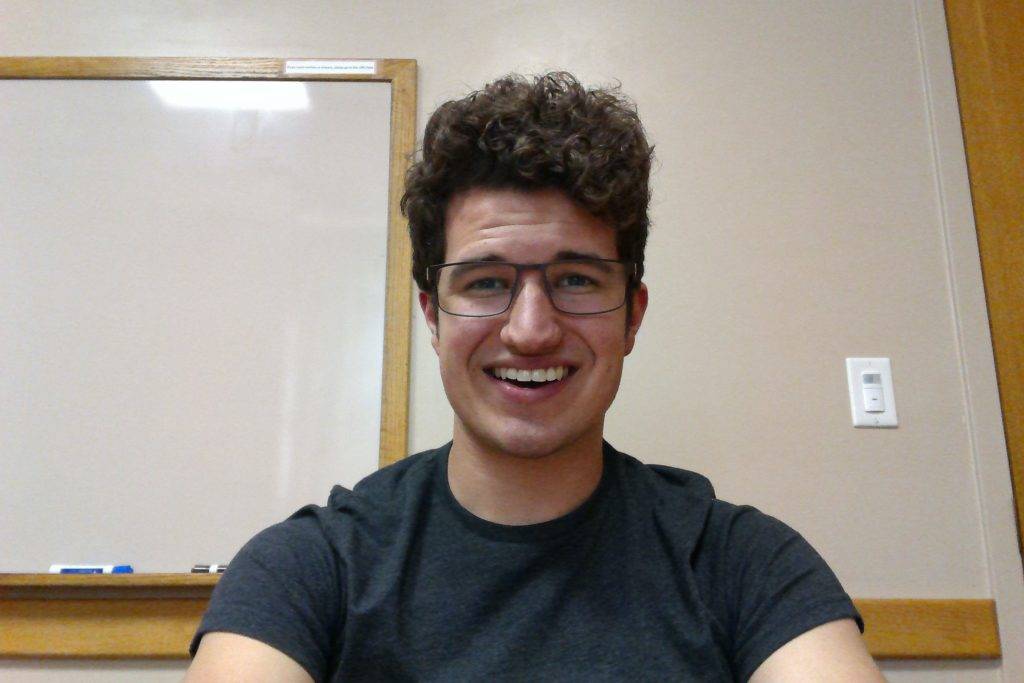
    Matt Hodges is a sophomore at Wabash Collegein Crawfordsville, Ind., where he studies biochemistry and mathematics. He is an avid musician. Matt began playing percussion when he was seven and has since branched out into other instruments. His favorite book is The Brothers Karamazov by Fyodor Dostoevsky. If he could have dinner with anyone, it would be Kurt Vonnegut. His personal hero is his father, and his favorite band is The Shouting Matches. His proudest accomplishment is earning a full-ride scholarship. In five years, he sees himself in medical school.
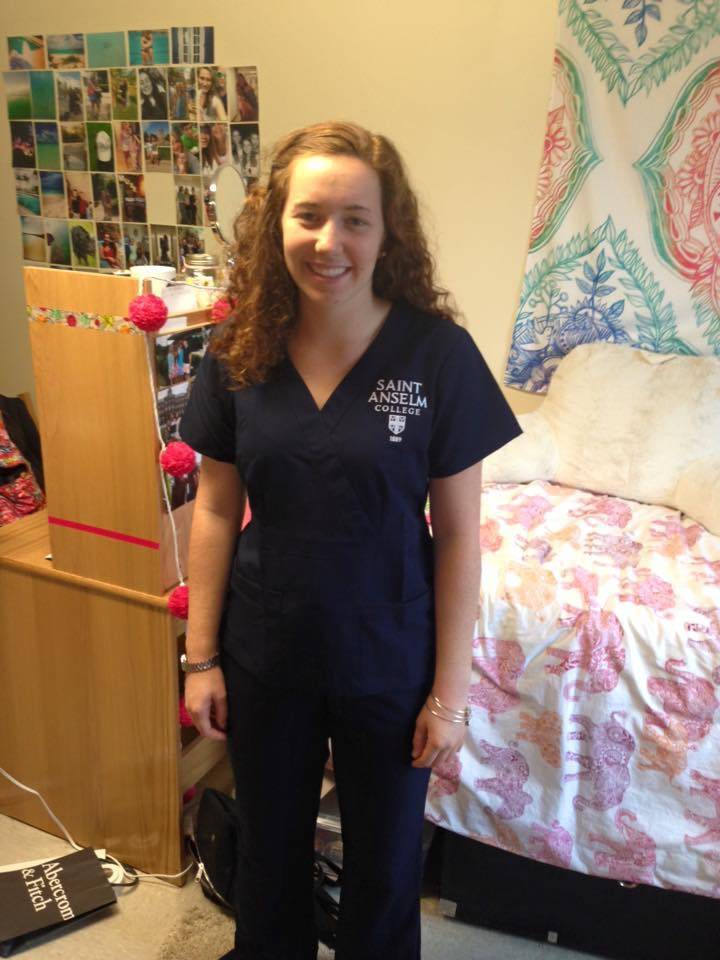
    Brigid Horan is a junior nursing major at Saint Anselm College in Manchester, N.H. She is originally from Salem, Conn. Brigid says her favorite nursing class has been Pediatric Nursing, and she hopes to work in the NICU or a pediatric setting in the future. Brigid found out about the Courier Program through her sister, Teresa, who was a Courier in 2013. Her proudest accomplishment is being accepted into the Navy Nurse Corps. The craziest thing she has ever done is go cliff diving. If she could have dinner with anyone, it would be Florence Nightingale. Her goal is to continue her nursing education to become a Nurse Practitioner or Nurse Anesthetist.

    We will feature the rest of Couriers next week. Has this article sparked any questions about a specific Courier or the Courier program? You have the opportunity to learn more about the Couriers’ experience! In a future blog post, Couriers and Courier program staff will answer questions asked by you. To ask a question, email courier.program@frontier.edu or share your questions on social media with the hashtag #askthecouriers by Thursday, July 6, at 5pm EST.

Request Information Apply Give Now