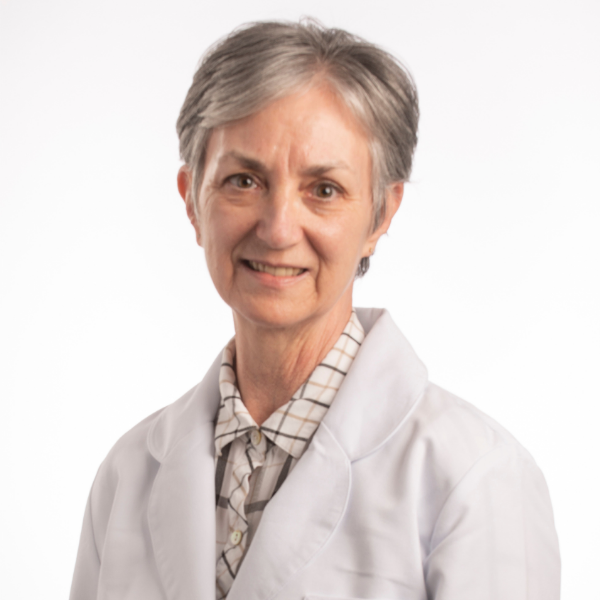
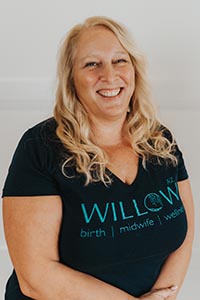
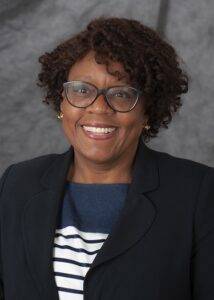
2026 Frontier Nursing University Alumni Hall of Fame inductee Joni Yarnell, CNM, APRN, MSN, didn’t know she was going to become a nurse until she was a student at the University of Arkansas at Little Rock (UALR).
She grew up in a small town in northern Missouri and attended UALR along with her sister, Jana. When Jana was seriously injured, Joni witnessed first-hand the care that the nurses provided her sister. Once her sister healed, both sisters enrolled in UALR’s nurse practitioner program. Joni earned her Bachelor of Science in Nursing degree from the nurse practitioner program at the University of Arkansas for Medical Sciences’ (UAMS) College of Nursing in 1982.
Upon graduation, Yarnell began working for the Central Arkansas Clinic of Obstetrics and Gynecology (now known as Physicians for Women) from 1982-94. During that time, she also began pursuing a career in nurse-midwifery.
“I was practicing as an Ob-Gyn nurse practitioner when I came across the information about CNEP (community-based nurse-midwifery education program) in Childbirth Graphics. I called and Kitty Ernst answered the phone. Having no opportunity for nurse-midwifery education in Arkansas, and needing to continue to work, she convinced me CNEP was the way – and it was. From that moment, that day, I was on course for midwifery bound.”
Yarnell attended the Frontier School of Midwifery and Family Nursing from 1989 92, graduating as a member of Class 1 along with fellow Alumni Hall of Famers Dr. Kerri Schuiling, Dr. Joni Slager, and Dr. Susan Stone.
“I am honored and fortunate to have been included at the beginning. A brave new world was opened to me which included traveling to learn and being alongside other nurses with the same passions, receiving education and challenges from our mentors. It was so rewarding to become a part of the rich history and tradition of midwives focused on what is best for childbearing families. Looking back, it is interesting that the didactics were all by mail and I survived without a computer or mobile phone.”
Yarnell remembers well the chicken coop in Perkiomenville, Pennsylvania. In need of classroom space, FNU Alumni Hall of Fame member Kitty Ernst converted a chicken coop into a place for in-person nurse midwifery training. The didactic portion of the course was conducted via mail, allowing the students to work and learn in their home communities.
Yarnell looks back fondly on the invaluable time spent with Kitty and her classmates
“We went from the chicken coop to the Maternity Center in New York City with Kitty as our driver and guide. As midwifery bound wrapped up, the bus forgot to pick up me and a classmate from camp in Perkiomenville. So, Kitty took us home with her and drove us to Philadelphia the next morning. The personal time she shared with us was very special. I also had the opportunity to precept at the birth center with Edie Wonnell in Wilmington when I started my training.”
Wonnell, who developed freestanding birth centers and was a legend and pioneer in nurse-midwifery, was presented with the honorary Doctor of Humane Letters, honoris causa, from FNU in 2018, one year before her passing.
“Kitty loaned me one of her cars so I could stay for a few weeks,” Yarnell recalled. “I learned so much about the history and significance of midwives and birth centers from Kitty and Edie. They were very gracious to me.”
Upon graduating from Frontier, Yarnell was denied hospital privileges as a certified nurse-midwife (CNM) at her local hospital in Arkansas. An attorney for the American College of Nurse-Midwives facilitated a meeting with the Federal Trade Commission to report the barriers CNMs faced in obtaining privileges.
The meeting was ultimately a success and, with the support of one of the hospital’s physicians, was hired as the first CNM at UAMS in June of 2000. At that time there were only two other CNMs practicing in the state.
In her role at UAMS, Yarnell also served as faculty teaching medical students and residents and precepting Frontier students, including fellow Frontier Alumni Hall of Fame inductee Patricia Caudle.
With the support of her department chairman, Yarnell applied for and was approved for a grant to open a free-standing birth center to be affiliated with UAMS. She served on the committee with the Arkansas Department of Health to establish the rules for Freestanding Birth Centers in Arkansas.
“Sadly, before the site for the UAMS birth center was approved our department chairman resigned and took a position in New York. Our new chairman reduced the budget for CNMs to 1.0 FTE (full-time equivalent). I was able to keep my hospital privileges but gave up my paid position to two part-time CNMs and entered private practice to include hospital and home births. I received a portion of the grant funds to open the birth center in the community, but when it was near completion another change in the chairmanship brought about the loss of hospital privileges for all the CNMs. Sadly, I could not afford to open the birth center without the income from the hospital deliveries.”
Instead, she continued her solo practice for home births with backup provided by local CPMs (Certified Professional Midwives) until she accepted a position with Choctaw Nation Health in Oklahoma.
“I practiced with the CNMs there for 11 years when I received an invite from UAMS to bring a nurse-midwifery practice back to UAMS. One of the maternal-fetal medicine physicians who had been on staff since I practiced there in the past was now the chairman of the department and valued what CNMs could bring once again to the department.
“Since returning to UAMS, I have been able to precept other student midwives and hire some of them to expand our practice. All but two of our eight CNMs are Frontier graduates and all but one are from Arkansas. We have recently received federal funding for a new midwifery-led low intervention unit at our hospital. It is projected to open in two years, and we will be hiring more midwives! And, we now have our first nurse-midwifery master’s degree program at UAMS College of Nursing and the first class has enrolled for the fall of 2026.”
Yarnell continues to work full-time as the coordinator for the CNMs in the nurse midwifery practice at UAMS but plans to retire in 2027. She looks forward to more time spent on some of her favorite activities, such as attending church, time with her husband Mike of 45 years, gardening, dogs, and traveling to visit family. Even in retirement, though, she hopes to support the new midwifery-led delivery unit and perhaps teach a class for the first class of nurse- midwifery at UAMS.
From a small town in Missouri to Kitty Ernst’s chicken coop in rural Pennsylvania to a successful and impactful career in Arkansas, Yarnell looks back at her amazing journey with gratitude and pride.
“The most rewarding part of being a nurse-midwife has been serving families throughout pregnancy and childbirth. I have been privileged to have the opportunity to teach students, to influence others, and facilitate the growth of midwifery in Arkansas. Most rewarding is seeing the fruit of the labor and the growing population of families served by nurse-midwives in Arkansas.”
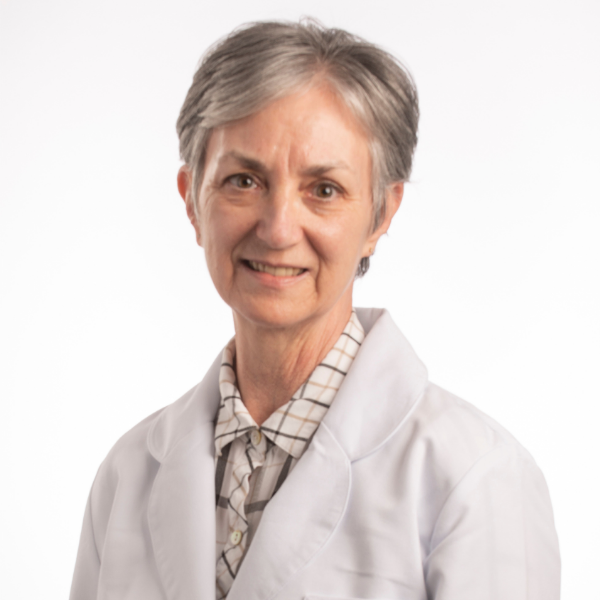
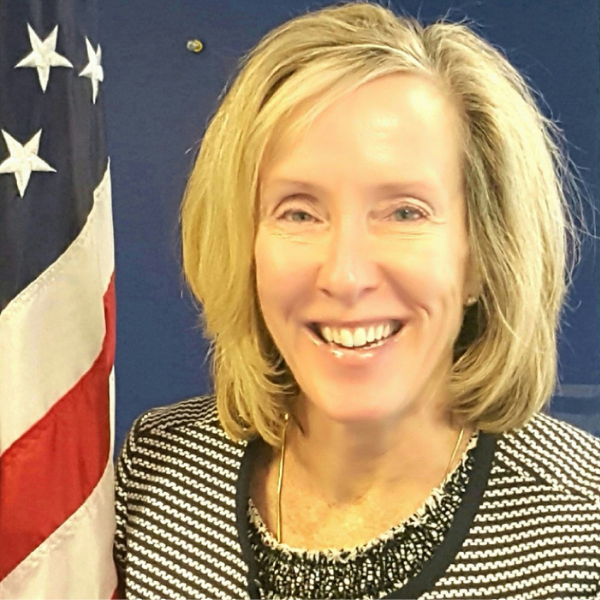

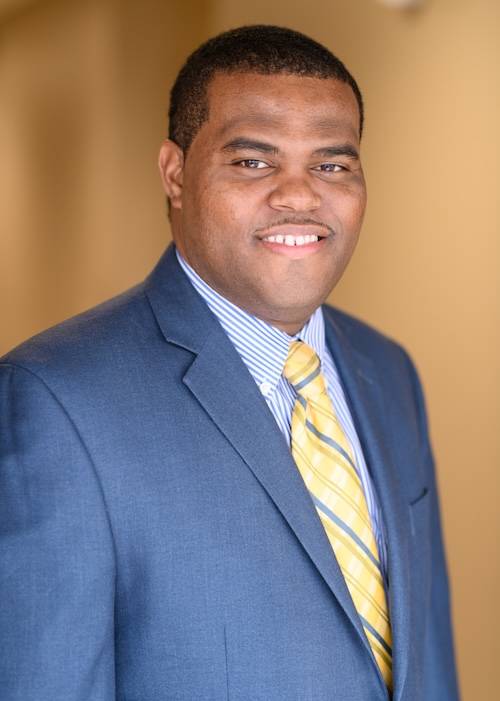
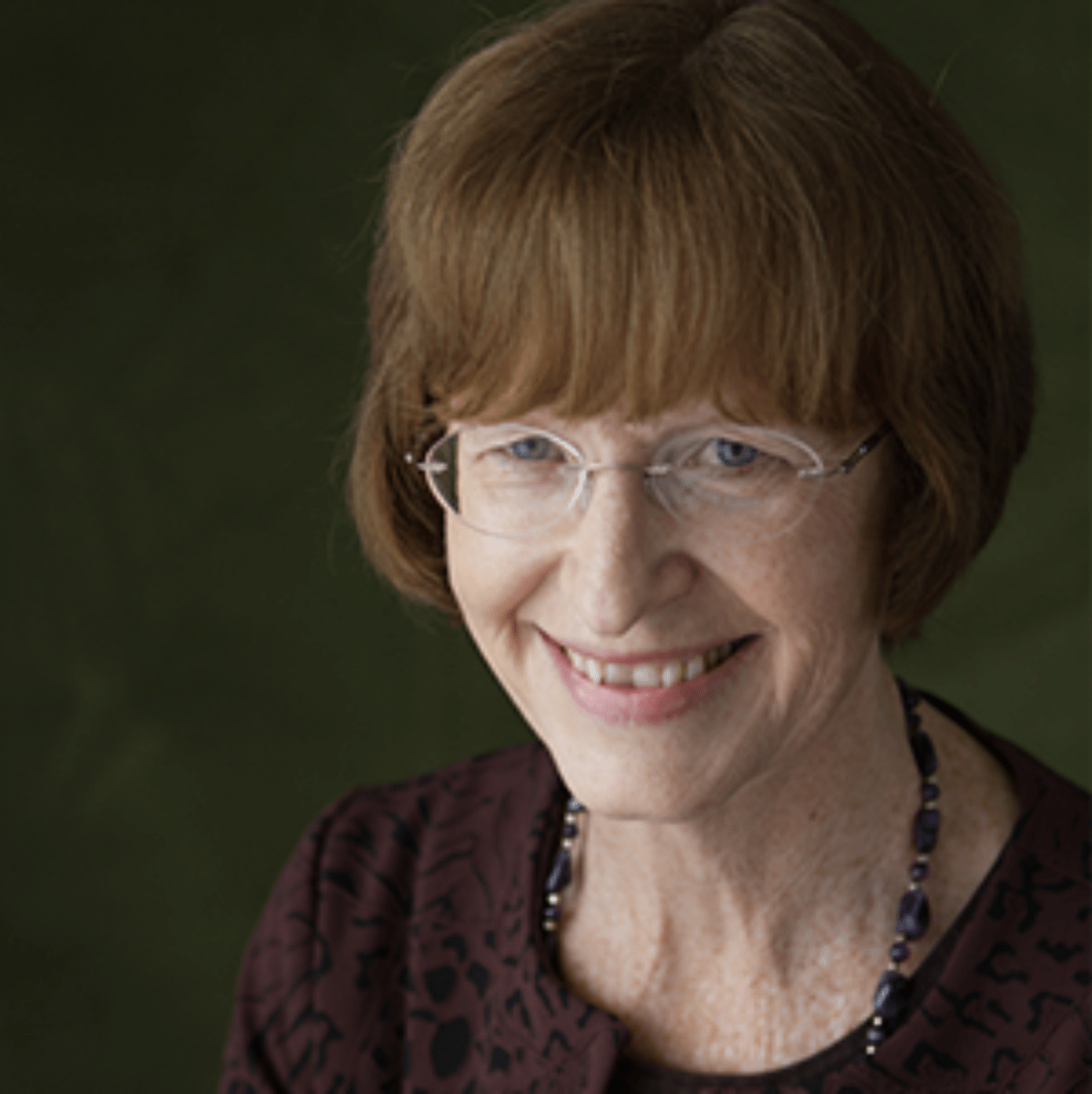
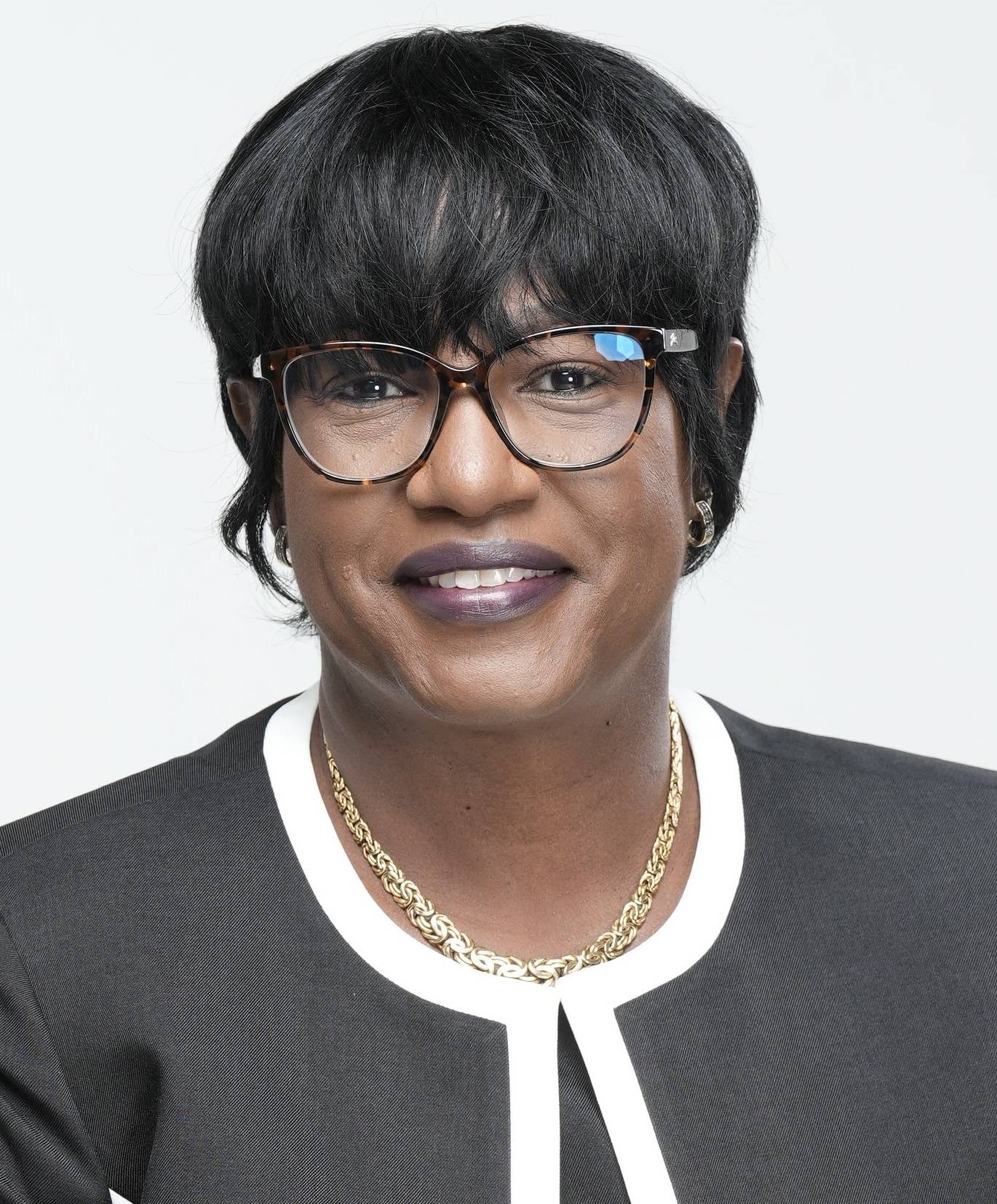


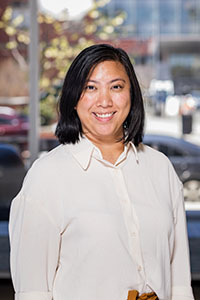
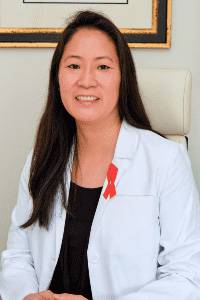 Carrie Belin is an experienced board-certified Family Nurse Practitioner and a graduate of the Johns Hopkins DNP program, Johns Hopkins Bloomberg School of Public Health, Georgetown University School of Nursing, and Johns Hopkins School of Nursing. She has also completed fellowships at Georgetown and the University of California Irvine.
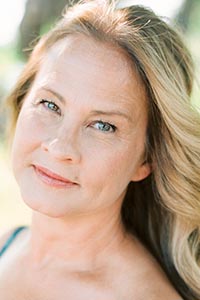
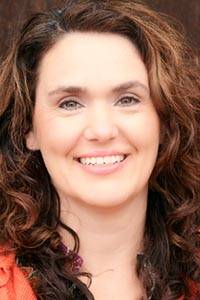 Angie has been a full-scope midwife since 2009. She has experience in various birth settings including home, hospital, and birth centers. She is committed to integrating the midwifery model of care in the US. She completed her master’s degree in nurse-midwifery at Frontier Nursing University (FNU) and her Doctorate at Johns Hopkins University. She currently serves as the midwifery clinical faculty at FNU. Angie is motivated by the desire to improve the quality of healthcare and has led quality improvement projects on skin-to-skin implementation, labor induction, and improving transfer of care practices between hospital and community midwives. In 2017, she created a short film on skin-to-skin called
 Justin C. Daily, BSN, RN, has ten years of experience in nursing. At the start of his nursing career, Justin worked as a floor nurse on the oncology floor at St. Francis. He then spent two years as the Director of Nursing in a small rural Kansas hospital before returning to St. Francis and the oncology unit. He has been in his current position as the Chemo Nurse Educator for the past four years. He earned an Associate in Nurse from Hutchinson Community College and a Bachelor of Science in Nursing from Bethel College.
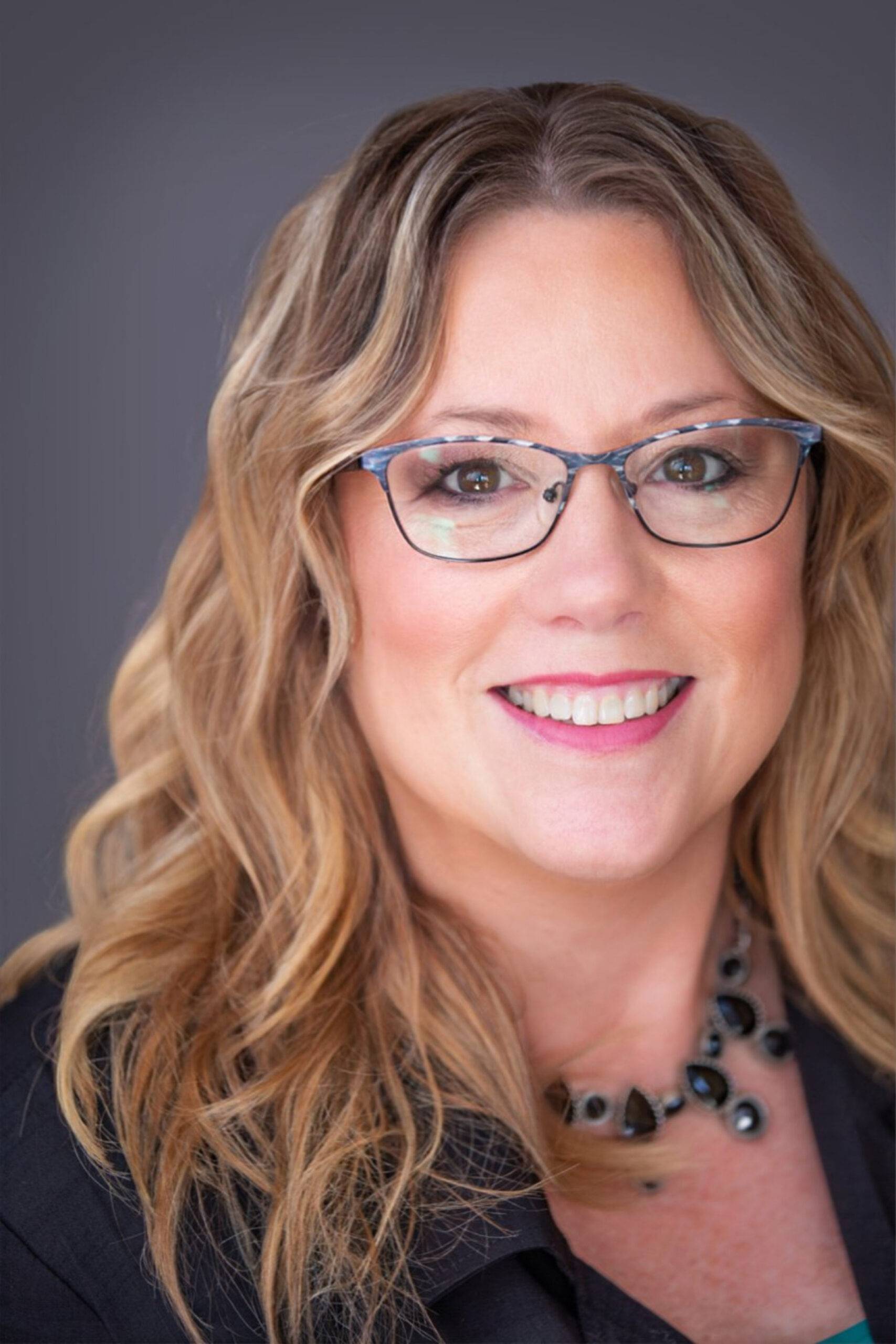 Brandy Jackson serves as the Director of Undergraduate Nursing Programs and Assistant Educator at Wichita State University and Co-Director of Access in Nursing. Brandy is a seasoned educator with over 15 years of experience. Before entering academia, Brandy served in Hospital-based leadership and Critical Care Staff nurse roles. Brandy is passionate about equity in nursing education with a focus on individuals with disabilities. Her current research interests include accommodations of nursing students with disabilities in clinical learning environments and breaking down barriers for historically unrepresented individuals to enter the nursing profession. Brandy is also actively engaged in Interprofessional Education development, creating IPE opportunities for faculty and students at Wichita State. Brandy is an active member of Wichita Women for Good and Soroptimist, with the goal to empower women and girls. Brandy is a TeamSTEPPS master trainer. She received the DASIY Award for Extraordinary Nursing Faculty in 2019 at Wichita State University.
  Dr. Sabrina Ali Jamal-Eddine is an Arab-disabled queer woman of color with a PhD in Nursing and an interdisciplinary certificate in Disability Ethics from the University of Illinois Chicago (UIC). Dr. Jamal-Eddine’s doctoral research explored spoken word poetry as a form of critical narrative pedagogy to educate nursing students about disability, ableism, and disability justice. Dr. Jamal-Eddine now serves as a Postdoctoral Research Associate in UIC’s Department of Disability and Human Development and serves on the Board of Directors of the National Organization of Nurses with Disabilities (NOND). During her doctoral program, Sabrina served as a Summer Fellow at a residential National Endowment of the Humanities (NEH) Summer Institute at Arizona State University (2023), a summer fellow at Andrew W. Mellon’s National Humanities Without Walls program at University of Michigan (2022), a Summer Research Fellow at UC Berkeley’s Othering & Belonging Institute (2021), and an Illinois Leadership Education in Neurodevelopmental and related Disabilities (LEND) trainee (2019-2020).
 Vanessa Cameron works for Vanderbilt University Medical Center in Nursing Education & Professional Development. She is also attending George Washington University and progressing towards a PhD in Nursing with an emphasis on ableism in nursing. After becoming disabled in April 2021, Vanessa’s worldview and perspective changed, and a recognition of the ableism present within healthcare and within the culture of nursing was apparent. She has been working since that time to provide educational foundations for nurses about disability and ableism, provide support for fellow disabled nursing colleagues, and advocate for the disabled community within healthcare settings to reduce disparities.
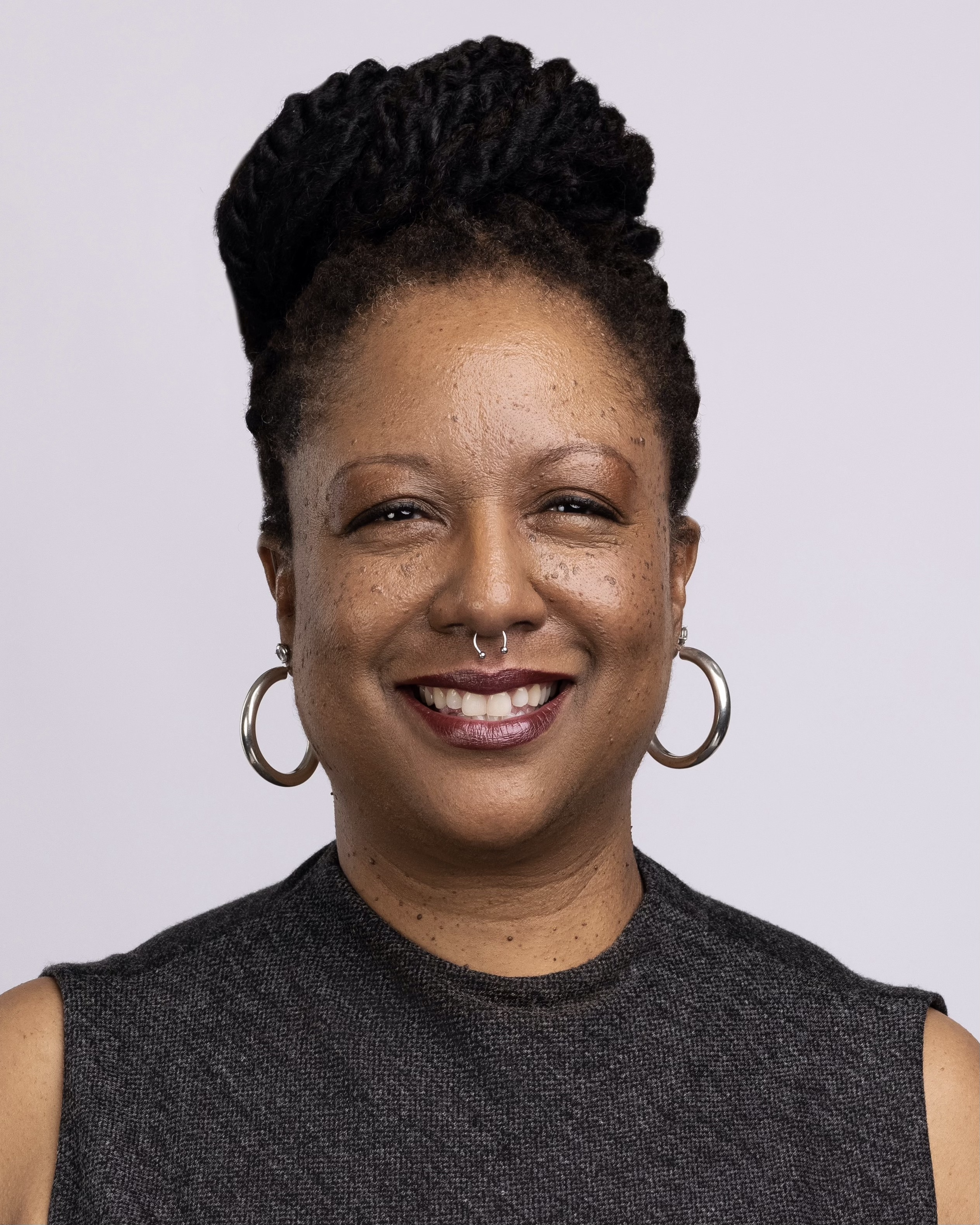 Dr. Lucinda Canty is a certified nurse-midwife, Associate Professor of Nursing, and Director of the Seedworks Health Equity in Nursing Program at the University of Massachusetts Amherst. She earned a bachelor’s degree in nursing from Columbia University, a master’s degree from Yale University, specializing in nurse-midwifery, and a PhD from the University of Connecticut. Dr. Canty has provided reproductive health care for over 29 years. Her research interests include the prevention of maternal mortality and severe maternal morbidity, reducing racial and ethnic health disparities in reproductive health, promoting diversity in nursing, and eliminating racism in nursing and midwifery.
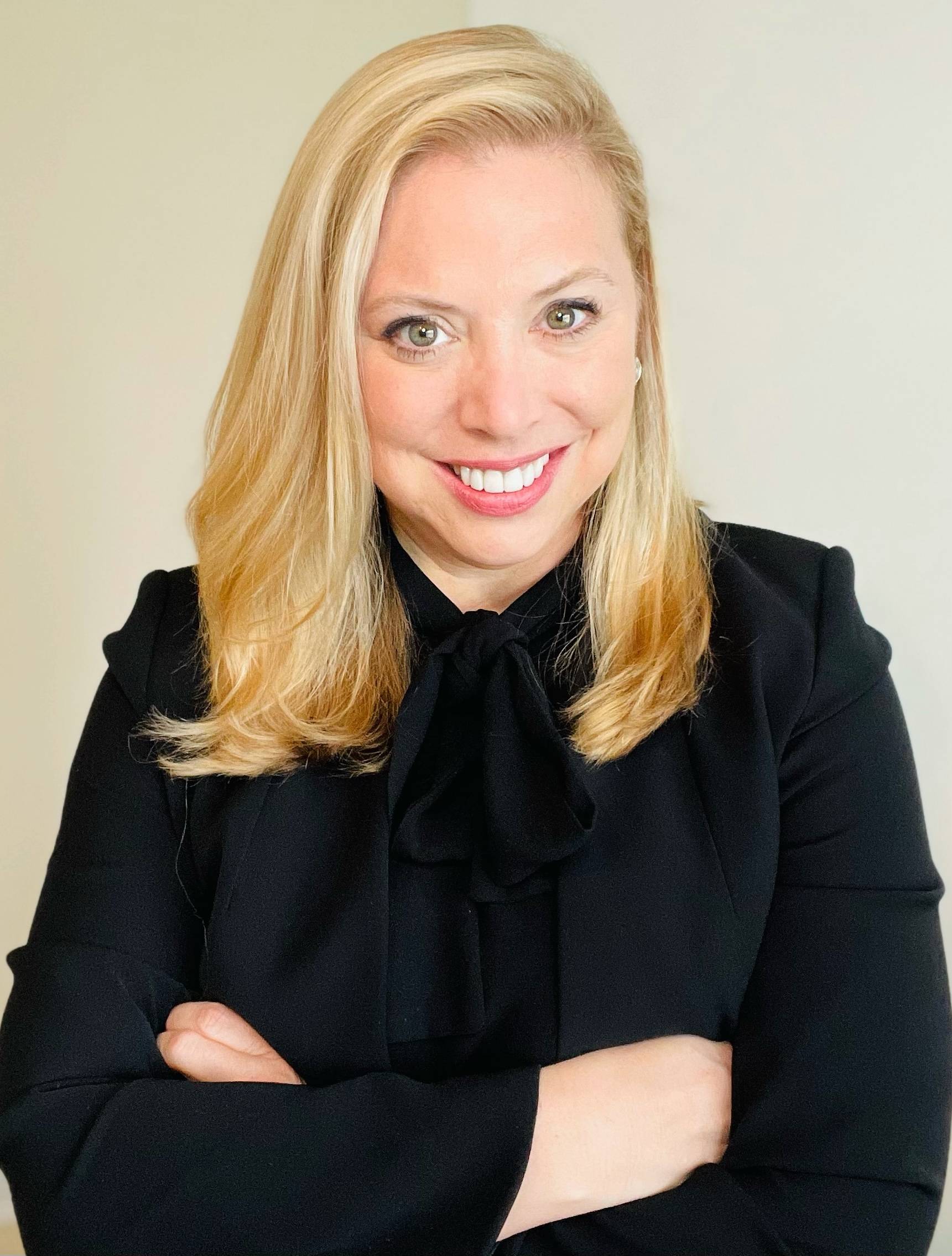 Dr. Lisa Meeks is a distinguished scholar and leader whose unwavering commitment to inclusivity and excellence has significantly influenced the landscape of health professions education and accessibility. She is the founder and executive director of the DocsWithDisabilities Initiative and holds appointments as an Associate Professor in the Departments of Learning Health Sciences and Family Medicine at the University of Michigan.
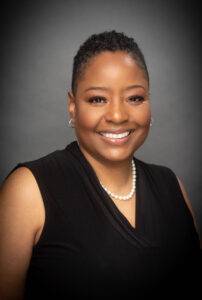 Dr. Nikia Grayson, DNP, MSN, MPH, MA, CNM, FNP-C, FACNM (she/her) is a trailblazing force in reproductive justice, blending her expertise as a public health activist, anthropologist, and family nurse-midwife to champion the rights and health of underserved communities. Graduating with distinction from Howard University, Nikia holds a bachelor’s degree in communications and a master’s degree in public health. Her academic journey also led her to the University of Memphis, where she earned a master’s in medical anthropology, and the University of Tennessee, where she achieved both a master’s in nursing and a doctorate in nursing practice. Complementing her extensive education, she completed a post-master’s certificate in midwifery at Frontier Nursing University.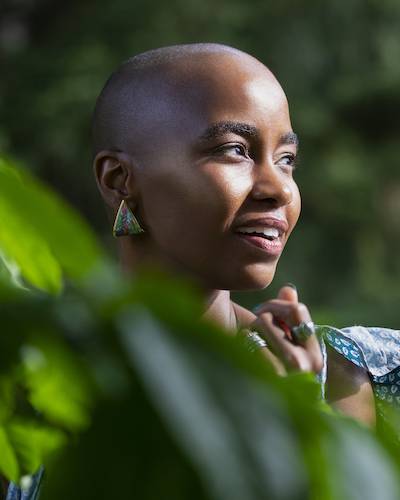

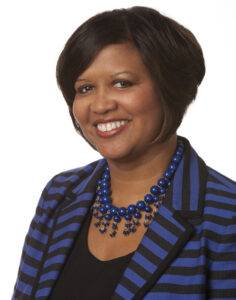 Dr. Tia Brown McNair is the Vice President in the Office of Diversity, Equity, and Student Success and Executive Director for the Truth, Racial Healing, and Transformation (TRHT) Campus Centers at the American Association of Colleges and Universities (AAC&U) in Washington, DC. She oversees both funded projects and AAC&U’s continuing programs on equity, inclusive excellence, high-impact practices, and student success. McNair directs AAC&U’s Summer Institutes on High-Impact Practices and Student Success, and TRHT Campus Centers and serves as the project director for several AAC&U initiatives, including the development of a TRHT-focused campus climate toolkit. She is the lead author of From Equity Talk to Equity Walk: Expanding Practitioner Knowledge for Racial Justice in Higher Education (January 2020) and Becoming a Student-Ready College: A New Culture of Leadership for Student Success (July 2016 and August 2022 Second edition).