
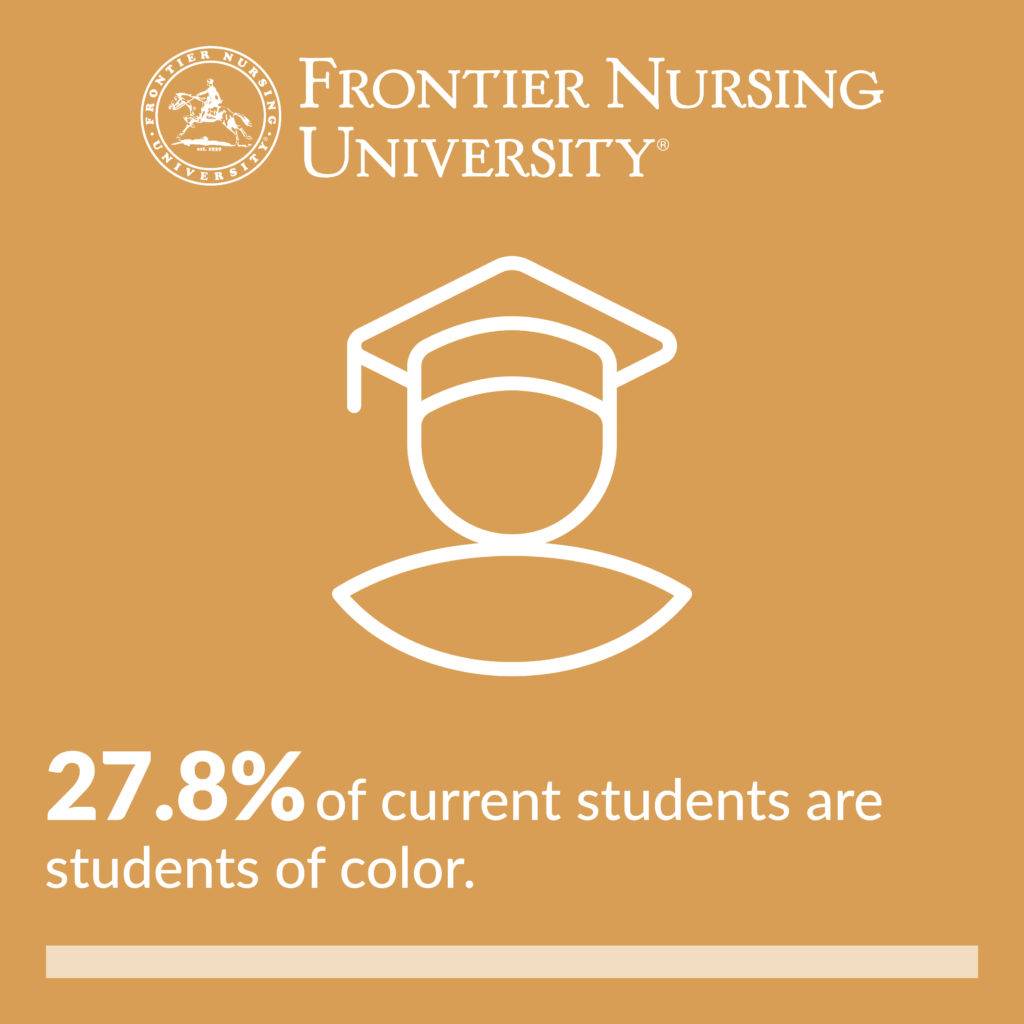
 Diversity, equity, and inclusion (DEI) has been an intentional component of Frontier Nursing University’s (FNU) goals, initiatives, and planning since 2006. In 2010, the university launched PRIDE (Promoting Recruitment and Retention to Increase Diversity in Nurse-Midwifery and Nurse Practitioner Education), which has since led to the multiple DEI efforts taking place at the University today. Now known as the Diversity Impact Program, PRIDE was specifically intended to raise the level of diversity in student enrollment. In 2010, the enrollment of students of color was 9%. Today, that number has risen to over 27%, and FNU’s DEI efforts have expanded exponentially to include all members and aspects of the FNU community.
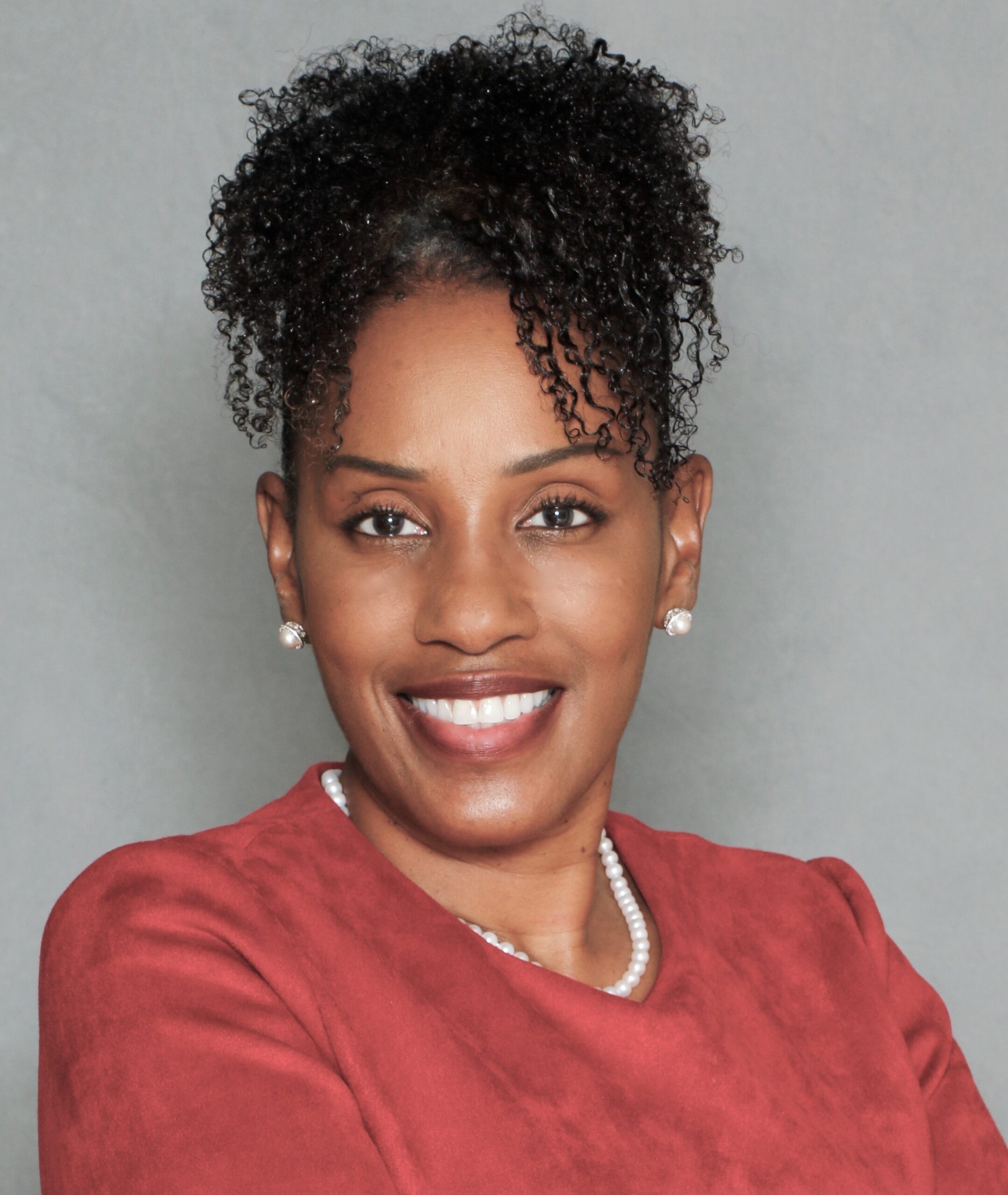
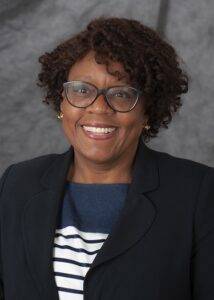
Leading the university’s DEI efforts is Chief Diversity and Inclusion Officer (CDIO) Dr. Paula Alexander-Delpech, Ph.D., PMHNP-BC, APRN. Dr. Alexander-Delpech brings a great deal of expertise and experience to the CDIO position, which was created at FNU in 2017. She serves as co-chair of the President’s Task Force on Diversity, Equity, and Inclusion (DEI), and co-chair of the Faculty, Staff, and Preceptor Development and Retention sub-committee of the DEI Task Force.
Dr. Alexander-Delpech has served as the Interim CDIO since January and was named CDIO in August. She hit the ground running, ensuring all existing initiatives and programs continued to progress and working with Diversity, Equity, and Inclusion Coordinator Chris Turley to plan the annual Diversity Impact Conference. She has done all this while keeping an eye on the future. The university’s progress since the launch of the Diversity Impact Program is significant but far from over. To help determine the direction of the program moving forward, Dr. Alexander-Delpech is leaning on surveys and data to make informed decisions about which programs are working, which are not, and what new initiatives, if any, need to be implemented.
“I am working diligently with the whole FNU community to determine where we want to take the university as it relates to DEI,” Dr. Alexander-Delpech said. “One of the things that will help me as we move forward is that FNU was identified as one of 50 schools to participate in the American Association of Colleges of Nursing (AACN) LAMP (Leading Across Multidimensional Perspectives) survey.”
The survey, which will be open to FNU students, faculty, and staff from November 2022 through February 2023, helps gain insight into FNU’s climate and culture.
“I hope the assessment data collected from students, faculty, and staff will give me valuable information so I can initiate the changes, identify target areas for growth, and most importantly, help us to improve student outcomes,” Dr. Alexander-Delpech said.
Because much of the work in DEI is qualitative rather than quantitative, evaluating the results and identifying common themes is subject to interpretation. To help make the evaluation more objective, Dr. Alexander-Delpech and FNU Director of Institutional Assessment Marilyn Lyons have been selected to participate in a year-long fellowship with the Southern Association of Colleges and Schools Commission on Colleges (SACSCOC) and Northwest Commission on Colleges and Universities (NWCCU) partnership. The Data Equity Fellowship is a 12-month fellowship with expert facilitation to support the successful implementation of data-informed equity initiatives aligned with the institution’s mission and strategic plan, including sustaining and scaling DEI efforts.
 “They will teach us how to use the qualitative data and turn it into measurable outcomes to help us make informed decisions,” Dr. Alexander-Delpech said. “It’s all about informed decisions. I don’t want to fall into project-itis, just creating one project after another without understanding the impact. I want us to know how to measure and know as an institution that we are making a difference.”
Dr. Alexander-Delpech acknowledges the great strides the university has made in the past 12 years. She is committed to building upon the foundation that has been laid, making data-driven, evidence-based decisions to forge further advancement in DEI across the university landscape.
“I want to streamline what we are doing so that it is institutional, not departmental,” Dr. Alexander-Delpech said. “We always think about DEI as it pertains to our curriculum or profession, but when people start talking about it in their personal lives, that means people are really making changes. The ripple effect is happening. At FNU, we are ahead of the game. When we talk about DEI work, FNU has surpassed a lot of other universities.”
To learn more about FNU’s DEI initiatives, please visit our website.
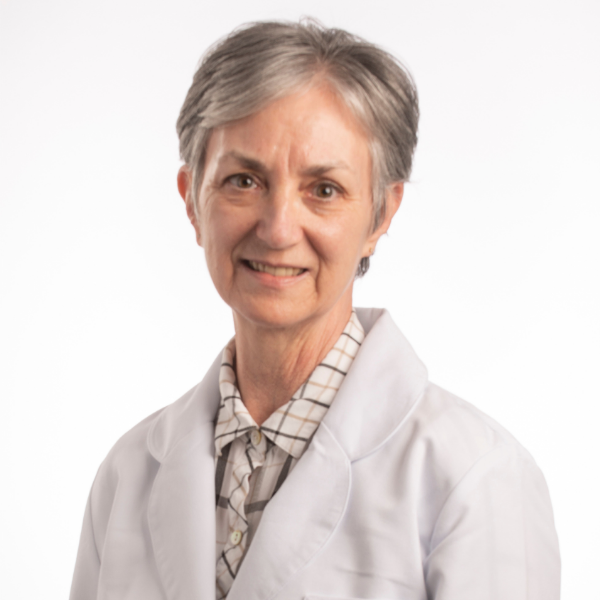
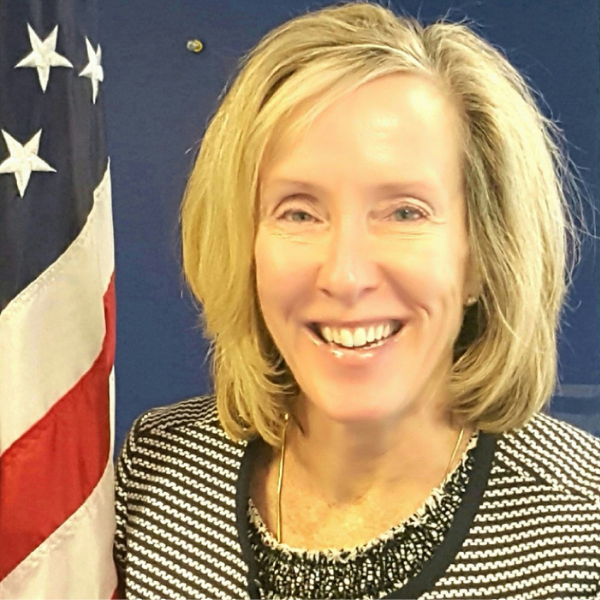



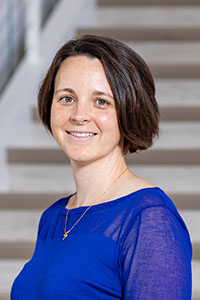
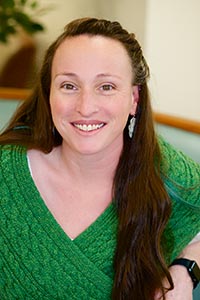
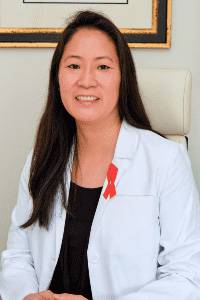 Carrie Belin is an experienced board-certified Family Nurse Practitioner and a graduate of the Johns Hopkins DNP program, Johns Hopkins Bloomberg School of Public Health, Georgetown University School of Nursing, and Johns Hopkins School of Nursing. She has also completed fellowships at Georgetown and the University of California Irvine.
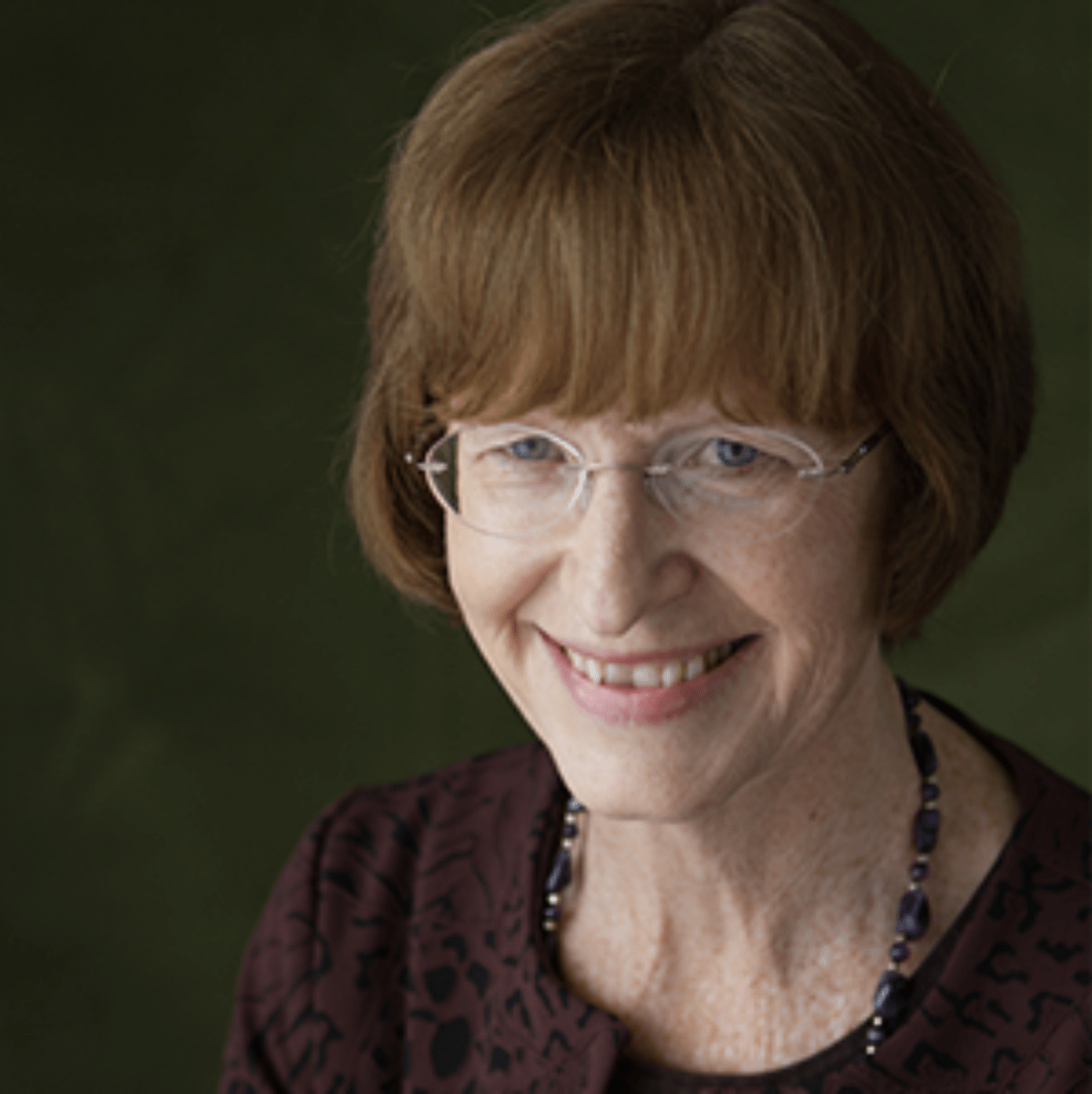
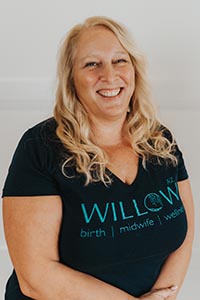
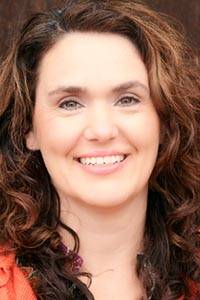 Angie has been a full-scope midwife since 2009. She has experience in various birth settings including home, hospital, and birth centers. She is committed to integrating the midwifery model of care in the US. She completed her master’s degree in nurse-midwifery at Frontier Nursing University (FNU) and her Doctorate at Johns Hopkins University. She currently serves as the midwifery clinical faculty at FNU. Angie is motivated by the desire to improve the quality of healthcare and has led quality improvement projects on skin-to-skin implementation, labor induction, and improving transfer of care practices between hospital and community midwives. In 2017, she created a short film on skin-to-skin called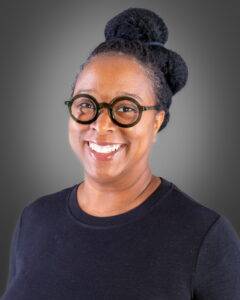

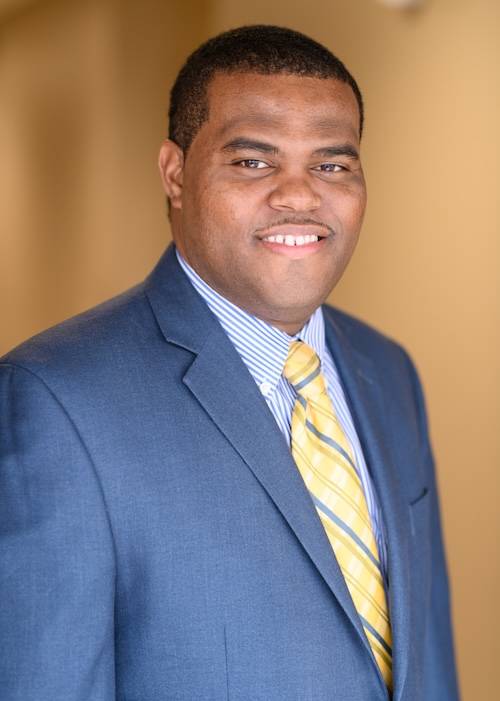
 Justin C. Daily, BSN, RN, has ten years of experience in nursing. At the start of his nursing career, Justin worked as a floor nurse on the oncology floor at St. Francis. He then spent two years as the Director of Nursing in a small rural Kansas hospital before returning to St. Francis and the oncology unit. He has been in his current position as the Chemo Nurse Educator for the past four years. He earned an Associate in Nurse from Hutchinson Community College and a Bachelor of Science in Nursing from Bethel College.
 Brandy Jackson serves as the Director of Undergraduate Nursing Programs and Assistant Educator at Wichita State University and Co-Director of Access in Nursing. Brandy is a seasoned educator with over 15 years of experience. Before entering academia, Brandy served in Hospital-based leadership and Critical Care Staff nurse roles. Brandy is passionate about equity in nursing education with a focus on individuals with disabilities. Her current research interests include accommodations of nursing students with disabilities in clinical learning environments and breaking down barriers for historically unrepresented individuals to enter the nursing profession. Brandy is also actively engaged in Interprofessional Education development, creating IPE opportunities for faculty and students at Wichita State. Brandy is an active member of Wichita Women for Good and Soroptimist, with the goal to empower women and girls. Brandy is a TeamSTEPPS master trainer. She received the DASIY Award for Extraordinary Nursing Faculty in 2019 at Wichita State University.
  Dr. Sabrina Ali Jamal-Eddine is an Arab-disabled queer woman of color with a PhD in Nursing and an interdisciplinary certificate in Disability Ethics from the University of Illinois Chicago (UIC). Dr. Jamal-Eddine’s doctoral research explored spoken word poetry as a form of critical narrative pedagogy to educate nursing students about disability, ableism, and disability justice. Dr. Jamal-Eddine now serves as a Postdoctoral Research Associate in UIC’s Department of Disability and Human Development and serves on the Board of Directors of the National Organization of Nurses with Disabilities (NOND). During her doctoral program, Sabrina served as a Summer Fellow at a residential National Endowment of the Humanities (NEH) Summer Institute at Arizona State University (2023), a summer fellow at Andrew W. Mellon’s National Humanities Without Walls program at University of Michigan (2022), a Summer Research Fellow at UC Berkeley’s Othering & Belonging Institute (2021), and an Illinois Leadership Education in Neurodevelopmental and related Disabilities (LEND) trainee (2019-2020).
 Vanessa Cameron works for Vanderbilt University Medical Center in Nursing Education & Professional Development. She is also attending George Washington University and progressing towards a PhD in Nursing with an emphasis on ableism in nursing. After becoming disabled in April 2021, Vanessa’s worldview and perspective changed, and a recognition of the ableism present within healthcare and within the culture of nursing was apparent. She has been working since that time to provide educational foundations for nurses about disability and ableism, provide support for fellow disabled nursing colleagues, and advocate for the disabled community within healthcare settings to reduce disparities.
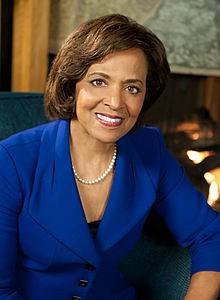
 Dr. Lucinda Canty is a certified nurse-midwife, Associate Professor of Nursing, and Director of the Seedworks Health Equity in Nursing Program at the University of Massachusetts Amherst. She earned a bachelor’s degree in nursing from Columbia University, a master’s degree from Yale University, specializing in nurse-midwifery, and a PhD from the University of Connecticut. Dr. Canty has provided reproductive health care for over 29 years. Her research interests include the prevention of maternal mortality and severe maternal morbidity, reducing racial and ethnic health disparities in reproductive health, promoting diversity in nursing, and eliminating racism in nursing and midwifery.
 Dr. Lisa Meeks is a distinguished scholar and leader whose unwavering commitment to inclusivity and excellence has significantly influenced the landscape of health professions education and accessibility. She is the founder and executive director of the DocsWithDisabilities Initiative and holds appointments as an Associate Professor in the Departments of Learning Health Sciences and Family Medicine at the University of Michigan.
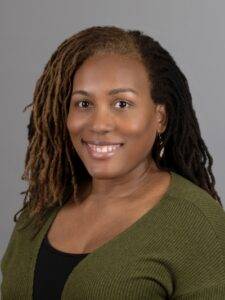
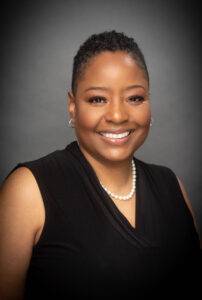 Dr. Nikia Grayson, DNP, MSN, MPH, MA, CNM, FNP-C, FACNM (she/her) is a trailblazing force in reproductive justice, blending her expertise as a public health activist, anthropologist, and family nurse-midwife to champion the rights and health of underserved communities. Graduating with distinction from Howard University, Nikia holds a bachelor’s degree in communications and a master’s degree in public health. Her academic journey also led her to the University of Memphis, where she earned a master’s in medical anthropology, and the University of Tennessee, where she achieved both a master’s in nursing and a doctorate in nursing practice. Complementing her extensive education, she completed a post-master’s certificate in midwifery at Frontier Nursing University.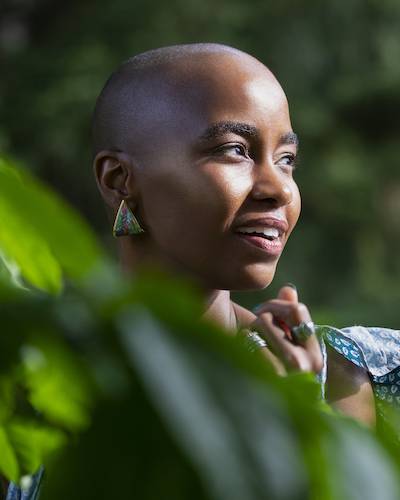
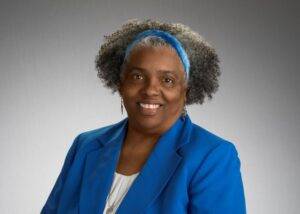
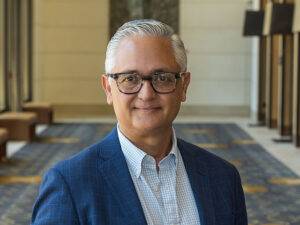


 Dr. Tia Brown McNair is the Vice President in the Office of Diversity, Equity, and Student Success and Executive Director for the Truth, Racial Healing, and Transformation (TRHT) Campus Centers at the American Association of Colleges and Universities (AAC&U) in Washington, DC. She oversees both funded projects and AAC&U’s continuing programs on equity, inclusive excellence, high-impact practices, and student success. McNair directs AAC&U’s Summer Institutes on High-Impact Practices and Student Success, and TRHT Campus Centers and serves as the project director for several AAC&U initiatives, including the development of a TRHT-focused campus climate toolkit. She is the lead author of From Equity Talk to Equity Walk: Expanding Practitioner Knowledge for Racial Justice in Higher Education (January 2020) and Becoming a Student-Ready College: A New Culture of Leadership for Student Success (July 2016 and August 2022 Second edition).