It has been nearly a decade since Frontier Nursing University launched the Psychiatric-Mental Health Nurse Practitioner (PMHNP) program in answer to the nation’s growing need for mental healthcare.
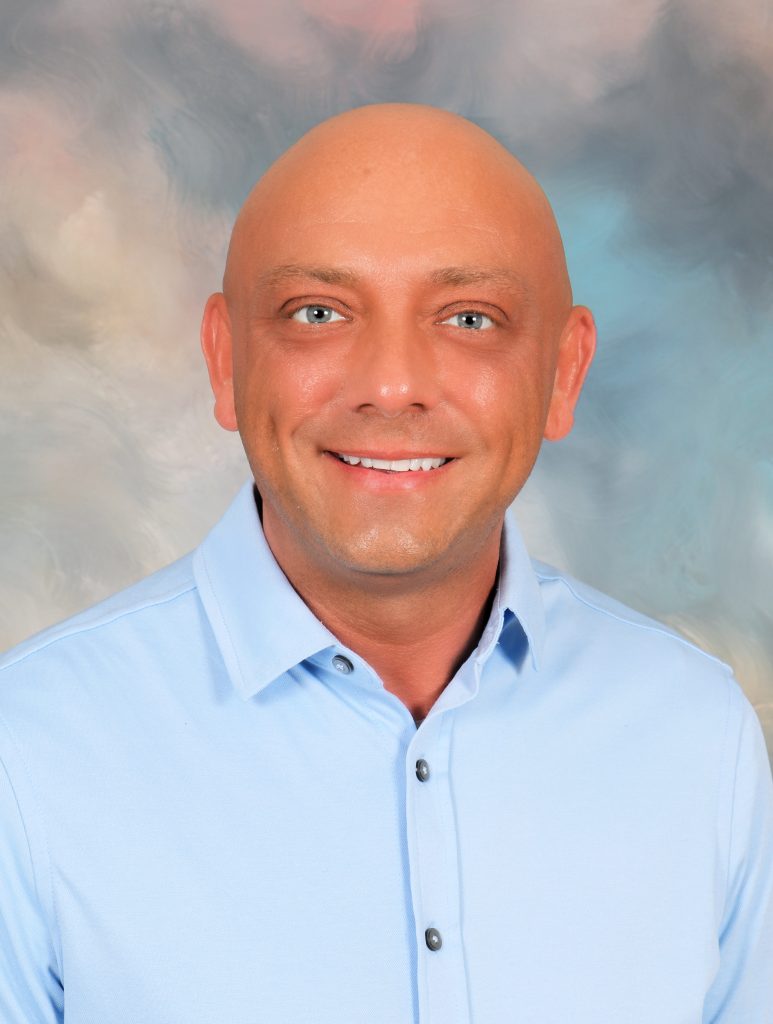
“We have a strong program,” said Kevin Scalf, DNP, PMHNP-BC, CNEcl, who is the Department Chair of the PMHNP Program. “Our national certification exam pass rates are among the highest in the nation. Our students consistently exceed the national average on the certification exam because we provide them opportunities to apply what they learn, not just in an exam or assignment, but in a real life, patient-to-provider interaction.”
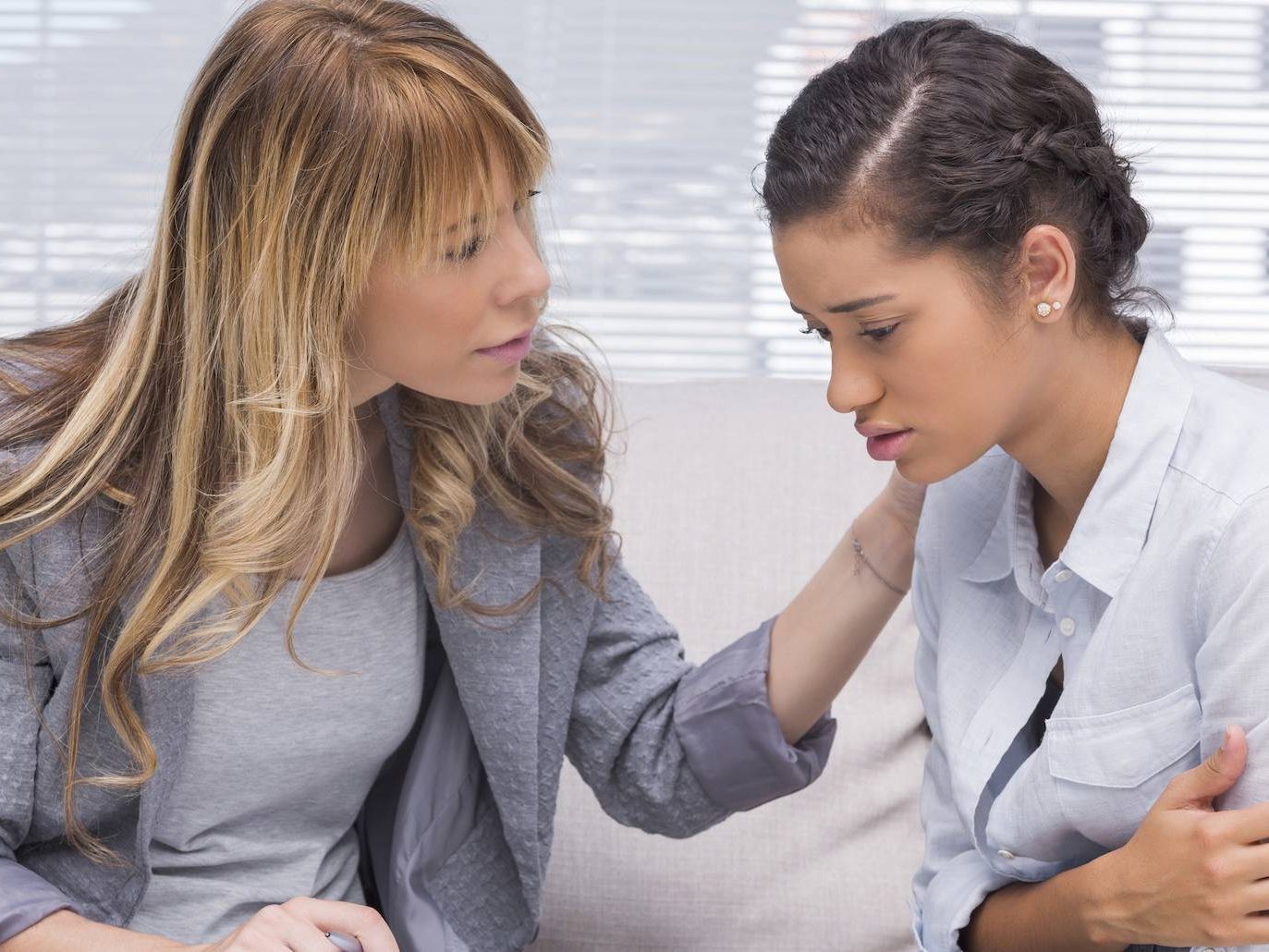
Students practice those patient-to-provider interactions via simulated cases that are scripted by the PMNHP faculty and played out in person by standardized patients. In all, there are approximately 13 scripted cases. Associate Professor and Innovation Coach and Simulation Coordinator, Dr. Tia Andrighetti, maintains the pool of standardized patients and works with the PMHNP faculty to match the standardized patients with their scripts.
“We thoroughly prepare each standardized patient to ensure they understand the learning objectives, the clinical scenario, and their role within the simulation,” Scalf said. “They do an outstanding job bringing these cases to life in a way that closely mirrors real clinical encounters. While the interactions appear natural and authentic, they are the result of extensive preparation, education, and training behind the scenes.”
Frontier Nursing University first introduced standardized patient simulations into the Psychiatric-Mental Health Nurse Practitioner (PMHNP) program in 2021. Since then, the simulation scenarios have been continuously refined to reflect current clinical practice and evolving educational priorities. Faculty review each simulation cycle, incorporating feedback from students, standardized patients, and instructors to strengthen the learning experience and ensure the scenarios remain realistic, relevant, and educationally effective.
“As we continue transitioning to a competency-based education model, our goal is to provide students with more than a strong academic foundation,” Scalf said. “We want to create intentional opportunities for them to practice, receive meaningful feedback, and progressively refine their clinical competencies throughout the program. By the time they graduate, we want them to not only demonstrate competence but also possess the confidence to apply these skills effectively in real-world clinical practice.”
Simulation experiences are integrated throughout both the didactic and clinical phases of the PMHNP curriculum, providing students with repeated opportunities to apply their knowledge in realistic clinical scenarios. By placing students in the role of the Psychiatric-Mental Health Nurse Practitioner, these experiences bridge the gap between classroom learning and clinical practice. Following each simulation, faculty conduct structured debriefing and provide individualized feedback to reinforce strengths, identify areas for growth, and support the continued development of clinical competence.
“Debriefing is one of the most valuable components of the simulation experience,” Scalf said. “The standardized patients provide direct feedback about what it felt like to be in the student’s care—whether they felt heard, respected, understood, and involved in the conversation.”
Before entering clinical practicum, PMHNP students complete a rigorous sequence of didactic coursework that builds the foundational knowledge and clinical reasoning necessary for advanced psychiatric practice. Simulation experiences are introduced early in the curriculum and are intentionally scaffolded throughout both the didactic and clinical phases of the program. Each simulation builds upon previous learning, allowing students to progressively develop their assessment, diagnostic, communication, and treatment skills while receiving structured feedback from faculty and standardized patients.
This progression culminates in an immersive on-campus clinical experience immediately before students begin working with their clinical preceptors. During this intensive experience, students participate in a series of standardized patient encounters designed to mirror the pace, complexity, and workflow of contemporary outpatient psychiatric practice. Each student follows a clinic-style schedule, moving from one patient encounter to the next in an environment intentionally designed to replicate the realities of caring for patients in a busy behavioral health clinic.
“Each patient brings a different story, a different set of challenges, and a different level of complexity—just as you would encounter in everyday clinical practice,” Scalf said. “Our goal is to create an experience that feels as authentic as possible.”
The simulation sequence is intentionally designed to reflect the continuum of psychiatric care. Students begin by conducting comprehensive psychiatric evaluations, obtaining patient histories, performing mental status examinations, establishing diagnoses, and developing individualized treatment plans. As the experience progresses, they participate in follow-up appointments with the same standardized patients, evaluating treatment response, reassessing symptoms, refining diagnoses when appropriate, and adjusting medication or psychotherapy plans. To reflect the realities of modern psychiatric practice, some encounters take place face-to-face while others are conducted through telehealth.
“Each encounter becomes progressively more complex,” Scalf said. “By the final clinical course, students are managing multifaceted psychiatric cases that require them to integrate assessment, diagnostic reasoning, psychopharmacology, psychotherapy, and patient-centered communication. It provides another meaningful opportunity for us to evaluate clinical competence.”
In addition to live standardized patient simulations, the PMHNP curriculum incorporates innovative artificial intelligence (AI)-enhanced learning experiences within the psychotherapy course. Through this technology, students engage in dynamic conversations with virtual patients presenting with a variety of psychiatric conditions and therapeutic challenges. Unlike traditional case studies, the virtual patient’s responses evolve throughout the encounter, with clinical progress improving or deteriorating based on the student’s therapeutic communication, clinical decision-making, and interventions.
At the conclusion of each session, students receive detailed, individualized feedback on their performance, including their use of therapeutic communication techniques, clinical reasoning, rapport-building, and adherence to evidence-based psychotherapy principles. These AI-supported experiences provide students with another safe environment in which to practice, refine their skills, and build confidence before working with patients in clinical practice.
“The AI simulation gives students the opportunity to develop one of the most important skills in psychiatric-mental health care—using themselves as a therapeutic tool,” Scalf said. “It encourages them to focus on therapeutic communication, evidence-based psychotherapy techniques, and other non-pharmacological interventions. Because students interact with the virtual patient each week throughout the course, they have repeated opportunities to practice, receive feedback, and refine their approach.”
The AI patient responds in real time to each student’s communication and clinical decisions, creating a dynamic learning experience that closely mirrors the therapeutic process. As students strengthen their interviewing techniques and therapeutic interventions, the patient’s condition may improve; ineffective communication or interventions can result in clinical deterioration. Students are encouraged to practice as often as needed, using the individualized feedback from each encounter to progressively build their competence and confidence before caring for patients in clinical settings.
“Psychiatric care is about much more than prescribing medication,” Scalf said. “Our students learn that one of their most valuable therapeutic tools is the relationship they build with the patient. Through simulation, they develop the communication skills, empathy, and therapeutic presence needed to establish trust and foster meaningful therapeutic relationships.”
Students also receive coaching on the powerful role of nonverbal communication, including body language, facial expressions, tone of voice, eye contact, and active listening.
“We remind students that effective communication is not just about what you say—it’s also about how you say it,” Scalf said. “Patients are often more influenced by our nonverbal behaviors than by our words.”
Through repeated practice and feedback, students learn to integrate both verbal and nonverbal communication into patient-centered care, preparing them to establish the strong therapeutic relationships that are fundamental to effective psychiatric-mental health practice.


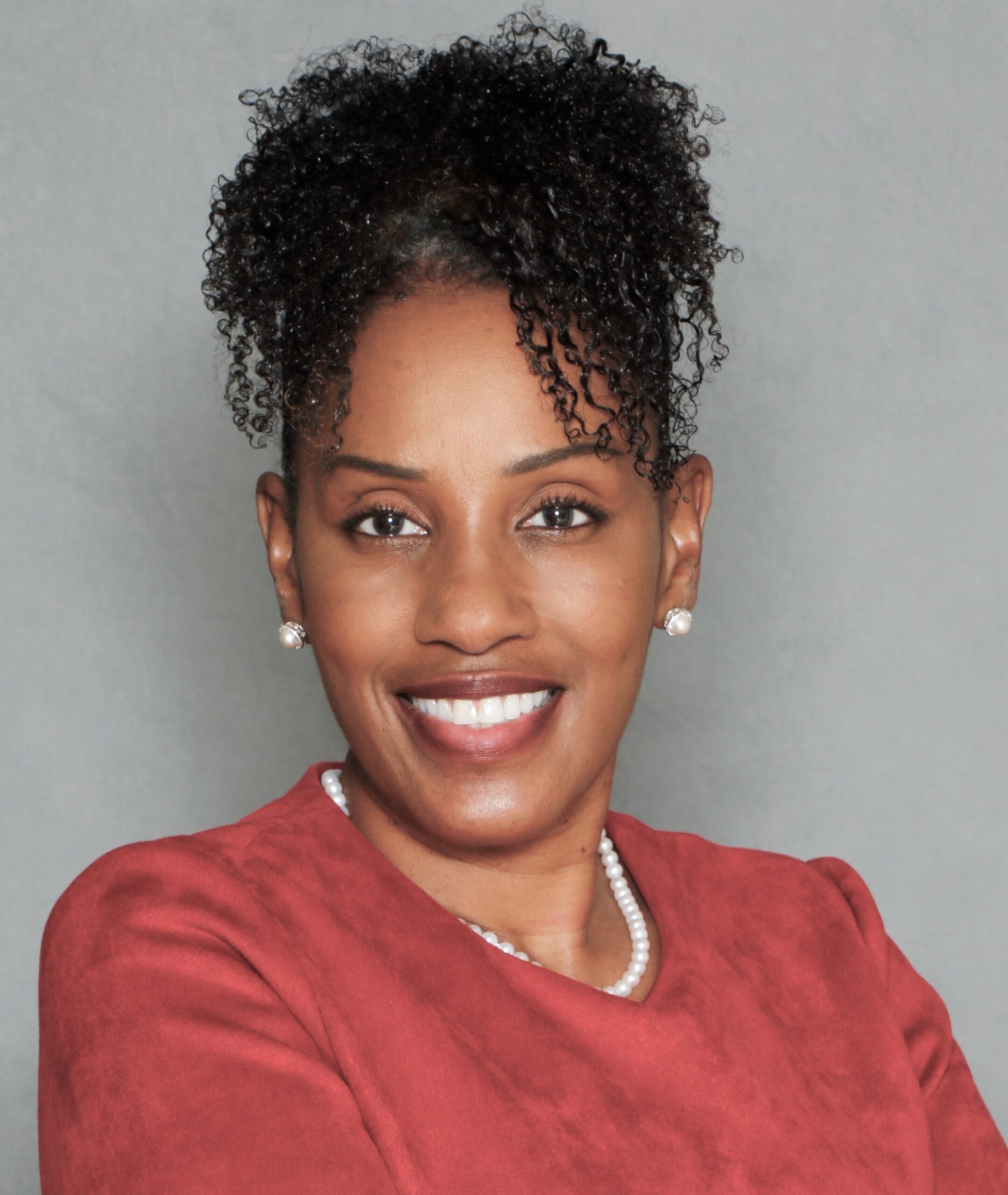
 Carrie Belin is an experienced board-certified Family Nurse Practitioner and a graduate of the Johns Hopkins DNP program, Johns Hopkins Bloomberg School of Public Health, Georgetown University School of Nursing, and Johns Hopkins School of Nursing. She has also completed fellowships at Georgetown and the University of California Irvine.
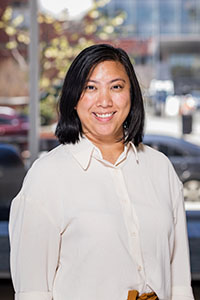
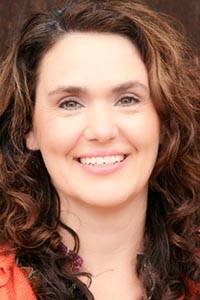 Angie has been a full-scope midwife since 2009. She has experience in various birth settings including home, hospital, and birth centers. She is committed to integrating the midwifery model of care in the US. She completed her master’s degree in nurse-midwifery at Frontier Nursing University (FNU) and her Doctorate at Johns Hopkins University. She currently serves as the midwifery clinical faculty at FNU. Angie is motivated by the desire to improve the quality of healthcare and has led quality improvement projects on skin-to-skin implementation, labor induction, and improving transfer of care practices between hospital and community midwives. In 2017, she created a short film on skin-to-skin called
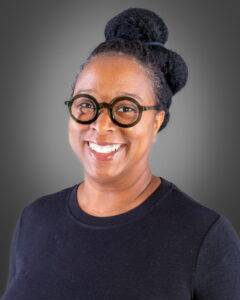
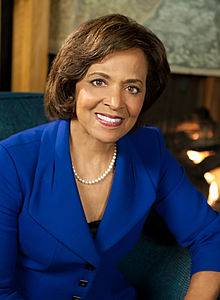
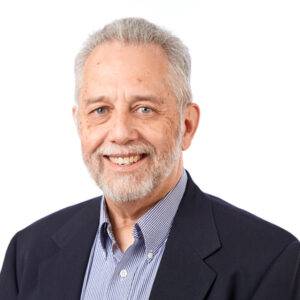
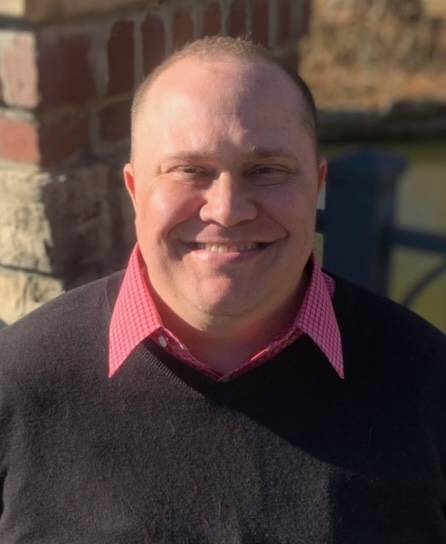 Justin C. Daily, BSN, RN, has ten years of experience in nursing. At the start of his nursing career, Justin worked as a floor nurse on the oncology floor at St. Francis. He then spent two years as the Director of Nursing in a small rural Kansas hospital before returning to St. Francis and the oncology unit. He has been in his current position as the Chemo Nurse Educator for the past four years. He earned an Associate in Nurse from Hutchinson Community College and a Bachelor of Science in Nursing from Bethel College.
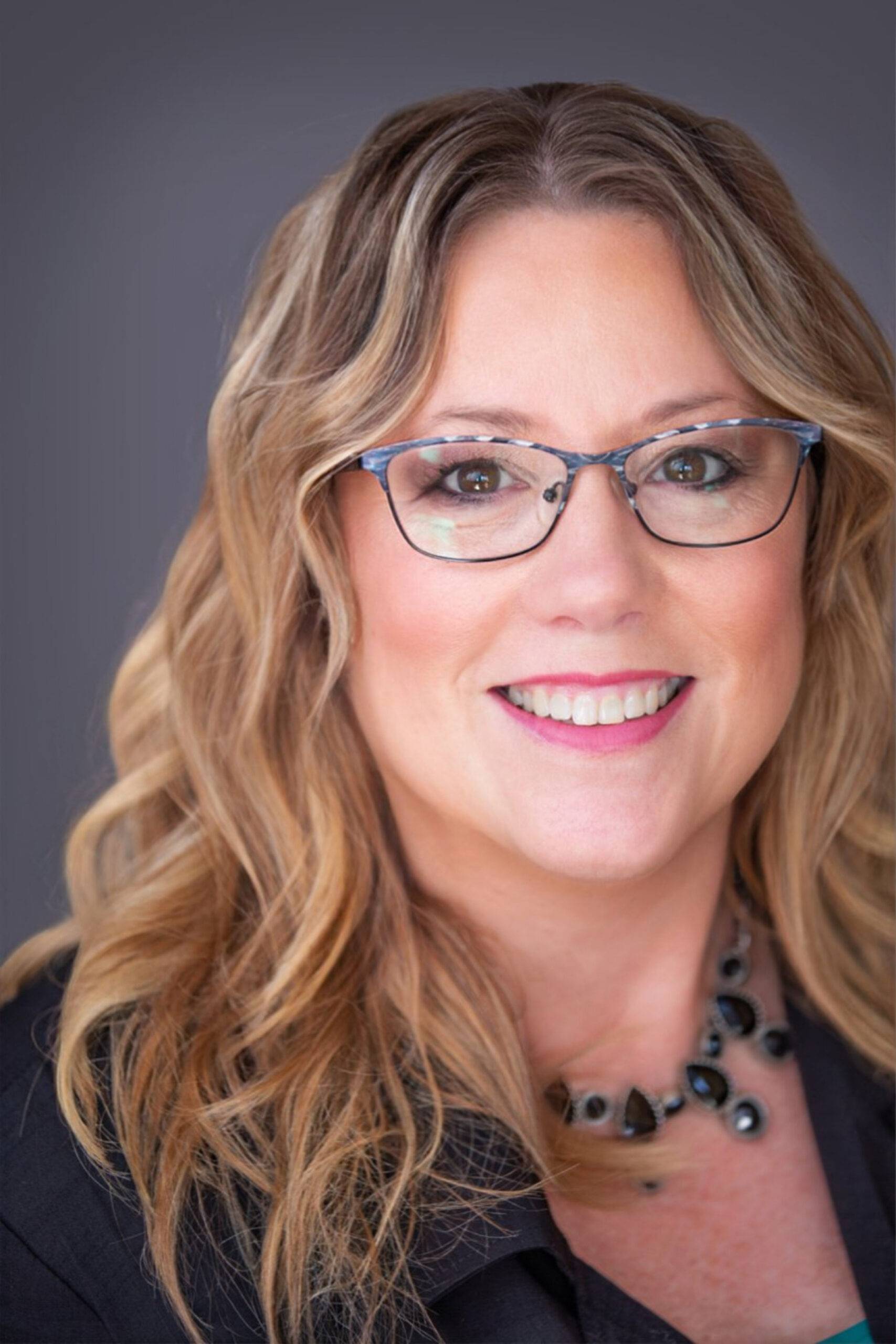 Brandy Jackson serves as the Director of Undergraduate Nursing Programs and Assistant Educator at Wichita State University and Co-Director of Access in Nursing. Brandy is a seasoned educator with over 15 years of experience. Before entering academia, Brandy served in Hospital-based leadership and Critical Care Staff nurse roles. Brandy is passionate about equity in nursing education with a focus on individuals with disabilities. Her current research interests include accommodations of nursing students with disabilities in clinical learning environments and breaking down barriers for historically unrepresented individuals to enter the nursing profession. Brandy is also actively engaged in Interprofessional Education development, creating IPE opportunities for faculty and students at Wichita State. Brandy is an active member of Wichita Women for Good and Soroptimist, with the goal to empower women and girls. Brandy is a TeamSTEPPS master trainer. She received the DASIY Award for Extraordinary Nursing Faculty in 2019 at Wichita State University.
 Dr. Sabrina Ali Jamal-Eddine is an Arab-disabled queer woman of color with a PhD in Nursing and an interdisciplinary certificate in Disability Ethics from the University of Illinois Chicago (UIC). Dr. Jamal-Eddine’s doctoral research explored spoken word poetry as a form of critical narrative pedagogy to educate nursing students about disability, ableism, and disability justice. Dr. Jamal-Eddine now serves as a Postdoctoral Research Associate in UIC’s Department of Disability and Human Development and serves on the Board of Directors of the National Organization of Nurses with Disabilities (NOND). During her doctoral program, Sabrina served as a Summer Fellow at a residential National Endowment of the Humanities (NEH) Summer Institute at Arizona State University (2023), a summer fellow at Andrew W. Mellon’s National Humanities Without Walls program at University of Michigan (2022), a Summer Research Fellow at UC Berkeley’s Othering & Belonging Institute (2021), and an Illinois Leadership Education in Neurodevelopmental and related Disabilities (LEND) trainee (2019-2020).
 Vanessa Cameron works for Vanderbilt University Medical Center in Nursing Education & Professional Development. She is also attending George Washington University and progressing towards a PhD in Nursing with an emphasis on ableism in nursing. After becoming disabled in April 2021, Vanessa’s worldview and perspective changed, and a recognition of the ableism present within healthcare and within the culture of nursing was apparent. She has been working since that time to provide educational foundations for nurses about disability and ableism, provide support for fellow disabled nursing colleagues, and advocate for the disabled community within healthcare settings to reduce disparities.
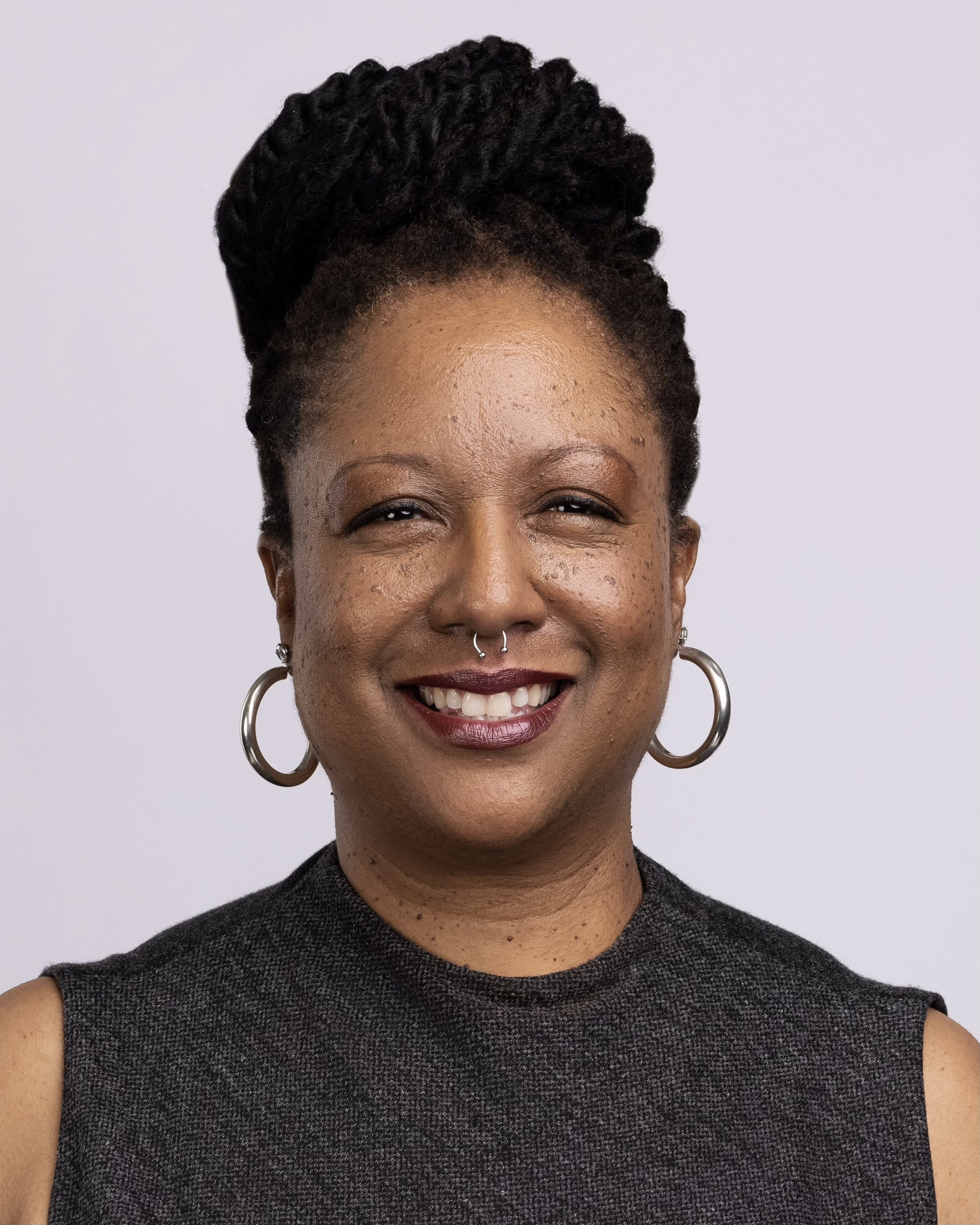 Dr. Lucinda Canty is a certified nurse-midwife, Associate Professor of Nursing, and Director of the Seedworks Health Equity in Nursing Program at the University of Massachusetts Amherst. She earned a bachelor’s degree in nursing from Columbia University, a master’s degree from Yale University, specializing in nurse-midwifery, and a PhD from the University of Connecticut. Dr. Canty has provided reproductive health care for over 29 years. Her research interests include the prevention of maternal mortality and severe maternal morbidity, reducing racial and ethnic health disparities in reproductive health, promoting diversity in nursing, and eliminating racism in nursing and midwifery.
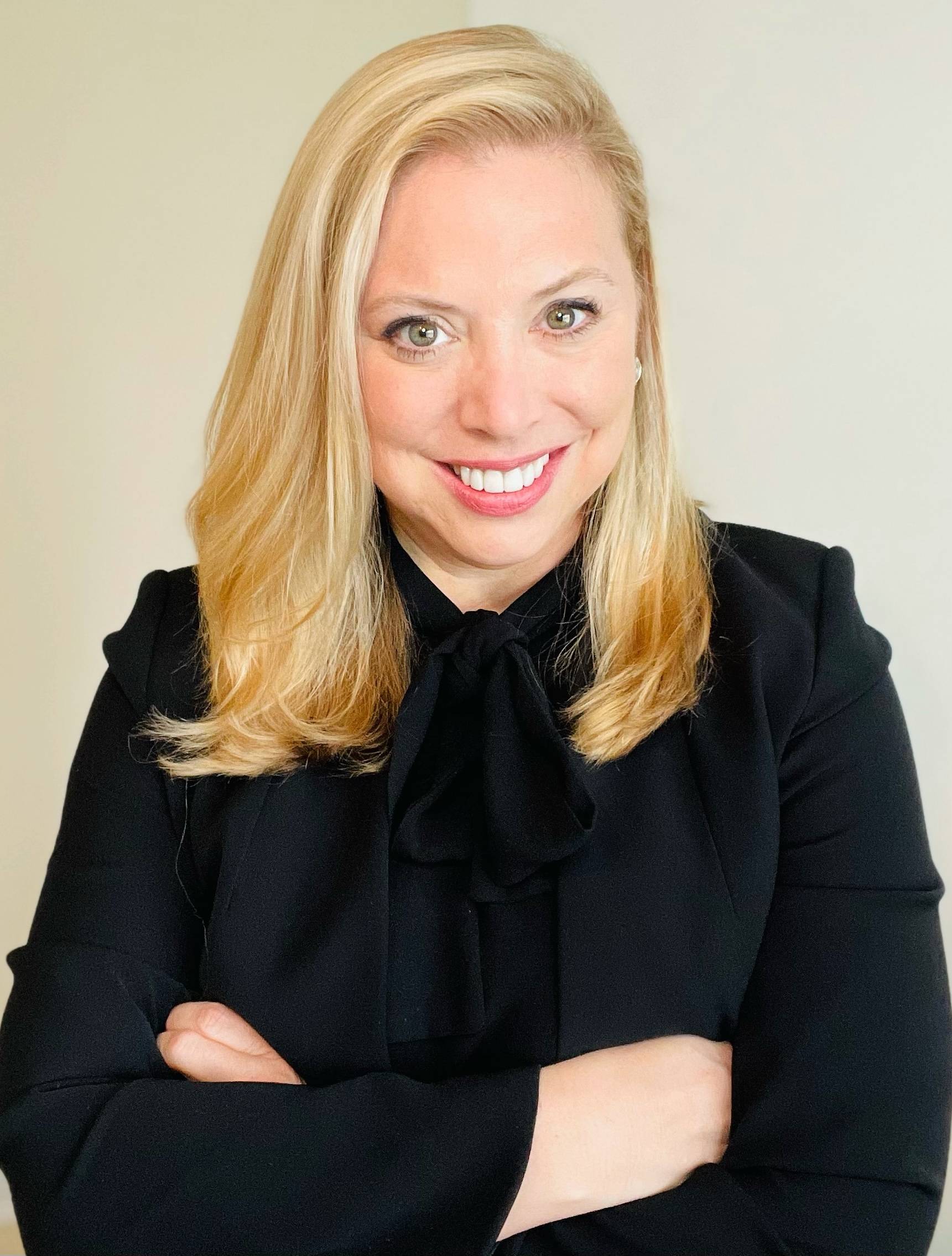 Dr. Lisa Meeks is a distinguished scholar and leader whose unwavering commitment to inclusivity and excellence has significantly influenced the landscape of health professions education and accessibility. She is the founder and executive director of the DocsWithDisabilities Initiative and holds appointments as an Associate Professor in the Departments of Learning Health Sciences and Family Medicine at the University of Michigan.
 Dr. Nikia Grayson, DNP, MSN, MPH, MA, CNM, FNP-C, FACNM (she/her) is a trailblazing force in reproductive justice, blending her expertise as a public health activist, anthropologist, and family nurse-midwife to champion the rights and health of underserved communities. Graduating with distinction from Howard University, Nikia holds a bachelor’s degree in communications and a master’s degree in public health. Her academic journey also led her to the University of Memphis, where she earned a master’s in medical anthropology, and the University of Tennessee, where she achieved both a master’s in nursing and a doctorate in nursing practice. Complementing her extensive education, she completed a post-master’s certificate in midwifery at Frontier Nursing University.
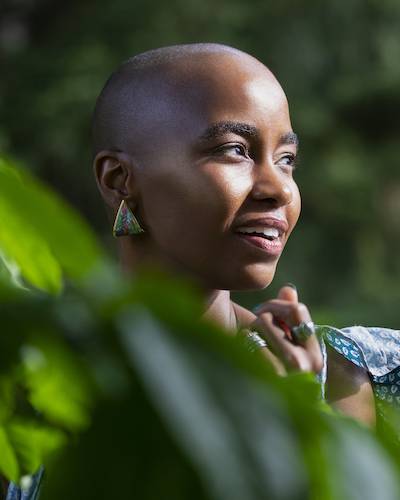
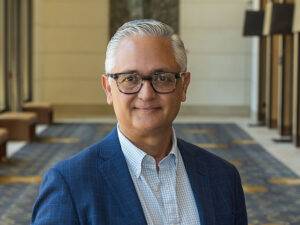
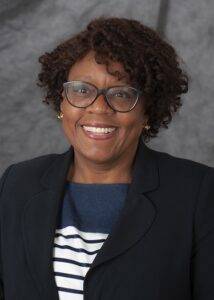


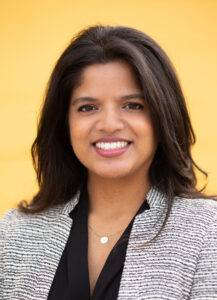


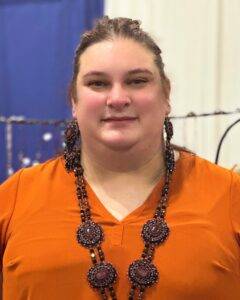
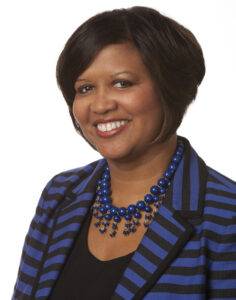 Dr. Tia Brown McNair is the Vice President in the Office of Diversity, Equity, and Student Success and Executive Director for the Truth, Racial Healing, and Transformation (TRHT) Campus Centers at the American Association of Colleges and Universities (AAC&U) in Washington, DC. She oversees both funded projects and AAC&U’s continuing programs on equity, inclusive excellence, high-impact practices, and student success. McNair directs AAC&U’s Summer Institutes on High-Impact Practices and Student Success, and TRHT Campus Centers and serves as the project director for several AAC&U initiatives, including the development of a TRHT-focused campus climate toolkit. She is the lead author of From Equity Talk to Equity Walk: Expanding Practitioner Knowledge for Racial Justice in Higher Education (January 2020) and Becoming a Student-Ready College: A New Culture of Leadership for Student Success (July 2016 and August 2022 Second edition).
