By: Janet L. Engstrom, PhD, APRN, CNM, WHNP-BC, CNE,
Anne Z. Cockerham, PhD, APRN, CNM, WHNP-BC, CNE,
Joanne M. Keefe, DNP, MPH, APRN, FNP-c, CNE

“I was never again quite the same.”
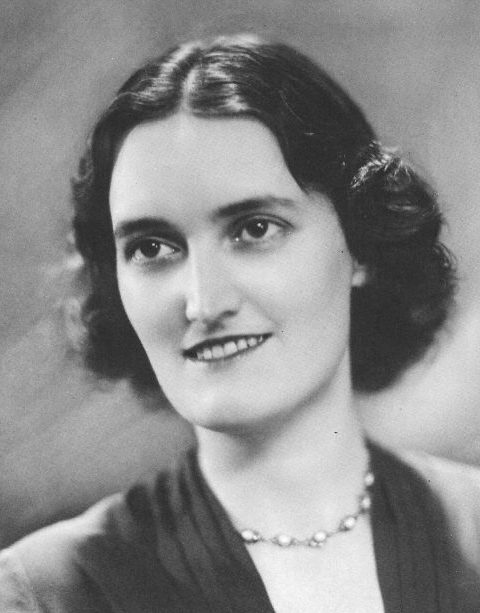
Mary Marvin Breckinridge Patterson (1905-2002) used these words to express the deep meaning that her time with the Frontier Nursing Service (FNS) carried for her. What started as a brief stint participating in Frontier Nursing Service’s Courier Program evolved into a remarkable life that would take her to Eastern Kentucky, Europe, Africa, and diplomatic residences around the world. Throughout, Patterson told the FNS story through photography, filmmaking, fundraising, and leadership.
Born in 1905 and named Mary Marvin Breckinridge, she chose to be called Marvin because she had an older cousin also named Mary Breckinridge who was well known for her work with the American Committee for Devasted France and the Frontier Nursing Service. Thus, Patterson made the decision to use her mother’s family name, Marvin, as her first name. The decision was genius, setting her apart from her cousin and opening doors at the time since many people assumed that Marvin was a man’s name.
Patterson was born into an affluent and socially prominent family and could have easily chosen the genteel life of a society debutant and matron. Instead, she sought a life of service and pushed the boundaries of women’s roles in society. In college, she studied foreign languages and modern history and developed an interest in journalism. She also became involved in international affairs and was a founding member of the National Student Federation of America.
The Frontier Nursing Service
After college, Patterson traveled to southeastern Kentucky to join her cousin, Mary Breckinridge, to serve as the first female courier for the FNS. In her new role, she rode throughout the FNS service area transporting medicine, supplies, horses, or whatever else was needed by the nurses and community members. She was deeply moved by the experience; she had never seen poverty of this magnitude or people living and farming in such harsh terrain. Later in life, Patterson described her time in the mountains as “the most significantly broadening experience” of her life. She was also deeply impressed by her cousin’s dedication and generosity, and wrote “except for my mother, no other woman, maybe no other person had such a profound and lasting impact on my life as she”.
The Forgotten Frontier
Although Patterson found meaning in her work as a Courier, Mary Breckinridge asked her to return to New York to learn how to make a professional-quality film that would tell the story of the FNS for fundraising purposes. The request was well suited to Patterson, who was already an accomplished amateur photographer and filmmaker. Patterson studied filmmaking and returned to Kentucky to begin filming in December 1929 when she could capture the harsh winter weather. She returned several times through the winter and spring of 1930 to document other seasons and weather conditions. All the scenes in the film depicted true events that had happened to the families cared for by the FNS, and community members voluntarily re-enacted the events in the video. The events filmed depicted how community members and nurses worked together to find creative solutions to provide the highest quality health care services despite the challenges of topography and the lack of material resources.
The resulting film was “The Forgotten Frontier’’, a movie portraying the midwifery and public health work of the FNS and its impact on the lives of women, children, and families in Appalachia. Decades later the film was included in the National Film Registry, and Patterson was recognized as a pioneer in documentary filmmaking. She was praised for her ability to visually communicate cultural and geographic differences. The film portrayed southeastern Kentucky at the time when there were few photographs of one of the most remote and poorest regions in the nation. Patterson’s movie and photographs contained scenes that might never have been seen outside of Appalachia had she not had the wherewithal to capture the images.
Photojournalist and War Correspondent
After completing her film about the FNS, Patterson spent six months traveling the length of the African continent with a friend’s family who were studying the education, rights, and well-being of the people in the countries they visited. Patterson served as the trip’s photographer, capturing the people, culture, customs, and the beauty of the continent. The trip was later documented in a book using her tripmate’s diary entries supported by Patterson’s photographs.

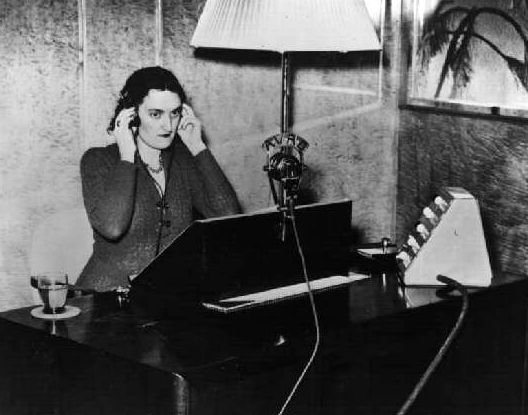
When Patterson returned to the United States, she undertook further study of photographic methods and began to work as a freelance photojournalist for several popular magazines including Life, Vanity Fair, and Harper’s Bazaar. She was working in Europe when World War II started and became the first female war correspondent. She was also one of the first correspondents to use a short-wave transmitter that enabled her to broadcast on location, and she transmitted 50 radio reports from seven European countries, including Germany.
Public Servant
In June of 1940, Patterson married Jefferson Patterson, an officer in the United States Diplomatic Service stationed in Berlin. When she married, the State Department prohibited her from publishing as a journalist, so she turned her considerable skills and energy toward supporting her husband’s diplomatic work. Being the spouse of a diplomat carries important responsibility. Diplomats represent the President of the United Stated to their host nations, and their spouses are an important partner in their work. During and after the war, international relations were often strained and keeping peace and working together for the future were essential. Diplomacy depends on meeting people, building relationships, demonstrating respect, and having peaceful and productive interactions. Patterson exceled at those skills and hosted thousands of people at hundreds of events during her diplomatic service in Germany, Peru, Belgium, Egypt, Greece, and Uruguay.
Return to Frontier
As Patterson’s husband’s career neared its end, she was appointed to the Board of the Frontier Nursing Service in 1955 and served as its chairperson from 1960 to 1975. She guided the organization through a period of significant change as Medicare and Medicaid were introduced, and health care delivery evolved. She also played an important part in the fundraising and construction of the new, state-of-the-art Mary Breckinridge Hospital in Hyden, KY, which was completed in 1975. When her term on the FNS Board was completed in 1975, she continued to speak and raise funds on behalf of FNS.
Philanthropist
During the later years of her life, Patterson entered what she called the ‘de-collecting stage’ of her life, a term she developed because she found the word philanthropy ‘stuffy and pretentious’. For years, she worked every day to identify good uses for her and her husband’s money, properties, art, and artifacts. She received about 6,000 letters a year requesting support, and she read them all. She especially liked funding education, libraries, museums, and was particularly fond of modern technology. She also created a foundation that continues funding projects related to the Pattersons’ interests to this day
The Gifts that Keep Giving
Mary Marvin Breckinridge Patterson’s contributions live on in libraries, schools, museums, scholarships and many more places. Although she did not desire personal recognition for her work, one cannot help but wonder if she would be particularly pleased by the little midwifery school in the mountains that has become an independent university, recognized as a leader in distance education using the latest technologies to reach students in rural and underserved areas to provide care in those areas. She might be equally pleased to know that Frontier Nursing University is still using her photographs to tell their story and to remember the Frontier mission to serve people in rural and underserved areas everywhere.
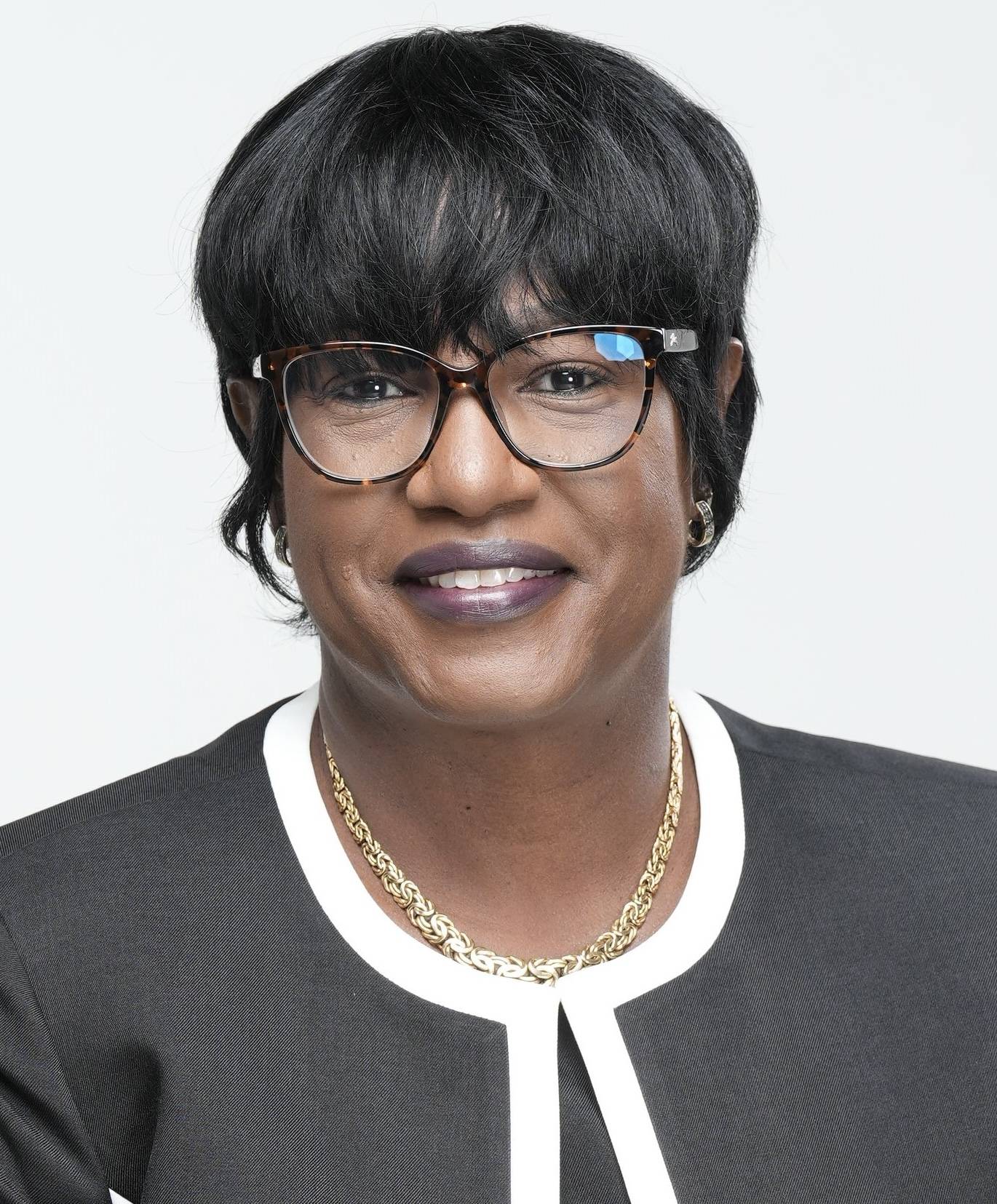

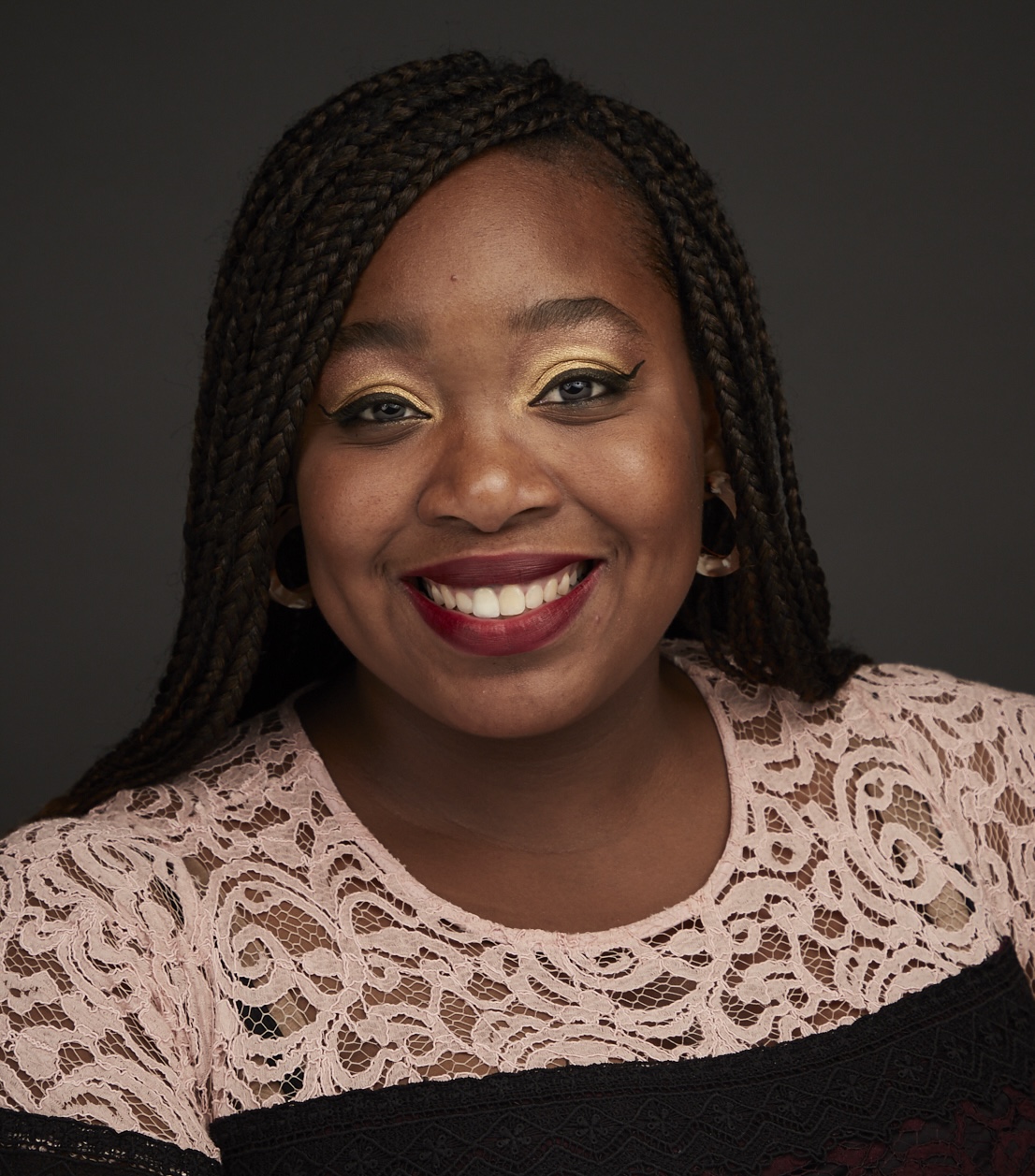

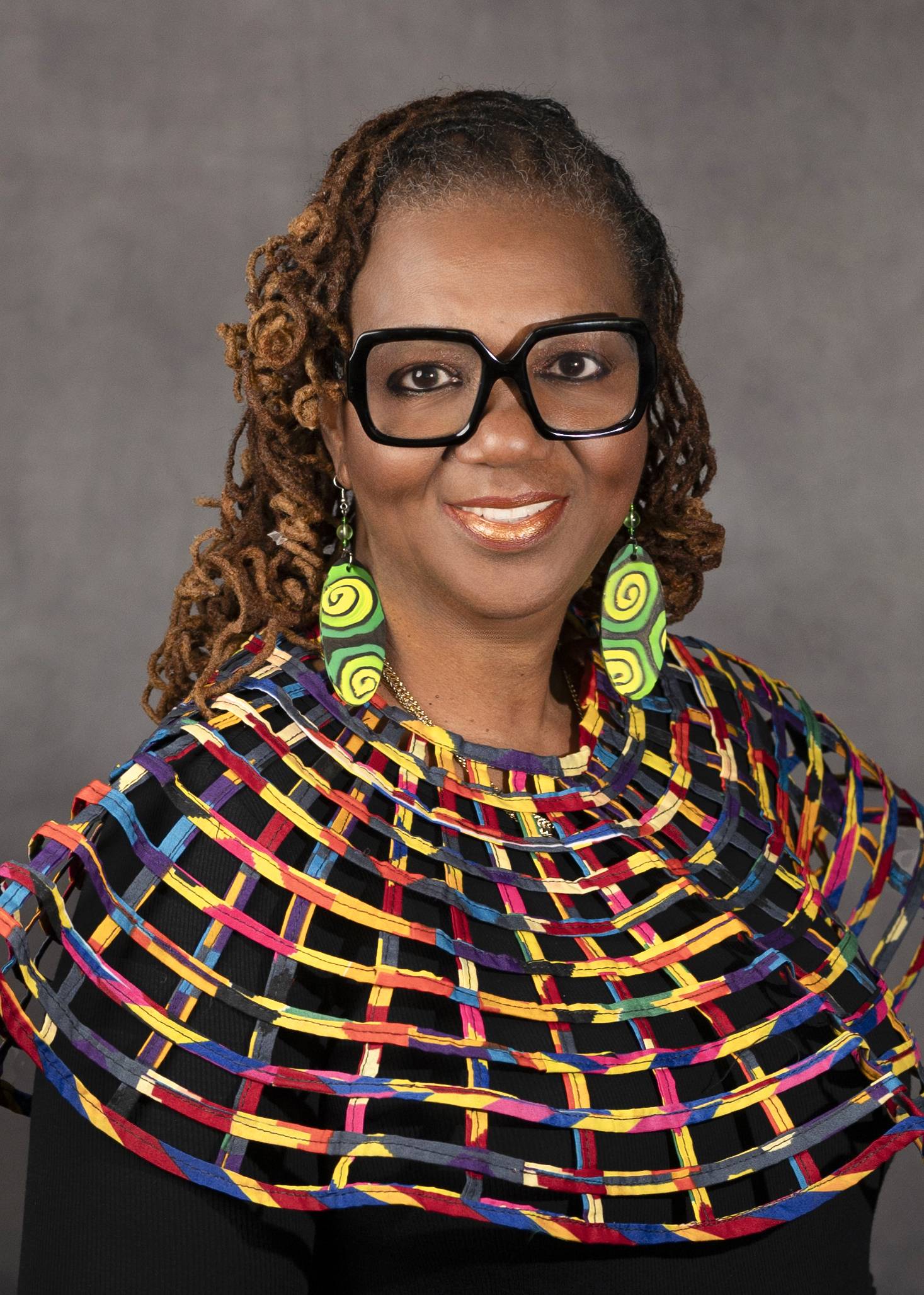
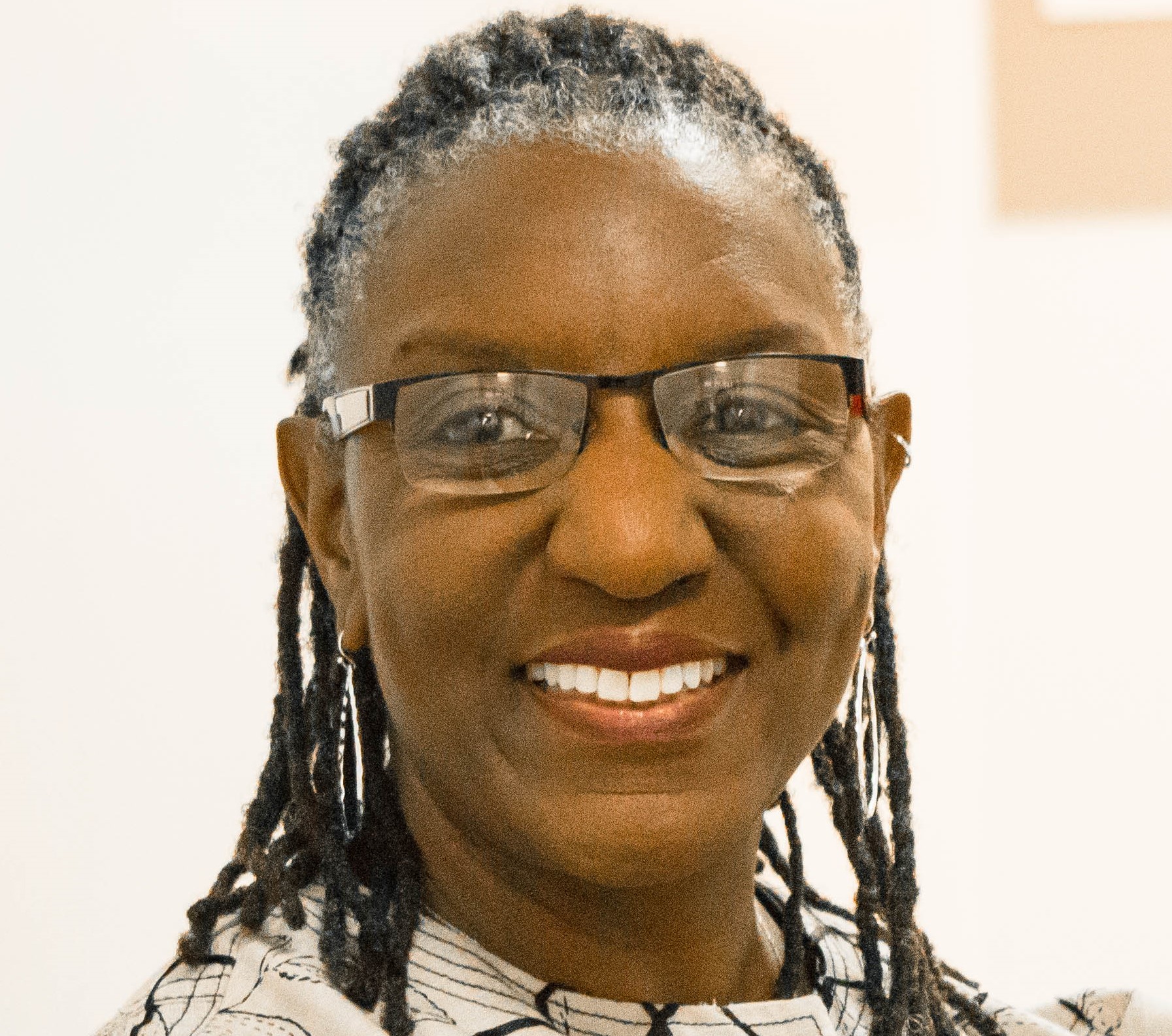
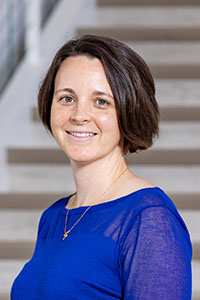
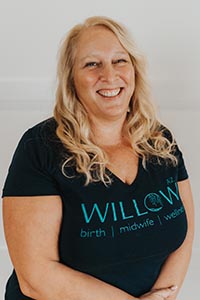
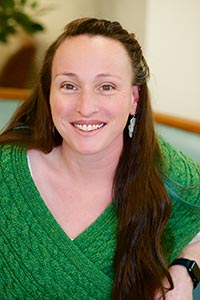
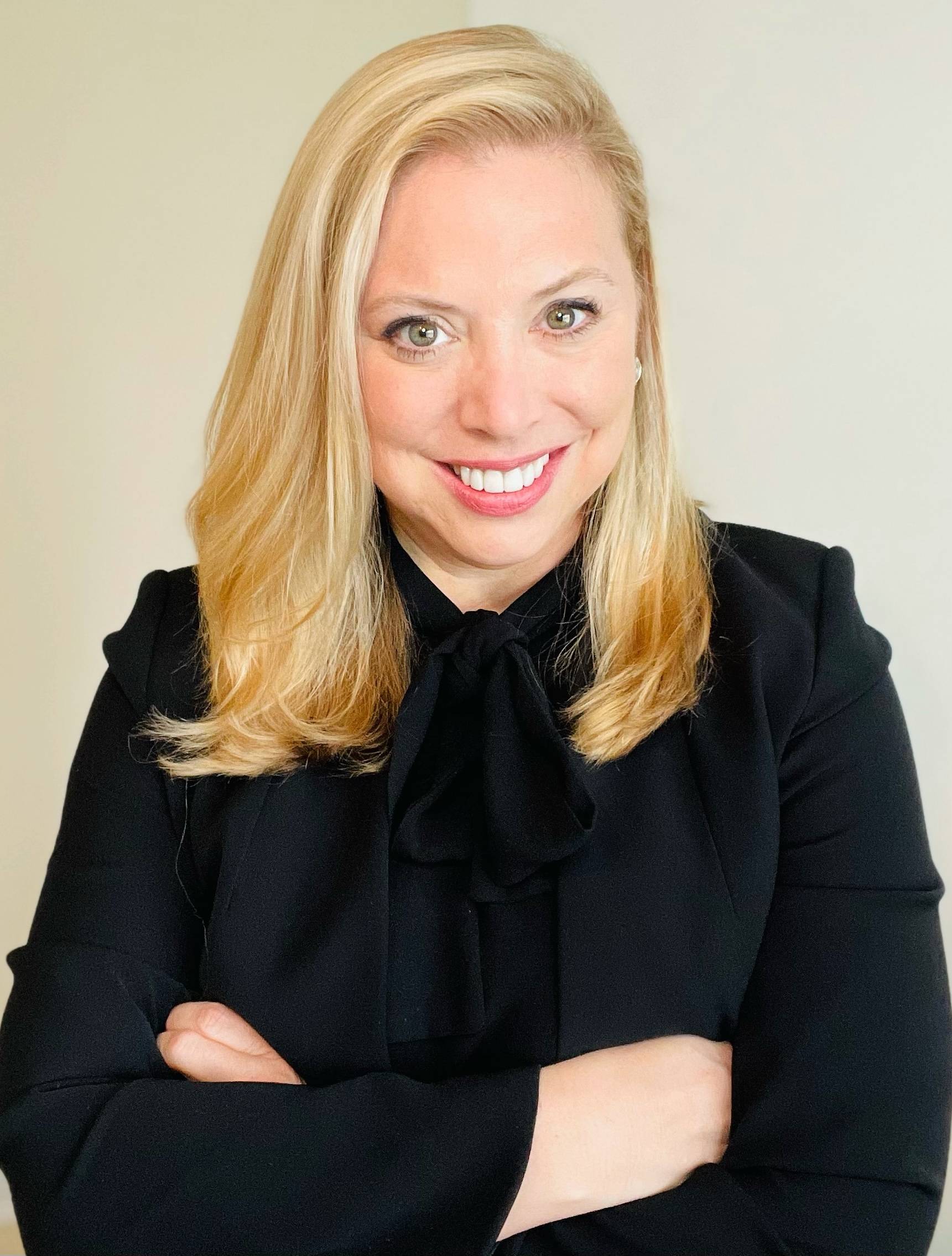
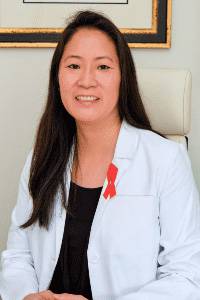 Carrie Belin is an experienced board-certified Family Nurse Practitioner and a graduate of the Johns Hopkins DNP program, Johns Hopkins Bloomberg School of Public Health, Georgetown University School of Nursing, and Johns Hopkins School of Nursing. She has also completed fellowships at Georgetown and the University of California Irvine.
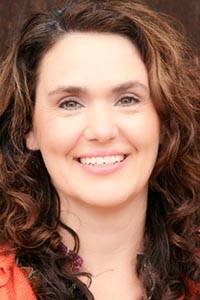 Angie has been a full-scope midwife since 2009. She has experience in various birth settings including home, hospital, and birth centers. She is committed to integrating the midwifery model of care in the US. She completed her master’s degree in nurse-midwifery at Frontier Nursing University (FNU) and her Doctorate at Johns Hopkins University. She currently serves as the midwifery clinical faculty at FNU. Angie is motivated by the desire to improve the quality of healthcare and has led quality improvement projects on skin-to-skin implementation, labor induction, and improving transfer of care practices between hospital and community midwives. In 2017, she created a short film on skin-to-skin called
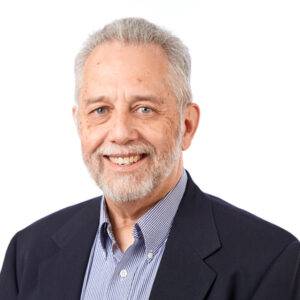
 Justin C. Daily, BSN, RN, has ten years of experience in nursing. At the start of his nursing career, Justin worked as a floor nurse on the oncology floor at St. Francis. He then spent two years as the Director of Nursing in a small rural Kansas hospital before returning to St. Francis and the oncology unit. He has been in his current position as the Chemo Nurse Educator for the past four years. He earned an Associate in Nurse from Hutchinson Community College and a Bachelor of Science in Nursing from Bethel College.
 Brandy Jackson serves as the Director of Undergraduate Nursing Programs and Assistant Educator at Wichita State University and Co-Director of Access in Nursing. Brandy is a seasoned educator with over 15 years of experience. Before entering academia, Brandy served in Hospital-based leadership and Critical Care Staff nurse roles. Brandy is passionate about equity in nursing education with a focus on individuals with disabilities. Her current research interests include accommodations of nursing students with disabilities in clinical learning environments and breaking down barriers for historically unrepresented individuals to enter the nursing profession. Brandy is also actively engaged in Interprofessional Education development, creating IPE opportunities for faculty and students at Wichita State. Brandy is an active member of Wichita Women for Good and Soroptimist, with the goal to empower women and girls. Brandy is a TeamSTEPPS master trainer. She received the DASIY Award for Extraordinary Nursing Faculty in 2019 at Wichita State University.
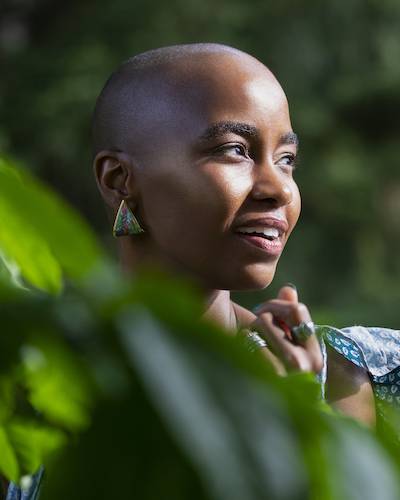
 Dr. Sabrina Ali Jamal-Eddine is an Arab-disabled queer woman of color with a PhD in Nursing and an interdisciplinary certificate in Disability Ethics from the University of Illinois Chicago (UIC). Dr. Jamal-Eddine’s doctoral research explored spoken word poetry as a form of critical narrative pedagogy to educate nursing students about disability, ableism, and disability justice. Dr. Jamal-Eddine now serves as a Postdoctoral Research Associate in UIC’s Department of Disability and Human Development and serves on the Board of Directors of the National Organization of Nurses with Disabilities (NOND). During her doctoral program, Sabrina served as a Summer Fellow at a residential National Endowment of the Humanities (NEH) Summer Institute at Arizona State University (2023), a summer fellow at Andrew W. Mellon’s National Humanities Without Walls program at University of Michigan (2022), a Summer Research Fellow at UC Berkeley’s Othering & Belonging Institute (2021), and an Illinois Leadership Education in Neurodevelopmental and related Disabilities (LEND) trainee (2019-2020).
 Vanessa Cameron works for Vanderbilt University Medical Center in Nursing Education & Professional Development. She is also attending George Washington University and progressing towards a PhD in Nursing with an emphasis on ableism in nursing. After becoming disabled in April 2021, Vanessa’s worldview and perspective changed, and a recognition of the ableism present within healthcare and within the culture of nursing was apparent. She has been working since that time to provide educational foundations for nurses about disability and ableism, provide support for fellow disabled nursing colleagues, and advocate for the disabled community within healthcare settings to reduce disparities.
 Dr. Lucinda Canty is a certified nurse-midwife, Associate Professor of Nursing, and Director of the Seedworks Health Equity in Nursing Program at the University of Massachusetts Amherst. She earned a bachelor’s degree in nursing from Columbia University, a master’s degree from Yale University, specializing in nurse-midwifery, and a PhD from the University of Connecticut. Dr. Canty has provided reproductive health care for over 29 years. Her research interests include the prevention of maternal mortality and severe maternal morbidity, reducing racial and ethnic health disparities in reproductive health, promoting diversity in nursing, and eliminating racism in nursing and midwifery.
 Dr. Lisa Meeks is a distinguished scholar and leader whose unwavering commitment to inclusivity and excellence has significantly influenced the landscape of health professions education and accessibility. She is the founder and executive director of the DocsWithDisabilities Initiative and holds appointments as an Associate Professor in the Departments of Learning Health Sciences and Family Medicine at the University of Michigan.
 Dr. Nikia Grayson, DNP, MSN, MPH, MA, CNM, FNP-C, FACNM (she/her) is a trailblazing force in reproductive justice, blending her expertise as a public health activist, anthropologist, and family nurse-midwife to champion the rights and health of underserved communities. Graduating with distinction from Howard University, Nikia holds a bachelor’s degree in communications and a master’s degree in public health. Her academic journey also led her to the University of Memphis, where she earned a master’s in medical anthropology, and the University of Tennessee, where she achieved both a master’s in nursing and a doctorate in nursing practice. Complementing her extensive education, she completed a post-master’s certificate in midwifery at Frontier Nursing University.
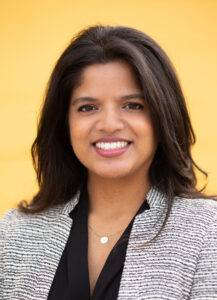

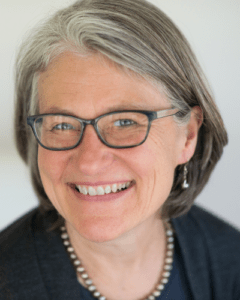
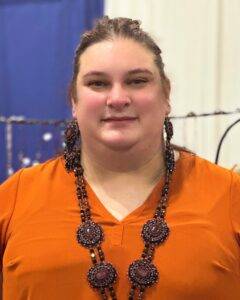
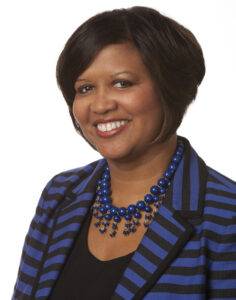 Dr. Tia Brown McNair is the Vice President in the Office of Diversity, Equity, and Student Success and Executive Director for the Truth, Racial Healing, and Transformation (TRHT) Campus Centers at the American Association of Colleges and Universities (AAC&U) in Washington, DC. She oversees both funded projects and AAC&U’s continuing programs on equity, inclusive excellence, high-impact practices, and student success. McNair directs AAC&U’s Summer Institutes on High-Impact Practices and Student Success, and TRHT Campus Centers and serves as the project director for several AAC&U initiatives, including the development of a TRHT-focused campus climate toolkit. She is the lead author of From Equity Talk to Equity Walk: Expanding Practitioner Knowledge for Racial Justice in Higher Education (January 2020) and Becoming a Student-Ready College: A New Culture of Leadership for Student Success (July 2016 and August 2022 Second edition).
