Blog

  • A Conversation with Janet Skeslien Charles, bestselling author of Miss Morgan’s Book Brigade 

    A Conversation with Janet Skeslien Charles, bestselling author of Miss Morgan’s Book Brigade 

    Authored By: Anne Z. Cockerham, PhD, CNM, WHNP-BC, CNE, FACNM, Associate Dean for Teaching Excellence and Innovation

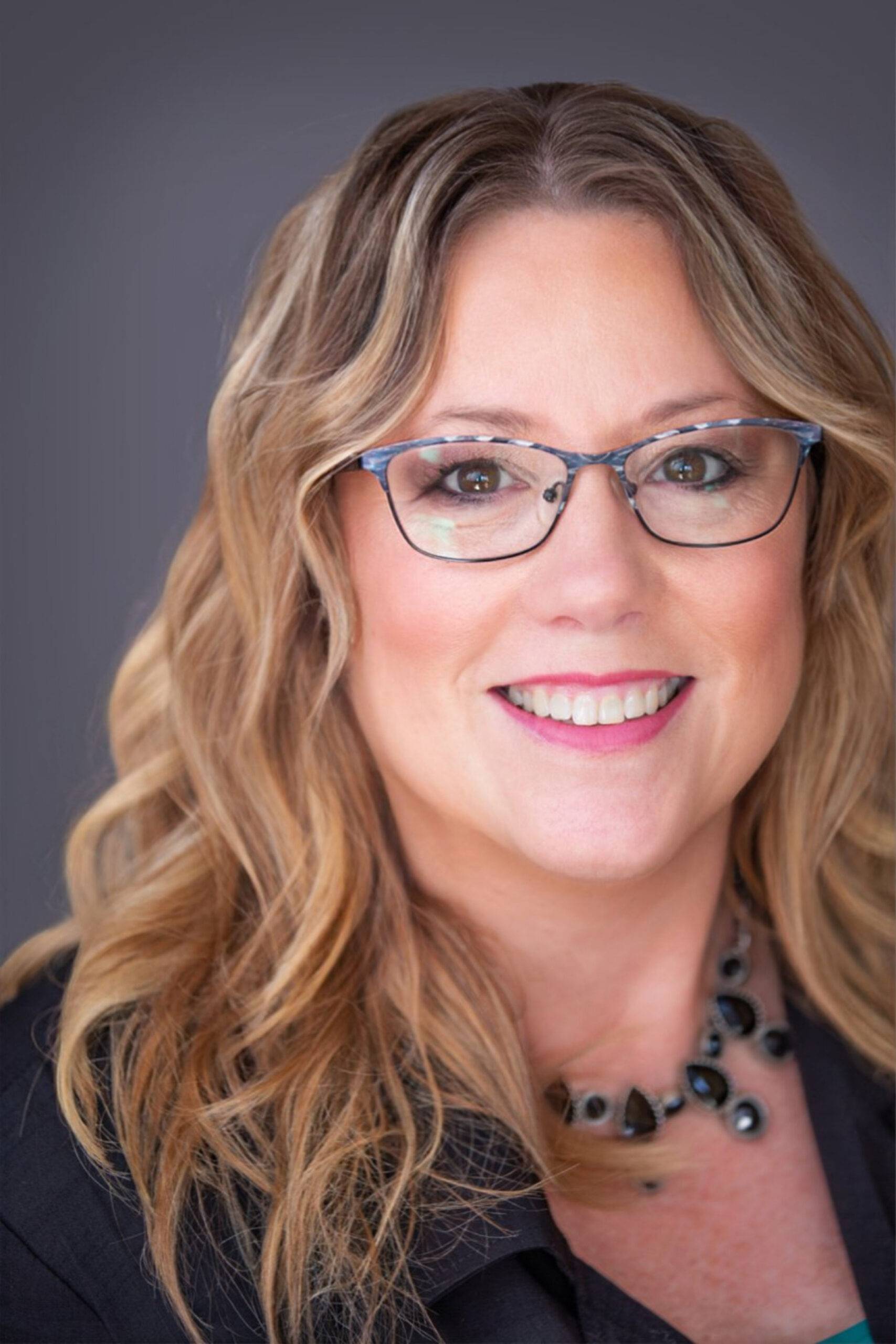
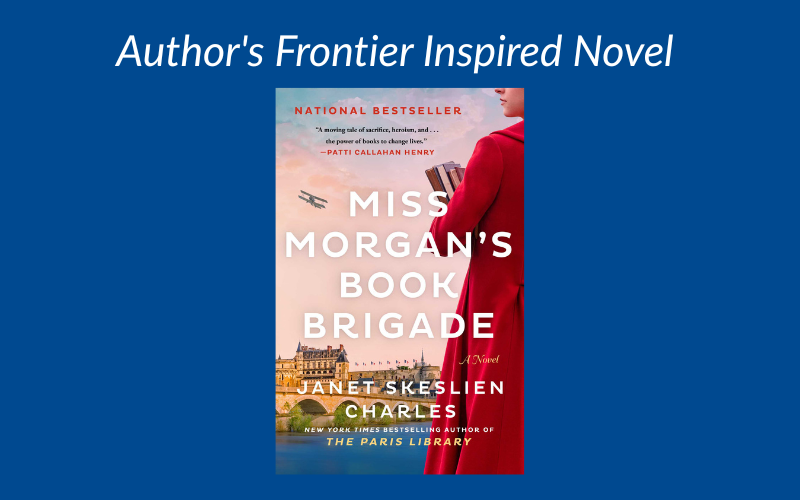
    As a lover of historical fiction, it was a privilege to talk recently with Janet Skeslien Charles, bestselling author of Miss Morgan’s Book Brigade. Published in 2024, Miss Morgan’s Book Brigade is a dual-timeline historical fiction novel featuring Mary Breckinridge as a major character in the novel. 
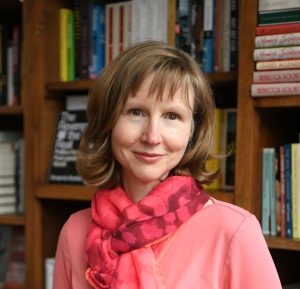
    The 1918 portion of the novel is set in post-World War I France and features the work of the American Committee for Devastated France (known as CARD for its French acronym). Philanthropist Anne Morgan hired Jessie “Kit” Carson to establish children’s libraries to help rebuild French villages and morale after the war. Nurses performed other crucial work for CARD, and Mary Breckinridge provided leadership and nursing care to the people CARD served. 

    Having enjoyed Miss Morgan’s Book Brigade, especially the scenes featuring Mary Breckinridge, I jumped at the chance to ask Janet Skeslien Charles questions about her research and writing processes and more. Here is our conversation, lightly edited for length and clarity. 

    Anne Z. Cockerham: Thank you so much for taking the time to talk with me. 

    Janet Skeslien Charles: Thank you for reading the work. Mary Breckinridge is incredible. What she accomplished with the English, French, and Americans was amazing, especially how she brought that knowledge home and created the first comprehensive healthcare system in America. 

    AZC: I love historical antecedents and the ways that Mary Breckinridge’s experiences in France set her on a course for the rest of her career. 

    JSC: Yes. There was so much tragedy in her life, losing a husband and children. She could have just worn black for the rest of her life but instead, she dedicated her life to others. It’s inspiring. 

    AZC: I’m curious about the path that led you to include Mary Breckinridge so prominently in Miss Morgan’s Book Brigade. 

    JSC: As I did the research for the book, I discovered that she was an incredible person. She wanted to be a nurse, but at a time when her family and society expected her to get married rather than work. Her first husband died of appendicitis and then she divorced her other husband after losing her children. I was amazed at how she was able to pick up the pieces. Many of us would have been devastated, and those losses would have defined us. But she decided instead to help others and make sure that other women would not have the same losses that she experienced. 

    JSC: Something that is amazing to me about Mary Breckinridge was how important facts were for her. In France after World War I, she weighed the babies. Instead of saying, “I think they’re losing weight,” she had the facts, including babies’ weights over time. She used facts to reassure parents, and I found that inspiring. 

    AZC: She built on Florence Nightingale’s work as a statistician, didn’t she? 

    JSC: Yes, in some ways, today we’ve lost sight of the facts and of how important medicine and research are. 

    AZC: Mary Breckinridge is well-known in some circles and not in others. I’m curious if you have any thoughts about why that might be. 

    JSC: Women’s history is often set aside. When I watch Peter Jackson’s documentary, They Shall Not Grow Old, and other films about World War I, I’m always disappointed that they don’t feature women. They feature trenches. When we don’t see women in these major war documentaries, we don’t learn about them and it’s like they didn’t exist. 

    JSC: For the staff of the American Committee for Devastated France (known as CARDs), the work was arduous and dangerous. CARDs received the Croix de Guerre (War Cross) Medal for their courage under fire, working just a few miles from the front. In one instance, the Army asked the CARD chauffeurs to evacuate all villagers, thousands of them, even the ones debilitated by war fatigue. That’s why it’s important to remember women and to restore them to their proper place in history. 

    AZC: Miss Morgan’s Book Brigade is richly textured with major elements and small details about Mary Breckinridge, despite her CARD time not being as well-documented as her later years. One example of rich detail is “Breckie” as a nickname for Mary Breckinridge. What can you share about that? 

    JSC: The CARD staff used diminutives and nicknames for each other such as “Kit” for Jessie Carson, after Kit Carson the explorer. When Mary Breckinridge was in France, she was still using her married name of Thompson, so they called her “Thompy.” However, I didn’t want to feature her in the book as Thompy because after leaving France, she petitioned to take back the Breckinridge name rather than be known as Thompson. Breckie was her little boy who passed away and she loved him so much. I came up with this solution to still have a diminutive but not a name that she herself did not want. Those choices are what writing a novel is all about. 

    AZC: I appreciate how that decision conveys your respect for her. 

    JSC: Something else I wanted to convey was the friendships the CARD members had with each other, and nicknames were part of that. This is similar to military settings. In many ways, CARD was influenced by the military with their uniforms and protocols. Also, they were really there for each other. 

    JSC: The CARD experience helped Mary Breckinridge become more sure of herself and come into her own. We can see that in letters in the University of Kentucky collection that discuss how Mary Breckinridge and Jessie Carson dealt with a forward Frenchman. They did it with such grace and were actually worried about hurting his feelings. 

    AZC: What, if any, challenges did you experience as you applied the historical fiction genre to Mary Breckinridge? 

    JSC: For nonfiction, sticking to the facts is hard, because sometimes you don’t have all the material that you need. With historical fiction, you can connect the dots or you can create the dots. One area in which I was able to connect the dots was the friendship that developed between Mary Breckinridge and Kit Carson. I found some discussions in Wide Neighborhoods about Kit and then I found a census document that shows Jessie Carson working as a librarian at Wendover. 

    JSC: It was incredible to spend several years with Mary Breckinridge and to see what kind of person she was. I found that she prioritized putting other people at ease. For example, she went to a fancy Swiss boarding school and spoke French. But instead of communicating something like, “I speak 3 languages; I’m so intelligent,” she said, “I’m sure no girl ever spoke as badly as I did in 3 languages.” She wasn’t boastful even though she came from a wealthy and prominent family. 

    AZC: One of the aspects of your books that I enjoy is that place is at the heart of what you write about. I’m curious if you have any impressions of the place in which Mary Breckinridge did her later work, eastern Kentucky. If you were to write about eastern Kentucky, how would you address place there? 

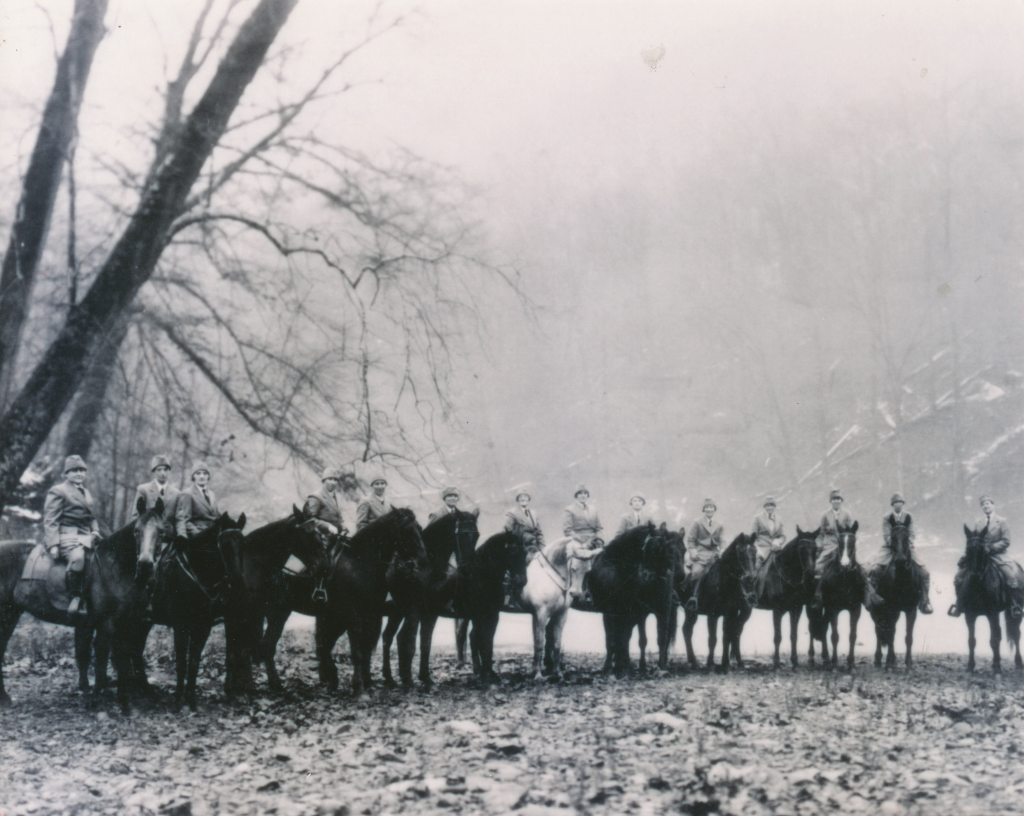
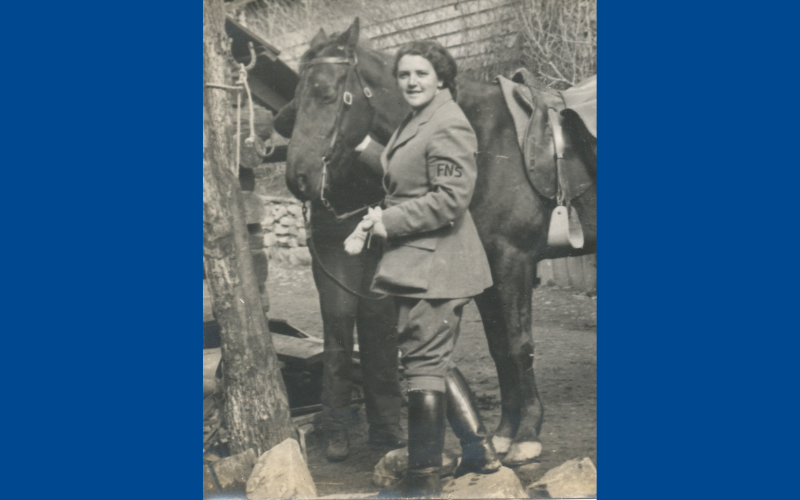
    JSC: What comes to mind is the photo of the nurses on horseback, one of the most iconic photos I’ve ever seen. The terrain and transportation in eastern Kentucky are so different than what the CARD staff experienced in France. In France, they could go from place to place in motorized vehicles, even though the roads were destroyed and the roads damaged the tires. 

    JSC: By contrast, for the FNS in eastern Kentucky, the terrain was so rough they couldn’t get where they wanted to go by car. If the horse stepped wrong in the rocky terrain, they were in a lot of trouble. That speaks to how brave the women were, to be on horseback and even transport babies on horseback. You can feel the pride, power, and devotion. That kind of land shapes who we are. The FNS nurses were tough. I have so much respect for everyone involved in the FNS. 

    AZC: During your book tour for Miss Morgan’s Book Brigade, did any discussion about Mary Breckinridge come up from any of the participants? 

    JSC: People mentioned being impressed that the first comprehensive healthcare system in America started with a woman from Kentucky. On my book tour and doing Zoom talks, I show the stamp of Mary Breckinridge. Few people have their own stamp and it really is a badge of honor. 

    JSC: When they see the stamp and they see the nurses on horseback, they’re surprised to learn about the history. It’s important for people to know that the mortality rates were lower in Kentucky, where she worked, than the national rates at the time. It’s incredible to think about that rural area thriving, thanks to Mary Breckinridge. We can still learn a lot from her today, about the transformational power of learning internationally and sharing our knowledge. 

    AZC: Was the juxtaposition of librarians and nurses purposeful in Miss Morgan’s Book Brigade? 

    JSC: The only character I knew when I first started the book was Jessie Carson. Then to learn about Mary Breckinridge and the impact that she had not only in France, but in the United States, was incredible. That’s what I love about writing and reading, is how much you learn. 

    JSC: Teachers, nurses, and librarians are feminized professions, and they don’t earn as much as some other professions. But another way to look at it is they’re in charge of what we learn and how we feel. Think about how many lives they change for the better, and that is powerful. 

    AZC: I want to ask about your latest book, The Parisian Chapter, the third book in the trilogy. What can you tell us about that book? 

    JSC: It will be published May 5, 2026, but it’s already out as an audiobook, recorded in 11 voices. The book includes Lily from The Paris Library. It’s set in about 1995 so it’s a continuation of the other books but can be read as a standalone. I had been thinking about institutions like Frontier Nursing University and the American Library in Paris. The institutions are what we make them. Many people work together and put their hearts and souls into them so others can enjoy them and learn. 

    JSC: In addition to The Parisian Chapter coming in May, one of my favorite things is my monthly newsletter where I write about the different CARD staff. I have photos, because the Réunion des Musées Nationaux, the national museum system in France, has amazing photos of the CARD staff but they aren’t easily accessible online. I paid for the right to use about 150 photos on my website. In my newsletter, I focus on a theme like nurses, farming, or librarians, and every month I write something about the CARD staff. I find so much pleasure in writing a short piece because novels take me 10 years, but a newsletter article takes me a couple months. 

    AZC: Is there anything else we haven’t talked about that you want readers to know about Mary Breckinridge’s story? 

    JSC: I want people to know about her time in France. She had so many interesting chapters in her life. I’m excited that people who might not be as familiar with Mary Breckinridge’s French chapter will get to know about her work there. 

    AZC: It’s been a real pleasure to talk with you. Thank you! 

    This piece was originally published in the Winter 2026 Quarterly Bulletin.
  • The Unsung Heroes of the Frontier Nursing Service: The Horses 

    The Unsung Heroes of the Frontier Nursing Service: The Horses 

    Recognition and Care of the Horses 

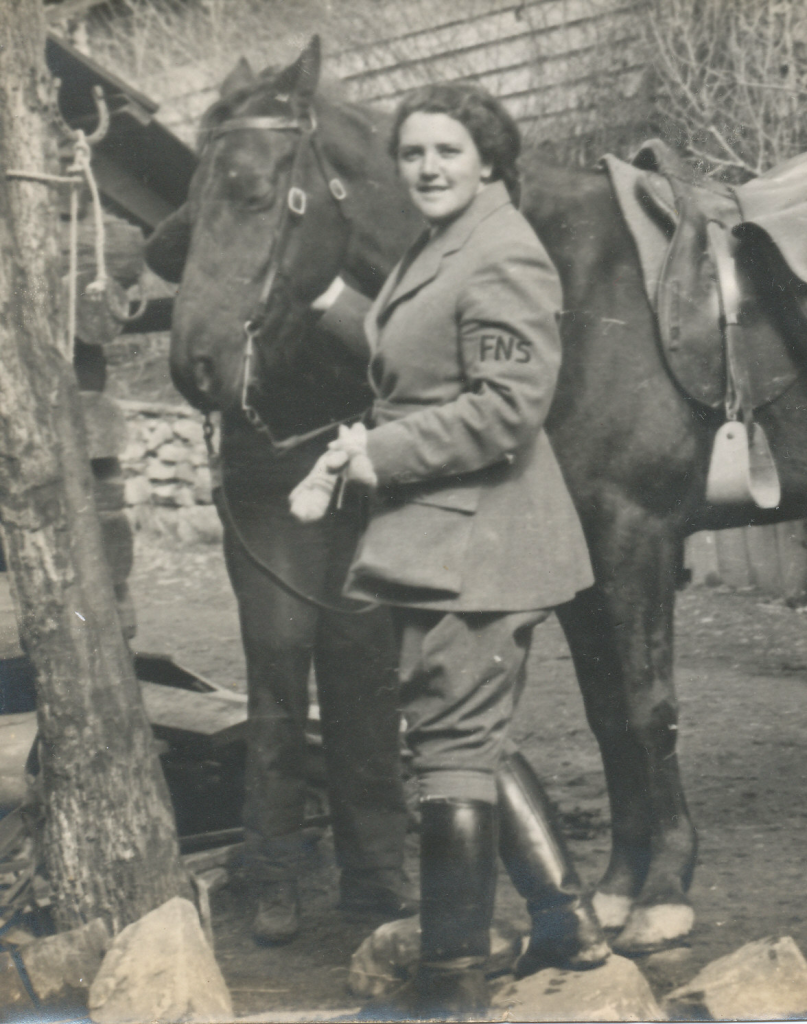
    The nurses of the Frontier Nursing Service (FNS) have been widely celebrated for their commitment and courage in providing nursing and midwifery services in some of the most rugged, remote, and impoverished areas of southeastern Kentucky. However, much less has been written about the nurses’ partners in service, their horses. With almost no roads in the FNS service area, the nurses relied on their horses to navigate a network of rugged mountain trails to reach their patients. Traversing those isolated trails in challenging weather, day and night, required close collaboration between the nurse and her horse. The horses played an essential role in enabling the nurses to get to their patients and transport people in need to urgent services. 

    Although stories of the FNS nurses often overshadow the role of the horses, the nurses knew that the horses were essential and treated their beloved equines with great care and respect. Beyond providing transportation in a place where vehicles could not travel, the horse served as the nurse’s companion and partner in her work and was often the only company the nurse had for long stretches of time. 

    The FNS needed horses with the stamina to glide smoothly and quickly for long periods of time through the mountain trails. They selected naturally gaited horses such as the Tennessee Walking Horse because they could be trained to use a running walk, often described as a smooth, gliding walk. The smooth walk was necessary to protect the medical supplies in the saddlebags and provide the most comfortable ride for both the nurse and the horse, who often spent hours a day on the trail. The smooth ride was particularly important when the nurses had to carry an infant or child on their horse, and certain horses would “settle” and move even more quietly whenever a child was in the saddle with a nurse. The running walk was also faster than the typical walk, which was important since many families lived miles away from the nursing center and when there was a woman in labor or a serious illness or injury, the nurses had to travel quickly. 

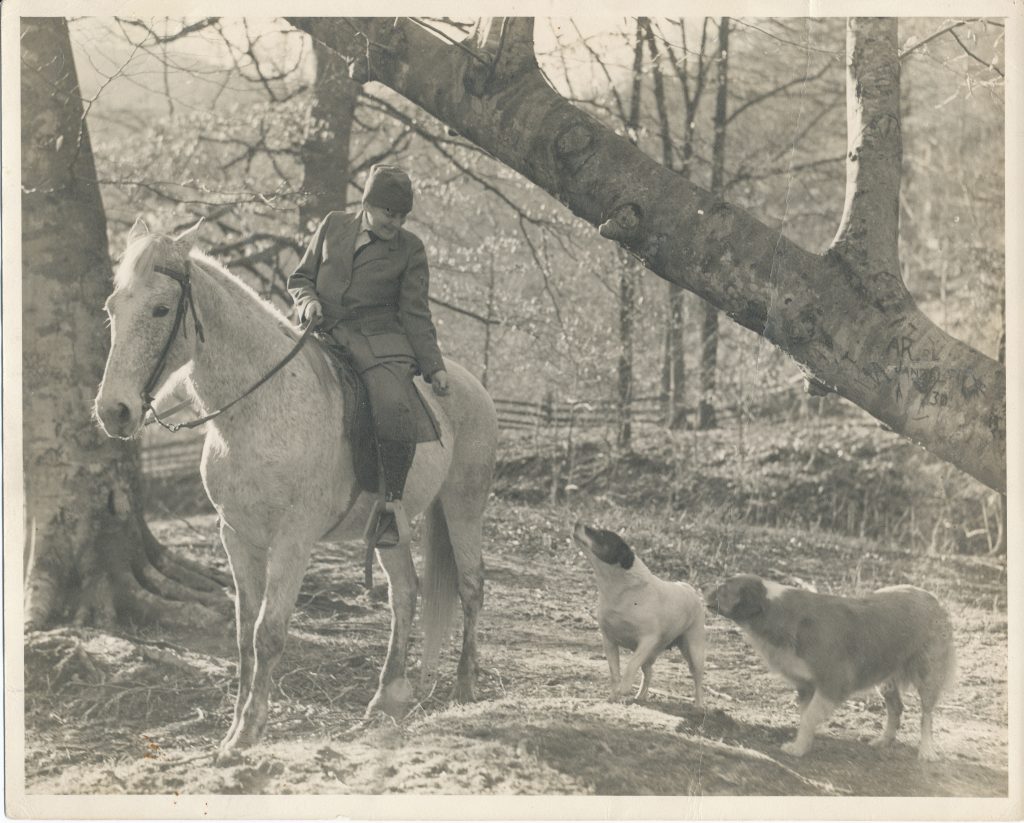
    One of the best examples of the nurses’ love of their horses was Mary Breckinridge. Although she had broken her back while rolling off a runaway horse, she returned to riding when able. Her horse, Babbette, was well known for her ability to walk smoothly carrying a child or when carrying Mary Breckinridge after she recovered from her injuries. Breckinridge wrote that her back would give out after three hours in the saddle and she would tell Babbette, “The back has crashed, take it easy,” and her horse would immediately switch to a gentle walk. 

    FNS nurses dressed in uniform sit on horses, lined up side by side in a misty forest with bare trees and a rocky ground.

    Although the nurses guided the horses to where they needed to go, the horses knew their area, and the nurses had been taught that if they were ever lost, they should loosen their hold on the reins and let the horse “have its head,” and the horse would take them home. The nurses were also closely tuned into their horse’s senses. If a horse stopped on the trail, the nurse knew that it sensed danger such as a snake, a stranger, smoke, an odd odor, or even something that was out of the ordinary. Whenever this happened, the nurse knew to proceed with caution or turn around and take another trail. 

    In addition to carrying nurses and supplies to where they were needed, the horses also had to wait while the nurse made her visits. Waiting while tied to a rail is difficult for horses for any length of time. Indeed, there are several iconic FNS photos of a horse tied to a rail labeled “Waiting.” Although most visits were relatively short, when the nurse was attending a labor and birth or a serious illness or injury, the wait for the horses could be hours. Families always cared for the nurse’s horse, providing fresh water and oats, but the horse still had to wait for its warm, comfortable stable and regular feed. Some of the horses knew that when they heard a baby cry, that meant they would be going home soon. At one birth, a horse named Commando was tied near the open window of a mountain home and when the baby cried, he put his head through the window and “whinnied joyfully.” But the nurse’s work was not done when the baby arrived. After a birth, the nurse had to wait to make sure that both the mother and baby were doing well and then clean and repack her supplies in the saddlebags. When the nurse’s work was done, she would mount her horse and head for home, where she would unsaddle her horse, brush and rub it down, feed it, and secure it in its stable for a well-earned rest. 

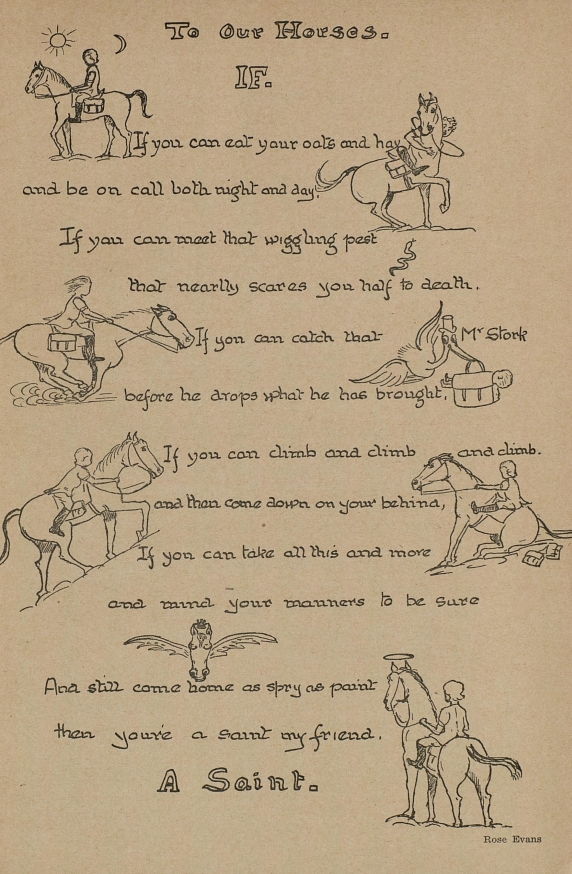
    The horses often faced significant risks in their service. Trails were ungroomed, so the ground was uneven with rocks and tree roots, and some had precipitous drop-offs. The horses also endured harsh conditions such as snow and ice, which sometimes required the use of “ice nails” in the horse’s shoes for traction. The ice nails did not hurt the horses; they stuck out of the horseshoe, enabling the horse to get better traction. One midwifery student described the experience of following her supervisor to attend a birth on a moonless, cold winter night when the only thing she could see was the sparks from her supervisor’s horse’s ice nails. The horses also had to ford rivers and occasionally encountered quicksand near the riverbanks. One of the trails was so steep that after a long climb up the mountain, the horse had to sit back on its haunches and slide down the trail on the other side. This maneuver was incredibly difficult for a horse and required a skilled rider and a well-trained, trusting horse. 

    Horses were well cared for by many staff members. The FNS couriers provided most of the routine care of the horses. Farriers cared for the horses’ hooves and replaced horseshoes. Many of the local people had extensive knowledge of caring for horses. Although few veterinarians were nearby, they could be consulted by telegram, letter, and later telephone. Occasionally, horses had to be cared for by their nurse, especially when out on the trail or at the remote district nursing centers. When possible, the nurses sought consultation with someone who had veterinary expertise to provide a plan of care for the horse. But if no consultation was available, the nurses treated the horses using the therapies and medications designed for their human patients and improvised as needed. 

    How the Horses Cared for the Nurses 

    Horses were assigned to each of the nurses. Mary Breckinridge personally oversaw the naming of horses and their assignment to individual nurses and staff members. The decision of which horse was assigned to which nurse was based on the nurse’s skill as a rider, her personality, and the horse’s personality. A horse assigned to a nurse was generally a permanent assignment so that over time, the horse and the nurse developed a deep, trusting relationship and knew each other’s signals and habits. 

    In addition to safe transportation, the horses also provided comfort to the nurses. Horses are known for their calming and therapeutic presence, and that quiet, calm presence was often needed after the nurse managed a difficult labor and birth, a serious illness or injury, or a death. The nurses almost always worked alone, providing the best possible care for a patient and supporting the family through the event. After a difficult encounter, the nurses had no colleagues nearby to talk to and no way to call a friend. But they had their horse. It must have been a tremendous comfort to be able to complete their work and come out and mount their warm, strong, calm horse to go home; it was the nurse’s turn to depend on someone else. 

    The horses also had to be a comfort for the nurses when they were riding alone, especially at night. Although no person ever harmed a FNS nurse, and a family member almost always accompanied the nurse at night, sometimes the nurse had to ride ahead of the family member in an emergency or ride alone if the person summoning the nurse did not have a horse. Some of the homes were hours away, so the journey was long. The darkness and quiet of the mountain trails had to be terribly lonely for the nurses, and the size, strength, and warmth of the nurse’s horse served as far more than transport. 

    Legacy of the Horses 

    Although horses are no longer part of Frontier Nursing University’s daily work, their contribution to the FNS and the university endures, and the nurse on horseback remains at the center of Frontier Nursing University’s logo. The nurse on horseback symbolizes the bravery and determination to reach patients and provide excellent care regardless of the circumstances —  qualities that we value to this day. 

    Through a century of transformation of the original nursing service into a university, the logo remains unchanged because it depicts the innovation of using nurses with advanced training and horses who could safely move the nurses to where healthcare was needed. The image of the nurse and horse moving together demonstrates the FNS/FNU commitment to finding innovative methods of serving people in need and educating nurses who can meet those needs, regardless of where they live. 

    Editor’s Note: In 2025, we celebrated the 100th anniversary of the forming of the Frontier Nursing Service. We shared many of the stories of the people and events that framed Frontier’s history and led the university to where it is today. Among the many lessons we learned from these stories was that we have many more to tell. Three FNU faculty members suggested the idea of a standing history column in the Quarterly Bulletin and graciously agreed to share their knowledge and expertise in writing these informative and engaging stories that are forever part of the fabric of FNU. 

    This piece was originally authored by the following FNU faculty members in the Winter 2026 Quarterly Bulletin:
    Janet L. Engstrom, PhD, APRN, CNM, WHNP-BC, CNE 
    Joanne M. Keefe, DNP, MPH, APRN, FNP-c, CNE 
    Anne Z. Cockerham, PhD, APRN, CNM, WHNP-BC, CNE 

  • Women’s Health Nurse Practitioners (WHNPs) Strengthen Care and Access in Communities

    Women’s Health Nurse Practitioners (WHNPs) Strengthen Care and Access in Communities

    Many rural and underserved communities have limited access to obstetric care, which often means fewer Women’s Health Nurse Practitioners (WHNPs) practicing in those areas. This gap creates an opportunity for nurses who want to influence health care outcomes in their communities with a focus on women’s health.  
     
    WHNPs are advanced practice nurses who specialize in comprehensive, continuous health care for women across the lifespan. With a specialization in women’s health, nurse practitioners can expand access to routine and preventative care closer to home, reducing barriers that often cause women to delay or go without care. WHNPs also provide compassionate care with an understanding of the personal, cultural, and social factors that shape a woman’s health decisions.  
     
    The scope of a WHNP’s practice includes well-woman visits, primary care, reproductive and gynecologic care, and prenatal and postpartum services. In addition, WHNPs emphasize health promotion, disease prevention, patient education, and shared decision-making. Their responsibilities include routine wellness exams, menopause management, prescribing contraception, and diagnosing and treating gynecologic and other conditions. WHNP practice can include procedures like ultrasound, biopsy, and contraceptive insertion. WHNPs practice in a wide variety of settings, including OB-GYN offices, community health centers, hospitals, private practices, and more. Specialty roles of the WHNP include infertility, pelvic pain, sexual health, gynecologic oncology, gender-related care, and maternal-fetal medicine. 

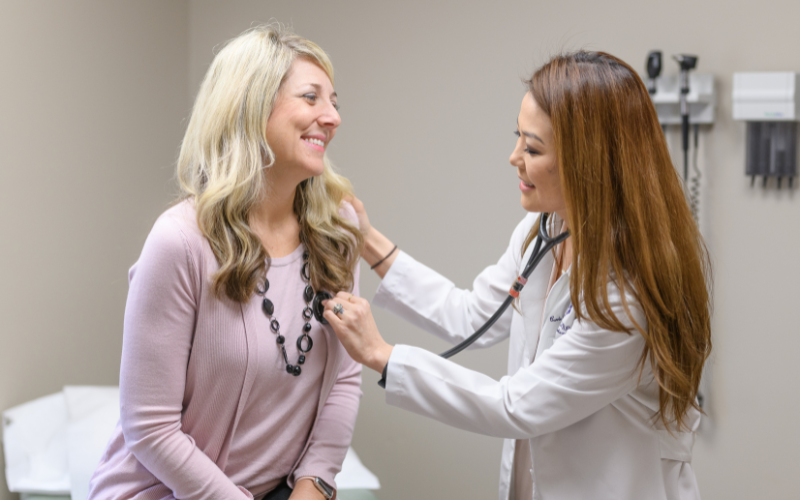
    female provider with long brown hair listening to female patient's heart.

    According to a 2024 study published in the Journal of Perinatal & Neonatal Nursing, there are approximately 13,000 board-certified WHNPs in the United States. While this is meaningful progress, it falls short of meeting national demand. The American Association of Nurse Practitioners (AANP) reports that only about 2 percent of licensed nurse practitioners nationwide specialize primarily in women’s health. 
     
    Given the scope, complexity, and growing demand for women’s health care services, more WHNPs are needed in the United States for several key reasons: 

    • Continuity of care – Relationship-based care is essential to positive health outcomes. WHNPs are uniquely positioned to care for patients across the lifespan, from adolescence and pregnancy to menopause and beyond. This continuity fosters trust and leads to better care plans. With earlier detection of health concerns, women can experience better long-term outcomes. 
    • Maternal health outcomes – Maternal mortality rates and disparities in the United States remain deeply concerning. WHNPs are essential partners in improving maternal health outcomes through preventive care, education, and ongoing clinical support. 
    • Complexity of reproductive health care – As access to reproductive health care becomes increasingly complex and constrained, the full-scope role of the WHNP has never been more critical. WHNPs provide comprehensive, patient-centered care and serve as advocates within their communities. 

    How to Become a WHNP with an MSN or PGC 

    Meeting this growing demand requires accessible, high-quality educational pathways for future WHNPs. Frontier Nursing University (FNU) offers a graduate Women’s Health Nurse Practitioner specialty track that can be pursued full or part-time while completing a Master of Science in Nursing or a Post-Graduate Certificate. Students also have the option to pursue a Doctor of Nursing Practice at FNU. 
     
    Frontier’s flexible online format allows students to complete coursework in their home communities while building a larger network with peers, faculty, and alumni. Students often point to the faculty’s consistent presence and support as a hallmark of their FNU experience.  
     
    Following completion of their didactic coursework, students gain hands-on clinical experience working alongside preceptors. FNU has a dedicated clinical outreach and placement team to assist students in identifying potential clinical sites.  
     
    Take the Next Step Toward Becoming a WHNP 

    Ready to take the next step in your nursing career? A Women’s Health Nurse Practitioner MSN can open the door to new opportunities and meaningful impact. At FNU, WHNP students are equipped to provide evidence-based care for women throughout every stage of life, supported by real-world clinical training and strong support from the FNU community. 

    To learn more about the online WHNP specialty program at Frontier Nursing University, click here

    To explore all Frontier Nursing University degrees and specialties, click here. 

  • Graduate Spotlight: Caroline Riegel catches first baby born on U.S. soil in 2026 

    Graduate Spotlight: Caroline Riegel catches first baby born on U.S. soil in 2026 

    At the heart of Frontier Nursing University is a talented community of students, graduates, faculty, staff, Couriers and preceptors. Spotlight blogs feature members of our FNU community who are focused on the mission of educating nurse-midwives and nurse practitioners to work with all people, with an emphasis on rural and underserved communities. 

    Frontier Nursing University (FNU) graduate Caroline Riegel, MSN, APRN, CNM, RNC-OB, C-EFM, had a truly once-in-a-lifetime experience to kick off 2026: delivering the first baby born on United States soil in the new year. 

    A resident of the Northern Mariana Islands, a U.S. Commonwealth, Riegel helped welcome the baby at 4:09 a.m. Chamorro Standard Time. Back on the East Coast, the clock read 1:09 p.m. on Dec. 31, underscoring just how early her New Year began. 

    “I will forever have bragging rights to catching the first baby born on U.S. soil in 2026, and I look forward to pulling that out as a conversation topic at parties,” Riegel said.  

    Riegel has served as a nurse-midwife with the Commonwealth Healthcare Corporation in the Northern Mariana Islands since 2023 and currently holds the role of Midwife Co-Chair for the Obstetrics Department. She earned the hospital’s “most babies caught” honor in both 2024 and 2025. In fact, she also delivered the first baby born at the hospital in 2025.  

    “2026 was especially exciting because I caught the very first baby to be born on U.S. soil, beating Guam,” she explained.  

    At Commonwealth Healthcare, Riegel cares for rural and underserved patients across the Northern Mariana Islands, a remote U.S. Commonwealth made up of a 14-island chain. While the southern islands of Saipan, Tinian, and Rota are the most populated, the majority of residents live on Saipan, home to the Commonwealth’s only inpatient hospital. Riegel noted that many of her patients rely on Medicaid, while others are uninsured due to their work-visa status. 

    In addition to her role as a hospitalist in the Labor & Delivery Unit, Riegel provides full-scope care at the hospital-based Women’s Clinic, serving patients from menarche through menopause. Her patient population reflects the diversity of the islands, with approximately 30% identifying as Indigenous Chamorro and Carolinian islanders, 30% Filipina, 20% Southeast Asian—including Chinese, Japanese, and Korean—and 20% of mixed heritage or other backgrounds. Riegel provides comprehensive well-woman gynecologic care, along with prenatal, intrapartum, and postpartum services for the local pregnant population. The hospital delivers approximately 500 babies each year. 

    “My favorite part will always be the moment at birth when the baby takes his/her first cry and the parents get to meet their new baby,” she said.  

    Riegel is also involved in the indigenous-based Latte Group Prenatal Care program, launched last year by her midwife colleague and fellow FNU graduate, Corie Parada. The program takes its name from the ancient Latte stones, massive pillars once used by the Chamorro people to support their homes, and reflects a culturally grounded approach to prenatal care.  

    In addition, Riegel serves as chair of the hospital’s STEPS team as part of the CHAMPS National initiative, a collaborative effort led by the Centers for Disease Control and Prevention and the Center for Health Equity, Education, and Research at Boston Medical Center. The initiative works to strengthen maternal and child health practices nationwide by supporting 100 hospitals. Through participation in CHAMPS, the hospital has significantly increased the number of families able to experience an uninterrupted “Golden Hour” after birth and has improved breastfeeding initiation rates, Riegel said. 

    Beyond her clinical work, Riegel is deeply committed to education. She serves as an adjunct instructor in the nursing program at Northern Marianas College, where she teaches skills lab and clinicals for the Maternal Child Health course. Riegel has also supported the next generation of midwives by serving as a preceptor for a Frontier nurse-midwifery student from October 2022 through January 2023. 

    Riegel earned her Master of Science in Nursing (MSN) in Nurse-Midwifery at Frontier in 2020 and is currently pursuing a Doctor of Nursing Practice (DNP), with plans to graduate in March 2027. 

    After graduating from nursing school in 2015, Riegel began her career as a Labor & Delivery nurse at a large hospital in the metro Atlanta area. She worked alongside several provider groups that included midwives, an experience she credits with inspiring her path into midwifery. Among those who influenced her were FNU graduates, Dr. Corie Abrams and Dr. Amanda Zimmerman. 

    Riegel said she ultimately chose to pursue her MSN at FNU for a combination of reasons, including the clinical skill and professionalism she observed in FNU graduates, the distance education model, and the institution’s values and ethos. 

    “Once I learned more about Mary Breckinridge and the Frontier Nursing Service, I realized that I held similar values in providing care in rural and underserved environments,” she said.  

    After earning her MSN, Riegel worked as a nurse-midwife for Geisinger Health System in Pennsylvania from 2021 to 2023 before taking on her current role in Saipan. She said when applying for both positions, she was recruited and interviewed by FNU graduates.  

    “I felt confident and assured in accepting each position knowing that I would be working with midwives who had been through the same rigorous program,” she said.  

    Riegel said she remains connected to the FNU community through social media. 

    “We still circle-up together for a midwife in need, and that’s a beautiful thing,” she said.  

    Riegel said she encourages those interested in becoming a nurse-midwife to be prepared to network extensively, advocate for their salary and benefits, and remain open to relocating in order to find the right opportunity. 

    “Midwifery is a lifestyle and you have to have a passion for it,” she said. “Sleepless nights, crazy schedules, and sometimes challenging outcomes are very much a reality.”  

    Outside of her professional work and studies, Riegel is deeply committed to animal welfare, with a particular focus on trap-neuter-release (TNR) efforts and cat rehabilitation on the island of Saipan. With no permanent veterinarian on the island, she described the stray cat and dog situation as “dire.” Since relocating to Saipan, Riegel has helped spay and neuter more than 40 cats and has placed 20 kittens into adoptive homes. She currently cares for two indoor cats and seven outdoor cats. 

    Riegel also enjoys traveling internationally, taking advantage of her location in the Western Pacific to explore destinations such as Japan, Korea, Hong Kong, Macau, Singapore, and Malaysia. 

    Thank you, Caroline, for the care, passion, and leadership you bring to your patients, your community, and the global midwifery profession. 

    To read more graduate stories, visit the FNU Alumni stories page

  • Family Nurse Practitioners Can Chart Their Own Course in Health Care 

    Family Nurse Practitioners Can Chart Their Own Course in Health Care 

    In communities across the country, access to quality care is dependent on a highly skilled, trusted provider: the Family Nurse Practitioner (FNP). Serving patients across the lifespan, FNPs are advanced practice registered nurses who provide comprehensive, patient-centered care to individuals and families.  

    For health care professionals, becoming an FNP opens the door to a wide range of practice settings, patient populations, and focus areas. FNPs provide ongoing, comprehensive care in primary care clinics and private practices; serve as essential providers in rural and frontier health clinics; and work within hospital and health system settings, including outpatient clinics and collaborative care teams. Many FNPs also practice in community health centers caring for underserved populations; deliver care through telehealth and virtual platforms; and support older adults in assisted living and skilled nursing facilities. 

    While grounded in primary care, many FNPs pursue specialized areas of interest that allow them to shape their careers around their passions. These areas may include chronic disease management, preventive and wellness care, women’s and men’s health, geriatric care, behavioral and mental health, and population-focused care initiatives. Because of their broad training, FNPs may serve infants, children, adolescents, adults, and older adults, as well as families and multigenerational households. 

    Whether serving as a primary care provider in a rural clinic, leading a community health initiative, or launching an independent practice, Family Nurse Practitioners play a vital role in improving access to high-quality, patient-centered care. 

     Frontier Nursing University (FNU) has been at the forefront of family nursing education since introducing the first FNP program in the United States in 1970. The FNP curriculum is built on a strong academic and clinical foundation and is designed to develop not only skilled practitioners, but also healthcare leaders and entrepreneurs. 

    “Our graduates are well-prepared clinicians who are improving health care across the country,” said Audra Cave, DNP, FNP-BC, Department Chair of Frontier’s Department of Family Nursing. “Frontier students gain firsthand insight into the needs of their communities and learn the skills necessary to start their own practices, if that’s the path they choose.”

    FNU’s accredited community-based, distance-learning FNP program offers affordable tuition, flexible online coursework, supportive faculty and staff, and dedicated clinical placement services. Frontier graduates consistently excel on the national certification exams administered by the American Academy of Nurse Practitioners (AANP) and the American Nurses Credentialing Center (ANCC). In 2025, 99% of FNP MSN graduates and 100% of FNP PGC graduates passed the AANP exam, while 100% of both FNP MSN and PGC graduates passed the ANCC exam in 2024 — far surpassing the national pass rate of 83% recorded for both exams in 2024.  

    Frontier students can enroll full or part-time and complete 100 percent of their coursework online, with clinical practicums carried out in their own communities. Before diving into didactic and clinical work, students come together for two brief on-campus immersion experiences designed to help them connect with peers and faculty and build a support network that carries them through the program. After earning an MSN, graduates may continue to complete a Doctor of Nursing Practice (DNP) at FNU with just 30 additional credit hours. 

    To learn more about FNU’s online FNP program, visit frontier.edu/family-nurse-practitioner.  

  • Graduate Spotlight: Jaime Westlund Turns a Dream Into Care for the Kona Community in Hawaii

    Graduate Spotlight: Jaime Westlund Turns a Dream Into Care for the Kona Community in Hawaii

    At the heart of Frontier Nursing University is a talented community of students, graduates, faculty, staff, Couriers and preceptors. Spotlight blogs feature members of our FNU community that are focused on the mission of educating nurse-midwives and nurse practitioners to work with all people, with an emphasis on rural and underserved communities.

    Throughout her healthcare career, Jaime Westlund, DNP, APRN, FNP-C, CCK, AACC, envisioned a different way to care for patients in her community, one defined by autonomy, connection, and compassion. For Dr. Westlund, that meant practicing without rigid time limits, inflexible schedules, or systems driven more by productivity metrics than patient well-being. Her goal: to deliver care that is human, thoughtful, and truly centered on the individual.

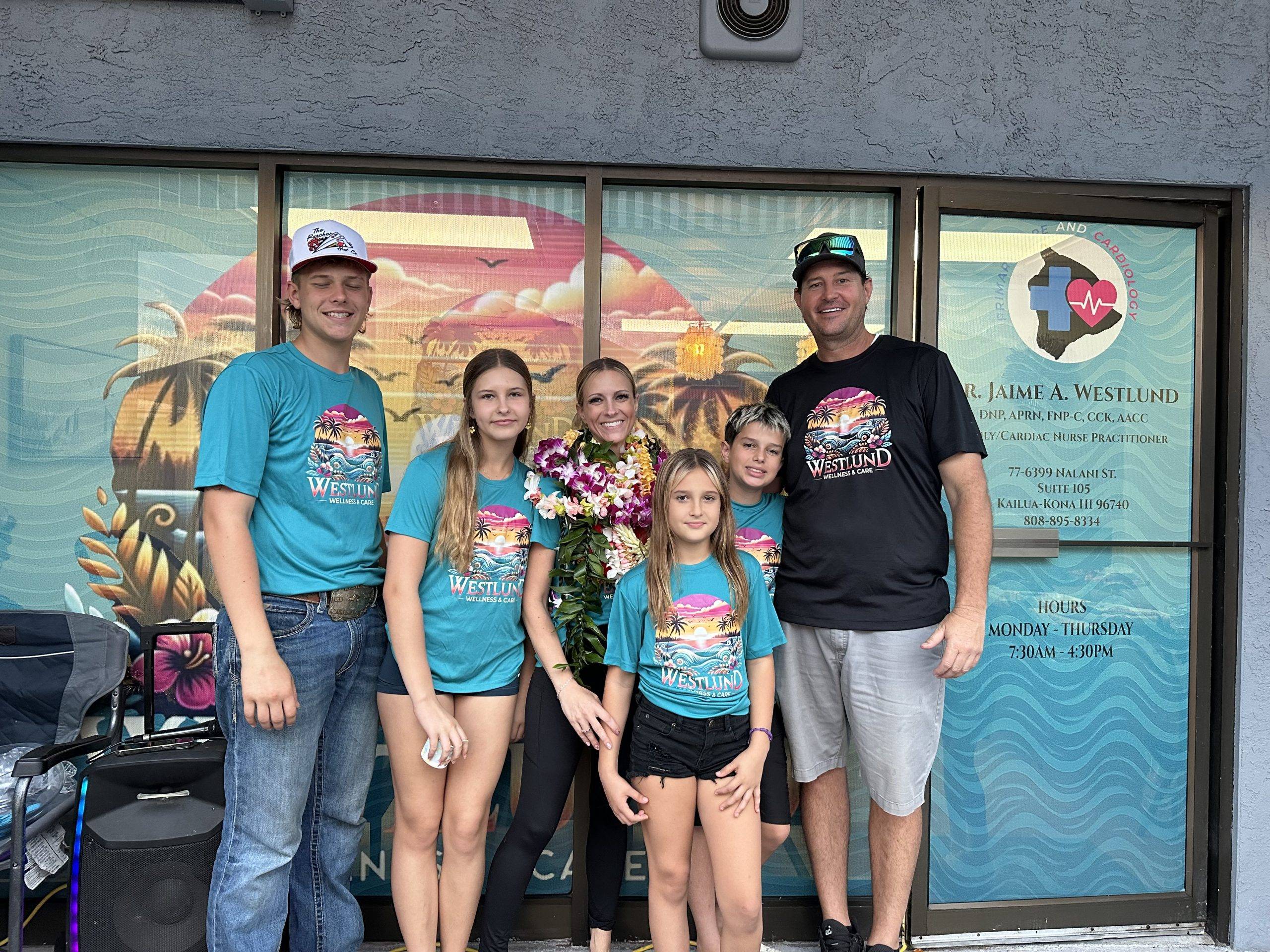
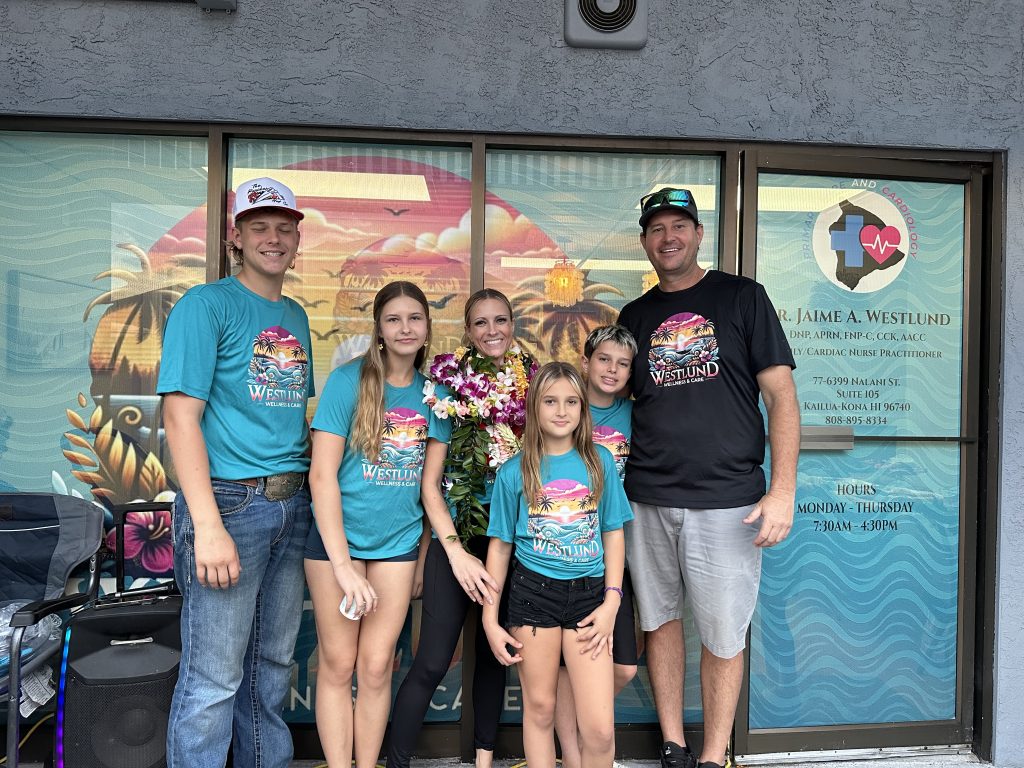
    That vision is now a reality with the opening of Westlund Wellness & Care in Kailua-Kona, Hawaii. Through her own practice, Dr. Westlund provides comprehensive primary care and cardiology services, offering patients in her home community the personalized, relationship-based care she has always believed in.

    The opening of Westlund Wellness & Care represents the culmination of more than two decades of experience across a wide range of health care roles. Dr. Westlund’s career began as a Medical Assistant and expanded to positions including DEXA Technician, X-Ray Technician, Phlebotomist, manager, and Registered Nurse. Her work across specialties such as orthopedics, urology, ENT, geriatrics, general surgery, and cardiology provided a strong clinical foundation and a well-rounded perspective on patient care.

    Dr. Westlund’s hands-on experience is complemented by both a Master of Science in Nursing (MSN) and a Doctor of Nursing Practice (DNP) from Frontier Nursing University (FNU). She earned an MSN with a Family Nurse Practitioner (FNP) specialty in 2019 and completed the DNP in 2020.

    “I chose FNU because I loved the story of Mary Breckinridge and her dedication to her community,” she said.

    For Dr. Westlund, becoming an FNP with a DNP was about deepening her ability to deliver informed, patient-centered care that supports the health and well-being of the entire family.

    “As a Family Nurse Practitioner, I am family medicine-trained to care for the whole family: babies, keiki (child), adults and kupuna (elders),” she said. “With my advanced training, I can provide everything from routine checkups to managing complex health needs. I like to offer options that fit each person’s lifestyle; often trying alternatives first before medications. That way, your care plan works for you and your ‘ohana’ (family) at every stage of life.”

    In addition to primary care, Dr. Westlund has a strong focus on heart health, bringing years of experience in the prevention and treatment of cardiovascular disease within her community. Her expertise has earned her national recognition from the American College of Cardiology, where she holds the designation of Associate of the American College of Cardiology (AACC). She has also successfully completed the Cardiovascular Care Knowledge Examination (CCKE), underscoring her advanced knowledge and commitment to excellence in cardiovascular care.

    Dr. Westlund has served the Kona community for the past six years. Having grown up in a rural area, she said she is deeply passionate about improving access to high-quality healthcare for underserved communities.

    “I have been honored to serve the Kona community, where it takes creativity and dedication to care for patients with limited resources, and I feel truly blessed to call Kona home,” she said.

    Building on her experience and deep commitment to her community, Dr. Westlund opened Westlund Wellness & Care on November 10, 2025. Since opening, the practice has been consistently booked, reflecting the strong need for accessible, patient-centered care in the area.

    Westlund Wellness & Care offers a wide range of primary care services, including preventive and wellness care, annual physicals, lifestyle and nutrition counseling, home visits for homebound patients, and more. The practice also provides comprehensive cardiovascular services, from heart health evaluation and prevention and cardiovascular risk assessments to preoperative clearance exams and Holter and event monitoring.

    Opening the practice was truly a labor of love. Dr. Westlund and her husband, David, demolished and rebuilt the facility while raising their four children. The couple spent countless hours transforming the space into a warm, welcoming environment that now showcases artwork from local artists. Each piece includes a QR code for purchase, giving artists greater exposure while enhancing the patient experience.

    “Creating a warm, welcoming space was so important to me,” Dr. Westlund said. “I want every patient who walks through our doors to feel at home and completely comfortable. Trust and connection start the moment you step inside, and I believe a safe, calming environment is the first step in building that rapport.”

    For Dr. Westlund, drawing on her extensive experience to serve her community through her own care philosophy is the realization of a lifelong dream.

    “May we all have a dream worth working for,” she said. “And may we be brave enough to pursue it relentlessly, not just for ourselves, but to better our communities.”

    Thank you, Jaime, for inspiring others through your dedication to patient-centered care, community service, and the courage to turn a lifelong dream into reality.

    To read more graduate stories, visit the FNU Alumni stories page.

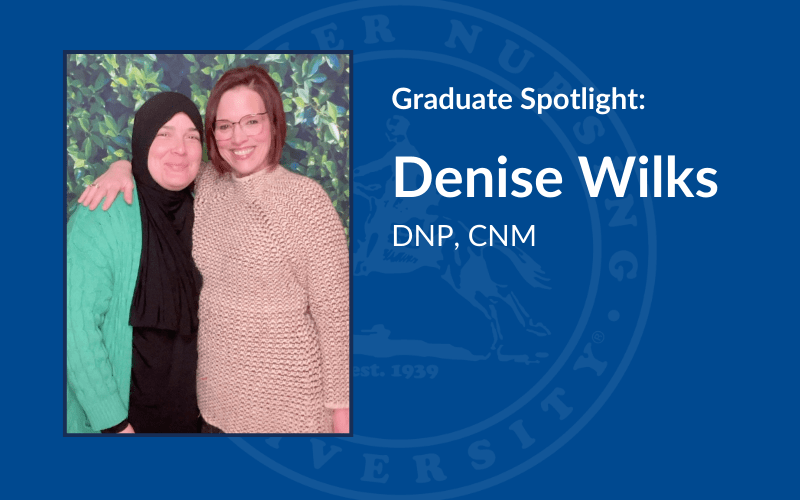
  • Graduate Spotlight: Denise Wilks answers her calling to serve families through a collaborative physician-midwife team she helped build

    Graduate Spotlight: Denise Wilks answers her calling to serve families through a collaborative physician-midwife team she helped build

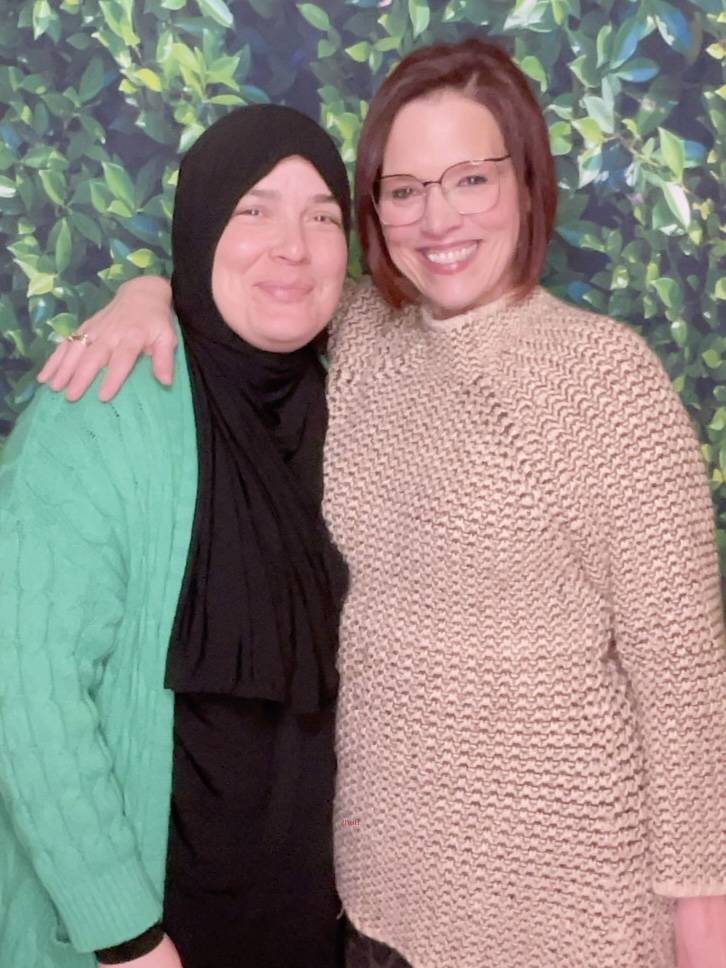
    Michela White, CNM and Denise Wilks, DNP, CNM

    L to R: Michela White, CNM, and Denise Wilks, DNP, CNM

    At the heart of Frontier Nursing University is a talented community of students, graduates, faculty, staff, Couriers and preceptors. Spotlight blogs feature members of our FNU community that are focused on the mission of educating nurse-midwives and nurse practitioners to work with all people, with an emphasis on rural and underserved communities.

    Guided by a deeply personal calling and a commitment to compassionate care, FNU graduate Denise Wilks, DNP, CNM, has built a career dedicated to supporting women and families while building a collaborative and forward-thinking practice focused on the advancement of reproductive and maternal health.

    Dr. Wilks began her nursing career in 2005 as a labor and delivery nurse after graduating from Methodist Hospital Nursing School’s diploma program. She went on to earn a Bachelor of Science in Nursing from the University of Phoenix before being encouraged by two colleagues to pursue midwifery. She completed her master’s degree in Nurse-Midwifery at Frontier Nursing University in 2015 and continued her academic journey by earning a Doctor of Nursing Practice (DNP) degree from Drexel University in 2019.

    Dr. Wilks’ path to becoming a Certified Nurse-Midwife (CNM) was deeply personal. After experiencing her own first childbirth with her son, an experience that left her feeling isolated, she felt called to ensure that women receive compassionate, supportive care throughout labor and delivery.

    “I didn’t have the support I needed, and I remember feeling overwhelmingly alone and afraid from the moment labor began until the moment it ended,” she said. “That experience stayed with me. It shaped me. And it ultimately became the reason I chose to step into maternity care—because I never wanted another woman to feel the way I felt in one of the most vulnerable moments of her life.”

    Dr. Wilks said upon becoming a labor and delivery nurse, something in her “came alive.”

    “I fell in love with the work: the quiet intimacy of the birthing room, the raw beauty of watching individuals transform into families, the incredible strength women summon from somewhere deep within themselves,” she said. “Every birth reminded me of the resilience and power that lives in women.”

    Over time, Dr. Wilks said she realized her calling wasn’t just to support women through labor, but to walk alongside them throughout their lives.

    “I wanted to build relationships that lasted, to be a steady presence through every chapter and to offer the kind of support I once needed so desperately,” she said.

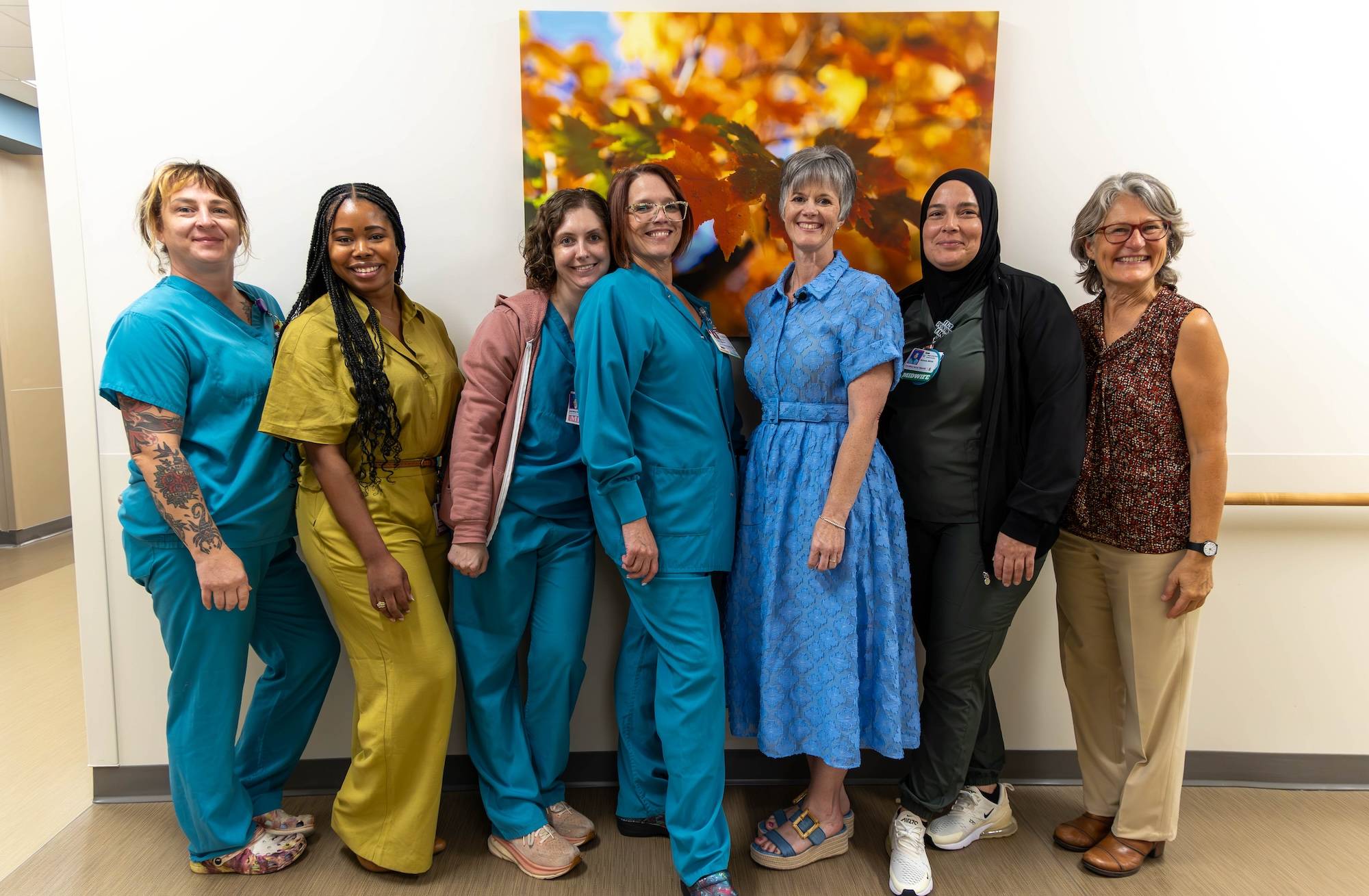
    Main Line HealthCare’s Riddle OB/GYN practice

    Main Line HealthCare’s Riddle OB/GYN CNM Team with Dr. Brooke A. Flinders and Dr. Heidi Loomis

    Dr. Wilks decided to become a nurse-midwife, and looking back at her time at Frontier, she describes it as both the most challenging and the most rewarding experience of her academic journey.

    “Despite being a distance program, FNU excels at creating a strong sense of connection, support, and community,” she said. “When I graduated, I felt truly prepared to step into my role as a new provider.”

    This preparation has served Dr. Wilks well in her role as a Certified Nurse-Midwife with Main Line HealthCare’s Riddle OB/GYN practice in Delaware County, Pennsylvania. She joined the practice in 2019 as its first CNM, integrating midwifery care into an already well-established physician group. Since that time, the practice has grown into a fully integrated model that includes six OB-GYNs, two gynecologists, and seven CNMs working collaboratively. The practice is currently recruiting an eighth CNM, as well as a per diem midwife, to further strengthen the team.

    Main Line HealthCare’s Riddle OB/GYN practice provides full-scope midwifery care, including 24/7 labor and delivery coverage, outpatient services, and group prenatal care. All midwives practice at the top of their license and are credentialed to perform circumcisions and serve as first assistants in the operating room. In addition, all providers and nurses are trained in physiological birth and skilled in techniques taught through Birthing Bundles and Spinning Babies, approaches that have helped maintain a low primary cesarean rate and consistently high maternal satisfaction with the birthing experience.

    With the closure of Crozer-Chester Medical Center in Upland, Pa., Riddle Hospital is now the only facility offering maternity services in Delaware County. Dr. Wilks and her team care for a highly diverse patient population with a wide range of health needs. Their integrated physician-midwife model allows providers to work closely together to promote safe, healthy outcomes while honoring each patient’s desired birth experience, even when medical complexities arise.

    Dr. Wilks is not the only Certified Nurse-Midwife at the practice educated at Frontier Nursing University. In fact, five of the practice’s seven CNMs are proud FNU graduates. Together, she said, they share a vision of a community where midwives and physicians collaborate seamlessly, blending the wisdom of physiologic birth with the strengths of modern medicine to create safe, joyful, and transformative experiences for patients and families.

    “We aim to reimagine maternity and gynecologic care as a place of dignity, connection, and possibility,” she said. “We believe every individual deserves to feel seen, heard, and empowered throughout their reproductive health journey, from adolescence to menopause and every stage in between.”

    One of these FNU graduates is Michela White. While the team’s work is grounded in their education, White said a significant part of their role is also centered on educating patients.

    “A lot of our day is spent explaining what a midwife is,” she said. “I don’t think people are always seeking a midwife when they meet us, but we do find that once they establish care with us, especially in pregnancy, they keep coming back. We get to spend a lot more time with our patients.”

    Dr. Wilks said her team is dedicated to providing compassionate, evidence‑based care that honors autonomy, celebrates diversity and supports the whole person.

    “With skilled hands, open hearts, and unwavering advocacy, we strive to ensure that every individual receives respectful, equitable, and personalized care, whether they are welcoming a new life or seeking support for their gynecologic health,” she said. “Our commitment is simple: to elevate the experience of care, uplift the families and communities we serve, and help shape a future where person‑centered reproductive healthcare is the standard rather than the exception.”

    Dr. Wilks also serves as a preceptor within her practice, a role she describes as an essential investment in the future of reproductive, maternal, and newborn health. By mentoring emerging clinicians, she said, experienced midwives help ensure that the art and science of midwifery continue to evolve with skill, compassion, and integrity.

    “When seasoned midwives open their practice to learners, they not only shape competent providers but also expand access to high‑quality, person‑centered care for communities everywhere,” she said. “Supporting new midwives is ultimately an act of stewardship, safeguarding the profession and elevating the standard of care for generations to come.”

    Thank you, Denise, for your commitment to uplifting families, communities, and the next generation of midwives.

    To read more graduate stories, visit the FNU Alumni stories page.

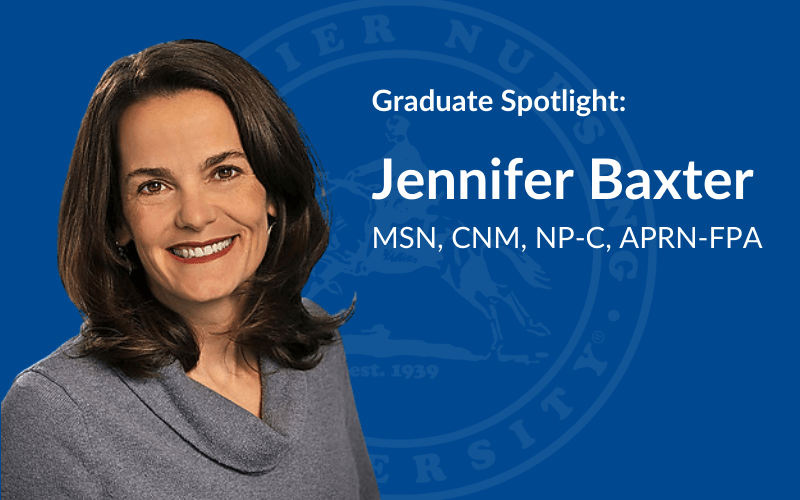
  • Graduate Spotlight: Three-time FNU graduate Jennifer Baxter serves and precepts alongside fellow alumni at Illinois midwifery practice

    Graduate Spotlight: Three-time FNU graduate Jennifer Baxter serves and precepts alongside fellow alumni at Illinois midwifery practice

    At the heart of Frontier Nursing University is a talented community of students, alumni, faculty, staff, Couriers and preceptors. Spotlight blogs feature members of our FNU community who are focused on the mission of educating nurse-midwives and nurse practitioners to work with all people, with an emphasis on rural and underserved communities.

    Frontier Nursing University graduate Jennifer Baxter, MSN, CNM, NP-C, APRN-FPA, has built a career rooted in both compassionate care and lifelong learning.
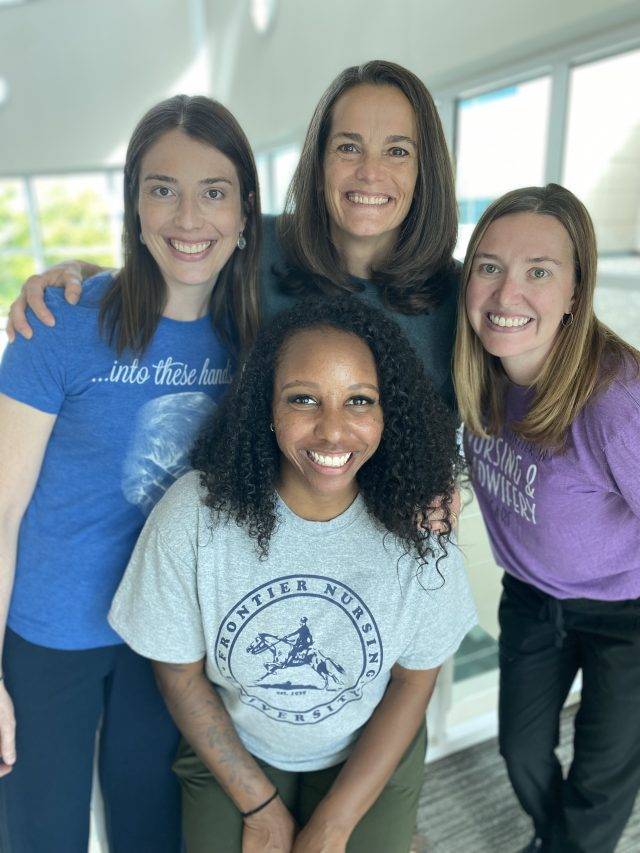
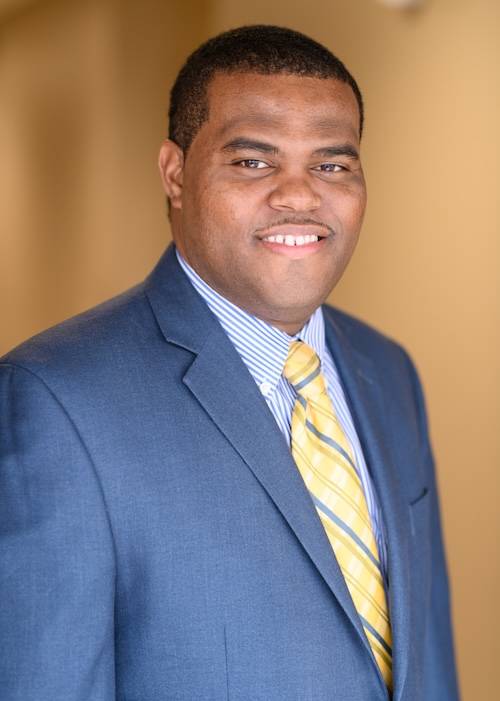
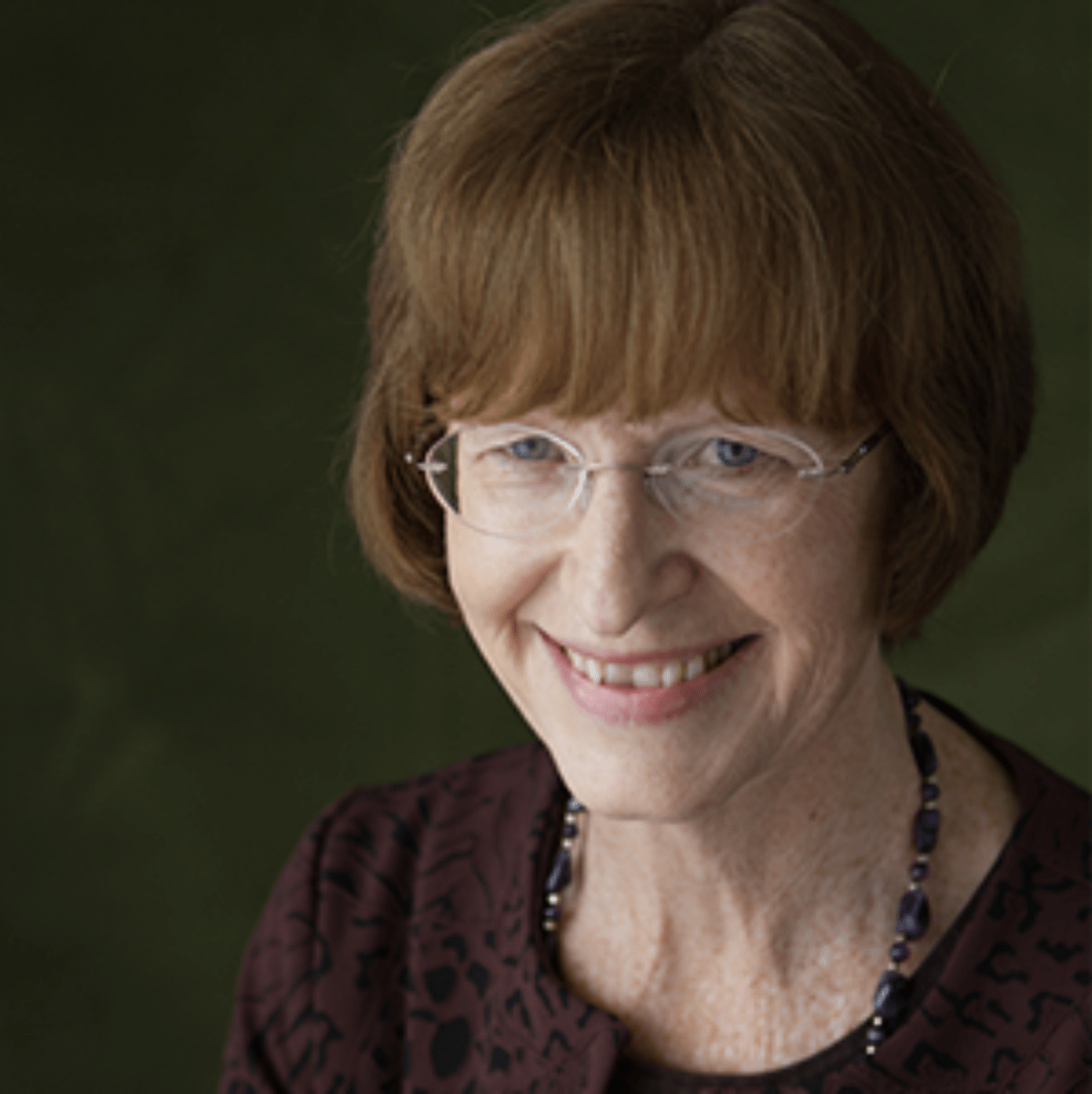
    Baxter earned her Master of Science in Nursing (MSN) with a specialty in Nurse-Midwifery from FNU, and later expanded her expertise by earning Family Nurse Practitioner (FNP) and Women’s Health Nurse Practitioner (WHNP) post-graduate certificates through the university.

    Today, Baxter serves her home community of Aurora, Illinois, as a Certified Nurse-Midwife (CNM) with Rush Copley Medical Group Midwifery. For the past seven years, she has worked alongside a team of dedicated CNMs to provide comprehensive gynecological and obstetrical care to women of all ages. The practice emphasizes interactive, relationship-centered care, where practitioners take time to get to know each patient and understand their unique health needs.

    “I try to give my patients several options,” she said. “I present them with information and let them choose which way they would like to proceed. For instance, if you are coming to midwifery because you want a water birth, great! If you are coming to midwifery because your friend told you we were nice and you want an epidural, also great! I really like to get to know my patients personally.”

    The team’s areas of care include gynecological exams; menopause management; pregnancy and prenatal care; routine and annual exams; family planning and preconception counseling; and individualized and alternative births, including waterbirths.

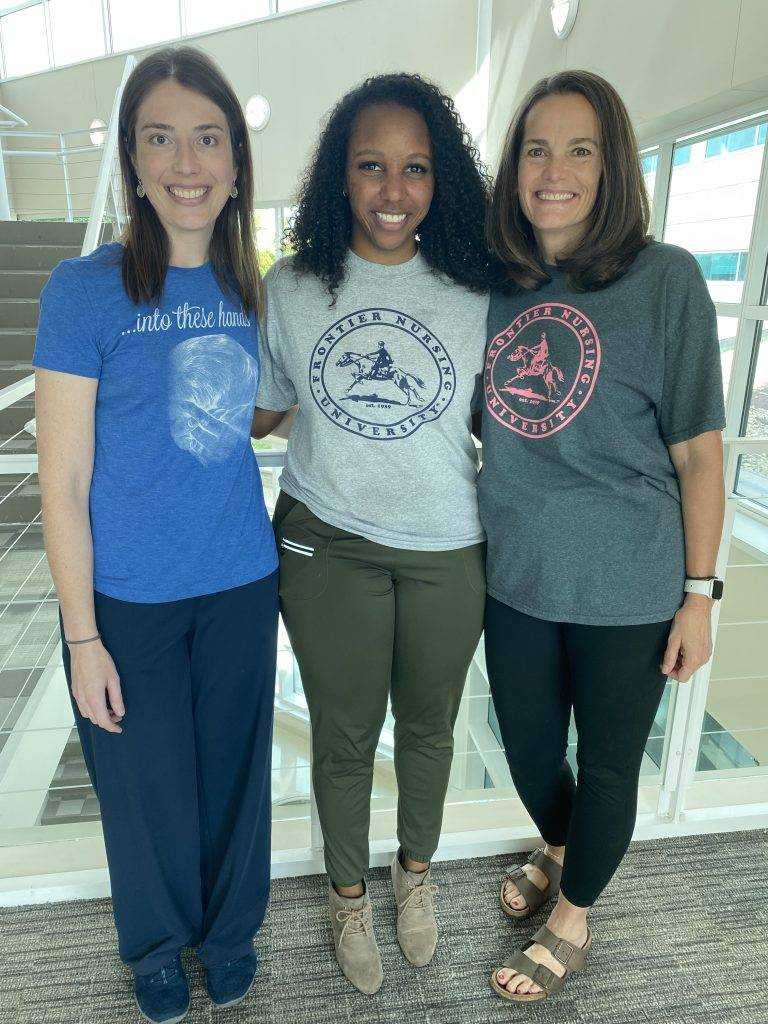
    In a testament to FNU’s lasting impact, both of Baxter’s partners at Rush Copley Medical Group Midwifery, Rebekah Hernandez and Stephanie Miller, are also FNU graduates, creating a team united by shared values and a common educational foundation.

    “I feel like Frontier emphasized looking at the evidence,” Baxter said. “I like working with a team that truly practices evidence-based care.”

    Baxter said her path to midwifery was inspired by her childhood.

    “I am the oldest of eight children,” she said. “It seemed like my mom was always pregnant! It was so fascinating to me. I wanted to be an OB/GYN doctor, but I also really wanted to get married and have kids of my own. Since medical school and residency would be so long, I decided instead to be a nurse, like my mom. In my OB nursing class, I learned about nurse-midwifery and knew immediately that was what I was going to do.”

    When choosing to pursue FNU for her education, Baxter recalls a serendipitous connection.

    “One year after I became a nurse, I had my first baby. She was delivered by a Frontier grad,” she said. “She asked me if she could attend my birth and I told her she could only if she would get me information about her school. ”

    Baxter said upon enrolling at FNU in 2001, she was initially skeptical of the distance learning model but quickly had a change of heart.

    “I thought this distance learning thing wouldn’t actually be as good as a regular university, but with three babies, that was the only way it would be possible for me,” she said. “Boy was I wrong! It turned out that Frontier was the best school experience I had ever had.”

    Baxter pursued her WHNP post-graduate certificate immediately after earning her CNM. She said when she made the decision to pursue her FNP post-graduate certificate in 2014, she was more than confident in enrolling at FNU once again.

    “I didn’t even explore schools, I went right back to Frontier,” she said. “I knew I would get another great education. Currently, I am working only as a nurse-midwife, but I am very thankful that I have my FNP because as I get older, night shifts as a midwife are getting more difficult. With the FNP certificate, I will have many options available when I decide to stop doing deliveries.”

    Beyond her clinical work, Baxter is helping to shape the next generation of healthcare professionals by serving as a preceptor. So far, she has precepted two FNU students, including a new certified nurse-midwife from Class 208. She said she teaches her students the essentials of quality care, from thorough exams and careful charting to giving patients options, asking questions, staying calm in emergencies, building strong relationships, collaborating with staff, and enjoying the work.

    “I think the world needs more great advanced practice nurses,” she said. “I like precepting so I can show my students what it takes to be that APRN. This work can be exhausting, but you will never regret it!”

    Thank you, Jennifer, for embodying the mission of FNU graduates through dedicated service to your community and by passing on your knowledge and passion for patient-centered care.

    To read more graduate stories, visit the FNU Alumni page on our blog.

Request Information Apply Give Now