
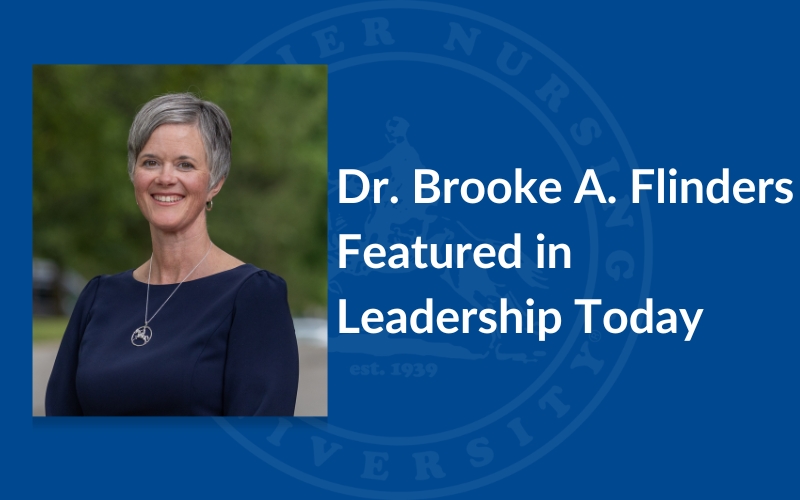
Frontier Nursing University President Dr. Brooke A. Flinders was recently named a recipient of Insight Into Academia magazine’s 2026 Trailblazer in Higher Education Award. This national honor recognizes senior leaders whose bold, innovations have advanced institutional excellence, strengthened community and connectedness, and created meaningful, measurable impact for students, employees, and the broader academic system. Adam Mendler from Leadership Today reached out to Dr. Flinders to discuss leadership in higher education. Read the full interview below.

Adam: Thanks again for taking the time to share your advice. First things first, though, I am sure readers would love to learn more about you. How did you get here? What experiences, failures, setbacks, or challenges have been most instrumental to your growth?
Dr. Flinders: My path has been somewhat unconventional. I began as a registered nurse, working in long-term care, home visiting, and labor and delivery, then trained as a Certified Nurse-Midwife. I moved into academia through part-time clinical teaching and advanced from visiting professor to full professor before transitioning to administration. I served as department chair, associate dean, and associate provost. Nearly two years ago, I became president of the same graduate nursing university where I earned my master’s and doctorate. For me, having experience as a student, having experience as a clinician, having experience as a faculty member, having experience as a chair (and so on) has been most instrumental to my growth and my capacity for success. I have “been there”, so I can more fully understand the experiences and positions of others.
Adam: What would surprise people most about the role of a university president and how you allocate your time, energy, and focus?
Dr. Flinders: People are often surprised by how important accessibility is. Being approachable and authentic takes intention. While I strive not to micromanage, I spend significant time with faculty and staff myself. Building trust, understanding concerns, and supporting people are the most complex and most important parts of my role.
Adam: What are the biggest challenges you face as a leader in higher education today? How are you navigating them?
Dr. Flinders: Key challenges include potential enrollment concerns related to the demographic cliff, increasing external mandates, and, within healthcare, the growing demand for advanced practice nurses and nurse educators amid workforce shortages. I proactively address enrollment on an ongoing basis, navigate external pressures collaboratively with my executive team (one day at a time), and focus on strategic planning and continuous improvement to advance healthcare education and, ultimately, improve healthcare access, particularly for rural and underserved populations.
Adam: In your experience, what are the keys to managing change and leading through uncertainty?
Dr. Flinders: Staying calm, being patient, communicating clearly, and listening deeply are important. My nursing background helps me manage stress, coach through difficult moments, and act with integrity. I trust my judgment, adjust decisions as new information emerges, and remember that reactions to change are rarely personal.
Adam: What do you believe are the defining qualities of an effective leader?
Dr. Flinders: Being trustworthy, not just trusted. Effective leaders are steady, strategic, emotionally perceptive, and collaborative. They make difficult decisions, take responsibility for them, communicate transparently, and create shared vision by meaningfully engaging others.
Adam: How can leaders and aspiring leaders take their leadership skills to the next level?
Dr. Flinders: I lead with what feels like a lot of common sense, but I should give myself credit for the extensive experience that makes it feel like that. That takes time. I’ve exposed myself to new ideas and approaches through every leadership development opportunity that has come my way. What I value a lot right now is dedicated time and space for reflection with an executive coach. If that time is not on my calendar, it will not happen. Aspiring leaders need opportunities to learn, the safety to make mistakes, and exposure to new ideas through coaching and development. It takes practice.
Adam: What do you believe are the most important skills needed to succeed in today’s and tomorrow’s workforce?
Dr. Flinders: Flexibility, agility, and a little confidence go a long way. The world and technology, in particular, are changing so quickly and so unpredictably that we can’t settle in and believe for a moment that we have it all figured out. We can’t. So, we must learn, grow, and shift continually.
Adam: What are your three best tips applicable to leaders in business, government, and education?
Dr. Flinders:
- Take calculated risks and get comfortable being uncomfortable.
- Seek trusted mentors inside and outside your field.
- Build and support a strong leadership team, trust them fully, and share the credit.
Adam: What is the single best piece of advice you have ever received?
Dr. Flinders: I have received so much good advice over the years. I’ll share three pieces.
From my dad: “Don’t forget where you came from.”
From a faculty mentor: “Do what you want to do when you’re tenured.”
And from an administrative mentor, “You could run this place,” helping me see a possibility I hadn’t yet seen myself.
Adam: Is there anything else you would like to share?
Dr. Flinders: I would say that if you want to lead for your own benefit, you’ll probably be miserable. It won’t be worth it. It is very difficult work. I have found purpose and meaning in leading and supporting others. If I’m doing a great job as president, my team has what they need, their teams can thrive, and our students are well-served. I have the most rewarding, supportive role there is.






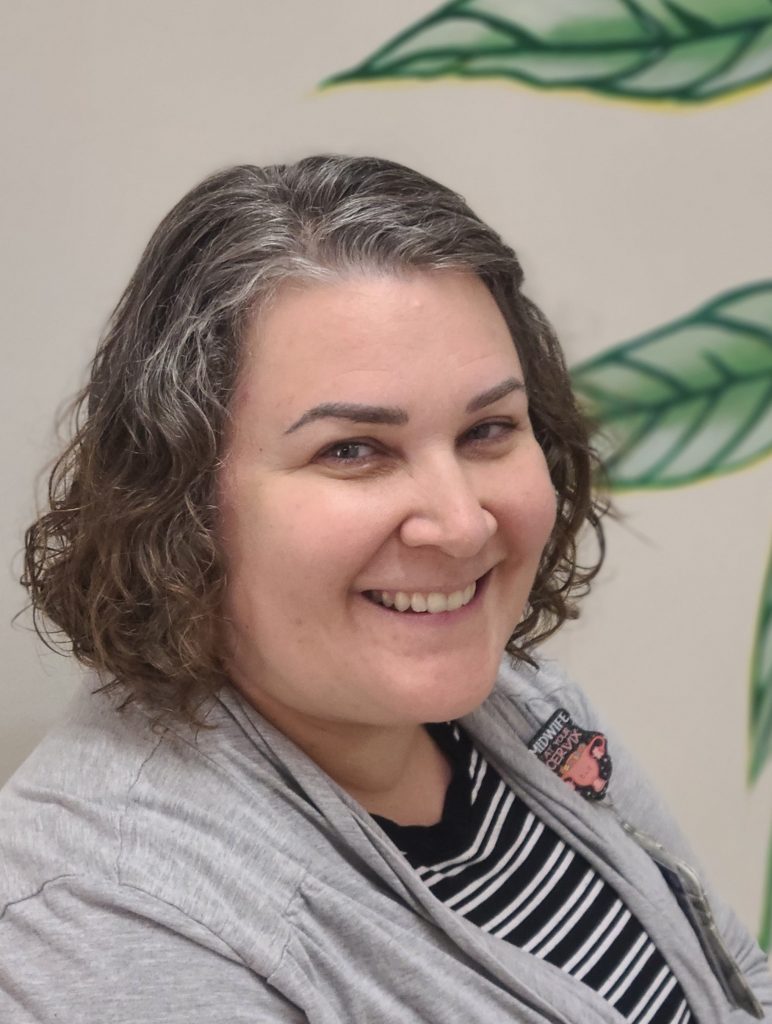
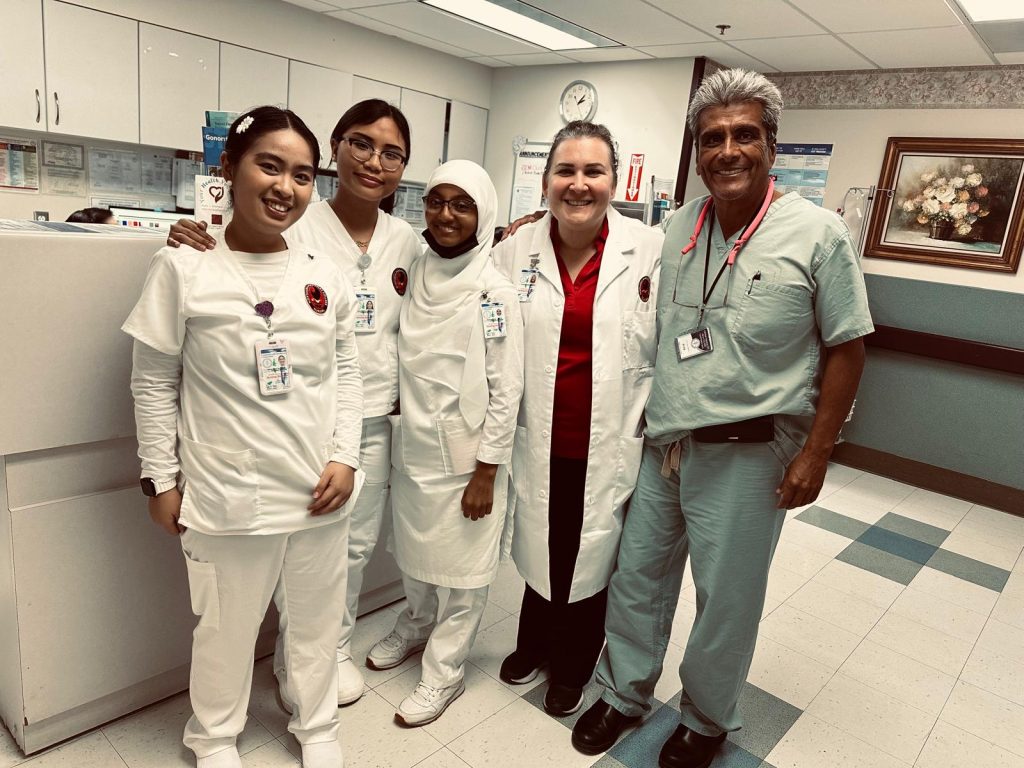
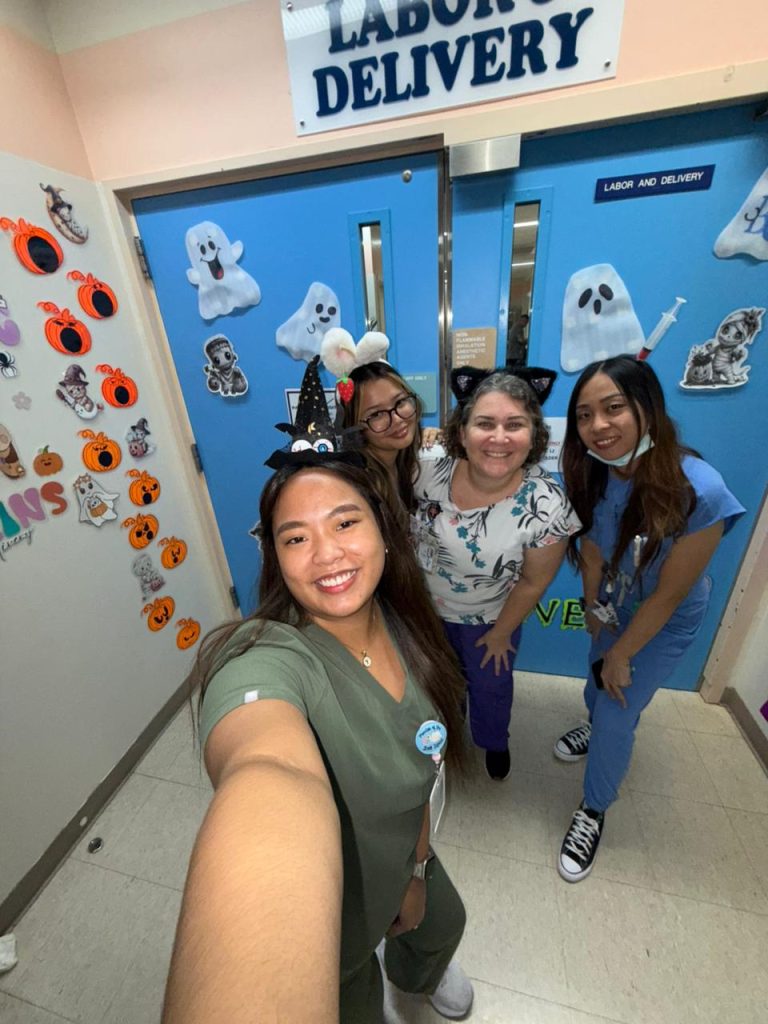
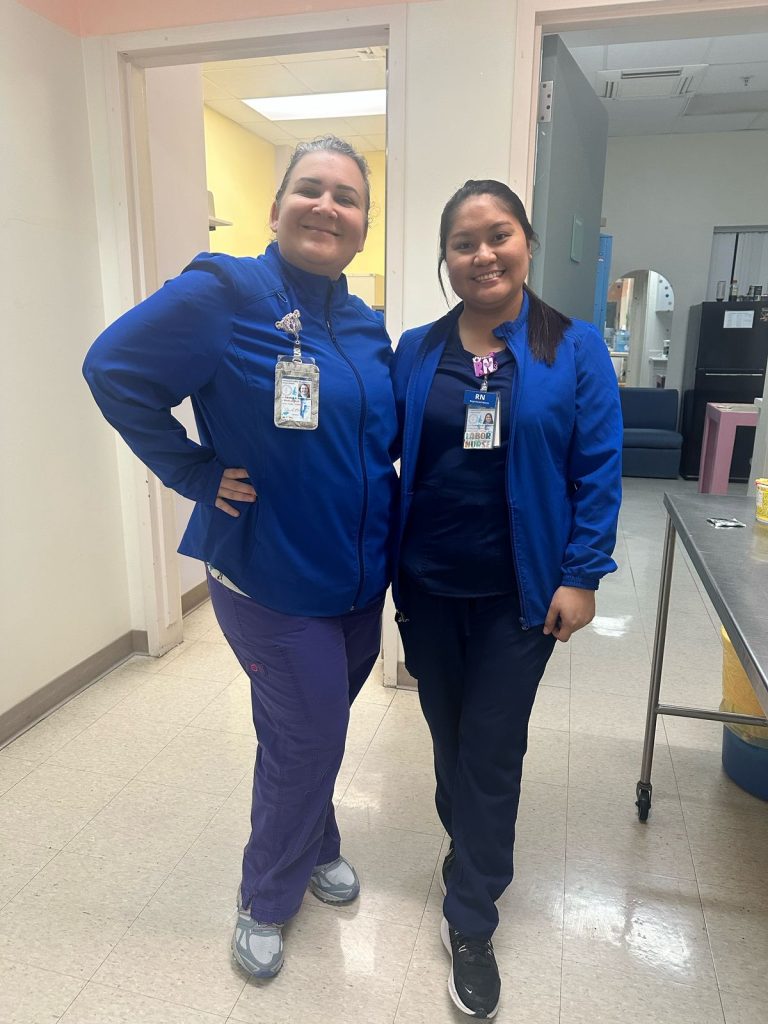




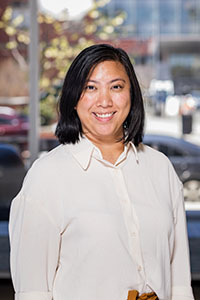
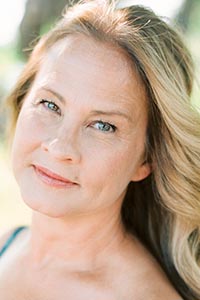
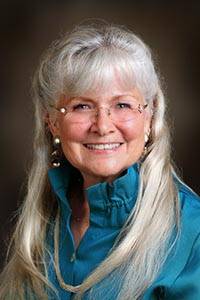
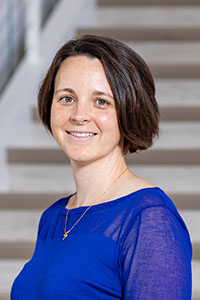
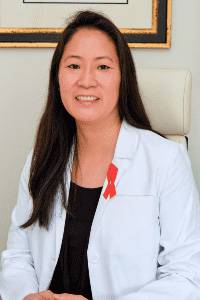 Carrie Belin is an experienced board-certified Family Nurse Practitioner and a graduate of the Johns Hopkins DNP program, Johns Hopkins Bloomberg School of Public Health, Georgetown University School of Nursing, and Johns Hopkins School of Nursing. She has also completed fellowships at Georgetown and the University of California Irvine.
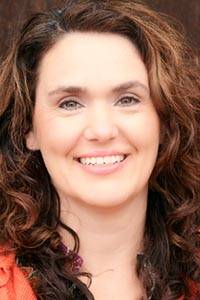 Angie has been a full-scope midwife since 2009. She has experience in various birth settings including home, hospital, and birth centers. She is committed to integrating the midwifery model of care in the US. She completed her master’s degree in nurse-midwifery at Frontier Nursing University (FNU) and her Doctorate at Johns Hopkins University. She currently serves as the midwifery clinical faculty at FNU. Angie is motivated by the desire to improve the quality of healthcare and has led quality improvement projects on skin-to-skin implementation, labor induction, and improving transfer of care practices between hospital and community midwives. In 2017, she created a short film on skin-to-skin called
 Justin C. Daily, BSN, RN, has ten years of experience in nursing. At the start of his nursing career, Justin worked as a floor nurse on the oncology floor at St. Francis. He then spent two years as the Director of Nursing in a small rural Kansas hospital before returning to St. Francis and the oncology unit. He has been in his current position as the Chemo Nurse Educator for the past four years. He earned an Associate in Nurse from Hutchinson Community College and a Bachelor of Science in Nursing from Bethel College.
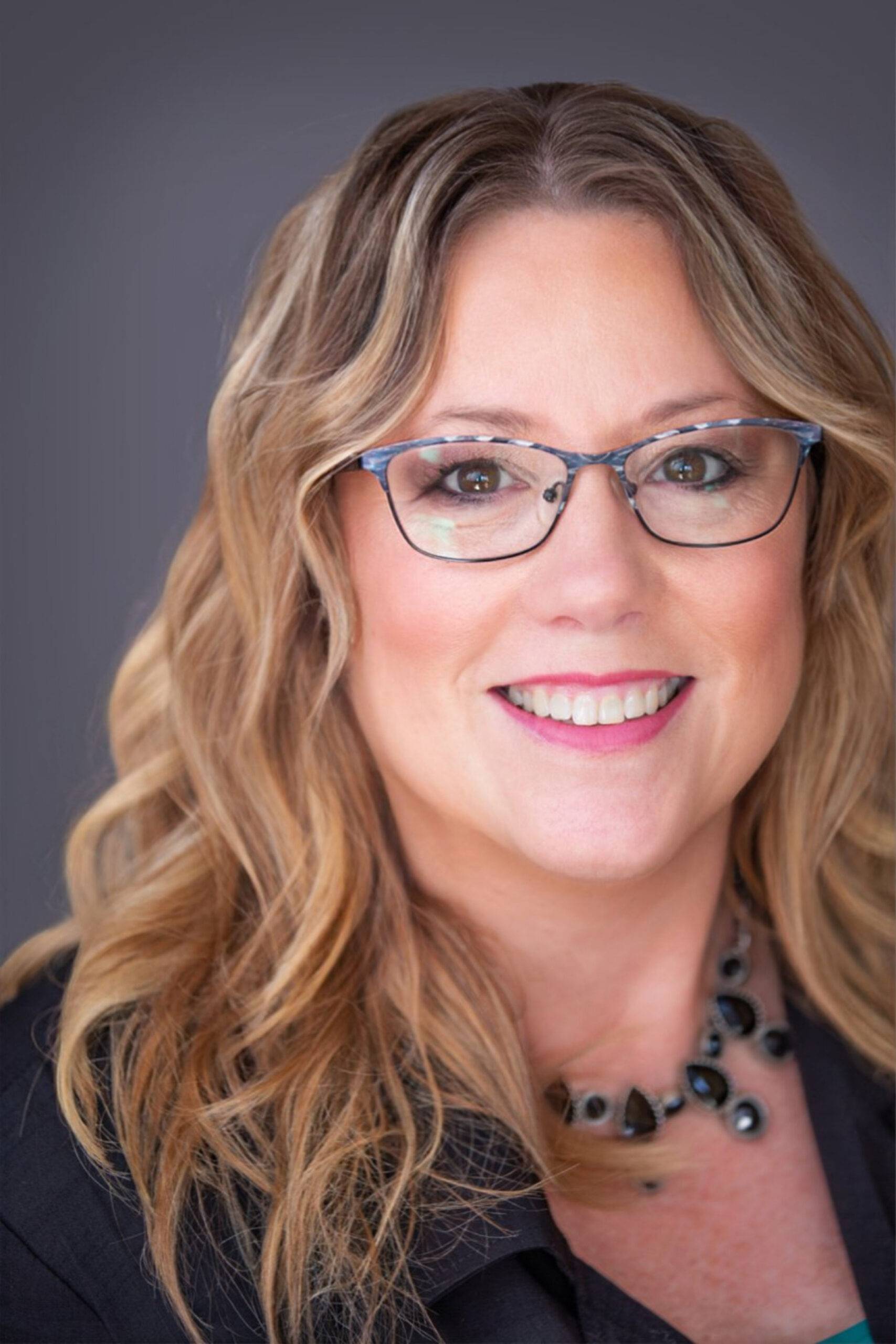 Brandy Jackson serves as the Director of Undergraduate Nursing Programs and Assistant Educator at Wichita State University and Co-Director of Access in Nursing. Brandy is a seasoned educator with over 15 years of experience. Before entering academia, Brandy served in Hospital-based leadership and Critical Care Staff nurse roles. Brandy is passionate about equity in nursing education with a focus on individuals with disabilities. Her current research interests include accommodations of nursing students with disabilities in clinical learning environments and breaking down barriers for historically unrepresented individuals to enter the nursing profession. Brandy is also actively engaged in Interprofessional Education development, creating IPE opportunities for faculty and students at Wichita State. Brandy is an active member of Wichita Women for Good and Soroptimist, with the goal to empower women and girls. Brandy is a TeamSTEPPS master trainer. She received the DASIY Award for Extraordinary Nursing Faculty in 2019 at Wichita State University.
  Dr. Sabrina Ali Jamal-Eddine is an Arab-disabled queer woman of color with a PhD in Nursing and an interdisciplinary certificate in Disability Ethics from the University of Illinois Chicago (UIC). Dr. Jamal-Eddine’s doctoral research explored spoken word poetry as a form of critical narrative pedagogy to educate nursing students about disability, ableism, and disability justice. Dr. Jamal-Eddine now serves as a Postdoctoral Research Associate in UIC’s Department of Disability and Human Development and serves on the Board of Directors of the National Organization of Nurses with Disabilities (NOND). During her doctoral program, Sabrina served as a Summer Fellow at a residential National Endowment of the Humanities (NEH) Summer Institute at Arizona State University (2023), a summer fellow at Andrew W. Mellon’s National Humanities Without Walls program at University of Michigan (2022), a Summer Research Fellow at UC Berkeley’s Othering & Belonging Institute (2021), and an Illinois Leadership Education in Neurodevelopmental and related Disabilities (LEND) trainee (2019-2020).
 Vanessa Cameron works for Vanderbilt University Medical Center in Nursing Education & Professional Development. She is also attending George Washington University and progressing towards a PhD in Nursing with an emphasis on ableism in nursing. After becoming disabled in April 2021, Vanessa’s worldview and perspective changed, and a recognition of the ableism present within healthcare and within the culture of nursing was apparent. She has been working since that time to provide educational foundations for nurses about disability and ableism, provide support for fellow disabled nursing colleagues, and advocate for the disabled community within healthcare settings to reduce disparities.
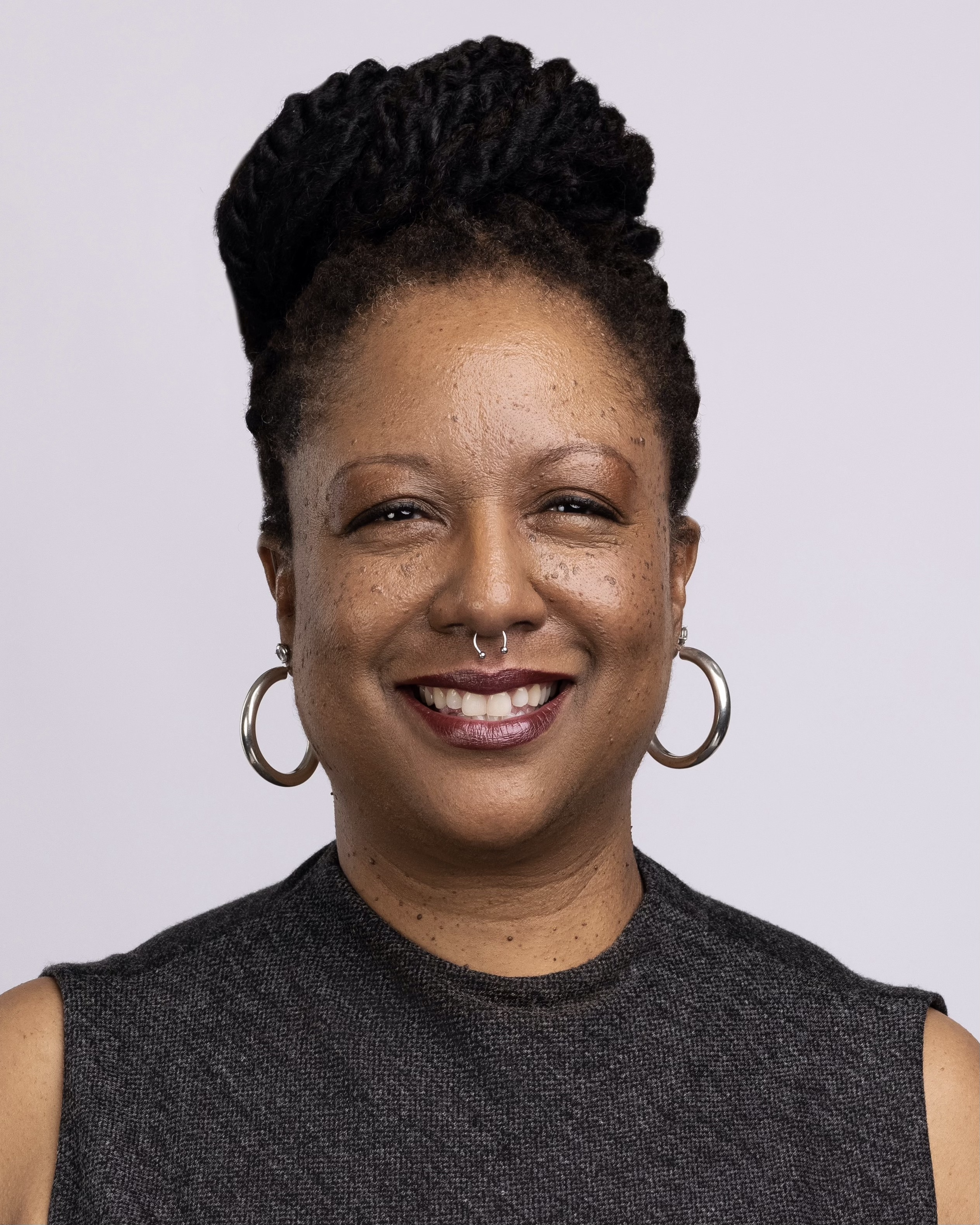 Dr. Lucinda Canty is a certified nurse-midwife, Associate Professor of Nursing, and Director of the Seedworks Health Equity in Nursing Program at the University of Massachusetts Amherst. She earned a bachelor’s degree in nursing from Columbia University, a master’s degree from Yale University, specializing in nurse-midwifery, and a PhD from the University of Connecticut. Dr. Canty has provided reproductive health care for over 29 years. Her research interests include the prevention of maternal mortality and severe maternal morbidity, reducing racial and ethnic health disparities in reproductive health, promoting diversity in nursing, and eliminating racism in nursing and midwifery.
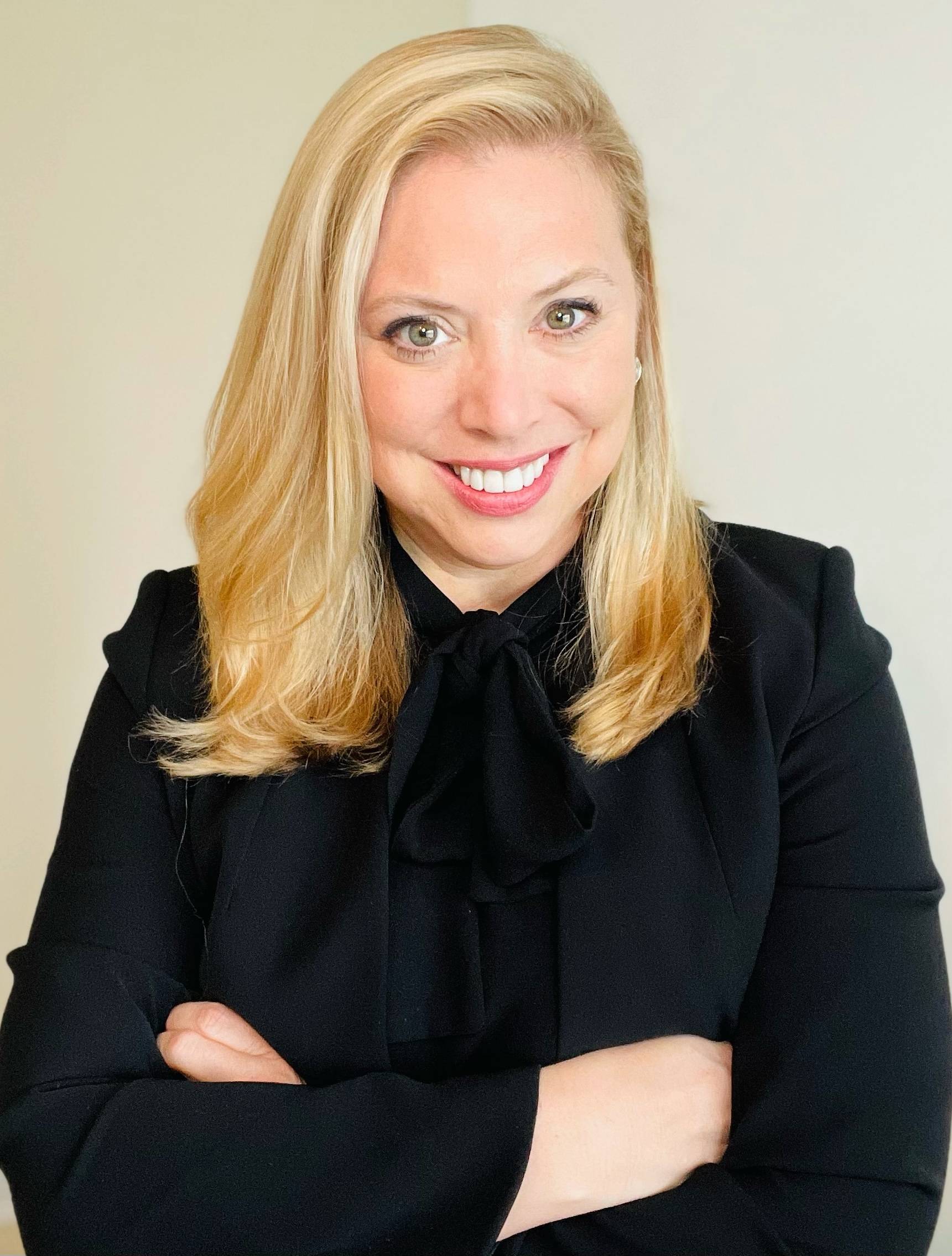 Dr. Lisa Meeks is a distinguished scholar and leader whose unwavering commitment to inclusivity and excellence has significantly influenced the landscape of health professions education and accessibility. She is the founder and executive director of the DocsWithDisabilities Initiative and holds appointments as an Associate Professor in the Departments of Learning Health Sciences and Family Medicine at the University of Michigan.
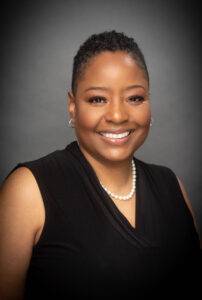 Dr. Nikia Grayson, DNP, MSN, MPH, MA, CNM, FNP-C, FACNM (she/her) is a trailblazing force in reproductive justice, blending her expertise as a public health activist, anthropologist, and family nurse-midwife to champion the rights and health of underserved communities. Graduating with distinction from Howard University, Nikia holds a bachelor’s degree in communications and a master’s degree in public health. Her academic journey also led her to the University of Memphis, where she earned a master’s in medical anthropology, and the University of Tennessee, where she achieved both a master’s in nursing and a doctorate in nursing practice. Complementing her extensive education, she completed a post-master’s certificate in midwifery at Frontier Nursing University.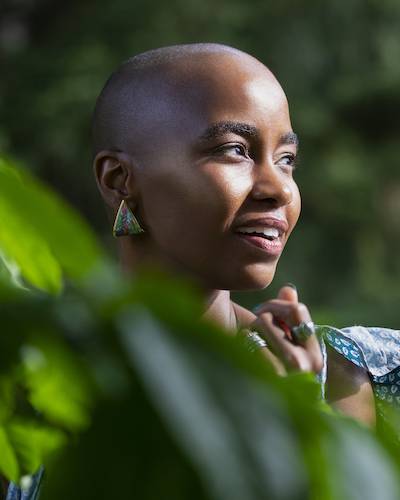
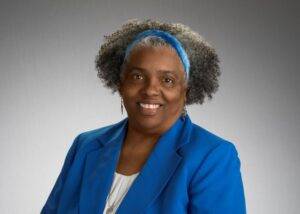
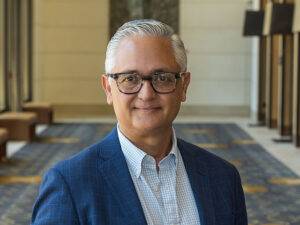
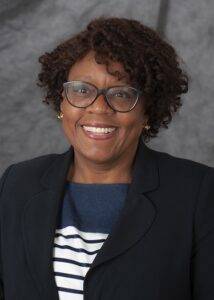
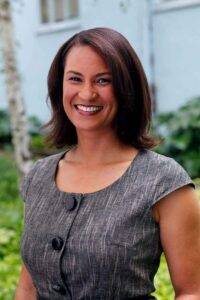

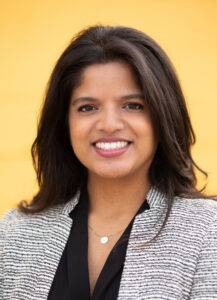

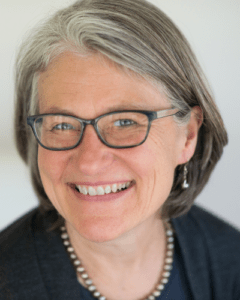
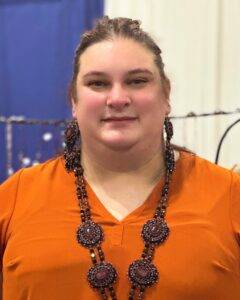
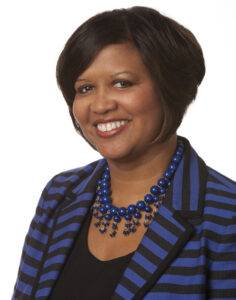 Dr. Tia Brown McNair is the Vice President in the Office of Diversity, Equity, and Student Success and Executive Director for the Truth, Racial Healing, and Transformation (TRHT) Campus Centers at the American Association of Colleges and Universities (AAC&U) in Washington, DC. She oversees both funded projects and AAC&U’s continuing programs on equity, inclusive excellence, high-impact practices, and student success. McNair directs AAC&U’s Summer Institutes on High-Impact Practices and Student Success, and TRHT Campus Centers and serves as the project director for several AAC&U initiatives, including the development of a TRHT-focused campus climate toolkit. She is the lead author of From Equity Talk to Equity Walk: Expanding Practitioner Knowledge for Racial Justice in Higher Education (January 2020) and Becoming a Student-Ready College: A New Culture of Leadership for Student Success (July 2016 and August 2022 Second edition).