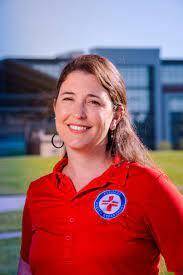
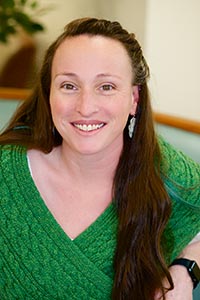
 Frontier Nursing University (FNU) alumni and former Peace Corps member Monica Heltz has long fostered a passion for public health, working in the field for over two decades. Last year, Heltz decided to further her passion by earning her Doctor of Nursing Practice (DNP) from FNU.
“At the time, I wasn’t sure where it would take me. I just wanted to do more,” Heltz said. “It’s been a wild ride, but somehow, my dream job popped up right in my backyard.”
Shortly after finishing her degree, Heltz’s home city announced that it would be building a health department. In the face of COVID-19, Fishers, Ind., was choosing to branch off from the county-regulated system in order to expand services to their community.
When Heltz heard the news, she reached out, hoping for a shot at a leadership role within the department. That call paid off. In May of 2020, Heltz became Fishers’ Public Health Director.
“When I came out of the Peace Corps, I worked at a job that dealt with environmental and public health issues. As I began to learn more about public health, my eyes were opened to a whole world of new jobs that fascinated me,” Heltz said. “Since that time, local public health has been my passion, and I am so fortunate that this opportunity found me.”
Starting a health department takes an enormous amount of resources and moving parts. Starting one during a pandemic only increased those needs. Since COVID-19 spurred the decision to create the health department, when Heltz onboarded, the city was already doing a great job of hosting and regulating testing sites. Heltz’s first job in her new role was to look at non-pandemic health concerns, establish priorities and start knocking out necessary projects.
Now, a year into the program, Heltz has completed most “have-to-do” items and can focus on other things, like rolling out a childhood vaccine clinic. She is incredibly excited for next year when the department is developed enough to focus on even more significant initiatives.
“We want to further integrate the health department into all of our city programs as a way to give our citizens the best opportunities to take proactive health measures,” Heltz said.
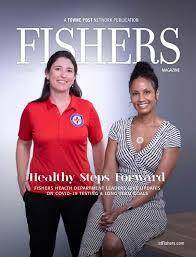 According to Heltz, Fishers’ department is already better integrated with the community than many health departments.
“For example, one of our major vaccination sites is an old warehouse. To get it running, we needed to team with public works, the fire department and local health care workers. In many cities, the health department feels like it’s on an island – in Fishers though, we are already able to work well with the greater community,” Heltz said.
“The great thing about starting a health department during a pandemic is that it’s easy for the public to understand who we are and why we’re here,” Heltz said. “However, it’s also been extremely disheartening that public health has become a political issue. My team and I have been pouring our hearts into making our community as safe and healthy as possible. Yet, we have often been criticized for making educated, scientific choices.”
However, Heltz said on the more difficult days, she and her team remind themselves that most of their community does agree with their choices, that it is only a small number of passionate people choosing to be vocal.
The numbers show that Heltz’s community, and the rest of the state, do stand with her. Fishers’ early action on COVID-19 ended up leading the state in policy and statistics, including holding the state’s highest vaccination rate as of late May.
Heltz’s health department was one of the first to have an online dashboard accessible to the public, providing up-to-date data on case rates, vaccinations and local policies. They could do this because Heltz pushed for one of the department’s first hires to be an epidemiologist.
“I knew if we wanted to show our credibility and make the best decisions for our community, we needed someone like this on our team,” Heltz said.
Due to the knowledge and experience within the Fishers health department, they were also the first in Indiana to offer school guidelines, which ended up paving the way for state guidelines.
“It was so cool to find solutions that fit our community and see those choices validated on a larger scale,” Heltz said. “It helped us to stay on track and build confidence in our mission.”
According to Heltz, the year has been one of the most exciting and challenging years of her life, but she couldn’t be happier with her role.
“This isn’t a job that comes around every day, and it’s one that many people probably wouldn’t want, but it is the perfect role for me,” Heltz said. “I chose to earn my DNP at FNU because I loved FNU’s dedication to making a difference and caring for underserved populations. I find a very similar mission within public health. We look for the best outcomes and try our hardest to bring positive change to our communities. I am proud of my roles as both Fisher County Public Health Director and FNU alumni.”



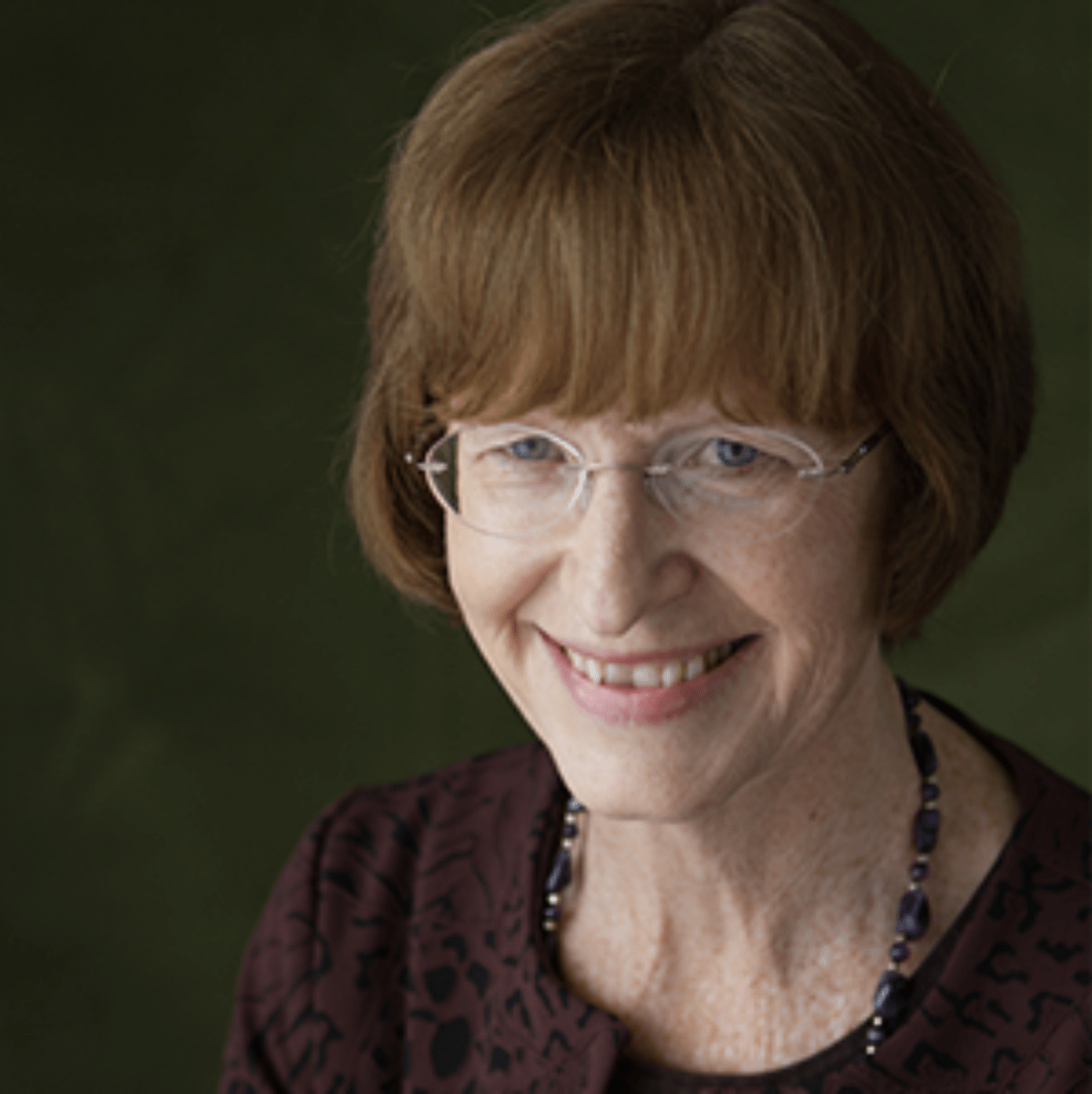
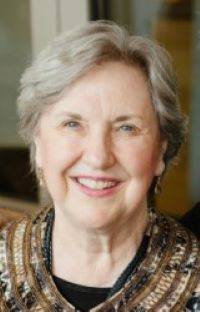
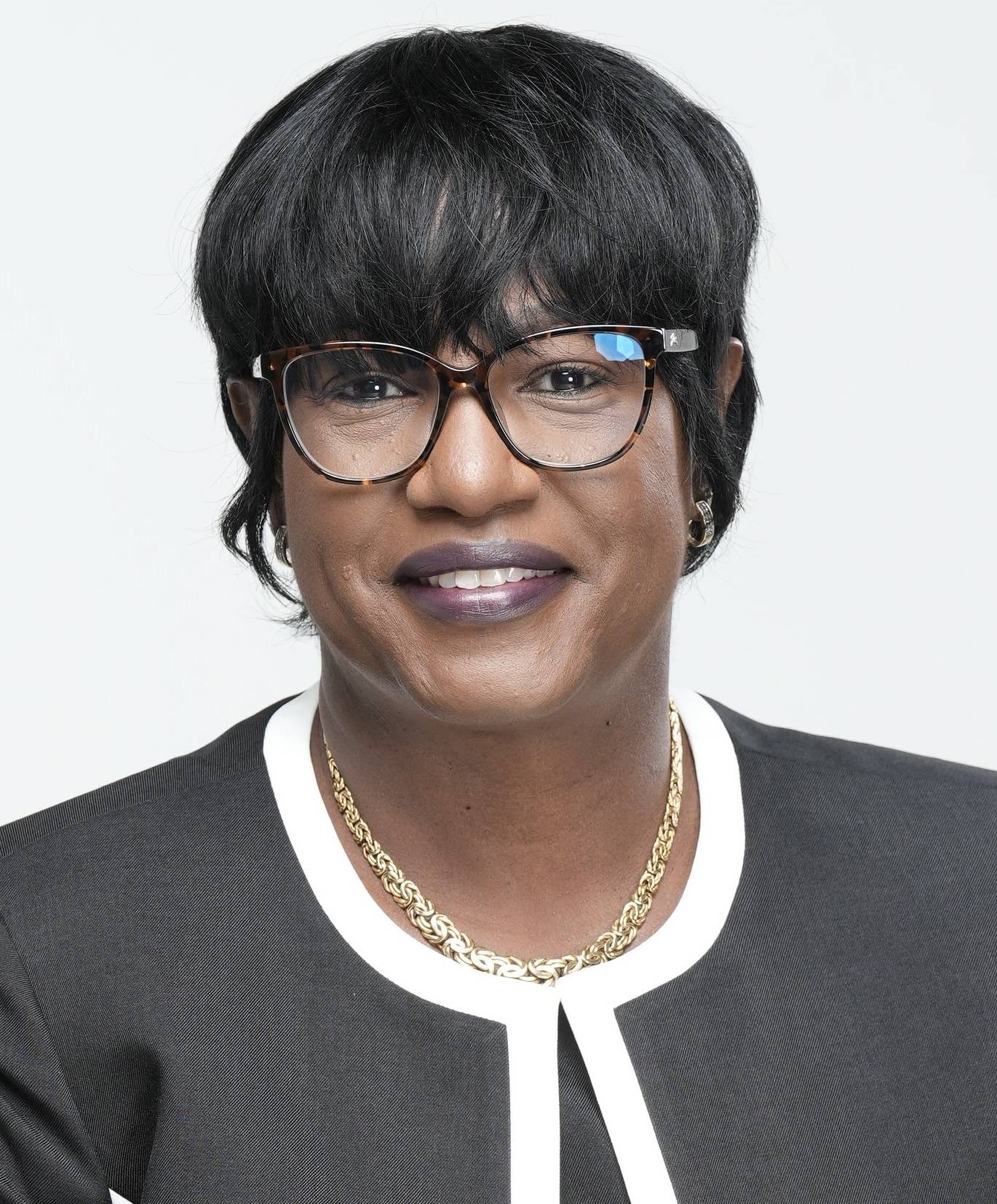

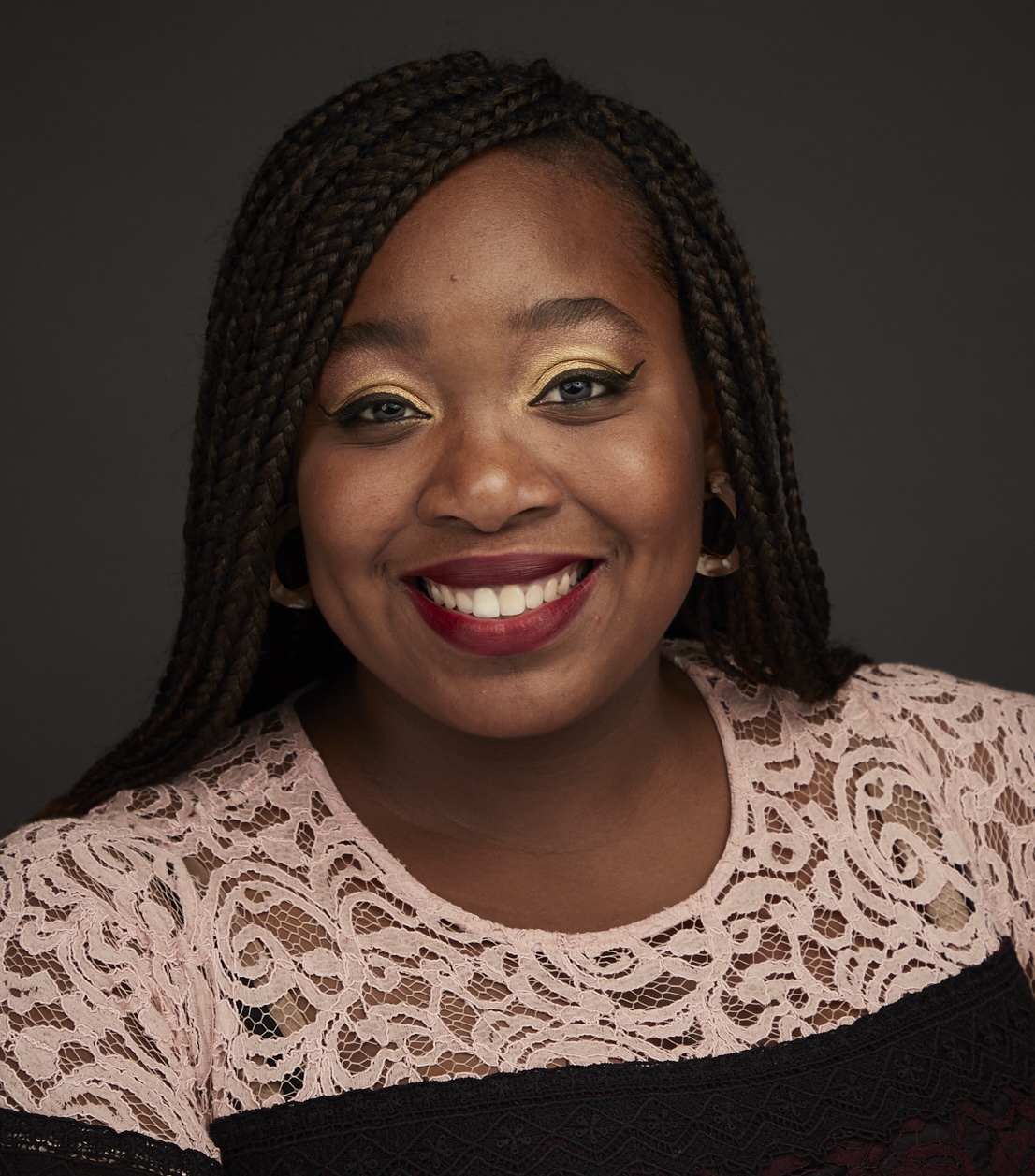

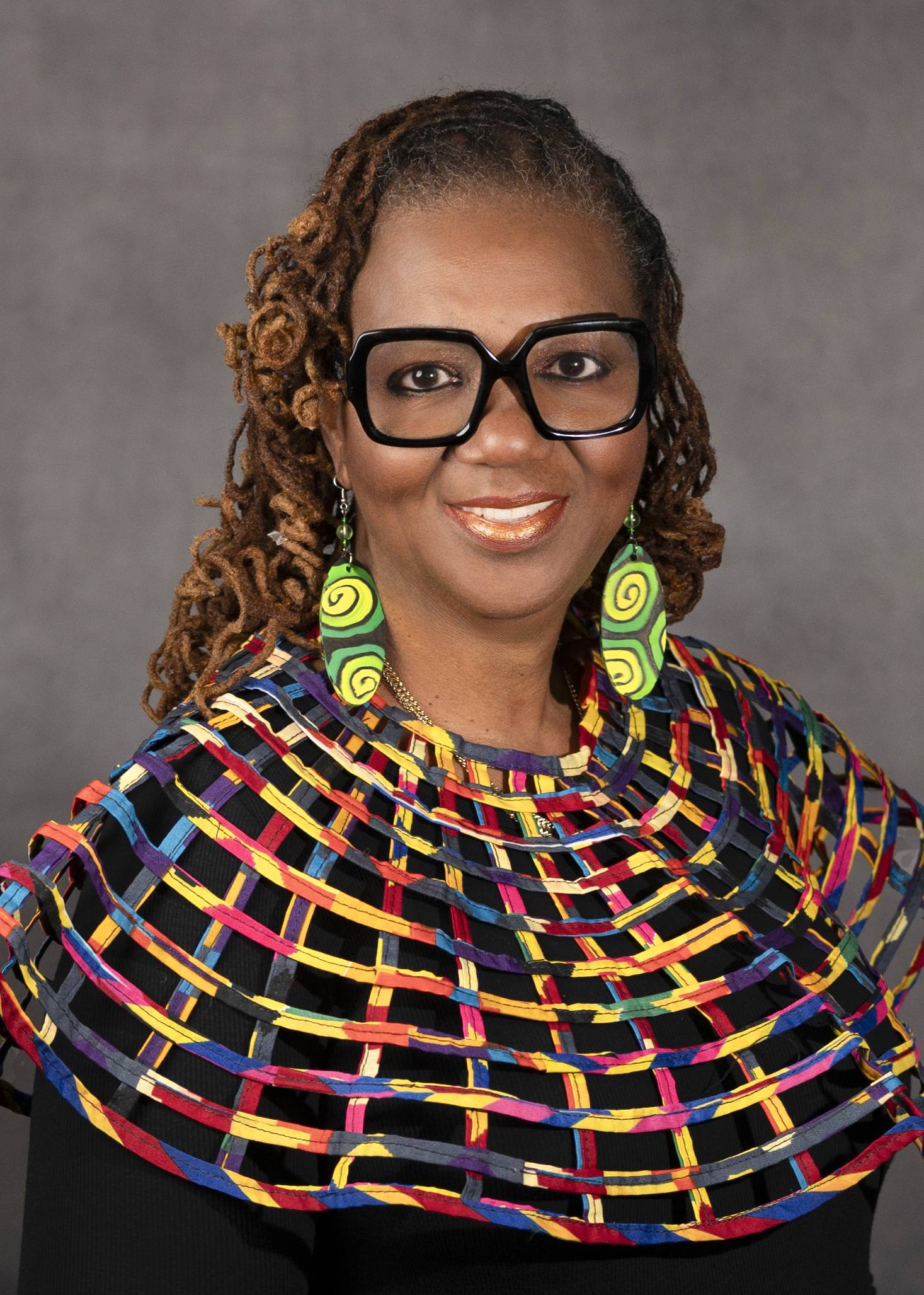
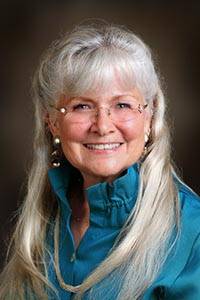
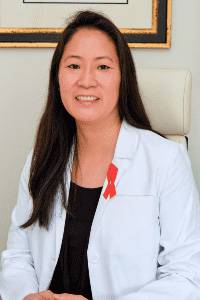 Carrie Belin is an experienced board-certified Family Nurse Practitioner and a graduate of the Johns Hopkins DNP program, Johns Hopkins Bloomberg School of Public Health, Georgetown University School of Nursing, and Johns Hopkins School of Nursing. She has also completed fellowships at Georgetown and the University of California Irvine.
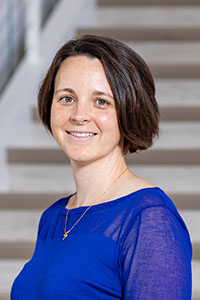
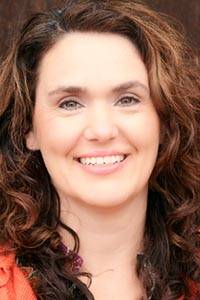 Angie has been a full-scope midwife since 2009. She has experience in various birth settings including home, hospital, and birth centers. She is committed to integrating the midwifery model of care in the US. She completed her master’s degree in nurse-midwifery at Frontier Nursing University (FNU) and her Doctorate at Johns Hopkins University. She currently serves as the midwifery clinical faculty at FNU. Angie is motivated by the desire to improve the quality of healthcare and has led quality improvement projects on skin-to-skin implementation, labor induction, and improving transfer of care practices between hospital and community midwives. In 2017, she created a short film on skin-to-skin called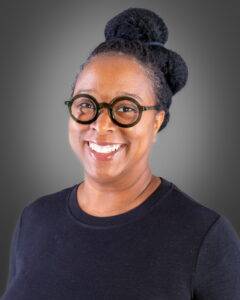
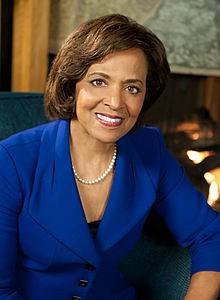
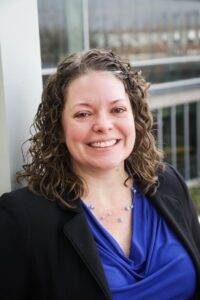
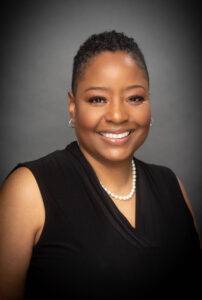
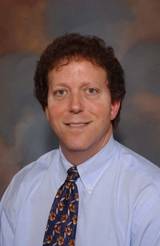
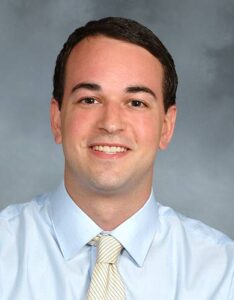
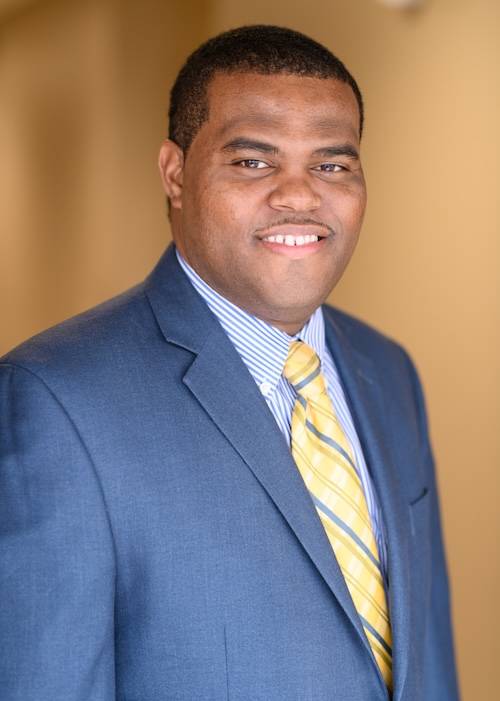
 Justin C. Daily, BSN, RN, has ten years of experience in nursing. At the start of his nursing career, Justin worked as a floor nurse on the oncology floor at St. Francis. He then spent two years as the Director of Nursing in a small rural Kansas hospital before returning to St. Francis and the oncology unit. He has been in his current position as the Chemo Nurse Educator for the past four years. He earned an Associate in Nurse from Hutchinson Community College and a Bachelor of Science in Nursing from Bethel College.
 Brandy Jackson serves as the Director of Undergraduate Nursing Programs and Assistant Educator at Wichita State University and Co-Director of Access in Nursing. Brandy is a seasoned educator with over 15 years of experience. Before entering academia, Brandy served in Hospital-based leadership and Critical Care Staff nurse roles. Brandy is passionate about equity in nursing education with a focus on individuals with disabilities. Her current research interests include accommodations of nursing students with disabilities in clinical learning environments and breaking down barriers for historically unrepresented individuals to enter the nursing profession. Brandy is also actively engaged in Interprofessional Education development, creating IPE opportunities for faculty and students at Wichita State. Brandy is an active member of Wichita Women for Good and Soroptimist, with the goal to empower women and girls. Brandy is a TeamSTEPPS master trainer. She received the DASIY Award for Extraordinary Nursing Faculty in 2019 at Wichita State University.
  Dr. Sabrina Ali Jamal-Eddine is an Arab-disabled queer woman of color with a PhD in Nursing and an interdisciplinary certificate in Disability Ethics from the University of Illinois Chicago (UIC). Dr. Jamal-Eddine’s doctoral research explored spoken word poetry as a form of critical narrative pedagogy to educate nursing students about disability, ableism, and disability justice. Dr. Jamal-Eddine now serves as a Postdoctoral Research Associate in UIC’s Department of Disability and Human Development and serves on the Board of Directors of the National Organization of Nurses with Disabilities (NOND). During her doctoral program, Sabrina served as a Summer Fellow at a residential National Endowment of the Humanities (NEH) Summer Institute at Arizona State University (2023), a summer fellow at Andrew W. Mellon’s National Humanities Without Walls program at University of Michigan (2022), a Summer Research Fellow at UC Berkeley’s Othering & Belonging Institute (2021), and an Illinois Leadership Education in Neurodevelopmental and related Disabilities (LEND) trainee (2019-2020).
 Vanessa Cameron works for Vanderbilt University Medical Center in Nursing Education & Professional Development. She is also attending George Washington University and progressing towards a PhD in Nursing with an emphasis on ableism in nursing. After becoming disabled in April 2021, Vanessa’s worldview and perspective changed, and a recognition of the ableism present within healthcare and within the culture of nursing was apparent. She has been working since that time to provide educational foundations for nurses about disability and ableism, provide support for fellow disabled nursing colleagues, and advocate for the disabled community within healthcare settings to reduce disparities.
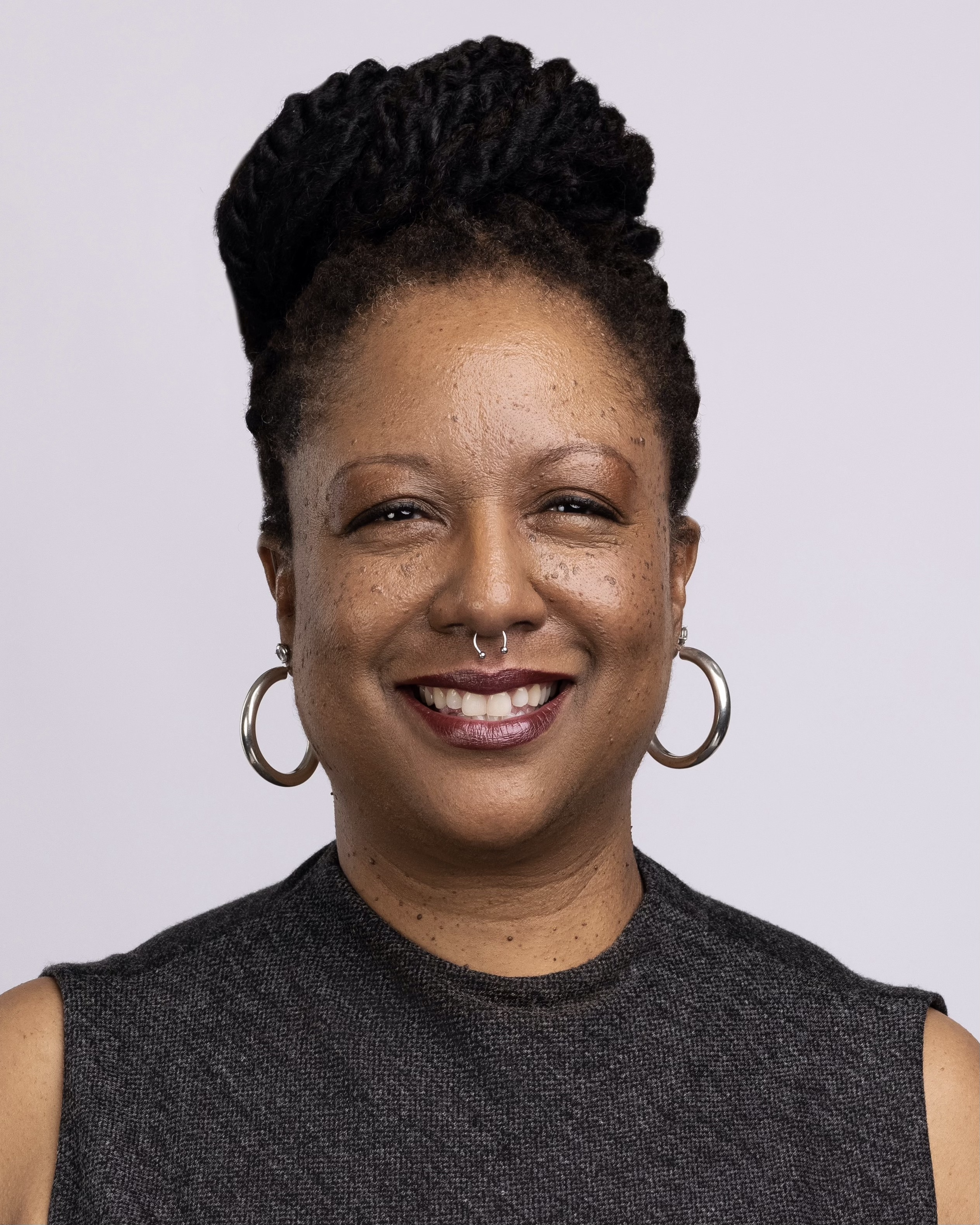 Dr. Lucinda Canty is a certified nurse-midwife, Associate Professor of Nursing, and Director of the Seedworks Health Equity in Nursing Program at the University of Massachusetts Amherst. She earned a bachelor’s degree in nursing from Columbia University, a master’s degree from Yale University, specializing in nurse-midwifery, and a PhD from the University of Connecticut. Dr. Canty has provided reproductive health care for over 29 years. Her research interests include the prevention of maternal mortality and severe maternal morbidity, reducing racial and ethnic health disparities in reproductive health, promoting diversity in nursing, and eliminating racism in nursing and midwifery.
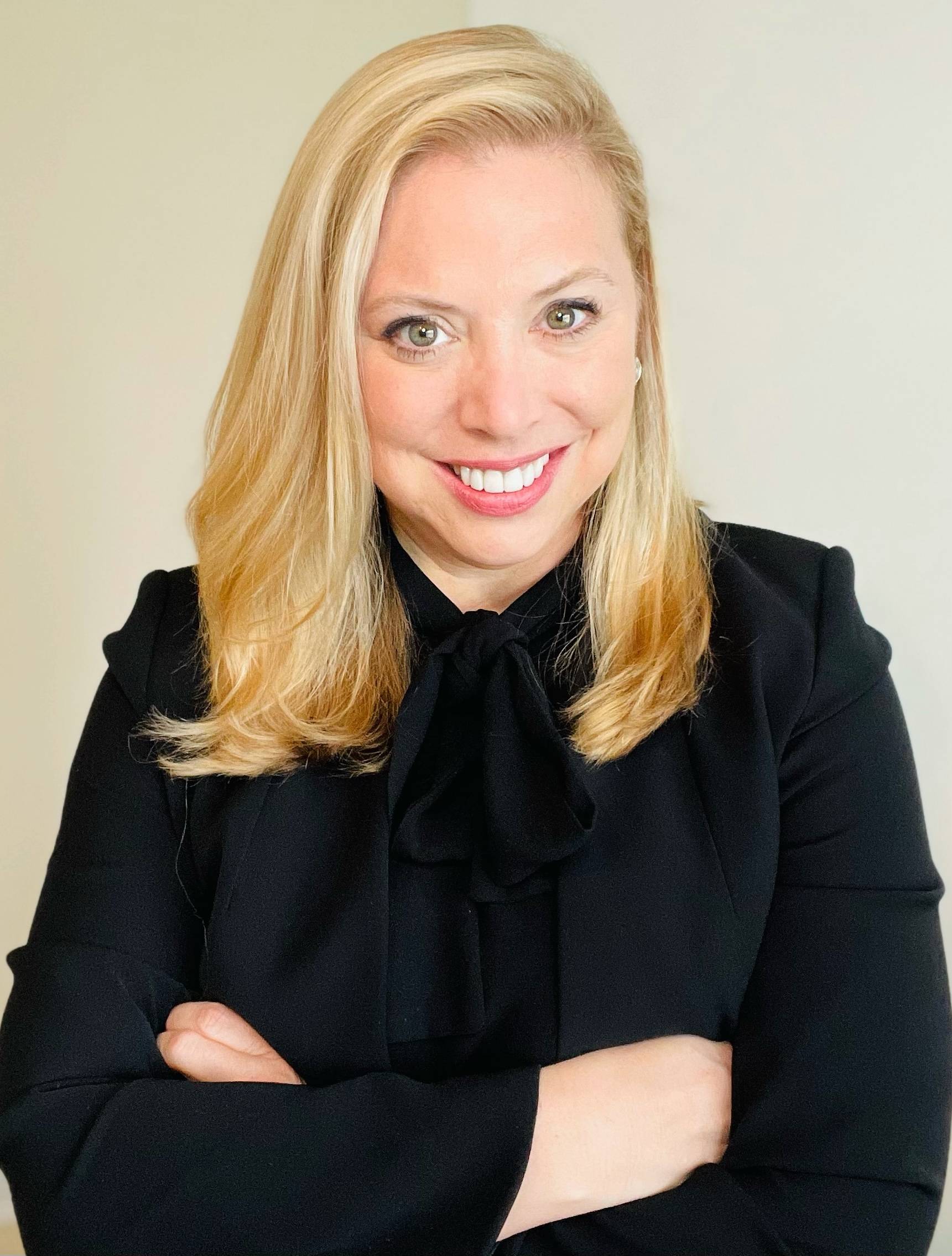 Dr. Lisa Meeks is a distinguished scholar and leader whose unwavering commitment to inclusivity and excellence has significantly influenced the landscape of health professions education and accessibility. She is the founder and executive director of the DocsWithDisabilities Initiative and holds appointments as an Associate Professor in the Departments of Learning Health Sciences and Family Medicine at the University of Michigan.
 Dr. Nikia Grayson, DNP, MSN, MPH, MA, CNM, FNP-C, FACNM (she/her) is a trailblazing force in reproductive justice, blending her expertise as a public health activist, anthropologist, and family nurse-midwife to champion the rights and health of underserved communities. Graduating with distinction from Howard University, Nikia holds a bachelor’s degree in communications and a master’s degree in public health. Her academic journey also led her to the University of Memphis, where she earned a master’s in medical anthropology, and the University of Tennessee, where she achieved both a master’s in nursing and a doctorate in nursing practice. Complementing her extensive education, she completed a post-master’s certificate in midwifery at Frontier Nursing University.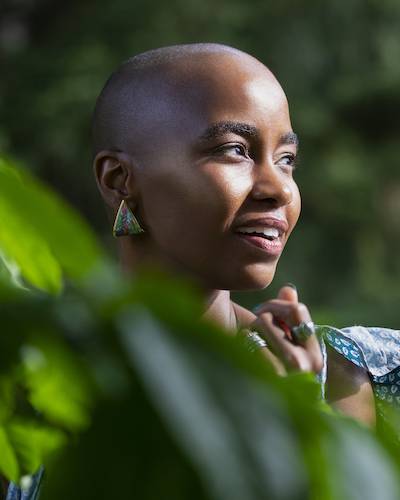

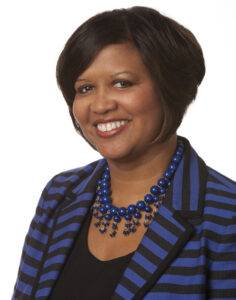 Dr. Tia Brown McNair is the Vice President in the Office of Diversity, Equity, and Student Success and Executive Director for the Truth, Racial Healing, and Transformation (TRHT) Campus Centers at the American Association of Colleges and Universities (AAC&U) in Washington, DC. She oversees both funded projects and AAC&U’s continuing programs on equity, inclusive excellence, high-impact practices, and student success. McNair directs AAC&U’s Summer Institutes on High-Impact Practices and Student Success, and TRHT Campus Centers and serves as the project director for several AAC&U initiatives, including the development of a TRHT-focused campus climate toolkit. She is the lead author of From Equity Talk to Equity Walk: Expanding Practitioner Knowledge for Racial Justice in Higher Education (January 2020) and Becoming a Student-Ready College: A New Culture of Leadership for Student Success (July 2016 and August 2022 Second edition).