From October 1-7, Frontier Nursing University (FNU) collaborated with nurse-midwives, faculty, and health care providers to present 2017’s Mission Focused: Nurse-Midwives Answering the Call virtual event. Each year during National Midwifery Week in October, FNU presents this exciting event to explore the experiences of Certified Nurse-Midwives who are passionate leaders committed to better care for women and families.
The closing session, titled “Nurse-Midwives on a Mission: How Can I Make a Difference?”, reflected on some of the key takeaways from the week and the action steps that can be taken by a nurse-midwife or future nurse-midwife to truly make a difference in maternity and primary care.
The 20-minute session, available here, is presented by Jane Houston DNP, CNM, Clinical Director for Midwifery and Women’s Health at FNU. Her primary question: “Are we answering the call of Mary Breckinridge?” Houston reaches a conclusion by revisiting the virtual presentations shared throughout the week to recognize midwifery-led care:
Workforce, Leadership, and Student Issues in the U.S.
- Dr. Susan Stone on rising birth rates, a shortage of healthcare providers, and the need for leaders in midwifery to create solutions.
- Dr. Anne Cockerham on the history of the Frontier Nursing Service, Couriers, and the development of FNU teaching the science of midwifery.
- Dr. Tonya Nicholson, a Q&A session on how to become competent, ethical leaders in rural and underserved communities.
Vulnerable Populations and Nurse-Midwifery Care
- Dr. Barbara Anderson on the role of DNP nurses to provide health justice and improve outcomes for vulnerable populations.
- Dr. Nena Harris on the story of nurse Maude Callen and a focus on cultural competency and identifying with vulnerable populations while providing basic care.
- Dr. Trish Voss, Dr. Jane Houston and Ms. Ally Williams on the inclusion and equality of all gender identities and sexual orientations in health care and graduate education.
Entrepreneurship and Holistic Care for All Families
- Kitty Ernst and Dr. Tonya Nicholson on midwives as entrepreneurs, collaboration with MDs and providing the “right” care while keeping women at the center.
- Dr. Bethany Cook with a firsthand account of how DNPs are finding needs and carving out niche roles to meet them.
- Dr. Erin Tenney on how a collaborative practice within the Native American/Alaskan Native communities is leading the way for more patient-centered and culturally-safe care.
- Dr. Anne Judge with a review on the current research on obesity and reproduction, as well as how health care providers can approach conversations about weight with patients.
- An AABC panel discussion on the advantages of a freestanding birth center model over a traditional hospital-birth model.
In conclusion, Houston restates the question: “Are we answering the call of Mary Breckinridge?” Her answer: A resounding “YES!”
“The FNU community under the Banyan Tree is strong, resilient, resourceful, diverse, inclusive, multifaceted and is ready, able, and answering the call of our Founding Mother, Mary Breckinridge,” said Houston.
Thank you to Houston and all of the presenters, participants, and virtual attendees that made this event possible.



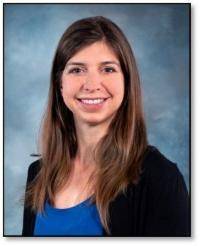 Vanessa Cameron works for Vanderbilt University Medical Center in Nursing Education & Professional Development. She is also attending George Washington University and progressing towards a PhD in Nursing with an emphasis on ableism in nursing. After becoming disabled in April 2021, Vanessa’s worldview and perspective changed, and a recognition of the ableism present within healthcare and within the culture of nursing was apparent. She has been working since that time to provide educational foundations for nurses about disability and ableism, provide support for fellow disabled nursing colleagues, and advocate for the disabled community within healthcare settings to reduce disparities.
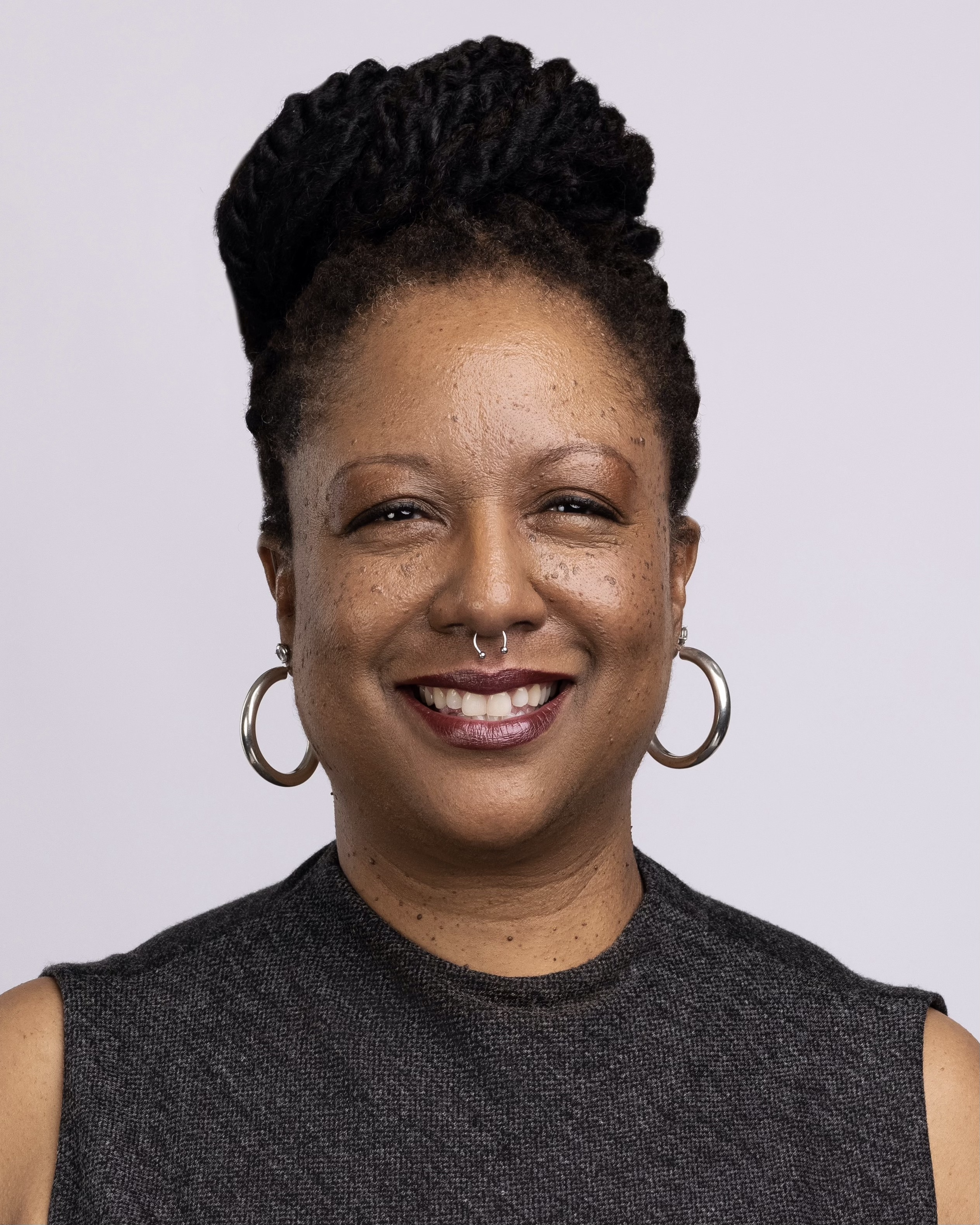 Dr. Lucinda Canty is a certified nurse-midwife, Associate Professor of Nursing, and Director of the Seedworks Health Equity in Nursing Program at the University of Massachusetts Amherst. She earned a bachelor’s degree in nursing from Columbia University, a master’s degree from Yale University, specializing in nurse-midwifery, and a PhD from the University of Connecticut. Dr. Canty has provided reproductive health care for over 29 years. Her research interests include the prevention of maternal mortality and severe maternal morbidity, reducing racial and ethnic health disparities in reproductive health, promoting diversity in nursing, and eliminating racism in nursing and midwifery.
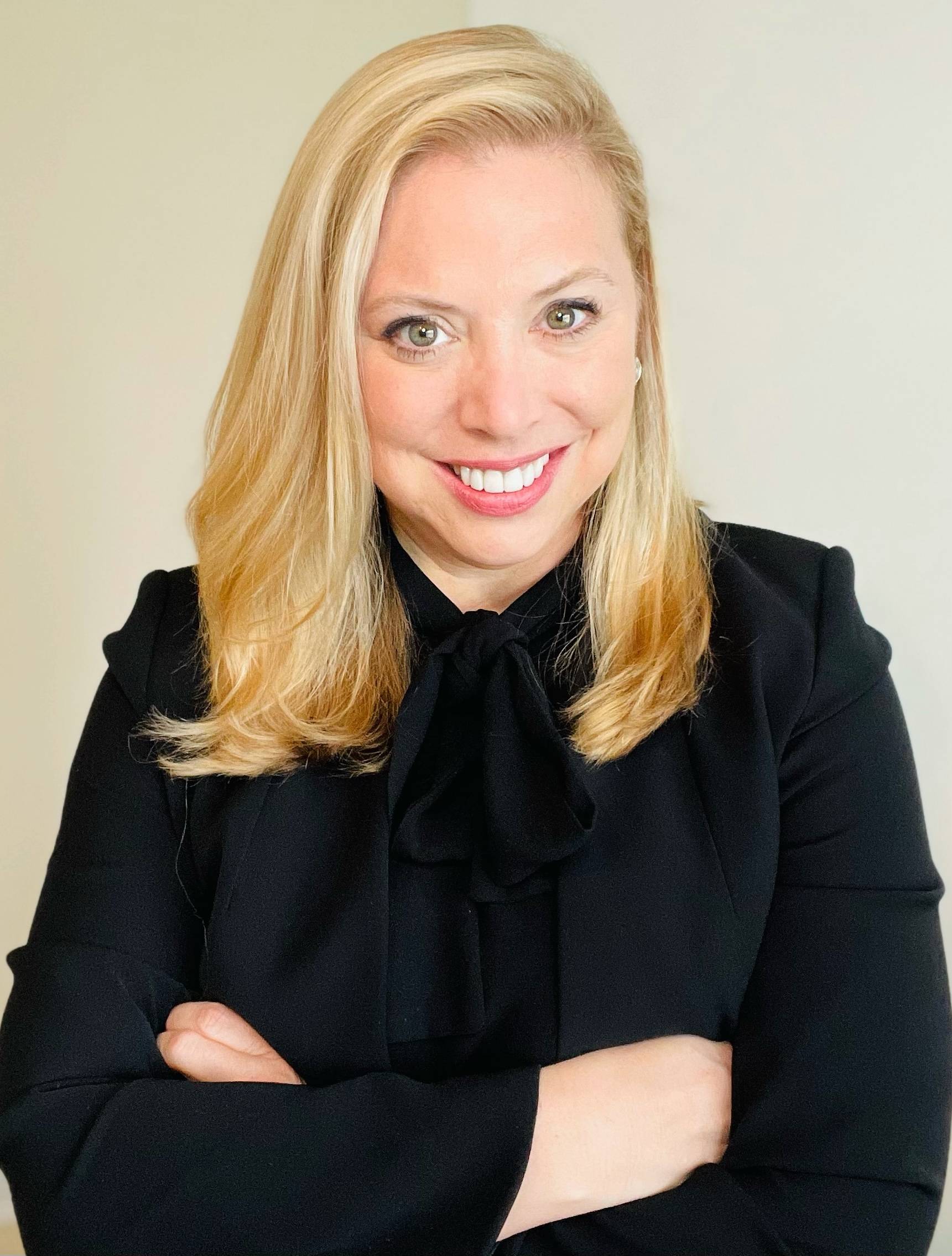 Dr. Lisa Meeks is a distinguished scholar and leader whose unwavering commitment to inclusivity and excellence has significantly influenced the landscape of health professions education and accessibility. She is the founder and executive director of the DocsWithDisabilities Initiative and holds appointments as an Associate Professor in the Departments of Learning Health Sciences and Family Medicine at the University of Michigan.
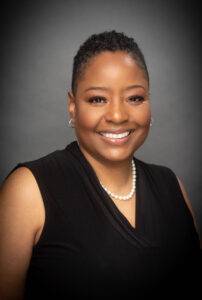 Dr. Nikia Grayson, DNP, MSN, MPH, MA, CNM, FNP-C, FACNM (she/her) is a trailblazing force in reproductive justice, blending her expertise as a public health activist, anthropologist, and family nurse-midwife to champion the rights and health of underserved communities. Graduating with distinction from Howard University, Nikia holds a bachelor’s degree in communications and a master’s degree in public health. Her academic journey also led her to the University of Memphis, where she earned a master’s in medical anthropology, and the University of Tennessee, where she achieved both a master’s in nursing and a doctorate in nursing practice. Complementing her extensive education, she completed a post-master’s certificate in midwifery at Frontier Nursing University.
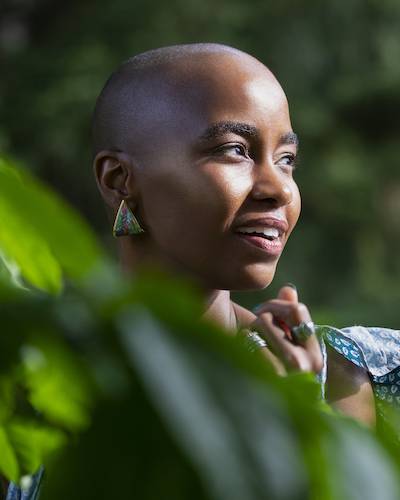
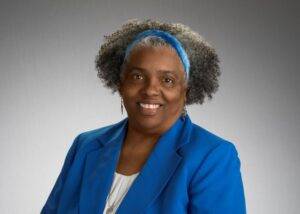
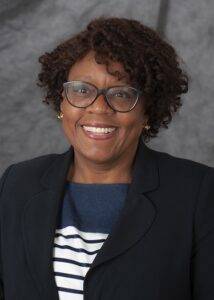
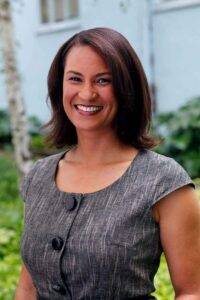
 Dr. Tia Brown McNair is the Vice President in the Office of Diversity, Equity, and Student Success and Executive Director for the Truth, Racial Healing, and Transformation (TRHT) Campus Centers at the American Association of Colleges and Universities (AAC&U) in Washington, DC. She oversees both funded projects and AAC&U’s continuing programs on equity, inclusive excellence, high-impact practices, and student success. McNair directs AAC&U’s Summer Institutes on High-Impact Practices and Student Success, and TRHT Campus Centers and serves as the project director for several AAC&U initiatives, including the development of a TRHT-focused campus climate toolkit. She is the lead author of From Equity Talk to Equity Walk: Expanding Practitioner Knowledge for Racial Justice in Higher Education (January 2020) and Becoming a Student-Ready College: A New Culture of Leadership for Student Success (July 2016 and August 2022 Second edition).