Tag: Alumni

  • Alumni Spotlight: Liz Carr pursues unique skill set in cardiovascular care and nurse-midwifery

    Alumni Spotlight: Liz Carr pursues unique skill set in cardiovascular care and nurse-midwifery

    At the heart of Frontier Nursing University is a talented and diverse community of students, alumni, faculty, staff, couriers and preceptors. Spotlight blogs feature members of our FNU community who are focused on the mission of educating nurse-midwives and nurse practitioners to deliver quality healthcare to underserved and rural populations.

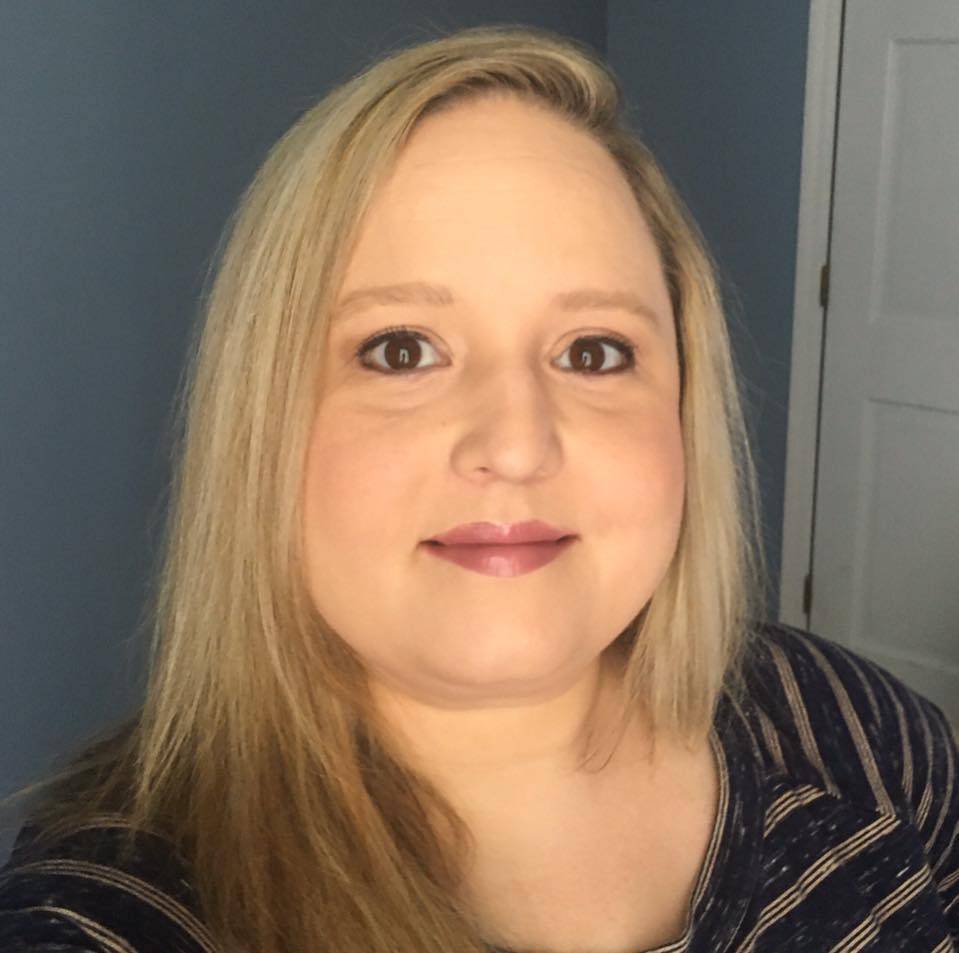
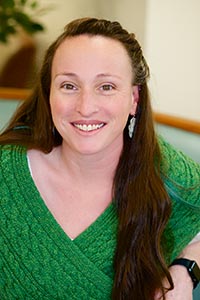
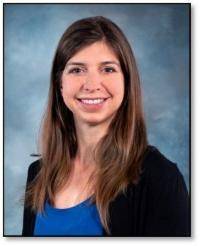
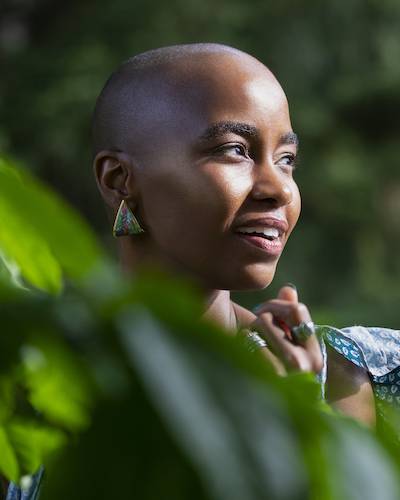
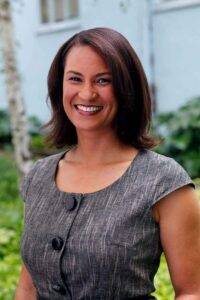
    Though some may see the work of a cardiovascular intensive care unit nurse and the work of a nurse-midwife as somewhat disparate, Frontier Nursing University recent graduate Liz Carr is confident that her background working in an ICU translates well to nurse-midwifery. A resident of Lexington, Ky., Carr currently works at the University of Kentucky (UK) Healthcare Albert B Chandler Hospital Cardiovascular Intensive Care Unit and recently earned her Master of Science in Nursing (MSN) in Nurse-Midwifery from FNU.

    “I chose a cardiovascular background very intentionally,” Carr said. “Cardiovascular disease is the leading cause of death in pregnancy. I chose not to work labor and delivery as an RN, but still wanted to gain skills and knowledge I could apply as a midwife. I am so privileged to do a nursing job I love and also study something I love. While cardiovascular intensive care and midwifery are different, I am hopeful that my unique skill set will be an asset to my future patients and their communities.”

    Originally from Atlanta, Carr earned her BSN from UK in 2017 and has worked at the Albert B Chandler Hospital Cardiovascular Intensive Care Unit for approximately five years.

    Carr has dreamed of becoming a nurse-midwife since she was 13 years old.

    “In my middle school sex education class, we watched a video of an unmedicated vaginal birth. All of the other students were horrified, but I was riveted. I knew from that moment on that I wanted to be a birth worker and usher people through that powerful experience,” she said.

    Throughout her time studying at FNU, Carr said she has particularly appreciated the strong sense of community among students and faculty members. This was illustrated for her when former faculty member Dr. Kendra Faucett sent her a list of all of the midwives in the area to assist in her search for preceptors.

    “It was the moment that I felt like I was really in the right place with an amazing community of people who will always champion my success,” she said.

    Carr worked at four clinical sites throughout her time at FNU, the last of which was with FNU alumni Paula Brandt at the recommendation of FNU clinical advisor Carisa Lipp.

    “There was never anywhere else I would want to be. Frontier is the home of nurse-midwifery.”
    – Liz Carr, BSN, RN, CCRN, CNM, FNU Alumni

    “My rotation with Paula was not only what I needed to finish my clinical requirements, it was exactly what I needed to feel ready to go into practice,” she said. “It’s all thanks to the amazing Frontier network.”

    Throughout her clinical experience at FNU, Carr said one of her proudest moments was when she was present for a patient’s first Pap smear. Using training she acquired from FNU, Carr said she was able to ease the patient’s anxiety about the procedure.

    “As a student, it felt like such an important moment,” Carr said. “I had the chance to introduce someone to speculum exams in a way that was comfortable for her, and which will hopefully ensure she seeks out her routine health screenings without fear of pain. There was never anywhere else I would want to be. Frontier is the home of nurse-midwifery.”

    Over the years, Carr has received several recognitions for her work in healthcare, including the University of Kentucky Healthcare Commitment to Nursing Excellence Award in 2017 and the University of Kentucky Healthcare Bronze Award for Innovation in 2020. She also is a three-time Daisy Award nominee and a 2022 participant in the Training in Abortion Care Residency.

    In her free time, Carr enjoys reading, spending time with her dog, Cooper, and visiting her family in Atlanta.

    Thank you, Liz, for choosing FNU to achieve your goal of earning your MSN in Nurse-Midwifery. We are proud to have had you as a student and wish you continued success in your next endeavors.

  • Russian-Born Viktoriya Kashin’s Mission to Aid Ukrainians

    Russian-Born Viktoriya Kashin’s Mission to Aid Ukrainians

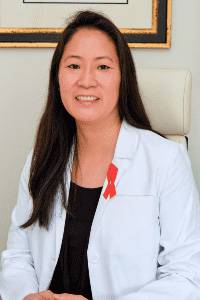
    When Russia began its attack on Ukraine in February, the images were shocking and terrifying. The heartbreaking scenes of devastation and destruction impacted everyone, but it was all particularly impactful to Frontier Nursing University (FNU) alumna Viktoriya Kashin, DNP, FNP, who was born in Russia. Her family immigrated to the United States in 1994 when she was 8. She traveled to Russia and Ukraine several times, staying connected to her homeland through friends and family. As the war began and casualties mounted, she knew she had to find a way to help. As a family nurse practitioner, Dr. Kashin, of course, is uniquely qualified to provide medical aid, and her knowledge and experience were needed in the war-torn country.

    “The reason I became a nurse was because of my high school teacher,” said Dr. Kashin, who attended high school in Tennessee. “I was a senior in high school and didn’t know what I was going to do. I took a health science class. It was just basic things – taking blood pressure and learning about the human body. One day my teacher said, ‘You would make a great nurse.’ Two of my friends wanted to be nurses, and my mom also encouraged me to go into the medical field. She was sick a lot off and on, and she passed away while I was in nursing school. This devastated me, but she inspired me to live for others. Seeing her care at the hospital and the difference nurses made motivated me to become a nurse, and then later a nurse practitioner.”

    Dr. Kashin, who completed a Bachelor of Science in Nursing at the University of Tennessee in Chattanooga, realized that she had the potential to do more for her patients but that she would need to expand her training and education to do so.

    “I felt I was restricted as a nurse because my knowledge base was limited,” Dr. Kashin said. “In 2014, my dad had a pulmonary embolism. Being in a room with him and unable to help him felt horrible, so I decided to go back to school, and I applied to Frontier.”

    “I loved Frontier,” said Dr. Kashin, who now works in maternal-fetal medicine (MFM) at the University of Florida Health Hospital in Gainesville, Florida. “Going back to school as an adult is a completely different experience. I wanted to learn, and I really loved it. The Frontier faculty and staff were extremely invested in my success and very supportive. I struggled in undergrad so much that I never thought I could do well in a doctorate program, but I graduated with a 4.0. Frontier had a lot of emphasis on rural medicine and helping underserved people. This lines up exactly with my life’s vision. I was always interested in working with the marginalized and poor. I think it is because I know what it is like to live on the other side of the railroad tracks and have very little. Even now, I work with a population that does not have regular access to medical care, many do not have insurance unless they are pregnant. Frontier helped frame my thinking and opened my eyes to many health care disparities, and is why I did not go into private practice.”

    “The Frontier faculty and staff were extremely invested in my success and very supportive…Frontier had a lot of emphasis on rural medicine and helping underserved people. This lines up exactly with my life’s vision…Frontier helped frame my thinking and opened my eyes to many health care disparities, and is why I did not go into private practice.”
    – Viktoriya Kashin, DNP, FNP, FNU Alumnus

    In her first three years in MFM, Dr. Kashin worked outpatient, but a year ago, she switched to inpatient care. Among the conditions that she helps treat are patients with premature rupture of membranes (PROM). These patients’ water ruptures early, and they are hospitalized to help prevent them from delivering too early. The MFM team also treats preeclampsia, which is high blood pressure during pregnancy. Those with severe cases of preeclampsia are hospitalized and treated to help them remain pregnant as long as possible while preventing seizures or other complications. Other conditions treated include diabetes, multiple gestations, fetal anomalies, and infections.

    The high-risk and labor halls are all closely connected, as is the tight-knit staff. A typical shift consists of 12 nurses and three residents, including a general attending, an MFM attending, a nurse practitioner, or a certified nurse-midwife.

    “We share a workspace and often help each other out,” Dr. Kashin said.

    That level of support came into full view when Dr. Kashin answered the call to go on a mission trip to help the people of Ukraine. Her hospital was no stranger to the nursing shortage prevalent throughout the country, yet her request was met with nothing but support.

    “I told my boss I needed 3 weeks off, and he said, ‘What can I say? It’s for humanity,’” said Dr. Kashin, who created a fundraiser to help pay for the mission trip. “Many people had to step up and cover for me at work. My co-workers even organized a bake sale, collecting thousands of dollars. They also put out a department-wide email with my fundraiser links, and many donations came from the faculty and staff at the University of Florida. They were immeasurably kind and supportive.”

    Dr. Kashin had always thought about going on a medical mission. She just didn’t think it would be such a personal trip.

    “When the war broke out, I really wanted to help but didn’t know how. A few days after the war started, my childhood friend Natasha sent me a message stating that they need Russian-speaking female medical professionals (because most of the refugees were women),” Dr. Kashin said. “All that matched up with me. It was like an answer to prayer. At that point, I knew I had to go.”

    Along with her coworkers, Dr. Kashin received tremendous support from her community, who supported her GoFundMe campaign. Her brother, Oleg, also went on the trip, and her church paid for their tickets to and from Ukraine. Overall, they raised over $20,000, which they were able to give to people in Ukraine to help with food and other supplies.

    Her mission trip, which lasted 20 days and was organized through Crisis Response International, began by flying into Krakow, Poland, and then driving to Ukraine.

    “We stayed in a small city an hour away from Poland,” Dr. Kashin said. “It was an old hospital that was only functioning on the first floor. The other levels were empty for decades, and that is where the refugees moved in. Our team, however, rented a couple of rooms in a gym and stayed on the top floor. We just had two rooms – one for the guys, one for the girls. We didn’t always have hot water. The heat wasn’t working. There wasn’t a stove or kitchen. We were definitely roughing it.”

    Dr. Viktoriya Kashin with her brother, Oleg, outside of the refugee center.

    The refugee center was organized by a husband and wife who had a long-standing connection to local orphanages. The husband himself was an orphan growing up, and the couple had also adopted two orphans.

    “They got in touch with the orphanages and brought the orphans from all over Ukraine to the refugee center,” Dr. Kashin said. “From there, the orphans were sent to Austria and Germany. Every day there would be a bus full of kids leaving and going elsewhere. That’s how they started the refugee center. They had a chef that was a refugee herself who volunteered her services. They would cook three meals every day. There was a little office that we made into a clinic. It was easier just to show up with a stethoscope around your neck than to make appointments. The refugees would just stop you in the hall and tell you whatever ailed them, often inviting us into their rooms. Every day I would go in and see patients. I had a couple of pregnant patients and a couple of newborn babies. We also went to train stations and gave out goodie bags full of supplies. One day we met a pregnant woman that didn’t have anywhere to go. She and her family were able to come to the refugee center that same night to have a place to stay.”

    Dr. Kashin explained that drivers would take vans into the ravaged areas and pick people up and get them out. Some of the money that Dr. Kashin and her brother raised helped repair the vans and protect the drivers, who were frequently under fire.

    Even in the relative safety of the refugee center, however, there was an element of constant threat and danger.

    “Every day, the bomb sirens would go off,” Dr. Kashin said. “Many people at the refugee center had PTSD (post-traumatic stress disorder). Every time a door slammed, they would jump.”

    Despite the constant reminders of the violence all around them, the volunteers did their best to make the refugee center as comfortable and welcoming as they could. In addition to the meals, room to sleep, and access to medical care, a hairstylist gave haircuts, and other women offered massages. Often, the refugees just wanted someone to talk to.


    A new father feeds his baby in the hospital where Dr. Kashin and her mission group delivered medical supplies.

    Dr. Kashin stands in front of the refugee center’s makeshift medicine cabinet.

    “They just wanted to tell you where they came from, their pets they left behind, their husband or brother or father who is fighting,” Dr. Kashin said. “We just sat with them and listened and offered encouragement and tried to give them any help we could. I held back a lot of tears.”

    In addition to the supplies they brought with them, the refugee center regularly received shipments of humanitarian aid from the U.S. and other European countries, including diapers and formula (before the formula shortage), warm clothes, and medications.

    “The airline didn’t charge us for extra bags because it was humanitarian aid,” Dr. Kashin said. “It was really neat to see how the U.S. and the whole world responded to Ukraine.”

    After 20 days, Dr. Kashin returned to the U.S., but her brother remained in Ukraine, continuing to forge relationships and deliver supplies.

    “It was hard coming back. I had a little bit of survivor’s guilt,” Dr. Kashin said. “This is pretty much home country. If I didn’t come to the U.S. as a child, what would my life be? I could be one of those women that were raped and killed. It is horrendous to think about.”


    Activities for the refugee children included making arts and crafts.

    She intends to return to Ukraine at some point. In the meantime, she continues to raise funds for supplies and remains in contact with many of the people she met there. More difficult, however, is communicating with her Russian family. The topic of “war” is completely off-limits.

    Beyond a return trip to Ukraine, Dr. Kashin’s plans are wide open, thanks to MFM being such a large field. She can continue or perhaps select something new.

    “I really love women’s health she said. “There is so much to learn in this field. I would like to do more medical mission work in the future. For now, I am happy where I’m at.”

    One thing she does know is that the people of Ukraine will persevere.

    “They are running out of gas, and they have nothing to fight with. But they are a very resilient people,” she said. “Even though the war is still going, certain parts of Ukraine are being rebuilt already. I’m very thankful for everyone who has shown support with money, encouragement, and prayer.”

  • Join Frontier Nursing University in celebrating National Public Health Week

    Join Frontier Nursing University in celebrating National Public Health Week

    The past two years have shown us: Public health is critical. That’s why Frontier Nursing University (FNU) is excited to be a part of the 27th National Public Health Week, celebrated April 4-10.

    We know public health is more than a single topic; it’s countless issues and practices that help every American to live as long and as well as they can. This year, we’re joining the American Public Health Association in their celebration: Public Health is Where You Are. The COVID-19 pandemic and ongoing public health crisis of racism in the U.S. have shown us it’s now more important than ever to come together and support well-being and health equity in our communities.

    Over the past year, there are many things the FNU community has done to support health equity in our communities.  Several alumni and students are already making an impact in their home communities and recognizing where the need is greatest. We’ve created content on the importance of advocacy. FNU provided educational sessions for nurse-midwives and nurse practitioners focusing on antiracism, quality improvement, health equity and substance use disorders. Additionally, our new Versailles, Ky. campus became a COVID-19 vaccination site for our local Kentucky community, Woodford County.

    These initiatives and actions fit our mission, which is to provide accessible nurse-midwifery and nurse practitioner education to prepare competent, entrepreneurial, ethical, and compassionate leaders in primary care to serve all individuals with an emphasis on women and families in diverse, rural, and underserved populations.

    How can you get involved?

    Celebrate and reinforce gratitude for public health. Look for ways to strengthen our communities, locally and globally. Name and dismantle racism in your community. Hold accountable those responsible for climate change. Urge your elected leaders to prioritize families by advancing policies for paid sick leave and a living wage, and to protect public health workers by ensuring public health authority. Work to make sure health and wellness are not just available, but accessible to everyone in your community. There are countless ways to make your voice heard and become part of the movement for public health.

    Follow FNU on social media as we’ll share some facts and information on each day’s theme:

    • Monday: Racism: A Public Health Crisis
    • Tuesday: Public Health Workforce: Essential to our Future
    • Wednesday: Community: Collaboration and Resilience
    • Thursday: World Health Day: Health is a Human Right
    • Friday: Accessibility: Closing the Health Equity Gap
    • Saturday: Climate Change: Taking Action for Equity
    • Sunday: Mental Wellness: Redefining the Meaning of Health

    You can also check out APHA’s toolkit for other ways you can keep the momentum going in your community. We encourage you to send the sample proclamation to your local and state representatives.

    Let’s join together to work toward a brighter, healthier, equitable future.

  • Alumni Spotlight: Ingrid Andersson, CNM, brings compassionate care to her community while advocating for reproductive justice 

    Alumni Spotlight: Ingrid Andersson, CNM, brings compassionate care to her community while advocating for reproductive justice 

    At the heart of Frontier Nursing University is a talented and diverse community of students, alumni, faculty, staff, Couriers and preceptors. Spotlight blogs feature members of our FNU community that are focused on the mission of educating nurse-midwives and nurse practitioners to deliver quality health care to underserved and rural populations.

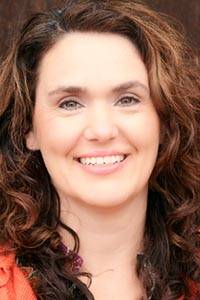
    For Madison, Wisconsin-based Certified Nurse-Midwife (CNM) and Frontier Nursing University alumni Ingrid Andersson, the fundamental rights of pregnant people has always been at the forefront. Andersson believes that reproductive justice should be actively defended and that these rights, as defined by  Loretta Ross of the Sister Song Reproductive Justice Collective, include the right to have children, the right to not have children and the right to parent children in safe and healthy environments.

    “Throughout my career, I have worked to ensure pregnant people’s access to a full spectrum of pregnancy options, at the same time working for safe and healthy environments,” she said.

    Andersson earned her post-graduate certificate (PGC) in Nurse-Midwifery from FNU in 2000. She has worked as a CNM through a private home birth practice for 21 years.

    As a CNM in a private practice, Andersson said her model of care is not based on “provider/patient,” but on a healthcare partnership.

    “I learn as much or more from my families as they do from me,” she said. “It is also very prevention-oriented, so much of our hour-long visits are spent in discussing things like work stress, relationships, nutrition and COVID management.”

    Andersson said though many people  are aware of the effect stress and anxiety can have on a pregnancy, these factors also can have an effect on breastfeeding. To address this, Andersson founded Mothers’ Milk Alliance, Inc. (MMA) in 2007. The organization is designed to provide mothers who cannot produce enough breast milk (in the short-term or long-term) access to breastmilk from donors. Today, MMA has five community freezers, and about 6,000 ounces of breast milk is moved in and out of their facilities each month. Those who donate breast milk to the organization are tested by volunteer midwives and the organization also receives support from local physicians and lactation consultants.

    In addition, Andersson was included on the founding steering committee of the Wisconsin Environmental Health Network (WEHN). A group of healthcare professionals who collaborate with local environmental advocates, WEHN works to inform healthcare professionals, the public, and policy makers about the effects of environmental toxins and climate change on public health. This year’s virtual conference, which began in February and will continue through March, focuses on various topics including the health and financial burdens of extreme heat and what health professionals should know about protecting vulnerable populations from environmental and occupational harm.

    Andersson also is the co-founder of Pregnancy Options Wisconsin: Education, Resources & Support, Inc. (POWERS). The organization is made up of volunteer doctors, midwives, doulas, educators, and activists who are committed to pregnant people’s informed choice and access to all pregnancy options.

    “I believe that a career of connecting dots and walking bridges between practitioner and activist, individual and community, health and environment, has helped build the strong relationships that my community enjoys between home and hospital,” she said.

    Just as Andersson’s career influences her advocacy, it also influences another one of her passions: poetry. She recently released her first published book of poetry, entitled “Jordemoder: Poems of a Midwife.” Published by Holy Cow! Press, the book draws upon Andersson’s experience as a Certified Nurse-Midwife with an academic background in medical sciences, anthropology, and European literature and languages. “Jordemoder” is the Swedish and Danish word for “midwife.” “Jord” translates to “earth/ soil/land/world,” while “moder” translates to “mother.”

    “The word, for me, captures midwifery as a metaphor for an ecology or a reciprocity of world relationships, as much as the literal processes of pregnancy, birth and early parenting,” Andersson said.

    Since earning her certificate from FNU, Andersson has precepted several Frontier students and continues to enjoy meaningful relationships with them.

    “I loved – still love – [FNU’s] legacy of turning around abysmal, shameful local health statistics and its benchmark history in serving families at home,” she said. “I continue to work with Frontier colleagues and students and love the ongoing connection and support as a preceptor.”

    FNU is incredibly proud of Andersson’s work as a healthcare professional and passionate advocate. She is an exceptional example of FNU’s Culture of Caring.

    To read more alumni stories, visit the FNU Alumni stories page.

  • Featured Preceptor: Shannon Conley, FNP, Providing Compassionate Care for Underserved, Rural Patients

    Featured Preceptor: Shannon Conley, FNP, Providing Compassionate Care for Underserved, Rural Patients

    At the heart of Frontier Nursing University is a talented and diverse community of students, alumni, faculty, staff, Couriers and preceptors. Spotlight blogs feature members of our FNU community who are focused on the mission of educating nurse-midwives and nurse practitioners to deliver quality healthcare to underserved and rural populations.

    Shannon Conley, FNP

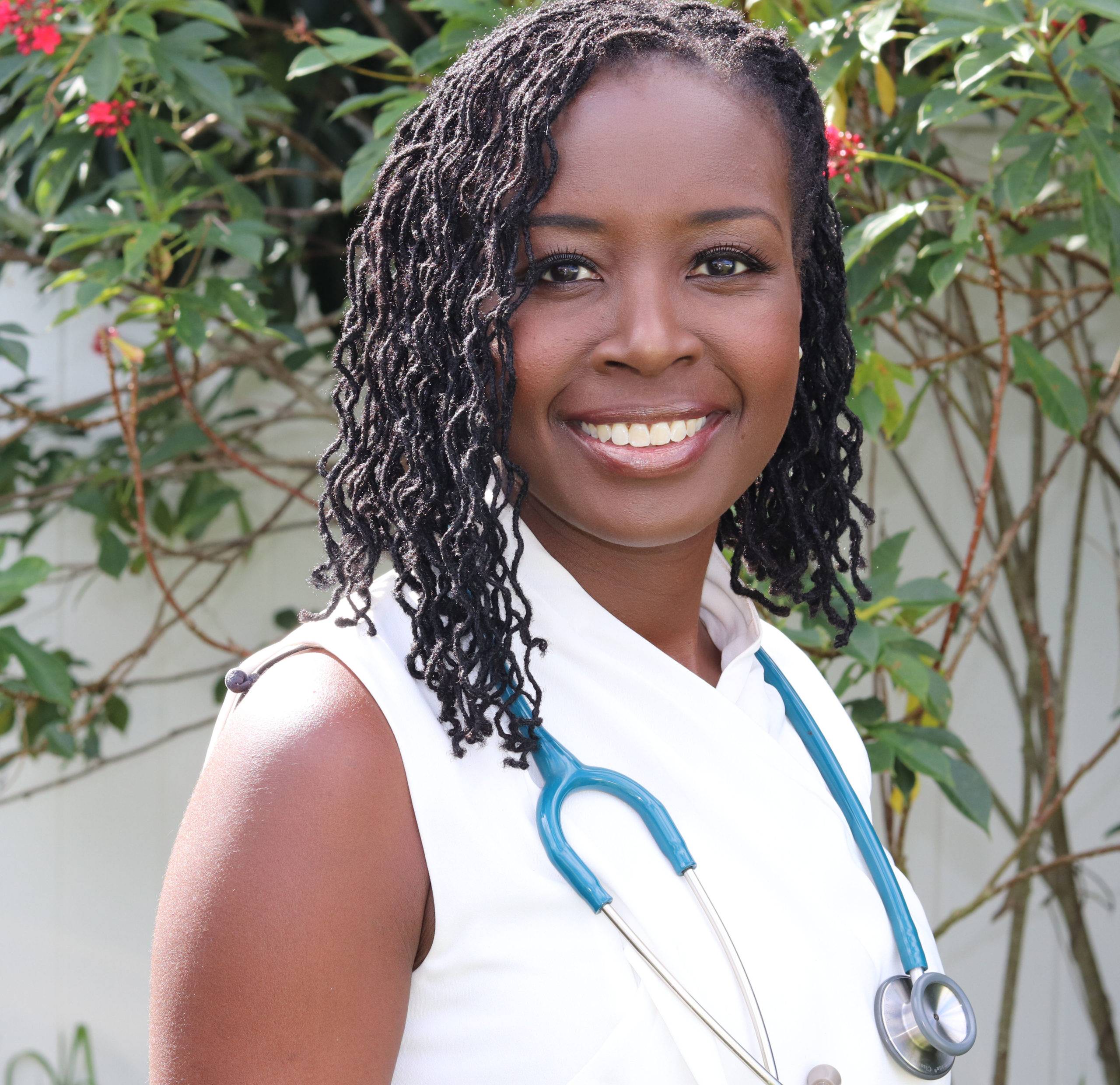
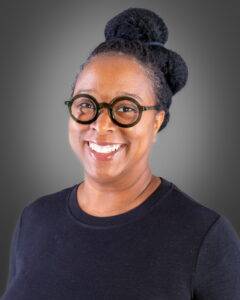
    Frontier Nursing University (FNU) is proud to showcase Shannon Conley as the Fall Term Featured Preceptor. Conley was nominated by FNU graduate Channa Arnett, FNP, for her dedication to patients in Eastern Kentucky.

    Conley, a graduate of FNU, serves as a Family Nurse Practitioner (FNP) for Big Sandy Health Care in Eastern Kentucky, a role she has taken on for the past 10 years. Working with a Federally Qualified Health Center (FQHC), Conley interacts with many underserved adult patients, most of whom are dealing with chronic conditions and have obstacles when it comes to accessing treatment.

    Keeping this in mind, Conley provides patients with transportation assistance, medical assistance and remains cognizant of the cost of medication. Conley also serves as a preceptor in her community, training future FNPs to address the shortage of providers in her region.

    They begin as nervous students — unsure of where to start — then gradually grow into an independent provider. It makes me proud to know that I have taken a part in developing a competent, confident and caring nurse practitioner.”

    – Shannon Conley, FNP

    “I really enjoy watching students grow and gain confidence in their knowledge and skills,” Conley said. “They begin as nervous students — unsure of where to start — then gradually grow into an independent provider. It makes me proud to know that I have taken a part in developing a competent, confident and caring nurse practitioner.”

    Throughout her time at Big Sandy Health Care, Conley has successfully treated and cured multiple chronic hepatitis C patients. She also has educated others on appropriate guidelines to adjust diabetic medications. As a result of her guidance, numerous patients with Type 2 diabetes have been able to stop taking insulin and only use oral glucose-lowering medications.

    “She has dedicated her life to providing care to the people of Eastern Kentucky,” Arnett said. “I have been amazed by the time she spends with her patients and the effort she puts forth ensuring they have the knowledge they need to be an active part of their own healthcare.”

    “She loves teaching and serves the community by sharing her knowledge with future providers so they may go on to serve their communities,” Arnett continued.

    We want to thank Shannon Conley for her dedication to underserved patients in her community, for helping to train a new generation of nurse practitioners and for demonstrating FNU’s Culture of Caring.

    Click here to read more Featured Preceptor stories and find information on nominating a Featured Preceptor.

    Those interested in becoming a FNU Preceptor can learn more here.

  • Dr. LaTonya Trotter Delivers FNU Commencement Keynote Address to Over 900 Graduates

    Dr. LaTonya Trotter Delivers FNU Commencement Keynote Address to Over 900 Graduates

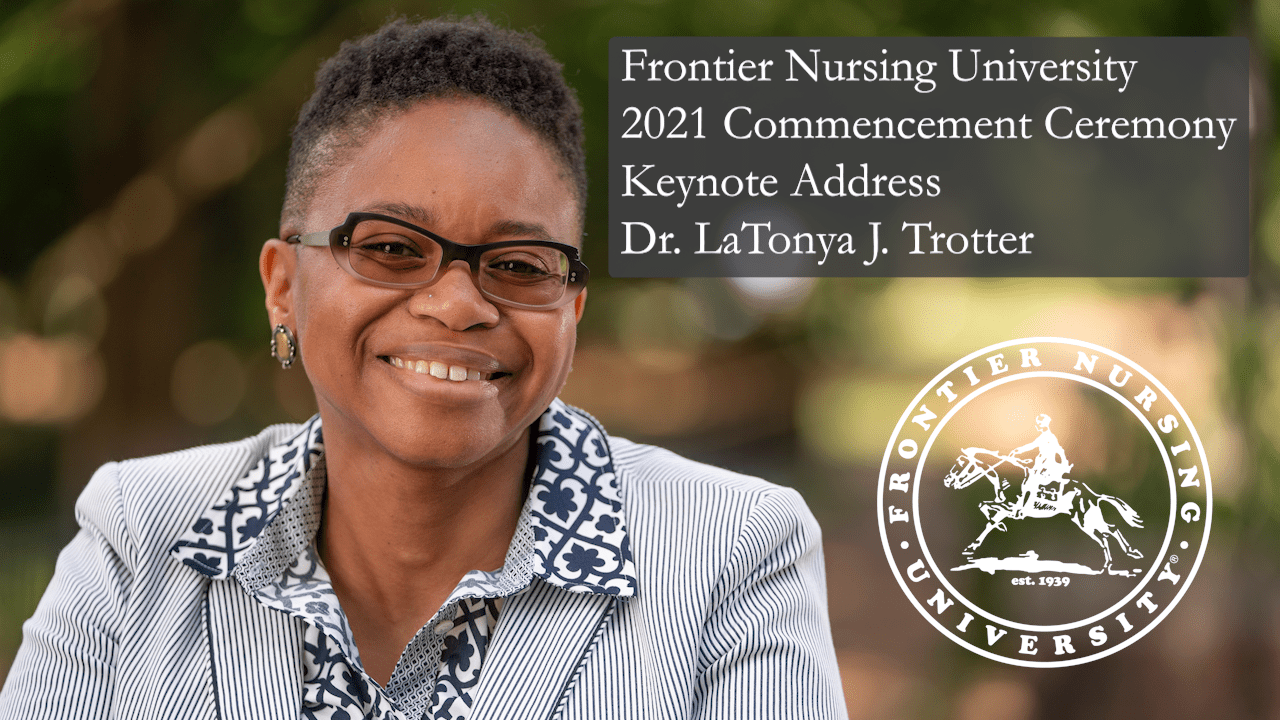
    Frontier Nursing University celebrated the graduation of over 900 students during the 2021 commencement ceremony held on Saturday, September 25. Dr. LaTonya J. Trotter, Associate Professor of Bioethics and Humanities at the University of Washington, gave a poignant keynote address, encouraging the attendees to continue the good work in their communities and chosen professions. 

    A medical sociologist, ethnographer, and author, Dr. Trotter is the author of “More than Medicine: Nurse Practitioners and the Problems they Solve for Patients, Health Care Organizations, and the State.” The book, which was published in 2020, chronicles a group of nurse practitioners and the care they provide for four hundred Black older adults living with poor health and limited means. 

    Dr. Trotter was awarded a Bachelor of Arts from Williams College, majoring in Sociology and American Studies. She earned a Master of Public Health degree from the University of Washington, and a Doctor of Philosophy in Sociology from Princeton University. Prior to her position at the University of Washington, Dr. Trotter was an Assistant Professor of Sociology at Vanderbilt University.

    Watch the 2021 Commencement Keynote Address:

    FNU President Dr. Susan Stone also addressed the attendees with words of congratulations and encouragement during her opening address: 

    “Good afternoon everyone, and welcome to the 2021 Frontier Nursing University Commencement Ceremony! Welcome to our distinguished guest speakers, faculty colleagues, family members, friends, and, of course, our 2021 graduating class.

    We are so proud of you and your dedication to complete your degree at FNU. We regret that we were not able to hold this year’s commencement in person, but we’re so happy that you were able to attend and enjoy the virtual ceremony. What you have achieved is an amazing accomplishment deserving of recognition and celebration, and we hope that you are able to share the special moment with your family, friends, and classmates.

    The past two years have been incredibly difficult for so many people. I am very proud of the determination and desire you displayed in earning your degree, and urge you to take a moment to reflect on all that you have accomplished, the hurdles you have overcome, the sacrifices you have made, and take great pride in it. I also want to express appreciation too, for your friends and family who have supported you on this journey. It takes a team effort, and we extend our gratitude to your supporters as well. 

    You have come so far, but I don’t have to remind you that your journey is not over. In many ways, it is just beginning. As you are well aware, our country and our world are facing not only a pandemic, but also a host of other healthcare concerns including drastic healthcare shortages, healthcare disparities, the maternal mortality crisis, and psychiatric-mental health concerns. No one person has the answer to these problems, but rest assured, you are part of the solution. You have all the tools, all the training, and certainly the demonstrated drive and intellect to make a significant difference and contribution to your community. That is what Frontier Nursing University expects from all members of the FNU community. We make a difference by answering the call to serve. 

    Much like your life-long commitment to serve your community, FNU makes a life-long commitment to serve you. You are now and forever part of the FNU community. We will always be here to support you in any way we can. We love to hear from you and to share your stories of the great work you are doing in your community. Please remain in touch and never hesitate to contact us. We will answer your call. 

    Again, congratulations on your wonderful achievements — past, present, and future. I know you will do great things in service to others. Thank you for representing Frontier Nursing University and continuing to make us proud.”

    Watch the 2021 FNU Virtual Commencement Ceremony recorded event.

    Congratulations, graduates!

    [siteorigin_widget class=”WP_Widget_Media_Image”][/siteorigin_widget]
  • FNU Alumni Spotlight Junise Belizaire: Providing In-Home Care to Vulnerable Floridians

    FNU Alumni Spotlight Junise Belizaire: Providing In-Home Care to Vulnerable Floridians

    Junise BelizaireFrontier Nursing University (FNU) graduate Junise Belizaire, FNP is working to change the way people think about healthcare access in Wesley Chapel, Fla. Belizaire has made it her mission to bring quality healthcare to an underserved population.

    After working as a nurse for several years, Belizaire knew that she wanted to do more within the healthcare field. She enrolled in FNU’s Family Nurse Practitioner program and went on to earn her Master of Science in Nursing from FNU.

    “I chose Frontier because their model encompasses everything that I believe in: family, community, and a passion for the underserved,” Belizaire said. “And, when you attend Frontier, you quickly see that the school is so much more than a well-written mission statement; the Frontier community is truly united in their passion for improving the healthcare field. The people of FNU ignited a fire in me that helped to fuel my career and lead me to where I am today.”

    Upon graduation, Belizaire found herself in many jobs as a nurse practitioner. While she loved caring for patients, she found herself frustrated with the healthcare system and longed for a more personal approach to patient care. 

    “I became a nurse practitioner so I could make a greater difference in my patients’ lives and a greater impact in the healthcare system. I wanted to be a part of the solution by breaking down health care disparities and reaching more individuals. In more traditional roles, I felt like I wasn’t able to meet my full potential as a provider,” Belizaire said.

    With that in mind, Belizaire launched Bay Area Mobile Clinic, a house call practice. Through this new practice, Belizaire uses her mobile clinic to provide services to individuals, families, and underinsured employees to bring cost-efficient healthcare to everyone. 

    “Whether a person is homebound, has transportation difficulties, or simply needs convenience, everyone deserves quality, affordable care,” Belizaire said.

    Belizaire is attending to patients who often went without care before her services arrived. 

    “Many of my patients have not seen a provider in years,” Belizaire said. “My hope is that by bringing care to these individuals, I can decrease the number of healthcare disparities within my community.”

    Belizaire said that opening the practice has been the highlight of her professional career because, through this clinic, she can bring compassion and caring to patients without the rush and disconnect of more traditional medical settings. 

    Frontier educates its students with the primary goal of assuring that they are well prepared to serve rural and underserved populations. The need is great and the challenges are many as the U.S. continues to face healthcare crises, disparities, and provider shortages. Women of color die from pregnancy-related illness at three times the rate of white women, mental health issues plague our country, and suicide is the 10th-leading cause of death in the United States according to the Centers for Disease Control. In addition, more than 130 people die each day from opioid-related illnesses.

    “We must create a diverse healthcare workforce, a workforce that can competently serve persons and families from many different cultures that are representative of our United States,” said Dr. Susan Stone, FNU president. 

    Frontier encourages students to be leaders and entrepreneurs, just like Belizaire. 

    Thank you, Junise, for your dedication to the Bay Area, your commitment to the Frontier mission, and the hope you are bringing to your community. We are proud to have you as a member of the FNU community!

    If you are interested in reading more stories about the fantastic work of FNU alumni members, visit the FNU Alumni stories page.

  • FNU virtual event to focus on antiracism, quality improvement and substance use disorders

    FNU virtual event to focus on antiracism, quality improvement and substance use disorders

    National Nurse Midwifery Week Save the Date 2021National Midwifery Week is the first week of October, and Frontier Nursing University (FNU) is celebrating by hosting its annual virtual event dedicated to nurse-midwifery on October 4-7. FNU’s Empower 2021: Creating a Culture of Caring event will mark the seventh year of a program filled with impactful sessions, motivating speakers and a complimentary continuing education opportunity.

    National Midwifery Week was created by the American College of Nurse-Midwives (ACNM) to celebrate and recognize midwives and midwife-led care. ACNM and its 6,500+ midwife members, physicians and women’s health organizations observe National Midwifery Week each year.

    FNU’s virtual event offers five free sessions presented by FNU faculty and alumni on the latest practices and topics influencing nurse-midwifery care and includes a continuing education opportunity:

    Creating a Culture of Innovative Quality Improvement

    Monday, Oct. 4 at 6 – 7 p.m. EDT
    Moderated by FNU Associate Professor Dr. Tia Andrighetti and co-presented by FNU faculty members Dr. Tanya Belcheff, Donna Barisich, Dr. Lisa Huckaby, Dr. Maria Mock, Dr. Eileen Thrower and Vicki Burslem.

    Births can be unpredictable and midwives need to be prepared for rare events that can have harmful effects on clients. In order to keep these skills honed, nurse-midwives need to practice reacting at the moment to complications. This session will include a birth complications simulation and participants will spend time working with peers to tailor the simulation to their birth settings.


    Free Continuing Education (CE) Session – Creating a Culture of Respectful Care for Pregnant and Postpartum People with Substance Use Disorders

    Tuesday, Oct. 5 at 6:30 – 8 p.m. EDT
    Presented by FNU alumnus Dr. Daisy Goodman.

    This interactive session will explore key elements, implementation guidance, and metrics associated with the 2021 revision of the Alliance for Innovation in Maternal Health (AIM) Care of Pregnant and Postpartum People with Substance Use Disorders Patient Safety Bundle.


    Creating a Culture of Impact: Stories of Community Quality Improvement – Alumni & Faculty Panel

    Wednesday, Oct. 6 at 6 – 7 p.m. EDT

    Moderated by FNU Assistant Professor and ACNM President Dr. Cathy Collins-Fulea. The panel will include FNU faculty members and alumni: Dr. Melva Craft-Blacksheare, Dr. Minyon Outlaw, Dr. Dee Polito, Dr. Ana Verzone, Dr. Shaughanassee Vines and Dr. Kate Woeber. 

    Dr. Collins-Fulea will moderate this panel presentation in collaboration with FNU’s IHI Open School Chapter. Participants will hear stories of FNU’s mission in action through visual storytelling as nurse-midwifery alumni and faculty share their community projects and initiatives for serving diverse, rural and underserved populations.


    Creating a Culture of Antiracism

    Thursday, Oct. 7 at 5 – 6 p.m. EDT

    Presented by FNU Assistant Professor Dr. Charlotte Morris.

    During this educational session, Dr. Morris will inspire participants to take action and implement change in their practice or work environment to build a culture that is inclusive and caring for all.


    Nurse-Midwifery Program Q&A – Creating a Culture of Community

    Thursday, Oct. 7 at 6 – 7 p.m. EDT

    Presented by FNU faculty members Dr. Jeneen Lomax and Dr. Eileen Thrower.

    This session is for those considering becoming a nurse-midwife. Participants will learn about FNU’s nurse-midwifery education program and hear from current midwifery students about their experience. Presenters will also discuss the joys and challenges of life as a midwife.


    The theme of this year’s virtual event, Empower 2021: Creating a Culture of Caring, acknowledges Frontier Nursing University’s culture of caring which is built on five main elements: professionalism, inclusivity, respect, positive communication and mutual support. Students, alumni, faculty, staff, donors and others in the FNU community embrace this culture to fulfill their full potential, both individually and collectively, exemplifying the caring behaviors they hope to bring to the broader healthcare system.

    Frontier Nursing University has more than 80 years of experience in delivering graduate nursing and midwifery programs.

    Those interested in participating in Empower 2021: Creating a Culture of Caring, sponsored by Southern Cross Insurance Solutions, are asked to register at Frontier.edu/MidwiferyWeek.

Request Information Apply Give Now