Tag: alumni spotlight

  • Alumni Spotlight: Certified Nurse-Midwife Jennifer Cameron Opens Women’s Wellness Center to Serve Community

    Alumni Spotlight: Certified Nurse-Midwife Jennifer Cameron Opens Women’s Wellness Center to Serve Community

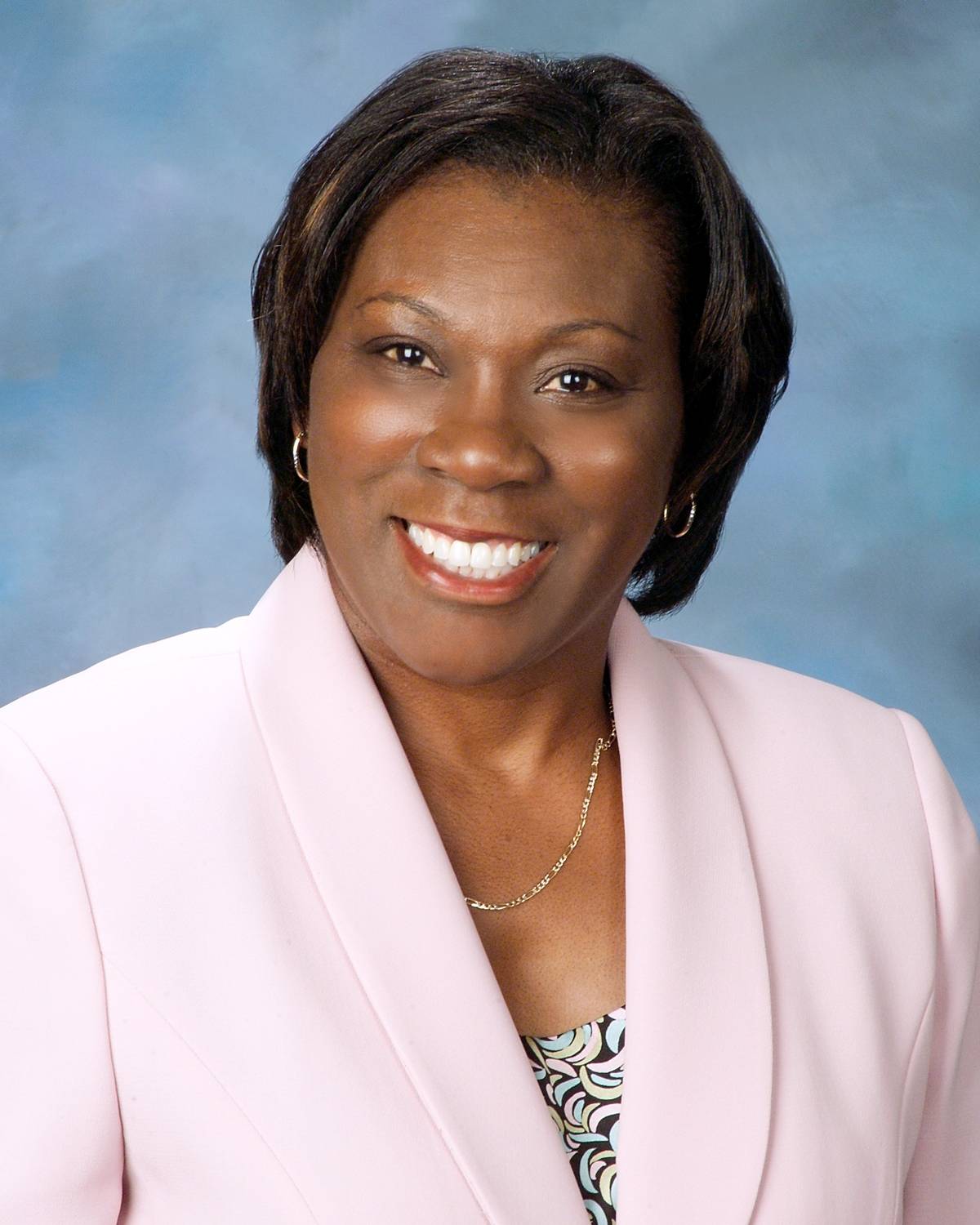
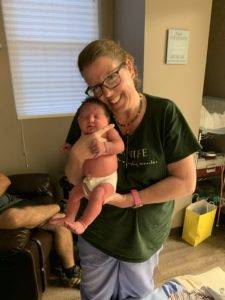
    Frontier Nursing University (FNU) alumna Jennifer Cameron, MSN, CNM, is serving her hometown community as the only certified nurse-midwife (CNM) in a two-county area.

    Jennifer’s hometown of Manistee, Mich. has a population of 15,000 with around 25,000 in the surrounding county. It is a predominantly rural area and many patients suffer socio-economic challenges. 

    Two years ago, Jennifer was working at West Shore Medical Center OB-GYN, the town’s first ever in-hospital midwifery care facility. West Shore was bought out by the large regional Munson Healthcare and the OB department was shut down. 

    To meet the needs of patients, Jennifer opened Transitions Women’s Wellness Center, a women’s wellness center and free-standing birthing facility, and the only facility to deliver a baby in a two-county area. In the first full year of practice, Transitions received National Best Practice recognition.
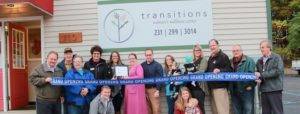
    As a full-scope CNM, Jennifer is on call 24 hours a day, seven days a week. She offers non-traditional office hours at Transitions to accommodate work schedules and allow significant others and older children to attend appointments whenever possible. 

    “I spend around an hour with each patient to make sure I am getting to know the whole woman so I can offer individualized, full-scope holistic care,” said Jennifer. 

    Transitions accepts every type of insurance including Medicaid, the most common coverage her patients carry. Michigan does not recognize or license birth centers, so Jennifer receives no facility reimbursement from the state. She has a part-time office assistant but has not been able to afford to hire help or take home a paycheck. 

    “I know that Mary Breckinridge never worried about payment for services and that things will improve in time,” said Jennifer. “I get paid in hugs and baked goods and donations of needed supplies. I know that I’m doing good things for the right reasons, for women and families that need and deserve a different kind of care.”
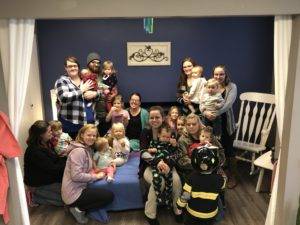
    Jennifer chose to pursue nurse-midwifery because she wanted to bring the option of midwifery care to the area where she grew up. Many of the women in Manistee County are socioeconomically challenged, undereducated, underserved and underprivileged, but Jennifer’s hope is that by educating and empowering them, lives will be impacted not just today but for generations to come.

    “I feel really blessed to be able to serve the women in this area,” said Jennifer. “The most rewarding thing for me is helping women who don’t think they’re worth much. When they leave after a year of pregnancy and child-bearing, they go as empowered women who know what’s going on with their bodies, understand how to be healthy, how to advocate for themselves and how important it is to be treated with respect in regards to healthcare.”

    Transitions received a lot of media attention at the start of the new year. With the closing of the OB department, 2020 was the first year in the history of Manistee County that the first baby of the new year was not born in a hospital! The birth took place at Transitions. Jennifer had cared for the mother during her first three pregnancies but had never been present for the births, so it was special for her to attend the birth of the mother’s fourth child. 

    Jennifer graduated from FNU in 2013 with her master of science in nursing degree specializing in nurse-midwifery (class 74). She originally chose FNU after her first experience with nurse-midwives. 

    “We moved to Traverse City 19 years ago. At my job, there were four nurse-midwives, three of whom happened to be FNU graduates. They told me about Mary Breckinridge and the university’s continued mission to serve the underserved, and I was sold. I was born and raised in this rural area, and the people I grew up with deserve better care.”

    Jennifer credits her time at FNU for giving her a different perspective on nurse-midwifery and healthcare than she would have received at another university. 

    “Other programs focus on how to work with doctors and make money, but Frontier really emphasizes how to recognize the need in your community,” she said. “They teach you to be an entrepreneur with the intent of seeking out those in need and serving them.” 

    Jennifer would like to see this service mentality embraced by nurse-midwives across the country. 

    “I think if Mary Breckinridge’s mission of serving the underserved were to spread through the entire nurse-midwifery community, and the medical community in general, we would have a much better picture of healthcare,” she said. 

    Jennifer has observed that the FNU community is distinctive in the nurse-midwifery world because of its diversity and its commitment to the higher calling of serving those in need. Being a part of this community has enriched Jennifer’s life. 

    “On days where I struggle, I reach out to my FNU nurse-midwifery classmates. Even though we live all over the country, we have stayed in close contact and I consider them my sisters. We support each other anytime, day or night, and we’re there for each other. I don’t think I would have had that type of close-knit community from any other midwifery program.”

    To learn more about becoming a nurse-midwife and all of FNU’s program offerings, visit Frontier.edu.


    What is a Certified Nurse-Midwife (CNM)? 

    Certified Nurse-Midwives (CNMs) are educated in two disciplines: midwifery and nursing. They earn graduate degrees, complete a midwifery education program accredited by the Accreditation Commission for Midwifery Education (ACME), and pass a national certification examination administered by the American Midwifery Certification Board (AMCB) to receive the professional designation of CNM. Certified Midwives (CMs) are educated in the discipline of midwifery. They earn graduate degrees, meet health and science education requirements, complete a midwifery education program accredited by ACME, and pass the same national certification examination as CNMs to receive the professional designation of CM.

  • Alumni Spotlight: Certified Nurse-Midwife Jacob Mearse Uses Psychiatric-Mental Health Degree to Better Serve Women

    Alumni Spotlight: Certified Nurse-Midwife Jacob Mearse Uses Psychiatric-Mental Health Degree to Better Serve Women

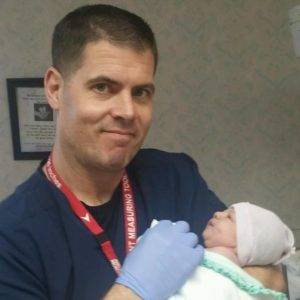
    Frontier Nursing University (FNU) alum Jacob Mearse, DNP, PMHNP, CNM is using his doctoral education in psychiatric-mental health to serve women in his position as a certified nurse-midwife.

    As a father of seven, Jacob knew he wanted to become a nurse-midwife as soon as his first child was delivered, but his journey took many turns before then.

    “At the time our first child was born, the Army had me stationed in Hawaii where I was just finishing up nursing school,” said Jacob. “We had an amazing nurse-midwife and I remember thinking, ‘That is the coolest job ever! That is what I want to do!’”

    Jacob later spent time in the Navy, where he was put into a full-time doctor of nursing practice (DNP) program. He asked to study nurse-midwifery, but instead, they assigned him to the psychiatric-mental health nurse practitioner program. While the program wasn’t his choice, unbeknownst to him, it later would put Jacob in a better position to serve women as a nurse-midwife.

    Jacob decided to begin researching schools to become a nurse-midwife so he would be ready when his opportunity arrived. He first heard of FNU from a nurse-midwife friend who was an FNU alumna. After investigating online, he quickly decided FNU’s curriculum offerings, combined with the ability to do school while working full-time and raising seven kids, made the university a perfect fit. 

    The very day Jacob graduated from the University of Washington with his DNP, he applied to FNU to become a certified nurse-midwife, earning his post-graduate certificate in nurse-midwifery from FNU in 2017. 

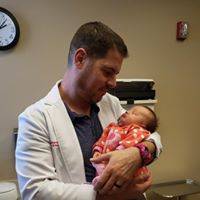
    Today, Jacob is in a new position at Franciscan Women’s Health Associates, a large midwifery practice in Tacoma, Wash. He alternates between days at the clinic and 12-hour call shifts in the delivery room at St. Joseph Medical Center, the second busiest hospital in the Puget Sound area. When Jacob is at the clinic, he sees upwards of 25 patients daily for obstetric, gynecological and primary care. 
    According to Jacob, he has seen enormous benefits in combining his passion for nurse-midwifery with his background in psychiatric-mental health. In his new position at Franciscan Women’s Health Associates, he is often pulled into consultations with colleagues who have patients with mental health conditions. 

    “One of the big shortcomings in perinatal mental health is that we separate out maternity care and mental health care. A mom may come in for maternity care but have some psychiatric conditions. Oftentimes, maternity care providers are uncomfortable with mental health, or mental healthcare providers don’t know anything about pregnancy. It’s really helpful for me to be able to care for both aspects at once. I can manage psychiatric meds and do psychotherapy while also help them through their pregnancy and delivery.”

    Jacob enjoys seeing patients from diverse socioeconomic situations and particularly enjoys serving the underserved. 

    “My favorite thing is when I’m able to help an economically disadvantaged and socially marginalized mother by giving her better care than she would get anywhere else. I love treating patients like royalty, whether or not they can pay. It feeds my soul and makes me happy every day.”

    We are proud of Jacob for pursuing his dream of becoming a nurse-midwife and finding a position that allows him to fully utilize his skill set to serve women!

    FNU offers a graduate Psychiatric-Mental Health Nurse Practitioner specialty track as well as a Nurse-Midwifery specialty track that can both be pursued full- or part-time while completing a Master of Science in Nursing or a Post-Graduate Certificate. To learn more about all of our program offerings, visit Frontier.edu.


    What is a Certified Nurse-Midwife (CNM)? 

    Certified Nurse-Midwives (CNMs) are educated in two disciplines: midwifery and nursing. They earn graduate degrees, complete a midwifery education program accredited by the Accreditation Commission for Midwifery Education (ACME), and pass a national certification examination administered by the American Midwifery Certification Board (AMCB) to receive the professional designation of CNM. Certified Midwives (CMs) are educated in the discipline of midwifery. They earn graduate degrees, meet health and science education requirements, complete a midwifery education program accredited by ACME, and pass the same national certification examination as CNMs to receive the professional designation of CM.

  • Faculty Spotlight: Family Nurse Practitioner Diane John Works to Improve Health Outcomes in Florida Community

    Faculty Spotlight: Family Nurse Practitioner Diane John Works to Improve Health Outcomes in Florida Community

    Frontier Nursing University (FNU) associate professor Diane John, PhD, ARNP, FNP-BC understands the importance of giving back to the community.

    Diane recently collaborated with several faculty and leaders to host a virtual session for National Nurse Practitioner (NP) Week. They held a panel discussion to talk about how each is involved in his/her community, and Diane shared some of the many ways she is active in her Broward County, Fla. community. 

    Diane sits on the board and volunteers at the local YMCA, providing education sessions and working with community health workers to improve healthcare outcomes. She frequently has speaking engagements in the community about different topics such as chronic health, the obesity epidemic, hypertension, and lifestyle behaviors’ impact on healthcare outcomes. She is also a board member of the South Florida Council For Advanced Practice Nurses, where she chairs the education and community committee. As chair, she facilitates food drives and clothing drives, most recently to collect relief items for victims of the Haiti hurricane disaster. 

    The Broward County population suffers high rates of hypertension, heart disease, and renal failure, all linked to unhealthy lifestyle behaviors. To help combat this, Diane received funding from a national NP organization to implement a project focused on teaching healthcare providers and nursing students about motivational interviewing, a way of talking with patients so they are moved to make behavioral changes leading to better health outcomes. 

    “We have spent many years telling patients what to do. ‘Walk twenty minutes three times a week. Eat these foods. Stop smoking.’ We have made some advances from this direct talk, but we’re not where we need to be,” Diane explained. 

    “Motivational interviewing helps meet people halfway by leading them to identify behaviors and design a plan of action to implement healthier lifestyle choices.”

    The grant allows her to offer motivational interviewing courses to NPs, advanced practice nurses, community health workers, and student nurses. Initially created as a tool for substance abusers, the motivational interview method is now being used across a wide span of illnesses and conditions, empowering patients to take ownership and control of their own health. Diane’s motivational interview courses also equip students with a tool to assess how likely an individual would change behaviors based on his/her conversation with the provider. 

    Diane has been a member of the FNU team since 2012. She currently serves in the academic affairs division as a curriculum and course design coach.

    Diane’s favorite thing about being part of the FNU team is collaboration and effective communication across departments, programs and individuals. 

    “I have worked in brick and mortar academic organizations in the past, and communicating was always an issue, but at FNU, a lot of effort is put into communication and transparency,” she said.

    Diane would like to thank FNU Department Chair of Family Nursing Dr. Lisa Chappell and the Associate Dean of Academic Affairs Dr. Rachel Mack for recognizing all the individual things that faculty do that align with the nursing profession, particularly outside of the FNU organization. “They are truly interested in what we do beyond our work at Frontier,” said Diane.

    In addition to her faculty position and community work, Diane is a family nurse practitioner (FNP) whose practice works closely with veterans and the geriatric population.

    Thank you, Diane, for the many ways you serve your communities, both at FNU and in Broward County!

  • Alumni Spotlight: Marie Labadie-DeGennaro

    Alumni Spotlight: Marie Labadie-DeGennaro

    Frontier Nursing University (FNU) alumna Marie Labadie-DeGennaro, DNP, MSN, APRN, FNP-C, CHPN recently had the honor of sharing her work at a conference showcasing nurse research conducted by doctoral students in the National Capital Area.
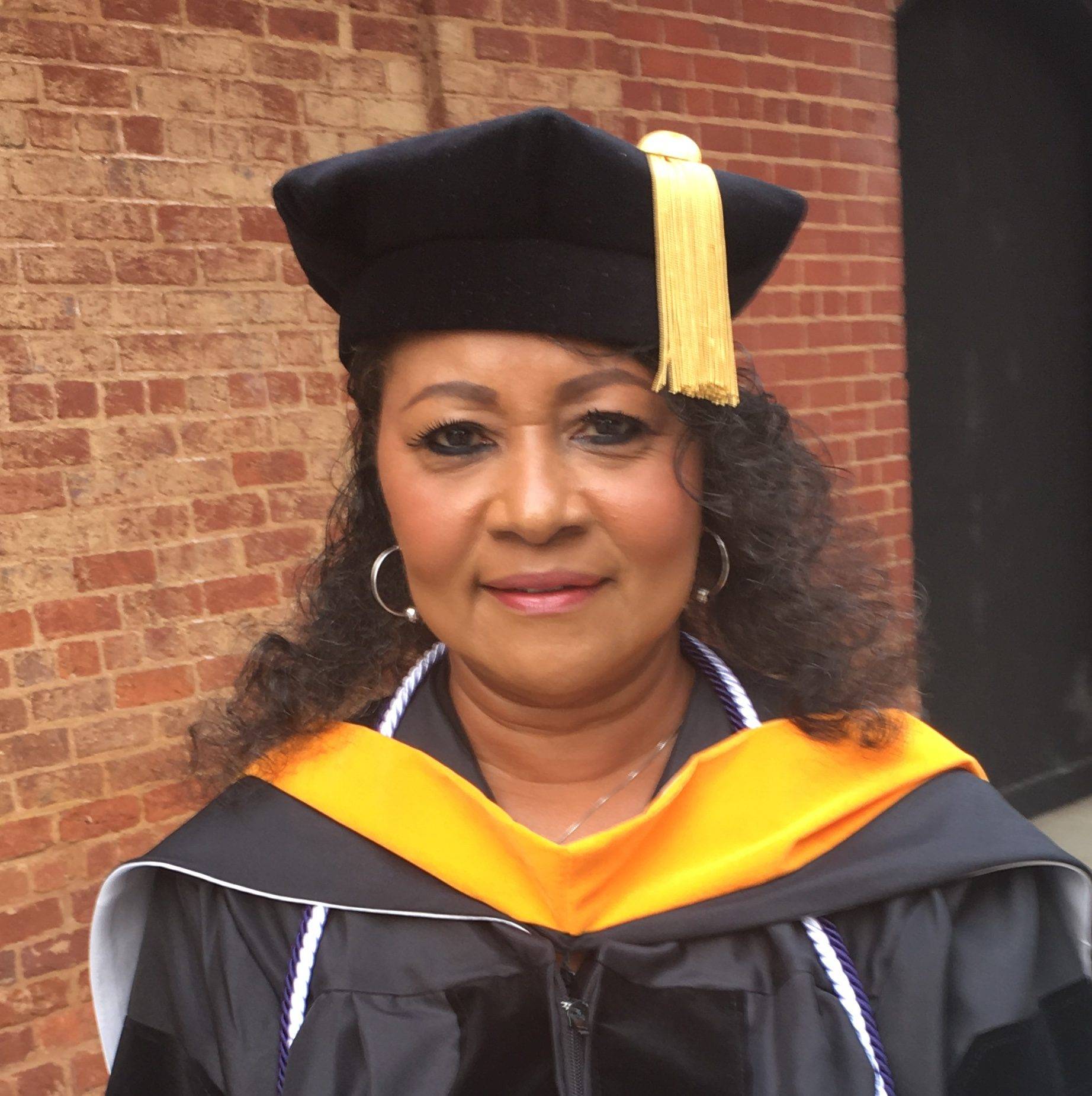
    On November 14, 2019, Marie presented her poster “Improving Patient-Centered Respiratory Illness Care Through Shared Decision Making in the Urgent Care Setting,” at the Washington Regional Nursing Research 10th Annual Doctoral Conference. The conference was held in Washington D.C. at The Catholic University of America. Marie has had the opportunity to share her presentation at several other conferences as well.

    As an advanced registered nurse practitioner, Marie has over 25 years of nursing experience in a variety of clinical settings and roles. She adheres to evidence-based practice guidelines and makes an extra effort to be highly sensitive to the emotional needs and well-being of her patients. She also identifies community resources for the underserved.

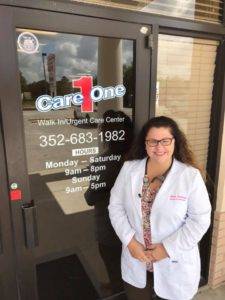
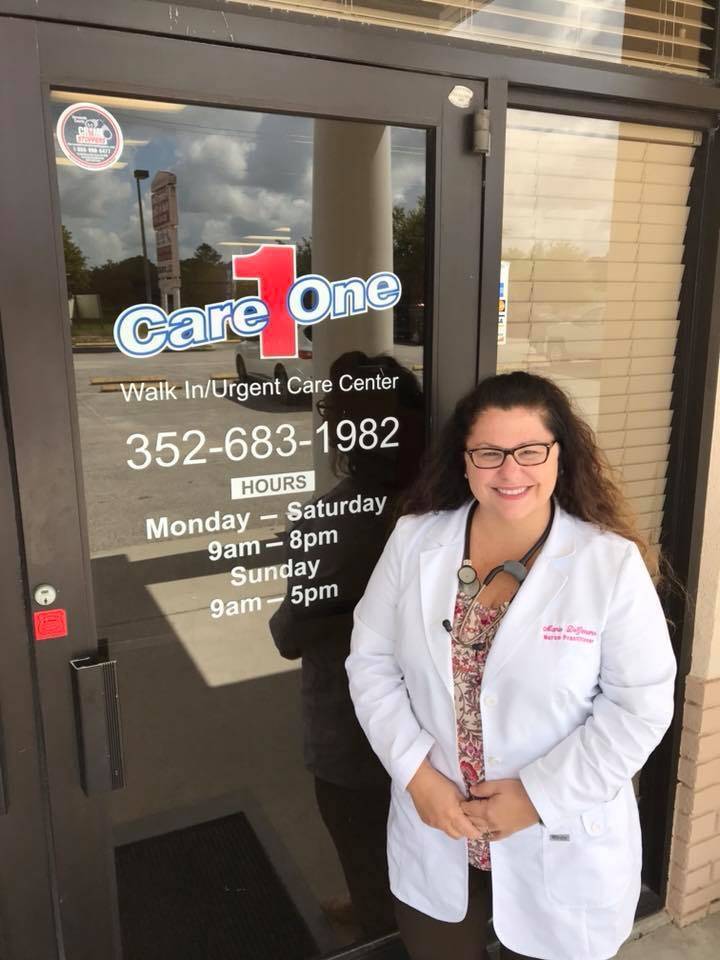
    Marie is currently a family nurse practitioner at Care One of Florida Urgent Care and Pasco Kids First in New Port Richey, Fla. The urgent care center accepts all kinds of insurance as well as self-pay, so Marie sees a wide variety of patients, including many from underserved and marginalized populations.

    “The population of patients I care for is limitless,” said Marie. “I am committed to safely practicing a high-quality, holistic approach while sustaining optimal health outcomes for patients ranging from infancy through aging adult with complex healthcare needs.”

    Marie is also a Certified Child Protection Team Medical Examiner. She works part-time and on-call doing medical assessments of alleged child and adult maltreatment victims, including all facets of child, sexual and physical abuse as well as neglect cases and evidence collection. She performs forensic interviews with potential victims and families, compiles written reports for investigators and law enforcement and makes recommendations for safe environments and care.

    After being a nurse for over 20 years, Marie knew she wanted to make an even bigger impact in her community. 

    “Patients deserved more than they were getting,” she said. 

    A friend told her about FNU’s ADN Bridge Entry option and, after researching the history and community, Marie decided to enroll. She completed her Master of Science in Nursing and then transitioned into the companion Post-Master’s Doctor of Nursing Practice (DNP) program to complete her doctoral degree. 

    “Frontier is one of the best things to ever happen to me. I read about the amazing sense of community you get during your time at FNU and I knew it was the place for me. It is unlike any other online education program I have ever encountered.”

    Marie continues to utilize the support of FNU’s resources such as the library and evidence-based tools for practice as well as the connections she has made with professors and friends. She is soon transitioning to a new role at the University of South Florida in the Neurology Clinic and intends to teach there as well.

    Thank you, Marie, for serving your community well and for sharing your work so those following in your footsteps can do the same!

  • Alumni Spotlight: Janice Macopson, FNP-C, DNP

    Alumni Spotlight: Janice Macopson, FNP-C, DNP

    Janice Macopson, FNP-C, DNP, has worked in healthcare for longer than many Frontier Nursing University (FNU) students have been alive.
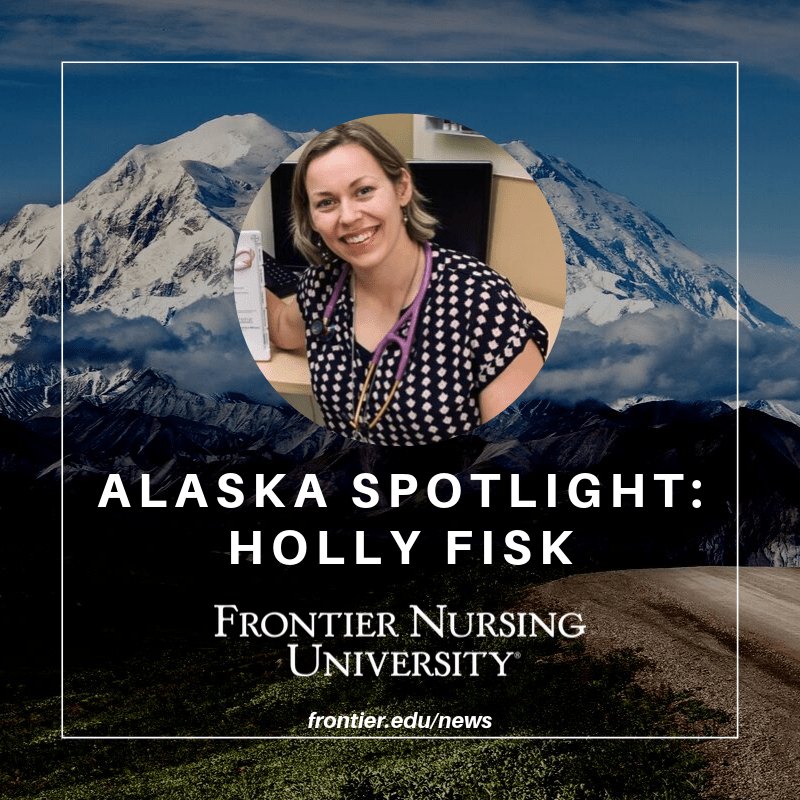
    For 44 years, Janice has worked in various positions at Carolinas Healthcare System – Blue Ridge, an Atrium Health Hospital in Morganton, N.C. She became a nurse practitioner (NP) in 2001 and began her work at Blue Ridge Cardiology in 2011.

    Janice graduated from FNU in June 2019 as a member of the Doctor of Nursing Practice (DNP) class 30. Obtaining her DNP had been a bucket list item for years. She and a friend who was also interested in getting her DNP got together to research potential schools. 

    “My friend told me about this amazing school in Kentucky. I did some research for myself and read about Mary Breckinridge, and I was just taken in. Coming from rural North Carolina and working with women and children, I felt it was ideal – a perfect match for me.”

    After being accepted into FNU’s DNP program, Janice read the required Wide Neighborhoods, Mary Breckinridge’s biography. “I could not put the book down,” she said. “I felt like I was in the trenches with her. It’s almost mystical, when you have a passion for nursing, to read about how passionate she was.”

    As a member of a minority population, Janice was also appreciative of FNU’s emphasis on diversity. “I am an African American and I have been very impressed by how hard the school works on inclusion and diversity,” she said.

    In her current position at Blue Ridge Cardiology, Janice sees adults with coronary artery disease, cardiac illnesses, and other conditions that put them at high risk for heart failure, heart attack, stroke, diabetes and hypertension.

    Janice knows firsthand how difficult it is for diagnosed heart failure patients to understand and manage their condition, so for her DNP project, she implemented the Get With the Guidelines – Heart Failure program into her practice. An American Heart Association program, Get With The Guidelines – Heart Failure is an in-hospital program that promotes consistent adherence to the latest scientific treatment guidelines and has shown success in achieving significant patient outcome improvements.

    Janice teamed up with the quality improvement committee at Carolinas Healthcare System – Blue Ridge to implement chart audits and analyze what they could improve upon using the Get With The Guidelines measures. She has been able to take what she learned into Blue Ridge Cardiology and continue to utilize the information she gathered during her project.

    Janice’s continuity advisor Khara Jefferson, DNP, APRN, FNP-C, played a major role in Janice’s DNP project. “My weakness was the Internet, YouTube and online classes… it was a challenge for me. Khara was always available to me, answered all my calls and calmly helped me through my planning phase. She was especially patient when it came to helping me through presentations and other things online.”

    We are proud of Janice’s commitment to life-long learning! We’re thankful for her efforts to continually improve herself and her practice to offer the highest quality of care.

  • Alaska Spotlight: Holly Fisk

    Alaska Spotlight: Holly Fisk

    Since its foundation in 1939, Frontier Nursing University (FNU) has adopted a mission of reaching rural, diverse and underserved populations. This mission is still being lived out today, where more than 80 FNU alumni are answering the call in Alaska. In the coming months, we will be highlighting several of these alumni who serve in our country’s most remote and unforgiving state.
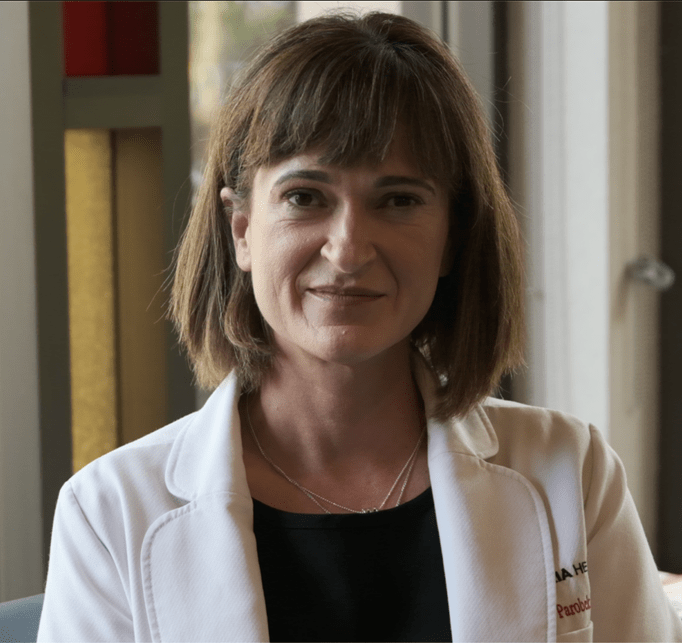
    Holly Fisk, MSN, FNP, ONC, Class 142 is a family nurse practitioner in Anchorage, Alaska where she was born and raised. On November 30, 2018, when a magnitude 7.1 earthquake hit south-central Alaska, her center’s lobby became a triage center.

    “That’s the Alaskan way,” Holly said of the center’s care for the earthquake victims. “The emphasis FNU places on rural and underserved communities has been helpful for me in this role. We really take care of one another. In rural areas, you have to pull together and have teamwork.”

    Holly and her team at Southcentral Foundation’s Anchorage Native Primary Care Center helped care for the earthquake victims, but additional challenges came in the form of extensive damage to Glenn Highway, one of only two roads out of Anchorage. While Anchorage itself isn’t rural, with a metro population of approximately 300,000, Holly’s clinic serves patients from extremely remote areas, some of which are only accessible by plane. Community health aides in those areas help treat basic conditions and triage those who need to be transported to larger healthcare facilities.

    Southcentral Foundation is part of the Alaska Native Tribal Health System, which works in conjunction with Alaska Native Tribes and Tribal organizations to provide comprehensive health services to more than 160,000 Alaska Native people. The health care provided at Holly’s clinic is prepaid via this system. 

    “We call our patients ‘customer-owners’,” Holly said, noting that essentially all of the patients seen at the clinic are Alaska Native or American Indian people. The clinic serves a population of about 65,000 customer-owners in the Anchorage area. 

    To meet the needs of those patients, the Anchorage Native Primary Care Center is divided into seven distinct smaller clinics. Each clinic has an integrated care team. Holly serves as her clinic’s only nurse practitioner and is joined by two medical doctors, three physician’s assistants, a doctor of osteopathic medicine, an internal medicine physician, pain management, behavioral health consultants and a nurse-midwife. 

    Holly, whose preceptor Christopher Haupt-Chronister, MSN, FNP, Class 71, also works at the clinic, says that while the clinic offers every kind of specialty, the access is limited. 

    “There is not enough access to specialized care,” Holly said. “We have every specialty, but they might come in from another city once a month.” 

    The lack of access to specialty care often results in exorbitant costs of care, which acts as a barrier for many. Some patients go to Seattle instead, finding it more affordable even with flight and hotel costs. 

    According to Holly, her time studying at FNU helped prepare her for the challenges of working with a rural and remote population. FNU’s curriculum includes instruction on dealing with complex patients in rural communities where access to specialists may be sparse. 

    “Our graduates are well-prepared clinicians who are improving healthcare around the country and the world,” said FNU Associate Dean for Family Nursing Lisa Chappell, Ph.D., FNP-BC. “As a Frontier student, you will get to know the needs of your community.” 

    One of those needs for Anchorage patients is mental healthcare. 

    “The biggest need is behavioral health services,” Holly said. “It’s a three-month wait right now for intake. We have behavioral health consultants who bridge the gap until the patient can be seen by a psychiatrist.” 

    Holly notes that the clinic has seen a significant uptick in the number of patients coming in with anxiety, depression and PTSD since the earthquake. The clinic’s behavioral health consultants assist with that, and they have started offering extended appointment times. 

    “Alaskan Native people emphasize relationships, so we provide very relationship-based care,” Holly said. “Most appointment times are 30 minutes. I love that about this place.” 

    Holly’s experience with FNU played a significant role in preparing her for her current career. “FNU did a great job in preparing me for the more holistic and relationship-based kind of care that we do here,” she said. 

    Holly enjoys preventative care and educating her patients while she takes the time to talk to them and to understand their particular needs. Still, when the time comes for more urgent care, the clinic responds quickly to those in need. 

    “We have excellent same-day access,” Holly said. “We keep appointment times open for those types of urgent situations. That’s what we do. It’s the Alaskan spirit.”

  • Alumni Spotlight: Marli Parobek

    Alumni Spotlight: Marli Parobek

    Frontier Nursing University (FNU) alumna Marli Parobek, MS, APRN, FNP-C, PMHNP-C, noticed a growing need for better mental healthcare in her community and rose to meet the challenge.

    Marli graduated from FNU in June 2018 as part of the first class of the Psychiatric-Mental Health NP post-graduate certificate.

    A resident of her hometown, Yakima, Wa., Marli has been a nurse practitioner for 14 years. She is currently head of the inpatient psychiatric unit at Astria Toppenish Hospital, where her focus is mainly on voluntary and involuntary inpatient psychiatry, medical withdrawal and detox.

    Yakima is a town in rural eastern Washington, a largely agricultural community. Much of the population is made up of minority races and, as is common in rural, blue-collar communities, struggles with poverty and substance abuse are prevalent.

    Marli and the Astria psychiatric unit received federal and state grants to implement their psychiatric and detox programs, allowing them to offer a service that had previously not existed in eastern Washington.

    The voluntary detox program for alcohol and opiate addicts is 3-5 days of 24/7 nursing care in the hospital. Marli prescribes detox medications and performs psychiatric evaluations for these patients until they are discharged to outpatient detox programs.

    Marli’s unit also offers an involuntary inpatient suboxone program for psychiatric conditions such as schizophrenia and severe bipolar disorder. The program offers secure, lock-down units and is staffed with chemical dependency therapists and social workers who offer individual and group therapy.

    On Thursdays, Marli also does outpatient work with teens and other patients on the nearby Yakama Indian Reservation.

    Marli chose to pursue the PMHNP degree to take her career to the next level. “I was a family nurse-practitioner for twelve years and I enjoyed it, but I started to feel too comfortable and wasn’t being challenged,” she said. “I also saw a lot of mental illness and felt ill-prepared to address the issue correctly with only an FNP degree.”

    One of Marli’s biggest takeaways from her time in the PMHNP program was the importance of evidence-based practice as really the only way to offer proper care. “Now I know what I didn’t know!” she said.

    The personalized support she received at FNU really impressed Marli, and now she is enrolled in the Doctor of Nursing Practice (DNP) program. “I love how FNU really wants their students to succeed,” she said. “Now the addition of a doctorate degree will set me apart personally and professionally.”

    We are proud of Marli for continuing to challenge herself to increase the quality and scope of care she offers. Thank you for representing FNU well!

  • Alaska Spotlight: David Moore

    Alaska Spotlight: David Moore

    Since its foundation in 1939, Frontier Nursing University (FNU) has adopted a mission of reaching rural, diverse and underserved populations. This mission is still being lived out today, where more than 80 FNU alumni are answering the call in Alaska. In the coming months, we will be highlighting several of these alumni who serve in our country’s most remote and unforgiving state.
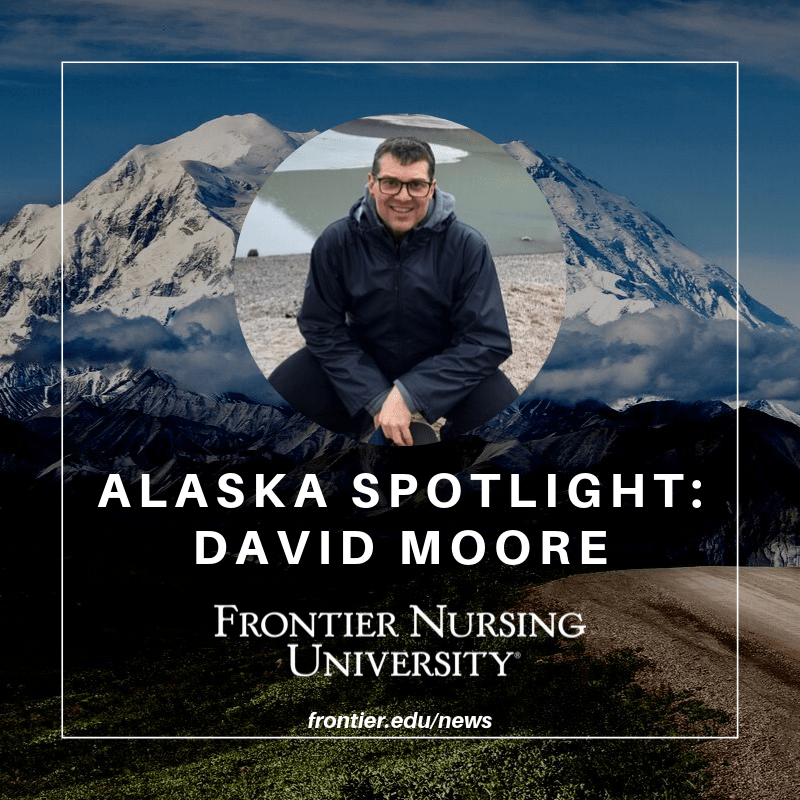
    David Moore, FNP, Class 75, chose to work in Alaska so he could serve some of the most vulnerable people in the country’s harshest environment: the homeless.

    David serves as the only nurse practitioner at the Front Street Clinic in downtown Juneau, Alaska, where he is joined by a registered nurse, two behavioral health specialists, and two case managers. Most of his patients are homeless and medically underserved, and many are battling chronic illnesses.

    “Most people who come in are present with chronic illnesses,” David said. “They aren’t usually coming in to be treated for a cold. A lot of our patients are transient, and we only see them when some crisis arises.”

    The complexity of his patients’ cases prevents David from seeing more than five to seven patients per day. In addition to medical care, the clinic hands out free socks, gloves, hats and hygiene kits to the area’s homeless population.

    A native of eastern Tennessee, David was inspired when he read Wide Neighborhoods, the story of Mary Breckinridge and the founding of the Frontier Nursing Service in southeastern Kentucky.

    “I’m never shy to say that Mary Breckinridge is my nursing hero,” David said. “I read Wide Neighborhoods even before I went to FNU. I bought my own copy and I fell in love with the mission. That’s why I went there.”

    After graduating, David was drawn to the stunning beauty of the pacific northwest and the opportunities it held to serve vulnerable populations. He knew Alaska had a great shortage of medical specialists, requiring patients who need specialized care to either wait for months to see one of the few practicing in Alaska, or fly to Portland or Seattle to receive care.

    David has one such patient who was sent for a routine colonoscopy and was diagnosed with rectal cancer. She would have to be treated in Seattle.

    “She was a naturalized citizen but didn’t have her paperwork in order to be able to travel,” he said. “We got her to Seattle for surgery and got her in touch with a lawyer to help get her proper identification so she could travel back and forth between here and Seattle. They wouldn’t let her on the plane otherwise. That’s an example of the challenging situations we face in this region.”

    David is diligent about looking for ways to increase access to healthcare for his patients. Flying to see a specialist is impossible for many of his patients, so he began utilizing e-consultants via AristaMD, allowing him to send a patient’s chart a specialist online who responds within 24 hours with recommended treatment and instructions.

    He also learned how to treat hepatitis C so those patients would no longer need to travel to Anchorage for treatment. Many of his patients suffer from psychiatric illnesses and co-occurring conditions such as substance abuse combined with psychiatric illness, so he learned to treat substance abuse patients.

    David credits FNU for helping to cultivate his desire to serve in rural and underserved areas and to look for solutions beyond what would be considered his normal scope of practice. 

    “The way the FNU program is designed, I had to be independent and dig for resources,” David says. “I had to find my own preceptors. It taught me independence and perseverance. It taught me to go above and beyond to get the job done.”

    We are proud of David and all of our FNU graduates, including Kristina Amundson, who go the extra mile to serve in Alaska.

Request Information Apply Give Now