Tag: alumni spotlight

  • FNU Alumni Spotlight Junise Belizaire: Providing In-Home Care to Vulnerable Floridians

    FNU Alumni Spotlight Junise Belizaire: Providing In-Home Care to Vulnerable Floridians

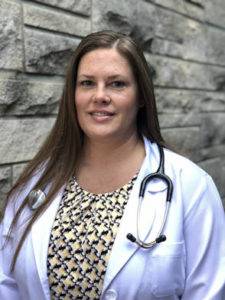
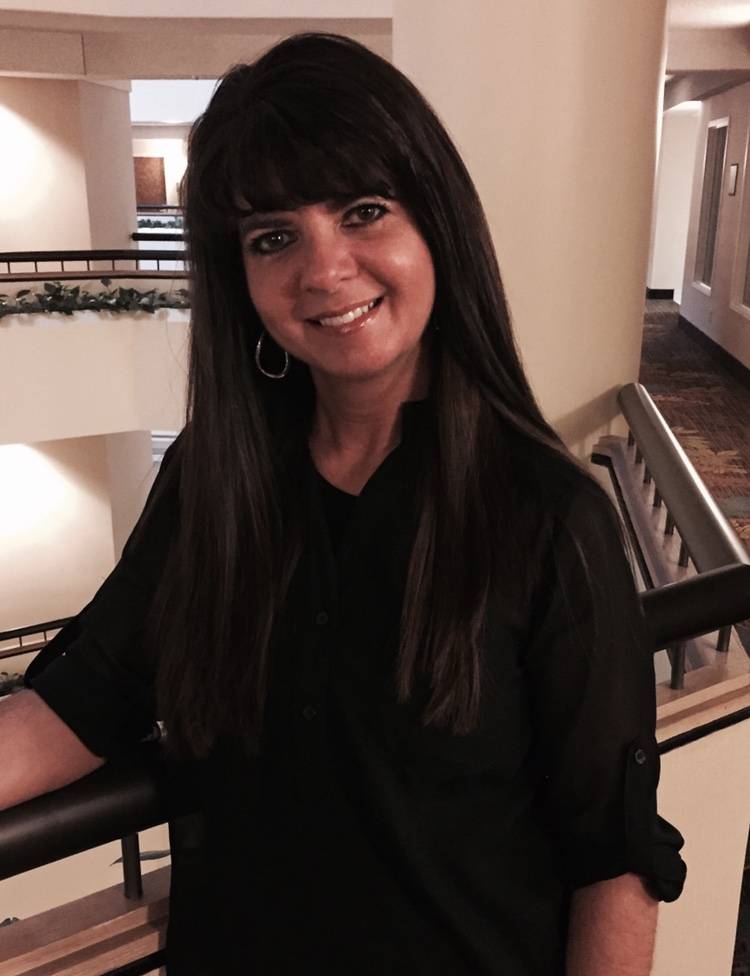
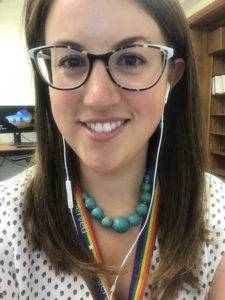
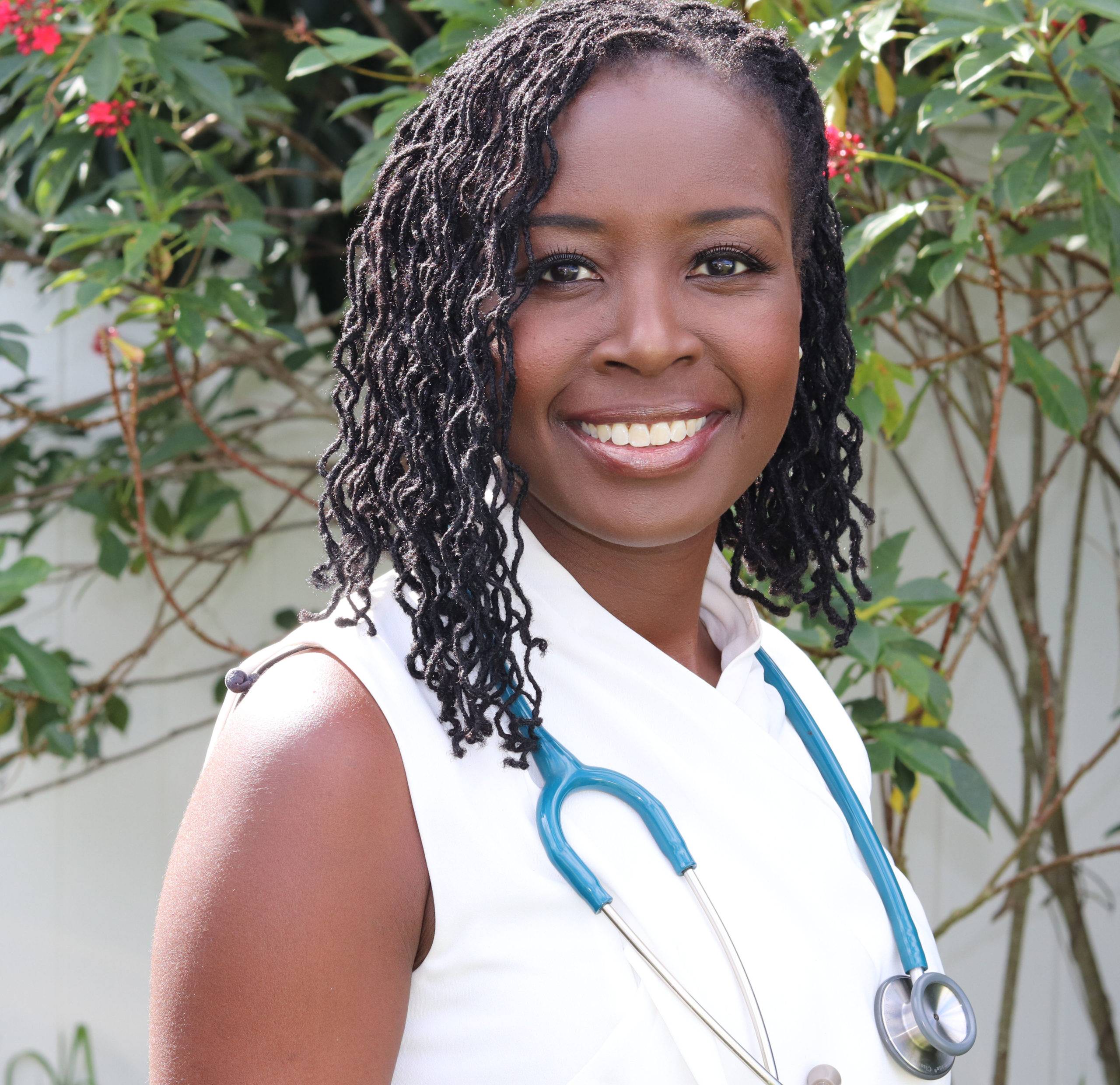
    Junise BelizaireFrontier Nursing University (FNU) graduate Junise Belizaire, FNP is working to change the way people think about healthcare access in Wesley Chapel, Fla. Belizaire has made it her mission to bring quality healthcare to an underserved population.

    After working as a nurse for several years, Belizaire knew that she wanted to do more within the healthcare field. She enrolled in FNU’s Family Nurse Practitioner program and went on to earn her Master of Science in Nursing from FNU.

    “I chose Frontier because their model encompasses everything that I believe in: family, community, and a passion for the underserved,” Belizaire said. “And, when you attend Frontier, you quickly see that the school is so much more than a well-written mission statement; the Frontier community is truly united in their passion for improving the healthcare field. The people of FNU ignited a fire in me that helped to fuel my career and lead me to where I am today.”

    Upon graduation, Belizaire found herself in many jobs as a nurse practitioner. While she loved caring for patients, she found herself frustrated with the healthcare system and longed for a more personal approach to patient care. 

    “I became a nurse practitioner so I could make a greater difference in my patients’ lives and a greater impact in the healthcare system. I wanted to be a part of the solution by breaking down health care disparities and reaching more individuals. In more traditional roles, I felt like I wasn’t able to meet my full potential as a provider,” Belizaire said.

    With that in mind, Belizaire launched Bay Area Mobile Clinic, a house call practice. Through this new practice, Belizaire uses her mobile clinic to provide services to individuals, families, and underinsured employees to bring cost-efficient healthcare to everyone. 

    “Whether a person is homebound, has transportation difficulties, or simply needs convenience, everyone deserves quality, affordable care,” Belizaire said.

    Belizaire is attending to patients who often went without care before her services arrived. 

    “Many of my patients have not seen a provider in years,” Belizaire said. “My hope is that by bringing care to these individuals, I can decrease the number of healthcare disparities within my community.”

    Belizaire said that opening the practice has been the highlight of her professional career because, through this clinic, she can bring compassion and caring to patients without the rush and disconnect of more traditional medical settings. 

    Frontier educates its students with the primary goal of assuring that they are well prepared to serve rural and underserved populations. The need is great and the challenges are many as the U.S. continues to face healthcare crises, disparities, and provider shortages. Women of color die from pregnancy-related illness at three times the rate of white women, mental health issues plague our country, and suicide is the 10th-leading cause of death in the United States according to the Centers for Disease Control. In addition, more than 130 people die each day from opioid-related illnesses.

    “We must create a diverse healthcare workforce, a workforce that can competently serve persons and families from many different cultures that are representative of our United States,” said Dr. Susan Stone, FNU president. 

    Frontier encourages students to be leaders and entrepreneurs, just like Belizaire. 

    Thank you, Junise, for your dedication to the Bay Area, your commitment to the Frontier mission, and the hope you are bringing to your community. We are proud to have you as a member of the FNU community!

    If you are interested in reading more stories about the fantastic work of FNU alumni members, visit the FNU Alumni stories page.
  • Alumni Spotlight: Kari Reimann Becomes First Nurse-Midwife in Area Providing Care for Planned Hospital Births with 24/7 CNM Coverage

    Alumni Spotlight: Kari Reimann Becomes First Nurse-Midwife in Area Providing Care for Planned Hospital Births with 24/7 CNM Coverage

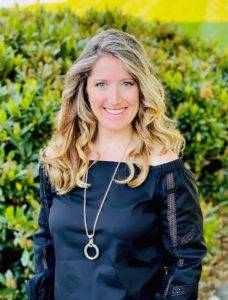
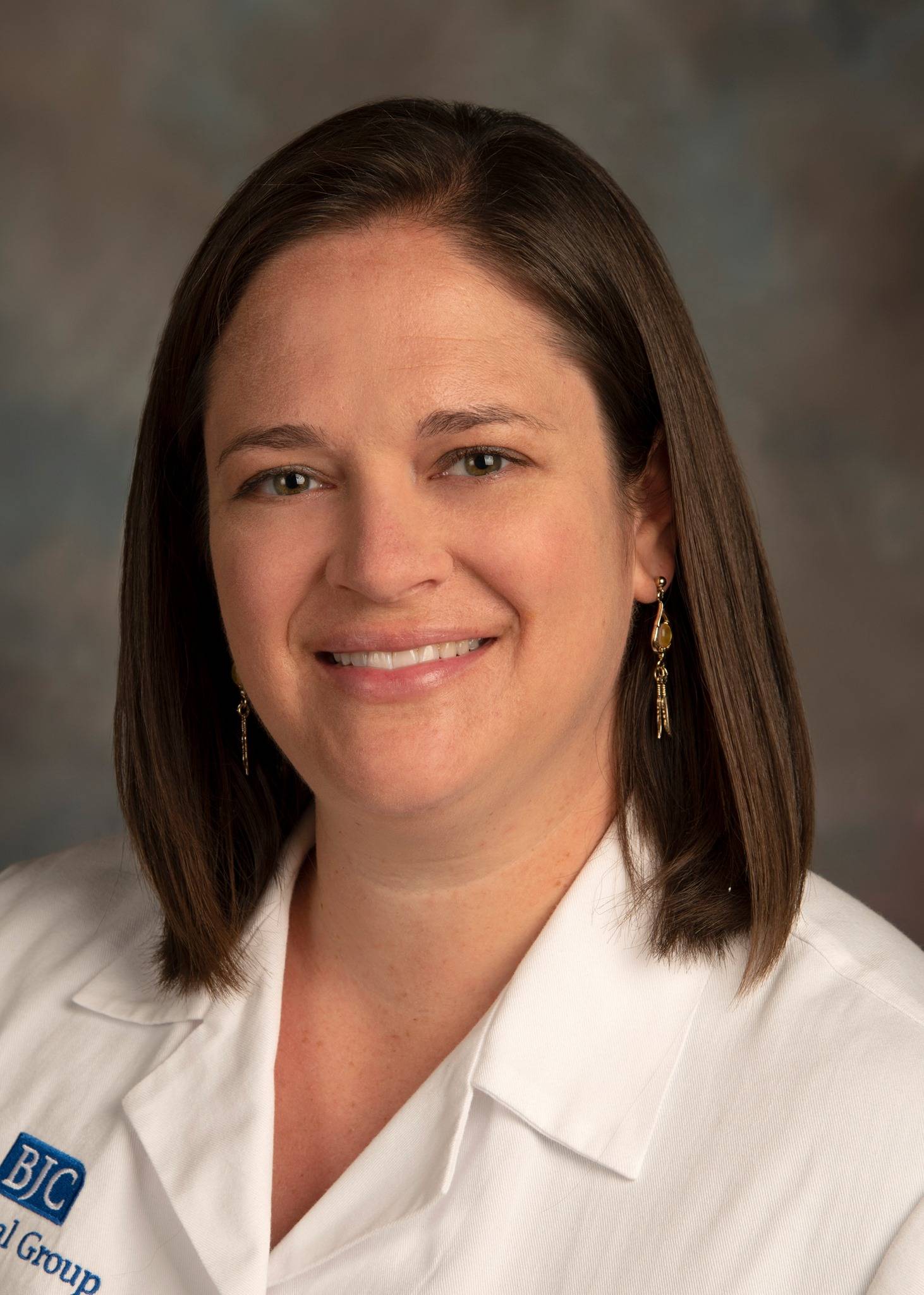
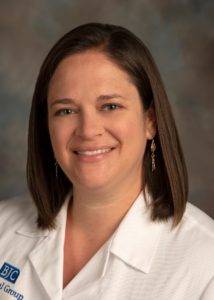
    Kari ReimannSince she was young, Frontier Nursing University (FNU) alumnus Kari Reimann, CNM, has always been fascinated with the science of conception, pregnancy, and birth. Now, she is using that passion to fill a significant need in the St. Louis, Mo., birthing community.

    While the area has many options for home births and birth center births with a certified nurse-midwife (CNM), few options are available for women seeking an in-hospital delivery with a CNM. Reimann is looking to change that, as the first nurse-midwife in the area providing care for planned hospital births with 24/7 CNM coverage. 

    In June 2021, Reimann became a member of the BJC Medical Group, a well-established, multi-specialty provider group with over 100 locations in greater St. Louis, mid-Missouri, and Southern Illinois. Reimann’s practice is located in a county just south of St. Louis that is currently underserved by medical professionals, particularly those providing OB services. She has a second office in Festus, a rural town 40 minutes south of St. Louis. Through her work, Reimann is helping fulfill part of FNU’s mission to “prepare competent, entrepreneurial, ethical, and compassionate leaders in primary care to serve all individuals with an emphasis on women and families in diverse, rural, and underserved populations.” 

    In addition, Reimann is the only full-scope CNM with delivery privileges at Missouri Baptist Medical Center. Her new position enables her to serve women seeking whole-person, time-intensive midwifery care who may not meet low-risk criteria for an out-of-hospital birth or simply prefer the hospital setting. 

    “We have an excellent out-of-hospital, free-standing birth center and an in-hospital birth center in St. Louis,” said Reimann. “Now, we can provide quality midwifery care for some higher-risk patients who are planning a hospital birth.”

    By working with a collaborating physician, Reimann is able to support women facing special cases such as TOLACs (trial of labor after cesarean) and TOLAC2s (trial of labor after two caesareans). A TOLAC is an attempted vaginal birth in a patient who has had a previous Cesarean section. Frontier recognizes that it is provider collaboration like Reimann is implementing that will create effective change in the health care system and ultimately lower maternal mortality rates. 

    Improving maternal health, specifically maternal mortality, is an urgent task set before women’s health care providers. As cited by the National Vital Statistics System, the 2018 maternal mortality rate was 17.4 maternal deaths per 100,000 births – meaning 658 women died either during pregnancy, at birth, or within 42 days of birth.

    With Reimann’s support and her collaborative structure, women who may be labeled “high risk” are able to still safely deliver under the care of a CNM. Her patients range from women whose hopes for home birth were prevented by medical risks, to women simply preferring a hospital setting. Whether her patients are hoping for a natural birth or plan to use an epidural, Reimann seeks to be a partner in the journey, which is an important aspect of nurse-midwifery care. 

    When it comes to delivering quality care, Reimann says her primary motivators are the shared decision-making model and allowing her patients to make an informed choice.

    “As a woman who has been a patient in the general healthcare setting, I know what it is to leave the office visit feeling like I was rushed and didn’t get my questions answered,” Reimann said. “That’s why I try to make sure women feel informed and good about their plan when they’re leaving my practice.”

    Her practice’s scheduling system reflects this, giving new patients 60-minute appointment slots while returning patients have 30 minutes to ensure plenty of time for questions and full participation in shared decision-making.

    Reimann, who graduated in 2018, credits Frontier for much of her critical thinking skills.

    “I encounter new medications or conditions often, but because I was equipped to read the research well, I’m able to go seek those articles and educate myself on an ongoing basis,” she said.

    Her expertise and education enable her to better share in the joys and hardships women and families experience during the pregnancy and labor/birth journey.

    “It is an honor and privilege to be a part of such an impactful time in people’s lives,” said Reimann. “I want to promote confidence in women that pregnancy, birth, and postpartum are most often normal healthy processes in a woman’s life. I approach their care through that lens though always careful to ensure that things stay healthy and low risk.”

    Thank you for your dedication to serving women and families, Kari. We are proud to have you represent Frontier! 

    Are you interested in becoming a certified nurse-midwife? Frontier Nursing University offers a graduate Nurse-Midwifery specialty track that can be pursued full- or part-time while completing a Master of Science in Nursing or a Post-Graduate Certificate. After earning an MSN or certificate, you have the option to transition to the Companion Doctor of Nursing Practice program via a direct admission process. Learn more here.

  • Alumni Spotlight: Julie Percefull Makes an Impact on Rural Kentucky Pediatrics

    Alumni Spotlight: Julie Percefull Makes an Impact on Rural Kentucky Pediatrics

    Julie Percefull

    “I went back to school to reach the underserved population of rural south-central Kentucky that desperately needs compassionate and superior health care. The area has a large volume of health disparities that I am dedicated to making a difference in by assisting those in the community where I live and serve,” Percefull said.

    Percefull graduated from FNU in 2019 with her DNP and recently published her DNP project in the 2020 Journal of the American Association of Nurse Practitioners. The article was written by Percefull and FNU assistant professor Judith Butler, DNP, CNM, WHNP, CNE, and is entitled “Improving mammography through effective screening, brief intervention, and referral to treatment at a rural health center.” 

    Percefull’s project focused on the low rate of mammograms for eligible women at her clinical practice site. Before her project, only 25 percent of these women had received a mammogram in the past two years in an area where breast cancer rates rest above the state and country levels. During the 90 days of her project, Percefull raised these rates and saw screening and identification improve by 40 percent, patient engagement improve by 30 percent, and case management for “right care” more than double. Percefull implemented an electronic health record reminder for mammography screening, a patient mammography decision aid, a case management log, and weekly quality improvement team meetings to get these results. It is clear that by implementing these tools, providers have the opportunity to significantly increase the number of patients receiving necessary mammograms.

    Since graduation, Percefull signed on as a provider with Family Medical Center of Hart County. She incorporates evidence-based guidelines while providing care to pediatric patients from birth to 18 years of age. She also collaborates with providers and ancillary staff to coordinate patient care and participates in quality improvement processes to find the best ways to encourage and assist her community.  Additionally, Percefull often serves as a preceptor to FNP and DNP students in her area to further give back and support the future of quality patient care in the region. 

    Since the COVID-19 Pandemic began, Percefull has also worked with an interdisciplinary team within the clinic to create access to testing, implementing drive-through and in-office rapid testing clinics. She served as the primary source for research and provided current COVID education to providers, staff, and patients.

    Percefull’s dedication is making a difference in the lives of the children in rural Kentucky, and FNU is proud to have her as an alumna. Keep up the excellent work! We can’t wait to see the wave of change that comes from your commitment to care.

    Are you interested in becoming an FNP? FNU offers a graduate Family Nurse Practitioner specialty track that can be pursued full- or part-time while completing a Master of Science in Nursing or a Post-Graduate Certificate. To learn more, go here.

  • Alumni Spotlight: Monica Heltz Helps Build a Health System Amidst a National Crisis

    Alumni Spotlight: Monica Heltz Helps Build a Health System Amidst a National Crisis

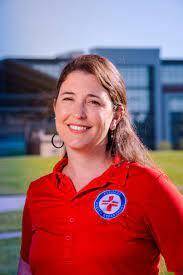
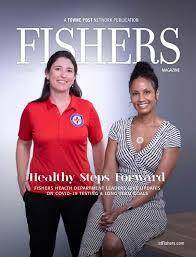
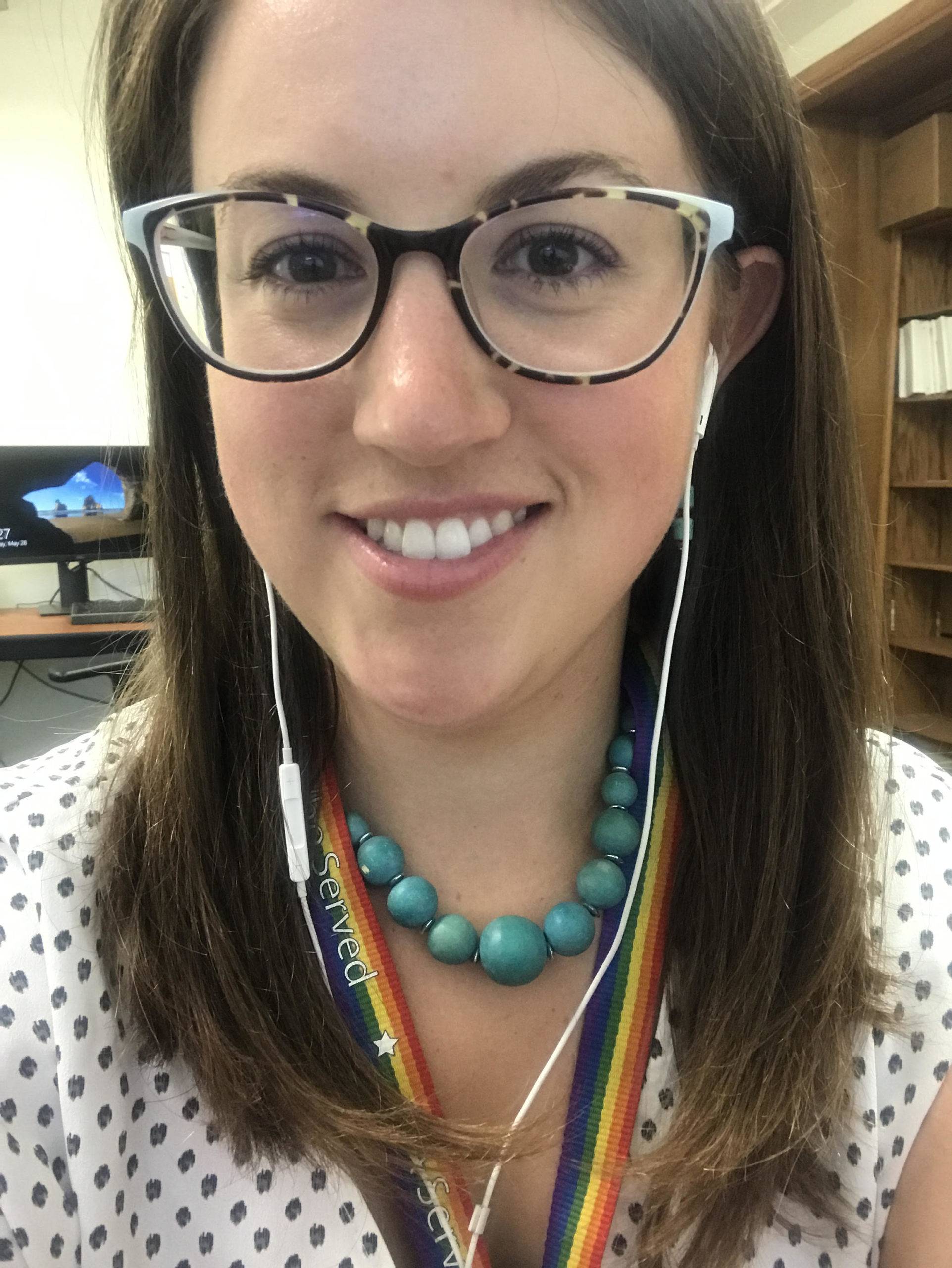
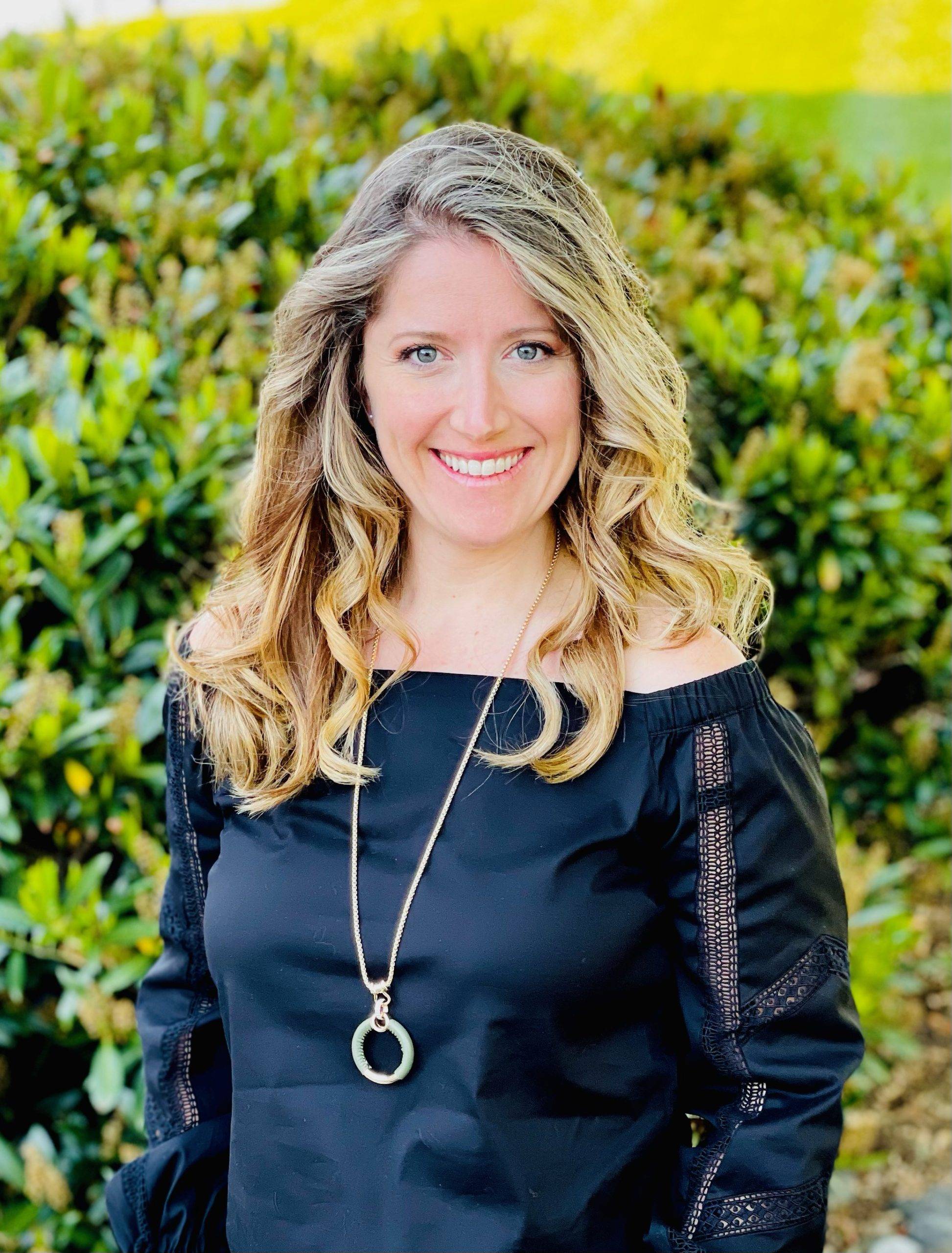
    Monica HeltzFrontier Nursing University (FNU) alumni and former Peace Corps member Monica Heltz has long fostered a passion for public health, working in the field for over two decades. Last year, Heltz decided to further her passion by earning her Doctor of Nursing Practice (DNP) from FNU.

    “At the time, I wasn’t sure where it would take me. I just wanted to do more,” Heltz said. “It’s been a wild ride, but somehow, my dream job popped up right in my backyard.”

    Shortly after finishing her degree, Heltz’s home city announced that it would be building a health department. In the face of COVID-19, Fishers, Ind., was choosing to branch off from the county-regulated system in order to expand services to their community.

    When Heltz heard the news, she reached out, hoping for a shot at a leadership role within the department. That call paid off. In May of 2020, Heltz became Fishers’ Public Health Director.

    “When I came out of the Peace Corps, I worked at a job that dealt with environmental and public health issues. As I began to learn more about public health, my eyes were opened to a whole world of new jobs that fascinated me,” Heltz said. “Since that time, local public health has been my passion, and I am so fortunate that this opportunity found me.”

    Starting a health department takes an enormous amount of resources and moving parts. Starting one during a pandemic only increased those needs. Since COVID-19 spurred the decision to create the health department, when Heltz onboarded, the city was already doing a great job of hosting and regulating testing sites. Heltz’s first job in her new role was to look at non-pandemic health concerns, establish priorities and start knocking out necessary projects. 

    Now, a year into the program, Heltz has completed most “have-to-do” items and can focus on other things, like rolling out a childhood vaccine clinic. She is incredibly excited for next year when the department is developed enough to focus on even more significant initiatives.

    “We want to further integrate the health department into all of our city programs as a way to give our citizens the best opportunities to take proactive health measures,” Heltz said.

    According to Heltz, Fishers’ department is already better integrated with the community than many health departments. 
    “For example, one of our major vaccination sites is an old warehouse. To get it running, we needed to team with public works, the fire department and local health care workers. In many cities, the health department feels like it’s on an island – in Fishers though, we are already able to work well with the greater community,” Heltz said.

    “The great thing about starting a health department during a pandemic is that it’s easy for the public to understand who we are and why we’re here,” Heltz said. “However, it’s also been extremely disheartening that public health has become a political issue. My team and I have been pouring our hearts into making our community as safe and healthy as possible. Yet, we have often been criticized for making educated, scientific choices.”

    However, Heltz said on the more difficult days, she and her team remind themselves that most of their community does agree with their choices, that it is only a small number of passionate people choosing to be vocal. 

    The numbers show that Heltz’s community, and the rest of the state, do stand with her. Fishers’ early action on COVID-19 ended up leading the state in policy and statistics, including holding the state’s highest vaccination rate as of late May.

    Heltz’s health department was one of the first to have an online dashboard accessible to the public, providing up-to-date data on case rates, vaccinations and local policies. They could do this because Heltz pushed for one of the department’s first hires to be an epidemiologist. 

    “I knew if we wanted to show our credibility and make the best decisions for our community, we needed someone like this on our team,” Heltz said.

    Due to the knowledge and experience within the Fishers health department, they were also the first in Indiana to offer school guidelines, which ended up paving the way for state guidelines. 

    “It was so cool to find solutions that fit our community and see those choices validated on a larger scale,” Heltz said. “It helped us to stay on track and build confidence in our mission.”

    According to Heltz, the year has been one of the most exciting and challenging years of her life, but she couldn’t be happier with her role.

    “This isn’t a job that comes around every day, and it’s one that many people probably wouldn’t want, but it is the perfect role for me,” Heltz said. “I chose to earn my DNP at FNU because I loved FNU’s dedication to making a difference and caring for underserved populations. I find a very similar mission within public health. We look for the best outcomes and try our hardest to bring positive change to our communities. I am proud of my roles as both Fisher County Public Health Director and FNU alumni.”

  • FNU Alumni Spotlight: Mychal Pilia

    FNU Alumni Spotlight: Mychal Pilia

    Frontier Nursing University (FNU) Alumni, Mychal Pilia, CNM, first became familiar with midwifery when her sister decided to have a home birth. 

    “Of course, when I heard, I responded with all of the typical things midwives hear like that’s not going to be as safe, and what if something goes wrong?” Pilia laughs. “Then, through her pregnancy and delivery, I learned about midwives and the kind of care that they offer, and I quickly changed my perspective.” 

    Although Pilia’s sister’s first pregnancy did end up requiring an emergency C-section, she went on to have four more home births. By the time she had her most recent child, Pilia had become a certified nurse-midwife and caught her nephew herself. Pilia has also partnered with midwives for the births of all three of her own children.

    Initially, Pilia had set her sights on being a personal chef and earned her first bachelor’s degree in nutrition. However, after working two years in a professional kitchen as part of her studies, she soon realized that was not her path. Following graduation, Pilia enrolled in an accelerated nursing school program where she received her second bachelor’s degree in 18 months and became a practicing pediatric ICU nurse in 2008.

    In 2011, Pilia was ready to become a certified nurse-midwife but needed to earn her degree remotely so that she could continue caring for her family. That’s when she found Frontier and the tools she needed to open her own practice. Pilia is especially thankful for the emphasis that FNU places on business planning. 

    “The business plan portion was such an extremely beneficial part of the curriculum at FNU,” Pilia says. “It gave students an in-depth understanding of what being part of a practice or hospital really involves and where you fit in the bigger picture. Even if someone isn’t going to be an entrepreneur and start their own practice, it was a lot of really valuable information.”

    Shortly after graduating from FNU, Pilia and her family moved from Texas to Maryland. She had originally based her business plan for a birth center around her Houston location and was faced with restructuring it around a whole new market. Luckily, Pilia had a firm grasp on her goal. In 2016, shortly after moving to the area, Pilia entered the Maryland Women’s Business Center Business Plan Competition. She won fourth place, behind already established businesses, and her commercial for a side competition, “Pick the Pitch,” won by a landslide. These wins brought awareness to her dream and helped her build a network of people who would help her bring her birth center to life.

    The Frederick Birth Center opened its doors on May 31, 2018, and delivered its first baby on June 21 of the same year. It is currently the only birth center within hundreds of miles, so Pilia and her team often work with families from Pennsylvania, Washington D.C., and Delaware in addition to Maryland residents.

    Due to COVID-19, the Frederick Birth Center has nearly tripled the number of clients they serve on an average month, and their bi-weekly online tours see between 10-15 families for each event.

    “There has definitely been an increased interest in alternative birth methods since the pandemic,” Pilia says. “However, we are still screening prospective families to make sure that our birth center is the right fit for them and not just a fallback option.”

    On top of online tours, the birth center also offers classes for clients on labor and birth, postpartum planning, early pregnancy, breastfeeding and more to make sure that their clients are confident and prepared when the baby arrives.  

    Pilia says that many changes have been made within the center over the past year, but that those changes have helped her realize the bigger picture of the industry.

    “This is a fluid business that is constantly growing and adapting to keep up with the times,” Pilia says. “It’s never dull, and there is always more to learn. This job is also always pushing me to do what is right for my community, patients, and staff. At the end of the day, I feel that my career is making me a better person. I can’t imagine investing this much into any other field.”

    Thank you, Mychal, for all of the great work you are doing to promote midwifery in an underserved community. We hope that your model of care and respect will continue to spread throughout the country. 

    To learn more about FNU’s nurse-midwifery program, click here.


  • Patty Coldiron Fills Urgent Need with Urgent Care

    Patty Coldiron Fills Urgent Need with Urgent Care

    The inspirational success stories of FNU graduates are many. Very few, however, start with dropping out of high school. Nonetheless, that is the way the story of how Patty Coldiron, MSN, FNP, Bridge 102, opened Hometown Urgent Care in January begins.

    Born and raised in rural Harlan County, Kentucky, Coldiron dropped out of high school and, at the age of 16, gave birth to her son Joshua, who was born with spina bifida.

    “He is the reason I went into nursing,” Coldiron said. “I wanted to know everything I could medically to be able to help him. Having knowledge in the field of nursing allowed me to help him physically and mentally, giving him the mindset he can do everything everyone else does, just a little differently.”

    Three years after Joshua’s birth, Coldiron went back to school and earned her GED. At 25, she began working as a Certified Nursing Assistant and worked for four years before being laid off. Undeterred, she kept moving forward.

    “I went to my local Community Action Agency and applied for the displaced worker’s program,” Coldiron said. “I was accepted and through that program, I received my licensed practical nurse degree. When the local community college bought the technical college, they came to me and asked if I would sign up for their Registered Nurse program.”

    In 2003, she graduated from Southeast Kentucky Community & Technical College with an associate’s degree in nursing. She worked in several areas, including on the medical/surgical floor and the ER, but her primary area was home health. With her career and goals coming into focus, Coldiron joined two of her friends in applying to FNU.

    “We all three were accepted, but I was the only one who decided to follow through,” said Coldiron, who graduated in 2015.

    During her last term, Joshua was in a motor vehicle accident and spent nearly a month in the ICU.

    “The days I had to work my mom (Pauline Boggs) would stay with him,” Coldiron said. “I sat in the hospital with him and would try to study and get ready for my boards. With the help of family and God, I finished and he eventually came home, but never the same. The knowledge I had from going to Frontier, without a doubt helped me care for him again, and let me keep him 14 more months after the accident.”

    Joshua passed away on May 31, 2016.

    “He was the kindest, gentle, humble person you would ever meet,” Coldiron said. “He was wheelchair dependent but that didn’t stop him. He was an avid outdoorsman. He loved to ride his ATV to hunt. He also loved to fish. He drove independently with gears fixed onto his car. He worked as a night watchman and in a factory making apparel for the armed forces. He lived a normal life.”

    Patty’s other son, Kacy, has a master’s degree in Occupational Safety and works in Atlanta. He and his wife Kendra have a son, Emmerich.

    Dealing with boards and Joshua’s passing, Coldiron pressed on. She worked at a local hospital as a family nurse-practitioner until, in April 2020, she was one of many to be laid off due to the COVID-19 Pandemic. She began working for a private-owned urgent care provider and had to travel for work. That was the turning point.

    “The latter part of 2020 I decided if I am ever going to start my business now is the time,” Coldiron said. “I asked medical assistant Katie Pierce if she would help me. She jumped in and got the insurance and providers credentialed. We opened Hometown Urgent Care in Harlan County on January 4, 2021.”

    Not only was opening her own practice what Coldiron needed, but it was also what the community needed as well.

    “In Harlan, there is the emergency room and primary care offices,” Coldiron said. “I knew from working the ER there was a need for urgent care. My community had never had an urgent care medical center.”

    Proof of that need was seen immediately. In the first five months of being open, Hometown Urgent Care has had more than 1,000 patients. The clinic employs two receptionists, three medical assistants, three nurse practitioners, and the office administrator. It is open daily from 10 a.m. to 8 p.m. to be accessible to working families.

    “The community has welcomed us with open arms,” Coldiron said. “Parents who work and struggle to get their children or themselves to a primary care provider are grateful for health care in hours that will work for them.”

    Coldiron knows that there are other communities like Harlan in need of an urgent care facility and intends to help fill that void in the future.

    “My goal is to open more Hometown Urgent Care clinics in other rural areas that have a need for this sort of clinic and are having to utilize the emergency rooms for minor and urgent illness, especially after hours,” she said.

    Coldiron’s drive and determination are apparent. With every setback, she seems to respond with even more resolve than ever. While that certainly comes from within, she credits FNU with developing her skills and preparing her to provide the care her community needs.

    “Frontier Nursing University gave me the knowledge to make a profound impact in health care from pediatrics all the way to geriatrics,” she said. “Frontier taught me through the program experience, didactic course, and clinical skills, to be above standard. Frontier not only gave me knowledge, but they also gave me confidence in the assessment, diagnosis, and delivery of treatment.”

  • Alumni Spotlight: Christina Felten, A Life of Service Driven by a Passion for Labor and Delivery

    Alumni Spotlight: Christina Felten, A Life of Service Driven by a Passion for Labor and Delivery

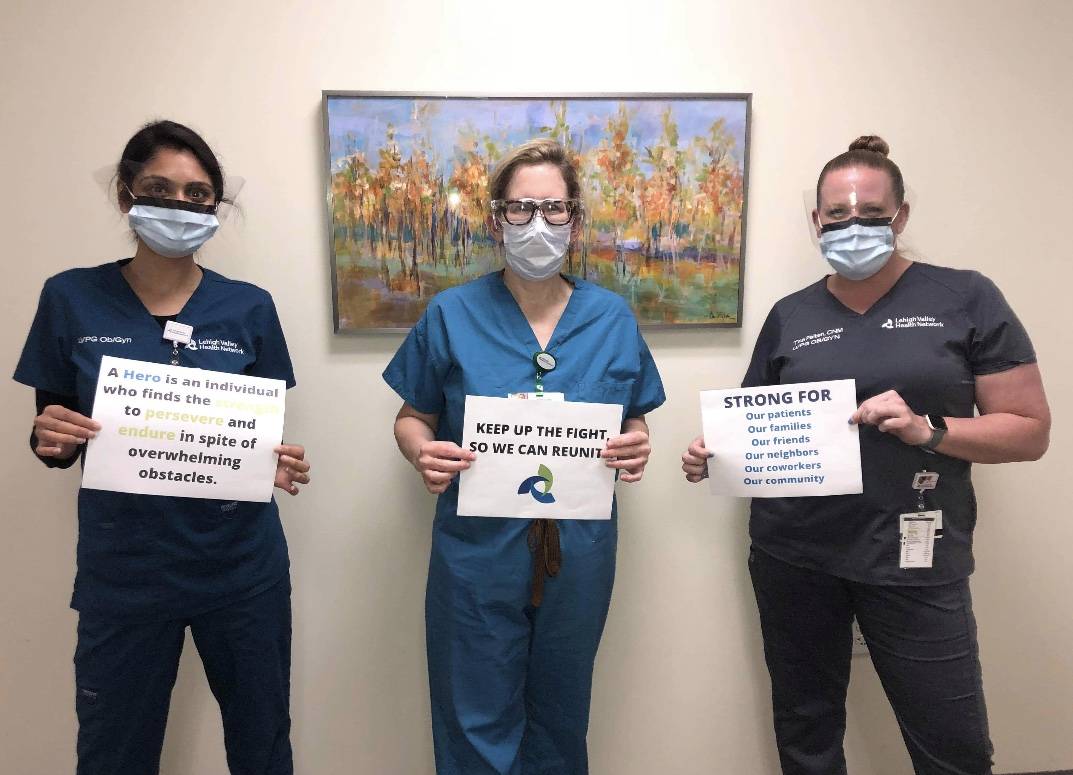
    Frontier Nursing University (FNU) Alumni Christina Felten, DNP, CNM, RNC-OB, has spent her career serving others. At the time of her high school graduation, she was a nurse’s aide who quickly became an EMT. However, her life changed when she was floated to labor and delivery and fell in love with supporting women during birth.

    “I had already been accepted into a different program at Bloomsburg University, but after spending some time in the labor unit, I knew I had found my calling. I got in touch with the nursing department and convinced them to let me switch programs,” Felten said.

    However, before Felten finished earning her degree, the twin towers were struck in NYC, and Felten was called to another form of service. She quickly signed up to join the navy and was caring for wounded soldiers within a few short months as a Naval Nurse Corps Officer. 

    While Felten thrived tending to the soldiers, she admits that her heart knew labor was where she was meant to serve.

    “Although it was extremely difficult for me to leave the soldiers,  I had never lost my passion for labor and delivery. I put in for multiple transfers and was eventually sent to the post-partum floor. However, as soon as my patients were tucked in for the night, I shadowed the labor and delivery nurses because I knew that was what I really wanted to,” Felten said.

    Despite it being incredibly challenging to work through school while in the Navy, Felten set her mind to it when she found out about FNU- although she admits she didn’t entirely know what she was signing up for.

    “When I saw FNU’s nurse-midwifery program I thought it sounded exactly like what I wanted to do. I wasn’t sure what a nurse-midwife was, but the description fit like a glove, so I went for it,” Felten laughed. 

    Later in her career, Felten’s unexpected midwifery path would play to her advantage. Felten was the first midwife to be hired by the Lehigh Valley Physician Group, and she did so by explaining midwifery to those less familiar with the practice. 

    “When I applied for the job, they initially weren’t looking for a midwife, so I explained, I’m essentially a nurse-practitioner who delivers babies. And it worked,” Felten said.

    Felten knew that being the first midwife would come with challenges, and it took time for the hospital to understand her value.

    “For years, I was just doing postpartum rounds and seeing patients in the office, which wasn’t what I signed up for, I wanted to deliver babies,” Felten said.

    Felten even left Lehigh for a time to work elsewhere. However, following her absence, the hospital hired another FNU alumni, Sherilyn Gibbs, DNP, CNM, who really transformed the program. Shortly after Gibbs was hired,  Felten received a phone call asking her to return to Lehigh Valley.” 

    “What we have now is a true collaboration between the doctors and the midwives,” Felten said. “We have become ingrained in the culture of the hospital so that patients and healthcare workers who might not have known much about midwifery, now see us at work and realize we are educated professionals,” Felten said. 

    According to Felten, COVID-19 only enhanced this sense of togetherness. “During COVID, there was no room for ‘Us vs. Them’ mentality,” Felten said. “We have all been one team throughout the pandemic.”

    “That doesn’t mean this year wasn’t hard though,” Felten said. “Some days, it was easy to feel bitter when we were working overtime while so many others were staying at home. Some days felt lonely; as midwives, we love bonding with our patients, and the layers of PPE made everything feel distant. We’ve had to reevaluate so much of what we do.”

    Felten said that on her most challenging days, she would think back to a memorable patient experience from early in her health care journey. When Felten was serving injured soldiers, she treated a man from Pittsburgh  whose leg was damaged by an IED explosion. He always enjoyed her accent and called her Nurse Philly. 

    One night she heard him screaming for ‘Nurse Philly’, and when she went to him, he was watching a video someone had sent him of the blast that left him scarred. He was frightened and just needed someone to hold his hand. 

    Years later, he requested Felten to assist his wife with the birth of their twins. During that much happier time, she was able to again hold his hand.

    “What I’ve realized is that life doesn’t always turn out as you expect, and sometimes you might not feel like you’re in the right place, but life has a way of circling back around. If you follow the path your heart is leading you towards, it’s amazing the way things line up,” Felten says.

  • Alumni Spotlight: Megan Simenc Carries on FNU Legacy at Boise VA Medical Center

    Alumni Spotlight: Megan Simenc Carries on FNU Legacy at Boise VA Medical Center

    As we all learned in high school, whether it’s good or bad, reputation matters. Within the Boise VA Medical Center, it’s safe to say Frontier Nursing University has a good reputation. In recent years, four FNU graduates have been nurse practitioner residents at the medical center.

    “The director of the Boise VA Medical Center nurse practitioner residency said she is consistently impressed with the FNU graduates who have come to our residency program,” said Megan Simenc, MSN, FNP-C, Class 155. “I was the third FNU graduate in the residency and one of the current residents, Elizabeth Ballweg (FNP, Class 158) is also a proud FNU alumnus. Liz and Megan Fitzmaurice (FNP, DNP, Class 20) are the reason I found the program and I owe a lot of my success to them.”

    Simenc completed a one-year nurse practitioner residency in primary care at the Boise VA Medical Center in July prior to moving into her current role providing primary care and nurse practitioner residency leadership at the Boise VA Medical Center and the Caldwell VA Community Clinic.

    “Thanks to the cohesive, collaborative interdisciplinary model at the VA, primary care providers like myself take on more care of complex conditions than I originally expected from my education and clinical experience,” Simenc said. “Since I work so closely with specialists at the VA, I am managing more complex conditions with the specialists’ input, and referring out less, which is a great learning experience.”

    She passes that knowledge on to the current participants in the residency program. “I serve as a mentor for this year’s residents, set up didactic learning opportunities, do some teaching, and will be taking on the scheduling of specialty rotations,” Simenc said.

    The Boise VA Medical Center receives patients from across Idaho and eastern Oregon, many of whom live in rural, isolated areas. According to Simenc, the majority of veterans seeking care at the Center are older white males with complex and overlapping medical conditions, including socio-economic and mental health conditions. Common challenges include low health literacy, very low income, complex comorbidities, mental health conditions, and geographic barriers to care.

    Simenc relates to her patients by drawing on her own rural upbringing in the small town of Dillon, Montana. She also credits FNU for helping prepare her for the challenging patient population and the added complications brought on by the COVID-19 Pandemic.

    “I think FNU attracts some of the best future nurse practitioners and our education helps us blossom into strong, thoughtful, dedicated patient advocates and independent providers,” Simenc said. “I am constantly amazed at how well I was prepared to enter the workforce as a brand new nurse practitioner, thanks to my FNU education. Not only did FNU build up my clinical knowledge, but my education taught me to look further and not discount  the critically important piece of socio-economics in our delivery of healthcare.”

    Understanding a patient’s perspective is an important part of connecting and communicating with them while administering care. Simenc noted that her patients have been split regarding the pandemic, most being aware of the risks and the importance of safe practices, but many are skeptical of the seriousness or even legitimacy of the pandemic. Rather than engaging in a debate or trying to convince patients they are wrong, Simenc takes a more tactful approach.

    “In these situations, I try to avoid judgment and instead elicit their perspectives, their concerns, and highlight that, regardless of their beliefs or their mistrust of the science presented to them, the outcome of taking these recommended precautions is helping protect other veterans around them,” she said. “This usually goes over quite well because our veterans have a very strong sense of pride and are almost always happy to help another vet.”

    Simenc said she now only sees about 25 percent of her patients in person during the pandemic, with the remainder of the appointments taking place via secure video or phone calls. Many days she works from home to limit the number of people in the clinic.

    “These changes have greatly impacted residency programs like our NP residency,” she said. “We are working on ways to maximize learning opportunities for our residents by holding didactics via video, and seeking unique opportunities to still get safe, face-to-face patient care experience like working in episodic and urgent care more often.”

    There are many lessons to be learned, and Simenc is hopeful they will carry over after the pandemic is over.

    “This global pandemic is highlighting the critical need for our country to recognize and support our frontline and essential workers – especially our nation’s healthcare workers like nurses, cleaning services, food services, clerical staff, and primary care providers,” she said. “I hope that our nation will learn that we need to support these essential workers not only in times of crisis, but to nurture these dedicated workers in good times as well.”

    Note: For more information about the Boise VA Medical Center nurse practitioner residency program, visit vaboisenpresidency.com.

Request Information Apply Give Now