
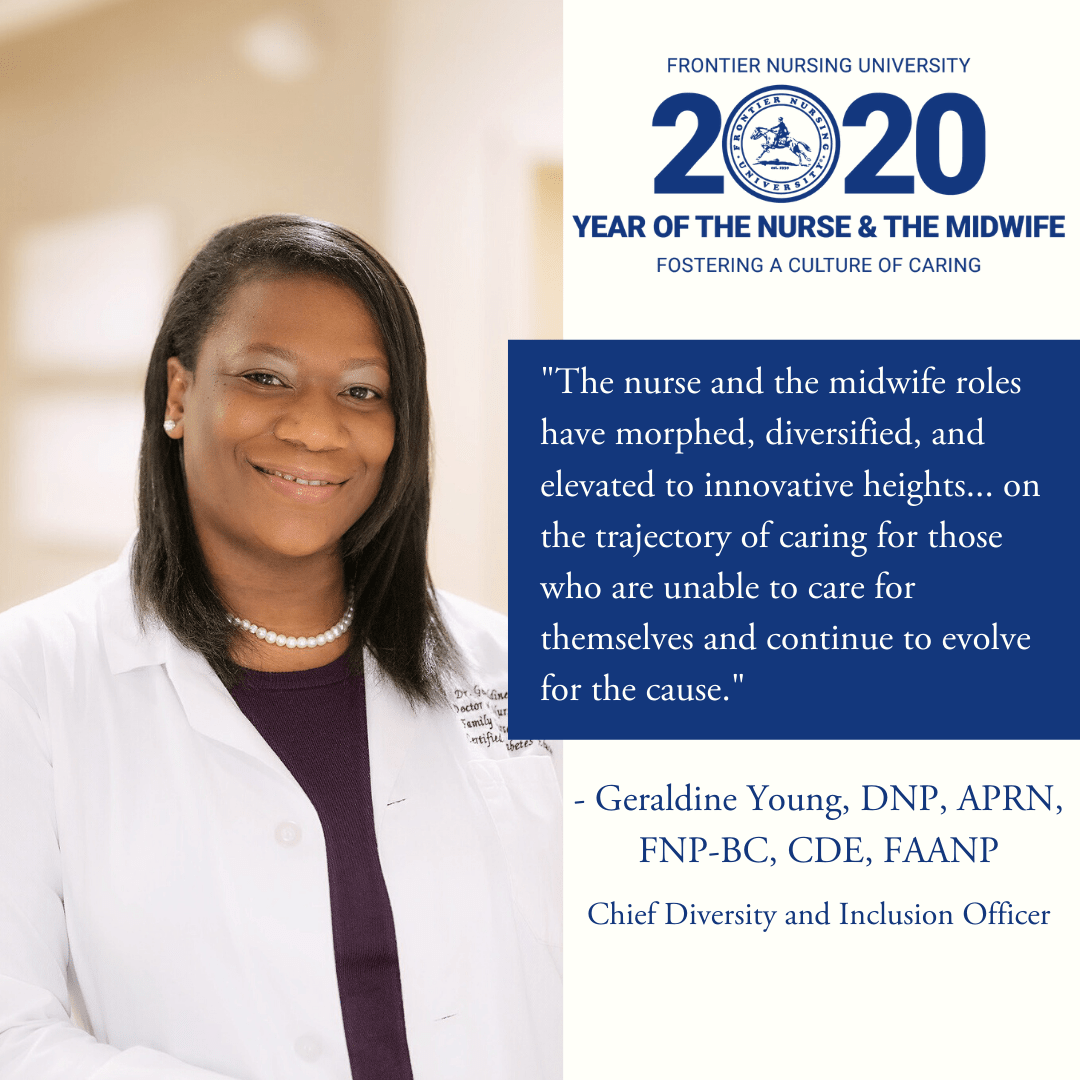
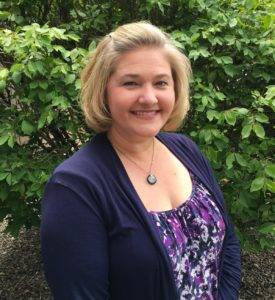
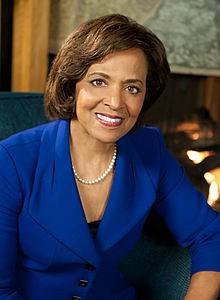
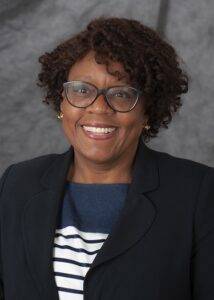
 A few weeks ago, Frontier Nursing University (FNU) introduced our new Chief Diversity and Inclusion Officer (CDIO), Dr. Geraldine Young, DNP, APRN, FNP-BC, CDE, FAANP. Dr. Young has practiced for 20 years in the nursing field, and advocating for diversity and inclusion in nursing education has been at the forefront of her work. She holds a DNP from the University of Alabama at Birmingham in addition to an MSN from Alcorn State University and a BSN from the University of Mississippi Medical Center.
“It is truly an honor and a pleasure to be selected as the Chief Diversity and Inclusion Officer at Frontier Nursing University!” said Dr. Young.
We sat down with Dr. Young to learn about her passion for diversity and inclusion, her strategy for enhancing these initiatives at FNU, and the challenges she expects to face in her new position as CDIO.
What has been your career path so far and how has it led you to your current role as chief diversity and inclusion officer?
I hold a Doctor of Nursing Practice (DNP) from the University of Alabama at Birmingham, an MSN from Alcorn State University, and a BSN from the University of Mississippi Medical Center. I am a board-certified family nurse practitioner (FNP) and a certified diabetes educator.
My distinguished career, spanning 20 years, has demonstrated a great passion for improving health outcomes, especially in disenfranchised populations. An early career trajectory began with five years as a registered nurse; this led to 15 years as a family nurse practitioner, 10 of which have been spent as one of the first DNPs in Mississippi and nursing faculty, nine as a certified diabetes educator, and five as family medical practice owner.
I made an effortless decision to migrate to Kentucky to become the inaugural Director for Graduate Nursing Programs at Kentucky State University to expand the ability to help others in rural, underserved areas. Before leaving Mississippi, FNU was introduced to me by a fellow colleague. As an advanced practice registered nurse (APRN), the thought of FNU (a nursing university that exclusively focused on graduate level nursing education for APRNs and founder of my degree pathway as a family nurse practitioner) was instantaneously intriguing. When the opportunity presented itself, there was no hesitation to seize the chance to be employed at FNU!
How has your professional background influenced your passion for diversity and inclusion?
Serving as a leader in improving diabetes outcomes in the southeastern United States has been a career pinnacle. Leadership in the Health Resources and Services Administration’s Health Disparities Collaboratives and the Centers for Medicare and Medicaid Services’ (CMS’s) Mississippi Health First Project transformed the model for healthcare practices and diabetes self-management education (DSME) in Mississippi for minority and underserved populations. This leadership led to recognition from the CMS and the American Association of Diabetes Educators for program excellence in DSME.
My firm commitment to clinical-practice excellence is evidenced by developing a private practice in Mississippi. This practice focused on improving health outcomes and diabetes management and had over 2,500 visits annually, 10 percent of which are for veterans and 30 percent of which are for underserved populations. Direct clinical outcomes were not the only benefits of this practice. In a dynamic partnership with Jobs for Mississippi (a program that provides at-risk youths with positive work experiences to prevent them from becoming dropouts), this practice also provided professional role modeling, culminating in its participation in the AmeriCorps job-placement service, which specifically targets at-risk youth. This practice attained state and national recognition, including a joint telehealth project with the University of Mississippi Medical Center to increase access to quality care.
Where did your passion for diversity and inclusion begin?
My passion for diversity and inclusion emerged in the role of family nurse practitioner, serving various patient populations in underserved, rural areas in Mississippi. During this time, the belief that “no patient is noncompliant” was attained. It is crucial for healthcare professionals to remove bias towards patients that appear to be noncompliant. Healthcare services should reflect individualization based on a patient’s circumstances and uncover means of improving their health outcomes. This motto continues today for any population that I service including students, faculty and staff.
Diversity, equity, and inclusion are the keys to the future success of the health care delivery system and the improvement of health outcomes for minority and underserved populations. All perspectives need a voice. I have always been willing to be that voice.
Membership in the American Association of Colleges of Nursing Essentials Task Force further strengthens this passion as I am on the frontline of nursing education addressing issues of health disparities and inequities that exist in our nation.
How do you define diversity and inclusion at Frontier Nursing University?
FNU encompasses an atmosphere built on a culture of caring, with a mission to promote diversity, equity, and inclusion. FNU elicits the equitable perspectives of students, faculty, and staff regardless of race, gender, sexual preference or identity, disability and/or religion. FNU’s goal is to improve health outcomes through the production of conscious, competent nurse-midwives and nurse practitioners in underserved and rural areas across the U.S.
FNU is a national leader in diversity, equity, and inclusion and a two-time winner of the INSIGHT Into Diversity Higher Education Excellence in Diversity Award 2018 and 2019.
What are you most excited about with your new position?
I have been involved with diversity, equity, and inclusion efforts in the background for many years. Now, I have the opportunity to propel this role forward in my influential nursing career as the Chief Diversity and Inclusion Officer at FNU. In this role, I can expand the impact of diversity, equity, and inclusion efforts at FNU to improve the health outcomes of diverse patient populations in underserved and rural areas in the U.S.
What strategies do you feel will have the most positive impact on the FNU community?
Administration is tremendously supportive of diversity, equity, and inclusion initiatives at FNU. This support transcends the level of comfort needed to productively perform in the role of Chief Diversity and Inclusion Officer. Embodying transformational leadership characteristics, implementing the team-based approach to confronting diversity, equity, and inclusion issues, and soliciting the perspectives of students, faculty, and staff will be instrumental in disseminating a powerful culture of diversity, equity, and inclusion at FNU. This approach will also ensure the direct involvement and ownership of the entire FNU community in the continuous transformation process.
What are the biggest challenges that you will face in your new role?
As the Chief Diversity and Inclusion Officer, I expect the following challenges:
- Upholding accountability for implicit bias in the FNU community
- Increasing the integration of atypical, diverse populations and perspectives into the FNU community
- Providing support for the changes
These challenges are expected to resolve as constituents become more informed and proactive within the diverse and inclusive FNU community.
What is a fun fact about you?
I love to travel! I have been to Washington, D.C., approximately 10 times in the past three years for the purpose of advancing the nursing profession. I feel like D.C. is my home away from home.



 In 2018, Frontier Nursing University (FNU) was honored to receive the prestigious

 Each fall,
 Frontier Nursing University
 As a full-scope CNM, Jennifer is on call 24 hours a day, seven days a week. She offers non-traditional office hours at Transitions to accommodate work schedules and allow significant others and older children to attend appointments whenever possible.
 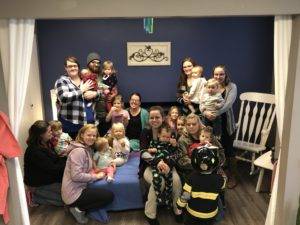 Jennifer chose to pursue nurse-midwifery because she wanted to bring the option of midwifery care to the area where she grew up. Many of the women in Manistee County are socioeconomically challenged, undereducated, underserved and underprivileged, but Jennifer’s hope is that by educating and empowering them, lives will be impacted not just today but for generations to come.
 Frontier Nursing University
 Today, Jacob is in a new position at

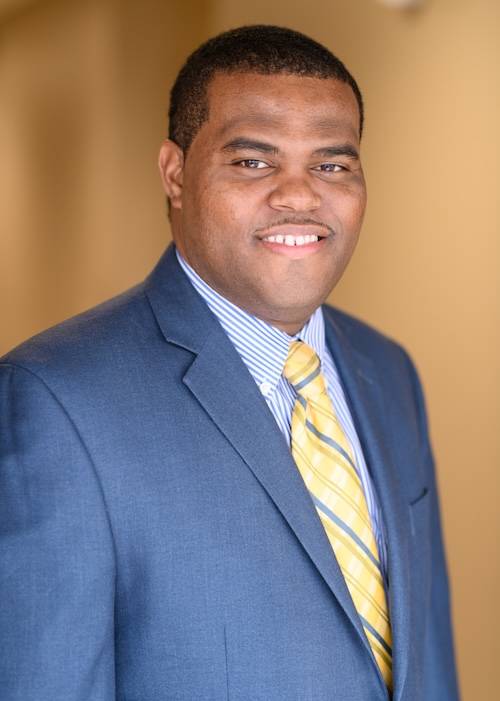
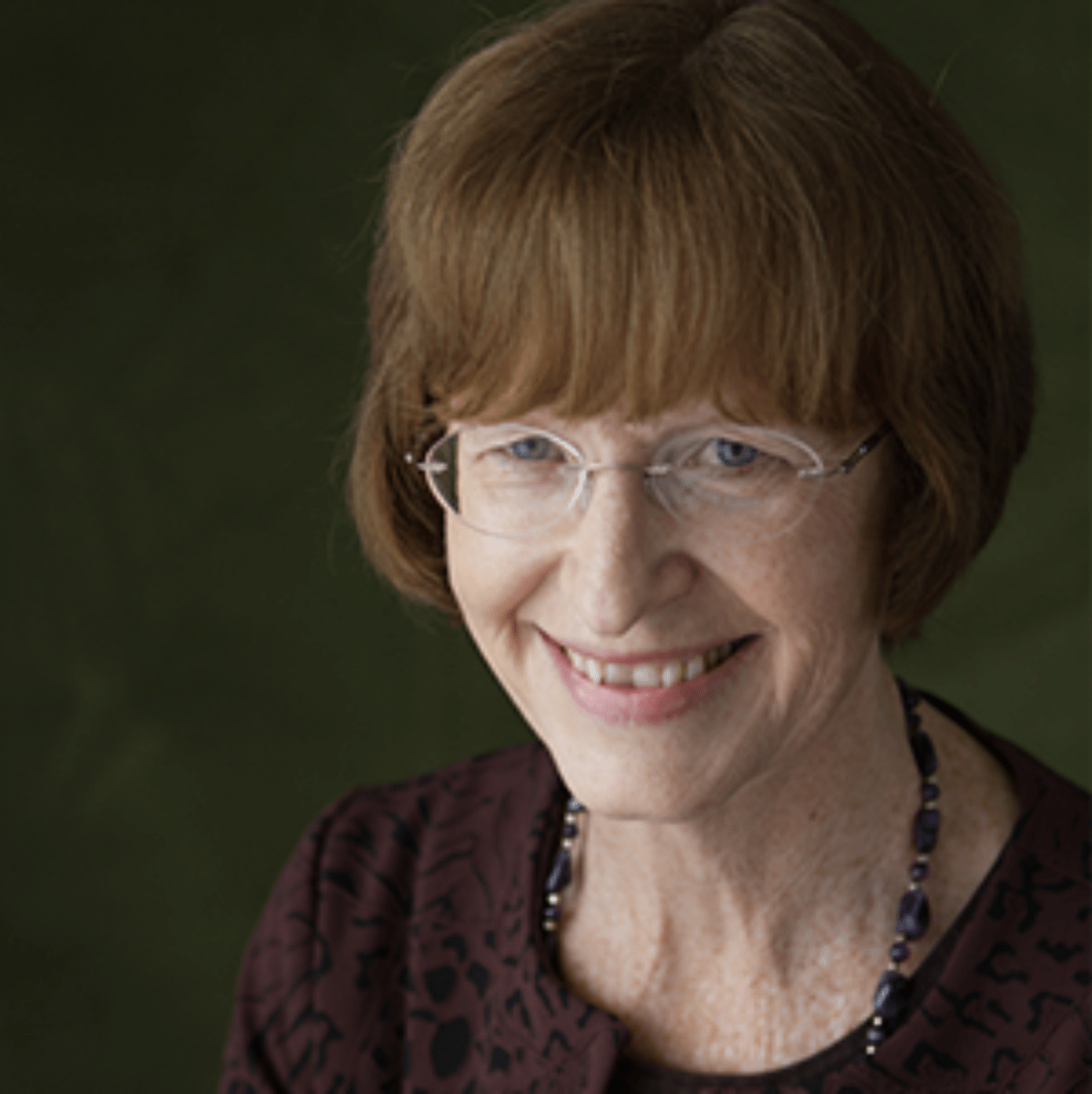
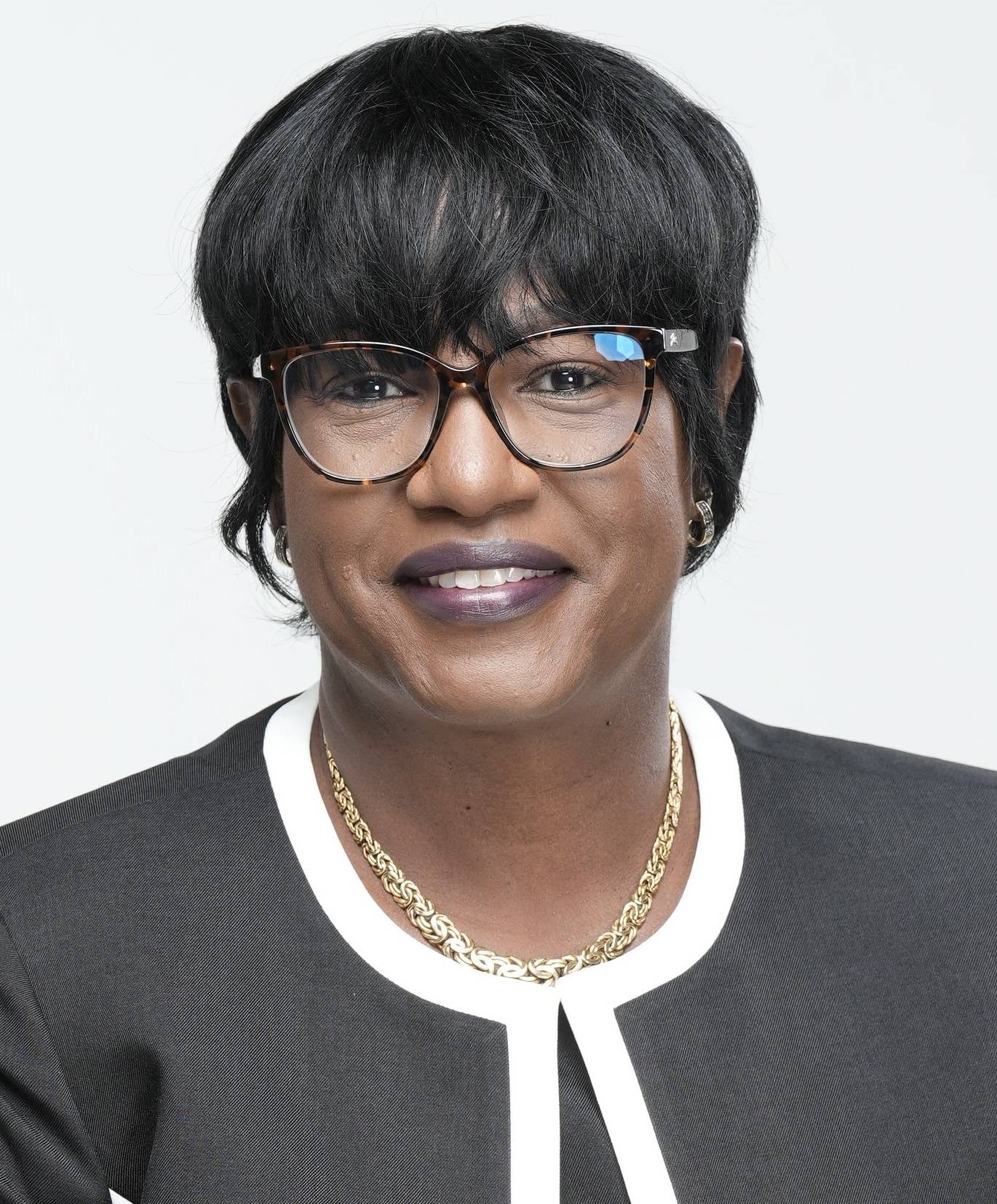


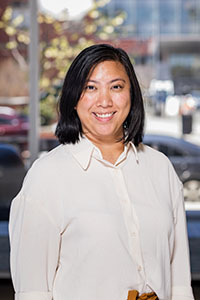
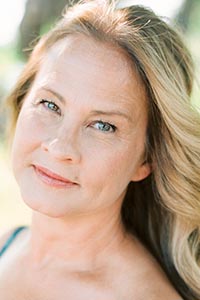
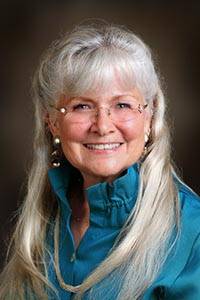
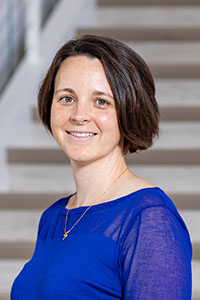
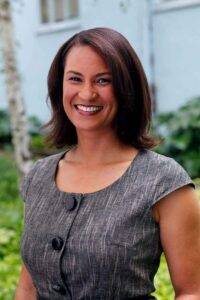
 Carrie Belin is an experienced board-certified Family Nurse Practitioner and a graduate of the Johns Hopkins DNP program, Johns Hopkins Bloomberg School of Public Health, Georgetown University School of Nursing, and Johns Hopkins School of Nursing. She has also completed fellowships at Georgetown and the University of California Irvine.
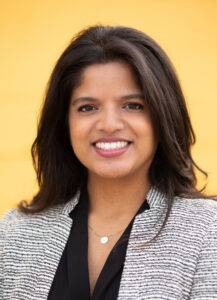
 Angie has been a full-scope midwife since 2009. She has experience in various birth settings including home, hospital, and birth centers. She is committed to integrating the midwifery model of care in the US. She completed her master’s degree in nurse-midwifery at Frontier Nursing University (FNU) and her Doctorate at Johns Hopkins University. She currently serves as the midwifery clinical faculty at FNU. Angie is motivated by the desire to improve the quality of healthcare and has led quality improvement projects on skin-to-skin implementation, labor induction, and improving transfer of care practices between hospital and community midwives. In 2017, she created a short film on skin-to-skin called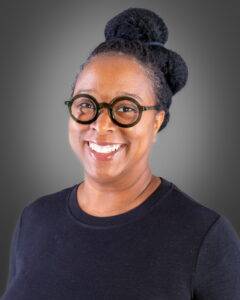
 Justin C. Daily, BSN, RN, has ten years of experience in nursing. At the start of his nursing career, Justin worked as a floor nurse on the oncology floor at St. Francis. He then spent two years as the Director of Nursing in a small rural Kansas hospital before returning to St. Francis and the oncology unit. He has been in his current position as the Chemo Nurse Educator for the past four years. He earned an Associate in Nurse from Hutchinson Community College and a Bachelor of Science in Nursing from Bethel College.
 Brandy Jackson serves as the Director of Undergraduate Nursing Programs and Assistant Educator at Wichita State University and Co-Director of Access in Nursing. Brandy is a seasoned educator with over 15 years of experience. Before entering academia, Brandy served in Hospital-based leadership and Critical Care Staff nurse roles. Brandy is passionate about equity in nursing education with a focus on individuals with disabilities. Her current research interests include accommodations of nursing students with disabilities in clinical learning environments and breaking down barriers for historically unrepresented individuals to enter the nursing profession. Brandy is also actively engaged in Interprofessional Education development, creating IPE opportunities for faculty and students at Wichita State. Brandy is an active member of Wichita Women for Good and Soroptimist, with the goal to empower women and girls. Brandy is a TeamSTEPPS master trainer. She received the DASIY Award for Extraordinary Nursing Faculty in 2019 at Wichita State University.
  Dr. Sabrina Ali Jamal-Eddine is an Arab-disabled queer woman of color with a PhD in Nursing and an interdisciplinary certificate in Disability Ethics from the University of Illinois Chicago (UIC). Dr. Jamal-Eddine’s doctoral research explored spoken word poetry as a form of critical narrative pedagogy to educate nursing students about disability, ableism, and disability justice. Dr. Jamal-Eddine now serves as a Postdoctoral Research Associate in UIC’s Department of Disability and Human Development and serves on the Board of Directors of the National Organization of Nurses with Disabilities (NOND). During her doctoral program, Sabrina served as a Summer Fellow at a residential National Endowment of the Humanities (NEH) Summer Institute at Arizona State University (2023), a summer fellow at Andrew W. Mellon’s National Humanities Without Walls program at University of Michigan (2022), a Summer Research Fellow at UC Berkeley’s Othering & Belonging Institute (2021), and an Illinois Leadership Education in Neurodevelopmental and related Disabilities (LEND) trainee (2019-2020).
 Vanessa Cameron works for Vanderbilt University Medical Center in Nursing Education & Professional Development. She is also attending George Washington University and progressing towards a PhD in Nursing with an emphasis on ableism in nursing. After becoming disabled in April 2021, Vanessa’s worldview and perspective changed, and a recognition of the ableism present within healthcare and within the culture of nursing was apparent. She has been working since that time to provide educational foundations for nurses about disability and ableism, provide support for fellow disabled nursing colleagues, and advocate for the disabled community within healthcare settings to reduce disparities.
 Dr. Lucinda Canty is a certified nurse-midwife, Associate Professor of Nursing, and Director of the Seedworks Health Equity in Nursing Program at the University of Massachusetts Amherst. She earned a bachelor’s degree in nursing from Columbia University, a master’s degree from Yale University, specializing in nurse-midwifery, and a PhD from the University of Connecticut. Dr. Canty has provided reproductive health care for over 29 years. Her research interests include the prevention of maternal mortality and severe maternal morbidity, reducing racial and ethnic health disparities in reproductive health, promoting diversity in nursing, and eliminating racism in nursing and midwifery.
 Dr. Lisa Meeks is a distinguished scholar and leader whose unwavering commitment to inclusivity and excellence has significantly influenced the landscape of health professions education and accessibility. She is the founder and executive director of the DocsWithDisabilities Initiative and holds appointments as an Associate Professor in the Departments of Learning Health Sciences and Family Medicine at the University of Michigan.
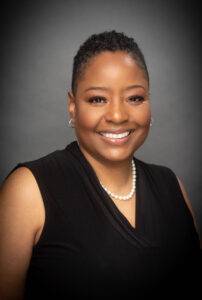 Dr. Nikia Grayson, DNP, MSN, MPH, MA, CNM, FNP-C, FACNM (she/her) is a trailblazing force in reproductive justice, blending her expertise as a public health activist, anthropologist, and family nurse-midwife to champion the rights and health of underserved communities. Graduating with distinction from Howard University, Nikia holds a bachelor’s degree in communications and a master’s degree in public health. Her academic journey also led her to the University of Memphis, where she earned a master’s in medical anthropology, and the University of Tennessee, where she achieved both a master’s in nursing and a doctorate in nursing practice. Complementing her extensive education, she completed a post-master’s certificate in midwifery at Frontier Nursing University.

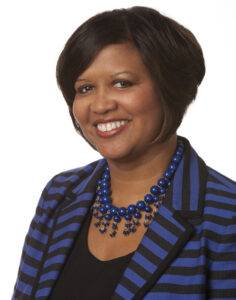 Dr. Tia Brown McNair is the Vice President in the Office of Diversity, Equity, and Student Success and Executive Director for the Truth, Racial Healing, and Transformation (TRHT) Campus Centers at the American Association of Colleges and Universities (AAC&U) in Washington, DC. She oversees both funded projects and AAC&U’s continuing programs on equity, inclusive excellence, high-impact practices, and student success. McNair directs AAC&U’s Summer Institutes on High-Impact Practices and Student Success, and TRHT Campus Centers and serves as the project director for several AAC&U initiatives, including the development of a TRHT-focused campus climate toolkit. She is the lead author of From Equity Talk to Equity Walk: Expanding Practitioner Knowledge for Racial Justice in Higher Education (January 2020) and Becoming a Student-Ready College: A New Culture of Leadership for Student Success (July 2016 and August 2022 Second edition).