Blog

  • Mary Bristow Willeford: Frontier Nurse-Midwife, Educator, and Researcher

    Mary Bristow Willeford: Frontier Nurse-Midwife, Educator, and Researcher

    By Professor Janet L. Engstrom, PhD, APRN, CNM, WHNP-BC, CNE and Professor Anne Z. Cockerham, PhD, APRN, CNM, WHNP-BC, CNE
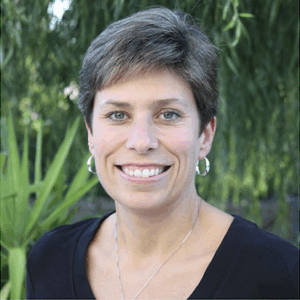
    Professor Anne Z. Cockerham, PhD, APRN, CNM, WHNP-BC, CNE

    Professor Janet L. Engstrom, PhD, APRN, CNM, WHNP-BC, CNE

    In this year of centennial celebration of the founding of the Frontier Nursing Service, it is fitting to honor the pioneers who helped build the nursing service and lay the foundation for Frontier Nursing University. Mary Bristow Willeford (1900-1941) was one of the first nurse-midwives to join the Frontier Nursing Service in August of 1926 and became one of the first Assistant Directors of the organization, playing a key role in the development of the clinical nursing service and the university.

    Born in 1900, Willeford had unique educational opportunities for a woman at that time in rural Texas. She earned a teaching certificate from The San Marcos Normal School in 1918 and a baccalaureate degree from the University of Texas in 1920, graduating near the top of her class. Willeford had planned a career in medicine and began preparatory work at Johns Hopkins University but switched to nursing and graduated from the prestigious Army School of Nursing in 1925. The Army School provided the opportunity for students to learn military health care, protocol, and etiquette, and provided a variety of clinical experiences in civilian settings, including preparation as a public health nurse. Willeford took advantage of the opportunity to study public health nursing which included clinical experiences with Henry Street Visiting Nurses in New York City and taking courses in public health at Columbia University. After graduating from the Army school in 1925 and passing the nursing licensure exam, Willeford traveled to England with a classmate, Gladys Peacock, to complete midwifery education at the York Lying In Maternity Hospital. Both nurses returned to the United States to join Mary Breckinridge in southeastern Kentucky at the new rural nursing and midwifery service that would become the Frontier Nursing Service.

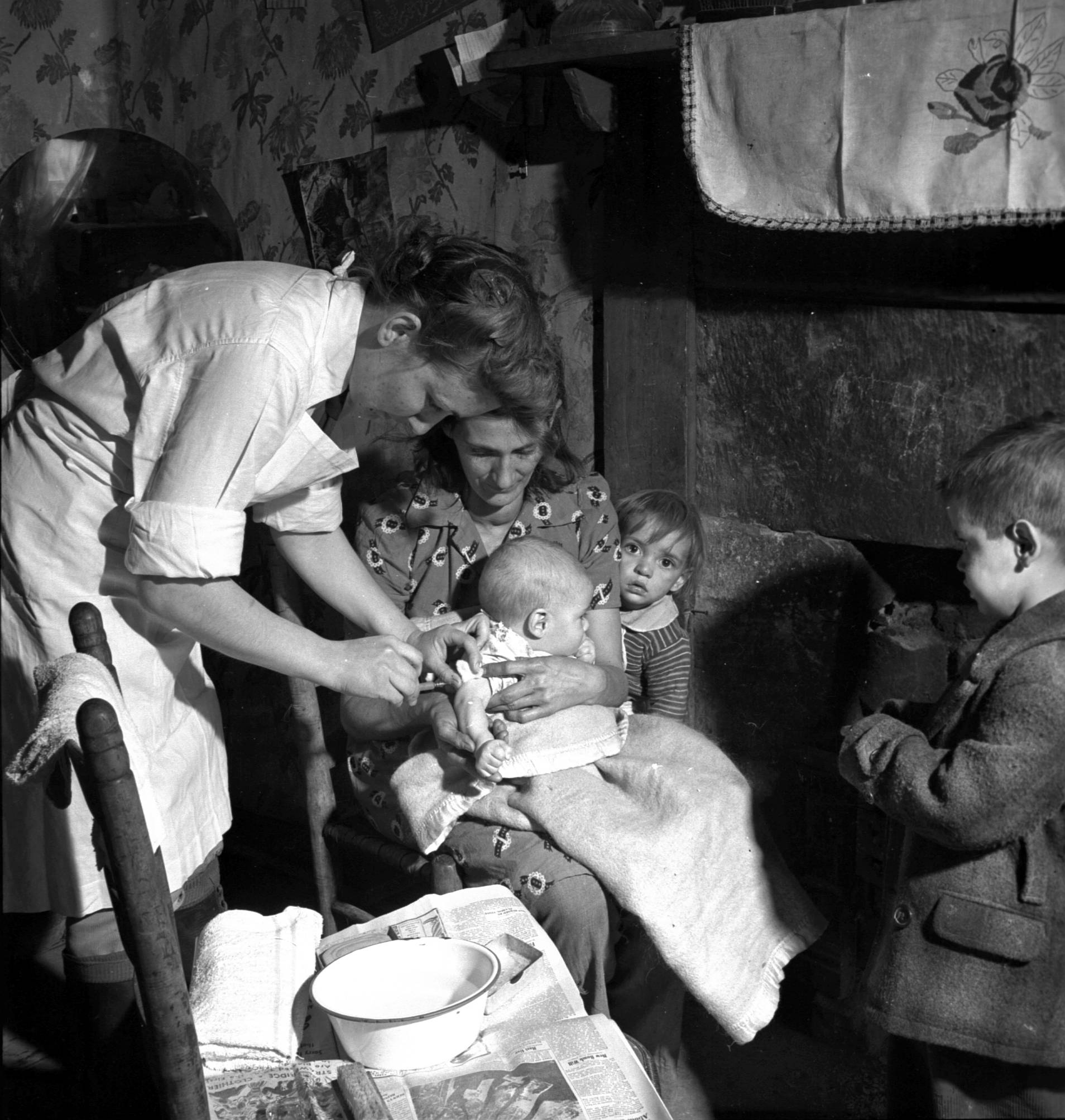
    Willeford and Peacock worked with the FNS during its early development and expansion phase. Although the FNS was primarily focused on reducing maternal and infant mortality and improving child health, accomplishing those goals required that the nurses provide a broad program of public health services including preventative care such as vaccines, sanitation, home safety, and health education. Since there were almost no other professionally trained and licensed healthcare providers in the area, the nurses also provided care for illnesses and injuries. Thus, the nurses were called upon day and night to attend births, illnesses, injuries, and deaths. The nurses also cared for the families’ pets and livestock, vaccinating the dogs for rabies and treating illness and injuries in the livestock that were needed by the families.

    The nurses’ work was made more challenging by the rugged mountain terrain where the families lived. There were almost no roads, so the nurses traveled by horseback on mountain trails, carrying all their supplies in their saddlebags, which weighed about 40 pounds. Sometimes the nurses had to travel part of the journey on foot and carry their saddlebags across a wood and rope bridge above a river or ascend a hillside too steep for their horse. Beyond the physical demands of their work, the nurses also had to respectfully and creatively work around the families’ limited access to food, clean drinking water, and other resources. The FNS service area was one of the most impoverished areas of the United States and the nurses had to be tremendously resourceful to help their patients stay healthy and nourished.

    Although Willeford and Peacock were instrumental in building the clinical nursing practice, they also played important roles in the administration of the new nursing service. Shortly after their arrival in 1926, they were assigned to oversee the building of the first district nursing center at Beech Fork and would go on to build four more nursing centers at Red Bird, Flat Creek, Brutus, and Bowlingtown. When building a nursing center, the nurses were responsible for overseeing all phases of the construction and, at the same time, begin caring for patients and developing the patient caseload for the new center. The nurses also had to build community relationships and identify people who would serve as the governing committee for the center.

    In addition to Willeford’s clinical and administrative skills, the FNS also recognized her potential as an educator. From its inception, the FNS had planned to train health care professionals to provide maternal-child health services, including midwifery, in rural and underserved areas. Willeford was the ideal candidate to lead the educational initiative since she already had a teaching certificate and a baccalaureate degree. In 1927, Willeford was sent to Teachers College, Columbia University to complete a master’s degree in public health. The following year, she was sent to England to undergo training as a midwifery educator and earned a certificate as a midwifery tutor. In 1930, Willeford returned to Columbia University where she earned a Doctor of Philosophy degree in educational research in 1932. Her advanced educational opportunities were unusual at that time, when the average American had only 8 years of education, almost all nursing education took place in hospital-based nursing schools, and master’s and doctoral degrees were a rarity.

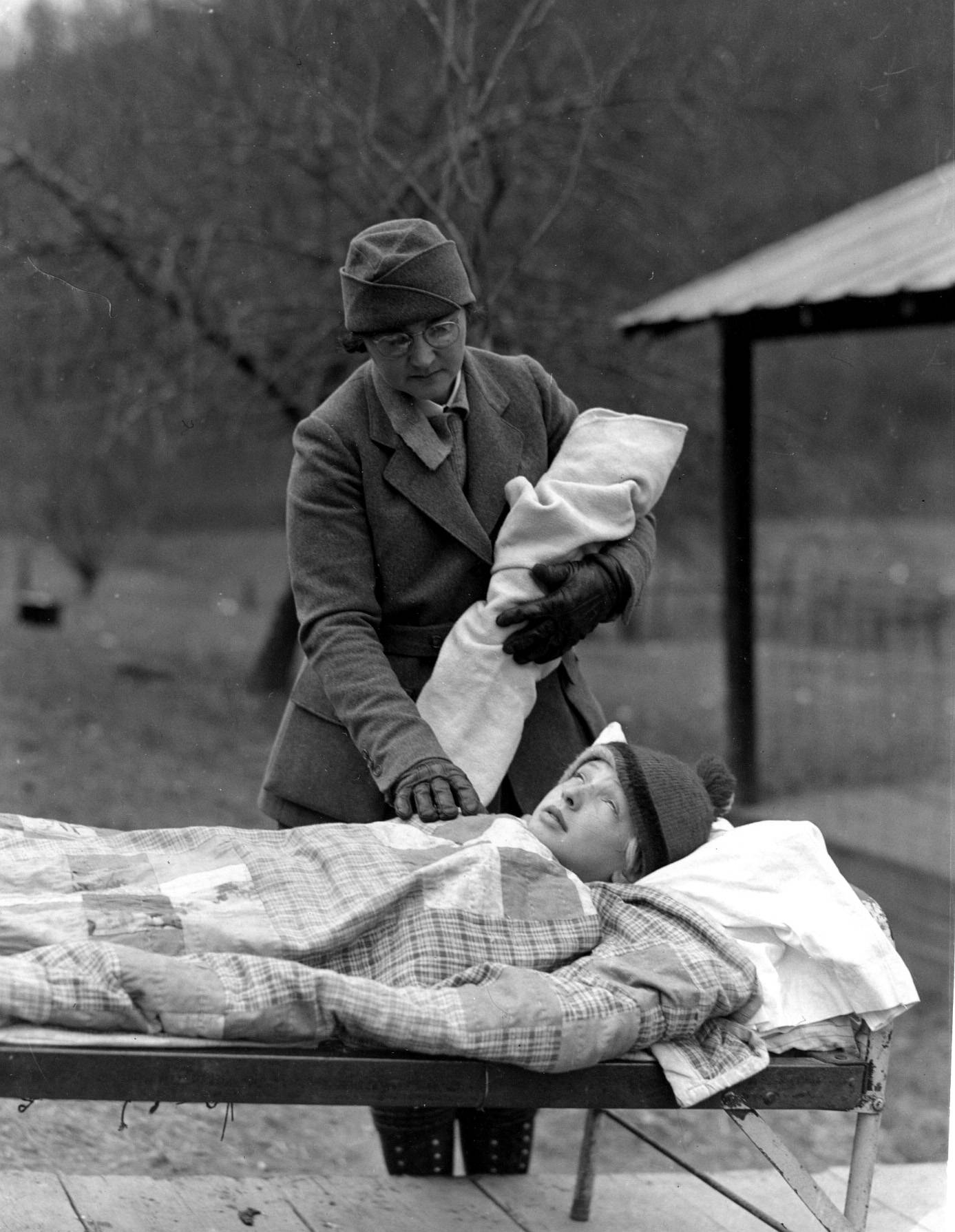
    This historic Frontier Nursing Service postcard featured Mary Bristow Willeford making a night visit to a local family.

    Willeford became one of the first nurses in the United States to earn a doctoral degree, when few doctorates were awarded nationwide and only a small percentage of the recipients were women. Her dissertation examined the income of 400 families in Leslie County, where the FNS was based, and determined that most families could not afford basic healthcare and that nursing services such as the Frontier Nursing Service were an effective solution. The dissertation was recognized for its contributions to public health, healthcare economics, and Appalachian history. The dissertation also included a curriculum plan for a model nurse-midwifery educational program in the United States, and that curriculum plan was implemented at Frontier when it opened its nurse-midwifery educational program in 1939 and at the other early nurse-midwifery programs such as the Maternity Center Association and the Tuskegee Institute.

    Willeford was appointed as one of the first Assistant Directors of the Frontier Nursing Service and oversaw much of its records systems documenting the processes, outcomes, and cost of care. She was also sent outside of the Frontier Nursing Service to assess maternal-child health resources in other remotely rural areas including the Ozark Mountains in Missouri and Arkansas, and several American Indian Reservations in the Southwestern United States. Based on her findings at the Indian reservations, the Frontier Nursing Service was asked to prepare two American Indian nurses as nurse-midwives. The nurses spent a year at Frontier learning their new role and learning nurse-midwifery using the curriculum designed by Willeford.

    In 1938, after 12 years with the FNS, Willeford left the FNS to gain experience working at the state and national level to improve maternal-child health. Willeford accepted a position as a maternal-child health nursing consultant to the California Department of Public Health, and she traveled throughout the state educating nurses about maternal, infant, and child health.

    Willeford completed her work in California in 1940 and then joined the United States Children’s Bureau as a public health nursing consultant. In her new role, Willeford oversaw the funding of new and established nurse-midwifery educational programs. She also served as the Children’s Bureau representative responsible for the establishment of the Tuskegee nurse-midwifery educational program which was established to educate African American nurses to work in rural, underserved areas with high maternal-infant mortality. At the Children’s Bureau, Willeford also conducted research, worked with the state health department to improve the quality of midwifery care, and evaluated maternal-child health services in Puerto Rico.

    Despite the demands of her work, Willeford remained in close contact with and visited her friends at the Frontier Nursing Service and served on its Nursing Advisory Board. The plan had always been that Willeford would gain experience at the larger system level and then return to Frontier, likely to be Mary Breckinridge’s successor. However, Willeford became seriously ill and died on December 24, 1941. In the final days of her life, nurse-midwifery pioneer, Rose McNaught, was at her bedside, reading aloud from the latest Quarterly Bulletin of the Frontier Nursing Service and talking about their time working in the mountains. Willeford told McNaught that her happiest time had been spent in the ‘hills’. Although Willeford and the other pioneering Frontier nurses are gone, and the clinical work of the Frontier Nursing Service has been replaced by larger health systems, the heart of the Frontier Nursing Service lives on in the Frontier Nursing University and its alumni, who are no less brave than the original pioneers. The innovation of the ‘nurses on horseback’ is imprinted on the educational program and its alumni who have gone on to provide innovative health care all over the world. The saddlebags have been replaced by book bags and computer bags, the nurses on horseback have changed to nurses online and on campus, and the work of the organization has shifted from providing direct nursing care to people in rural and remote areas to preparing advanced practice nurses to provide care in rural and underserved areas everywhere. The work goes on.

  • Holding on to the Star: Celebrating 100 Years of the Frontier Nursing Service (Part 3 of 3)

    Holding on to the Star: Celebrating 100 Years of the Frontier Nursing Service (Part 3 of 3)


    By Anne Z. Cockerham, PhD, CNM, WHNP-BC, CNE, FACNM
    Frontier Nursing University Professor

    Holding on to the Star: Celebrating 100 Years of the Frontier Nursing Service is a three-part series covering the history of Frontier Nursing University. In this series, we explore the Frontier Nursing Service’s history from 1925 to 2025 through a chronological journey, highlighting the enduring themes that capture both the core mission that FNS stakeholders have consistently embraced, and the many ways that the service has changed.

    Pressing Need for an Innovative Educational Shift

    Throughout the 1970s, challenges intensified for the Frontier School of Midwifery and Family Nursing. Decreasing births, diminished overall population numbers in the area, faculty shortages, and financial constraints conspired to cause FNS leaders to consider closing the school. Midwifery students struggled to access enough births to meet graduation requirements, and a 1972 report from the American College of Nurse-Midwives’ site visit to Frontier confirmed the situation.

    While effusive in its praise for the program’s ability to provide “comprehensive health services to the most isolated families in Appalachia,” the report documented that a weakness of the program was the insufficient number of intrapartum clinical experiences. To mitigate these problems, FNS leaders arranged for students to travel out of the area to gain the required clinical experience with births. But by 1980, the situation was becoming more dire. FSMFN Dean Lydia DeSantis was forced to notify prospective students that they would not be able to begin their graduate program as planned in the fall of 1980.

    Many stakeholders actively resisted the idea of closure, in large part due to the unique nature of the education Frontier provided. The school’s dean expressed this sentiment in the Winter 1980 Quarterly Bulletin: “Our school has the only program in this country that prepares registered nurses as both family nurse practitioners and nurse-midwives. . . [our school’s] offerings. . . have been enormously successful and well-received, especially the Family Nurse-Midwifery Program. . . graduates of the school are in constant demand; 94% are presently employed in rural areas, and most are functioning in primary care settings. Rural primary care has always been a major objective of the FNS, and one of the most pressing health care needs in this Country.

    In 1989, an innovative structural change in the school allowed the FNS to continue its commitment to graduate nursing education despite the changes in the service’s eastern Kentucky historical home area. Led by Kitty Ernst (a 1951 graduate of the Frontier Graduate School of Midwifery) and funded by the Pew Foundation, the Community-Based Nurse-Midwifery Education Program (CNEP) began as a pilot project. CNEP’s goal was to increase the number of practicing nurse-midwives working in underserved areas. The structure of CNEP would enable nurses to remain in their communities while obtaining graduate education as nurse-midwives by completing most of their didactic work at a distance, first by mail and phone and then online as technology evolved. Clinical experiences would be in students’ home communities.

    Prospective students and FNS leaders embraced the concept. CNEP’s first class of seventeen students met to begin their program in April 1989 in Perkiomenville, Pennsylvania. This experience, modeled after the successful team-building program, Outward Bound, was called Midwifery Bound. In a June 1990 alumni newsletter, Kitty Ernst reported that 1,200 nurses had expressed interest in the program that year and that a second class of forty students had been admitted. Also in 1990, the FSMFN officially recognized that the CNEP model of education matched its own goals and mission. The President of the School and the Board of Governors voted to officially adopt CNEP as its nurse-midwifery education program in 1991.

    In addition to being a practical solution to the challenges of residential education based in Hyden KY, CNEP allowed for a different type of emphasis on rural health. The flexible, innovative, decentralized approach allowed students to remain in their communities throughout their education and, importantly, after graduation. Maintaining an explicit focus on rural health despite this change in education program structure meant that the re-envisioned school could prioritize the education of rural-dwelling students who would go on to practice in rural areas. Leaders reported that, as of Fall 1991, just two years after CNEP’s inception, 181 students had been enrolled in CNEP and 59% of students lived in rural or semi-rural communities.

    In the decade after the distance learning model began, the school continued to grow, beginning with nurse-midwives and then adding family nurse practitioners. Although the FNP track had been placed on hold years earlier, the commitment to education FNPs never waned. In 1999, the FNP track was relaunched as a distance learning program. By Spring 2000, 1,363 students had graduated from the nurse-midwifery educational program and 173 students were currently enrolled and working toward their dreams.

    Frontier in the 21st Century

    The themes that capture the accomplishments and goals of Frontier stakeholders at the dawn of the 21st century echoed those seen since the organization’s inception in 1925: flexibility and adaptiveness as the organization maintained a focus on rural health, and commitments to graduate education and primary care of families. As FNS leaders, staff, and community members marked the 75th anniversary of the Frontier Nursing Service in 2000, productivity and patient safety outcomes prompted celebration and pride: in 75 years, FNS staff had cared for 414,121 registered patients, attended 24,794 maternity patients for delivery, and recorded 11 maternity deaths.

    FNS leaders recognized the importance of seeking regional and programmatic accreditation and becoming a master’s degree-granting institution to keep the FSMFN competitive with other programs. Work began in earnest in 2000 with long hours of diligent efforts by leaders, faculty, staff, and others. By 2004, FSMFN was accredited by the Southern Association of Colleges and Schools Commission on Colleges (SACSCOC) to offer a Master of Science in Nursing, the first hooding of MSN graduates had occurred, and the American College of Nurse-Midwives Division on Accreditation (ACNM DOA) had granted accreditation for the nurse-midwifery program.

    After earning accreditation and authority to grant a master’s degree for nurse-midwives and family nurse practitioners, several new educational options for Frontier students followed in quick succession. In 2005, students could choose to earn a Master of Science in Nursing as a women’s health nurse practitioner. In 2007, the Associate Degree in Nursing to Master of Science in Nursing (ADN to MSN) Bridge program launched, allowing students whose nursing degree was an ADN, rather than a Bachelor of Science in Nursing (BSN) to bridge into the midwifery or nurse practitioner program by taking one additional year of courses. In 2008, the first Doctor of Nursing Practice (DNP) students enrolled. Although the school was successful and growing, the Frontier Nursing Service experienced a difficult period between 2008 and 2011. National trends, such as the economic downturn that began in 2008, and private and federal reimbursement challenges for health care contributed to the financial unsustainability of FNS health care entities. In the fall of 2010, 70 employees lost their jobs, and the maternity unit at Mary Breckinridge Hospital closed its doors. In 2011, Appalachian Regional Healthcare, Inc. (ARH) bought Mary Breckinridge Hospital, the home health agency, and FNS clinics. An August 10, 2011, press release described the sale: “as has been the case throughout the country, a number of standalone hospitals are merging with larger healthcare systems in order to continue to be viable and sustainable.” With this sale, the Frontier Nursing Service transitioned to a single focus of educating nurse-midwives and nurse practitioners.

    After the separation between the health care entities and the school, changes in the school continued. A major shift happened in 2011 when the Board of Directors approved a name change to Frontier Nursing University (FNU) to better reflect the institution’s scope and status. Since the name change, FNU has continued to expand in alignment with the university’s mission and the major focus dating back to the inception of the Frontier Nursing Service. By 2012, FNU admitted approximately 600 students annually.

    In 2017, FNU added a new specialty track, allowing aspiring psychiatric-mental health nurse practitioners (PMHNP) to join the FNU community. FNU leaders and faculty selected the PMHNP from an array of advanced practice specialty options due to the institution’s commitment to providing mental health care, a service that individuals in rural areas often have difficulty accessing.

    As the university’s offerings expanded, FNU leaders decided to move its campus from Hyden to Versailles, Kentucky. Although this was a difficult decision due to its historical roots in Leslie County, FNU’s growth necessitated more campus space, access to technology, and centralized administrative and on-campus activities. FNU purchased the 217-acre property in 2017, and construction and renovations proceeded during the next few years. The COVID-19 pandemic caused delays in opening the new campus but by May 2022, all Frontier Bound and Clinical Bound student sessions took place in person on the Versailles campus.

    The world looks dramatically different than it did a century ago when the Frontier Nursing Service came into being. Frontier has undergone changes that would make many aspects unrecognizable to early FNS leaders and staff. But as we reflect on the goals and accomplishments of Frontier stakeholders between 1925 and 2025, we can appreciate that today’s leaders, faculty, staff, students, couriers, alumni, donors, and friends continue, in Mary Breckinridge’s words, to “adhere to the principles that gave it being.” Now solely focused, as Frontier Nursing University, on graduate education of nurse-midwives and nurse practitioners, the organization retains its commitment to primary care of the family with a robust family nurse practitioner program, primary care education for all specialty tracks, and a focus on mental health care. Frontier Nursing University continues to address the great needs present in health care shortage areas, particularly in underserved and rural areas. In 2024, 51% of students resided in Health Professional Shortage Areas, 65% in Mental Health Provider Shortage Areas, and 18% in designated rural areas. A crucial factor in the ability of the organization to persevere through changes and obstacles it has faced in the last 100 years is the ability to be flexible and adaptive. We hope Mary Breckinridge would be proud of how the organization has adapted and grown.

    More from “Holding on to the Star: Celebrating 100 Years of the Frontier Nursing Service”

    Part 1: The First Decade of the Frontier Nursing Service

    Part 2: The War Years, Major Changes for the FNS Community at Midcentury, and Family Nurse Practitioner Education

  • Holding on to the Star: Celebrating 100 Years of the Frontier Nursing Service (Part 2 of 3)

    Holding on to the Star: Celebrating 100 Years of the Frontier Nursing Service (Part 2 of 3)


    By Anne Z. Cockerham, PhD, CNM, WHNP-BC, CNE, FACNM
    Frontier Nursing University Professor

    Holding on to the Star: Celebrating 100 Years of the Frontier Nursing Service is a three-part series covering the history of Frontier Nursing University. In this series, we explore the Frontier Nursing Service’s history from 1925 to 2025 through a chronological journey, highlighting the enduring themes that capture both the core mission that FNS stakeholders have consistently embraced, and the many ways that the service has changed. Read part 1 – The First Decade of the Frontier Nursing Service – here.

    The War Years

    The cataclysmic events of the Second World War in the late 1930s and 1940s caused chaos and devastation for millions of people, including those in the Frontier Nursing Service. FNS leaders addressed challenges during this period by maximizing flexibility, keeping the FNS mission at the forefront, and maintaining a firm commitment to the FNS model of nursing care.

    Great Britain’s entrance into the war in 1939 created a dire midwifery staffing shortage for the Frontier Nursing Service. British nurse-midwives comprised nearly the entire FNS staff and with their homeland at war, most departed Kentucky to return to England. FNS assistant director Dorothy Buck described the emotional and practical devastation for the service: “Waiting … in the far-off Kentucky mountains. England, our England! We must go home!…Eighteen of the [service’s] twenty-two nurse-midwives, from Great Britain. . .nurse after nurse left us with regret and with the promise to return when the war is over.”

    The FNS lacked a mechanism to replenish its ranks, so opening its own school became a necessity. Quickly navigating obstacles such as shortages of faculty, space, and funds, FNS leaders opened the Frontier Graduate School of Midwifery on November 1, 1939, just two months after England entered the war. The school grew slowly but steadily during the war years, having begun with two students in the first class. The program expanded in 1940, increasing the number of students to three. FNS leaders came to count on their graduates to staff the service. With two classes per year, this gave the school the potential to have six new midwives per year to staff the service, a small but realistically sustainable number for the tiny new school.

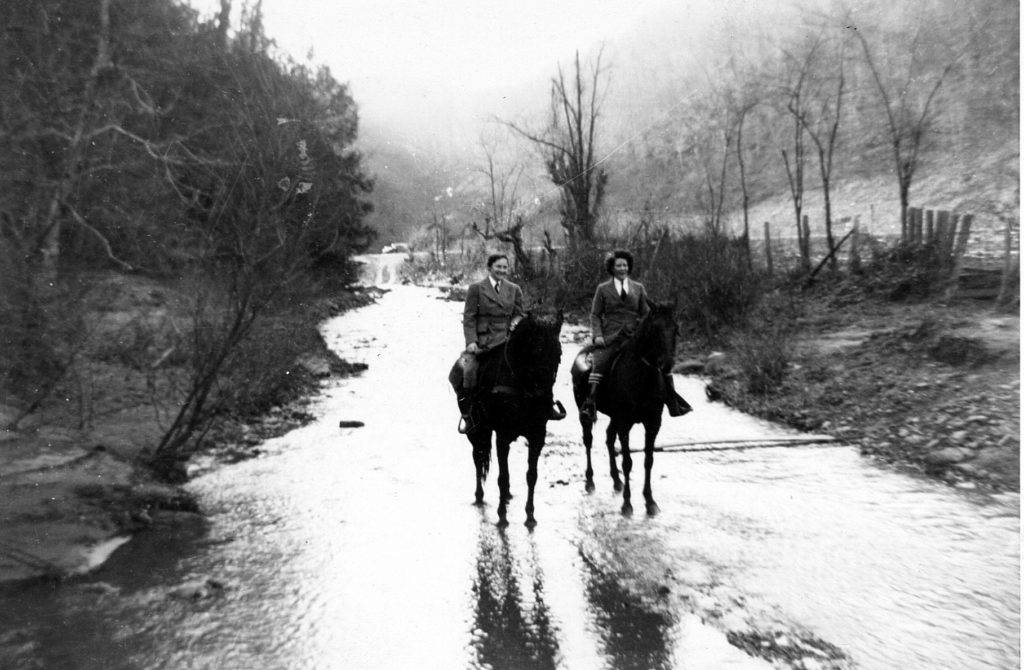
    Studying midwifery on the rural frontier attracted students looking for adventure but required flexibility and adaptiveness for students and instructors. Student recollections from the initial decades of the school’s existence are chock full of dramatic stories illustrating the environment in which they worked and learned in eastern Kentucky. Given the steep and snow-covered mountain trails, flood-swollen creeks, and rutted roads, many areas were only navigable on horseback. One early graduate recalled pushing away her anxiety as she negotiated the treacherous paths on a dark and icy night. The horses were shod with ice nails and, on the way to a birth, the supervisor’s horse ahead of her gave off sparks. This sight helped the student feel reassured that, although she couldn’t see her supervisor’s horse ahead of her, it was there. The sure-footed horses also helped the nurses navigate the miles of trails, sometimes swimming across the swiftly flowing rivers that lay between the nurses and the patients’ homes.

    Major Changes for the FNS Community at Midcentury

    Significant societal shifts during the 1950s and 1960s dramatically affected the experiences of Frontier nurses and graduate students and changed the lives of the individuals and families the FNS served. These shifts required FNS leaders, staff, and students to redouble their efforts to remain flexible and adaptive as they continued to serve the community.

    Physician unavailability continued to plague the FNS, and nurses sometimes provided care without a service Medical Director or any other physician whom the nurses could summon in an emergency. To handle problems, nurses often relied solely on written standardized protocols, termed Medical Routines, and consulted with the physician afterward, long after the situation had been resolved. The lengthy 1958 search for a medical director demonstrated that the challenges were not solely due to physicians’ choices about where to live: the norms of physician training practices by midcentury evolved to be misaligned with medical practice in rural areas. FNS leaders conveyed to readers of the Autumn 1958 Quarterly Bulletin that “No doctor can be responsible for a rural hospital and vast field of work who has not had residencies in either surgery or obstetrics-gynecology. [The] trend toward early specialization…is so marked today that doctors who have had as much as two years residency in either surgery or obstetrics-gynecology want to carry on with the specialty and go to the cities…”

    Another major societal shift that affected the daily lives of FNS nurses and community members was the transition from home to hospital births. Nationwide, this trend had been increasing throughout the twentieth century. FNS leaders and nurses had resisted the national trends and continued to encourage home birth in specific circumstances. However, around midcentury, the number of FNS home births dropped dramatically. Diminishing home births changed the nurses’ and students’ routines by spending more time at the hospital and less time in patients’ homes. As time went by, students cherished the increasingly rare opportunity to attend a home birth: a 1966 graduate recalled that she was one of only two students in her class who was able to attend a home birth.

    Increasingly widespread use of contraception represented another change during the 1960s that affected the lives of FNS patients and students. Reflecting the nationwide birth control movement, FNS leaders established an official family planning program in 1961 with access to oral contraceptive pills and intrauterine contraception. In a short time, the average size of families in the FNS territory decreased markedly and Leslie County’s birthrate decreased by almost 50% between 1959 and 1968. FNS publicity materials of the time reported, “The Medical Director and the nurse-midwives conduct a family planning program which is well accepted by the community and shows excellent results. The pill and IUDs are used successfully, resulting in a lowered birth rate in a county which, up until very recently, had one of the highest birth rates in the country. The parents of today are happily learning to space their children.” The decreased birth rate resulted in an unintended consequence for the FNS: fewer births for FNS nurses to attend and more difficulty for midwifery students in obtaining the requisite number of births to complete their course of study. This shift would lead to a major upheaval in the Frontier graduate school in upcoming years.

    Family Nurse Practitioner Education

    In the mid-1960s, nursing education and practice changes elsewhere in the nation would result in major effects on the FNS graduate school. In Colorado, Loretta Ford and Dr. Henry Silver founded a novel education program to prepare nurses to provide advanced nursing care of children as pediatric nurse practitioners. FNS nurses immediately recognized Ford and Silver’s model of care because FNS nurses had been providing this type of advanced nursing care for four decades. In addition to maternity care, FNS staff and students had been caring for all members of families through acute and chronic illnesses, injuries, and preventive care needs. Skilled in applying the Medical Routines, FNS nurses knew when care fell within their training and when consultation with or referral to a physician was indicated.

    Thus, when FNS leaders learned of the pediatric nurse practitioner education program, they immediately considered adding a nurse practitioner education program at Frontier. A family nurse practitioner program was aligned perfectly with the FNS mission to improve the health of rural-dwelling individuals and families. After a management consultant firm studied the issue in 1969, the firm recommended that the FNS graduate school expand its offering to include comprehensive family nursing.

    Planning and implementation proceeded quickly. Helen Browne described the aim of the family nursing programs: “to develop the team approach with the physician and the nurse working closely together so that the families would have well-coordinated continuity of care.” They intended to “bridge the gap that exists between the traditional role of medicine and nursing.” Indeed, as Browne noted, there was “a defined need for a new breed of family nurse practitioners – a sophisticated, knowledgeable, clinically and theoretically oriented group of professionals.” FNS faculty welcomed the first four students into the FNP program on June 15, 1970.

    With the addition of the FNP program, the FNS ushered in a new era of growth and service to the community, rural health care, and the nursing profession. As the first FNP students began their studies, the name of the school changed from the Frontier Graduate School of Midwifery to the Frontier School of Midwifery and Family Nursing (FSMFN) to reflect its broadening educational role. As the school catalog noted, the FNP would be “a blending of nursing with selected medical and public health functions.” The traditional nursing role would be expanded to include “basic diagnostic, treatment and preventive skills . . . so that FNPs would be able to provide assistance to families, whether they be living in Appalachia, inner cities or developing countries. . .” The new program fit with the school’s original mission. During the 1970s, the FNP program grew rapidly, and applicants sometimes waited more than a year to be accepted because of the sheer number of nurses interested in a combined midwifery/FNP program or one of the two tracks.

    Next: Pressing Need for an Innovative Educational Shift and Frontier in the 21st Century

  • Holding on to the Star: Celebrating 100 Years of the Frontier Nursing Service (Part 1 of 3)

    Holding on to the Star: Celebrating 100 Years of the Frontier Nursing Service (Part 1 of 3)


    By Anne Z. Cockerham, PhD, CNM, WHNP-BC, CNE, FACNM Frontier Nursing University Professor

    “We have come a long way since our work began…We hitched our wagon to a star then, and when we traded wagons for trucks, we held on to the star. The heart of our work has lain in its start with things as they were and its acceptance of the laws of growth. In planning for future growth, the Frontier Nursing Service still adheres to the principles that gave it being.”

    Mary Breckinridge wrote the words above in her autobiography, Wide Neighborhoods, describing the evolution of the Frontier Nursing Service. A key factor in the service’s success had been pragmatism and a willingness to change when circumstances dictated, all while holding on to the star of the service’s core mission. Although Wide Neighborhoods was published only a few decades after the founding of the Frontier Nursing Service, the sentiment holds true today as we celebrate the service’s 100th anniversary.

    In this article, we explore the Frontier Nursing Service’s history from 1925 to 2025 through a chronological journey, highlighting the enduring themes that capture both the core mission that FNS stakeholders have consistently embraced, and the many ways that the service has changed. Indeed, whether we examine FNS leaders’ and staff members’ goals and accomplishments in the early years or recent years, we see throughlines of a focus on rural health, a dedication to primary care of the family, a commitment to graduate education of nurse-midwives and nurse practitioners, and flexibility and adaptiveness in navigating obstacles.

    The First Decade of the Frontier Nursing Service

    From its start in 1925, the Frontier Nursing Service prioritized rural health care. Mary Breckinridge had sought a remote service area for her health care project, largely due to the enormous unmet needs of rural-dwelling people. Reformers had focused on improving the health of city dwellers, particularly urban children, during the Progressive Era years of 1890-1920, but as Breckinridge pointed out, “remotely rural children had been neglected.”

    Although FNS leaders and staff were deeply committed to caring for rural people, the remote nature of the service area created challenges. Frontier nurses faced extreme difficulties, including obstacles to reaching and caring for their patients given the treacherous mountainous terrain, unpredictable weather, a nearly nonexistent road network, access to clean water, and adequate lighting. The FNS’s rural setting also limited access to physicians to care for patients with complicated medical needs. Few doctors chose to live and work in such a remote area. Scott Breckinridge, Mary Breckinridge’s cousin and prominent physician, provided several reasons in a 1931 letter to the editor of the Lexington newspaper: “The raising of the standards of medical education and the increasing need of laboratory and hospital facilities for the satisfactory practice of medicine creates difficulties persuading qualified practitioners to locate in isolated communities where those facilities are lacking and where the returns for the services rendered are, at best, most meager.”

    From its start in 1925, the Frontier Nursing Service prioritized rural health care.

    A rural focus conferred important advantages as well as challenges for the FNS. Remoteness contributed to an image of the service that enhanced fundraising and staff recruiting. A romanticized version of the FNS’s rural environment allowed potential donors and staff members to return vicariously to an idyllic, bygone era. In fact, Breckinridge referred to her trips between remote eastern Kentucky and the large cities when she attended meetings of the volunteer committees as “commuting between centuries.” The rugged, rural eastern Kentucky setting also appealed to some nurses who longed to be a famed “nurse on horseback” in a rustic and natural mountain setting. To recruit adventure-minded nurses, Breckinridge penned colorful articles intended for young, public health-focused nurses in the American Journal of Nursing and women’s magazines. Prospective nurses also consumed dramatic tales of nursing care in the Kentucky mountains in publications such as journalist Ernest Poole’s widely read 1932 book Nurses on Horseback.

    From the earliest years, FNS leaders and staff maximized flexibility and developed strategies to cope with the rural setting and other challenges. Gaining insight from rural health providers in other areas of the world, such as the Highlands and Islands Medical and Nursing Service in Scotland, FNS leaders designed a specific geographic distribution of staff and facilities. Breckinridge explained, “The principle of organization in a remotely rural field of work is one of decentralization. In such a country time and not mileage is the factor involved in daily travel and in all emergencies. It is not a question of the patient’s distance from his nurse but of how long it takes her to reach him.” By delineating districts with the nurse at the center and considering natural arteries of travel, nurses could generally reach any patient in the district by horseback in less than an hour.

    FNS nurses quickly set up comprehensive public health programsFNS leaders developed the Courier Service as a creative and adaptive strategy to address another challenge, nearly constant budgetary shortfalls. Couriers played an important part in keeping the FNS solvent and running smoothly. Many couriers were college-aged daughters and nieces of FNS donors and committee members and stayed on-site for 6-8 weeks, volunteering their time to care for horses, ferry messages and supplies, escort visitors around the FNS territory, assist nurses, and much more. The couriers’ work benefited the FNS by providing thousands of hours of unpaid work each year. Additionally, former couriers became lifelong advocates for Frontier, an even more far-reaching benefit of the courier program. Seeing the service’s work up close allowed the couriers to return home as effective ambassadors for the Frontier Nursing Service and to tell their friends and family members of the work being done in Kentucky. Couriers took the FNS message out of the mountains and strengthened long-lasting ties between donors and the FNS.
    Although Breckinridge founded the Frontier Nursing Service for the initial purpose of caring for mothers and babies, the pressing need to care for the entire family became apparent immediately. Primary care and public health initiatives quickly rose to the same level of importance as maternal-child care. Before the FNS established itself in the area, community members had little access to modern systems of acute or preventive care. FNS nurses quickly set up comprehensive public health programs focused on sanitation, vaccination, health education, and care for many types of illnesses and injuries. The health care needs were great as individuals and families suffered from the effects of numerous infectious diseases such as typhoid fever, dysentery, measles, scarlet fever, whooping cough, tuberculosis, pneumonia, and hookworm. Families, especially children, suffered from malnutrition and vitamin deficiencies because their diet was generally limited to what they could grow, raise, or hunt. Other serious health concerns included injuries from logging and mining accidents, snakebites, gunshot wounds, and more.

    Part 2: The War Years, Major Changes for the FNS Community at Midcentury and Family Nurse Practitioner Education

    Part 3: Pressing Need for an Innovative Educational Shift and Frontier in the 21st Century

  • Nurturing a Sustainable and Healthy Campus

    Nurturing a Sustainable and Healthy Campus

    Frontier Nursing University’s Culture of Caring focuses on how members of the university treat and value one another. Included in the five Culture of Caring tenants are respect, mutual support, positive communication, professionalism, and inclusivity. To a large degree, FNU has adopted the same caring approach to the Versailles, Kentucky, campus it calls home.

    When Frontier purchased the Versailles property in 2017 and began construction and renovations soon after, it did so with emphasis on efficiency and conservation. For example, state-of-the-art heat pumps that don’t produce harmful greenhouse gas emissions were installed in 12 new and renovated buildings to improve air quality.

    Led by the university’s Environmental Stewardship Committee, Frontier also implemented “no mow” zones, established a 5K walking trail, and strategically planted native plants while removing invasive flora.

    Frontier’s rural setting requires constant upkeep and maintenance of the 217-acre grounds by the five-person facilities staff. Additional support comes from the Environmental Stewardship Committee, which is a subcommittee of the Wellness and Sustainability Committee, and FNU leadership, including the Board of Directors.


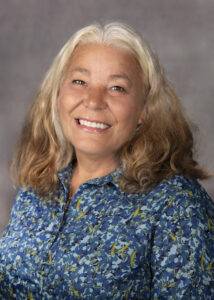
    Susan Capley

    “Our leadership has been great,” said Susan Capley, Horticulturist and Groundskeeper Lead. “This has always been a very positive place, and we are enthusiastic about sustainability.”

    Capley has extensive knowledge and experience in organic gardening and tries to avoid the use of any sprays or chemicals, unless necessary.

    “It’s the soil. When you have good soil, you don’t have to intervene,” said Capley, who previously worked on a sustainability committee in New Orleans and at the University of Kentucky’s arboretum. “What I personally can do for campus is to try to plant more native plants and add pollinator strips along the trail. We are developing the trail with all native plants, taking out the honeysuckle and invasives.”

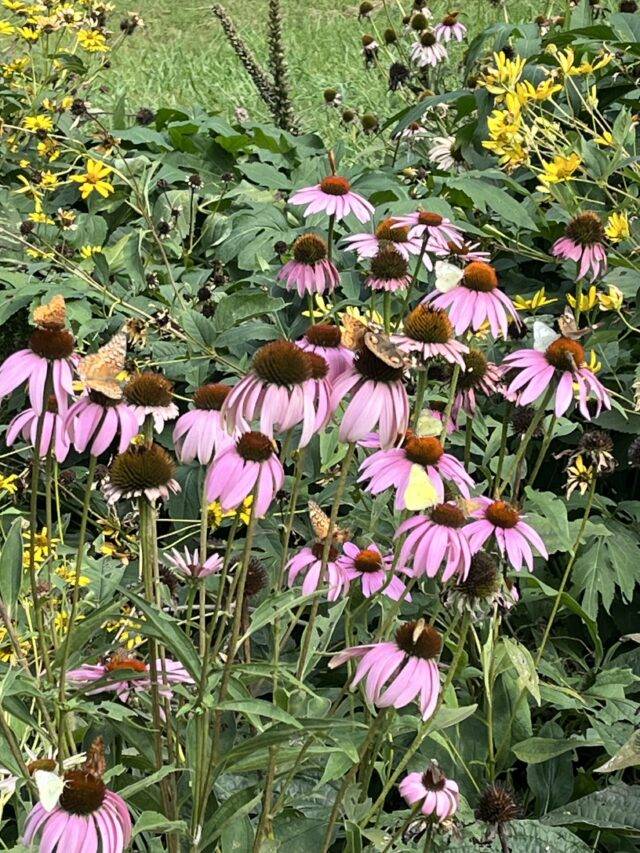
    The walking trail is a campus favorite of students, faculty, and staff. As part of the maintenance of the trail, FNU has put out two pollinator strips with a total of 700 native flowering plugs.

    “The pollinator strips are the most active and positive plantings that we’re doing besides beautification on main campus,” Capley said. “This year we have two different types of milkweed, which would be for the monarchs, and we also have some Indian grass, which also feeds the turkeys — we have a large turkey population. We’re developing that whole area behind the faculty house as a bird sanctuary. We’re putting in a native grass that will make a nice nesting area for ground birds.”

    True to a university setting, Capley also utilizes the beauty of the walking trail to serve as an educational experience as well. She prints and posts signs along the trail to help identify some of the flora.

    “I put out interpretive signs about what the plant does for the environment. I try to put in what’s medicinal attribute of that plant too because we are nursing school,” Capley said. “I just want to keep developing the trail. It is beneficial and cost effective and everybody enjoys it.”

    Everyone also enjoys the cherry tomatoes that are grown on campus during the summer months for the salad bar in the dining hall.

    “My goal is to grow vegetables for the salad bar,” Capley said.

    A sustainable solution for campus garbage is also on Capley’s wish list. Some measures are already in place, including worm composting with tea and coffee grounds used to feed the worms.

    While there is always room for improvement, perhaps the most important aspect of being sustainable is sustaining the current initiatives and building on them over time.

    “I think everything should be sustainable,” Capley said. “It’s the right thing to do.”

  • Celebrating the Success of Our Graduates and Faculty 2025

    Celebrating the Success of Our Graduates and Faculty 2025

    At Frontier Nursing University, we take pride in the incredible achievements of our graduates and faculty who continue to make a difference in their communities and the quality of health care. From leading innovative projects to advancing in their careers, their stories inspire and motivate the next generation of nurse-midwives and nurse practitioners.

    We invite you to read more about alumni news and faculty publications and presentations in the Quarterly Bulletin excerpts below:

    [dflip id=”10655″ type=”thumb”][/dflip]

    [dflip id=”10657″ type=”thumb”][/dflip]

    [dflip id=”10659″ type=”thumb”][/dflip]

    Stay in the Know!
    If you are an FNU graduate, please take a moment to make sure we have your updated contact information. Please update your contact information, including your preferred email address, phone number, and mailing address, at this link.

    Share Your Story or Accomplishment
    Do you have a great story for our blog? Spotlight stories help us shine a light on all of the amazing accomplishments and the impact our community members have on their home communities and the University. Share your story here.

  • New horse statue unveiled on FNU campus commemorating a century of service and education

    New horse statue unveiled on FNU campus commemorating a century of service and education

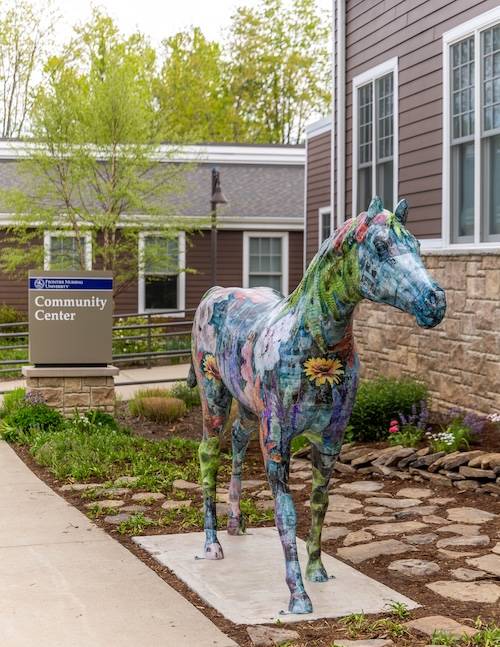
    New horse statue on Frontier Nursing University campus. Members of the Frontier Nursing University (FNU) community recently gathered on campus for the unveiling of a new sculpture honoring FNU’s century of service and education, as well as its ongoing commitment to delivering high-quality education that prepares nurses to become nurse-midwives and nurse practitioners who work with all people, with an emphasis on rural and underserved communities. The sculpture, crafted by Kentucky artist Christine Kuhn, depicts a horse, a symbol emblematic of FNU.
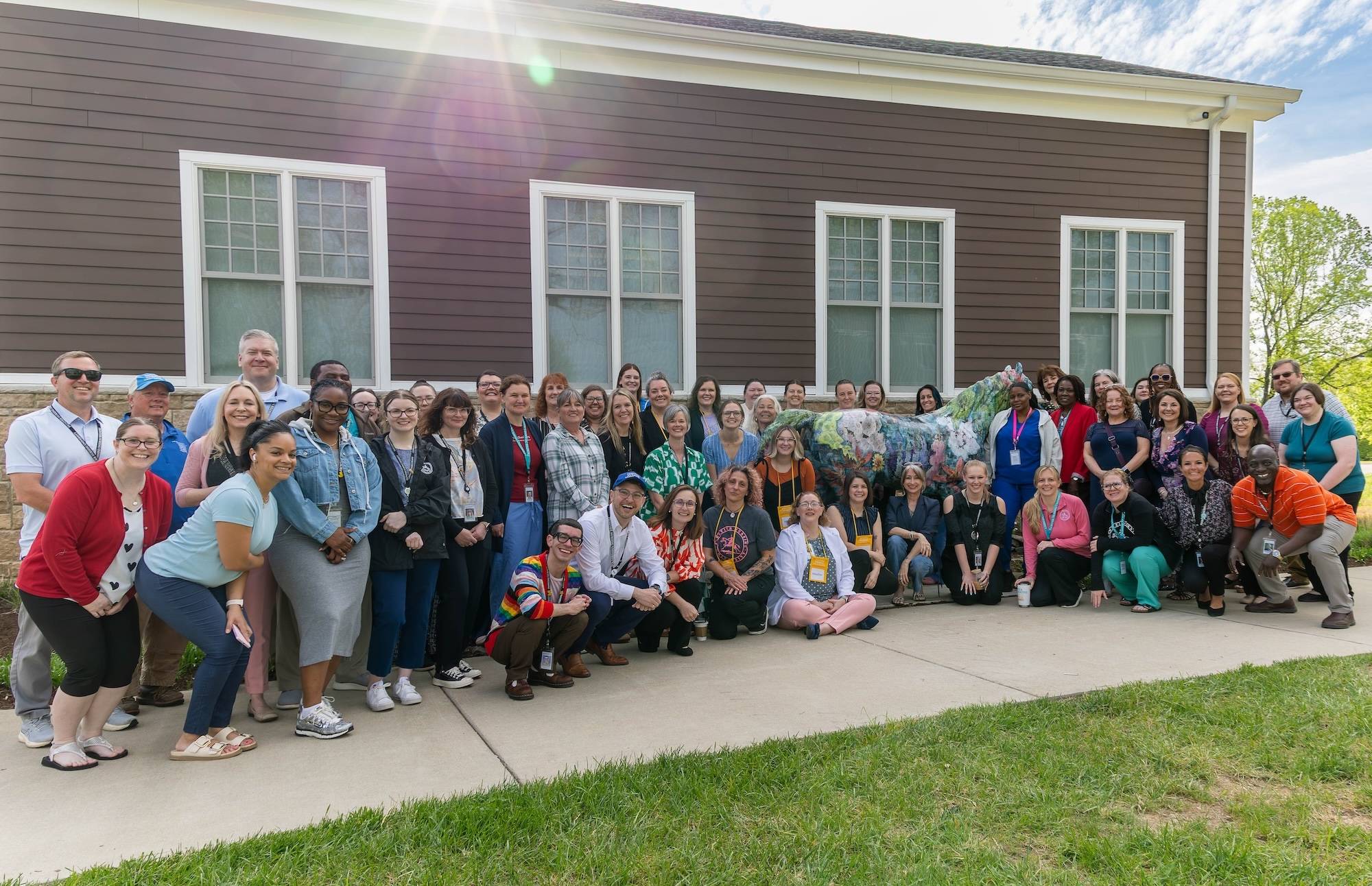
    The horse stands proudly outside of the FNU Community Center, welcoming students to campus. The art displayed on the horse marries past and present and includes images from the past 100 years of Frontier, with Kentucky wildflowers used as an overlay.

    The statue pays tribute to both Kentucky’s rich equestrian heritage and FNU’s storied past, symbolizing Frontier’s 100-year legacy in the Commonwealth and the vital role horses played in its early history. In the early days of the Frontier Nursing Service, nurse-midwives and Couriers traveled on horseback to reach families in remote mountain communities, often crossing rugged terrain and streams. Their saddlebags carried the essential supplies needed to provide care during labor and birth, making the horse an enduring symbol of service, resilience, and dedication.

    Frontier Nursing University Nurses on Horseback

    While Frontier’s horse sculpture is not officially part of the Horse Mania public art project in Lexington, her presence adds to the vibrant equine-themed art culture of the region. Horse Mania, organized by LexArts, features artist-painted horse statues displayed throughout the city and has become a beloved celebration of creativity and Kentucky’s deep-rooted connection to horses.

    Based in Lexington, Kuhn is a muralist, sculptor, and mixed media artist whose work has been exhibited across the United States as well as in Ecuador, Bulgaria, and Venice, Italy. She has collaborated with the U.S. State Department and the Rock Paper Scissors Foundation, creating murals around the world, from the Democratic Republic of Congo and Vietnam to her home state of Kentucky and surrounding regions. Her work is also featured in numerous private collections throughout Europe and the U.S.

    Frontier Nursing University team with new horse statue on campus.

  • Making Campus A Work of Art

    Making Campus A Work of Art

    The official ribbon-cutting ceremony for Frontier’s campus in Versailles, Kentucky, was held on September 9, 2022. Since then, it has not taken long for Frontier’s Versailles campus to feel like home.
    The initial steps naturally focused on the buildings and the activities held within them. The dorms, classrooms, simulation labs, offices, library, dining hall, and President’s House were all carefully planned and designed to be functional, comfortable, and efficient.

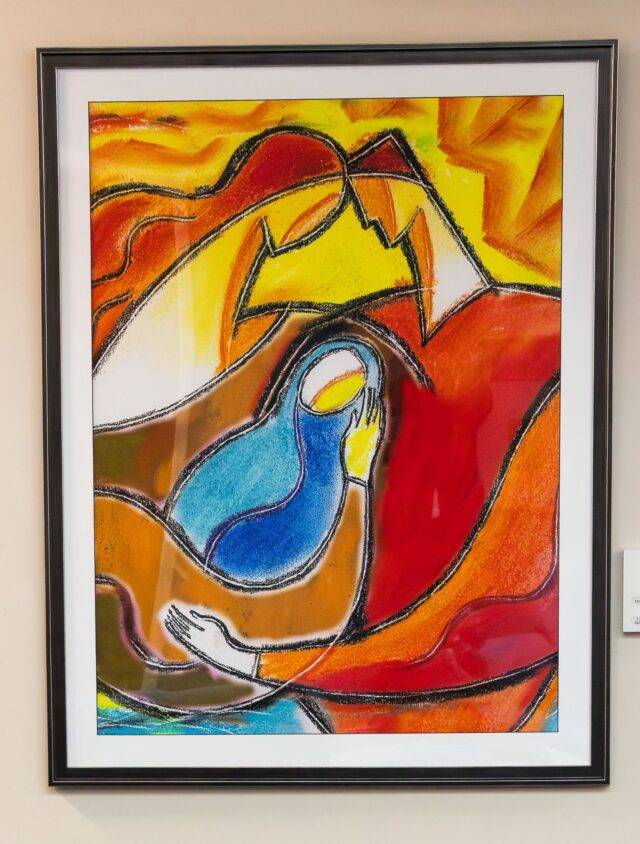
    With those goals accomplished, Frontier began working on making its new house feel even more like home. One of the initiatives in 2024 was to install artwork and visual images throughout campus that reflect its history and mission.

    “We wanted to use local artists,” said FNU Dean of Student Success Dr. Paula Alexander-Delpech. “We wanted to demonstrate inclusivity and belonging. We wanted to pay attention to the fact that we are on land that was originally occupied by indigenous people. We wanted to show the diversity within our students, faculty, and staff.

    The themes and messages vary from building to building, each meant to tell a different part of Frontier’s story and mission. The Banyan Tree, one of FNU’s longstanding symbols, is featured in the dining hall. The Reflection Center is non-denominational, offering a place for anyone on campus to have quiet space to reflect, pray, meditate, or whatever form of solace they seek.

    “Another thing we wanted to do was to recognize that we are in Kentucky and pay tribute to Kentucky, so there’s art around campus that is a connection to the state,” Dr. Alexander-Delpech said. “In the administration building you will see images of horses, which is not only a connection to the thoroughbred industry, but also to our history of Frontier midwives traveling on horseback through the mountains to provide care to the families living there.”

    While FNU’s President’s Cabinet members initiated the planning for the campus design project, Frontier enlisted the expertise of Sherry Feeney, owner of local interior design firm Forecast Interiors, to plan and manage the details. Attention to detail matters because these design elements reflect the mission and values of the university.

    “We felt that it would be prudent to bring in art that reflects us today,” Dr. Alexander-Delpech said. “It is about making our campus more inclusive and welcoming to students. We don’t just speak it; we certainly act it and demonstrate it. It’s the message we are sending out today.”

Request Information Apply Give Now