
 The recent events in our country have provided a glaring reminder that, unfortunately, not all people in our nation are provided with the rights, justice, and dignity they deserve. As President Dr. Susan Stone said in her recent statement to the Frontier Nursing University (FNU) community:
“Deep racial, ethnic, and socioeconomic inequities exist in our country. The killings of George Floyd, Breonna Taylor, David McAtee, and so many others across this country at the hands of those who are supposed to protect us are indicators that we have a very long way to go in our efforts to eradicate systemic racism.”
Systemic racism has an impact on every person, institution, and industry in our nation. For years, the FNU community has been passionate about fighting systemic racism within the healthcare system, and that passion continues to grow in light of our current climate. We understand that where diversity is lacking among healthcare professionals, patients suffer.
FNU is dedicated to helping diversify the nursing and nurse-midwifery workforce in primary care. Our distance education model places its focus on preparing a diverse workforce of competent, entrepreneurial, ethical, and compassionate healthcare leaders that provide culturally-concordant care, helping improve health outcomes for women and families, especially in rural and underserved populations.
Here are a few ways FNU prioritizes diversity:
Office of Diversity, Equity, and Inclusion
FNU has been committed to expanding diversity representation in faculty, staff, and students since 2006. In 2017, FNU added a Chief Diversity and Inclusion Officer (CDIO) position, which is a member of the President’s Cabinet. Dr. Maria Valentin-Welch was FNU’s first CDIO and, behind her leadership, the Office of Diversity, Equity, and Inclusion (DEI) has now grown to include the CDIO (Geraldine Young), Diversity and Inclusion Coordinator (Chris Turley) and Assistant Director of Diversity and Inclusion (Devon Peterika).
The goal of FNU’s Office of DEI is to ensure students, faculty, and staff are provided with an environment that promotes diversity, equity, and inclusion, and encourages the success of all community members. The Office of DEI encompasses an atmosphere built on a culture of caring and solicits the equitable perspectives of students, faculty, and staff regardless of race, gender, sexual preference or identity, disability, and/or religion.
In early 2020, Dr. Geraldine Young became the newest CDIO. Dr. Young has a rich history serving rural Mississippi through a wide variety of health, inclusion, and social mobility projects. In a recent interview, Dr. Young shared her enthusiasm over having the opportunity to “expand the impact of diversity, equity and inclusion efforts at FNU to improve the health outcomes of diverse patient populations in underserved and rural areas in the U.S.”
Diversity Impact Program
One of the top ways that FNU makes diversity, equity, and inclusion a priority is through our Diversity Impact Program. The Diversity Impact Program was created in 2010 to promote an inclusive learning and workforce environment within our University with the goal of recruiting and retaining more underrepresented students and employees. Expanding the pool of nurse-midwives and nurse practitioners to include more underrepresented groups helps to strengthen our University and the healthcare world as a whole. We have been thrilled to see FNU’s enrollment of students of color rise from 9 percent to 24 percent since the introduction of the program, and we are excited to see that number continue to grow.
The Diversity Impact Program offers many ways for students to find their voice including scholarship opportunities, a quarterly speaking series with discussions focused on cultural awareness and inclusion, access to our multicultural center, opportunities to represent FNU at national conferences and events, and opportunities to participate in workgroups, committees and a closed Diversity Impact social media group.
Diversity Impact Conference
FNU loves celebrating our differences throughout the year with a variety of events and activities, especially the annual Diversity Impact Conference. This year, we hosted the 10th Annual Diversity Impact Conference with the theme, “Year of the Nurse and Midwife 2020: Increasing Diversity, Equity, and Inclusion.” The theme follows the lead of the World Health Organization (WHO) which designated 2020 as the Year of the Nurse and the Midwife. At FNU, we believe that in order to provide the best quality nursing and midwifery care to all people, cultural respect and inclusion are essential. Unlike our previous conferences, this year’s event was fully virtual due to the current COVID-9 Pandemic, but we were pleased to see high engagement and great feedback!
In 2019, the in-person conference was packed with activities and workshops on a variety of topics including positive marginality, indigenous/Native American nurse-midwives, and the LGBTQ community. Our central goals of the conference are for students to leave feeling more comfortable sharing their own beliefs and experiences while also learning how to create meaningful connections across all backgrounds and communities.
Diversity Impact Quarterly Speaking Series
In addition to the Diversity Impact Conference, FNU holds a quarterly speaking series, encouraging our students and employees to become global thinkers and healthcare leaders within their communities. The series includes discussions on cultural awareness and inclusion to enhance each student’s experience to better serve diverse populations with confidence and ease. The series offers a unique aspect of shared perspectives that promote cross-cultural learning among students and their peers, along with the overall pursuit of academic success as a student-learner.
National Diversity Conferences and Events
Each year, FNU’s Office of DEI – Diversity Impact Program represents the University at nursing events around the U.S. FNU highlights the diversity program at several professional conferences through presentations, networking, exhibits, and recruitment of underrepresented students and employees. Students are given the opportunity to attend conferences as Student Ambassadors. With the availability of the Professional Organization Mentoring Program (POMP), the Office of DEI also provides mentoring services for underrepresented students at professional conferences. In 2020, many conference and event participation opportunities have been offered virtually instead of in person. These activities are intended to bring awareness to the need for diversity, equity, and inclusion in nursing.
Diversity and Inclusion Committee
At FNU, our students have the opportunity to join the Diversity and Inclusion Committee. This committee consists of faculty, staff, and students that are passionate about developing, promoting, and providing programs and resources to enhance diversity, equity and inclusion throughout the University and healthcare workforce.
FNU was honored to receive the prestigious INSIGHT Into Diversity Health Professions Higher Education Excellence in Diversity (HEED) award in both 2018 and 2019. Although we are proud to be recognized for diversity, equity and inclusion efforts, we know that to truly champion diversity and improve health outcomes for as many women and families as possible, we must continue to push the envelope when it comes to inclusion awareness.
If you are interested in learning more about the efforts FNU is making to celebrate diversity, please visit our Diversity, Equity, and Inclusion in Nursing and Midwifery page. Additionally, if you want to be a part of a university with a passion to include and support those of all backgrounds, please visit the FNU admissions page. We would love to have you in our community!
“We oppose injustice and cruelty and condemn racism in all its forms. We support peaceful protests and demonstrations and join all those working to end systemic racism, racial violence, and police brutality. We are committed to building a culture that is inclusive and caring for all.” – Dr. Susan Stone
Read FNU’s full Antiracism Statement here.
More Topics Related to Graduate Nursing School:

 Frontier Nursing University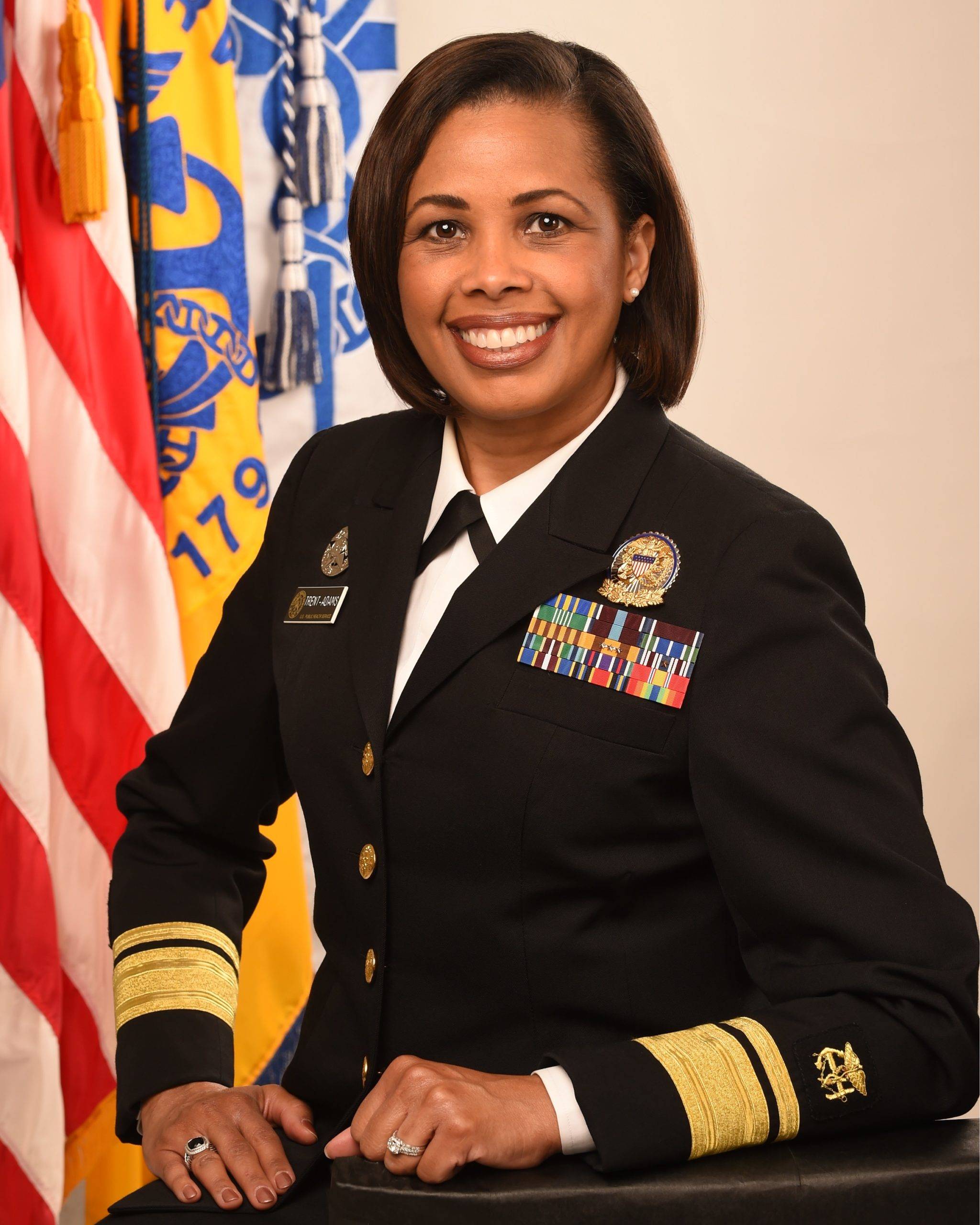
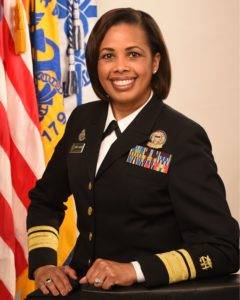 Principal Deputy Assistant Secretary for Health Rear Admiral (RADM) Sylvia Trent-Adams, PhD, RN, FAAN, will be the keynote speaker at

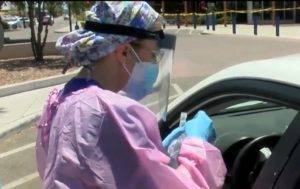
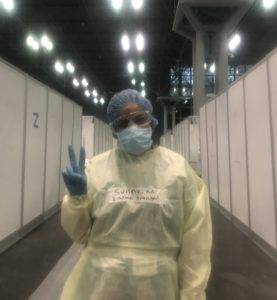 The Frontier community is proud to have students and alumni serving on the frontlines of the COVID-19 pandemic. We are committed to sharing their stories in order to provide insight, hope, and encouragement. Thank you to all the health care workers who are risking their own well-being daily to serve our nation.
 Last month,

 The Frontier community is proud to have students and alumni serving on the frontlines of the COVID-19 pandemic. We are committed to sharing their stories in order to provide insight, hope, and encouragement. Thank you to all the health care workers who are risking their own well-being daily to serve our nation.
  The pandemic has required our team to examine institutionalized patterns, habits, and workflows.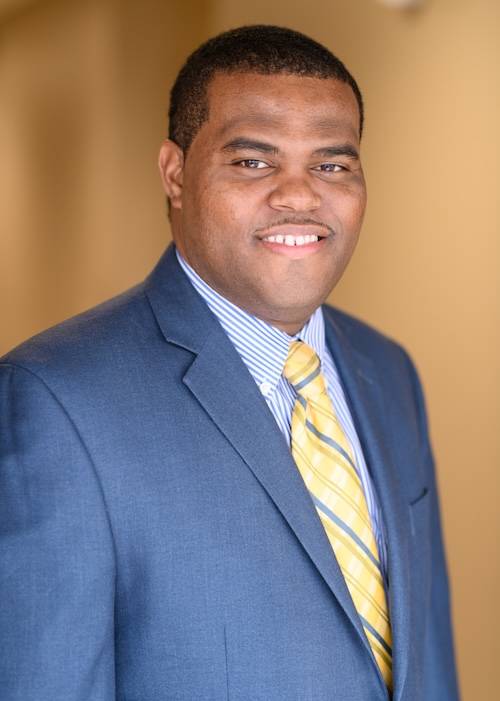
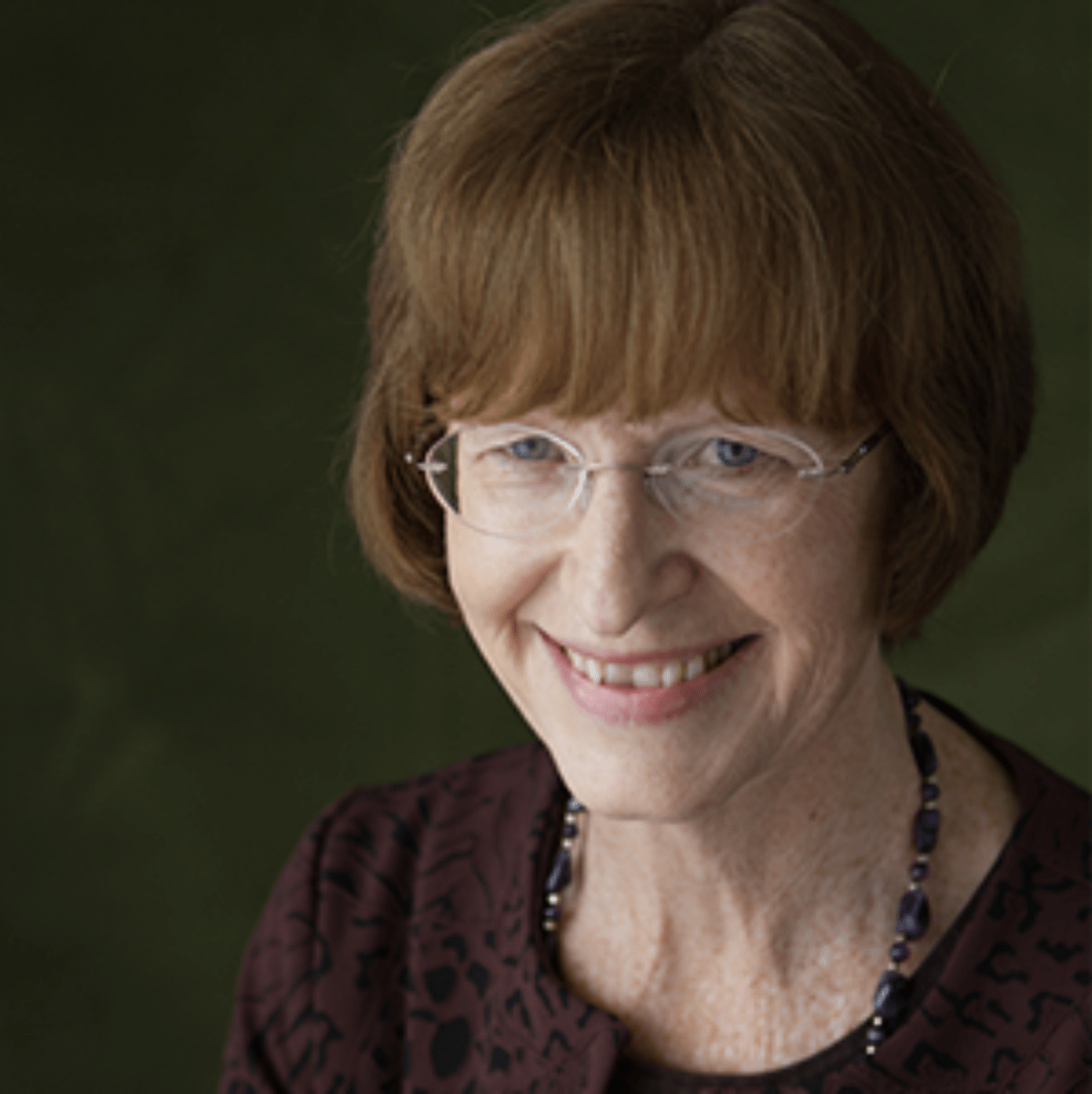
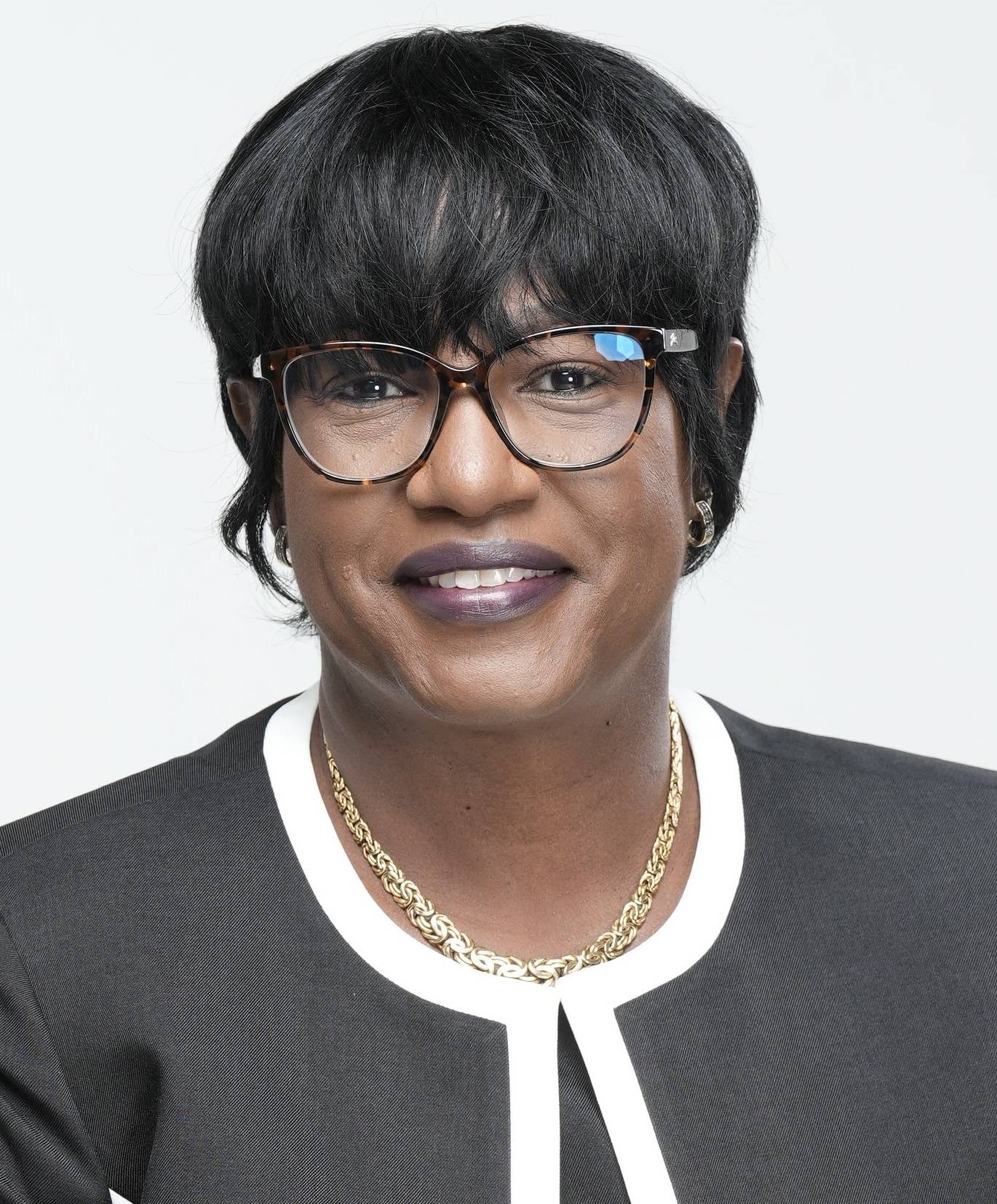

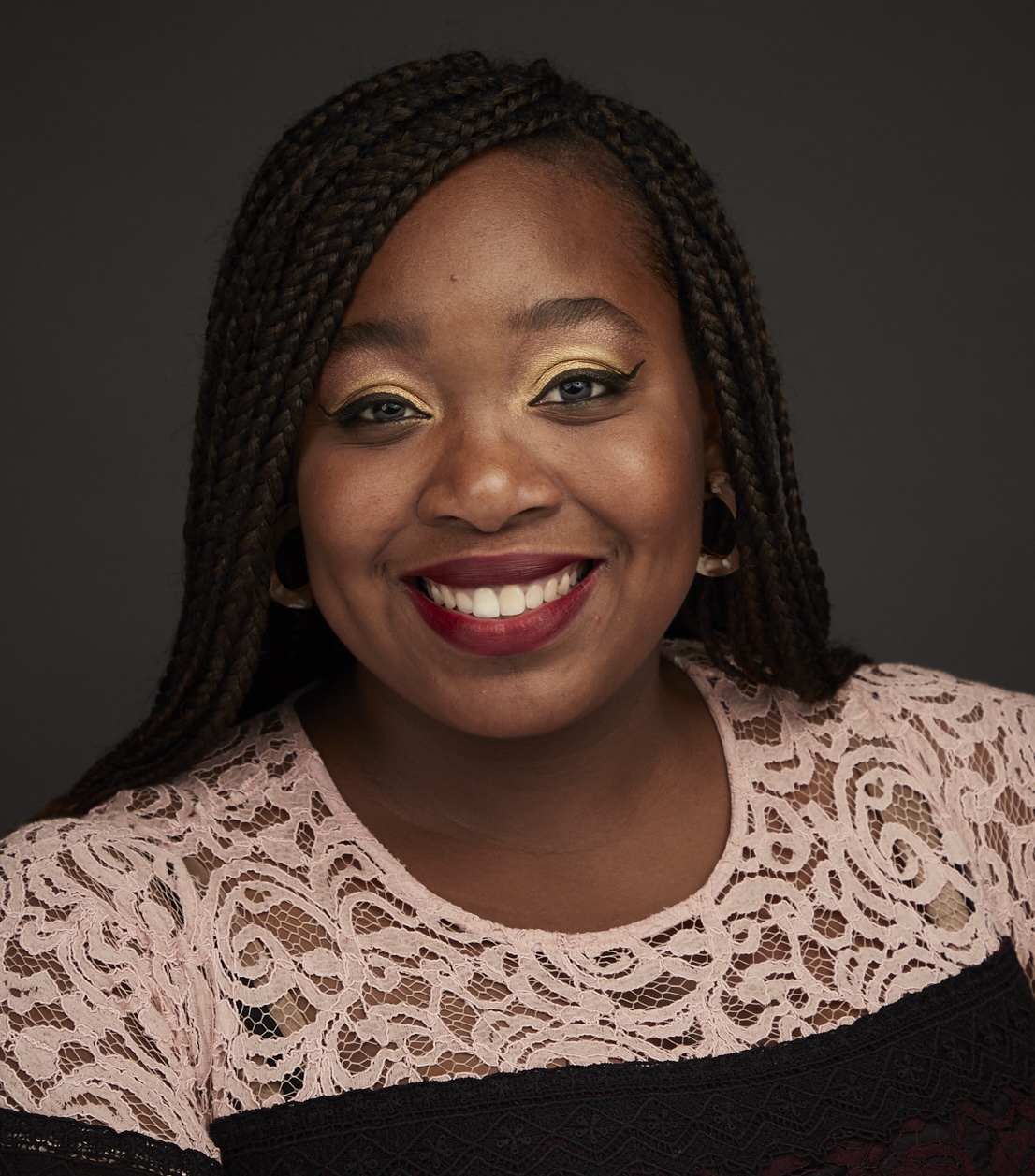

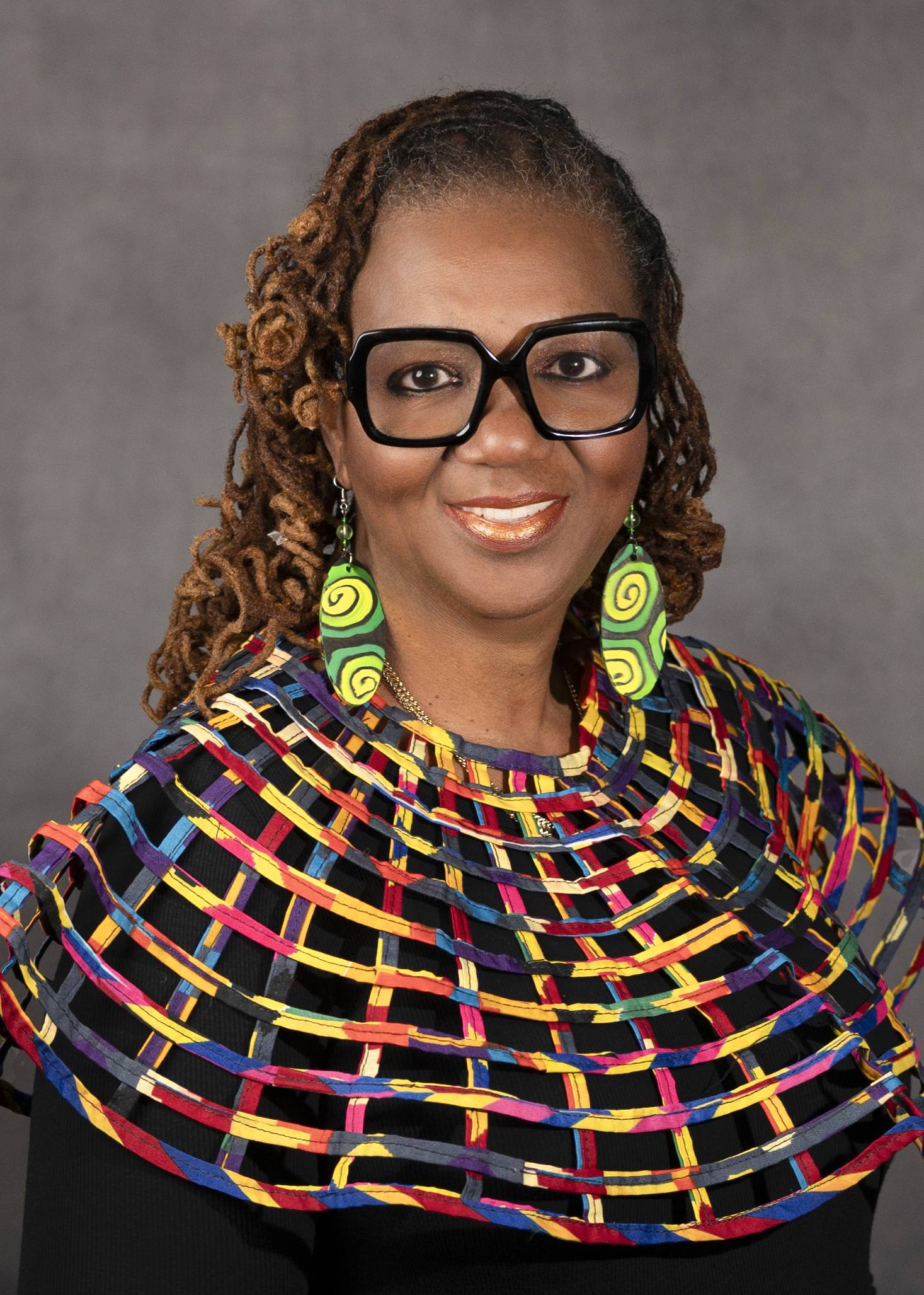
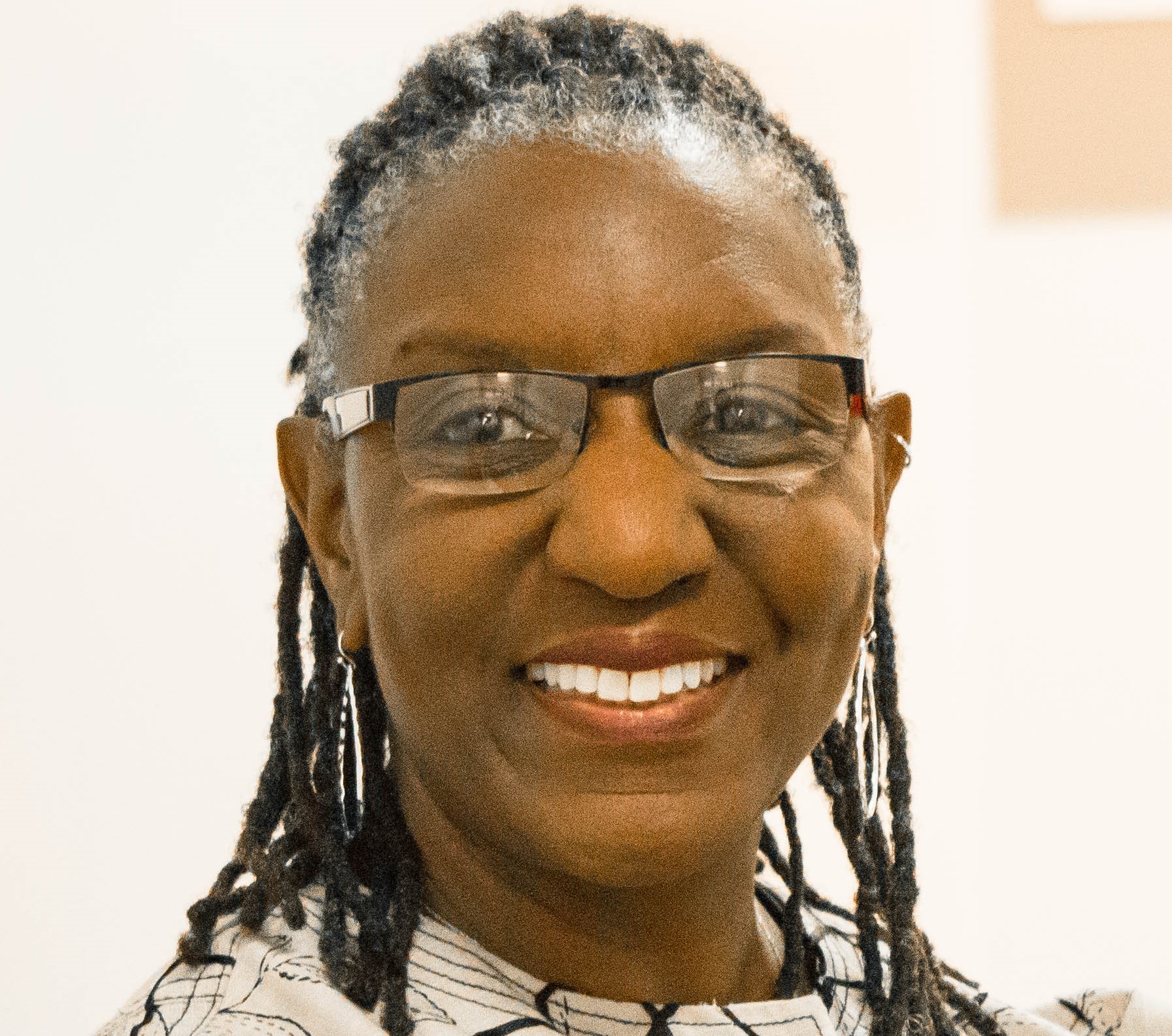
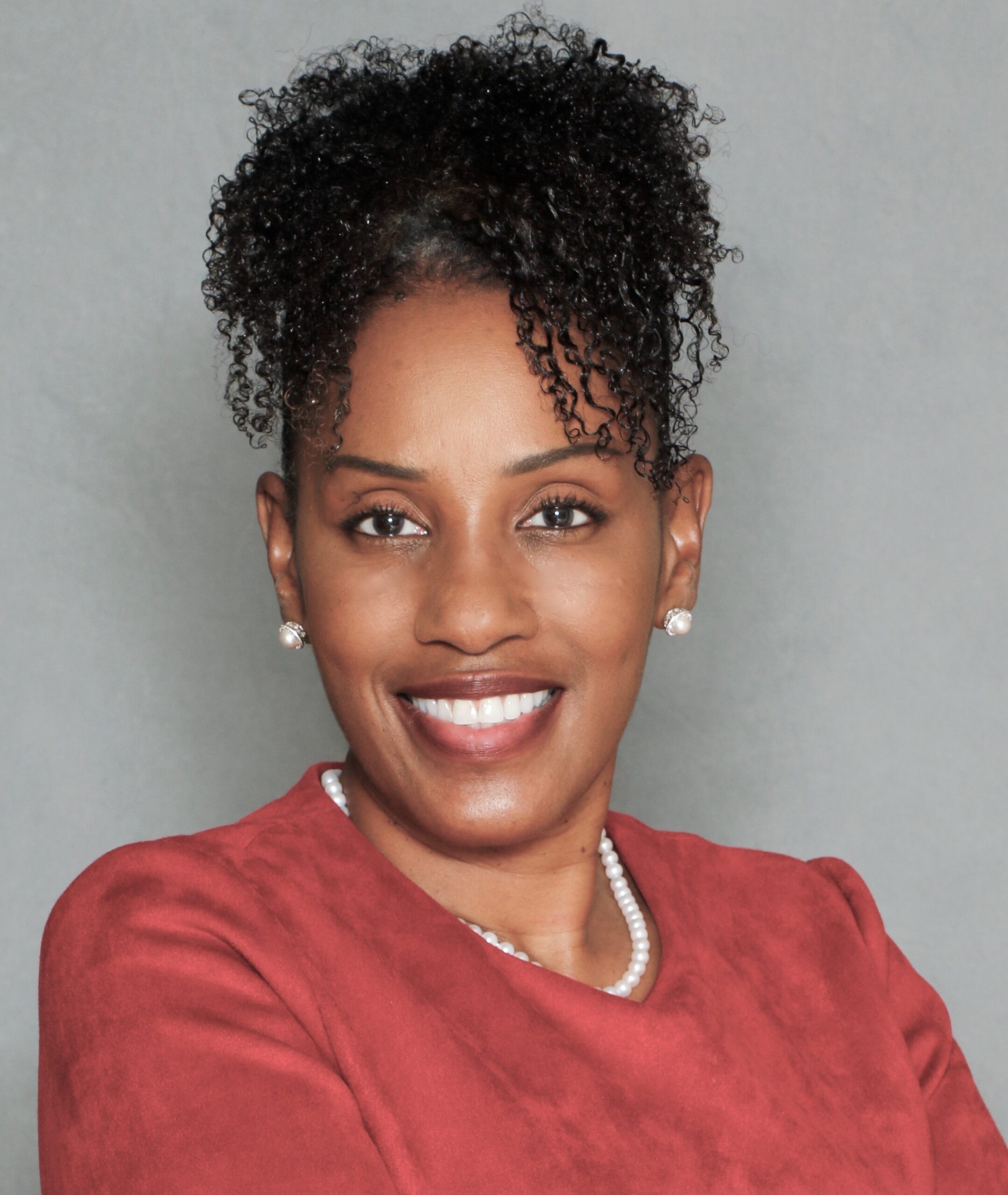


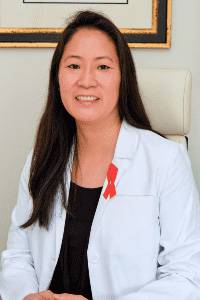 Carrie Belin is an experienced board-certified Family Nurse Practitioner and a graduate of the Johns Hopkins DNP program, Johns Hopkins Bloomberg School of Public Health, Georgetown University School of Nursing, and Johns Hopkins School of Nursing. She has also completed fellowships at Georgetown and the University of California Irvine.
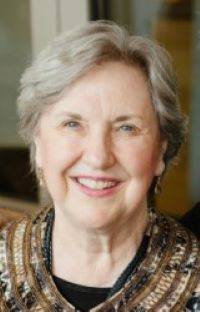
 Angie has been a full-scope midwife since 2009. She has experience in various birth settings including home, hospital, and birth centers. She is committed to integrating the midwifery model of care in the US. She completed her master’s degree in nurse-midwifery at Frontier Nursing University (FNU) and her Doctorate at Johns Hopkins University. She currently serves as the midwifery clinical faculty at FNU. Angie is motivated by the desire to improve the quality of healthcare and has led quality improvement projects on skin-to-skin implementation, labor induction, and improving transfer of care practices between hospital and community midwives. In 2017, she created a short film on skin-to-skin called

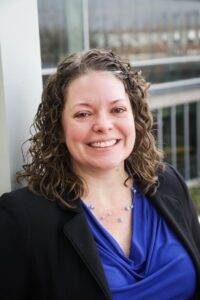
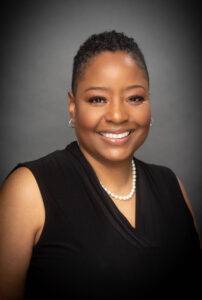
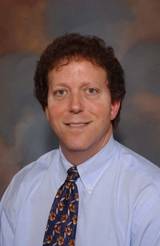
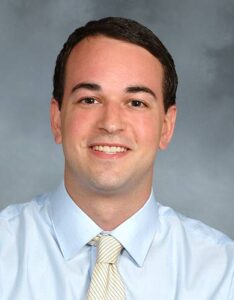
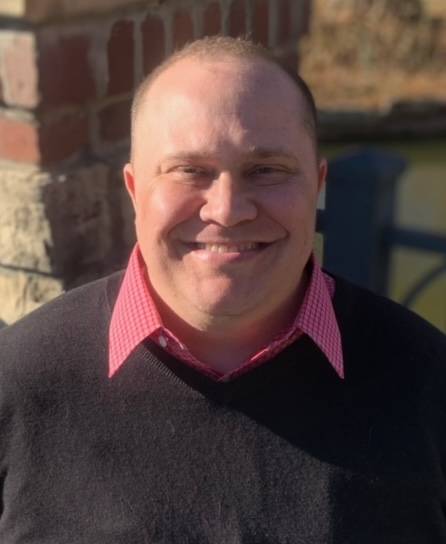 Justin C. Daily, BSN, RN, has ten years of experience in nursing. At the start of his nursing career, Justin worked as a floor nurse on the oncology floor at St. Francis. He then spent two years as the Director of Nursing in a small rural Kansas hospital before returning to St. Francis and the oncology unit. He has been in his current position as the Chemo Nurse Educator for the past four years. He earned an Associate in Nurse from Hutchinson Community College and a Bachelor of Science in Nursing from Bethel College.
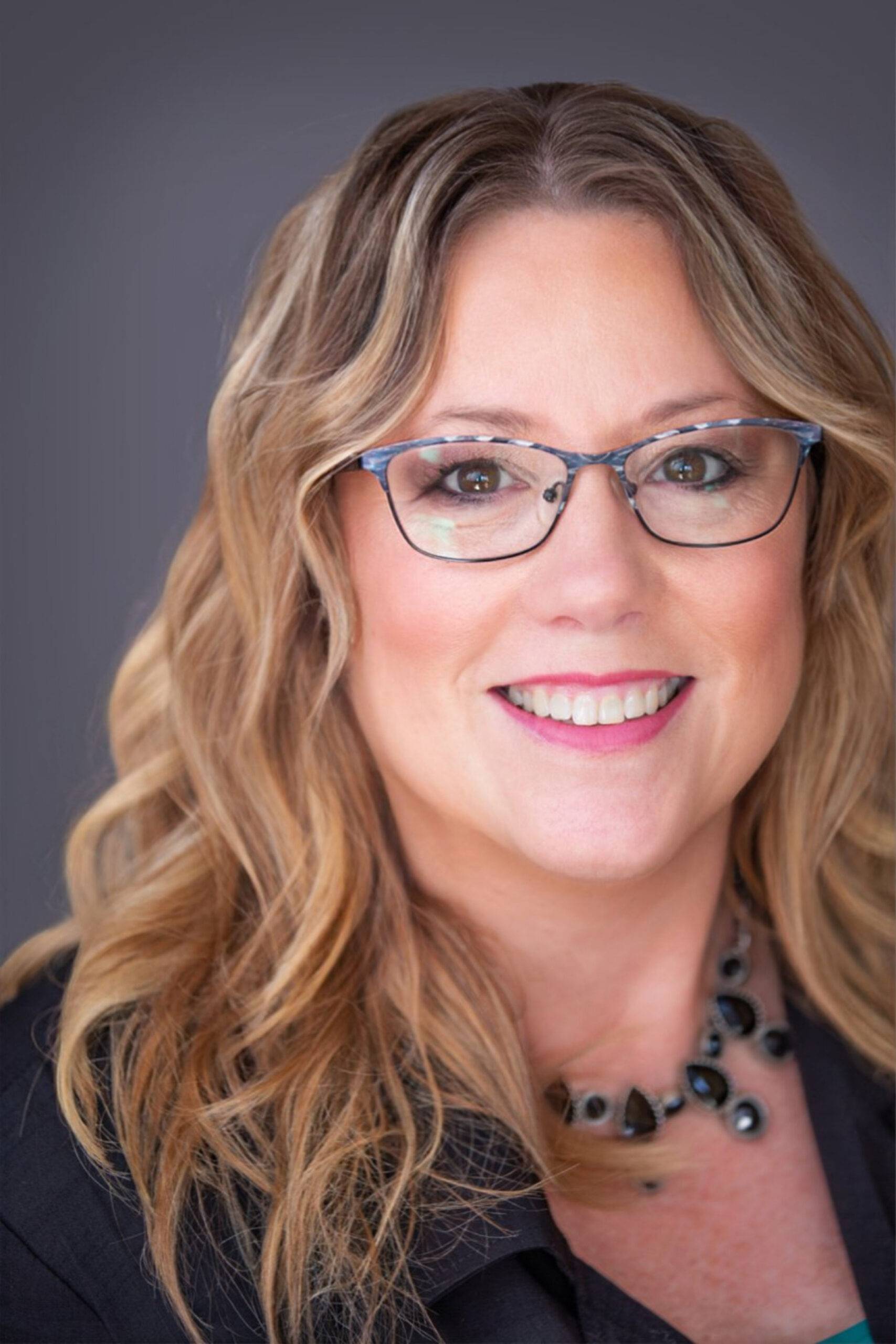 Brandy Jackson serves as the Director of Undergraduate Nursing Programs and Assistant Educator at Wichita State University and Co-Director of Access in Nursing. Brandy is a seasoned educator with over 15 years of experience. Before entering academia, Brandy served in Hospital-based leadership and Critical Care Staff nurse roles. Brandy is passionate about equity in nursing education with a focus on individuals with disabilities. Her current research interests include accommodations of nursing students with disabilities in clinical learning environments and breaking down barriers for historically unrepresented individuals to enter the nursing profession. Brandy is also actively engaged in Interprofessional Education development, creating IPE opportunities for faculty and students at Wichita State. Brandy is an active member of Wichita Women for Good and Soroptimist, with the goal to empower women and girls. Brandy is a TeamSTEPPS master trainer. She received the DASIY Award for Extraordinary Nursing Faculty in 2019 at Wichita State University.
  Dr. Sabrina Ali Jamal-Eddine is an Arab-disabled queer woman of color with a PhD in Nursing and an interdisciplinary certificate in Disability Ethics from the University of Illinois Chicago (UIC). Dr. Jamal-Eddine’s doctoral research explored spoken word poetry as a form of critical narrative pedagogy to educate nursing students about disability, ableism, and disability justice. Dr. Jamal-Eddine now serves as a Postdoctoral Research Associate in UIC’s Department of Disability and Human Development and serves on the Board of Directors of the National Organization of Nurses with Disabilities (NOND). During her doctoral program, Sabrina served as a Summer Fellow at a residential National Endowment of the Humanities (NEH) Summer Institute at Arizona State University (2023), a summer fellow at Andrew W. Mellon’s National Humanities Without Walls program at University of Michigan (2022), a Summer Research Fellow at UC Berkeley’s Othering & Belonging Institute (2021), and an Illinois Leadership Education in Neurodevelopmental and related Disabilities (LEND) trainee (2019-2020).
 Vanessa Cameron works for Vanderbilt University Medical Center in Nursing Education & Professional Development. She is also attending George Washington University and progressing towards a PhD in Nursing with an emphasis on ableism in nursing. After becoming disabled in April 2021, Vanessa’s worldview and perspective changed, and a recognition of the ableism present within healthcare and within the culture of nursing was apparent. She has been working since that time to provide educational foundations for nurses about disability and ableism, provide support for fellow disabled nursing colleagues, and advocate for the disabled community within healthcare settings to reduce disparities.
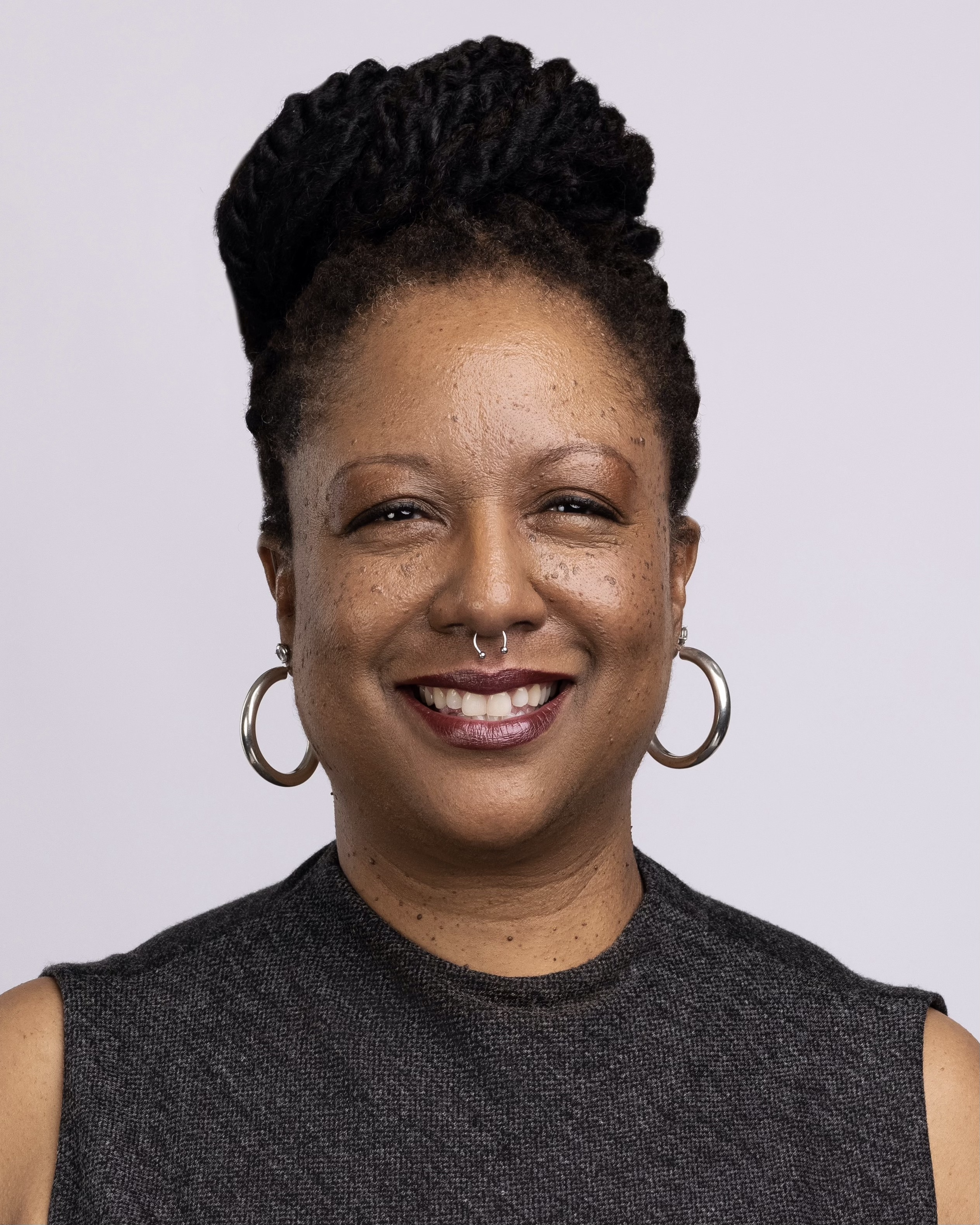 Dr. Lucinda Canty is a certified nurse-midwife, Associate Professor of Nursing, and Director of the Seedworks Health Equity in Nursing Program at the University of Massachusetts Amherst. She earned a bachelor’s degree in nursing from Columbia University, a master’s degree from Yale University, specializing in nurse-midwifery, and a PhD from the University of Connecticut. Dr. Canty has provided reproductive health care for over 29 years. Her research interests include the prevention of maternal mortality and severe maternal morbidity, reducing racial and ethnic health disparities in reproductive health, promoting diversity in nursing, and eliminating racism in nursing and midwifery.
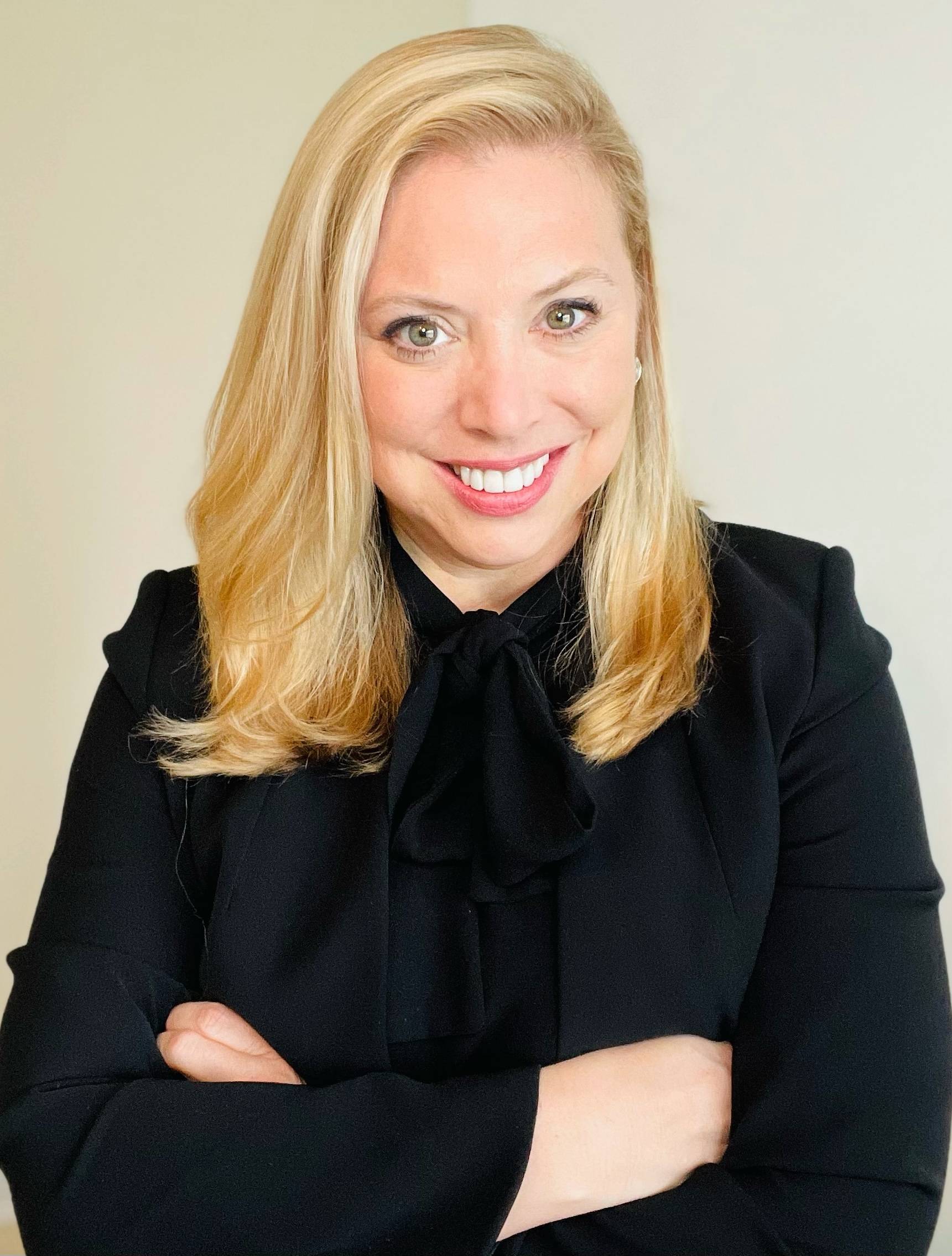 Dr. Lisa Meeks is a distinguished scholar and leader whose unwavering commitment to inclusivity and excellence has significantly influenced the landscape of health professions education and accessibility. She is the founder and executive director of the DocsWithDisabilities Initiative and holds appointments as an Associate Professor in the Departments of Learning Health Sciences and Family Medicine at the University of Michigan.
 Dr. Nikia Grayson, DNP, MSN, MPH, MA, CNM, FNP-C, FACNM (she/her) is a trailblazing force in reproductive justice, blending her expertise as a public health activist, anthropologist, and family nurse-midwife to champion the rights and health of underserved communities. Graduating with distinction from Howard University, Nikia holds a bachelor’s degree in communications and a master’s degree in public health. Her academic journey also led her to the University of Memphis, where she earned a master’s in medical anthropology, and the University of Tennessee, where she achieved both a master’s in nursing and a doctorate in nursing practice. Complementing her extensive education, she completed a post-master’s certificate in midwifery at Frontier Nursing University.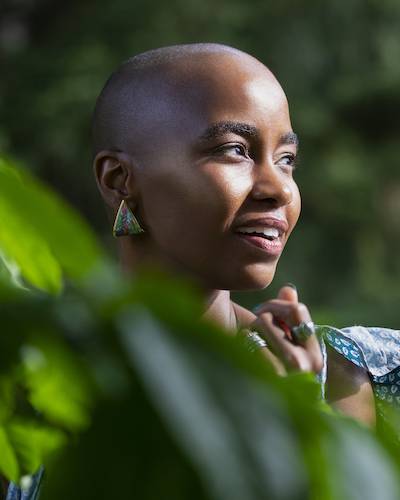
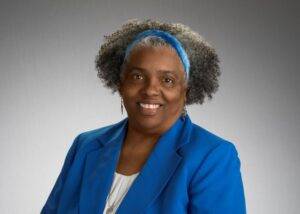
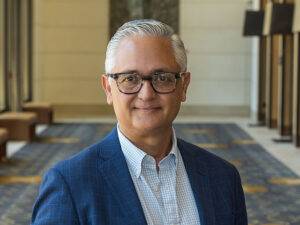
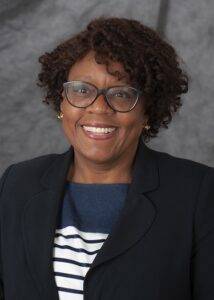
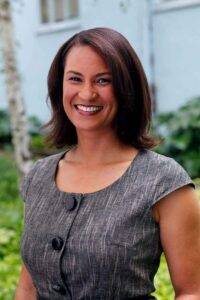


 Dr. Tia Brown McNair is the Vice President in the Office of Diversity, Equity, and Student Success and Executive Director for the Truth, Racial Healing, and Transformation (TRHT) Campus Centers at the American Association of Colleges and Universities (AAC&U) in Washington, DC. She oversees both funded projects and AAC&U’s continuing programs on equity, inclusive excellence, high-impact practices, and student success. McNair directs AAC&U’s Summer Institutes on High-Impact Practices and Student Success, and TRHT Campus Centers and serves as the project director for several AAC&U initiatives, including the development of a TRHT-focused campus climate toolkit. She is the lead author of From Equity Talk to Equity Walk: Expanding Practitioner Knowledge for Racial Justice in Higher Education (January 2020) and Becoming a Student-Ready College: A New Culture of Leadership for Student Success (July 2016 and August 2022 Second edition).