As the COVID-19 Pandemic took hold of the country last spring, the protocols — particularly in the first several months — were to stay inside. Gyms were closed. Many parks had limited access or no parking available. Finding ways to exercise regularly became a challenge. Additionally, as businesses closed or reduced hours, more and more time was spent at home and, for many, a sedentary lifestyle became the norm.
It didn’t take long for the jokes and memes to begin and soon the “COVID-15” became the term for 15 pounds of weight gain due to the pandemic. Helping people find ways to alter their lifestyle during COVID and develop or renew healthy habits became the centerpiece of then-DNP student Sybilla Myers’ quality improvement project. 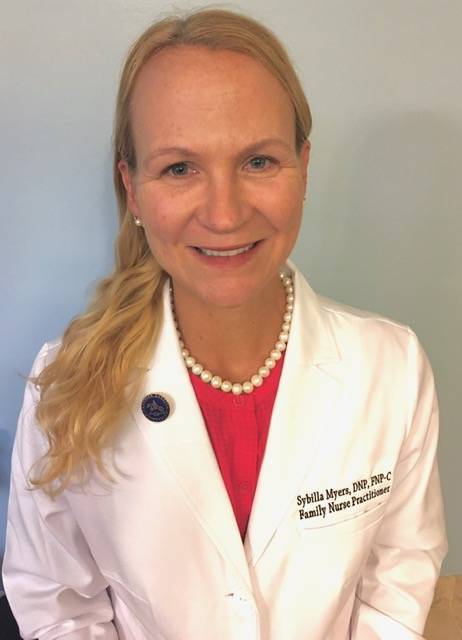
Students in FNU’s DNP program must complete a quality improvement project. This project, which is generally conducted with their patient population at their place of work, involves one term dedicated to identifying the project, collecting data, and recruiting participants. After the term break, the students then begin implementing the project, tracking the data and results which are included in a final paper.
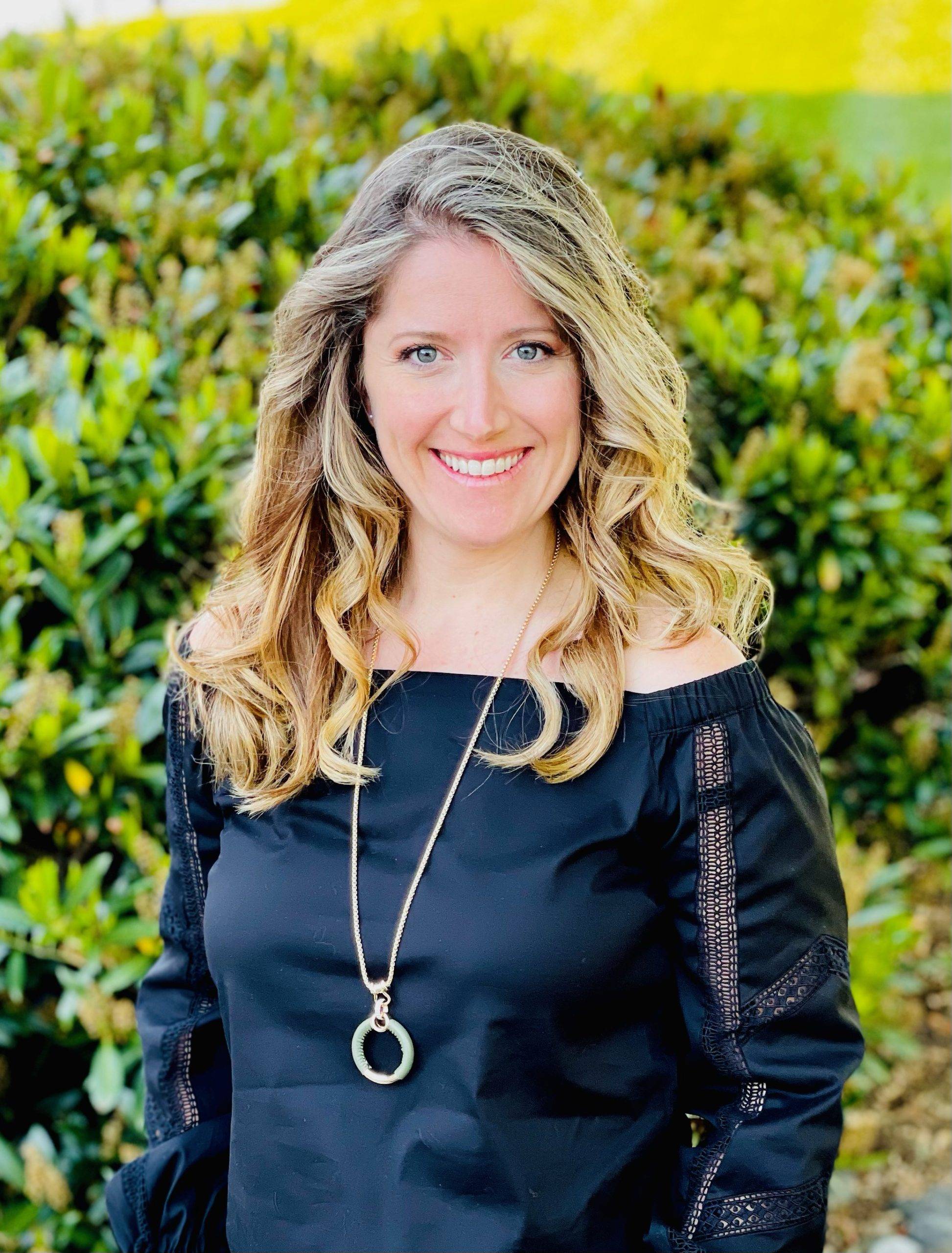
Like others in her class, Myers, DNP Class 33, APRN, FNP-C, had planned to do a completely different quality improvement project than the one she ended up doing. Myers was born in Germany and moved to the United States when she was three. Now an American citizen, she lives in Virginia but works in Washington, D.C., as an International Health Coordinator for a federal organization. She is also an adjunct professor of nursing at Stratford University and a mother of three children ranging in age from 9 to 15.
Myers had intended to do a quality improvement project to implement a case management system at the federal organization for which she works. The arrival of COVID, however, meant all of the organization’s volunteers were evacuated home and she would have no new medivacs to implement her project.
“I talked to my advisor, Dr. Chris Kennedy, who served as an incredible faculty mentor,” Myers said. “His recommendation was to do something that might be able to live past this project. Then I started thinking about it and decided on a virtual wellness project which could live past the pandemic and be implemented in primary care environments.”
Responding quickly to the pandemic and its impact on FNU’s DNP students, the FNU faculty had developed four quality improvement projects which could be conducted virtually. Since many clinics and organizations were closed, this offered a chance for the students to continue without delaying their academic progress.
“I didn’t want to take a hiatus,” Myers said. “My entire experience with FNU had been organized and thoughtful and I didn’t know what, but I knew something would fall into place that would allow me to continue on my DNP journey. I sat back and waited between term breaks. As expected, it didn’t take long for the FNU faculty to make an announcement that we would be given the option of implementing an IRB-approved virtual project..”
The project that drew her interest was a wellness project. The project involved ways for the participants to increase their physical activity, their hydration, and their mental well-being in ways that are attainable during the pandemic. To solicit the necessary volunteer participants, Myers took to social media. Once her group of approximately 30 participants was assembled, she created a closed group in which she released information and guidance about the project. She also met with each participant individually to work with them on their goals and overall progress. She provided tools and suggested resources, including apps for yoga, running, walking, hydration, and mental health. For some of her older participants who were less familiar with apps, Myers offered other ways to monitor their progress.
“My project was tailored to the individual needs of the participant,” Myers said. “Early on in the pandemic just going anywhere was difficult, so it was all about meeting their needs and learning how they could alter their exercise and lifestyle pattern to maintain wellness.”
Participants recorded their daily activity and progress on a Google form. The reporting was less about measurables such as weight loss and more about how they were feeling in each of the categories. A validated questionnaire was utilized at the beginning and end of the project to determine if there was an overall increase in wellness.
“They were doing so well on the apps, but when you asked them how they were feeling overall it was midline. It didn’t improve,” Myers said. “So, even though they were at their highest level of app use and goal attainment, you had to consider the outside force of being four months into social distancing and the pandemic. Even when people were exercising to their goal or higher, hydrating, eating well, using the mental health apps, they still were not feeling great.”
Despite the overall progress being hindered by the strain of the pandemic, Myers was encouraged by the overall results and her participants’ continued progress beyond the project.
“In following up with them after the project, they still continue to use the apps that they were implementing during my project to continue their wellness journey. I feel like it definitely helped them.”
Myers’ poster board for the project was presented at the Institute for Healthcare Improvement and her quality improvement Squire paper, Improving the Perception of Wellness in a Virtual Population During the COVID-19 Pandemic, has been accepted for publication in the Journal of Doctoral Nursing Practice Volume 14, Number 2. She also was able to finally implement her original case management plan within her place of work, completing, in a sense, two quality improvement projects instead of one.
“I feel like I’m the biggest cheerleader for FNU,” Myers said. “Many of my classmates and I were elated when they came up with the virtual project possibilities for us. The faculty went out of their way to be available to us and help guide us through our many questions. We were at a loss, but the DNP faculty were so positive and supportive. These virtual projects were hard, but they were supposed to be hard. Throughout this abrupt transition from on-the-ground to virtual implementation, I always felt completely supported by the FNU DNP faculty. I’m so grateful that I didn’t have to take a hiatus. This is a once in a 100-year pandemic and the silver lining for me was the opportunity to continue a rigorous DNP program on my original timeline.”
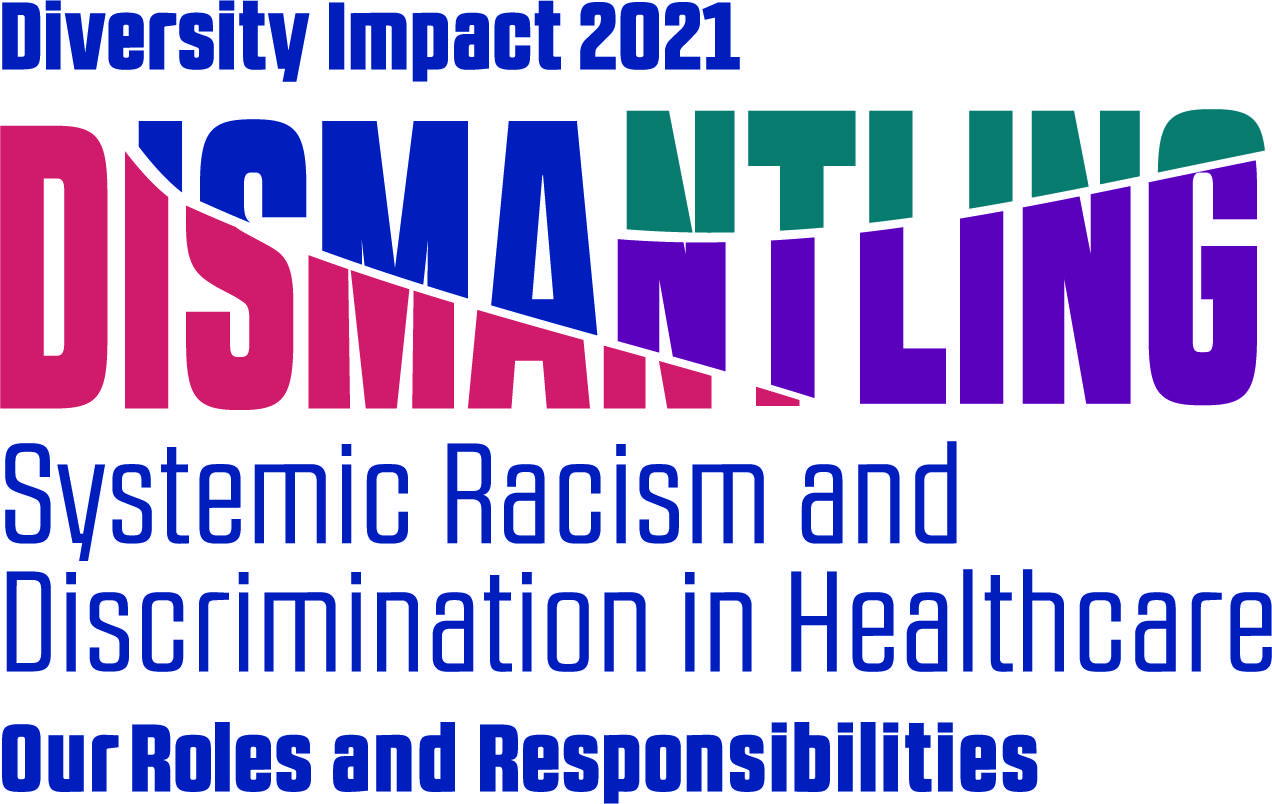
 The 11th annual Diversity Impact Conference 2021 was held as a virtual event, June 24-26. The theme of this year’s event was “Dismantling Systemic Racism and Discrimination in Healthcare: Our Roles and Responsibilities”. The overarching goal of the three-day conference was to explore the history of healthcare systems as a vehicle for promoting racism, sexism, and other forms of oppression.
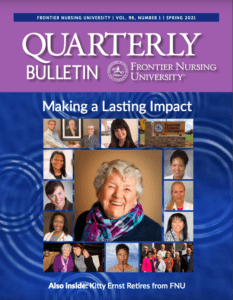 The Spring 2021 issue of the Frontier Nursing University Quarterly Bulletin takes a close look at the many ways that FNU alumni, students, faculty, staff, volunteers, and donors impact the university and its mission. Leading the way is a tribute to Kitty Ernst, who announced her retirement from FNU earlier this year. She looks back at her remarkable career, including her 70 years of involvement with FNU, in her own words, while President Dr. Susan Stone and others share their own thoughts and memories about Kitty.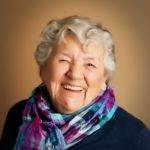
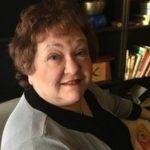
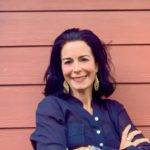
 With the COVID-19 Pandemic, social justice and reform, political turmoil, and the completion of the move to the Versailles campus, 2020 was unlike any other year in the history of FNU. Still, the university maintained its course, relying on our strategic plan to guide our actions and measure our progress.
 Faculty, staff, preceptors and students of

 Frontier Nursing University
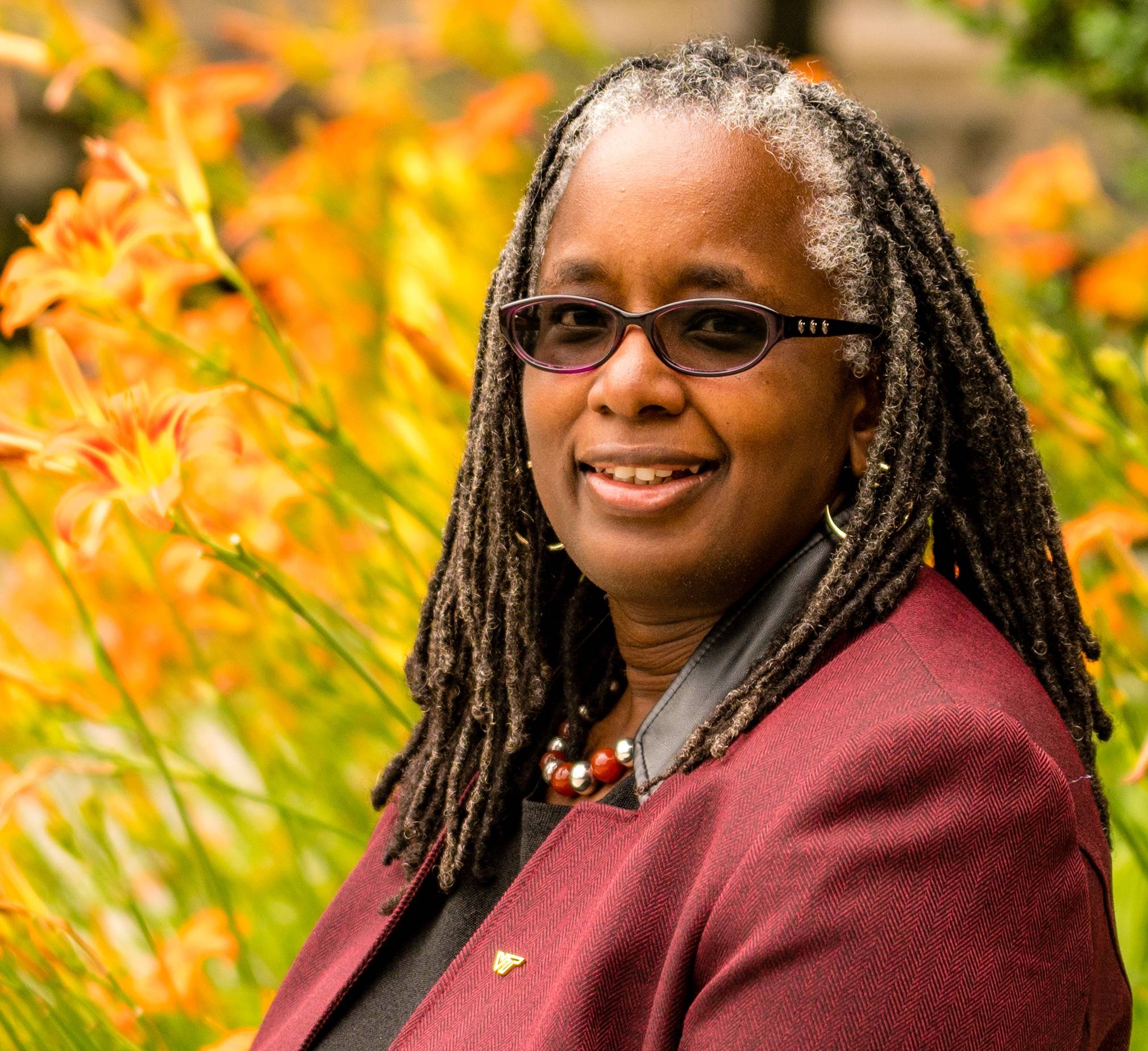
 The conference will come to a close on June 26 following “A Path to Healing: Cultivating AntiRacism as a Daily Practice,” hosted by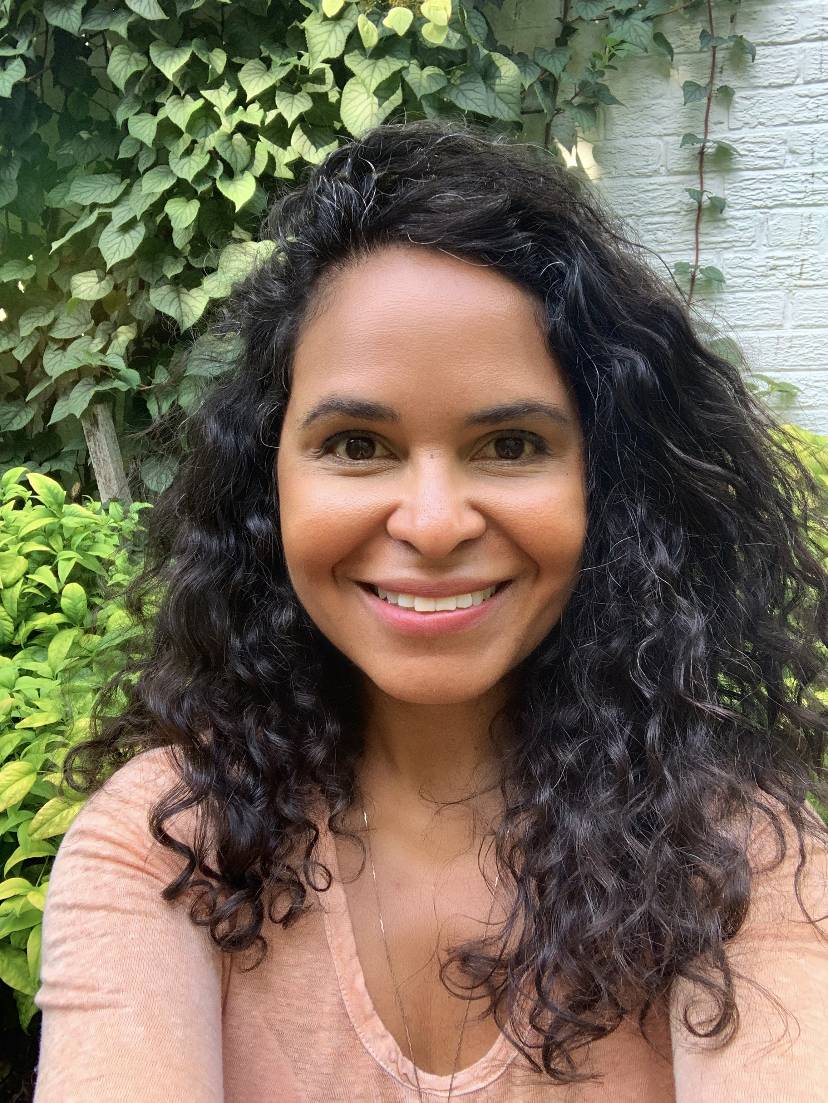
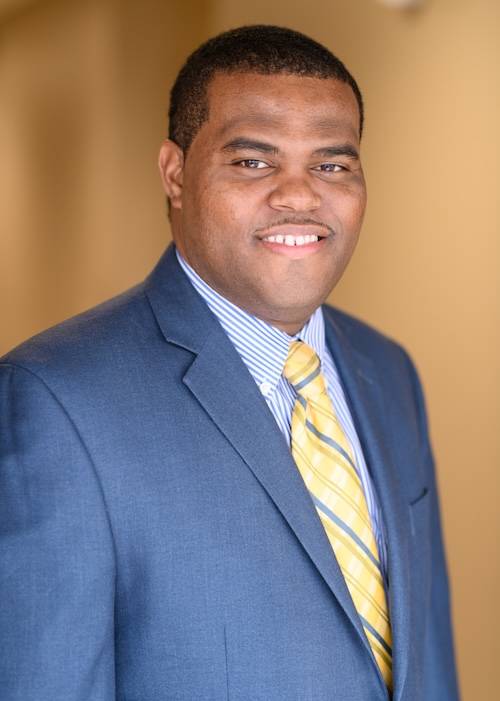
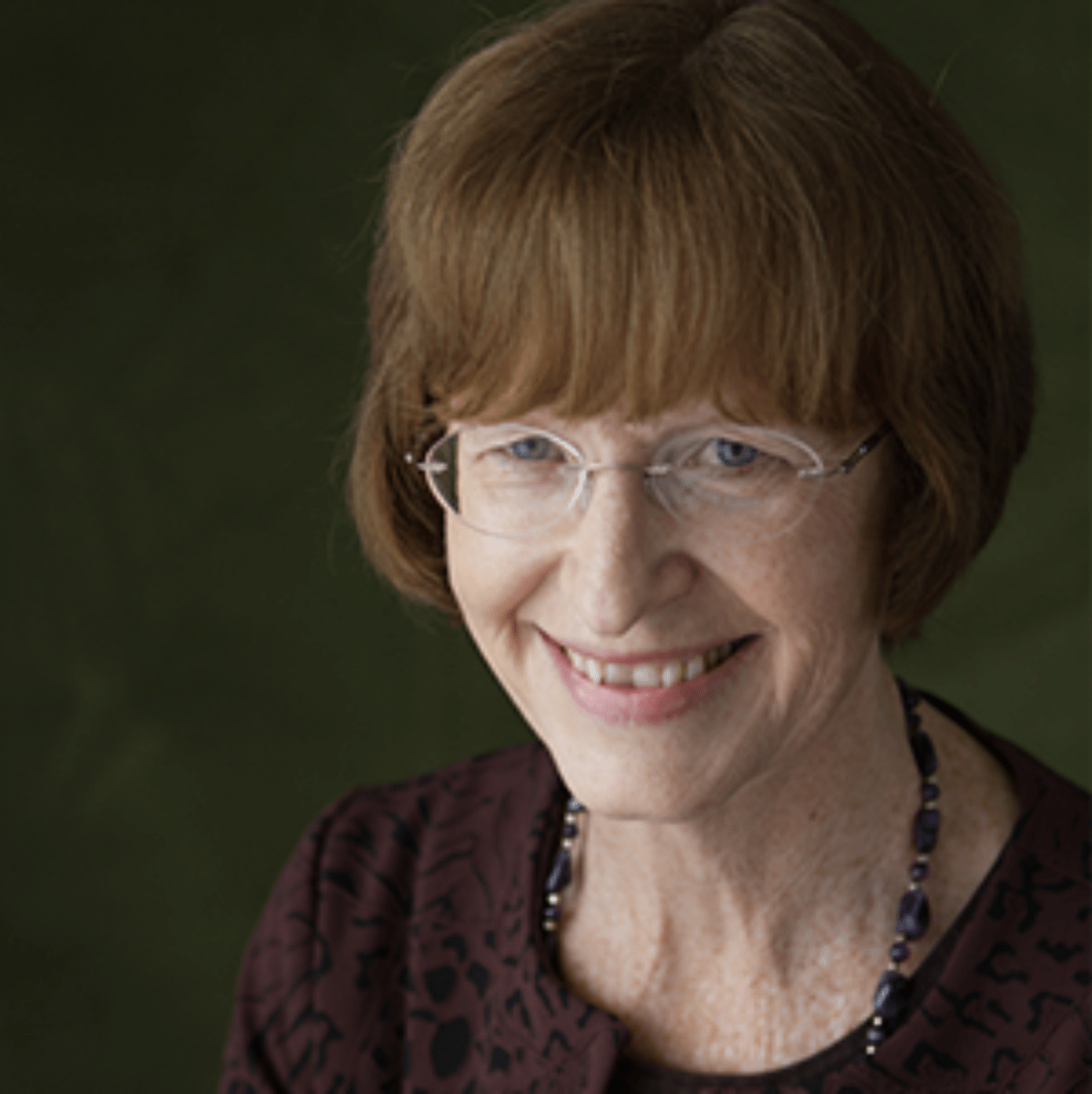
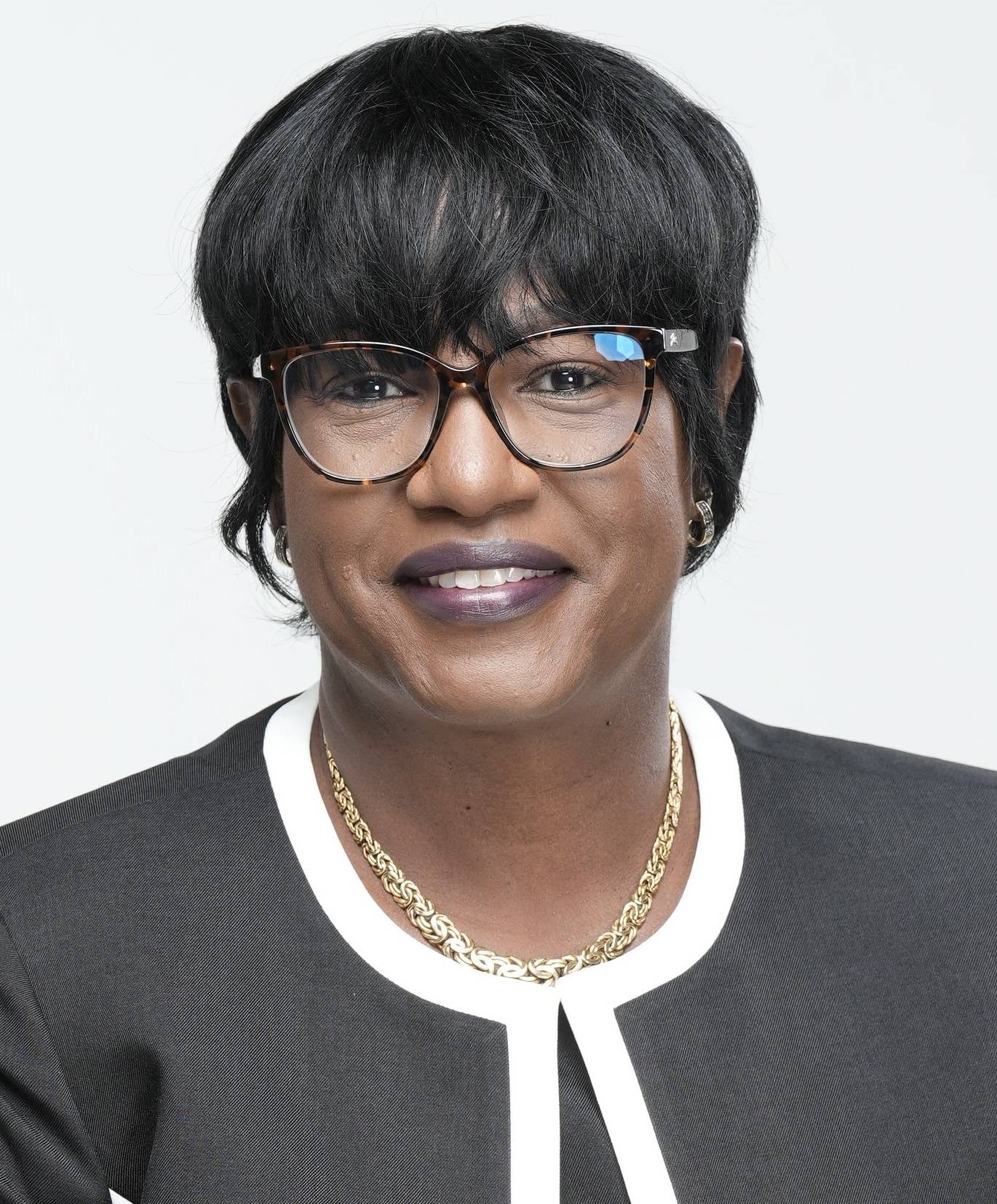

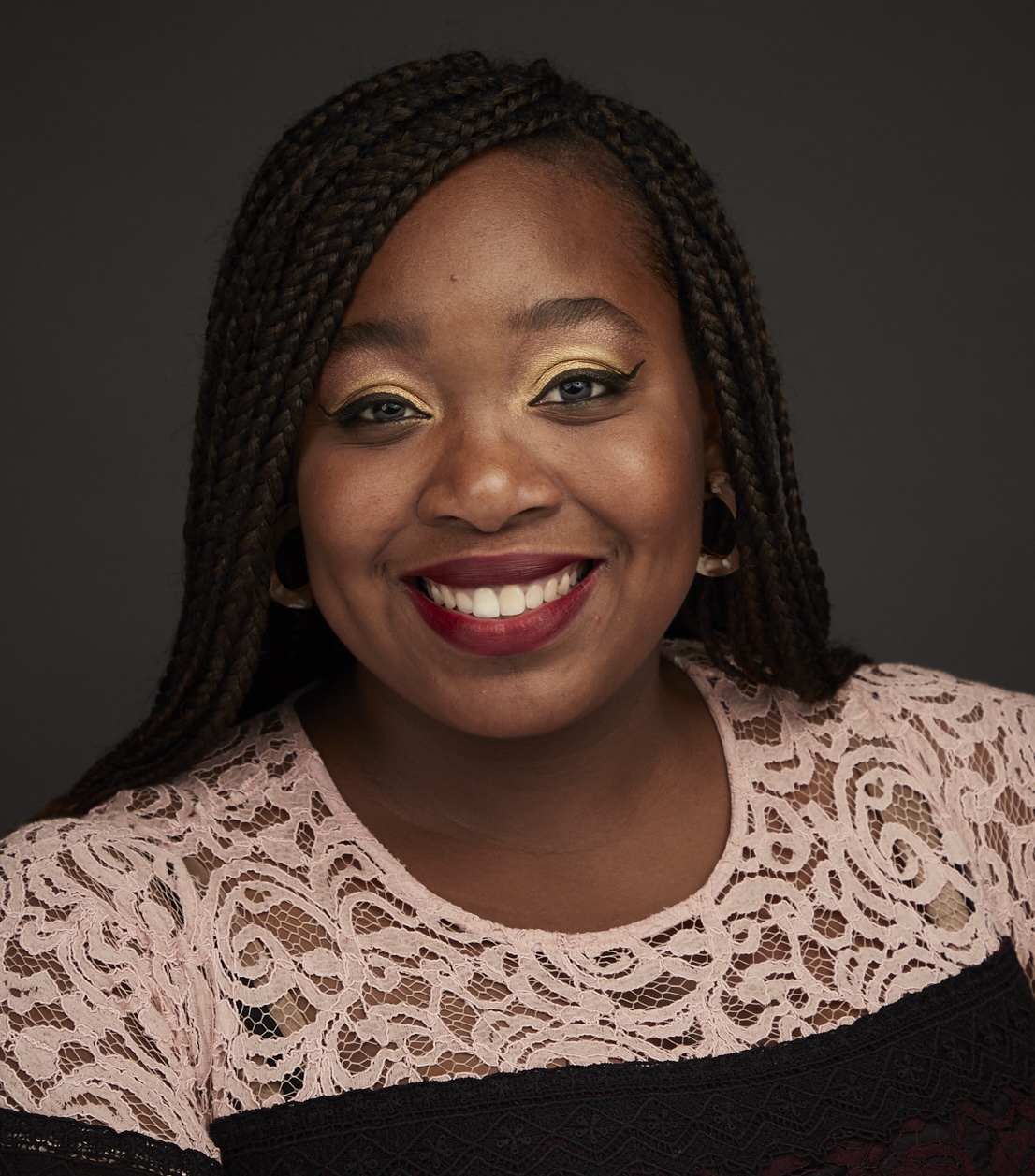

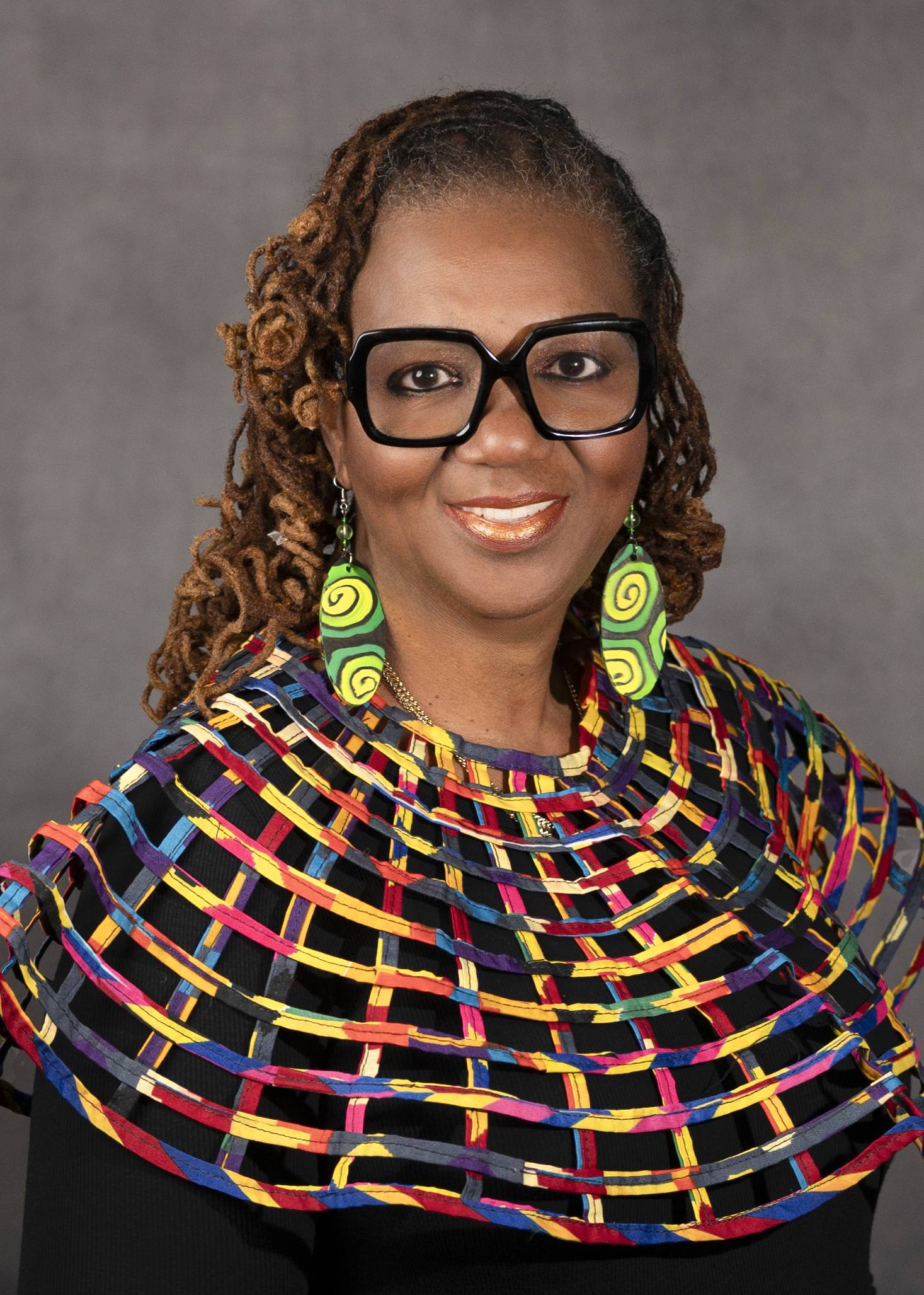
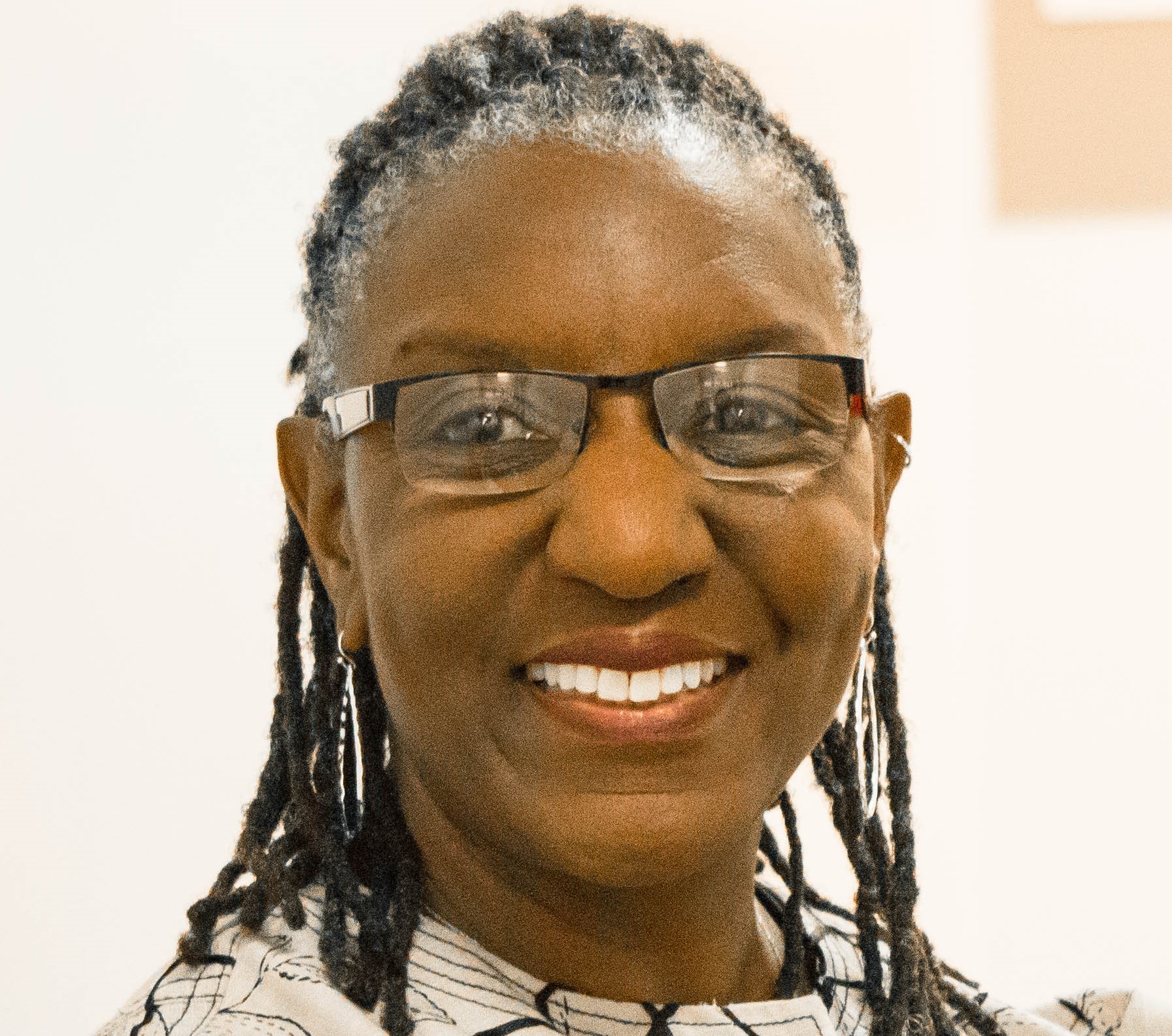
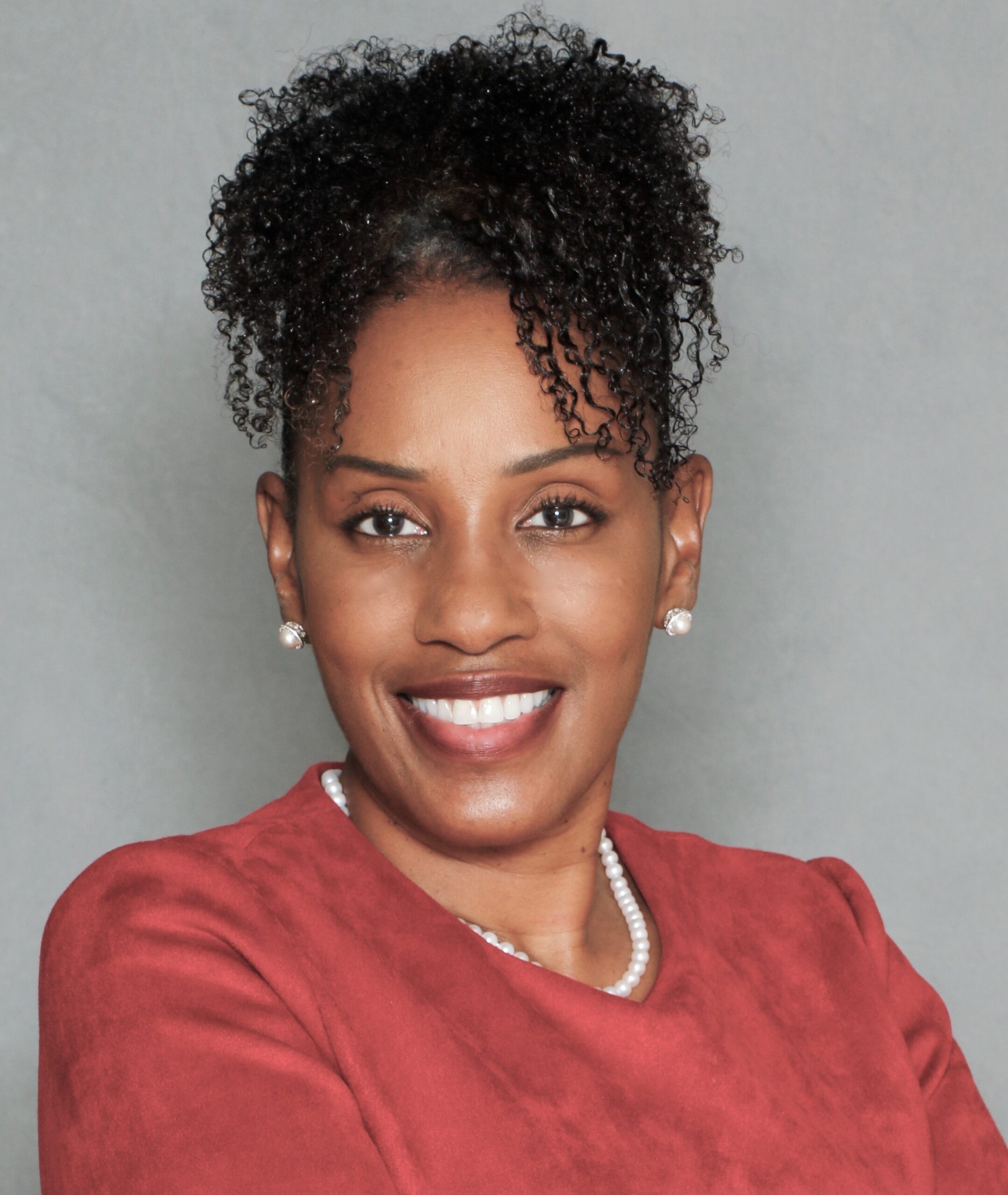
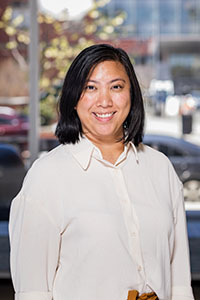
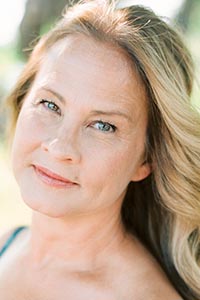
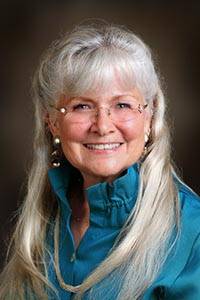
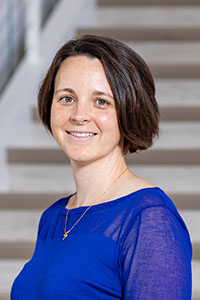
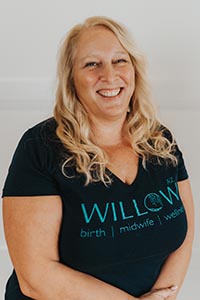
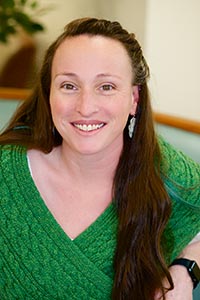
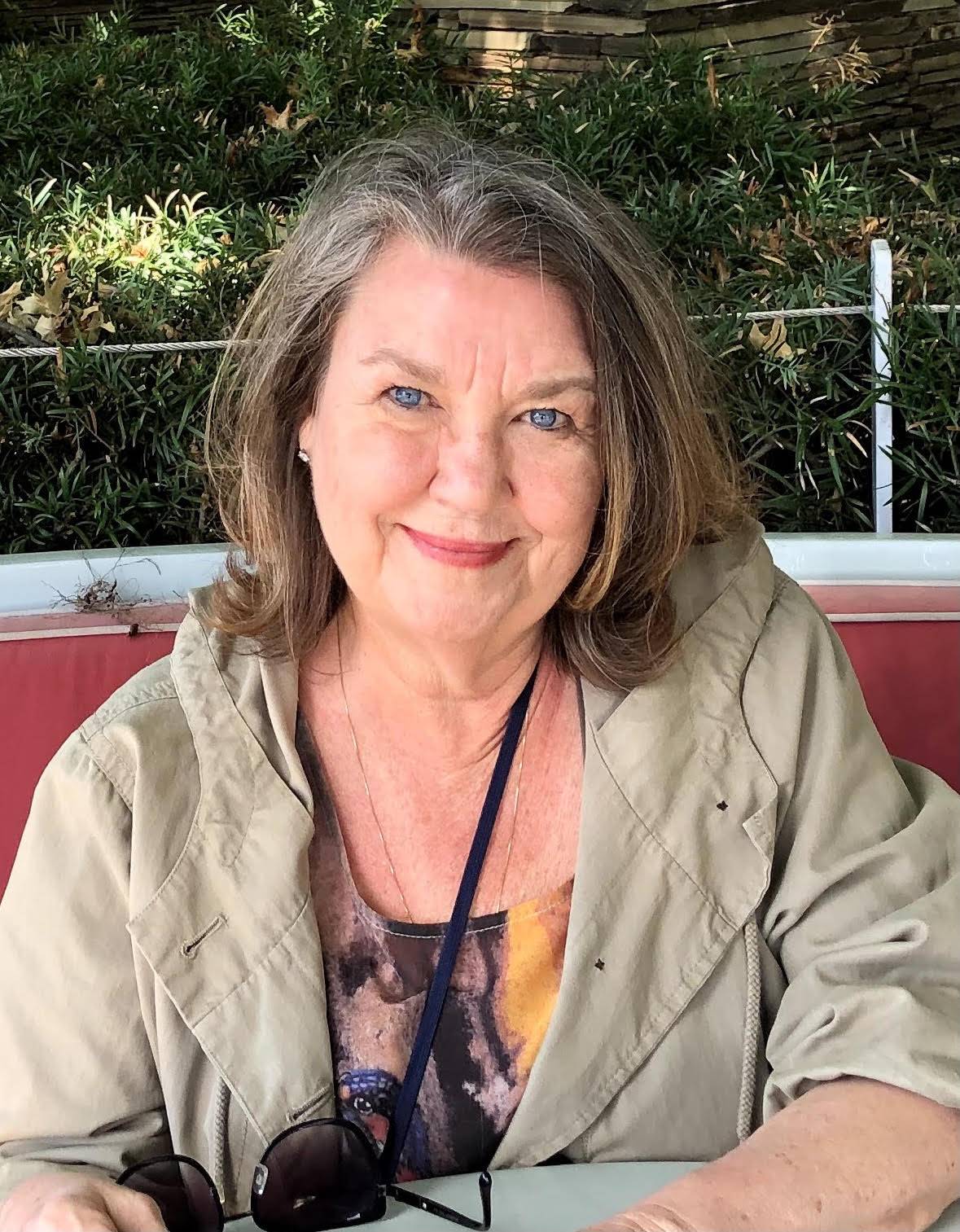
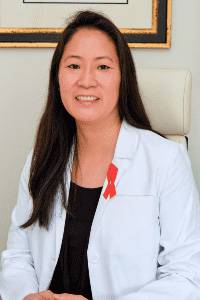 Carrie Belin is an experienced board-certified Family Nurse Practitioner and a graduate of the Johns Hopkins DNP program, Johns Hopkins Bloomberg School of Public Health, Georgetown University School of Nursing, and Johns Hopkins School of Nursing. She has also completed fellowships at Georgetown and the University of California Irvine.
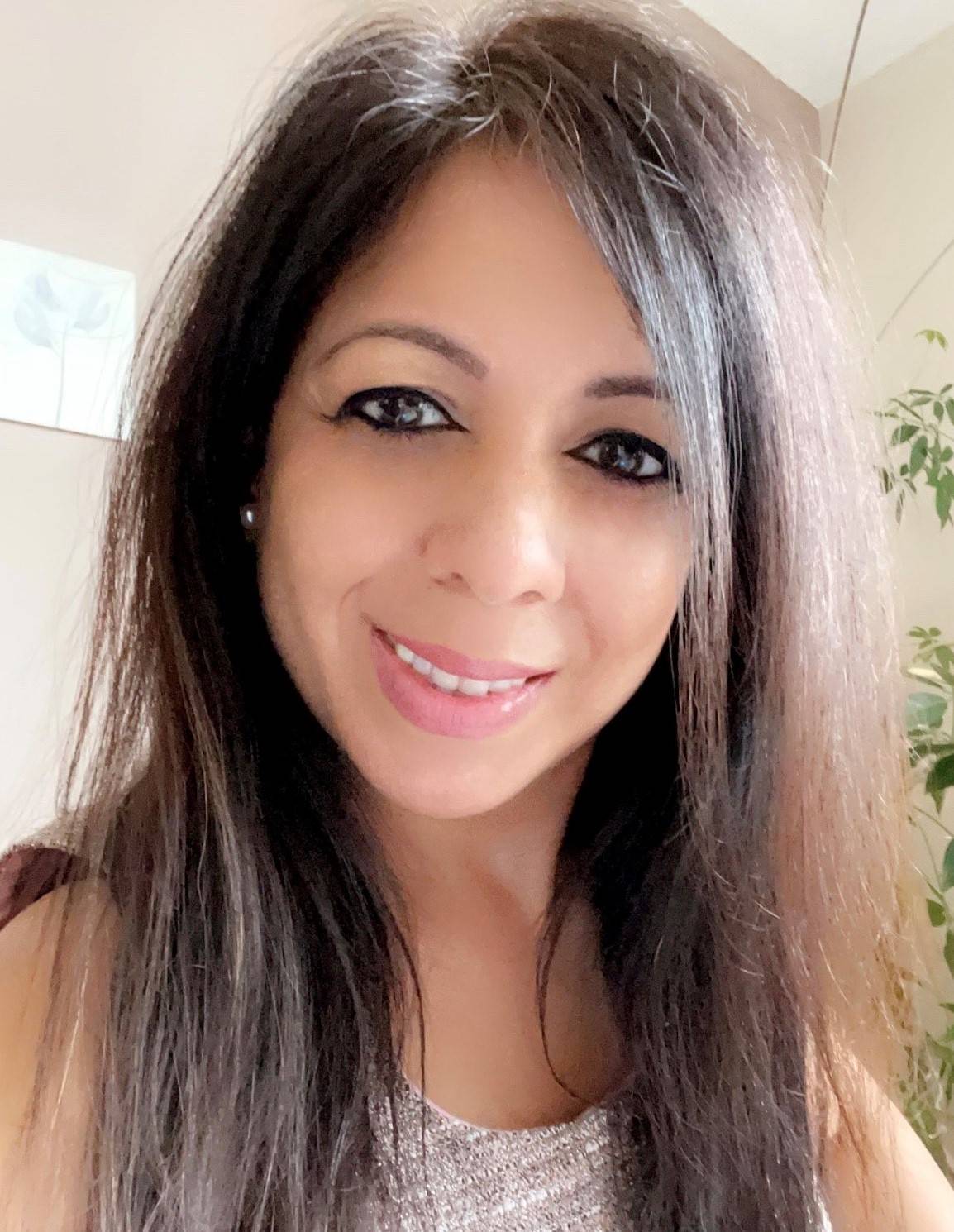
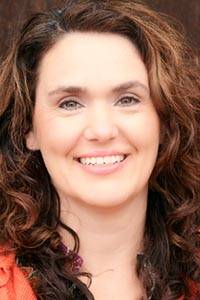 Angie has been a full-scope midwife since 2009. She has experience in various birth settings including home, hospital, and birth centers. She is committed to integrating the midwifery model of care in the US. She completed her master’s degree in nurse-midwifery at Frontier Nursing University (FNU) and her Doctorate at Johns Hopkins University. She currently serves as the midwifery clinical faculty at FNU. Angie is motivated by the desire to improve the quality of healthcare and has led quality improvement projects on skin-to-skin implementation, labor induction, and improving transfer of care practices between hospital and community midwives. In 2017, she created a short film on skin-to-skin called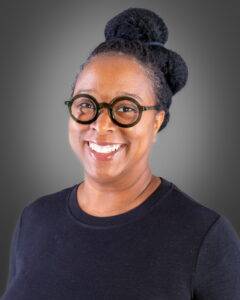
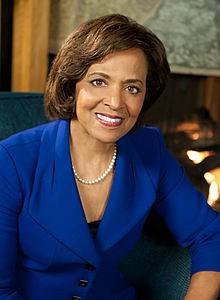
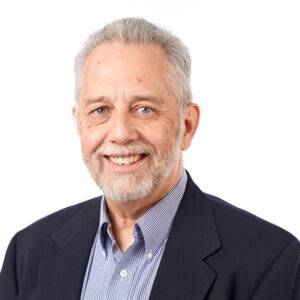
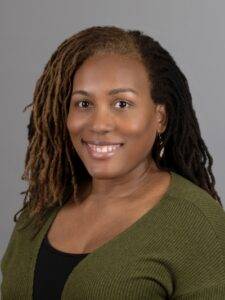
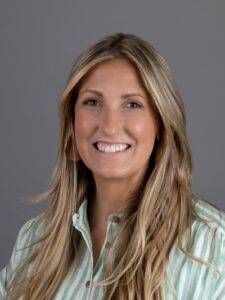
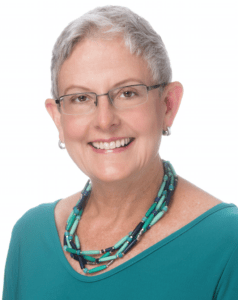
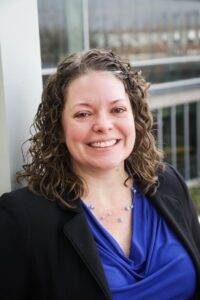
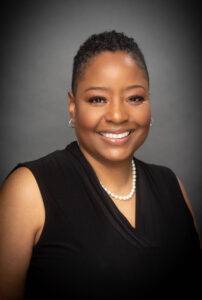
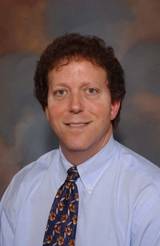
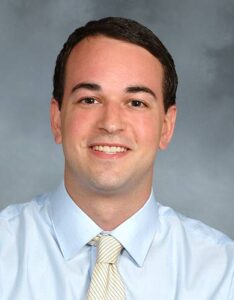
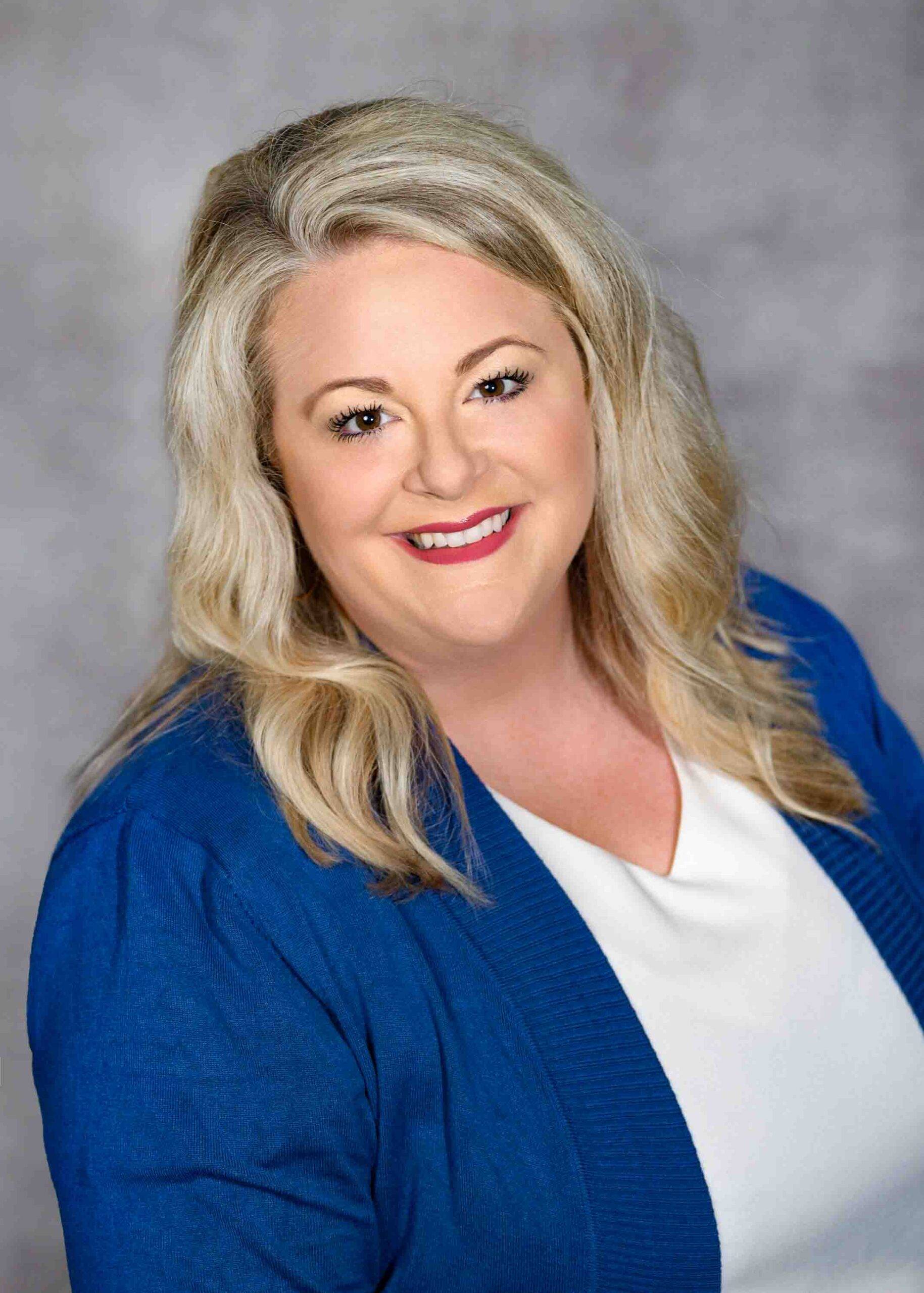
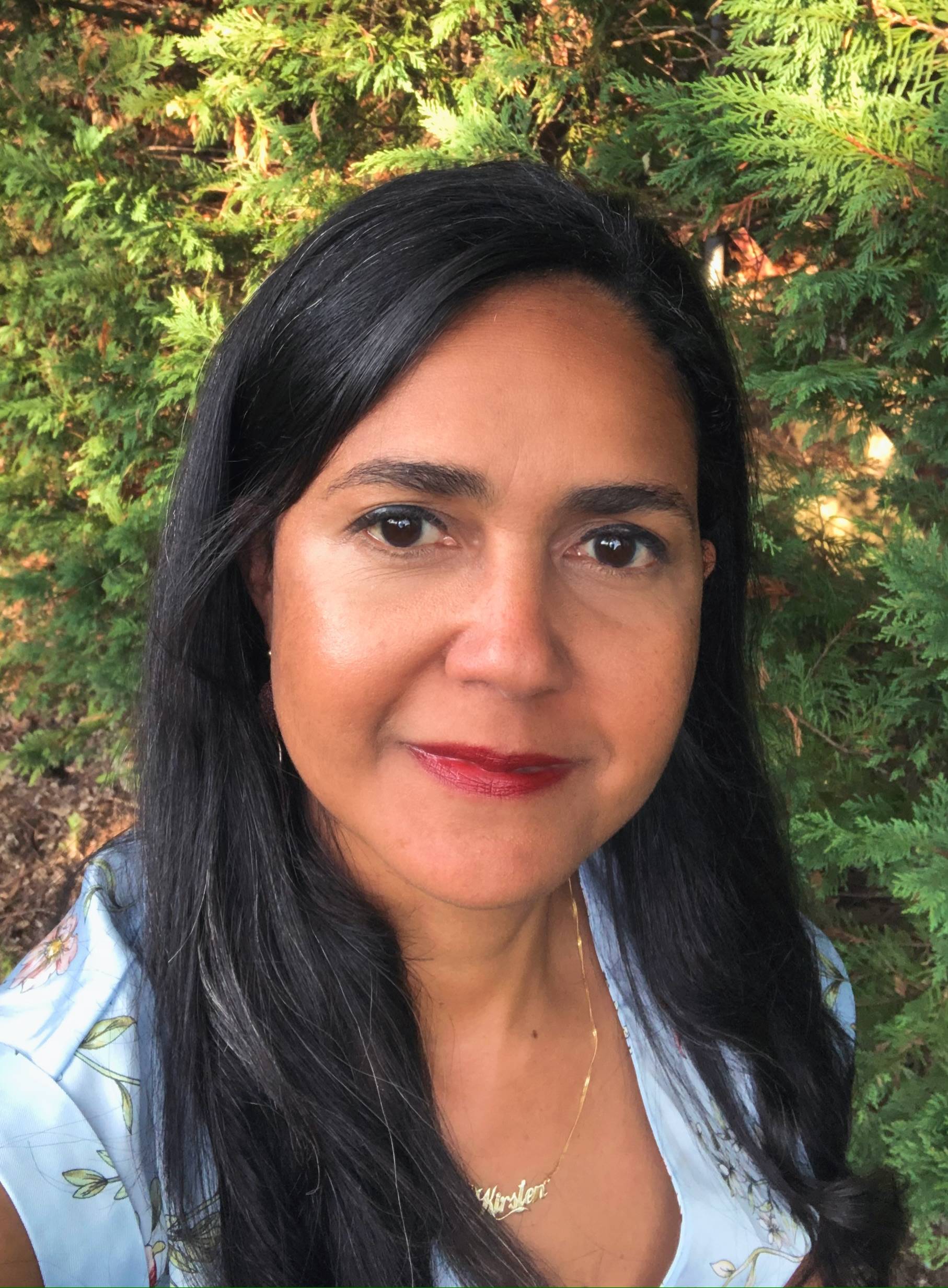
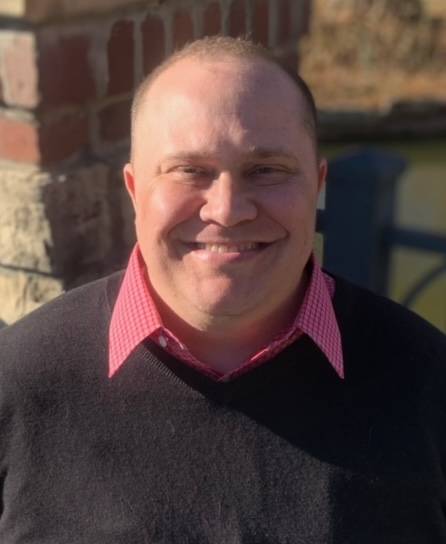 Justin C. Daily, BSN, RN, has ten years of experience in nursing. At the start of his nursing career, Justin worked as a floor nurse on the oncology floor at St. Francis. He then spent two years as the Director of Nursing in a small rural Kansas hospital before returning to St. Francis and the oncology unit. He has been in his current position as the Chemo Nurse Educator for the past four years. He earned an Associate in Nurse from Hutchinson Community College and a Bachelor of Science in Nursing from Bethel College.
 Brandy Jackson serves as the Director of Undergraduate Nursing Programs and Assistant Educator at Wichita State University and Co-Director of Access in Nursing. Brandy is a seasoned educator with over 15 years of experience. Before entering academia, Brandy served in Hospital-based leadership and Critical Care Staff nurse roles. Brandy is passionate about equity in nursing education with a focus on individuals with disabilities. Her current research interests include accommodations of nursing students with disabilities in clinical learning environments and breaking down barriers for historically unrepresented individuals to enter the nursing profession. Brandy is also actively engaged in Interprofessional Education development, creating IPE opportunities for faculty and students at Wichita State. Brandy is an active member of Wichita Women for Good and Soroptimist, with the goal to empower women and girls. Brandy is a TeamSTEPPS master trainer. She received the DASIY Award for Extraordinary Nursing Faculty in 2019 at Wichita State University.
  Dr. Sabrina Ali Jamal-Eddine is an Arab-disabled queer woman of color with a PhD in Nursing and an interdisciplinary certificate in Disability Ethics from the University of Illinois Chicago (UIC). Dr. Jamal-Eddine’s doctoral research explored spoken word poetry as a form of critical narrative pedagogy to educate nursing students about disability, ableism, and disability justice. Dr. Jamal-Eddine now serves as a Postdoctoral Research Associate in UIC’s Department of Disability and Human Development and serves on the Board of Directors of the National Organization of Nurses with Disabilities (NOND). During her doctoral program, Sabrina served as a Summer Fellow at a residential National Endowment of the Humanities (NEH) Summer Institute at Arizona State University (2023), a summer fellow at Andrew W. Mellon’s National Humanities Without Walls program at University of Michigan (2022), a Summer Research Fellow at UC Berkeley’s Othering & Belonging Institute (2021), and an Illinois Leadership Education in Neurodevelopmental and related Disabilities (LEND) trainee (2019-2020).
 Vanessa Cameron works for Vanderbilt University Medical Center in Nursing Education & Professional Development. She is also attending George Washington University and progressing towards a PhD in Nursing with an emphasis on ableism in nursing. After becoming disabled in April 2021, Vanessa’s worldview and perspective changed, and a recognition of the ableism present within healthcare and within the culture of nursing was apparent. She has been working since that time to provide educational foundations for nurses about disability and ableism, provide support for fellow disabled nursing colleagues, and advocate for the disabled community within healthcare settings to reduce disparities.
 Dr. Lucinda Canty is a certified nurse-midwife, Associate Professor of Nursing, and Director of the Seedworks Health Equity in Nursing Program at the University of Massachusetts Amherst. She earned a bachelor’s degree in nursing from Columbia University, a master’s degree from Yale University, specializing in nurse-midwifery, and a PhD from the University of Connecticut. Dr. Canty has provided reproductive health care for over 29 years. Her research interests include the prevention of maternal mortality and severe maternal morbidity, reducing racial and ethnic health disparities in reproductive health, promoting diversity in nursing, and eliminating racism in nursing and midwifery.
 Dr. Lisa Meeks is a distinguished scholar and leader whose unwavering commitment to inclusivity and excellence has significantly influenced the landscape of health professions education and accessibility. She is the founder and executive director of the DocsWithDisabilities Initiative and holds appointments as an Associate Professor in the Departments of Learning Health Sciences and Family Medicine at the University of Michigan.
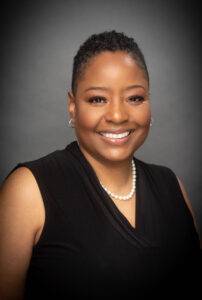 Dr. Nikia Grayson, DNP, MSN, MPH, MA, CNM, FNP-C, FACNM (she/her) is a trailblazing force in reproductive justice, blending her expertise as a public health activist, anthropologist, and family nurse-midwife to champion the rights and health of underserved communities. Graduating with distinction from Howard University, Nikia holds a bachelor’s degree in communications and a master’s degree in public health. Her academic journey also led her to the University of Memphis, where she earned a master’s in medical anthropology, and the University of Tennessee, where she achieved both a master’s in nursing and a doctorate in nursing practice. Complementing her extensive education, she completed a post-master’s certificate in midwifery at Frontier Nursing University.

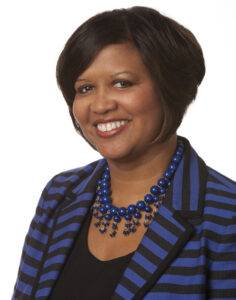 Dr. Tia Brown McNair is the Vice President in the Office of Diversity, Equity, and Student Success and Executive Director for the Truth, Racial Healing, and Transformation (TRHT) Campus Centers at the American Association of Colleges and Universities (AAC&U) in Washington, DC. She oversees both funded projects and AAC&U’s continuing programs on equity, inclusive excellence, high-impact practices, and student success. McNair directs AAC&U’s Summer Institutes on High-Impact Practices and Student Success, and TRHT Campus Centers and serves as the project director for several AAC&U initiatives, including the development of a TRHT-focused campus climate toolkit. She is the lead author of From Equity Talk to Equity Walk: Expanding Practitioner Knowledge for Racial Justice in Higher Education (January 2020) and Becoming a Student-Ready College: A New Culture of Leadership for Student Success (July 2016 and August 2022 Second edition).