Frontier Nursing University All-Access Podcast, Episode 1 Transcript
Get to know FNU and President Dr. Susan Stone
Please enjoy this transcript of the Frontier Nursing University All-Access Podcast! This podcast provides a closer look at Frontier Nursing University through lively and entertaining discussions with a wide variety of guests and topics.
[music]
Angela Bailey: Hello and welcome to season one, episode one of what we hope will become many more of The Frontier Nursing University All-Access Podcast. I’m Angela Bailey, Chief Advancement Officer, and your host for this new adventure. I’d like to welcome you all to the on-call lounge here on the Frontier Nursing University Campus in beautiful Versailles, Kentucky.
Within this inaugural season, we will give you an all-access pass to delve deeper into Frontier Nursing University and the individuals who are making a daily difference in advanced practice nursing, midwifery, education, and healthcare across the country. Now, for our very first episode, I felt that it was only appropriate that we invite Dr. Susan Stone to the lounge to talk about the university, its growth, and how she came to be at the helm of this organization. Without further ado, I’m very pleased to welcome FNU President, Dr. Susan Stone. Welcome, Dr. Stone.
Dr. Susan Stone: Oh, thank you, Angie. It’s so good to be here. I’m so excited about this new venture of ours to help share more about our wonderful university and all the work that we do here. Thank you so much for inviting me.
Angela: Well you are very welcome. I am also so excited. It’s always such a pleasure to talk about the work, our staff, and faculty, and students, and alumni are doing across the country. I want to get into that maybe a little later, but before we get started, since this is our very first episode, I wondered would you mind sharing with our listeners a short description of Frontier and who we are, and the work that we do?
Susan: Frontier Nursing University is a single-purpose university. Our real goal and mission is to educate nurse practitioners and nurse-midwives to serve rural and underserved families. Mostly, we’re very interested in those rural and underserved areas. We currently have students in all 50 states. Our students actually do most of their learning through distance approaches to learning.
Our faculty are also located all over the country. The purpose of that is so that we can provide an opportunity for nurses who live in rural and underserved areas themselves to obtain a graduate degree and practice as nurse practitioners and nurse-midwives. That is basically who we are; the primary goal is to increase access to nurses for graduate education so that they can ultimately provide healthcare to rural and underserved families.
Angela: That is one of my favorite things about Frontier. I hope that our listeners will check out our website and look at our Quarterly Bulletins because I think that access is actually happening and is exemplified in our publications, like our Quarterly Bulletin, by the work that our grads are doing. We’re talking about this distance education thing. Some folks may be confused as to why, if we’re doing community-based education, we still need a campus. Can you talk a little bit about that?
Susan: Yes. Our transition to distance learning actually happened 30 years ago. We were one of the first schools of nursing to really adapt to provide education at a distance, but even 30 years ago, we realized the importance of creating a community with our students. It’s very important to us that our students have the opportunity to learn not only from their faculty, but also from each other.
We believe it’s important to come together initially, and all of our students do come to campus when they start our programs. We do sessions, which we call Frontier Bound. These were early on modeled after the outward bound experience where people come together and learn to trust each other and learn together and have great experiences together.
All of our students do come to campus to start their programs. We do, of course, [explain] what does the curriculum look like and how do you use the IT, but we also do fun things and social things so that we get to know each other. Both sessions are on campus and we do about 5 of those a term or close to 20 a year. That alone keeps us very busy with campus events.
We also do another session called Clinical Bound, which all students do before they can go into their community clinical site, which may be a hospital, a clinic, a birthing center, or even home visits, then they have to come back to us and spend a week with us doing simulations and checking off their skills to make sure that they’re ready to go into the clinical environment.
Those sessions also happen about six to seven times each term, and each term is a quarter so multiply that by four. Between those two sessions, we have a pretty busy campus, not to mention all of the people that work on the campus that just support all the students that are in their homes doing coursework day-to-day, such as advisers and financial aid officers and all of those things. A campus is certainly one important piece of what we do.
Angela: Sue, I’m sure that you remember at one point in my career here at Frontier that I actually attended Clinical Bound with some of our students. One of the best days was watching the students, for lack of better terms, catch a baby from this extremely realistic model. One of the reasons I’ll never forget it is because they made me try to catch one and I was so nervous. Somewhere there’s video evidence that shall never see the light of day.
[laughs]
I personally understood the value of being on campus and these hands-on skills. When the pandemic hit us, it was just remarkable to me how nimble our faculty moved to be able to reset these clinical bounds into completely virtual due to the pandemic and give the students the same experience. Can you talk about that a little bit?
Susan: Yes. It was quite a crisis. We had about 500 students in clinical sites around the country at the time that the pandemic hit and most of those clinical sites asked us to take our students out of clinical initially. We had to figure out how were we going to continue to operate our university, continue to provide these students the ability to continue their education.
Our faculty really stepped up and immediately began creating these sessions that we could run over using Zoom as many people did across the country during the pandemic. The orientation was recreated over Zoom, and also the clinical, you mentioned the realistic models. We were actually sending small models to students so that we could watch them do things like suturing, or actually catch a baby and make sure that they had the skills that they needed.
Also, this allowed them to get some simulation hours in for clinical. Luckily, by July, most of those clinical sites began to open up again, but we still had to do these onsite sessions for Frontier Bound and Clinical Bound. We are still doing them today and hoping to end them by this fall and open up again.
Angela: Gosh, that is one of the things that I love the most about Frontier because where there’s a will, we will find a way, right?
Susan: That’s right, that’s right.
Angela: I’m sure that anybody who’s listening to this can tell from my accent that my family’s originally from Eastern Kentucky. I grew up hearing about the work the Frontier nurses did. I have so many family members that were actually delivered by Frontier nurses. When I came to Frontier, it was a dream job for me, but Sue, I don’t think that my background is nearly as interesting as yours. How did you come to Frontier? Did you always know that you wanted to be a midwife?
Susan: No, Angie, I did not. From the time I was a little girl, I always wanted to be a nurse. That was a trajectory for me. As far back as I can remember, I wanted to be a nurse. When I was in nursing school and I did my clinical with maternity care, I fell in love with maternity care and immediately became a maternity nurse.
I worked as a maternity nurse for 10 years, but it was stressful. I was always trying to provide the best care I could for the mothers that we were serving and trying to open up birthing rooms and do things like sibling visits and allow fathers to attend the bris, and all those things that, but it was a struggle because there were many rules and regulations within the hospital. I was doing my master’s degree and I met my first midwife. We had an assignment that we had to follow a nursing leader. This midwife told me that there was a new midwifery service developing in a town about 40 miles away from me in upstate New York. Long story short, I went to spend a day with that midwife. I saw my first birth that was attended by a midwife and it was such a beautiful birth.
It was so peaceful and so calm. It was all about making sure that that woman had everything that she needed in order to have a safe, successful and satisfying birth. I’d never seen anything like that before. I was used to the click, click, click of hospitals, this has to be done and that has to be done and this has to be done. Not with this situation. The woman was in the bed, the midwife was sitting on the edge of the bed. The baby came out very gently and I was just– I had to go be a midwife at that point.
Angela: I’m sorry to interrupt but I think that a lot of our listeners may not understand that back in those days, that was not the normal birth. Can you talk a little bit about the differences in between the two experiences at that time?
Susan: At that time, and I think this happens in many hospitals still today, a woman would labor with a nurse, a physician may drop in once or twice during the labor. Usually, she was in bed on a monitor, on a fetal monitor, not allowed to eat, not allowed to get up and walk around. When it was time for the birth, the woman was transported to a labor and delivery– excuse me, a delivery room, put on a table, her legs up in stirrups.
Basically, the attention was on making sure the doctor had everything the doctor needed to deliver the baby. We say that is one of the differences. I’ll talk about that a second, but it was really for the convenience of the hospital and the physician not really that much for the mother because it was very uncomfortable to change rooms and not letting your husband come into the birthing room, those kinds of things. Those things actually happened. Then you contrast that where the woman stays in one bed. She has one attendant who is with her the whole time and that midwife, we say, catches the baby because the woman is the one who delivers her baby. It’s nobody else. She is the one that does all the work and deserves all the credit. It’s just a very different environment.
Angela: When I listen to my family talk about the birth stories that they have with Frontier nurses in the mountains of Eastern Kentucky, I hear stories about walking around, about continuing to work around the house and sometimes they delivered or in a bed sometimes not. My own father was delivered on a kitchen table by the light of a coal lantern. I love those differences that put the power and control really back in the hands of the mother instead of the medical community. It’s beautiful.
Susan: That’s right, that’s right.
Angela: You’ve talked a little bit about nursing and how you became or why you wanted to become a midwife. I want to know when you were a little girl and you wanted to be a nurse, was there a reason why or were you always a caregiver? I seem to remember some fun stories about an animal that you brought into your house.
Susan: Oh, you’re so funny, Angie. Yes, I would rescue any animal, especially baby animals anywhere. One day I rescued a baby skunk who had lost his mother. I don’t know where his mother was. I brought this baby skunk home, I did not tell my mother. I took it up in my bedroom. I kept it in the box and then took it to bed with me. The only thing was this little, tiny baby skunk who really looked like kittens, they’re so cute, fell out of the bed and sprayed my room and all stories were off after that. My mother took it to a rescue place.
[laughs]
Angela: Well, I love that because you were taking care of babies from the get-go and still working to take care of mothers, babies, and families today. Oh, my goodness. That’s how you became a midwife. How in the world did an Upstate New York nurse, who wanted to be a midwife end up with Frontier Nursing University in Kentucky.
Susan: First of all, everybody knew at this time that the school was called the Frontier School of Midwifery and Family Nursing. It was a well-known fact across the entire country if you wanted to be a midwife, that was a great place to go. Its reputation preceded it, but of course, I had no way to leave my three little children and husband, and go to Kentucky to become a midwife.
Luckily, right at the same time I decided to become a midwife, about three or four months later, the distance learning model was developed by Kitty Ernst and some other famous midwives. They started to promote it and wanted to do a pilot class of learning how to become a midwife without leaving your home. Kitty Ernst was an early graduate of Frontier. She graduated in 1951. She’s still going strong today at the age of 95 telling her stories. She was the one who led that distance learning. I actually enrolled in that very first class, attended school, and became a midwife. I was thrilled to be a Frontier graduate. Immediately, as the school adapted distance learning and started to grow, the tendency was to recruit some of us who were graduates and lived in some rural, remote areas.
I lived way in Upstate New York. To act as regional clinical faculty and follow the students who were also in Upstate New York and in neighboring Vermont and Massachusetts. Gradually, I started doing that for the Frontier, then I became a faculty member. Then, when there was a leadership transition, Kitty Ernst basically told me I was going to move to Kentucky, feed the stall. Of course, at first, I said, “Never, I will never do that,” but the more I came to Kentucky and the more I taught in Kentucky, I grew to love Kentucky. I did relocate to Kentucky more than 20 years ago and never looked back for a minute even though I love New York, Upstate New York but–
Angela: We’re so glad you did. We’re going to do an episode coming up in the very near future about that first class that you were a part of, that I’ll let our listeners know are called The Chicken Coop Midwives. You do not want to miss that episode because it’s a pretty interesting story. Going back to you getting a leadership role at Frontier, Kitty tells me this story a lot, because she’s so proud of the work that you’re doing. She said, “One day I just decided that it had to be Sue, and so I went out in the parking lot, met her and said, ‘Sue we’ve figured out who it’s going to be.’ She said, ‘who?’ I looked at her in the eyes and said, ‘It’s you.’” I can totally see that happening. Is that accurate?
Susan: That’s pretty true story. She was just, “No.”
Angela: Well, I would tell you–
[crosstalk]
Susan: I did not see myself in that role.
Angela: Well, I will tell you still, to this day, if Kitty Ernst tells me I’m going to do something, I have a hard time saying no.
Susan: That’s right, that’s right. You never know where life is going to lead you. It just behooves you to keep your brain open, keep your mind open to the possibilities because they can move you in very great directions.
Angela: Absolutely. There’s so many wonderful stories and memories, and Sue, I just feel that you and I can talk about this for hours, but I feel like there’s a couple of other things that maybe our listeners will want to know in this first podcast. Let’s talk about what are you most proud of of the university? You’ve been here what 20–?
Susan: 26 years.
Angela: 26 years. What are you most proud of during that 26 years?
Susan: I’m most proud that we took this little tiny school that was offering certificates and became an accredited university that are offering master’s degrees and doctoral degrees that we’ve been able to add programs as they were needed. For example the DNP, The Doctor Nursing Practice program. Also, most recently we added the Psychiatric Mental Health program, basically just because we knew this was a need in the area. Of course, we’ve got our midwifery program, which is our largest program and probably what we’re known for the most, but our Family Nurse Practitioner program. Here we are with a broad scope of practice and practitioners that can really provide the care, the caring that nurses do as well as highly-skilled healthcare to these rural and underserved families all across the nation. With 6,000 graduates out there just from the distance learning program, we are really making an impact. That, I would have to say, is what I’m most proud of our accomplishments.
Angela: It’s just amazing. When you started as president and dean, and I know you were dean first, but when you took on the role of president and dean, we had what? About 200 students annually?
Dr. Susan: That’s right. 200 total, 200 total.
Angela: Today, I looked at our dashboard with all of our numbers before we left, over 2,500 students. I mean, Sue, that’s just amazing. I hope that you’re proud of that because I know the rest of us certainly are.
Dr. Susan: Well, certainly I am. I am proud of our faculty and staff, who’s worked so hard to serve those students every day. It’s a joy. The job is a joy.
Angela: Well, I agree with that 100%, I have fun every single day and now I get to do a podcast. What’s not fun about that, right?
Dr. Susan: Right.
Angela: What’s next, Sue? What are your dreams?
Dr. Susan: Well, I think now we need to get settled on our new campus. Then, I would like to open a rural health clinic, a health clinic where we can actually demonstrate the care that can be provided by nurse practitioners and nurse-midwives and the outcomes that we can achieve. I think that’s our next big goal. It’s going to take some work, but I know that we can do whatever we set out to do.
Angela: Absolutely. At Frontier, I think we said this earlier, where there’s a will, we will find a way.
Dr. Susan: That’s right.
Angela: It’s been so wonderful to chat with you as always. Before we close the podcast, I just wonder, is there anything that you would like to leave our listeners with?
Dr. Susan: I think that idea that you can do whatever you set out to do. I also would encourage people to be open to the care that is provided by nurse practitioners and nurse-midwives, because we really can add to the team approach to care, and with our caring and our prevention and as well as the care of chronic disease, we can really make a difference. I’m so proud of all the work that we’re doing. I hope that as we move into this community and get more settled that we can do even more of it.
Angela: Absolutely. Thank you so much, Dr. Susan Stone, President of Frontier Nursing University. It is my pleasure to have you as our very first guest on the All-Access Podcast. Thank all of you for joining Frontier Nursing University All-Access. We hope that you have enjoyed our conversation. If you would like to learn more about Frontier and how you can make a difference for mothers, babies, and families across the country, please visit our website @frontier.edu, or you can reach out to me your, All-Access host, @angeladotbaileyatfrontier.edu. If you have enjoyed this podcast, we certainly hope that you have, please remember to rate, review and subscribe. Until next time. Thanks for listening.
[music]
END
Enjoy the show?
Be sure to follow the Frontier Nursing University All-Access Podcast on Google Play, Apple Podcast, Spotify, or wherever you find your podcasts. Visit the FNU All-Access Podcast page here.
 National Nurse Practitioner Week is Nov. 7-13, and Frontier Nursing University (FNU) is celebrating by hosting a virtual event, Empower 2021: Creating a Culture of Caring, at Frontier.edu/NPWeek.
 Today,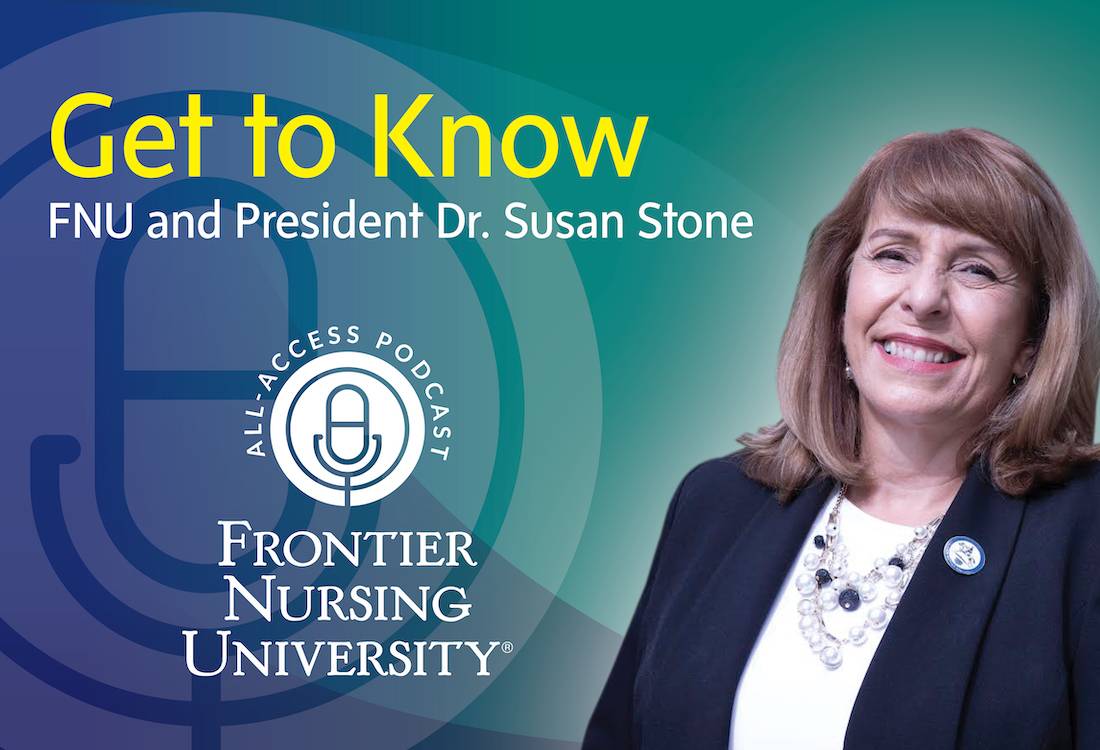
 Frontier Nursing University (FNU) in Versailles, Kentucky, has been recognized as a Gold
 Frontier Nursing University


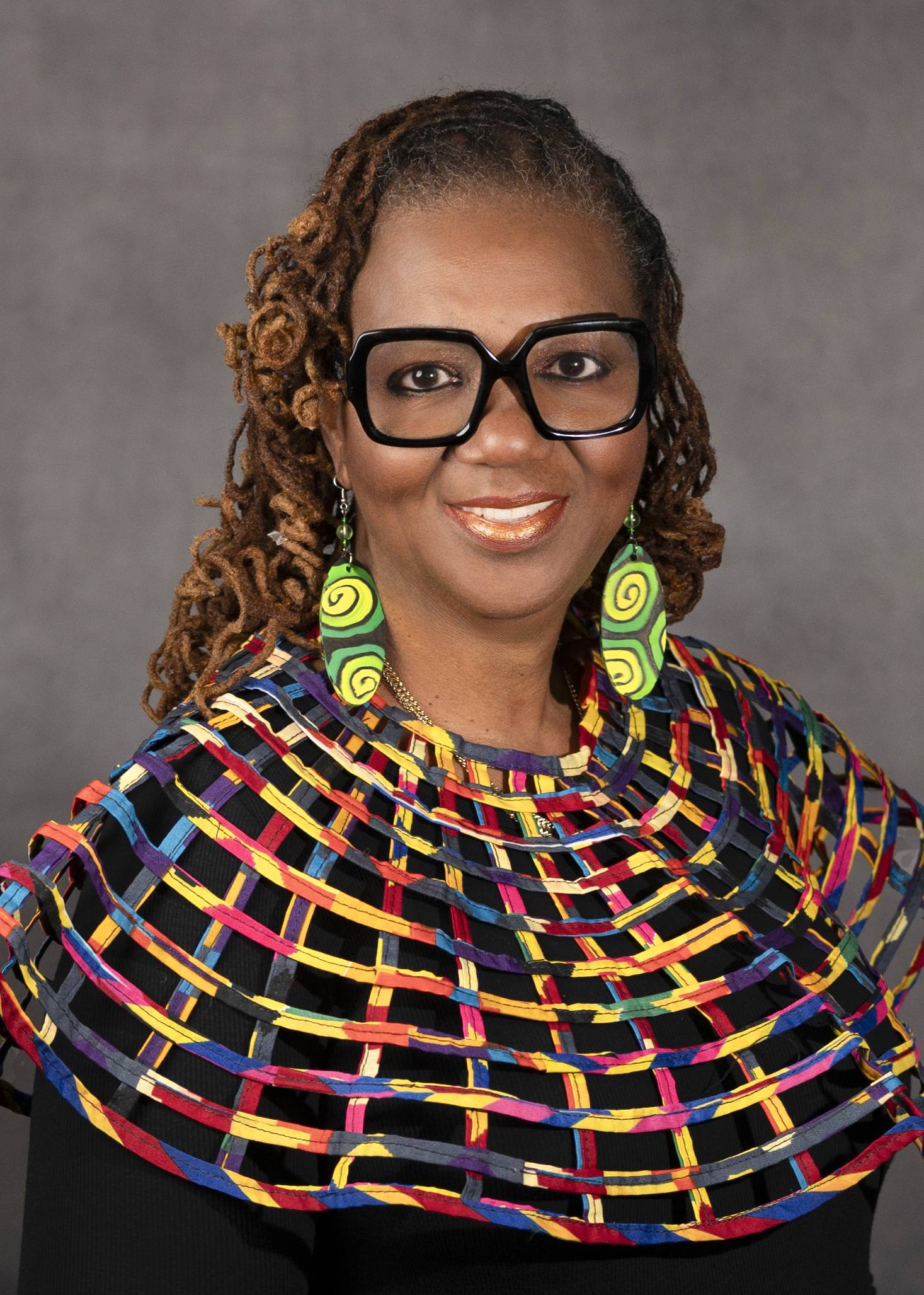
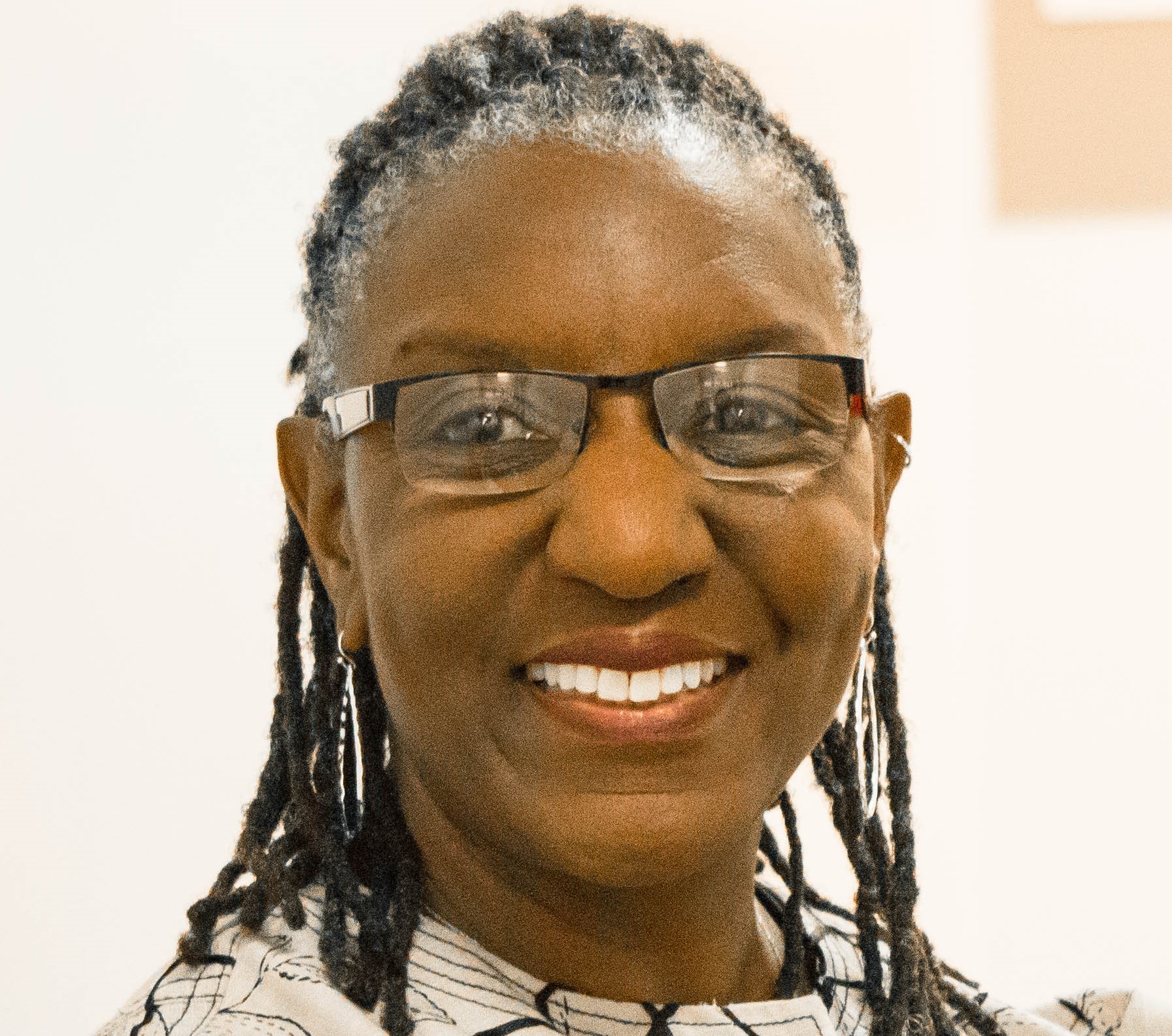
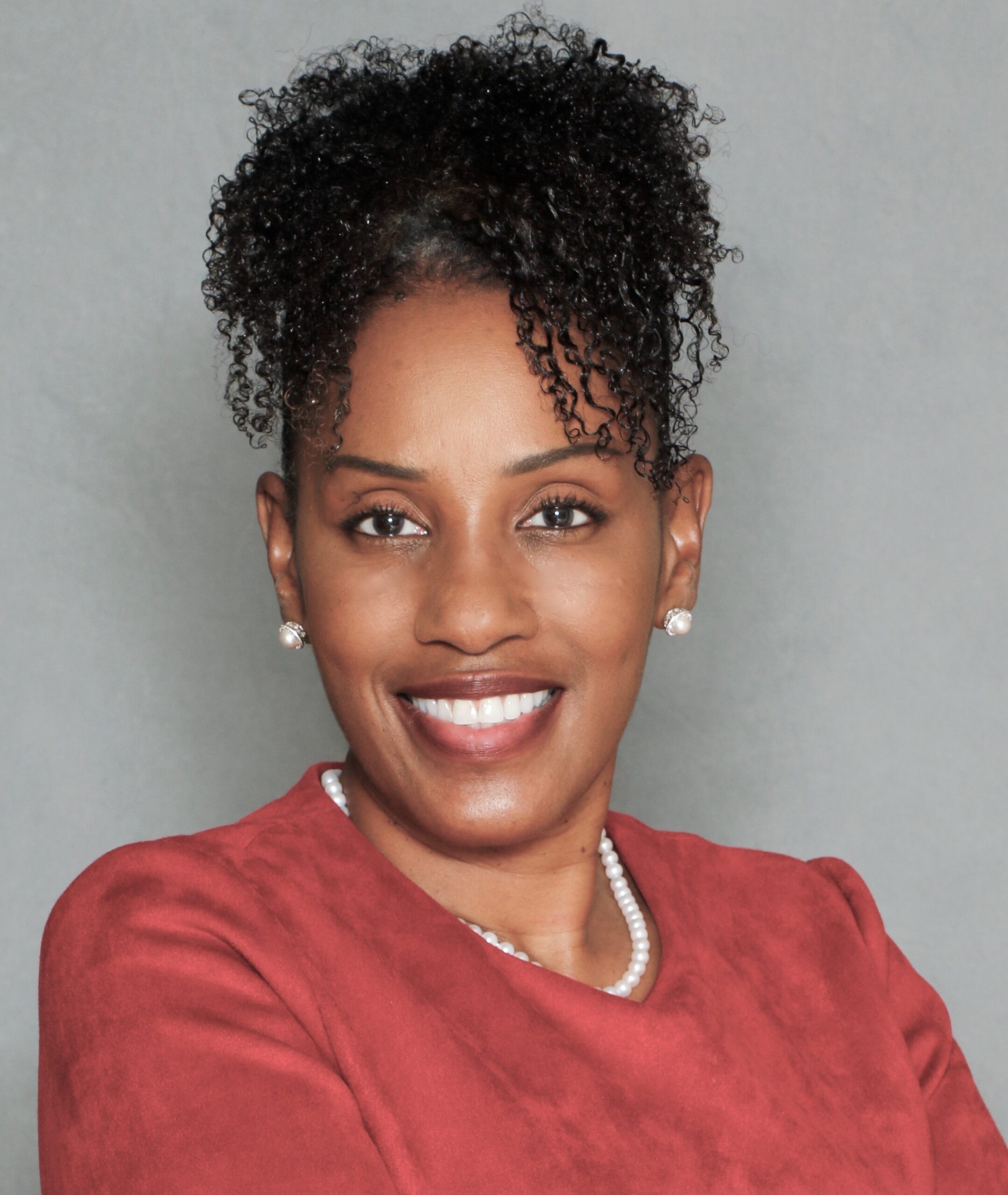
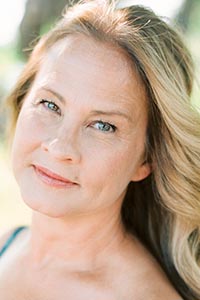
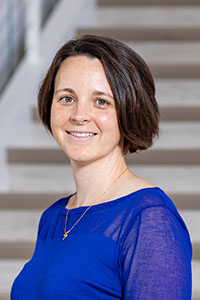
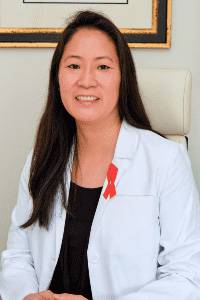 Carrie Belin is an experienced board-certified Family Nurse Practitioner and a graduate of the Johns Hopkins DNP program, Johns Hopkins Bloomberg School of Public Health, Georgetown University School of Nursing, and Johns Hopkins School of Nursing. She has also completed fellowships at Georgetown and the University of California Irvine.
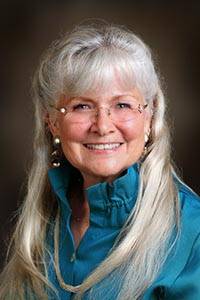
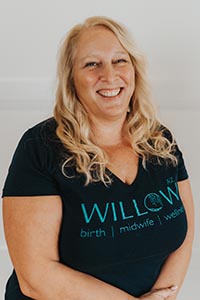
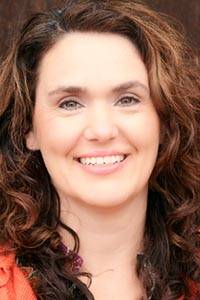 Angie has been a full-scope midwife since 2009. She has experience in various birth settings including home, hospital, and birth centers. She is committed to integrating the midwifery model of care in the US. She completed her master’s degree in nurse-midwifery at Frontier Nursing University (FNU) and her Doctorate at Johns Hopkins University. She currently serves as the midwifery clinical faculty at FNU. Angie is motivated by the desire to improve the quality of healthcare and has led quality improvement projects on skin-to-skin implementation, labor induction, and improving transfer of care practices between hospital and community midwives. In 2017, she created a short film on skin-to-skin called
 Justin C. Daily, BSN, RN, has ten years of experience in nursing. At the start of his nursing career, Justin worked as a floor nurse on the oncology floor at St. Francis. He then spent two years as the Director of Nursing in a small rural Kansas hospital before returning to St. Francis and the oncology unit. He has been in his current position as the Chemo Nurse Educator for the past four years. He earned an Associate in Nurse from Hutchinson Community College and a Bachelor of Science in Nursing from Bethel College.
 Brandy Jackson serves as the Director of Undergraduate Nursing Programs and Assistant Educator at Wichita State University and Co-Director of Access in Nursing. Brandy is a seasoned educator with over 15 years of experience. Before entering academia, Brandy served in Hospital-based leadership and Critical Care Staff nurse roles. Brandy is passionate about equity in nursing education with a focus on individuals with disabilities. Her current research interests include accommodations of nursing students with disabilities in clinical learning environments and breaking down barriers for historically unrepresented individuals to enter the nursing profession. Brandy is also actively engaged in Interprofessional Education development, creating IPE opportunities for faculty and students at Wichita State. Brandy is an active member of Wichita Women for Good and Soroptimist, with the goal to empower women and girls. Brandy is a TeamSTEPPS master trainer. She received the DASIY Award for Extraordinary Nursing Faculty in 2019 at Wichita State University.
  Dr. Sabrina Ali Jamal-Eddine is an Arab-disabled queer woman of color with a PhD in Nursing and an interdisciplinary certificate in Disability Ethics from the University of Illinois Chicago (UIC). Dr. Jamal-Eddine’s doctoral research explored spoken word poetry as a form of critical narrative pedagogy to educate nursing students about disability, ableism, and disability justice. Dr. Jamal-Eddine now serves as a Postdoctoral Research Associate in UIC’s Department of Disability and Human Development and serves on the Board of Directors of the National Organization of Nurses with Disabilities (NOND). During her doctoral program, Sabrina served as a Summer Fellow at a residential National Endowment of the Humanities (NEH) Summer Institute at Arizona State University (2023), a summer fellow at Andrew W. Mellon’s National Humanities Without Walls program at University of Michigan (2022), a Summer Research Fellow at UC Berkeley’s Othering & Belonging Institute (2021), and an Illinois Leadership Education in Neurodevelopmental and related Disabilities (LEND) trainee (2019-2020).
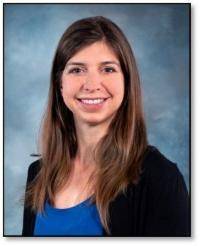 Vanessa Cameron works for Vanderbilt University Medical Center in Nursing Education & Professional Development. She is also attending George Washington University and progressing towards a PhD in Nursing with an emphasis on ableism in nursing. After becoming disabled in April 2021, Vanessa’s worldview and perspective changed, and a recognition of the ableism present within healthcare and within the culture of nursing was apparent. She has been working since that time to provide educational foundations for nurses about disability and ableism, provide support for fellow disabled nursing colleagues, and advocate for the disabled community within healthcare settings to reduce disparities.
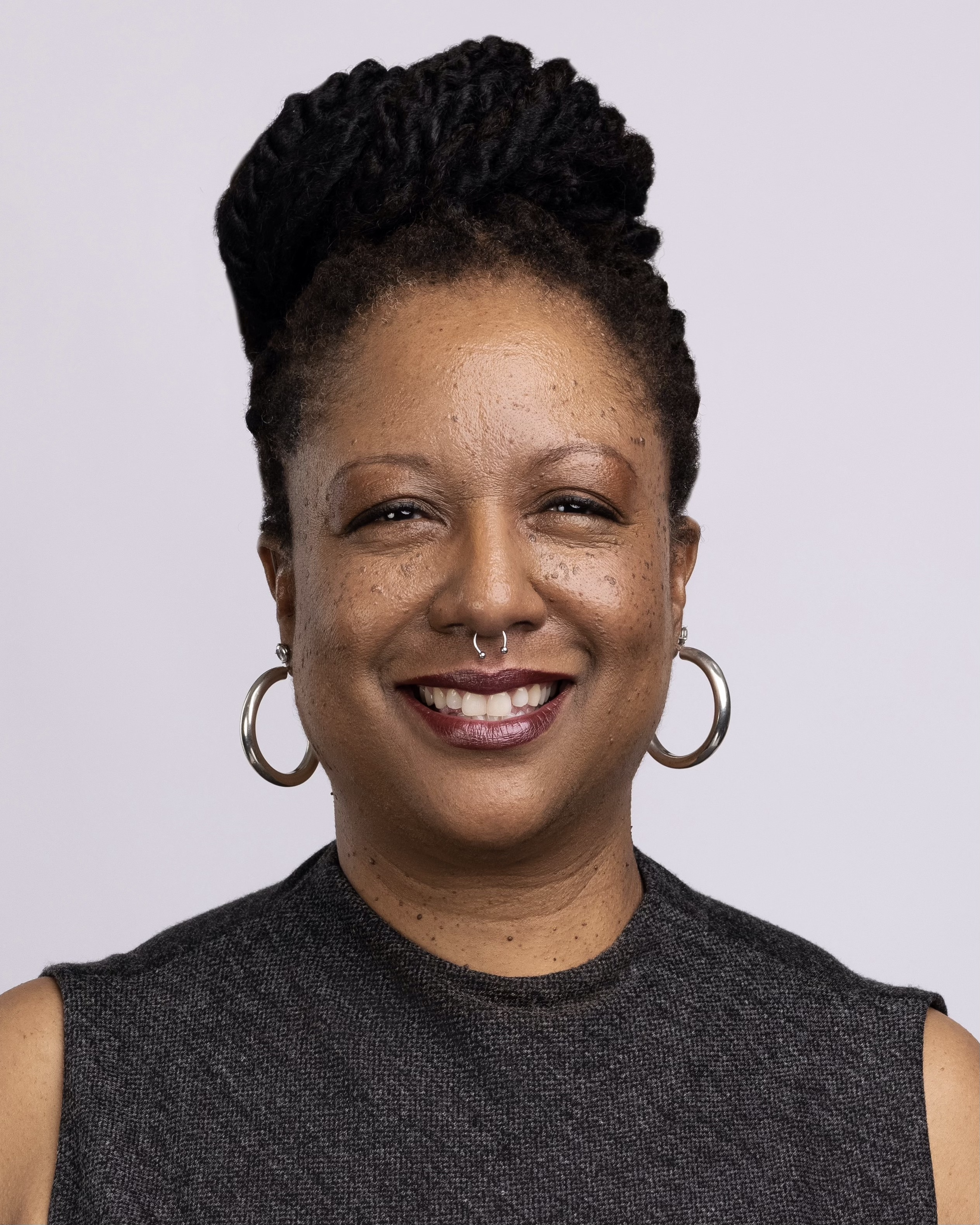 Dr. Lucinda Canty is a certified nurse-midwife, Associate Professor of Nursing, and Director of the Seedworks Health Equity in Nursing Program at the University of Massachusetts Amherst. She earned a bachelor’s degree in nursing from Columbia University, a master’s degree from Yale University, specializing in nurse-midwifery, and a PhD from the University of Connecticut. Dr. Canty has provided reproductive health care for over 29 years. Her research interests include the prevention of maternal mortality and severe maternal morbidity, reducing racial and ethnic health disparities in reproductive health, promoting diversity in nursing, and eliminating racism in nursing and midwifery.
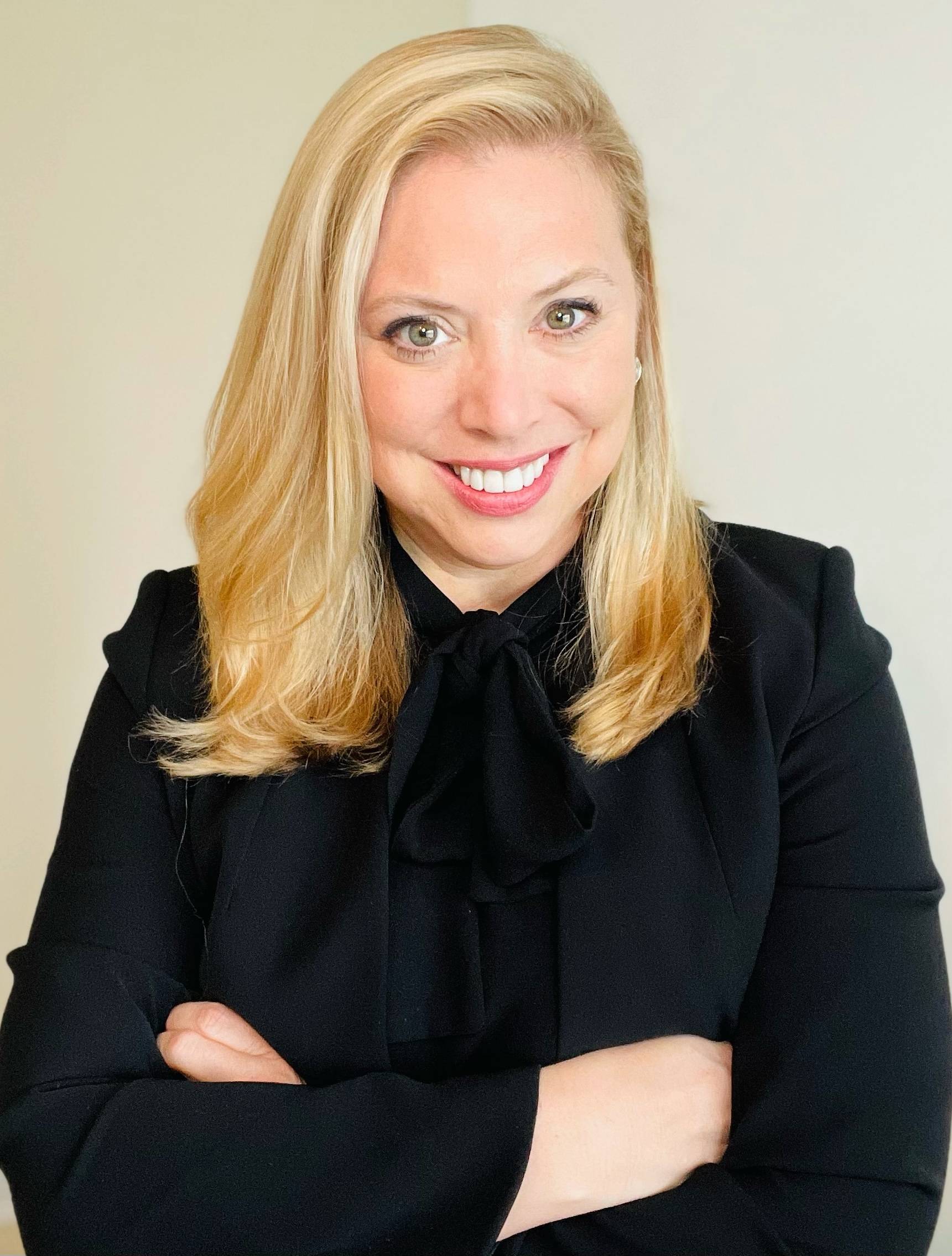 Dr. Lisa Meeks is a distinguished scholar and leader whose unwavering commitment to inclusivity and excellence has significantly influenced the landscape of health professions education and accessibility. She is the founder and executive director of the DocsWithDisabilities Initiative and holds appointments as an Associate Professor in the Departments of Learning Health Sciences and Family Medicine at the University of Michigan.
 Dr. Nikia Grayson, DNP, MSN, MPH, MA, CNM, FNP-C, FACNM (she/her) is a trailblazing force in reproductive justice, blending her expertise as a public health activist, anthropologist, and family nurse-midwife to champion the rights and health of underserved communities. Graduating with distinction from Howard University, Nikia holds a bachelor’s degree in communications and a master’s degree in public health. Her academic journey also led her to the University of Memphis, where she earned a master’s in medical anthropology, and the University of Tennessee, where she achieved both a master’s in nursing and a doctorate in nursing practice. Complementing her extensive education, she completed a post-master’s certificate in midwifery at Frontier Nursing University.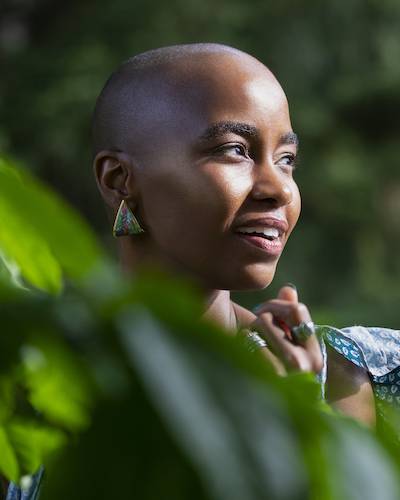
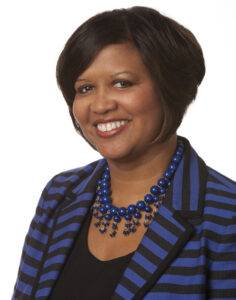 Dr. Tia Brown McNair is the Vice President in the Office of Diversity, Equity, and Student Success and Executive Director for the Truth, Racial Healing, and Transformation (TRHT) Campus Centers at the American Association of Colleges and Universities (AAC&U) in Washington, DC. She oversees both funded projects and AAC&U’s continuing programs on equity, inclusive excellence, high-impact practices, and student success. McNair directs AAC&U’s Summer Institutes on High-Impact Practices and Student Success, and TRHT Campus Centers and serves as the project director for several AAC&U initiatives, including the development of a TRHT-focused campus climate toolkit. She is the lead author of From Equity Talk to Equity Walk: Expanding Practitioner Knowledge for Racial Justice in Higher Education (January 2020) and Becoming a Student-Ready College: A New Culture of Leadership for Student Success (July 2016 and August 2022 Second edition).