
Frontier Nursing University All-Access Podcast, Episode 7 Transcript
Why Advocacy Matters in Nursing and How to Be an Advocate
Please enjoy this transcript of the Frontier Nursing University All-Access Podcast! This podcast provides a closer look at Frontier Nursing University through lively and entertaining discussions with a wide variety of guests and topics.
Angela Bailey: Hello and welcome to The Frontier Nursing University All-Access podcast. I’m Angela Bailey, Chief Advancement Officer, and your host for this adventure. I’d like to welcome you all to the on-call lounge here on the Frontier Nursing University campus in beautiful Versailles, Kentucky. Within this inaugural season, we give you an all-access pass to delve deeper into Frontier Nursing University and the individuals who are making a daily difference in advanced practice nursing, midwifery, education, and healthcare across the country. Today, it is my pleasure to welcome Dr. Vicky Stone-Gale to the on-call lounge. Now should I call you Dr. Stone-Gale or Vicky?
Vicky Stone-Gale: You can call me Vicky. That would be fine, Angie.
Angela: All right. Thank you, Vicky. Welcome to the on-call lounge.
Vicky: Thank you. This is great to be here.
Angela: It’s a fun project and we’re so glad to be able to offer this to our listeners. Vicky, for our listeners’ information, tell us a little bit about who you are and what you do at Frontier Nursing.
Vicky: Well, I’m an associate professor at Frontier Nursing University. I came to Frontier in 2014 from a previous university that I was at in Fort Lauderdale, Florida, where I live. I have been in the university for almost eight years now. I teach in the primary care one course, which is the management course for the family nurse practitioner track at Frontier. Prior to doing that when I first came to Frontier I was in an epidemiology and biostatistics course, and then I had the opportunity to take over the primary care course. I’ve been in that course now for probably around six years. I just love the course because it’s a course where I can watch the students really grow and develop and start to see them just blossom.
Angela: Wow. Do you remember what month you came in 2014?
Vicky: I did. It was March. It was March 30th, as a matter of fact.
Angela: Isn’t that fine, because I started at Frontier in February of 2014. I started on February the 3rd and we both remember those dates exactly, right?
Vicky: Yes, we do. It was a wonderful day in my life to come to Frontier.
Angela: Oh, mine too. I don’t think that I have ever looked back. You have talked about what courses you teach and our listeners do know, hopefully, at this point that we are a distance learning institution. How have you found that to be different from previous positions? Is the distance dynamic easier or how are your relationships with students? Are they the same?
Vicky: Well, I came from a brick-and-mortar school so I had not taught online prior to coming. I had done some online work at that university because we had some hybrid courses, but to be in an all fully online program I had not done that before. I find that I connect so much better with my students. I think a lot of that has to do with the fact that you really forced to do that. You want to connect, you want to make sure that they feel your presence in the course that you are including them in the course, and making sure that they are getting all of the information that they need.
In my primary care one course, we do a lot of face-to-face sessions and that’s enabling the student to be fully engaged in the actual course. I find that the students really learn so much differently in an online program. I think that they really put a lot more into it than when they’re coming into class, and that’s just my perception having done both, but I find that they put a lot more effort into it. I see that they study more there. I see the times that they’re online because I can track that in my course.
They put a lot of time into coming into that course and really doing what they need to do. I have found it was a much easier thing for me to teach. Not only do I have more time to prepare and do a lot of things for the course, but I also have a lot of time to spend if students need assistance and we can do it on the computer at any single time. We’re not limited to — I’m in the university at 8:00 AM and I’m home at 5:00 o’clock and then I don’t have any connection with you.
I connect with my students in the evening and the weekends if I need to do that. That’s part of what we need to do as online faculty. We can’t just say it’s five o’clock Friday and we’re done, because students might need help over the weekend, especially if that’s the only time they’re doing their work because they’re working Monday through Friday and they’re working 12-hour shifts.
Angela: Yes, Vicky, that was beautiful. That is exactly what we continually hear from our alumni. My office also works with our alumni to keep them engaged with the institution, and all of the things that you have just said, I have heard echoed by them over and over again, that they didn’t realize how much more they would actually be connected with their classmates and with their professors in an online environment. I think that is a true testament to you and the rest of the faculty and also to our commitment of having this community of inquiry and this community that involves all students. I know that students hate the group projects, but I know that there are lots of those that our alumni say, “at the time, but now I’m so glad”, and we spend a lot of time helping our students build those connections. Right?
Vicky: We do. In my course, I make sure that the students are connecting because they’re paired up in either groups of three or groups of five to do some of these live sessions and they get to talk to each other and they get to know each other. They don’t even know what their assignment’s really going to be when they come into that session. They develop in that session and they develop amongst each other. It ends up where I’ve had a few of the students tell me that when they end up leaving the course they’ve made relationships with those students that they’ve connected with in the course.
I think they work better together when they’re really being challenged and they can talk things out. We talk so much about critical thinking skills that nurse practitioners need and we’re able as faculty to listen to them while they’re working through these scenarios and really pick up on those critical-thinking skills that we want to hear them doing because that’s what we need to know that they can do to go out and practice safely.
Angela: Oh, yes. Absolutely.
Vicky: We’re preparing them to practice safely and that’s what they have to do. We just don’t know if we don’t hear and so it’s really a great thing for them.
Angela: You guys do a wonderful job, and I’m not sure that you’re aware but our number one source of referral for new students has been for years and continues to be referral from our alumni. I think that is such a testament to the work that you as faculty do and the relationships that you’re able to build. So, thank you for that.
Vicky: I do think that our faculty are probably one of the best faculty that I’ve ever worked with. We have so many years of knowledge in this university. So many hundreds of years of teaching experience and practice experience in this university and the students know that when they come in. They do their research and they’ve talked to people and they’ve read about Frontier before they come here. They know that we’re top in the nation on many levels.
They don’t come in blinded. They come in knowing exactly how rigorous the program is and which, sometimes you hear all these online nursing programs are just not rigorous enough. They’re not what they need to be as like in a brick-and-mortar school. I find it more rigorous for the online program. It’s very interesting because I was on a call the other day with a hundred nurse practitioners, and they were talking about online programs and the concern that some people in the community are saying, well, there are so many online programs and they’re just throwing these students out and they’re just putting them out in the field and they’re not really getting a good education.
I was just ready to say something when one of the members said well, I’m going to tell you that the only nursing university that I really know puts out quality nurse practitioners in an online school is Frontier Nursing University. I was so proud to hear that. It was an awesome thing to hear.
Angela: Well, and a lot of people don’t know that we created the Family Nurse Practitioner program many years ago and we have always been pioneers in distance education. I think that one of the things that people forget is that because we are distance, it allows us to pull from a very talented group of faculty all over the country. They don’t have to live in Kentucky. They don’t have to be here and so we get to pick the cream of the crop, like you, Vicky, from Florida, right?
Vicky: Thank you.
Angela: You’re welcome, and speaking of Florida, I hear you just won a really great award in Florida. Can you tell our listeners about that?
Vicky: I did. I was just notified a few weeks ago that I was honored to receive the American Association of Nurse Practitioners (AANP) State Advocacy Award for 2022. That is really for doing the work that I’ve done in Florida for nurse practitioners to get autonomous practice, to get a controlled substances bill approved, and I didn’t do that by myself trust me. I did that with many, many, many of my wonderful colleagues in Florida over the years. It was a real honor to be told that I have that award and I’ll be accepting that in June, at the AANP National Conference in, I believe it’s in New Orleans this year.
Angela: Yes, and I hope to be there and be in the audience clapping for you, as you receive that award.
Vicky: Thank you. Thank you so much.
Angela: You are welcome but I’m sure that our listeners don’t know – because I don’t think that I understood before I got to Frontier – that the laws governing nurse practitioners are really state-dependent. Can you talk about that a little bit and what your thought has been in Florida and why it’s important?
Vicky: Yes, it’s been a big struggle in Florida and every state has their own laws and it depends on the legislation that says this is what the nurse practitioners in that specific state can do. I remember when I graduated in 1992, I met a lady named Barbara Lumpkin. Barbara Lumpkin was a registered nurse and she worked for the Florida Nurses Association. She was probably kind of a lobbyist for them, but she did many, many other things. She was a big advocate for nursing in general. I was introduced to her about a year when I got out of school and she said to me, “I really want you to come with me to Tallahassee, and listen to what the legislators do and testify in front of the legislators in regards to nurse practitioners and what you’re doing in the community.”
At that time in my area of Broward County, Florida, we didn’t have any nurse practitioners. There were five of us that graduated from their university, from their family nurse practitioner program. We were the first five in the area. In this area, there were a few down in Miami that went to the University in Miami, and they didn’t even have a master’s program. They were bachelor’s prepared nurse practitioners.
We were one of the first master’s prepared nurse practitioners in the community and the physician that hired three of us had a big vision. He saw what we could do and he had a vision and he hired two of us and his friend hired one of us.
We started out with an organization that one of the drug reps said one day, “You need to start a nurse practitioner organization, a local nurse practitioner organization.” We went to Red Lobster and at that time now we’ve got about 10 nurse practitioners and we formed this group and that’s how I met Barbara Lumpkin. We invited her to come and speak to our group. She asked me to go to Tallahassee and I was like, “Oh, no, I’m not doing that. I’m not talking in front of those people I don’t know.” She said, “No, book your airfare. You’ll be on a plane next Wednesday or Thursday,” whatever day it was and away I went.
I listened to this testimony in the legislature and I was able to speak and I was hooked and that was it. I never looked back. That fight for our autonomous practice, for our controlled substances, that was all still brewing back then and it hasn’t been until recently that we were able to get legislation through. I’ve been practicing since ’92 and it’s that many years that we have been fighting this battle. We went from physicians not even talking to us about our patients to now most physicians have nurse practitioners in their practice. But I remember when I graduated and I would send a patient to a specialist and I would call that specialist to ask him about what he saw with a patient, he wouldn’t talk to me.
I remember this specific cardiologist saying, “I’m not talking to you because you’re just a nurse and I need to speak to the physician.” My physician that I worked with got on the phone and said, “This is my nurse practitioner, and she is educated and qualified to treat patients. She referred a patient to you and it’s her patient and you need to discuss the patient’s care with her, not me. If you choose not to do that then we won’t be referring to your practice anymore.”
Angela: Good for him.
Vicky: Yes, he really stood up for us and was an advocate for us and he’s the one that saw that vision. He even took so much flak from the hospital because he was only one of two physicians in the area that put nurse practitioners in the practice. They were just all against it and he really took a lot of hits at the hospital for that. Then as we transitioned within a couple of years, I had physicians calling me asking me to get them a nurse practitioner because they knew what myself and the others were doing in the practices and they saw that we were making a difference and really helping the practice.
It wasn’t that we were just taking care of patients, we were educating patients, we were providing more care to the patients and they could give because we took a little bit more time with the patients. Now, they were transitioning, they were like, “Oh, you can do pap smears. As males, we don’t want to do that anymore.” Then we saw ourselves being able to transition into a lot of women’s health in the practice.
It took many, many years for us to transition into that. It’s interesting we had a webinar last night, that Kim Curry, who’s with AANP – she lives in Florida – and she just did a webinar on a complete video on the history of nursing and nurse practitioners in Florida. It was very interesting to hear some of the people that have been involved way back in the 70s and how we’ve progressed since then. I have to say that it takes a village to try to get things passed and the Florida Medical Association has not been friendly to us over the years and they’re still not friendly to us.
Angela: But let’s go back just a second because I think that our listeners may not understand how a nurse practitioner, or nurse-midwife for that matter, is an integral part of the care team that also includes doctors and why autonomous practice is even an issue?
Vicky: Well, I think that a lot of the old school physicians, they don’t want to let go. They don’t want to have change in their practice. They still want to have their thumb on people. Some of the newer physicians, I think they get it and I think they understand it because they were trained with nurse practitioners. The whole part of this is the team. You’re a team, you’re taking care of patients. What with the physicians getting so upset that we want to do what they want to do and we want to do it by ourselves, it just doesn’t make sense when you’ve got patients that live in underserved areas and rural areas of the state that don’t have access to care. They have to go maybe 50 or 60 miles to see somebody, that’s just not feasible for people. They don’t have the money to travel, they don’t have the means to travel, not even just financially but maybe they don’t have a good car. We really are an integral part of the health care team in Florida, and some people just don’t see that. The whole thing has been, we need to work together. We need to work together as a team, the nurse practitioners, the midwives, the CRNAs. Every aspect of the nurse practitioner team has to work with medicine, with radiology, with oncology.
It’s not just primary care, it’s all different settings and we have nurse practitioners practicing in every single setting. They’re all over in specialty areas. Psych mental health is a huge thing right now. We have to partner with our physicians to give the best care that we can give. That’s the key right there and by becoming autonomous in Florida, it can open so many doors because people don’t think of Florida’s have underserved rural areas. Up the panhandle, we don’t have a lot of nurse practitioners and healthcare providers up there. There was a scenario we gave to the governor about seven years ago. I remember this very clearly when we told him that these children that have ADD have to travel 60 to 70 miles to get their medication filled when the nurse practitioner could do that. I think there’s a lot of tension that doesn’t need to be there amongst medicine. Some people see it, and some people just don’t, Angie.
Angela: Yes, I think that’s one of the beautiful things about Frontier. Even from the very beginning, it was about creating relationships, helping and educating people about how advanced practice nurses are a part of the team. I think that once people start to understand that they’re not replacing, they are a part of a team where everybody has a role and is needed. I love that you mentioned the healthcare shortage areas because we have several areas in this country, as you well know, that are called healthcare deserts. Where people are having to wait weeks and months and travel great distances to be able to get the care that you and I may take for granted, that we can go down the road two miles and get.
As our country continues the migration from rural areas to urban areas, those who are in rural areas are continually and increasingly underserved. I think that your point about nurse practitioners and nurse-midwives filling those gaps is just such an integral role and, of course, it’s always been Frontier’s mission to serve those who are rural and underserved.
Vicky: Angie in 2020, Health Bill 607 was passed and that bill left out some significant healthcare providers such as psych mental health nurse practitioners and all the specialty groups and the CRNAs. It was really geared towards primary care. As long as you practiced in primary care practices, in family, in general internal medicine, or in primary pediatrics, and you met the guidelines as far as meeting the CEU requirements and making sure that you did not have anything on your license, you had an unencumbered license and you had malpractice insurance, that type of thing, then you could get your autonomous nurse practitioner license. In that bill, there were some provisions for nurse practitioners for underserved areas, if you worked in underserved areas. They put in the bill, that there was a $5 million budget for the nurse practitioner that worked in an underserved area to apply for $15,000 a year to go towards paying down their student loans. Some of our nurse practitioners in primary care looked at that and said, “Not only do I want to become autonomous in this underserved area because my community needs it, but I also would love to get some of my student loans removed.” A lot of us have a lot of student loan debt.
One of my colleagues up in the panhandle, she opened a practice and was really supported by a legislator to open her own practice in an underserved area. She went last week to find out — we were trying to find out where we could get this money for her to start paying down her student loans – and the money was pulled from the budget. Out of our bill. That money was pulled from our budget out of our bill last year, well, this session because they hadn’t used it yet. They pulled it to use it in something else in the budget in the state, but yet autonomous practice couldn’t even be applied for until October of 2020. A lot of nurse practitioners were just starting to start the application process and everything and then they pulled it in March. They didn’t even give any nurse practitioners time to even be autonomous, get everything up and going, get their practices running or anything before they pulled that money.
Now, I’m trying to see if we can get that money back somehow because that was a recurring budget. That could dissuade some nurse practitioners in the state from saying, “Okay, I’m working in an underserved area and I can’t even get what I wanted to get out of this bill.” There’s so many things that we have to do still to take care of – we need to get psyche nurse practitioners in all the specialty groups and every nurse practitioner in the state, we need to get them autonomous. When autonomous practice was approved in 2020, I was able to be the first nurse practitioner in the state of Florida to get my autonomous license. My daughter, who’s also an FNP, she was the second nurse practitioner to get her autonomous license.
Angela: Fantastic. You must be a very proud mama.
Vicky: I am. I probably won’t practice for more than four years. I’m at that age. I’m on the downside, but we did this bill for these people who are coming behind us. My daughter’s still got 25 years to practice. The autonomous practice we want to try to get for every single nurse practitioner in this state. We still have our struggles. I can’t stress enough, Angie, the need for all nurse practitioners in every single state to be working with their legislators, working with students to let them know that this is something that, you get out of school and you just don’t start practicing. We want you to also become involved in your legislative groups and stuff and your state, your local, and your national organizations. You have to be aware of what’s going on in your practice because it can be taken away from you in one line in a bill.
Angela: What I really hear you saying, and correct me if I’m wrong, is it is important for all nurse practitioners to be involved in the professional organizations and in advocacy for themselves, for the nurses that come after them, and for the patients that they serve. If you do not have the support of those state governments, it really ties your hands about where you can practice, how you can practice, and how you serve the communities that you’re in.
Vicky: Absolutely. That’s the way you connect. I’ve got students that I know are coming to, we have a nurse practitioner meeting next week. Some of my students that were in my course are coming because they live in the area. In those meetings, we talk a lot about advocacy. We talk a lot about getting involved in your local. and also doing your state, and also doing your national, and going to those conferences. Hooking up with somebody who really knows advocacy and knows how to talk to senators and the house of representatives. Those people who really can connect you and help you and be mentoring for you.
I didn’t know how to do it. I was mentored by Barbara Lumpkin to do it and I didn’t know how to do it. Those things are really important. The mentoring process is important because we’ve got so many people who are going to retire and we really need all these people to come behind us and still do the work. There’s so much work to be done. We can’t give up. We need voices and unfortunately, we need dollars because dollars talks and we know medicine has the money to pay legislators. Nursing doesn’t have that kind of money. Our packs are a lot smaller, which is your political action committee funds are smaller than physicians.
You get out there, you get the legislators to know you. You get them to understand what you do in the community for them, and for the patients. You get them to understand in your district, this is how many nurse practitioners we have in your district. This is what they’re doing in the community. This is the amount of patients that are seen by those nurse practitioners. You have to educate these legislative representatives because some of them are coming in brand new and they don’t even know who you are unless they see you in practice.
Angela: It all comes around full circle for me because one of the first things that had to happen again when Frontier first started was to get the support of the state and of the doctors in the state in order for a nurse-midwifery program to even happen because it was a new idea. From the get-go, this has been an issue for advanced practice nurses to break into that realm and say, “Hey, this is what we can provide. We’re here to be a team member.”
What I also love, is that I know that every Frontier student gets classes on leadership. and on how to be a leader in their community because we know from the get-go that our students may be practicing in rural and/or underserved areas and they’re going to have to be their own advocate and be leaders in their community. I think that having mentors like you, who are saying, “This is an important part of your leadership to advocate for yourself and your brother and sister practitioners,” is just so incredibly important.
Vicky: It really is. You hit on a key word, advocating for yourself. That’s a real important thing. I was very blessed to have a physician that I worked with and I’ve been with him for 21 years. He’s so pro-nurse practitioner and has been so supportive of me over the years in my advocacy efforts, but it’s important to be able to also educate the physician if you’re working with one and making sure that they understand because they share that with their physician colleagues too.
I know that the physician that I work with has talked to his own colleagues about the importance of autonomous practice for nurse practitioners. When I got autonomous practice, he was so excited. Now, I won’t leave there because I don’t need at this stage in my life to open my own practice. My daughter does, she will and she’s in the process of working with that, but they need to understand the physicians also need to educate their colleagues on what you can do. If you’ve got a really strong physician you work with who supports you and who understands the need for that advocacy, they can also advocate for you and help you too.
You have to just not reach out to your colleagues. You have to reach out to everybody around you, put op-eds in the paper, do articles in the paper, speak at conferences, speak at local meetings, speak at state meetings, and just get the word out there. It all pays off in the end, that hard work. We saw that with our controlled substance bill which was passed in 2017, I think it was. We saw that with our autonomous practice bill but we need to continue that advocacy effort and to be letting our students know that we need them to be leaders in our community too
Angela: Absolutely. Now, for our listeners who may not be nurses or nurse practitioners at all, who are just interested in Frontier in the work that we do in improving rural and underserved health, what would you say to those non-practitioners, how can they help make sure that our best practice nurses have the resources and the support that they need in their own states?
Vicky: Well, I think we need to educate them about what we can do and we need to be working with the community. The best thing I think that we can do – we do this down here in south Florida – Dr. Diane John and Dr. Sally Weiss, who are also Frontier faculty live right by me. They’re part of our local organization. Diane John is very, very entrenched in the community. She does a lot of community work. I do it with her.
We’re out there where people are meeting us. These are not physicians. These are not nurses. These are people in the community at the YMCA, at the schools that know that educating that know what resources we can bring to them. They see the things that we do in the community. We work with kids in distress. We work with women in distress. We work with very low-income schools to do food drives and clothing drives and school drives. They remember us and they tell other people in the community.
It’s not just about the legislatures. It’s about other people in the community, learning about you, learning about what you do for them, and sharing that with other people because they will –
Angela: Beautiful.
Vicky: -share it with everybody. We get calls all the time too. “Can you come and speak to our group, can you come and talk to our elders at the church about nurse practitioners and what you do in the community?” That’s a beautiful thing. It doesn’t have to just be our elected officials.
Angela: Yes, there’s been lots of grassroots movements across this country that have had a huge impact. I totally agree. Educate yourself and share the knowledge, right?
Vicky: Share the knowledge, share the love.
Angela: Share the love. Vicky, this has been so wonderful. Is there anything that you would like to share that we haven’t talked about?
Vicky: One of the things that I just want to say is that Frontier Nursing is just a phenomenal university. I’m not just saying that because I work there. I love working there, but just to hear the community say positive things about our university. There was a physician here that another university who was trying to get him to take students for women’s health. He said, “I only take Frontier students.” The faculty member came and told me, “He won’t take anybody unless it’s from Frontier.” I’m like, “Well that’s because they’re good.”
Angela: That’s right.
Vicky: For those out there who are thinking of maybe being students that are wondering what we do we. We’re a very rigorous university. We have excellent faculty. We have strong faculty. We put out really good students. Our graduates get jobs and the people who hire them have the utmost respect for them. The other thing we do too, that is so good is we publish on all kinds of different diagnoses and conditions. Our faculty do book chapters and we do presentations internationally, nationally. We’ve got a lot of good things going on at Frontier.
Angela: We’re going to be highlighting many of those as we move forward with this podcast, because sometimes I like to say that Frontier is the best-kept secret in the country because there is much going on here that folks just don’t know about.
Well, Vicky, I certainly thank you. You are not only a wonderful advocate for nurse practitioners but you are also a wonderful advocate for Frontier. I really appreciate you taking the time to talk with us today and help our listeners understand a little bit more about advocacy and why it’s important.
Vicky: Well, I thank you so much for inviting me, Angie, it’s been a pleasure.
Angela: Oh, thank you so much.
To our listeners, as always, again, thank you for joining Frontier Nursing University, all-access. We hope that you have enjoyed our conversation and that you will share what you have learned today. If you would like to learn more about Frontier and how you can make a difference for mothers, babies, and families across the country, please visit our website at frontier.edu. If you have enjoyed this podcast and we certainly hope that you have, please remember to rate, review, and subscribe until next time. Thank you for listening.
[music]
END
Enjoy the show?
Be sure to follow the Frontier Nursing University All-Access Podcast on Google Play, Apple Podcast, Spotify, or wherever you find your podcasts. Visit the FNU All-Access Podcast page here.
 Burslem has been recognized through several awards and distinctions over the years. She became an
 The efficient and well-planned development and implementation of these measures were vital to our students, many of whom would have had to go on hiatus or even withdraw from the university if these options were not available to them.
 Episode 6 of the
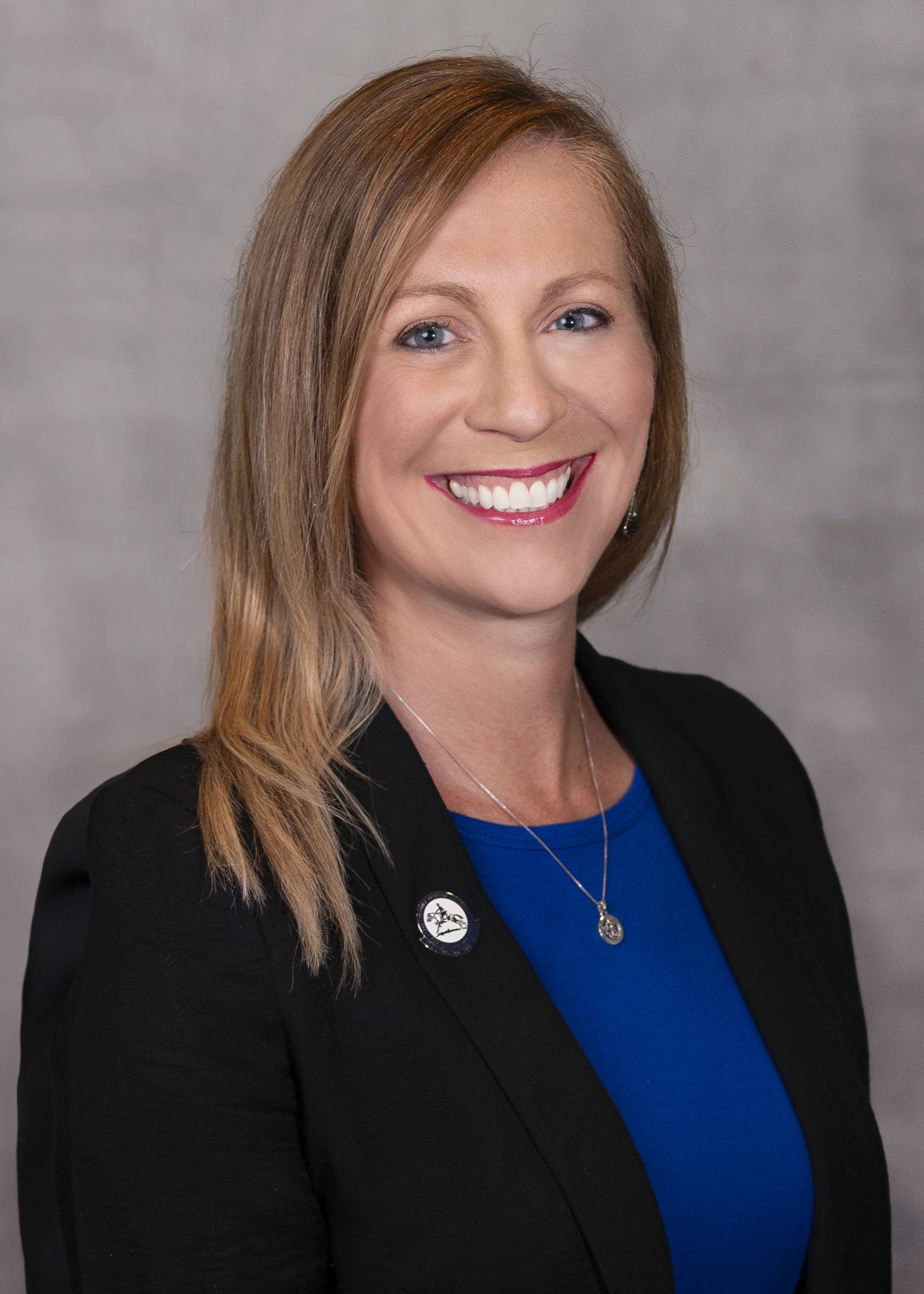
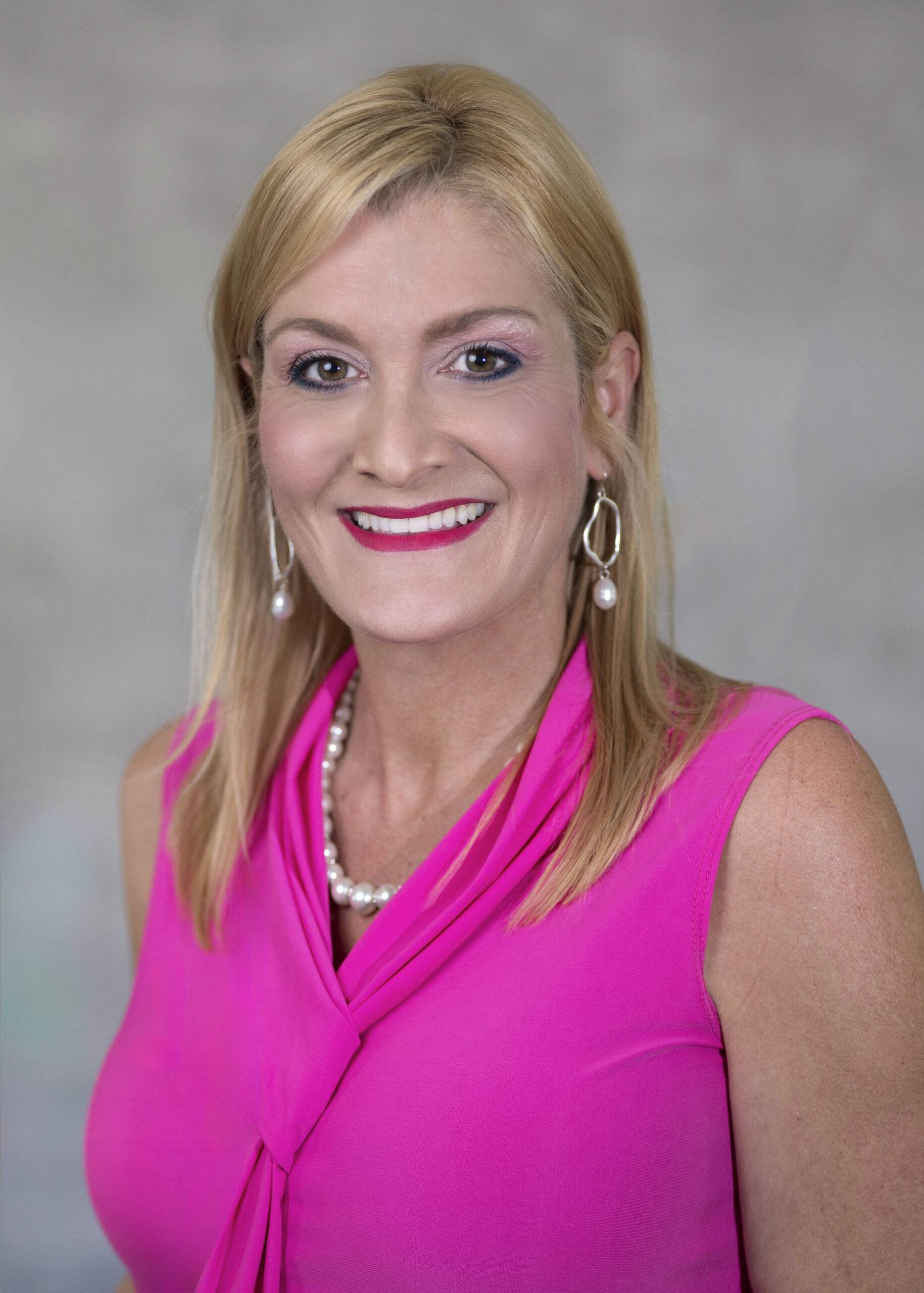
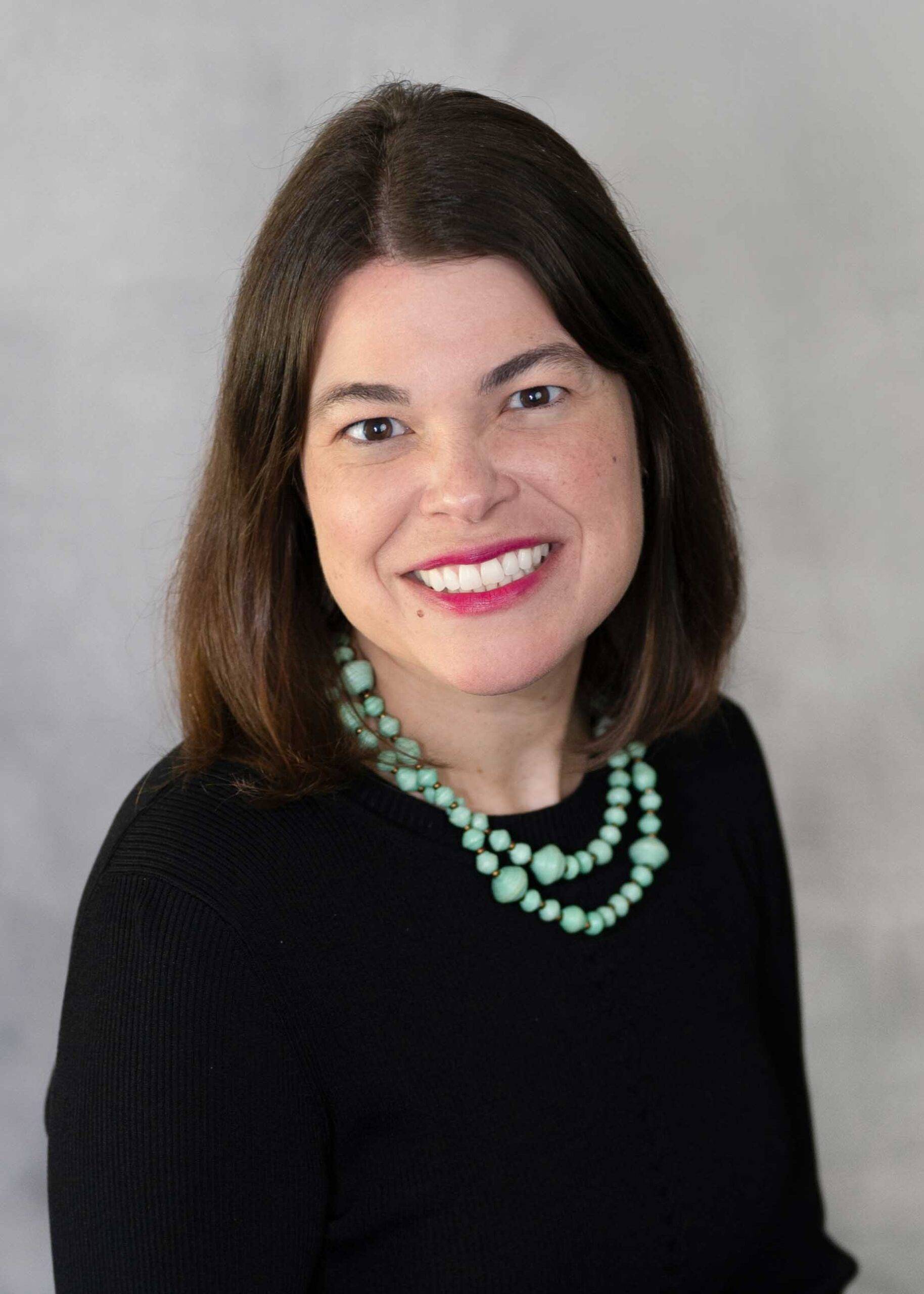
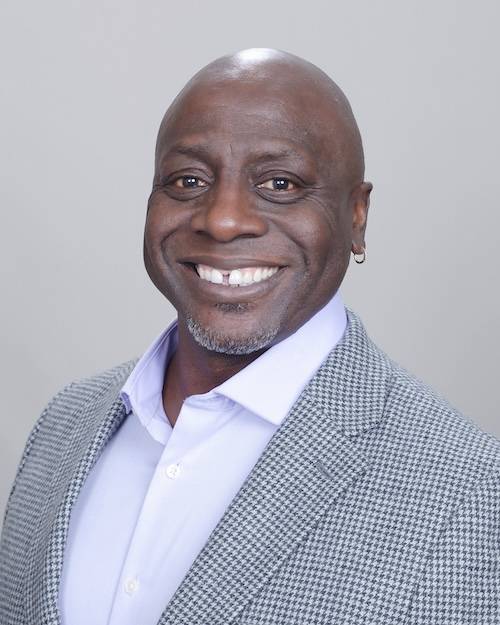
 At the heart of Frontier Nursing University is a talented and diverse community of students, alumni, faculty, staff, Couriers and preceptors. Spotlight blogs feature members of our FNU community who are focused on the mission of educating nurse-midwives and nurse practitioners to deliver quality healthcare to underserved and rural populations.


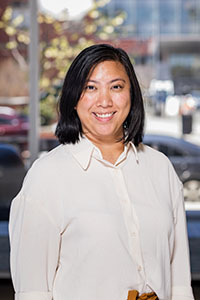
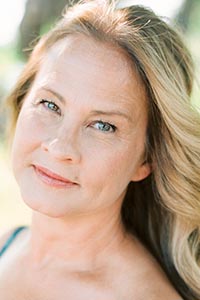
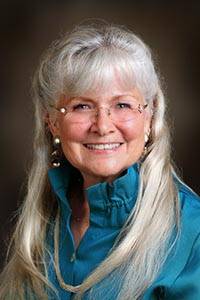
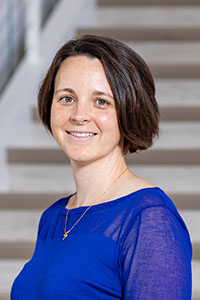
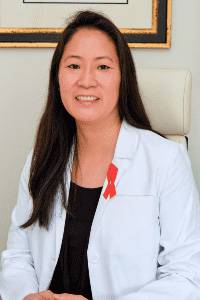 Carrie Belin is an experienced board-certified Family Nurse Practitioner and a graduate of the Johns Hopkins DNP program, Johns Hopkins Bloomberg School of Public Health, Georgetown University School of Nursing, and Johns Hopkins School of Nursing. She has also completed fellowships at Georgetown and the University of California Irvine.
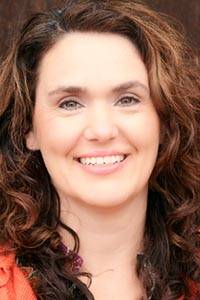 Angie has been a full-scope midwife since 2009. She has experience in various birth settings including home, hospital, and birth centers. She is committed to integrating the midwifery model of care in the US. She completed her master’s degree in nurse-midwifery at Frontier Nursing University (FNU) and her Doctorate at Johns Hopkins University. She currently serves as the midwifery clinical faculty at FNU. Angie is motivated by the desire to improve the quality of healthcare and has led quality improvement projects on skin-to-skin implementation, labor induction, and improving transfer of care practices between hospital and community midwives. In 2017, she created a short film on skin-to-skin called
 Justin C. Daily, BSN, RN, has ten years of experience in nursing. At the start of his nursing career, Justin worked as a floor nurse on the oncology floor at St. Francis. He then spent two years as the Director of Nursing in a small rural Kansas hospital before returning to St. Francis and the oncology unit. He has been in his current position as the Chemo Nurse Educator for the past four years. He earned an Associate in Nurse from Hutchinson Community College and a Bachelor of Science in Nursing from Bethel College.
 Brandy Jackson serves as the Director of Undergraduate Nursing Programs and Assistant Educator at Wichita State University and Co-Director of Access in Nursing. Brandy is a seasoned educator with over 15 years of experience. Before entering academia, Brandy served in Hospital-based leadership and Critical Care Staff nurse roles. Brandy is passionate about equity in nursing education with a focus on individuals with disabilities. Her current research interests include accommodations of nursing students with disabilities in clinical learning environments and breaking down barriers for historically unrepresented individuals to enter the nursing profession. Brandy is also actively engaged in Interprofessional Education development, creating IPE opportunities for faculty and students at Wichita State. Brandy is an active member of Wichita Women for Good and Soroptimist, with the goal to empower women and girls. Brandy is a TeamSTEPPS master trainer. She received the DASIY Award for Extraordinary Nursing Faculty in 2019 at Wichita State University.
  Dr. Sabrina Ali Jamal-Eddine is an Arab-disabled queer woman of color with a PhD in Nursing and an interdisciplinary certificate in Disability Ethics from the University of Illinois Chicago (UIC). Dr. Jamal-Eddine’s doctoral research explored spoken word poetry as a form of critical narrative pedagogy to educate nursing students about disability, ableism, and disability justice. Dr. Jamal-Eddine now serves as a Postdoctoral Research Associate in UIC’s Department of Disability and Human Development and serves on the Board of Directors of the National Organization of Nurses with Disabilities (NOND). During her doctoral program, Sabrina served as a Summer Fellow at a residential National Endowment of the Humanities (NEH) Summer Institute at Arizona State University (2023), a summer fellow at Andrew W. Mellon’s National Humanities Without Walls program at University of Michigan (2022), a Summer Research Fellow at UC Berkeley’s Othering & Belonging Institute (2021), and an Illinois Leadership Education in Neurodevelopmental and related Disabilities (LEND) trainee (2019-2020).
 Vanessa Cameron works for Vanderbilt University Medical Center in Nursing Education & Professional Development. She is also attending George Washington University and progressing towards a PhD in Nursing with an emphasis on ableism in nursing. After becoming disabled in April 2021, Vanessa’s worldview and perspective changed, and a recognition of the ableism present within healthcare and within the culture of nursing was apparent. She has been working since that time to provide educational foundations for nurses about disability and ableism, provide support for fellow disabled nursing colleagues, and advocate for the disabled community within healthcare settings to reduce disparities.
 Dr. Lucinda Canty is a certified nurse-midwife, Associate Professor of Nursing, and Director of the Seedworks Health Equity in Nursing Program at the University of Massachusetts Amherst. She earned a bachelor’s degree in nursing from Columbia University, a master’s degree from Yale University, specializing in nurse-midwifery, and a PhD from the University of Connecticut. Dr. Canty has provided reproductive health care for over 29 years. Her research interests include the prevention of maternal mortality and severe maternal morbidity, reducing racial and ethnic health disparities in reproductive health, promoting diversity in nursing, and eliminating racism in nursing and midwifery.
 Dr. Lisa Meeks is a distinguished scholar and leader whose unwavering commitment to inclusivity and excellence has significantly influenced the landscape of health professions education and accessibility. She is the founder and executive director of the DocsWithDisabilities Initiative and holds appointments as an Associate Professor in the Departments of Learning Health Sciences and Family Medicine at the University of Michigan.
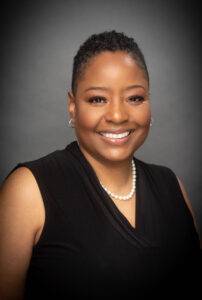 Dr. Nikia Grayson, DNP, MSN, MPH, MA, CNM, FNP-C, FACNM (she/her) is a trailblazing force in reproductive justice, blending her expertise as a public health activist, anthropologist, and family nurse-midwife to champion the rights and health of underserved communities. Graduating with distinction from Howard University, Nikia holds a bachelor’s degree in communications and a master’s degree in public health. Her academic journey also led her to the University of Memphis, where she earned a master’s in medical anthropology, and the University of Tennessee, where she achieved both a master’s in nursing and a doctorate in nursing practice. Complementing her extensive education, she completed a post-master’s certificate in midwifery at Frontier Nursing University.

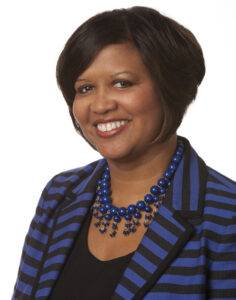 Dr. Tia Brown McNair is the Vice President in the Office of Diversity, Equity, and Student Success and Executive Director for the Truth, Racial Healing, and Transformation (TRHT) Campus Centers at the American Association of Colleges and Universities (AAC&U) in Washington, DC. She oversees both funded projects and AAC&U’s continuing programs on equity, inclusive excellence, high-impact practices, and student success. McNair directs AAC&U’s Summer Institutes on High-Impact Practices and Student Success, and TRHT Campus Centers and serves as the project director for several AAC&U initiatives, including the development of a TRHT-focused campus climate toolkit. She is the lead author of From Equity Talk to Equity Walk: Expanding Practitioner Knowledge for Racial Justice in Higher Education (January 2020) and Becoming a Student-Ready College: A New Culture of Leadership for Student Success (July 2016 and August 2022 Second edition).