At the heart of Frontier Nursing University is a talented and diverse community of students, alumni, faculty, staff, Couriers and preceptors. Spotlight blogs feature members of our FNU community that are focused on the mission of educating nurse-midwives and nurse practitioners to deliver quality health care to underserved and rural populations.
Frontier Nursing University (FNU) alumni Charles R. Davis, FNP has spent countless hours within the last few years to advocate for the health of underserved students in rural New York. Davis, who earned his Master of Science in Nursing (MSN) from FNU in 2019 in the family nurse practitioner program, spearheaded the idea and led a committed and diverse team of individuals that established the newly-constructed Webutuck School-Based Health Center in Amenia, New York. In partnership with the Webutuck School District, the health center will be operated by Open Door Family Medical Centers of Ossining, NY. The Webutuck Central Schools District is located in the rural farming community of Northeast, Dutchess County, near the borders of Massachusetts and Connecticut.
In 2019, Davis presented an evidence-based proposal to the superintendent of the Webutuck Central School District concerning the need for and value of a school-based health center for students. He saw the need as over 60% of the population in his community meet the metric of being categorized as economically disadvantaged.
After Davis received approval from the district’s superintendent and other leaders, including the Board of Education he secured the collaboration of Open Door Family Medical Centers to be the facility’s healthcare partner. Open Door Family Medical Center is a Federally Qualified Health Center (FQHC) facility. Davis then solicited and received over $150,000 in grant funding from the Foundation for Community Health in Sharon, Connecticut, and the State of New York State and secured architectural support and contractors to design and construct the facility according to the guidelines set by New York State’s Department of Education and Department of Health.
The school-based health center held it’s grand opening on May 14 with a ribbon cutting and an opportunity for the community to check out its newest healthcare resource.
The center will help families with health insurance enrollment, charge no copays, and cover the costs for the uninsured. Students who visit the center will be able to return to class immediately after their visit.
The health center removes barriers many rural students face in regards to healthcare, including accessibility to a healthcare provider, transportation, the ability for a parent/guardian to take time off from work, access to health insurance, financial obstacles in regards to covering co-payments and the loss of classroom time that results in a healthcare visit. It will be the first School-Based Health Center in the Mid-Hudson Valley Region of New York.
“Where better to pursue an MSN-FNP than Frontier Nursing University, with its significant ethos and storied history of care, including training and educating individuals to provide healthcare to the underserved?”
– Charles R. Davis, FNP
“I chose to become a family nurse practitioner as a way to give back to communities and individuals less fortunate than me,” he said.
With early ambitions to become an FNP, Davis said he was inspired to attend FNU after learning about the school’s history as an undergraduate nursing student.
“Where better to pursue an MSN-FNP than Frontier Nursing University, with its significant ethos and storied history of care, including training and educating individuals to provide healthcare to the underserved?” Davis said.
Since graduating, Davis said he has continued to receive mentorship from the Frontier community, citing Dr. Jodie Kaufman, Dr. Joanne Keefe, Dr. Heidi Froemke and Dr. Lisa Chappell as examples of outstanding mentors.
“My Frontier network has been a source of enormous support and encouragement for my work and mission in bringing a much needed School-Based Health Clinic to my district,” Davis said.
Department Chair for the Department of Family Nursing Dr. Lisa Chappell expressed her admiration and pride for the work Davis is doing.
“Charles was an exceptional student who was a true visionary. He has always been highly motivated to live out FNU’s mission of serving all individuals, especially those in diverse, rural, and underserved communities,” Dr. Chappell said. “We are very proud of him for working hard to make his dreams and vision a reality.”
In his free time, Davis enjoys spending time with his family, cooking, exercising, bird-watching, and spending time with his pitbull.
Thank you, Charles, for your unrelenting commitment to underserved patients in your community.
Kitty Ernst was a mentor, visionary, taskmaster, cheerleader, and dear friend to Frontier Nursing University (FNU). As we mourn the loss of this wonderful woman, educator, and pioneer for nurse-midwifery, we reflect on her life and the legacy that she leaves behind. Kitty planted the seeds for community-based midwifery and led the development and implementation of FNU’s Community-based Nurse-midwifery Education Program (CNEP) program.
To honor Kitty’s incredible impact on Frontier, we worked with Kitty to create the Kitty Ernst Scholarship Fund to support Frontier nurse-midwifery students. Just as she foresaw the need for community-based advanced practice nursing, Kitty also recognized the need to assist our students. She knew that minimizing student debt would enable graduates to focus fully on their call to serve.
Kitty was always a big proponent of giving back and paying it forward. We invite you to ‘Answer the Call’ and contribute to the scholarship fund.
At the American College of Nurse-Midwives Annual Meeting and Exhibition, FNU debuted a special Kitty Ernst Tribute video at our FNU Alumni & Friends Reception. We invite you to watch the video and reflect on the incredible impact Kitty left on FNU and the entire midwifery community.
There is no better way to honor Kitty’s legacy and the opportunities the nurse-midwifery program provides to our students than by making a gift of your own. We are asking the FNU community to help build this fund to $500,000. Meeting our goal of $500,000 would allow us to give significant scholarships to nurse-midwifery students each year, celebrating Kitty’s commitment to the midwifery profession in perpetuity.
To learn more about the Kitty Ernst Scholarship Fund and Kitty’s life, please visit our website. Any amount that you can give to the scholarship fund is a boost for our future midwives. We thank you for your contribution to this scholarship in Kitty’s name.
After nearly two years of being shut down by the pandemic, Frontier Nursing University’s (FNU) new Versailles, Ky. campus welcomed its first students last fall. Other than Commencement, which is the signature event every year, the resumption of student activities on campus was the highlight of 2021. Fittingly, the return to campus is featured prominently in the 2021 President’s Annual Report, which once again reviews the past year at Frontier through the lens of the 2021 strategic plan objectives. The efforts to achieve those strategic objectives resulted in many successes and lessons learned for the members of the Frontier community.
The first student activity held on campus was Clinical Bound, one of the central components of every FNU student’s program. Clinical Bound is a five-day on-campus event during which students learn and practice clinical skills via simulations before they put them into practice at their clinical sites. In the President’s Annual Report, the first Clinical Bounds held on the Versailles campus are detailed from both student and faculty perspectives. Additionally, the Report details the technical components of Clinical Bound and the role of the Information Technology personnel in assuring successful student experiences on campus.
Even though 2021 saw a gradual emergence from the pandemic, COVID-19 continued to be a dominant story throughout the year. It once again forced major events like Commencement and the Diversity Impact Conference to be held virtually for the second consecutive year. Dr. LaTonya J. Trotter, acclaimed author and Associate Professor of Bioethics and Humanities at the University of Washington, gave a powerful keynote address at Commencement. Dr. Trotter urged the graduates to go forth and continue to serve and lead their communities. Commencement, which celebrated over 900 graduates, also included the announcement of the Annual Leadership Awards and the Excellence in Teaching Awards. The recipients of these awards as well as the Annual Service Awards are also recognized in the Annual Report.
The 11th annual Diversity Impact Conference was also a great success despite being held virtually. The theme of the event was “Dismantling Systemic Racism and Discrimination in Healthcare: Our Roles and Responsibilities.” The overarching goal of the three-day conference was to explore the history and role of healthcare systems as a vehicle for promoting racism, sexism, and other forms of oppression. A total of 112 students, faculty, and staff attended the free, three-day conference, which was held in June.
More big news came in June when the Health Resources and Services Administration (HRSA) awarded FNU two grants totaling $4,140,000. The HRSA Behavioral Health Workforce Education and Training grant totals $1,920,000, and the Nursing Workforce Diversity grant totals $2,220,000. HRSA, which is an agency of the U.S. Department of Health and Human Services, will award the funding for both grants in annual installments over four years.
Awards and achievements were a common theme throughout the year. The university was named a recipient of the prestigious INSIGHT Into Diversity Higher Education Excellence in Diversity (HEED) award for the fourth consecutive year. FNU’s diversity, equity, and inclusion initiatives also were recognized by the American Association of Colleges of Nursing (AACN), and the Diverse Organizational Impact and Transformation (DOIT) Certification Program. A leader in distance learning since 1989, Frontier also received an International Distance Learning Award, presented by the United States Distance Learning Association (USDLA). Additionally, the university was recognized as “A Great College to Work For” by the Great Colleges to Work For® program.
In addition to these important events and stories, the 2021 President’s Annual Report also includes data and information on university enrollment, diversity, retention, precepting, and more. The 2021 President’s Annual Report is available to read online or download here.
At the heart of Frontier Nursing University is a talented and diverse community of students, alumni, faculty, staff, couriers and preceptors. Spotlight blogs feature members of our FNU community who are focused on the mission of educating nurse-midwives and nurse practitioners to deliver quality healthcare to underserved and rural populations.
With a focus on lifetime care for individuals, PMHNPs are committed to promoting mental health through assessment, diagnosis and treatment of behavioral problems, mental disorders and comorbid conditions.
A resident of Springfield, Virginia, Hercik has served as an Infection Preventionist for the past 10 years. Through her role, she provides surveillance for healthcare-acquired infections for a health system with over 700 beds. She is responsible for submitting healthcare-associated infections to the Center for Disease Control’s National Healthcare Safety Network and tracks catheter-associated urinary tract infections, central line bloodstream infections, surgical site infections and healthcare-associated clostridioides difficile infections. She has earned her Certification in Infection Prevention and Control, or CIC, credential.
Hercik’s decision to transition to mental health was influenced by her adopted 10-year-old son, who lives with mental health disorders and requires therapy and pharmacological treatment.
“It has been extremely difficult to find mental health care practitioners who understand his situation and know how to treat it,” Hercik said. “This has led me to have an interest in transitioning to mental health and becoming a compassionate and excellent provider.”
Hercik said she was attracted to FNU because of the selective admissions process and online program. She said she has enjoyed leveraging the Frontier network, and has been able to reach out to graduates who live in her area to ask advice or inquire about clinical sites. In fact, Hercik said one of her preceptors is an FNU alumnus.
“After researching schools with a PMHNP program, FNU pulled ahead of its competitors. I liked that admission was selective, the program was online, and there were programs to assist students in completing their degree. I liked the idea of both Frontier Bound and Clinical Bound to provide opportunities to connect with faculty and other students.”
– Deanna Hercik, PMHNP Student
“After researching schools with a PMHNP program, FNU pulled ahead of its competitors,” she said. “I liked that admission was selective, the program was online, and there were programs to assist students in completing their degree. I liked the idea of both Frontier Bound and Clinical Bound to provide opportunities to connect with faculty and other students.”
Thank you, Deanna, for taking this big step toward becoming a PMHNP.
At the heart of Frontier Nursing University is a talented and diverse community of students, alumni, faculty, staff, Couriers and preceptors. Spotlight blogs feature members of our FNU community that are focused on the mission of educating nurse-midwives and nurse practitioners to deliver quality health care to underserved and rural populations.
Frontier Nursing University (FNU) student Carrie Baker, MSN, FNP, PMHNP, is utilizing her experience as a nurse practitioner to advocate for the health of her community. Baker is pursuing a Post-Master’s Doctor of Nursing Practice (DNP) at FNU (Class 40) and is set to graduate this year.
A former U.S. Army officer, Baker lives on a Marine Corps housing installation in Hawaii with her two children and her spouse, who is an active member of the U.S. military. There, she serves as a psychiatric-mental health nurse practitioner (PMHNP) for a local nurse practitioner-owned telepsychiatry practice and as a Periodic Health Assessment provider.
Baker’s patient base is wide-ranging, including urban and rural, male and female and local and military. By completing psychological evaluations and medical management via telehealth, Baker is able to reach patients through most of Hawaii’s chain of islands.
Recently, Baker has served as an advocate for the public health and safety of her community. On Nov. 20, 2021, 14,000 gallons of jet fuel spilled at the Red Hill Bulk Fuel Storage Facility, a military storage facility in Hawaii that is operated by the U.S. Navy. As a result, the Navy’s water distribution system, which Baker’s community uses, became contaminated. Soon, residents began complaining of a visible oil sheen on the water, odor and a variety of illnesses.
Seeking accountability and solutions from local leaders, Baker co-organized a community town hall meeting.
“Due to a lack of acknowledgement, validation and communication, our community has taken a stand to be heard,” Baker said. “Somehow, I have found myself at the forefront of this.”
Several key stakeholders were invited to the meeting, including the Naval Facilities Engineering Systems Command Hawaii, Marine Corps Base Hawaii, local housing leadership, local water board personnel and members of the media. During the meeting, community members were given the opportunity to ask questions to leadership personnel.
Baker said some key takeaways from the meeting included increased communication, further water testing, flushing of the community water system, entitlements (such as funds for hotel lodging until the issue is resolved) and continued water points on the installation for retrieval of clean water.
“We are far from having this situation resolved, but we now have the attention of those leaders who matter,” Baker said. “There is still some discord between the community and the leadership in that we still have not been acknowledged as affected.”
Baker said her experience as a nurse practitioner gave her the confidence to advocate for the health of her community. To that end, she said she has decided to earn her DNP to gain confidence in being a leader and advocate for her patients and the community. She said FNU was the right choice in her pursuit of this goal.
“I decided to become a DNP to gain confidence in being a leader and advocate for my patients and community.”
– Carrie Baker, MSN, FNP, PMHNP
“I decided to become a DNP to gain confidence in being a leader and advocate for my patients and community,” Baker said.
Thank you, Carrie, for exemplifying FNU’s Culture of Caring, both in your professional endeavors and in your community activism.
To learn more about FNU’s Doctor of Nursing Practice, click here.
Each year, Frontier Nursing University (FNU) looks forward to May when we join with the American Nurses Association (ANA) in celebrating National Nurses Week May 6-12.
In 2021, the ANA officially recognized the entire month of May as National Nurses Month. This year’s theme is Nurses Make a Difference, honoring the varying roles nurses play and the positive impact they have on our lives. Nurses have an immense impact on health care and the well-being of our communities and are trusted advocates who ensure patients and their families receive quality care.
Here is a message to all nurses, especially our FNU students, alumni, and preceptors, from FNU President, Dr. Susan Stone:
National Nurses Week, which is recognized annually from May 6-12, is a yearly reminder to acknowledge and express gratitude for nurses across the United States. At Frontier Nursing University, we are acutely aware of the important roles that the more than 8,000 nurse practitioners and nurse-midwives who have earned advanced practice degrees from FNU hold in their communities, large and small. Though we are particularly proud of our alumni, our respect, admiration, and appreciation extend to all members of the nursing profession. Nursing, regardless of the specialty or type of practice, requires personal sacrifice, support from friends and family, and years of education and training. It can be exhausting, both physically and mentally, but the results are worth it. The reward comes in service to others. Across all of the nursing specialties and professions, one constant is the call to serve. It is a call that nurses are proud to answer, and one that is deserving of our gratitude not only during National Nurses Week but every day. Thank you to all the nurses across the country for your caring, expertise, and dedication. We are so proud of you.
We thank you for your time and dedication to this profession. As a nurse, you are always caring for others. It’s important, especially this month, to prioritize self-care so you can continue making a difference in health care. Here are some self-care tips.
(L to R) Caitlin Hainley, DNP, ARNP-CNM, IBCLC and Emily Zambrano-Andrews, DNP, ARNP-CNM
When your business offers something no one else does, it’s either because you’re ahead of the curve or there’s a reason no one else is doing it. For Drs. Caitlin Hainley and Emily Zambrano-Andrews, both might very well be true.
Fellow Frontier Nursing University (FNU) alumni Hainley, DNP, ARNP-CNM, IBCLC, and Zambrano-Andrews, DNP, ARNP-CNM opened the Des Moines Midwife Collective on September 1, 2021. Their clinic is the first in central Iowa and only the second in the entire state to accept insurance care for homebirth midwifery services. They understand why others don’t accept insurance, but more importantly, they know why Des Moines Midwife Collective does.
“What we really want to do here is bring accessible care,” said Hainley, Companion DNP Class 5. “I want to be the type of midwife I wish had been around when I was having babies. I want to be open to all socioeconomic demographics.”
“We want to give women access to care and to serve women of all backgrounds,” said Zambrano-Andrews, Companion DNP Class 5. “That’s hard to do when you are cash pay only and don’t take insurance.”
So hard to do, in fact, that the only other clinic in the state that accepts insurance for home birth midwifery care is a Federally Qualified Health Center (FQHC) located in the northwest corner of the state, approximately four hours from Des Moines.
Without insurance, Hainley said home birth costs between $6,000 and $7,000 and must be paid upfront in cash. “That prices out so many of our population,” she said. “Those lower socioeconomic groups are really at a disadvantage at finding midwifery home birth care.”
Hainley and Zambrano-Andrews come by their passion to serve women of all ethnic and socioeconomic backgrounds honestly. Included in the insurances they accept is Medicaid.
“Medicaid reimbursement is not always very high, but it’s just important for us to provide access,” Hainley said. “We were once the Medicaid moms looking for midwives. We have both been poor. We’ve both been on Medicaid and food stamps. Accessing kind, respectful, equitable care is important to us because we’ve been there.”
Both of these Iowa midwives were born and raised in rural Iowa but took different routes to arrive where they are today. Zambrano-Andrews gave birth to her first child when she was 19. It was an experience that forged her path to becoming a nurse-midwife.
“I was on state insurance so I felt like I had to go to one place,” Zambrano-Andrews said. “A nurse practitioner gave me most of my care, but then my delivery was with an OB and that was not the most pleasant experience. I decided I wanted to go to nursing school after I had my daughter. I wanted to be a labor delivery nurse to be supportive of women.”
One of Zambrano-Andrews’ instructors in nursing school was FNU graduate Ann Ersland, MSN, Class 32.
“She was my motivator and my mentor,” Zambrano-Andrews said. “She was a huge influence to me. Doing clinicals with her and learning what midwives do and what the difference is between midwives and OB physicians was fascinating. I knew someday I wanted to be a midwife but I felt like I just needed to do nursing for a while to get experience.”
Zambrano-Andrews was a nurse for 10 years at a small-town hospital before deciding it was time to become a midwife.
“At that time I had two children,” she said. “After I went to my orientation week for Frontier I found out I was pregnant with my third. I decided to push through and do school. When I started my DNP program I found out I was pregnant with my fourth.”
With few jobs available after the fellowship, Zambrano-Andrews took a hospital-based midwifery position but found it unsatisfying compared to her out-of-hospital work. That’s when she reconnected with her former FNU classmate Hainley, who was working at Primary Healthcare, an FQHC that served a large uninsured and underinsured population.
Unlike Zambrano-Andrews, Hainley did not stay in Iowa after finishing high school. She spent some time traveling along the east coast and taking classes at community colleges. She ultimately went to Harding University in Arkansas, where she met her husband and graduated with a degree in English. She and her husband then moved to China for five years. She taught British and American literature at a university there, then got involved in pregnancy and birth education.
“I basically helped any foreigner in our area of China who needed help navigating the Chinese hospital system during pregnancy, birth, or lactation,” Hainley said. “I had a doula business. I got really interested in women’s health.”
The couple moved back to Iowa in 2011 and Hainley immediately began taking classes to become an RN. After graduating, she started at FNU in 2014, ultimately going into the DNP program with Zambrano-Andrews.
“We met when I was finishing my RN,” Hainley said. “Emily had already been a nurse for about 10 years at that point and she was getting ready to go back to midwifery school and I knew I was going to midwifery school. We were both in love with home birth. We had home births ourselves and we talked about how we wanted to do home birth when we graduated. We were in many of the same classes in school and we worked together our last two years before we opened our own clinic.”
The decision to open their own clinic was not only the fulfillment of a dream but also the opportunity to put into place some ideas that had been percolating for years. Both had experienced the lack of access to the type of care they wanted and were determined to offer that very service to the women in their community.
“There were times throughout my own pregnancies and births where I could not access affordable care. I ended up having two babies at home without a midwife, just because of the lack of access to care,” Hainley said. “Because we had been there ourselves, we had a lot of great ideas but we didn’t have the power at our previous place of employment to enact them. So, we finally said, if they are such great ideas, let’s just take them and build them ourselves.”
They did a business plan and knew what they wanted their clinic to look and feel like. There was plenty they didn’t know, but they jumped in with both feet and hit the ground running. In the months since opening, they have learned much and recognize they have much more to learn. They deal with the challenges of accepting insurance willingly while acknowledging the challenges it presents.
“Taking insurance costs a lot,” Hainley said. “You have to have malpractice insurance, which costs a lot. Some of the home birth midwives don’t have that because they don’t take insurance and they don’t have to have it. You have to have good billers. All of this costs money and time, so I understand why they don’t. It is a struggle to bring that valued home birth care to an affordable setting. But it’s worth it. It’s worth it for every person’s life who is touched by that care.”
“Hopefully we’re improving health outcomes for our state and our community,” Zambrano-Andrews added. “There’s a lot of places where women got prenatal care here that have closed their doors. They have to drive a long way to get care. I feel like midwifery care, in general, has more of a wellness approach so I’m hoping that community health improves by what we’re doing here.”
Not only is the Des Moines Midwife Collective unique in its willingness to accept insurance, but it is also the first free-standing lactation clinic in the state of Iowa. Hainley has her International Board of Lactation Consultant certification and ZambranoAndrews is working toward hers.
Currently, they have no staff other than themselves. They function not only as the nurse-midwives, but also the receptionists, schedulers, greeters, and billers.
“It’s so costly to provide affordable care, but it’s worth it to us,” Hainley said. “We are building something for future generations and we’re building something to prove it can be done. We get to do that together and it’s really a great thing to have a partner in this.”
In the clinic, they do prenatal visits, lactation appointments, and women’s healthcare. In the home, they do births, 36-week prenatal visits, and a 24-hour postpartum visit. Some lactation visits are also offered in the home. Their years of experience in the community have helped them make multiple connections in the event of cases in which medical care in a hospital setting is required.
Both Hainley and Zambrano-Andrews are thankful for the preparation provided to them by FNU. They were both drawn to FNU’s history and community-based emphasis.
“I picked Frontier because they were more community-based,” Zambrano-Andrews said. “I felt like their focus on supporting birth centers was what really drew me to Frontier versus other programs.”
“They have such a great community background and they have a great emphasis on building community,” Hainley added. “They have such an emphasis on community and that fits really well with what we’re doing. Some of that was fostered and grown by how Frontier runs its program.”
The Des Moines Midwife Collective has received great support since its opening and has been welcomed by other midwives in the area. While the learning curve of owning a business has been steep and some challenges still loom, it has all been worth it so far.
“We have very appreciative clients who are so amazed that we are here and are taking insurance so they can have the desired birth they want,” Zambrano-Andrews said.
“You sacrifice for what’s important to you,” Hainley said. “It’s more than just putting a sign in a yard. It’s living a life that is meaningful even if nobody knows what you’re doing. It’s a sacrifice for what’s important.”
Editor’s Note: During the course of the interview, Hainley and Zambrano-Andrews expressed their gratitude for so many people who have helped them and made sacrifices to aid them in this journey. In particular, they wanted to acknowledge their families and say, “Thank you to our friends and family who have helped us along the way.”
Zambrano-Andrew’s family includes her husband Jesus Zambrano, whom she calls “her biggest supporter. If I didn’t have him, I don’t know if I’d be a midwife.” Together they have five children: Mina, Olivia, Elio, Giselle, and Elena.
Hainley and her husband Matt have four children: Juliet, Zella, Snowden, and Gemma. She also wanted to express her appreciation for her parents, Royce and Lisa. “My dad did so much contracting and manual labor work for us,” she said. “It wouldn’t have looked as pretty if he wasn’t involved. And my mom has helped paint and has taken up all the slack while my dad helps us.”
Frontier Nursing University announced Bobbi Silver as its new Chief Advancement Officer. Silver, who began her role on March 28, 2022, brings to Frontier nearly 20 years of experience in fundraising and marketing. Most recently, she served as the Director of Development at the Diocese of Lexington. Prior to that, she was the Vice President of Philanthropy at the YMCA of Central Kentucky and worked in fundraising roles at the University of Kentucky.
“We are so excited to welcome her and her family to the Frontier community,” said FNU President Dr. Susan Stone, CNM, DNSc, FAAN, FACNM. “We know she will help us continue to grow and successfully fulfill our mission.”
Silver earned a Bachelor of Arts in Political Science and History from McDaniel College in Westminster, Maryland. She has extensive experience in higher education and nonprofit organizations. She was the Development Officer for the Robinson Scholars Program at the University of Kentucky before moving on to Transylvania University where she was the Director of Major Gifts. She returned to the University of Kentucky as the Assistant Director of Development and Advancement for the Gatton College of Business & Economics. She then served as the Director of Development and Major Gifts for the University of Kentucky’s College of Pharmacy before accepting the position at the YMCA.
“Frontier Nursing University has an exemplary reputation in healthcare and I am excited to use my skills to highlight the many and wonderful ways that Frontier is transforming communities,” Silver said. “We are uniquely positioned, as we have been for almost 100 years, to educate and train nurse-midwives and nurse practitioners. I was drawn to Frontier because of its proud history of addressing rural healthcare inequities and our commitment to increasing diversity and inclusion in the healthcare system. It is my honor to work with such wonderful faculty, staff, and students, who have been incredibly welcoming and kind in my time here so far.”
Along with her years of experience, Silver also brings an outstanding record of success in development, alumni relations, external affairs, grants management, and marketing.
Chris Turley
Chris Turley is the Director of Student Engagement at Frontier Nursing University and has been instrumental in the execution of the Diversity Impact Conference, as well as Frontier’s Professional Organizational Mentoring (POMP) programs. He holds a Master’s of Science in Sports Administration and a Bachelor’s of Science in Sports Management. Chris has over 10 years’ experience with federal grant management, program development, and marketing. He was recognized as a “Kentucky Colonel” by the governor for his community engagement work in the state. Chris had the privilege of developing programs to help over 2500 at-promise participants gain vocational/technical skills to advance their careers and further opportunities.
Dr. Jill Alliman
Jill Alliman, CNM, DNP, has over 40 years of midwifery clinical and advocacy experience to improve access to maternity care for rural and underserved communities. She provided care in a rural birth center in Appalachian Tennessee for over 26 years. At AABC, she lobbied to pass the Birth Center Medicaid Bill in 2010 and serves on the Government Affairs Committee.
As Project Director of AABC Strong Start, she helped measure the impact of enhanced birth center care on outcomes for Medicaid beneficiaries. Data show that this model of prenatal care reduces maternal and infant health disparities and significantly improves preterm, low birth weight and cesarean rates, even when women give birth in the hospital. Participants had higher rates of breastfeeding with longer durations than those in usual care.
As Assistant Professor at Frontier Nursing University, she teaches Master’s and Doctoral APRN and CNM students about policy and collaboration skills impacting their future practice.
Victoria Burslem
Victoria Burslem, MSN, CNM, CNE(cl), FACNM, has served on faculty at Frontier Nursing University teaching nurse-midwifery and APRN students since 2015. Additionally, she was on faculty for 7 years at the inception of Frontier’s original Community-based Nurse-Midwifery Education Program (CNEP) and helped in the development of its distance curriculum. Clinically, Vicki’s professional experience includes providing full-scope nurse-midwifery care for over 35 years in both private and clinic settings – in-hospital and at a freestanding birthing center. Administratively, Vicki served as manager of a large Atlanta-based ob/gyn practice for many years, supervising the clinical practice of 10 nurse-midwives who attended approximately 200 births per month.
Vicki has been active in promoting legislative initiatives throughout her career, serving as the legislative liaison and then president of American College of Nurse-Midwives State Affiliates where she has lived, most recently in Kentucky. She is currently a Legislative Key Contact for the Kentucky Association of Nurse Practitioners and Nurse-Midwives and has extensive experience advocating for legislation impacting the advanced practice nursing profession. With a recognition that many in the nursing profession are unfamiliar with the legislative process, Vicki is able to provide a practical understanding of how bills progress through the state legislature and guidance on how to be an effective advocate for bills under consideration that impact patients’ access to healthcare and our profession.
Dr. Deborah C. Stamps
Deborah C. Stamps, EdD, MBA, MS, RN, GNP, NE-BC, CDE®, FADLN, FAAN, is the founder and chief executive officer for Deborah Stamps Consulting, LLC. Dr. Stamps has almost forty years of progressive healthcare leadership and is an internationally recognized authority on workforce development, diversity, equity, inclusion, justice, nursing education, and leadership. She has held various roles, from LPN, RN, Chief Nursing Officer, Vice President of Quality, Patient Safety and Innovation including founding President of the Rochester General College of Health Careers and the inaugural Chief Diversity Officer at Rochester Regional Health.
Dr. Roberta Waite
Roberta Waite, EdD, RN, PMHCNS, ANEF, FADLN, FAAN, is a nationally recognized nursing thought leader whose expertise is at the nexus of health equity, social justice, anti-Black racism, mental health, and community-centered work. As the inaugural Dean of the relaunched School of Nursing at Georgetown University, she works with internal and external stakeholders to establish a world class academic destination for advancing excellence in nursing education, research, scholarship, and transformative engagement with communities. She is responsible for academic and operational leadership of the school, which is composed of prelicensure, master’s and doctoral nursing programs.
Waite’s expertise is amplified in her roles as Board Director for Family Process Institute, Independence Blue Cross Foundation, Georgetown MedStar Hospital, and Advancing Health Equity’s National Advisory Board supported by the RWJF. As an inaugural Macy Faculty Scholar, her educational research focused on leadership development of nursing and health professions students using a social justice lens.
Dr. Ashley Graham-Perel
Dr. Ashley Graham-Perel, EdD, MS, RN, CNE, is an Assistant Professor, Director of the Office of Diversity and Cultural Affairs, and historian at Columbia University School of Nursing. She holds an EdD from Teachers College, Columbia University, an MS in Nursing Education from NYU Rory Meyers College of Nursing, and a BS in Nursing from NYC College of Technology. Triple certified in Medical-Surgical Nursing, Nursing Professional Development, and as a Certified Nurse Educator, she brings deep expertise to advancing equity in nursing. Her research explores the intersections of race, nursing education, and healthcare disparities, with a focus on the training of Black nurses and the legacy of institutions like the Lincoln School for Nurses. She researches and disseminates Black nursing history through oral histories and multimedia productions. Dr. Graham-Perel bridges academia and community to shape a more inclusive, historically grounded healthcare workforce.
Kimberly Jenkins Robinson
Kimberly Jenkins Robinson is a professor at the University of Virginia School of Law as well as a professor at both the School of Education and Human Development, and the Batten School of Leadership and Public Policy. She is one of the nation’s leading education law experts and speaks throughout the United States about K-20 educational equity, school funding, education and democracy, equal opportunity, civil rights, Title IX and federalism.
In 2023, Robinson launched the Education Rights Institute with $4.9 million in funding from an anonymous donor. Under her leadership, the Education Rights Institute will support scholarship and engagement about a federal right to education, the key building blocks of a high-quality education and opportunity gaps in the delivery of those building blocks, as well as how school districts can best comply with Title VI of the Civil Rights Act of 1964.
Dr. Paula Alexander-Delpech
Dr. Alexander-Delpech’s journey is marked by a deep-rooted commitment to education, healthcare innovation, and advancing Inclusive Excellence both at Frontier Nursing University (FNU) and on a national scale. With a solid educational foundation, including a Bachelor of Science and Master of Science in Nursing from Florida International University, a Doctor of Philosophy from Barry University, and a post-master’s in Psychiatric Mental Health from the University of Cincinnati, she brings a wealth of expertise and transformational leadership to the table.
For over 30 years, Dr. Alexander-Delpech has demonstrated visionary leadership in nurturing the minds of future nurses in both undergraduate and graduate programs, embodying her dedication to shaping the next generation of healthcare professionals through innovative pedagogical approaches and mentorship excellence. As a Board-Certified Psychiatric Nurse Practitioner (PMHNP), her clinical practice revolves around community-based healthcare, where she strategically utilizes telehealth to bridge gaps in mental health services while leading initiatives that expand access to underserved populations. Her research endeavors echo her collaborative leadership style and commitment to addressing global health inequalities, with a special focus on the Caribbean and its Diaspora.
Dr. Bennyce E. Hamilton
Dr. Bennyce E. Hamilton is a seasoned educator, administrator, and equity advocate with over three decades of professional experience in education, emergency services, and community engagement. Currently serving as Regional Director of the Center for Diversity, Equity, and Inclusion and Deputy Title IX Coordinator at Miami University Regionals, she has led transformative initiatives that bridge institutional policy with inclusive practice. Dr. Hamilton’s work centers on cultivating equitable environments, mentoring students and staff, and building strategic partnerships across educational and civic sectors. Her distinguished career includes leadership roles in K-12 and higher education, extensive curriculum development, and service as a firefighter/paramedic. A published author and dynamic presenter, she has shared her expertise nationally on issues of identity, access, and leadership. Dr. Hamilton holds a doctorate in Literacy from the University of Cincinnati and remains active in numerous professional and civic organizations, including the YWCA Hamilton and the Greater Hamilton Equity Alliance.
Dr. Kenya V. Beard
Kenya V. Beard, EdD, AGACNP-BC, ANEF, FAAN, FADLN is the inaugural Dean and Chief Nursing Officer at Mercy University’s School of Nursing and former chair of the New York State Board of Nursing. A national health equity expert and transformational leader, she has shaped nursing education, policy, and practice across the U.S. Dr. Beard was a 2012 Macy Faculty Scholar and co-founded the Center for Multicultural Education and Health Disparities. She teaches at the Harvard Macy Institute and serves on the board of Public Health Solutions. Her work spans media, policy, and academia, including co-producing health disparity segments on WBAI-FM and co-editing Future of Nursing 2020–2030: Global Applications to Advance Health Equity. A fellow of three national academies, she serves on editorial boards and co-founded the Academy of Diversity Leaders in Nursing.
Melanie A. Mariano, MSN, FNP-BC
Melanie A. Mariano, MSN, FNP-BC (she/her) is interested in advancing health equity by identifying and rectifying systemic racism in clinical decision-making and expanding community health services. She is a BSN and MSN graduate of the University of Pennsylvania’s School of Nursing. Upon graduation from Penn Nursing, she worked to establish a nursing presence at the Free Library of Philadelphia to connect marginalized populations to health services. Clinically, she currently works as a family nurse practitioner in the Atlanta Metro area. She is currently completing her work toward both a Doctor of Nursing Practice and Master of Public Health degrees at Johns Hopkins University School of Nursing and Bloomberg School of Public Health.
Kathleen Scott
Kathleen Scott earned her bachelor’s degree of Science in Nursing in 2006 from Hawaii Pacific University, Her Master’s Degree of Science in Nursing in 2008 from Frontier University and her Doctor of Nursing Practice in 2019 from Frontier University. She became an ACNM Fellow in 2024. She practices at Nebraska Medicine as a Certified Nurse Midwife and is a volunteer faculty member at University of Nebraska. In 2023, Dr. Scott’s innovative approach to teaching earned her the Excellence in Educational Service award through the University of Nebraska. Throughout her education, she was mentored and encouraged by her professors and colleagues. This support and inspiration greatly affected her success and allowed for additional educational opportunities that have motivated her to continue to learn well after her formal education had ended. She is committed to improving perinatal health outcomes within her community to decrease the maternal morbidity and mortality rates with her involvement in local nonprofit groups. The results of her DNP project, a project focused on identifying and treating anxiety and depression antenatally, influenced, and improved care provided to patients. She cofounded a volunteer doula program using allied health students to provide bedside support for long term antepartum and intrapartum patients. She works with local doula organizations, improving their continued educational opportunities and fostering cohesive integration into the birth team. Throughout her career she has taught a multitude of students and residents, nurturing a commitment to evidence based and compassionate care.
Virginia (Jenny) Glifort
There is no greater honor or joy than guarding and guiding women through the birth journey to motherhood. Jenny is a CNM with Valley Women’s Health in American Fork, Utah. She received her Bachelor of Science in Nursing from California State University at Los Angeles. As a graduate RN, she moved to Colorado, where she worked in critical care for several years, then transferred to teaching as a home dialysis instructor to patients with kidney failure. She met and married her Air Force husband and began her career as a military wife, supporting her family through the necessary frequent moves. After three tours of duty overseas and the birth of her three daughters, Jenny felt called into midwifery and earned her CNM certificate from The Frontier School of Midwifery and Family Nursing, now The Frontier Nursing University. She has practiced as a midwife with the Air Force, the Army, and the Indian Health Service in Alaska. She has experience in home and birth center births and private practice.
Jenny is a member of the American College of Nurse-Midwives and is board-certified by the American Midwifery Certification Board. She is a certified childbirth instructor and trained in lactation support. Jenny Has been certified in Neonatal Resuscitation, Advanced Cardiac Life Support, and Advanced Life Support in Obstetrics. She is credentialed to practice at two hospitals in the area.
Jenny loves the sunshine, gardening, outdoor activities (when not in school), and walking her Bernese Mountain dogs with her now-retired husband. She has been married for 50 years and has raised 3 incredible daughters. She now bears the honorific of Gigi (grandmother glifort) after being gifted with a grandson.
Rebekah Alison Bhansali, MSN, CNM, PhD Candidate
Rebekah Bhansali is a PhD candidate at the Johns Hopkins University School of Nursing with a diverse background in human development and family science, nursing, and nurse-midwifery. She completed her Nurse-Midwifery education at Frontier Nursing University. Rebekah worked as a Certified Nurse Midwife at Allen Midwifery and Family Wellness, a freestanding birth center in the Dallas-Fort Worth Metroplex, providing holistic care throughout adolescence, pregnancy, birth, postpartum, and menopause. Her dissertation research focuses on hypertensive disorders of pregnancy and their long-term cardiovascular risks with considerations of genetic and environmental influences by employing predictive modeling. Rebekah aims to advance precision health and technologies to improve healthcare outcomes and promote equitable lifelong wellbeing for women and birthing individuals.
Dr. Diane Ortega, DNP, CNM
Diane Ortega, DNP, CNM is the Co-owner and Administrative Director of Willow Midwife Center for Birth and Wellness AZ with locations in Mesa, Phoenix and Gilbert. The accredited birth centers have been recognized nationally for their excellent outcomes.
She received her Doctorate in Nursing Practice from Frontier Nursing University and additionally holds a post-masters certificate in Integrated Behavioral Health Care-Women’s Health from Cummings Graduate Institute. She helped to spearhead a perinatal behavioral health integration project at Willow Birth Center from 2016-2020 that received international acclaim through publication of outcomes in the International Journal of Integrated. Dr. Ortega and her business partner will be opening the first in the nation inpatient Mother-Baby psychiatric unit for women experiencing severe perinatal mood and anxiety disorders (PMADs).
Dr. Ortega is a member of the Arizona Maternal Mortality Review Committee and the Arizona Maternal Mental Health Advisory Committee. She also serves as the Vice President of the AABC Foundation and President of the AABC Arizona Chapter.
Dr. Cathleen Hewlett-Masser
Dr. Hewlett-Masser, DNP, CNM, IBCLC is a Clinical Educator, Assistant Professor for the University of New Mexico, College of Nursing since 2024. She currently teaches foundational courses in the Doctor of Nursing program in addition to the specific Midwifery specialty track. She practices clinically as a Certified Nurse-Midwife with the University Midwifery Associates in the UNM Department of Obstetrics and Gynecology, specializing in midwifery care for all who seek it. She is an advocate for reproductive justice, recognizing the role of psychological safety in comprehensive reproductive health care. Dr. Hewlett-Masser also advocates for the value of midwifery care in improving maternal child outcomes and increasing access to care. She currently serves Co-president of the New Mexico Affiliate of the American College of Nurse-Midwives and as a member of the New Mexico Department of Health Nurse-Midwifery Advisory Counsel.
Hewlett-Masser earned a Doctor of Nursing Practice and Master of Science in Nursing from Frontier Nursing University. Her doctoral project centered on expanding access to effective perinatal depression care.
Dr. Carrie Belin
Carrie Belin is an experienced board-certified Family Nurse Practitioner and a graduate of the Johns Hopkins DNP program, Johns Hopkins Bloomberg School of Public Health, Georgetown University School of Nursing, and Johns Hopkins School of Nursing. She has also completed fellowships at Georgetown and the University of California Irvine.
She is a member of several professional organizations, including the American Academy of Nurse Practitioners, the California Association for Nurse Practitioners, and Sigma Theta Tau International Honor Society in Nursing.Discover Midwives.
Dr. Angie Chisholm, DNP CNM
Angie has been a full-scope midwife since 2009. She has experience in various birth settings including home, hospital, and birth centers. She is committed to integrating the midwifery model of care in the US. She completed her master’s degree in nurse-midwifery at Frontier Nursing University (FNU) and her Doctorate at Johns Hopkins University. She currently serves as the midwifery clinical faculty at FNU. Angie is motivated by the desire to improve the quality of healthcare and has led quality improvement projects on skin-to-skin implementation, labor induction, and improving transfer of care practices between hospital and community midwives. In 2017, she created a short film on skin-to-skin called The Heart of Touch. She was a co-host of Midwifing America, a national podcast created for reimagining reproductive and maternity care in America. Angie is active in the American College of Nurse-Midwives. She is the current membership chair of the Kentucky affiliate. She was the Oregon affiliate chair of the public relations committee from 2017-2020. She is the past chair the ACNM Membership & Marketing Committee. Currently, she heads a subcommittee for the ACNM consumer website: Discover Midwives.
Dr. Wendy Post
Wendy Post is a seasoned nursing professional and a passionate advocate for maternal health with over 25 years of experience. She holds a Doctor of Nursing Practice (DNP) and is currently pursuing a PhD at George Washington University School of Nursing. Her extensive career in nursing has been dedicated to addressing maternal morbidity and mortality, particularly in underserved communities impacted by maternal health deserts and maternal morbidity and mortality.
In addition to her academic pursuits, Wendy has taken on the role of a forensic nurse examiner in Maryland, enhancing her ability to support populations impacted by trauma. She is the founder of “The Birth Mark,” an organization committed to improving maternal health outcomes globally. Her organization has a specific branch dedicated to supporting women affected by maternal mortality, reflecting her deep commitment to advocacy and support for bereaved families.
Wendy’s current research involves a pilot study that explores the experiences of eyewitnesses and medical examiners involved in maternal deaths. This study employs verbal and social autopsy frameworks to gather comprehensive insights into the factors leading to maternal mortality. By interviewing bereaved family members and medical examiners, she aims to identify critical areas for improvement in maternal healthcare practices and inform policy changes that can reduce maternal deaths and address disparities in healthcare.
Her dedication to maternal health extends beyond research as she actively engages in community outreach, education, and advocacy. Wendy has begun to present her work at various national and international conferences. Her contributions to the field of maternal health are driven by a profound commitment to closing the gaps in healthcare disparities and improving outcomes for all women.
Yvonne T. Maddox, PhD
Dr. Yvonne T. Maddox, Ph.D. is President and Chief Executive Officer of the TA Thornton Foundation, a family foundation dedicated to promoting the health and wellness of underserved communities. Dr. Maddox previously served as Vice President for Research and Professor of Allied Health Sciences at the Uniformed Services University of the Health Sciences (USUHS), a part of the Department of Defense, where she oversaw a robust clinical and basic science research portfolio, including infectious diseases, trauma and critical care medicine, health maintenance, post-traumatic stress, and traumatic brain injury. Prior to joining USUHS, Dr. Maddox held many leadership positions at the National Institutes of Health (NIH), including Acting Director of the National Institute on Minority Health and Health Disparities, Deputy Director of the Eunice Kennedy Shriver National Institute of Child Health and Human Development, and Acting Deputy Director of the entire NIH.
Throughout her academic and government career, Dr. Maddox has been a champion of issues related to women, children, and underserved populations. Among her many accomplishments include leading teams of international scientists in the field of reproductive health as part of bi-lateral agreements between the U.S., India, and Africa; directing the highly recognized NIH program (the Back to Sleep Campaign) to reduce sudden infant death syndrome (SIDS); creating the NIH Down Syndrome (DS) Consortium, a federal/private partnership to advance research in DS; and initiating the NIH-funded Well Prepared and Fit for Life childhood obesity reduction programs. Dr. Maddox has numerous research and public policy publications and is a recognized speaker in the area of public trust and community engagement in medical research. Her memberships on critically important committees and working groups, several as chairperson, demonstrate her commitment to improving the health and wellness of minority populations and to increasing their opportunities in science and biomedical research. She currently serves as the Senior Strategic Advisor for the NIH Path to Excellence and Innovation Initiative to advance funding opportunities for Historical Black Colleges and Universities.
Among her memberships on advisory boards and committees include: the National Institute for Environmental Health Sciences (NIEHS)/NIH Council Working Group on Equity, Diversity, and Inclusion; Nutrition Research Advisory Group, Friedman School of Nutrition, Science and Policy, Tufts University; Advisory Council, Food is Medicine Institute, Tufts University; the American Society for Nutrition Foundation Board of Trustees Executive Committee; the Black AIDS Institute Scientific Advisory Committee, and the Miraki Innovation Board of Directors.
Dr. Maddox has received many honors and awards, including the United States Presidential Distinguished Executive Rank Award (the highest honor for a career civil servant), United States Presidential Meritorious Rank Award, U.S. Department of Health and Human Services (DHHS) Career Achievement Award, Public Health Service Special Recognition Award, DHHS Secretary’s Award, NIH Director’s Award (including one that bears her name), National Down Syndrome Society Champion of Change Award, Research Down Syndrome Foundation Light the Way Award, Delta Sigma Theta Award for Public Service, the National Council of Negro Women Partnership Award, the Hela Leadership Award for Excellence in Reproductive Medicine, Induction into the Historical Black Colleges and Universities (HBCUs) Hall of Fame, and selection as one of the top 30 Women in Higher Education by the Journal, Diverse: Issues in Higher Education. She is the recipient of several honorary degrees.
Dr. Maddox received her B.S. in biology from Virginia Union University, Richmond, and her Ph.D. in physiology from Georgetown University. She studied as a Visiting Scientist at the French Atomic Energy Commission, Saclay, France and graduated from the Senior Managers in Government Program of the Kennedy School of Government, Harvard University.
Eugene DeClerq, Ph.D., MBA
Eugene Declercq, Ph.D., M.B.A., is a professor of community health sciences at the Boston University School of Public Health and professor on the faculty of Obstetrics and Gynecology at the Boston University School of Medicine. His current research focuses primarily on maternal mortality and morbidity. He is part of the team that has produced six reports on women’s experiences in childbirth, Listening to Mothers. He is a current member of the Massachusetts Maternal Mortality Review Committee and on the board of March for Moms. He was principal investigator on two NIH funded collaborative projects examining child and maternal outcomes associated with Assisted Reproductive Technologies (MOSART project) and is one of the founders of the Pregnancy to Early Life Longitudinal (PELL) data system that has linked vital statistics, hospital, and administrative data on more than 1,200,000 births in Massachusetts since 1998. He has also been active in a variety of public health projects in his hometown of Lawrence, Massachusetts.
He is the founder of the website www.birthbythenumbers.org, where additional data on maternal mortality and other maternal and infant health outcomes can be found. He is also a recipient of the Martha May Eliot Award from the American Public Health Association for service to maternal and child health and the Greg Alexander Award for research in maternal and child health epidemiology.
He has Ph.D. and M.S. degrees from Florida State University and a M.BA. from University of Massachusetts at Amherst.
Jeelan Fall, CNM, DNP
Jeelan Fall is a Certified Nurse Midwife and Women’s Health Nurse Practitioner providing full scope services including routine gynecologic care throughout the lifespan, contraception, pre-conception counseling, pregnancy, labor, birth, and postpartum care. Jeelan is a first-generation graduate with a life-long calling to the world of childbirth and women’s health. She believes in the philosophy of shared decision-making between patients and their care providers. She received a Bachelor of Science in Nursing from Westminster College in Salt Lake City, Utah, and a Doctor of Nursing Practice from the University of Utah.
Dr Fall has a particular passion for maternal health disparities and how they tie into increased rates of morbidity and mortality among mothers and neonates who are Black, Indigenous, and People of Color (BIPOC). In her free time, she enjoys traveling to any place in the world with a beach and spending time with her family.
Karlie Masaga, CNM, DNP
Karlie Porter Masaga is a Certified Nurse Midwife and Womens Health Nurse Practitioner providing care to women across their lifespan. Karlie started her career as a Midwife and Nurse Practitioner in Utah County. She has since joined the Birthcare Healthcare team and is enjoying her time caring for women in the Salt Lake and surrounding areas. Karlie is passionate about providing evidence-based care to women. She strives to ensure all her patients feel heard, understood, and receive best practice at each stage of their life from teenage years, through childbearing, labor, birth, and menopause.
Karlie is an adjunct faculty for University of Utah College of Nursing teaching new midwifery and women’s health providers. She has a strong passion for helping those who come from different backgrounds and cultures. Prior to going into the medical field, Karlie worked for the State of Utah Juvenile Justice system where her love for teens from diverse backgrounds flourished. During her Doctorate of Nursing Practice degree at University of Utah Karlie took part in the research of sexually transmitted infections in Fiji with the University of California San Francisco. Karlie has continued to stay connected with Pacific Islanders through her church, community and family. She is currently working on outreach to Native Hawaiian and Pacific Islander women who are seeking healthcare by providing services at South Main Clinic. During her time off you will find her paddle boarding, biking, playing sports, and enjoying a lot of laughter with her husband and family.
Holly Kennedy, PhD, CNM, FACNM, FAAN
Holly Powell Kennedy, PhD, CNM, FACNM, FAAN was the inaugural Helen Varney Professor of Midwifery (now emeritus) at the Yale University School of Nursing. She has served as the President of the American College of Nurse-Midwives and received the 2016 Hattie Hemschemeyer Award, their highest honor. Her program of research is focused on a greater understanding of the effectiveness and outcomes of specific models of care during the childbearing year, especially is support of childbearing physiology. She was a Fulbright Distinguished Fellowship at King’s College London in 2008 and is currently a Fulbright Specialist. She is a retired Colonel in the US Army Nurse Corps Reserve.
Michelle Debbink, MD, PhD
Michelle Debbink, MD/PhD FACOG is an Assistant Professor of Maternal-Fetal Medicine at the University of Utah in Salt Lake City. She grew up in the Air Force and enjoyed moving frequently around the US and abroad. She received her bachelor’s degree in Sociology and Policy Studies from Rice University, and her MD and PhD in Health Services Organization and Policy (social epidemiology focus) at the University of Michigan in Ann Arbor. She completed her obstetrics and gynecology residency at University of Michigan as well, and then moved to the University of Utah for her Maternal-Fetal Medicine Fellowship. She is a current Reproductive Scientist Development Program scholar, and is funded to conduct research on the community and geographic drivers of racial and ethnic inequities in severe maternal morbidity and maternal mortality. In particular, her research focuses on a population health-community engaged translational continuum to amplify resilience and build interventions to close gaps in perinatal care in partnership with American Indian/Alaska Native and Native Hawaiian/Pacific Islander women and birthing people. She also serves as the Departmental Vice Chair for Equity, Diversity, and Inclusion for the ObGyn Department at the University of Utah, and the Assistant Program Director for the Women’s Health Equity Fellowship at the University of Utah.
Nikia Grayson, DNP, MSN, MPH, MA, CNM, FNP-C
Dr. Nikia Grayson, DNP, MSN, MPH, MA, CNM, FNP-C, FACNM (she/her) is a trailblazing force in reproductive justice, blending her expertise as a public health activist, anthropologist, and family nurse-midwife to champion the rights and health of underserved communities. Graduating with distinction from Howard University, Nikia holds a bachelor’s degree in communications and a master’s degree in public health. Her academic journey also led her to the University of Memphis, where she earned a master’s in medical anthropology, and the University of Tennessee, where she achieved both a master’s in nursing and a doctorate in nursing practice. Complementing her extensive education, she completed a post-master’s certificate in midwifery at Frontier Nursing University.
With over 15 years of experience in public health and nursing, Nikia has dedicated herself to advancing reproductive rights and justice, birth justice, and midwifery. Her passion for midwifery shines through in her commitment to diversifying the workforce of midwives and birth workers, especially in the southern United States. As a fervent disruptor of the current healthcare system, Nikia is pioneering new models of care that prioritize midwifery and center the needs of Black and brown communities. Every day, she works Tirelessly to ensure that all individuals have the agency and resources to make informed decisions about their sexual and reproductive health.
At CHOICES Center for Reproductive Health, Nikia serves as the Chief Clinical Officer, spearheading interfaces that have led to the establishment of the first nonprofit comprehensive reproductive health care center, the first Black midwifery fellowship program and the city’s inaugural birth center. Beyond her clinical leadership, Nikia sits on the Board of Directors for both the American College of Nurse Midwives and SisterReach, Tennessee’s foremost Reproductive Justice organization.
Driven by a profound sense of purpose, Nikia Grayson is transforming the landscape of reproductive healthcare, leaving an indelible mark on the lives of those she serves and the communities she uplifts.
Robert M. (Bob) Silver, MD
Robert M. (Bob) Silver, MD has been in the division of maternal fetal medicine at the University of Utah Health Sciences Center for over 30 years. He holds the John A. Dixon Presidential Endowed Chair and is Professor and Chairman of the department of Obstetrics and Gynecology. Dr. Silver’s clinical and research interests include recurrent pregnancy loss and stillbirth, cesarean delivery, placenta accreta spectrum, preeclampsia, vaginal birth after cesarean delivery, immunologic diseases in pregnancy, and medical disorders in pregnancy.
Dr. Robert White
Dr. Robert White is the recipient of a Mentored Research Training Grant (MRTG) from the Foundation for Anesthesia Education and Research (FAER) for his project titled “Health Disparities in Obstetrical Care and Delivery Outcomes Before and After Implementation of an Enhanced Recovery After Surgery Protocol.”
Obstetrical healthcare disparities have been extensively reported, with Black women experiencing disproportionate mortality and severe maternal morbidity, explained Dr. White. The two-year, $250,000 grant will support Dr. White’s research into the effect of implementing Enhanced Recovery After Surgery (ERAS) protocols on delivery outcomes, and the development of a data-driven dashboard for clinicians. The support will further Dr. White’s research into interventions that promote patient equality and equity. Dr. Kane Pryor is the primary faculty mentor.
In the first phase of the project, Dr. White and researchers from the Center for Perioperative Outcomes will investigate obstetrical healthcare disparities on a national scale using databases from the Healthcare Cost and Utilization Project (HCUP). In the second phase, they will study the impact of the evidence-based ERAS protocols.
“We’re looking at pre- and post-implementation of ERAS protocols in terms of outcomes for white, Black, Hispanic and Asian patients to see if these new care processes attenuate or eliminate disparities that exist,” said Dr. White.
Dr. White’s goal is to apply the research from the first two research questions to the development of a data-driven dashboard for clinicians that will help provide patient care recommendations and data visualizations.
“Maternal mortality and morbidity is a major crisis afflicting our nation,” said Dr. White. “It’s exciting that healthcare disparities projects are getting an increased level of funding and that solutions to these national crises are being investigated.”
Dr. Robert White is an assistant professor of anesthesiology and was a Van Poznak Research Scholar in the Department of Anesthesiology. He obtained his undergraduate degree from Cornell University, his medical degree and a master’s in clinical research from Albert Einstein College of Medicine, and completed his anesthesia residency and obstetric anesthesia fellowship training at NewYork-Presbyterian/Weill Cornell Medical Center. He has authored numerous manuscripts exploring healthcare disparities in perioperative outcomes and quality of care.
The FAER MRTG grant provides support for early-career training of anesthesiologist-scientists to achieve independence as scientific investigators.
Amy Holt, BS, BA
Amy Holt, FNU Disability Services Coordinator
Amy Holt has served as the Disability Services Coordinator at Frontier Nursing University (FNU) for six years. In this role, she collaborates with faculty, staff, and students to ensure that the needs of students with disabilities are met across all academic areas. Amy serves as an advocate with or on behalf of the students, ensuring they have access to the necessary resources and support.
Prior to her current role at FNU, Amy worked with the Kentucky Department of Vocational Rehabilitation Services in various capacities for nearly eight years. As an American Sign Language (ASL) Interpreter for the D/deaf, DeafBlind, and hard of hearing populations, she adeptly navigated linguistic and cultural variations while thoughtfully applying ethical decision-making skills and best practices. Amy also provided collaborative support for independent living and life skills, advocating tirelessly for individuals’ rights to access within the workplace and beyond. Her efforts aimed at removing barriers and fostering successful outcomes for individuals seeking to gain or maintain competitive integrated employment.
With experience spanning vocational sectors and regions across the Commonwealth of Kentucky, Amy’s expertise in disability services, advocacy, and the success and social justice of individuals with disabilities drives her motivation. As an honored recipient of Frontier Nursing University’s Culture of Caring Award, she remains dedicated to championing inclusivity, access, and empowerment for all.
Justin C. Daily, BSN, RN
Justin C. Daily, BSN, RN, has ten years of experience in nursing. At the start of his nursing career, Justin worked as a floor nurse on the oncology floor at St. Francis. He then spent two years as the Director of Nursing in a small rural Kansas hospital before returning to St. Francis and the oncology unit. He has been in his current position as the Chemo Nurse Educator for the past four years. He earned an Associate in Nurse from Hutchinson Community College and a Bachelor of Science in Nursing from Bethel College.
Brandy Jackson, MSN, MBA, RN
Brandy Jackson serves as the Director of Undergraduate Nursing Programs and Assistant Educator at Wichita State University and Co-Director of Access in Nursing. Brandy is a seasoned educator with over 15 years of experience. Before entering academia, Brandy served in Hospital-based leadership and Critical Care Staff nurse roles. Brandy is passionate about equity in nursing education with a focus on individuals with disabilities. Her current research interests include accommodations of nursing students with disabilities in clinical learning environments and breaking down barriers for historically unrepresented individuals to enter the nursing profession. Brandy is also actively engaged in Interprofessional Education development, creating IPE opportunities for faculty and students at Wichita State. Brandy is an active member of Wichita Women for Good and Soroptimist, with the goal to empower women and girls. Brandy is a TeamSTEPPS master trainer. She received the DASIY Award for Extraordinary Nursing Faculty in 2019 at Wichita State University.
Sabrina Ali Jamal-Eddine, PhD, BSN, RN
Dr. Sabrina Ali Jamal-Eddine is an Arab-disabled queer woman of color with a PhD in Nursing and an interdisciplinary certificate in Disability Ethics from the University of Illinois Chicago (UIC). Dr. Jamal-Eddine’s doctoral research explored spoken word poetry as a form of critical narrative pedagogy to educate nursing students about disability, ableism, and disability justice. Dr. Jamal-Eddine now serves as a Postdoctoral Research Associate in UIC’s Department of Disability and Human Development and serves on the Board of Directors of the National Organization of Nurses with Disabilities (NOND). During her doctoral program, Sabrina served as a Summer Fellow at a residential National Endowment of the Humanities (NEH) Summer Institute at Arizona State University (2023), a summer fellow at Andrew W. Mellon’s National Humanities Without Walls program at University of Michigan (2022), a Summer Research Fellow at UC Berkeley’s Othering & Belonging Institute (2021), and an Illinois Leadership Education in Neurodevelopmental and related Disabilities (LEND) trainee (2019-2020).
Dr. Jamal-Eddine’s goal is to create transformative change within healthcare education praxis by developing engaging pedagogic strategies to educate healthcare students about ableism and intersectional identity-based oppression. Her long-term goal is to found an interdisciplinary, applied public-humanities community-engaged healthcare equity center in a university that confronts healthcare inequity, violence, and oppression and promotes intersectional, cross-identity liberation, humanization, and belongingness for all patients, students, and practitioners.
Vanessa Cameron, MSN, RN, NPD-BC, CEN, CNL
Vanessa Cameron works for Vanderbilt University Medical Center in Nursing Education & Professional Development. She is also attending George Washington University and progressing towards a PhD in Nursing with an emphasis on ableism in nursing. After becoming disabled in April 2021, Vanessa’s worldview and perspective changed, and a recognition of the ableism present within healthcare and within the culture of nursing was apparent. She has been working since that time to provide educational foundations for nurses about disability and ableism, provide support for fellow disabled nursing colleagues, and advocate for the disabled community within healthcare settings to reduce disparities.
Lucinda Canty, PhD, CNM, FACNM
Dr. Lucinda Canty is a certified nurse-midwife, Associate Professor of Nursing, and Director of the Seedworks Health Equity in Nursing Program at the University of Massachusetts Amherst. She earned a bachelor’s degree in nursing from Columbia University, a master’s degree from Yale University, specializing in nurse-midwifery, and a PhD from the University of Connecticut. Dr. Canty has provided reproductive health care for over 29 years. Her research interests include the prevention of maternal mortality and severe maternal morbidity, reducing racial and ethnic health disparities in reproductive health, promoting diversity in nursing, and eliminating racism in nursing and midwifery.
She is an artist, poet, and historian. She uses her art and poetry to bring awareness to maternal health. She provides women’s health care at Planned Parenthood of Southern New England. She currently hosts web discussions Overdue Reckoning on Racism in Nursing. She founded Lucinda’s House, a Black Maternal Health Collective, to promote maternal health equity through community collaboration and programs that provide support and education. Dr. Canty has received funding for her research from the Robert Wood Johnson Foundation.
She has published in various journals, including AJN, American Journal of Nursing, Nursing Inquiry, Journal of Advanced Nursing, Birth, and Nursing Philosophy. Dr. Canty is a contributing editor for the Journal of Midwifery and Women’s Health’s Ask the Midwife Column. Additionally, she is a sought-after nurse scholar in addressing both maternal health equity and anti-racism initiatives. She is a frequent featured speaker virtually and in person at local, regional, national, and international conferences focused on the challenges of reducing disparities in maternal morbidity and mortality.
She is a fellow in the American Academy of Nursing and the American College of Nurse Midwives. She is the 2023 Yale School of Nursing Alumni Association (YSNAA) Distinguished Alumni Award Recipient and the recipient of the 2023 Florence S. Wald Award from the Connecticut Nurses’ Association. She is the 2024 Columbia University School of Nursing 2024 Distinguished Alumni Award for Nursing Practice.
Lisa Meeks, PhD, MA
Dr. Lisa Meeks is a distinguished scholar and leader whose unwavering commitment to inclusivity and excellence has significantly influenced the landscape of health professions education and accessibility. She is the founder and executive director of the DocsWithDisabilities Initiative and holds appointments as an Associate Professor in the Departments of Learning Health Sciences and Family Medicine at the University of Michigan.
In addition to developing impactful programs, Dr. Meeks plays a pivotal role in advancing equity through her collaborations with health professions associations. Through these collaborations she spearheads efforts to ensure that health science trainees and program leadership receive the support and resources they need to thrive in their respective specialties.
Dr. Meeks is a prolific scholar and widely recognized as a leading expert in this field. Her
research findings have been published in leading journals, including the NEJM, Lancet, JAMA, and Academic Medicine, underscoring the significance of her work. Her contributions extend beyond research to the realm of education and advocacy, where she has co-created impactful social media campaigns and podcasts, working tirelessly to promote disabled clinicians and scholars and reduce harmful disability stereotypes in health professions training and STEM.
Within the wide range of accomplishments she holds, Dr. Meeks most valuable role to date is becoming a grandmother. She cites her time with her grandson Charlie as the most rewarding and “bucket filling” moments in her life.
Dr. Nikia Grayson, DNP, MSN, MPH, MA, CNM, FNP-C, FACNM
Dr. Nikia Grayson, DNP, MSN, MPH, MA, CNM, FNP-C, FACNM (she/her) is a trailblazing force in reproductive justice, blending her expertise as a public health activist, anthropologist, and family nurse-midwife to champion the rights and health of underserved communities. Graduating with distinction from Howard University, Nikia holds a bachelor’s degree in communications and a master’s degree in public health. Her academic journey also led her to the University of Memphis, where she earned a master’s in medical anthropology, and the University of Tennessee, where she achieved both a master’s in nursing and a doctorate in nursing practice. Complementing her extensive education, she completed a post-master’s certificate in midwifery at Frontier Nursing University.
With over 15 years of experience in public health and nursing, Nikia has dedicated herself to advancing reproductive rights and justice, birth justice, and midwifery. Her passion for midwifery shines through in her commitment to diversifying the workforce of midwives and birth workers, especially in the southern United States. As a fervent disruptor of the current healthcare system, Nikia is pioneering new models of care that prioritize midwifery and center the needs of Black and brown communities. Every day, she works Tirelessly to ensure that all individuals have the agency and resources to make informed decisions about their sexual and reproductive health.
At CHOICES Center for Reproductive Health, Nikia serves as the Chief Clinical Officer, spearheading initiatives that have led to the establishment of the first nonprofit comprehensive reproductive health care center, the first Black midwifery fellowship program and the city’s inaugural birth center. Beyond her clinical leadership, Nikia sits on the Board of Directors for both the American College of Nurse Midwives and SisterReach, Tennessee’s foremost Reproductive Justice organization.
Driven by a profound sense of purpose, Nikia Grayson is transforming the landscape of reproductive healthcare, leaving an indelible mark on the lives of those she serves and the communities she uplifts.
Alumni Association
All new alumni are automatically welcomed into the FNU Alumni Association. We appreciate the commitment and dedication of our alumni who play an integral role carrying out the FNU mission in everyday practice. Visit our Alumni Association page.
Photos and Videos
Coming Soon!
Ceremony Live Stream - Coming Soon!
Coming Soon!
New Graduate Celebration
New FNU graduates and their guests are invited to join us for a celebration event on the FNU campus following the commencement ceremony, 2:00 p.m. – 6:00 p.m. EST. (will include sign-up Google form link when ready so we can tailor appropriate follow-up)
Lodging and Local Attractions
Local Attractions
Rupp Arena, part of The Lexington Center, is located in a very walkable area of downtown Lexington, KY. The Center is conveniently situated within 10 miles from both I-64 and I-75, and just under 6 miles from Blue Grass Airport. There are numerous hotels and restaurants within easy reach. Below are some links to help you plan your trip:
The following hotels offer special pricing and courtesy holds for FNU commencement guests:
Best Western Parkside Inn – Frankfort
80 Chenault Road, Frankfort, KY 40601 (23.7 miles from the venue, via I-64 E) – 20 rooms per day held for the following 2023 dates: 9/22 & 9/23. Room type(s): Double Queen. Rate: $102 + tax. A credit card is required for a security guarantee. Book by phone: 502.695.6111. You must mention “Frontier Nursing University” to book with this offer. The offer ends on 7/22/2022 or when rooms are filled, whichever comes first.
Holiday Inn Express – Versailles
365 Commerce Drive, Versailles, KY 40383 (12.4 miles from the venue, via US 60) – 10 rooms per day held for the following 2023 dates: 9/22 – 9/23. Room type(s): 5 Single King ($164 + tax) or 5 Double Queen ($174 + tax). A credit card is required for a security guarantee. Refunds are available if requested within the cancellation window. CLICK HERE to book online or call 859-873-5501. When calling, you must mention “Frontier Nursing University” to book with this offer. The offer ends on 8/22/2022 or when rooms are filled, whichever comes first.
Candlewood Suites – Lexington
603 Adcolor Drive, Lexington, KY 40511 (2.0 miles from the venue, via Newtown Pike) – 10 rooms per day held for the following 2023 dates: 9/22 – 9/23. Room type(s): Single Queen Studios Rate: $159 + tax. A credit card is required for a security guarantee. Refunds are available if requested within the cancellation window. CLICK HERE to book online or call 859-967-1940. When calling, you must mention “Frontier Nursing University” to book with this offer. The offer ends on 8/31/2022 or when rooms are filled, whichever comes first.
Homewood Suites by Hilton – Lexington/Hamburg
2033 Bryant Road, Lexington, KY 40509 (6.9 miles from the venue, via Sir Barton Way & Winchester Rd) – 10 rooms per day held for the following 2023 dates: 9/22 & 9/23. Room type(s): King one-bedroom Suite Rate: $175 + tax. A credit card is required for a security guarantee. Refunds are available if requested within the cancellation window. CLICK HERE to book online or call 859-543-0464. When calling, you must mention “Frontier Nursing University” to book with this offer. The offer ends on 8/31/2023 or when rooms are filled, whichever comes first.
Holiday Inn – Lexington/Hamburg
1976 Justice Drive, Lexington, KY 40509 (6.7 miles from the venue, via Sir Barton Way & Winchester Rd) – Rooms held for the following 2023 dates: 9/22 & 9/23. Room type(s): 10 single King/ 10 double Queen; Rate: $149 + tax. A credit card is required for a security guarantee. Refunds are available if requested within the cancellation window. Group Code: FRN CLICK HERE to book online or call 1-888-HOLIDAY. When calling, you must mention “FRN” to book with this offer. The offer ends on 9/8/2023 or when rooms are filled, whichever comes first.
Commencement Ceremony Details
Commencement Ceremony Timeline – Saturday, September 23, 2023:
9:00 a.m. EST – doors open at Rupp Arena (ceremony venue)
9:00 – 10:30 a.m. EST – Graduate Check-In
10:40 – 10:50 a.m. – Lineup for Processional
11:00 a.m. EST – Ceremony Processional
Approx. 1:30 p.m. EST – Ceremony Recessional
2:00 – 6:00 p.m. EST – FNU campus celebration event for all new graduates & their guests
Eligible Students/Graduates
View information including eligibility criteria and ceremony preparation and sign up to participate. August 18, 2023 is the last day to RSVP via the self-registration dashboard (MarchingOrder).
Shea Rose
Shea Rose has held a variety of titles throughout her career, including singer-songwriter, yogi, style icon, and music curator, to name a few. Her music, influenced by soul, hip-hop, rock, and folk, addresses identity, self-acceptance, and spiritual transformation. Former Boston Globe music critic Steve Morse described her as “that rare artist who can bridge diverse styles such as soul, funk, rock, rap, and jazz — and bring her unique stamp to each.”
Rose is a featured songwriter and vocalist on two Grammy Award-winning jazz albums by legendary drummer Terri Lyne Carrington, The Mosaic Project, and Money Jungle: Provocative in Blue. She has received numerous accolades for her musical abilities, including multiple Boston Music Awards, a SESAC National Performance Activity Award, the Songwriters Hall of Fame’s Abe Olman Scholarship, and, most recently, the Andrea C. Silbert Rising Star Award from the Center for Women & Enterprise for her Embodied Voice & Yoga business.
Rose has independently released three full-length solo projects: Little Warrior Mixtape, Rock’ n Rose EP, and D.T.M.A. (Dance This Mess Around) EP. In 2020, Rose recorded a cover of Sinéad O’Connor’s “Black Boys on Mopeds,” a powerful commentary on police brutality in black communities. The music video was published and promoted by TEDxTalks. Rose has performed in Barbados, Cuba, Jamaica, Italy, Greece, and Romania, as well as at Symphony Hall in Boston, the Blue Note Jazz Club, and SXSW.
Rose is an Assistant Professor at Berklee College of Music. When she’s not on the stage offers Embodied Voice & Yoga coaching and consulting to individuals and organizations. Embodied Voice & Yoga Coaching by Shea Rose is a certified Women and Minority Owned Business whose mission is to empower brown and black women and girls to communicate their highest goals with courage, compassion, and clarity.
Patricia K. Bradley PHD, RN, FAAN is an Associate Professor and the Inaugural Associate Dean of Inclusive Excellence at the Fitzpatrick College of Nursing (FCN) at Villanova University.
Dr. Bradley’s current work focuses on diversity, equity and inclusion and fostering cultural humility in students, faculty, staff, and healthcare providers. Her research and service activities represent her commitment and contribution to ensuring a “voice for the voiceless” and to developing a culture of trust with vulnerable populations who lack access to address their concerns.
Dr. Bradley is a fellow in the American Academy of Nursing. She is the immediate past Chair of the Academy’s Health Equity Expert Panel and a mentor for the Academy’s Jonas Policy Scholars Program’s National Policy Mentoring Council (NPMC).
A graduate of the American Association of Colleges of Nursing’s (AACN) 2022 Diversity Leadership Institute, Dr. Bradley is the chair elect for AACN’s Diversity Equity and Inclusion Leadership Network (DEILN) and a contributor to the Diversity, Equity, and Inclusion Faculty Tool Kit.
At Villanova Dr. Bradley serves as faculty co-advisor for the newly formed Multicultural Student Nurses Organization (MSNO), a service organization developed by students and dedicated to fostering an inclusive environment for historically underrepresented nursing students. Dr. Bradley is also chair of a parallel program, the FCN’s steering committee for Healthy Work Environment Initiatives working with faculty and staff to foster an inclusive environment where all faculty, staff, and students are respected, accepted, and valued.
Robert Lucero
Lucero, Robert J. PhD, MPH, RN, FAAN
Associate Dean for Diversity, Equity, and Inclusion
Professor of Nursing, and Audrienne H. Moseley Endowed Chair in Diversity, Equity and Inclusion
University of California, Los Angeles, School of Nursing
My research program focuses on improving health outcomes of vulnerable populations using innovative health systems and informatics approaches. Two prominent themes of my work are: enhancing the quality of care for hospitalized older adults and improving self-management of chronic health conditions among Hispanic, African-American, and LGBTQ+ populations. My research is distinguished by interdisciplinary team science, which bridges nursing, medicine, psychology, computer science, and engineering, health systems, communities, and other academic institutions.
My research is leading the way to inform infrastructure development for data-driven knowledge generation that serves as a model for organizations across the United States (US) to improve the quality of care for hospitalized older adults. I am leveraging electronic patient, clinical, and administrative data and data science methods to identify valid, modifiable factors that predict hospital-acquired falls (HAF), which affect annually approximately one million US hospitalized patients. Studies I have published show that, in 168 US hospitals, poor nursing care quality was associated with more adverse patient events, including HAF. Using artificial intelligence approaches with electronic health record (EHR) data, I have discovered a set of six new clinical and organizational factors that can predict HAF. These findings were among the most downloaded in 2019, and have widespread implications since hospital patient falls continue to be a significant clinical concern internationally in healthcare systems. My lab also explores the use of registered nurses’ (RNs’) progress notes, or text data on patient observations, to predict HAF. We were the first to publish that RNs’ notes contain information about clinical, environmental, and organizational factors that can predict fall risk. I am Principal Investigator (PI) of a 5-year $2.57 million award from the National Institute on Aging. This cutting-edge health systems project is exploiting the use of text and structured EHR data to validate predictors of HAF and hospital-induced delirium. This study will expand the University of Florida Health EHR research infrastructure for data-driven knowledge generation.
The other cornerstone of my research program is developing health information technology (HIT) to promote chronic disease self-management. I pioneered and published a HIT design approach, known as Consumer-centered Participatory Design (C2 PD). Unlike other design approaches, C2 PD provides public health and community-based organizations, academic researchers, and commercial designers with a theoretically informed approach that engages consumers throughout the development and evaluation of HIT. C2 PD builds on the strengths and resources within a community, promotes a collaborative learning and empowering process, facilitates collaborative partnerships, and incorporates four components of HIT design, namely; user preferences, functions, tasks, and representational requirements, to develop highly usable systems. We introduced this innovative approach and presented our findings to informaticians at the International Medical Informatics Association Nursing Informatics Congress in 2012. We demonstrated that using the C2 PD approach resulted in a highly useful and usable fall prevention self-management system for English- and Spanish-speaking older adults. Since then, multiple investigators of HIT development and systematic review articles have referenced the use of the C2 PD approach. The C2 PD approach has been the basis of my other funded studies, including a $2.8 million National Institute of Nursing Research and $1.0 million Agency for Healthcare Research and Quality award. I have disseminated further wide-ranging use of the C2 PD method, including creating a mobile Health (mHealth) application (app) interface for Hispanic caregivers of persons with dementia to self-manage chronic stress and burden and an mHealth app to support African American caregivers of children with chronic asthma and obesity. The lessons I learned developing the C2 PD approach are represented in a paper I co-authored that focuses on using HIT to engage communities to improve health and reduce health disparities in populations. This is significant to the work I am conducting among people living with HIV. A study I published showed that a large proportion (85.5%) of people living with HIV are interested in using a mHealth app that supports HIV self-management, including functions to identify health services, provide health tips and medication reminders, communicate with healthcare providers, track their mood and emotions, and engage in social networking. My lab is expanding this research with funding from the Health Services and Resources Administration (HRSA) and the Florida Department of Public Health to inform creating and testing a technology-enabled self-management intervention.
I have developed an independent and externally funded health services and informatics research program of over $8.85 million as PI. I publish in high impact journals and researchers and scholars in nursing, health services, and informatics cite my research regularly according to citation analytics (>1024, h-index:14, i10-index:18). Additionally, federal government agencies have recognized my research. I was a standing member of the Agency for Healthcare Research and Quality HIT Research review panel from 2016-2020, and served on multiple NIH Special Emphasis Review Panels. My peers have recognized the impact of my research nationally, and I am disseminating my research program internationally. I am a Fellow of the American Academy of Nursing and the New York Academy of Medicine. In 2019, I received a 3-year UF Term Professorship that acknowledged my academic accomplishments in shaping the UF College of Nursing and the nursing discipline. I am currently the Associate Dean for Diversity, Equity, and Inclusion; Professor of Nursing (with tenure); and, the Adrienne H. Mosely Endowed Chair in Diversity, Equity and Inclusion at the University of California, Los Angeles, School of Nursing.
Dr. Vicki Hines-Martin
Dr. Vicki Hines-Martin is a Professor and the Associate Dean, Office of Community Engagement and Diversity Inclusion in the University of Louisville School of Nursing. In addition, she holds a joint appointment as the Director of Community Outreach in the UofL Health Sciences Center Office of Diversity and Inclusion which serves the schools of dentistry, medicine, nursing, and public health. Dr. Hines-Martin is an associate director in the NIEHS funded UofL Center for Integrative Environmental Health Sciences and a Commonwealth Scholar in the Kentucky Commonwealth Institute. She has been a psych-mental health clinical nurse specialist for 36 years. Her area of scholarship includes mental health disparities, culture, social justice/equity, and community engagement.
Dr. Hines-Martin has numerous presentations and publications which include the Routledge Handbook of Global Mental Health Nursing: Evidence, Practice and Empowerment. New York, NY: Routledge/Taylor & Francis Group (Yearwood, E. & Hines-Martin [Eds], 2017). Dr. Hines-Martin has received many awards and recognitions for her work from organizations such as The Global Alliance for Behavioral Health and Social Justice. Dr. Hines-Martin served as the President of the International Society for Psychiatric Mental Health Nursing and is a Fellow in the American Academy of Nursing.
Michelle Hampton
Michelle DeCoux Hampton, RN, PhD, MS is the Director of Academic Nursing and Patient Care Research in the Office of Research Patient Care Services at Stanford Health Care. Dr. Hampton formerly served in a variety of academic roles at Samuel Merritt University (2005-2018) including Professor and Director of the Doctor of Nursing Practice program and at San Jose State University (2018-2022) as Professor and Doctor of Nursing Practice Program Coordinator in the Valley Foundation School of Nursing, as well as Assessment Facilitator and Special Director of Diversity, Equity and Inclusion in the College of Health and Human Sciences.
Her expertise and experience includes psychiatric mental health nursing and research methods for undergraduate, master’s and doctoral students with knowledge of student engagement in various modalities including face-to-face, hybrid, online, and simulation. Her research and service interests are focused on promoting health equity for underserved populations, in part by increasing access to health professional education for members of underrepresented communities, and by educating current students and practicing professionals regarding health equity. As an Advisory Council Member for the Salvation Army, Garden Street Center in Oakland, she spearheaded an initiative to create a certified nursing assistant program within the vocational education program as an entry point to the nursing profession for shelter residents and others in the local community. She also serves as a holistic admissions review consultant for the American Association of Colleges of Nursing providing training for faculty and administrators in US nursing programs. Workshops educate participants in methods to increase diversity within nursing programs that are considering or have already implemented holistic admissions review and/or evaluation.
Kendra Barrier
Kendra M. Barrier. PhD, MSN, RN, CNE
Louisiana State University Health Sciences Center-New Orleans School of Nursing (LSUHSC-NO SON)
Dr. Barrier is an Assistant Professor of Clinical Nursing, serving as the Inaugural Associate Dean for Diversity, Equity, and Inclusion (2021 to present) and the former Assistant Dean for Student Services (2015-2021) at the Louisiana State University Health Sciences Center-New Orleans School of Nursing (LSUHSC-NO). She is also an Associate Faculty for the School of Graduate Studies at LSUHSC-NO, a National League for Nursing (NLN) Certified Nurse Educator, an American Association of Colleges of Nursing (AACN) Diversity Leadership Institute Fellow, and an AACN Elevating Leaders in Academic Nursing (ELAN) Fellow. She a mentor for the third cohort of AACN Diversity Leadership Institute. She provides a strategic vision and leadership by engaging in quality improvement and programmatic development by promoting a culture of inclusive excellence. She is currently piloting the Diversity, Equity, and Inclusion Elements Tool (DEIET), threading DEI through the SON curricula. She is a mentor and coach, and is passionate about the academic success of underrepresentative minority students.
Externally, Dr. Barrier is the President for New Orleans District Nurses Association (2020 to present). An active member several committees and taskforce for the Louisiana State Nurses Association; the Chair of the AACN DEI Leadership Network; and a member of the AACN Organizational Leadership Network (OLN) Steering Committee and Co-Chair of the Communications Committee; a member of the National League for Nursing Education Awards Committee; a member of the American Nurses Association (ANA), a member of the Epsilon Nu Chapter-at-Large of Sigma Theta Tau International (STTI), and a member of the Southeastern Conference (SEC) DEI Collaboration. Dr. Barrier also serves as the Presidential Consultant for the Louisiana Association of Student Nurses. Lastly, she is a member of the New Orleans (LA) Chapter of The Links Incorporated.
Dr. Barrier has presented diversity, equity, and inclusion content, diversity leadership vision, and where DEI fits into Academic Nursing Education locally, regionally, and nationally. She has also been a member of several DEI panel presentations.
She earned her BSN (2000) and MSN (2009), in Nursing Education, from LSUHSC, and received a PhD (2016), in Nursing Education and Administration, from William Carey University.
Jean Edward
Jean Edward, PhD, RN, CHPE, is an Associate Professor and Assistant Dean for Diversity, Equity, and Inclusion at the College of Nursing, and Nurse Scientist for UK HealthCare’s Markey Cancer Center.
Dr. Edward’s program of research is focused on promoting equity in healthcare access, affordability, and health outcomes for underserved communities by intervening on the social determinants of health. She utilizes mixed methods and implementation science approaches to design and implement sustainable multi-level interventions that promote equity in access to and affordability of care. She has implemented several nationally funded oncology financial navigation programs to address financial toxicity of cancer experienced by pediatric and adult patients, survivors and caregivers. Dr. Edward has been funded by the National Cancer Institute, Robert Wood Johnson Foundation, American Cancer Society, Kentucky Nurses Association, Sigma Theta Tau International, and the Kentucky Pediatric Cancer Trust Fund. Her work has been published in over 40 peer-reviewed publications and presented at over 70 national, regional, and local conferences. She is the Associate Editor of Clinical Nursing Research and a fellow of the American Association of Colleges of Nursing’s Diversity Leadership Institute.
Marissa Hamamoto, MA
The first dancer to be named People Magazine “Women Changing the World,” and named InStyle Magazine Badass 50, Adidas “women reimagining sport,” CBS News “People Making a Difference”, and featured on Good Morning America and NBC Today, Marisa is an award-winning Transformational Movement Artist, Speaker, and Changemaker dedicated to creating a more inclusive just world where we can each feel alive, not just survive.
Marisa’s lived experiences of her body repeatedly not being accepted as a dancer, her Japanese American identity not fitting the box in many spaces, and surviving a stroke that initially paralyzed her from the neck down, eventually led her to create Infinite Flow, an award-winning nonprofit dance company that employs disabled and nondisabled artists with diverse, intersectional identities with a mission to use dance as a catalyst to dismantle biases and promote inclusion.
During the last year, Marisa was diagnosed with two invisible disabilities: PTSD and Autism. The diagnoses brought much clarity to the challenges she’s coped with throughout her life.
Marisa is passionate about transforming forward-thinking businesses through keynotes, performances, and content that inspire inclusivity and move hearts, bodies, and minds, so that their teams become more connected, purpose-driven, and alive. She has brought unique unforgettable keynote presentations and performances to some of the biggest enterprises in the world, including Meta, Apple, Red Bull, NBCUniversal, Deloitte, PayPal, International Monetary Fund, Farmers Insurance, Kaiser Permanente, Porsche, McKinsey & Co, Clifford Chance, amongst other brands. Marisa made history along with wheelchair dancer Piotr Iwanicki by becoming the first dancer to perform at Apple’s Steve Jobs Theater, sharing the stage with Apple CEO Tim Cook.
Since 2015, Marisa has led Infinite Flow to perform at over 160 events, from large global events to local school assemblies & community festivals. Heading the creative & artistic direction, Infinite Flow’s videos have tracked over 100 million views on Facebook alone. During the Covid-19 pandemic, Marisa spearheaded Infinite Flow to turn its in-person elementary school assembly program into a virtual program, launching Scoops of Inclusion, a 47-minute short film celebrating diversity and empowering kids to take an active role in creating a more inclusive world where we each feel we belong.
Marisa is bilingual and bicultural. She completed her BA & MA from Keio University, Tokyo. She is an Honorary Member (Distinguished Artist) of the International Association for Dance Medicine and Science. She is a speaker, thought leader, performing artist, and multi-dimensional creator on the rise, seeking to creatively inspire inclusion, innovation, and transformation through movement, dance, and storytelling.
More on Marisa at MarisaHamamoto.com.
Heidi Loomis
Heidi Loomis, DM, CRNP, CNM enjoys supporting clinical midwifery and women’s health nurse practitioner students and their preceptors in her role as Regional Clinical Faculty at Frontier Nursing University. She recently completed a Doctorate of Midwifery degree at The Midwifery Institute at Jefferson. Her doctoral research focused on biases that midwifery students across the U.S. experience in their clinical settings – the types and prevalence of bias as well as its impact on midwifery students’ commitment to the completion of their academic programs and to the profession of midwifery. Part of her research also included the emotional responses and behavioral coping mechanisms employed by students in response to bias, whether midwifery students witnessed anyone intervening, and whether or not students reported experiences of bias. For this work, Heidi received the American College of Nurse-Midwives Foundation’s 2022 W. Newton Long Award for the Advancement of Midwifery. Heidi has been interested in culturally respectful care and the growth of midwifery for decades. She has presented to academic, government, non-governmental, and private institutions on topics including anti-racism, privilege, and midwifery. Heidi also enjoyed clinical practice as a family nurse practitioner and certified nurse-midwife for over 30 years in Pennsylvania, Massachusetts, and Connecticut. She is a graduate of Juniata College, Yale School of Nursing, Frontier Nursing University, and The Midwifery Institute at Jefferson, College of Health Professions, Thomas Jefferson University in Philadelphia.
Rebekka Eshler
Born in Orange, California and raised in the beautiful state of Oregon, Rebekka Eshler has had an adventurous life. Being raised by her wonderful grandmother, she learned valuable life lessons earlier than her peers. After graduating high school and a few confusing years in college, Rebekka decided it was time to make a change and decided to join the United States Army and becoming a Fire Support Specialist Paratrooper. Rebekka was stationed all the way up in the last frontier state of Alaska. Even before transitioning, she was embraced by the LGBTQIA’s community.
After leaving the service, Rebekka delayed her transition as she started her professional piloting career at University of Alaska Anchorage. After many nights of deep thought and struggle, Rebekka decided that she loved helping people and redirected her efforts towards a Political Science Degree. She also took biology and chemistry classes because she fell in love with medicine after becoming an Emergency Medical Technician. While at UAA Rebekka’s passion for helping others and leadership got even stronger. She was participated in many different student leadership organization and even became the Student Veterans of America Chapter President at UAA. Rebekka also began working as a volunteer for the Non Governmental Organization Mobile Medics International, that provides medical response to natural disasters and humanitarian crises around the world.
After coming out as a proud trans woman in 2018, Rebekka began reconnecting with her local LGBTQIA community in Anchorage. She began being a major voice for the LGBTQIA Community in her final year of college. From being the first openly transgender SVA UAA Chapter President, to working at the homeless shelter as an EMT, Rebekka wasn’t afraid to speak up and make sure that everyone was receiving equal treatment. After Graduating in 2020, during the pandemic, Rebekka decided it was time to be more active and joined the board of Transgender American Veteran Association as the Director of Strategic Partnerships and Collaborations. In this role she built relationships with other Veteran organizations and LGBTQIA organizations.
Rebekka represented her state as Miss Trans Alaska 2022 and won Miss Congeniality at the national Miss Trans USA 2022 pageant. She is currently serving as the National President of The Transgender American Veteran Association.
Dr. Tia Brown McNair
Dr. Tia Brown McNair is the Vice President in the Office of Diversity, Equity, and Student Success and Executive Director for the Truth, Racial Healing, and Transformation (TRHT) Campus Centers at the American Association of Colleges and Universities (AAC&U) in Washington, DC. She oversees both funded projects and AAC&U’s continuing programs on equity, inclusive excellence, high-impact practices, and student success. McNair directs AAC&U’s Summer Institutes on High-Impact Practices and Student Success, and TRHT Campus Centers and serves as the project director for several AAC&U initiatives, including the development of a TRHT-focused campus climate toolkit. She is the lead author of From Equity Talk to Equity Walk: Expanding Practitioner Knowledge for Racial Justice in Higher Education (January 2020) and Becoming a Student-Ready College: A New Culture of Leadership for Student Success (July 2016 and August 2022 Second edition).

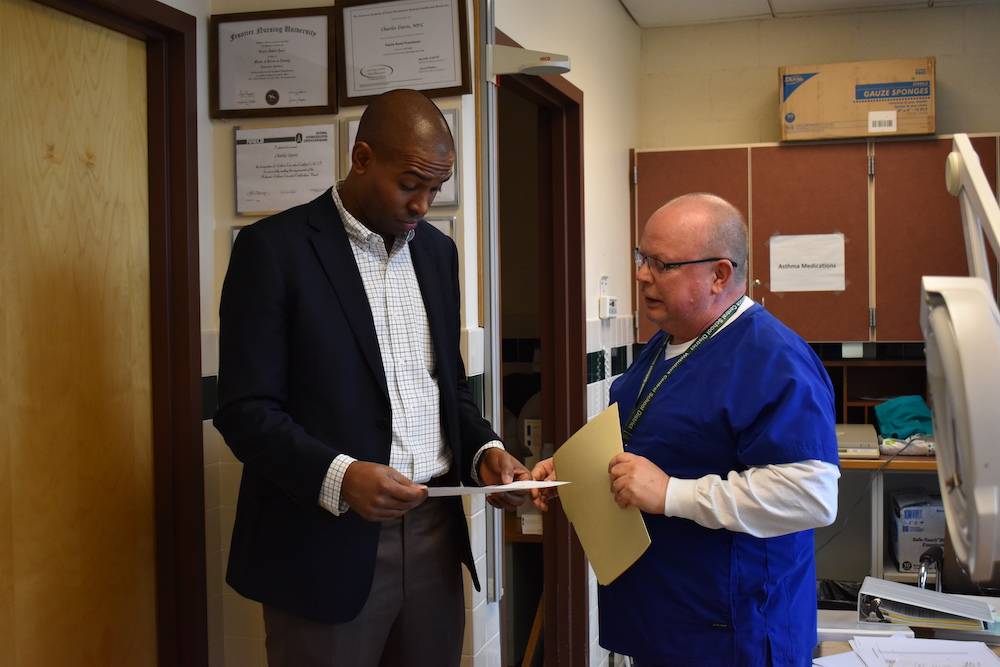
 In 2019, Davis presented an evidence-based proposal to the superintendent of the Webutuck Central School District concerning the need for and value of a school-based health center for students. He saw the need as over 60% of the population in his community meet the metric of being categorized as economically disadvantaged.
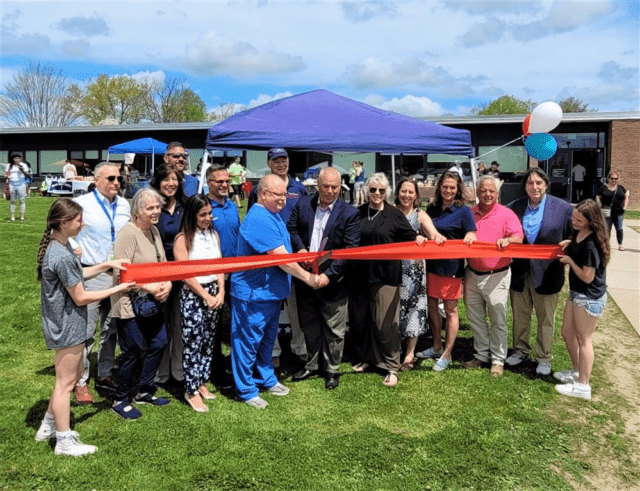 The school-based health center held it’s grand opening on May 14 with a ribbon cutting and an opportunity for the community to check out its newest healthcare resource.
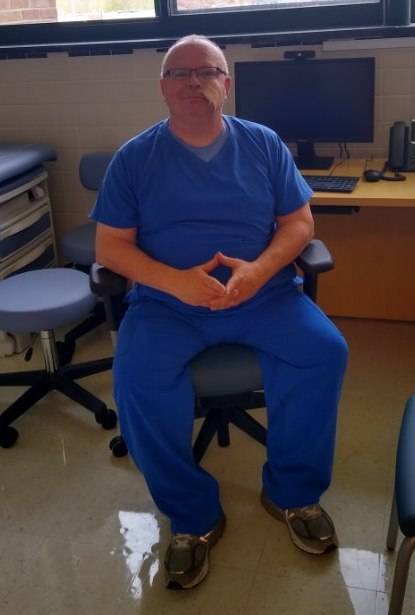 “Where better to pursue an MSN-FNP than Frontier Nursing University, with its significant ethos and storied history of care, including training and educating individuals to provide healthcare to the underserved?” Davis said.
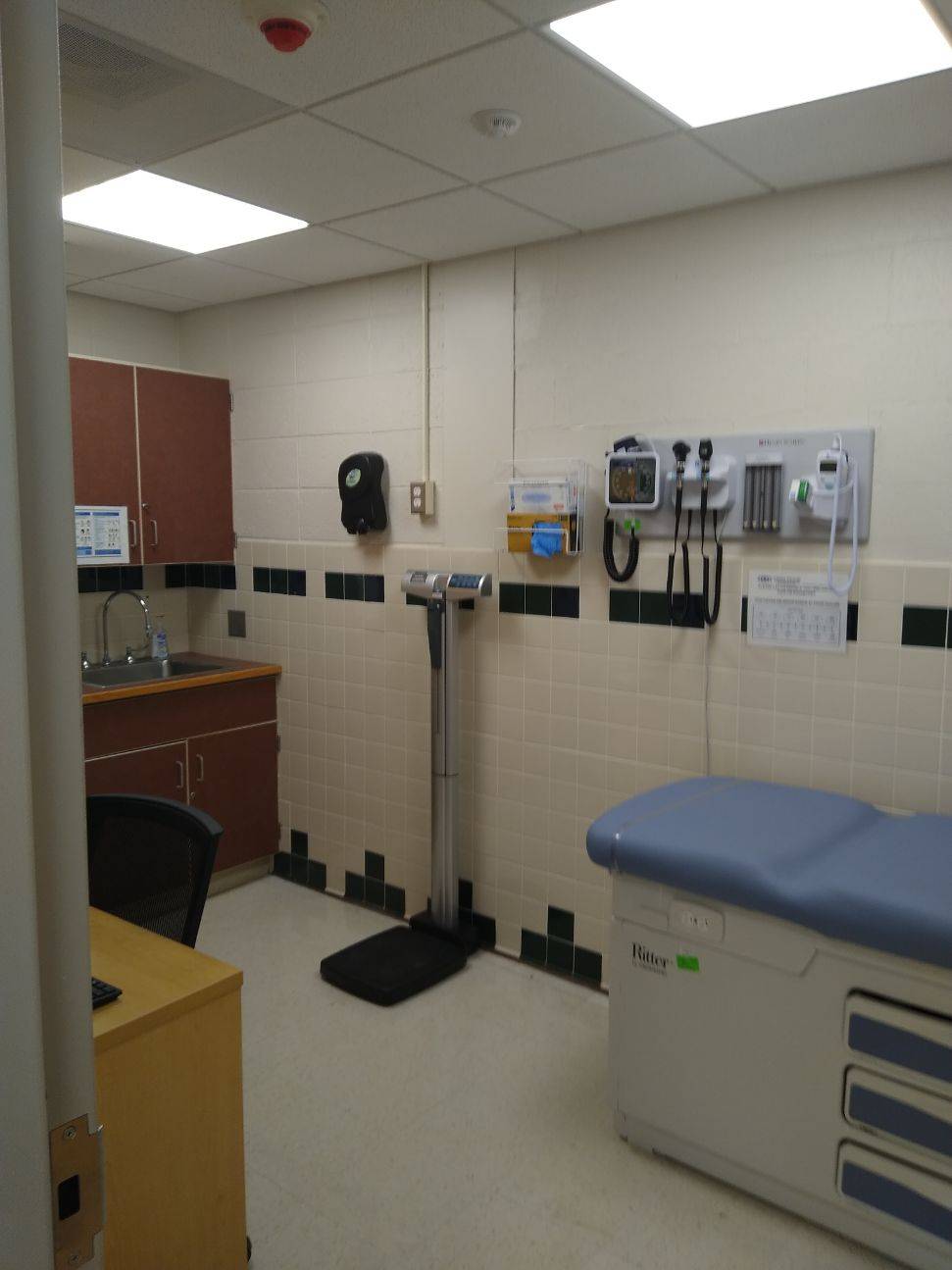
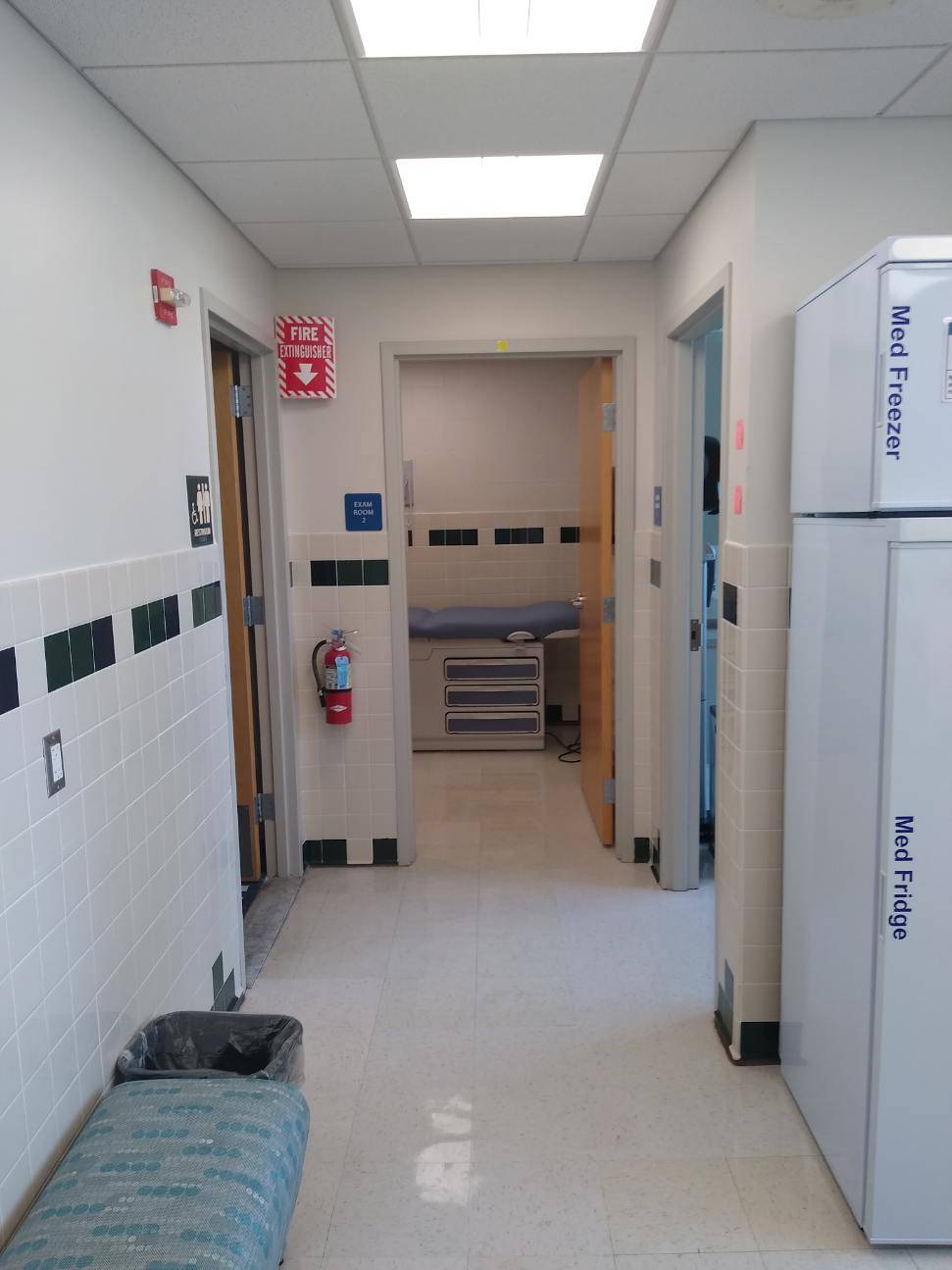
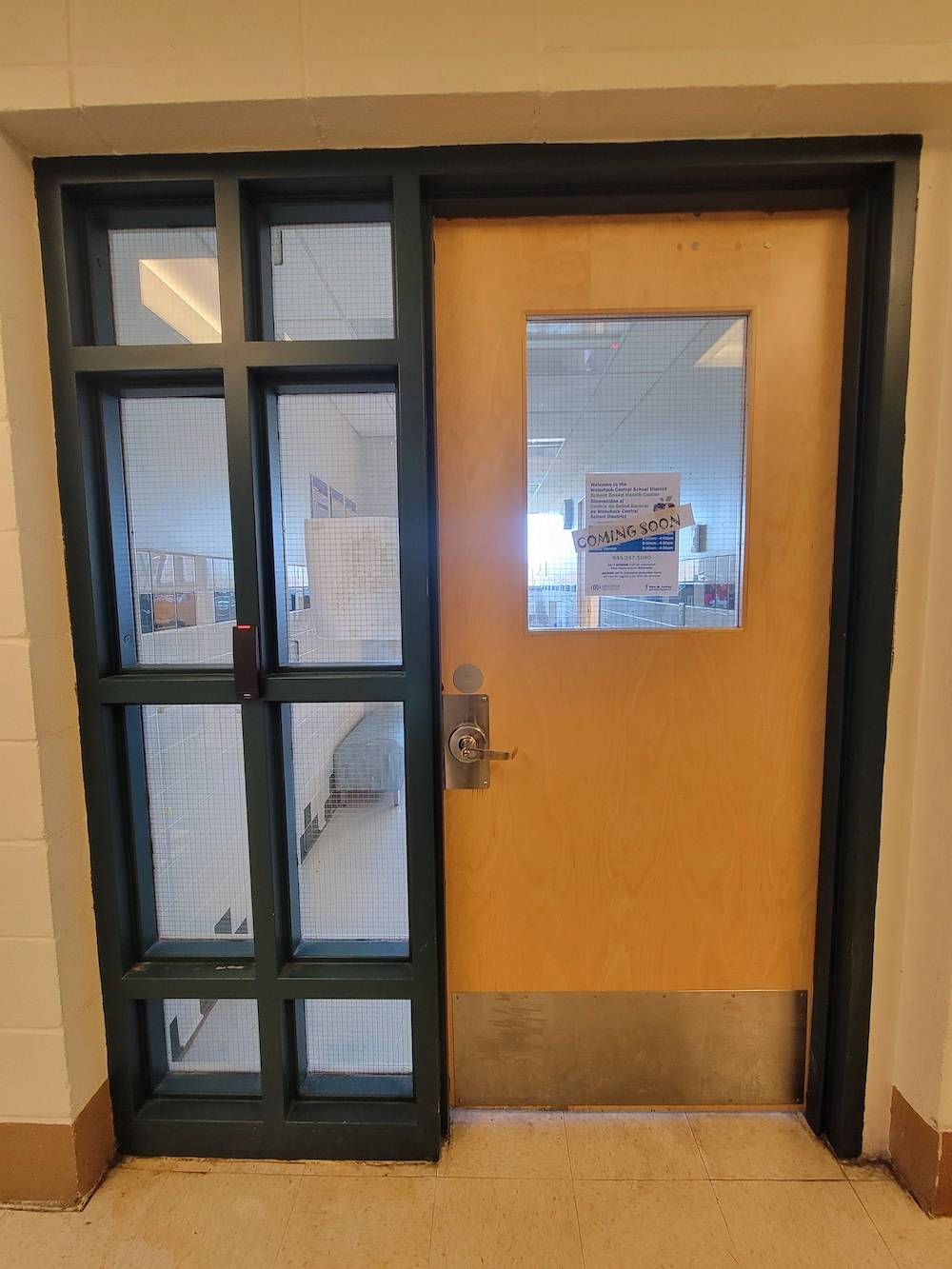

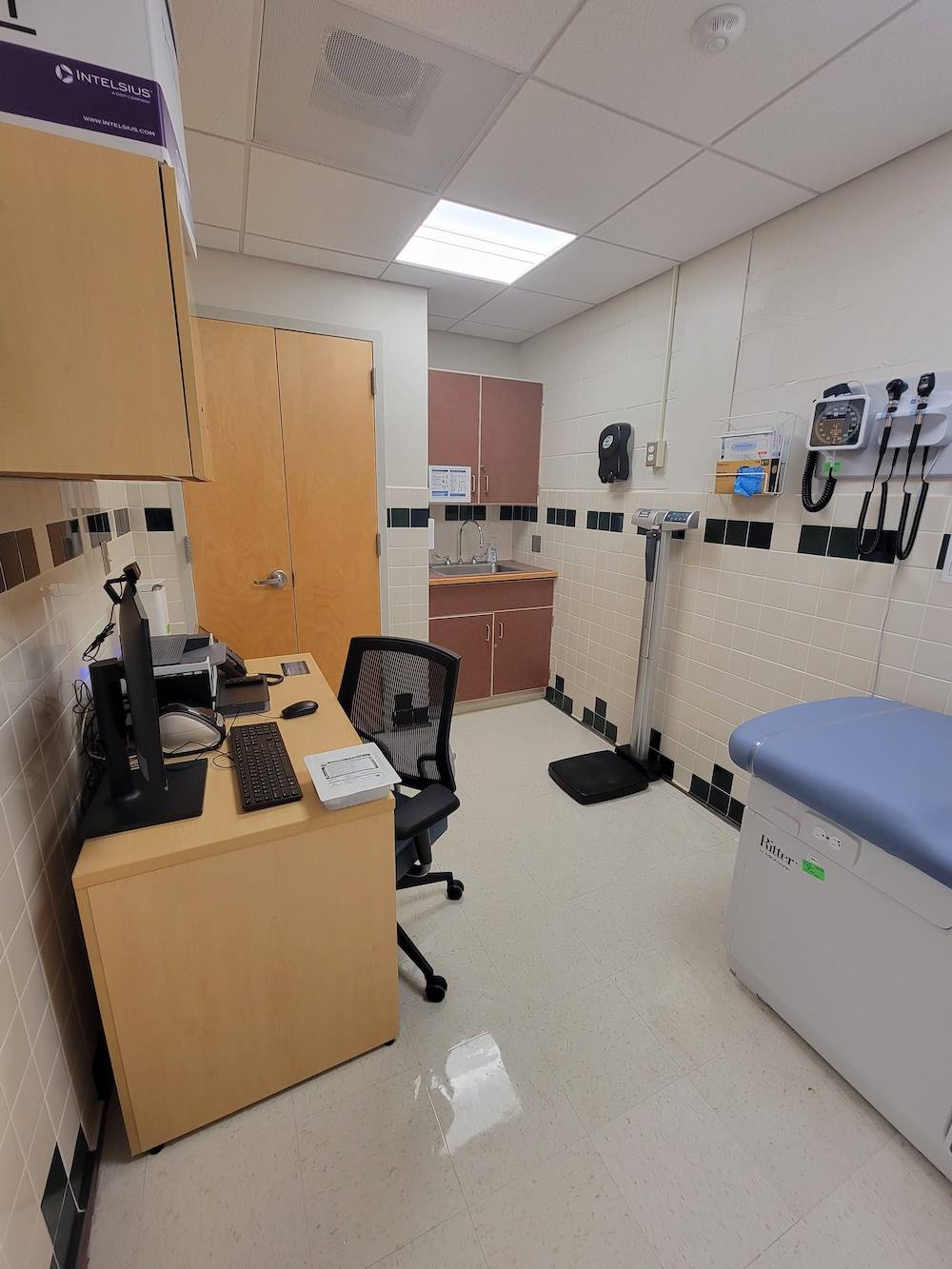
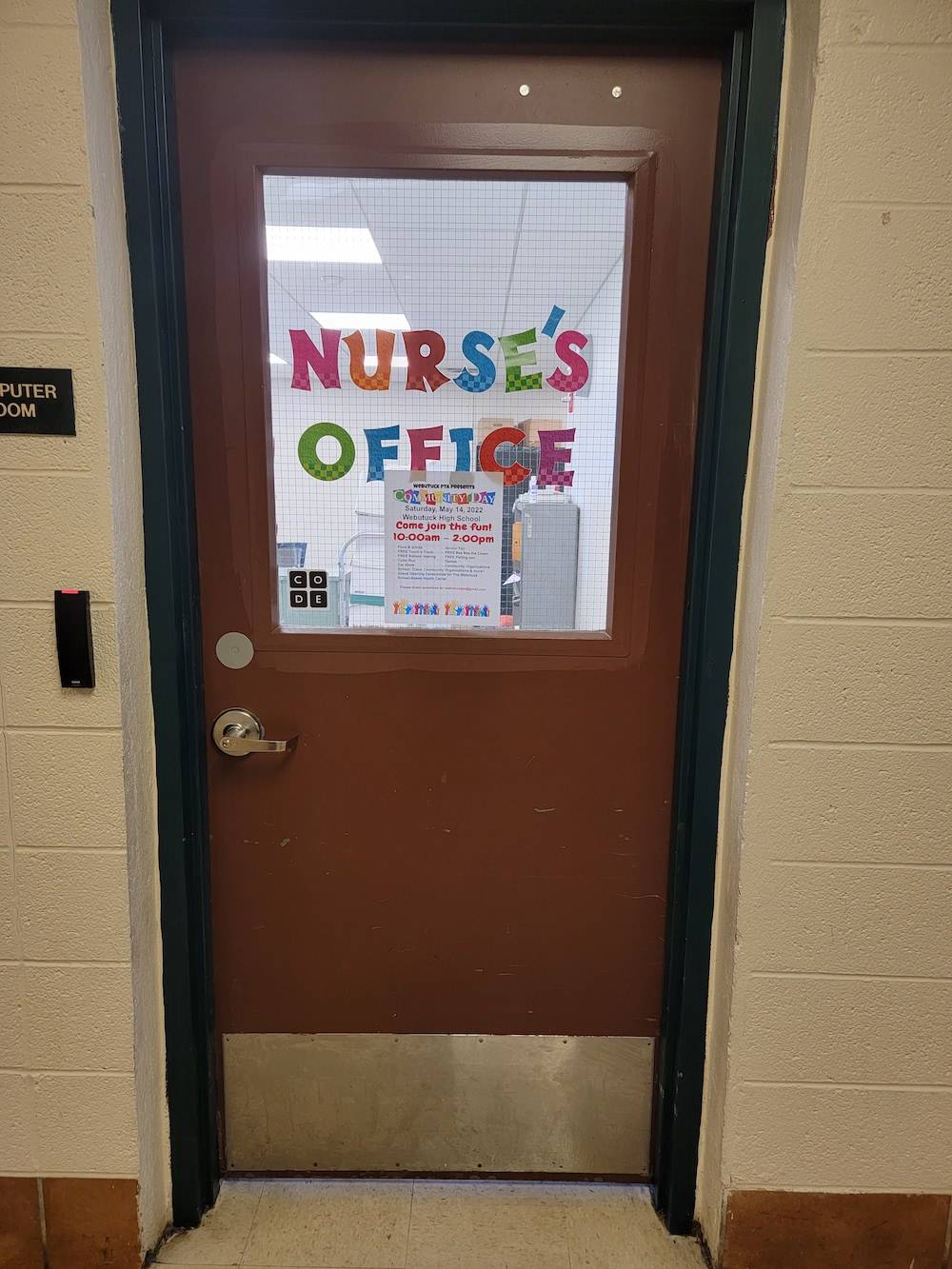

 Kitty Ernst was a mentor, visionary, taskmaster, cheerleader, and dear friend to Frontier Nursing University (FNU). As we mourn the loss of this wonderful woman, educator, and pioneer for nurse-midwifery, we reflect on her life and the legacy that she leaves behind. Kitty planted the seeds for community-based midwifery and led the development and implementation of FNU’s Community-based Nurse-midwifery Education Program (CNEP) program.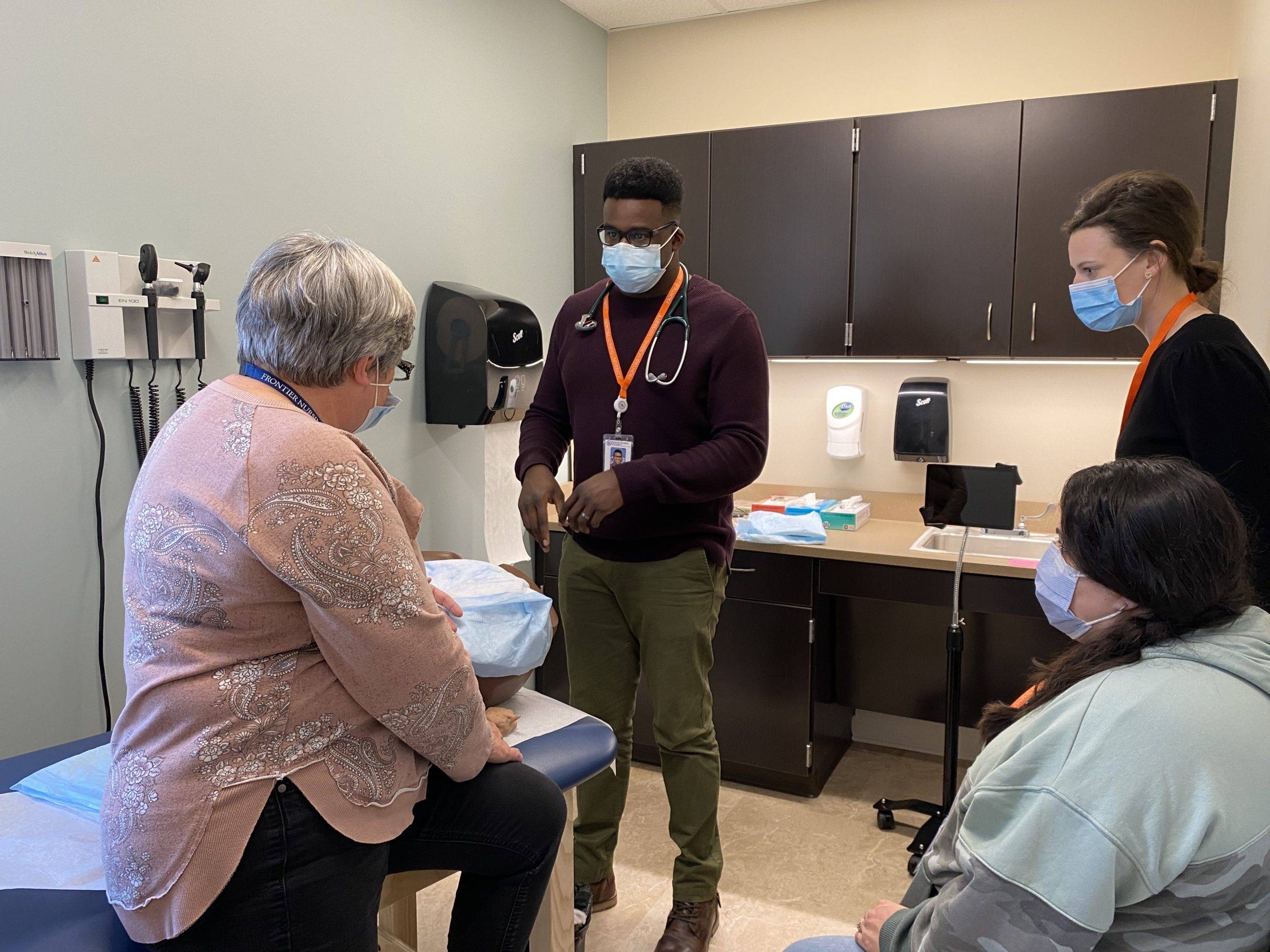
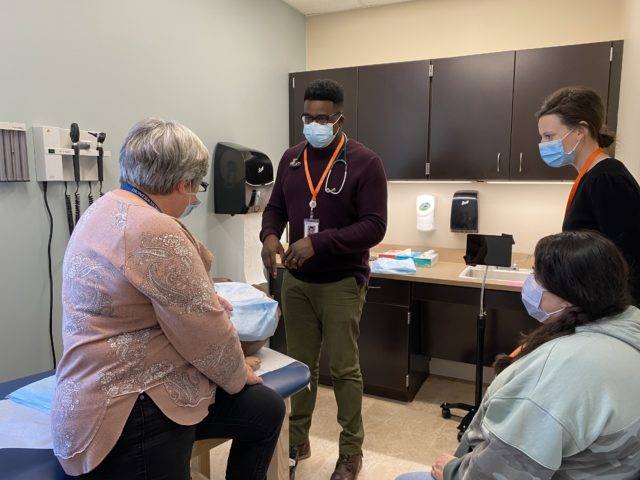 The first student activity held on campus was
  The
The 
 Awards and achievements were a common theme throughout the year. The university was named a recipient of the prestigious INSIGHT Into Diversity Higher Education Excellence in Diversity (HEED) award for the fourth consecutive year. FNU’s diversity, equity, and inclusion initiatives also were recognized by the American Association of Colleges of Nursing (AACN), and the Diverse Organizational Impact and Transformation (DOIT) Certification Program. A leader in distance learning since 1989, Frontier also received an International Distance Learning Award, presented by the United States Distance Learning Association (USDLA). Additionally, the university was recognized as “A Great College to Work For” by the Great Colleges to Work For® program.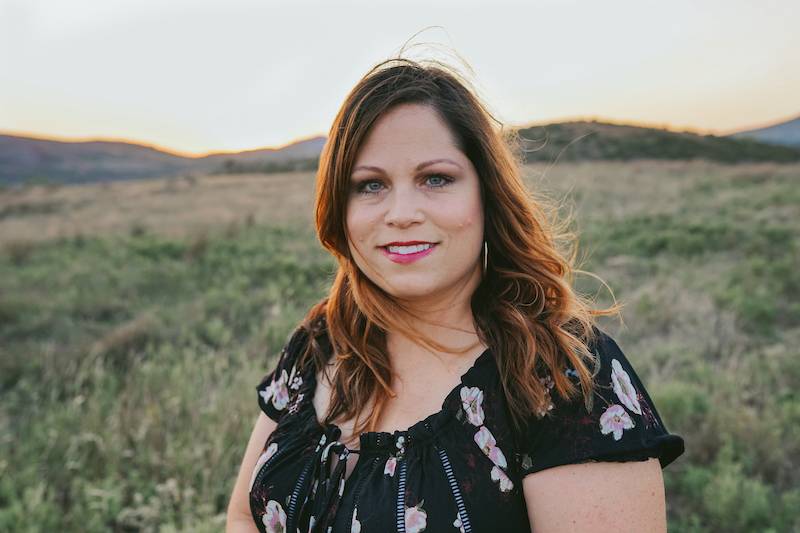
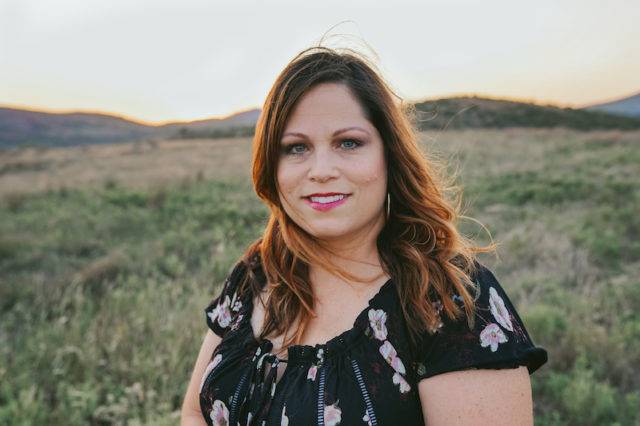 Deanna Hercik, Frontier Nursing University (FNU)
  “After researching schools with a PMHNP program, FNU pulled ahead of its competitors. I liked that admission was selective, the program was online, and there were programs to assist students in completing their degree. I liked the idea of both Frontier Bound and Clinical Bound to provide opportunities to connect with faculty and other students.”
 Frontier Nursing University (FNU) student Carrie Baker, MSN, FNP, PMHNP, is utilizing her experience as a nurse practitioner to advocate for the health of her community. Baker is pursuing a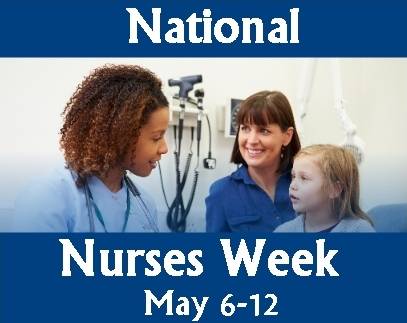
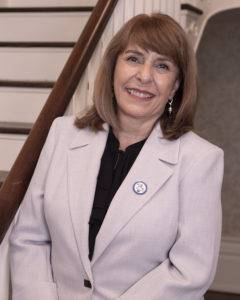
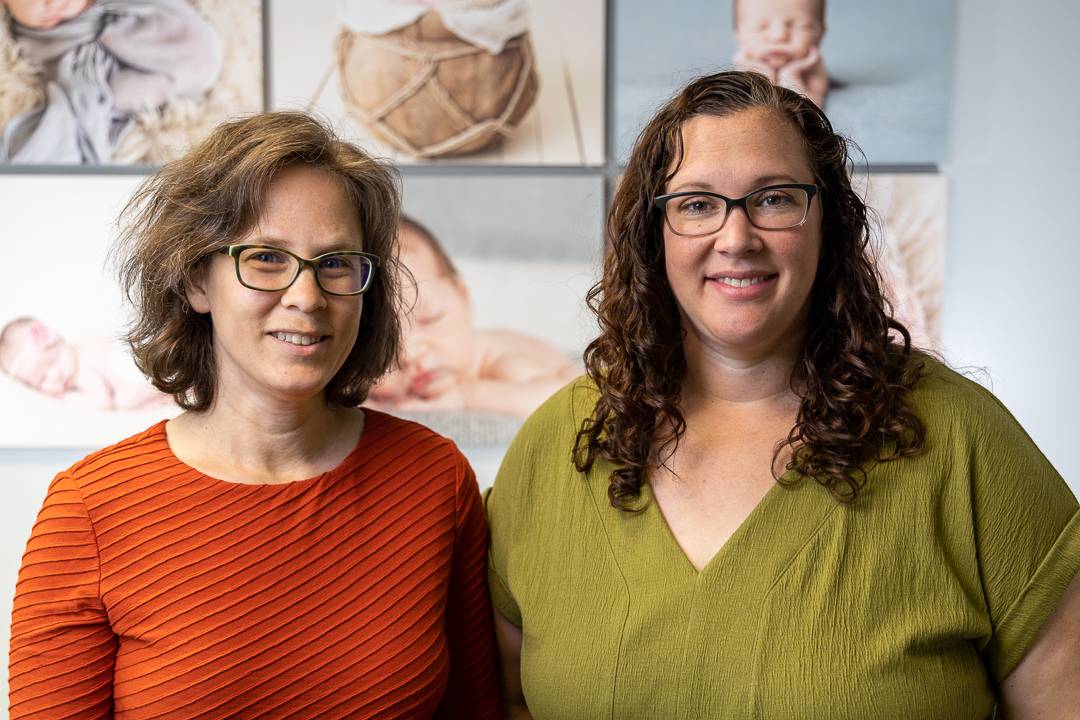
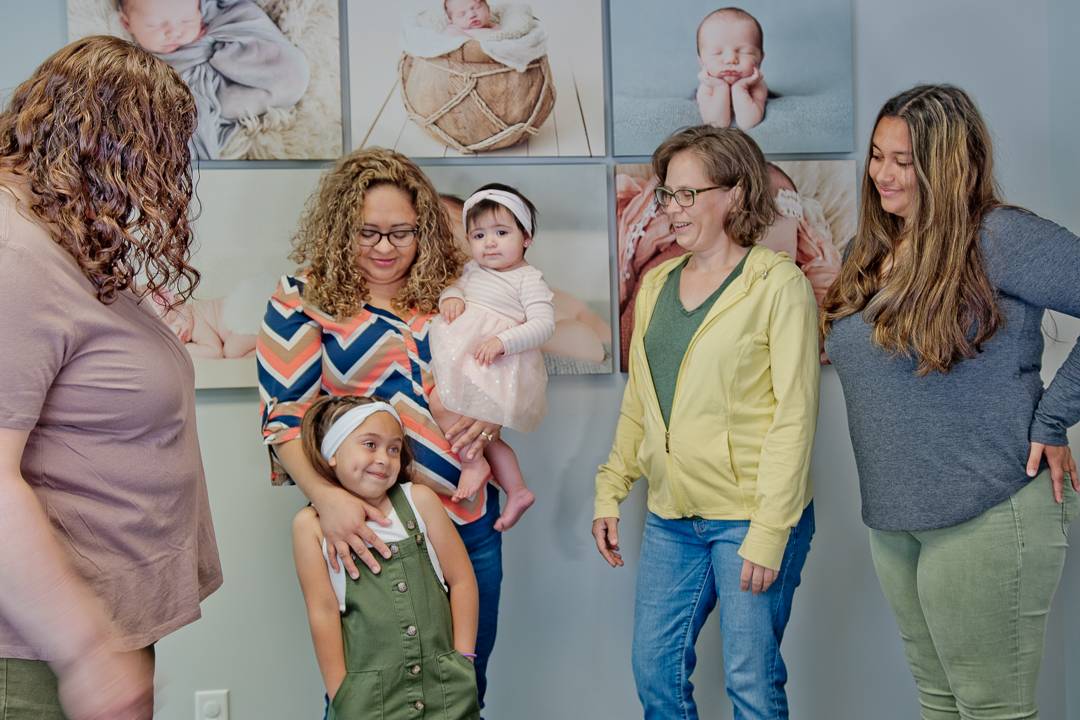 Unlike Zambrano-Andrews, Hainley did not stay in Iowa after finishing high school. She spent some time traveling along the east coast and taking classes at community colleges. She ultimately went to Harding University in Arkansas, where she met her husband and graduated with a degree in English. She and her husband then moved to China for five years. She taught British and American literature at a university there, then got involved in pregnancy and birth education.
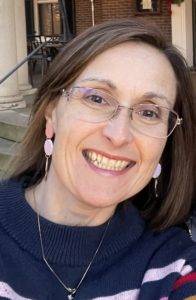 Frontier Nursing University announced Bobbi Silver as its new Chief Advancement Officer. Silver, who began her role on March 28, 2022, brings to Frontier nearly 20 years of experience in fundraising and marketing. Most recently, she served as the Director of Development at the Diocese of Lexington. Prior to that, she was the Vice President of Philanthropy at the YMCA of Central Kentucky and worked in fundraising roles at the University of Kentucky.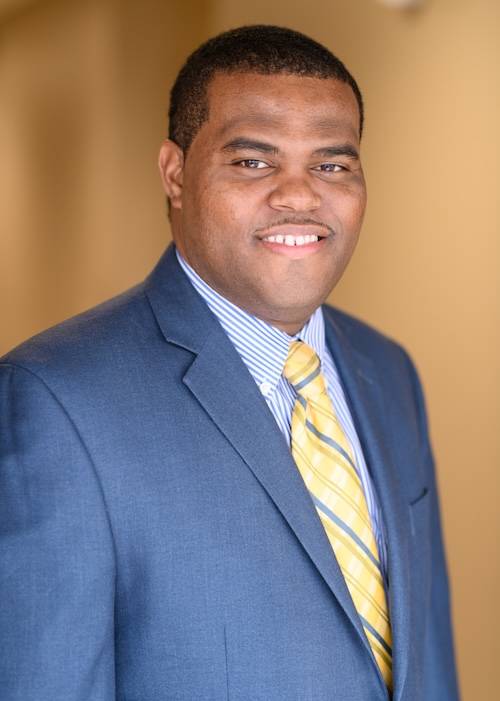
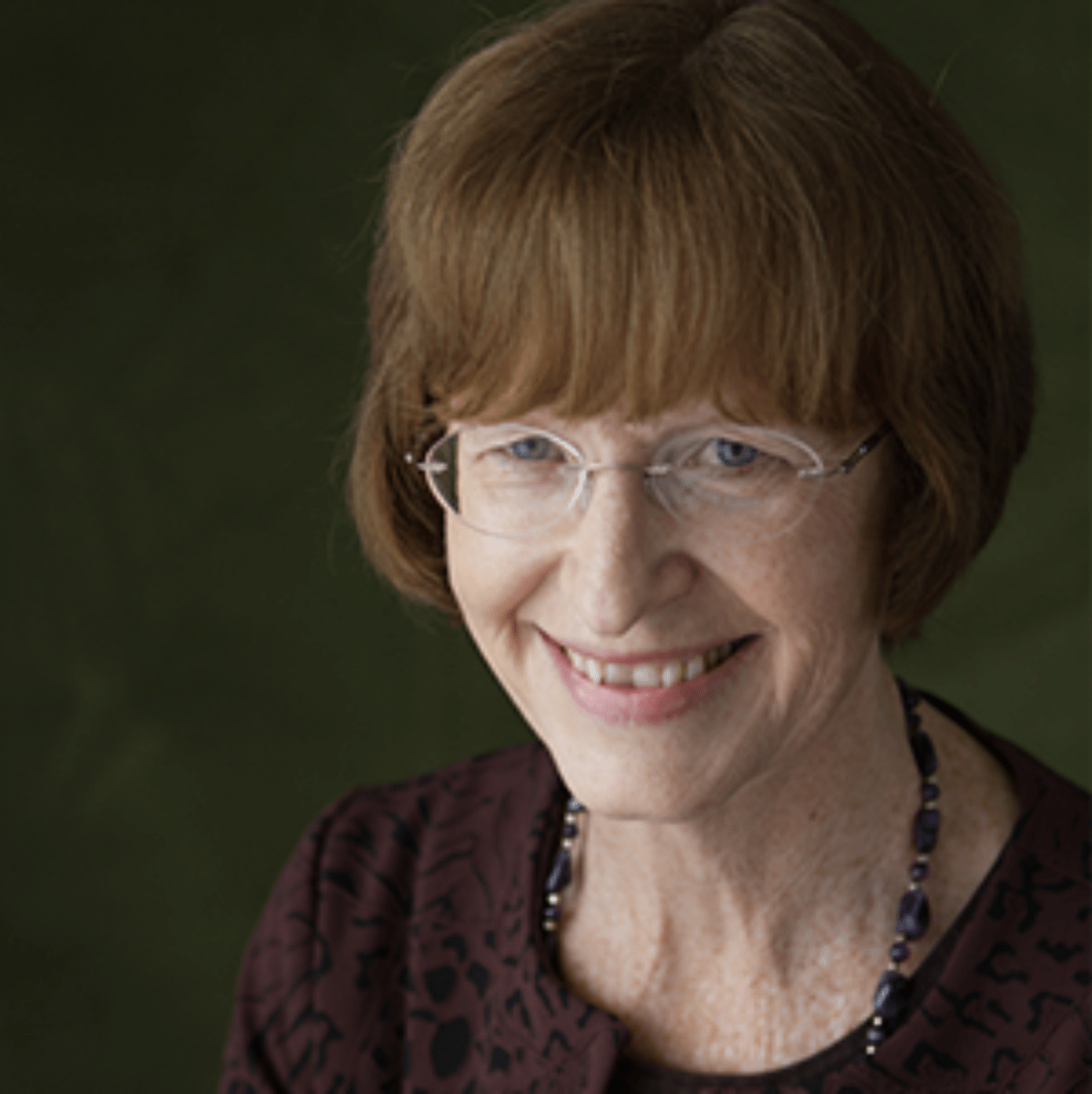
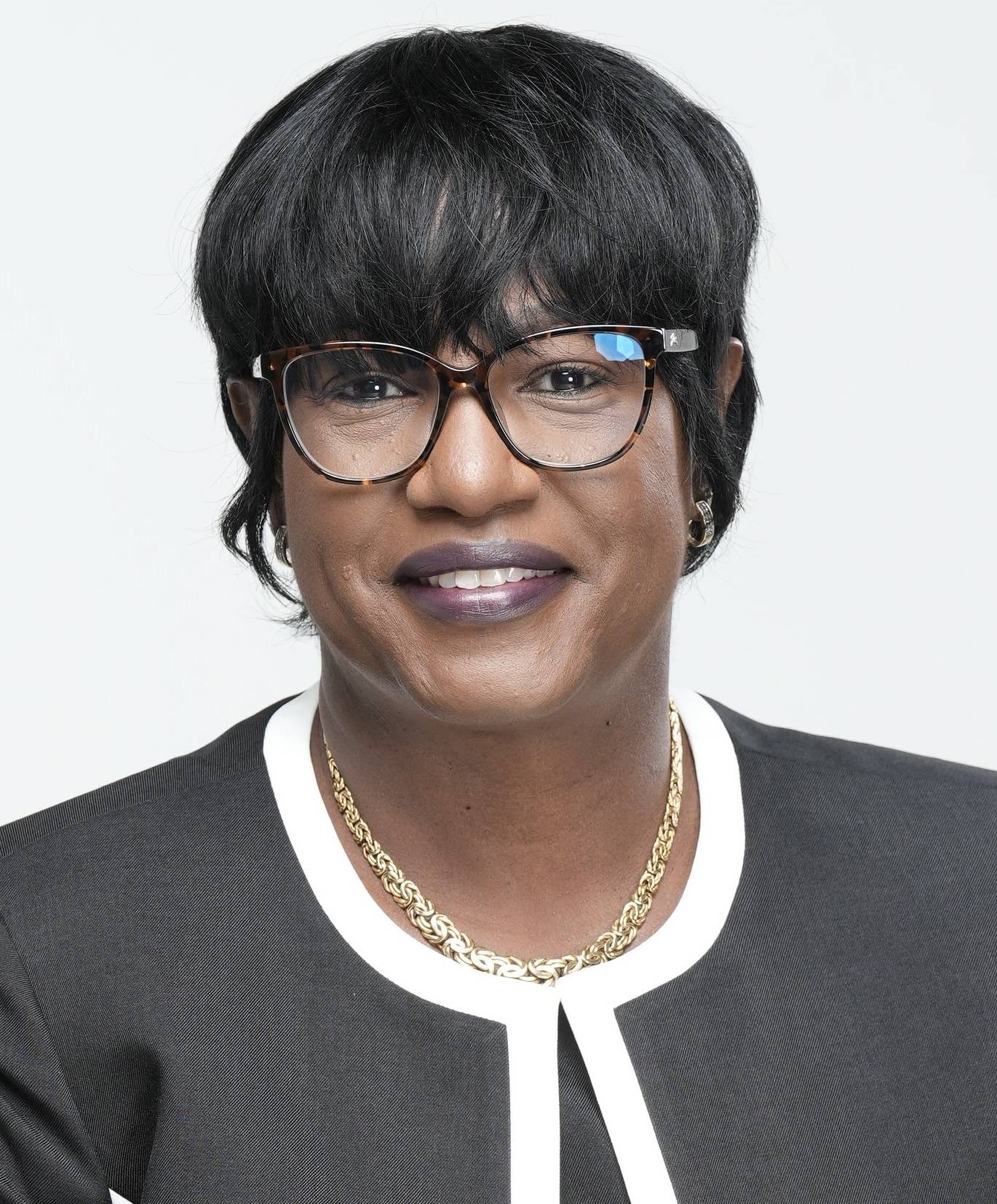

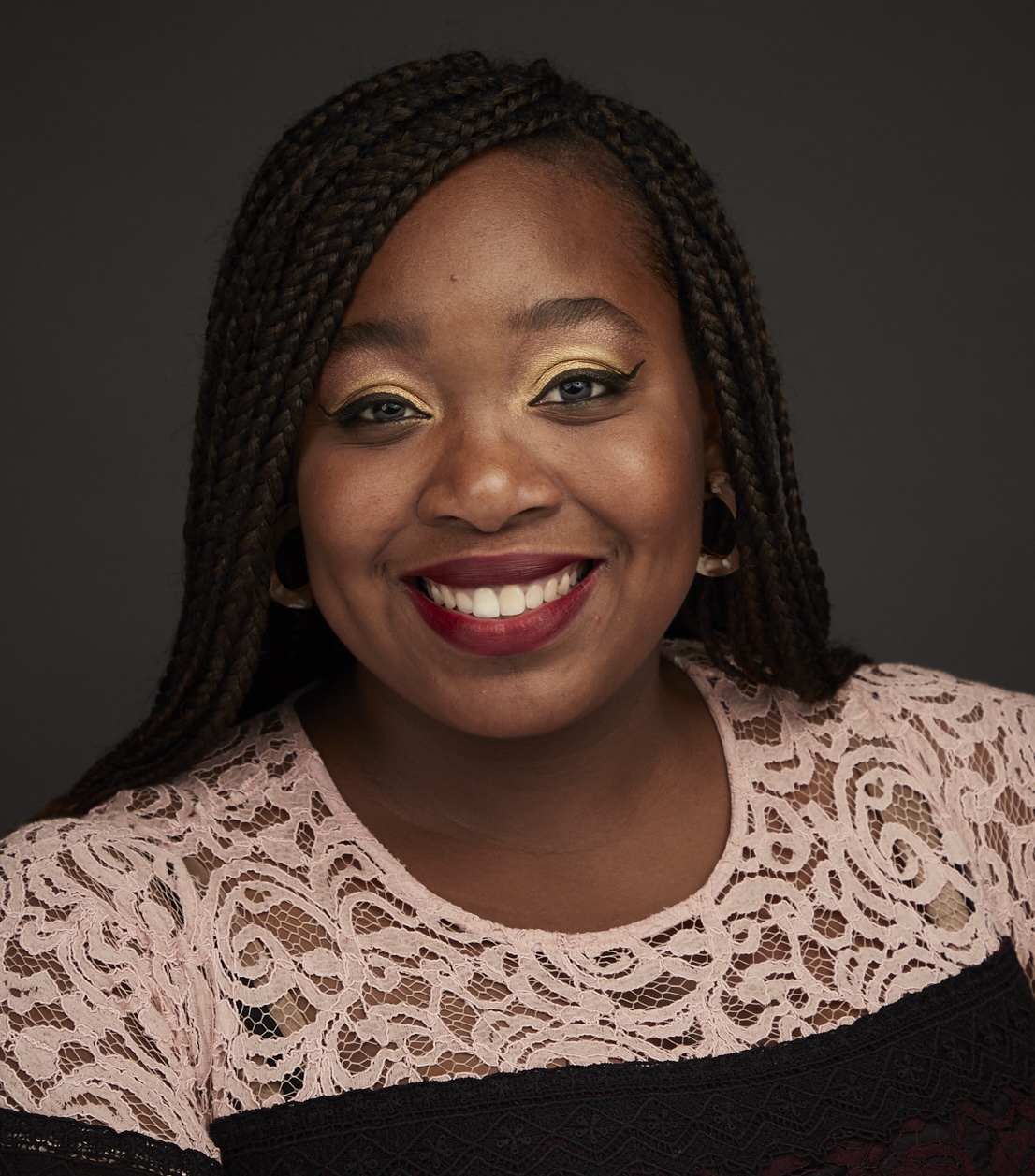

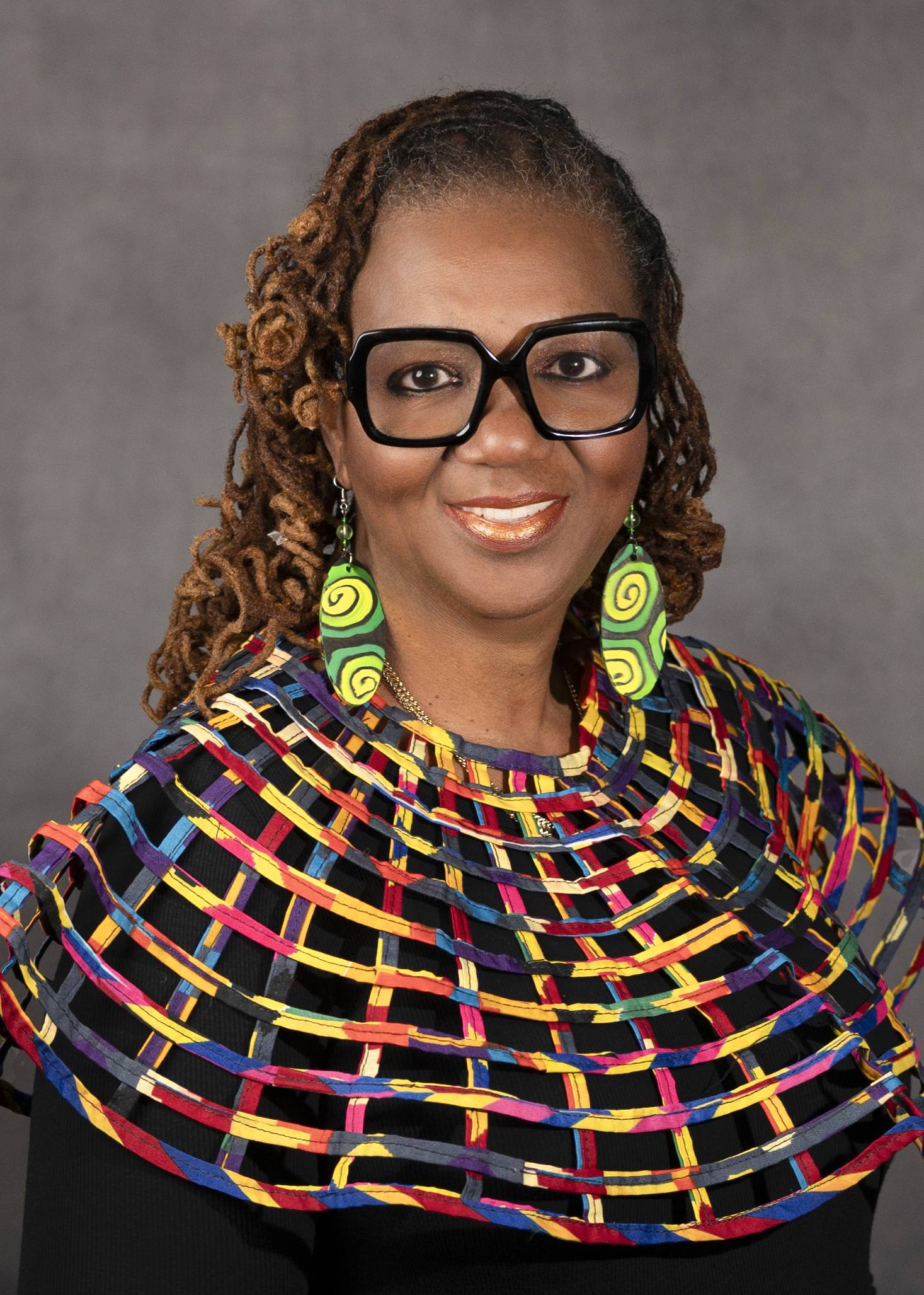
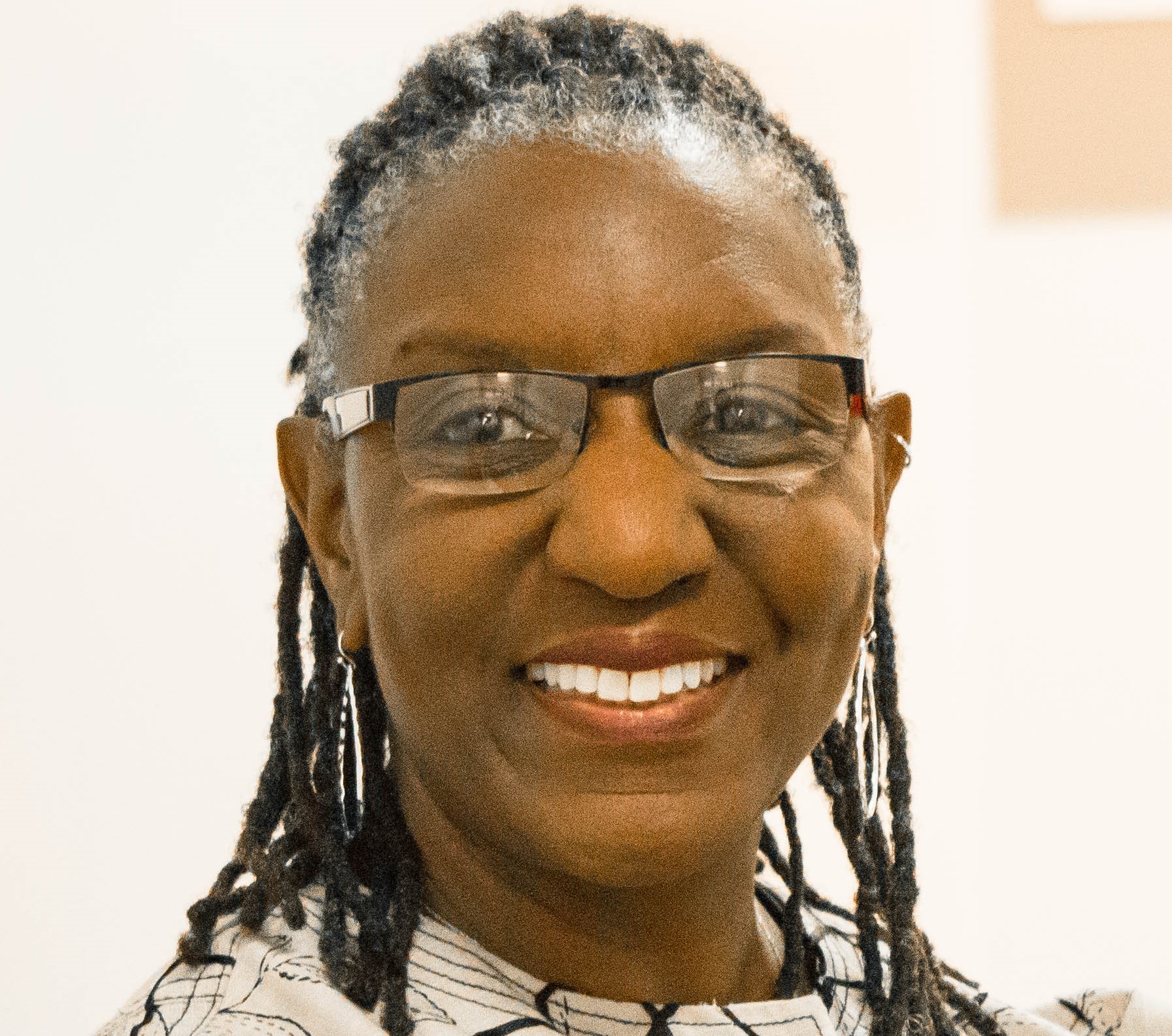
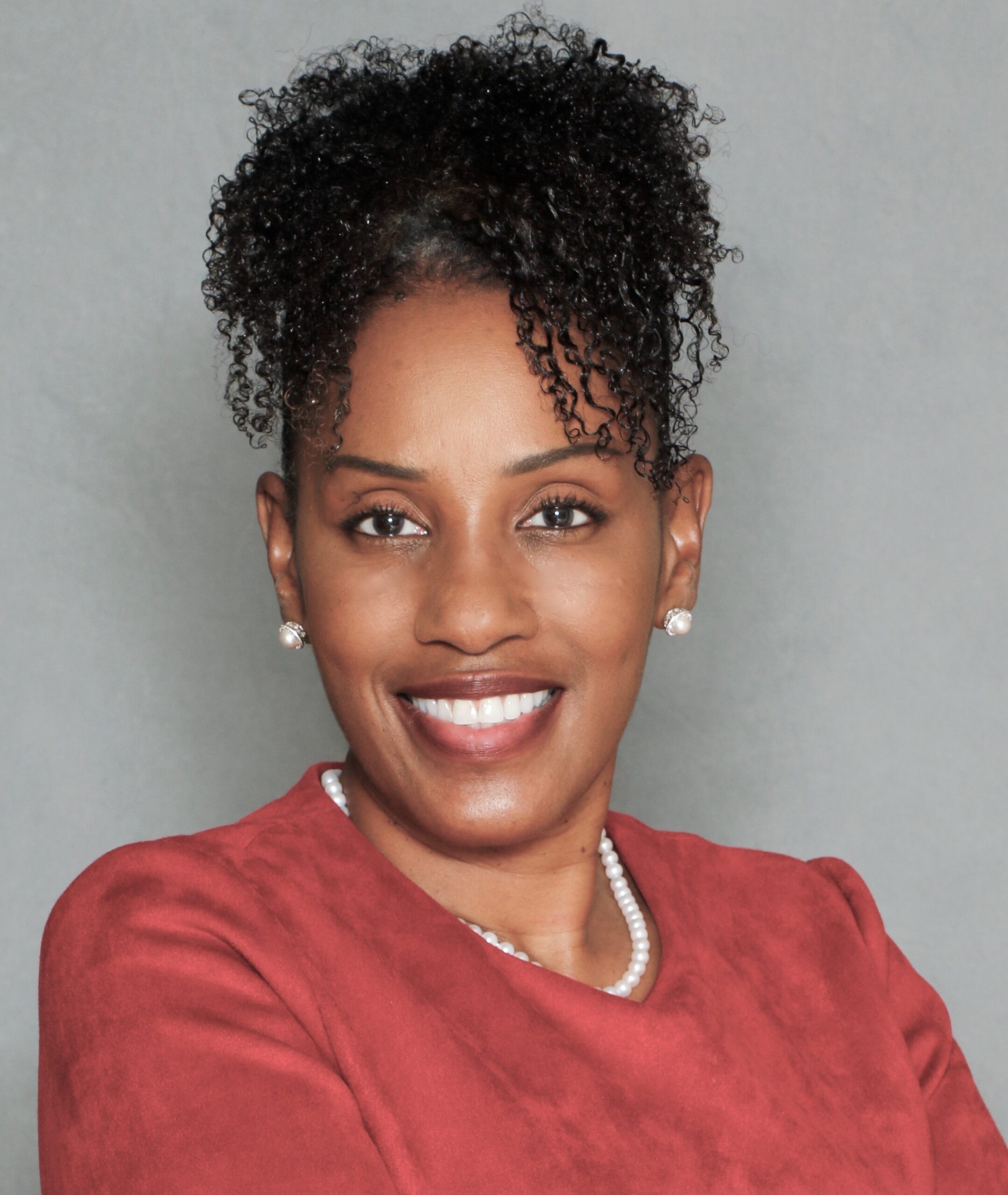
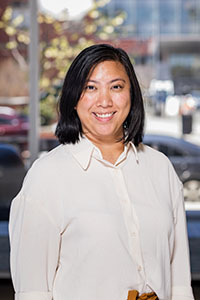
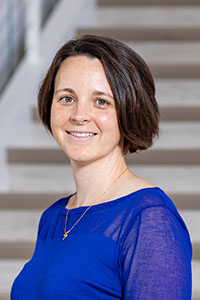
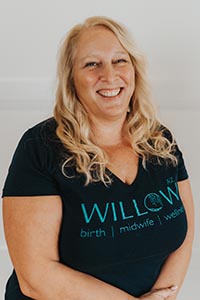
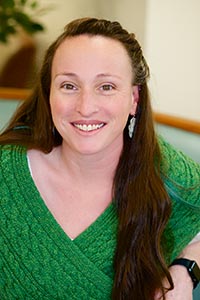
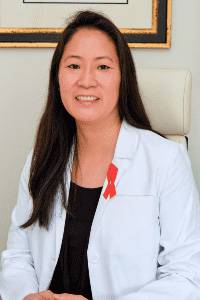 Carrie Belin is an experienced board-certified Family Nurse Practitioner and a graduate of the Johns Hopkins DNP program, Johns Hopkins Bloomberg School of Public Health, Georgetown University School of Nursing, and Johns Hopkins School of Nursing. She has also completed fellowships at Georgetown and the University of California Irvine.
 Angie has been a full-scope midwife since 2009. She has experience in various birth settings including home, hospital, and birth centers. She is committed to integrating the midwifery model of care in the US. She completed her master’s degree in nurse-midwifery at Frontier Nursing University (FNU) and her Doctorate at Johns Hopkins University. She currently serves as the midwifery clinical faculty at FNU. Angie is motivated by the desire to improve the quality of healthcare and has led quality improvement projects on skin-to-skin implementation, labor induction, and improving transfer of care practices between hospital and community midwives. In 2017, she created a short film on skin-to-skin called
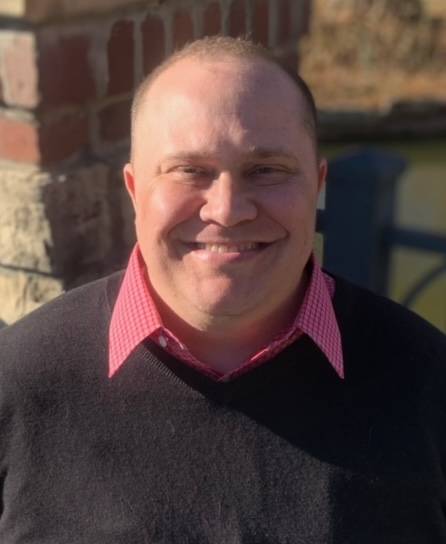 Justin C. Daily, BSN, RN, has ten years of experience in nursing. At the start of his nursing career, Justin worked as a floor nurse on the oncology floor at St. Francis. He then spent two years as the Director of Nursing in a small rural Kansas hospital before returning to St. Francis and the oncology unit. He has been in his current position as the Chemo Nurse Educator for the past four years. He earned an Associate in Nurse from Hutchinson Community College and a Bachelor of Science in Nursing from Bethel College.
 Brandy Jackson serves as the Director of Undergraduate Nursing Programs and Assistant Educator at Wichita State University and Co-Director of Access in Nursing. Brandy is a seasoned educator with over 15 years of experience. Before entering academia, Brandy served in Hospital-based leadership and Critical Care Staff nurse roles. Brandy is passionate about equity in nursing education with a focus on individuals with disabilities. Her current research interests include accommodations of nursing students with disabilities in clinical learning environments and breaking down barriers for historically unrepresented individuals to enter the nursing profession. Brandy is also actively engaged in Interprofessional Education development, creating IPE opportunities for faculty and students at Wichita State. Brandy is an active member of Wichita Women for Good and Soroptimist, with the goal to empower women and girls. Brandy is a TeamSTEPPS master trainer. She received the DASIY Award for Extraordinary Nursing Faculty in 2019 at Wichita State University.
  Dr. Sabrina Ali Jamal-Eddine is an Arab-disabled queer woman of color with a PhD in Nursing and an interdisciplinary certificate in Disability Ethics from the University of Illinois Chicago (UIC). Dr. Jamal-Eddine’s doctoral research explored spoken word poetry as a form of critical narrative pedagogy to educate nursing students about disability, ableism, and disability justice. Dr. Jamal-Eddine now serves as a Postdoctoral Research Associate in UIC’s Department of Disability and Human Development and serves on the Board of Directors of the National Organization of Nurses with Disabilities (NOND). During her doctoral program, Sabrina served as a Summer Fellow at a residential National Endowment of the Humanities (NEH) Summer Institute at Arizona State University (2023), a summer fellow at Andrew W. Mellon’s National Humanities Without Walls program at University of Michigan (2022), a Summer Research Fellow at UC Berkeley’s Othering & Belonging Institute (2021), and an Illinois Leadership Education in Neurodevelopmental and related Disabilities (LEND) trainee (2019-2020).
 Vanessa Cameron works for Vanderbilt University Medical Center in Nursing Education & Professional Development. She is also attending George Washington University and progressing towards a PhD in Nursing with an emphasis on ableism in nursing. After becoming disabled in April 2021, Vanessa’s worldview and perspective changed, and a recognition of the ableism present within healthcare and within the culture of nursing was apparent. She has been working since that time to provide educational foundations for nurses about disability and ableism, provide support for fellow disabled nursing colleagues, and advocate for the disabled community within healthcare settings to reduce disparities.
 Dr. Lucinda Canty is a certified nurse-midwife, Associate Professor of Nursing, and Director of the Seedworks Health Equity in Nursing Program at the University of Massachusetts Amherst. She earned a bachelor’s degree in nursing from Columbia University, a master’s degree from Yale University, specializing in nurse-midwifery, and a PhD from the University of Connecticut. Dr. Canty has provided reproductive health care for over 29 years. Her research interests include the prevention of maternal mortality and severe maternal morbidity, reducing racial and ethnic health disparities in reproductive health, promoting diversity in nursing, and eliminating racism in nursing and midwifery.
 Dr. Lisa Meeks is a distinguished scholar and leader whose unwavering commitment to inclusivity and excellence has significantly influenced the landscape of health professions education and accessibility. She is the founder and executive director of the DocsWithDisabilities Initiative and holds appointments as an Associate Professor in the Departments of Learning Health Sciences and Family Medicine at the University of Michigan.
 Dr. Nikia Grayson, DNP, MSN, MPH, MA, CNM, FNP-C, FACNM (she/her) is a trailblazing force in reproductive justice, blending her expertise as a public health activist, anthropologist, and family nurse-midwife to champion the rights and health of underserved communities. Graduating with distinction from Howard University, Nikia holds a bachelor’s degree in communications and a master’s degree in public health. Her academic journey also led her to the University of Memphis, where she earned a master’s in medical anthropology, and the University of Tennessee, where she achieved both a master’s in nursing and a doctorate in nursing practice. Complementing her extensive education, she completed a post-master’s certificate in midwifery at Frontier Nursing University.


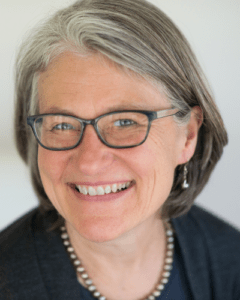
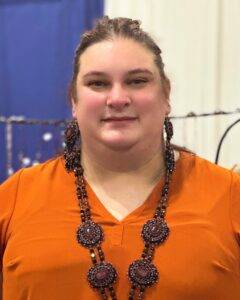
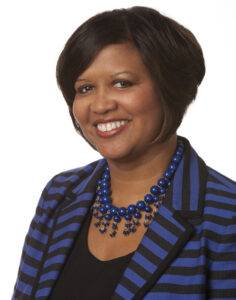 Dr. Tia Brown McNair is the Vice President in the Office of Diversity, Equity, and Student Success and Executive Director for the Truth, Racial Healing, and Transformation (TRHT) Campus Centers at the American Association of Colleges and Universities (AAC&U) in Washington, DC. She oversees both funded projects and AAC&U’s continuing programs on equity, inclusive excellence, high-impact practices, and student success. McNair directs AAC&U’s Summer Institutes on High-Impact Practices and Student Success, and TRHT Campus Centers and serves as the project director for several AAC&U initiatives, including the development of a TRHT-focused campus climate toolkit. She is the lead author of From Equity Talk to Equity Walk: Expanding Practitioner Knowledge for Racial Justice in Higher Education (January 2020) and Becoming a Student-Ready College: A New Culture of Leadership for Student Success (July 2016 and August 2022 Second edition).