At the heart of Frontier Nursing University is a talented and diverse community of students, alumni, faculty, staff, couriers and preceptors. Spotlight blogs feature members of our FNU community who are focused on the mission of educating nurse-midwives and nurse practitioners to deliver quality healthcare to underserved and rural populations.
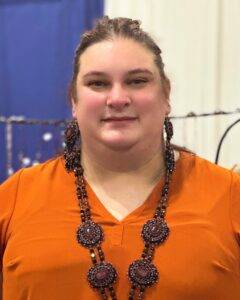
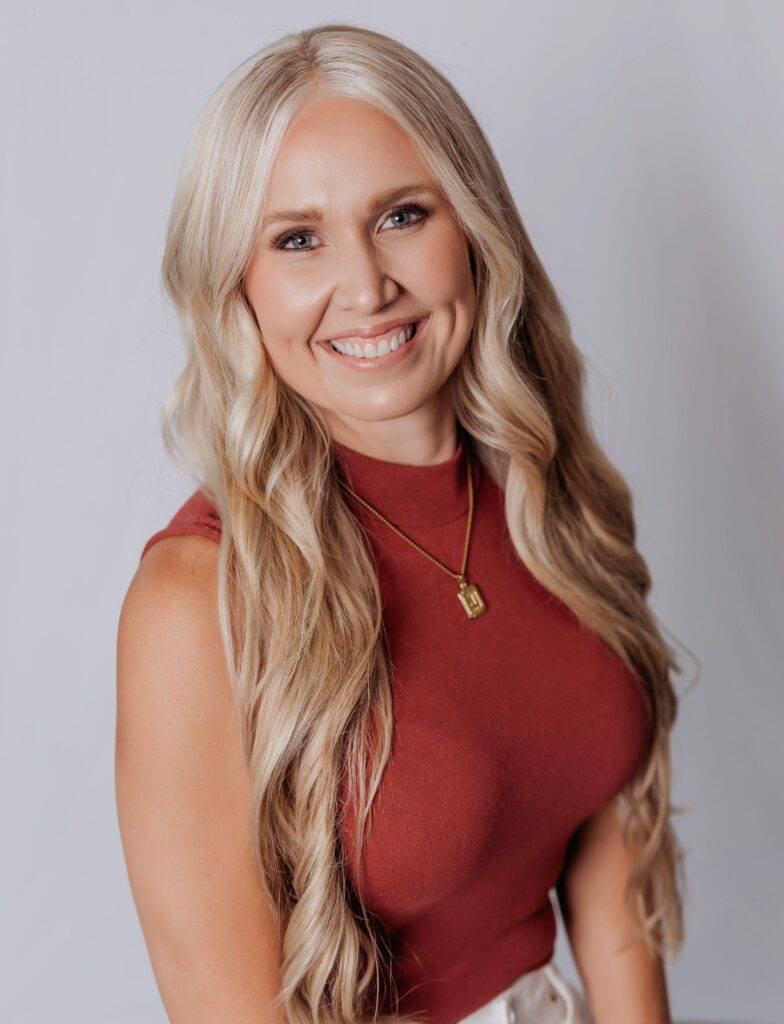 Tabetha “Jarel” Brown, FNP (Class 91), APRN, CNP, NP-C, always pictured becoming a nurse. She even has the picture to prove it. In third grade, she drew a now-and-then picture. The “now” picture was her as a third grader, and the “then” was her as a nurse. Today, that framed picture hangs in her office at Pinnacle Health Integrative Nurse Practitioners in Poteau, Oklahoma.
Jarel and her husband PJ opened Pinnacle Health on October 1, 2018. After purchasing the property for the practice in May 2018, their dream started on notebook paper as PJ designed the building and contracted the build from start to finish. He handles the business side, while Jarel is in charge of the health care practice. The facility has nine exam rooms, a procedure room, a lab, nurses stations, three offices for providers, and offices for billers, a business manager, and a lab technician.
Since opening, she has added two additional nurse practitioners, and they all three operate as independent businesses working out of the same building. “They are not my employees, they are my colleagues,” Brown said of the other two nurse practitioners at Pinnacle Health. “They lease their space from me. We share our ancillary staff, and we have our own nurses. That business model has worked really well for me. Outwardly to the community, we are Pinnacle Health, which is the nicest clinic in town where everyone wants to go. Our other nurse practitioners get the benefit of being in the group, but they also get to work their own business as well. So far, it’s been extremely effective.”
The residents of Poteau likely feel the same way about Pinnacle Health, which serves a rural area in eastern Oklahoma. Poteau is home to about 9,000 people, including a large population of Native Americans and Hispanics.
“We’re in a rural, small town,” Brown said. “There’s a strong need for primary care providers. What I saw growing up was that we would have providers come through, they would get established, and they would leave. Access to care is a huge thing here. We have no specialists in town other than a podiatrist. The closest specialist is Fort Smith, Arkansas, which is about 30 minutes away. Then patients are having to travel across the state line, which, when you’re dealing with state Medicaid, tends to be problematic. To stay in Oklahoma, patients must travel to Tulsa and Oklahoma City, which are two and three hours away.”
Brown’s journey to becoming one of the primary care providers Poteau so desperately needed began with obtaining her BSN from the University of Arkansas in 2010. She then worked in the ER and labor and delivery before enrolling at Frontier Nursing University in 2011 in the family nurse practitioner program.
“I have always been drawn to the care of women and children. Through undergrad at Arkansas, I worked as a CNA in labor and delivery in Poteau,” Brown said. “When I was trying to figure out which track I wanted to go as far as a master’s degree, I went back and forth between women’s health and midwifery and family practice. Frontier was a home run because I knew if I ever wanted to transition to a different track in terms of women’s health, it would be easy to make that change there. Frontier was a clear choice for me.”
Brown graduated from Frontier as an FNP in 2013 and started at a walk-in clinic, which she ran for about a year before working for a local doctor in primary care in 2015. She worked there for four years, often seeing the doctor’s overflow patients. She established a good group of primary care patients, which helped give her the confidence to open her own practice at Pinnacle Health.
She is in the clinic five days a week and sees patients of all ages, from newborns to geriatrics. Her rural and diverse patient population presents a wide variety of medical conditions.
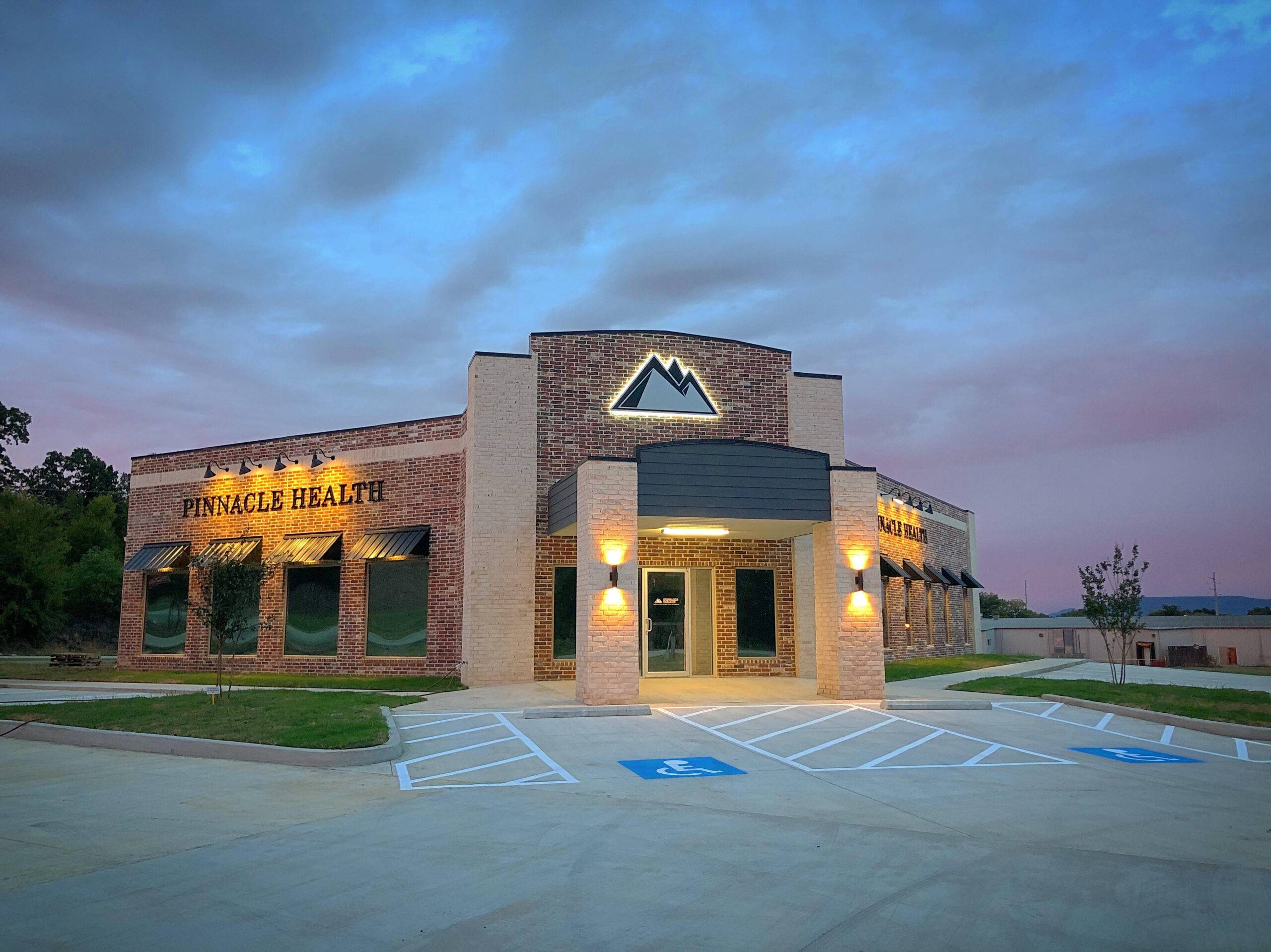
“I’m Cherokee Indian, and we are in an Indian nation,” Brown said. “They have good healthcare services here, but I do see a lot of overflow. We have common minority healthcare issues such as an increased incidence of obesity, diabetes, hypertension, hyperlipidemia, and chronic care conditions. I feel like we provide a great service for our area.”
The need for primary care providers in Poteau isn’t likely to diminish any time soon. Wisely, Jarel and her husband designed the building to allow for expansion, which could enable the addition of more providers or even imaging services. While no specific plans are in place to expand Pinnacle Health, Brown has already broadened her reach as a primary care provider well beyond Poteau. Since 2020, she and her family have become actively involved in Advocates for Africa, an evangelistic non-profit organization founded in Oklahoma and based in Rwanda, Africa. While the prime mission of the organization is to “bring hope, compassion, and education to the content of Africa,” Brown has gravitated particularly to the medical needs of the people in Rwanda.
Since becoming involved with Advocates for Africa, Brown has been to Rwanda several times, the first in early 2020, right before the COVID-19 pandemic.
“Our good friends started Advocates for Africa,” Brown said. “They are not medical. They started evangelizing and actually built a school in Rwanda. On several occasions, they organized various trips to Rwanda, where we went and taught women’s hygiene practices. They don’t have access to menstrual products, so we brought them washable menstrual pads and showed them how to use them. Seeing their basic unmet needs is when I committed to giving my time and medical expertise to Advocates for Africa and the people of Rwanda.”
The school built by Advocates for Africa includes a space for a clinic, but there was no medical professional to operate it. Brown realized she had a chance to combine her passion to serve with her expertise as a nurse practitioner.
“I told them, ‘This is my jam’,” she said, and “They passed it over to me, and since then, I have met with officials of the Rwanda government, trying to figure out how to get through the red tape. I started a clinic in the United States, so the next challenge is to establish a medical program within Advocates for Africa in Rwanda, which has its own set of challenges. Because there are communication and language barriers, I have been over there just to meet people in person. You can’t really effectively meet with them on Zoom. Too many things get lost in translation.”
Rwanda is a small country, roughly the same size as Maryland, but with more than twice the population. The Bugesera District in Rwanda, where the school built by Advocates for Africa is located, has a population of more than 550,000 despite being an extremely rural area. After flying into the capital city of Kigali, Brown said that it is a 90-minute drive to the Bugesera District.
“It is literally the bush of Africa. It is very, very rural,” Brown said. “I was doing some community surveying to establish a need for a clinic, and the closest clinic from the school we work out of is about an hour’s walk. I used the word ‘clinic’ very lightly. It is very rudimentary. People just don’t have access there.”
To try to begin providing some basic access, Brown organized a medical team to go to Rwanda last summer. The 15-person, all-Oklahoma-based team included Brown, another Pinnacle Health nurse practitioner, five nurses, a chiropractic student, a medical student, a counselor, two teachers, her parents, and Brown’s 12-year-old son Max and 9-year-old daughter Austen.
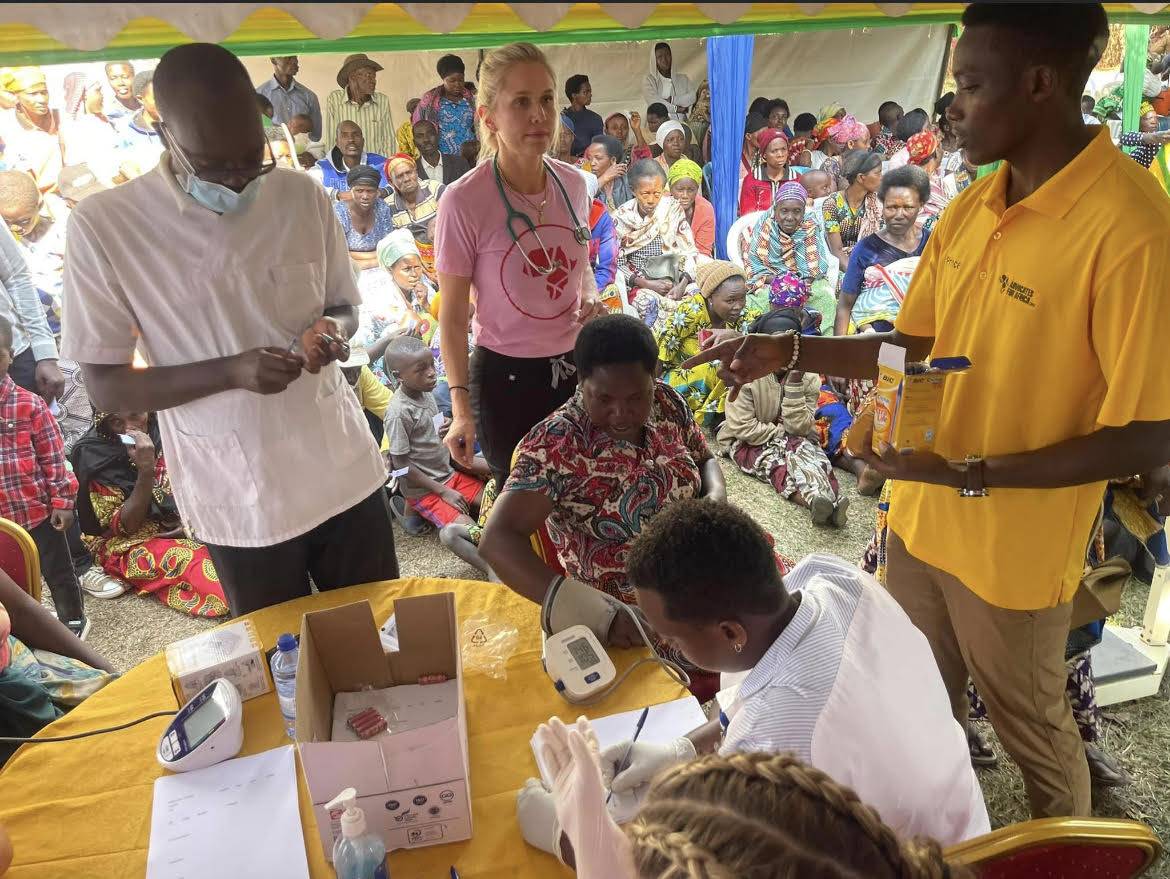
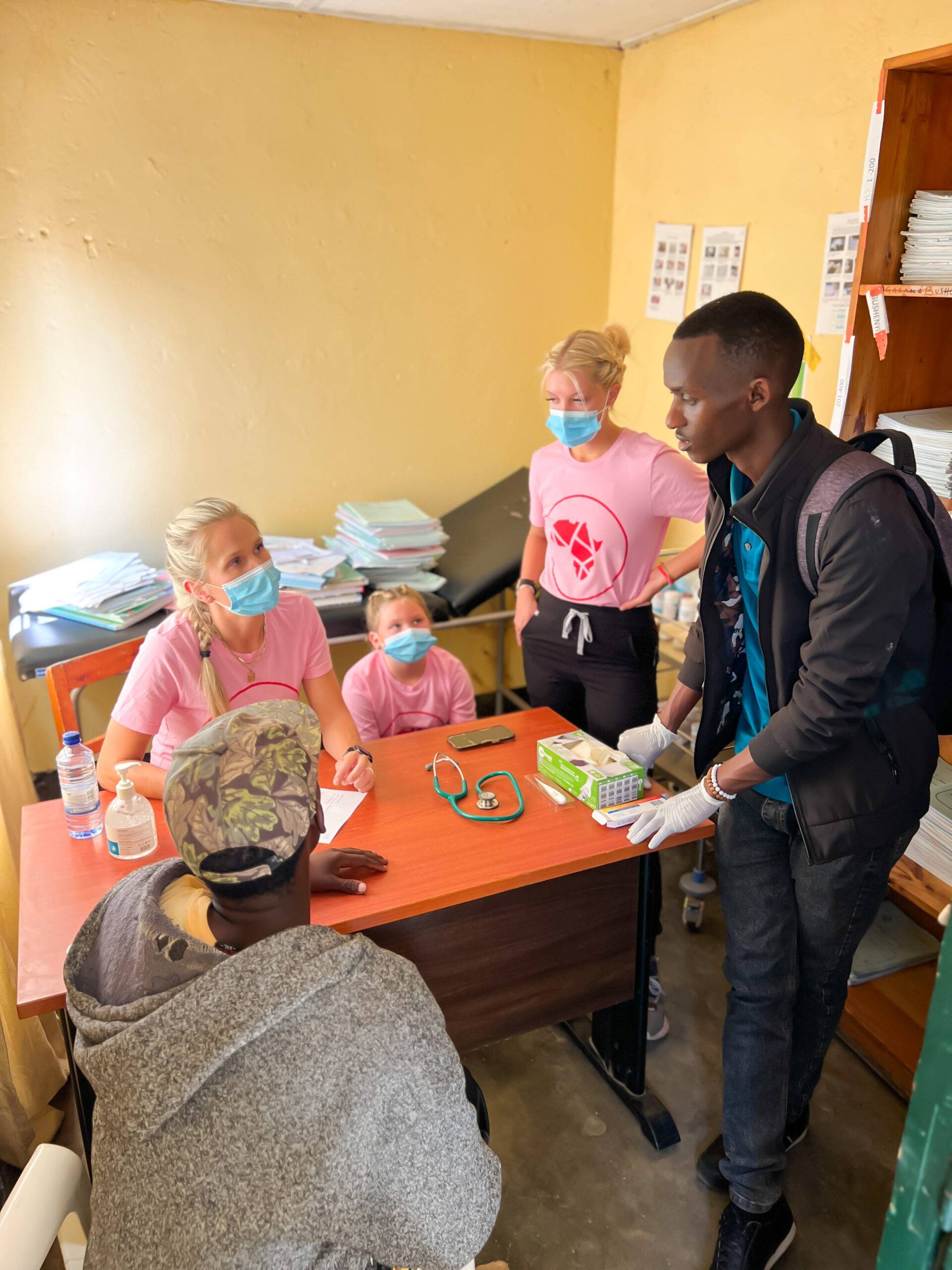
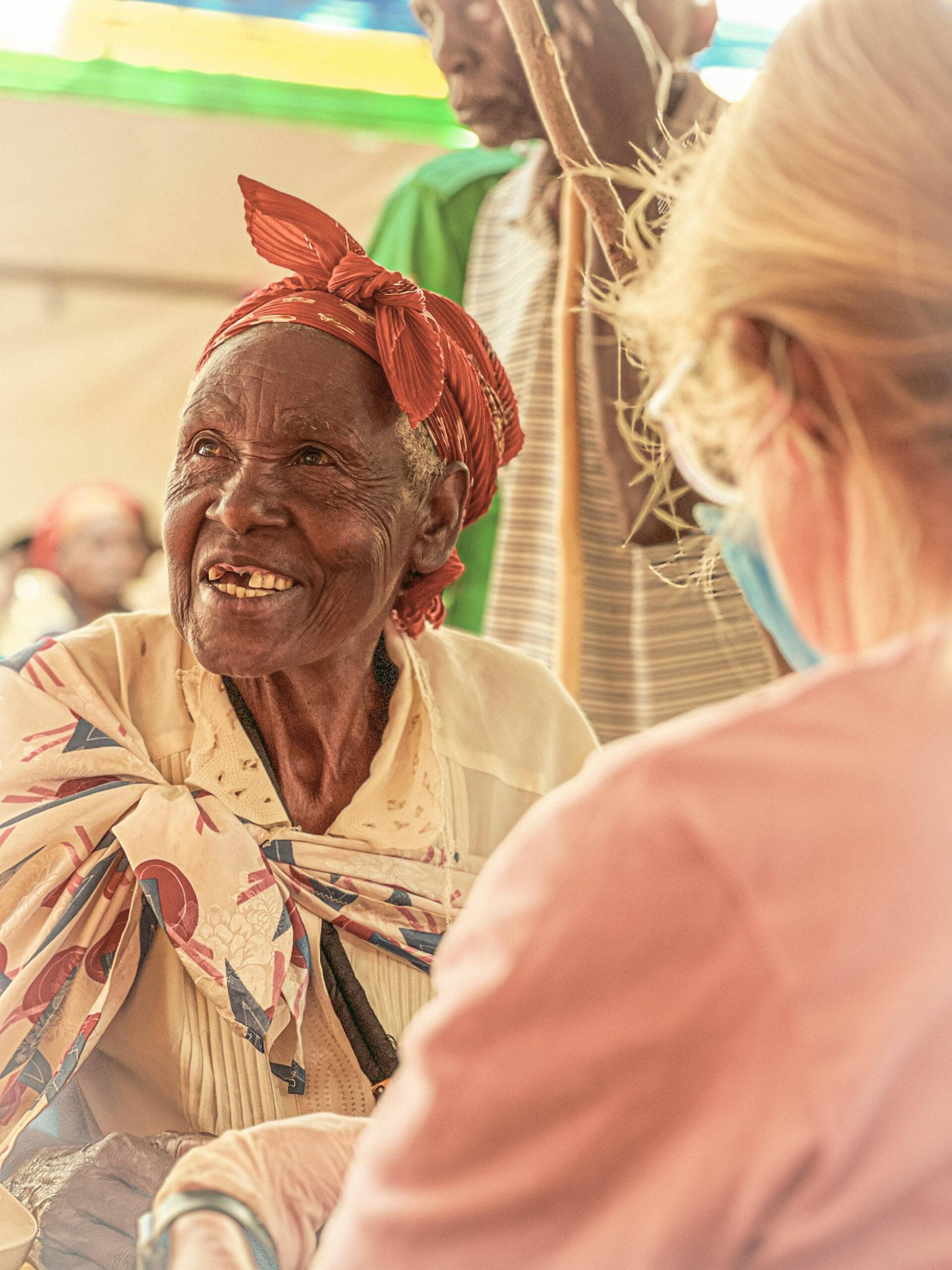
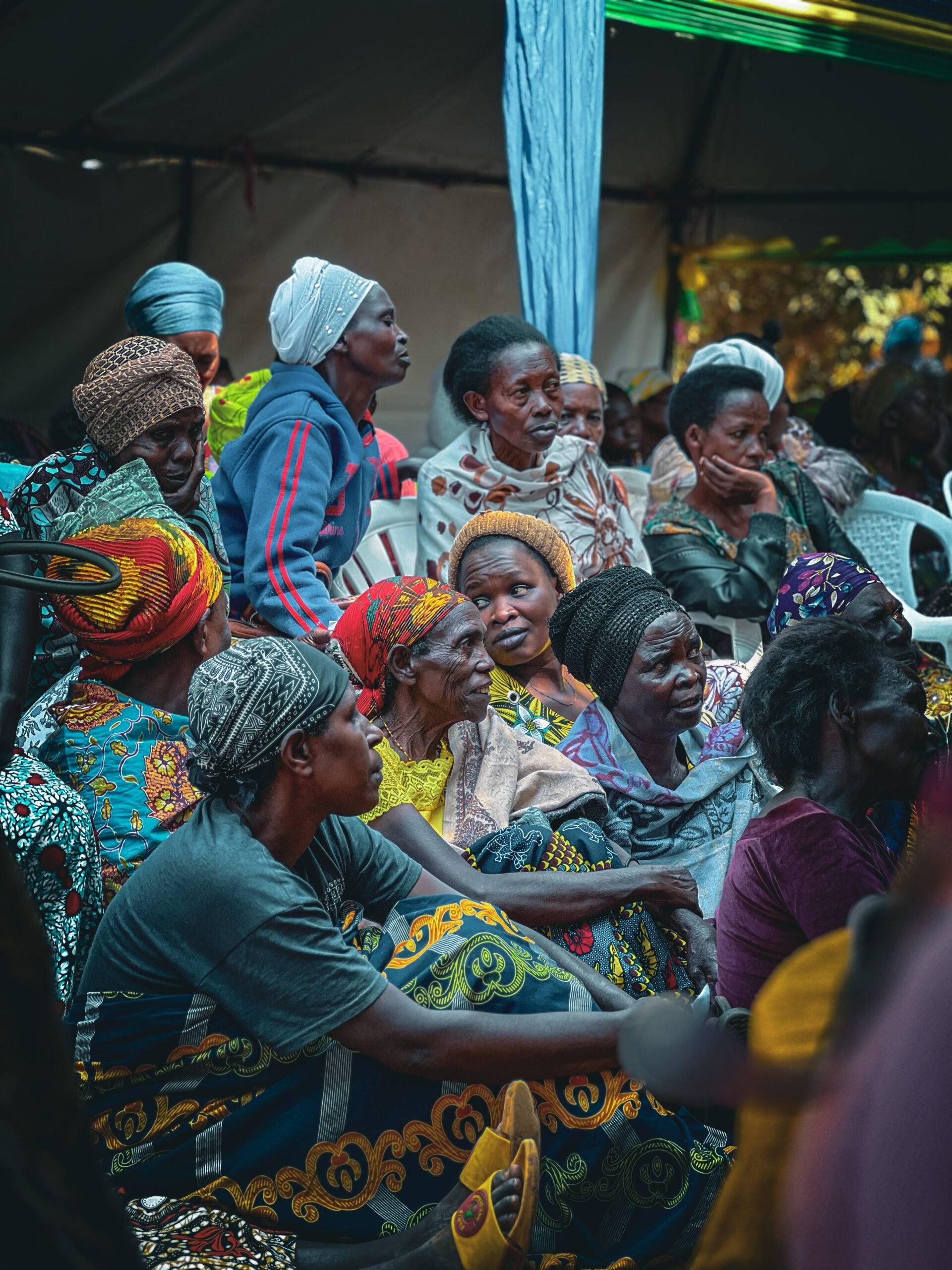
“We weren’t able to work out of the clinic yet because we weren’t quite far enough in the process. There is a lot of preparation required because the moment you offer that service, you would have thousands and thousands of people showing up,” Brown said. “What we did was partner with a clinic that was about a 30-minute drive away. They let us use some of their rooms and set up for two days. We had basic medical and maternity care and partnered with a dental group and a couple of ophthalmologists. Our team worked alongside several local doctors, and in those two days, a thousand people were treated.”
Brown said they treated a wide variety of health issues compounded by what she described as “tropical health.”
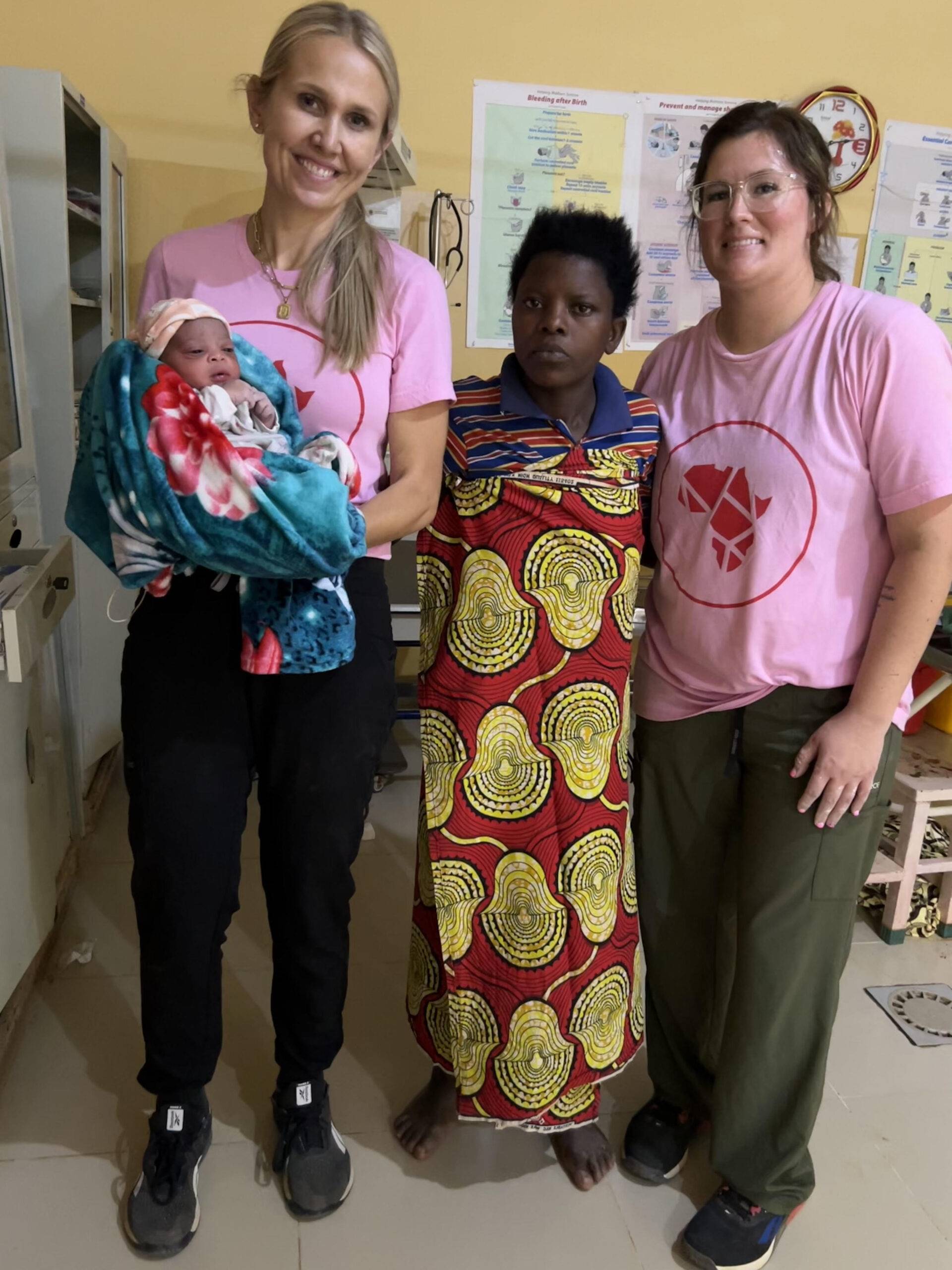
“We saw probable tuberculosis, everybody has a parasitic infection, and everybody’s stomach hurts,” she said. “We saw malnourished babies. You see pictures or videos of that, but seeing that in person just hits you differently, and you feel really, really helpless. I got to deliver two babies. It was a very overwhelming couple of days. We saw every complaint known to man, which would have been simple complaints here in the States, but there it was a challenge. A lot of the adults complained of dizziness or weakness when they got too hot. It was dehydration. Some of them have to walk six miles for water, so how do you tell a patient who’s dehydrated to drink more water when they have to walk six miles for water? Others complained of musculoskeletal pain. They sleep on the ground their entire lives. So there were some things we couldn’t do a whole lot about. We had a very small formulary where we could prescribe some medications. They waited 6-8 hours just for the opportunity to see us. They are just such happy people and were so thankful.”
Jarel recalls a man riding up on an old rickety bicycle with a woman sitting on a metal rack over the back tire. The woman was holding her completely mentally and physically disabled nine-year-old daughter in her arms. That was the only way she was able to get her daughter to the American medical team to be seen.
Brown said she and the rest of her team relied heavily on translators from non-medical members of the Advocates team. “It was so neat seeing this team that knows nothing about health coming in and providing translating services for us and doing the best that they could.”
Despite the natural frustration of not being able to do more, Brown embraces the positives and the progress and has big plans for the future of the clinic in Rwanda.
“Currently, the school where the clinic is serves ages nursery up to fourth grade,” Brown said. “Each year, they are adding a grade. My goal is that, by the time they grow to where they have graduated high school, we will have a program within the clinic that will be training nurse assistants and dental assistants.”
In the meantime, Brown hopes to return next year with another medical team. “From here on out, we will probably specialize the trip – dental, vision, pediatrics, primary care.”
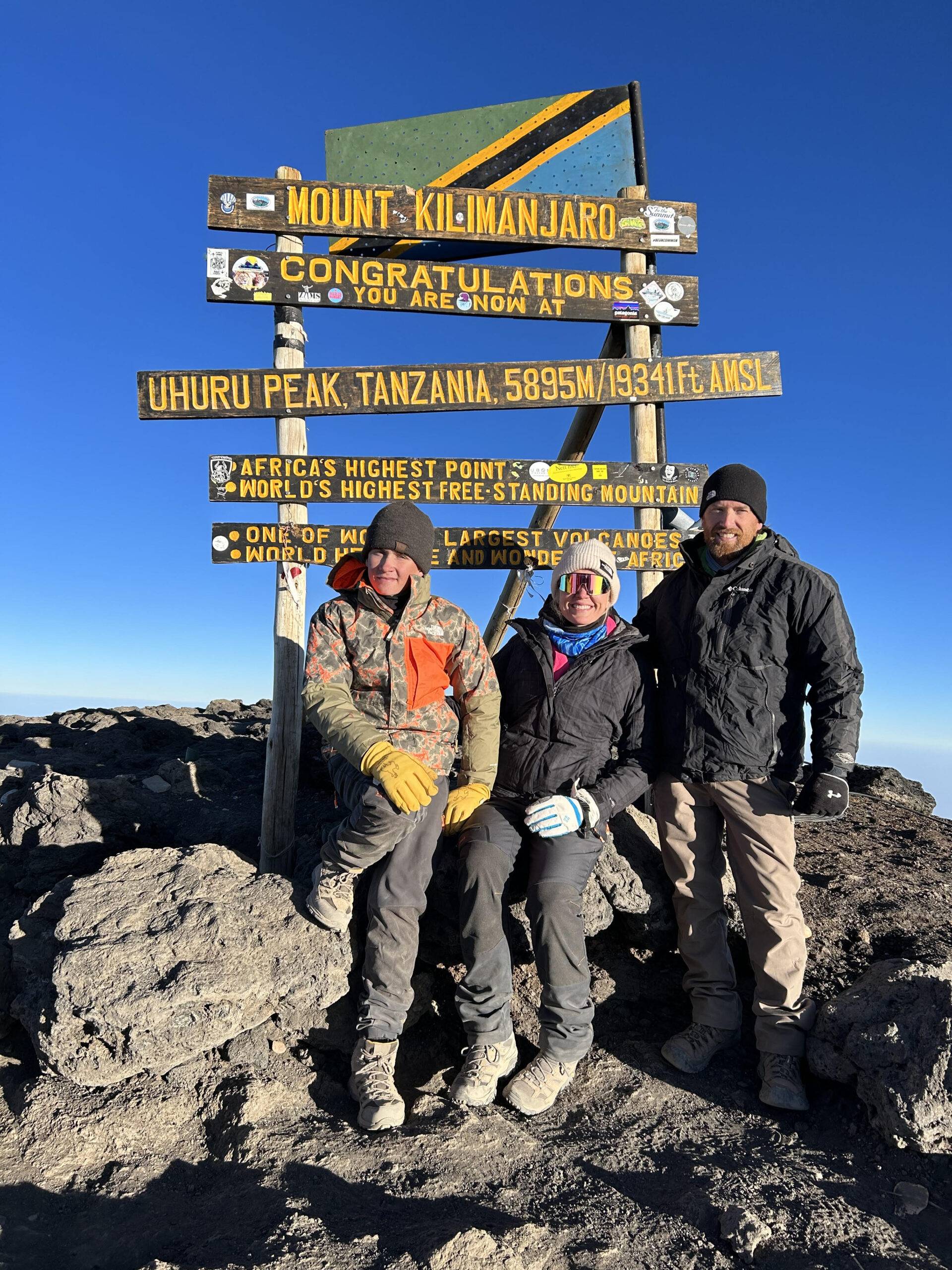
To help fund last summer’s medical trip, Brown, her husband, and her son all completed a Climb for Kids Campaign, which was an eight-day hike up Mount Kilimanjaro. The campaign raised $30,000 for the medical aspect of the Advocates trip. Team members raised their own money separately to cover their personal travel expenses.
“To be able to raise the money for the medical clinic, which was my ultimate goal, and then to reach the goal of making the summit was so surreal and so awesome. It was an experience I will never forget,” Brown said.
Brown credits her passion for serving such extremely rural and underserved areas to her experience at Frontier and the university’s beginnings in the mountains of southeastern Kentucky.
“Mary Breckinridge started Frontier in some of the toughest climates and conditions and thought, ‘if I can provide care here, we can provide care anywhere,’” Brown said. “Eastern Oklahoma is rural, and access to care is tough, but Rwanda is a next-level challenge. But you just start, plant those seeds, and teach those around you. That mindset goes so far, and it can reach Africa, too.”
The clinic, the trained medical providers, a healthier country … can you just picture it?
Learn more about advanced nursing degrees and specialties at Frontier Nursing University. Subscribe to our blog for the latest news and events at FNU and to get inspired with stories featuring our alumni, students, faculty, preceptors and staff!



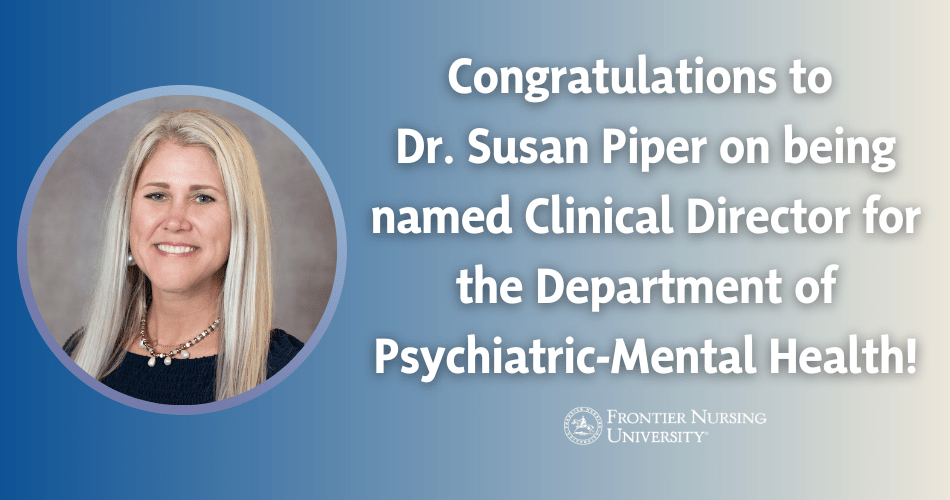
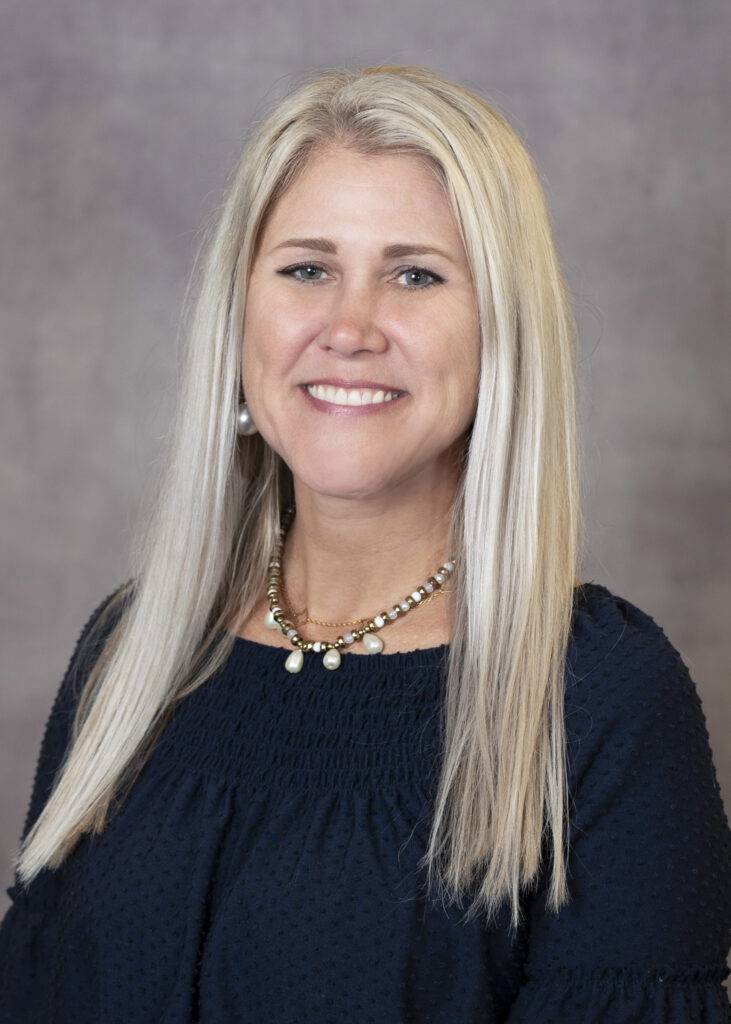 Frontier Nursing University (FNU) has announced that Dr. Susan Piper, DNP, APRN, PMHNP- BC, has accepted the position of Clinical Director for the Psychiatric-Mental Health Nurse Practitioner (PMHNP) Program. Dr. Piper has been a faculty member at FNU since 2018.
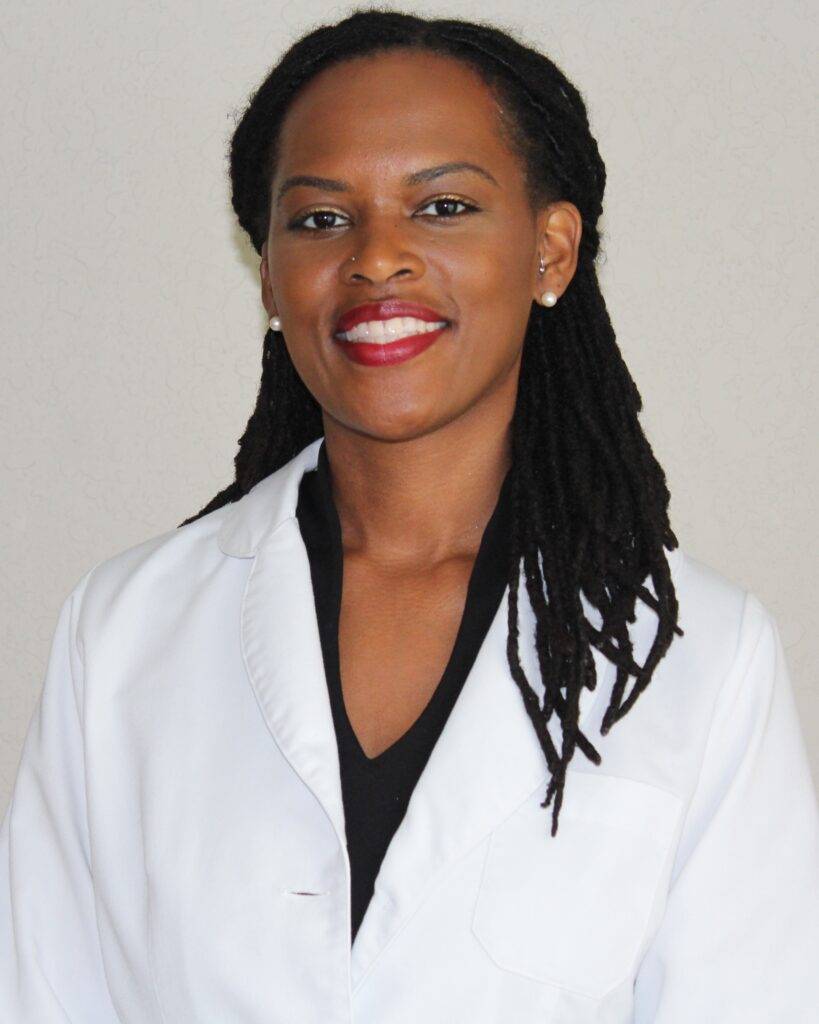
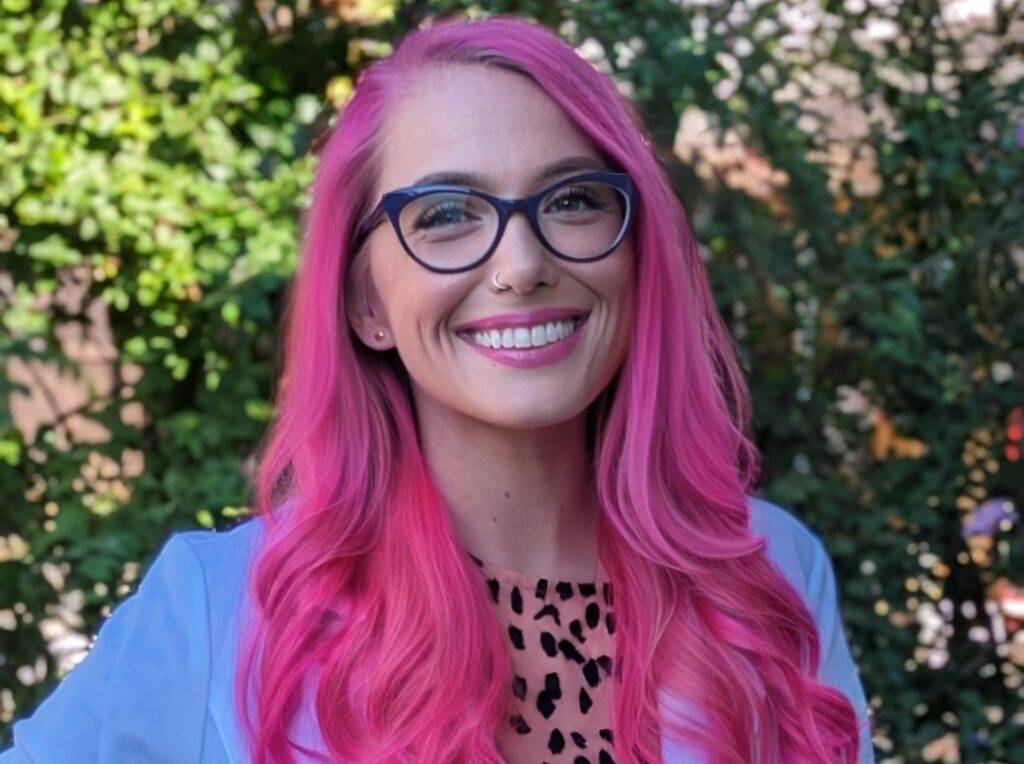



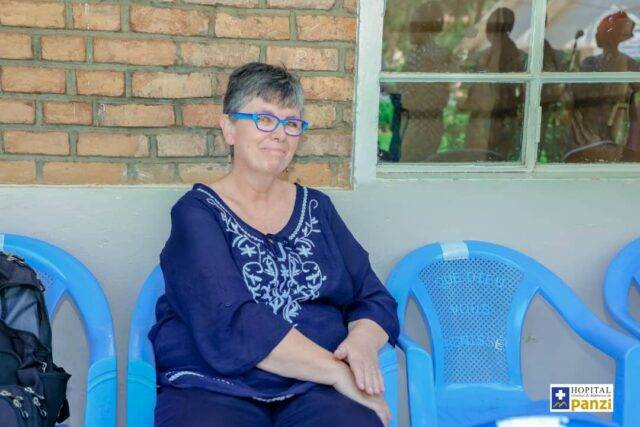 April is National Sexual Assault Awareness Month, a time for advocates, survivors, their loved ones and the community to come together to talk openly about sexual violence to support survivors, increase knowledge and awareness and identify strategies and resources to prevent sexual violence. It also provides an opportunity to highlight the remarkable efforts of those who work with survivors of sexual assault, such as Frontier Nursing University alumnus Connie Smith.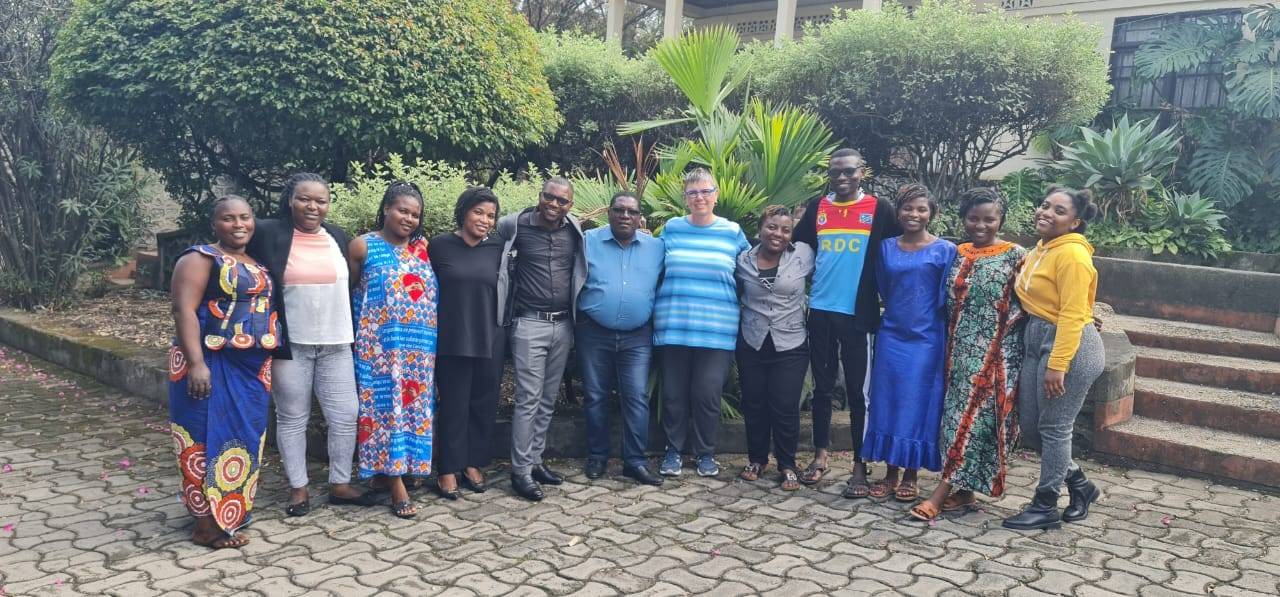

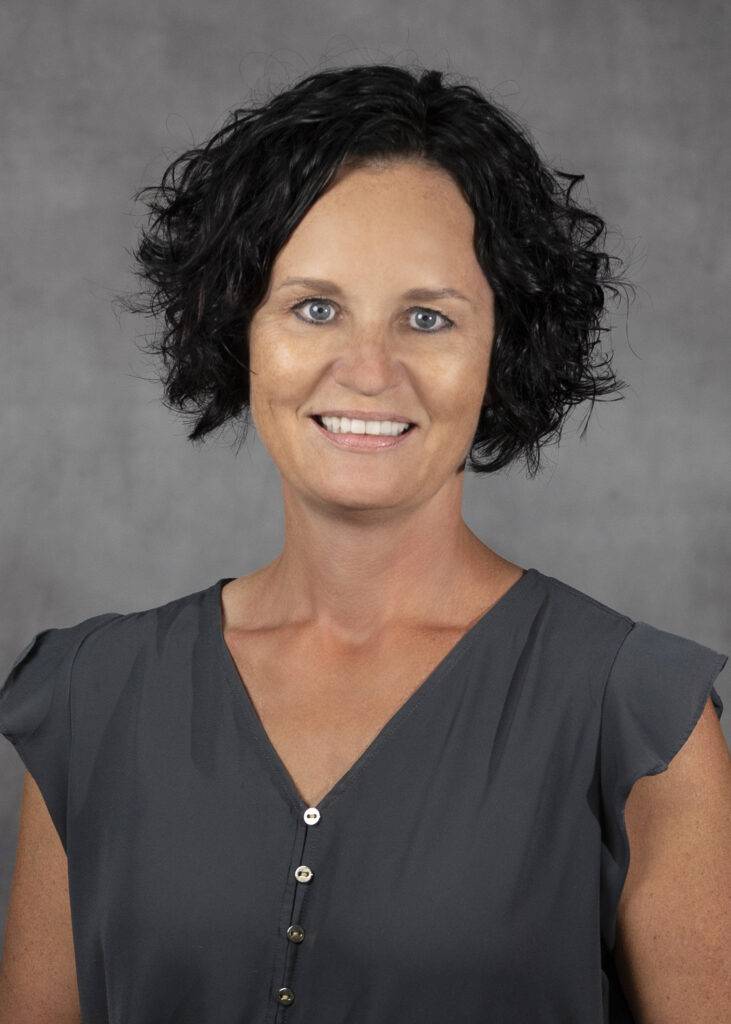


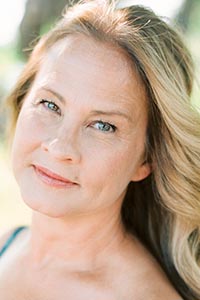
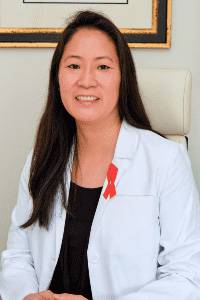 Carrie Belin is an experienced board-certified Family Nurse Practitioner and a graduate of the Johns Hopkins DNP program, Johns Hopkins Bloomberg School of Public Health, Georgetown University School of Nursing, and Johns Hopkins School of Nursing. She has also completed fellowships at Georgetown and the University of California Irvine.
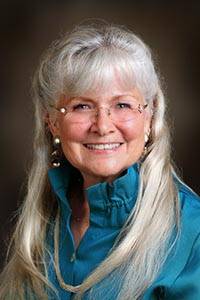
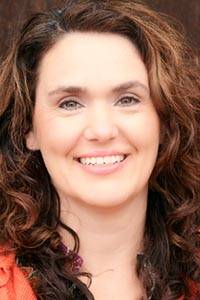 Angie has been a full-scope midwife since 2009. She has experience in various birth settings including home, hospital, and birth centers. She is committed to integrating the midwifery model of care in the US. She completed her master’s degree in nurse-midwifery at Frontier Nursing University (FNU) and her Doctorate at Johns Hopkins University. She currently serves as the midwifery clinical faculty at FNU. Angie is motivated by the desire to improve the quality of healthcare and has led quality improvement projects on skin-to-skin implementation, labor induction, and improving transfer of care practices between hospital and community midwives. In 2017, she created a short film on skin-to-skin called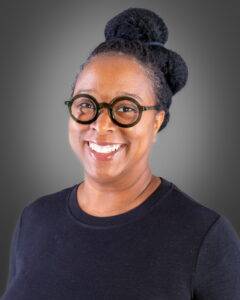
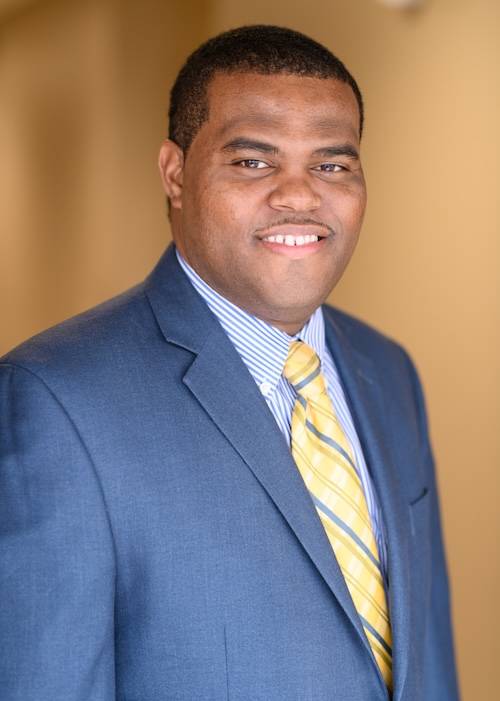
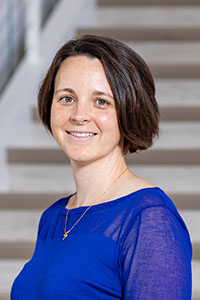
 Justin C. Daily, BSN, RN, has ten years of experience in nursing. At the start of his nursing career, Justin worked as a floor nurse on the oncology floor at St. Francis. He then spent two years as the Director of Nursing in a small rural Kansas hospital before returning to St. Francis and the oncology unit. He has been in his current position as the Chemo Nurse Educator for the past four years. He earned an Associate in Nurse from Hutchinson Community College and a Bachelor of Science in Nursing from Bethel College.
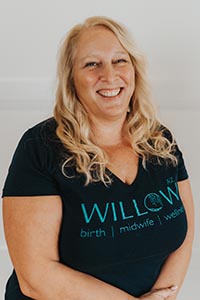
 Brandy Jackson serves as the Director of Undergraduate Nursing Programs and Assistant Educator at Wichita State University and Co-Director of Access in Nursing. Brandy is a seasoned educator with over 15 years of experience. Before entering academia, Brandy served in Hospital-based leadership and Critical Care Staff nurse roles. Brandy is passionate about equity in nursing education with a focus on individuals with disabilities. Her current research interests include accommodations of nursing students with disabilities in clinical learning environments and breaking down barriers for historically unrepresented individuals to enter the nursing profession. Brandy is also actively engaged in Interprofessional Education development, creating IPE opportunities for faculty and students at Wichita State. Brandy is an active member of Wichita Women for Good and Soroptimist, with the goal to empower women and girls. Brandy is a TeamSTEPPS master trainer. She received the DASIY Award for Extraordinary Nursing Faculty in 2019 at Wichita State University.
  Dr. Sabrina Ali Jamal-Eddine is an Arab-disabled queer woman of color with a PhD in Nursing and an interdisciplinary certificate in Disability Ethics from the University of Illinois Chicago (UIC). Dr. Jamal-Eddine’s doctoral research explored spoken word poetry as a form of critical narrative pedagogy to educate nursing students about disability, ableism, and disability justice. Dr. Jamal-Eddine now serves as a Postdoctoral Research Associate in UIC’s Department of Disability and Human Development and serves on the Board of Directors of the National Organization of Nurses with Disabilities (NOND). During her doctoral program, Sabrina served as a Summer Fellow at a residential National Endowment of the Humanities (NEH) Summer Institute at Arizona State University (2023), a summer fellow at Andrew W. Mellon’s National Humanities Without Walls program at University of Michigan (2022), a Summer Research Fellow at UC Berkeley’s Othering & Belonging Institute (2021), and an Illinois Leadership Education in Neurodevelopmental and related Disabilities (LEND) trainee (2019-2020).
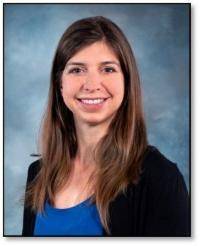 Vanessa Cameron works for Vanderbilt University Medical Center in Nursing Education & Professional Development. She is also attending George Washington University and progressing towards a PhD in Nursing with an emphasis on ableism in nursing. After becoming disabled in April 2021, Vanessa’s worldview and perspective changed, and a recognition of the ableism present within healthcare and within the culture of nursing was apparent. She has been working since that time to provide educational foundations for nurses about disability and ableism, provide support for fellow disabled nursing colleagues, and advocate for the disabled community within healthcare settings to reduce disparities.
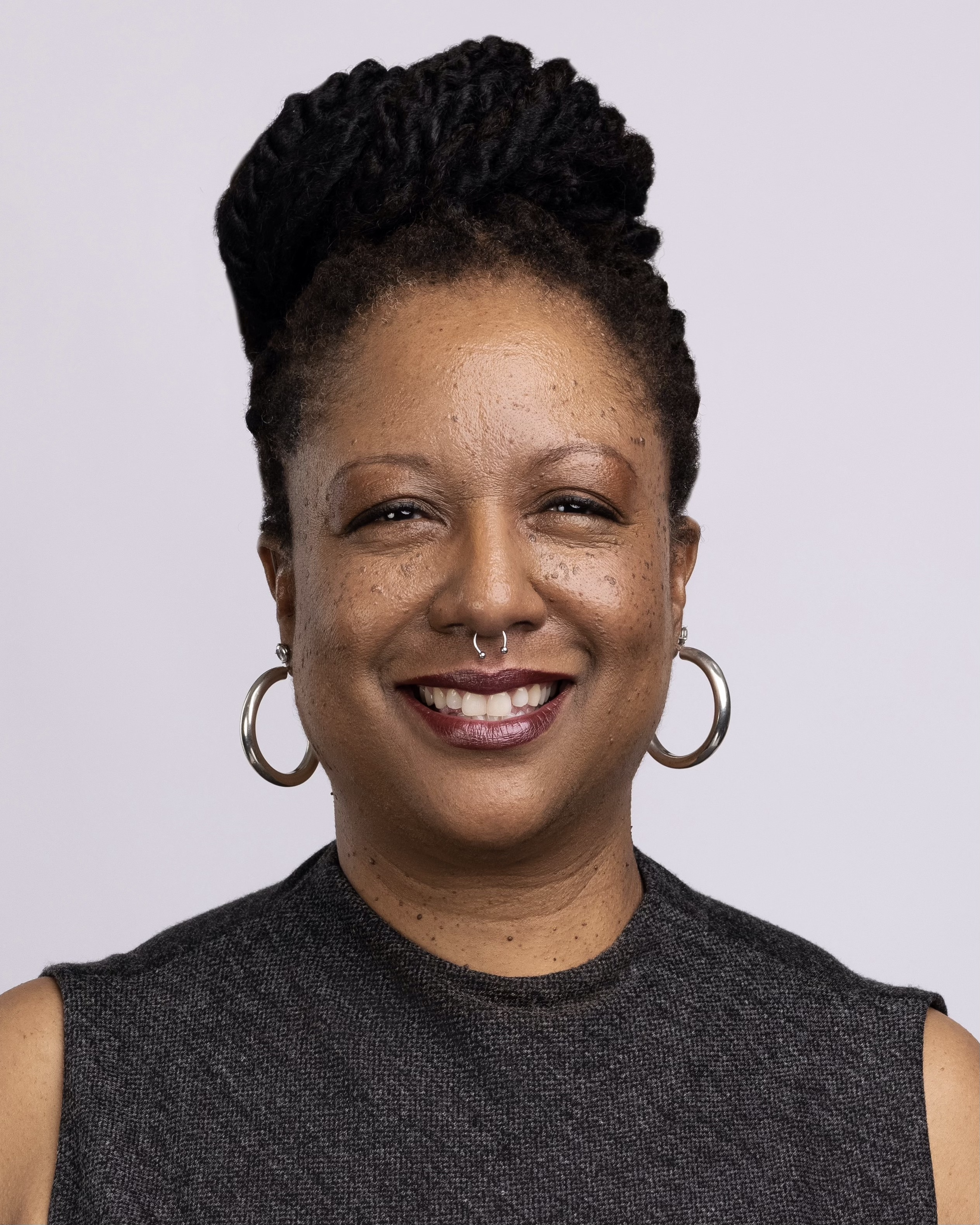 Dr. Lucinda Canty is a certified nurse-midwife, Associate Professor of Nursing, and Director of the Seedworks Health Equity in Nursing Program at the University of Massachusetts Amherst. She earned a bachelor’s degree in nursing from Columbia University, a master’s degree from Yale University, specializing in nurse-midwifery, and a PhD from the University of Connecticut. Dr. Canty has provided reproductive health care for over 29 years. Her research interests include the prevention of maternal mortality and severe maternal morbidity, reducing racial and ethnic health disparities in reproductive health, promoting diversity in nursing, and eliminating racism in nursing and midwifery.
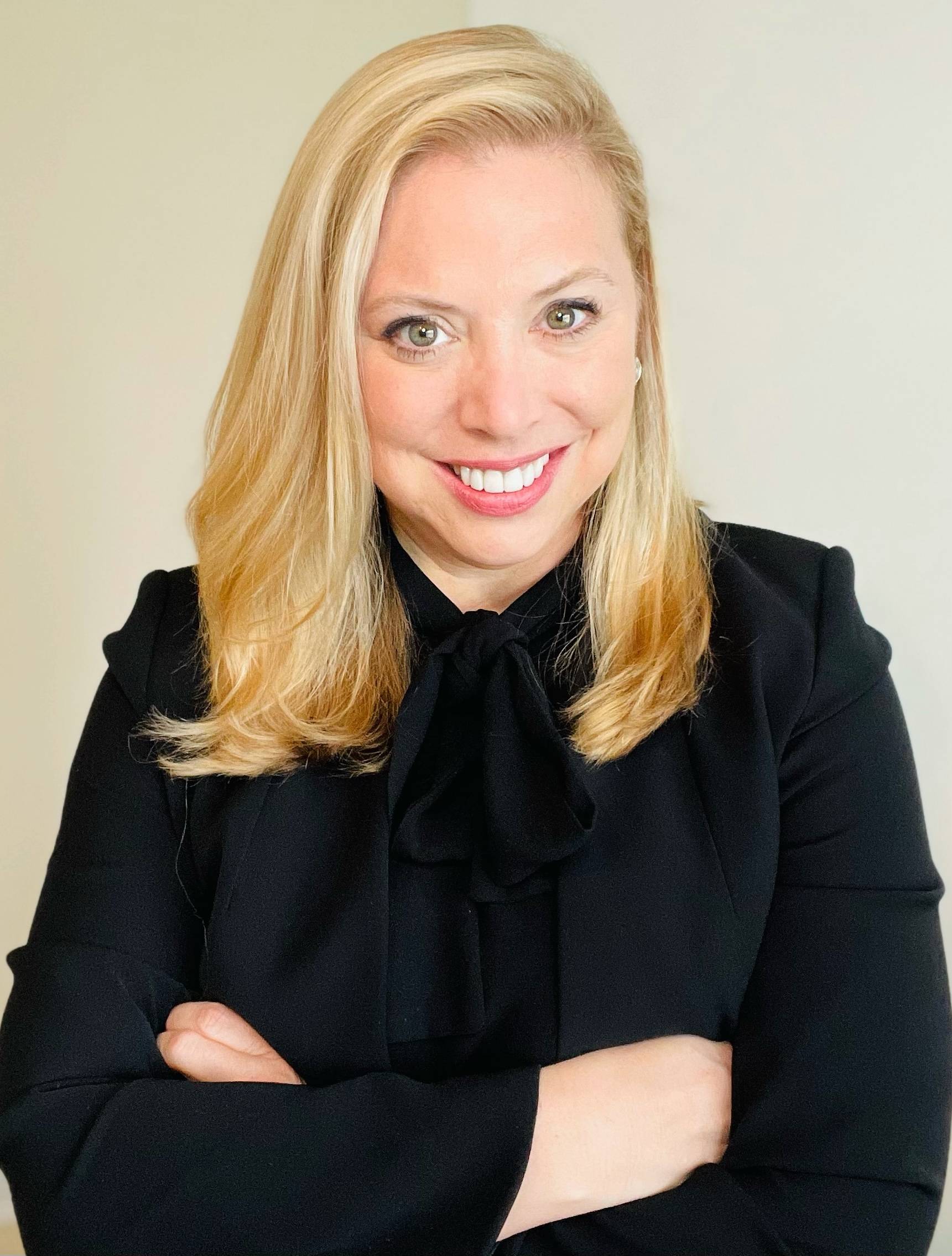 Dr. Lisa Meeks is a distinguished scholar and leader whose unwavering commitment to inclusivity and excellence has significantly influenced the landscape of health professions education and accessibility. She is the founder and executive director of the DocsWithDisabilities Initiative and holds appointments as an Associate Professor in the Departments of Learning Health Sciences and Family Medicine at the University of Michigan.
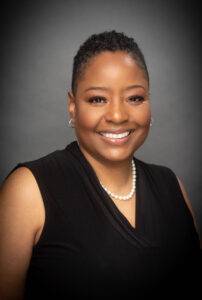 Dr. Nikia Grayson, DNP, MSN, MPH, MA, CNM, FNP-C, FACNM (she/her) is a trailblazing force in reproductive justice, blending her expertise as a public health activist, anthropologist, and family nurse-midwife to champion the rights and health of underserved communities. Graduating with distinction from Howard University, Nikia holds a bachelor’s degree in communications and a master’s degree in public health. Her academic journey also led her to the University of Memphis, where she earned a master’s in medical anthropology, and the University of Tennessee, where she achieved both a master’s in nursing and a doctorate in nursing practice. Complementing her extensive education, she completed a post-master’s certificate in midwifery at Frontier Nursing University.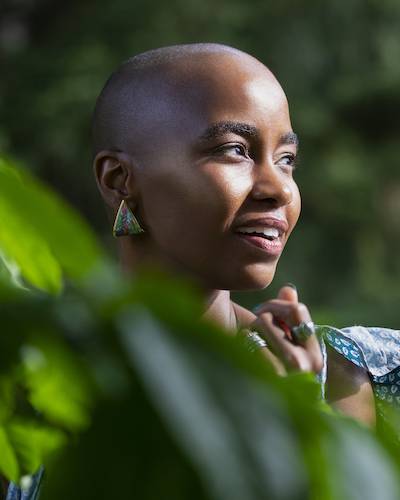

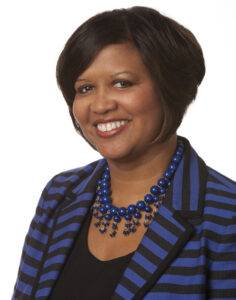 Dr. Tia Brown McNair is the Vice President in the Office of Diversity, Equity, and Student Success and Executive Director for the Truth, Racial Healing, and Transformation (TRHT) Campus Centers at the American Association of Colleges and Universities (AAC&U) in Washington, DC. She oversees both funded projects and AAC&U’s continuing programs on equity, inclusive excellence, high-impact practices, and student success. McNair directs AAC&U’s Summer Institutes on High-Impact Practices and Student Success, and TRHT Campus Centers and serves as the project director for several AAC&U initiatives, including the development of a TRHT-focused campus climate toolkit. She is the lead author of From Equity Talk to Equity Walk: Expanding Practitioner Knowledge for Racial Justice in Higher Education (January 2020) and Becoming a Student-Ready College: A New Culture of Leadership for Student Success (July 2016 and August 2022 Second edition).