 At first glance, it may appear ironic that Dr. Elia R. Cole, DO, MPH, provides healthcare from her home as part of Northwest Permanente’s virtual healthcare services. After all, much of Cole’s life has been spent on wide-ranging journeys in pursuit of learning and medical opportunities to be in service to others.
Born in the Hudson Valley in upstate New York, Cole’s interest in healthcare was sparked when her mother was diagnosed with stage 3 breast cancer. Cole was just 14 years old but marveled at the all-female medical group that cared for her mother.
“My dad was a social worker and mental health administrator. Through his work, I got a glimpse of what was needed to orchestrate complex service care delivery in rural places and underserved communities. I also got to spend quite a bit of time through my mom’s work as an art therapist at a children’s psychiatric hospital. I was exposed to how institutions deliver healthcare and the impact that changing a patient’s environment can have on overall health outcomes. I think the blend of those three things was the impetus for getting into healthcare.”
Inspired and motivated, Cole wasted little time in pursuing a career. As a pre-med student at Bard College in Annandale-on-Hudson, New York, Cole was an EMT and became Bard’s Director of Emergency Medical Services.
“As a 20-year-old, it was an amazing opportunity to learn on a really small scale about how to deliver healthcare to a community,” Cole said. “Since college, it’s been my area of interest – how does the service of healthcare get delivered to the people who need it?”
Cole learned more when she spent one of her collegiate summers in Lima, Peru, as an intern at a pediatric surgery unit in an urban hospital.
“It was a wonderful character-building experience, but I came back and wanted to shift my learning environment to something that was more local, which focused on the vast medical needs we have in this country.”
That shift led her to Frontier Nursing University’s (FNU) Courier program in Hyden, Kentucky, in the summer of 2009. The Courier Program was started in 1928 by FNU founder Mary Breckinridge, who recruited young people to work in the Kentucky mountains and learn about service to humanity. In the early days, Couriers escorted guests safely through remote terrain, delivered medical supplies to remote outpost clinics, and helped nurse-midwives during home visits and births. Today, the Courier Program Public Health Internship is a service-learning experience that provides an opportunity for students interested in public health, healthcare, or related fields to see what it is like to provide medical care to an underserved population. It was exactly the rural, underserved experience that Cole had been looking for.
“It felt like I was stepping back into history, especially because I was pretty excited to learn in a place where Mary Breckinridge once stood, a place that was part of the history of American Public Health,” said Cole, who was also working on a comparative analysis of wellness as a concept and how it was being perceived in rural, mountainous communities. “I did field site interviews and observations in Hyden and throughout much of Leslie County. I mapped all the community services in Leslie County. Many people invited me into their homes and let me record them and our conversations about this concept of wellness. I compared this area to Greene County in the Catskill Mountains region of New York, which was somewhat less rural but, at the time, comparable on a financial resource level. It was really interesting to think about how resources were being utilized to promote this concept of wellness through diet and exercise. That whole experience was deeply humbling. One man I interviewed offered a response that I carry with me in my thoughts to this day. He said, ‘People just try to survive here. They’re not worried about wellness’.”
Cole’s ties to the Courier Program didn’t end when that summer ended — they were just beginning. Since then, even as her medical career has progressed and she has moved across the country, Cole has stayed connected. She has come back occasionally for opening or closing sessions of the program or to give presentations, has served on the Courier Advisory Committee, and has been a mentor to other Couriers.
“I am the first physician in my family, so it is not lost on me how challenging it can be to come from a rural or underserved background and work your way into this profession. The process of becoming a clinician takes a tremendous amount of effort and resources to be able to finally arrive at the point where you are delivering care to others. I have seen firsthand the power that mentoring relationships can have to facilitate this journey. Any time I have had the chance to speak with Couriers about where they are on their professional paths, it has been a welcomed opportunity,” Cole said.
After her experience as a Courier, Cole continued on to study public health at Boston University and attended medical school at Pacific Northwest University of Health Sciences in Yakima, Washington. As a third- and fourth-year medical student, Cole was assigned clinical rotations based out of Fairbanks, Alaska. There, her rural healthcare experience included traveling to remote villages, where she learned to provide healthcare with limited resources.
“Alaska was an amazing place to be a medical student,” Cole said. “In my third year, I did a rural health rotation in Alaska, which means something different from rural health in the lower 48. This was in a little town called Galena. It was a town of 450 or so people. My supervising physician there held a clinic in town but would also travel to the other nearby villages, sometimes via snowmobile on the Yukon River.”
Further clinical rotations took Cole across the country, including the Midwest and the Navajo Nation. These varied experiences of life in America fueled Cole’s desire to deliver healthcare to rural and underserved populations.
In 2018, Cole began residency with Kaiser Permanente in California. As a resident, she dedicated her research to studying telemedicine. This work focused on teaching medical learners to care for people in the virtual setting safely. After residency, she joined Northwest Permanente, which had been providing virtual care to residents of Washington and Oregon prior to the pandemic. She does a blend of urgent care and primary care, all virtually from her own home.
“In my current practice, I see everything from people who are in the early stages of labor and are not really sure whether they should come into the hospital yet, to family members calling on behalf of people in hospice who transitioned to hospice on a Friday and it’s Saturday afternoon and they can’t get ahold of somebody in the clinic, and they have questions,” Cole said. “I’ve had patients who present with serious acute medical conditions and others who just need treatment for something simple like pink eye.”

Cole recognizes the irony of providing care from home but also sees the connection between the care that telehealth provides and the original purpose of rural health programs like the Courier program.
“Telemedicine is a really interesting way of delivering some types of care,” she said. “In my mind, it’s kind of an extension of Mary Breckinridge’s approach to delivering healthcare in rural areas or in areas where otherwise patients would have limited access to healthcare. This is a way of seeing people in their homes. It’s not through horseback, but it’s a virtual form of horseback, I suppose.”
It is a classic case of studying history to prepare for the future. The mode of delivery has changed from horseback to jeep to computer, but the end goal is the same.
“I constantly think about how to innovate in the physical space of delivering healthcare,” Cole said. “What does the next phase of innovation in American healthcare delivery look like? How can we do better as a country to keep people healthy? This type of thinking is a way to blend my clinical background with public health principles. I am excited to cultivate creative thinking and innovation with the goal of improving our delivery of healthcare.”

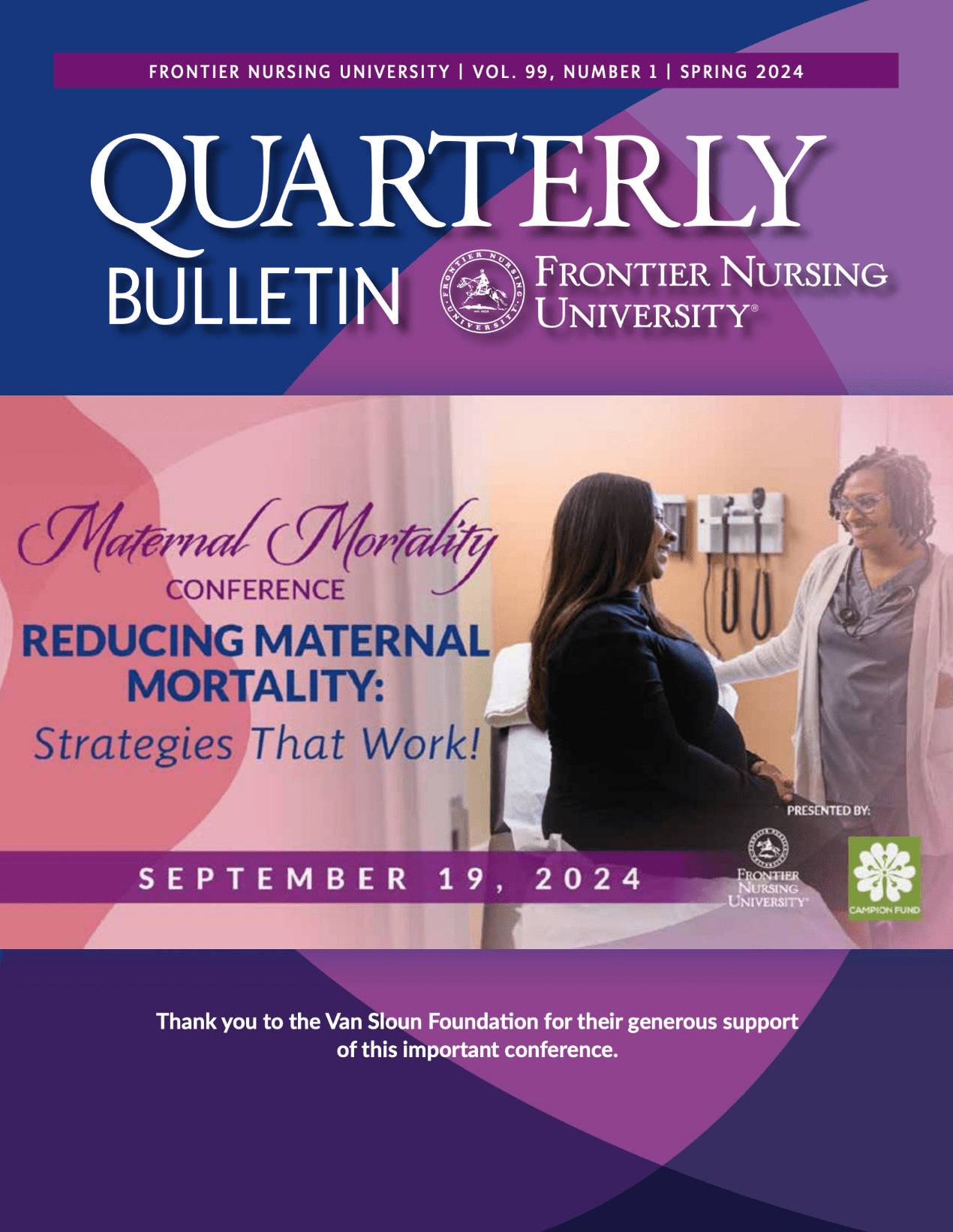 Consider the Spring issue of the Quarterly Bulletin your 2024 guide to Frontier events. Taking center stage is a detailed review of Homecoming 2024, with extended profiles of each of this year’s annual award winners. Their stories, experiences, and insights are inspirational reminders of the innumerable ways in which members of the Frontier family serve communities and populations far and wide.
 Frontier Nursing University has been accepted into the Age-Friendly University Global Network. FNU was accepted after forming an Age-Friendly University sub-committee composed of faculty and staff who collectively prepared and submitted the comprehensive Age-Friendly University Global Network application.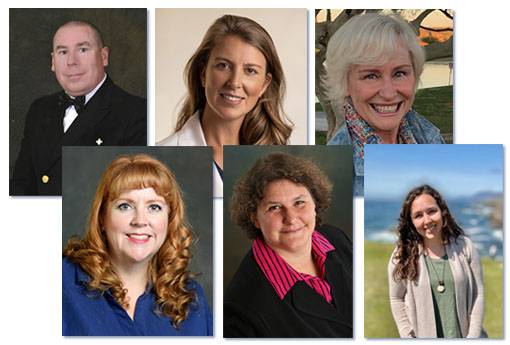
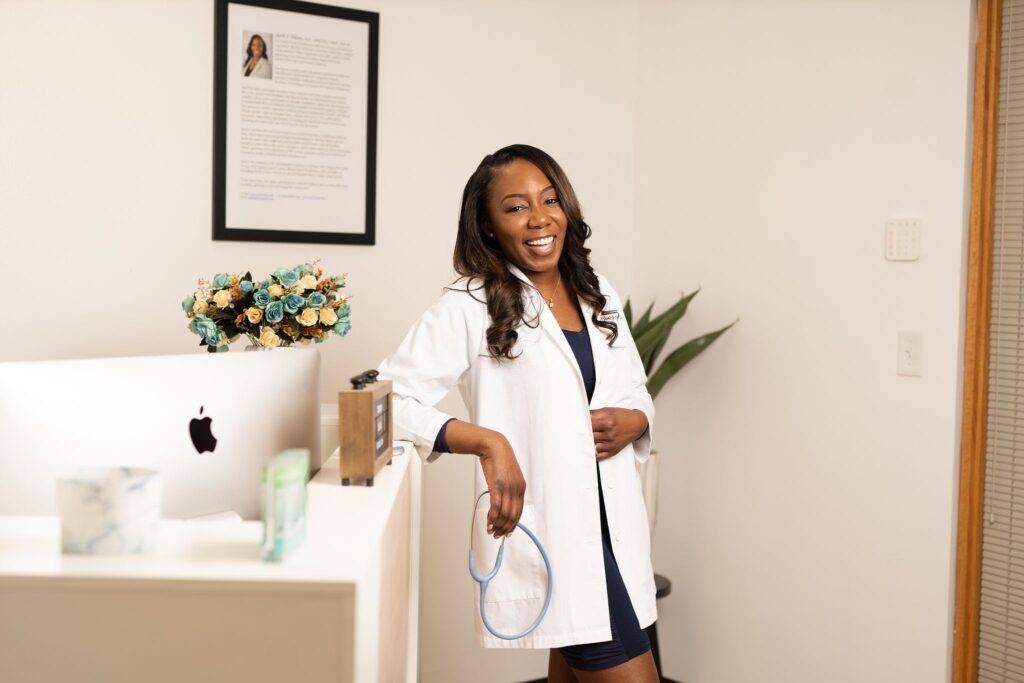
 For FNU graduate Dr. April Odom, DNP, APRN, FNP-BC, earning her
 Oʻahu can seem like paradise, with its stunning beaches and lush tropical environment, but the Hawaiian island’s remote location often results in a shortage of resources – including a shortage of healthcare providers in almost every specialty.
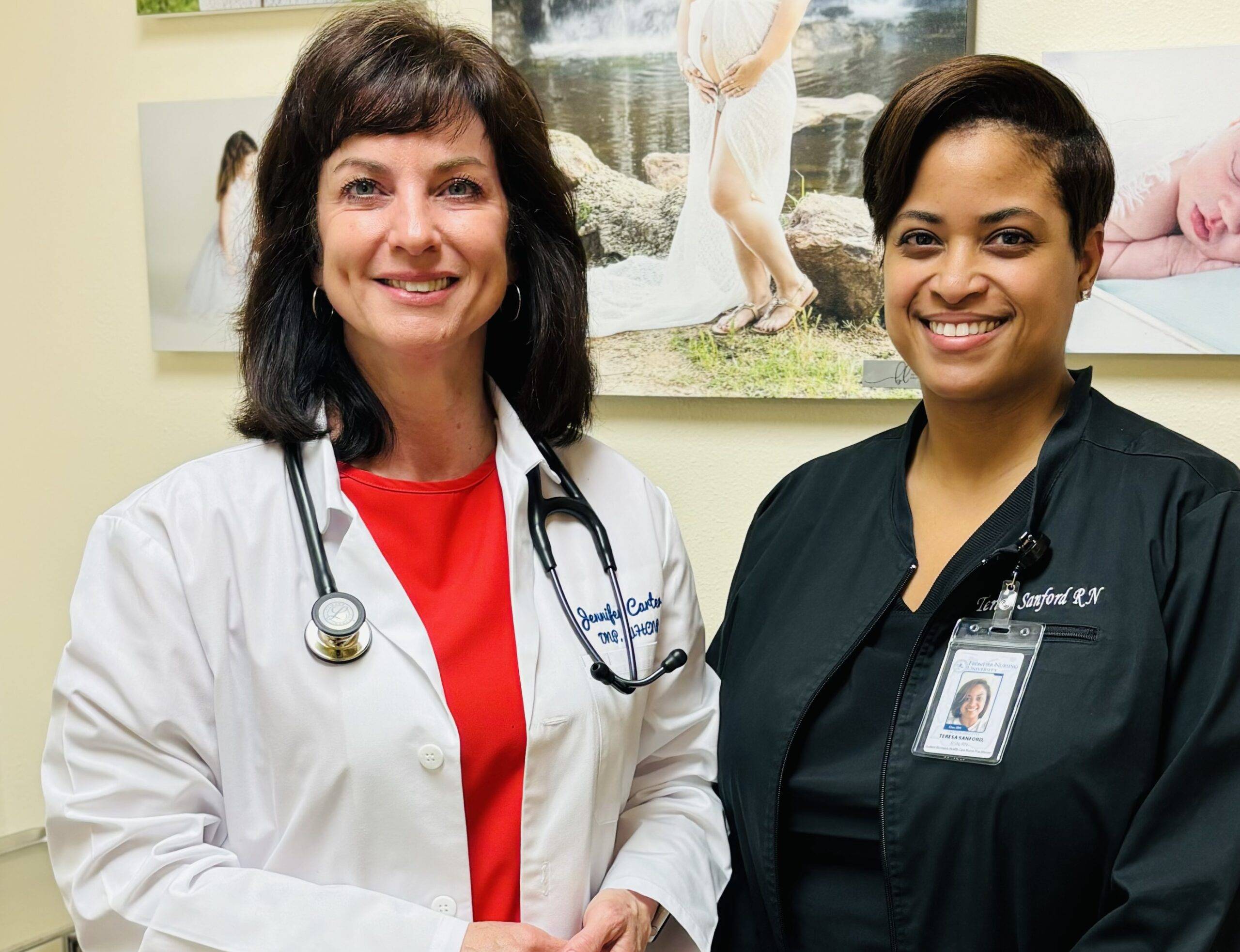
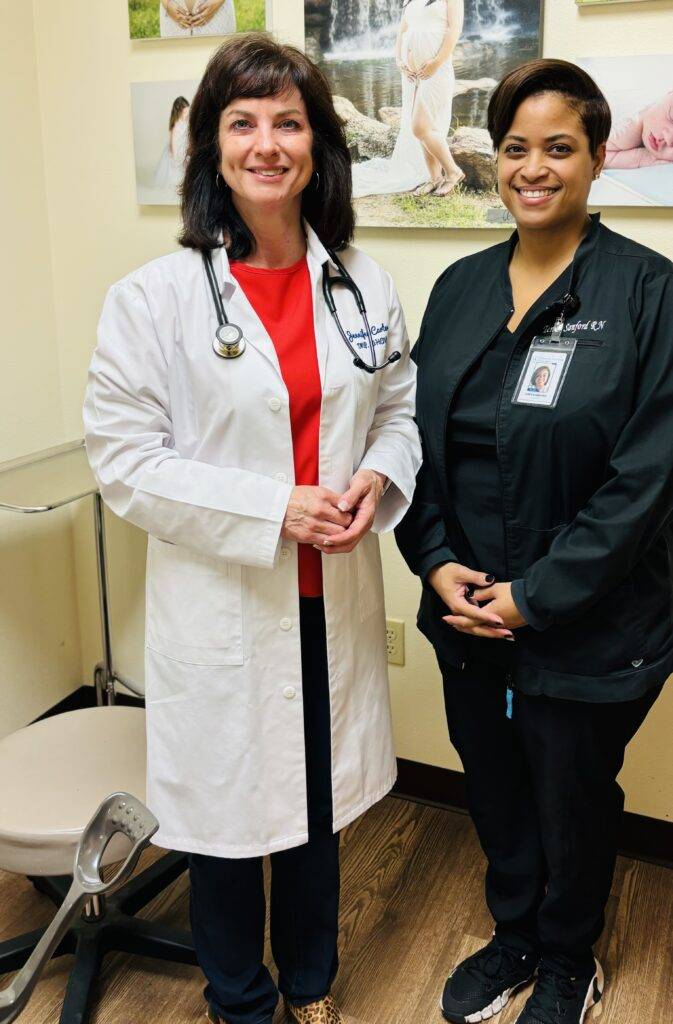 At the heart of Frontier Nursing University is a talented and diverse community of students, alumni, faculty, staff, couriers and preceptors. Spotlight blogs feature members of our FNU community who are focused on the mission of educating nurse-midwives and nurse practitioners to deliver quality healthcare to underserved and rural populations.
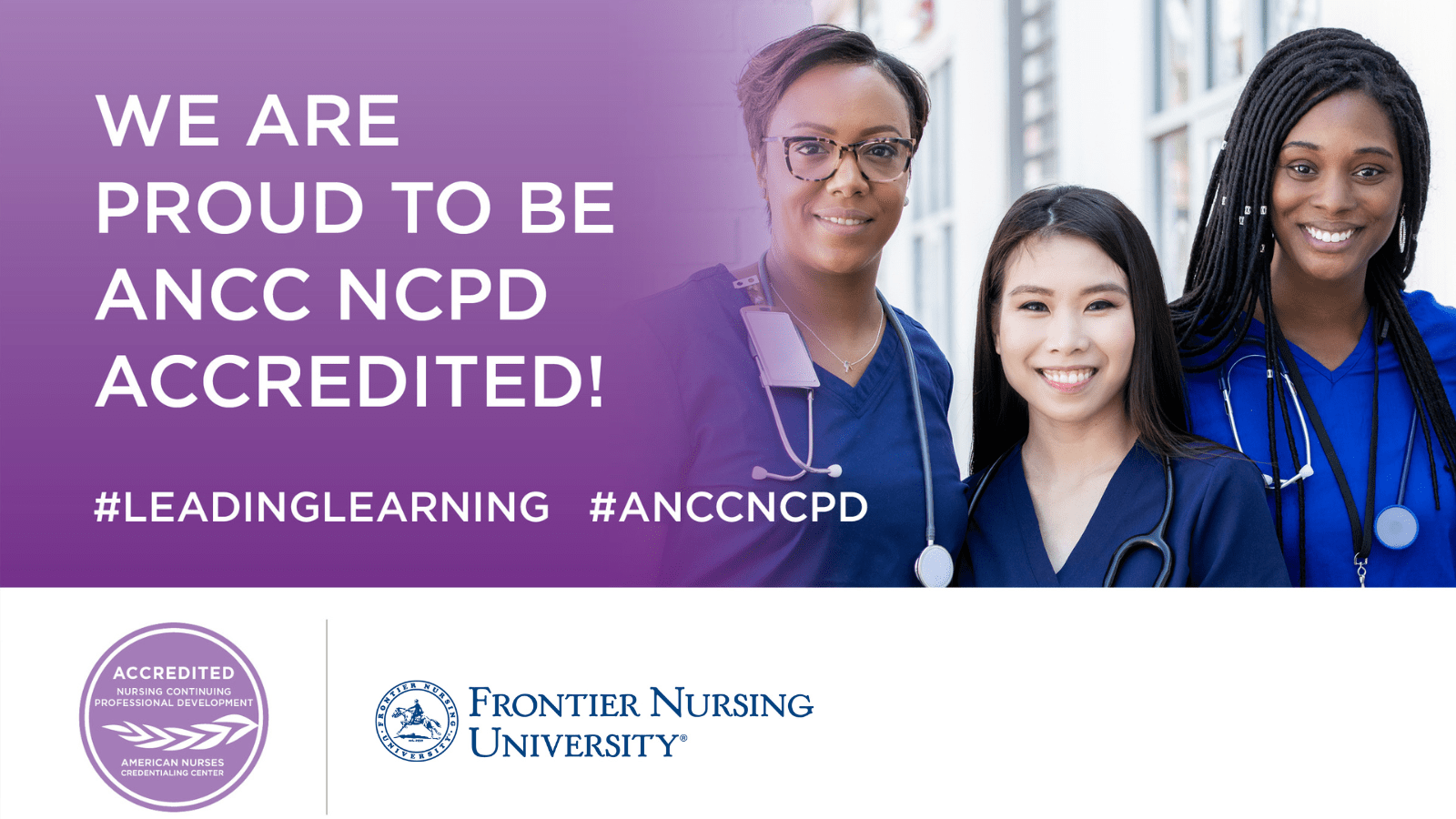
 Frontier Nursing University is proud to be accredited for nursing

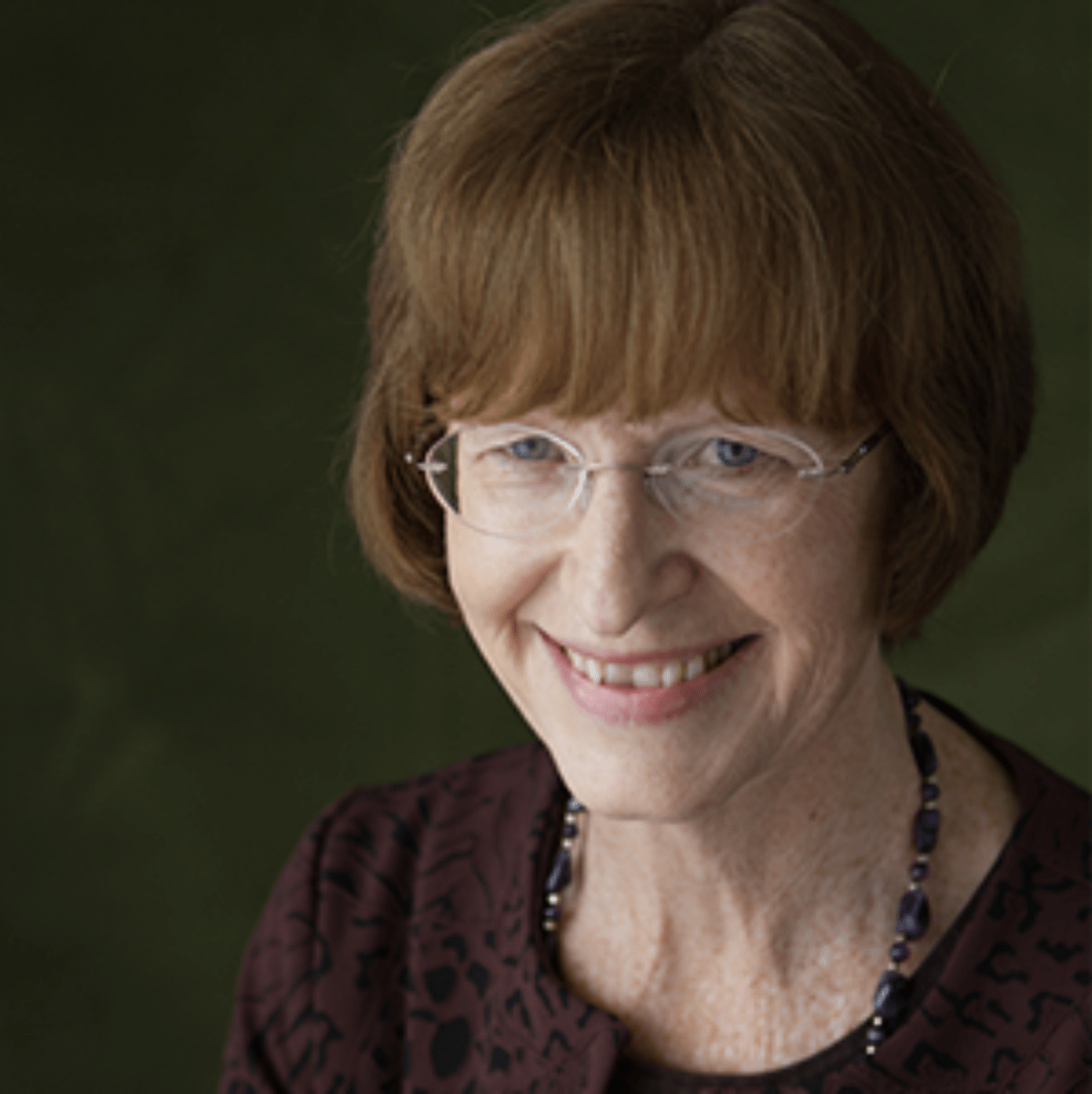

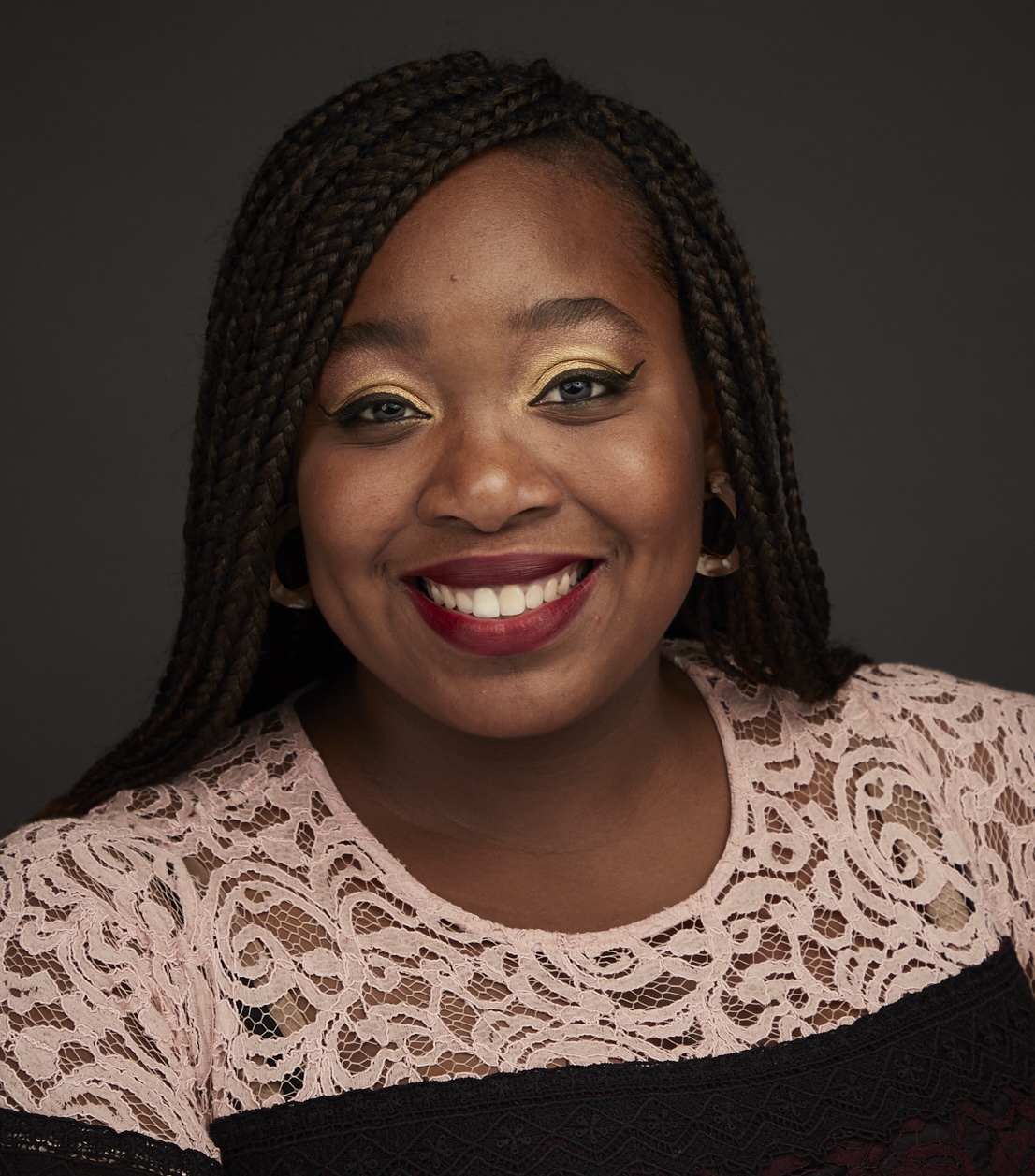

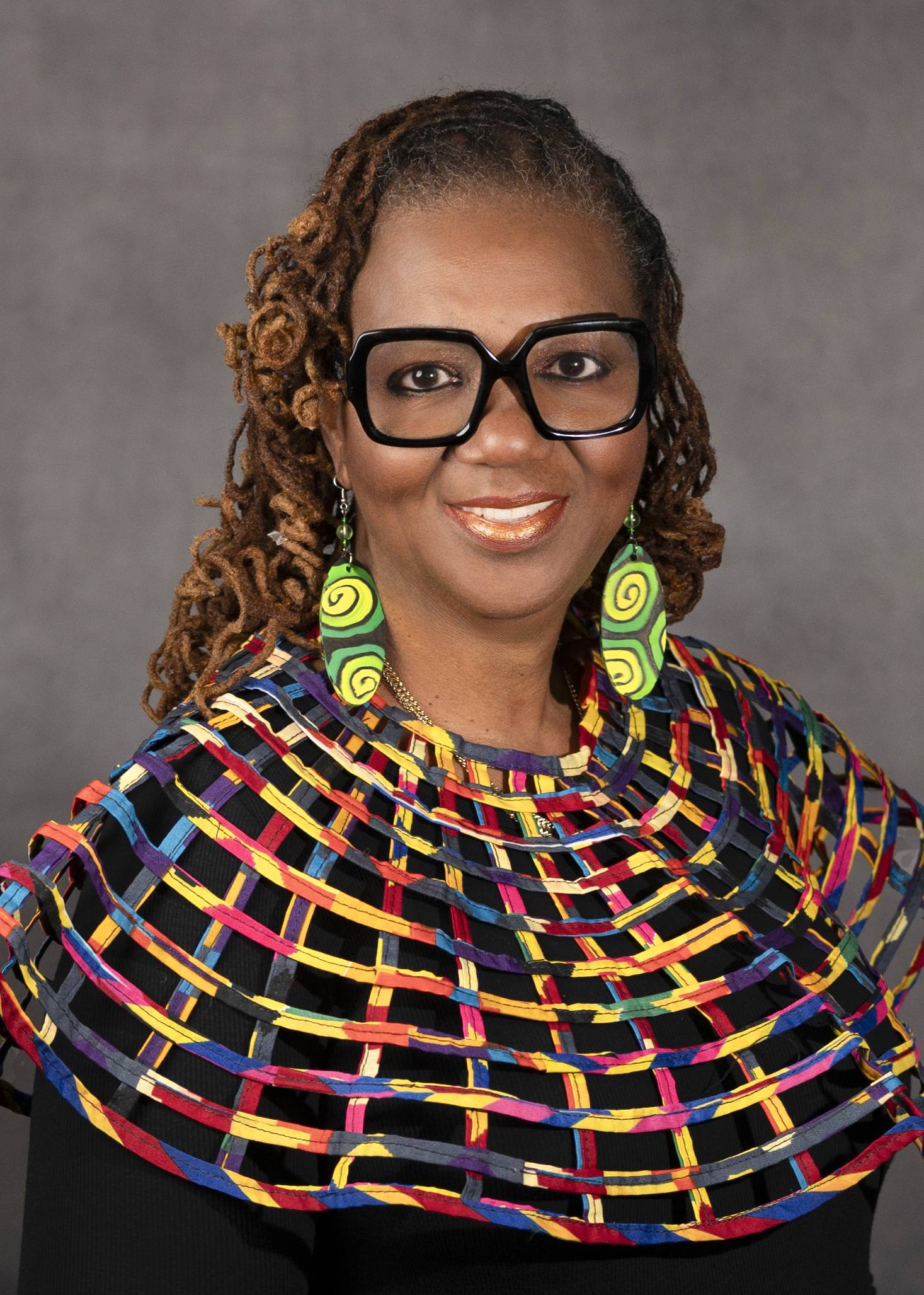
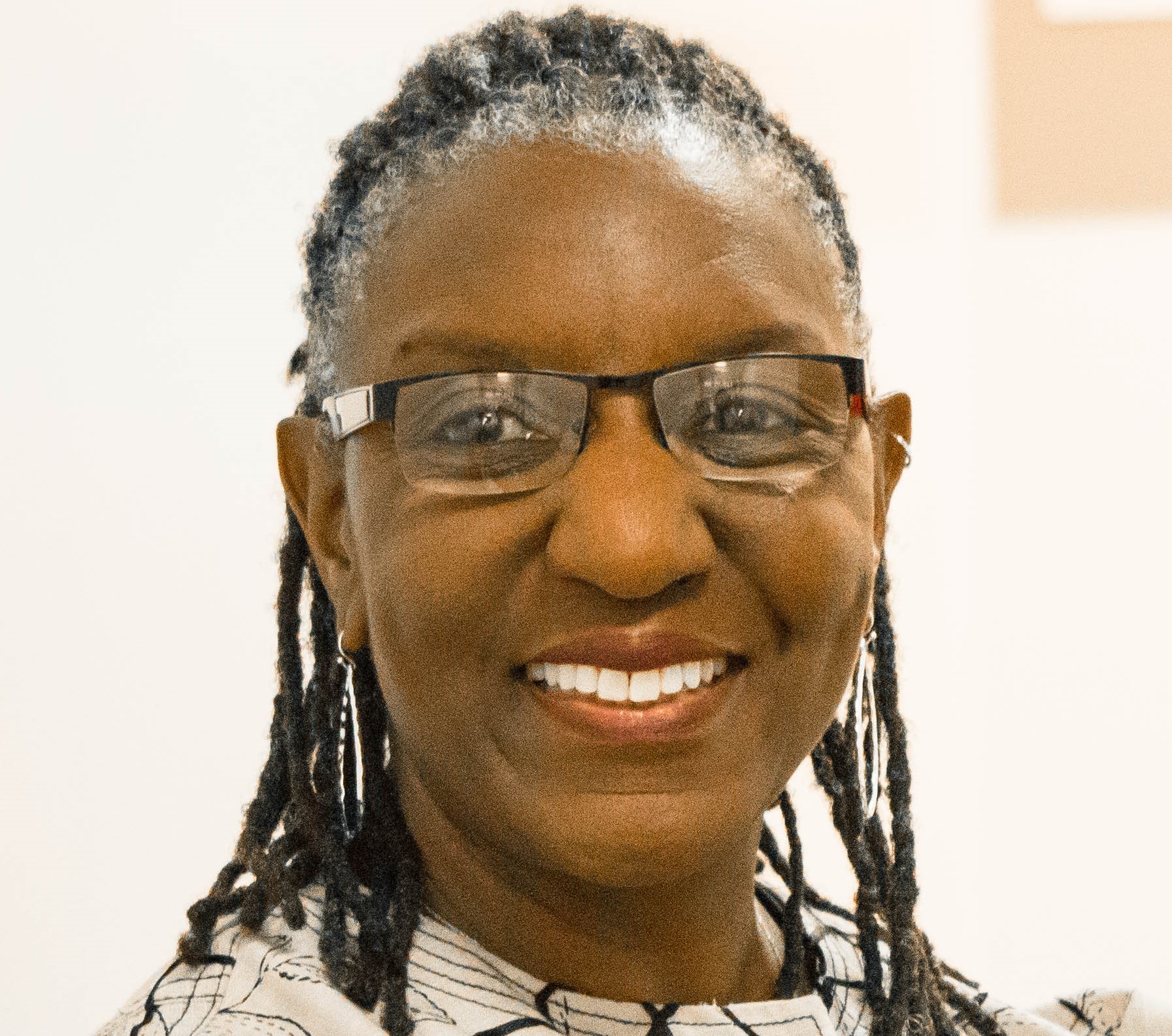
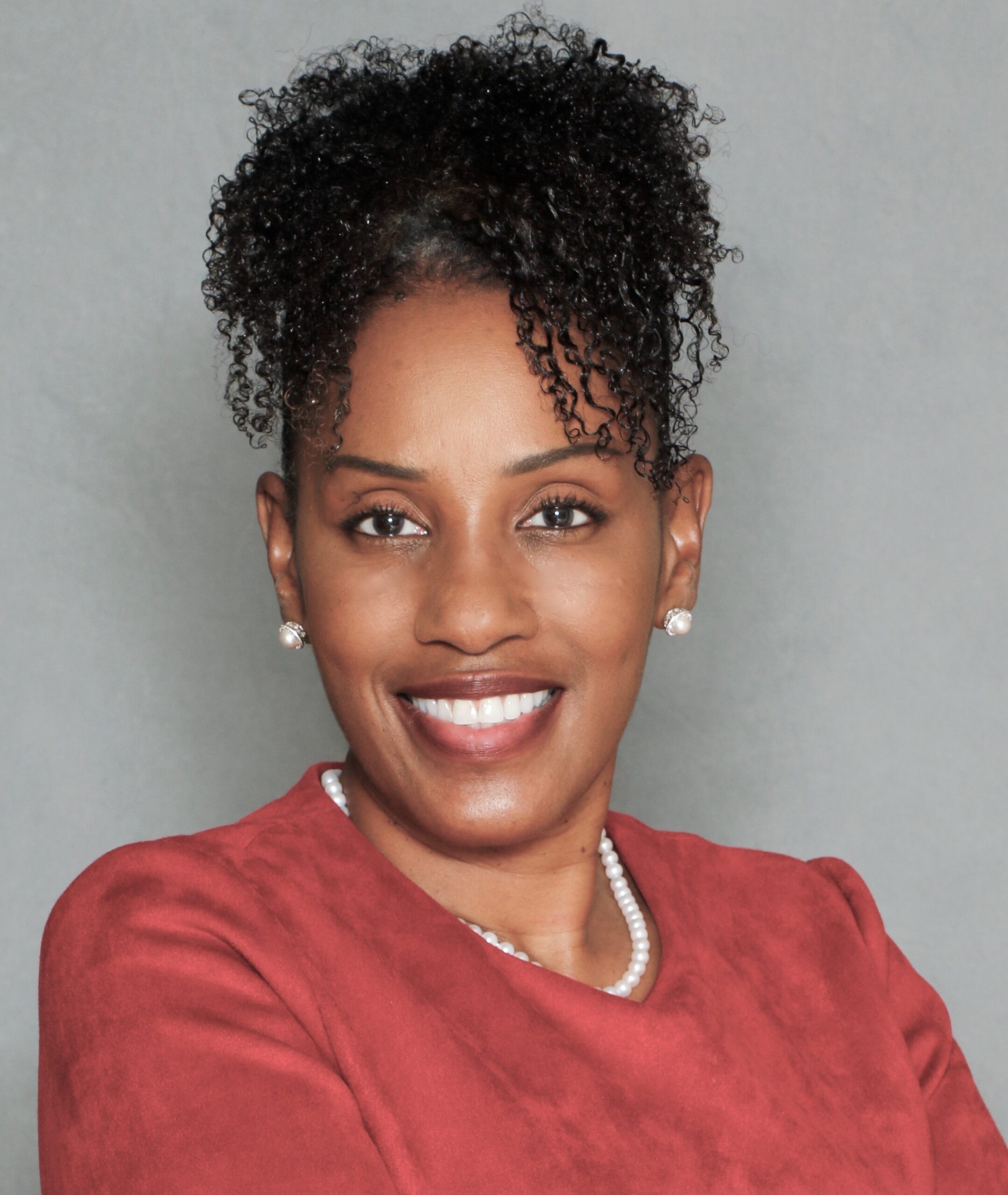
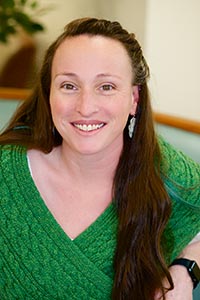
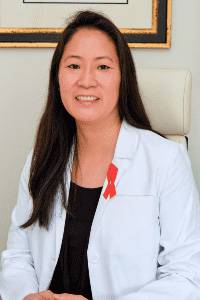 Carrie Belin is an experienced board-certified Family Nurse Practitioner and a graduate of the Johns Hopkins DNP program, Johns Hopkins Bloomberg School of Public Health, Georgetown University School of Nursing, and Johns Hopkins School of Nursing. She has also completed fellowships at Georgetown and the University of California Irvine.
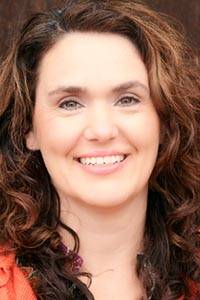 Angie has been a full-scope midwife since 2009. She has experience in various birth settings including home, hospital, and birth centers. She is committed to integrating the midwifery model of care in the US. She completed her master’s degree in nurse-midwifery at Frontier Nursing University (FNU) and her Doctorate at Johns Hopkins University. She currently serves as the midwifery clinical faculty at FNU. Angie is motivated by the desire to improve the quality of healthcare and has led quality improvement projects on skin-to-skin implementation, labor induction, and improving transfer of care practices between hospital and community midwives. In 2017, she created a short film on skin-to-skin called
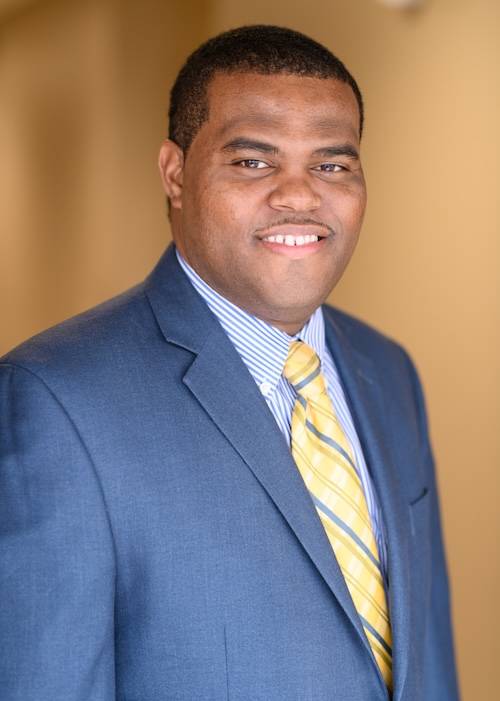
 Justin C. Daily, BSN, RN, has ten years of experience in nursing. At the start of his nursing career, Justin worked as a floor nurse on the oncology floor at St. Francis. He then spent two years as the Director of Nursing in a small rural Kansas hospital before returning to St. Francis and the oncology unit. He has been in his current position as the Chemo Nurse Educator for the past four years. He earned an Associate in Nurse from Hutchinson Community College and a Bachelor of Science in Nursing from Bethel College.
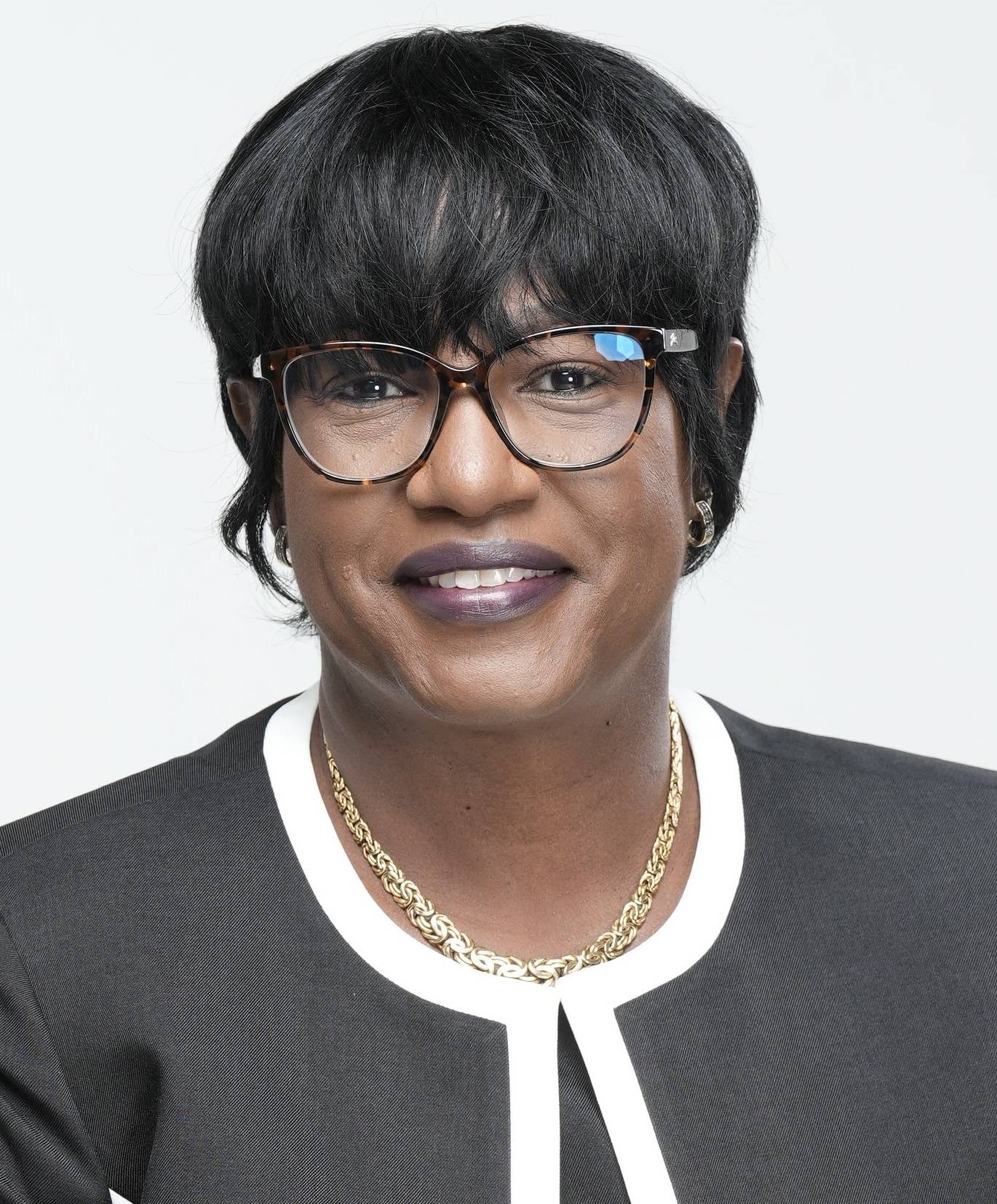
 Brandy Jackson serves as the Director of Undergraduate Nursing Programs and Assistant Educator at Wichita State University and Co-Director of Access in Nursing. Brandy is a seasoned educator with over 15 years of experience. Before entering academia, Brandy served in Hospital-based leadership and Critical Care Staff nurse roles. Brandy is passionate about equity in nursing education with a focus on individuals with disabilities. Her current research interests include accommodations of nursing students with disabilities in clinical learning environments and breaking down barriers for historically unrepresented individuals to enter the nursing profession. Brandy is also actively engaged in Interprofessional Education development, creating IPE opportunities for faculty and students at Wichita State. Brandy is an active member of Wichita Women for Good and Soroptimist, with the goal to empower women and girls. Brandy is a TeamSTEPPS master trainer. She received the DASIY Award for Extraordinary Nursing Faculty in 2019 at Wichita State University.
  Dr. Sabrina Ali Jamal-Eddine is an Arab-disabled queer woman of color with a PhD in Nursing and an interdisciplinary certificate in Disability Ethics from the University of Illinois Chicago (UIC). Dr. Jamal-Eddine’s doctoral research explored spoken word poetry as a form of critical narrative pedagogy to educate nursing students about disability, ableism, and disability justice. Dr. Jamal-Eddine now serves as a Postdoctoral Research Associate in UIC’s Department of Disability and Human Development and serves on the Board of Directors of the National Organization of Nurses with Disabilities (NOND). During her doctoral program, Sabrina served as a Summer Fellow at a residential National Endowment of the Humanities (NEH) Summer Institute at Arizona State University (2023), a summer fellow at Andrew W. Mellon’s National Humanities Without Walls program at University of Michigan (2022), a Summer Research Fellow at UC Berkeley’s Othering & Belonging Institute (2021), and an Illinois Leadership Education in Neurodevelopmental and related Disabilities (LEND) trainee (2019-2020).
 Vanessa Cameron works for Vanderbilt University Medical Center in Nursing Education & Professional Development. She is also attending George Washington University and progressing towards a PhD in Nursing with an emphasis on ableism in nursing. After becoming disabled in April 2021, Vanessa’s worldview and perspective changed, and a recognition of the ableism present within healthcare and within the culture of nursing was apparent. She has been working since that time to provide educational foundations for nurses about disability and ableism, provide support for fellow disabled nursing colleagues, and advocate for the disabled community within healthcare settings to reduce disparities.
 Dr. Lucinda Canty is a certified nurse-midwife, Associate Professor of Nursing, and Director of the Seedworks Health Equity in Nursing Program at the University of Massachusetts Amherst. She earned a bachelor’s degree in nursing from Columbia University, a master’s degree from Yale University, specializing in nurse-midwifery, and a PhD from the University of Connecticut. Dr. Canty has provided reproductive health care for over 29 years. Her research interests include the prevention of maternal mortality and severe maternal morbidity, reducing racial and ethnic health disparities in reproductive health, promoting diversity in nursing, and eliminating racism in nursing and midwifery.
 Dr. Lisa Meeks is a distinguished scholar and leader whose unwavering commitment to inclusivity and excellence has significantly influenced the landscape of health professions education and accessibility. She is the founder and executive director of the DocsWithDisabilities Initiative and holds appointments as an Associate Professor in the Departments of Learning Health Sciences and Family Medicine at the University of Michigan.
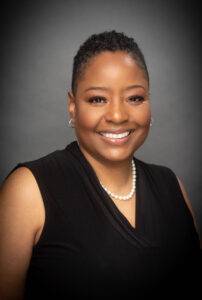 Dr. Nikia Grayson, DNP, MSN, MPH, MA, CNM, FNP-C, FACNM (she/her) is a trailblazing force in reproductive justice, blending her expertise as a public health activist, anthropologist, and family nurse-midwife to champion the rights and health of underserved communities. Graduating with distinction from Howard University, Nikia holds a bachelor’s degree in communications and a master’s degree in public health. Her academic journey also led her to the University of Memphis, where she earned a master’s in medical anthropology, and the University of Tennessee, where she achieved both a master’s in nursing and a doctorate in nursing practice. Complementing her extensive education, she completed a post-master’s certificate in midwifery at Frontier Nursing University.
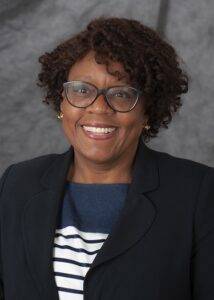
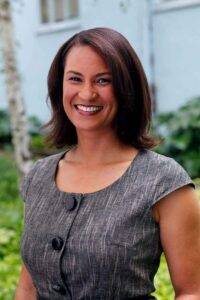
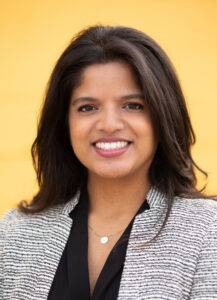

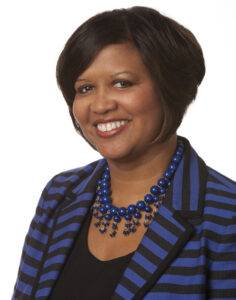 Dr. Tia Brown McNair is the Vice President in the Office of Diversity, Equity, and Student Success and Executive Director for the Truth, Racial Healing, and Transformation (TRHT) Campus Centers at the American Association of Colleges and Universities (AAC&U) in Washington, DC. She oversees both funded projects and AAC&U’s continuing programs on equity, inclusive excellence, high-impact practices, and student success. McNair directs AAC&U’s Summer Institutes on High-Impact Practices and Student Success, and TRHT Campus Centers and serves as the project director for several AAC&U initiatives, including the development of a TRHT-focused campus climate toolkit. She is the lead author of From Equity Talk to Equity Walk: Expanding Practitioner Knowledge for Racial Justice in Higher Education (January 2020) and Becoming a Student-Ready College: A New Culture of Leadership for Student Success (July 2016 and August 2022 Second edition).