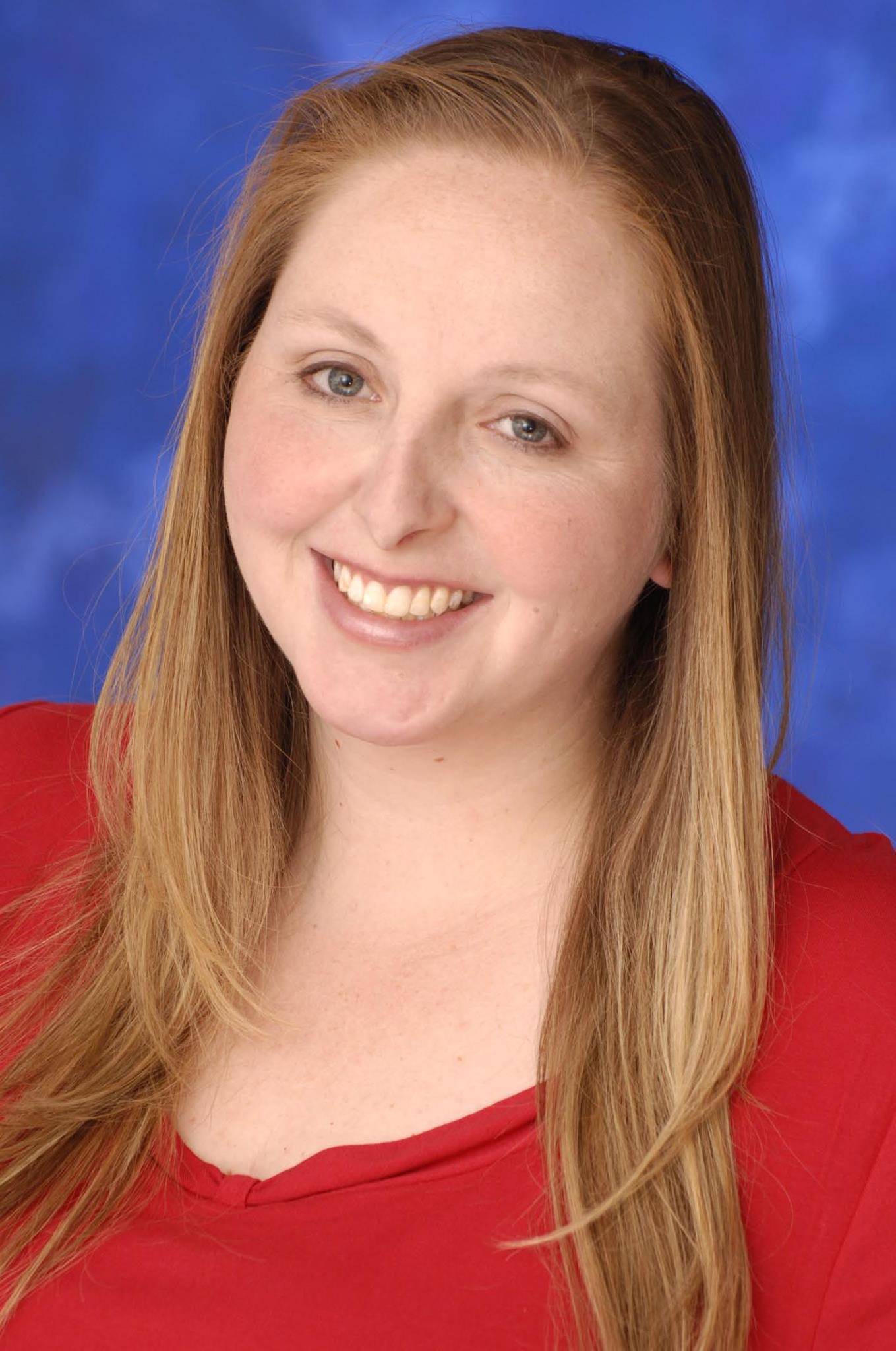
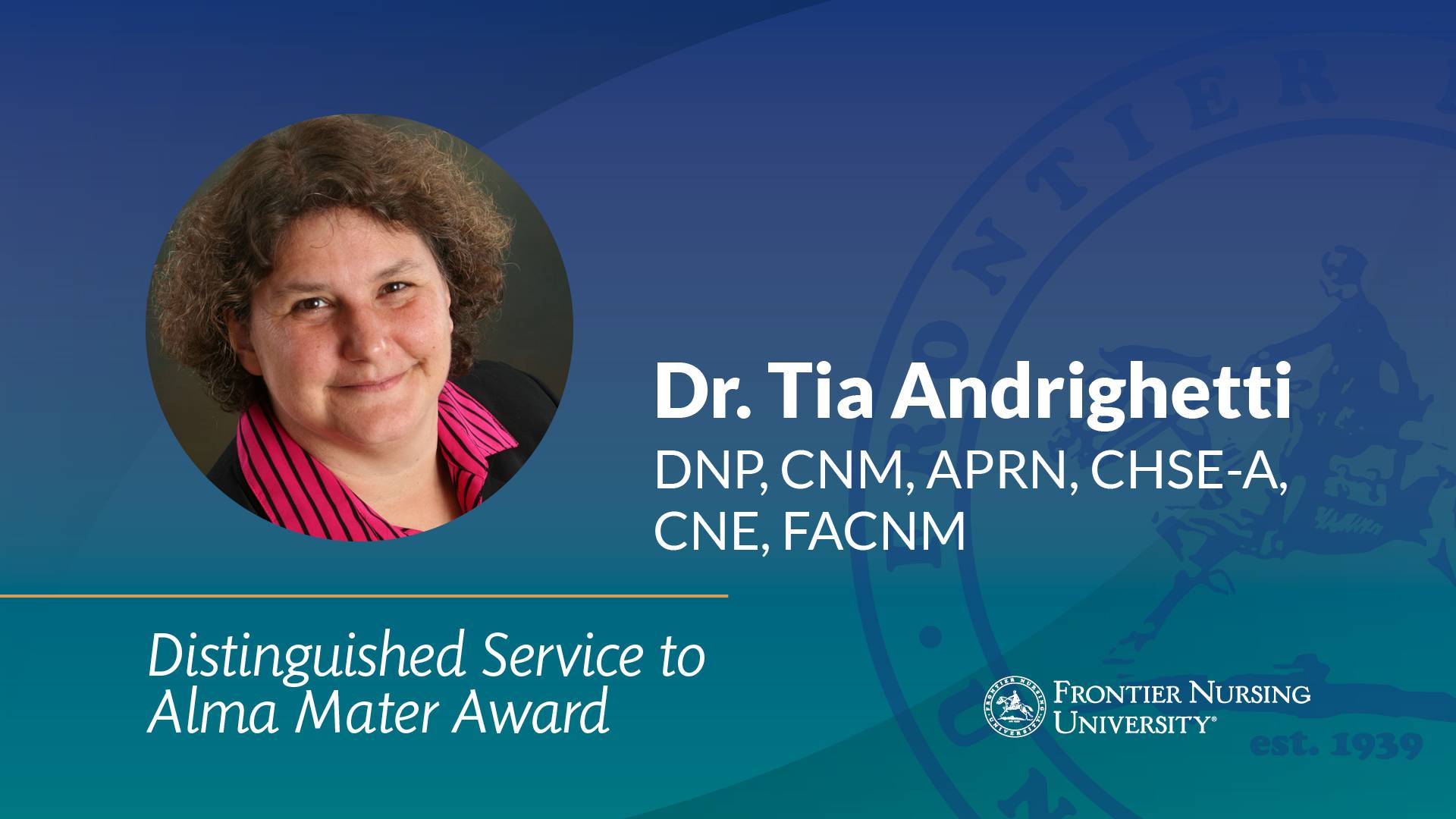
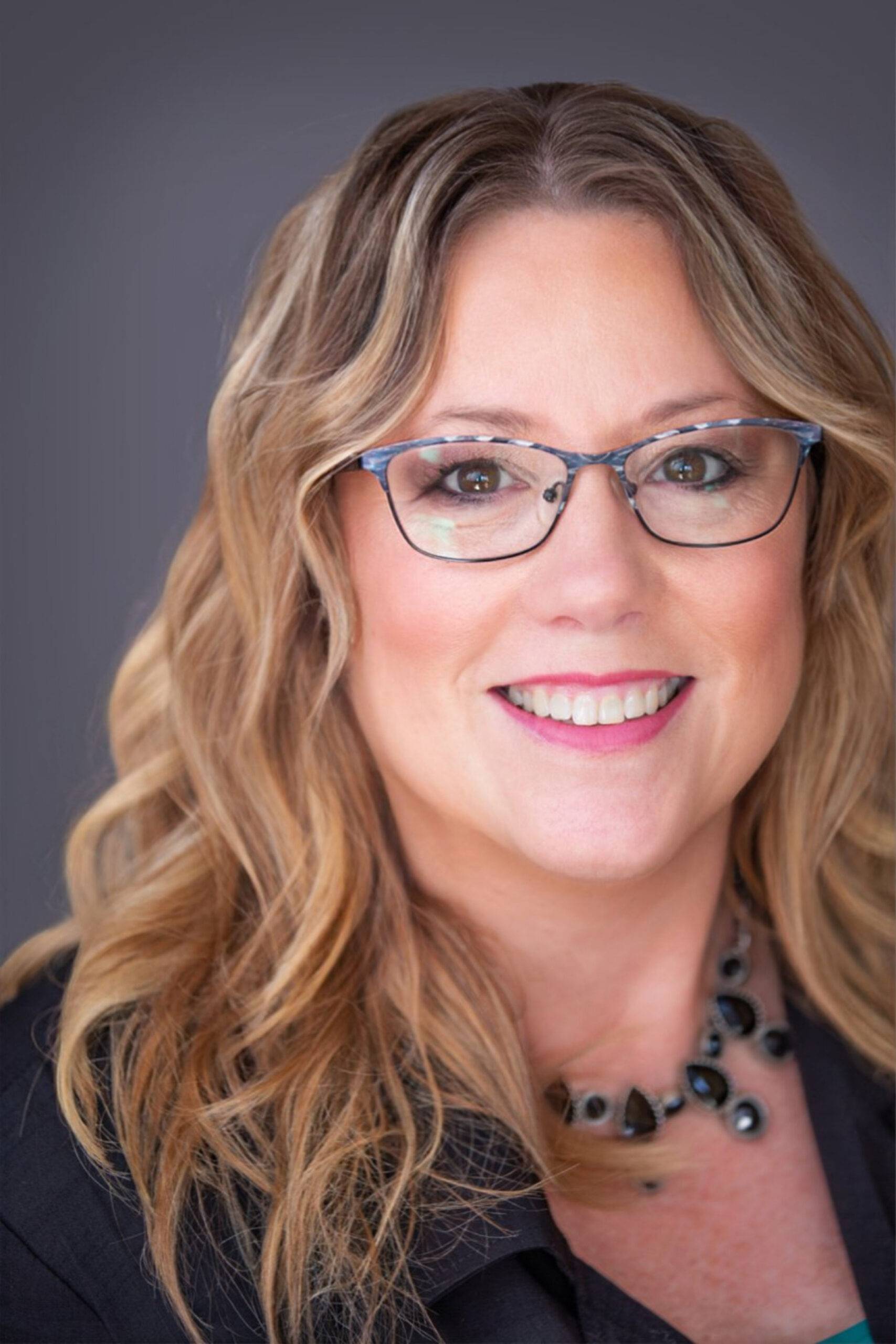
The Distinguished Service to Alma Mater honors an alumnus who has continued to provide support to Frontier through volunteer efforts and/or philanthropy. The 2024 recipient is Dr. Tia Andrighetti, CNM, APRN, CHSE-A, CNE, FACNM.
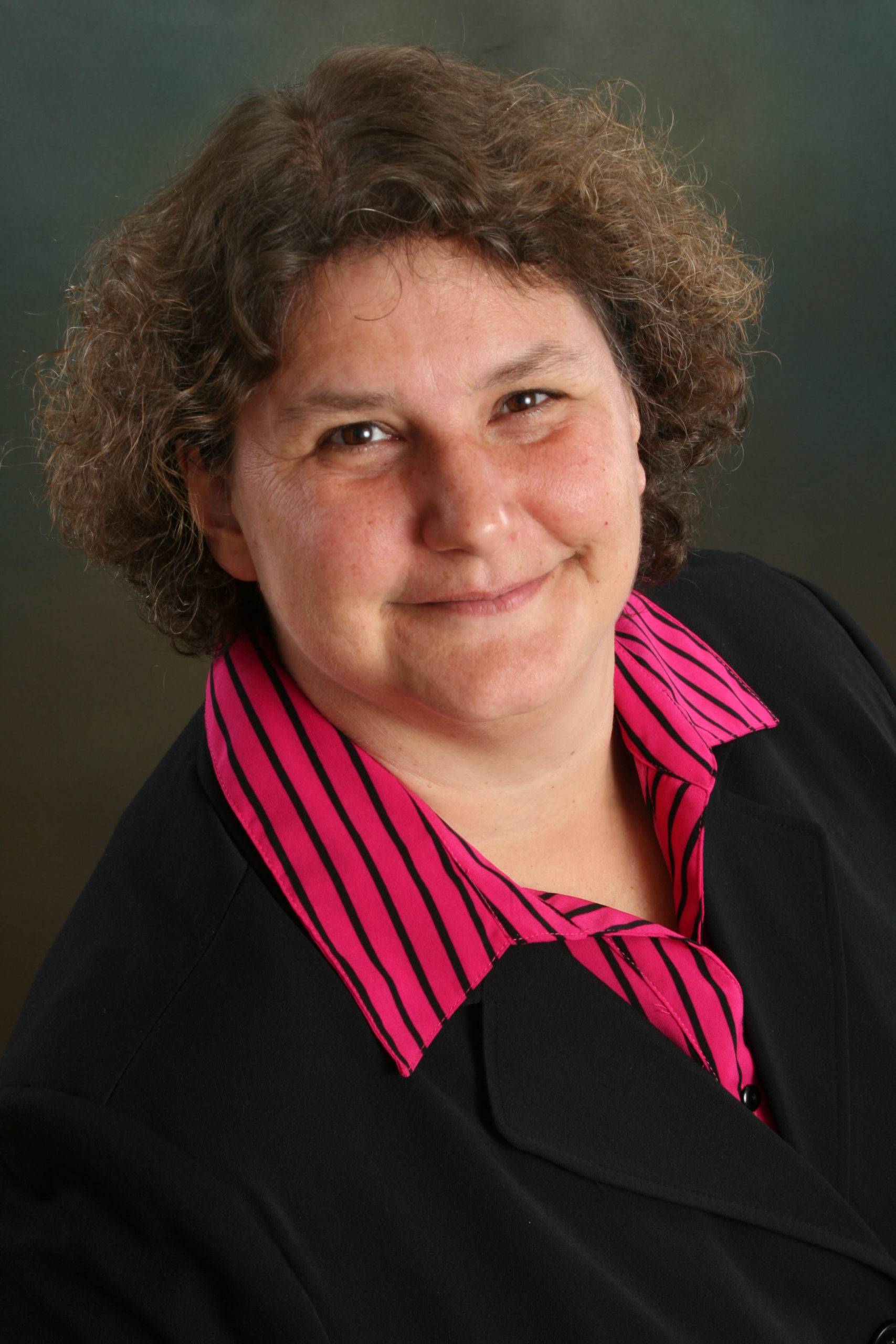
It is hard to imagine Dr. Tia Andrighetti, DNP, CNM, APRN, CHSE-A, CNE, FACNM, being anywhere but at Frontier Nursing University, where she has been a fixture for 20 years in a variety of capacities. But Andrighetti actually started as a pre-med student at Penn State University, planning to become an orthopedic surgeon.
“I was pre-med until I took calculus with the engineers,” said Andrighetti, who grew up in Connecticut the daughter of a nurse. “Let me tell you, I never worked so hard to pass a class in my life.”
But make no mistake, it wasn’t a lack of ability to pass the courses, but the number of years that lay ahead. Andrighetti met her future husband at Penn State and they were both eager to start their careers and their lives together. Andrighetti turned to nursing, and the rest is history. She went on to earn her BSN at Penn State.
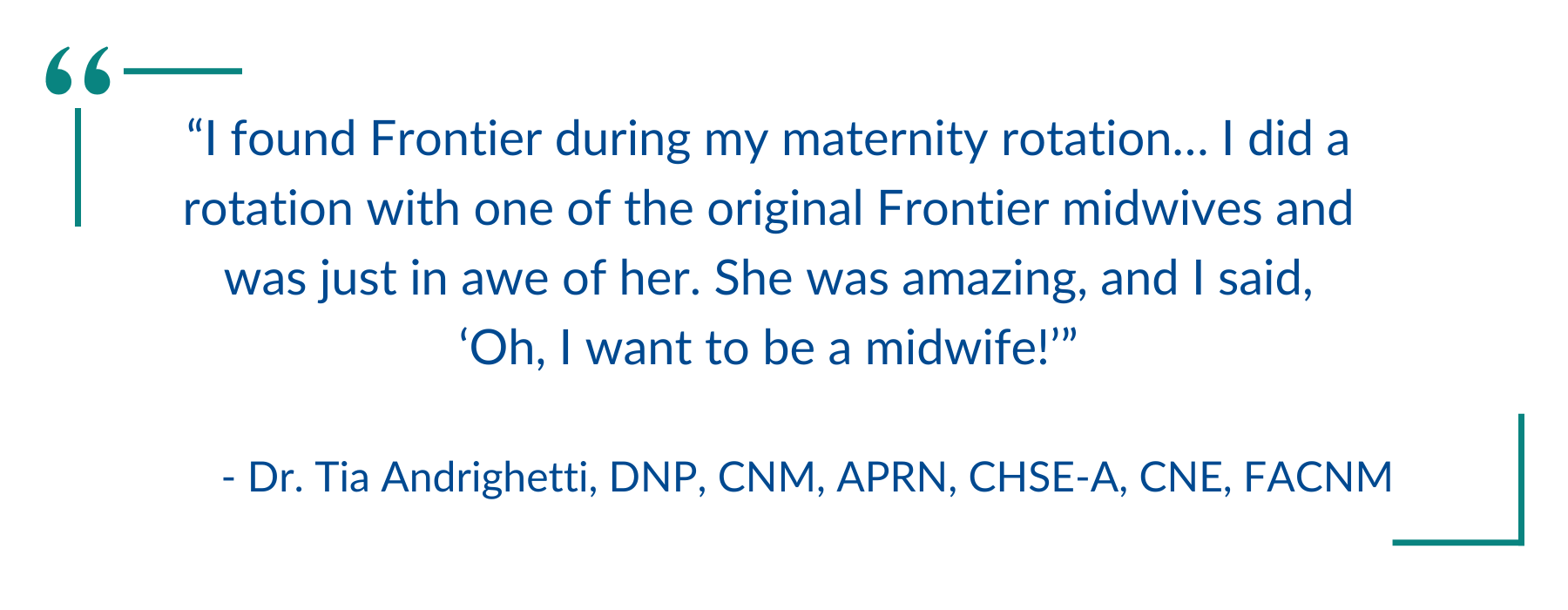
“I found Frontier during my maternity rotation,” Andrighetti said. “I did a rotation with one of the original Frontier midwives and was just in awe of her. She was amazing, and I said, ‘Oh, I want to be a midwife!’ Everything she did with the education of patients and the empowerment of patients resonated with me. I said I only want to be a midwife, and I only want to be a Frontier midwife.”
Andrighetti obtained her MSN through Case Western Reserve University in 1997 while working toward her CNM at Frontier at the same time. During her clinical rotations, she lived with her grandparents to finish her clinical rotations.
“I chose a community hospital to do my clinicals because I wasn’t quite comfortable enough to go out of hospital, but I knew I wanted to be where clients were more empowered and a little bit lower risk for midwifery care,” Andrighetti said. “I did my clinicals there for quite a while until my midwife was let go. Then I worked with my RCF (regional clinical faculty), Betty Bradberry, who was one of the original Frontier midwives. She was able to find me a clinical site in a Federally Qualified Health Center. I worked with the gamut of patients and had a wonderful experience with those midwives doing birth in the local hospital.” While most of her classmates at Frontier were older, Andrighetti started when she was just 25.
“At that point, I was a baby of the class,” Andrighetti said. “Everybody that was in my class was at the other end of family life, so their kids were in high school, college, things like that. They were in their 40s and 50s. Here I was doing it prior to kids and life-altering adjustments. I still have some close friendships with the midwives I went to school with.”
After graduating from Frontier, Andrighetti worked in a private practice in New London, Connecticut, for a couple of years and then worked at a small community hospital while her husband attended law school. When Andrighetti was seven months pregnant, she left practice for a few years to stay home and raise her family. Her return to the workplace was a gradual one that well-suited Andrighetti’s work-life balance at the time.
She received a letter from Frontier in search of RCFs in her area. Andrighetti applied and eventually was hired as what she describes as a “part-time RCF” because she only had two students during her first year.
“I had one-and-a-half and three-year-old children at that time,” Andrighettti said. “I did the RCF role, and then I became a teaching associate. I was working with Amy Marowitz (DNP, CNM), and Deborah Karsnitz (DNP, CNM, FACNM) in their courses, and they both took leaves to get their doctorates. I was the one in charge of their courses while they were gone. So I kind of got sucked back into full-time work, and I could see the writing on the wall that we were all going to be getting doctorates. So then I came back and did the DNP program.”
Andrighetti credits FNU President Dr. Susan Stone, DNSc, CNM, FACNM, FAAN, with helping her narrow her focus while in the DNP program, and eventually, she locked in on clinical simulations as her target area.
“I conducted research, and I developed the simulations that the midwives were going to use at Clinical Bound,” Andrighetti said. “I trained all the faculty how to run these and then ran them with the students and then conducted research on whether they were effective in helping them learn their new role.”
Soon, Andrighetti became the Clinical Bound team leader. She furthered her knowledge by participating in the National League for Nursing’s year-long simulation-leader program as well as a week-long training at Drexel University.
“Half of the week at Drexel was on the high fidelity mannequins, but on the other half of the week, it was with standardized patients,” Andrighetti said.
“That was my first exposure to standardized patients,” Andrighetti said. “There were four groups of us, and each group wrote a simulation for another group. So we learned how to write the simulations, but then we also had to be the students so we could see what it felt like from the student’s perspective. After that, I was sold on the fact that standardized patients were the key to what we needed. Our students need to practice that interaction. Yes, they need to do hand skills and things like that, but they need to practice talking to somebody while doing those skills also.”
To develop simulations at Frontier, faculty create the health care scenario and write a script for the standardized patient. The standardized patient interacts with the students to enact the role as if they were a real live patient. The result is an interaction between the student and patient in which the student acts as the health care provider under faculty supervision. The goal is for the student to collect information, diagnose, and provide a treatment plan as if it were a real patient-healthcare provider interaction. This practice environment is invaluable to the student’s learning experience.
Andrighetti combined her training in simulations with research to determine what simulations were most impactful for Frontier students.
“Part of the gap analysis I did during my doctorate was to look at some software we had back then to figure out what our students were getting exposed to during clinicals,” she said. “It was about 50 percent for shoulder dystocia and 50 percent for postpartum hemorrhage. Basically, half of our students did not have one of those two complications while they were students. That sold me on the fact that the first time they are going to have to manage these high acuity, high morbidity, and mortality events could potentially be on their own without a lot of resources. We have to have it the most lifelike we can because this may be their only practice ever before they are the ones who are in charge of doing it.”
Today, Andrighetti is an associate professor as well as FNU’s Innovation Coach and Simulation Coordinator working with all programs. She consults with other faculty to help determine what simulations are needed and also relies on student surveys and input to help adjust and improve the simulations.
“When we query the students, consistently what they will say is, ‘It was one of the most nerve-wracking things I’ve had to do, but I’m so glad on the other side of it that I got to have that experience in a safe environment where I’m not going to harm someone and I got to practice some skills that I might be less than ideal at.’”
As she celebrates her 20th anniversary at Frontier in March, Andrighetti eyes the future with the goal of continuing to grow and develop FNU’s simulations.
“This award is coming at a time when I feel the hard work that I’ve put into Frontier with the simulations is really coming to fruition. I really feel like we have a simulation program now,” she said. “When I eventually leave Frontier, I hope I leave it in really good shape so the simulation program continues well after I’m gone. It’s an established part of healthcare right now, and we are definitely on the forefront of how to deliver these simulations to our students.”
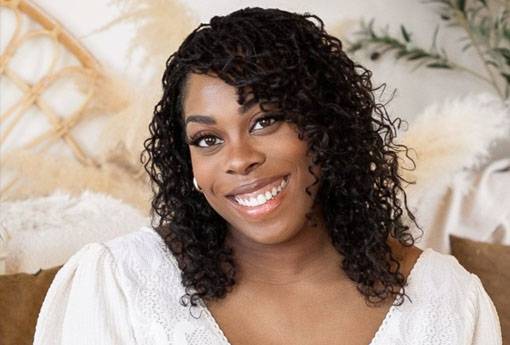
 Chinonye Nkemka, a Master of Science in Nursing student at Frontier Nursing University, has been awarded the prestigious $10,000 Dr. Maureen Sullivan Foley Memorial Scholarship from the New Jersey League for Nursing (NJLN). Nkemka received this honor at the 2024 NJLN Nurse Recognition and Scholarship Awards held on November 1 in Edison, New Jersey.
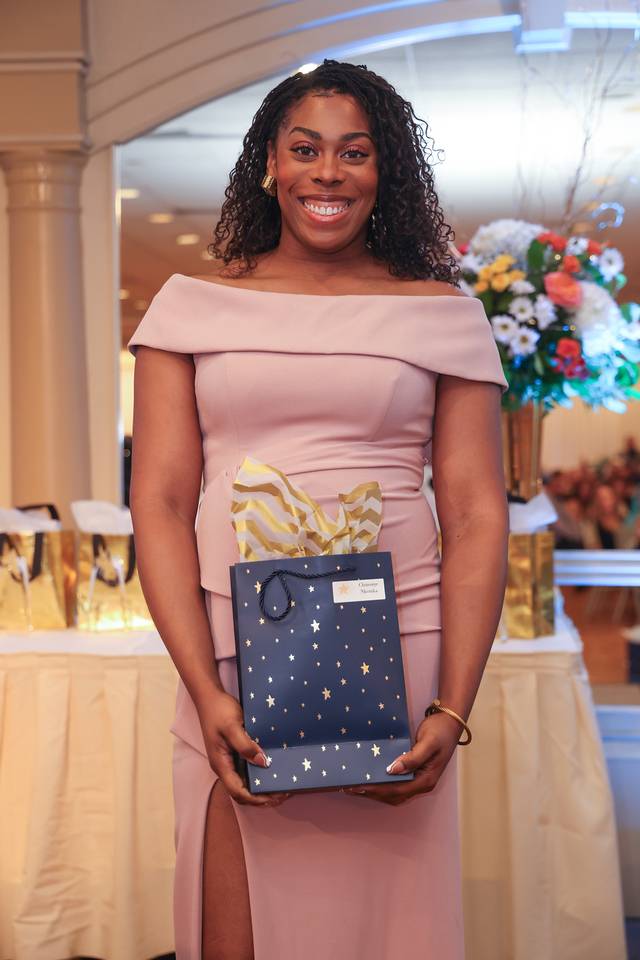 “I look forward to bringing these specialized skills back to my community,” she said.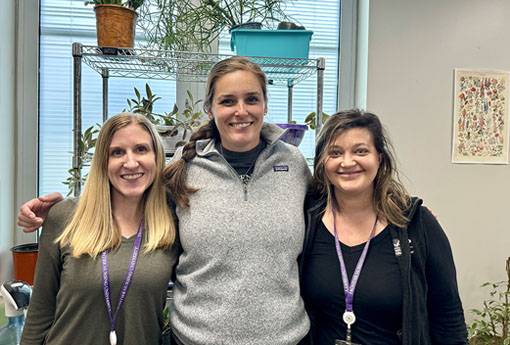
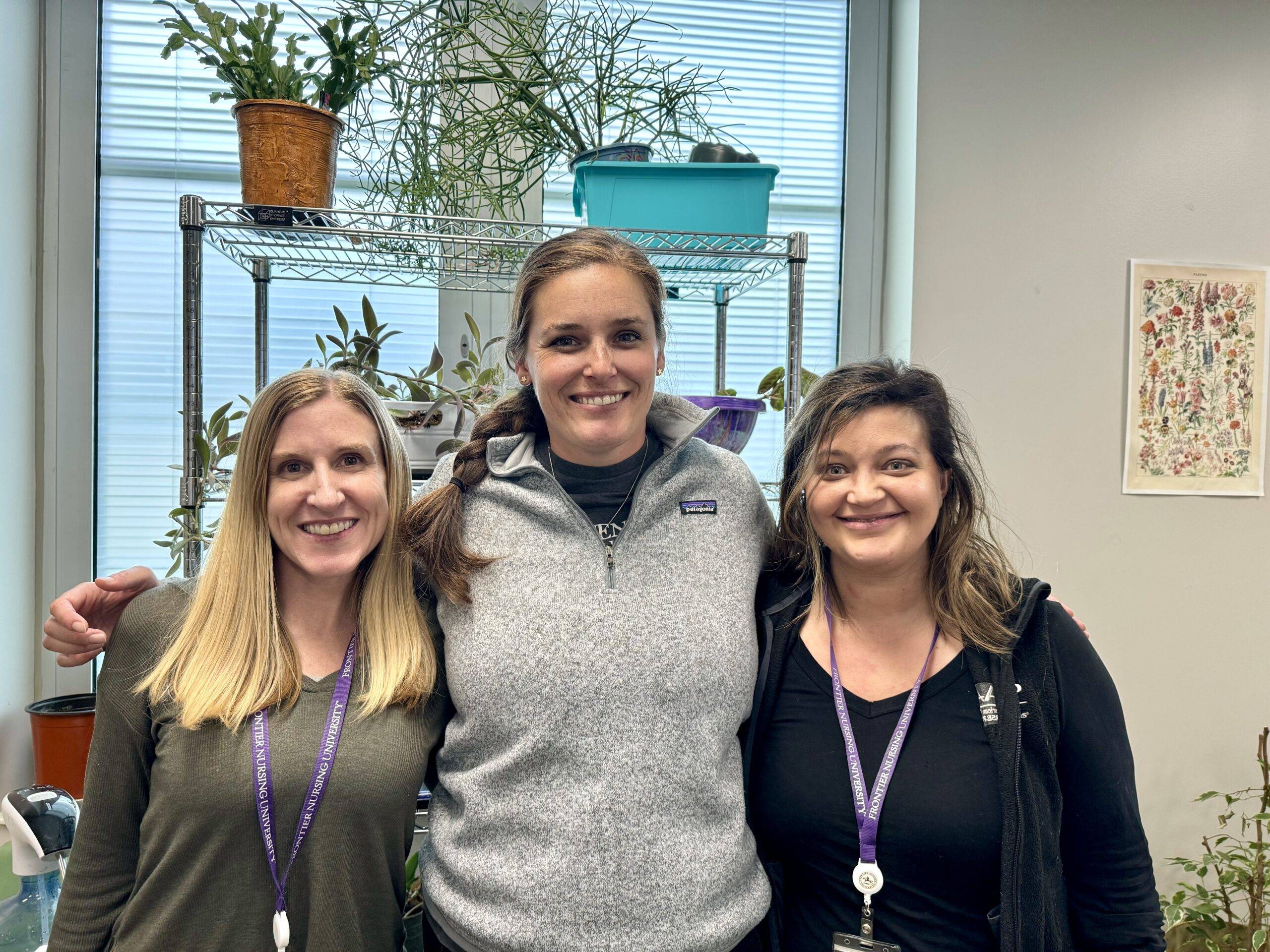 Frontier Nursing University graduate Bailey Desin, PMHNP, FNP, has been instrumental in helping FNU students grow into confident and skilled practitioners. Working at Mission Health’s Sweeten Creek Mental Health and Wellness Center in Asheville, North Carolina, Desin regularly


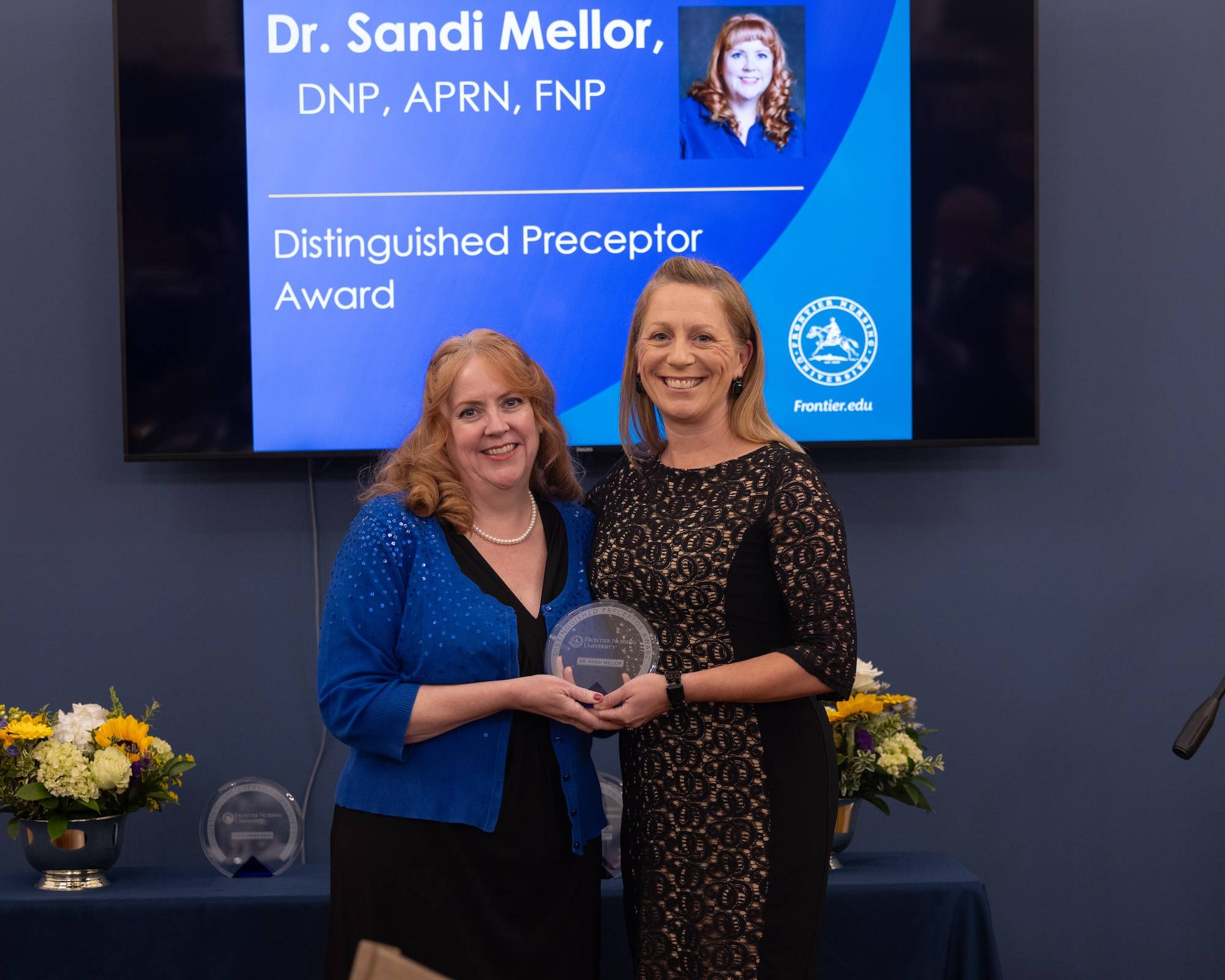
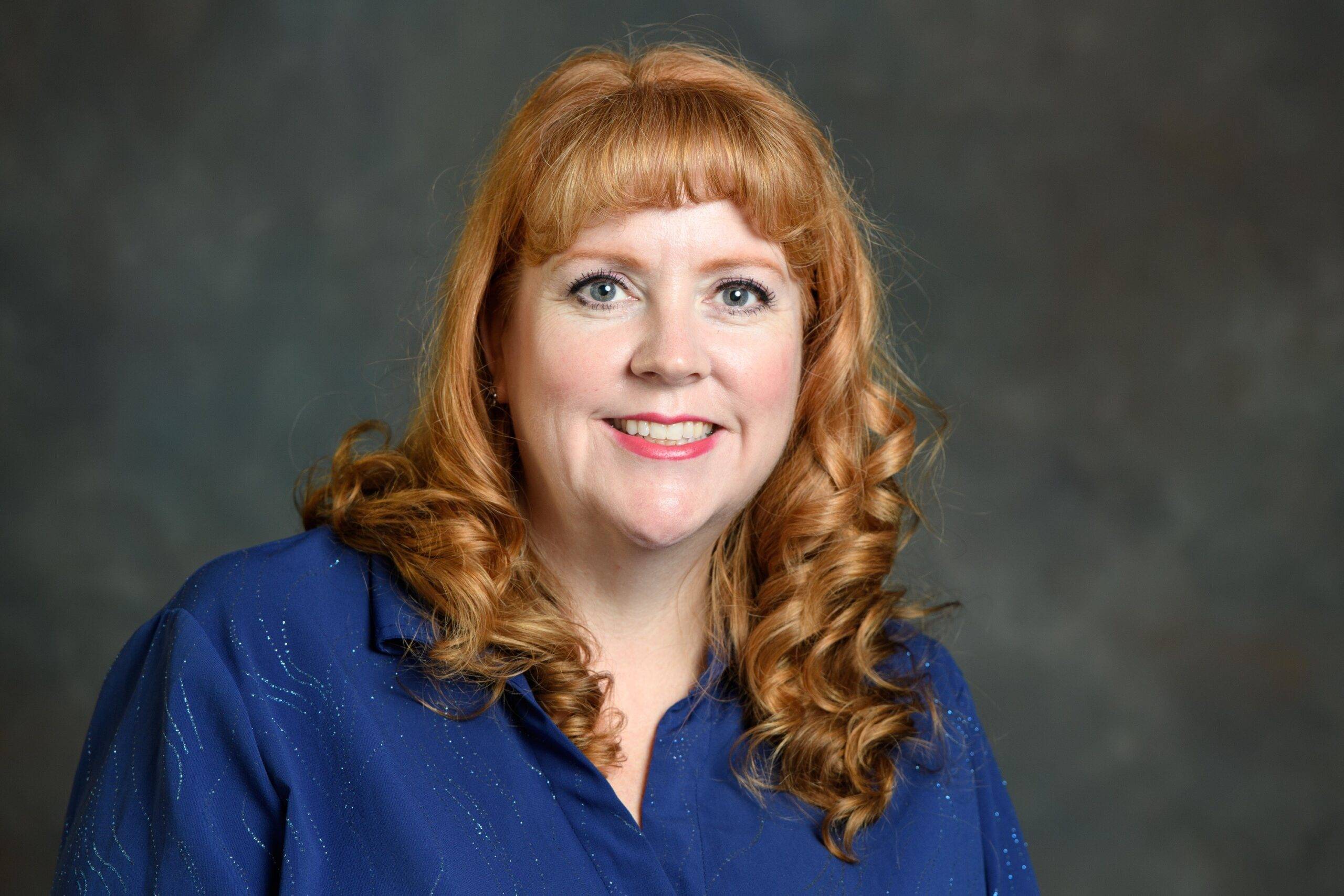 Growing up in her hometown of Tulsa, Oklahoma, Dr. Sandi Mellor, DNP (Class 30), APRN, FNP-BC, knew at a young age that she wanted to pursue a career in healthcare so she could “help people get healthy and stay healthy.” Determined to do just that, she took a medical-surgical nursing class while still in high school. After high school, she worked towards her associate degree in nursing and worked as a nurse for three years for the National Health Authority in Bedford, England, where her husband was stationed as a member of the U.S. Air Force.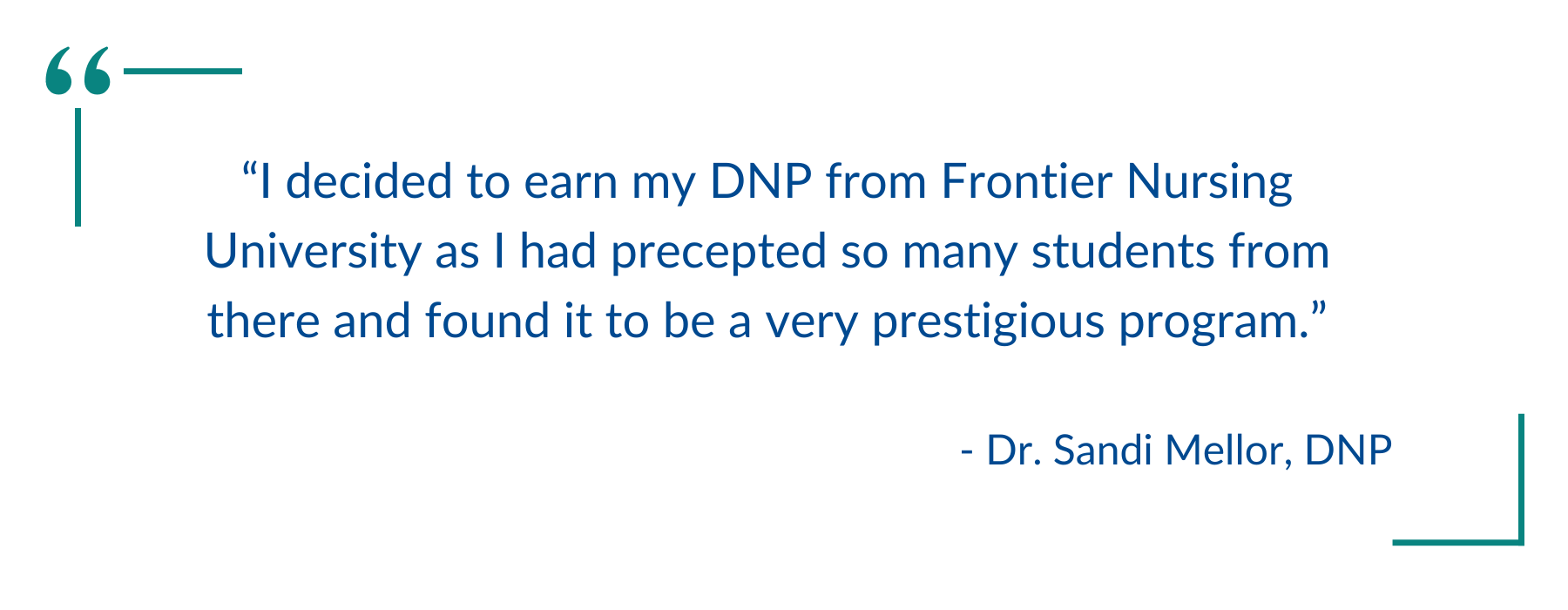
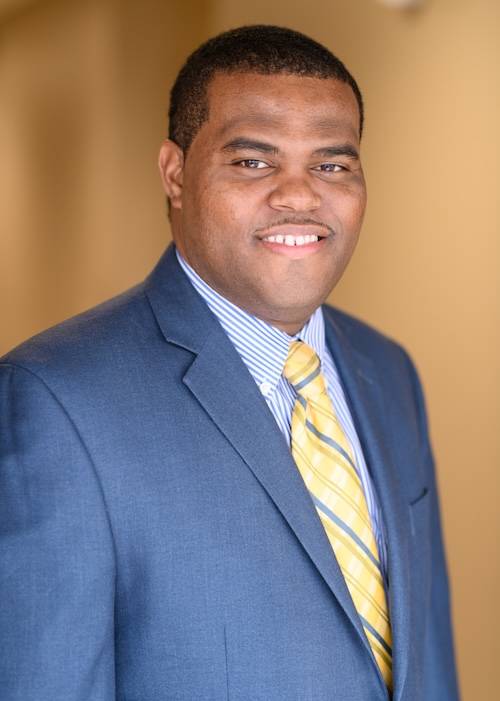
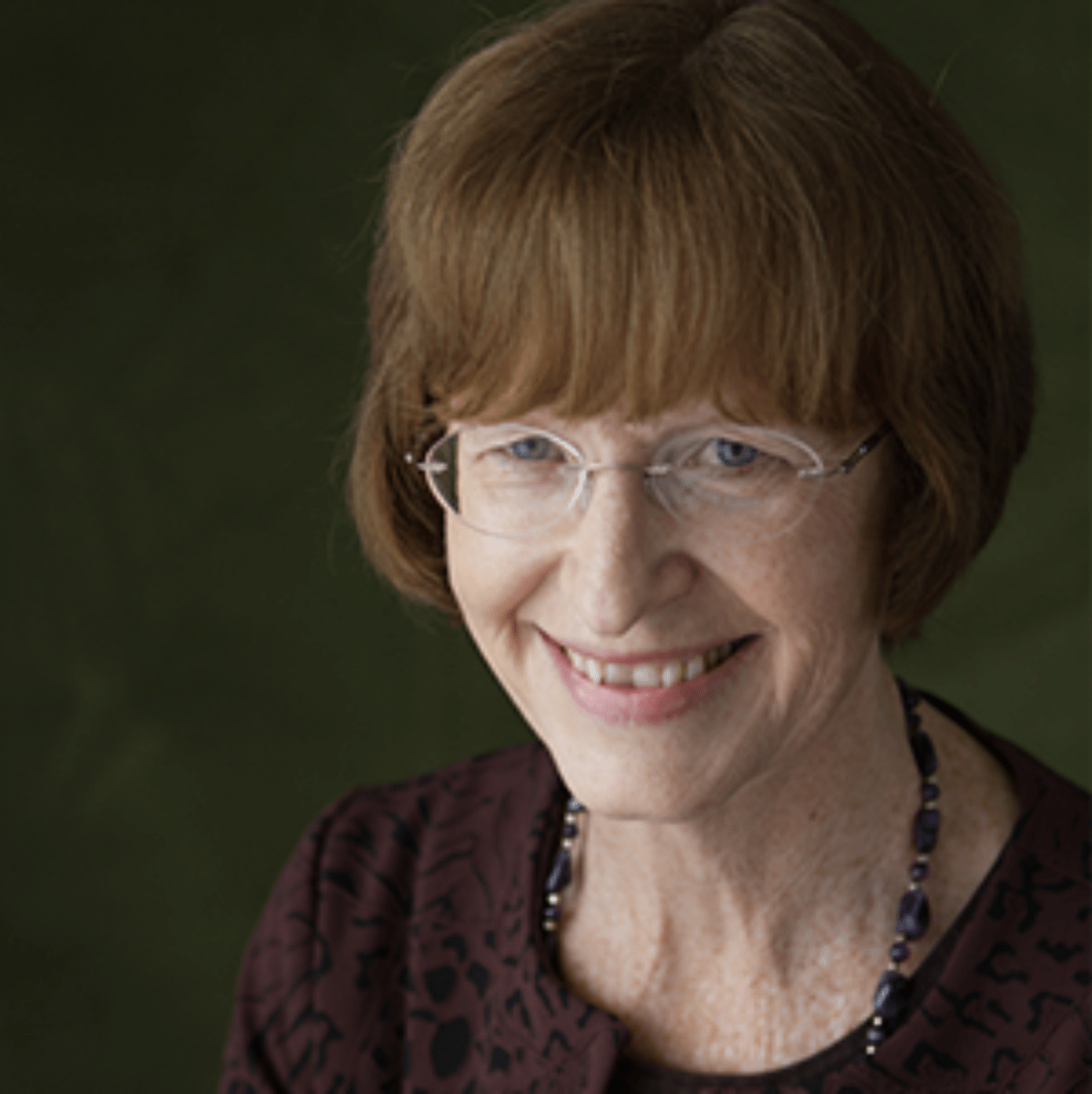
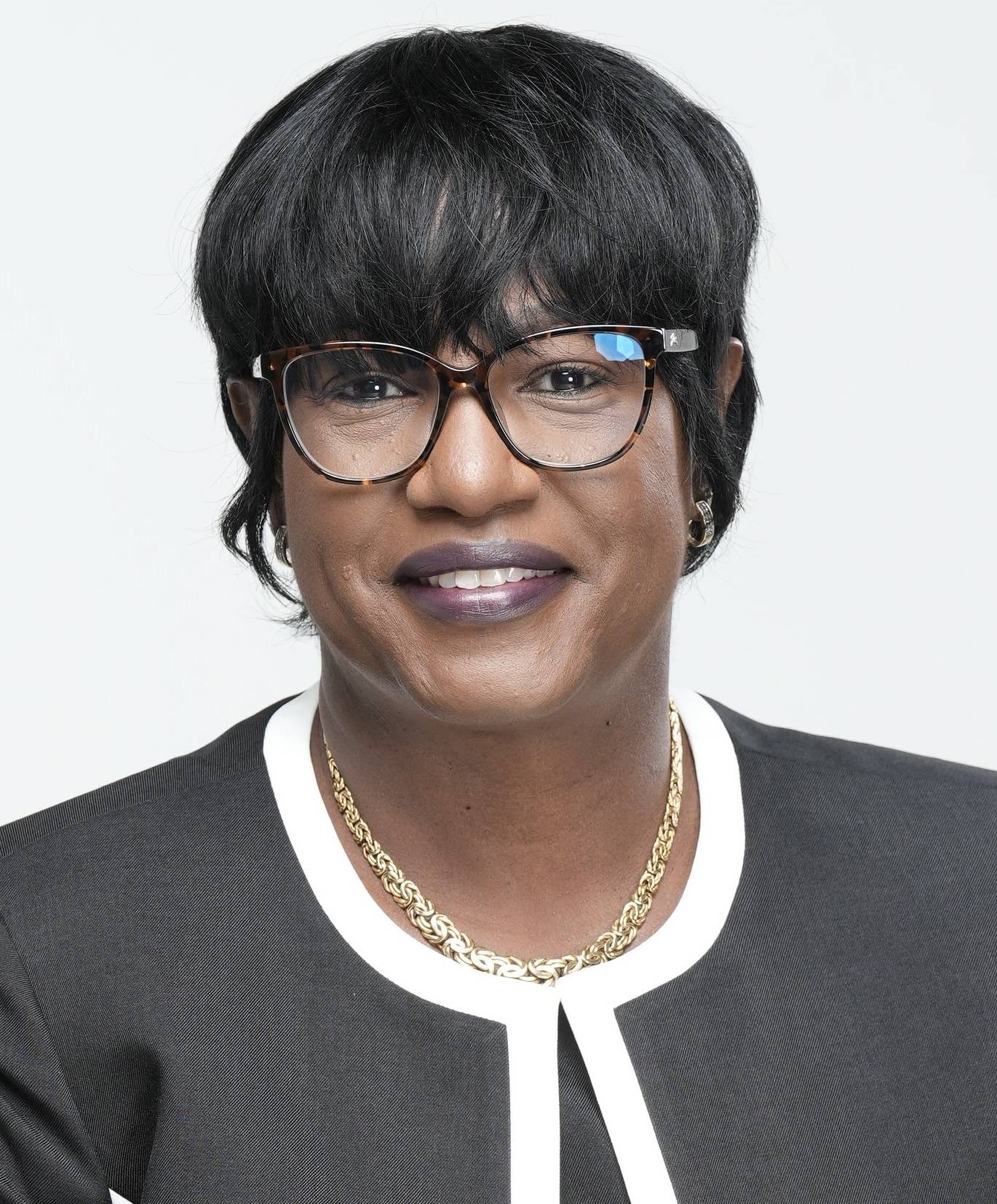


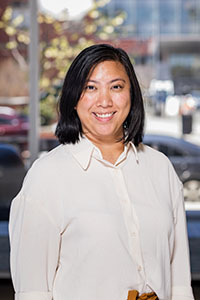
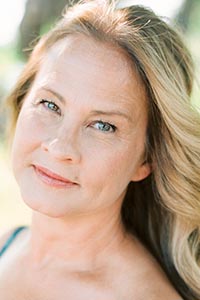
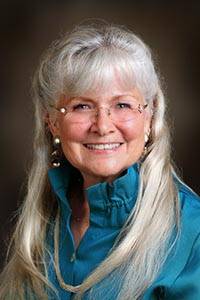
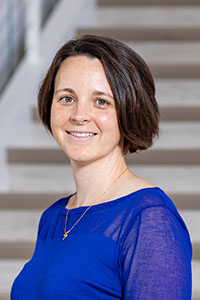
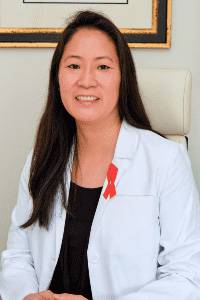 Carrie Belin is an experienced board-certified Family Nurse Practitioner and a graduate of the Johns Hopkins DNP program, Johns Hopkins Bloomberg School of Public Health, Georgetown University School of Nursing, and Johns Hopkins School of Nursing. She has also completed fellowships at Georgetown and the University of California Irvine.
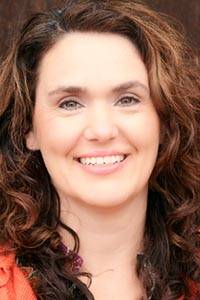 Angie has been a full-scope midwife since 2009. She has experience in various birth settings including home, hospital, and birth centers. She is committed to integrating the midwifery model of care in the US. She completed her master’s degree in nurse-midwifery at Frontier Nursing University (FNU) and her Doctorate at Johns Hopkins University. She currently serves as the midwifery clinical faculty at FNU. Angie is motivated by the desire to improve the quality of healthcare and has led quality improvement projects on skin-to-skin implementation, labor induction, and improving transfer of care practices between hospital and community midwives. In 2017, she created a short film on skin-to-skin called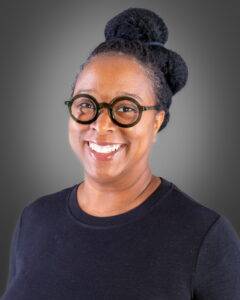
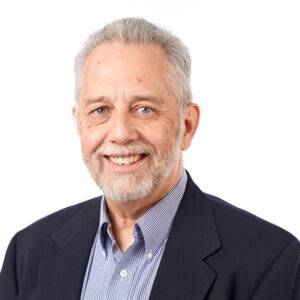
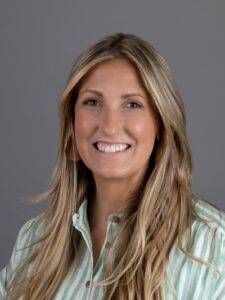
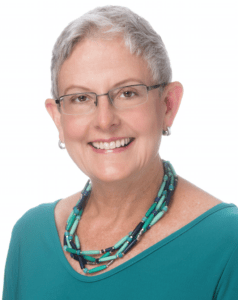
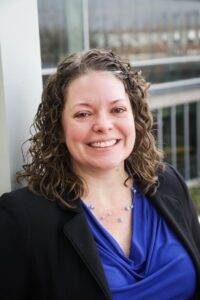
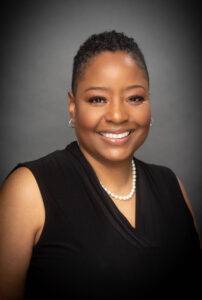
 Justin C. Daily, BSN, RN, has ten years of experience in nursing. At the start of his nursing career, Justin worked as a floor nurse on the oncology floor at St. Francis. He then spent two years as the Director of Nursing in a small rural Kansas hospital before returning to St. Francis and the oncology unit. He has been in his current position as the Chemo Nurse Educator for the past four years. He earned an Associate in Nurse from Hutchinson Community College and a Bachelor of Science in Nursing from Bethel College.
 Brandy Jackson serves as the Director of Undergraduate Nursing Programs and Assistant Educator at Wichita State University and Co-Director of Access in Nursing. Brandy is a seasoned educator with over 15 years of experience. Before entering academia, Brandy served in Hospital-based leadership and Critical Care Staff nurse roles. Brandy is passionate about equity in nursing education with a focus on individuals with disabilities. Her current research interests include accommodations of nursing students with disabilities in clinical learning environments and breaking down barriers for historically unrepresented individuals to enter the nursing profession. Brandy is also actively engaged in Interprofessional Education development, creating IPE opportunities for faculty and students at Wichita State. Brandy is an active member of Wichita Women for Good and Soroptimist, with the goal to empower women and girls. Brandy is a TeamSTEPPS master trainer. She received the DASIY Award for Extraordinary Nursing Faculty in 2019 at Wichita State University.
  Dr. Sabrina Ali Jamal-Eddine is an Arab-disabled queer woman of color with a PhD in Nursing and an interdisciplinary certificate in Disability Ethics from the University of Illinois Chicago (UIC). Dr. Jamal-Eddine’s doctoral research explored spoken word poetry as a form of critical narrative pedagogy to educate nursing students about disability, ableism, and disability justice. Dr. Jamal-Eddine now serves as a Postdoctoral Research Associate in UIC’s Department of Disability and Human Development and serves on the Board of Directors of the National Organization of Nurses with Disabilities (NOND). During her doctoral program, Sabrina served as a Summer Fellow at a residential National Endowment of the Humanities (NEH) Summer Institute at Arizona State University (2023), a summer fellow at Andrew W. Mellon’s National Humanities Without Walls program at University of Michigan (2022), a Summer Research Fellow at UC Berkeley’s Othering & Belonging Institute (2021), and an Illinois Leadership Education in Neurodevelopmental and related Disabilities (LEND) trainee (2019-2020).
 Vanessa Cameron works for Vanderbilt University Medical Center in Nursing Education & Professional Development. She is also attending George Washington University and progressing towards a PhD in Nursing with an emphasis on ableism in nursing. After becoming disabled in April 2021, Vanessa’s worldview and perspective changed, and a recognition of the ableism present within healthcare and within the culture of nursing was apparent. She has been working since that time to provide educational foundations for nurses about disability and ableism, provide support for fellow disabled nursing colleagues, and advocate for the disabled community within healthcare settings to reduce disparities.
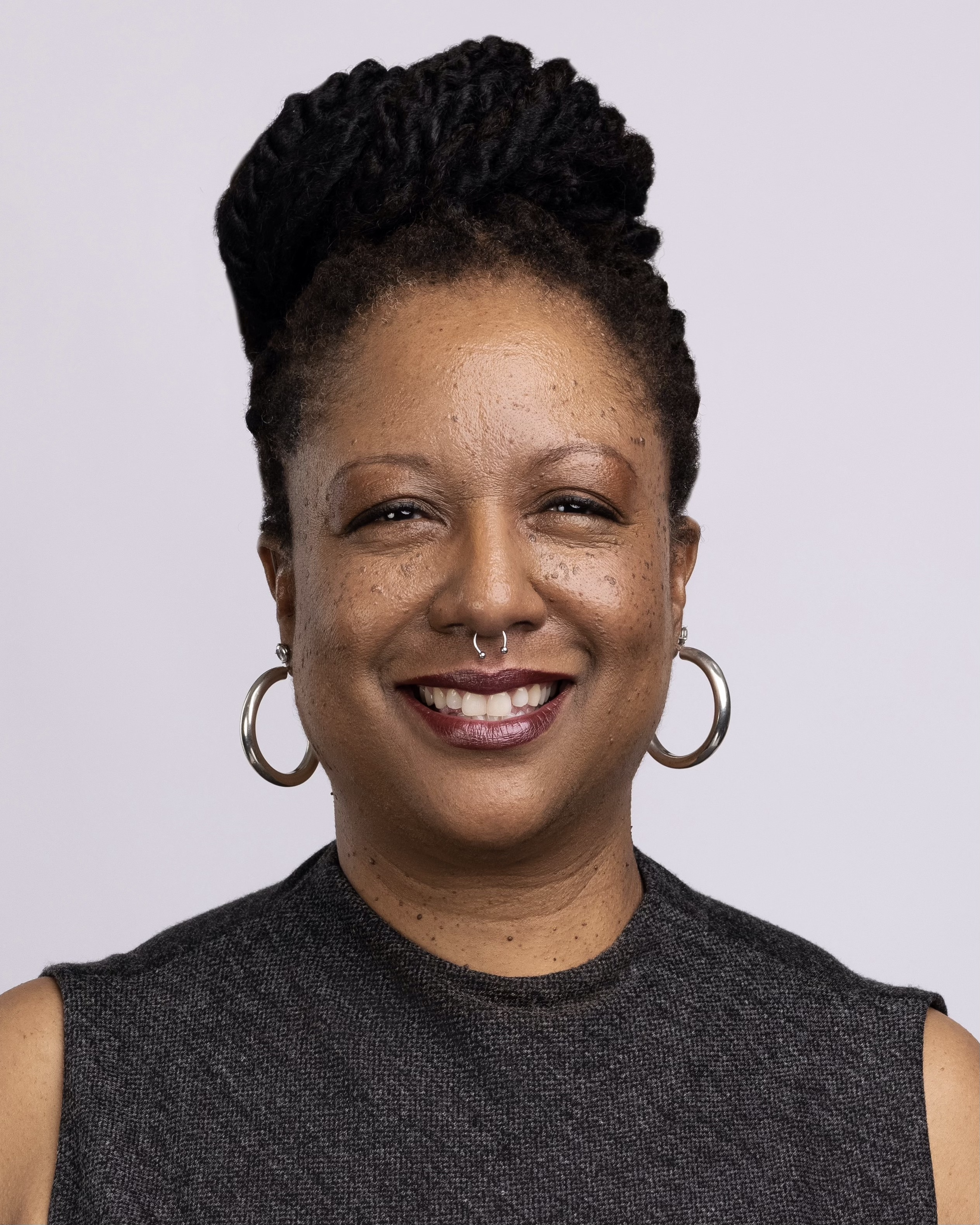 Dr. Lucinda Canty is a certified nurse-midwife, Associate Professor of Nursing, and Director of the Seedworks Health Equity in Nursing Program at the University of Massachusetts Amherst. She earned a bachelor’s degree in nursing from Columbia University, a master’s degree from Yale University, specializing in nurse-midwifery, and a PhD from the University of Connecticut. Dr. Canty has provided reproductive health care for over 29 years. Her research interests include the prevention of maternal mortality and severe maternal morbidity, reducing racial and ethnic health disparities in reproductive health, promoting diversity in nursing, and eliminating racism in nursing and midwifery.
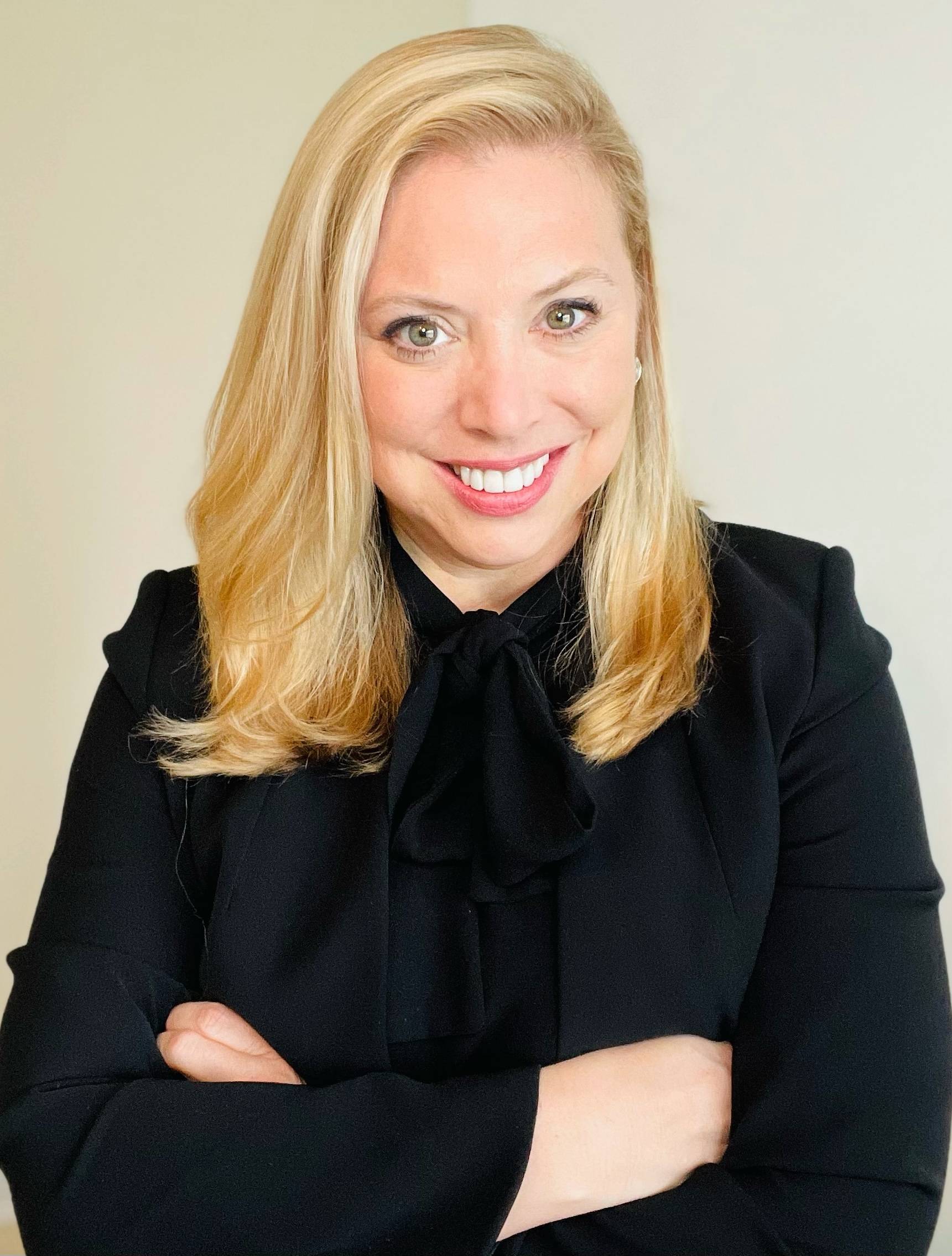 Dr. Lisa Meeks is a distinguished scholar and leader whose unwavering commitment to inclusivity and excellence has significantly influenced the landscape of health professions education and accessibility. She is the founder and executive director of the DocsWithDisabilities Initiative and holds appointments as an Associate Professor in the Departments of Learning Health Sciences and Family Medicine at the University of Michigan.
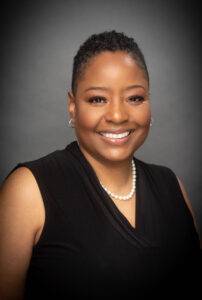 Dr. Nikia Grayson, DNP, MSN, MPH, MA, CNM, FNP-C, FACNM (she/her) is a trailblazing force in reproductive justice, blending her expertise as a public health activist, anthropologist, and family nurse-midwife to champion the rights and health of underserved communities. Graduating with distinction from Howard University, Nikia holds a bachelor’s degree in communications and a master’s degree in public health. Her academic journey also led her to the University of Memphis, where she earned a master’s in medical anthropology, and the University of Tennessee, where she achieved both a master’s in nursing and a doctorate in nursing practice. Complementing her extensive education, she completed a post-master’s certificate in midwifery at Frontier Nursing University.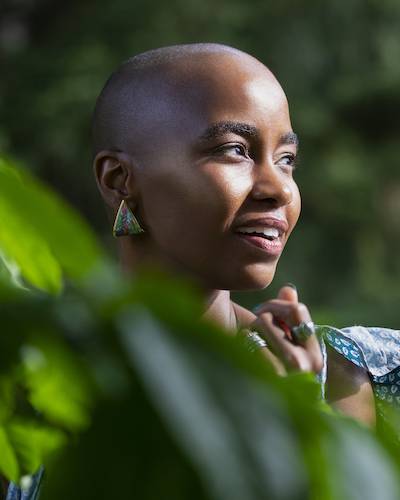
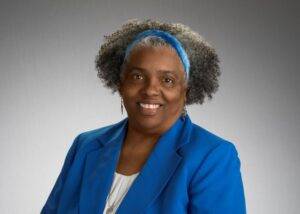
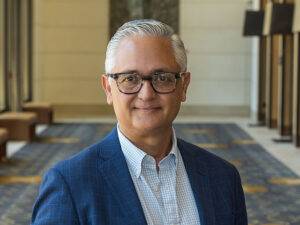
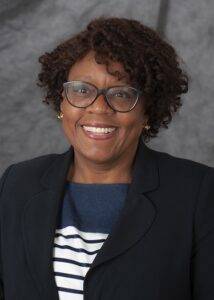
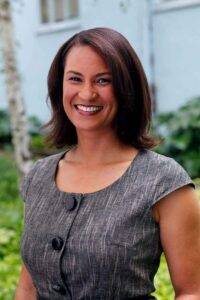
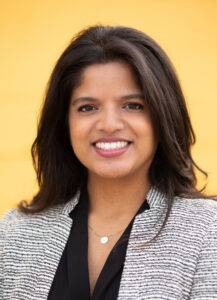

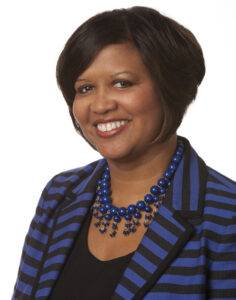 Dr. Tia Brown McNair is the Vice President in the Office of Diversity, Equity, and Student Success and Executive Director for the Truth, Racial Healing, and Transformation (TRHT) Campus Centers at the American Association of Colleges and Universities (AAC&U) in Washington, DC. She oversees both funded projects and AAC&U’s continuing programs on equity, inclusive excellence, high-impact practices, and student success. McNair directs AAC&U’s Summer Institutes on High-Impact Practices and Student Success, and TRHT Campus Centers and serves as the project director for several AAC&U initiatives, including the development of a TRHT-focused campus climate toolkit. She is the lead author of From Equity Talk to Equity Walk: Expanding Practitioner Knowledge for Racial Justice in Higher Education (January 2020) and Becoming a Student-Ready College: A New Culture of Leadership for Student Success (July 2016 and August 2022 Second edition).