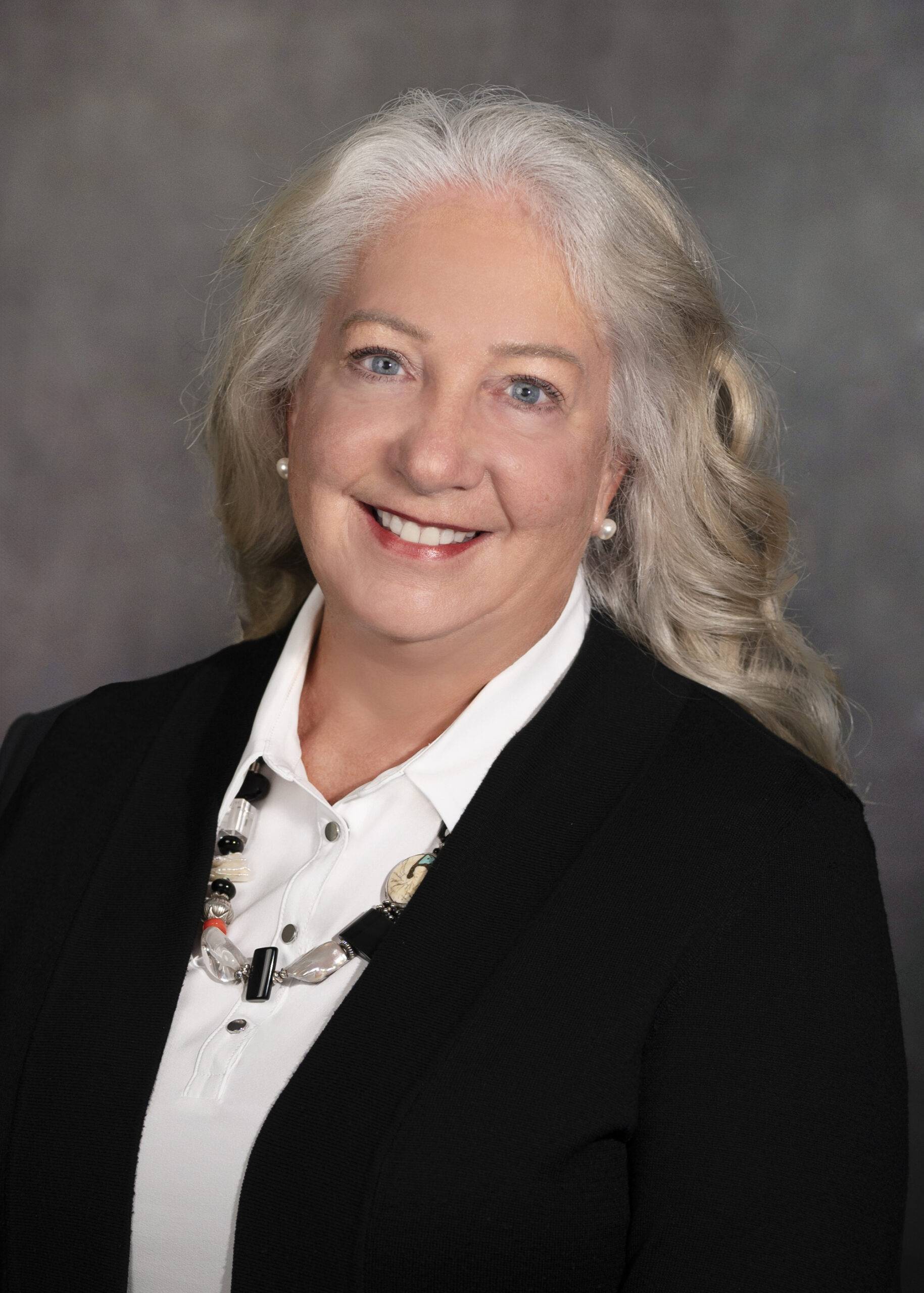
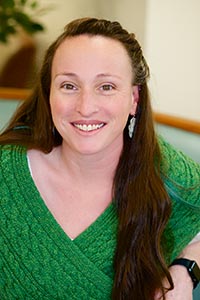
 Dr. Joan Slager, CNM, DNP, FACNM, FAAN, announced last fall that she will retire as Dean of Nursing on February 28, 2025. Dr. Slager’s tenure as Dean began in 2018, but her dream of becoming a nurse-midwife and her connection to Frontier Nursing University started long before.
Dr. Slager grew up on a farm in rural Lake Odessa, Michigan. She enjoyed caring for the animals and was drawn to the wonder of the birthing process at a young age.
“We would take turns checking on the cows in the barn during calving season,” Dr. Slager recalled. “I would sit for hours waiting for a calf to be born. It was fascinating to me, and I just loved being there and watching. I think that’s what drew me to midwifery. It made me respect birth a lot.”
Dr. Slager graduated from Nazareth College in Kalamazoo, Michigan, with her BSN in 1980. She considered becoming a physician but chose nursing because she wanted to raise a family as well. During nursing school, she enjoyed her maternal/child rotations and chose to work as a nurse extern in the neonatal intensive care unit the summer between her junior and senior years. She continued working in the NICU after graduation. Drawn to birth, her favorite part of that job was being assigned to attend at-risk deliveries. She subsequently worked three years (1981-83) with the Kalamazoo County Health Department clinics and later took a position as a staff nurse at the Borgess Medical Center Family Birthing Center (1984-91).
“I worked labor and delivery for six months and then took the birth center job and worked there for seven years until the birth center closed. While at the Birth Center, I worked with Kalamazoo’s first nurse-midwife, who cared for me during my pregnancies. As a nurse, I loved the partnership we nurses had with the midwife. It made caring for the women so much easier, and for the women, their labor and birth was a process they controlled. As a patient, I valued participating in my care and being listened to and respected. I wanted that experience for all women and their families. I knew I had to be a midwife. I heard about CNEP (Community-based Nurse-midwifery Education Program) at a nursing conference. I was intrigued that I didn’t have to travel 150-plus miles to go to school, and I could complete my education in my home community. It sounded too good to be true. I applied and was among the first students that started in the distance program at Frontier. I attended Level III (Clinical Bound) in the Chicken Coop on Kitty’s (Ernst) farm in Pennsylvania, and my first trip to Kentucky was for graduation which was held at Wendover. That’s how my relationship with Frontier started.”
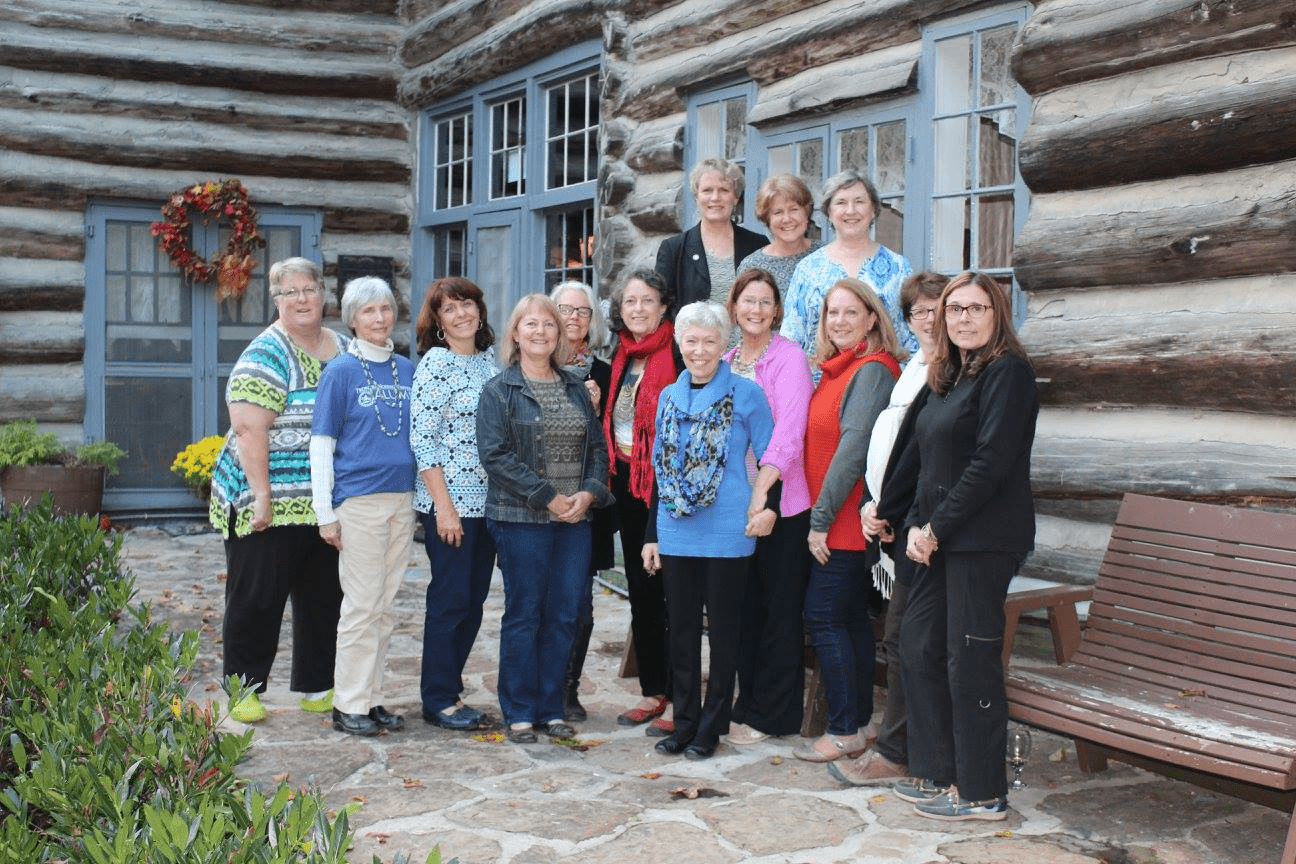 Dr. Slager was part of Frontier’s first CNEP graduating class in 1991. She began working as a nurse-midwife in Battle Creek, Michigan, eventually becoming the Director of Nurse-Midwifery at the Family Health Center of Battle Creek. She assisted Bronson Methodist Hospital in Kalamazoo in developing a midwifery-led service in 1993, where she served as the Director of Nurse-Midwifery at the Bronson Women’s Service for 27 years.
“It was so successful that it grew into one of the largest midwifery practices in the country,” Dr. Slager said. “They employ 17 midwives and three nurse practitioners now. The OB/GYN physicians and hospital administrators were very supportive of the midwives, who were among the first advanced practice providers in the health system. Our model of care resulted in decreasing the C-section rate, increasing patient satisfaction, and reducing the after-hours walk-in visits in OB triage.”
Shortly after becoming the practice director at Bronson, Dr. Slager attended the first annual midwifery business institute at the University of Michigan (a weekend conference) to gain skills in directing a midwifery service. She offered a suggestion to include information on Billing and Coding at future meetings. A year later, she was leading a four-hour billing & coding workshop at that event. “Midwifery education comprehensively covers clinical management and skills, but our survival depends on us developing some business acumen as well. I started researching and learning about billing and coding to prepare for the presentation I was asked to do, and it took my professional career down a whole different trajectory. I started implementing what I was learning in my own practice, and in one year, we tripled our billed revenue. It wasn’t because we got a lot busier, we were just capturing the work that we were doing. That made the hospital administrators very happy and demonstrated how cost-effective a midwifery model was. Not only were the patients happy, but we were positively affecting the bottom line as well as improving care.”
As a result of that workshop, Dr. Slager was invited to present at conferences and other midwife events or for individual practices and eventually founded Slager Consulting Business in 2000 while maintaining her everyday role as a nurse-midwife.
 “It was very rewarding to help other midwifery practices demonstrate their value, improve salaries, and be able to grow and sustain their practices,” Dr. Slager said. “A lot of times, they (midwives) were working hard, but they were underbilling from a lack of knowledge of how to bill for all of the services they provided. It was important to me that midwives understand and learn to use billing codes accurately so that the work they did and the outcomes they achieved were documented.”
While occupied with a busy clinical practice, an independent consulting business, leadership roles in the American College of Nurse-Midwives, and raising an active family, Dr. Slager maintained her relationship with Frontier. During her 28 years of practice, she precepted over 100 FNU students.
“I always had a connection with Frontier because I routinely had Frontier students in our practice. Precepting is really fun, and teaching is rewarding work,” Dr. Slager said. “I want women to get good care, so I want people who provide care to do it well. Whether the students were medical students, nurse practitioners, or midwives, it was always fun to teach them how to provide safe, satisfying, collaborative, and competent health care.”
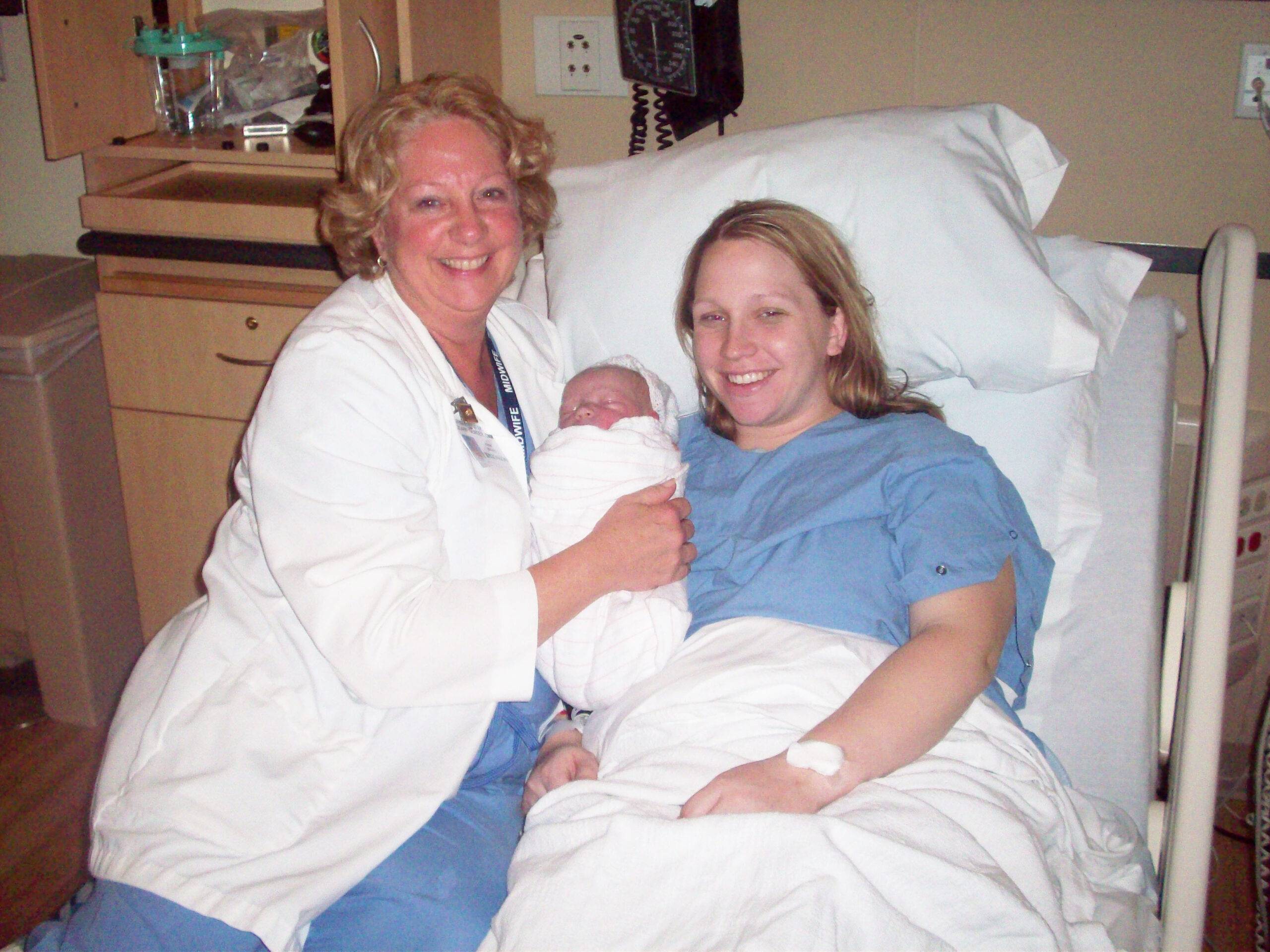
It was her own babies, fully grown with families of their own, that made Dr. Slager realize it was time for a change.

“Returning to Frontier was really driven by the fact that my three children, over a period of a couple of years, migrated to Phoenix, Arizona. We are a close family, and their spouses all grew up in Southwest Michigan too. One by one they relocated out to Phoenix. They all live close to each other, spend weekends together, and vacation together. I have nine grandchildren now between the ages of 4 and 11 and they are each other’s best friends. I realized I didn’t want to be the grandmother who only sees their grandkids on holidays and summer vacations. I wanted to be part of their lives.
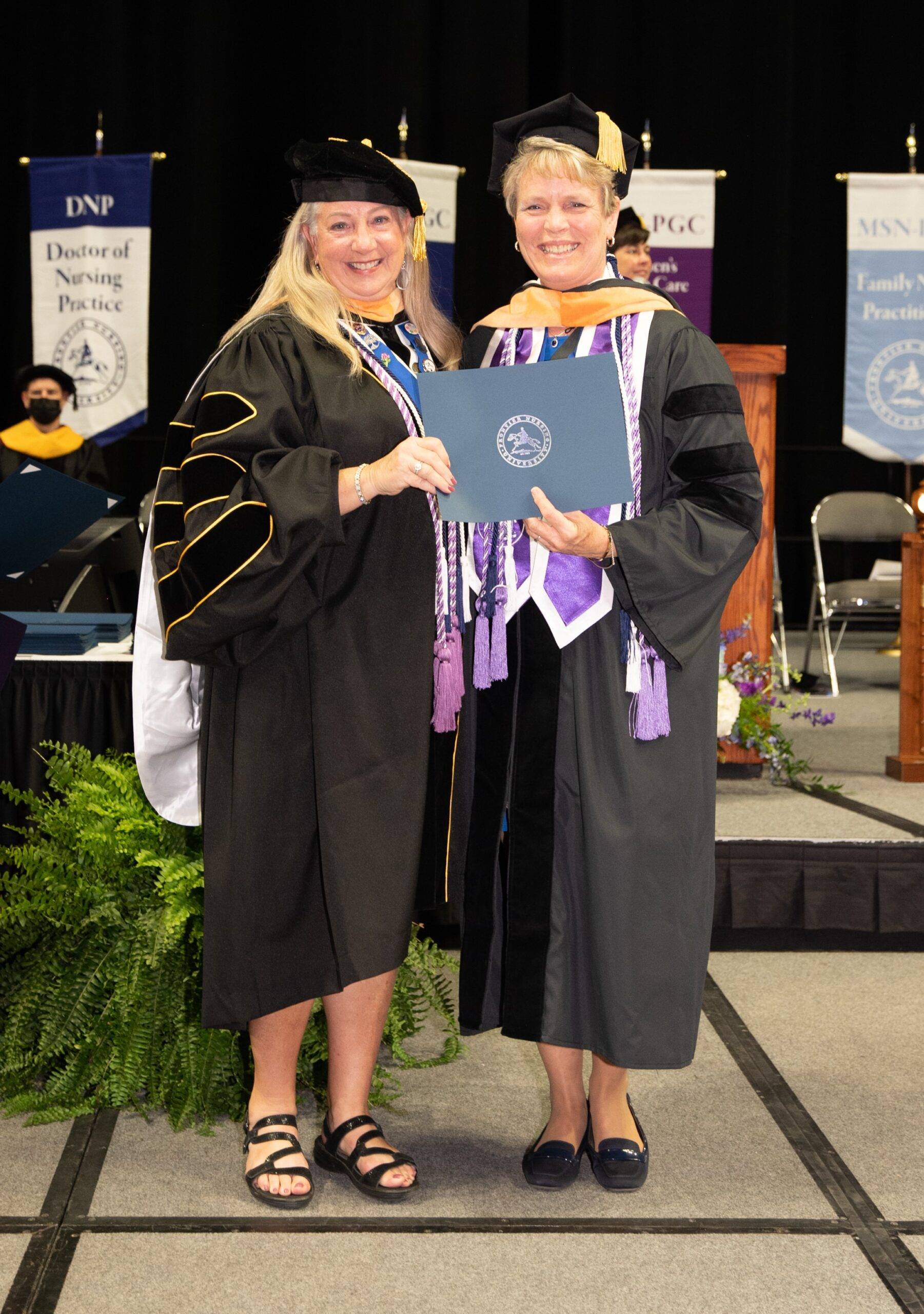
Seeking more flexibility in her career, Dr. Slager contacted FNU President Dr. Susan Stone about a faculty position. Noting that Dr. Slager had extensive management experience, Dr. Stone suggested a different position – Director of the Doctor of Nursing Practice (DNP) program.
“Sue told me I had more management experience than teaching experience”, Dr. Slager said. “The more I learned about the DNP program and the director position, the more excited I got. I am good at fixing things or analyzing things and improving them. That’s what I did in my consulting business. I would go to a practice and spend time with the people there, learn what some of their challenges were, and then make suggestions to make things easier, faster, and more efficient. That was in perfect alignment with the DNP program curriculum which taught students to be change agents and to implement quality improvement projects.”
 After 15 months as the DNP Director, Dr. Slager received another call from Dr. Stone, asking her to be the Interim Dean of Nursing. Dr. Slager was named the Interim Dean of Nursing in March 2018 and became the full-time Dean of Nursing in August 2018.
“I was enjoying myself. I liked it (acting as Dean) because it was an executive management position and a great match for my skill set,” Dr. Slager said. “I used to work with midwife colleagues, and now I collaborate with and advocate for faculty, I used to care for patients, and now I work with students – there is a lot of correlation.”
The new position came at a pivotal time in the history of FNU, including the university moving its campus from Hyden, Kentucky, to Versailles, Kentucky. The Versailles property was purchased in 2017, and the planning and construction of the new campus began soon after.
“Frontier already had great programs and accomplished faculty leaders. These were well-established before I came to FNU. But moving the campus was a big deal,” Dr. Slager said. “Fortunately, in my job as the director of the midwifery program at Bronson, we relocated our office a few times, and we built a new hospital, and experienced major renovations of the inpatient units. I really believe you are in places for a reason at the right time.”
“I came to Frontier when we were starting the Versailles campus renovation project. I knew a lot about buildings, the things behind the scenes that people don’t really think about. I feel like bringing that experience to Frontier was a great way to contribute in a way that was completely unrelated to midwifery and people management.”
 Renovating the new campus meant not only new buildings but planning for new offices, classrooms, simulation labs, dorms, a dining hall, and more. It also meant a lot of packing and moving items from the Hyden campus, all while maintaining normal university activities.
“I loved Hyden. I wasn’t anxious to move,” Dr. Slager said. “But I really love the Versailles campus and how it provides us with so many more opportunities and efficiencies. It was great to be part of the team that executed that. That’s probably one of the highlights of my career at Frontier. Someone could go through their whole career and never have the opportunity to move a university.”
As if moving the university wasn’t enough of a challenge, the COVID pandemic provided additional hurdles and significant delays. On-campus programs needed to pivot quickly to an online format. When the campus was ready, it still could not be opened. Finally, in 2021, the first students came on campus for clinical bound.
“It was very emotional for me to have that first group come to campus,” Dr. Slager said. “After all the planning and the waiting through the pandemic, we finally had students on campus. That was probably one of the most notable accomplishments at Frontier that I was able to be a part of.”
More recently, Dr. Slager took pride in being part of the group that hired new FNU President Dr. Brooke A. Flinders. It marked one of the final milestones that allowed Dr. Slager to consider retiring. “I had planned to serve as Dean for only a couple of years and then retire, but I felt compelled to stay through the topsy-turvy events that followed.”
 “The pandemic hit, so I didn’t dare leave the university at such a challenging time. Then President Sue Stone announced her retirement, so I chose to delay retiring a little bit longer to facilitate a smooth transition in leadership. With Dr. Flinders in her position, I feel so great about where Frontier is. I can very comfortably and confidently step away knowing the university is in great hands.”
Dr. Slager intends to stay connected with the university and be available for special projects and other opportunities where needed. Otherwise, she looks forward to traveling with her husband and spending time with her family, including her nine grandchildren.





 Former FNS nurse-midwife Delphine Jewell wrote the following letter in response to our call for stories for the Frontier Century of Stories project. She worked at Hyden Hospital from March 1956 to March 1957 and became a Certified Nurse-Midwife at Frontier. She went to do missionary work in Nigeria and Zimbabwe. She coordinated the establishment of an in-house birth center in Tulsa, Oklahoma. Delphine was a maternal-newborn nurse educator, serving as chair of the nursing education program for 12 years. She retired in 1992. Delphine is currently 94 years old and lives in a retirement center in Oklahoma City, Oklahoma.
 I had many interesting experiences while at Frontier Nursing Service. One of the most important lessons learned while there was one of Mary Breckinridge’s requirements:
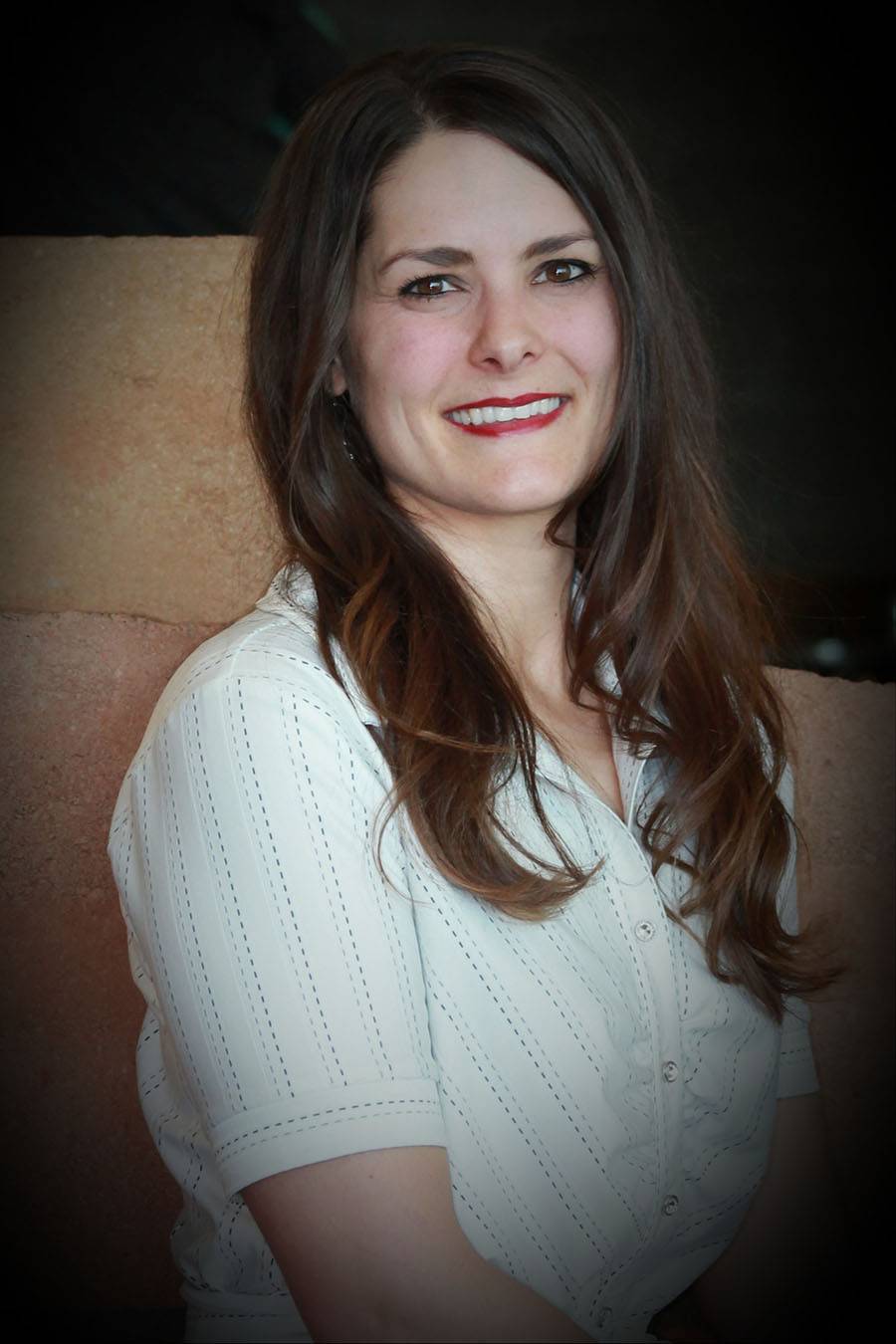

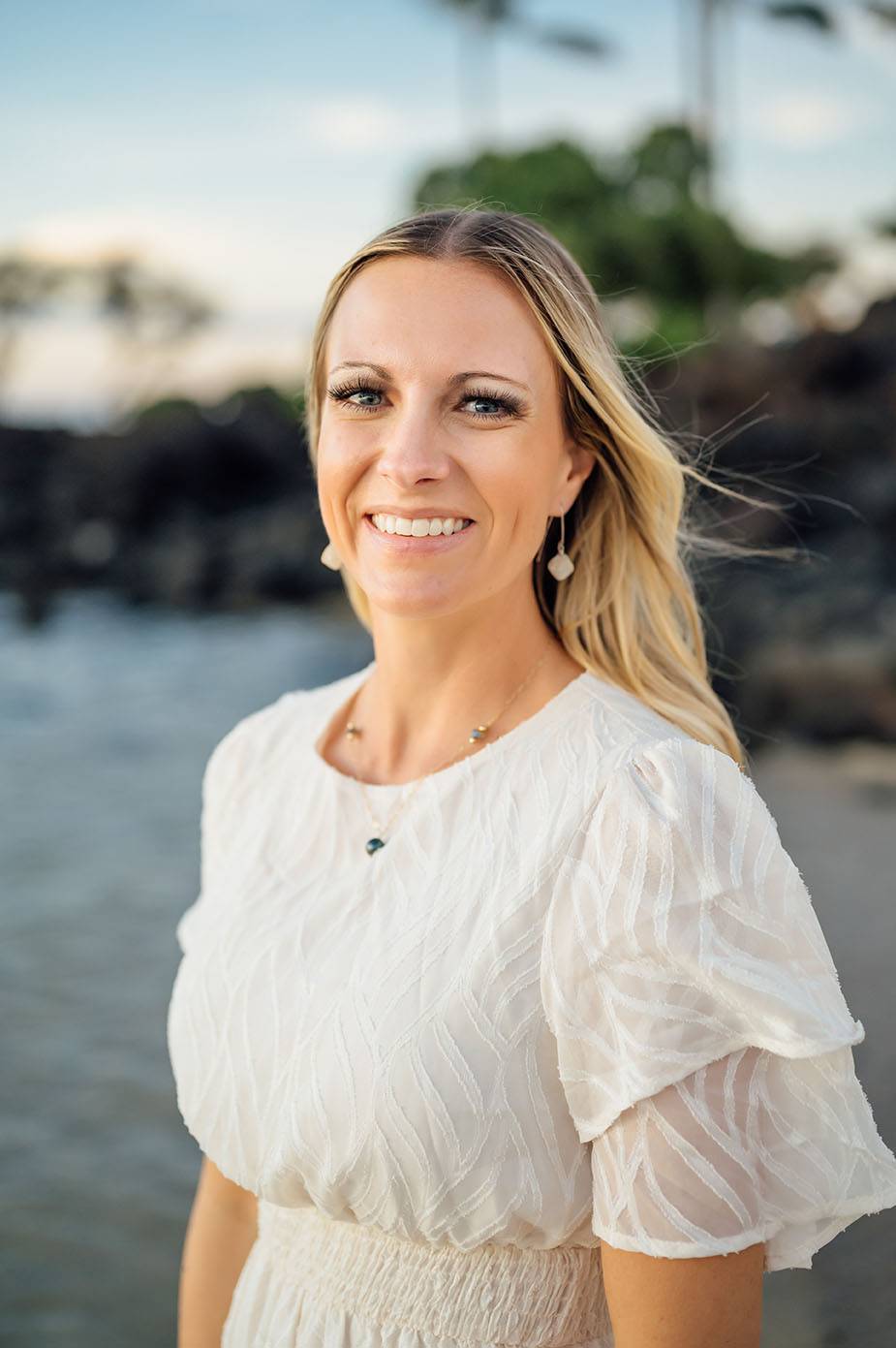
 The Oath in Action: When Jaime Westlund, DNP (Class 37), APRN, FNP-C (Class 156), moved with her family from her home state of Idaho to Hawaii in August 2019, she did so with the intent to serve the community, staying true to the history and mission of FNU. Little did she know at that time how quickly her commitment to the community would be tested.
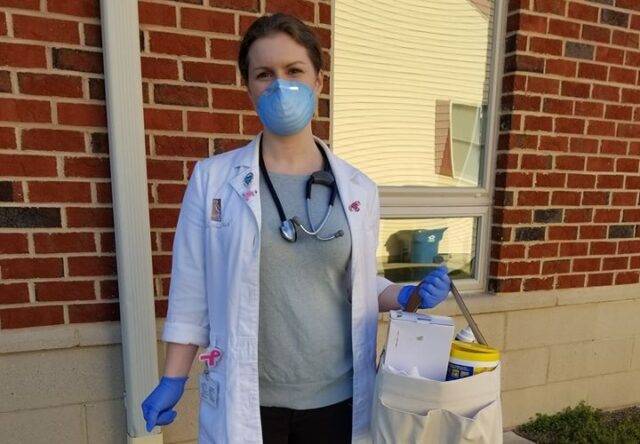
 In Hawaii, supplies are frequently in high demand, and they were even more so during the pandemic.
 “Working in rural healthcare requires a unique blend of passion and resourcefulness,” Westlund continued. “It takes a special kind of person to thrive in this environment, where thinking outside the box is often necessary to overcome the limitations of available resources. I am dedicated to providing the very best care possible to my patients, and I take immense pride in my work. My love for the community drives me to strive every day to enhance the health and well-being of those I serve, making sure that they feel valued and supported in their healthcare journey. Together with my team, I am excited about the progress we are making and remain committed to fostering a healthier future for all in our community.”
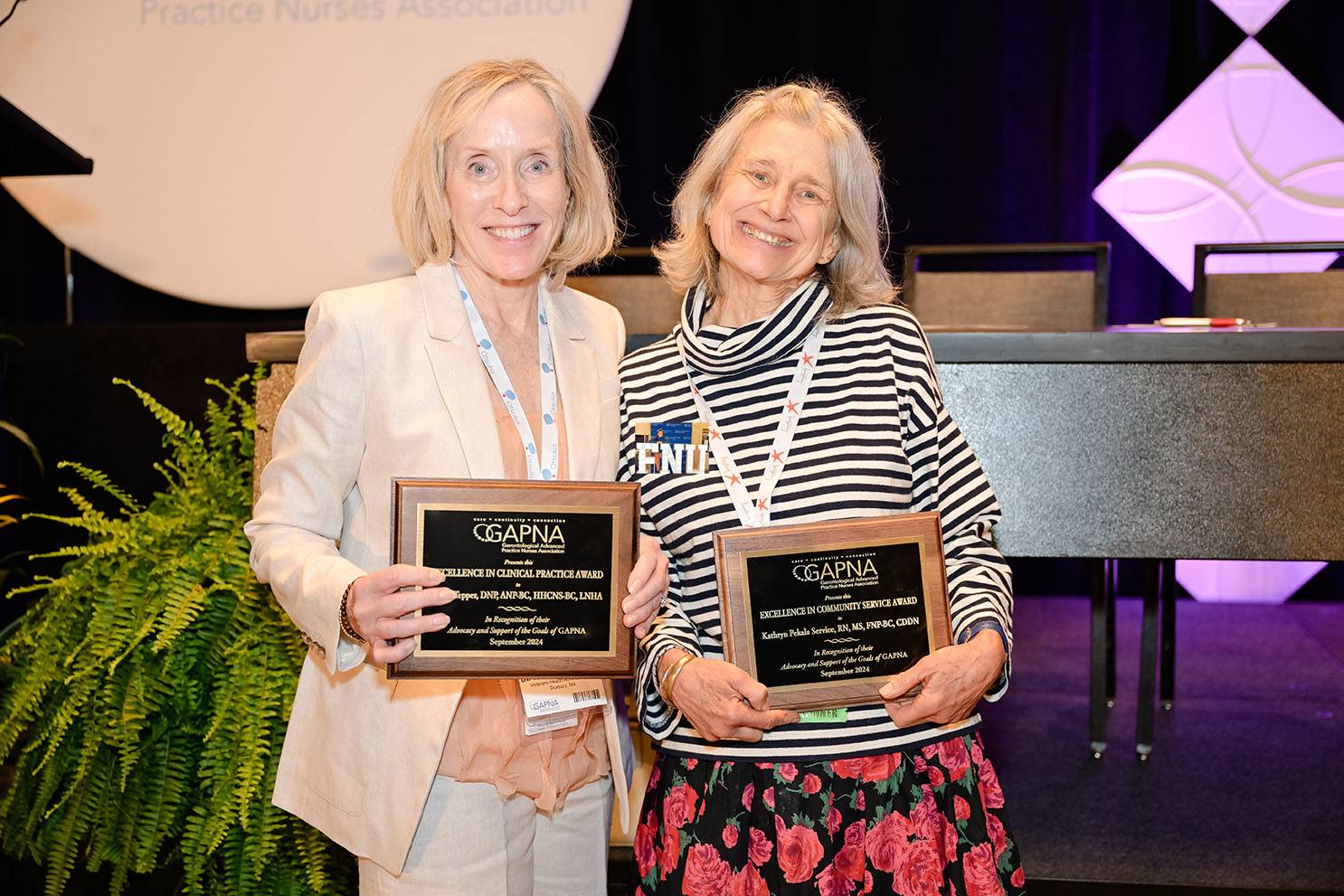 FNU graduate Karen Tepper, DNP, ANP-BC, HHCNS-BCN/A, has consistently dedicated her three-decade career in healthcare to the betterment of underserved communities. Based in Massachusetts, Dr. Tepper’s passion for improving healthcare access and outcomes is rooted in her own family’s history—her parents, both immigrants, endured immense challenges, including her mother’s survival of World War II and her father’s family fleeing oppression in Eastern Europe.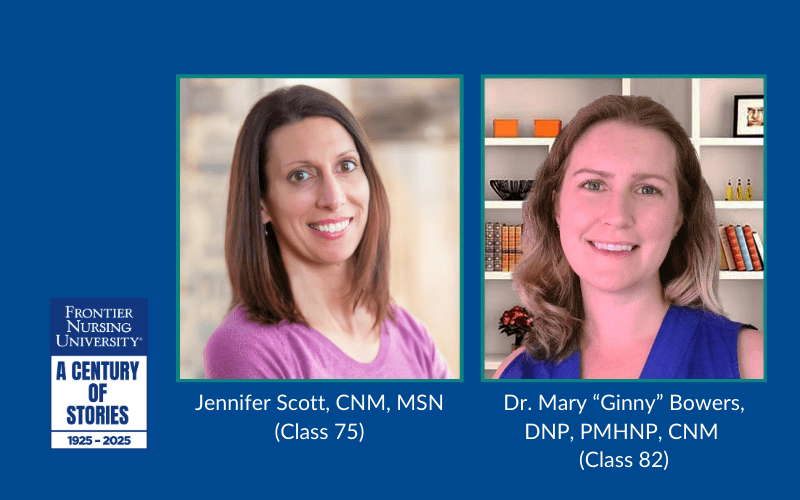
 Mobile Midwifery:
  Serving A Mennonite Community During the Pandemic:
 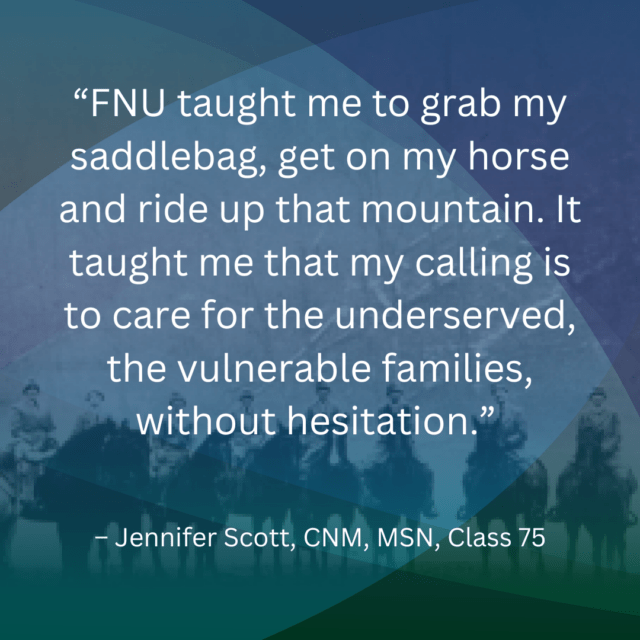 Today, Scott and Community Midwives continue to serve the Mennonite community in the Finger Lakes Region. The practice now employes three full-time nurse-midwives and one-part-time nurse-midwife, including fellow FNU graduate Lisa Benedetto, CNM (Class 50). They travel upward of 50 miles to see patients, attending over 100 births per year and providing well woman care, annual exams, family planning, and menopause management. They also have privileges at a community hospital for those patients who need to be transferred or choose a hospital birth.
 With a goal of providing comprehensive care for all patients, Kristin “Kris” Swanson, BSN, RNC-MNN, IBCLC, is currently pursuing her
  “Relationships are so important in healthcare: a person’s relationship to their own health, their relationship with their community and family and their relationship with their health care provider,” she said. “The long-term relationship building in primary care is in line with my values of compassion, trauma-informed care, evidence-based practice and shared decision making.”
 “Conferences can be overwhelming and it was helpful to have her guidance on where to go and how to manage time, as well as hear about her professional experience,” Swanson said. “I also got to connect more deeply with two classmates, which was perhaps the best part of the experience. Having peers and colleagues in the program has allowed me to stay more connected as I move into clinical, and I am happy to have made lifelong friends.”
 In 2025, Frontier Nursing University celebrates the 100-year anniversary of the inception of the Frontier Nursing Service. We are grateful for the alumni, students, couriers, donors, volunteers, friends, and employees who have made an incredible impact on FNU’s century-long journey. We are celebrating this milestone year by capturing and sharing some of the countless stories that make up our history. Whatever your connection to FNU, we hope you enjoy these stories and are inspired to
  The Pat Tillman Foundation was founded by the family and friends of Pat Tillman, who, in 2002, put his National Football League career on hold to serve his country. Tillman died in April 2004 while serving with the 75th Ranger Regiment in Afghanistan. The Tillman Foundation identifies remarkable military service members, veterans, and spouses, empowering them with academic scholarships, lifelong leadership development opportunities, and a diverse, global community of high-performing mentors and peers. Tillman Scholars make an impact as they lead through action in the fields of healthcare, business, public service, STEM, education, and the humanities.
 Being a survivor of violence, Copp has made caring for others her lifelong passion. With 23 years of nursing experience, she currently works full-time as a forensic nurse examiner in Indianapolis. She specializes in trauma care and frequently is called to testify in court.
 “In these trauma centers, I’m hoping to not only be able to provide a medical exam, but I’m also hoping that it is a one-stop shop,” Copp said, noting that her vision is for the trauma care centers to include access to social workers, connections to prosecutors, and rooms for emergency housing. “We can eliminate so many things for law enforcement. They can have more time on the street doing what they need to be doing to keep the community safe while we’re doing the back work. We can take the photos, collect and bag the evidence and get it to the crime lab. There are a lot of benefits all the way around. I hope to see a huge stride in this in the next 10 years.”
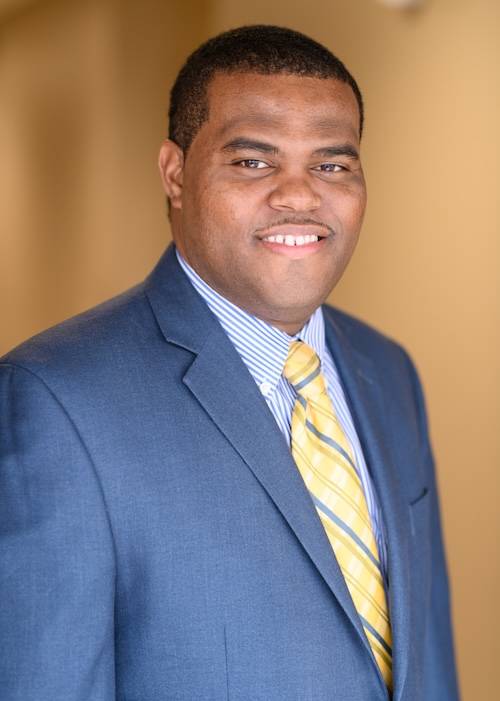


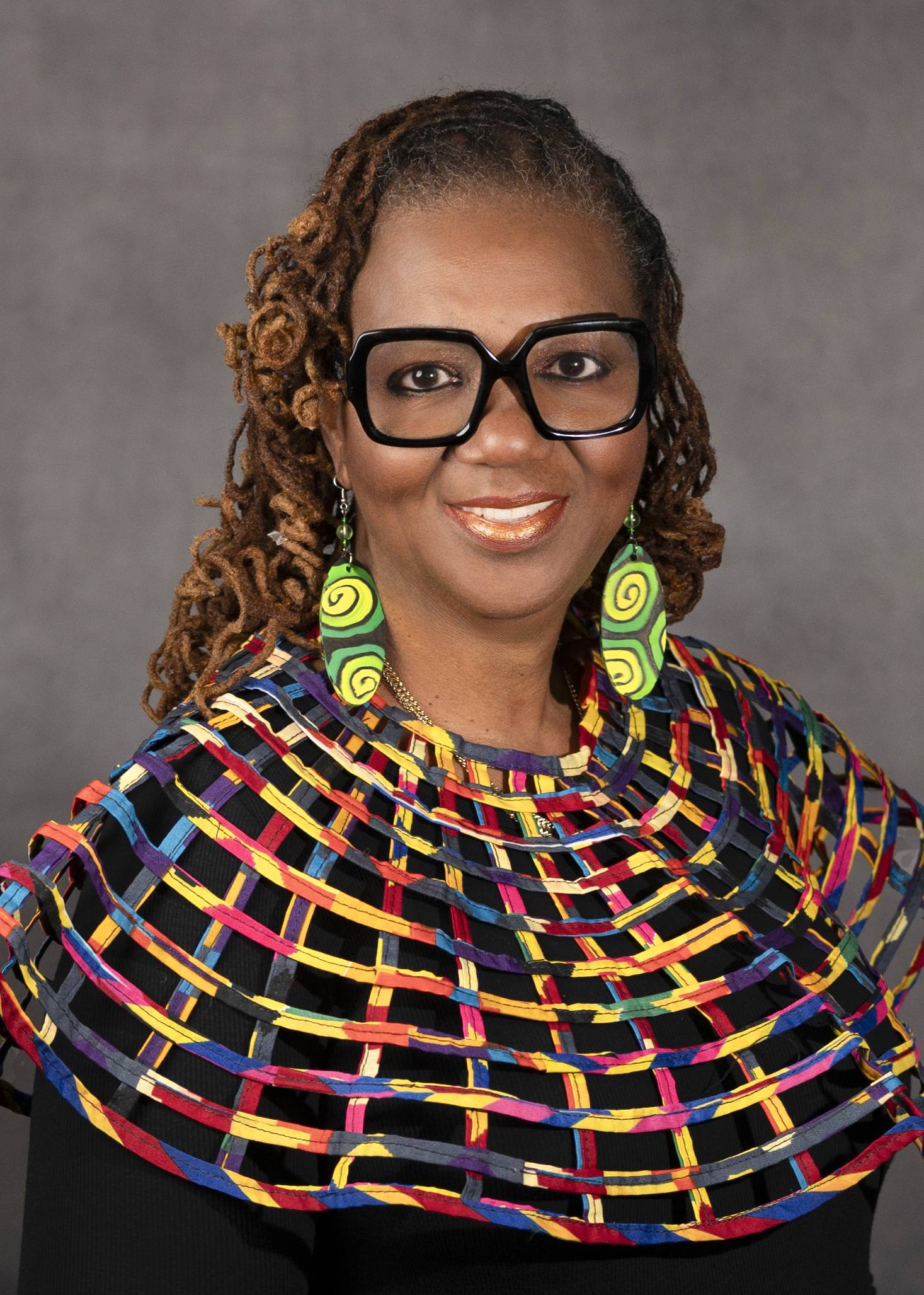
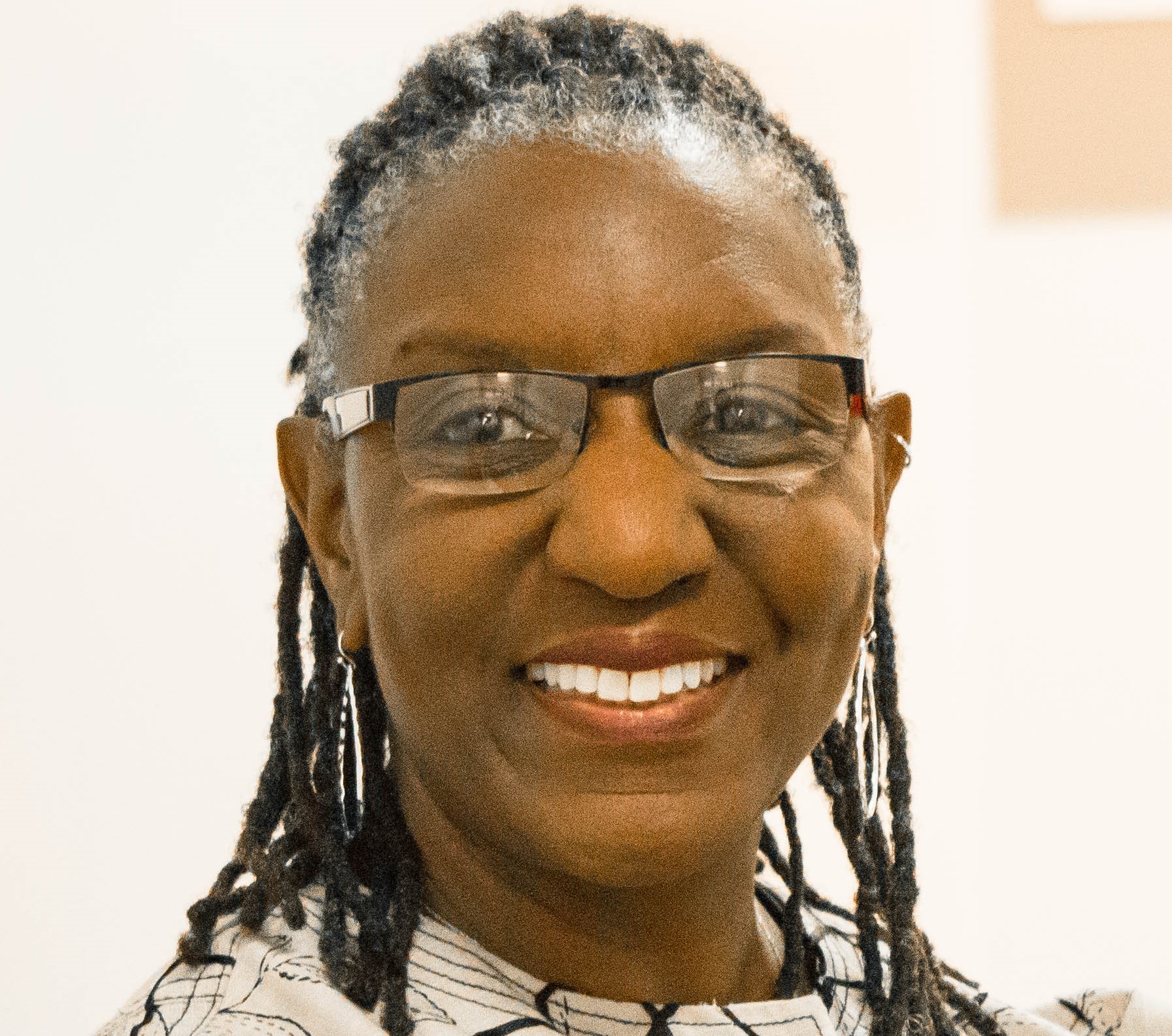
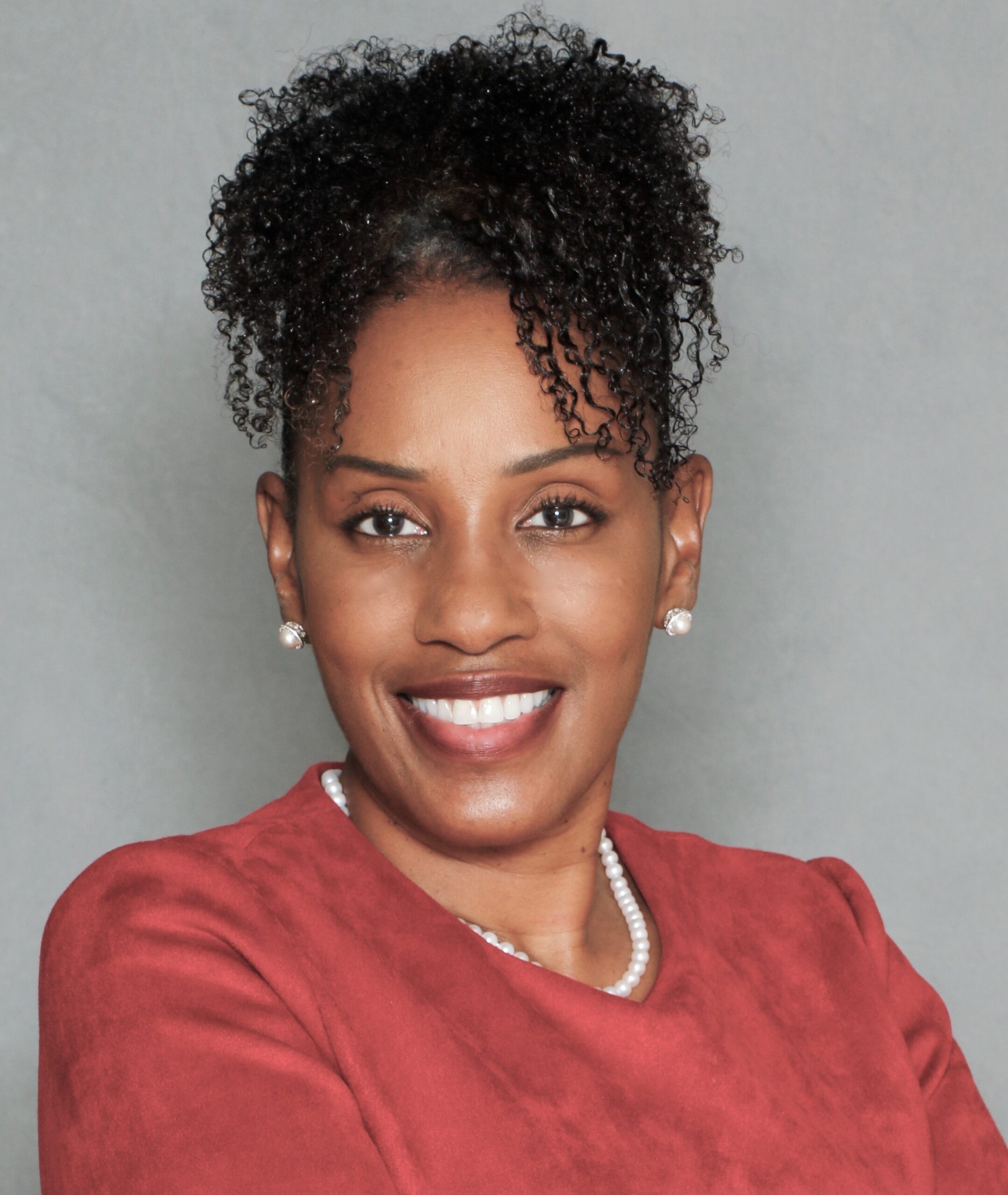
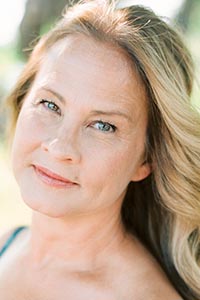
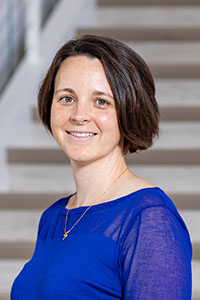
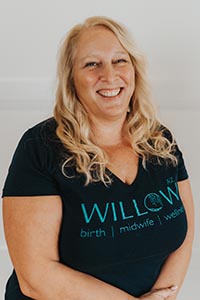
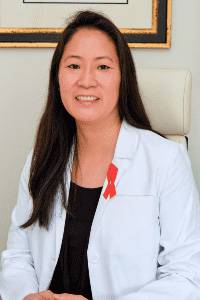 Carrie Belin is an experienced board-certified Family Nurse Practitioner and a graduate of the Johns Hopkins DNP program, Johns Hopkins Bloomberg School of Public Health, Georgetown University School of Nursing, and Johns Hopkins School of Nursing. She has also completed fellowships at Georgetown and the University of California Irvine.
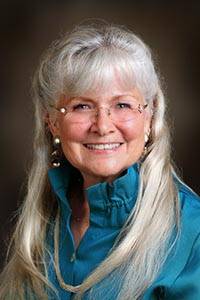
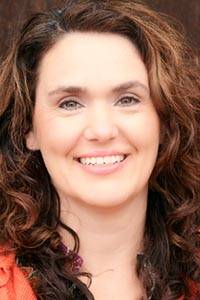 Angie has been a full-scope midwife since 2009. She has experience in various birth settings including home, hospital, and birth centers. She is committed to integrating the midwifery model of care in the US. She completed her master’s degree in nurse-midwifery at Frontier Nursing University (FNU) and her Doctorate at Johns Hopkins University. She currently serves as the midwifery clinical faculty at FNU. Angie is motivated by the desire to improve the quality of healthcare and has led quality improvement projects on skin-to-skin implementation, labor induction, and improving transfer of care practices between hospital and community midwives. In 2017, she created a short film on skin-to-skin called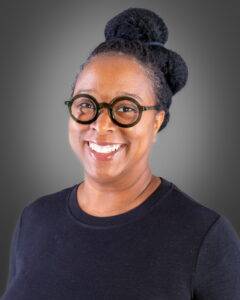
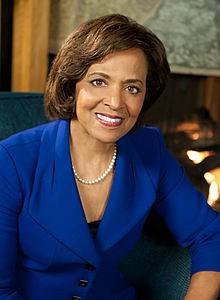
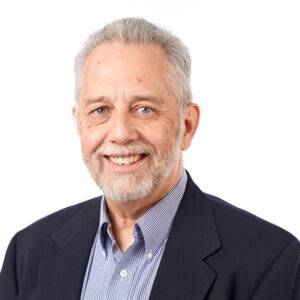
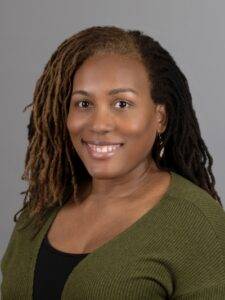
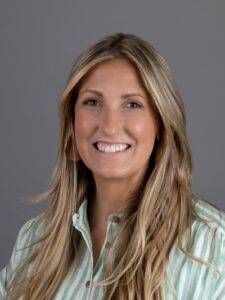
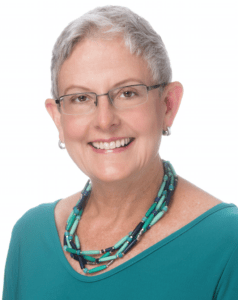
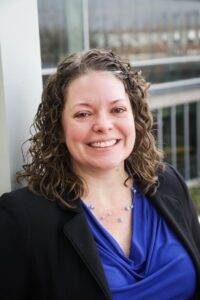
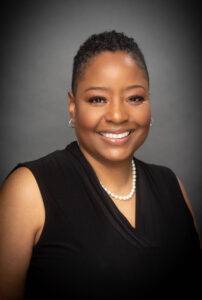
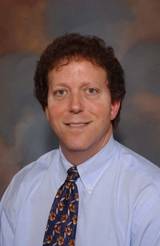
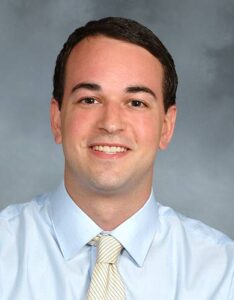
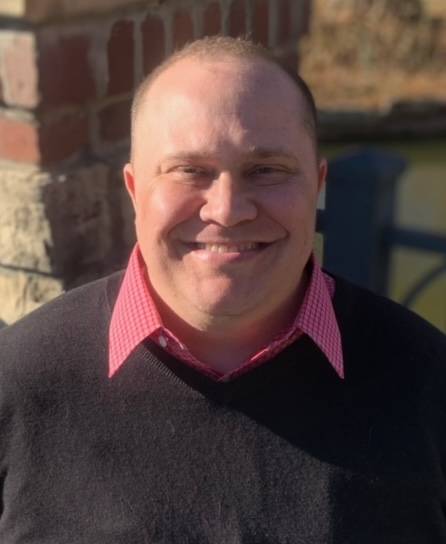 Justin C. Daily, BSN, RN, has ten years of experience in nursing. At the start of his nursing career, Justin worked as a floor nurse on the oncology floor at St. Francis. He then spent two years as the Director of Nursing in a small rural Kansas hospital before returning to St. Francis and the oncology unit. He has been in his current position as the Chemo Nurse Educator for the past four years. He earned an Associate in Nurse from Hutchinson Community College and a Bachelor of Science in Nursing from Bethel College.
 Brandy Jackson serves as the Director of Undergraduate Nursing Programs and Assistant Educator at Wichita State University and Co-Director of Access in Nursing. Brandy is a seasoned educator with over 15 years of experience. Before entering academia, Brandy served in Hospital-based leadership and Critical Care Staff nurse roles. Brandy is passionate about equity in nursing education with a focus on individuals with disabilities. Her current research interests include accommodations of nursing students with disabilities in clinical learning environments and breaking down barriers for historically unrepresented individuals to enter the nursing profession. Brandy is also actively engaged in Interprofessional Education development, creating IPE opportunities for faculty and students at Wichita State. Brandy is an active member of Wichita Women for Good and Soroptimist, with the goal to empower women and girls. Brandy is a TeamSTEPPS master trainer. She received the DASIY Award for Extraordinary Nursing Faculty in 2019 at Wichita State University.
  Dr. Sabrina Ali Jamal-Eddine is an Arab-disabled queer woman of color with a PhD in Nursing and an interdisciplinary certificate in Disability Ethics from the University of Illinois Chicago (UIC). Dr. Jamal-Eddine’s doctoral research explored spoken word poetry as a form of critical narrative pedagogy to educate nursing students about disability, ableism, and disability justice. Dr. Jamal-Eddine now serves as a Postdoctoral Research Associate in UIC’s Department of Disability and Human Development and serves on the Board of Directors of the National Organization of Nurses with Disabilities (NOND). During her doctoral program, Sabrina served as a Summer Fellow at a residential National Endowment of the Humanities (NEH) Summer Institute at Arizona State University (2023), a summer fellow at Andrew W. Mellon’s National Humanities Without Walls program at University of Michigan (2022), a Summer Research Fellow at UC Berkeley’s Othering & Belonging Institute (2021), and an Illinois Leadership Education in Neurodevelopmental and related Disabilities (LEND) trainee (2019-2020).
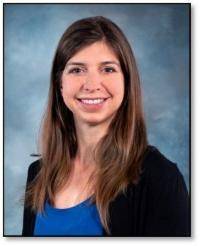 Vanessa Cameron works for Vanderbilt University Medical Center in Nursing Education & Professional Development. She is also attending George Washington University and progressing towards a PhD in Nursing with an emphasis on ableism in nursing. After becoming disabled in April 2021, Vanessa’s worldview and perspective changed, and a recognition of the ableism present within healthcare and within the culture of nursing was apparent. She has been working since that time to provide educational foundations for nurses about disability and ableism, provide support for fellow disabled nursing colleagues, and advocate for the disabled community within healthcare settings to reduce disparities.
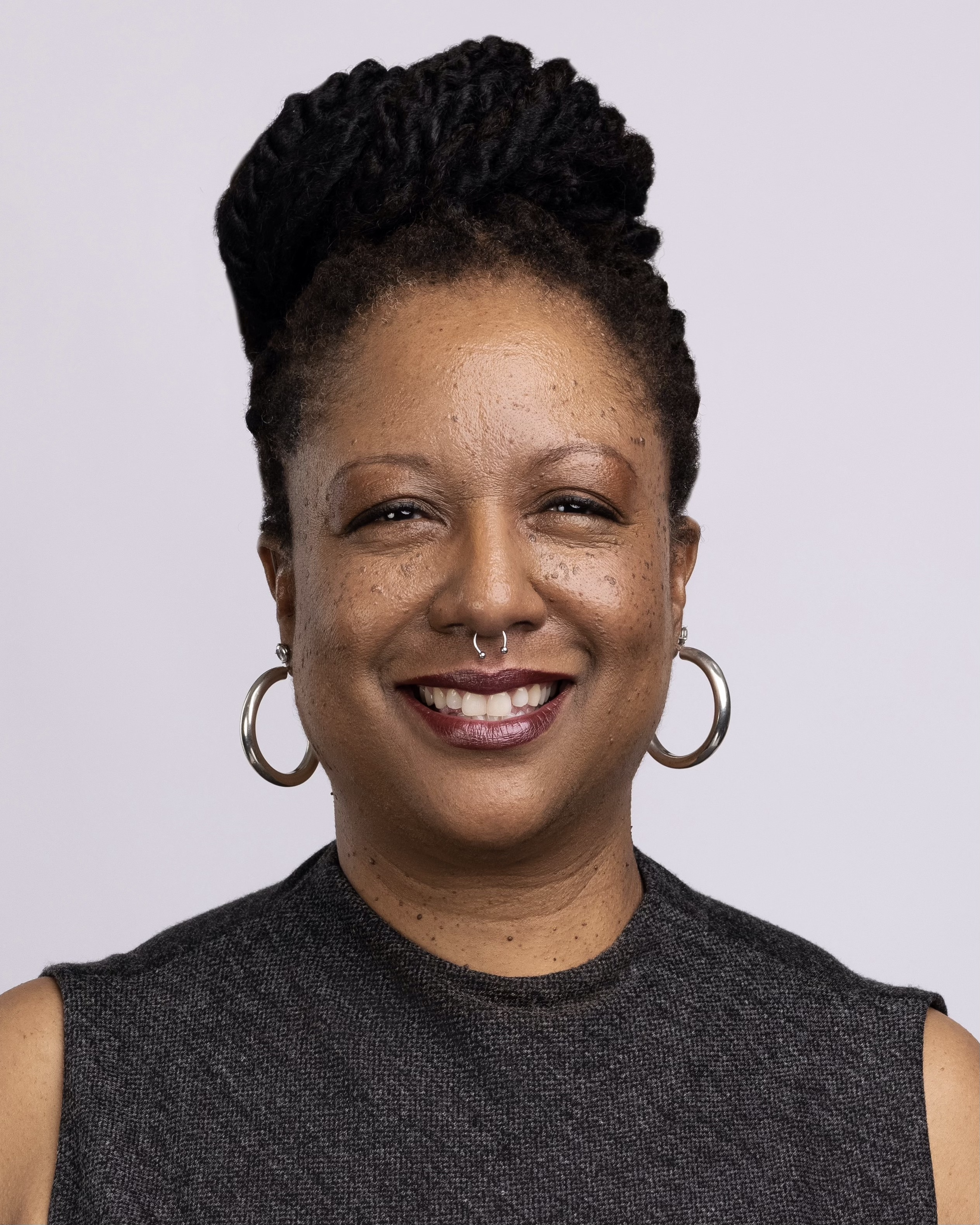 Dr. Lucinda Canty is a certified nurse-midwife, Associate Professor of Nursing, and Director of the Seedworks Health Equity in Nursing Program at the University of Massachusetts Amherst. She earned a bachelor’s degree in nursing from Columbia University, a master’s degree from Yale University, specializing in nurse-midwifery, and a PhD from the University of Connecticut. Dr. Canty has provided reproductive health care for over 29 years. Her research interests include the prevention of maternal mortality and severe maternal morbidity, reducing racial and ethnic health disparities in reproductive health, promoting diversity in nursing, and eliminating racism in nursing and midwifery.
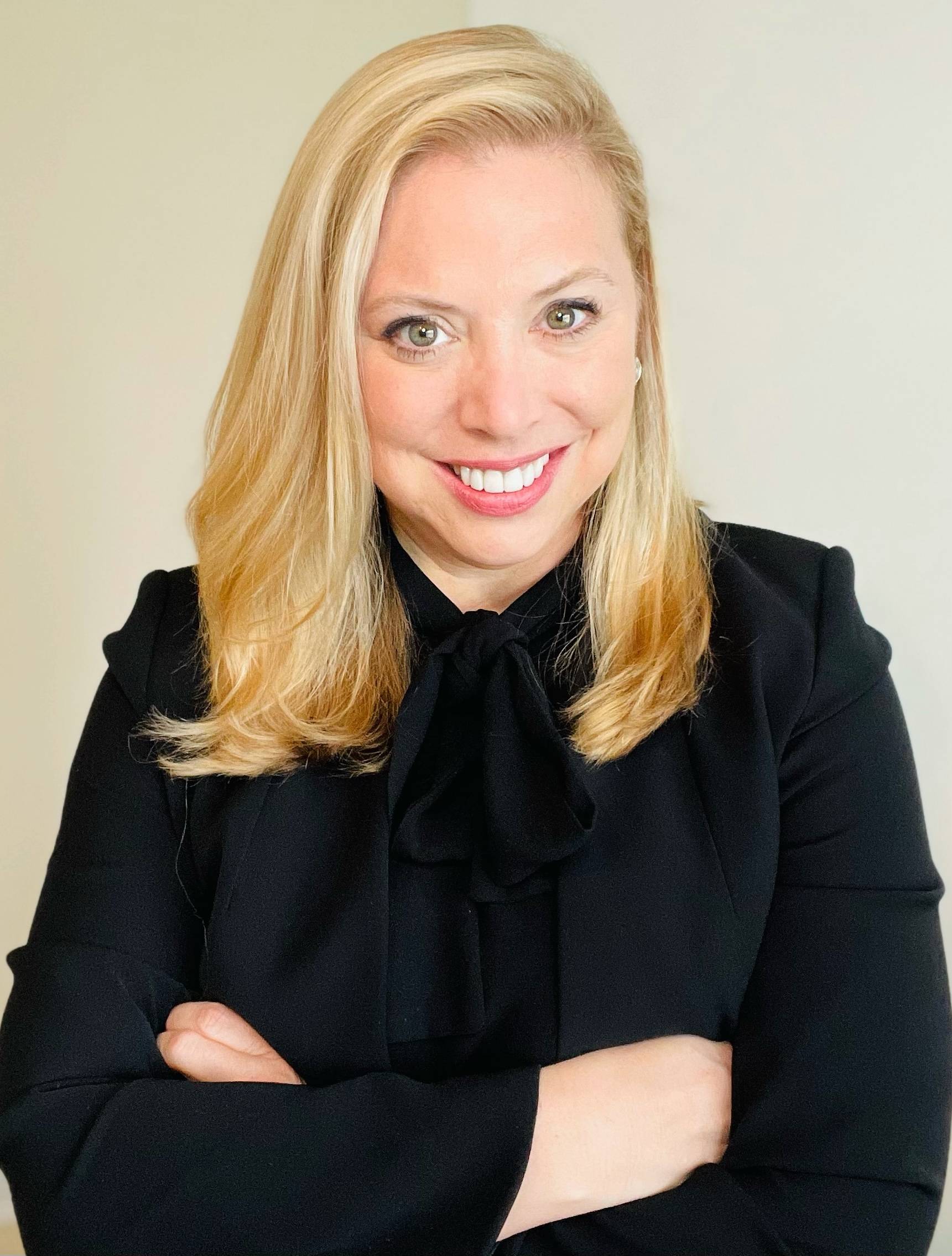 Dr. Lisa Meeks is a distinguished scholar and leader whose unwavering commitment to inclusivity and excellence has significantly influenced the landscape of health professions education and accessibility. She is the founder and executive director of the DocsWithDisabilities Initiative and holds appointments as an Associate Professor in the Departments of Learning Health Sciences and Family Medicine at the University of Michigan.
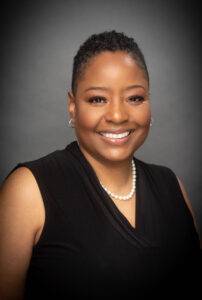 Dr. Nikia Grayson, DNP, MSN, MPH, MA, CNM, FNP-C, FACNM (she/her) is a trailblazing force in reproductive justice, blending her expertise as a public health activist, anthropologist, and family nurse-midwife to champion the rights and health of underserved communities. Graduating with distinction from Howard University, Nikia holds a bachelor’s degree in communications and a master’s degree in public health. Her academic journey also led her to the University of Memphis, where she earned a master’s in medical anthropology, and the University of Tennessee, where she achieved both a master’s in nursing and a doctorate in nursing practice. Complementing her extensive education, she completed a post-master’s certificate in midwifery at Frontier Nursing University.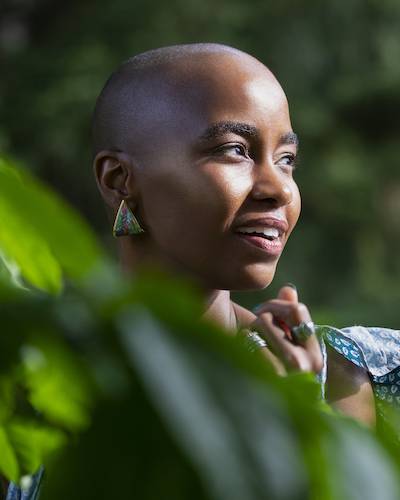
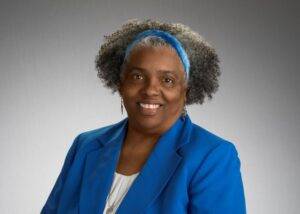
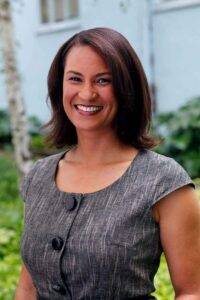
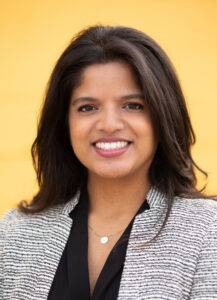

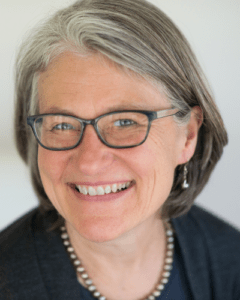
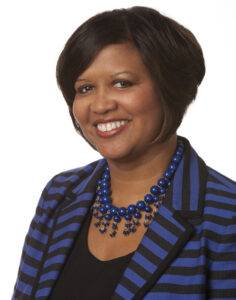 Dr. Tia Brown McNair is the Vice President in the Office of Diversity, Equity, and Student Success and Executive Director for the Truth, Racial Healing, and Transformation (TRHT) Campus Centers at the American Association of Colleges and Universities (AAC&U) in Washington, DC. She oversees both funded projects and AAC&U’s continuing programs on equity, inclusive excellence, high-impact practices, and student success. McNair directs AAC&U’s Summer Institutes on High-Impact Practices and Student Success, and TRHT Campus Centers and serves as the project director for several AAC&U initiatives, including the development of a TRHT-focused campus climate toolkit. She is the lead author of From Equity Talk to Equity Walk: Expanding Practitioner Knowledge for Racial Justice in Higher Education (January 2020) and Becoming a Student-Ready College: A New Culture of Leadership for Student Success (July 2016 and August 2022 Second edition).