In 2025, Frontier Nursing University honored the 100-year anniversary of the inception of the Frontier Nursing Service. We are grateful for the alumni, students, couriers, donors, volunteers, friends, and employees who have made an incredible impact on FNU’s century-long journey. We celebrated this milestone year by capturing and sharing some of the countless stories that make up our history. Whatever your connection to FNU, we hope you enjoy these stories.
Jean Fee was born in 1937 and grew up with her sister and brother on her family’s ranch in rural western Alberta, Canada. She rode six miles each way on horseback to attend the small high school established for the ranch children of the area. Upon finishing high school, she trained to qualify as a Registered Nurse in the Calgary General Hospital (CGH) nurse training program.
Fee was drawn to the natural process of midwifery after being appalled by the birthing experience in hospitals, where mothers frequently had little opportunity to bond with their newborn babies.
In 1958, Jean left her home in Alberta to travel to the mountains of eastern Kentucky to attend the Frontier School of Midwifery. After graduating in 1959, she went back to Alberta, where she married Phillip Fee in 1962. They raised two children while Phillip worked as a barber and Jean worked for the local health department and on the staff of Turner Valley District Hospital.
In 1973, Fee returned to Kentucky, settling in McKee. Jean applied her blend of experience in both public health and hospital acute care working in the private practice of a local family physician and at Manchester Hospital.
In 1980, Jean’s knowledge, skills, and experience were accepted for certification as one of the first Family Nurse Practitioners (FNP) licensed by the state of Kentucky. She practiced as a Family Nurse Practitioner at the non-profit White House Clinics in McKee until she retired from clinical practice. White House Clinics are non-profit, Federally Qualified Health Care Centers that receive federal funding to offset costs for uninsured and low-income patients.
Throughout these years, Jean maintained a close, hands-on relationship with Frontier. She shared her clinical experience by precepting and mentoring Frontier’s family nursing students. She also volunteered with the Frontier Courier program, mentoring the students as well as frequently housing and feeding them.
For over 15 years, Jean welcomed Frontier’s new students by presenting a slideshow upon their arrival. She presented the history of the FNS through her own experience and photographs. She attended more than one hundred orientations, beginning in 2002. Everyone who came in contact with Jean learned something from her and took away a piece of her dedication to nursing and the care of others.
“We are there for the patient, and that’s our whole reason for being,” Jean said. “If you lose sight of that, then you totally lose sight of what you’re trying to do.”
In 2009, FNU honored Jean Fee with the Distinguished Service to Alma Mater award. In 2013 FNU presented her with an honorary Doctor of Nursing Practice degree in recognition of her lifelong dedication to nursing. In 2014, she was named one of 75 honorees during FNU’s 75th anniversary.
In 2025, Frontier Nursing University honored the 100-year anniversary of the inception of the Frontier Nursing Service. We are grateful for the alumni, students, couriers, donors, volunteers, friends, and employees who have made an incredible impact on FNU’s century-long journey. We celebrated this milestone year by capturing and sharing some of the countless stories that make up our history. Whatever your connection to FNU, we hope you enjoy these stories.
There are a multitude of ways the subjects of Century of Stories are involved in the past, present, and future of Frontier Nursing University. Few are the number of people who check more of those boxes than Cathy Cook.
As a graduate, regional clinical faculty, preceptor, and faculty member, Dr. Cook has done it all. After earning her MSN from Case Western Reserve, she came to Frontier to obtain her CNM (1998). She later returned to Frontier for her DNP (2020).
She worked as a certified nurse-midwife from 1998-2020, most of them in Galesburg, Illinois. She specialized in natural childbirth and providing individualized education and prenatal care to expectant mothers. She has since received Full Practice Authority and opened her own aesthetic and hormone optimization clinic.
Despite this demanding career, Dr. Cook was eager to give back as a preceptor. Preceptors are experienced licensed clinicians who supervise nursing students during their clinical practicum. Their role is to help students translate what they have learned into real-world clinical practice. In total, Cook precepted an incredible 270 Frontier students.
“Students teach us as much as we teach them,” Dr. Cook said. “They help us see things through new eyes. Some of us who have been practicing for a long time may not know the newest items in healthcare. Students can teach us those things if we are open and willing to learn from them.”
Dr. Cook’s desire to teach and prepare more nurse-midwives led her to return to Frontier as Regional Clinical Faculty (RCF) and Clinical Bound Team Lead and ultimately course faculty. RCFs advise, support, educate, and evaluate students. They also support and collaborate with clinical preceptors in keeping with the policies established by the Frontier to ensure an effective clinical experience for students.
In 2021, FNU presented Dr. Cook with the Distinguished Service to Alma Mater award, in recognition of her wide range of contributions to the university. The award specifically honors graduates who have supported Frontier through volunteer efforts and/or donor support.
Dr. Cook’s additional awards include the Kitty Ernst Scholarship (1997), induction in the Sigma Theta Tau International Honor Society (2017), and American College of Nurse-Midwives Fellow (2022).
Frontier Nursing University’s Courier Program Public Health Internship leaves a lifelong impression on its participants, who spend the summer learning about public health firsthand. For Cathy Schieffelin, like so many others, it was an eye-opening and life-changing experience.
After graduating with a degree in communications from Denison College, Schieffelin served as a Courier in 1990 when the program was operated in Hyden, Kentucky.
“My brief time in Hyden left an impact,” said Schieffelin, who hails from Shaker Heights, Ohio, and now lives in New Orleans, Louisiana. “Even over 30 years later, I think a lot about the place and people I came to know and work with. Wendover is never far from my mind.”
Neither is public health. She went on to serve in East Africa as a member of the Peace Corps (1994-95) and earned a Master of Arts from the Tulane University School of Public Health and Tropical Medicine in 1996. She also holds a Master of Public Health degree from the Tulane University School of Medicine. Her career stops have included jobs in public health and wildlife education. Most recently, her communications background has led her to become a self-employed author. Among her works are stories based on her unique and varied experiences as a Courier.
Schieffelin graciously shared the following short story, “Babies in Saddlebags,” inspired by her time as a Courier. “I got to witness a midwifery delivery,” Schieffelin said. “I was permitted to photograph the young mother’s delivery and to write about the role of midwives in the community. It’s always stuck with me how Kim McQuoid, one of the finest midwives I’ver ever known, could walk into a room with a panicked and distressed young mother and, with a look, soothing voice and a brief touch, change the molecules in the air. Fear and pain were replaced with calm and focus. I was astonished and grateful to be a part of that experience and to be able to record it.”
Saddlebags and Babies: Life as a Midwife by Cathy Schieffelin Author’s note: This story is inspired by the work of those early midwives and Mary Breckinridge
I’m up to my elbows in dirt, digging roots and tubers, ginseng, snakeroot, cohosh, all manner of medicinal herbs. Homebase is a rustic, log cabin nestled deep in the Appalachians of eastern Kentucky, just off what will be known as the Daniel Boone Parkway. My partner is a sure-footed copper-colored steed I call Penny. We spend our days and nights traversing remote mountain hollers to treat the sick, the elderly, children, and women in labor. I work for the Frontier Nursing Service based in Wendover, Kentucky.
I’m decked out in blue twill jods with matching vest, mud on my boots and my horse lathered from the exertion of climbing steep mountain passes. I collect herbs and spend time with elderly nanas who teach me old timey recipes for salves and poultices. Despite my nurse’s training and access to modern medicine, it’s the native plant knowledge that keeps people coming back. Blue cohosh’s good for bringing a baby on. Sweetflag or bitter pepper root’s good for clearing the throat and treating bloat. Whitetube stargrass (aka white colicroot) helps colic and rheumatism. I know these plants intimately: I’ve learned when to harvest and the proper drying process. I know salves for nettle stings or bug bites. I treat burns, the janders, and insomnia. My patients are anywhere between the cradle and the grave.
One evening I find Thomas, a young man from Camp Creek, at my door. He tells me Hazel Begley of Hurricane is in labor. I know Hazel. She’s expecting twins. She lost her first baby to the pressure and I worry twins may take it out of her. I load my saddlebags and tack up Penny. Her copper coat gleams like a shiny coin in the evening light. People in these parts call this time ‘the edge of dark’. Yes, it is. I mount up and ride into the setting sun. Crossing the Middlefork, water’s low, lapping Penny’s legs. Last time we had to swim this stretch as heavy rains flooded the riverbank. Penny’s ears prick forward, nickering as we trot across. We’re both relieved not to be swimming.
Hazel and Wyatt’s homestead sits in a small clearing around the bend. I smell woodsmoke before seeing plumes from their chimney guiding me in. Wyatt greets me in the yard, deep lines etched into his brow. He’s a man of few words. Hazel’s moans reach my ears, low and full throated. He takes Penny and nods for me to go inside. I remember his devastation when they lost their last one. I find Hazel inside hunched over a rocking chair, using the arm of the chair to rest her enormous belly. That’s the only enormous thing on her. She’s a mite – ropy arms and stick legs, poking out her damp cotton gown. I see where she lost her water and is trying to clean up the mess with a mop.
“Hazel, leave that. Let me take a look at ya.” I take her arm and lead her to the cornhusk-filled mattress. Her body shines, perspiration dripping from her pale face. Another contraction seizes her. Her fingers clench mine and I encourage her to breathe in, slow and steady, then release the exhale in short puffs. She tries to copy but struggles with the pain. I wet a clean cloth to wipe her face as she lays down for me after the contraction’s subsided.
It’s a long night. She’s dilated but one of the twins is breech. I manipulate her belly from the outside, while she crouches on all fours on the mattress. She’s a good patient, willing to do what I ask despite her suffering. Wyatt watches from the corner. He coos words of encouragement and I see the love between them in those brief moments when they catch each other’s eye. His terror is palpable. He knows women die doing this. Before I walked in, he pleaded, “Don’t let her die. Can’t live without her.” I squeezed his shoulder and nodded.
Ten hours later in the wee hours of the morning, Hazel gives birth to a boy and girl – Lukas and Lucy. They’re just under six pounds, caterwauling like a litter of puppies. Lukas is lively and ready to suckle. Lucy’s sleepy. They both have their momma’s fair hair and deep blue eyes, at least for now. I see Wyatt’s chin on Lukas and Hazel’s calm expression in Lucy’s face. They look healthy, with all ten toes and good sets of lungs. I spend time sewing up Hazel. She bled heavily but that seems to have been staunched, her color and pressure are improved. She’s weary and allows me to get the babies nursing, while she drifts off.
Wyatt brings me a cup of coffee and sits on the cherry wood stool gazing into the fire. He turns back, tears in his eyes as he watches his exhausted wife sleep, snuggled up. He doesn’t say much aside from thanks and more thanks. I feel his appreciation from the look in his eyes down to the mud he’s tracked in on his boots. I give him instructions for post partum care and helping Hazel get the babies latched on. He’s clumsy in his attempts, but his heart is all in. He cradles Lucy’s head as he guides her mouth to Hazel’s nipple. Bitty Lucy takes a few tries before she gets the hang of it. Lukas seems to have it all figured out and gorges on Hazel’s other side. I stay long enough to be sure Hazel’s bleeding’s stopped, and the twins are eating well and sleeping. Wyatt pays me with a freshly butchered chicken and some ginseng – valuable commodities in this impoverished mountain community. I look forward to a roast chicken dinner later and the ginseng root is worth its weight in gold. I thank him as he leads Penny to me, saddled and ready to go. Sun shines through the trees, a hint of fall in the air as I ride back across the Middlefork toward home.
For more information on Frontier’s Courier Program Public Health Internship Program, click here. Applications for the 2025 program are due by 5 p.m. ET on April 11, 2025. Visit this page on our Portal to apply.
A new documentary about the maternal health crisis and the role of nurse-midwives will air on Kentucky’s statewide PBS network Kentucky Educational Television (KET) on March 12 at 5:00pm ET. Air dates are also set for more than 150 PBS affiliates throughout the country.
Nurse-Midwives: Addressing the Maternal Health Crisis educates the public on the impact of nurse-midwives and nurse practitioners on maternal health and the maternal mortality crisis being experienced in the United States.
“The United States continues to have the highest maternal mortality rate among wealthy nations. CDC data from 2022 revealed that more than 80 percent of pregnancy-related deaths in the U.S. are preventable,” Frontier Nursing University (FNU) President Dr. Brooke A. Flinders, DNP, RN, APRN-CNM, FACNM, said. “This documentary tells the story of how distance education paved the way to addressing this crisis by educating more nurse-midwives and nurse practitioners who play a crucial role in reducing maternal mortality and ensuring equitable access to care.”
Before the advent of online learning, a remarkable group of nurses and nurse-midwives believed that more nurses would seek certification as nurse-midwives if they could stay in their home communities during the educational process. Thus, the development of the unique and innovative Community-based Nurse-Midwifery Education Program (CNEP). CNEP was developed to allow nurses who lived in rural and underserved communities access to nurse-midwifery education without leaving home. The documentary details the development and evolution of the CNEP via interviews with visionary leaders and educators. It also shines a light on the subsequent development of family nurse practitioner, women’s health care nurse practitioner, and psychiatric-mental health nurse practitioner distance education programs and their similarly vital roles in maternal health care.
“Nurse-midwives and nurse practitioners are reshaping the landscape of healthcare,” Dr. Flinders said. “From across the nation, these incredible healthcare providers are making a difference in the communities in which they live and serve.”
This documentary is produced and directed by Michael Breeding. Learn more about this documentary at frontier.edu/documentary. Check local PBS listings for upcoming broadcast dates and times.
Throughout 2025, Frontier Nursing University is celebrating the 100th anniversary since its inception. Originally founded as the Mary Breckinridge Kentucky Committee for Mothers and Babies in 1925, the organization was renamed as the Frontier Nursing Service (FNS) in 1928.
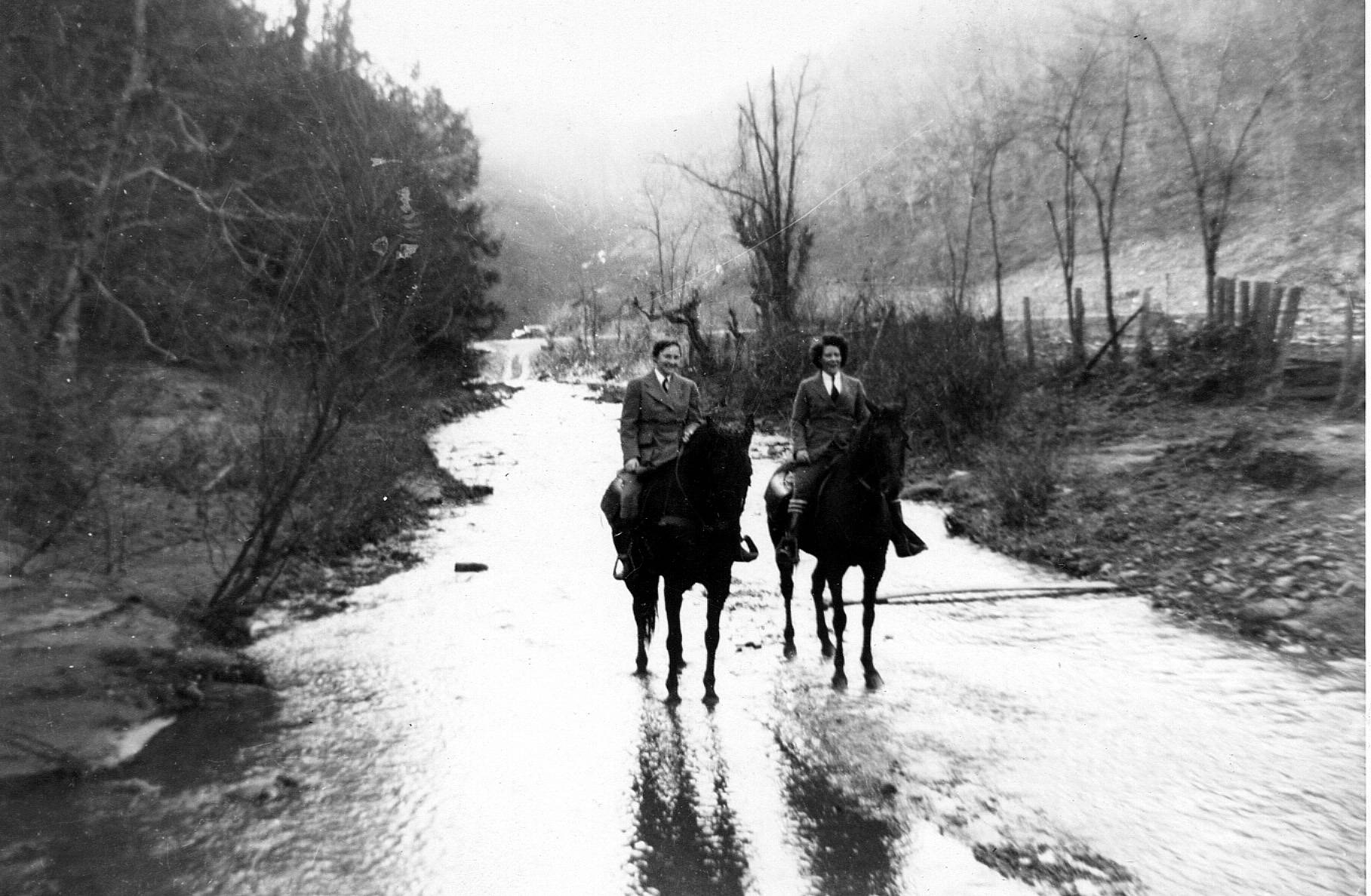
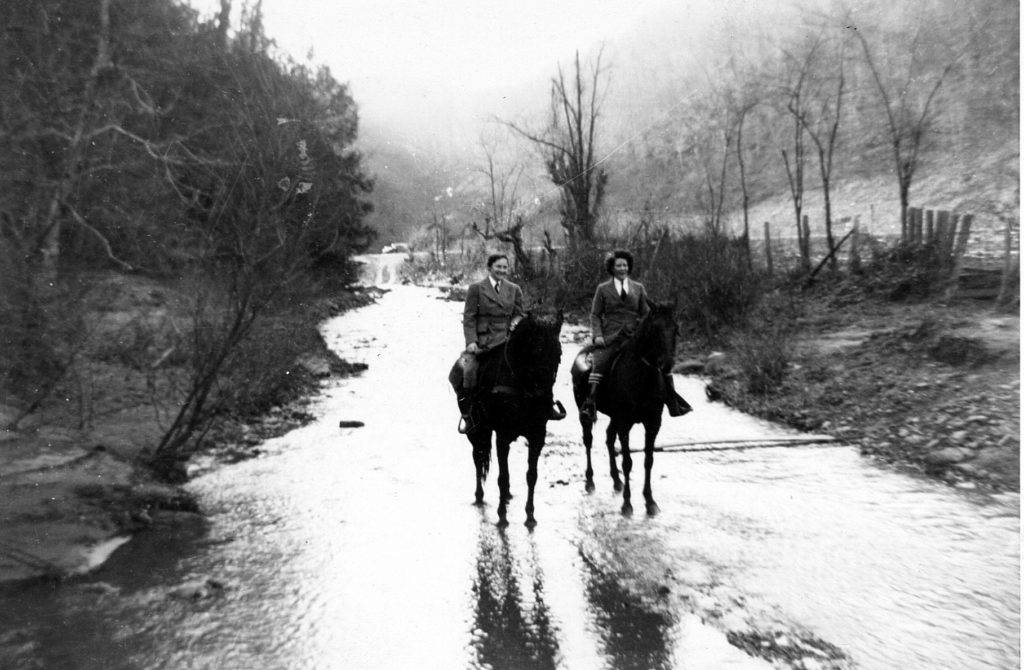
Two nurses on horseback.
In 1928, the Hyden (Kentucky) Hospital opened as FNS became the first organization in America to use nurses trained as midwives under the direction of a single physician. That same year, the FNS Courier program began. The Couriers assisted nurses with everyday chores such as delivering supplies to the clinics and caring for the horses that the nurses used to traverse the mountains to reach the women and children in their care. In 1933, Metropolitan Life Insurance Company published a summary of the first 1,000 FNS births. The summary concluded that the services provided by FNS significantly decrease maternal and neonatal mortality.
The Frontier Graduate School of Midwifery, since renamed as Frontier Nursing University, was founded in 1939 by FNS as a part of its demonstration project in the care of the mother and child in rural areas of Kentucky. Today, Frontier has more than 12,000 alumni from all 50 states and a current enrollment of 2,700 students.
“We are so excited to celebrate the incredible and impactful 100-year history of Frontier,” said FNU President Dr. Brooke A. Flinders. “This is a great opportunity to reflect on how we got here and be reminded of the importance of the work we are doing to educate and prepare nurse-midwives and nurse practitioners to improve the healthcare in their communities across the country.”
FNU’s celebratory plans include an “Alumni & Friends” cruise in April and a nationwide presidential tour where alumni, students, and supporters can meet Dr. Flinders. FNU is also introducing a new series called “On the Trail”. This series of videos, which will be on FNU’s YouTube page, will take viewers behind the scenes for Frontier.
In September, FNU will induct its first Alumni Hall of Fame class and announce its annual service award recipients as part of commencement weekend.
The year-long celebration has already begun with the university’s “Century of Stories”. These stories, which will be posted throughout the year on the Frontier.edu website, feature the people, moments, initiatives, and stories that shaped Frontier’s first 100 years.
In 2025, Frontier Nursing University honored the 100-year anniversary of the inception of the Frontier Nursing Service. We are grateful for the alumni, students, couriers, donors, volunteers, friends, and employees who have made an incredible impact on FNU’s century-long journey. We celebrated this milestone year by capturing and sharing some of the countless stories that make up our history. Whatever your connection to FNU, we hope you enjoy these stories.
Former FNS nurse-midwife Delphine Jewell wrote the following letter in response to our call for stories for the Frontier Century of Stories project. She worked at Hyden Hospital from March 1956 to March 1957 and became a Certified Nurse-Midwife at Frontier. She went to do missionary work in Nigeria and Zimbabwe. She coordinated the establishment of an in-house birth center in Tulsa, Oklahoma. Delphine was a maternal-newborn nurse educator, serving as chair of the nursing education program for 12 years. She retired in 1992. Delphine is currently 94 years old and lives in a retirement center in Oklahoma City, Oklahoma.
From Delphine Jewell:
I had many interesting experiences while at Frontier Nursing Service. One of the most important lessons learned while there was one of Mary Breckinridge’s requirements:
It was required that all registered prenatal patients come to the hospital prenatal clinic for a check prior to delivery, even if they were scheduled for a home delivery. However, if a patient missed two prenatal visits, we made home visits to check on them. Patients were aware that this would happen, and some would not make the effort to get to the hospital, knowing that we would come to them.
As students, we questioned this requirement and felt the patient should take more responsibility. However, when we questioned this requirement, we were informed that this was a rule of Mrs. Breckinridge’s and she felt that if the life of one baby or mother could be saved due to such a rule, it was worth the trip. I remembered her ruling for the rest of my professional life and attempted to help my nursing students adopt this kind of philosophy when giving care.
I’m grateful to be alive and to have experienced the process of becoming a Certified Nurse-Midwife at the Frontier Nursing Service as it existed in 1956.
In 2025, Frontier Nursing University honored the 100-year anniversary of the inception of the Frontier Nursing Service. We are grateful for the alumni, students, couriers, donors, volunteers, friends, and employees who have made an incredible impact on FNU’s century-long journey. We celebrated this milestone year by capturing and sharing some of the countless stories that make up our history. Whatever your connection to FNU, we hope you enjoy these stories.
When the COVID-19 pandemic spread to the United States in early 2020, the public responses ranged from panic to denial. As businesses and services were restricted or completely shut down across the country, FNU alumni stepped forward. True to the Frontier mission, they were determined, creative, and brave in their efforts to serve their communities.
Here are two examples of the countless acts of heroism performed by FNU alumni amidst the panic and chaos of the pandemic:
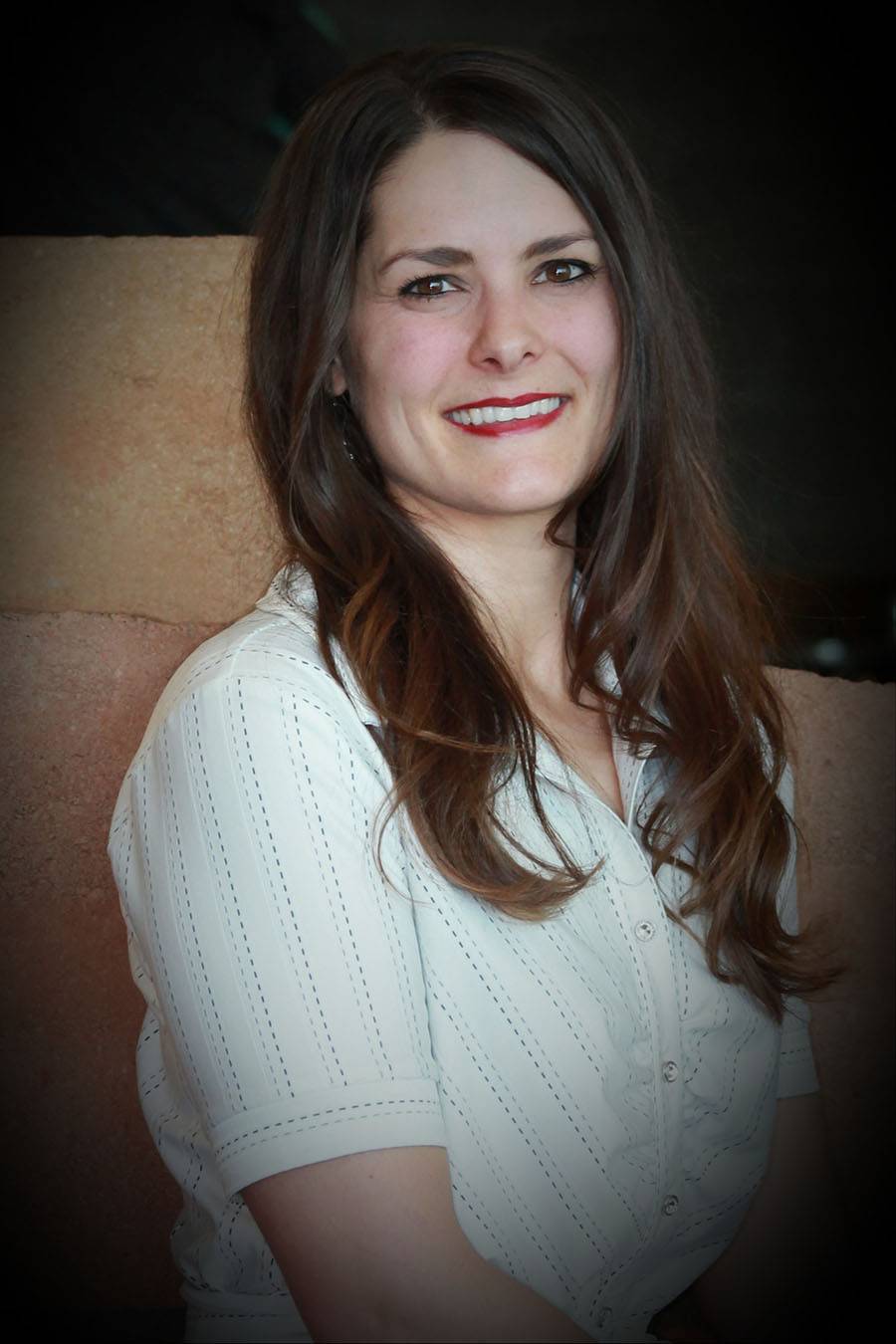
Opening A New Practice During a Pandemic: Traci Buran, MSN, FNP, DNP (Class 34) knew there was a need for her new clinic when she opened Affinity Family Practice on March 2, 2020, in Cheyenne, Wyoming, just days before the COVID-19 Pandemic. That need was emphasized as the adoption of masks in public places and working and attending school from home became the norm.
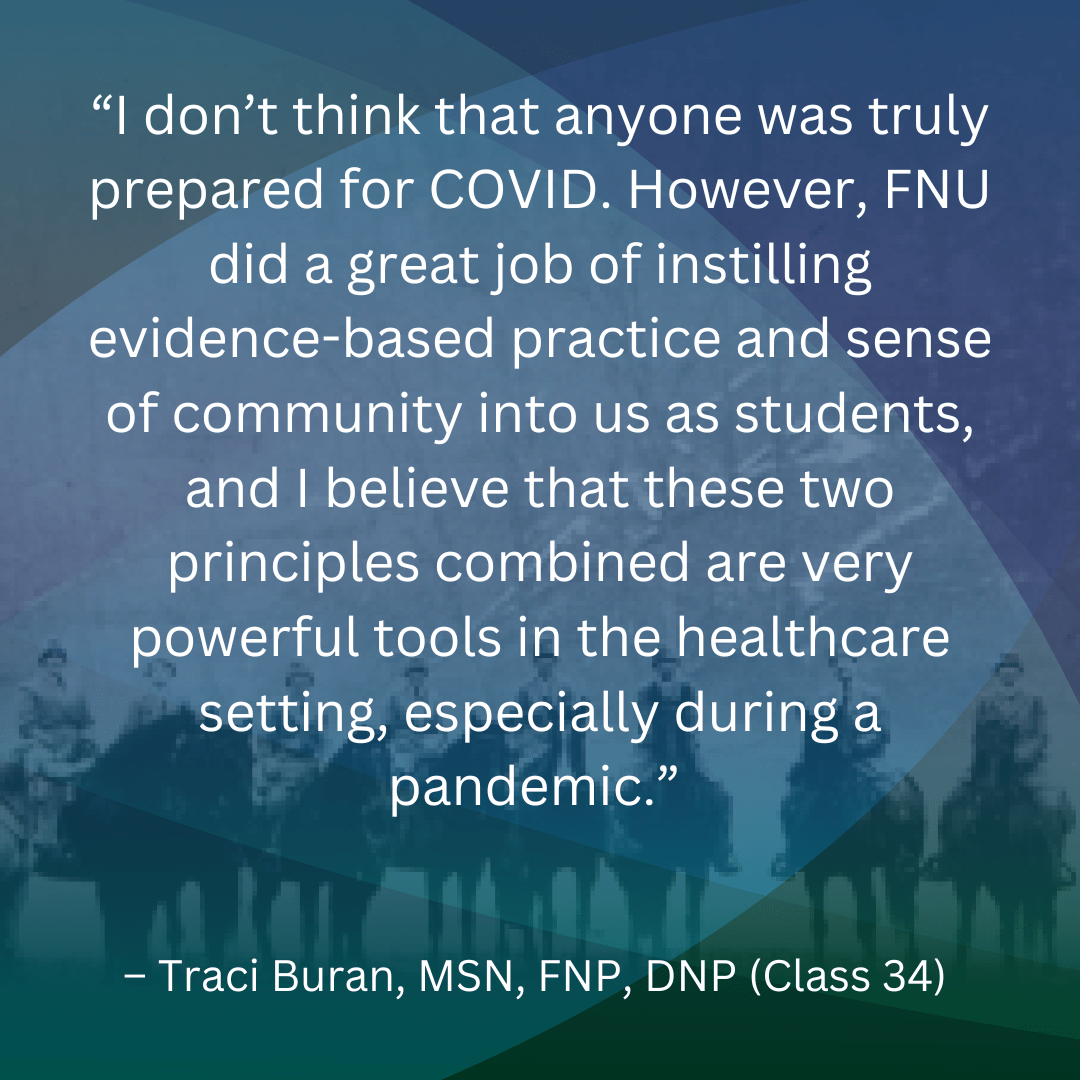
“I don’t think that anyone was truly prepared for COVID. However, FNU did a great job of instilling evidence-based practice and sense of community into us as students, and I believe that these two principles combined are very powerful tools in the healthcare setting, especially during a pandemic,” Buran said.
The new practice faced an unexpected question: How could Buran and her team care for their patients safely? They adjusted quickly, implementing telehealth visits and offering drive-up care for COVID swabs and services.
“When you are trying to advertise and attract new patients, it is very difficult when people are scared to leave their homes,” Buran said shortly after the grand opening of Affinity Family Practice. “We quickly adapted to offering telemedicine visits, which has been a great way to bridge the gap for many patients, and we are still able to provide triage and medical guidance over the phone.”
In the Fall of 2021, Buran and her husband moved back to her home state of Michigan as they prepared to welcome their first child. They now have two children – a son and a daughter — and Buran is practicing in two separate urgent care facilities in rural Marquette County, which is located in Michigan’s Upper Peninsula. Meanwhile, Affinity Family Practice continues to serve its community in Wyoming.
“It makes me happy and proud to have been part of the planning and opening of the practice, and that it continues to be an integral part of the healthcare network of the Cheyenne community,” Buran said. “Although it was a change to go from a clinic owner to a staff member, I have been able utilize my past experience as an owner to bring new ideas and offer insight to my current practice sites.”
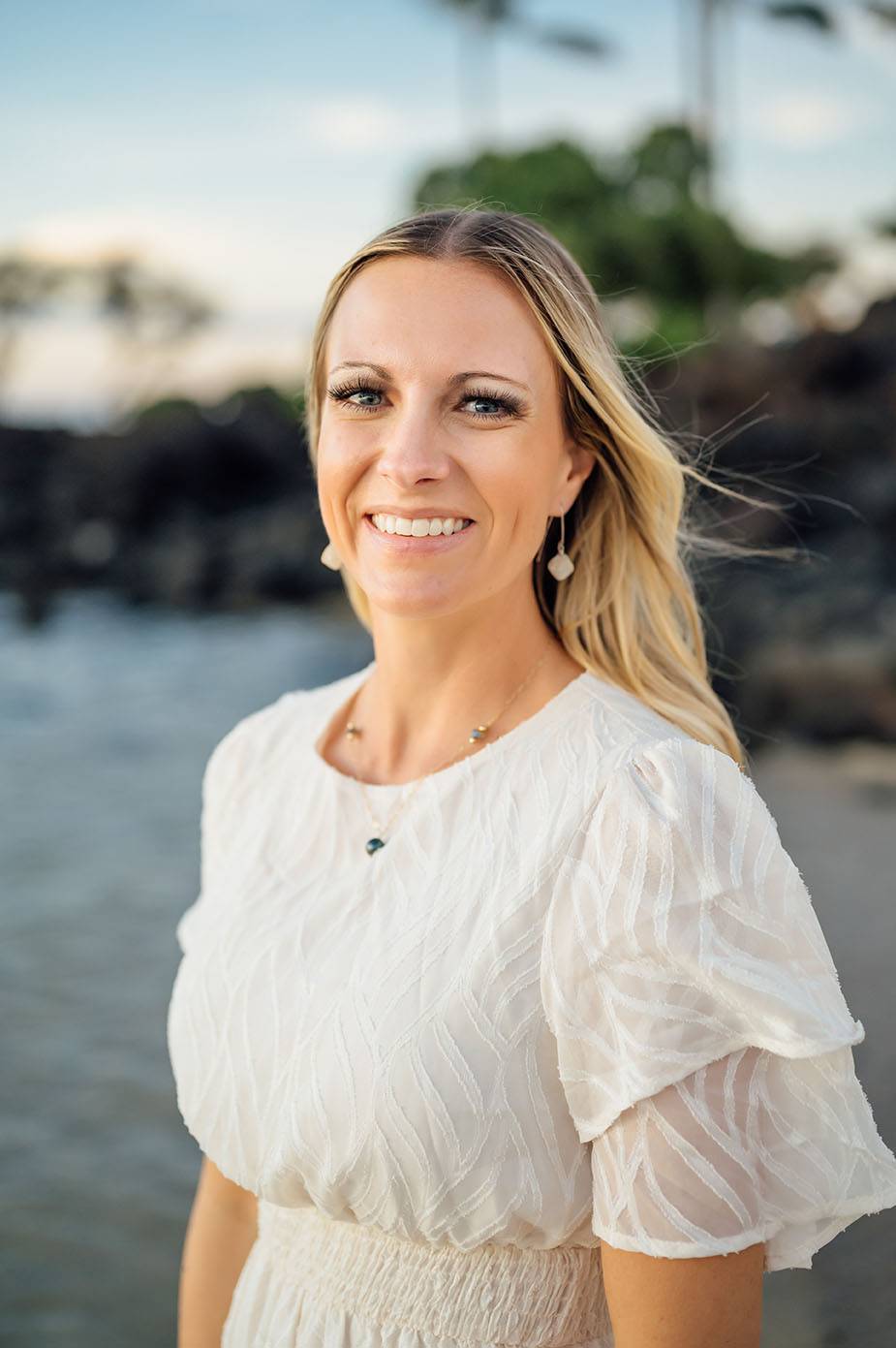
The Oath in Action: When Jaime Westlund, DNP (Class 37), APRN, FNP-C (Class 156), moved with her family from her home state of Idaho to Hawaii in August 2019, she did so with the intent to serve the community, staying true to the history and mission of FNU. Little did she know at that time how quickly her commitment to the community would be tested.
She was working as a nurse practitioner in the general surgery department at Ali’i Health Center in Kailua Kona during the COVID pandemic. Her typical week before the pandemic involved seeing patients in clinic on some days and scrubbing in for surgeries at the hospital on others. The pandemic brought on additional responsibilities and priorities. She began creating posters for the community, informing them about the pandemic and how to take precautions. She also screened patients for the virus and utilized telehealth when possible.
In Hawaii, supplies are frequently in high demand, and they were even more so during the pandemic.
“We live on an island, so it is truly rural health care at its finest,” Westlund said in 2020. “There are gaps and shortages everywhere,” Westlund said. “Unfortunately, that is a typical day for us here.”
Despite the risks and challenges, Westlund upheld her oath to care for those in her community throughout the pandemic and continues to do so today at Aloha Kona Primary & Urgent Care.
“As the department chair in cardiology, I have continued to answer the call for healthcare in our community, although the landscape has shifted significantly since the pandemic,” she said. “My focus has been on enhancing access to quality healthcare at our rural clinic on the Big Island, where the need is particularly pronounced. Over the past years, I have worked tirelessly to implement 18 new programs within the cardiology department, each designed to address specific needs and improve patient outcomes. This journey has been challenging yet rewarding, as it reflects my commitment to serving our community and ensuring that everyone has access to the care they deserve.”
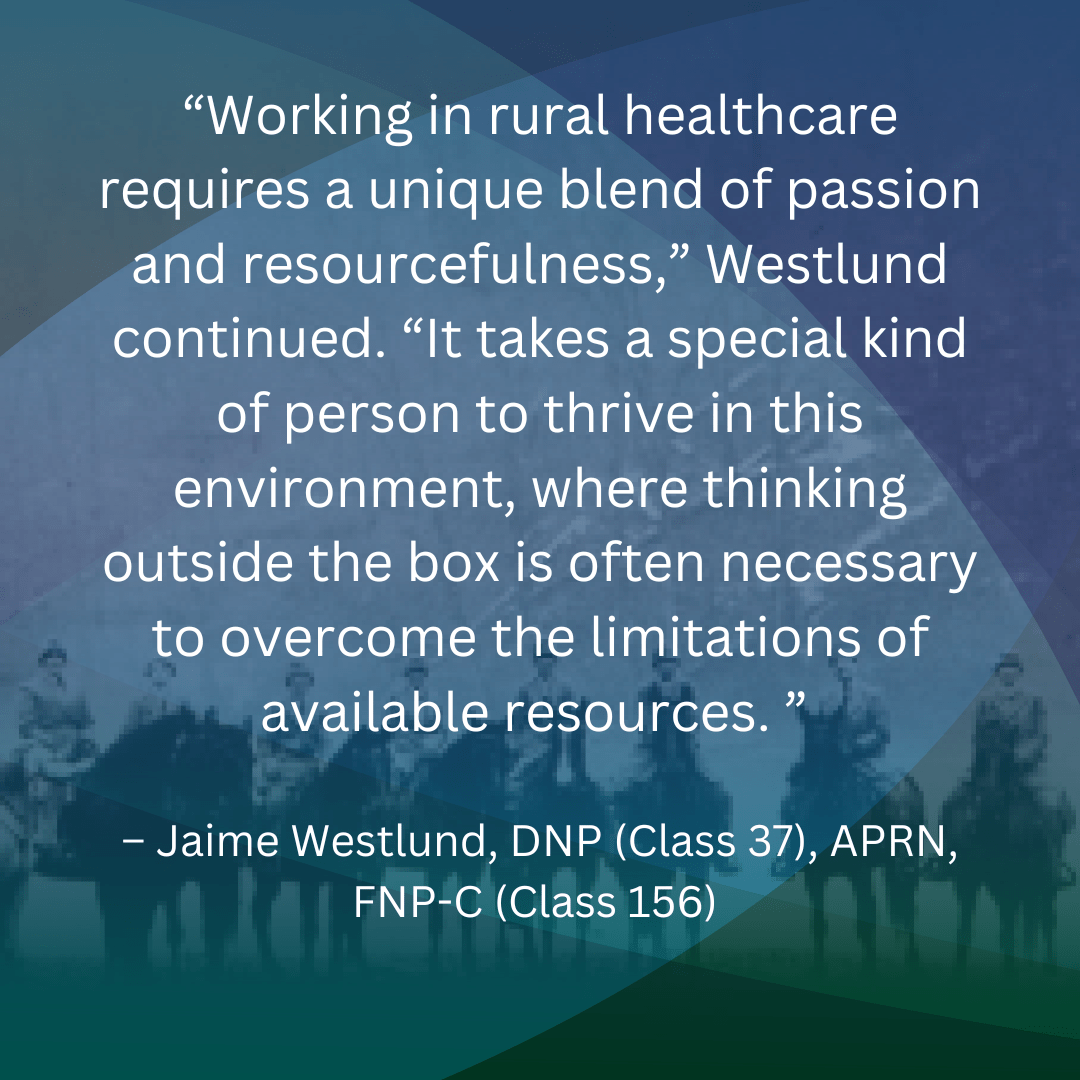
“Working in rural healthcare requires a unique blend of passion and resourcefulness,” Westlund continued. “It takes a special kind of person to thrive in this environment, where thinking outside the box is often necessary to overcome the limitations of available resources. I am dedicated to providing the very best care possible to my patients, and I take immense pride in my work. My love for the community drives me to strive every day to enhance the health and well-being of those I serve, making sure that they feel valued and supported in their healthcare journey. Together with my team, I am excited about the progress we are making and remain committed to fostering a healthier future for all in our community.”
At the heart of Frontier Nursing University is a talented community of students, alumni, faculty, staff, Couriers and preceptors. Spotlight blogs feature members of our FNU community that are focused on the mission of educating nurse-midwives and nurse practitioners to deliver quality health care to underserved and rural populations.
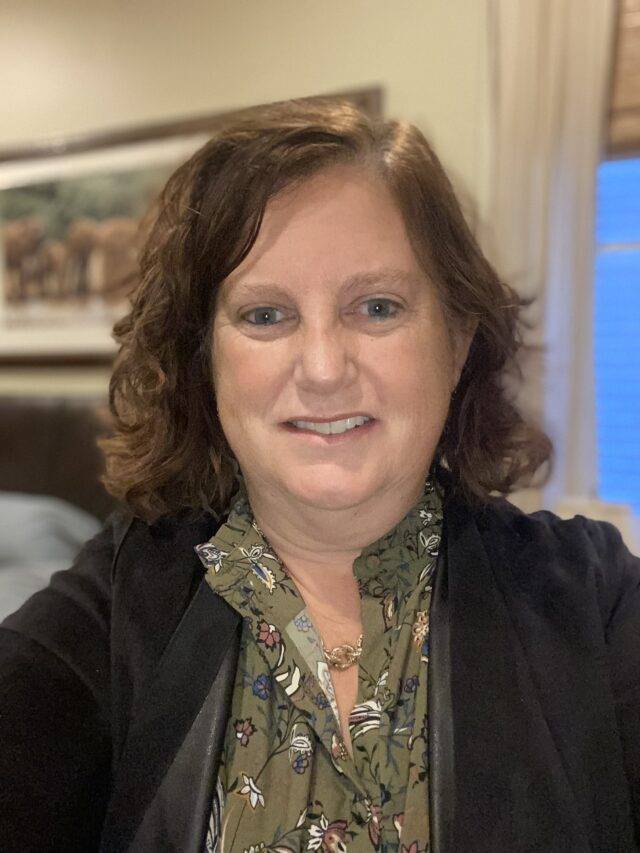
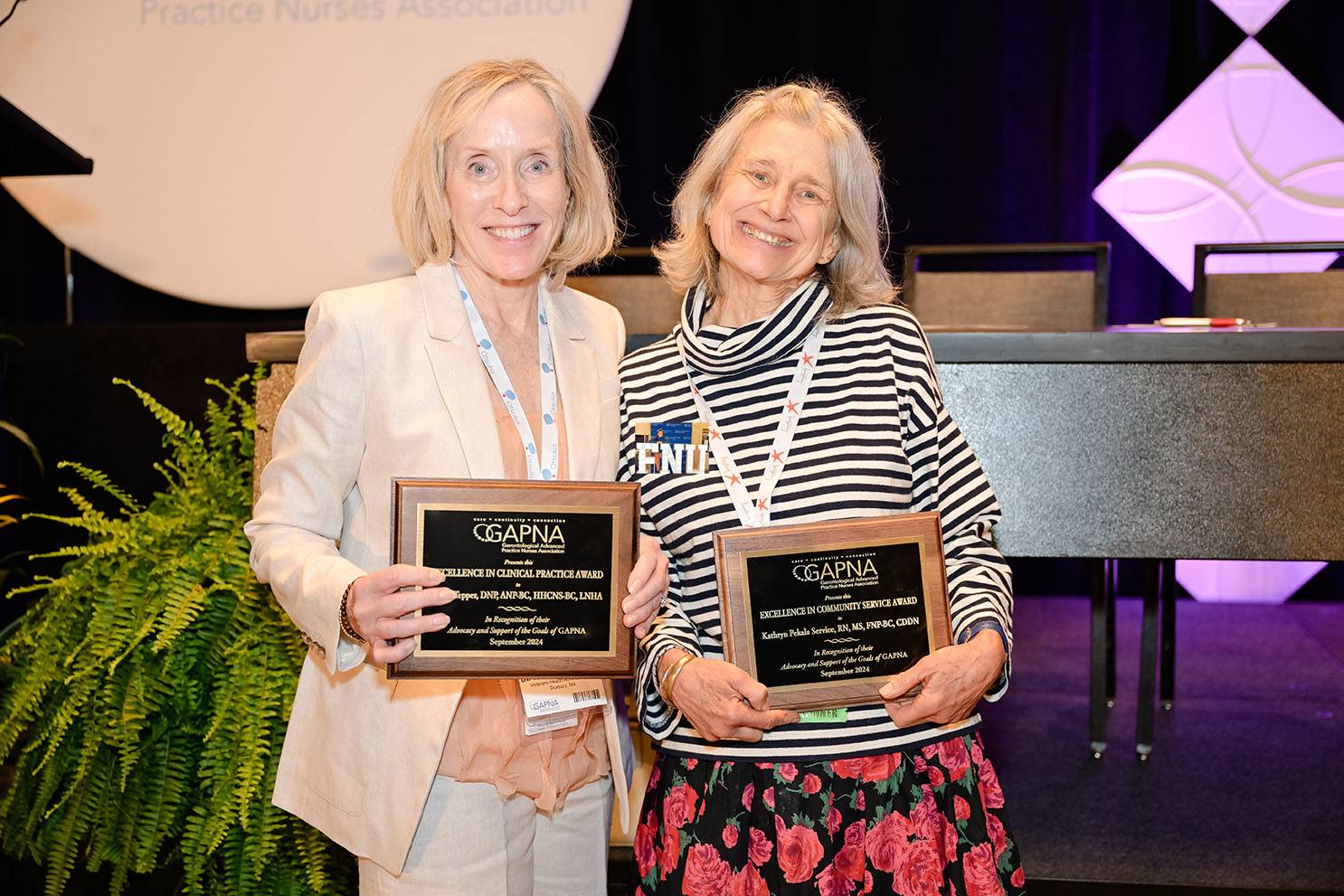
FNU graduate Karen Tepper, DNP, ANP-BC, HHCNS-BCN/A, has consistently dedicated her three-decade career in healthcare to the betterment of underserved communities. Based in Massachusetts, Dr. Tepper’s passion for improving healthcare access and outcomes is rooted in her own family’s history—her parents, both immigrants, endured immense challenges, including her mother’s survival of World War II and her father’s family fleeing oppression in Eastern Europe.
“I understand what it means to be underserved from that experience,” she said. “That led to my passion to work with those communities.”
As the Director of the VISN 1 Clinical Contact Center for the Veterans Health Administration, Dr. Tepper is responsible for the administrative, supervisory, and health care aspects of the center. Clinical Contact Centers provide patients 24/7 virtual access to dedicated staff, providers, and a range of clinical and administrative services, including RN clinical triage for evaluation of symptoms, disposition, and care coordination of health care concerns; virtual clinical visits with medical providers for acute, episodic, and exacerbation of chronic care needs; pharmacy services; and appointment scheduling.\
Dr. Tepper holds a Doctor of Nursing Practice (DNP) from FNU, which she earned in 2020. While writing a Request for Proposal (RFP) for a Nurse Practitioner Residency program, she recognized the need for additional education to effectively co-direct the program and lead broader initiatives. This realization inspired her to pursue her DNP. She was inspired to attend Frontier by a colleague’s recommendation and the university’s emphasis on underserved populations.
“I appreciated the focus on underserved populations, and the emphasis of ensuring students are successful,” she said.
In addition to her professional achievements, Dr. Tepper serves her community as Chair of the Massachusetts Board of Health. She has served as a member for 18 years. In addition, she has also served on the Board of Nurse Practitioner Associates for Continuing Education (NPACE) for the past nine years.
Recognizing her lifelong commitment to improving patient care, Dr. Tepper was recently honored with the 2024 Gerontological Advanced Practice Nurses Association (GAPNA) Excellence in Clinical Practice Award.
“Many nurses develop incredible programs that affect the lives of patients for the better. I am grateful and humbled to be selected for this award,” she said.
Reflecting on her journey, Dr. Tepper advises others to advocate for their communities actively.
“It is important to have a seat at the table at your organization and be politically active to achieve change for our communities,” she said.
Thank you, Karen, for your unwavering dedication to underserved communities and for embodying Frontier’s mission.

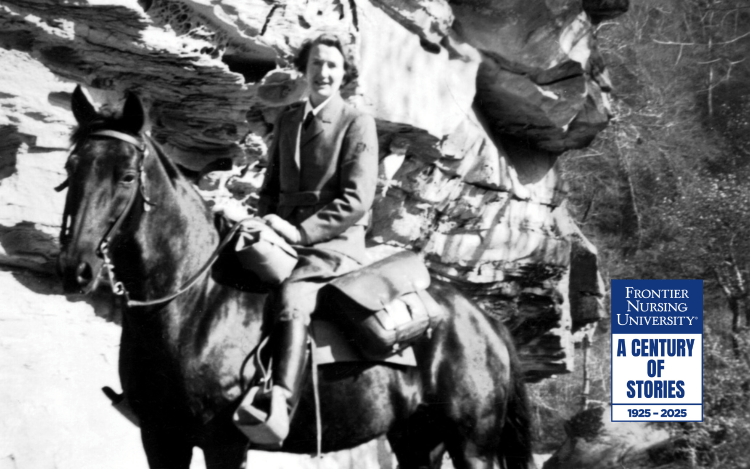
 Jean Fee was born in 1937 and grew up with her sister and brother on her family’s ranch in rural western Alberta, Canada. She rode six miles each way on horseback to attend the small high school established for the ranch children of the area. Upon finishing high school, she trained to qualify as a Registered Nurse in the Calgary General Hospital (CGH) nurse training program.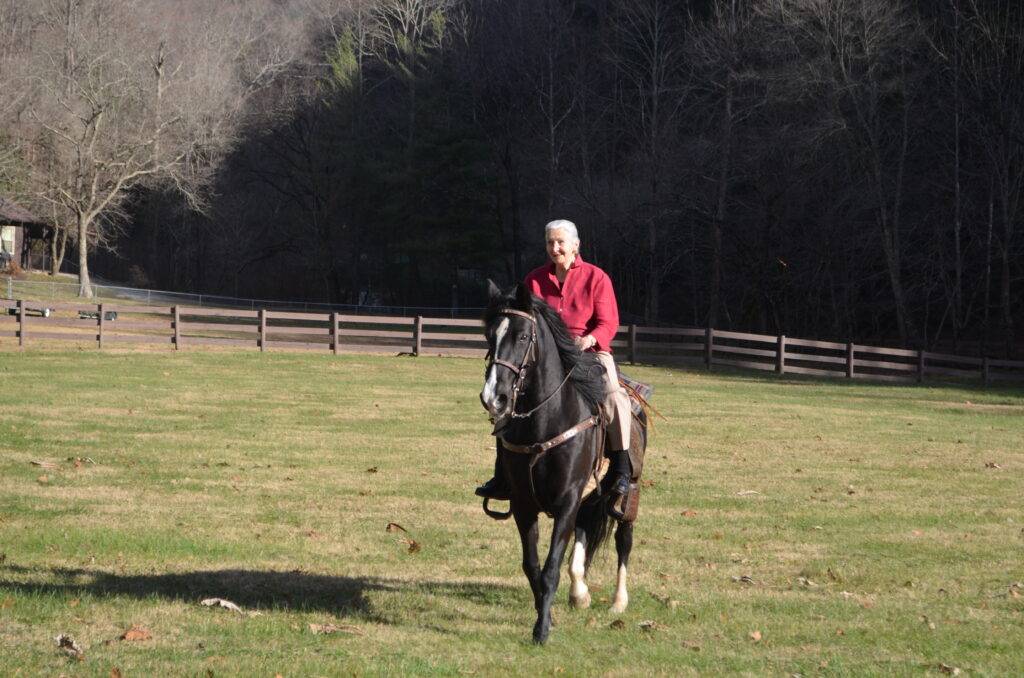
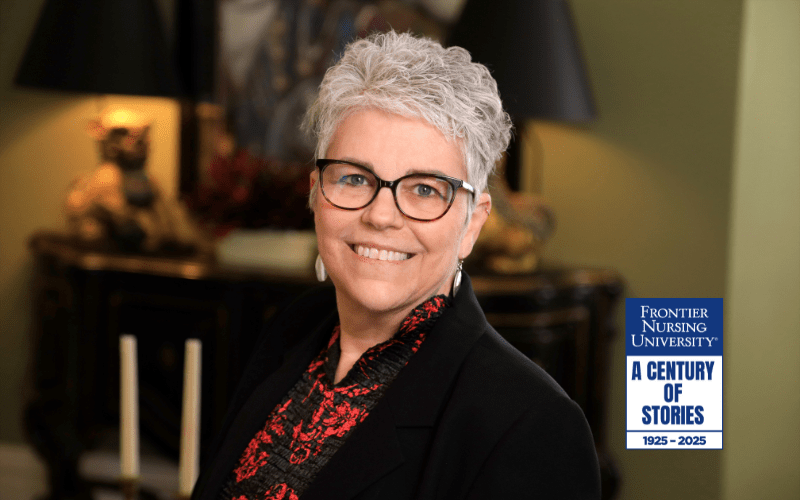
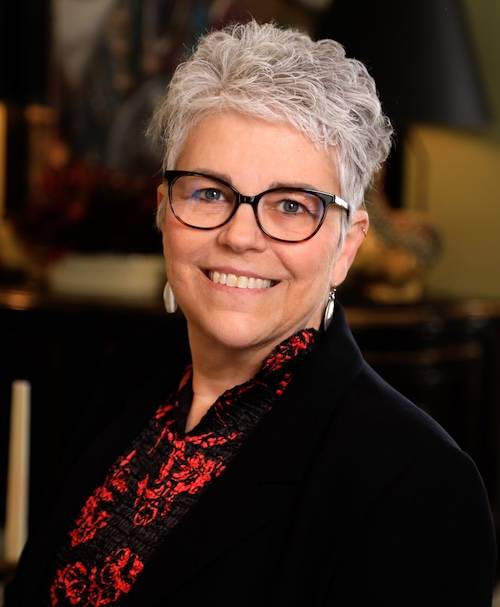 There are a multitude of ways the subjects of Century of Stories are involved in the past, present, and future of Frontier Nursing University. Few are the number of people who check more of those boxes than Cathy Cook.




 Former FNS nurse-midwife Delphine Jewell wrote the following letter in response to our call for stories for the Frontier Century of Stories project. She worked at Hyden Hospital from March 1956 to March 1957 and became a Certified Nurse-Midwife at Frontier. She went to do missionary work in Nigeria and Zimbabwe. She coordinated the establishment of an in-house birth center in Tulsa, Oklahoma. Delphine was a maternal-newborn nurse educator, serving as chair of the nursing education program for 12 years. She retired in 1992. Delphine is currently 94 years old and lives in a retirement center in Oklahoma City, Oklahoma.
 I had many interesting experiences while at Frontier Nursing Service. One of the most important lessons learned while there was one of Mary Breckinridge’s requirements: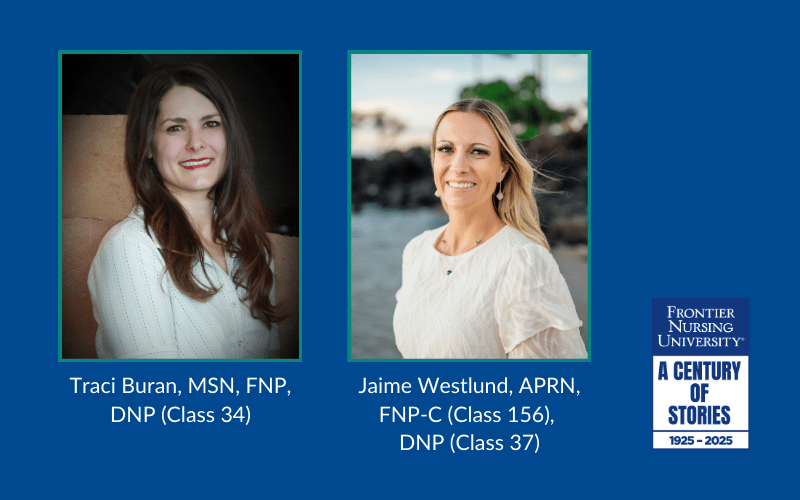

 The Oath in Action: When Jaime Westlund, DNP (Class 37), APRN, FNP-C (Class 156), moved with her family from her home state of Idaho to Hawaii in August 2019, she did so with the intent to serve the community, staying true to the history and mission of FNU. Little did she know at that time how quickly her commitment to the community would be tested.
 In Hawaii, supplies are frequently in high demand, and they were even more so during the pandemic.
 “Working in rural healthcare requires a unique blend of passion and resourcefulness,” Westlund continued. “It takes a special kind of person to thrive in this environment, where thinking outside the box is often necessary to overcome the limitations of available resources. I am dedicated to providing the very best care possible to my patients, and I take immense pride in my work. My love for the community drives me to strive every day to enhance the health and well-being of those I serve, making sure that they feel valued and supported in their healthcare journey. Together with my team, I am excited about the progress we are making and remain committed to fostering a healthier future for all in our community.”
 FNU graduate Karen Tepper, DNP, ANP-BC, HHCNS-BCN/A, has consistently dedicated her three-decade career in healthcare to the betterment of underserved communities. Based in Massachusetts, Dr. Tepper’s passion for improving healthcare access and outcomes is rooted in her own family’s history—her parents, both immigrants, endured immense challenges, including her mother’s survival of World War II and her father’s family fleeing oppression in Eastern Europe.