In 2021, the Health Resources and Services Administration (HRSA) awarded Frontier Nursing University (FNU) the HRSA Behavioral Health Workforce Education and Training (BHWET) grant totaling $1.92 million. The BHWET grant project is led by Dr. Jess Calohan, DNP, PMHNP-BC, Chair of FNU’s Psychiatric-Mental Health Nurse Practitioner Department. The goal of the project is to increase the number of psychiatric-mental health nurse practitioners who are diverse in race, ethnicity, and other underrepresented populations serving in rural and medically underserved communities through collaboration with clinical Experiential Training Site partners.
HRSA, which is an agency of the U.S. Department of Health and Human Services, awards the funding in annual installments over a four-year period, from July 2021 through June 30, 2025. The grant project supports curriculum development related to child/adolescent care, interprofessional team-based trauma-informed care, and additional telehealth simulations. The grant also provides $10,000 stipends which are strictly used for the students’ living expenses. In the first year of the BHWET grant, 30 FNU students received grant stipends.
 Central to the grant project has been the development of strategic relationships with clinical sites in rural and underserved communities. Matching Frontier students with these sites is proving to be a success for the students, the clinical sites, and the patients. In the first year of the BHWET grant, 30 FNU students logged clinical hours at 90 clinical sites. Of those 90 clinical sites, 50 were in medically underserved areas, and 14 were in rural areas. A recent survey of those stipend recipients resulted in 21 responses. Of those 21 respondents, 15 are now employed in HRSA-designated Medically Underserved Communities, 11 provide treatment and services to individuals with Substance Abuse Disorder and/or Opioid Use Disorder, and nine are employed in a rural setting.
“We’re looking not only at how many students are placed in the site through the scholarship funding but also at how many partnerships are formed across the country,” said Dr. April Phillips, DNP, FNP-C, PMHNP-BC, Clinical Director of FNU’s PMHNP program. “The goal of this project really ties very closely to the mission of Frontier. You think about the roots of the Banyan tree reaching out to those rural underserved communities.”
Frontier continues to search for and identify partner sites, including exploring clinical partnerships in Oregon, Florida, Colorado, Arizona, and New Mexico. Dr. Phillips said that a priority has been placed on finding sites such as federally qualified health centers (FQHC) that target underserved areas.
“Psychiatric mental health providers are so few and far between in rural, underserved areas,” Dr. Phillips said. “Our program prepares students to feel very comfortable working with patients of all ages, and we know that pediatric and adolescent psychiatric providers are extremely rare. To be able to provide those key workers in those areas is crucial. It really provides them with a potential partner pipeline of future providers. What better way to really know if someone is really going to be a good fit within an organization than a three or four-month-long interview?”
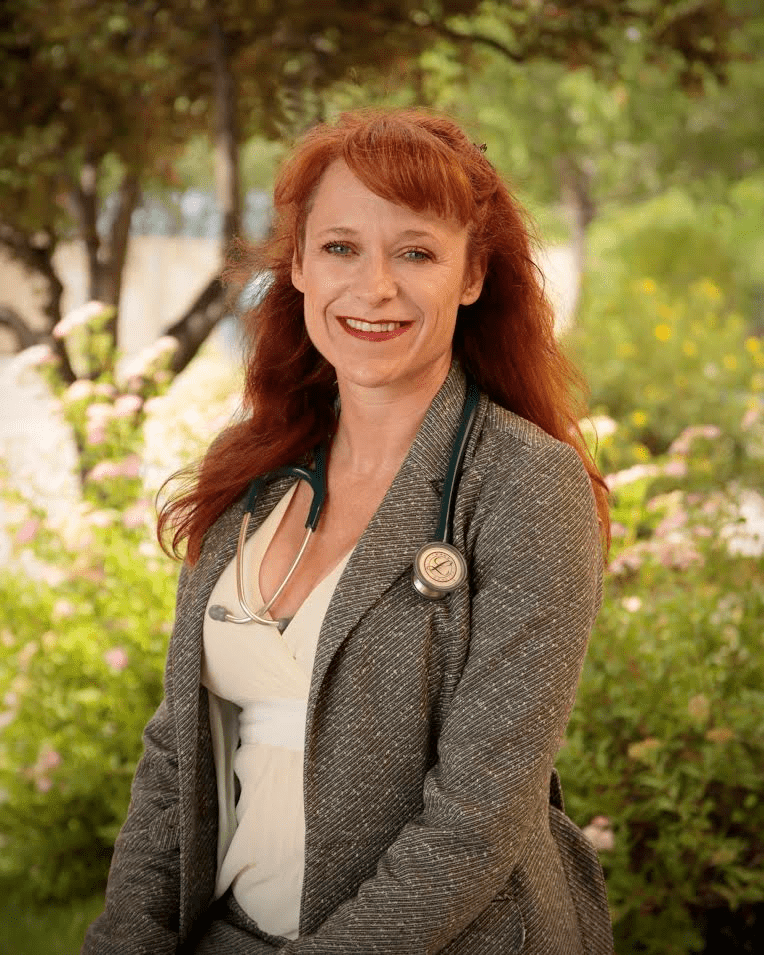 “Psychiatric mental health providers are so few and far between in rural, underserved areas. Our program prepares students to feel very comfortable working with patients of all ages, and we know that pediatric and adolescent psychiatric providers are extremely rare. To be able to provide those key workers in those areas is crucial. It really provides them with a potential partner pipeline of future providers.”
– Dr. April Phillips, DNP, FNP-C, PMHNP-BC, Clinical Director of FNU’s PMHNP program
Mountain Comprehensive Care Center
“Through this partnership, I would love to have new people come here and fall in love with the mountains and the families that live here and make it home,” said Amanda Haney, Ph.D., who specializes in Psychology and Behavioral Health & Social Services at Mountain Comprehensive Care Center (MCCC) in Prestonsburg, Kentucky. “We need people that care and want to help us with our vision of providing quality services.”
Through the BHWET grant program, MCCC has been paired with eight Frontier students in the past year, with plans to place from six to eight more students at MCCC in 2023-24. In addition to the headquarters in Prestonsburg, MCCC has now expanded to include more than 40 locations across Kentucky.
“Mountain Comprehensive Care Center has been working for more than 50 years to bring quality mental health assessment, treatment, prevention, advocacy, and other related services to eastern Kentucky and now our entire state,” Dr. Haney said. “With additional staff and funding, we could reach many more people with our already established programs. We are starting to gain an understanding of how many we were missing by putting staff into the community by offering services at locations outside our normal practice, including local churches. This project has led to expansions in our housing, peer support, and case management offerings already.”
Haney said that, following the pandemic, there was a significant increase in clients, including children. She hopes to be able to expand services to children and is also trying to secure funding to expand MCCC’s Autism Spectrum Disorder treatment resources. MCCC currently offers outpatient and school-based services and a children’s crisis unit.
“We need more options for inpatient care and more educated professionals, including nurse practitioners, doctors, and therapists,” Haney said. “We could also benefit from having more staff trained to provide trauma therapy, Substance Abuse Disorder (SUD) treatment, and related services to combat issues brought on by the COVID-19 pandemic, the opioid epidemic, flooding, and other natural disasters.”
Working with Frontier students provides not only a short-term answer to some of the staffing issues but also has the potential to become a pipeline to a more permanent solution. Being fully staffed won’t solve all the problems facing the people whom MCCC serves, however. Access to care is limited not only by provider shortages.
“Our eastern Kentucky staff, in particular, face some difficulties when providing care in the mountains due to clients not always having access to transportation to come in for services,” Dr. Haney said. “Some services, such as pediatric care, are a two-hour drive or more. Some people lack reliable internet needed for telemedical services. Others lack housing stability due to increased natural disasters, such as flooding.”

Cansler Health
Located in Hopkinsville, Kentucky, in rural western Kentucky, Cansler Health provides trauma-informed, equitable care to people of all ages. Patients are treated for various disorders such as post-traumatic stress (PTSD), depression, attention-deficit disorder (ADD), and alcohol and substance abuse disorders. A staff of seven is led by owner and Frontier alumnus JJ (Johnni Jo) Cansler, DNP, APRN, PMHNP-BC. To date, four FNU BHWET grant stipend recipients have worked there.
“Exposure to rural mental healthcare through our clinic is so valuable for students,” said Dr. Cansler, who also instructs students as Regional Clinical Faculty at Frontier. “We have specific anti-racist, queer-affirming, anti-bias standards of care that we strictly adhere to. We truly utilize shared decision-making with our clients and encourage them to actively participate in their care which helps to address ambivalence to change. We focus not only on the reduction of symptoms but the return to full function. Most of my students comment that they have never experienced clients being as open and honest about their issues.”
Ambivalence to change is just one of the many hurdles that hinder potential patients’ path to treatment. The lack of mental health providers in their communities leads many of Cansler Health’s patients to come to them seeking telehealth services. Some have limited access to travel, and others are simply afraid or unaware of how to get help.
“The obstacles I see most often include a poor understanding of how to access care, the stigma associated with mental health, which is complicated by perceived – and often realized – lack of anonymity in small communities, affordability, and inability to take time from work or school, or lack of transportation to attend appointments,” Dr. Cansler said. “Our clinic specifically addresses many of these obstacles by eliminating the need for referrals, offering evening and weekend hours, offering telehealth appointments using audio/video platforms or telephone for those without access, and by offering generous sliding scale cash rates, charity applications, payment plans, and free-clinic participation to broaden access.”
 “My practice has benefited greatly from having students, partly because four of my graduated students have joined my team. However, my favorite part about having students is knowing that the level of care I provide improves every single day because I have to actively consider every decision to ensure that I can rationalize it to my students. This unanticipated accountability demands that my care is evidence-based and client-centered. That benefits my clients, my students, my practice, my community, and me.”
– JJ (Johnni Jo) Cansler, DNP, APRN, PMHNP-BC, FNU Alumnus and Regional Clinical Faculty
Cansler Health’s model works well, but more clinics and providers are needed in rural underserved communities nationwide.
“The mental healthcare needs and challenges of individuals in rural Kentucky are similar to those in other areas of our country,” Dr. Cansler said. “Lack of availability of and accessibility to high-quality mental healthcare, including medication management and psychotherapy services, is a complex and longstanding problem. Unbridled mental health disparities complicate every aspect of the delivery of healthcare. There is a critical shortage of trauma-informed and culturally competent care across the board. Most notable is a lack of racially and culturally diverse providers, dual-diagnosis providers, and LGBTQIA+ affirming providers.”
Frontier students working with sites like Cansler Health are not only learning how to utilize their clinical skills but also gaining valuable insight into the realities of healthcare shortages. It is an often eye-opening validation of the importance of their presence in their communities.
“Having students participate in clinical benefits the clients in many ways,” Dr. Cansler said. “They get to share their experiences with a big-picture perspective since the students do not know their history. It is encouraging for them to be able to see the progress they have made over time. I also explain to my clients that it is my responsibility to make sure there are well-trained providers to take care of my people after I’m gone, and I add that I appreciate their help in preparing the students. Very few clients refuse student participation when they learn that they play such an important role.”
Dr. Phillips, who also has her own practice and sometimes precepts students, pointed out that the student-preceptor relationship is mutually beneficial.
“These students come out with the freshest, up-to-date information for you,” she said. “So it really helps to stimulate your practice. It makes you take a step back and do some critical thinking.”
“My practice has benefited greatly from having students, partly because four of my graduated students have joined my team,” Dr. Cansler added. “However, my favorite part about having students is knowing that the level of care I provide improves every single day because I have to actively consider every decision to ensure that I can rationalize it to my students. This unanticipated accountability demands that my care is evidence-based and client-centered. That benefits my clients, my students, my practice, my community, and me.”
Learn more about advanced nursing degrees and specialties at Frontier Nursing University, including our online Doctor of Nursing Practice. Subscribe to our blog for the latest news and events at FNU and to get inspired with stories featuring our alumni, students, faculty and staff!






 Carrie Belin is an experienced board-certified Family Nurse Practitioner and a graduate of the Johns Hopkins DNP program, Johns Hopkins Bloomberg School of Public Health, Georgetown University School of Nursing, and Johns Hopkins School of Nursing. She has also completed fellowships at Georgetown and the University of California Irvine.
 Angie has been a full-scope midwife since 2009. She has experience in various birth settings including home, hospital, and birth centers. She is committed to integrating the midwifery model of care in the US. She completed her master’s degree in nurse-midwifery at Frontier Nursing University (FNU) and her Doctorate at Johns Hopkins University. She currently serves as the midwifery clinical faculty at FNU. Angie is motivated by the desire to improve the quality of healthcare and has led quality improvement projects on skin-to-skin implementation, labor induction, and improving transfer of care practices between hospital and community midwives. In 2017, she created a short film on skin-to-skin called
 Justin C. Daily, BSN, RN, has ten years of experience in nursing. At the start of his nursing career, Justin worked as a floor nurse on the oncology floor at St. Francis. He then spent two years as the Director of Nursing in a small rural Kansas hospital before returning to St. Francis and the oncology unit. He has been in his current position as the Chemo Nurse Educator for the past four years. He earned an Associate in Nurse from Hutchinson Community College and a Bachelor of Science in Nursing from Bethel College.
 Brandy Jackson serves as the Director of Undergraduate Nursing Programs and Assistant Educator at Wichita State University and Co-Director of Access in Nursing. Brandy is a seasoned educator with over 15 years of experience. Before entering academia, Brandy served in Hospital-based leadership and Critical Care Staff nurse roles. Brandy is passionate about equity in nursing education with a focus on individuals with disabilities. Her current research interests include accommodations of nursing students with disabilities in clinical learning environments and breaking down barriers for historically unrepresented individuals to enter the nursing profession. Brandy is also actively engaged in Interprofessional Education development, creating IPE opportunities for faculty and students at Wichita State. Brandy is an active member of Wichita Women for Good and Soroptimist, with the goal to empower women and girls. Brandy is a TeamSTEPPS master trainer. She received the DASIY Award for Extraordinary Nursing Faculty in 2019 at Wichita State University.
  Dr. Sabrina Ali Jamal-Eddine is an Arab-disabled queer woman of color with a PhD in Nursing and an interdisciplinary certificate in Disability Ethics from the University of Illinois Chicago (UIC). Dr. Jamal-Eddine’s doctoral research explored spoken word poetry as a form of critical narrative pedagogy to educate nursing students about disability, ableism, and disability justice. Dr. Jamal-Eddine now serves as a Postdoctoral Research Associate in UIC’s Department of Disability and Human Development and serves on the Board of Directors of the National Organization of Nurses with Disabilities (NOND). During her doctoral program, Sabrina served as a Summer Fellow at a residential National Endowment of the Humanities (NEH) Summer Institute at Arizona State University (2023), a summer fellow at Andrew W. Mellon’s National Humanities Without Walls program at University of Michigan (2022), a Summer Research Fellow at UC Berkeley’s Othering & Belonging Institute (2021), and an Illinois Leadership Education in Neurodevelopmental and related Disabilities (LEND) trainee (2019-2020).
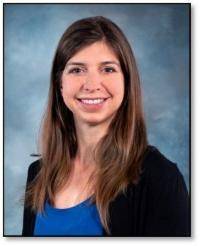 Vanessa Cameron works for Vanderbilt University Medical Center in Nursing Education & Professional Development. She is also attending George Washington University and progressing towards a PhD in Nursing with an emphasis on ableism in nursing. After becoming disabled in April 2021, Vanessa’s worldview and perspective changed, and a recognition of the ableism present within healthcare and within the culture of nursing was apparent. She has been working since that time to provide educational foundations for nurses about disability and ableism, provide support for fellow disabled nursing colleagues, and advocate for the disabled community within healthcare settings to reduce disparities.
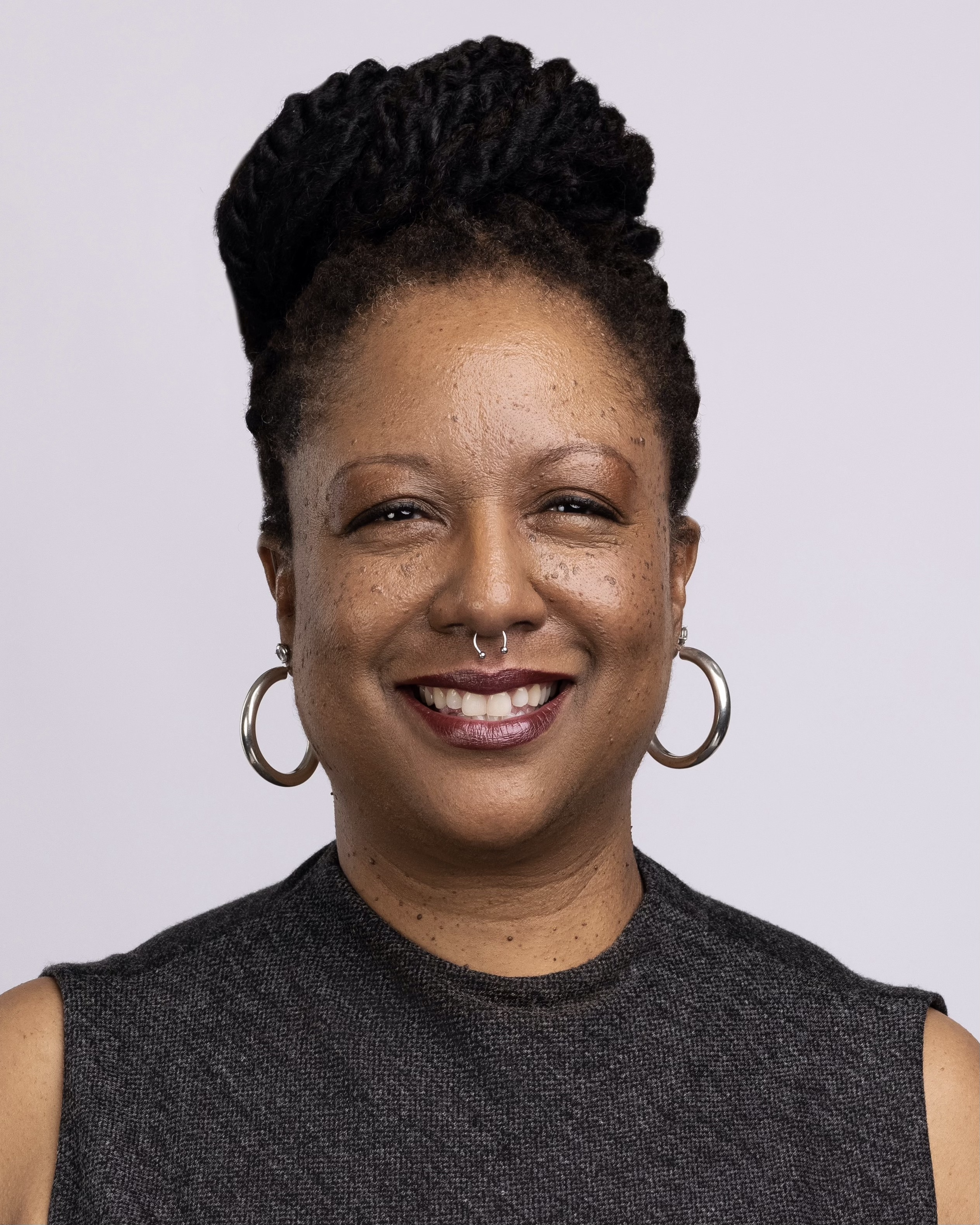 Dr. Lucinda Canty is a certified nurse-midwife, Associate Professor of Nursing, and Director of the Seedworks Health Equity in Nursing Program at the University of Massachusetts Amherst. She earned a bachelor’s degree in nursing from Columbia University, a master’s degree from Yale University, specializing in nurse-midwifery, and a PhD from the University of Connecticut. Dr. Canty has provided reproductive health care for over 29 years. Her research interests include the prevention of maternal mortality and severe maternal morbidity, reducing racial and ethnic health disparities in reproductive health, promoting diversity in nursing, and eliminating racism in nursing and midwifery.
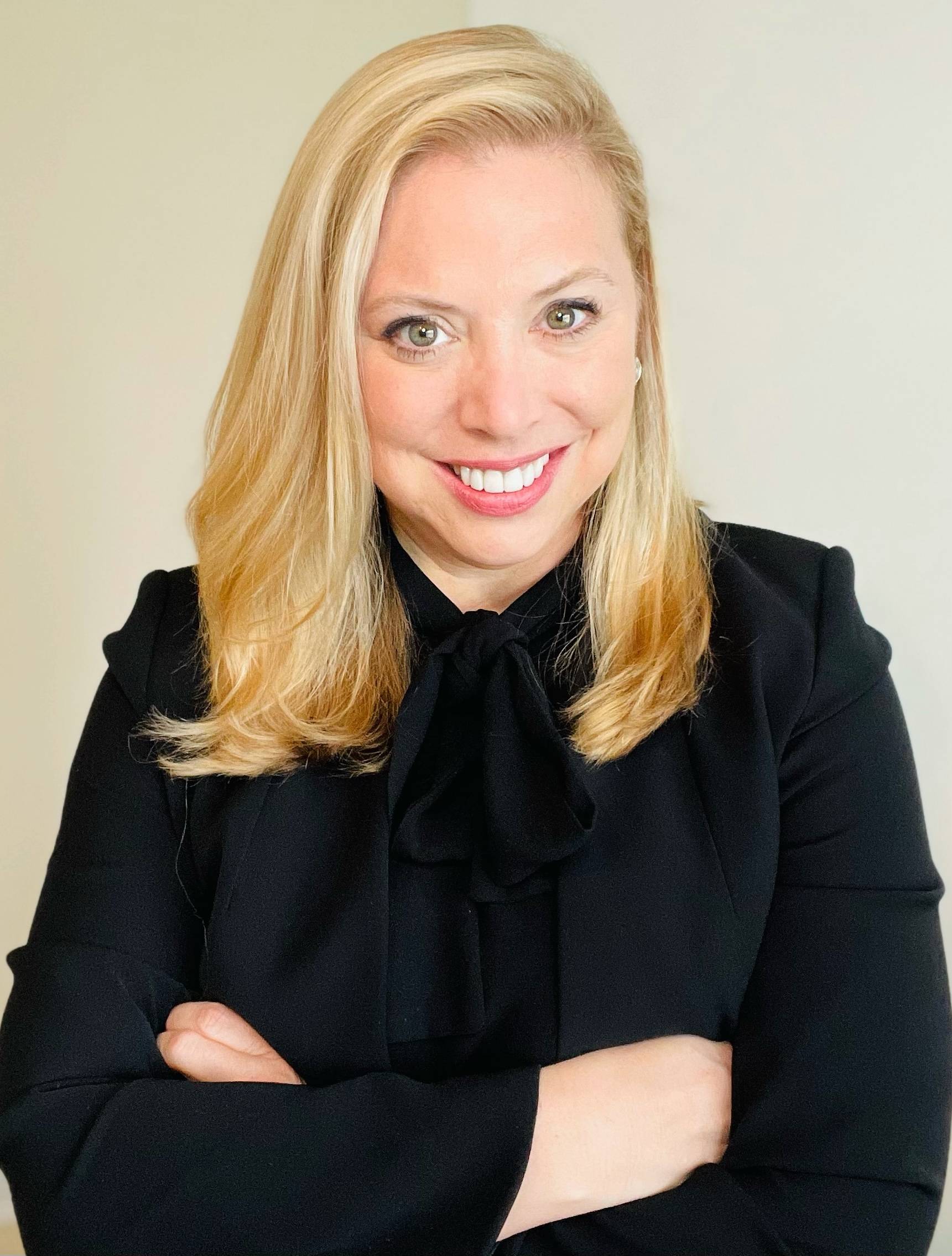 Dr. Lisa Meeks is a distinguished scholar and leader whose unwavering commitment to inclusivity and excellence has significantly influenced the landscape of health professions education and accessibility. She is the founder and executive director of the DocsWithDisabilities Initiative and holds appointments as an Associate Professor in the Departments of Learning Health Sciences and Family Medicine at the University of Michigan.
 Dr. Nikia Grayson, DNP, MSN, MPH, MA, CNM, FNP-C, FACNM (she/her) is a trailblazing force in reproductive justice, blending her expertise as a public health activist, anthropologist, and family nurse-midwife to champion the rights and health of underserved communities. Graduating with distinction from Howard University, Nikia holds a bachelor’s degree in communications and a master’s degree in public health. Her academic journey also led her to the University of Memphis, where she earned a master’s in medical anthropology, and the University of Tennessee, where she achieved both a master’s in nursing and a doctorate in nursing practice. Complementing her extensive education, she completed a post-master’s certificate in midwifery at Frontier Nursing University.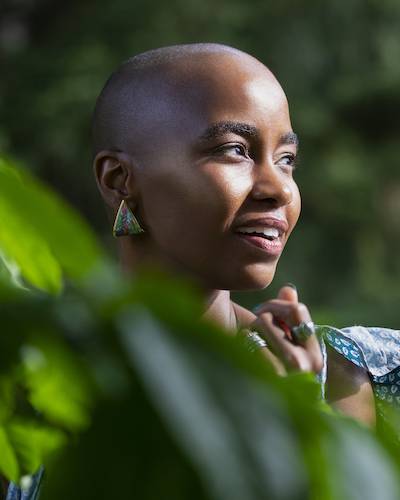


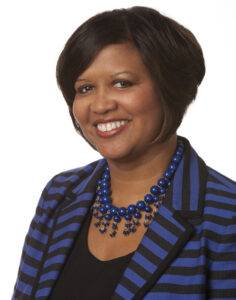 Dr. Tia Brown McNair is the Vice President in the Office of Diversity, Equity, and Student Success and Executive Director for the Truth, Racial Healing, and Transformation (TRHT) Campus Centers at the American Association of Colleges and Universities (AAC&U) in Washington, DC. She oversees both funded projects and AAC&U’s continuing programs on equity, inclusive excellence, high-impact practices, and student success. McNair directs AAC&U’s Summer Institutes on High-Impact Practices and Student Success, and TRHT Campus Centers and serves as the project director for several AAC&U initiatives, including the development of a TRHT-focused campus climate toolkit. She is the lead author of From Equity Talk to Equity Walk: Expanding Practitioner Knowledge for Racial Justice in Higher Education (January 2020) and Becoming a Student-Ready College: A New Culture of Leadership for Student Success (July 2016 and August 2022 Second edition).