 In 2018, Frontier Nursing University (FNU) was honored to receive the prestigious Advanced Nursing Education Workforce (ANEW) grant from the Health Resources and Services Administration (HRSA). The goal of the grant is to support innovative academic programs to prepare advanced practice registered nurses (APRNs) for clinical practice in rural and underserved areas.
The populations in the rural communities impacted through this program are at a higher risk for chronic illness and poor health compared to urban populations. Rural populations experience higher rates of infant mortality, heart disease, child obesity, and preventable hospital stays, to name a few. According to the Centers for Disease Control and Prevention, rural Americans are susceptible to increased mortality rates as a result of five leading causes: heart disease, cancer, unintentional injuries, chronic lower respiratory disease and stroke.
For many rural populations, low educational levels often relate to higher rates of poverty among residents. Subsequently, poor reading skills and health literacy are prevalent, leading to poorer health status, increased risk for hospital stay, and a reduced likelihood to receive preventable services and health screenings.
Throughout its history, FNU has placed an emphasis on providing primary care for the vulnerable in rural and underserved communities. The ANEW grant has allowed FNU to achieve a great deal to this end over the past two years. Let’s take a look at what FNU has accomplished through the four main objectives of the ANEW grant!
Informing the Curriculum
The ANEW grant has allowed FNU to develop preceptor and alumni surveys to facilitate the enhancement of active learning activities in the didactic curriculum. The surveys asked alumni and preceptors to identify specific concepts that needed further development in the curriculum. Survey results revealed that curriculum development should focus on the concepts of genetic testing, abnormal infant weight gain, EKG and prescribing medications to special populations (i.e., geriatric, adult, and pediatric). FNU is working to ensure these are fully introduced, reinforced, and applied across the family nurse practitioner (FNP) curriculum.
In 2019, the curriculum was mapped for the concepts of complex care, telehealth, psychiatric mental health, healthcare team communications and TeamSTEPPS. Survey data helped determine the placement of this information in the current curriculum. In 2020, the concepts of diversity and inclusion will be added to curriculum mapping projects.
Clinical Training in Rural Settings
One of the aims of the ANEW grant is to train nursing students for practice in rural primary care settings. Though it has approximately 600 students in clinicals all over the country, for this project FNU has been able to partner with five clinical sites in federally designated rural areas to form a clinical practicum advisory committee (ICPAC). Located in Richmond, Ky.; Tuba City, Ariz.; Elma, Wash.; Tahlequah, Okla.; and Batavia, N.Y., each site is hosting FNU students for their clinical practicum and participating in quarterly CPAC meetings. FNU regional clinical faculty are also meeting monthly with the participating clinical sites to evaluate and assess grant activities, using the rapid cycle quality improvement (RCQI) process to provide ongoing feedback throughout the grant period.
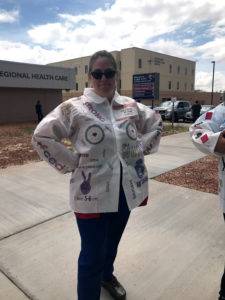
Mindy Brown-Lechner – Tuba City, Ariz.
Students’ experiences at the rural clinical sites teach them how to address the challenges unique to a rural setting. Current DNP Class 37 student Mindy Brown-Lechner, CNM, said her experience in Tuba City, Ariz. has been transformational.
“I came into Tuba City with very little knowledge of the culture of the native populations in Arizona,” said Mindy. “I was fortunate to be provided an opportunity to glimpse the unique birth practices of the Navajo and Hopi women and their families that I worked with. I was fascinated by the rituals surrounding pregnancy, birth, and the postpartum period.”
At his rural clinical site in Elma, Wash., DNP student Joe McFadden, CFNP, RN gained valuable knowledge from the providers he worked with.
Joe said, “I worked with many excellent providers in Elma, including my regional clinical faculty Dr. Mary Ellen Biggerstaff, Dr. Belinda Lear and Amy Graham. I feel I was well prepared to understand the resource limitations providers and patients have to work with but also the strength of working in a tight knit community.”
Precepting in Rural Settings
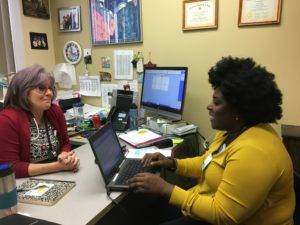
Preceptor Cecilia Stearns with student Adzowo (FaFa) Sam Gone
For nursing students to receive training and complete their clinicals in rural settings, the need arose to grow the number of preceptors in rural communities. FNU has had the privilege of implementing recruiting activities at major nursing conferences like the American College of Nurse-Midwives and the American Association of Nurse Practitioners.
For existing preceptors, FNU’s clinical network database was enhanced in 2019, introducing tools to track students’ progress in daily, weekly and monthly increments. FNU now offers quarterly online continuing education (CE) programs for preceptors and will continue to introduce new CE courses in the future. Over 560 preceptors have completed FNU’s Gift of Precepting continuing education program, and 18 have completed the Master Preceptor continuing education program!
Support for FNU Students
Another goal of the ANEW grant was to financially support students entering the clinical practicum in a rural setting. FNU has achieved its objective of providing 175 students with $2,000 in traineeship support. Mindy said the grant offered much needed support during her time in a remote location.
“It was such an honor to be given the opportunity to participate in the intrapartum experiences at Tuba City, and having the ANEW grant helped support me financially while I was away from work and home,” said Mindy.
Going forward, all trainees’ progress will be tracked through graduation to determine if they are employed in a federally designated rural or underserved area.
Strategies for APRN and Nurse-Midwife Distribution
In order to impact the lives of rural underserved patients in the long-term, the ANEW grant placed emphasis on strategies for distributing APRNs and nurse-midwives into rural clinical settings after graduation. Some rural clinical site students like Joe are called to remain on location to serve post-graduation.
“I had such a great experience in Elma working with the population in Grays Harbor that I knew I wanted to work there and didn’t even apply anywhere else,” said Joe. “I’m very thankful for the opportunity to train in Elma and I appreciate my preceptors and the ANEW grant for helping make it all happen.”
FNU offers employment assistance for all graduates, including an active job board on the FNU alumni portal, online resources such as interviewing and resume guidelines, and guidance included in the Principles of Independent Practice course taken by all students during their studies.
Most recently, the Alumni Career Center was developed to further support our trainees and graduates.
The ANEW grant expires in June 2020, but its effects will last far longer. FNU is proud to partner with ANEW to accomplish the mutual goal of providing quality healthcare to improve the lives of patients in rural and underserved areas!
To find out more about FNU’s program offerings or becoming a preceptor, visit Frontier.edu.






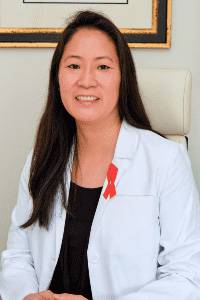 Carrie Belin is an experienced board-certified Family Nurse Practitioner and a graduate of the Johns Hopkins DNP program, Johns Hopkins Bloomberg School of Public Health, Georgetown University School of Nursing, and Johns Hopkins School of Nursing. She has also completed fellowships at Georgetown and the University of California Irvine.
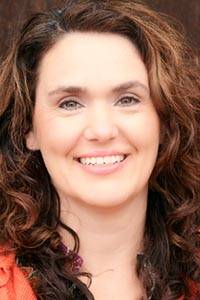 Angie has been a full-scope midwife since 2009. She has experience in various birth settings including home, hospital, and birth centers. She is committed to integrating the midwifery model of care in the US. She completed her master’s degree in nurse-midwifery at Frontier Nursing University (FNU) and her Doctorate at Johns Hopkins University. She currently serves as the midwifery clinical faculty at FNU. Angie is motivated by the desire to improve the quality of healthcare and has led quality improvement projects on skin-to-skin implementation, labor induction, and improving transfer of care practices between hospital and community midwives. In 2017, she created a short film on skin-to-skin called
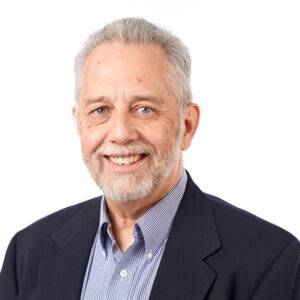
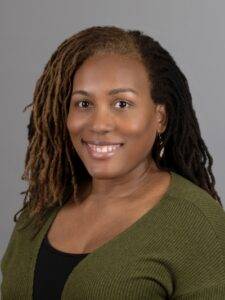
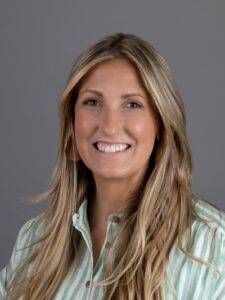
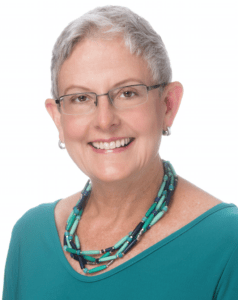
 Justin C. Daily, BSN, RN, has ten years of experience in nursing. At the start of his nursing career, Justin worked as a floor nurse on the oncology floor at St. Francis. He then spent two years as the Director of Nursing in a small rural Kansas hospital before returning to St. Francis and the oncology unit. He has been in his current position as the Chemo Nurse Educator for the past four years. He earned an Associate in Nurse from Hutchinson Community College and a Bachelor of Science in Nursing from Bethel College.
 Brandy Jackson serves as the Director of Undergraduate Nursing Programs and Assistant Educator at Wichita State University and Co-Director of Access in Nursing. Brandy is a seasoned educator with over 15 years of experience. Before entering academia, Brandy served in Hospital-based leadership and Critical Care Staff nurse roles. Brandy is passionate about equity in nursing education with a focus on individuals with disabilities. Her current research interests include accommodations of nursing students with disabilities in clinical learning environments and breaking down barriers for historically unrepresented individuals to enter the nursing profession. Brandy is also actively engaged in Interprofessional Education development, creating IPE opportunities for faculty and students at Wichita State. Brandy is an active member of Wichita Women for Good and Soroptimist, with the goal to empower women and girls. Brandy is a TeamSTEPPS master trainer. She received the DASIY Award for Extraordinary Nursing Faculty in 2019 at Wichita State University.
  Dr. Sabrina Ali Jamal-Eddine is an Arab-disabled queer woman of color with a PhD in Nursing and an interdisciplinary certificate in Disability Ethics from the University of Illinois Chicago (UIC). Dr. Jamal-Eddine’s doctoral research explored spoken word poetry as a form of critical narrative pedagogy to educate nursing students about disability, ableism, and disability justice. Dr. Jamal-Eddine now serves as a Postdoctoral Research Associate in UIC’s Department of Disability and Human Development and serves on the Board of Directors of the National Organization of Nurses with Disabilities (NOND). During her doctoral program, Sabrina served as a Summer Fellow at a residential National Endowment of the Humanities (NEH) Summer Institute at Arizona State University (2023), a summer fellow at Andrew W. Mellon’s National Humanities Without Walls program at University of Michigan (2022), a Summer Research Fellow at UC Berkeley’s Othering & Belonging Institute (2021), and an Illinois Leadership Education in Neurodevelopmental and related Disabilities (LEND) trainee (2019-2020).
 Vanessa Cameron works for Vanderbilt University Medical Center in Nursing Education & Professional Development. She is also attending George Washington University and progressing towards a PhD in Nursing with an emphasis on ableism in nursing. After becoming disabled in April 2021, Vanessa’s worldview and perspective changed, and a recognition of the ableism present within healthcare and within the culture of nursing was apparent. She has been working since that time to provide educational foundations for nurses about disability and ableism, provide support for fellow disabled nursing colleagues, and advocate for the disabled community within healthcare settings to reduce disparities.
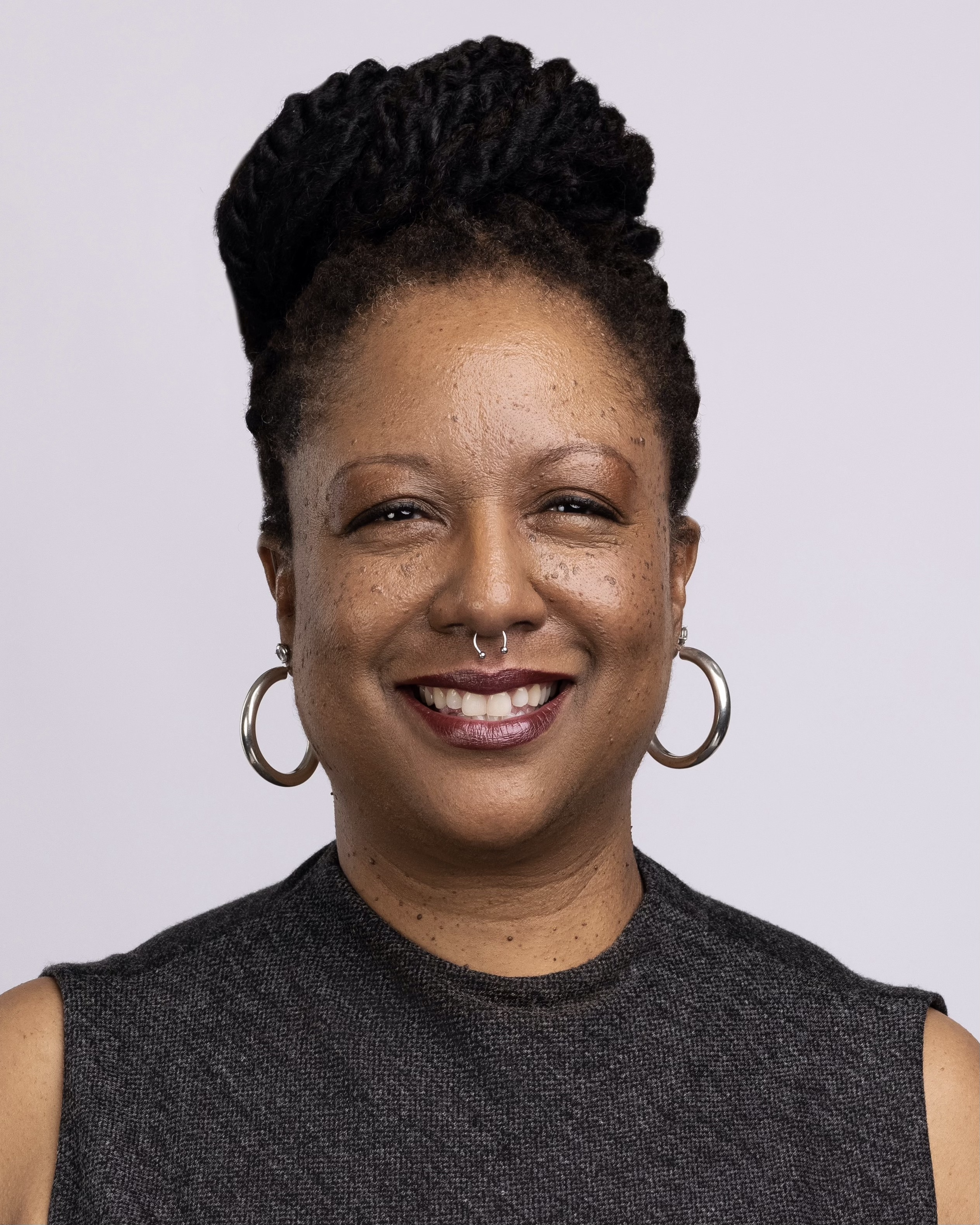 Dr. Lucinda Canty is a certified nurse-midwife, Associate Professor of Nursing, and Director of the Seedworks Health Equity in Nursing Program at the University of Massachusetts Amherst. She earned a bachelor’s degree in nursing from Columbia University, a master’s degree from Yale University, specializing in nurse-midwifery, and a PhD from the University of Connecticut. Dr. Canty has provided reproductive health care for over 29 years. Her research interests include the prevention of maternal mortality and severe maternal morbidity, reducing racial and ethnic health disparities in reproductive health, promoting diversity in nursing, and eliminating racism in nursing and midwifery.
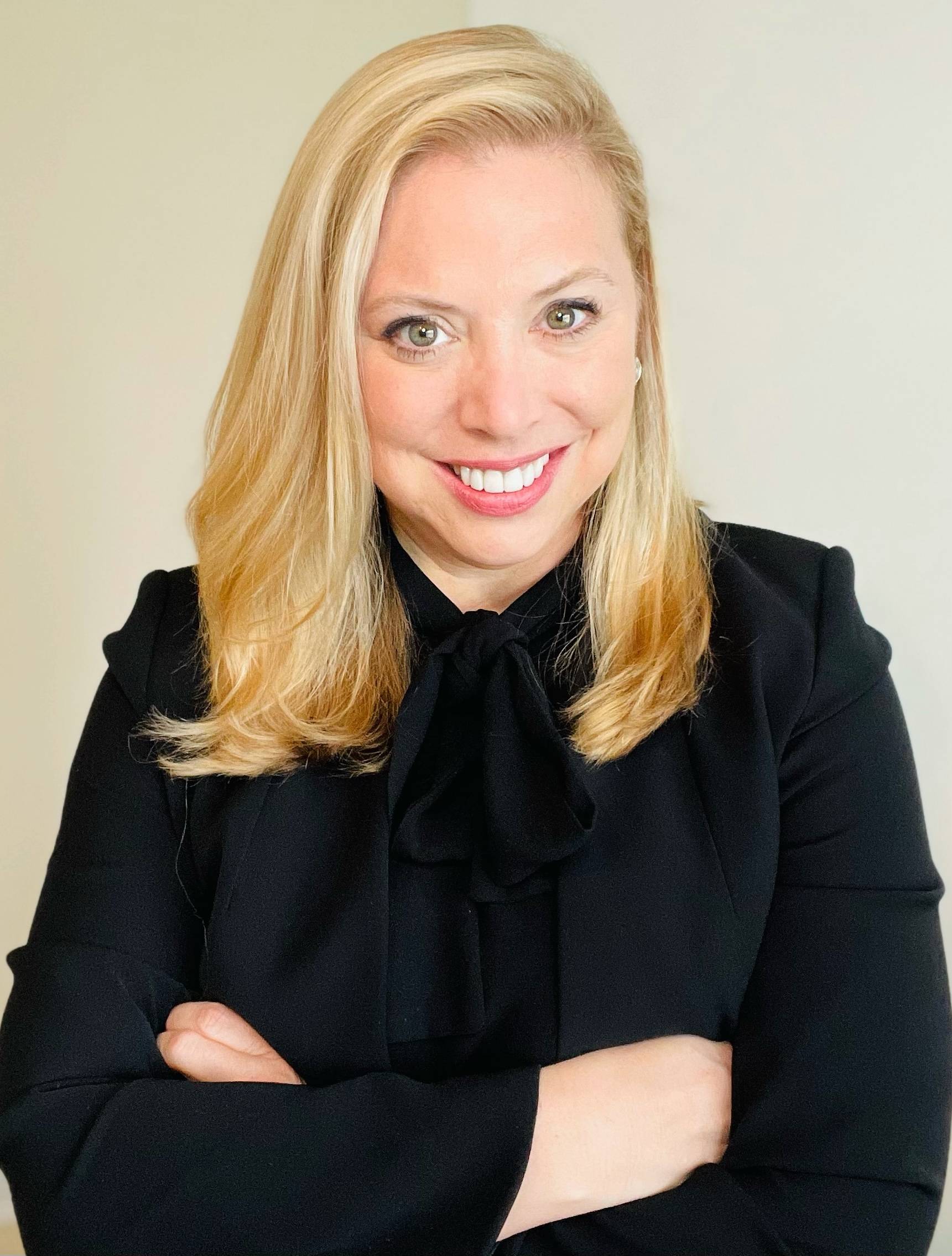 Dr. Lisa Meeks is a distinguished scholar and leader whose unwavering commitment to inclusivity and excellence has significantly influenced the landscape of health professions education and accessibility. She is the founder and executive director of the DocsWithDisabilities Initiative and holds appointments as an Associate Professor in the Departments of Learning Health Sciences and Family Medicine at the University of Michigan.
 Dr. Nikia Grayson, DNP, MSN, MPH, MA, CNM, FNP-C, FACNM (she/her) is a trailblazing force in reproductive justice, blending her expertise as a public health activist, anthropologist, and family nurse-midwife to champion the rights and health of underserved communities. Graduating with distinction from Howard University, Nikia holds a bachelor’s degree in communications and a master’s degree in public health. Her academic journey also led her to the University of Memphis, where she earned a master’s in medical anthropology, and the University of Tennessee, where she achieved both a master’s in nursing and a doctorate in nursing practice. Complementing her extensive education, she completed a post-master’s certificate in midwifery at Frontier Nursing University.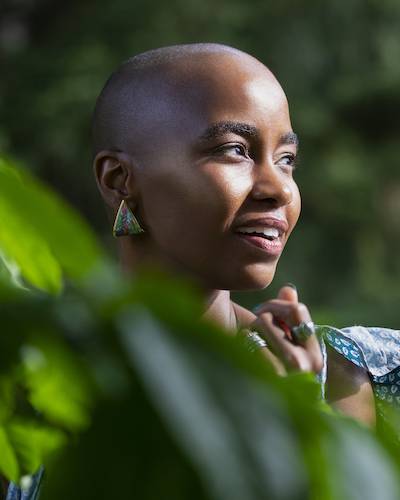

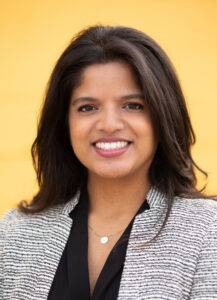

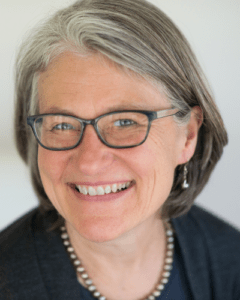
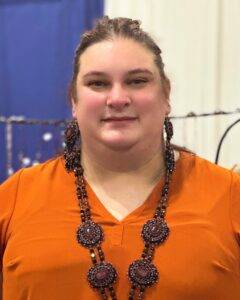
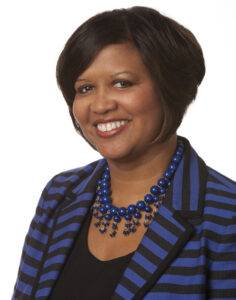 Dr. Tia Brown McNair is the Vice President in the Office of Diversity, Equity, and Student Success and Executive Director for the Truth, Racial Healing, and Transformation (TRHT) Campus Centers at the American Association of Colleges and Universities (AAC&U) in Washington, DC. She oversees both funded projects and AAC&U’s continuing programs on equity, inclusive excellence, high-impact practices, and student success. McNair directs AAC&U’s Summer Institutes on High-Impact Practices and Student Success, and TRHT Campus Centers and serves as the project director for several AAC&U initiatives, including the development of a TRHT-focused campus climate toolkit. She is the lead author of From Equity Talk to Equity Walk: Expanding Practitioner Knowledge for Racial Justice in Higher Education (January 2020) and Becoming a Student-Ready College: A New Culture of Leadership for Student Success (July 2016 and August 2022 Second edition).