At the heart of Frontier Nursing University is a talented community of students, alumni, faculty, staff, Couriers and preceptors. Spotlight blogs feature members of our FNU community that are focused on the mission of educating nurse-midwives and nurse practitioners to work with all people, with an emphasis on rural and underserved communities.
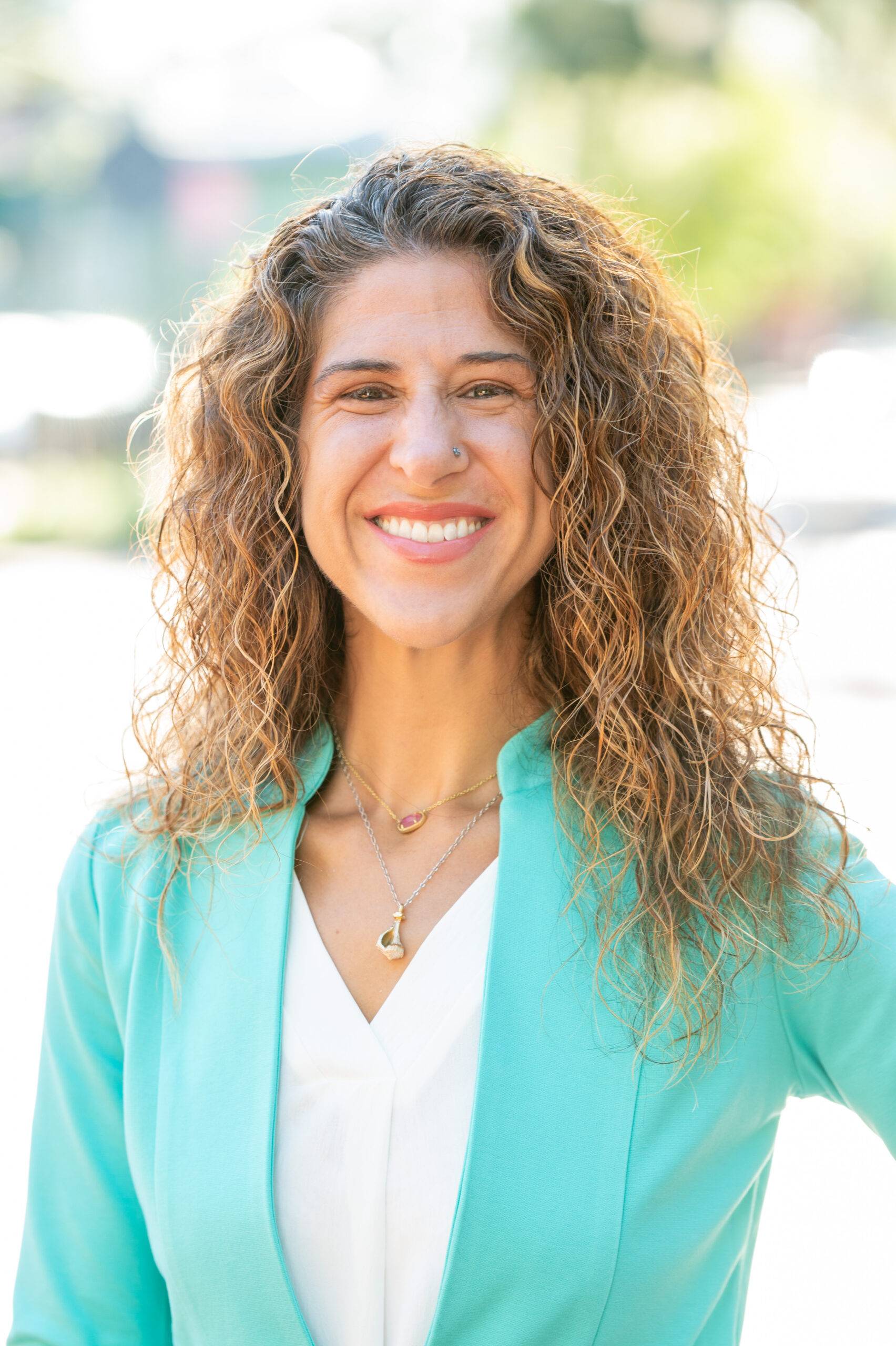
Tanya Baca, DNP, CNM, PMHNP-BC
FNU recognizes the rich histories, cultures, and contributions of Hispanic Americans. We are proud to highlight the stories of our community members who embody the values of resilience, service and leadership. One of those individuals is Tanya Baca, DNP, CNM, PMHNP-BC, who is both an FNU graduate and faculty member.
Dr. Baca’s path in healthcare began at just 15 years old, when a visit with her best friend’s mother, a nurse, sparked a passion for serving others.
“That moment, I knew I wanted to serve other human beings in a way that only some of the world’s population are called to do,” she said.
Soon after, Dr. Baca entered the nursing profession as a CNA in high school, and at just 17, became the youngest member of her LPN program.
“I come from a very underserved population and family,” she said. “I am the first and only member of my immediate and extended family to earn a doctorate degree.”
Her drive to learn and serve others never slowed. Over the years, she has worked in a wide variety of settings, including nursing homes, rehabilitation centers, ambulatory care, and several hospital departments. She has served as a charge nurse, Lead Midwife, and now operates a small LLC for her telehealth services as a psychiatric-mental health nurse practitioner (PMHNP).
Dr. Baca’s personal experience also shaped her path toward midwifery. She said after undergoing a postpartum hemorrhage when she had her first child, she realized how little she knew about her own body and pregnancy. Growing up in what she describes as a “very traditional Hispanic, Catholic family,” topics like menstruation and even breastfeeding were rarely discussed.
“So, in that moment, I knew I was not the only one out there who must have grown up this way, despite culture, race, and religion,” she said. “I knew I wanted to serve women and those who identify as female.”
Dr. Baca emphasized that continuing education and advancement are essential for medical professionals to stay sharp and gain a deeper understanding of policies and procedures. Her decision to pursue a DNP degree reflected her strong commitment to lifelong learning, and she encourages nursing professionals who aspire to teach to strongly consider earning a DNP.
“I wanted to be an educator at FNU to give back to students the way I was taken care of when I was a student at FNU,” she said. “I was challenged, but I was listened to. I felt like the faculty truly wanted us to be successful. That is why I knew that I wanted to have a place as a faculty member to guide and grow further practitioners.”
As a faculty member, she brings that same encouragement and guidance to her students.
“I remind myself that every student comes from a different walk of life, and my job is to help them see their own potential, even when they doubt themselves,” she said. “I use real-life experiences, not just textbooks, so they can see how what they’re learning applies at the bedside or in practice.”
For Dr. Baca, cultural competence is at the heart of quality care.
“Patients come with their own beliefs, values, and experiences, and if we don’t meet them where they are, we fail them,” she said. “Being able to speak their language, understand traditions, or even just show respect for their cultural differences builds trust. Trust is what leads to better outcomes because patients are more willing to open up, follow through, and feel safe in their care.”
Dr. Baca said her own cultural background has made her especially mindful of representation and respect in healthcare.
 “I know firsthand what it feels like to not see yourself represented in healthcare, to have traditions misunderstood, or to feel overlooked,” she said. “That awareness makes me intentional about creating space for students and patients who may feel the same way.”
This awareness presents itself both in Dr. Baca’s role as a healthcare provider and in her role as an educator.
“As a provider, I slow down and ask questions that matter to them, not just what the chart asks for. As an educator, I push students to think outside the box, to consider how culture shapes health decisions, and to always approach care with humility and respect,” she said.
Outside of her professional endeavors, Dr. Baca is an avid runner, Peloton enthusiast, world traveler, beach-goer, and loves spending time with her three kids, three doodles, and husband.
Frontier Nursing University honors Dr. Baca’s contributions to nursing, education, and the broader community. Thank you, Dr. Baca, for reminding us that representation matters, cultural competence saves lives, and education has the power to transform not just one life, but many.