
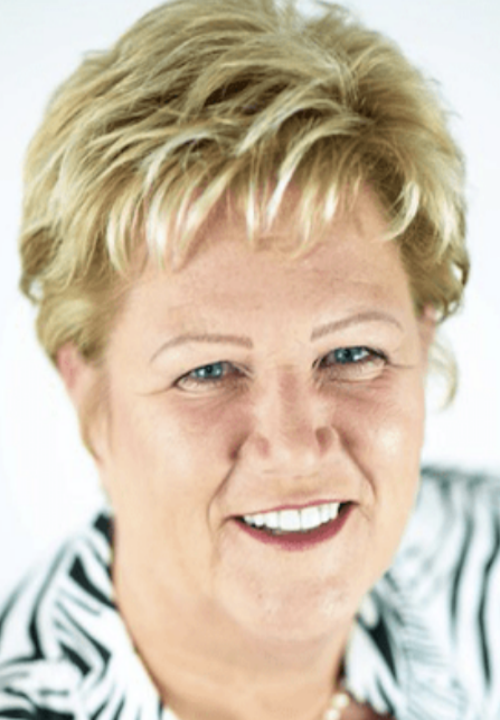
Being selected as a Frontier Nursing University Alumni Hall of Fame inductee means more than having a long and successful career. It means more than having a passion for the university’s mission. It means answering the call to serve, especially when no one else will.
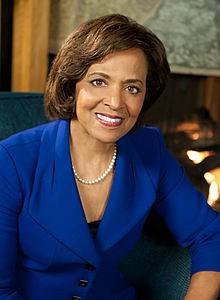
Dr. Cathy Collins-Fulea, DNP, CNM, FACNM, FAAN, has spent more than four decades doing exactly that. Whether building nationally recognized midwifery programs, mentoring future clinicians, leading the American College of Nurse-Midwives (ACNM) or educating the next generation of providers, she has consistently answered the call to lead when others saw obstacles. She was born with the instinct to say yes. When others might shy away from additional responsibilities or new endeavors, she welcomes the opportunity to make a difference.
Yet she describes her career with characteristic humility. “I think that stepping up is kind of a theme across my life,” she said. “All I happened to do was volunteer a lot.”
She was born and raised in Windsor, Ontario, Canada, where she lived with her parents and three sisters. She completed her nursing education in Oxford, England, then was accepted at the Plymouth School in Midwifery in Plymouth, England.
“I obviously loved it,” she said. “Before I started my midwifery education, I had never seen a baby being born. I knew nothing about birth.”
What Dr. Collins-Fulea did know was that she had found her calling. She accepted a position as a labor and delivery nurse at Grace Hospital in Detroit, which is just across the Detroit River from Windsor.
“I remember distinctly my first day of orientation there, someone was walking me through the labor and delivery suite, and some nurse comes running out and says, ‘oh, she’s crowning.’ But nobody’s really moving, and I’m thinking that the definition of crowning is when the biparietal diameter distends the perineum and the baby is imminent to come out at that moment. But here, the nurses were saying crowning if they saw a little smidge of hair somewhere off there in the distance.”
She realized that the gap in terminology was due to the difference between her education as a midwife in England and nursing education in the U.S. She knew she needed to practice as a midwife and bring the midwifery model of care to her space in Detroit. Dr. Collins-Fulea convinced the hospital to send her to a mandatory refresher program in Philadelphia for any foreign educated midwife to be able to sit boards in the United States.
In August 1981, Dr. Collins-Fulea passed the ACNM boards and returned to Grace Hospital, opening an in-hospital birth center. One of her fellow nurses there was Lynn Rife, whom Dr. Collins-Fulea encouraged to go to midwifery school. Rife took the advice and became part of the first class of Frontier’s CNEP program, with Dr. Collins-Fulea serving as her preceptor. That was only the beginning of her long history with Frontier.
In 1991, Dr. Collins-Fulea took a position with Henry Ford Health System. She was looking to create a larger midwifery practice than the one at Grace Hospital. Recognizing the opportunity to expand access to midwifery care, Dr. Collins-Fulea proposed a comprehensive practice model that launched with seven certified nurse-midwives a bold investment that would become one of the nation’s leading hospital-based midwifery practices. One of her first hires was Wendy Wagers, who had been teaching at FNS. A couple of years later, fellow FNS graduate Sarah Ragalyi also joined the team at Henry Ford.
“There was a strong connection between Frontier and Henry Ford,” Dr. Collins-Fulea said, estimating that she precepted 50 Frontier students. “We always held a place for Frontier students so that we always had somebody from Frontier as a student with us.”
Under Dr. Collins-Fulea’s leadership, the practice expanded from seven midwives serving a single hospital and clinic, to a team of 22 midwives providing care across two hospitals and eight outpatient clinics.
Ever a visionary, Dr. Collins-Fulea also championed the integration of midwives into Henry Ford Health System’s obstetrical residency program, creating an innovative interdisciplinary training model that
exposed every OB resident to the midwifery model or care early in their education. The OBGYN residents spent two weeks on labor and delivery partnered with a midwife who taught them the basics and supervised their deliveries.
“Their first clinic experience was with a midwife for that rotation so that they learned normal prenatal care,” Dr. Collins-Fulea said. “What this did was give the physicians an appreciation of the knowledge base of the midwife and where the midwife could fit into the system. We had an excellent relationship with the physicians. There was none of the competitiveness that you hear frequently that midwives have to deal with.”
“I did not grow up in the health care system feeling marginalized or like I had to prove anything. I just assumed that everybody would accept the midwifery practice like they did in England. I felt strongly that midwives should be mainstreamed rather than in a separate area. To me, what was important was to spread the midwifery model of care as much as possible and touch as many women as possible and families as possible, not just the ones who received exclusive care from the midwives.”
At Henry Ford, the midwives ran the labor and delivery triage. If there were complications, they would call a doctor. In the labor and delivery suite, a midwife and attending physician were always there.
“That set us up as equals. We had a different scope of practice, obviously, but we weren’t beneath. I was a division head, and I sat at the table with all the physician division heads, and we decided what was going to happen in the department. It was a very positive relationship there. It was a good place for midwives to practice.”
Dr. Collins-Fulea was also very active in the Michigan chapter of the American College of Nurse-Midwives (ACNM). In the 1980s, there were only five nurse-midwives in the state of Michigan, and they took turns being the president of the Michigan chapter.
“Through that, I learned to volunteer a lot. If we didn’t do it, it didn’t get done and that affected our practice. I don’t like silent gaps. When somebody says, ‘who can do this?’, if nobody volunteers, I’m like, ‘all right, I’ve got some time.’”
Her leadership soon extended beyond Michigan. Fittingly, when a group of experienced practice directors decided to write a book to help new practice directors, Dr. Collins-Fulea volunteered to be editor of the first An Administrative Manual for Nurse-Midwifery Services (1994). Dr. Collins-Fulea chaired multiple national ACNM committees, led the Organization Division of Standards and Practice, represented midwifery on many taskforces with other organizations, served two terms as ACNM’s vice president (2011-2017), and one term as president (2020-2022), helping to shape national policy and advance the profession during a period of significant change.
At a time in her career when most were slowing down, Dr. Collins-Fulea chose to invest in the preparation of the next generation of advanced practice nurses. In 2016, She talked to Dr. Joan Slager, Dean of Nursing at FNU at the time, who was also from Michigan. Dr. Slager, who is also a Frontier Alumni Hall of Fame member, encouraged Dr. Collins-Fulea to get her doctorate and then teach at Frontier.
“That’s exactly what I did,” Dr. Collins-Fulea said. “I completed my doctorate and I delivered my last baby on December 27th, 2018. And then on January 4th, I started as faculty at Frontier, teaching in the DNP program. I teach quality improvement science, which is what we did at Henry Ford as part of our culture.”
Dr. Collins-Fulea has fully embraced her faculty role. In 2025, she participated in a Frontier program in which faculty mentor students attending the ACNM Conference for the first time. She was assigned to four students at the conference.
“I really enjoyed spending time with them and helping them navigate their first time at a professional meeting. Those same students wanted to do something to help other students. So, we put together a presentation that was accepted for the next ACNM annual meeting.”
Dr. Collins-Fulea is finding joy in her new work and has no imminent plans to stop. In 2025, she received the Student Choice Award for Excellence in Teaching.
“I’m enjoying teaching, making that award so much more meaningful. I’m not ready to retire yet. Obviously, there will be an end point sometime in the future, but I’m enjoying working with students and helping them grow. I don’t see that changing in the short term.”
Despite all of her accomplishments, Dr. Collins-Fulea humbly credits those from whom she has learned and who have supported her.
“I didn’t do anything by myself. There were always other people around who were helping or were encouraging or inspiring. Being trained in a system where there was no animosity, you didn’t have to fight for a position, and you weren’t marginalized made a difference back when those of us in midwifery were trying to gain a foothold.”
Dr. Collins-Fulea’s well-earned foothold is now an indelible set of footsteps leading directly to the Frontier Alumni Hall of Fame. Throughout her career, Dr. Collins-Fulea has expanded access to midwifery care, strengthened interdisciplinary collaboration, mentored countless clinicians, and helped shape the future of the profession. Those contributions have left a lasting mark not only at FNU but on nurse-midwifery across the country. Her induction into the FNU Alumni Hall of Fame recognizes a career defined by transformational leadership, innovation, service and an enduring commitment to improving care for women and families.
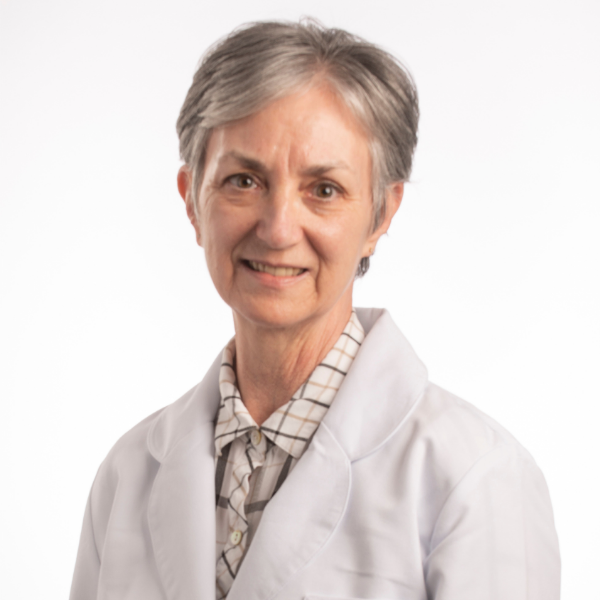
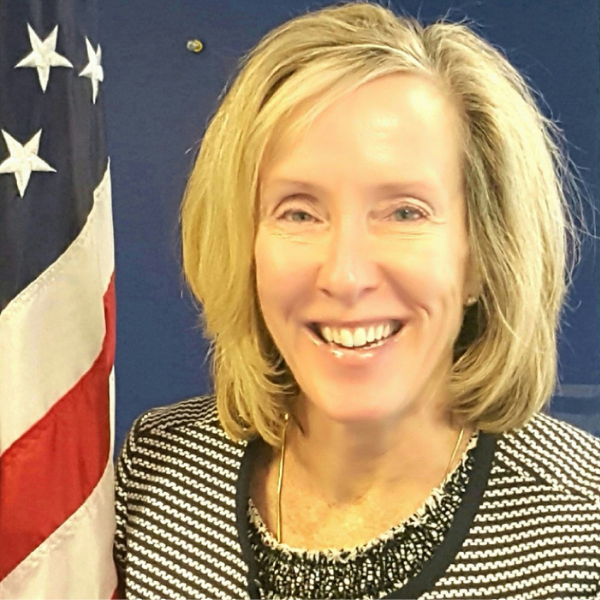

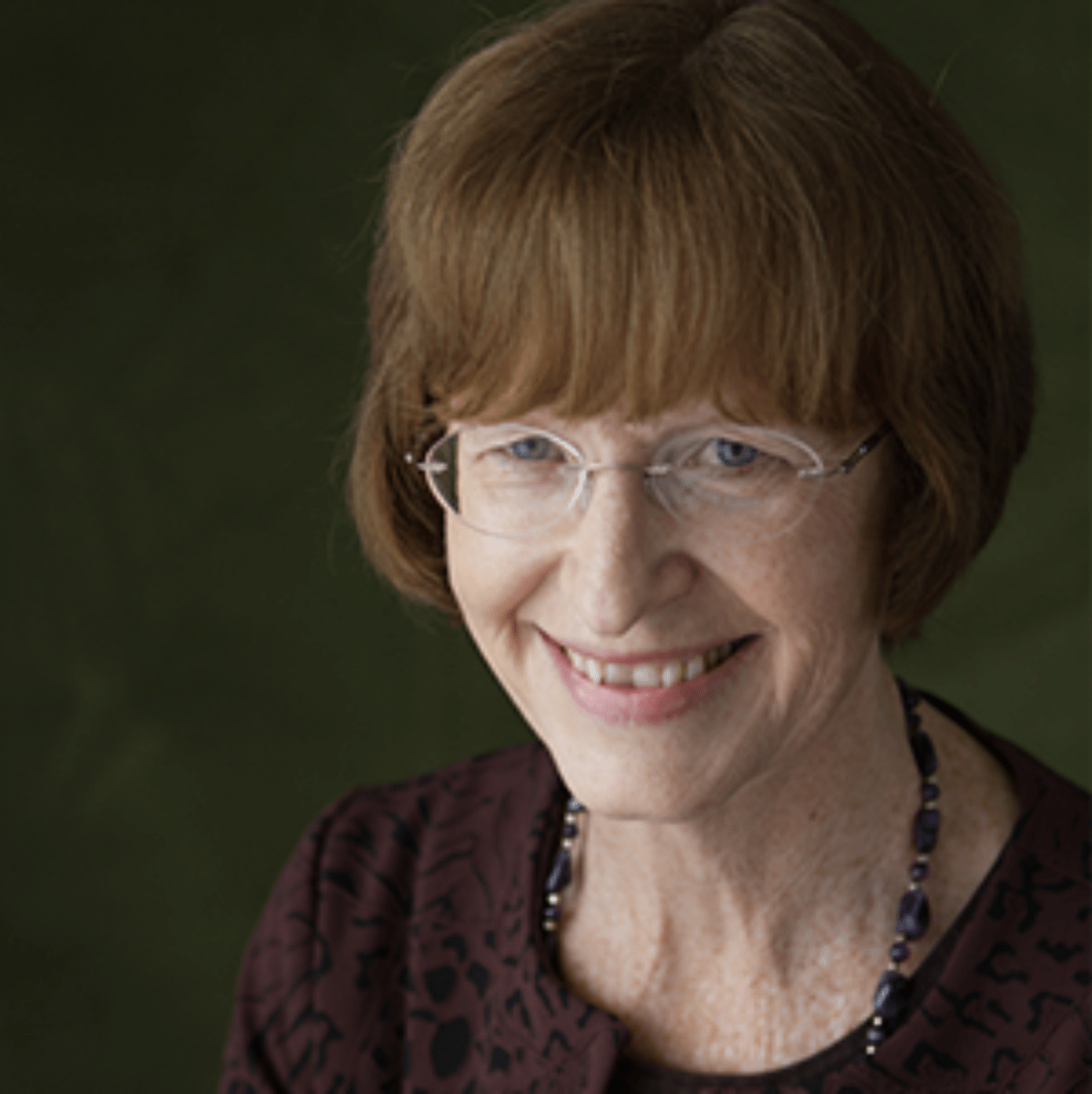


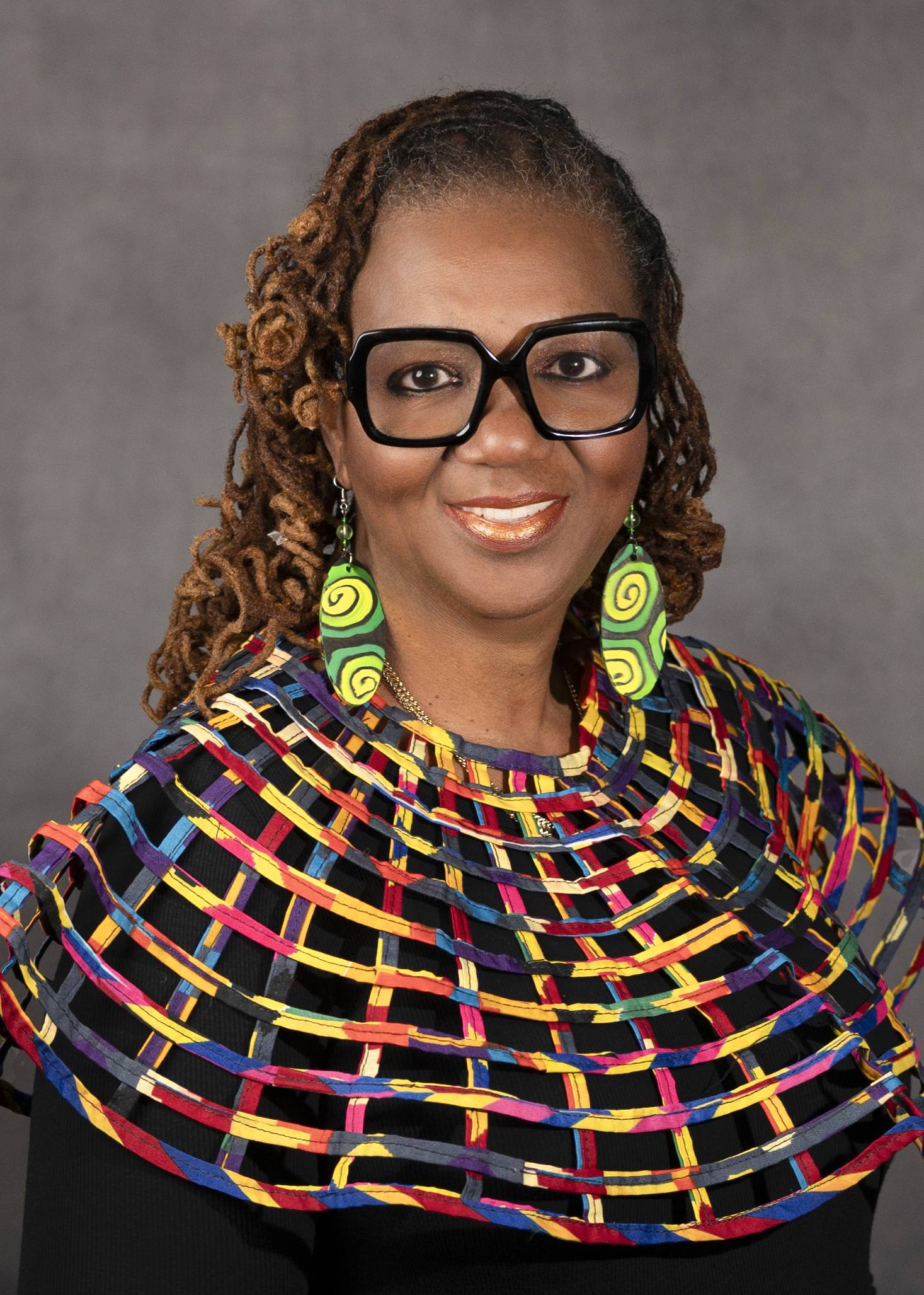
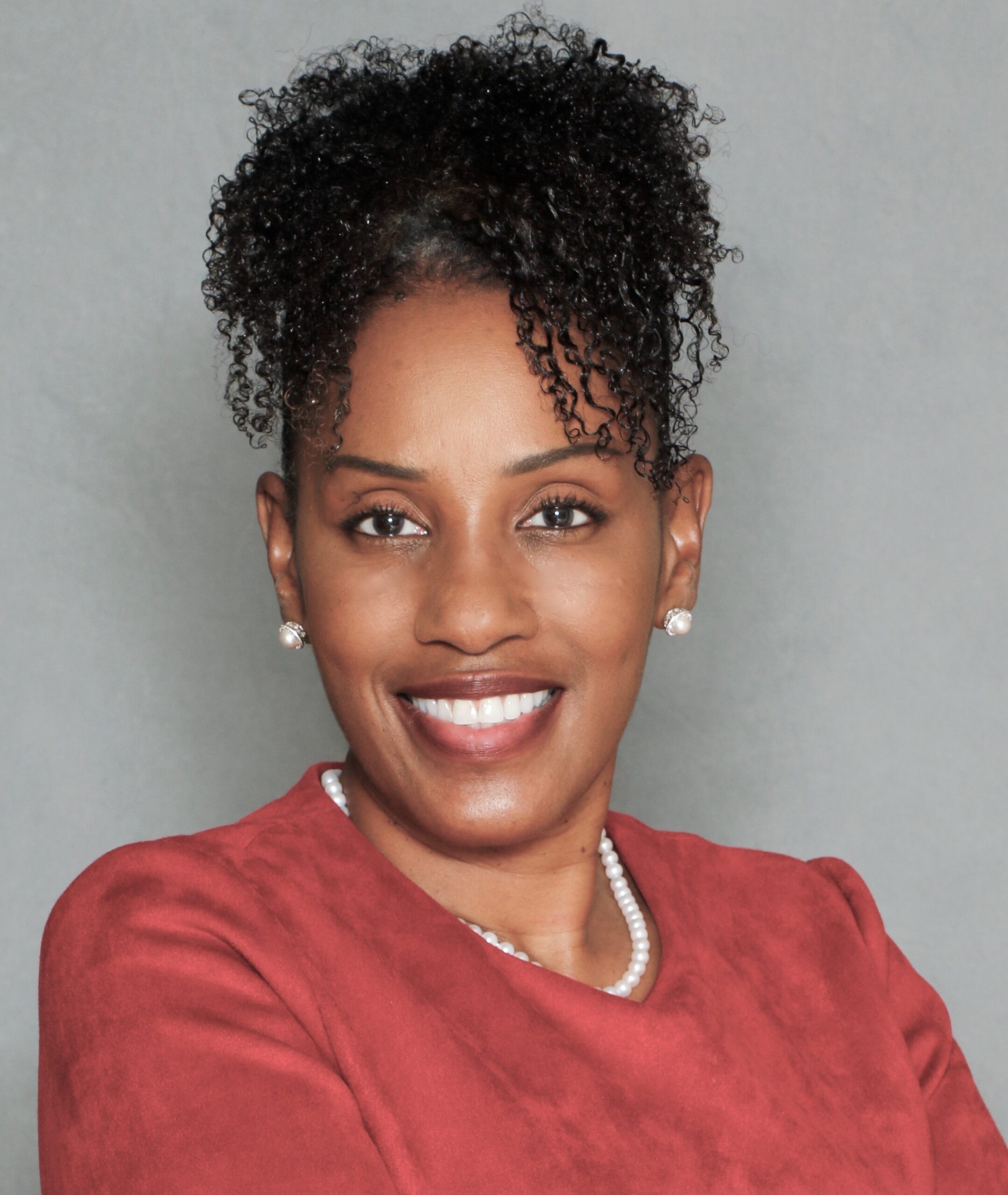
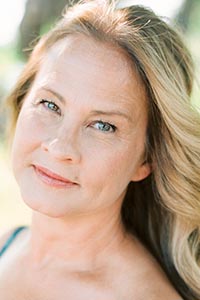
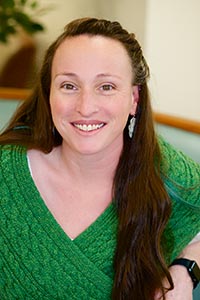
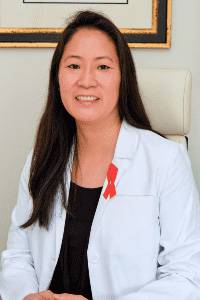 Carrie Belin is an experienced board-certified Family Nurse Practitioner and a graduate of the Johns Hopkins DNP program, Johns Hopkins Bloomberg School of Public Health, Georgetown University School of Nursing, and Johns Hopkins School of Nursing. She has also completed fellowships at Georgetown and the University of California Irvine.
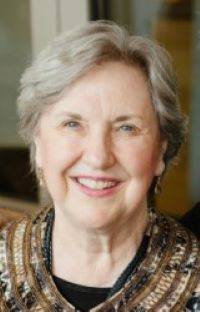
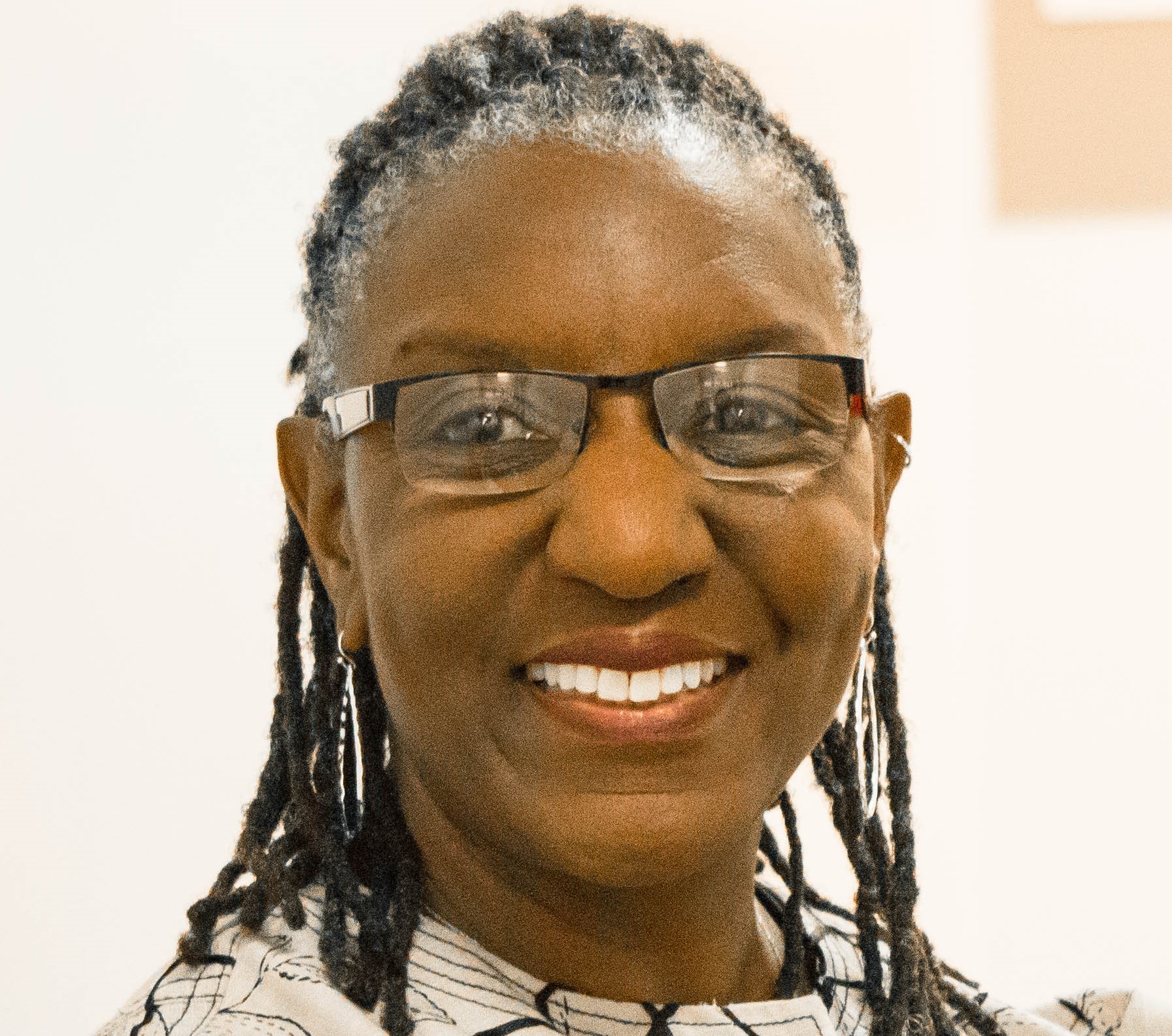
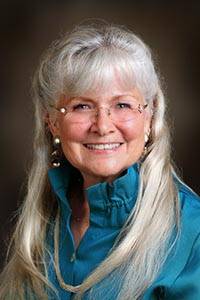
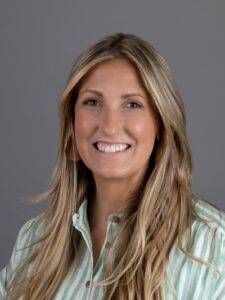
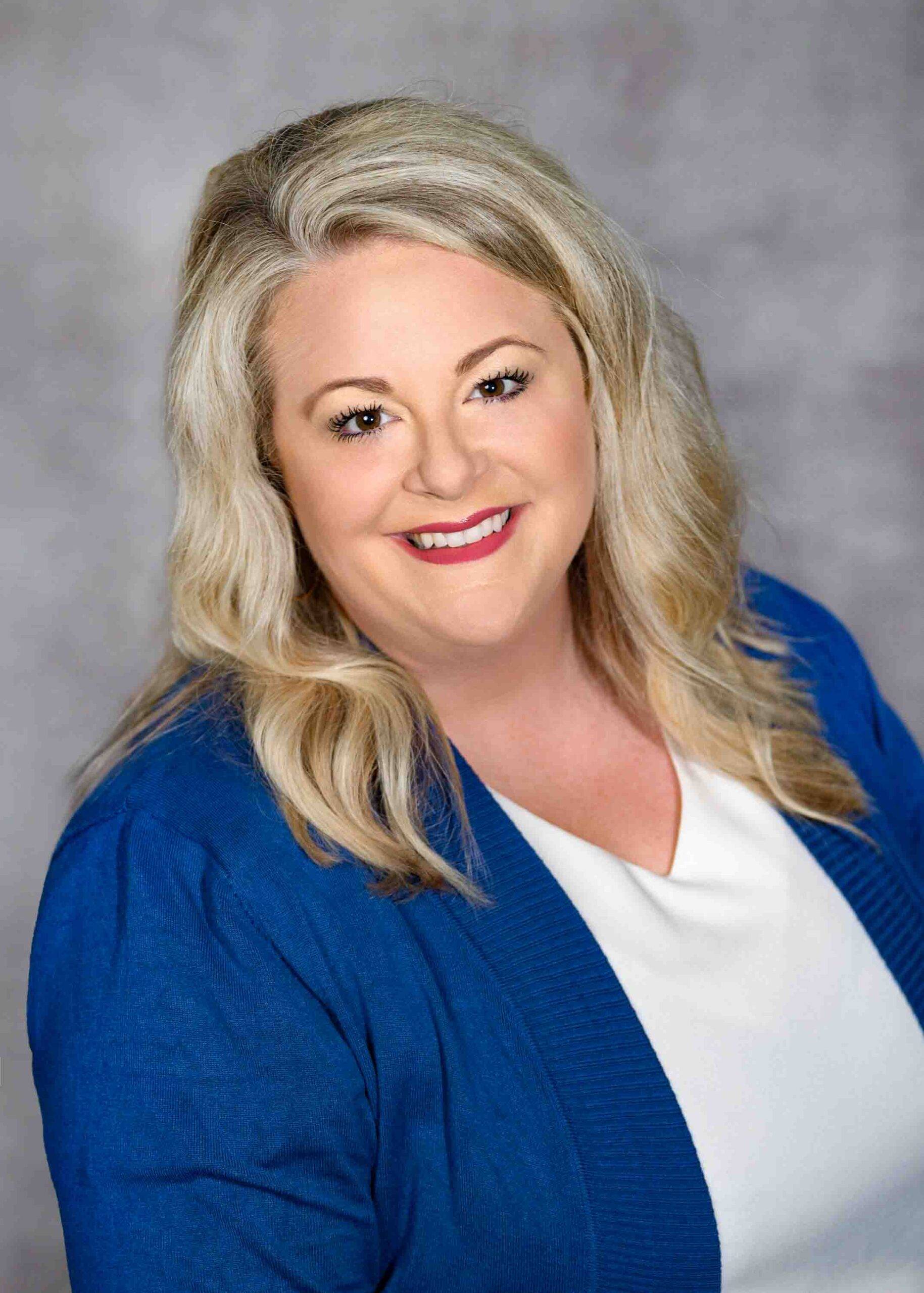
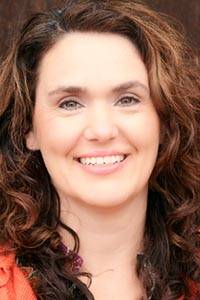 Angie has been a full-scope midwife since 2009. She has experience in various birth settings including home, hospital, and birth centers. She is committed to integrating the midwifery model of care in the US. She completed her master’s degree in nurse-midwifery at Frontier Nursing University (FNU) and her Doctorate at Johns Hopkins University. She currently serves as the midwifery clinical faculty at FNU. Angie is motivated by the desire to improve the quality of healthcare and has led quality improvement projects on skin-to-skin implementation, labor induction, and improving transfer of care practices between hospital and community midwives. In 2017, she created a short film on skin-to-skin called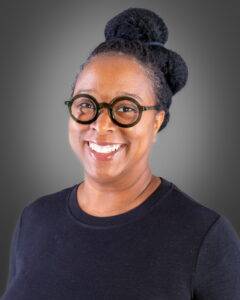
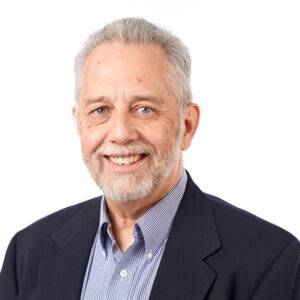
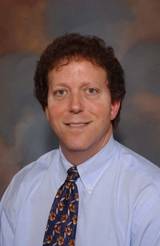
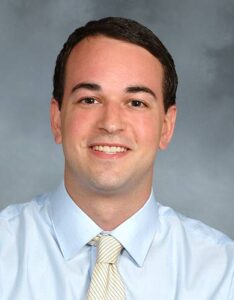
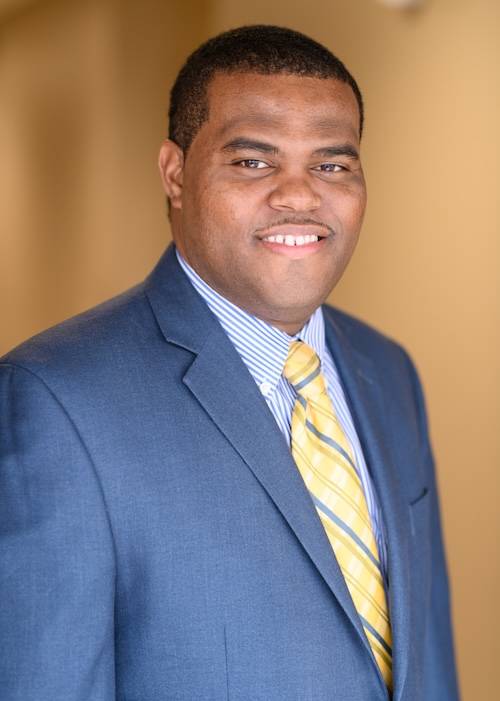
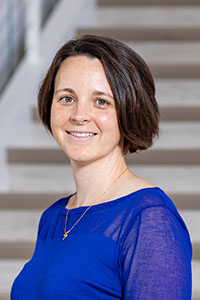
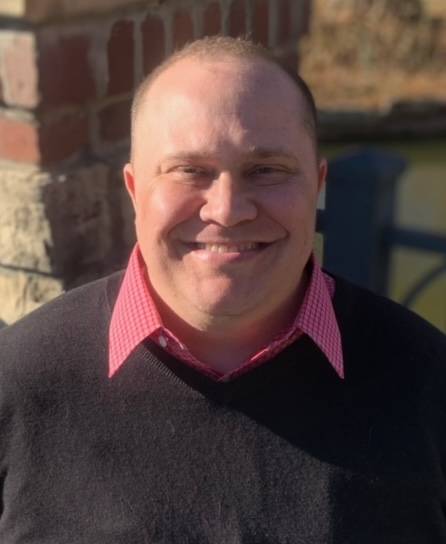 Justin C. Daily, BSN, RN, has ten years of experience in nursing. At the start of his nursing career, Justin worked as a floor nurse on the oncology floor at St. Francis. He then spent two years as the Director of Nursing in a small rural Kansas hospital before returning to St. Francis and the oncology unit. He has been in his current position as the Chemo Nurse Educator for the past four years. He earned an Associate in Nurse from Hutchinson Community College and a Bachelor of Science in Nursing from Bethel College.
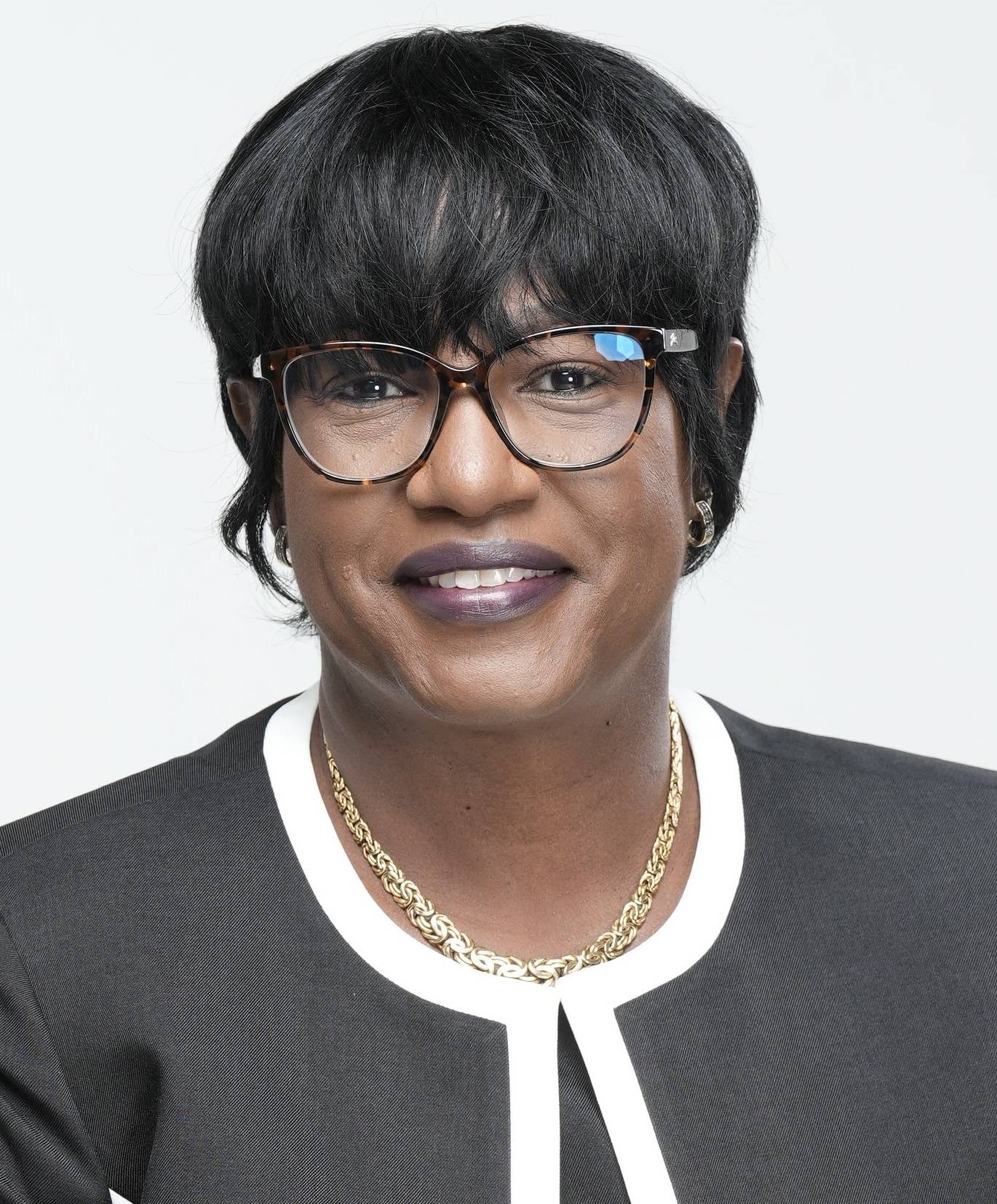
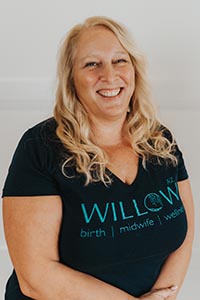
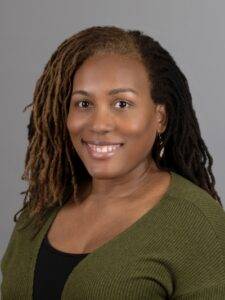
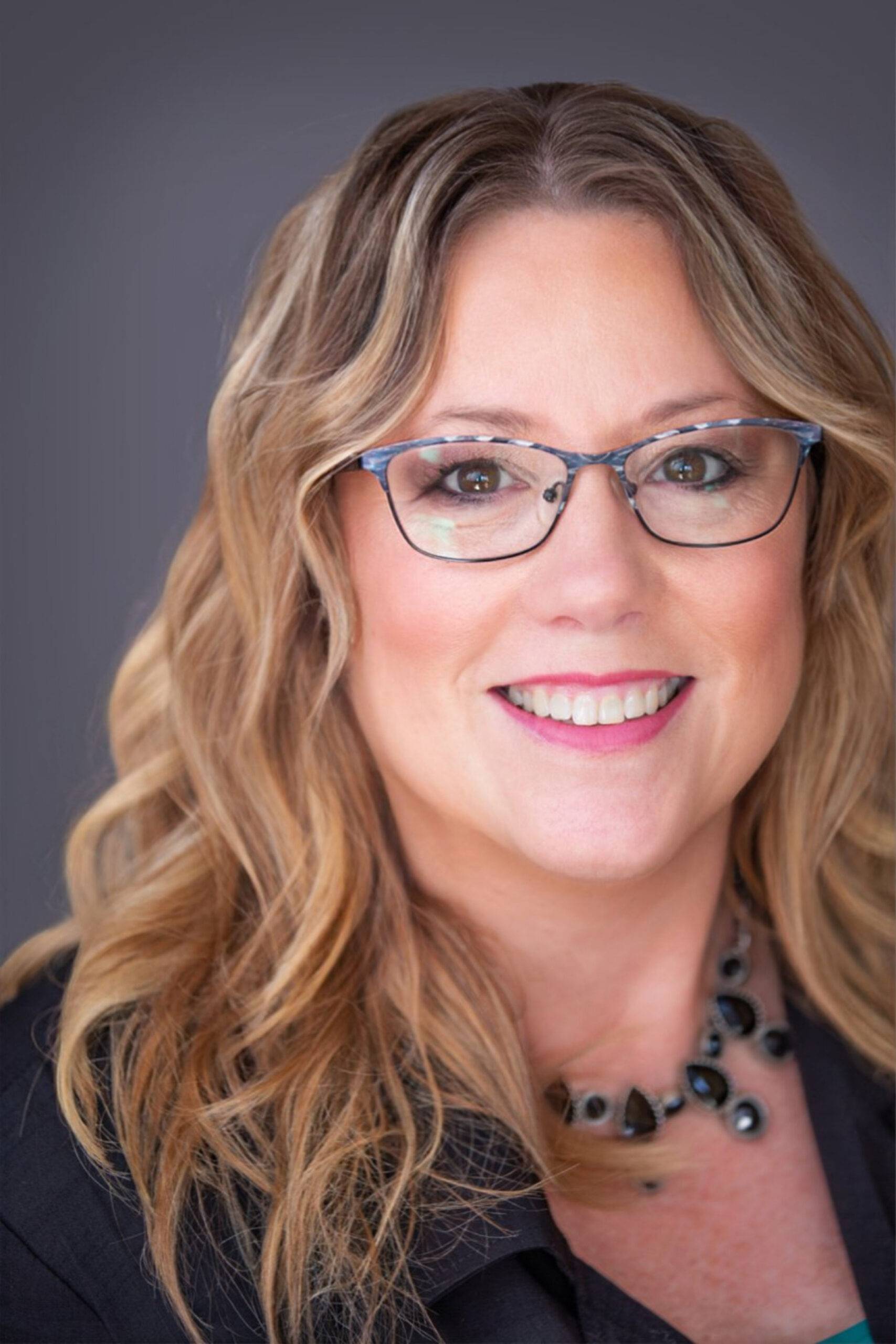 Brandy Jackson serves as the Director of Undergraduate Nursing Programs and Assistant Educator at Wichita State University and Co-Director of Access in Nursing. Brandy is a seasoned educator with over 15 years of experience. Before entering academia, Brandy served in Hospital-based leadership and Critical Care Staff nurse roles. Brandy is passionate about equity in nursing education with a focus on individuals with disabilities. Her current research interests include accommodations of nursing students with disabilities in clinical learning environments and breaking down barriers for historically unrepresented individuals to enter the nursing profession. Brandy is also actively engaged in Interprofessional Education development, creating IPE opportunities for faculty and students at Wichita State. Brandy is an active member of Wichita Women for Good and Soroptimist, with the goal to empower women and girls. Brandy is a TeamSTEPPS master trainer. She received the DASIY Award for Extraordinary Nursing Faculty in 2019 at Wichita State University.
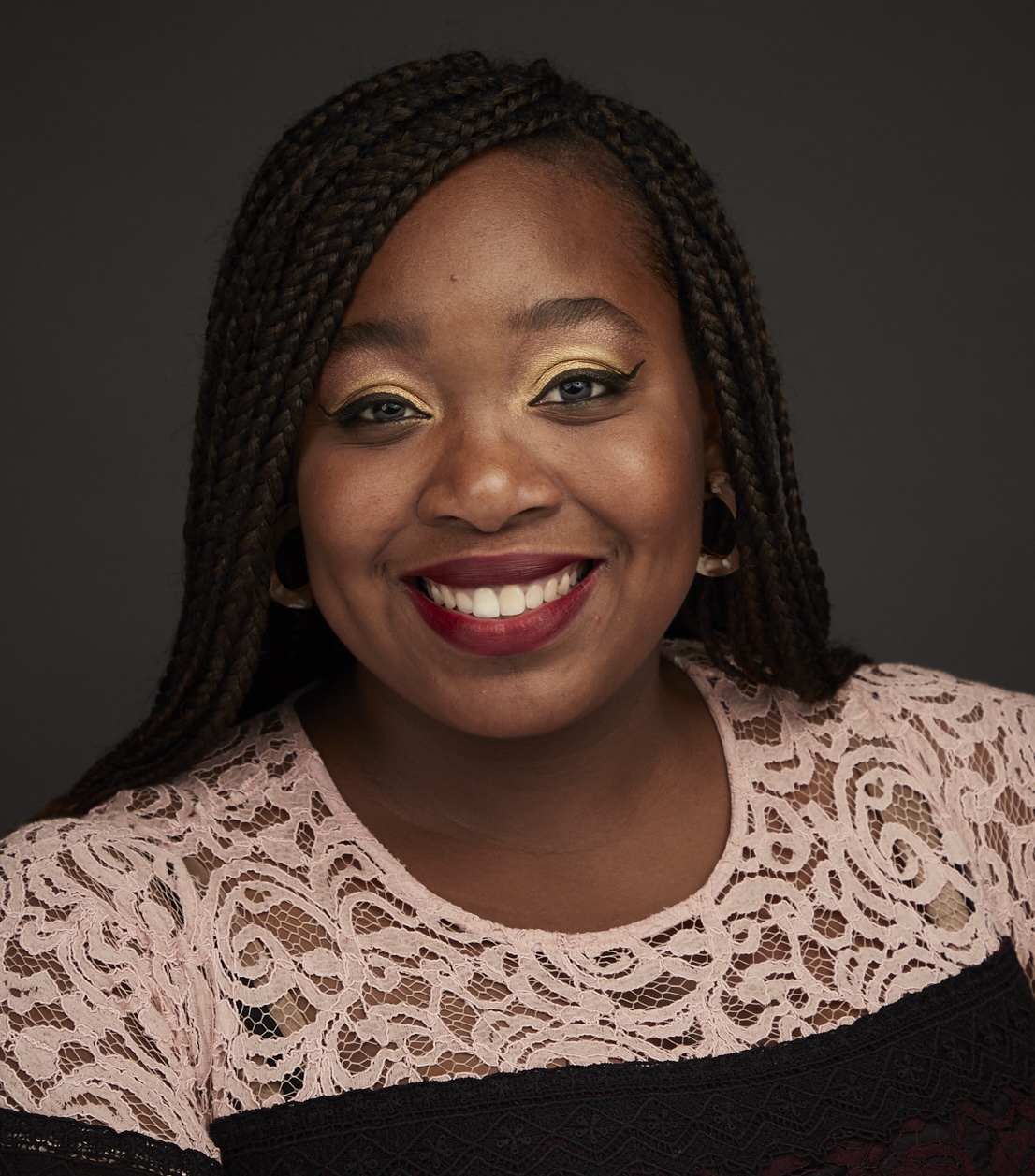
  Dr. Sabrina Ali Jamal-Eddine is an Arab-disabled queer woman of color with a PhD in Nursing and an interdisciplinary certificate in Disability Ethics from the University of Illinois Chicago (UIC). Dr. Jamal-Eddine’s doctoral research explored spoken word poetry as a form of critical narrative pedagogy to educate nursing students about disability, ableism, and disability justice. Dr. Jamal-Eddine now serves as a Postdoctoral Research Associate in UIC’s Department of Disability and Human Development and serves on the Board of Directors of the National Organization of Nurses with Disabilities (NOND). During her doctoral program, Sabrina served as a Summer Fellow at a residential National Endowment of the Humanities (NEH) Summer Institute at Arizona State University (2023), a summer fellow at Andrew W. Mellon’s National Humanities Without Walls program at University of Michigan (2022), a Summer Research Fellow at UC Berkeley’s Othering & Belonging Institute (2021), and an Illinois Leadership Education in Neurodevelopmental and related Disabilities (LEND) trainee (2019-2020).
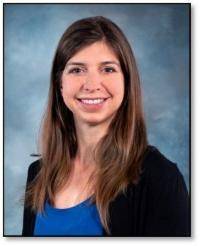 Vanessa Cameron works for Vanderbilt University Medical Center in Nursing Education & Professional Development. She is also attending George Washington University and progressing towards a PhD in Nursing with an emphasis on ableism in nursing. After becoming disabled in April 2021, Vanessa’s worldview and perspective changed, and a recognition of the ableism present within healthcare and within the culture of nursing was apparent. She has been working since that time to provide educational foundations for nurses about disability and ableism, provide support for fellow disabled nursing colleagues, and advocate for the disabled community within healthcare settings to reduce disparities.
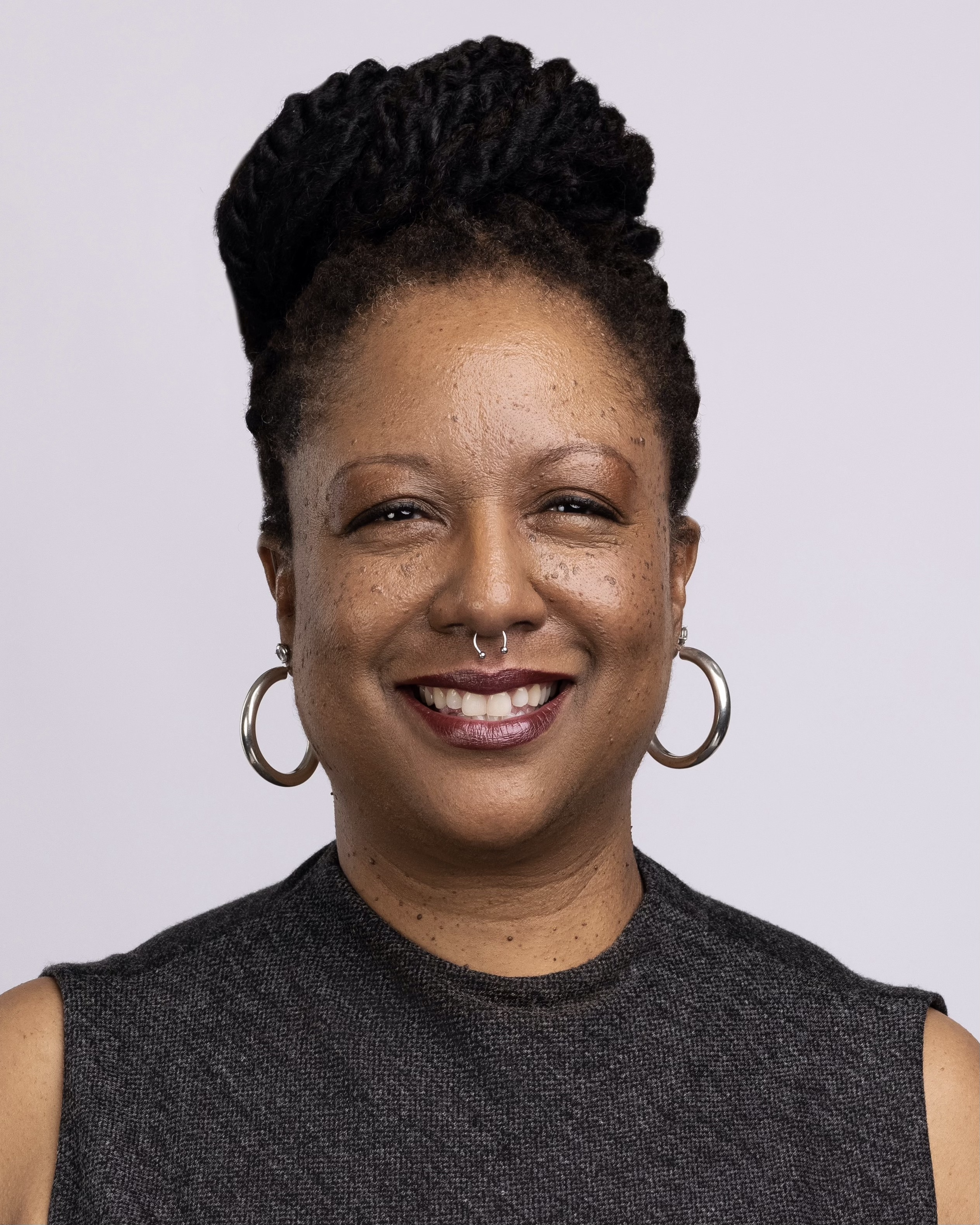 Dr. Lucinda Canty is a certified nurse-midwife, Associate Professor of Nursing, and Director of the Seedworks Health Equity in Nursing Program at the University of Massachusetts Amherst. She earned a bachelor’s degree in nursing from Columbia University, a master’s degree from Yale University, specializing in nurse-midwifery, and a PhD from the University of Connecticut. Dr. Canty has provided reproductive health care for over 29 years. Her research interests include the prevention of maternal mortality and severe maternal morbidity, reducing racial and ethnic health disparities in reproductive health, promoting diversity in nursing, and eliminating racism in nursing and midwifery.
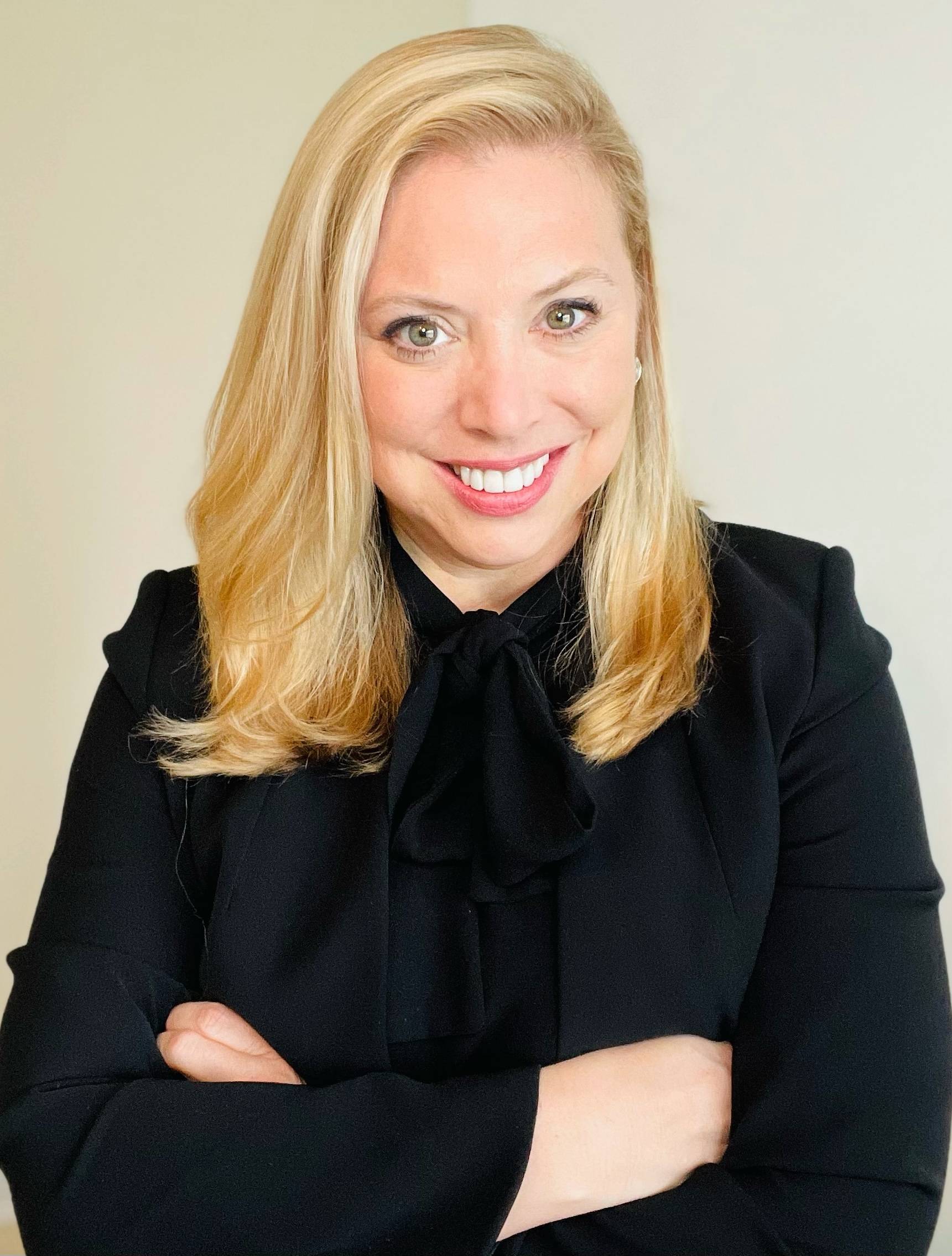 Dr. Lisa Meeks is a distinguished scholar and leader whose unwavering commitment to inclusivity and excellence has significantly influenced the landscape of health professions education and accessibility. She is the founder and executive director of the DocsWithDisabilities Initiative and holds appointments as an Associate Professor in the Departments of Learning Health Sciences and Family Medicine at the University of Michigan.
 Dr. Nikia Grayson, DNP, MSN, MPH, MA, CNM, FNP-C, FACNM (she/her) is a trailblazing force in reproductive justice, blending her expertise as a public health activist, anthropologist, and family nurse-midwife to champion the rights and health of underserved communities. Graduating with distinction from Howard University, Nikia holds a bachelor’s degree in communications and a master’s degree in public health. Her academic journey also led her to the University of Memphis, where she earned a master’s in medical anthropology, and the University of Tennessee, where she achieved both a master’s in nursing and a doctorate in nursing practice. Complementing her extensive education, she completed a post-master’s certificate in midwifery at Frontier Nursing University.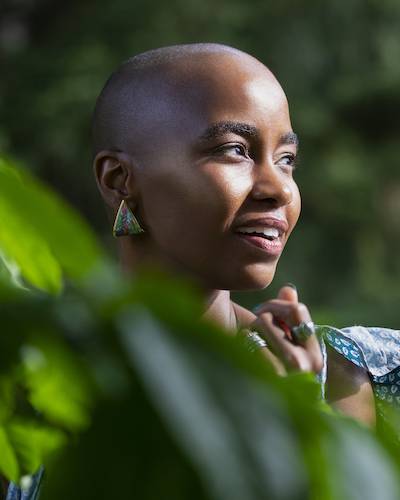
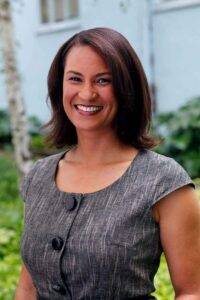
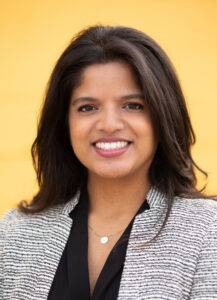

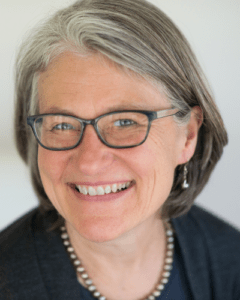
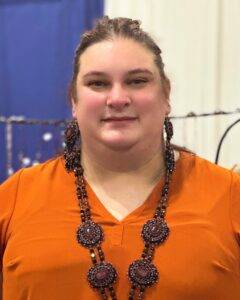
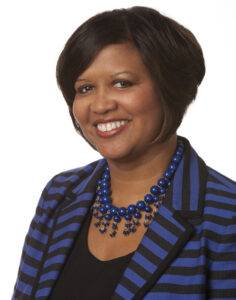 Dr. Tia Brown McNair is the Vice President in the Office of Diversity, Equity, and Student Success and Executive Director for the Truth, Racial Healing, and Transformation (TRHT) Campus Centers at the American Association of Colleges and Universities (AAC&U) in Washington, DC. She oversees both funded projects and AAC&U’s continuing programs on equity, inclusive excellence, high-impact practices, and student success. McNair directs AAC&U’s Summer Institutes on High-Impact Practices and Student Success, and TRHT Campus Centers and serves as the project director for several AAC&U initiatives, including the development of a TRHT-focused campus climate toolkit. She is the lead author of From Equity Talk to Equity Walk: Expanding Practitioner Knowledge for Racial Justice in Higher Education (January 2020) and Becoming a Student-Ready College: A New Culture of Leadership for Student Success (July 2016 and August 2022 Second edition).